Tag: Market

  • Hermès Triumphs Over Luxury Market Struggles: Unveiling the Secret to Surging US Sales

    Hermès Triumphs Over Luxury Market Struggles: Unveiling the Secret to Surging US Sales

    In a rapidly shifting luxury retail landscape, renowned players such as Kering and LVMH are finding it increasingly challenging to retain the interest of elite and aspirational customers alike. However, amid this tumultuous environment, luxury goods company Hermès has managed to find sustained success.

    Impressive Revenue Growth

    Hermès recently reported remarkable growth in its fourth-quarter revenue. This surge was largely attributed to robust sales in the United States and Asia. The company announced that their product sales, including iconic items such as Birkin and Kelly bags, silk scarves, and perfumes, saw growth of 9.8 per cent in currency-adjusted terms for the fourth quarter. This increase surpassed the predicted growth rate of 8.4 per cent.

    The sales growth was mainly driven by the Americas, particularly the United States, where sales escalated by 12.1 per cent, outperforming the anticipated growth of around 9 per cent. Sales in Asia also demonstrated robust growth of 8 per cent, excluding Japan.

    The company’s full-year operating profit amounted to €6.57 billion (US$7.79 billion), with a profit margin of 41 per cent, slightly above the predicted 40 per cent margin.

    Continuous Expansion

    Over the last three years, Hermès has witnessed a steady growth in annual sales by about 38 per cent, and its shares have also risen by 36 per cent. This growth has been achieved in spite of the ongoing challenges confronting the broader luxury retail industry.

    Hermès CEO, Axel Dumas, expressed confidence in the brand’s prospects. He announced that the company plans for price increases of around 5-6 per cent for the coming year, a decrease from the previous year’s hike of 6-7 per cent.
    Key to Success

    The company’s success has been credited to two main factors. Firstly, the consistent buying habits of its ultra-wealthy clientele, and secondly, Hermès’ persistent emphasis on brand storytelling.

    Moreover, the company’s strategic expansion plans, including the opening of new stores such as the latest one in Nashville, Tennessee, opened in October 2025, have further contributed to its success. It is also worth mentioning that Hermès recently acquired a high-priced real estate property in Beverly Hills for a future store, marking the most expensive real estate acquisition in the area since the early 2000s.

    Brand Identity and Steadfastness

    Hermès’ emphasis on desirability and exclusivity has also been pivotal to its success. Unlike its competitors, Hermès has maintained a laser-focus on its offerings, clientele, and creating an unparalleled luxury experience.

    The brand’s commitment to exclusivity has enabled it to retain its competitive edge in the struggling luxury market. Its strategy of creating a sense of rarity and allure around its top-tier items, such as the iconic Birkin bag, has offered a unique shopping experience for its affluent customers.

    Questions & Answers

    What factors contributed to the robust sales growth of Hermès?
    Sales in the United States and Asia primarily contributed to the substantial sales growth. Additionally, the company’s strategic expansion plans and consistent approach to brand storytelling also played significant roles.

    What is Hermès’ strategy for maintaining its competitive edge?
    Maintaining exclusivity and rarity of its top-tier items, and creating an unparalleled luxury experience for its customers has allowed Hermès to stay ahead in the competitive luxury retail industry.

    What is the anticipated price increase for Hermès products in the coming year?
    The company plans for price increases of around 5-6 per cent for the coming year, a decrease from the previous year’s hike of 6-7 per cent.

  • Playboy Leaps into Massive China Market: Sells Half-Stake for $122 Million to Local Operator UTG

    Playboy Leaps into Massive China Market: Sells Half-Stake for $122 Million to Local Operator UTG

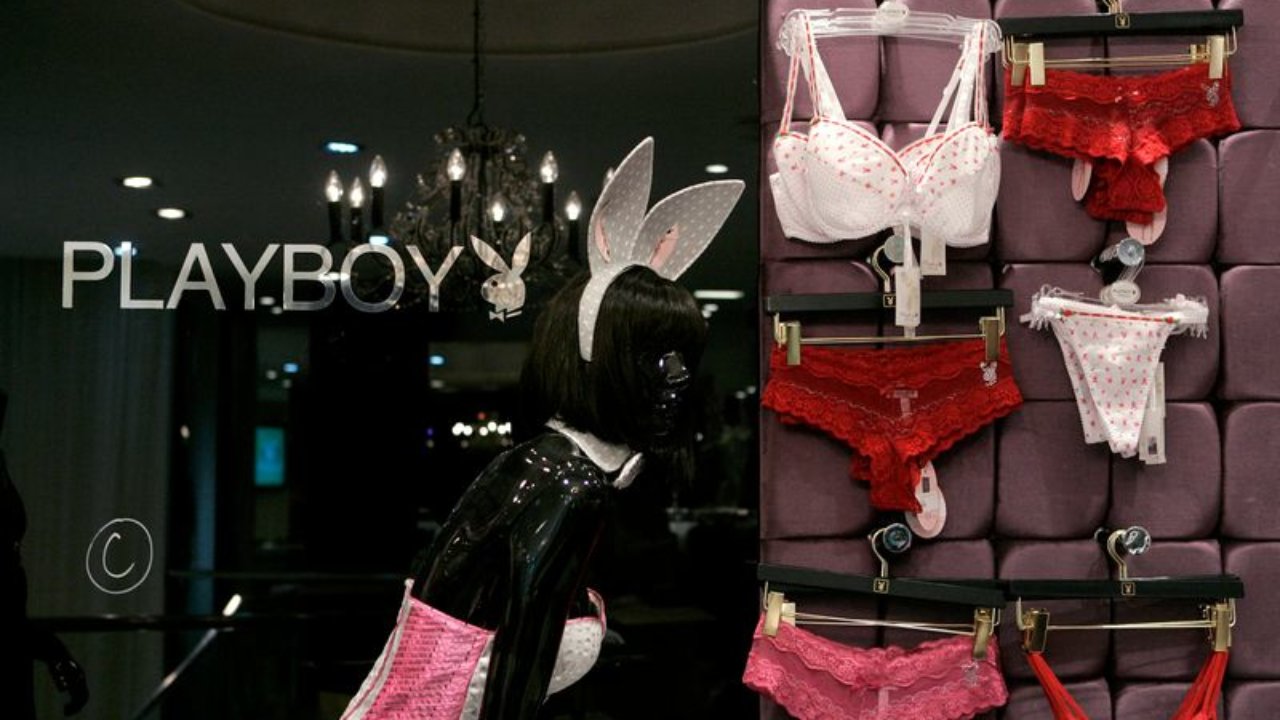
    U.S. entertainment giant, Playboy, is set to sell half of its Chinese operations to UTG Brands Management Group, a local operator of consumer brands. The deal, worth $122 million, will see UTG take responsibility for managing all operational aspects of Playboy’s enterprise in China, Hong Kong, and Macau.

    Details of the Deal

    The agreed sale price is broken down into various segments. UTG will pay $45 million over the course of two years for a 50% stake in a joint venture for Playboy’s Chinese business. An additional $67 million will be paid as guaranteed minimum distribution payments over eight years. Finally, UTG is set to provide $10 million in brand support payments over the coming three years.

    Playboy, the U.S based company, will retain the remaining stake in the joint venture.

    Investing in the Future

    Playboy has detailed plans to use at least $50 million of the income from the deal to further minimize its financial liabilities. It anticipates an immediate increase in earnings following the completion of the transaction.

    Ben Kohn, CEO of Playboy, stated the collaboration with UTG provides an important opportunity to invest in the brand’s future in China. This strategic move will position Playboy for prolonged, steady growth in one of the world’s most significant consumer markets.

    Wenming Zhang, CEO of UTG Brands Management, explained that the company will utilize a global perspective, coupled with strong local insight, to revitalize and enhance Playboy’s brand appeal. While staying true to Playboy’s roots of gentlemanly leisure, UTG will incorporate the spirit of diversity and innovation that characterizes the modern era.

    The deal is forecasted to be finalized by March 31st.

    Background Information

    Playboy was established in 1953 as a men’s lifestyle magazine before expanding into clothing in 1960. The company entered the Asian retail market in the 2000s. Despite reporting a slight decrease in sales to $29 million in the third fiscal quarter, this new venture promises to bring a fresh approach to its operations in Asia.

    UTG Brands Management is part of the Hong Kong-based United Trademark Group, which manages a portfolio of over 10 brands, such as Jeep, Dickies, and Pierre Cardin, across a dozen countries.

    Questions & Answers

    What does the deal encompass?
    UTG Brands Management Group is acquiring a 50% stake in Playboy’s Chinese operations. The deal, valued at $122 million, involves payments for the acquisition, brand support, and guaranteed minimum distributions over a span of years.

    How will Playboy use the proceeds from this transaction?
    Playboy plans to use at least $50 million of the transaction proceeds to further de-leverage its balance sheet, reducing financial liabilities.

    When is the deal expected to close?
    The transaction between Playboy and UTG Brands Management Group is expected to close by March 31st.

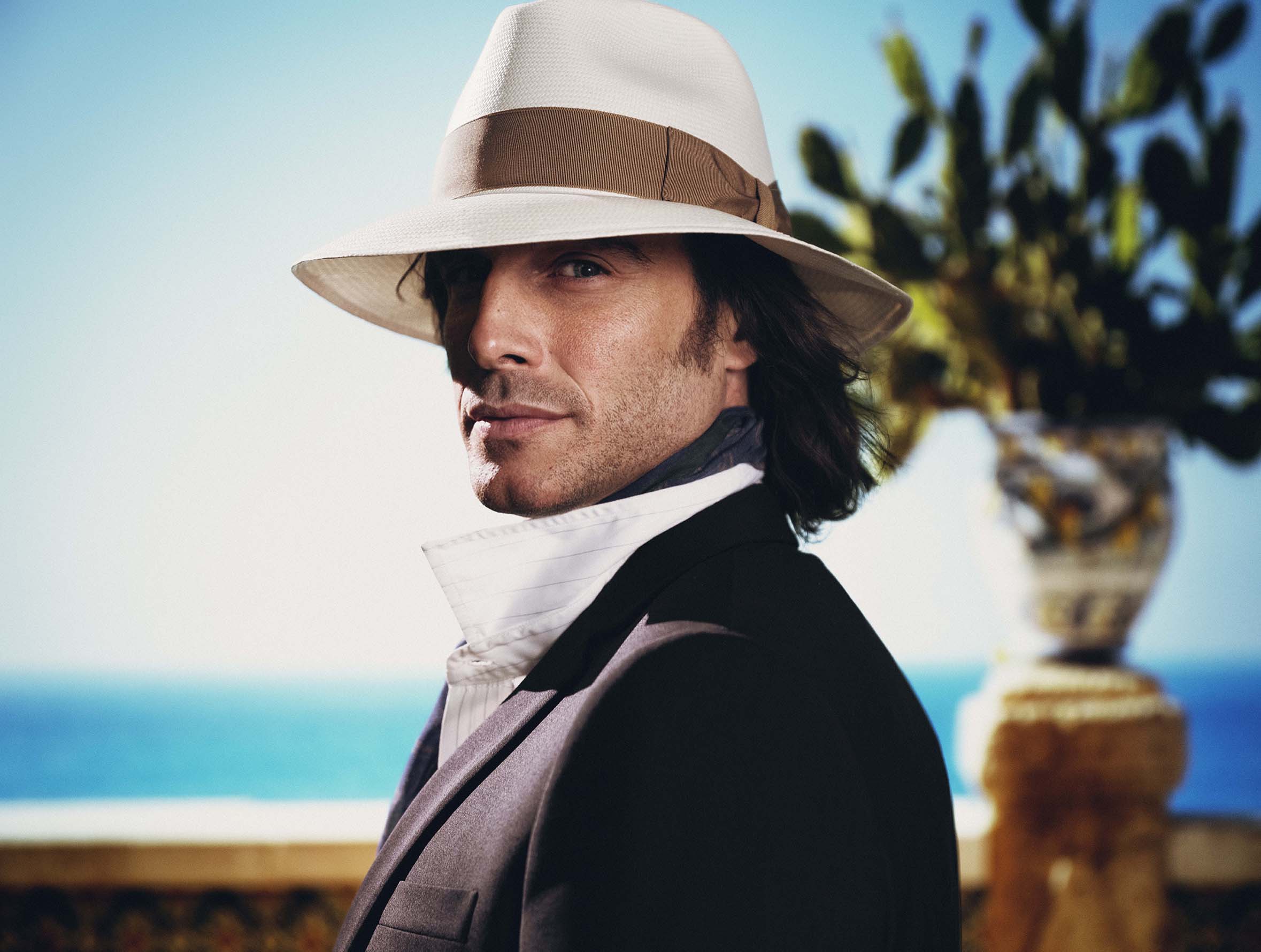
  • Italian Hatmaker Borsalino Taps into China Market with Shanghai Essence Group: A New Era of Luxury Retail Expansion

    Italian Hatmaker Borsalino Taps into China Market with Shanghai Essence Group: A New Era of Luxury Retail Expansion

    Italian luxury hatmaker Borsalino is gearing up for a significant foray into the Chinese market. This move will be facilitated through a partnership with Shanghai’s Essence Group.

    A Five-Year Plan for Expansion

    A comprehensive five-year plan for development has been constructed, targeting both retail and e-commerce sectors. Instead of an aggressive, large-scale rollout, the partnership intends to gradually establish Borsalino’s brand presence in China.

    The first Borsalino retail location in China is set to open in Shanghai in the first half of this year. This store will be run directly by Borsalino, marking the brand’s debut retail venture in mainland China. The Shanghai store will also act as a reference point for future store openings.

    Details regarding the timeline and number of stores to be opened in key luxury hubs across Greater China are yet to be released.

    Digital Strategy

    In addition to expanding Borsalino’s physical retail presence, Essence Group will also oversee Borsalino’s online strategy in China. A flagship e-commerce store is expected to launch later this year. This digital presence will be further supported by campaigns across various Chinese social media and content platforms, such as Red, Douyin, and WeChat.

    Essence Group’s CEO Alec Hou appreciates the unique appeal of Borsalino, noting how its authority is immediately recognized by discerning consumers across various cultures. He highlights that the partnership aims to respect and safeguard Borsalino’s rich heritage while introducing its relevance to a new generation of Chinese consumers.

    Brand Heritage

    Borsalino, set up in Alessandria in 1857, has built its reputation around its heritage felt hats and is regarded as one of Italy’s oldest operating accessories brands.

    On the other hand, the Essence Group, established in 2000, will add yet another European luxury brand to its portfolio, which already includes globally renowned labels such as Chanel, Prada, Loewe, and La Mer.

    Questions & Answers

    What is the plan for Borsalino’s expansion in China?
    A five-year development plan has been outlined to gradually establish Borsalino’s presence in China, focusing on both retail and e-commerce sectors.

    When and where will Borsalino’s first store in China open?
    Borsalino’s first official store in China is set to open in Shanghai in the first half of this year.

    Which company is partnering with Borsalino for its Chinese expansion?
    Borsalino is partnering with Shanghai-based Essence Group for its expansion into the Chinese market.

  • Vietnam’s Auto Market Zooms Ahead as January Sales Skyrocket by 95%

    Vietnam’s Auto Market Zooms Ahead as January Sales Skyrocket by 95%

    In January, member companies of the Vietnam Automobile Manufacturers’ Association (VAMA) experienced a substantial increase in sales, with 36,875 vehicles sold. This represents a 95% growth from the same time the previous year.

    Breakdown of Sales

    The majority of the sales were passenger cars, with 26,102 units sold, according to data published by VAMA. Commercial vehicles also saw significant sales with 10,312 units, while special-purpose vehicles accounted for 461 units.

    A low-base effect was identified as a major contributing factor to this sharp increase. The latter half of January last year coincided with the lead-up to the Lunar New Year (Tet), a time when Vietnamese consumers typically curb spending on large purchases such as automobiles.

    Domestic Assembly and Imports

    The recovery observed was evenly split between domestic assembly and imports. Sales of locally produced completely knocked-down vehicles rose by 98% year-on-year to 18,034 units, while fully built-up imports saw a 93% increase, reaching 18,841. This narrow difference indicates a robust resurgence in both local production and imported vehicle supply.

    Top Brands

    Ford Vietnam topped the list of VAMA brands with 5,121 units sold, narrowly beating Mitsubishi’s 5,039 and Toyota Vietnam’s 4,852. THACO-distributed brands completed the top five, with THACO Mazda and THACO Kia selling 3,515 and 3,487 units respectively. The leading brands benefited from robust line-ups in SUV, crossover, MPV and pickup segments.

    The most popular models demonstrate a continued consumer preference for high-ground-clearance and multi-purpose vehicles. The Mazda CX-5 was the top seller with 2,104 units, followed by the Mitsubishi Xforce at 1,666. Ford’s pickup and SUV lineup also saw strong sales.

    Market Overview

    The VAMA data only represents part of the overall market, as several non-member brands do not publicly release their sales figures. Hyundai Thanh Cong separately reported sales of 5,872 units, while VinFast, a leading player in the electric vehicle market, has not yet disclosed its January data.

    However, the pronounced growth reported by VAMA members signals improving market conditions. This is likely due to increased consumer confidence, a rise in travel and logistics activity, and a more supportive economic environment.

    Questions & Answers

    What was the main factor contributing to the surge in automobile sales in Vietnam?
    The main factor was a low-base effect due to reduced spending in the same period of the previous year, which coincided with the lead up to the Lunar New Year.

    Which brands led in sales among VAMA member companies?
    Ford Vietnam led in sales among VAMA member companies, followed by Mitsubishi and Toyota Vietnam.

    What does the strong sales growth indicate about the market conditions?
    The substantial growth in sales suggests improving market conditions, boosted by increased consumer confidence, a rise in travel and logistics activity, and a more supportive economic environment.

  • Dollar Takes a Dip: Black Market Trends Reflect Dollar’s Decline Against Vietnamese Dong

    Dollar Takes a Dip: Black Market Trends Reflect Dollar’s Decline Against Vietnamese Dong

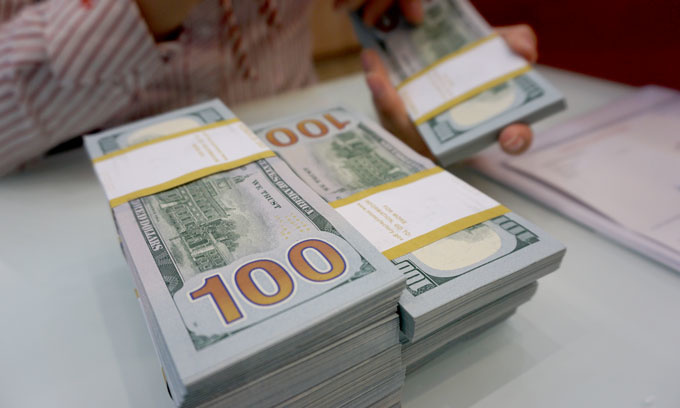
    The US dollar experienced a minor decrease against the Vietnamese dong in the informal market this past Saturday. The devaluation, at a modest 0.08%, saw the dollar trading at VND 26,250 at unauthorized exchange locations.

    Vietcombank, a significant player in the Vietnamese financial landscape, held its rate steady for the fourth consecutive day, maintaining a rate of VND 26,160.

    On the global stage, the US dollar remained largely unchanged against its counterparts on Friday. This stability follows an unexpected below-forecast rise in inflation for January, implying the US Federal Reserve may maintain its current rates for the near future.

    The Japanese yen, on the other hand, is on track for its most significant weekly increase in nearly 15 months.

    Statistics released by the US Labor department on Friday revealed a 0.2% increase in the consumer price index for the previous month. This is slightly lower than the 0.3% predicted by economists.

    The euro saw a small rise of 0.02% against the dollar, reaching a rate of $1.1873. If current trends continue, the euro is set to gain 0.5% this week.

    In comparison, the US dollar saw a dip of 0.22% against the Swiss franc, falling to 0.76785. If this tendency holds, it would equate to a weekly loss of 1% for the dollar.

    Analysts at Goldman Sachs, including Alexandra Kanter, attribute the relative weakness of the US dollar to several factors. These include the unpredictable nature of US policymaking in January, a recent reduction in market outperformance due to a sell-off in the software sector, and unique developments in Asia. Of particular note is the ongoing strengthening of the Chinese yuan.

    Questions & Answers

    What was the exchange rate between the US dollar and the Vietnamese dong on the black market this Saturday?
    The US dollar traded at VND 26,250 against the Vietnamese dong in the black market.

    What effect did the lower-than-expected inflation rise have on the Federal Reserve’s decisions?
    The less than expected increase in inflation suggests the Federal Reserve may continue to hold its rates steady in the near term.

    Which factors are contributing to the relative weakness of the US dollar?
    The relative weakness of the US dollar is attributed to unpredictable US policymaking in January, a recent reduction in equity market outperformance due to a software sector sell-off, and unique developments in Asia such as the strengthening Chinese yuan.

  • Moncler Breaks Into Thai Market with IconSiam Flagship Store Launch

    Moncler Breaks Into Thai Market with IconSiam Flagship Store Launch

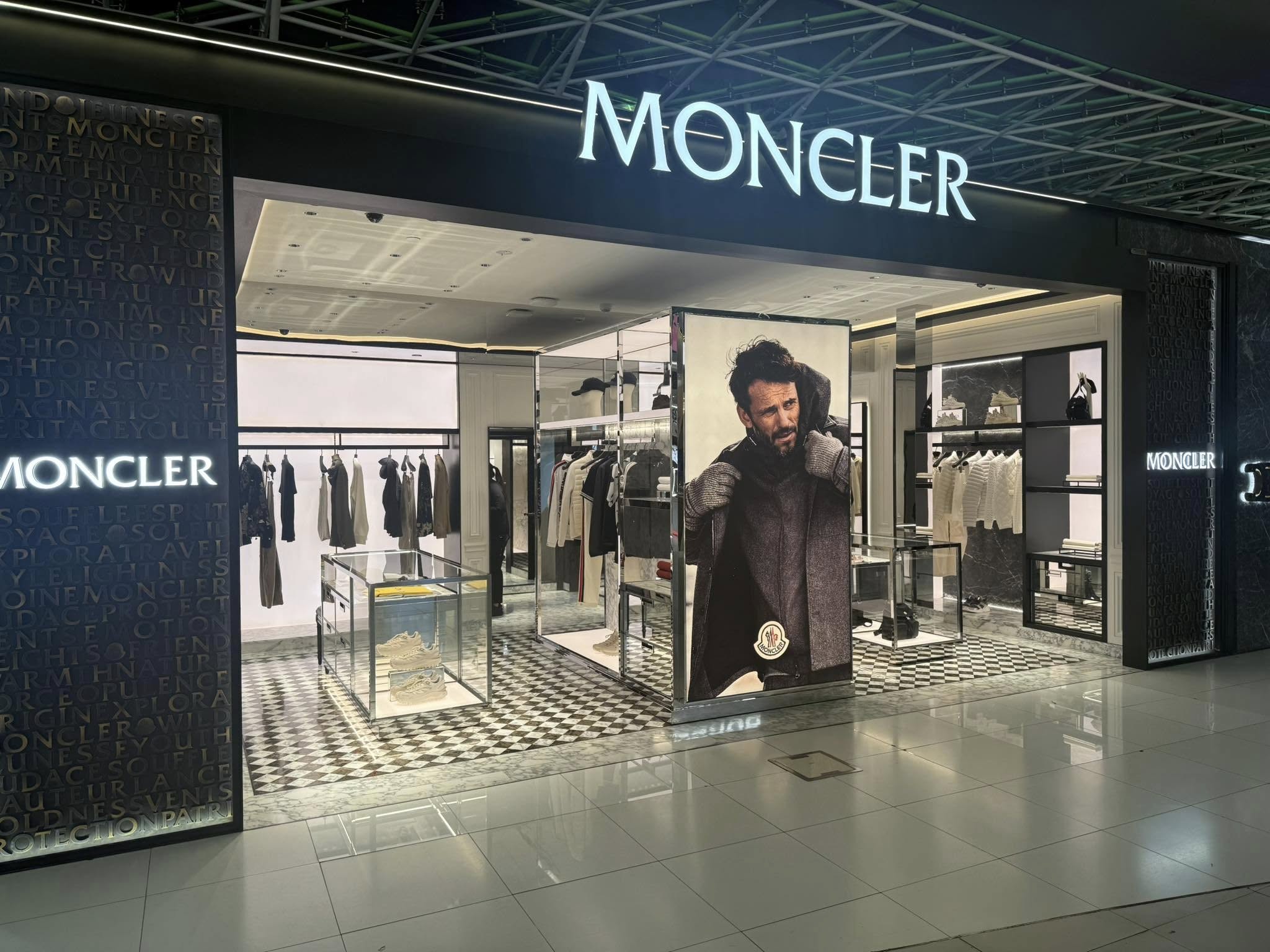
    Italian luxury fashion house, Moncler, has announced the opening of its first independently operated store in Thailand. The store is situated in IconSiam, one of Bangkok’s largest multifunctional retail complexes.

    Expanding Footprint in Asia Pacific

    The establishment of this 225 square meter boutique signifies Moncler’s entry into directly managing retail operations in the Thai market. This latest expansion further extends the brand’s comprehensive network of stores throughout the Asia Pacific region.

    Store Design and Product Range

    The store’s design adheres to Moncler’s universal model, merging monochrome finishes with wooden elements. The entrance, featuring a black marble chessboard pattern, leads into a space delineated by floor-to-ceiling moldings. This design creates an architectural layout that strikes a balance between traditional and contemporary materials.

    The IconSiam boutique offers a range of products for men and women from the latest Moncler Collection. The collection includes outerwear, ready-to-wear apparel, accessories, and eyewear.

    Increasing Presence in Key Asian Cities

    Moncler is continuing to expand its directly operated store locations across significant Asian cities. This move comes as luxury fashion labels are escalating their presence in Bangkok to meet the consistent demand from local consumers and international visitors.

    Questions & Answers

    Q: Where is Moncler’s first directly operated store in Thailand located?
    A: The store is located in IconSiam, one of Bangkok’s largest mixed-use retail developments.

    Q: What does the design of the new store look like?
    A: The store design follows Moncler’s universal model, fusing black-and-white finishes with wooden elements and features a black marble chess-patterned entrance.

    Q: What type of products does the new store offer?
    A: The IconSiam location stocks men’s and women’s product lines from the latest Moncler Collection, including outerwear, ready-to-wear apparel, accessories, and eyewear.

  • Vietnam’s Gold Prices Take a Dip Amid Global Bullion Rise: Market Watch

    Vietnam’s Gold Prices Take a Dip Amid Global Bullion Rise: Market Watch

    On Friday, gold prices in Vietnam experienced a dip while global bullion prices noted a hike. The price of a gold bar from the Saigon Jewelry Company witnessed a decrease of 1.01%, bringing its value down to VND175.4 million (US$6,757.33) per tael. Each tael weighs 37.5 grams or 1.2 ounces. This price adjustment was reflected among other sellers in the market.

    In the past two days, local bullion prices have seen a decline of 2.66%, standing at VND20 million more per tael than their international equivalents. However, the price of gold rings increased by 0.23%, bringing its cost to VND174.9 million per tael.

    Global Gold Market Dynamics

    Globally, the gold market managed to recover from its early losses on Friday. However, it is expected to report a consecutive weekly decrease as a result of the global tech equity rout and a strengthened U.S. dollar, which have overshadowed the gains the metal experienced during an initial recovery earlier this week.

    Spot gold experienced a 0.4% increase, reaching $4,790.80 per ounce. Despite this, it recorded a 1.4% decrease for the week. Meanwhile, U.S. gold futures set for April delivery witnessed a 1.7% decline, dropping to $4,806.50 per ounce.

    According to Ilya Spivak, head of global macro at Tastylive, “Risk appetite appears to be diminished as stocks are down, and we’re noticing a significant breakdown in Bitcoin. These factors indicate a general weakening of risk sentiment. In such a scenario, while gold is proving resilient, silver is succumbing to the risk-off environment.”

    The US Dollar Performance

    The U.S. dollar remained steady near a two-week high and is expected to record its strongest weekly performance since November. A stronger dollar elevates the cost of greenback-priced assets for holders of other currencies.

    Questions & Answers

    What was the decline in the price of gold in Vietnam?
    The price of a gold bar from the Saigon Jewelry Company decreased by 1.01%, reducing its value to VND175.4 million per tael.

    How did global gold prices perform?
    Despite recovering from early losses and rising by 0.4%, spot gold was down by 1.4% for the week.

    What effect does a stronger U.S. dollar have on greenback-priced assets?
    A stronger U.S. dollar makes greenback-priced assets more expensive for holders of other currencies.

  • Red Bull Spices up Australian Market with Exclusive New Flavours: Lilac and Winter Editions

    Red Bull Spices up Australian Market with Exclusive New Flavours: Lilac and Winter Editions

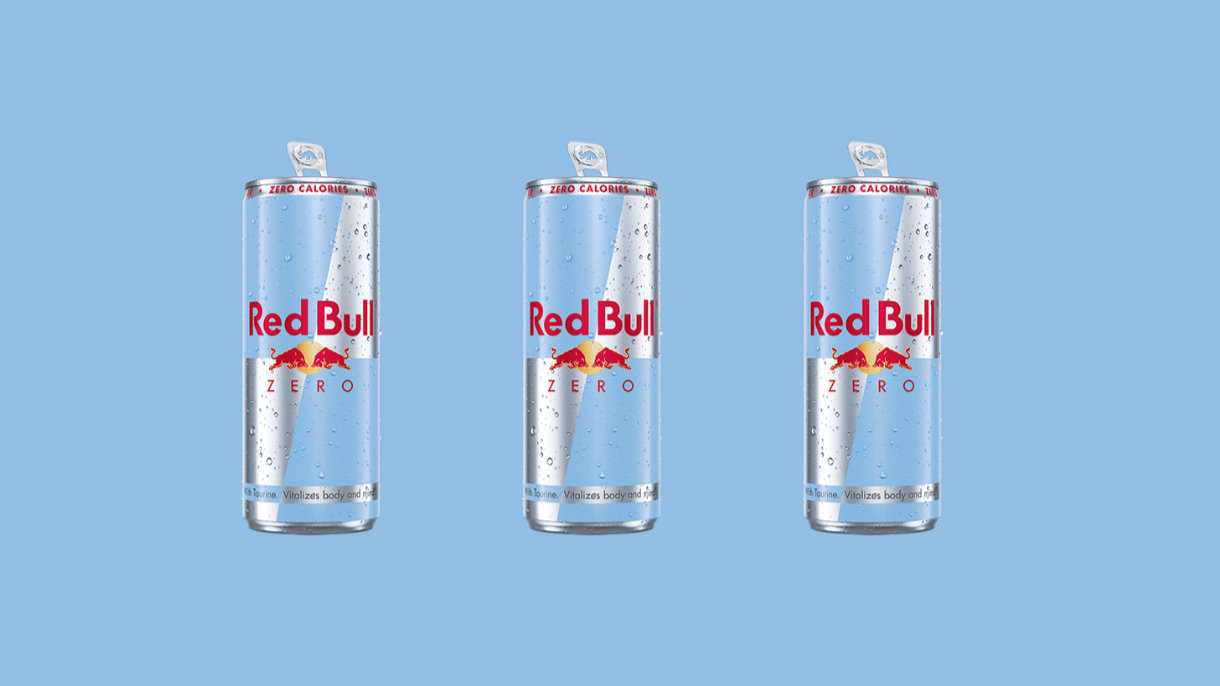
    Red Bull, the globally recognized energy drink brand, is broadening its Australian beverage range with the introduction of two novel flavors. The new flavours, dubbed Lilac Edition and Winter Edition, are set to hit the market this month.

    The Lilac Edition

    The Lilac Edition is an exclusive offering earmarked for Woolworths stores and will come in a 473ml can size, to be available solely at Ampol outlets. The new variant presents a unique blend of grapefruit and blossom flavors. This flavor profile was initially presented to consumers at the prestigious Australian Open, where it was well received.

    The Winter Edition

    On the other hand, the Winter Edition is a limited-edition product that will be available in two sizes: 250ml and 473ml cans. The exclusive retailer for this novel flavor will be 7-Eleven stores. Red Bull has characterized this product as a passionfruit-flavored concoction, specifically crafted to complement the Australian winter season.

    Each can of both the Lilac and Winter Editions will contain 80mg of caffeine, providing the energy boost that Red Bull is renowned for.

    Questions & Answers

    What new flavours is Red Bull introducing in Australia?
    Red Bull is introducing two new flavours – Lilac Edition and Winter Edition – to its Australian market this month.

    Where can these new flavors be purchased?
    The Lilac Edition will be exclusively available at Woolworths and Ampol outlets, whereas the Winter Edition can be found at 7-Eleven stores.

    What is the main flavor profile of these new products?
    The Lilac Edition features a unique blend of grapefruit and blossom flavors. The Winter Edition, on the other hand, is infused with a passionfruit flavor.

  • Starbucks Eyes Major Global Expansion: China in Spotlight Despite Market Challenges

    Starbucks Eyes Major Global Expansion: China in Spotlight Despite Market Challenges

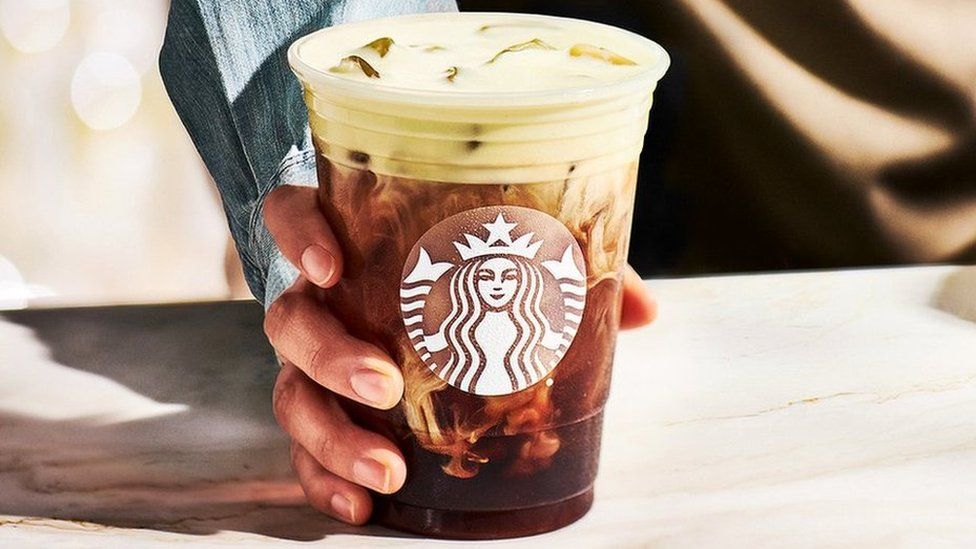
    Starbucks, the renowned coffee chain, is fast-tracking global expansion plans that extend beyond fiscal year 2028. The company considers China as the bedrock of its long-term development strategy, notwithstanding the increasingly competitive landscape and looming economic challenges.

    During the 2026 Investor Day, the coffee behemoth announced plans for significant expansion in both domestic and international markets.

    International Growth

    Starbucks intends to double its international cafe presence over time, aiming for nearly 40,000 non-US stores. China is anticipated to play a major role in this planned growth. Starbucks plans to open between 15,000 and 20,000 additional stores in the Chinese market over the long term.

    Brady Brewer, CEO at Starbucks International, provided insights on the company’s international strategy. He stated, “Our international business fills a very clear role. We are an asset-light growth driver for Starbucks that bolsters the company’s margins.”

    Challenges and Opportunities in China

    China, while being a strategic priority, continues to be one of the most challenging markets for Starbucks. Local competitors such as Luckin Coffee and Cotti Coffee are gaining traction via aggressive pricing strategies, swift expansion, and localized innovation. Simultaneously, economic slowdown is causing increased price sensitivity, challenging Starbucks’ premium positioning.

    In response to these challenges, Starbucks has reorganized its operations in China. The company has established a joint venture with Boyu Capital, transitioning to a licensed business model while maintaining a 40% stake.

    First Quarter Financials

    For the first quarter of fiscal 2026, Starbucks reported a revenue of US$9.9 billion. This shows an upward sales trajectory and continuous growth across the coffee giant’s global network of stores.

    Questions & Answers

    What is Starbucks’ plan for international growth?
    Starbucks intends to double its international store presence, targeting nearly 40,000 non-US locations.

    What role does China play in Starbucks’ expansion strategy?
    China is expected to account for a major portion of Starbucks’ international expansion. The company plans to open between 15,000 and 20,000 additional stores in the Chinese market.

    What changes has Starbucks made in its China operations?
    In response to increasing competition and economic challenges, Starbucks has restructured its China operations through a joint venture with Boyu Capital, transitioning to a licensed business model and retaining a 40% stake.

  • Vietnam’s Motorbike Market Accelerates, Topping Southeast Asia with Electric Bike Boom

    Vietnam’s Motorbike Market Accelerates, Topping Southeast Asia with Electric Bike Boom

    The Vietnamese motorcycle market experienced a significant expansion of 14.9% in the previous year, marking the most substantial growth rate within Southeast Asia. This surge was, in part, propelled by a substantial increase in sales of electric motorcycles.

    Vietnam reportedly sold 3.4 million units, positioning it as the second-largest market in the region, with Indonesia leading at 6.5 million units. This sales volume also marks Vietnam as the fourth largest global motorcycle market and the third largest market for electric motorcycles.

    Reshaping the Two-Wheeler Market

    The landscape of the motorcycle market in Vietnam is undergoing a significant transformation due to investments in electric two-wheelers. This shift is not only fueled by China’s major manufacturers but also by domestic producers.

    In parallel with this market transformation, a mature market is also experiencing growth, characterized by discerning consumer demand and steadfast brand loyalty. Honda, in particular, continues to enjoy a strong consumer base.

    Adopting Electric Vehicles Amid Environmental Policies

    The adoption of electric vehicles is accelerating in response to strict environmental policies. A notable factor expediting this shift towards electrification is the announcement by Hanoi authorities of a prohibition on internal combustion engine vehicles by July 2026.

    Pressure on Traditional Manufacturers

    Traditional motorcycle manufacturers are increasingly feeling the heat from specialists in electric scooters. Honda, a market leader for over seven decades, reported a meager growth of 1.3%. Their long-standing competitor, Yamaha, experienced a decline of 17.3%, subsequently losing its second-place standing.

    Interestingly, VinFast, a domestic electric mobility brand, has claimed the second spot, with a remarkable 532% growth. This development underscores the swift rise of domestic electric mobility.

    Several other players focused on electric models are also reporting robust growth. China’s Yadea, for example, has seen a 61.6% increase. Local manufacturers Pega and Dibao reported growth rates of 60% and 75% respectively, ranking them fourth, fifth, and sixth.

    Questions & Answers

    What was the growth rate of the Vietnamese motorcycle market last year?
    The Vietnamese motorcycle market grew by 14.9% last year, the highest growth rate in Southeast Asia.

    What are some factors that are reshaping the motorcycle market in Vietnam?
    Investments in electric two-wheelers by both domestic and Chinese manufacturers are significantly reshaping the Vietnamese motorcycle market.

    What is the impact of environmental policies on the adoption of electric vehicles in Vietnam?
    Tightening environmental policies, such as Hanoi’s ban on internal combustion engine vehicles from July 2026, are accelerating the adoption of electric vehicles in Vietnam.

  • DBS Hong Kong Welcomes Xu Qing as New Credit Chief for Booming North Asia Market

    DBS Hong Kong Welcomes Xu Qing as New Credit Chief for Booming North Asia Market

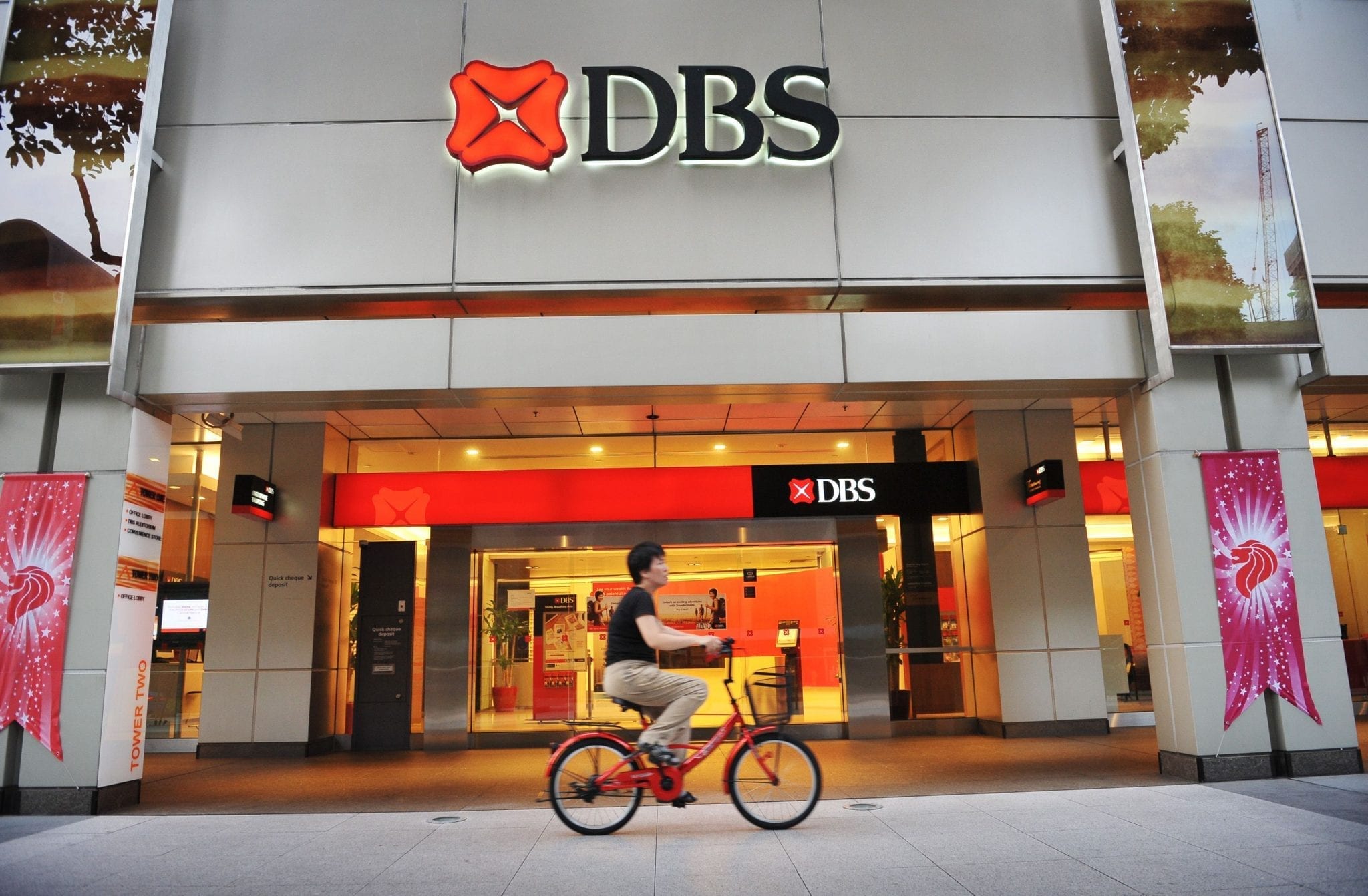
    DBS Hong Kong, a subsidiary of Singapore’s DBS Bank, has announced the appointment of Xu Qing as the Chief Credit Officer for North Asia and Managing Director, Senior Risk Executive for Hong Kong. Mr. Qing’s appointment came into effect on February 1st.

    In his new roles, Mr. Qing will be responsible for overseeing all credit and risk functions across Hong Kong, mainland China, and Taiwan. He will also serve as a member of the Hong Kong management committee. To assume these roles, Qing has relocated from mainland China to Hong Kong.

    Mr. Qing brings a wealth of experience to these roles, with a career spanning over 20 years covering markets, credit, and operational risks, as well as business development. His journey with DBS began in 2015 when he joined DBS China. His exceptional performance saw him rise to the position of Chief Risk Officer for the unit, and subsequently, he also served as the Deputy CEO of the unit since November 2019. Prior to his engagement with DBS, Mr. Qing held senior positions at the ING Group and Standard Chartered.

    Reacting to the appointment, Sebastian Paredes, CEO of DBS Hong Kong and Head of North Asia expressed his delight. He said, “We are thrilled to have Xu Qing as part of the Hong Kong management team. His deep expertise in risk management, strong international perspective, proven leadership, and extensive experience across the North Asia markets will be invaluable to the team.”

    Questions & Answers

    Who has been appointed as the new Chief Credit Officer for North Asia at DBS Hong Kong?
    Xu Qing has been appointed as the new Chief Credit Officer for North Asia at DBS Hong Kong.

    What are the key responsibilities of Mr. Qing in his new roles?
    Mr. Qing will oversee all credit and risk functions in Hong Kong, mainland China, and Taiwan. He will also serve as a member of the Hong Kong management committee.

    What is Mr. Qing’s background prior to this appointment?
    Mr. Qing has over 20 years of experience across markets, credit, and operational risks as well as business development. He joined DBS China in 2015 and has held senior roles at ING Group and Standard Chartered.

  • China’s Luxury Market Primed for Modest Rebound in 2026: A Bain & Company Insight

    China’s Luxury Market Primed for Modest Rebound in 2026: A Bain & Company Insight

    China’s personal luxury goods market is anticipated to experience moderate growth in 2026, according to global management consulting firm, Bain & Company. However, they also caution that this recovery may be unstable and variegated across various brands and product categories.

    A Fragile Recovery

    In 2025, China’s luxury market contracted by 3-5%, showing some recuperation after a decline of 17-19% in 2024. Bain & Company forecasts that China, as the world’s second-largest economy, will persist as a crucial contributor to the growth of the luxury market.

    Brands that cater to the affordable luxury and ultra-premium segments have thrived, providing what the consultancy perceives as ‘true value’.

    China’s consumer confidence, which comprises approximately 25% of luxury expenditure, has been impacted by an extended property crisis and employment concerns. These factors have compelled luxury brands to reassess their strategies within the world’s second-largest economy.

    Despite consumer sentiment appearing cautious for much of 2025, the luxury sector indicated signs of stability from the third quarter onwards. Bain & Company cites a stronger stock market and improved consumer confidence, recovering from the weak economic base of 2024, as catalysts for this stabilisation.

    Future Outlook

    The firm anticipates a ‘modest’ expansion in 2026, facilitated by a burgeoning middle class, escalating consumer confidence, and policy measures intended to boost domestic consumption. However, Bruno Lannes, a senior partner, stated that this growth will remain ‘segment-specific’.

    2025 was viewed as a year of ‘recalibration’ for the world’s second-largest luxury market, with consumers becoming more discerning and gravitating towards items offering ‘true value’.

    Emerging Local Brands

    The study also reveals a preference for travel and wellness experiences over material purchases. The consultancy further highlighted the rise of local players as a significant trend in 2025. Emerging Chinese brands are attracting the attention of consumers with innovative and culturally relevant offerings, positioning them as robust competitors.

    Performance varied across different categories, with beauty being the most resilient, rebounding to growth of 4-7%. Conversely, demand for fashion declined by 5-8%, while the demand for leather goods dropped by 8-11%, partly due to price increases.

    Demand for watches plummeted by an estimated 14-17% as consumers shifted towards investments or second-hand alternatives. The jewellery sector’s decline narrowed to up to 5%.

    The Resilience of Desirable Brands

    Brands that preserve strong desirability and provide clear value through innovation and targeted pricing strategies have proven to be more resilient, according to the report.

    Domestic spending made up 65% of Chinese luxury consumption in 2025, which signifies a reversal of the recovery in overseas demand observed over the previous two years.

    A weaker currency and narrowing global price differences have driven more purchases back to the domestic market, despite a recovery in outbound travel.

    The secondhand luxury sector witnessed growth of 15-20%. Meanwhile, ‘daigou’ sales, a term referring to purchases made on behalf of others and a long-standing pillar of Chinese luxury spending abroad, showed signs of slowing as brands tightened control over unofficial channels.

    Questions & Answers

    How did China’s luxury market perform in 2025?
    In 2025, China’s luxury market experienced a contraction of 3-5%, showing signs of recovery from a more significant decline of 17-19% in 2024.

    What factors are expected to support the growth of China’s luxury market in 2026?
    The expected growth in 2026 is predicted to be supported by an expanding middle class, increasing consumer confidence, and policy measures aimed at stimulating domestic consumption.

    What trends were observed in China’s luxury market in 2025?
    In 2025, a significant trend was the rise of local players, with emerging Chinese brands capturing consumer attention through innovative and culturally relevant offerings. Additionally, consumers showed a preference for travel and wellness experiences over material purchases.

  • Vietnam’s VN-Index Plunges: Longest Losing Streak in Seven Years Sparks Market Concern

    Vietnam’s VN-Index Plunges: Longest Losing Streak in Seven Years Sparks Market Concern

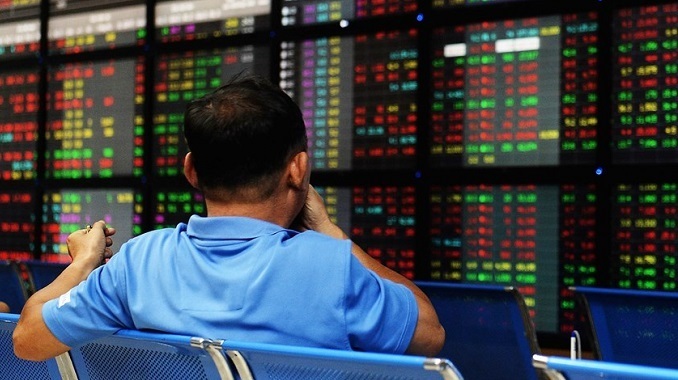
    The VN-Index of Vietnam, which is the country’s benchmark index, experienced a decline for the seventh consecutive session on Wednesday. This represents the most extended losing streak since 2018’s final quarter. The VN-Index wrapped up the session at 1,802.91, marking a decrease of 1.51% or 27.59 points. From the beginning of the previous week, the index underwent a loss of 100 points.

    Trade Volume Increase and Major Price Movements

    A significant increase of 34% was recorded in the trading volume on the Ho Chi Minh Stock Exchange, reaching VND33.7 trillion (equivalent to US$1.29 billion).

    The VN-30 basket, which is a compilation of the 30 most significant capped stocks, witnessed a fall in 16 tickers. The VIC ticker of the private conglomerate Vingroup reached its lowest price point.

    In the realm of retail real estate, Vincom Retail’s VRE experienced a decrease of 5.8%, while the VHM of property titan Vinhomes suffered a reduction of 5.7% in its closing price.

    On the more positive side, eleven blue-chip stocks recorded gains. Among them, MSN of the Masan Group conglomerate saw a rise of 3.7%, FPT of tech powerhouse FPT Corporation increased by 2.4%, and GAS of the state-owned Petrovietnam Gas experienced a boost of 2.3%.

    Foreign Investor Activity and Other Indexes

    Foreign investors ended up as net sellers, with a net selling volume reaching VND1.78 trillion. This selling activity mainly targeted HDB of HDBank and ACB of Asia Commercial Bank.

    Taking a look at other indexes, the HNX-Index, associated with stocks on the Hanoi Stock Exchange, which mainly includes mid and small cap stocks, recorded a fall of 0.15%. Meanwhile, the UPCoM-Index, representing the Unlisted Public Companies Market, saw an increase of 0.62%.

    Questions & Answers

    What is the VN-Index?
    The VN-Index is a benchmark index in Vietnam that represents the performance of the country’s stock market.

    Which stocks experienced a price decrease?
    The VIC of Vingroup, VRE of Vincom Retail, and VHM of Vinhomes were among the stocks that saw a decrease in price.

    Which stocks saw a price increase?
    Among the stocks that recorded a price increase were MSN of the Masan Group, FPT of FPT Corporation, and GAS of Petrovietnam Gas.

  • Kodak Apparel Captures Hong Kong Market with First Pop-Up Store, Celebrating Legacy with Film-Inspired Fashion

    Kodak Apparel Captures Hong Kong Market with First Pop-Up Store, Celebrating Legacy with Film-Inspired Fashion

    Kodak Apparel, a fashion brand licensed by Eastman Kodak and based in South Korea, has expanded its retail presence with the launch of a pop-up store in Kai Tak’s Airside, Hong Kong. This event marks the brand’s first physical entry into the Hong Kong market.

    Product Offerings

    The pop-up store features an array of Kodak Apparel’s licensed merchandise. The range includes various apparel and accessory items such as jackets, t-shirts, knit caps, backpacks, and socks. The products prominently display Kodak’s heritage, using film-inspired branding and the company’s distinctive red-and-yellow colour scheme.

    Unique Store Features

    In addition to its product offerings, the Hong Kong pop-up store pays homage to Kodak’s deep-rooted history in photography. This is evident in the themed photo booth installations found within the store. Additionally, an exclusive t-shirt, bearing the words “Kodak Hong Kong” accompanied by the slogan “You press the button, we do the rest” is on offer to customers.

    Brand Expansion

    Since its inception in South Korea in 2020, Kodak Apparel has experienced a rapid surge in growth within its home market. It operates over 100 brick-and-mortar stores, including concession stands in major department stores. The brand’s expansion into Hong Kong follows earlier forays into the Japanese and Taiwanese markets. These developments align with Kodak Apparel’s wider strategy of strengthening its fashion footprint across various Asian markets.

    Questions & Answers

    When was Kodak Apparel Launched?
    Kodak Apparel was launched in South Korea in the year 2020.

    What kind of merchandise does Kodak Apparel offer?
    Kodak Apparel offers a range of apparel and accessories, which includes jackets, t-shirts, knit caps, backpacks, and socks.

    What is the significance of the pop-up store in Hong Kong?
    The pop-up store in Hong Kong marks Kodak Apparel’s first physical retail presence in the Hong Kong market.

  • Vietnam’s Durian Domination: Record-Breaking $3.8B Exports Propel Fruit to Top of Global Market

    Vietnam’s Durian Domination: Record-Breaking $3.8B Exports Propel Fruit to Top of Global Market

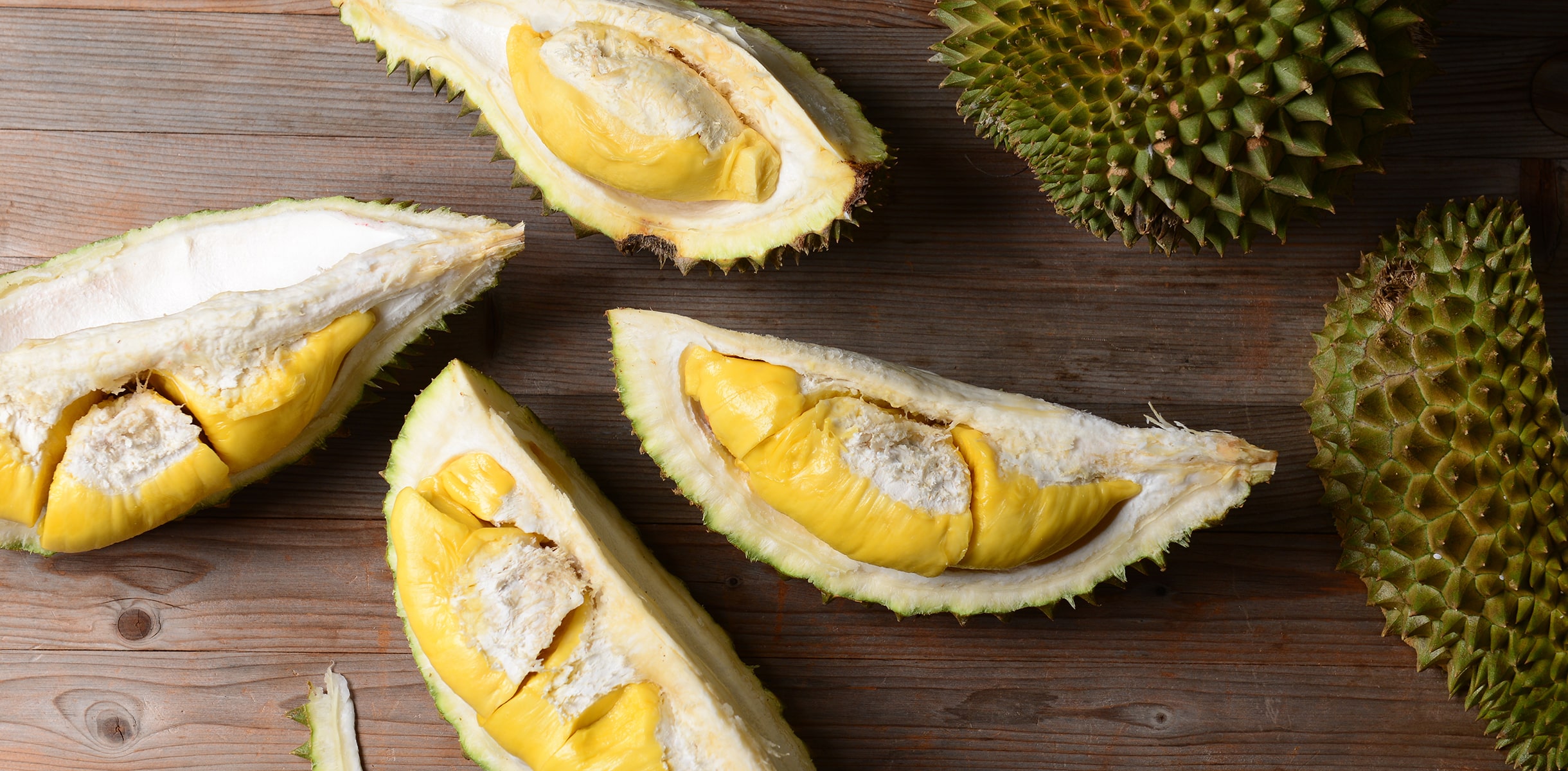
    Vietnam’s durian exports reached a new high last year, with the total value reaching US$3.86 billion. This figure is more than 20% higher than the previous year’s record, making durian the most significant export among all fruits and vegetables from Vietnam. The country’s customs data reveal that durian exports contributed over 45% to the total value of $8.56 billion.

    Other Top Fruit and Vegetable Exports

    Durian was not the only fruit of note in Vietnam’s export list. Fresh coconuts registered an impressive growth rate of 36.6%, although the total export value of $534 million placed it far behind durian. Dragon fruit, another significant export, earned $526 million, despite a slight decrease in its export value.

    Adaptation to Market Requirements Spurs Growth

    According to Dang Phuc Nguyen, General Secretary of the Vietnam Fruits & Vegetables Association, the increase in durian exports is due to Vietnamese businesses’ ability to meet stricter quality standards and other conditions set by some markets. However, he emphasized the importance of consistent quality control and market expansion for sustained growth.

    China – The Largest Market for Vietnam’s Durian Exports

    China continues to be the most significant market for Vietnam’s durian exports, a position strengthened by agreements signed last year permitting the export of frozen durians and fresh coconuts from Vietnam. In addition to China, shipments to the United States, Japan, South Korea, and Europe also experienced substantial growth. Looking ahead, the association anticipates fruit and vegetable exports to reach between $9 and $10 billion this year.

    Questions & Answers

    What was the total value of Vietnam’s durian exports last year?

    The total value of Vietnam’s durian exports last year was US$3.86 billion.

    What contributed to the growth of durian exports from Vietnam?

    The growth in durian exports from Vietnam is attributed to businesses’ ability to adapt to stricter quality standards and other conditions imposed by some markets.

    Which countries are the largest markets for Vietnam’s durian exports?

    China is the largest market for Vietnam’s durian exports, followed by the United States, Japan, South Korea, and Europe.