Tag: Market

  • Freitag Bolsters Global Presence with Exclusive Dover Street Market Partnership: A New Era in Retail Strategy

    Freitag Bolsters Global Presence with Exclusive Dover Street Market Partnership: A New Era in Retail Strategy

    Swiss accessory brand, Freitag, is expanding its international retail presence through a multi-faceted partnership with Dover Street Market (DSM). The partnership will consist of both permanent and temporary retail establishments, as well as an exclusive product line.

    Expanding Retail Footprint

    The partnership will activate a recently established Freitag Space at Dover Street Market Ginza and a temporary setup at Dover Street Market London. Both of these retail spaces were introduced on March 28, alongside the launch of a three-item, DSM-exclusive product collection.

    Freitag has stated that this collaboration signifies a move towards a deeper integration within influential multi-brand environments, as opposed to singular retail expansion. Freitag’s product manager and project lead, Oliver Fischhaber, expressed that following their 2023 project with Comme des Garçons, further collaboration with the DSM team was the next logical step.

    An Unmatched Aura

    Fischhaber spoke highly of Dover Street Market, highlighting its unique atmosphere and its inspiration from various angles, cultures, and movements. He expressed admiration for DSM’s customers, describing them as possessing a finely-tuned eye and a profound sense of authenticity. These are qualities that resonate with Freitag and the consumers they aim to engage.

    Focusing on Japan

    The opening in Ginza comes at a time when brands are increasingly prioritizing Japan for retail expansion. This focus is driven by a blend of design-aware consumers and a robust desire for unique, concept-based products.

    Established in Zurich in 1993, Freitag currently manages 30 stores globally, with Japan hosting four of these locations.

    Questions & Answers

    What is the nature of Freitag’s partnership with Dover Street Market?
    The partnership will consist of both permanent and temporary retail establishments, as well as an exclusive product line.

    What does this collaboration signify for Freitag?
    This collaboration signifies Freitag’s move towards a deeper integration within influential multi-brand environments, as opposed to singular retail expansion.

    Why is Japan a focus for brands’ retail expansion?
    Japan is a focus for retail expansion due to its blend of design-aware consumers and a robust desire for unique, concept-based products.
  • PDD Holdings Misses Revenue Target Amid China’s Competitive Market and Global Uncertainty

    PDD Holdings Misses Revenue Target Amid China’s Competitive Market and Global Uncertainty

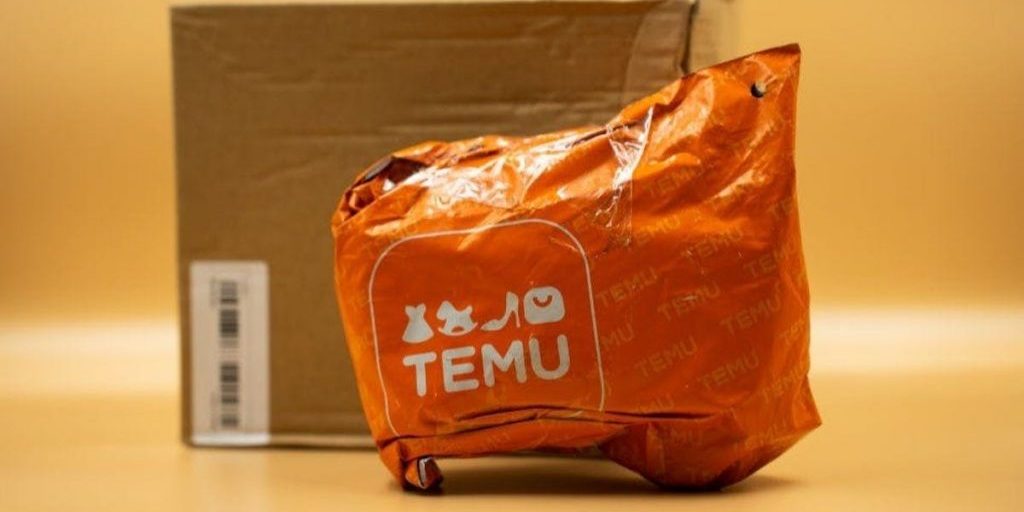
    PDD Holdings, the parent company of Temu, failed to meet its quarterly revenue and profit forecasts this Wednesday. The company highlighted the increasing domestic competition coupled with worldwide uncertainty as factors that will continue to impact operations.

    Despite Temu’s robust international growth, its business model, which centers around delivering inexpensive goods such as clothing, electronics, and homewares directly from China, is grappling with rising regulatory pressures in major markets.

    Regulatory Changes and Challenges

    PDD’s co-CEO, Chen Lei, during a post-earnings call with analysts, acknowledged the ongoing changes in the regulatory landscape. “Trade policies, taxation, data regulations, product compliance requirements, and other regulatory frameworks are undergoing significant shifts across different countries and regions, inevitably leading to more challenges and uncertainty,” stated Lei.

    Commenting on the situation, Liu Jun, PDD Holdings’ VP of Finance, stressed the need for continuous exploration and investment to meet evolving consumer needs.

    The company’s shares listed in the U.S. witnessed a rise of more than 7% after Chinese regulators and state media indicated an end to the price war. Bo Pei, an analyst at Tiger Securities, said this scenario strengthens PDD’s perception as a company undergoing a structural shift rather than merely steering through a cyclical slowdown.

    Pei added that successful execution could bolster long-term monetization and worldwide scalability. However, it would reduce short-term earnings visibility due to uncertainties and the extended timeline associated with reaping returns from these investments.

    Financial Performance and Future Prospects

    PDD’s quarterly net income decreased by approximately 11% to 24.5 billion yuan compared to the previous year. Its adjusted profit of 17.69 yuan per American Depositary Share fell short of the projected 20.76 yuan, influenced by rising operating expenses.

    The company posted a revenue of 123.9 billion yuan (US$17.96 billion) for the fourth quarter, slightly below analysts’ average estimate of 124.4 billion yuan.

    Impacts of Economic Uncertainty

    Growth on the Chinese Pinduoduo platform, which Temu is a part of, has cooled as consumers curbed discretionary spending due to broader economic instability. China’s wavering recovery and fragile household confidence have caused a decline in spending, even on discount-focused platforms.

    Temu’s business model, based on duty waivers on low-value parcels in numerous jurisdictions, has provoked criticism from retailers in countries like Germany and Argentina. They argue that companies like Temu, Shein, and Alibaba’s AliExpress maintain an unfair price benefit.

    Raids and Investigations

    Temu has been subjected to raids and investigations in several countries, encompassing Ireland, Turkey, and Nigeria, in recent months. Despite this, the company has consistently maintained its adherence to the laws and regulations in the markets it operates.

    Significant regulatory changes were introduced last year when the U.S. abolished the duty-free exemption on parcels valued under $800. Similarly, the EU has agreed to end its duty-free allowance on parcels under 150 euros ($176) from July this year.

    Questions & Answers

    What challenges are impacting PDD Holdings’ performance?
    Increasing domestic competition, global uncertainty, and changing regulatory environments pose significant challenges for PDD Holdings.

    What strategic steps is PDD Holdings taking to meet evolving consumer needs?
    PDD Holdings is focusing on continuous exploration and investment to cater to changing consumer demands, aiming to bolster its future monetization and worldwide scalability.

    What changes in international trade policies are affecting PDD Holdings’ business model?
    The abolishment of the duty-free exemption on low-value parcels by the U.S. and the EU’s upcoming termination of its duty-free allowance significantly impact PDD Holdings’ business model, which relies heavily on such waivers.

  • Aigner Teams Up with Melchers to Conquer China’s Luxury Market: Unveiling Flagship Store on Tmall

    Aigner Teams Up with Melchers to Conquer China’s Luxury Market: Unveiling Flagship Store on Tmall

    German luxury leather goods brand, Aigner, has entered into a collaboration with Melchers China to bolster its presence in mainland China.

    Partnership Details

    As per the arrangement, Melchers China will handle all facets of Aigner’s local retail and e-commerce ventures. The partnership will officially kick-off with the unveiling of Aigner’s flagship store on the Luxury Pavilion of Tmall, which is a part of the Alibaba Group’s luxury segment. This platform has evolved into a significant entry-point for international brands seeking to make inroads into the Chinese marketplace.

    In addition to this, the cooperation will concentrate on enhancing Aigner’s presence on notable platforms such as Xiaohongshu (also known as Little Red Book) and WeChat.

    Claus Toxvig, the CEO of Melchers China, expressed his enthusiasm about the partnership. He stated that the shared values of both organizations, such as Aigner’s heritage, artisanship, and timeless style, align seamlessly with Melchers’ brand building approach in China. Their collective goal is to lay a robust foundation for sustained success and foster meaningful relationships with the Chinese consumer base.

    About Aigner

    Established in Munich in 1965 by Etienne Aigner, the brand has scaled globally, showcasing its collections at Milan Fashion Week and establishing its presence across Europe, Asia, and the Middle East. Aigner places emphasis on durability and contemporary design.

    Questions & Answers

    What is the purpose of Aigner’s partnership with Melchers China?
    The partnership aims to boost Aigner’s local retail and e-commerce presence in mainland China.

    Where will the launch of this partnership take place?
    The partnership will be inaugurated with the launch of Aigner’s flagship store on Alibaba Group’s Tmall Luxury Pavilion.

    What values do Aigner and Melchers China share?
    Both companies value heritage, craftsmanship, timeless style, and a focused approach to brand-building in China.

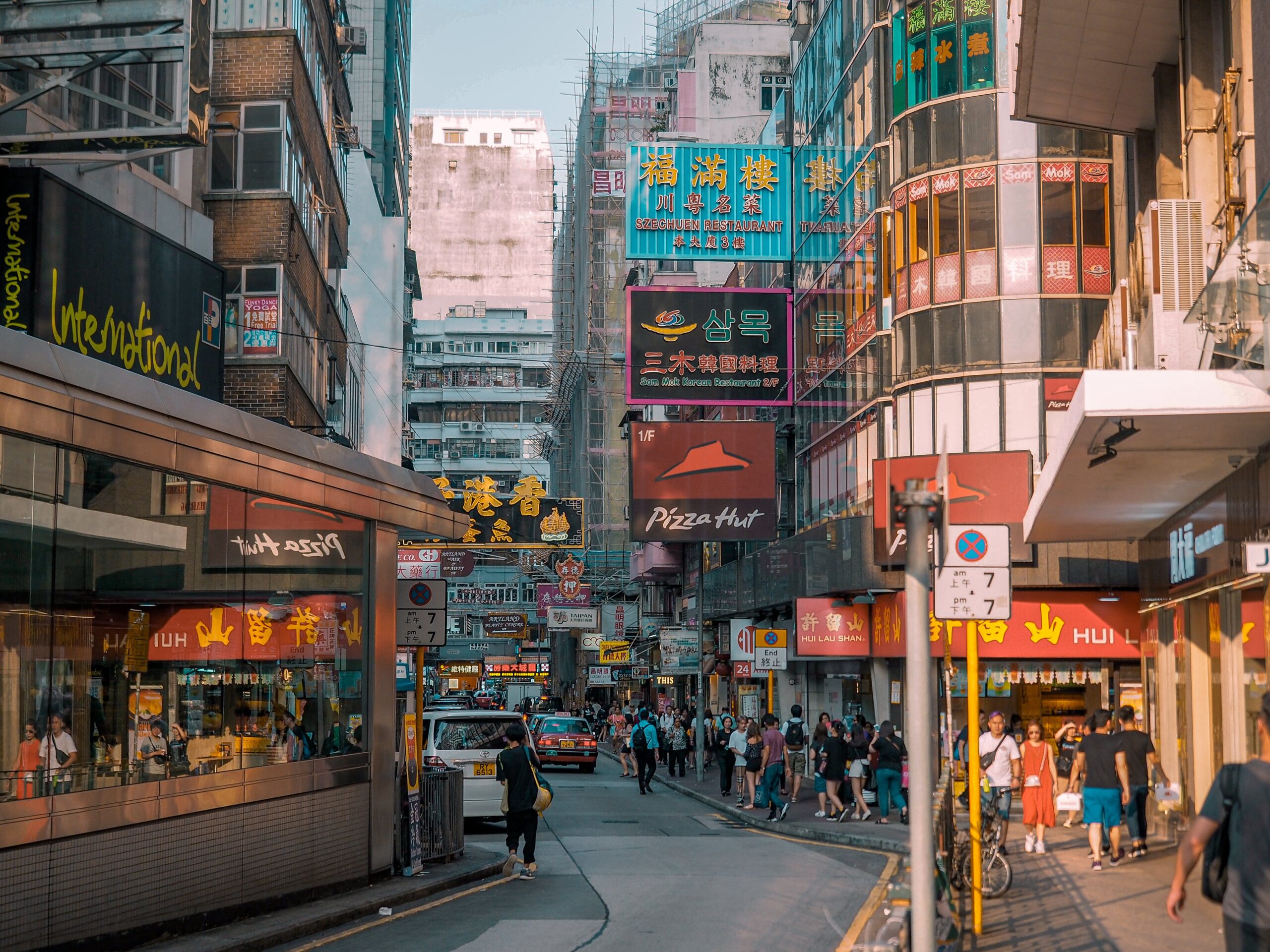
  • Hong Kong Office Market Revival: Downtown Vacancy Rates Hit 2-Year Low

    Hong Kong Office Market Revival: Downtown Vacancy Rates Hit 2-Year Low

    The prime office space vacancy rates in Hong Kong’s central business district have once again dipped into single figures for the first time in over two years, marking a resurgence in demand within the previously struggling office market.

    A Turnaround in Demand

    The primary business district, situated on the northern coast of the island, saw the vacancy rate for Grade A offices drop to 9.9% in February, a slight decrease from January’s 10.1%. The district last recorded a single-digit vacancy rate in December 2023, standing at the same figure of 9.9%.

    This trend isn’t limited to the central business district. Across Hong Kong, the overall prime office vacancy rate also fell slightly, dropping to 13.4% in February from the 13.5% recorded in the previous month.

    Rising Rents

    In line with the declining vacancy rates, rental costs for Grade A offices in the central district also experienced a rise. The first two months of the year saw rent prices increase by 3.5%.

    Banking remains the main driver for leasing activity, with the demand focusing on newer office buildings within the central business districts. Two districts have begun to show early signs of improvement, a trend that is expected to continue throughout the year. However, non-core districts, such as Kowloon East, are anticipated to remain under strain.

    Increased Optimism

    CK Asset Holdings, a property development company owned by billionaire Li Ka-shing’s family, has also expressed positive expectations for leasing demand this year. The company saw leasing remain under pressure during the previous year, but recent renewals have started to show small increases in rental costs.

    Both rent and sales are projected to see a surge. The overall non-residential property market is expected to continue adjusting and seeking support levels. However, rental and sales prices for offices located in the core districts may stabilize first.

    Uneven Recovery

    According to a report, the recovery within the office market varies across Hong Kong. The premium Grade A buildings in the central district, such as Two IFC, Chater House, and The Henderson, have maintained occupancy rates above 88%. In contrast, older properties within the same district have recorded occupancy rates below 75%. This uneven recovery rate highlights the growing preference for modern, high-specification buildings, reinforcing the “flight-to-quality” trend within Hong Kong’s office sector.

    Questions & Answers

    What is the current vacancy rate for prime office space in Hong Kong’s central business district?
    The vacancy rate for prime office space in Hong Kong’s central business district is currently 9.9%.

    What trends are emerging in Hong Kong’s office sector?
    There is a growing preference for modern, high-specification buildings, and non-core districts like Kowloon East are likely to continue facing pressure.

    What is the forecast for rental and sales prices in the near future?
    Rental and sales prices for overall non-residential properties are expected to continue adjusting, with prices for offices in the core district possibly stabilizing first.

  • Vietnamese Fruit Market Takes a Hit: Prices Plummet Amid Weak Demand and Strict Chinese Import Controls

    Vietnamese Fruit Market Takes a Hit: Prices Plummet Amid Weak Demand and Strict Chinese Import Controls

    Fruit prices in Vietnam, including watermelon and orange, have drastically dropped to VND1,000–5,000 (3.8-19 U.S. cents) per kilogram. This decrease is attributed to a slump in domestic demand coupled with strict quality control enforced by China, a major importer.

    Farming Woes in Gia Lai

    In Gia Lai, a province located in the central region of Vietnam, watermelons are currently fetching VND1,000-VND5,000 per kilogram. Only high-quality fruits are attracting significant prices as traders are exercising selectivity in their purchases. This situation has led to considerable financial losses for local farmers. One farmer noted a seasonal loss exceeding VND50 million, while another reported losses of VND500 million from her eight-hectare watermelon farm.

    Farmers have pointed to a significant decrease in domestic demand this year, alongside slow exports to China, unlike in previous years where sales often surged post-Lunar New Year holidays. If prices continue to dip, the situation in Gia Lai could worsen, given that over 90% of watermelon farms spanning 2,733 hectares are due for harvesting in the coming months.

    Plight of Other Fruits

    Similarly, the price of oranges in the southern province of Vinh Long has slumped to VND1,000-3,000 per kilogram. This has resulted in farmers experiencing losses of VND100-200 million per hectare. One farmer, who cultivates nearly a hectare of oranges, is considering switching crops after incurring severe losses this year.

    This price drop has pushed traders to sell their goods at heavily discounted rates on the streets of Ho Chi Minh City. Here, piles of oranges and watermelons are stacked up for sale at VND5,000 per kilogram and VND10,000 respectively. Prices of other produce such as tomatoes, green beans, and okra have also halved within a month, with tomatoes trading between VND10,000-25,000.

    Export Challenges

    Dang Phuc Nguyen, the general secretary of the Vietnam Fruit and Vegetable Association, attributes the drastic price drop to China imposing stricter quarantine controls and quality standards. As Vietnam’s largest agriculture produce buyer, these new measures have a significant impact on the local market.

    Furthermore, local testing laboratories in Vietnam are overwhelmed, leading to longer inspection times and an increase in risks for traders. The ongoing conflict in the Middle East has also led to a 50-66% surge in logistics costs. Consequently, exporters who cannot bear these costs are opting to sell their products domestically, causing a supply glut.

    The Binh Thuan Province Dragon Fruit Association reported a significant increase in air freight costs to Europe, which has jumped from $1.5 per kilogram to $7-8. This price surge has forced many traders to sell domestically at discounted prices. Exporters are looking into new Asian markets such as Japan and South Korea, but they acknowledge that these markets cannot immediately compensate for the loss of traditional markets.

    Questions & Answers

    What has led to the drastic drop in fruit prices in Vietnam?
    The fall in prices can be attributed to decreased domestic demand and China’s stricter quality control measures, which have slowed exports.

    What is the impact of the falling fruit prices on local farmers and traders?
    Falling prices have led to significant financial losses for farmers and forced traders to sell their goods at heavily discounted prices.

    What steps are Vietnamese exporters taking in response to the current situation?
    Exporters are seeking new markets in Asia, such as Japan and South Korea, and selling their produce domestically due to increased logistics costs and extended inspection times.

  • Siddhartha Shukla Exits Lanvin: A Shift in Luxury Fashion Leadership Amid Market Volatility

    Siddhartha Shukla Exits Lanvin: A Shift in Luxury Fashion Leadership Amid Market Volatility

    Siddhartha Shukla is set to leave his position as deputy CEO of the high-end fashion label Lanvin after a four-year tenure. Shukla, who has extensive experience in the luxury industry, joined Lanvin towards the end of 2021 with a vision to assist in the brand’s transition.

    Shukla’s Background

    Prior to his role at Lanvin, Shukla held the position of chief brand officer at the prestigious US label, Theory. His expansive career also includes over ten years at notable fashion houses such as Gucci and Saint Laurent.

    Lanvin’s Leadership

    In the wake of Shukla’s departure, Lanvin Group, the parent company of the fashion brand, announced that Andy Lew, the group’s executive president and Lanvin’s chairman and CEO, will continue to maintain control of the brand and its strategic aspirations.

    Leadership Changes Within the Group

    The exit of Shukla is the latest in a series of leadership changes within the group. Recently, Mandy West was designated as CEO of women’s clothing brand St John Knits, and Marco Pozzo took on the role of CEO at Wolford.

    Strategic Decisions

    Additionally, the group has taken significant strategic steps towards focusing on its central brands, primarily due to the ongoing fluctuations in the luxury market. This includes the divestment of the Italian menswear label Caruso, which was sold to MondeVita Italy, a subsidiary of the Mondevo Group.

    Recent Financial Performance

    In terms of fiscal performance, the group experienced a downturn in the first half, noting a 22% decline in revenue. The Lanvin brand, in particular, witnessed the most considerable decrease, with a fall of 42%.

    Questions & Answers

    Why is Siddhartha Shukla leaving Lanvin?
    The specific reasons for Siddhartha Shukla’s departure from Lanvin have not been disclosed.

    Who will take over Shukla’s responsibilities at Lanvin?
    Andy Lew, the group’s executive president and Lanvin’s chairman and CEO, will continue to oversee the brand and its strategic ambitions.

    How has Lanvin’s financial performance been recently?
    In the first half of the fiscal year, Lanvin’s revenue saw a significant decrease of 42%.

  • Vietnam’s Gold Market Rises Slightly Amidst Steady Global Rates: A Look at 2022’s Gold Price Trends

    Vietnam’s Gold Market Rises Slightly Amidst Steady Global Rates: A Look at 2022’s Gold Price Trends

    On Monday afternoon, there was a marginal increase in Vietnam’s gold prices, while international rates remained virtually unchanged. Gold bars offered by Saigon Jewelry Company witnessed a 0.27% rise, settling at VND183.1 million (US$6,964.49) per tael. Simultaneously, the cost of gold rings also saw a slight hike of 0.27%, reaching VND182.8 million per tael. So far this year, the gold prices in Vietnam have experienced an escalation of 19.8%.

    Global Gold Rates

    Internationally, gold prices maintained a steady position on Monday. After experiencing a nearly 1% drop earlier in the session, the rates recouped due to a softer dollar and the appeal of safe-haven investments. These factors effectively balanced the declining hope of immediate U.S. interest rate cuts, which was triggered by high energy prices.

    Spot gold saw a minor rise of 0.2%, standing at $5,027.98 per ounce. This marked a recovery from a more than three-week low experienced earlier in the session. On the other hand, U.S. gold futures for April delivery experienced a 0.6% decline, arriving at $5,031.60.

    A small decrease in the U.S. dollar paved the way for commodities priced in greenback, such as bullion, to become cheaper for holders of other currencies.

    Analyst’s Take

    “Gold prices are maintaining a broad stability as the market navigates through conflicting macro forces. The continuous geopolitical tensions are driving the safe-haven demand, thereby providing support. However, the surge in oil prices has rekindled concerns about inflation,” explained Christopher Wong, a strategist at OCBC.

    Questions & Answers

    What was the percentage increase in Vietnam’s gold prices?
    The gold prices in Vietnam saw a marginal increase of 0.27%.

    What factors contributed to the steady state of global gold prices?
    A softer dollar and the demand for safe-haven investments helped keep the global gold prices steady.

    What impact did the decline of the U.S. dollar have on commodities?
    The drop in the U.S. dollar made commodities priced in greenback, such as bullion, cheaper for holders of other currencies.

  • Suntory’s Minus 196 Unveils Zesty Lemon & Passionfruit Blend: A First in Australian Market

    Suntory’s Minus 196 Unveils Zesty Lemon & Passionfruit Blend: A First in Australian Market

    Global spirits manufacturer, Suntory, has introduced a new flavour to its product range – Minus 196 Lemon & Passionfruit. This debut marks a first for the brand in the local market, as it is the first time they have combined two fruit flavours in a single product.

    This latest addition comes on the heels of an extended phase of significant branding activities. Suntory has been a key sponsor for events such as the Laneway Music Festival and has established ‘Konbini’ pop-up bars across Sydney, Melbourne, and the Gold Coast.

    The Lemon & Passionfruit variant joins an already diverse Australian product lineup, which includes flavours such as Double Lemon, Double Peach, and Double Grape.

    Consumers can now purchase this new product in both four-pack and 10-pack formats from leading liquor retailers across the country.

    The team at Suntory is excited about this launch, with Johnny Morgan noting the distinctiveness of the Minus 196 range, owing to the innovative Japanese craftsmanship behind it. “With the introduction of our first combination flavour – Lemon & Passionfruit – we aim to redefine how true fruit-forward refreshments should taste,” he said.

    This launch follows Suntory Minus 196’s introduction of its lemon vodka in Australia last year.

    Questions & Answers

    What is the new flavour that Suntory has introduced?
    Suntory has introduced a new flavour to its product range – Minus 196 Lemon & Passionfruit.

    What’s unique about the new Minus 196 Lemon & Passionfruit flavour?
    The uniqueness of this product is that it is the first time Suntory has combined two fruit flavours in a single product.

    What are the other flavours in the Australian product lineup of Suntory?
    The existing Australian product lineup includes flavours such as Double Lemon, Double Peach, and Double Grape.

  • DBS Broadens China Market Dominance: Secures Principal Bond Underwriting License

    DBS, a Singaporean financial institution, is expanding its operations in mainland China by acquiring a bond underwriting license. With this license, the bank’s China division is now permitted to function as a principal underwriter for non-financial corporate bonds in the mainland’s interbank bond market. This authorization has been granted by China’s National Association of Financial Market Institutional Investors (NAFMII). Consequently, DBS can now manage all onshore corporate bond deals, which involves coordinating syndicates.

    The Role of DBS in China’s Bond Market

    DBS is a substantial foreign participant in the issuance of panda bonds. These are yuan-denominated bonds that are sold onshore by issuers who are not Chinese. As of the close of the previous year, DBS held a 38 percent market share in panda bonds.

    In 2025, the issuance of panda bonds in China’s interbank market amounted to 173.3 billion yuan, or $25.1 billion. This represents a compound annual growth rate of 26 percent over the past five years, a clear sign of the bond market’s rapid expansion.

    Questions & Answers

    What is the recent development for DBS in mainland China?
    DBS’ China unit has received a principal underwriting license for non-financial corporate bonds in mainland China’s interbank bond market from the National Association of Financial Market Institutional Investors (NAFMII).

    What does this license allow DBS to do?
    This license allows DBS to handle all onshore corporate bond deals, including the coordination of syndicates.

    What is DBS’ current standing in the issuance of panda bonds?
    DBS is a significant foreign participant in the issuance of panda bonds with a market share of 38 percent as of the end of last year.

  • Amazon Boosts Indian Market Presence: Cuts Reseller Referral Fees to Propel Small Business Growth

    Amazon Boosts Indian Market Presence: Cuts Reseller Referral Fees to Propel Small Business Growth

    In a bid to strengthen its foothold in India’s highly competitive e-commerce sector, Amazon recently announced that it will cease to charge sellers referral fees for products priced under 1,000 rupees, or US$10.98. This decision, revealed by the company on Monday, is part of an ongoing initiative to attract a broader range of merchants to its online marketplace.

    Enhancing the ‘Zero-Referral Fee’ Policy

    Amazon is building upon its ‘zero-referral fee’ policy that was introduced last year. Initially, this policy was applicable only to about 12 million products that were priced below 300 rupees. However, the implementation of this policy led to a remarkable 50% increase in the number of new sellers joining Amazon’s platform in India.

    A referral fee is essentially a commission that sellers have to pay to Amazon for each product sold through its platform. The newly extended policy, which came into effect on March 16, now applies to more than 125 million products.

    Along with this, Amazon has also announced a reduction in certain shipping charges, making it even more cost-effective for sellers to use their platform.

    Amit Nanda, the director of Selling Partner Services for Amazon India, stated that this move was aimed at “making selling on Amazon more lucrative and simpler, particularly for small businesses and entrepreneurs in tier-2 and tier-3 cities.”

    Amazon’s Crucial Market: India

    India has become an increasingly important market for Amazon due to its expanding base of internet users, which has significantly fueled e-commerce growth in the world’s most populous country.

    However, the e-commerce giant faces stiff competition not just from Walmart-backed Flipkart and the retail division of Mukesh Ambani’s Reliance Industries, but also from quick-commerce platforms such as Eternal’s Blinkit and Swiggy’s Instamart, which have been rapidly gaining market share.

    Amazon revealed plans in December to invest more than $35 billion in India by 2030. The investment will not only be used to expand its AI infrastructure, but also to enhance retail logistics and boost small-business growth.

    Questions & Answers

    What does Amazon’s new decision entail?
    Amazon has decided to stop charging sellers in India referral fees for products priced under 1,000 rupees. It has also reduced certain shipping charges.

    What is the goal behind Amazon’s decision?
    This decision is aimed at attracting more merchants to Amazon’s online marketplace in India, making the platform more lucrative and simpler, especially for small businesses and entrepreneurs in tier-2 and tier-3 cities.

    How does Amazon plan on investing in India’s e-commerce sector?
    Amazon has revealed plans to invest more than $35 billion in India by 2030. The funds will be used to expand its AI infrastructure, improve retail logistics, and boost the growth of small businesses.

  • Protein-Packed Crunch: Doritos Breaks into US Protein Snack Market with New High-Protein Chips

    Protein-Packed Crunch: Doritos Breaks into US Protein Snack Market with New High-Protein Chips

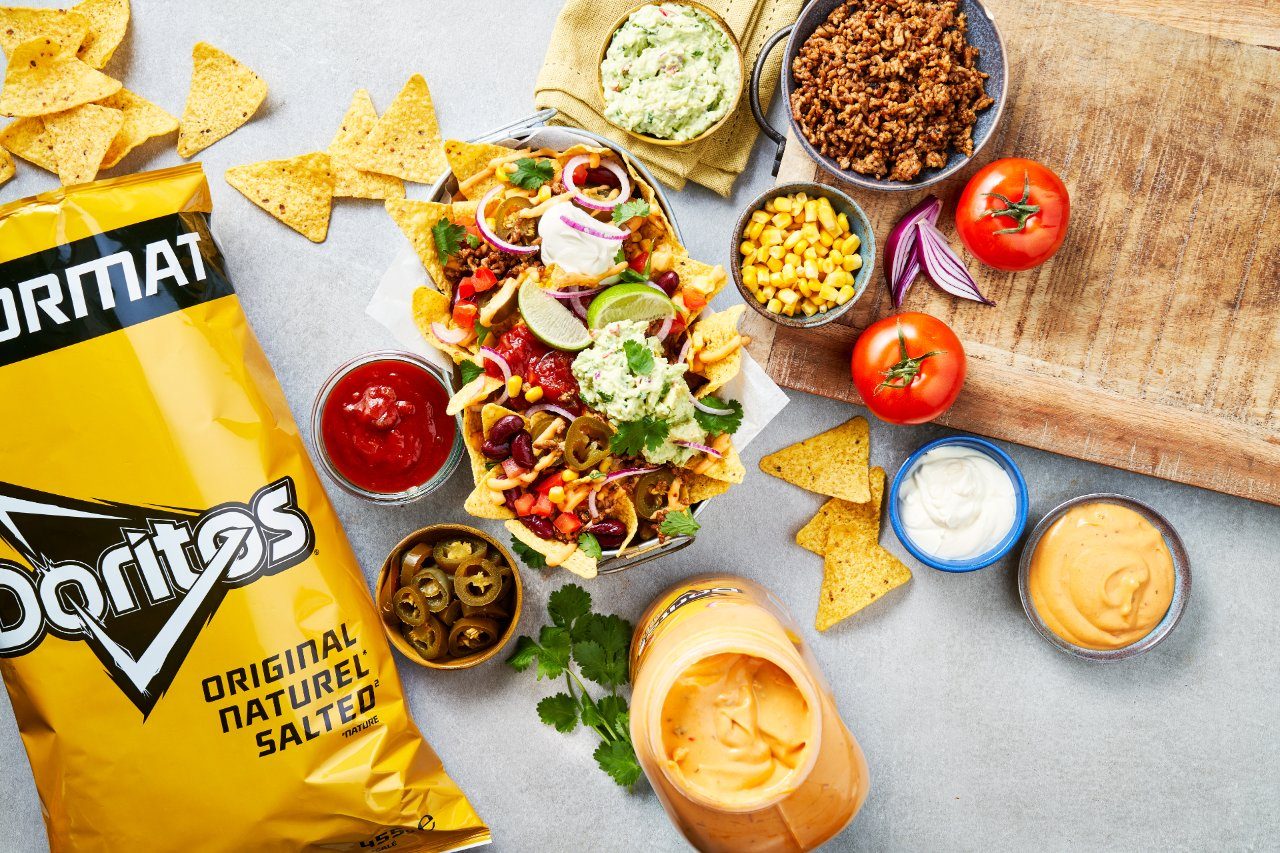
    Doritos, a widely recognized brand, has recently ventured into the protein snack sector in the U.S., launching a high-protein tortilla-style chip. The company’s foray into the functional snack market is part of a broader initiative, with other subsidiaries of parent company PepsiCo, such as SmartFood, SunChips, Pepsi, Poppi, and Quaker, introducing products rich in protein, fiber, and prebiotic ingredients.

    The Protein-Rich Snack

    Each one-ounce serving of Doritos Protein offers 10 grams of protein, with a single-serve pack providing a substantial 17 grams of protein. The protein source in the chips is casein, a dairy-based protein. Consumers can find these chips in popular flavors such as Nacho Cheese and Sweet & Tangy BBQ.

    Jess Spaulding, the VP of Marketing at PepsiCo Foods US, spoke about the company’s intent behind the product. She explained that while incorporating the functional benefit of added protein, they were committed to maintaining the distinctive taste and texture that Doritos is known for.

    Availability and Future Plans

    Doritos Protein is currently sold in two sizes, 7oz and 12.75oz. As the year progresses, the company plans to introduce the product in more formats and sizes.

    Questions & Answers

    What is the protein source used in Doritos Protein?
    The source of protein used in Doritos Protein is casein, a protein derived from dairy.

    What flavors are Doritos Protein available in?
    Doritos Protein is available in two flavors: Nacho Cheese and Sweet & Tangy BBQ.

    How much protein does a single serving of Doritos Protein provide?
    Each one-ounce serving of Doritos Protein contains 10 grams of protein, with a single-serve pack offering 17 grams.

  • Sweet Success: Honey Australia Buzzes into Middle East Market with Exclusive Lulu Hypermarket Partnership

    Sweet Success: Honey Australia Buzzes into Middle East Market with Exclusive Lulu Hypermarket Partnership

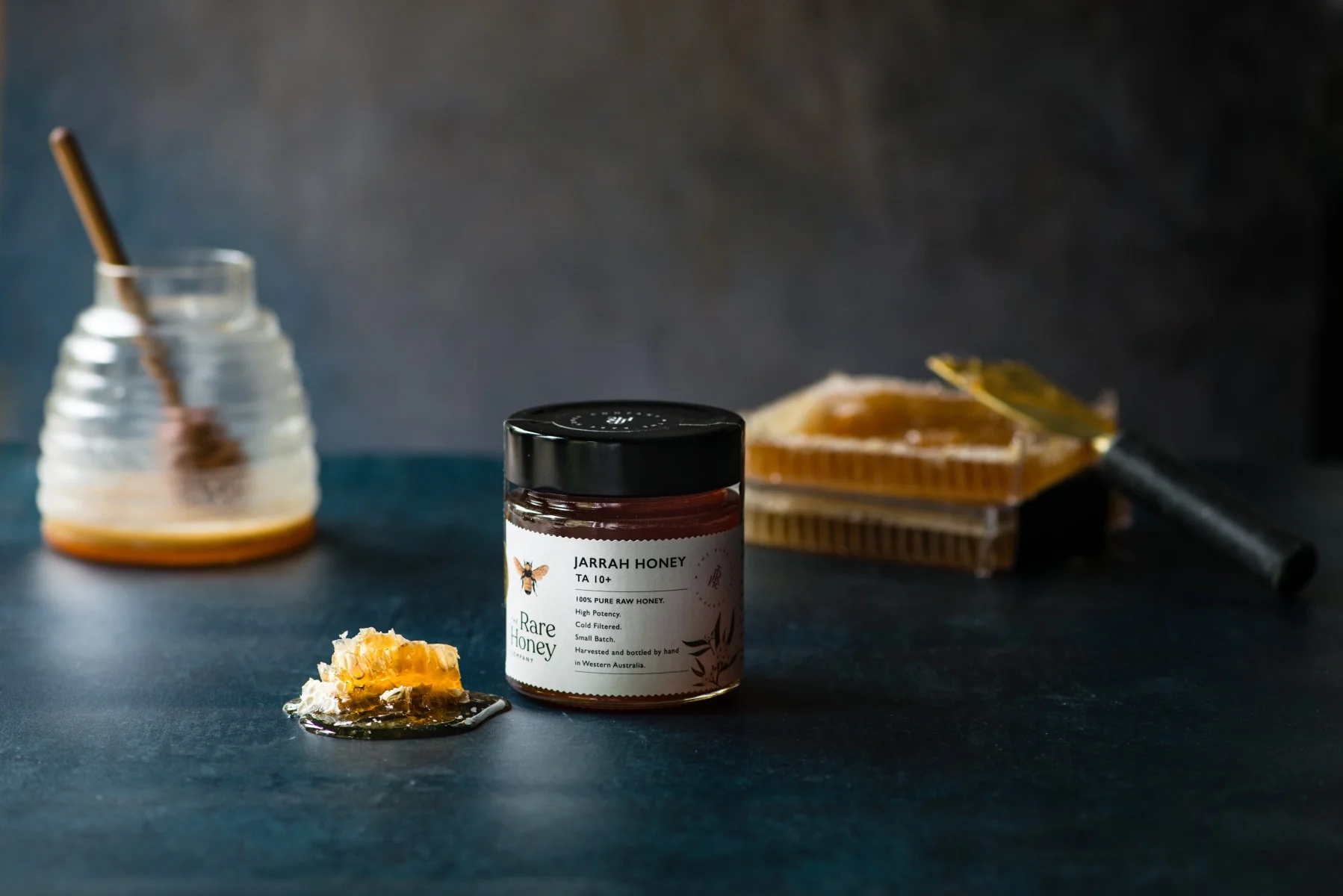
    The family-owned Australian brand, Honey Australia, has recently extended its reach into the Gulf Cooperation Council (GCC) through an exclusive collaboration with the Lulu Group.

    Honey Australia’s premium products are now widely available across Lulu Hypermarket locations throughout the GCC. The launch of their partnership was celebrated with an in-store event in Qatar.

    Nick Maiolo, the co-founder of Honey Australia, expressed immense pride in this exclusive partnership with the Lulu Group for the brand’s GCC expansion. He stated, “As a family-owned enterprise that has been closely working with Australian beekeepers for several generations, it’s an honor to have our products included within Lulu’s premium Australian range, and being introduced to customers across the Middle East.”

    The regional introduction of Honey Australia is in line with the company’s participation at Gulfood, a leading food and beverage industry event. This provided the company an opportunity to connect with buyers and distribution partners to further fortify its market presence.

    Honey Australia’s expansion is not limited to the Middle East alone, as the company also has plans to extend its reach in other regions worldwide.

    Questions & Answers

    What is Honey Australia’s new partnership?
    Honey Australia has entered an exclusive partnership with the Lulu Group, helping them expand into the Gulf Cooperation Council (GCC) region.

    What event marked the launch of this partnership?
    The launch of the partnership was celebrated with an in-store event in Qatar.

    What is Honey Australia’s future expansion plan?
    While they have recently expanded into the GCC, Honey Australia intends to further increase their global presence by branching out into other regions around the world.

  • Citi Unveils New Chicago Desk to Bolster Support for Korean Corporates in the US Market

    Citi Unveils New Chicago Desk to Bolster Support for Korean Corporates in the US Market

    Citi, the American multinational investment bank, is set to enhance its service to Korean corporate clientele with the inauguration of a new desk in Chicago.

    Expanding Coverage of Korean Corporates

    The newly launched Korea desk in Chicago is part of Citi’s strategic plan to augment its local financial support for Korean corporate clients who are penetrating the North American market. This addition builds upon Citi’s existing US coverage of Korean corporations, which was initiated in New York in 1993.

    Currently, Citi operates Korea desks around the world, including in London, Prague, Dubai, Singapore, Warsaw, Chennai, Hong Kong, Atlanta, and Monterrey.

    Growth of Korean Corporates in North America

    Citi reports that Korean corporates are quickly spreading their influence across North America, spanning a broad range of industries such as manufacturing, power, semiconductors, and services. The expansion into the United States extends beyond specific regions as businesses set up production and sales bases throughout the country, making their operations progressively widespread.

    Kyoungho Kim, the head of the corporate banking group at Citi Korea, noted the bank’s history of aiding Korean corporates. He highlighted how Citi Korea has been instrumental in bridging the financial operations of these clients’ headquarters in Korea with their overseas subsidiaries through its Korea Desks in key global markets.

    Enhanced Support for Korean Corporates in the Midwest

    The Chicago Korea Desk’s introduction marks a step forward in extending this crucial service in North America. It aims to provide ample support for Korean corporates operating in the US Midwest, guiding them through their funding and financial transactions in alignment with the local financial environment.

    Questions & Answers

    What is the purpose of the new Korea desk in Chicago launched by Citi?

    The Korea desk in Chicago is intended to expand Citi’s local financial support for Korean corporate clients penetrating the North American market.

    What industries are Korean corporate clients involved in?

    Korean corporate clients are involved in a wide range of industries, including manufacturing, power, semiconductors, and services.

    What are Citi Korea’s efforts in supporting Korean corporate clients?

    Citi Korea has been pivotal in connecting the financial operations of Korean corporates’ headquarters with their overseas subsidiaries, providing consistent financial support in key global markets.

  • Retail Giant AS Watson Eyes Major Move into Australian Market with Potential $500M Pharmacy Acquisition

    Retail Giant AS Watson Eyes Major Move into Australian Market with Potential $500M Pharmacy Acquisition

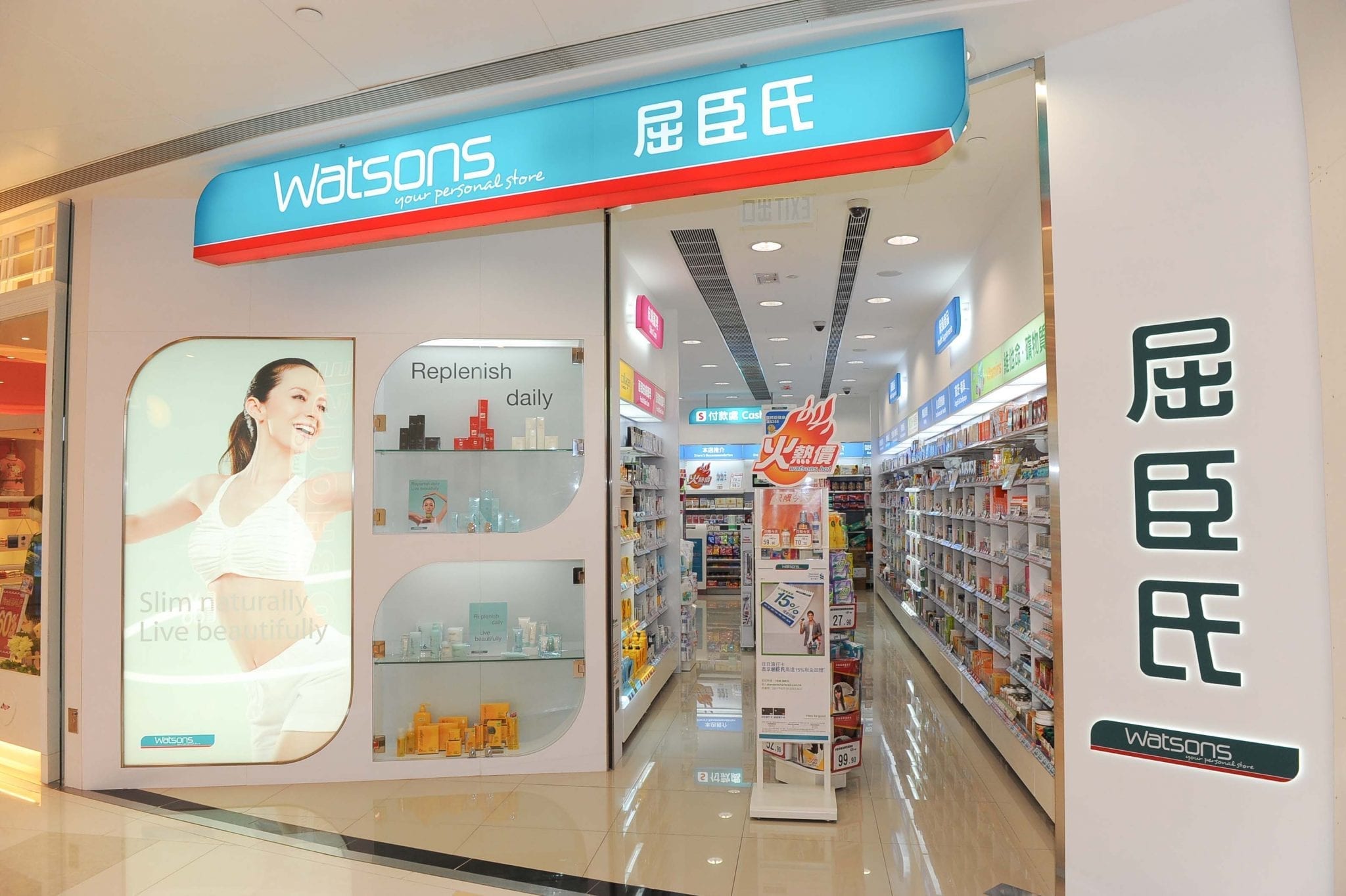
    AS Watson, a Hong Kong-based health and beauty retailer, is potentially planning a move into the Australian market. The company is believed to be considering an acquisition of over 90 pharmacies in Australia.

    Expansion into Australia

    The company’s interest is reportedly focused on 92 Priceline pharmacies, previously under the operation of Infinity Pharmacy Group. This move will represent AS Watson’s debut into the Australian market. The company is said to be planning a comprehensive review of these pharmacies, which indicates serious intent towards the acquisition.

    It is suggested that executives from AS Watson had visited Australia several years prior and had discussions with the founding partner of Infinity. These visits may well have laid the groundwork for the current acquisition proposal. However, a spokesperson for the group declined to provide any comment on these market speculations.

    The Players Involved

    AS Watson is a part of CK Hutchison Holdings – a major commercial conglomerate based in Hong Kong. On the other side of the equation, the Priceline brand is owned by Australian conglomerate, Wesfarmers, while Infinity Pharmacy Group functions as a franchisee of the chain.

    In a recent development, Wesfarmers placed approximately half of Infinity’s stores into receivership, following a period of enduring financial difficulties. These financial struggles have led to the sale of the 92 Priceline stores, managed by Infinity’s administrator, Teneo.

    The Sale Process

    Teneo, responsible for the administration of the sale process, is said to be seeking a minimum sale price of AU$500 million for these 92 Priceline stores.

    Questions & Answers

    What is the significance of this potential acquisition by AS Watson?
    The acquisition could mark AS Watson’s entry into the Australian market, expanding its global footprint.

    Who currently owns the Priceline brand and the affected pharmacies?
    The Priceline brand is owned by Wesfarmers, an Australian conglomerate. The affected pharmacies were previously operated by Infinity Pharmacy Group, a franchisee of the chain.

    What is the expected price for the sale of these 92 Priceline stores?
    The administrator overseeing the sale, Teneo, is reportedly seeking a minimum price of AU$500 million for the stores.

  • Jollibee Foods Sizzles up Asian Market with Korean Hot Pot Acquisition and Compose Coffee Expansion

    Jollibee Foods Sizzles up Asian Market with Korean Hot Pot Acquisition and Compose Coffee Expansion

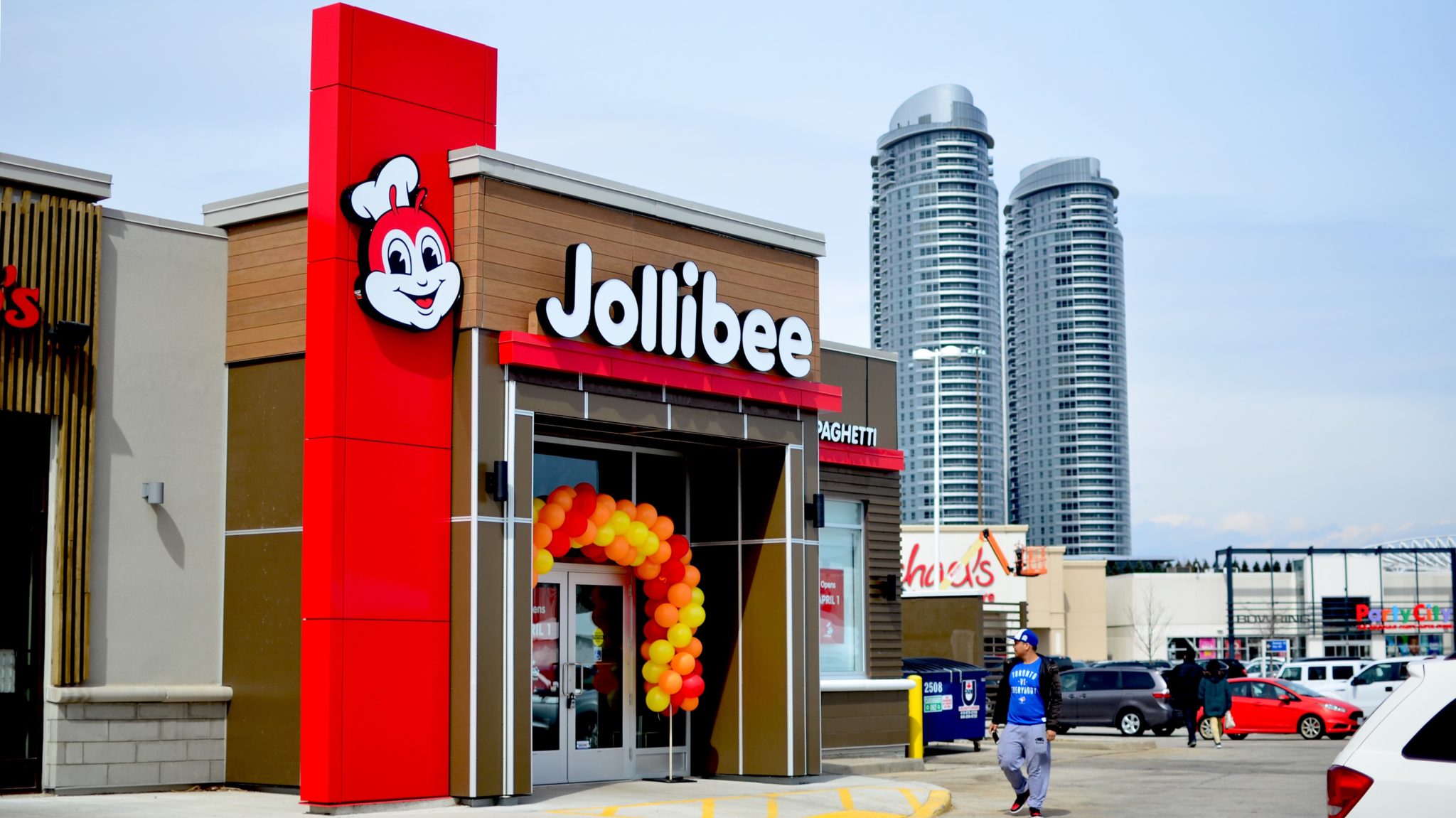
    Jollibee Foods Corporation (JFC), a dominant player in the food service industry, is poised to strengthen its position in Asia through the acquisition of a South Korean hot pot buffet brand, Shabu All Day, and the anticipated introduction of a rapidly-growing Korean coffee brand, Compose Coffee, into the Philippines.

    Amplifying Asian Presence

    Jolli-K Co, a subsidiary of JFC, has acquired All Day Fresh Co, the company behind the operation of Shabu All Day, in a deal worth approximately US$87 million. Shabu All Day, established in 2014, boasts 169 stores distributed across South Korea. In addition to this acquisition, JFC’s South Korean portfolio encompasses the coffee chain, Compose Coffee, ensuring the company has a diverse presence across both full-service dining and beverage-led segments.

    Introducing Compose Coffee to the Philippines

    In a synergistic move, JFC is set to bring the Korean coffee brand, Compose Coffee, to the Filipino market. This will be achieved through a master franchise agreement facilitated by its subsidiary, Fresh N’ Famous Foods. The first Compose Coffee stores are projected to open in the Philippines later this year.

    Established in 2014 in Busan, Compose Coffee has witnessed prolific growth, with around 3000 stores in operation. This growth has positioned it as one of South Korea’s most significant value-driven coffee chains. JFC acquired a 70 per cent stake in Compose Coffee in 2024. This expansion into the Philippines is a testament to JFC’s ongoing commitment to the flourishing coffee and tea sector, where it already operates various brands, including Highlands Coffee, The Coffee Bean & Tea Leaf, and Milksha.

    Unprecedented Network Growth

    These growth strategies were announced against a backdrop of record sales for JFC in the preliminary fourth quarter of 2025. The food service giant reported systemwide sales of ₱122.3 billion (approximately US$2.1 billion), a 12 per cent increase year on year.

    The company’s total store network for the full year expanded by 5.9 per cent to reach 10,341 outlets, the highest level of gross store openings in the company’s history. This network comprises 3504 stores in the Philippines and 6837 international stores, demonstrating JFC’s consistent expansion across key markets. JFC operates 576 stores in China, 348 in North America, and 437 across Europe, Middle East, Asia, and Australia. The growth is largely driven by its diverse portfolio of brands, including Highlands Coffee, The Coffee Bean & Tea Leaf, Milksha, Compose Coffee, and Tim Ho Wan.

    Questions & Answers

    What is Jollibee Foods Corporation’s latest acquisition?
    Jollibee Foods Corporation has recently acquired Shabu All Day, a South Korean hot pot buffet chain, through its subsidiary, Jolli-K Co.

    What new brand is JFC introducing to the Philippines?
    JFC is set to introduce Compose Coffee, a popular and rapidly-growing South Korean coffee brand, to the Philippines.

    What was JFC’s growth rate for their total store network in the last fiscal year?
    JFC’s total store network grew by 5.9 per cent during the last fiscal year, reaching a total of 10,341 outlets.