Tag: Market

  • Hong Kong Housing Market Set for 5% Uplift in 2026: Mainland Demand and Interest Rate Cuts Lead the Charge

    Hong Kong Housing Market Set for 5% Uplift in 2026: Mainland Demand and Interest Rate Cuts Lead the Charge

    Analysts predict a 5% rise in Hong Kong residential property prices in 2026, spurred by demand from buyers from mainland China, potential interest rate cuts, and a decrease in unsold new apartments. Joseph Tsang Hon-ping, the chairman of JLL in Hong Kong, expresses cautious optimism for housing prices in 2026, believing they’ve reached their lowest point.

    Market Recovery Predictions

    According to Tsang, there’s an expectation of a 5% rise in capital values, while the value of luxury residences is anticipated to remain generally unchanged. However, luxury rents could experience an increase of up to 5%. This pattern could provide a significant lift to a market that has been in decline since the latter part of 2021.

    Cushman & Wakefield also suggests that recent adjustments in taxes and a bounce-back in the Hong Kong stock market could contribute to the stabilization of the city’s residential property sector. Additionally, these elements could help to normalize elevated inventory levels held by developers by the end of the upcoming year.

    Current Market Conditions

    Government data reveals a significant drop of 28.4% in lived-in home prices in March, compared to their peak in September 2021. However, home sales have shown promising growth, with an increase of more than 20% year on year as reported in November. This surge in sales has resulted in a decrease in unsold inventory.

    By the end of the year, the projection is for the unsold stock to be equivalent to over 51 months of supply. This aligns with the average level between the years 2015 and 2021. JLL also anticipates private housing supply to normalize by the end of 2026, requiring nearly 45 months to absorb current stock.

    Mainland Buyers and Luxury Housing

    For new property launches, about 30% of buyers hail from mainland China. This figure rises to over 60% for projects in specific areas like Kai Tak and Kowloon Station. In the luxury housing market, which includes units priced at or above HKD100 million (US$12.85 million), mainland Chinese buyers account for more than 90% of purchases.

    Some luxury properties, such as a duplex apartment at The Legacy, have achieved exceptionally high selling prices. This apartment reportedly set a new city record, selling for HKD880 million.

    Market Recovery Signs

    There have been signs of improvement in Hong Kong’s residential property market sentiment in recent months, following a roughly 30% price drop from their 2021 peak. Interest rate cuts have aided in stabilizing financing conditions, marking the start of a recovery.

    Cushman predicts the number of mainland buyers in Hong Kong to continue rising, as rental prices have reached historic highs. However, Edgar Lai, a senior director at Cushman, believes the share of mainland buyers will not surpass that of local buyers due to capital controls making it challenging to transfer large sums of capital into Hong Kong.

    Questions & Answers

    What is the predicted increase in Hong Kong home prices in 2026?
    Analysts anticipate a 5% rise in residential property prices in Hong Kong in 2026.

    What factors are expected to drive this growth?
    The projected growth is expected to come from demand from mainland Chinese buyers, anticipated interest rate cuts, and a reduction in unsold new apartments.

    What is the current state of Hong Kong’s residential property market?
    Hong Kong’s residential property market has begun to show signs of recovery following a 30% drop in prices from their peak in 2021. The market is showing the first signs of stabilization, supported by interest rate cuts.


  • Global Market Shifts Trigger Gasoline Price Plunge in Vietnam: A Dive into the Lower Fuel Costs

    Global Market Shifts Trigger Gasoline Price Plunge in Vietnam: A Dive into the Lower Fuel Costs

    In response to global trends, Vietnam witnessed a reduction in gasoline prices on Thursday afternoon. The well-known fuel RON95 observed a decrease of 1.86% from the previous week, resulting in a new price of VND20,080 (US$0.76) per liter.

    Biofuel and Diesel Prices

    There was also a decrease in the price of Biofuel E5 RON92, which dropped by 1.06%, settling at VND19,610. Diesel experienced a similar reduction, with prices falling by1.25% to a new low of VND18,150. This is the lowest price recorded since October 23.

    Global Petroleum Market Influence

    The global petroleum market has been notably influenced in the past week by several international events. These include the peace agreement between Russia and Ukraine and the decision by the U.S. Federal Reserve to lower interest rates, as reported by the Ministry of Industry and Trade.

    In line with these developments, RON95 experienced a drop of 2.4%, with prices now at $79.9 per barrel. Diesel also saw a decrease, declining 1.5% to $84.83 per barrel.

    Questions & Answers

    What led to the decrease in gasoline prices in Vietnam?
    The decrease in gasoline prices in Vietnam was influenced by the current global trends, notably the Russia-Ukraine peace agreement and the U.S. Federal Reserve’s decision to lower interest rates.

    What is the new price for RON95 and Diesel?
    The new price for RON95 is VND20,080 (US$0.76) per liter, and Diesel is VND18,150 per liter.

    What other fuel experienced a price drop?
    Biofuel E5 RON92 also saw a price reduction, dropping by 1.06% to VND19,610.

  • Vietnam Shakes Up Gold Market With New 0.1% Transaction Tax: Aiming for Level Playing Field in Asset Classes

    Vietnam Shakes Up Gold Market With New 0.1% Transaction Tax: Aiming for Level Playing Field in Asset Classes

    As per a newly enacted legislation on Wednesday, sales of gold bars will now be subjected to a 0.1% tax, as declared by the National Assembly. However, the responsibility of determining the tax threshold and the schedule of implementation has been delegated to the government.

    The Rationale Behind the Taxation

    The government has previously expressed its stance that taxing gold is a crucial measure in order to limit speculation and facilitate the redirection of more resources towards the economy. The establishment of a taxable threshold is aimed at excluding those individuals who engage in the buying and selling of gold as a form of investment rather than for speculation.

    Investment in gold is a common practice in Vietnam, and the act of selling gold has never been subjected to taxation in the past.

    Creating a Level Playing Field

    Industry analysts have voiced their opinions that the taxation of gold could potentially establish a more balanced environment for all asset classes. The domestic gold market has been a source of major concern for lawmakers due to its volatility, with gold prices witnessing a hike of over 80% since the beginning of the current year.

    At the time of publishing, the price of gold was hovering around VND153.7 million (equivalent to US$5,829.60) for a tael of 37.5 grams, marking 15% higher than the global rates.

    Questions & Answers

    Why has the government decided to tax gold sales?
    The government views this taxation as a necessary step to curb speculation and channel more resources into the economy.

    What does the establishment of a “taxable threshold” imply?
    The taxable threshold is intended to exempt individuals who buy and sell gold as an investment, not for speculation.

    How does this new tax regulation impact the domestic gold market?
    The new tax regulation could potentially create a more balanced field for all asset classes and help control the volatility in the domestic gold market.

  • KK Group Revives Indonesian Market with Tri-Brand Blast: X11, KKV, and The Colorist

    KK Group Revives Indonesian Market with Tri-Brand Blast: X11, KKV, and The Colorist

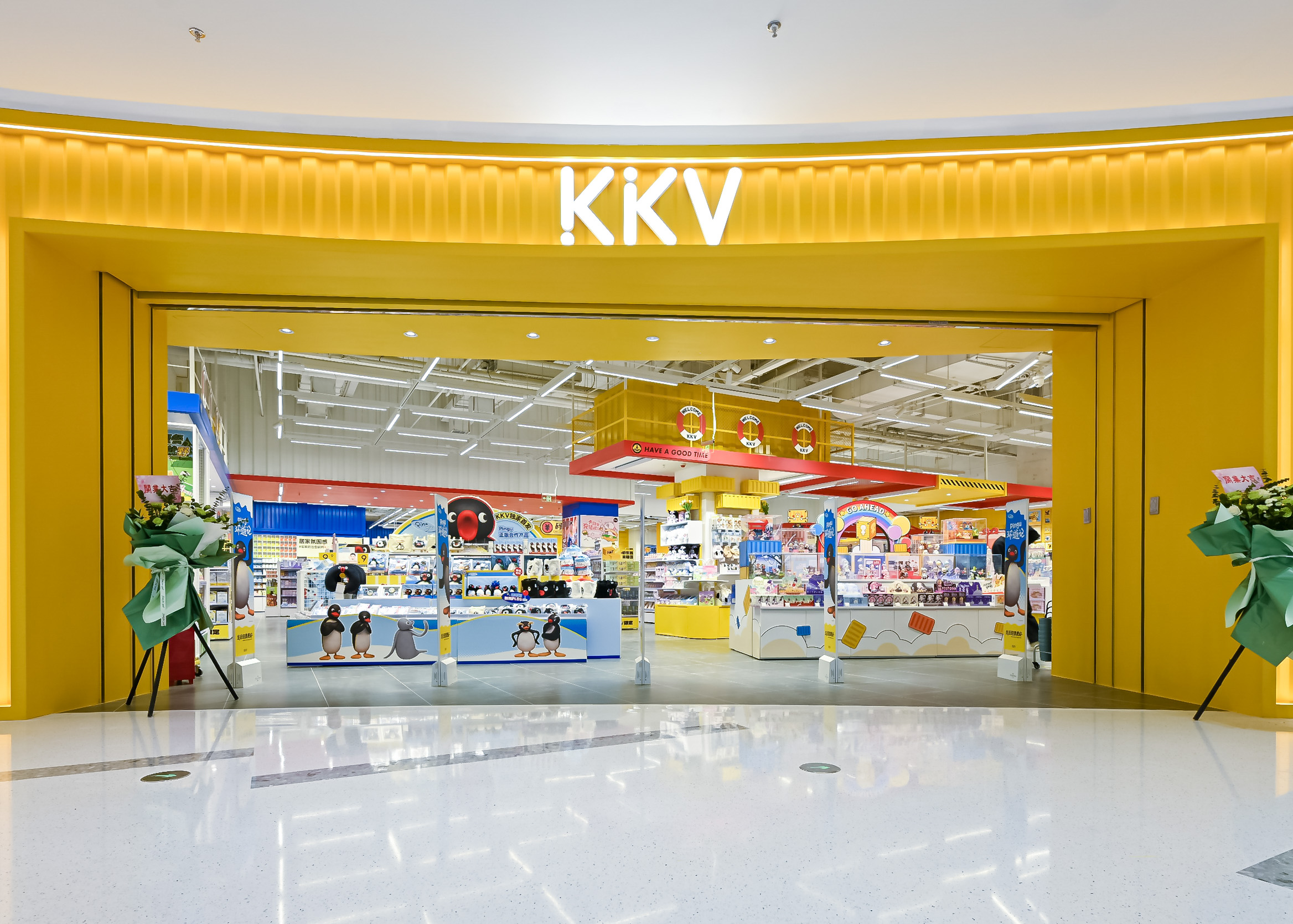
    KK Group, a Chinese lifestyle retailer, is making a strategic return to the Indonesian market. The company plans to reintroduce three of its brands: X11, KKV, and The Colorist.

    The Return of X11, KKV, and The Colorist

    The reintroduction begins with X11, KK Group’s trend and culture emblem, which targets youthful consumers with art toys, anime paraphernalia, and pop culture merchandise. The first stores are set to open in Greater Jakarta and other major cities throughout Java, Bali, and several regional centers.

    Following closely behind is KKV, KK Group’s primary lifestyle brand, scheduled to launch the following year. KKV boasts a remarkable range of over 20,000 Stock Keeping Units (SKUs) that include home goods, stationery, beauty products, snacks, and fashion items. Alongside KKV, The Colorist, a mass-premium beauty brand focused on Generation Z and young millennials, is also set to launch.

    Rojen Wu, COO of KK Group’s international business, expressed the company’s firm commitment to Indonesia. “Indonesia has consistently been a priority for us in Southeast Asia,” Wu said. “With KKV, The Colorist, and X11, we aim to cultivate a comprehensive lifestyle retail ecosystem while offering redefined retail experiences to Indonesian consumers.”

    KK Group’s Ambitious Expansion Plans

    KK Group’s multi-brand strategy includes the development of a network of over 500 stores across these three core brands. The company is also considering introducing Pet Tribes, a pet-centered concept recently launched in China, as part of its broader multi-brand strategy for Indonesia. In the long term, KK Group projects running over 1,000 stores under its enlarged brand portfolio.

    This Indonesian re-entry comes on the heels of KK Group’s aggressive Southeast Asian expansion, which has seen them breaking into new markets in Malaysia, Singapore, Thailand, Vietnam, and the Philippines. At present, KK Group operates over 1,000 stores in China and more than 150 stores across various regions.

    Questions & Answers

    What is KK Group’s re-entry strategy into the Indonesian market?

    KK Group plans to reintroduce three of its brands: X11, KKV, and The Colorist. The company also intends to develop a network of over 500 stores across these core brands.

    What are the three brands that KK Group is reintroducing into Indonesia?

    The three brands are X11, a trend and culture brand aimed at younger consumers; KKV, the company’s flagship lifestyle brand; and The Colorist, a mass-premium beauty brand targeted at Generation Z and young millennials.

    What is KK Group’s long-term vision for its multi-brand strategy in Indonesia?

    In the long term, KK Group plans to operate over 1,000 stores under its expanded brand portfolio. The company is also considering the introduction of Pet Tribes, a pet-focused concept recently launched in China.

  • New Zealand’s Non-Alcoholic Sensation Free AF Shakes Up UK Market with Delectable RTD Cocktails

    New Zealand’s Non-Alcoholic Sensation Free AF Shakes Up UK Market with Delectable RTD Cocktails

    Free AF, a New Zealand-based company specializing in non-alcoholic beverages, has made its debut in the UK market. Their range of ready-to-drink (RTD) cocktails is now available to consumers across the country in Morrisons retail locations and online.

    Product Availability

    The product lineup available in Morrisons stores includes two flavours: Apero Spritz and Spiced Rum & Ginger. The Margarita flavour, on the other hand, can be purchased online through both Amazon and Free AF’s own website.

    Each 250ml can is reasonably priced at £2.50 (equivalent to A$5). The beverages feature Afterglow, a unique blend of New Zealand botanicals that give the drinks a warming sensation similar to that of alcohol, without any actual alcohol content.

    Company Expansion

    Free AF, founded by Lisa King, has already established a significant market presence in New Zealand and the United States. Their products are available in over 4,000 stores across the US, including popular retail chains Target, Walmart, and Sprouts.

    King expressed her excitement about the company’s expansion into the UK market, despite the challenging economic climate. “Entering the UK market is a huge milestone for us,” she said. “Every stage of growth has been shaped by our customers here at home. Their feedback influenced everything – from flavour to purpose – and that’s what’s enabled us to scale globally.”

    Brand Presence

    The brand has made appearances at high-profile events such as Coachella, New York Fashion Week, and NZ Fashion Week. Recently, Free AF announced a three-year partnership with The Nelson Mandela Foundation. As part of their commitment, a portion of Free AF’s global sales will go towards supporting the non-profit organization.

    Questions & Answers

    What is Free AF?
    Free AF is a New Zealand-based company that specializes in non-alcoholic beverages.

    What flavours are available from Free AF in the UK?
    The flavours available in the UK include Apero Spritz and Spiced Rum & Ginger in Morrisons stores, and Margarita online.

    Where else is Free AF available?
    Apart from the UK, Free AF products are also available in New Zealand and the United States, with their products being stocked in over 4,000 stores across the US.

  • Vietnam’s Agricultural Exports Soar by 12.6%: Thriving Market for Coffee, Fruits, and Vegetables

    Vietnam’s Agricultural Exports Soar by 12.6%: Thriving Market for Coffee, Fruits, and Vegetables

    In the first eleven months of 2025, the exportation of agricultural, forestry, and fisheries products increased by 12.6% on a year-on-year basis, totaling a whopping US$64 billion.

    Breakdown of Agricultural Exports

    The agricultural sector contributed significantly to this figure, accounting for $34.24 billion, representing an increase of 15% over the period. In particular, the average price of coffee exports experienced a significant boost, escalating by 40% to reach $5,667 per ton. Germany, Italy, and Spain emerged as the primary destination markets for these coffee exports.

    Furthermore, exports of fruits and vegetables witnessed a near 20% rise, amounting to $7.91 billion. This surge was primarily driven by robust demand from the Chinese and U.S. markets.

    Challenges in the Export Market

    Despite the general upward trend, not all products enjoyed the same level of success. Cashew and pepper exports did increase; however, some key commodities encountered challenges.

    Rice exports, for instance, took a substantial hit, declining by 27.7% to $3.83 billion due to increased competition. Similarly, exports of tea and rubber suffered a downturn as demand for these products weakened.

    Government’s Future Plans

    Phung Duc Tien, the Deputy Minister of Agriculture and Environment, recently stated that by the close of the year, the export value of agricultural, forestry, and fisheries products could reach an approximate $70 billion.

    In an effort to boost this sector further, the government is focusing on promoting green, organic, and circular agricultural models. These initiatives aim to preserve natural resources and biodiversity. Additionally, the government intends to fortify regional linkages to create a more unified, strong sector.

    Questions & Answers

    What was the total value of agricultural, forestry, and fisheries exports in the first eleven months of 2025?
    The total value was US$64 billion, representing a 12.6% increase year-on-year.

    Which agricultural products saw an increase in export value?
    The price of coffee exports rose by 40%, and there was a nearly 20% increase in the exportation of fruits and vegetables.

    Which agricultural products faced challenges in the export market?
    Rice exports faced a significant decline due to rising competition, and the shipment of tea and rubber products also dropped because of weakened demand.

  • Malaysia’s Strategic Moves to Regain Palm Oil Dominance in China Amid Market Challenges

    Malaysia’s Strategic Moves to Regain Palm Oil Dominance in China Amid Market Challenges

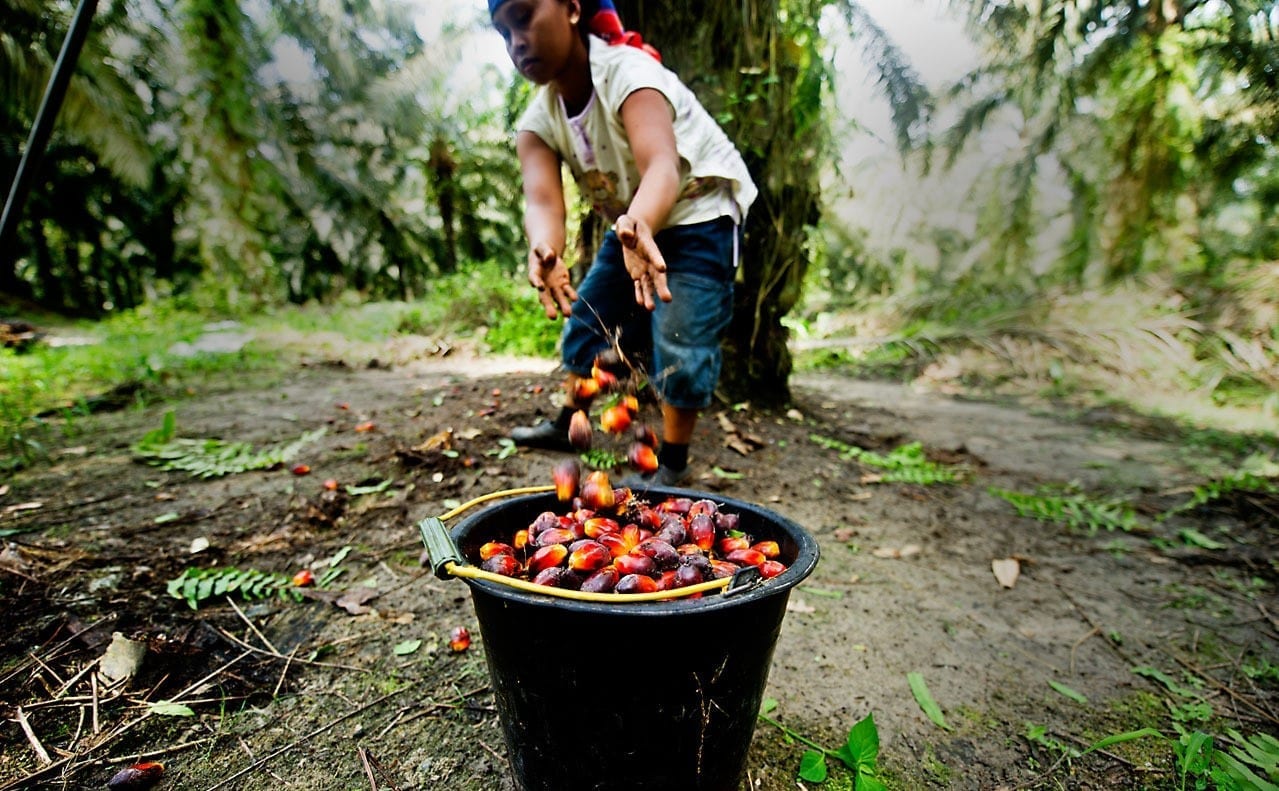
    Malaysia is taking proactive measures to reclaim its portion of China’s palm oil market, following a precipitous drop of almost 39% in export volumes year-on-year in the first ten months of 2025.

    Factors Influencing the Decline

    According to Malaysia’s Plantation and Commodities Minister, Datuk Seri Johari Abdul Ghani, this dramatic decrease can be attributed in part to logistics issues and a surge in palm oil prices. The latter has overtaken the costs of soybean oil, making soybean oil more attractive to Chinese buyers.

    Chinese Market Significance

    China holds a pivotal role as a strategic market for Malaysia, having consistently been one of the leading destinations for Malaysian palm oil exports for over a decade. Ghani remarked that the steep decrease points to deeper problems, extending beyond simply competitiveness and logistics. The issues also involve pricing dynamics and market positioning.

    Transparent Export Policies

    Ghani underscored that Malaysia remains committed to maintaining clear and predictable export policies. This approach is designed to ensure that the nation’s activities do not interfere with the interests of its key trading partners.

    Promoting Continuous Dialogue

    In addition, Malaysia is open to ongoing discussions to better synchronize expectations regarding pricing trends, market developments, and long-term supply planning, the minister added.

    Questions & Answers

    What has caused the drop in Malaysia’s palm oil exports to China?
    The drop in exports has primarily been attributed to two factors: challenges in logistics and a rise in palm oil prices, which have made soybean oil a more attractive choice for Chinese buyers.

    Why is the Chinese market significant to Malaysia?
    China is a key and strategic market for Malaysia, consistently standing as one of the top destinations for Malaysian palm oil exports for over a decade.

    How does Malaysia plan to address the current challenges and regain its market share?
    Malaysia intends to maintain transparent and predictable export policies and is open to continuous dialogue on pricing trends, market developments, and long-term supply planning to better align expectations.

  • Metcash Battles Tough Trading Climate: Mixed Results and Strategic Market Gains Detailed in Interim Report

    Metcash Battles Tough Trading Climate: Mixed Results and Strategic Market Gains Detailed in Interim Report

    In the first half of the fiscal year, Metcash released a diverse range of results as the firm navigated a challenging trading period. The group’s revenue for the six months concluding on October 31 saw a slight increase of 0.1%, amounting to $8.5 billion. This figure rose to $9.6 billion, an increase of 0.4%, when charge-through sales were included.

    Segment Performance

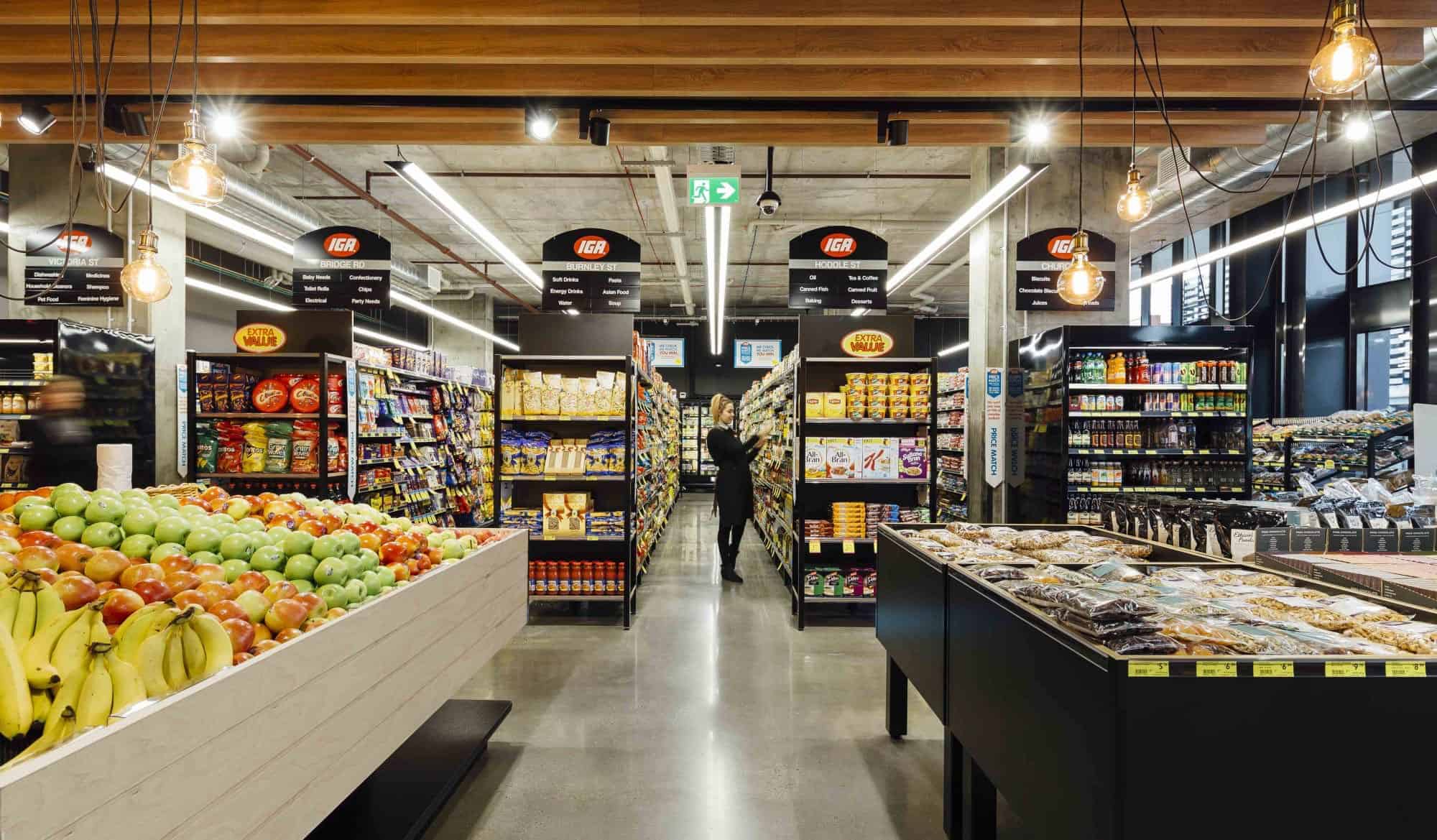
    Metcash’s food segment, with the exception of tobacco, witnessed a 7.2% surge, indicating growth in both its supermarket business (IGA) and foodservice and convenience operations (Campbells & Convenience and Superior Foods).

    However, when tobacco was included, food sales decreased by 0.8%. This decline in tobacco sales, which accelerated to 35%, was reportedly due to the implementation of new regulations in July.

    In the liquor sector, Metcash saw sales rise by 1.4%, reflecting a growth in market shares in Australian packaged liquor and a surge in wholesale sales to on-premise patrons.

    The hardware segment of the business also experienced growth, with sales rising by 2.4%. Similarly, Total Tools sales saw a 3% increase.

    Financial Outcomes

    Regarding the bottom line, the group’s EBITDA increased by 2% to $367.2 million. Contrarily, the underlying profit after tax witnessed a decline of 5.9%, amounting to $126.7 million. This decrease was due to a combination of lower hardware and liquor earnings, an increase in finance costs, and increased depreciation and amortization.

    Future Prospects

    Despite the challenging trading conditions, Metcash group CEO Doug Jones expressed satisfaction with the company’s results. According to Jones, the company has been making substantial progress in their strategy of extending through the value chain and ‘winning with independents’. This strategy presents opportunities to extend their addressable markets while also providing attractive margins.

    Jones went on to express optimism about Metcash’s future prospects, stating that the company is well set for continued success. He emphasized the company’s robustness, diversity, and resilience, as well as the considerable opportunities for accelerating growth.

    Questions & Answers

    What was the increase in Metcash’s revenue for the first half of the fiscal year?
    The revenue saw a slight increase of 0.1%, amounting to $8.5 billion.

    How did the new regulations in July affect Metcash’s tobacco sales?
    The decline in tobacco sales, which accelerated to 35%, was reportedly due to the implementation of new regulations in July.

    What is Metcash group CEO Doug Jones’s outlook for the company’s future?
    Jones expressed optimism about Metcash’s future prospects, emphasizing the company’s robustness, diversity, and resilience, as well as the considerable opportunities for accelerating growth.

  • Hong Kong Retail Market Sizzles: Six Months of Consecutive Growth Capped by a Strong October

    Hong Kong Retail Market Sizzles: Six Months of Consecutive Growth Capped by a Strong October

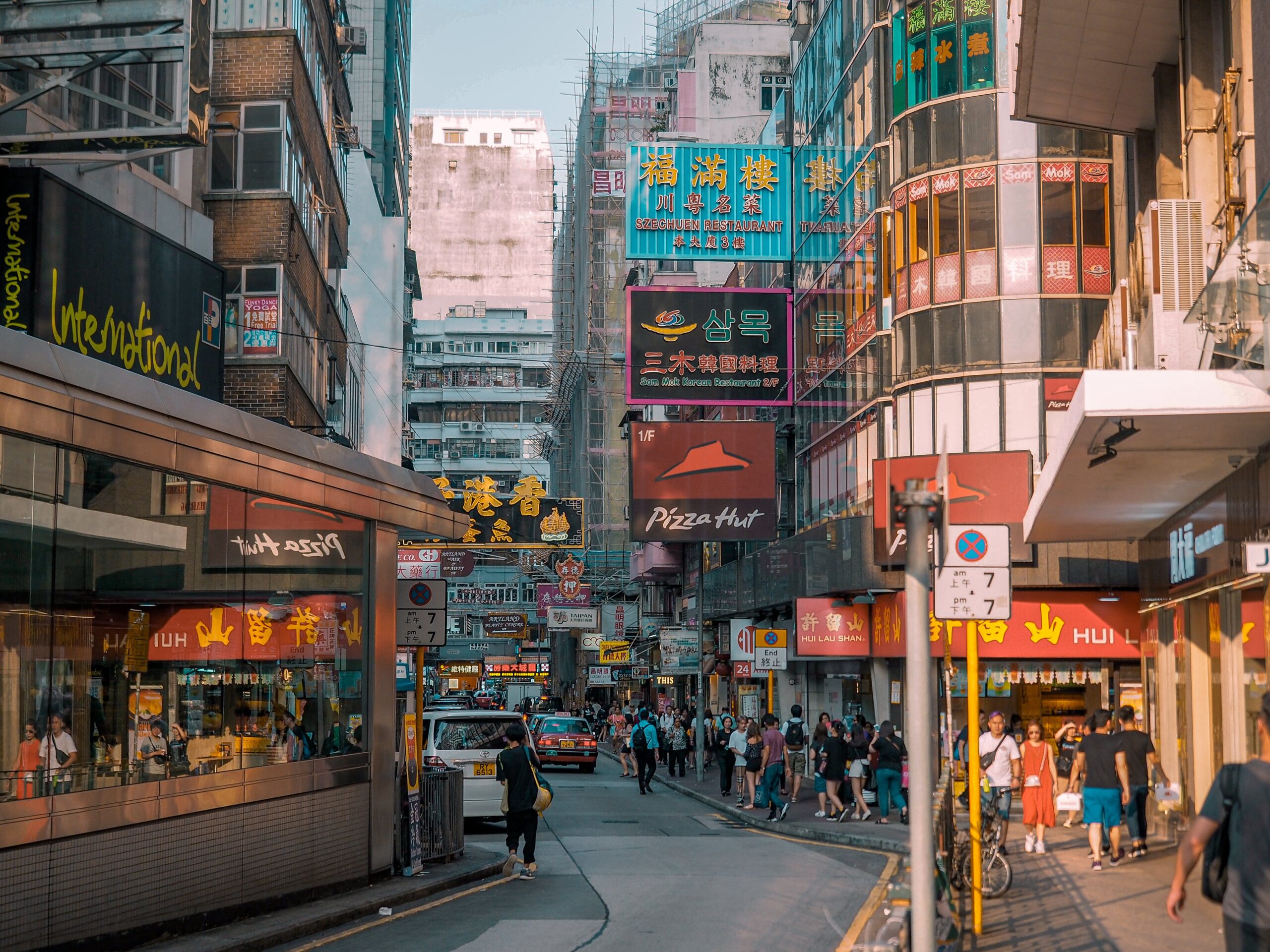
    Hong Kong’s retail sector has seen a significant upswing, with October marking the sixth consecutive month of sales increase. As per data from the Census and Statistics Department, there was a year-on-year increase of 6.9% in retail sales, provisionally estimated at HK$35.2 billion (US$4.5 billion) for the month. This represents the highest monthly increase witnessed over the past half year. Despite this, the retail sales over the first ten months remained largely on par with the same period the previous year.

    Noteworthy Sector Performances

    Specific sectors within the retail industry reported varying degrees of performance. Sales of electrical goods and other consumer durable goods took the lead with a significant increase of 24.6% in October. This was closely followed by jewellery, watches, clocks, and valuable gifts, which saw an increase of 9.5%. Alcoholic drinks and tobacco reported an increase of 6%, while department store commodities saw a 5.8% increase in sales.

    On the other hand, several sectors reported a decline in sales. Motor vehicle and parts sales saw the most significant drop, falling by 20%. This was followed by fuel sales, which decreased by 8.7%, and Chinese drugs and herbs, which fell 6.6%. Furniture and fixtures also saw a slight decrease in sales, falling by 2.3%.

    Government Statement

    The government has also weighed in on the positive trend in retail sales, with a spokesperson attributing the increase to an ongoing improvement in consumer sentiment. They noted that the retail sales recovery gathered momentum in October, indicating a forward progression from the sales increase in the previous month. The spokesperson expressed confidence in the continued improvement in local consumer sentiment and the sustained growth in visitor arrivals. These factors are expected to provide further support for retail businesses in the coming months.

    Questions & Answers

    What was the year-on-year increase in Hong Kong’s retail sales in October?
    The year-on-year increase in Hong Kong’s retail sales in October was 6.9%, according to the Census and Statistics Department.

    Which sectors reported the highest increase in sales?
    Electrical goods and other consumer durable goods reported the highest increase in sales, with a growth of 24.6%. They were closely followed by jewellery, watches, clocks, and valuable gifts, which saw a 9.5% increase.

    Which sectors saw a decrease in sales?
    Motor vehicle and parts experienced the most significant drop, falling by 20%. Fuels also decreased by 8.7%, with Chinese drugs and herbs falling 6.6%, and furniture and fixtures by 2.3%.

  • OCBC Leads the Charge in QR Payments Integration, Dominating China’s Scan-and-Pay Market

    OCBC Leads the Charge in QR Payments Integration, Dominating China’s Scan-and-Pay Market

    OCBC Bank is set to be the first Singaporean financial institution to allow customers to scan and pay every major merchant QR code in Mainland China via its Singapore mobile banking application. This innovation is a significant leap in the integration of cross-border payments.

    Positioning for the Future

    This strategic move places OCBC in a strong position to tap into the increasing travel and expenditure flows into China, where QR code transactions are commonplace. The additional functionality is a result of an extended collaboration with UnionPay International, formalized in Shanghai on November 28, 2025.

    Streamlining Payments for Travellers

    The OCBC application will take advantage of NETS infrastructure to facilitate payments to vendors that accept Weixin Pay, also known as WeChat Pay, augmenting its current support for Alipay+ and UnionPay QR. The Weixin Pay feature will be rolled out in the first quarter of 2026.

    The upgrade offers OCBC Singapore clients a seamless experience within one of the globe’s most cashless economies. Users can effortlessly scan any Weixin Pay, Alipay+, or UnionPay merchant QR code and have the payment directly deducted from their OCBC accounts.

    Surge in Strategic Opportunity

    The update spares customers the inconvenience of downloading separate applications, refilling digital wallets, or standing in line for currency exchange. Instead, they can enjoy competitive real-time exchange rates and no additional charges.

    The Scan & Pay feature of OCBC is experiencing substantial growth. Payment volumes have increased by eleven percent year-on-year, with active users up by 67 percent. Mainland China has become the top destination for these transactions, which are frequently used for dining, sightseeing, and retail shopping, including duty-free products and jewelry.

    Travel Demand on the Rise

    The bank’s expanded QR acceptance aligns with the escalating travel demand. The number of arrivals from Singapore to Mainland China more than doubled in 2024, rising from 260,000 in 2023 to a projected 535,000, according to Oxford Economics.

    Questions & Answers

    What does this move mean for OCBC?
    By enabling customers to scan and pay every major merchant QR code in Mainland China, OCBC positions itself to capture increasing travel and spending flows into China, where QR code transactions dominate.

    How does this change benefit OCBC clients?
    The enhancement removes obstacles from one of the world’s most cashless ecosystems. Users can simply scan any Weixin Pay, Alipay+ or UnionPay merchant QR code and have payments debited directly from their OCBC accounts.

    How does OCBC’s Scan & Pay feature perform?
    OCBC’s Scan & Pay feature has seen robust growth, with payment volumes up eleven percent year-on-year and active users up 67 percent.

  • SK Telecom and SK AX Join Forces with AWS: Aiming for Rapid Expansion in Korea’s AI Cloud Market

    SK Telecom and SK AX Join Forces with AWS: Aiming for Rapid Expansion in Korea’s AI Cloud Market

    SK Telecom (SKT) and SK AX have entered into a Strategic Collaboration Agreement (SCA) with Amazon Web Services (AWS) to stimulate a significant expansion in Korea’s AI cloud sector. This partnership will bolster the rapid development of AI infrastructure, cloud migration, and industry-specific service innovation.

    Strategic Agreement to Boost AI Cloud Services

    SKT plans to merge its telecommunications and AI technologies with SK AX’s specialized AI development skills and AWS’s international cloud infrastructure. The intention is to offer unique AI cloud services that facilitate the swift uptake of sophisticated AI tasks within the Korean market.

    A recent development saw AWS investing a staggering USD 8.3 billion in India’s cloud expansion. Now, SKT and SK AX will collectively work on developing personalized AI solutions for critical industries such as finance, gaming, the public sector, manufacturing, and startups. Their aim will be to ensure smooth transitions from preliminary AI projects to extensive operational environments, with a focus on delivering tangible business results.

    At the heart of the agreement is the development of a hybrid AI cloud model. SKT will amalgamate AWS’s international infrastructure with its own AI compute resources, including GPUs, to cater to industries with stringent data protection needs. This strategy will allow sensitive data to stay on-site while scaling workloads via AWS, guaranteeing a compliant, secure, and reliable AI service delivery.

    Building AI Cloud Hub & Enhancing Security

    The collaboration will also trigger the K-AI Alliance to construct an AI Cloud Hub that integrates infrastructure, services, and business channels. The endeavor will aim to generate industry-specific innovation models and expand AI adoption across Korea.

    In addition, SKT is planning to create cloud AI security standards and launch a new assessment framework rooted in its AI Governance Portal. This will enable customers to concentrate on developing AI services in a safe and effective manner. SK AX will develop an industrial AI cloud stack that mirrors unique data structures, regulatory needs, and operational models across diverse sectors, ensuring its practical applicability.

    Introduction of AI FinOps Solution

    The trio will introduce an AI FinOps solution that examines AWS usage patterns, optimizes cost structures, and enhances the total cost of ownership through constant monitoring and ongoing efficiency improvements. This solution is expected to aid businesses in streamlining their spending as AI workloads expand.

    In the coming five years, SKT and SK AX intend to offer stable access to AWS cloud infrastructure and AI services. At the same time, they plan to refine their cloud management skills to strengthen their position as managed service providers.

    Questions & Answers

    What is the focus of the Strategic Collaboration Agreement (SCA) between SK Telecom (SKT), SK AX, and Amazon Web Services (AWS)?
    The SCA focuses on driving large-scale expansion into Korea’s AI cloud market through AI infrastructure development, cloud migration, and service innovation.

    What is the role of the K-AI Alliance in this collaboration?
    The partnership will activate the K-AI Alliance to build an AI Cloud Hub, aiming to unify infrastructure, services, and business channels, fostering industry-specific innovation and broadening AI adoption in Korea.

    What is the proposed AI FinOps solution?
    The AI FinOps solution will analyze AWS usage patterns, optimize cost structures, and improve the total cost of ownership through real-time monitoring and continuous efficiency enhancements, aiding businesses in managing spending as AI workloads scale.

  • Michelin-Starred Terra Tokyo Italian Announces Closure Amid Market Challenges: A Decade-Long Journey Ends in December

    Michelin-Starred Terra Tokyo Italian Announces Closure Amid Market Challenges: A Decade-Long Journey Ends in December

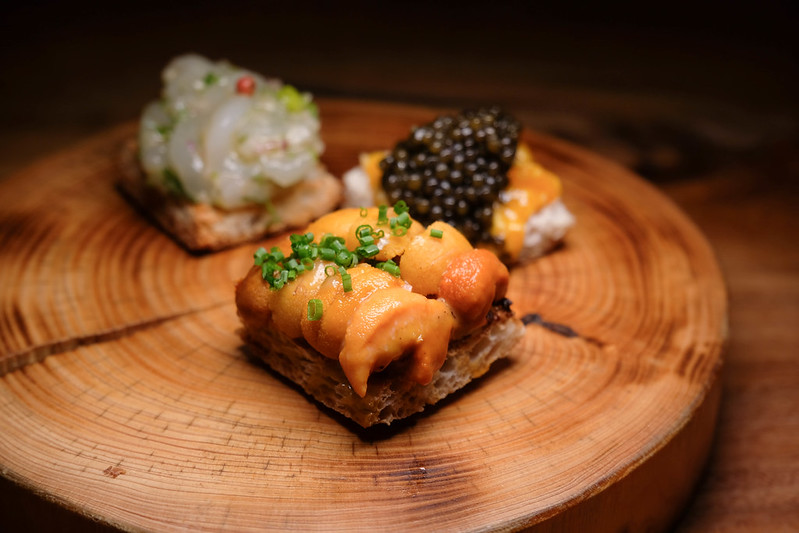
    Terra Tokyo Italian, a unique fusion of Japanese and Italian dining in Singapore, has announced it will be saying farewell this coming December. The Michelin-star restaurant broadcasted the disheartening news in an Instagram post earlier this week, stating that its final day of service will be December 20, 2025.

    A Fond Farewell

    The restaurant’s statement expressed a heartfelt goodbye, reminiscing over its journey that was marked by shared meals, warm conversations, celebrations, and memorable moments. It extended gratitude to its loyal patrons who have shaped the establishment over the past decade.

    “We are deeply grateful for the decade we have spent together. Your trust, your smiles, your support has meant everything to us. We hope to spend these remaining days together, just as we have done for the past ten years. We welcome you wholeheartedly until our very last service,” the statement said.

    Reason For Closure

    The restaurant attributed its impending closure to the challenges imposed by the current market conditions.

    Terra Tokyo Italian was originally established as an omakase-style restaurant by Japanese chef Seita Nakahara, who later left the establishment in 2023. It first earned a Michelin star in 2016, lost it the subsequent year, but managed to reclaim it from 2019 through 2024. Despite losing its star this year, the restaurant still remains a Michelin-selected establishment for its quality.

    Other Closures and Changes

    Terra Tokyo Italian is not alone, as eight other one-star Michelin restaurants also closed their doors between 2024 and now. Several other establishments that managed to retain their stars have also ceased operations or announced their closures, including restaurants like Alma by Juan Amador, Restaurant Euphoria, and Esora.

    In addition, other Michelin-starred restaurants are undergoing changes. For instance, Sushi Sakuta, a two-star restaurant, is moving from the Capitol Kempinski Hotel Singapore to Millenia Walk this month, while three-star French restaurant Odette is currently undergoing renovations and is set to reopen next month.

    The broader food and beverage industry in Singapore is also experiencing significant closures. Last year saw the closure of some 3,047 eateries, the highest figure in last two decades. The first ten months of this year already witnessed 2,431 closures, 63% of which did not last more than five years.

    Questions & Answers

    When will Terra Tokyo Italian close its doors?
    The restaurant plans to cease operations on December 20, 2025.

    What has been the impact of current market conditions on the restaurant scene in Singapore?
    The food and beverage industry in Singapore has seen a significant number of closures due to market conditions. In the past year, over 3,000 eateries have shut down, marking the highest closure rate in two decades.

    How has the Michelin Guide impacted Terra Tokyo Italian?
    The restaurant first earned a Michelin star in 2016, lost it the following year, but reclaimed it from 2019 to 2024. Despite losing its star in 2025, the restaurant still remains a Michelin-recognized establishment for its quality.

  • Ferrero’s Fulfil Protein and Vitamin Bars Hit New Zealand Shelves, Boosting Wellness Market via Chemist Warehouse

    Ferrero’s Fulfil Protein and Vitamin Bars Hit New Zealand Shelves, Boosting Wellness Market via Chemist Warehouse

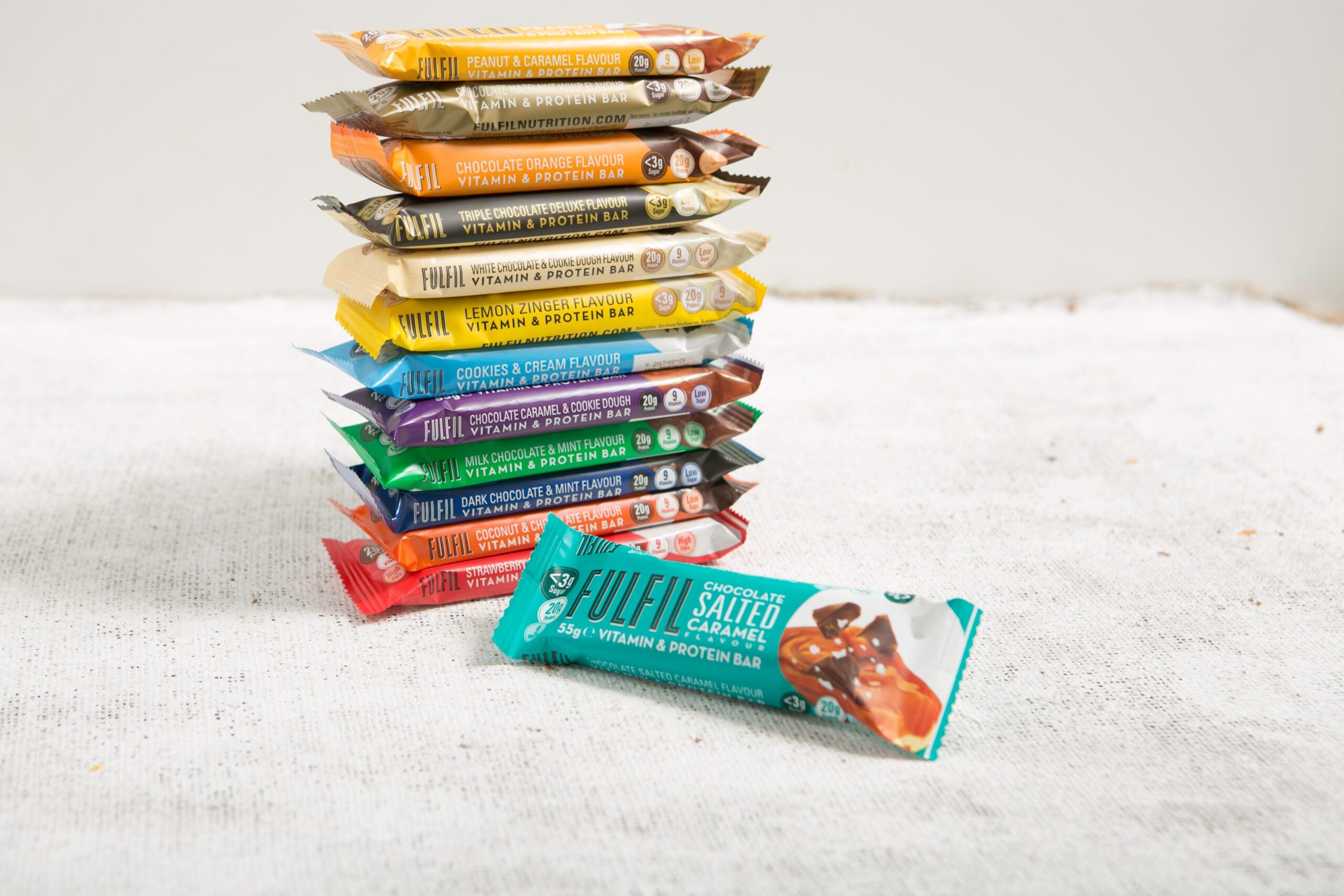
    Fulfil, a protein and vitamin bar brand owned by Ferrero, has broadened its market reach by launching in New Zealand. This expansion comes as part of the brand’s global growth strategy, with the products now available in Chemist Warehouse stores and for purchase online.

    Fulfil first made its appearance in Australia in November of the previous year. The brand’s offerings include bars containing 20 grams of protein, less than 3 grams of sugar, and a blend of nine essential vitamins. The bars are available in an array of flavours, such as Chocolate Peanut Butter, Milk Chocolate Crunch, Chocolate Hazelnut Whip, and Chocolate Salted Caramel.

    This move into the New Zealand market is viewed as a strategic step in Fulfil’s international growth. It effectively harnesses the influence of Chemist Warehouse in the wellness and sports nutrition market, offering a new avenue for distribution and sales.

    The acquisition of Fulfil by Ferrero took place in 2022. This move was aimed at solidifying Ferrero’s foothold in the healthier snacking sector, aligning with changing consumer trends towards more functional nutrition.

    The Fulfil vitamin and protein bars have been priced at $5.99 per unit.

    Questions & Answers

    What is Ferrero’s latest expansion move?
    Ferrero, through its owned brand Fulfil, has expanded into the New Zealand market, where the protein and vitamin bars will now be available in Chemist Warehouse stores and online.

    What offerings does the Fulfil brand provide?
    Fulfil offers bars that contain 20 grams of protein, less than 3 grams of sugar, and a blend of nine essential vitamins. The products come in a range of flavours, including Chocolate Peanut Butter, Milk Chocolate Crunch, Chocolate Hazelnut Whip, and Chocolate Salted Caramel.

    What was the objective behind Ferrero acquiring Fulfil?
    Ferrero acquired Fulfil in 2022 with the aim to strengthen its presence in the healthier snacking segment. This acquisition aligns with shifting consumer trends towards functional nutrition.

  • Alibaba Takes on Global AI Wearables with Quark Glasses: A New Contender in the Meta-Dominated Market

    Alibaba Takes on Global AI Wearables with Quark Glasses: A New Contender in the Meta-Dominated Market

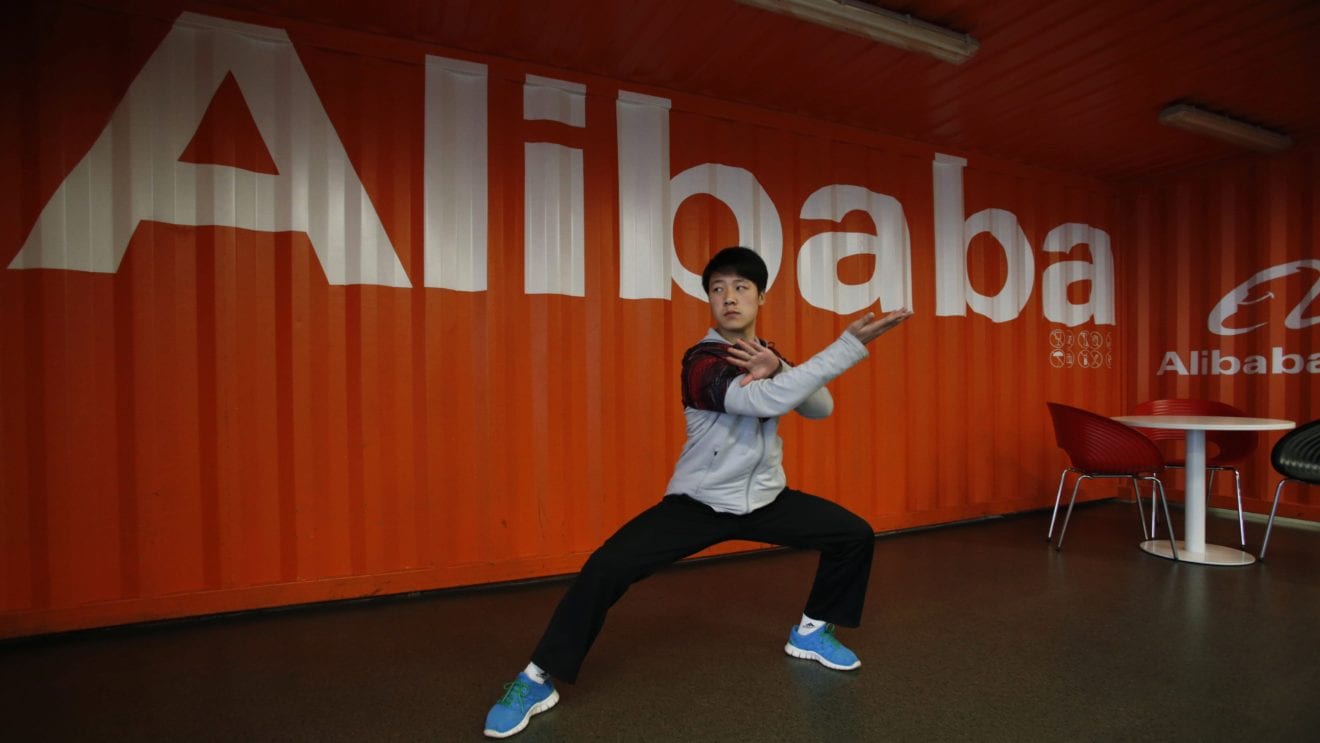
    On Thursday, Alibaba announced the release of its Quark artificial intelligence (AI) glasses in China, signalling the tech giant’s entry into the AI wearables market that is currently led by Meta.

    The headset, priced starting from 1899 yuan (equivalent to US$268.25), is powered by Alibaba’s Qwen AI model and app. This device, unlike many other headsets, is designed to resemble regular eyeglasses with a black plastic frame. Alibaba shared that these glasses will be fully compatible with its suite of applications, including Alipay and the e-commerce platform, Taobao. Users of the Quark glasses will be able to perform tasks like translating languages on the go and recognizing prices instantly.

    Beijing-based electronics industry expert, Li Chengdong, noted that Alibaba’s core competencies lie in shopping, payments, and navigation. Therefore, the AI glasses are more of a life assistant. This move into AI wearables comes as Alibaba is trying to gain ground in the consumer AI market where it has traditionally faced strong competition. Its pursuits in this space included a significant upgrade to its AI chatbot earlier this month.

    Li explained that Alibaba’s approach to AI glasses is primarily about securing future online traffic in the face of fierce competition in China’s e-commerce industry. He added, “Alibaba’s hopes for AI are tied to cementing its position in the next wave of digital commerce.”

    Available on leading Chinese e-commerce platforms including Tmall, JD, and Douyin, the Quark AI glasses are Alibaba’s latest product in the race for the next generation of AI-powered entertainment and computing devices. This race is currently led by the likes of Meta, which controls approximately 80% of the virtual reality headset industry, Apple with its Vision Pro headset, and Samsung Electronics with its Galaxy XR extended reality headset that utilizes AI technologies from Google.

    Alibaba isn’t alone among Chinese tech companies in exploring AI-powered eyewear. Xiaomi introduced a similar product in June, while Baidu also has an AI eyewear product on the market.

    Questions & Answers

    What is the cost of Alibaba’s Quark AI glasses?
    The glasses are priced starting from 1899 yuan, or approximately US$268.25.

    What are some of the features of the Quark AI glasses?
    The glasses, which look like regular eyewear, are powered by Alibaba’s Qwen AI model and app. Users can perform tasks such as on-the-go translation and instant price recognition directly from the glasses.

    Which other tech companies have released similar AI-powered glasses?
    Other Chinese tech companies, including Xiaomi and Baidu, have also released similar AI-powered glasses.

  • Gasoline Prices in Vietnam Hit 5-Week Low: Global Factors and Market Shifts Explained

    Gasoline Prices in Vietnam Hit 5-Week Low: Global Factors and Market Shifts Explained

    As of Thursday afternoon, gasoline prices in Vietnam have reached their lowest point since October 23rd. The commonly used fuel, RON95, fell by 2.63% to VND20,000 (equivalent to US$0.76) per liter.

    Decreased Prices Across Fuel Types

    Along with RON95, the biofuel E5 RON92 saw a reduction in price of 2.63%, bringing the cost per liter to VND19,280. Diesel prices took a more significant hit, with prices plunging 5.15% to VND18,800.

    Global Factors Influencing Prices

    The worldwide gasoline market has been impacted by a variety of factors over the past week. One such factor was a proposal by U.S. President Donald Trump aiming to resolve the military conflict between Russia and Ukraine, as reported by Vietnam’s Ministry of Industry and Trade.

    Additionally, a decrease in U.S. crude oil inventories, accompanied by a rise in gasoline and diesel supplies, also played a role in the reduction of prices.

    Impact on Barrel Prices

    The price of RON95 per barrel also experienced a decrease, dropping 3.4% to $79.6. Diesel prices per barrel fell by an even larger margin, at 6.2%.

    Questions & Answers

    What has caused the recent drop in gasoline prices in Vietnam?
    The decrease in prices is due to a variety of factors, including a proposal by the U.S. President to end the military conflict between Russia and Ukraine, as well as an increase in gasoline and diesel supplies in the U.S.

    By what percentage have RON95 and diesel prices fallen?
    RON95 prices fell by 2.63%, while diesel prices plunged 5.15%.

    What is the current price of a barrel of RON95 and diesel?
    The price of a barrel of RON95 has fallen to $79.6, while the price of a barrel of diesel has decreased by 6.2%.