Tag: Market

  • Pandora Jewelry’s Strategic Expansion: New Regional HQ and Factory to Accelerate Asian Market Growth

    Pandora Jewelry’s Strategic Expansion: New Regional HQ and Factory to Accelerate Asian Market Growth

    Pandora, recognized as the world’s leading jewelry brand in terms of sales volume, has announced its plan to establish a fresh regional headquarters in Singapore. The move forms part of a broader growth strategy designed to strengthen the company’s footprint across Asia.

    Why Singapore?

    Massimo Basei, Pandora’s Chief Commercial Officer, highlighted several reasons for choosing Singapore for this strategic move. He pointed out that the city-state’s robust business environment, dynamic economy, and strategic positioning within Asia were crucial in making this decision.

    Basei explained, “Singapore’s location, right at the heart of Asia, allows us to extend the right levels of support to markets ranging from Japan and South Korea to India and Southeast Asia.”

    A New Home for Pandora

    The Danish jewelry giant has inked a lease agreement for its new 8,600-square-foot office situated at Asia Square Tower 1 in Marina Bay. The new office is expected to become operational in the near future.

    Pandora has plans to expand its team by recruiting approximately 50 employees across various fields such as branding, marketing, and operations. The hiring process is anticipated to commence soon.

    Basei acknowledged that while Asia is home to some of the world’s largest jewelry markets, it remains relatively under-represented within Pandora’s global business landscape. He stated, “While we have had a presence in Asia, we now aim to intensify our focus on this region.”

    Current Market Position

    At present, the United States stands as Pandora’s most significant market, contributing to 32% of its revenue in the initial nine months of 2025. Other crucial markets are the U.K. (11%), Italy (7%), and Germany (7%).

    However, Pandora has been steadily reducing its operations in China due to flagging sales. Over the course of this year, the company has shut down 59 concept stores in China.

    Production Expansion

    In order to meet the expected increase in demand resulting from its Asian expansion, Pandora has launched a new production facility in Vietnam. The company commenced the construction of a US$150 million manufacturing site in Binh Duong, now a part of Ho Chi Minh City, in May last year. Production at this site is slated to start next year.

    Until now, all of Pandora’s jewelry has been produced at its three facilities in Bangkok and Lamphun, Thailand. The new Vietnam facility is projected to augment Pandora’s production capacity by approximately 50%, enabling the company to manufacture up to 60 million pieces annually. For context, Pandora produced a total of 113 million pieces in 2024.

    Questions & Answers

    Why did Pandora choose Singapore for its new regional headquarters?
    Singapore was selected due to its vibrant business environment, dynamic economy and strategic location in the heart of Asia.

    What is the main aim of Pandora’s expansion in Asia?
    While Pandora has had a presence in Asia, it aims to intensify its focus on the region, which is home to some of the world’s largest jewelry markets.

    How is Pandora planning to meet the increased production demand due to its Asian expansion?
    Pandora has set up a new factory in Vietnam, which will aid in increasing the production capacity by about 50%, enabling the manufacture of up to 60 million pieces annually.

  • Amazon’s Budget-Friendly Haul Takes on Asian Market: A Thrifty Revolution in E-commerce

    Amazon’s Budget-Friendly Haul Takes on Asian Market: A Thrifty Revolution in E-commerce

    Amazon disclosed its expansion plans for its cost-effective e-commerce service, Amazon Bazaar, on a recent Friday. Known in the United States as Haul, the service is now available in 14 new markets, intensifying competition with Chinese counterparts like Shein and PDD Holdings’ Temu in the worldwide race to sell budget-friendly products such as $10 dresses and $5 accessories.

    Impact of Import Tariffs

    The import tariffs imposed by former U.S. President Donald Trump made a noticeable dent in consumer sentiment, more so among the lower-income groups, who are frequently on the lookout for economical deals.

    Amazon Bazaar Versus Amazon Haul

    Amazon Bazaar operates through a standalone app, offering merchandise akin to Amazon Haul. The latter is a budget-conscious shopping section within the primary Amazon app, which was launched in the prior year.

    Having made its debut in Mexico last year, Amazon Bazaar is set to deliver the majority of its products, priced under $10 and some as low as $2, to its newest markets. These markets span a range of categories, from home goods to fashion, as per the e-commerce behemoth.

    Amazon Bazaar’s New Markets

    Amazon Bazaar’s low-cost e-commerce service has ventured into newer markets such as Hong Kong, the Philippines, Nigeria, and Taiwan. Following its launch in Mexico, the service expanded to Saudi Arabia and the United Arab Emirates.

    DA Davidson & Co analyst Gil Luria highlighted the significance of Amazon Bazaar’s expansion, noting it as a crucial step in Amazon’s international growth strategy. According to Luria, Amazon only ventures into a market if it can scale up to a level that both delights consumers and builds a profitable business.

    Luria further mentioned that the company often takes several years to achieve profitability when entering new countries and markets. Amazon recently reported its third-quarter international revenue at $40.9 billion, witnessing a 10% growth from the same period last year, excluding the impact of foreign exchange fluctuations.

    Luria also posited that if Amazon can successfully build a business around selling a small selection of inexpensive items with appealing service levels, it could potentially extend its services beyond its core 23 markets to nearly every other country globally.

    Global Fulfilment Centers and Service Partners

    Amazon stated that products on Amazon Bazaar are shipped directly from the company’s global fulfillment centers to the designated destinations and delivered to customers via its network of service partners.

    Expansion of Competitors

    Shein and Temu, Amazon’s rivals in the space, have also accelerated their expansion outside the United States. While Shein operates in over 160 countries, including the U.S., Brazil, Ireland, and Southern China, Temu ships to at least 70 countries.

    The Launch and Expansion of Amazon Haul

    In 2024, Amazon launched Haul in the U.S., which has since expanded the in-app service to Britain, Germany, France, Italy, Spain, Japan, and Australia.

    Questions & Answers

    What is Amazon Bazaar?
    Amazon Bazaar is a low-cost e-commerce service by Amazon, known as Haul in the U.S., which sells a wide range of budget-friendly products.

    Which new markets has Amazon Bazaar entered recently?
    Amazon Bazaar has recently expanded its services to 14 new markets, including Hong Kong, the Philippines, Nigeria, and Taiwan.

    How does Amazon Bazaar operate?
    Amazon Bazaar operates through a standalone app and ships products to customers directly from Amazon’s global fulfillment centers via its network of service partners.

  • Vietnam Stocks Celebrate Largest Leap in a Month: Key Players and Factors in the Remarkable 2.16% Surge

    Vietnam Stocks Celebrate Largest Leap in a Month: Key Players and Factors in the Remarkable 2.16% Surge

    On Tuesday, Vietnam’s leading VN-Index experienced a significant increase, soaring by 2.16% to reach 1,654.98 points, marking the largest surge since October 6. This remarkable growth allowed the index to close approximately 35 points higher, a notable recovery from the 69-point decline it experienced over the previous three sessions.

    The trading value also increased significantly, rising by 16% to reach VND34.25 trillion, equivalent to US$1.3 billion.

    Dominant Performers

    The VN30 basket, which consists of the 30 highest capped stocks, saw impressive growth in 24 tickers. The rise was spearheaded by SSI Securities Corporation, VPBank, and Vincom Retail, each experiencing a gain of 6.9%. Other strong performers included Techcombank, which closed 4.2% higher, and MB, which rose by 3.9%.

    Despite the general upward trend, there were a few stocks that did not follow suit. The most notable of these were the tech heavyweight FPT Corporation and the state-owned Petrovietnam Gas, both of which saw a 1.6% decrease.

    Foreign Investment

    Foreign investors demonstrated significant activity, making net purchases worth VND1.22 trillion. Notably, the majority of this investment was directed towards HDBank and Masan Consumer.

    Lastly, the HNX-Index, which hosts mid-cap and small-cap stocks on the Hanoi Stock Exchange, rose by 2.6%. Simultaneously, the UPCoM-Index for the Unlisted Public Companies Market closed 0.57% higher.

    Questions & Answers

    What was the percentage increase of the VN-Index?
    The VN-Index increased by 2.16%.

    Which companies led the rise in the VN30 basket?
    The rise was led by SSI Securities Corporation, VPBank, and Vincom Retail, each with a 6.9% gain.

    What was the trend among foreign investors?
    Foreign investors were net buyers, mainly investing in HDBank and Masan Consumer.

  • TGI Fridays Ignites Indian Market with Massive Expansion: 51 New Locations on the Horizon

    TGI Fridays Ignites Indian Market with Massive Expansion: 51 New Locations on the Horizon

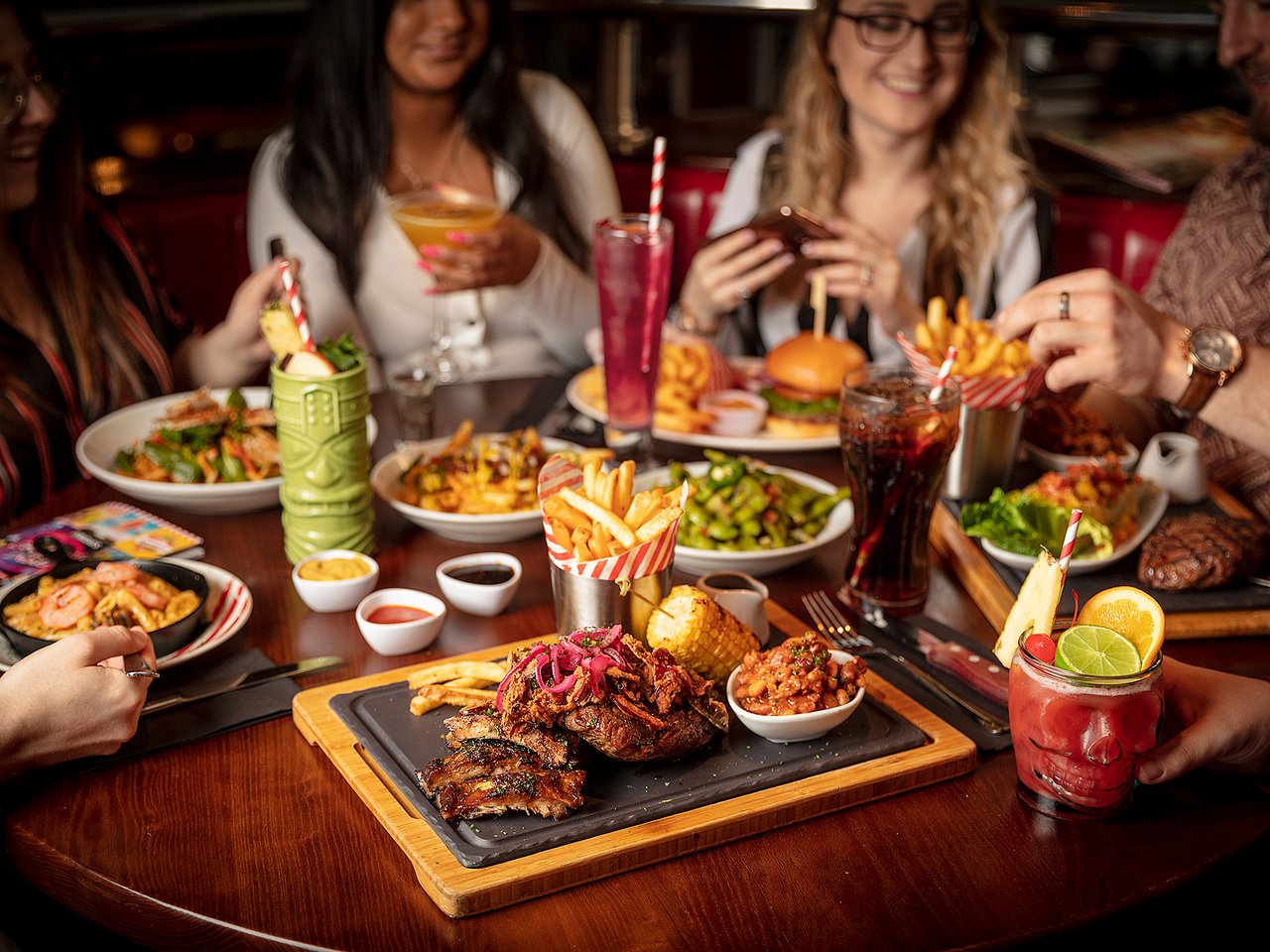
    Sugarloaf TGIF Management, the parent company of TGI Fridays, has entered into a master franchise agreement with USR Hospitality, an Indian corporation. The intention is to open 51 TGI Fridays restaurants throughout India.

    Key Personnel

    John Neitzel, former president and COO of TGI Fridays, has come on board with USR Hospitality to assist in the brand’s expansion within the Indian market. His leadership and comprehensive knowledge of the TGI Fridays brand, coupled with his record of achievement, were cited by USR Hospitality as key reasons for his appointment.

    “We’re privileged to serve as the master franchisee in India and are excited about collaborating with John to extend the TGI Fridays brand throughout the nation,” commented Prasoon Mukherjee, the Chairman of USR Hospitality.

    He went on to further explain the company’s strategic advantages, stating, “John is an accomplished leader with a profound understanding of the TGI Fridays brand and a solid track record of success. Coupled with our in-depth expertise in the hospitality industry, comprehension of the consumer preferences in our markets, and real estate development acumen, USR is uniquely positioned to spur unprecedented growth for the brand.”

    Expansion Plans

    USR Hospitality’s development plans for TGI Fridays include both high-street and mall locations. Furthermore, the company has acquired exclusive rights to establish restaurants in airports across the country. This strategy aims to bring the TGI Fridays dining experience to millions of travelers throughout India.

    Questions & Answers

    What is the nature of the agreement between Sugarloaf TGIF Management and USR Hospitality?

    The two companies have entered into a master franchise agreement that will see the development of 51 TGI Fridays restaurants across India.

    Who is John Neitzel and what is his role in this project?

    John Neitzel is the former president and COO of TGI Fridays. He has joined USR Hospitality to assist in the expansion of the brand in India.

    What are the locations targeted by USR Hospitality for the development of TGI Fridays?

    USR Hospitality plans to develop TGI Fridays restaurants in high-street and mall locations across India. They have also secured exclusive rights to open restaurants in airports nationwide.

  • U.S. Dollar Rallies on Black Market, Boosted by Hawkish Fed Comments

    U.S. Dollar Rallies on Black Market, Boosted by Hawkish Fed Comments

    On Thursday morning, the U.S. dollar experienced a rise against the Vietnamese dong in the black market, and also saw an increase over major currencies. The greenback saw a hike of 0.18% to VND27,800 at unofficial exchange points.

    Meanwhile, Vietcombank maintained its rate at VND26,345. The State Bank of Vietnam also held its reference rate steady at VND25,091.

    On a global scale, the dollar made gains following some hawkish comments from the Federal Reserve, settling near a two-week high at 99.09 against a selection of currencies. The Federal Reserve, on Wednesday, reduced rates by 25 basis points as anticipated and confirmed that it will conclude its balance sheet contraction on December 1.

    In other currency news, the Australian dollar saw a rise of 0.2% to $0.6588. Similarly, the New Zealand dollar also observed a gain of 0.2% to $0.5775.

    Questions & Answers

    What was the increase of the U.S. dollar against the Vietnamese dong?
    The U.S. dollar saw a rise of 0.18% against the Vietnamese dong on the black market.

    What was the reaction of the Australian and New Zealand dollars to the news?
    Both the Australian and New Zealand dollars rose 0.2%, to $0.6588 and $0.5775 respectively.

    What measures did the Federal Reserve take on Wednesday?
    The Federal Reserve lowered rates by 25 basis points as expected and announced that it will end its balance sheet drawdown on December 1.

  • Le Saunda in Red: Unsteady Chinese Market Influences Major Losses for Hong Kong Footwear Retailer

    Le Saunda in Red: Unsteady Chinese Market Influences Major Losses for Hong Kong Footwear Retailer

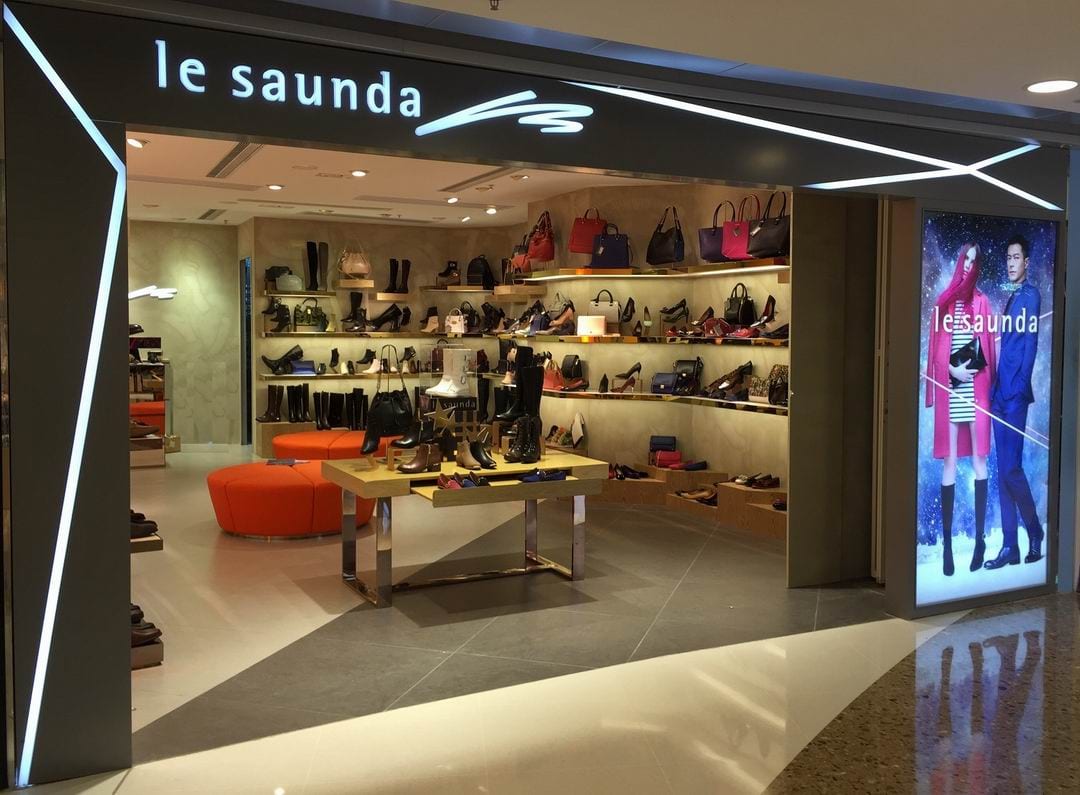
    Le Saunda, a prominent footwear retailer in Hong Kong, recently revealed disappointing financial results for the first half of the fiscal year. The company’s performance reflects a troubling trend, marked by widespread losses across its operations.

    Significant Revenue Drop

    During the six months ending on August 31, Le Saunda’s revenue slumped by 36 per cent. The figures dwindled from RMB146.9 million ($20.66 million USD) to RMB95.8 million ($13.47 million USD).

    Gross Profit and Shareholder Returns Decrease

    The retailer’s gross profit also bore the brunt of financial instability, experiencing a 30 per cent reduction. It plunged from RMB79.4 million ($11.2 million USD) to RMB55.6 million ($7.8 million USD). Meanwhile, shareholder returns nose-dived to a significant loss of RMB31.4 million ($4.4 million USD).

    Reduction in Physical Stores

    The adversity further reflected in the company’s physical presence, with Le Saunda reporting a net reduction of 133 stores in Mainland China, its primary retail market, by the end of the period. This leaves the retailer with only 91 operational stores as against a markedly higher number in the same period from the previous year.

    Global Economic Uncertainties

    Le Saunda attributed its underperformance to a number of factors. The first half of 2025 witnessed frequent fluctuations in international trade relations. Coupled with a sluggish retail environment and low consumer confidence, these developments fostered global economic uncertainties. The company indicated that these conditions have undermined its future growth prospects.

    Questions & Answers

    What was Le Saunda’s revenue for the six months ending August 31?
    Le Saunda’s revenue for this period was RMB95.8 million ($13.47 million USD), marking a 36% drop from the previous year.

    What is the extent of Le Saunda’s gross profit reduction?
    Le Saunda experienced a significant 30% reduction in gross profit, going from RMB79.4 million ($11.2 million USD) to RMB55.6 million ($7.8 million USD).

    How has Le Saunda’s physical store presence been affected?
    Le Saunda reported a net reduction of 133 stores in its key market, Mainland China, leaving it with 91 operational outlets.

  • Apple’s Mac Sales Double, Yet Lenovo Leads: Future Market Growth Hinges On Ai-enabled Pcs

    Apple’s Mac Sales Double, Yet Lenovo Leads: Future Market Growth Hinges On Ai-enabled Pcs

    The American multinational technology company, Apple, is experiencing a significant surge in iPhone sales. However, what’s particularly noteworthy is the increasing popularity of their laptops. Indeed, in the third quarter of the year, sales of Macs have doubled, outpacing the growth rate of the overall PC market. Despite such impressive strides, Apple is yet to lead in either volume or growth in this market.

    The PC Market Leaders

    Although Apple’s growth rate surpasses that of the overall PC market, it still trails Lenovo in sales growth. According to a recent study, Apple saw a 14.9% increase in shipments during the third quarter of 2025. In contrast, Lenovo, the global leader in PC manufacturing, experienced a growth rate of 17.4%, while the overall market saw an increase of 8.1%.

    Apple currently ranks fourth in terms of global PC manufacturing, while Lenovo maintains its leading position. The third-ranked Dell is the only major brand to experience a slight decline, with a 0.9% drop in growth. On the other hand, the second-largest PC manufacturer, HP, grew by 10%. ASUS saw a 14% rise in growth, securing its position as the fifth in overall shipments.

    The Role of AI in the PC Market

    The study suggests that the overall growth of PC shipments has primarily been influenced by two factors. The first is the imminent retirement of Windows 10, and the second, adjustments made in inventory due to tariffs imposed in the US. However, looking ahead, the study anticipates that the future growth of the market will be driven by the AI PC boom.

    This new wave of AI-enabled PCs is expected to begin influencing growth from next year, and fully come into effect after 2026. It is projected that this “real AI PC boom” could propel the entire PC market to unprecedented heights.

    The Importance of Quality Products

    Apple’s recent success with the iPhone 17, as well as Samsung’s success with the Galaxy Z Fold 7, underlines the role that high-quality products play in driving sales. Apple’s Mac lineup has remained robust for several years, which explains the strong sales performance of their computers. While Lenovo’s broader range of products has helped them maintain their leading position, it does not appear that Apple is necessarily aiming to compete for this title.

    Questions & Answers

    Which company leads the PC market in terms of sales growth?
    Lenovo currently leads the PC market in sales growth, with a rise of 17.4% in the third quarter of 2025.

    What are the two main factors driving the overall growth of PC shipments?
    The overall growth of PC shipments is primarily driven by the imminent retirement of Windows 10 and the adjustments made in inventory due to tariffs imposed in the US.

    What will be the major driver of growth in the PC market in the future?
    The major driver of growth in the PC market in the future is expected to be the boom of AI-enabled PCs. This is predicted to start influencing growth from next year and fully come into effect after 2026.

  • Koh Disrupts $2.3b Laundry Industry With Groundbreaking Sensitive Skin Product Range

    Koh Disrupts $2.3b Laundry Industry With Groundbreaking Sensitive Skin Product Range

    Australian cleaning company, Koh, is making a strategic entrance into the nation’s $2.3 billion laundry industry by introducing a trilogy of products that leverage advanced enzyme technology and are tailored for sensitive skin.

    The New Laundry Range

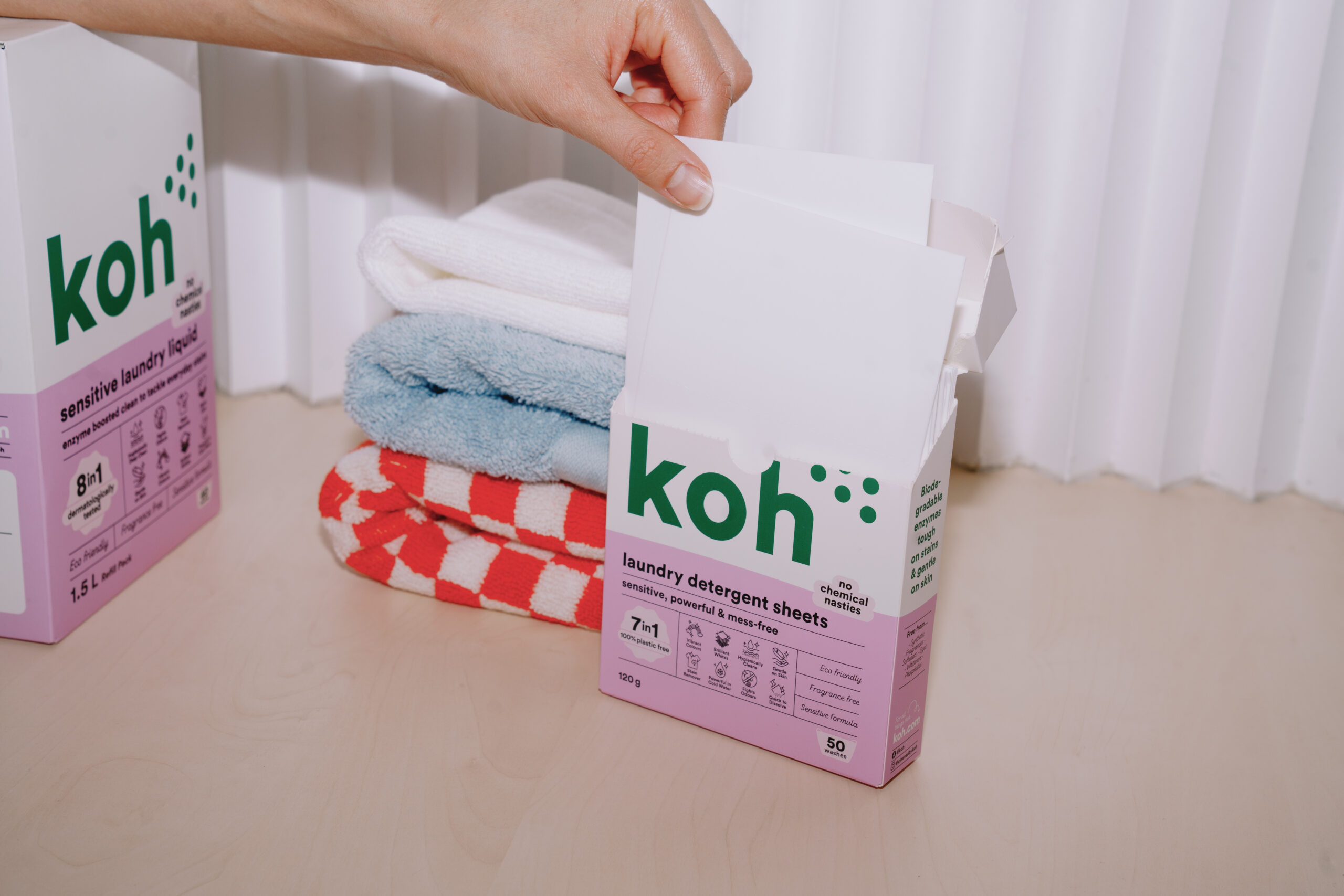
    Koh is set to release three new products: Sensitive Laundry Detergent Sheets, Sensitive Laundry Liquid, and Sensitive Stain Remover. These offerings are designed to streamline laundry tasks by providing less but more potent alternatives as substitutes for several traditional items.

    The revamped Sensitive Laundry Liquid incorporates Lipex Evity, a specialty lipase enzyme created to dissolve stubborn greasy stains like body oils, sunscreen, and cooking fats. These stains often present a tough hurdle for many eco-friendly or sensitive skin products.

    The Sensitive Stain Remover features a unique combination of five enzymes: protease, amylase, cellulase, mannanase, and lipase. This blend is engineered to address a wide spectrum of household stains, sidestepping the use of bleach, synthetic scents, or optical brighteners.

    Revolutionizing the Cleaning Industry

    “The residential cleaning sector is undergoing rapid changes,” said Charli Walters, Koh’s CEO. She further added, “Customers are increasingly scrutinizing the ingredients and efficacy of the products they use, and we view this as an excellent opportunity to redefine what effective, sustainable cleaning should look like.”

    Koh’s venture into the laundry segment places it in direct competition with established mass-market brands as well as those with an eco-focused ethos.

    Questions & Answers

    What is the new product range that Koh is introducing?
    Koh is launching a three-product range, including Sensitive Laundry Detergent Sheets, Sensitive Laundry Liquid, and Sensitive Stain Remover.

    What unique features does Koh’s new laundry liquid offer?
    The updated Sensitive Laundry Liquid uses Lipex Evity, a specialist lipase enzyme, to break down stubborn greasy stains like body oils, sunscreen, and cooking fats.

    What is the aim of Koh’s new product range?
    Koh aims to simplify laundry routines by providing fewer, more concentrated options that can replace multiple traditional items and set a new standard for effective, responsible cleaning.

  • Despite Market Downturn, Diesel And Otb Group Increase Investment In China

    Despite Market Downturn, Diesel And Otb Group Increase Investment In China

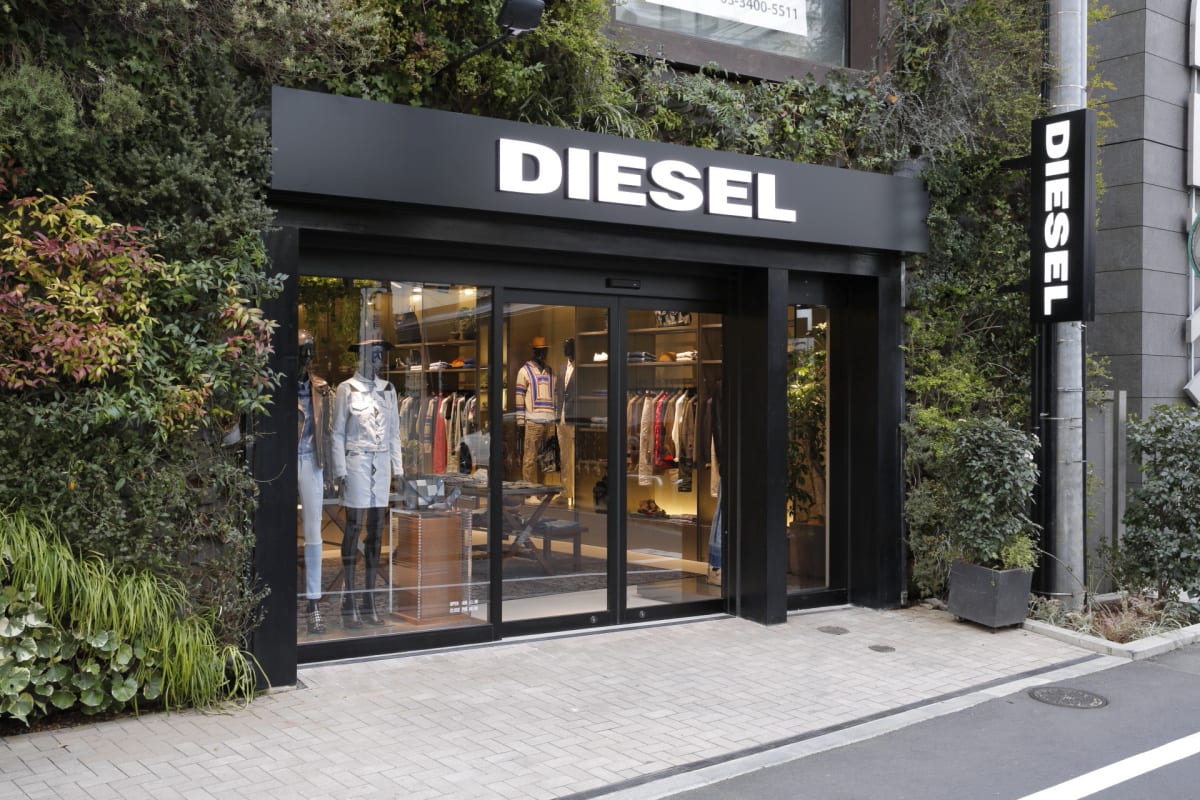
    Italian denim icon Diesel and its parent company, OTB Group, are optimistic about the Chinese market and planning to increase their investments, according to founder and chairman Renzo Rosso.

    Investing in a Down Market

    Rosso, who was visiting China to mark Diesel’s 20th anniversary in the market, revealed that he continues to invest in the country despite a downward trend. As part of the strategic move, the company is reevaluating its retail footprint by closing some stores and opening new ones at better locations.

    “I am positive. I think if the market is going like this, it can be an opportunity because we can have a better space available for a better price that wasn’t available before,” Rosso stated. “My vision right now is to invest in the country. I believe in the country; it is so big, so important.”

    Faith in the Chinese Market

    While enjoying dinner with a panoramic view of Shanghai’s famous skyline, Rosso expressed his satisfaction with the company’s performance. “This year, we are doing well compared to the market. Everybody is minus, we are a little plus, so we are quite happy,” he said.

    Despite concerns about a long-term property market crisis and fears over job security and wage growth, China’s consumer demand remains a focal point for global brands. Luxury and high-end sectors particularly rely on Chinese nationals, who account for approximately one-third of global purchases.

    Market Impact

    Rosso’s optimism reflects the importance of China to the luxury market. Recent signs of improving Chinese demand have led to a significant market rally for the sector.

    OTB Group, also known as Only the Brave, houses luxury brand Jil Sander among others. In 2024, the group reported a total turnover of 1.8 billion euros ($2.11 billion), marking a dip of 4.4%.

    Despite postponing plans for a public listing that was originally scheduled for this year until 2026, Rosso doesn’t seem to be in a hurry. “First of all, I don’t need the money, I am cash positive,” he said. “There’s no rush, it can be one year, two years, I don’t care. If I feel good, then yes.”

    Questions & Answers

    Why is OTB Group optimistic about the Chinese market?
    OTB Group sees the current state of the Chinese market as an opportunity to secure better retail spaces at a more affordable price, given the downward market trend.

    What is the significance of the Chinese consumer market to global brands?
    Chinese nationals account for approximately one-third of global purchases, making China’s consumer demand highly crucial for global brands, especially those in the luxury and high-end sectors.

    What are OTB Group’s future plans regarding a public listing?
    Rosso, the founder and chairman of OTB Group, has postponed plans for a public listing and stated that there is no rush. It could happen in one year or two years, depending on when he feels the time is right.

  • Grab Introduces Electric Car Service In Hanoi, Challenging Xanh Sm’s Market Dominance

    Grab Introduces Electric Car Service In Hanoi, Challenging Xanh Sm’s Market Dominance

    Grab, the renowned ride-hailing company, has launched its electric car service in Hanoi, marking a significant entry into the predominantly electric taxi market, primarily controlled by Xanh SM. This move is a strategic approach by Grab to expand their customer base and champion sustainable transportation options.

    Strategies and Goals

    Nguyen Hanh Linh, the director of Grab Vietnam’s mobility division, revealed that the newly introduced service aims to diversify income opportunities for their driver-partners. This strategy is expected to boost their confidence to make a shift toward electric vehicles. After its launch in Hanoi, Grab has ambitious plans to roll out the service in HCMC.

    The current ride-hailing market in Vietnam is mainly controlled by three major players: Grab, Be, and Xanh SM. Xanh SM stands out by exclusively using electric cars constructed by its sister company, VinFast.

    Customer Choices

    It is noteworthy that Grab users do not have the option to specifically request electric cars. Whether the customer gets a VinFast or BYD electric car is a matter of chance. Grab’s decision to launch the electric vehicle service was influenced by the rising number of electric vehicles on its platform, a trend which has been encouraged by driver incentives in recent years.

    Market Trends and Predictions

    A 2024 report estimated Vietnam’s ride-hailing and food delivery market to be valued at US$4 billion, with the potential to reach up to $9 billion by 2030. A survey conducted in May indicated that 55% of users in major cities chose Grab for ride-hailing services, compared to 32% for Xanh SM and 9% for Be.

    A report by Mordor Intelligence stated that Xanh SM took the lead in the ride-hailing market in the last quarter of 2024, holding a 44.68% share in the second quarter of this year. Grab Vietnam, however, disputed these figures, claiming that the research methods used and data sources were unverifiable and misleading.

    Questions & Answers

    What was the strategic aim behind Grab launching its electric car service in Hanoi?
    The launch aimed to expand Grab’s user base and promote environmentally friendly transportation.

    What is the next city where Grab plans to roll out its electric car service?
    After Hanoi, Grab plans to introduce the service in HCMC.

    How did Grab respond to Mordor Intelligence’s report about Xanh SM’s market lead?
    Grab disputed the findings, claiming that the data sources were unverifiable and the research methods were inadequate, leading to misleading conclusions.

  • Uniqlo’s Bold Expansion In U.s. Amid Rising Tariffs: A Strategy For Success?

    Uniqlo’s Bold Expansion In U.s. Amid Rising Tariffs: A Strategy For Success?

    In the face of ever-changing tariffs and an increase in living costs that have impacted consumer spending, many brands are struggling to maintain a physical retail presence, let alone expand it. However, one international retailer is boldly rising to this challenge: Uniqlo.

    Uniqlo’s Expansion Plans

    This week, the Japanese retail and lifestyle behemoth Uniqlo announced plans to expand its retail footprint in the United States by 2026. The expansion entails the opening of flagship stores in Chicago and San Francisco, and four new locations in New York City.

    Uniqlo plans to inaugurate a total of 11 new stores across the United States in the forthcoming spring/summer season, increasing the total number of its American stores to 89. This is a significant milestone for the clothing titan.

    Uniqlo’s management had previously announced their intention to add between 20 and 30 new locations every year in North America, aiming for a goal of 200 stores by 2027.

    Christine Russo, Principal of Retail Creative and Consulting Agency (RCCA), noted that although Uniqlo is slightly off its projected schedule with its current 76 stores, geopolitical instability and tariffs are likely the cause.

    Russo explained that the timing of Uniqlo’s expansion aligns with the rise of “recession-core”, a consumer behavior trend that emerges during economic downturns. This trend is characterized by a preference for minimalism, with consumers opting for practical, versatile, and durable clothing over more flamboyant items that have a shorter shelf life.

    Uniqlo’s Appeal to Consumers

    Uniqlo has garnered consumer attention with its commitment to steadfast quality, a stark contrast to other fast-fashion brands. The company offers durable basics and a limited number of designs per season, and their dedication to technological innovation is evident in their patented Heatech and Airism fabrics.

    Neil Saunders, Managing Director of Global Data, also believes that Uniqlo’s appeal lies in its commitment to creating sturdy, yet stylish basic wardrobe items. He stated that Uniqlo’s reputation for quality distinguishes it from other fast-fashion competitors, a characteristic that appeals to shoppers who prefer to buy durable items that last.

    Moreover, Uniqlo has made significant efforts to create engaging store environments in its U.S. locations that encourage consumers to browse and make purchases. For instance, several U.S. stores now offer services that were once exclusive to its Asian locations, including custom embroidery and clothing repair services.

    The Brand’s Future Growth

    Despite its success in the U.S. market, Uniqlo has yet to fully penetrate this retail region. Saunders believes that Uniqlo’s expansion plans will allow the brand to establish a presence in larger cities where they can open flagship stores, thus increasing brand visibility and potentially boosting sales volume in the U.S.

    Uniqlo’s unique differentiation points, according to style publications such as Esquire and GQ, include a carefully curated selection of items ranging from innovative products designed to combat extreme temperature variations to the perfect everyday white t-shirt. The brand’s methodical approach to growth and consistency in quality underscore its enduring appeal.

    Questions & Answers

    What is Uniqlo’s expansion plan in the U.S.?
    Uniqlo plans to open 11 new stores across the U.S. in the forthcoming spring/summer season, bringing the total number of its American stores to 89.

    What makes Uniqlo stand out from other fast-fashion brands?
    Uniqlo distinguishes itself with its commitment to quality, offering durable, basic clothing items and a limited number of designs each season. The company’s focus on technological innovation is also prominent, as reflected in their patented Heatech and Airism fabrics.

    How is Uniqlo planning to increase its brand visibility and sales in the U.S.?
    Uniqlo aims to increase its brand visibility and sales by expanding into larger cities where it can establish flagship stores. It also continues to offer engaging store environments and services that encourage consumers to browse and make purchases.

  • Tokyo’s Mid-Sized Apartments Experience Unprecedented Rental Growth in Q3

    Tokyo’s Mid-Sized Apartments Experience Unprecedented Rental Growth in Q3

    In the heart of Tokyo, the rental landscape tells a distinct story. A recent report from Savills reveals that the city is dominated by compact living spaces, with apartments typically ranging from 30 to 45 square meters—ideal for the single urban professional. Almost 70% of rental listings in the 23W area feature units that fall into this compact category, signifying a clear preference for smaller residences among tenants.

    A Unique Market Segment

    Unlike cities like New York or London, where apartment sharing has become commonplace, Tokyo’s rental market boasts a large, stable demand for small- to mid-sized units. This trend is particularly noteworthy, as it highlights a cultural difference in living preferences. As the Savills report indicates, “there is a large, stable market for small- to mid-sized units,” catering to a population that seeks both comfort and convenience.

    Rising Rents Reflect Demand

    Average rental prices across various apartment sizes have seen steady growth in the C5W region throughout the third quarter of 2025. The medium-sized units, measuring 30 to 45 square meters, experienced the most substantial increase at 2.4% quarter-on-quarter. Larger apartments, sized between 45 and 60 square meters, followed closely with a 1.2% rise, while the smallest units, spanning 15 to 30 square meters, saw a modest uptick of 0.9%. This upward trend is viewed as a necessary adjustment, addressing the limited availability of these mid-sized apartments that strike an optimal balance between space and affordability.

    Demand Dynamics in Larger Units

    Even with an increasing supply of larger units in 2024, the Ministry of Land, Industry, Transport and Tourism (MLIT) notes that these properties continue to command a premium. The demand remains robust, driven by well-paid professionals who prefer to live close to their workplaces. With flexible work arrangements becoming more common, many residents are now opting for larger spaces that double as home offices—a trend that not only reflects lifestyle changes but also adds a creative twist to the rental market.

    Toward a Balanced Future

    Overall, the rental market in Tokyo appears set for continued growth across all apartment size bands. Following a slight correction in the previous quarter, rents are now on the rise, backed by a steady influx of foreign residents that promises to sustain the momentum. As the city evolves, so do the choices available to its inhabitants—whether it’s a cozy nook for one or a larger space designed for living and working, Tokyo’s rental market is a reflection of its dynamic and diverse citizenry.

    Questions & Answers

    What size apartments dominate the Tokyo rental market?
    Apartments between 30 to 45 square meters make up the majority of Tokyo’s rental listings, accounting for approximately 70% of the 23W area market.

    How have rents changed in the recent quarter?
    Average rents have increased across all size bands, with the 30-45 sq m range seeing a 2.4% rise quarter-on-quarter, highlighting strong demand for these compact living spaces.

    What factors contribute to the demand for larger rental units?
    The demand for larger units is largely driven by well-paid professionals desiring home office space in response to the growing trend of flexible work arrangements, which has reshaped the way many approach urban living.

  • Bel Group Targets Australia’s Lucrative String Cheese Market With Babybel Mini Rolls Launch

    Bel Group Targets Australia’s Lucrative String Cheese Market With Babybel Mini Rolls Launch

    Bel Group, well-known for their cheese products, is expanding its offerings in Australia’s string cheese segment through the introduction of its Babybel Mini Rolls. These spiral-shaped snacks represent the company’s latest foray into the Australian market.

    Bel Group established their Australian subsidiary, Bel Brands Australia, in November of the previous year. The move was made to directly handle distribution and to strengthen relationships with retailers. Since its inception, Bel Brands Australia has assumed command of nationwide distribution for the brand’s cheese products.

    Babybel Mini Rolls are set to make an impression on Australia’s lucrative string cheese market, which is estimated to be worth between $150 million to $200 million each year.

    The Mini Rolls will be available in packs of six, conveniently pre-portioned for ease of consumption. A special feature of these packs is the inclusion of Disney Pixar characters, making them particularly appealing to young consumers.

    Rucha Sarma, Senior Brand Manager at Bel Brands Australia, commended the spiral design of the new product, citing its interactive appeal. “Mini Rolls carry the same quality and taste of the original Babybel that consumers love; however, they are presented in a playful shape that can be enjoyed by both children and adults,” Sarma explained.

    She further elaborated that like all Babybel products, the Mini Rolls are made from pasteurised milk and are a rich source of calcium. Importantly, they are also free from artificial preservatives, colours, and flavours. Their portable size makes them an ideal addition to children’s lunchboxes or for snacking during travels.

    The Babybel Mini Rolls are set to hit the shelves of Coles supermarkets beginning mid-September. Distribution to independent stores across the country is planned to commence from the following month.

    Questions & Answers

    What is the estimated value of Australia’s string cheese market?
    The Australian string cheese market is estimated to be worth between $150 million and $200 million each year.

    What are the key features of Babybel Mini Rolls?
    Babybel Mini Rolls have the same quality and taste of the original Babybel cheese but are presented in a fun spiral shape. They are made from pasteurised milk and are free from artificial preservatives, colours, and flavours.

    When and where will Babybel Mini Rolls become available?
    The Babybel Mini Rolls will become available at Coles supermarkets from mid-September, with distribution to independent stores set to commence from the following month.

  • Bangkok Sees Historic Decline in New Condominium Launches: Lowest Level in 15 Years

    Bangkok Sees Historic Decline in New Condominium Launches: Lowest Level in 15 Years

    Bangkok’s condominium market continued to feel the squeeze in the second quarter of 2025, with only two new projects launching and a mere 405 units introduced. This staggering figure marks the lowest level of new launches in 15 years, as reported by Knight Frank, underlining developers’ cautious approach in a climate laden with uncertainty.

    Market Mood: Cautious and Creased

    The subdued activity is attributed to multiple pressures weighing on the market, not least the psychological ramifications of a recent earthquake that has particularly affected completed projects with unsold units. As a result, ownership transfers saw a marked decline compared to the COVID-19 pandemic phase. Developers now find themselves extending timelines to clear their existing inventory, a move that inevitably incurs higher management costs.

    The Financial Tightrope Developers Walk

    Amid these challenging conditions, some developers are grappling with debt repayment issues that could threaten the overall financial health of the real estate sector. The report indicated that these strains might force price cuts or special sales strategies aimed at boosting revenue and managing cash flow effectively. While the challenges are mounting, many developers are not throwing in the towel; instead, they are employing adaptive strategies to weather the storm of 2025.

    A Steep Decline in Supply

    The ongoing trend highlights a decrease in supply, with Q2 2025 seeing the lowest number of condominium launches since 2020. All newly introduced units are situated in Bangkok’s northern suburbs, starkly contrasting the boom witnessed in Q2 2022 when the market surged to a staggering 15,164 units—its highest output in five years. Since then, the market has confronted a slowdown, particularly from Q3 2023 onward, where quarterly launches have frequently dipped below 8,000 units and even fell under 3,000 units at times.

    A Shift in Ownership Trends

    Compounding the slowdown, ownership transfers in Q2 2025 dropped to just 12,183 units—marking the lowest figure in over six years. This trend reflects a broader malaise in the market, punctuated by economic uncertainties and factors undermining buyer confidence, such as high household debt, soaring living costs, and tightening lending practices from financial institutions. As buyers retreat, the dynamics of the market shift from vibrant potential to an uphill climb.

    Questions & Answers

    What factors are influencing the slowdown in Bangkok’s condo market?
    Developers are facing a range of pressures, including a recent earthquake’s psychological impact, ongoing economic uncertainties, high household debt, and stricter mortgage lending criteria, all contributing to reduced buyer confidence.

    How does the current supply of new condos compare to previous years?
    The supply of new condominiums in Q2 2025 reached its lowest level in 15 years, with only 405 units launched, a significant downturn from the market peak in Q2 2022 when over 15,000 units became available.

    What strategies are developers implementing to cope with market challenges?
    Many developers are pivoting to proactive strategies, which may involve price reductions or special sales to stimulate sales and manage cash flow effectively as they navigate through ongoing market uncertainties.

  • Alibaba Challenges Meituan In Local-lifestyle Domain With Amap’s Ai-powered ‘street Stars’ Feature

    Alibaba Challenges Meituan In Local-lifestyle Domain With Amap’s Ai-powered ‘street Stars’ Feature

    Alibaba’s navigational application, Amap, is diversifying its functionality beyond its primary aim of providing directional services. It is venturing into the local-lifestyle domain, a territory traditionally occupied by competitor Meituan. This move is marked by the introduction of its own classification system for restaurants, hotels, and tourist attractions.

    Competing for Market Share in “Instant Retail”

    Alibaba and Meituan are well-established tech enterprises in China. Currently, they are deeply engaged in an intense rivalry for dominance in the “instant retail” sector. This field is characterized by immediate delivery services and has seen a rapid influx of consumers due to the provision of extensive discounts and coupons.

    The competitive landscape of this sector has led to increased attention from regulatory bodies, who are concerned about a potential harmful price spiral. In the Chinese context, sluggish property rates and unstable employment conditions have contributed to a consistent dip in consumer confidence. This has pressured corporations to adopt aggressive pricing strategies and provide subsidies to stimulate consumer spending.

    “Street Stars”: Amap’s New Feature

    Amap announced a new feature named “Street Stars” on Wednesday. This feature, powered by advanced artificial intelligence algorithms, aims to rank destinations for its 170 million daily active users. To promote this new feature, Amap is offering subsidies amounting to 1 billion yuan (approximately US$140.43 million). These subsidies are intended to provide users with coupons for ride-hailing or in-store services. The initial launch phase is expected to encompass 300 cities, and will include around 1.6 million local business listings.

    In China, consumers have historically depended on applications such as Meituan’s Dazhong Dianping for restaurant suggestions, reservations, and other services. Meituan recently announced that it would distribute 25 million consumption coupons as part of an overhaul of Dianping’s takeaway service from highly-rated restaurants.

    During a recent after-earnings discussion with analysts, Alibaba Group CEO Eddie Wu highlighted Amap’s AI-driven transformation. He emphasized the strategic importance of the app’s new direction, positioning it as a “new gateway for future lifestyle services”. This is part of Alibaba’s broader plan to design what it refers to as a “comprehensive consumption platform”.

    Regulatory Challenges

    However, concerns exist regarding the potential interference of Chinese regulators in these plans. E-commerce and food delivery giants in China have already been summoned by authorities for several meetings. The ongoing price war, which contradicts the government’s official stance against cutthroat competition, is a particularly contentious issue.

    Questions & Answers

    What is Alibaba’s Amap diversifying into?
    Amap is venturing into the local-lifestyle domain, traditionally occupied by its competitor Meituan. It plans to introduce its own classification system for restaurants, hotels, and tourist attractions.

    What is “Street Stars”?
    “Street Stars” is a new feature of Amap powered by advanced artificial intelligence algorithms. It aims to rank destinations for its 170 million daily active users.

    What are regulators’ concerns about the “instant retail” sector?
    Regulators are concerned about a potentially harmful price spiral in the sector. This is driven by aggressive pricing strategies and subsidies offered by companies to stimulate consumer spending, especially in the context of sluggish property rates and unstable employment conditions in China.