Tag: Market

  • Forever 21’s Fourth Attempt: Reinventing Brand Presence In Chinese And North American Markets

    Forever 21’s Fourth Attempt: Reinventing Brand Presence In Chinese And North American Markets

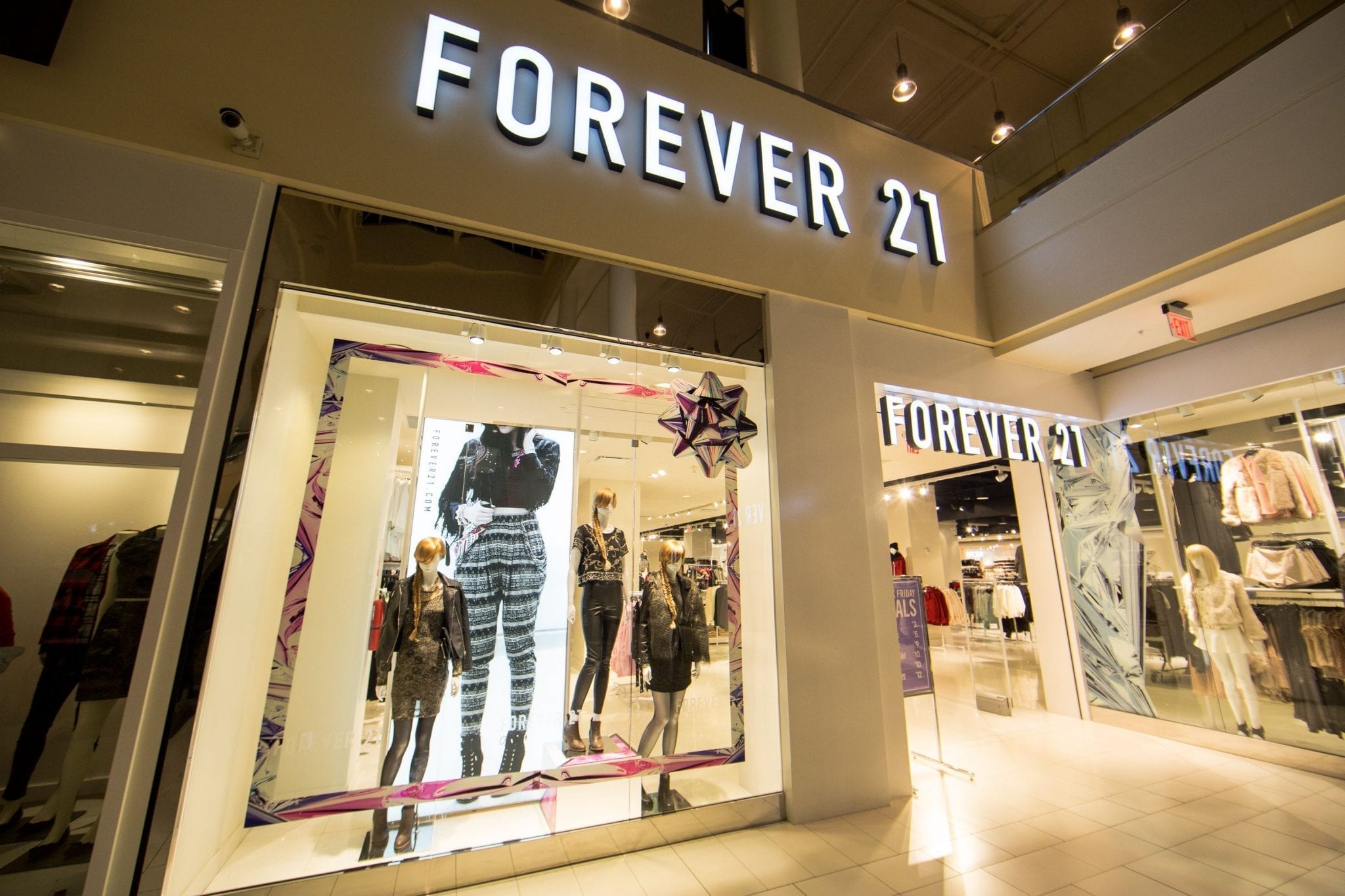
    Renowned fast-fashion retailer, Forever 21, is poised to venture once again into the Chinese market for the fourth time. The brand’s previous three attempts, beginning in 2008, were unsuccessful in maintaining a solid foothold in the second-largest global economy.

    Reviving the Brand: Future Prospects

    Beyond its focus on China, Forever 21 also aims to revitalise its presence in the North American market. To support this endeavour, the brand is currently in search of a strategic partner, with an announcement to follow in the near future, according to Authentic Brands Group (ABG), the holder of Forever 21’s worldwide intellectual property rights.

    The primary emphasis of the brand for the foreseeable future is on strengthening its market position in both China and the United States, as disclosed by ABG in a recent press briefing.

    Bankruptcy and Recovery

    In March, Forever 21 declared bankruptcy in the U.S. for the second time in six years. The brand also revealed plans to phase out domestic operations due to the increasing pressures of online competition in the fast-fashion industry, coupled with dwindling traffic in shopping malls.

    Following its third relaunch in China in 2022 and the opening of several retail outlets beyond the country’s primary fashion hubs, Forever 21’s operations gradually diminished towards the end of 2024.

    Re-emergence and Partnerships

    However, the brand is making a comeback, creating a buzz with its famed bright yellow branding appearing in major Chinese cities. Marketing events at music festivals and Forever 21 advertisements within Shanghai’s metro system have marked the brand’s return.

    For its latest endeavor, ABG is collaborating with brand operator Chengdi, a firm partly owned by e-commerce giant Vipshop Holdings. During a press launch in Shanghai, Chengdi expressed its intention to localize operations and attract a new generation of young consumers, with plans to open more brick-and-mortar stores in 2026.

    CEO’s Remarks on the Acquisition

    Jamie Salter, CEO of ABG, had previously described the acquisition of Forever 21, which was purchased from bankruptcy in 2020, as “probably the biggest mistake I made.” However, when asked about these remarks recently, an ABG spokesperson clarified that Salter “has always believed that having Forever 21 as part of ABG is a good idea and he continues to maintain that belief.”

    Questions & Answers

    What is Forever 21’s future strategy in the global market?
    Forever 21 aims to reestablish its presence in the Chinese and North American markets, with plans to seek a strategic partner for the North American relaunch.

    What led to Forever 21’s bankruptcy and eventual recovery?
    Increasing online competition in the fast-fashion industry and declining mall footfall led to Forever 21’s bankruptcy. It’s recovery has been marked by a strategic relaunch and partnership with Chengdi in the Chinese market.

    What did ABG’s CEO Jamie Salter mean by his comments regarding the acquisition of Forever 21?
    Jamie Salter had previously expressed regrets about acquiring Forever 21. However, an ABG spokesperson clarified that Salter continues to believe in the brand’s potential as part of ABG.
  • Booming Secondhand Market In Asia Signals New Era For Sustainable Shopping

    Booming Secondhand Market In Asia Signals New Era For Sustainable Shopping

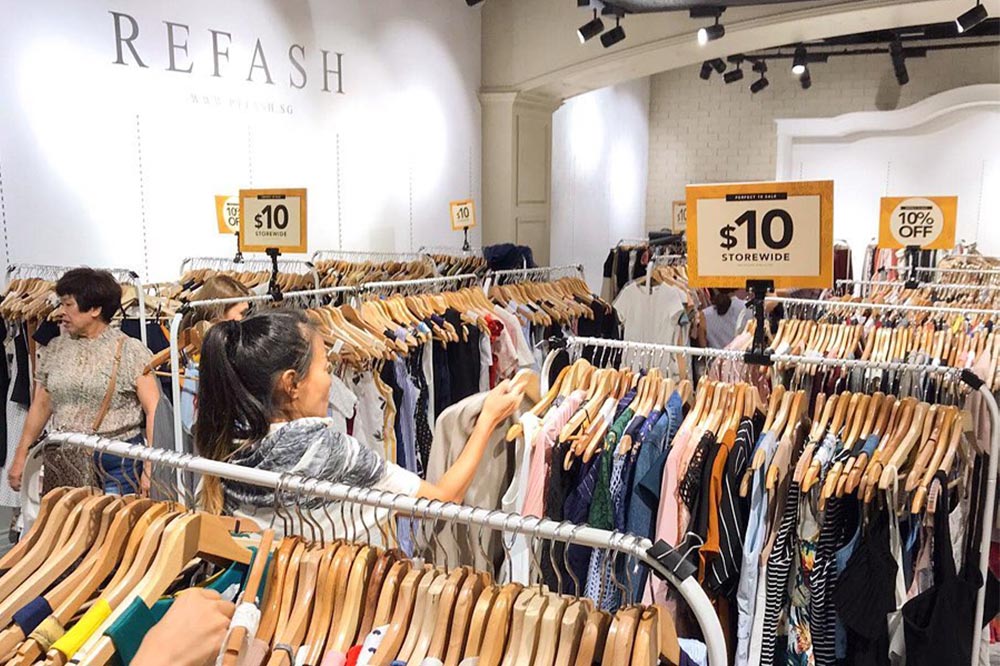
    The ongoing transformation in the retail landscape across Asia takes a tantalizing turn as reports emerge about the booming secondhand clothing market, particularly in countries like South Korea and Japan. This rise, spurred by a growing thrift culture and shifted consumer attitudes, signals a new era in sustainable shopping practices. Shoppers are no longer just looking for bargains; they are becoming increasingly mindful of their consumption habits and the environmental implications of their purchases.

    Secondhand Shopping Takes Center Stage

    The phenomenon of thrifting has captured the hearts of many, with platforms like Carousell, Depop, and Mercari leading the charge. In Japan, where the concept of ‘mottainai’—a term expressing a sense of regret regarding waste—resonates deeply, consumers are diving headfirst into used goods. South Korea is not far behind, with its vibrant “seconhand” market thriving amidst a cultural shift toward sustainable fashion.

    As discussions of environmental impacts become more prevalent, retailers and brands are aligning their values with those of eco-conscious consumers. Notably, this shift has turbocharged sales in thrift stores, which are witnessing a remarkable uptick in foot traffic and online engagement. It’s almost as if shopping for used clothes has become the new black.

    Corporate Moves to Support Sustainability

    Major brands are also recognizing this trend. For instance, companies like Uniqlo are launching recycling programs, encouraging customers to bring in old garments in exchange for store credits. These initiatives not only lower waste but also foster a sense of community as shoppers engage in a circular economy. With reports indicating a 40% increase in secondhand purchases from the previous year, it’s clear that both consumers and businesses are embracing this evolution.

    The Thrifting Experience: More Than Just a Trend

    The allure of secondhand shopping goes beyond mere savings; it’s about the thrill of discovery and the unique stories woven into each vintage piece. It’s not uncommon for shoppers to stumble upon rare finds—from classic designer pieces to quirky local designs—that offer a glimpse into the past and a sustainable future. In the words of one dedicated thrifter, “It feels like a treasure hunt, but with less stress and more style!”

    Challenges Ahead: Bridging Quality and Affordability

    Despite the growth, the secondhand sector faces challenges. Quality control and standardization remain critical as this market expands. Consumers demand not just affordability but reliability; they want to trust that what they’re purchasing meets certain standards. As platforms and retailers grapple with these expectations, innovation will be vital in smoothing the shopping experience while keeping sustainability at the forefront.

    The journey towards a greener retail landscape is undeniably on the upswing in Asia, with secondhand shopping leading the charge. As more consumers opt for sustainable choices, the retail industry is poised for an exciting transformation.

    Questions & Answers

    What factors are driving the growth of the secondhand market in Asia?
    A combination of rising awareness about sustainability, changing consumer behavior, and innovative online platforms has propelled the secondhand market forward, making it a popular choice among eco-conscious shoppers.

    How are major fashion brands responding to this trend?
    Brands like Uniqlo are implementing recycling programs to encourage customers to give back old clothing, thus aligning with the growing consumer demand for sustainable practices and contributing to a circular economy.

    What challenges does the secondhand market face as it continues to expand?
    Quality control and standardization are significant hurdles for the expanding secondhand market as consumers increasingly seek reliable products that provide value and assurance.

  • The A2 Milk Company Reports Robust Financial Growth Amid Challenges; Declares First Dividends

    The A2 Milk Company Reports Robust Financial Growth Amid Challenges; Declares First Dividends

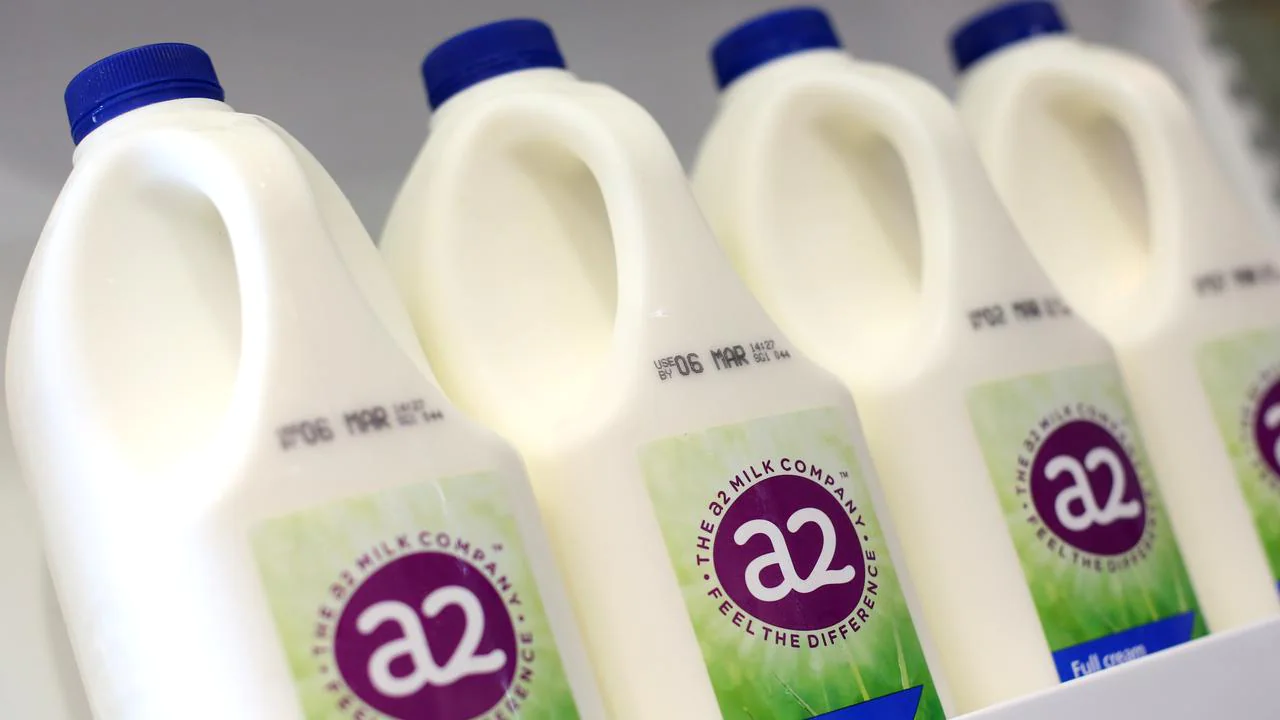
    The A2 Milk Company has reported a significant increase in its revenue for the current financial year. The group’s revenue rose by 13.5 per cent, reaching $1.9 billion, a notable increase from last year’s $1.67 billion.

    Financial Growth and Profit

    This upward trend can also be seen in the company’s EBITDA, which increased by 17.1 per cent to $274.3 million. Furthermore, the company’s net profit after tax saw an impressive boost of 21.1 per cent, reaching $202.9 million.

    In China, a key market for the company, revenue grew by 18.9 per cent, totalling $1.3 billion. The company’s EBITDA also saw substantial growth, increasing by 14.6 per cent to $332.4 million. This growth has solidified the company’s position as a top-four brand in China’s infant formula market.

    Segment Performance

    The A2 Milk Company’s infant formula business reported a 10 per cent growth overall, largely propelled by its English label business that saw an increase of 17 per cent.

    However, the company’s Australia and New Zealand (ANZ) segment experienced a slight dip, with revenue declining by 0.4 per cent to $316 million. The ANZ segment’s EBITDA also fell, decreasing by 8.7 per cent to $57.5 million.

    In contrast to the ANZ segment, the company saw significant growth in the US, with revenue increasing by 22.5 per cent to $139.3 million. Despite this, the company did report losses in its EBITDA, though these were reduced to $9.3 million, down from the previous financial year’s $15.5 million.

    Company Milestones and Acquisitions

    “I’m proud of what our team has achieved this year, reporting record sales of $1.9 billion and double-digit earnings growth in our 25th year since The A2 Milk Company was formed,” said CEO David Bortolussi.

    The company has achieved a significant milestone this year, declaring its first-ever dividends with a 71 per cent payout ratio. This marks a significant moment for the company’s shareholders.

    In addition, the company has acquired Yashili New Zealand’s fully integrated nutritional manufacturing facility located in Pokeno, New Zealand. The facility comes with two existing China Label product registrations. Bortolussi described the acquisition as a pivotal moment for the company and a crucial part of their supply chain transformation strategy.

    Future Outlook

    Looking ahead, the company expects single-digit revenue growth in the next financial year. The company also anticipates an EBIDTA margin between 15 and 16 per cent and a similar net profit after tax as the current financial year.

    Questions & Answers

    What was the percentage increase in the company’s group revenue?
    The A2 Milk Company’s group revenue increased by 13.5 per cent.

    What was the growth rate of the company’s infant formula business?
    The company’s infant formula business saw a growth rate of 10 per cent.

    What does the company expect for the next financial year?
    In the next financial year, the company anticipates single-digit revenue growth, an EBITDA margin between 15 and 16 per cent, and a similar net profit after tax as the current financial year.

  • Inaba Breaks Into Australian Market With Innovative Cat Treat Range

    Inaba Breaks Into Australian Market With Innovative Cat Treat Range

    Inaba, a renowned Japanese pet food brand, has made its debut in the Australian market with the introduction of its Churu cat treat range.

    The Innovative Inaba Churu Treats

    Inaba Churu treats stand out due to their fresh chicken and seafood ingredients, absence of preservatives, and high moisture content. Their unique texture can be either soft or chewy, and they are also low in calories.

    According to Adam Heelis, Inaba Australia’s Country Manager, the cat treat industry has been lacking in novelty for a long time. The introduction of these innovative products is expected to stimulate the growth of the cat treat sector.

    Product Availability

    The Churu treat range, which includes Puree, Bites, Stew, and Sprinkles flavours, will be made available nationwide in Woolworths and Coles supermarkets from September. Customers will also be able to purchase these treats online.

    The Inaba Brand Legacy

    Inaba was established in 1989 and has its roots in the family tradition of Yoshizo Inaba, who was a seafood harvester. The brand has been selling its cat food lineup in the United States since 2016. In 2020, it introduced sustainable tuna for cats.

    Questions & Answers

    What makes Inaba Churu treats unique?
    The Churu treats are created with fresh chicken and seafood, have no preservatives, and are high in moisture. They can be either soft or chewy and are low in calories.

    Where can customers purchase Inaba Churu cat treats in Australia?
    The Churu cat treat range will be available at Woolworths and Coles supermarkets nationwide. They will also be available for online purchase.

    When did Inaba start selling its cat food lineup in the United States?
    The Inaba cat food lineup has been available in the United States since 2016.

  • Chinese E-commerce Giants Disrupt South Africa’s Retail Sector, Claiming 3.6% Market Share

    Chinese E-commerce Giants Disrupt South Africa’s Retail Sector, Claiming 3.6% Market Share

    The South African retail market has witnessed significant disruption with the entry of Chinese e-commerce firms, Shein and Temu. Together, they constitute 3.6% of the nation’s retail sector, specifically the clothing, textile, footwear, and leather (CTFL) market. This translated to 7.3 billion rand (US$405 million) in sales in 2024.

    Disrupting the Retail Landscape

    Shein made its debut in the South African market in 2020, with Temu following in 2024. Both companies have effectively shaken up the local retail scene with competitive pricing, strategic marketing, and tax loopholes that initially provided them with an advantage over domestic retailers.

    The allure of these platforms for cost-conscious shoppers has had significant effects on local retailers. In response, these retailers appealed to regulatory bodies last year to address the tax loophole, which was subsequently closed.

    Impact on Market Shares

    The Localisation Support Fund (LSF) report indicates that the market share of domestic CTFL retailers has gradually dwindled from 75.3% in 2011 to 74% in 2024. In comparison, international physical store brands such as H&M, Zara, and Cotton On hold a combined market share of 3.4%.

    Shein and Temu together now hold a 3.6% share of the CTFL market, and a commanding 37.1% of South Africa’s e-commerce CTFL market. In particular, Shein has cornered 28% of the online women’s CTFL sales.

    Sean Mercer, a principal consultant at consulting firm BMA, observed that international retailers had spent 13 years building their market share. In contrast, Shein and Temu have managed to equal and even surpass this in a mere five years.

    Questions & Answers

    What market share do Shein and Temu hold in South Africa’s retail sector?
    Shein and Temu together hold a 3.6% share in South Africa’s retail sector, specifically in the clothing, textile, footwear, and leather market.

    What strategy did Shein and Temu use to disrupt the South African retail market?
    Shein and Temu disrupted the South African retail market with competitive pricing, strategic marketing, and by leveraging tax loopholes that initially provided them with an advantage over domestic retailers.

    How has the entry of Shein and Temu affected local retailers?
    The entry of Shein and Temu has significantly impacted local retailers, leading to a decline in their market share. The cost-effective offerings of these e-commerce platforms have drawn cost-conscious shoppers, affecting the sales of local retailers.

  • Hermes Records Impressive Growth With €8 Billion Revenue In First Half Of Year

    Hermes Records Impressive Growth With €8 Billion Revenue In First Half Of Year

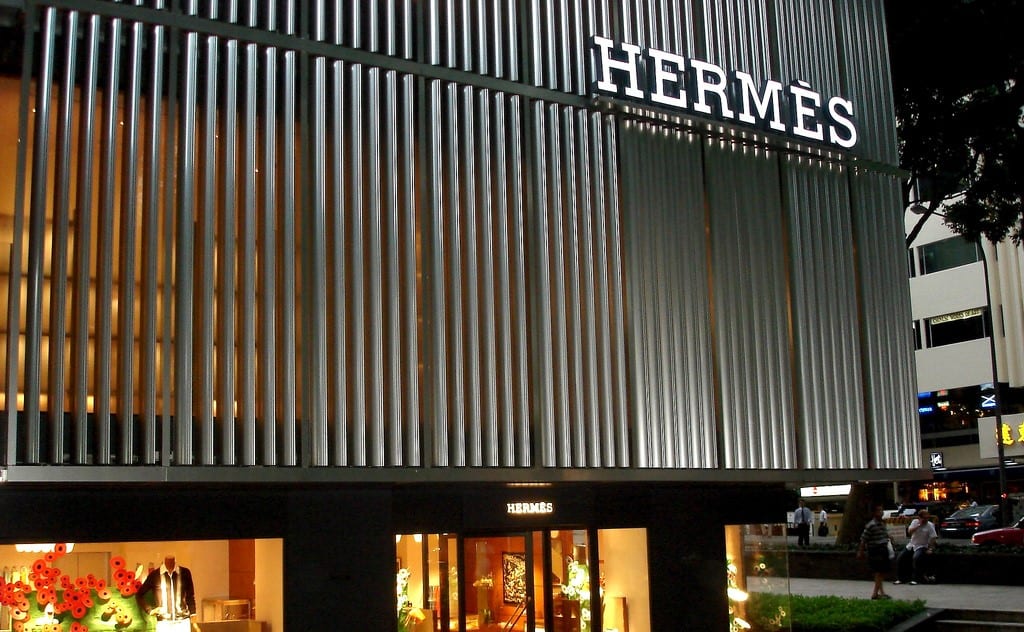
    Hermes, the esteemed French luxury brand, has demonstrated impressive sales growth in the first half of the current year. This surge in revenue was experienced across all regions as affluent customers continued their patronage of the brand’s distinguished leather products.

    The brand recorded a revenue of €8 billion (US$8.78 billion) for the half-year period concluding on June 30th. This performance marks an 8% increase in profits, calculated at a constant exchange rate when compared to the same timeframe in the previous year.

    Sales saw a 9% rise in the second quarter itself, which was bolstered by an excellent performance in the markets of the United States, Japan, and the Middle East.

    According to Hermes, the growth was widespread across all geographical regions, with each one reporting gains. Japan led the way with a robust 16% increase, followed by the Americas with a 12% rise. Sales in France experienced a 9% increase while Europe, excluding France, witnessed a 13% acceleration.

    Axel Dumas, the Executive Chairman of Hermes, has expressed his satisfaction, attributing the firm’s first-half success across all regions to the strength of the Hermes model.

    On behalf of the company, he expressed gratitude to all their customers for their continued trust and to all the employees for their dedication, adding, “We will continue to invest and recruit to ensure the group’s sustained success.”

    The primary driver of growth for Hermes is its core leather goods and saddlery division, which includes the highly coveted Birkin and Kelly bag lines. The brand also reported significant increases in the sales of jewellery and homeware. However, the sales of watches and perfumes exhibited a decline.

    Hermes has laid out plans to persist with investments in craftsmanship, to broaden production, and to reinforce its global retail presence in order to meet the escalating demand for its exclusive merchandise.

    Questions & Answers

    What was the revenue of Hermes for the first half of this year?
    The French luxury brand Hermes recorded a revenue of €8 billion (US$8.78 billion) for the first half of the year.

    Which regions showed significant growth for Hermes?
    Every geographical region posted gains for Hermes. Japan led with a 16% increase, followed by the Americas with a 12% rise. Sales in France experienced a 9% increase, whilst Europe, excluding France, witnessed a 13% rise.

    Which product categories drove the growth for Hermes?
    The primary growth driver for Hermes was its core leather goods and saddlery division, including the popular Birkin and Kelly bags. The brand also reported double-digit increases in jewellery and homeware.

  • Liquid Death Ventures Into Energy Drink Market With Low-caffeine, Sugar-free ‘sparkling Energy

    Liquid Death Ventures Into Energy Drink Market With Low-caffeine, Sugar-free ‘sparkling Energy

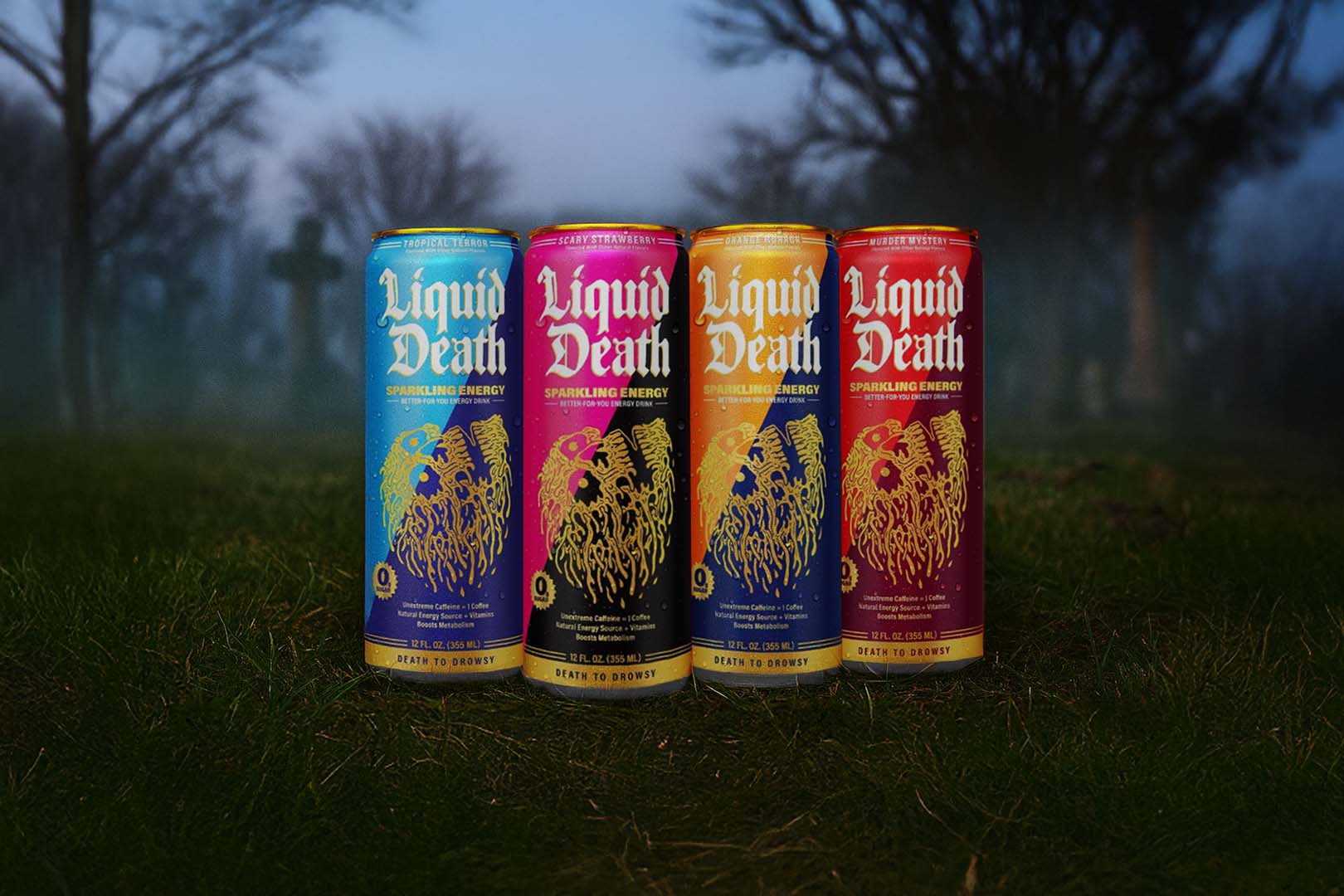
    Liquid Death, a notable canned water company, is set to make a definitive move into the energy drink market. Their new product line, named Sparkling Energy, is a low-caffeine, sugar-free beverage range expected to make its debut in the United States market early next year.

    New Flavours in the Pipeline

    The Sparkling Energy range is slated to roll out in four unique flavours. Tropical Terror, Scary Strawberry, Orange Horror, and Murder Mystery are the enticing names that have been unveiled. These four flavours promise to offer a refreshing and energy-boosting experience to their customers.

    Nutritional Aspects

    Each 355ml can of Sparkling Energy boasts a sensible caffeine content of 100mg, roughly equivalent to a cup of coffee. This seemingly modest caffeine level was purposefully chosen, as a counter-response to the excessive caffeine content perceived in the existing energy drink market.

    Furthermore, Sparkling Energy will leverage natural sweeteners, specifically stevia and allulose, to maintain its sugar-free promise. The drink also includes a beneficial infusion of vitamin B12 and vitamin C, adding another layer of nutritional value.

    Product Pricing and Marketing

    The Sparkling Energy drink is estimated to be priced at approximately US$3 per can. More intricate details about the marketing strategy for this new product range will be released as the launch date approaches.

    Questions & Answers

    What is the new product that Liquid Death is about to launch?
    Liquid Death is gearing up to introduce Sparkling Energy, a new range of low-caffeine, sugar-free energy drinks.

    What are the unique flavours that Sparkling Energy will be available in?
    Sparkling Energy will be available in four flavours: Tropical Terror, Scary Strawberry, Orange Horror, and Murder Mystery.

    What is the expected retail price of a Sparkling Energy can?
    Each can of Sparkling Energy is expected to retail for around US$3.

  • Popeyes Expands In The Philippines: New Franchising Program Launched Amid Record-breaking Performance

    Popeyes Expands In The Philippines: New Franchising Program Launched Amid Record-breaking Performance

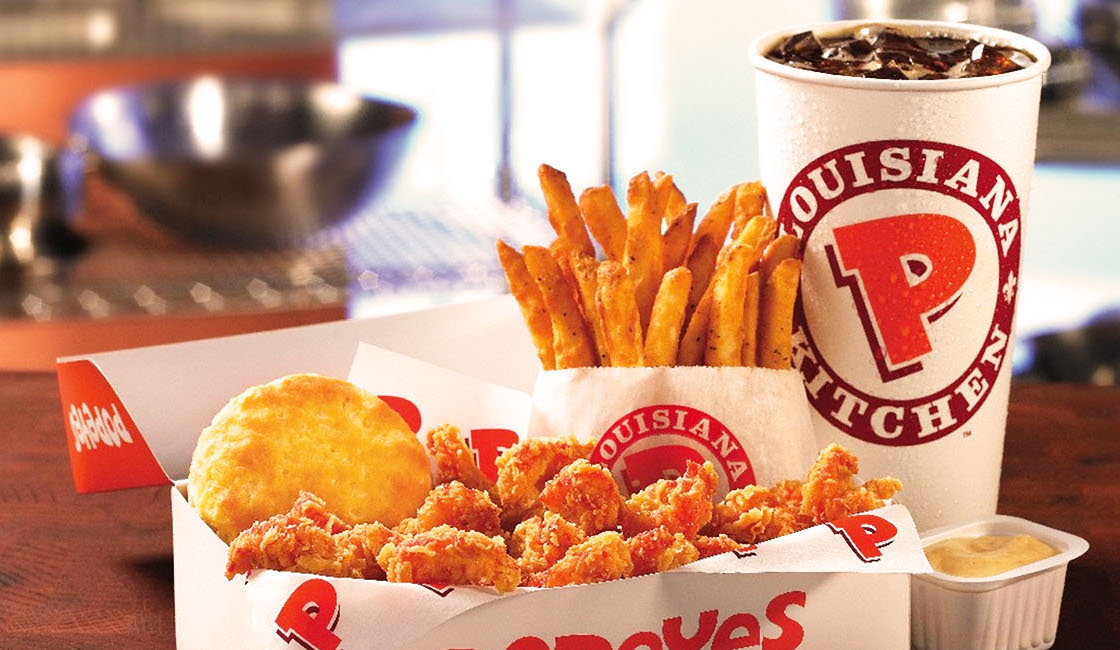
    Popeyes, the renowned American fast food brand, has initiated its franchise program in the Philippines. This move comes in the wake of the country’s stellar performance, making it the leading global market for Popeyes in terms of transactions, as reported by the company’s parent organization, Restaurant Brands International (RBI).

    Franchising: The Logical Next Step

    Dustin Ngo, the Managing Director for Popeyes Philippines, expressed his views on the new franchising initiative. According to Ngo, franchising was the logical next phase in the company’s growth trajectory. He lauded it as a lucrative investment opportunity that aligns perfectly with Popeyes’ expansion plans over the next three years.

    Franchise investment for a 1000sqm drive-thru store varies between PHP$45 million and $50 million, equivalent to US$793,000 to $800,000. The investment package encompasses construction, equipment, training, and a 10-year franchise fee. The continued costs include an 8 per cent royalty and a 5 per cent advertisement fee, calculated based on sales.

    Comprehensive Support for Franchise Partners

    RBI, along with the local team, will offer comprehensive support to ensure a smooth and efficient setup and operation for the franchise partners. The objective is to make the operation of Popeyes franchises as hassle-free as possible.

    Dan Hayton, the Chief Operating Officer of Popeyes Philippines, further elucidated this point. He expressed the company’s desire for franchise partners to run their Popeyes franchise effortlessly, with the operation starting up as easily as turning a key.

    Questions & Answers

    What is the investment range for opening a Popeyes franchise in the Philippines?
    The investment for a 1000sqm drive-thru store ranges from PHP$45 million to $50 million (US$793,000 to $800,000), which includes costs for construction, equipment, training, and a 10-year franchise fee.

    What are the ongoing costs for a Popeyes franchise?
    The ongoing costs include an 8 per cent royalty and a 5 per cent advertisement fee, calculated based on sales.

    What kind of support does Popeyes provide to its franchise partners?
    Popeyes, in collaboration with RBI and the local team, provides comprehensive end-to-end support. The focus lies on ensuring a fast setup and operational efficiency for the franchise partners.

  • China’s Smartphone Market Sees Contraction; Huawei Reclaims Top Spot Amidst Decreased Shipments

    China’s Smartphone Market Sees Contraction; Huawei Reclaims Top Spot Amidst Decreased Shipments

    After six consecutive quarters of growth, China’s smartphone market showed signs of contraction during the second quarter of this year. The International Data Corporation (IDC) reported a decrease in shipments from the top four out of five brands, attributing this to a dip in consumer demand.

    Apple, which holds the fifth position in China’s smartphone market, experienced a 1.3% year-on-year decrease in shipments in the second quarter, equating to a shipment of 9.6 million units. While still marking a decline, this represents a notably smaller decrease than the 9% drop witnessed in the first quarter of the year. This is believed to be due in part to adjustments in the pricing of specific iPhone 16 and 16 Pro models, which are eligible for government subsidies.

    Despite this, Apple’s share of the market increased, growing from 13.7% in the March quarter to 13.9% in the June quarter. However, this still marks the eighth consecutive quarter in which Apple’s market share has declined.

    Huawei, the Shenzhen-based technological powerhouse, regained its position at the top of the market after more than four years, seizing an 18.1% market share. Huawei shipped approximately 12.5 million phones during the second quarter, a 3.4% year-on-year decrease.

    Xiaomi, holding the fourth position in the market, was the only smartphone manufacturer to record an increase in shipments during the last quarter. Vivo, standing at second place, witnessed the most significant decline in the top five brands, with shipments decreasing by 10.1%.

    Overall, China’s smartphone shipments fell by 4.0% year-on-year to 69 million units in the second quarter. This decline came as the momentum spurred by government subsidies began to falter amid more wide-ranging economic weaknesses.

    Senior research analyst at IDC, Arthur Guo, commented on the broader economic challenges faced by the industry, stating that consumer confidence remains low. Guo suggested that a significant boost in smartphone demand is unlikely in the near future and projected a more multifaceted landscape for the market in the second half of the year.

    Questions & Answers

    What was the rate of decline in China’s smartphone market during the second quarter?
    The rate of decline in China’s smartphone market during the second quarter was 4.0%.

    Which brand reclaimed the top spot in China’s smartphone market?
    Huawei regained the top position in China’s smartphone market after over four years.

    What was the only brand among the top five to record growth in shipments during the last quarter?
    Xiaomi was the only brand among the top five to record growth in shipments during the last quarter.

  • Miniso Unveils Largest Melbourne Store, Showcasing Exclusive Collections And Broad Product Range

    Miniso Unveils Largest Melbourne Store, Showcasing Exclusive Collections And Broad Product Range

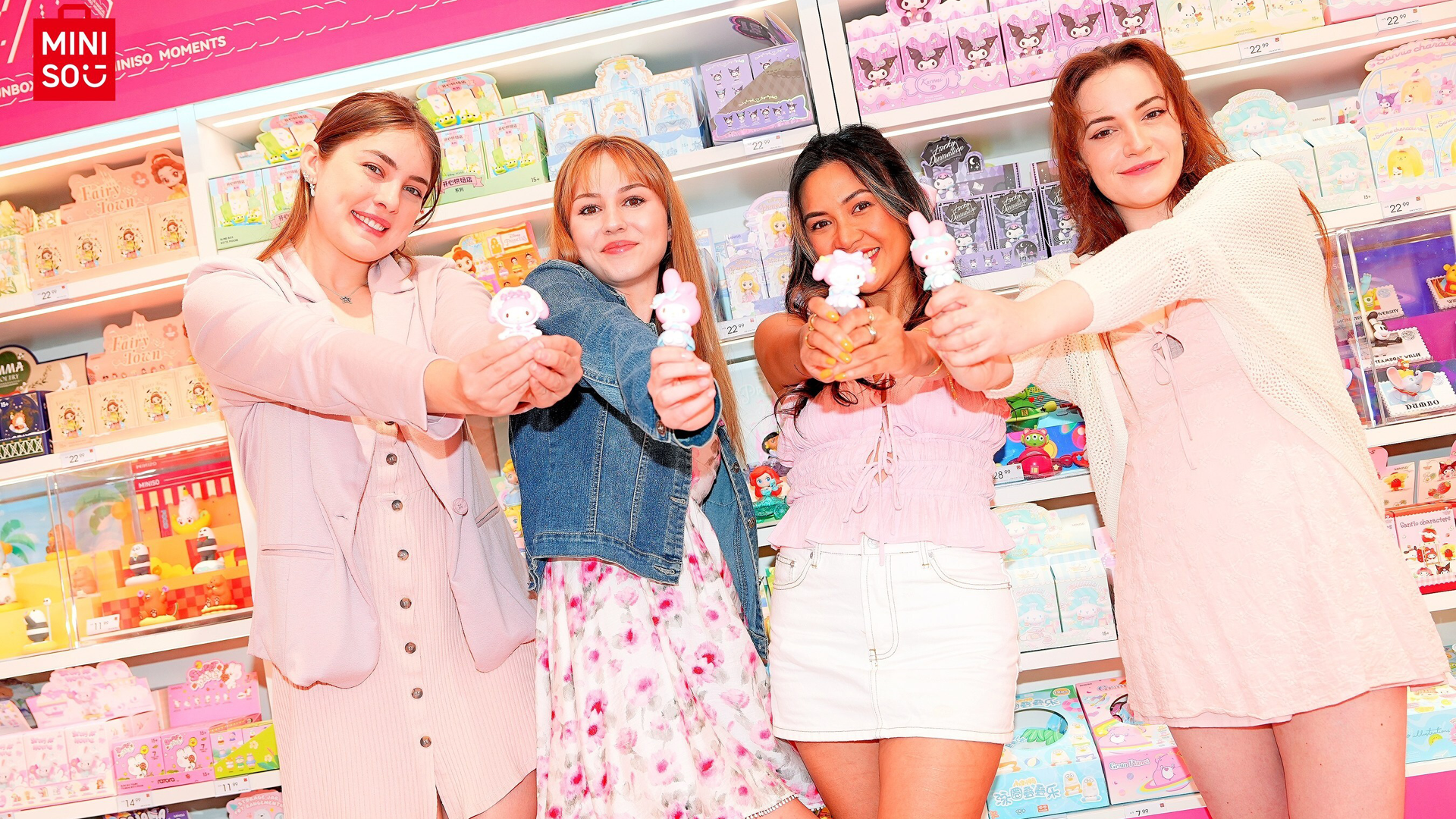
    Chinese consumer goods retailer, Miniso, recently revealed its latest store in Melbourne, situated within the bustling Highpoint shopping complex, marking the brand’s largest outlet in the city.

    Prime Location & Product Variety

    Occupying a prime location on the second level of the shopping center, in close proximity to the food court, Miniso’s latest store is set to draw high volumes of potential customers. The store offers an expansive range of products, including stuffed toys, stationery, beauty products, lifestyle necessities, and electronic accessories.

    Signature Collections & Exclusive Series

    The Melbourne flagship store showcases Miniso’s signature vinyl plush series, which features well-loved Disney characters, such as Winnie the Pooh and Mickey Mouse. Shoppers will also be able to find the exclusive Ufufy Fruit Collection, which is only available at the Highpoint shopping center outlet.

    Grand Opening

    The grand opening of the flagship store was a lively event, attracting many spectators. The festivities included a guest appearance by renowned Australian personality, Tahan Lew-Fatt, as well as live performances by local Kpop and Lion dance groups. The event was hosted by MC Ben McMahon and included a range of promotional activities.

    The Melbourne store marks the tenth Miniso outlet to launch in Australia since March, and the company has plans to unveil more stores throughout the remainder of the year.

    Questions & Answers

    What products does the new Miniso flagship store offer?
    The store offers a wide range of products, including plush toys, stationery, beauty products, lifestyle essentials, and electronic accessories.

    What unique features does the Melbourne flagship store have?
    The Melbourne flagship store houses Miniso’s signature vinyl plush series, with beloved Disney characters. It also offers the exclusive Ufufy Fruit Collection, only available at this location.

    How many Miniso stores are there currently in Australia?
    There are currently ten Miniso stores in Australia, with plans to open more throughout the year.

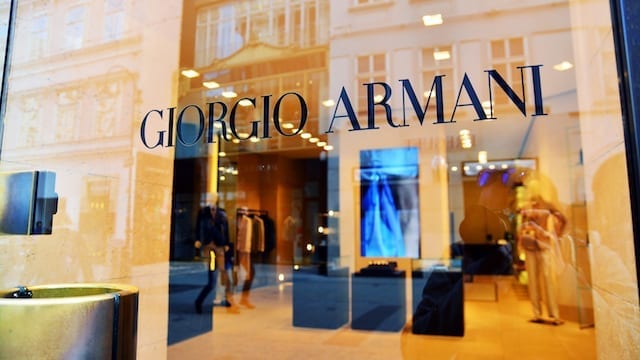
  • Armani Group’s Revenues Dip 5% In 2024: Prioritizes Quality Over Profit Amid Market Challenges

    Armani Group’s Revenues Dip 5% In 2024: Prioritizes Quality Over Profit Amid Market Challenges

    The Armani Group, a renowned Italian fashion enterprise, saw a 5% decrease in its revenue for the fiscal year 2024. The company attributes this decline to a dip in customer expenditure and a lackluster performance in the Asia Pacific region.

    Financial Performance Insight

    The fiscal year ended with total sales hitting US$2.65 billion. However, the year saw a decrease in net cash and equivalents, which fell from $1.09 billion to $656 million. The company also reported Earnings Before Interest and Taxes (EBIT) of $77 million, and a pre-tax profit of $86 million.

    The luxury fashion brand maintained a positive outlook despite the dip in revenue. It highlighted the year’s favorable results as evidence of robust and vigilant management, thereby attesting to the strength and stability of the group.

    Regional Performance Analysis

    In terms of geographic performance, Europe maintained its position as the group’s most substantial market, accounting for 49% of the total annual revenue. The Americas followed, contributing 22% to the total revenue. However, the company saw a decrease in revenue from the Asia Pacific region, which accounted for 19% of the total revenue. This decline was primarily attributed to a slump in demand from China.

    Investments and Business Strategy

    Despite experiencing a dip in revenue, the group showed a commitment to growth as it doubled its yearly investment to nearly US$383 million. This figure marked a significant increase from the previous year’s investment of $194 million. The company allocated these funds primarily towards refurbishing stores and bringing e-commerce procedures in-house.

    Giuseppe Marsocci, the Deputy Managing Director and Chief Commercial Officer, stated that the company maintains a conservative pricing strategy, with increases remaining under inflation rates. He emphasized the group’s decision to prioritize product quality and customer experience, even if it meant compromising short-term profit margins. Marsocci expressed confidence that this strategy would enhance the company’s competitiveness when the market rebounds.

    Questions & Answers

    What factors contributed to the Armani Group’s 5% revenue decline in fiscal 2024?
    The company attributes the decline in revenue to a decrease in consumer spending and a weak performance in the Asia Pacific region.

    How did the company respond to this decrease in revenue?
    Despite the decline in revenue, Armani Group chose to double its annual investment to US$383 million, focusing on store renovations and the internalization of e-commerce operations.

    What is Armani Group’s pricing strategy, and how does it plan to stay competitive in the future?
    Armani Group maintains a restrained pricing approach, with increases below inflation levels. The company prioritizes product quality and customer experience over short-term profits, believing this strategy will enhance competitiveness when the market returns to growth.

  • Singapore’s Luxury Market Expected to Soar to $10.9B in 2023, Thanks to 242,000 Millionaires

    Singapore’s Luxury Market Expected to Soar to $10.9B in 2023, Thanks to 242,000 Millionaires

    Singapore’s luxury retail market is poised for a remarkable rebound, with projections indicating a 7% growth from last year, according to Bloomberg, which cites data from analytics firm Euromonitor International. This upward trend could lead the city-state back to its pre-pandemic luxury sales peak of S$14.7 billion by 2026. Notably, in the previous year, Singapore’s luxury sales growth was only second to Japan among countries monitored by the firm.

    New Players in the Spotlight

    As consumer demand escalates across various luxury segments, brands are increasingly enhancing their presence in Singapore’s bustling market. French jeweler Van Cleef & Arpels opened an exhibition space, Les Jardins Secrets, at the Raffles Singapore hotel last February, a move that garnered attention, as reported by the Financial Times. Similarly, luxury watchmaker Audemars Piguet launched AP House, its first flagship in Southeast Asia, also at Raffles, which has been decorated to resemble a lavish apartment and even features the brand’s inaugural café, merging Swiss cuisine with local inspirations.

    A Beauty Boom

    In a parallel move, Raffles City mall has been aggressively courting the luxury beauty market by organizing substantial pop-up events that showcase 21 coveted brands, including Chanel, Dior, and Gucci this year. The charm of the mall is that, despite Singapore’s compact size—just 280 square miles with a population of around six million—it ranked third in luxury store openings last year among 32 Asia-Pacific cities, excluding mainland China, as revealed by real estate firm Savills.

    A Hub for the Affluent

    Singapore’s appeal to affluent individuals and luxury brands lies in its stability and welcoming business policies, factors that have facilitated the city’s evolution into one of the wealthiest nations globally. The World’s Wealthiest Cities Report 2025 by consultancy Henley & Partners places Singapore as the fourth wealthiest city worldwide, boasting 242,400 millionaire residents, including 333 centi-millionaires and 30 billionaires. Over the past five years, median household employment income has steadily increased, further complemented by a rise in tourism spending.

    Shopping Spree on the Rise

    International visitors brought S$3.9 billion to the local retail sector from January to September 2024, representing a 5% boost from the previous year, according to The Straits Times. These dynamics have crafted the city-state into a beacon for high-end brands seeking a strong foothold and a launchpad into the Southeast Asian market, especially as China’s economic slowdown casts shadows over the global luxury landscape. Jonathan Siboni, founder and CEO of consultancy Luxurynsight, articulated this, stating, “Singapore has proved to be a very stable place for wealthy people,” dubbing it “an oasis in the desert” for luxury markets.

    Challenges on the Horizon

    Nonetheless, this luxury boom may encounter hurdles soon. Henley & Partners projects that Singapore will see a net inflow of 1,600 millionaires in 2025—a figure that is less than half of the previous year’s estimate—even as record numbers of wealthy individuals are expected to relocate globally, as reported by The Business Times. Furthermore, although Singapore ranked fifth among global alpha cities for new luxury store openings, a recent Savills report warns that limited real estate options might stifle future growth and expansion for these luxury brands. “The available real estate for luxury brands remains limited, which could somewhat inhibit the growth and expansion of luxury brands in the city in the near future,” noted Sulian Tan-Wijaya, Savills Singapore’s executive director of Retail & Lifestyle, according to Singapore Business Review.

    Local Enthusiasm for Luxury

    Currently, the luxury marketing wave resonates well with local consumers. Among them is 22-year-old Chloe Liem, an avid collector of exquisite jewelry from established houses like Van Cleef & Arpels and Cartier. “Even though I know luxury items are crazily marked up, I recognize I’m paying for the experience and feeling of the brand,” Liem explained. “I feel confident splurging on these items because I enjoy it.” While some may call it indulgence, to Liem, it’s simply an investment in joy—a sentiment that highlights the emotional connection consumers have with luxury goods.

    Questions & Answers

    What is driving Singapore’s growth in the luxury retail market?
    Growing consumer demand, international tourism spending, and strategic brand expansions are key factors propelling Singapore’s luxury retail growth.

    How does Singapore’s luxury market compare to other Asian cities?
    Singapore is ahead of regional rivals such as Japan, China, and South Korea, ranking third in luxury store openings in the Asia-Pacific, excluding mainland China.

    Are there challenges facing Singapore’s luxury market?
    Yes, projections indicate a decline in the net inflow of millionaires in 2025, and limitations in available real estate for luxury brands could restrict future expansion.

  • Vietnam’s Durian Exports Plummet for Fifth Month Amidst Ongoing Challenges in China Market

    Vietnam’s Durian Exports Plummet for Fifth Month Amidst Ongoing Challenges in China Market

    Vietnam’s durian export market has experienced a staggering decline, plummeting 58% year-on-year in the first five months of 2023, with total revenue dropping to $386 million. Once celebrated as the golden fruit of the nation, durian’s dominance in Vietnam’s fruit and vegetable exports has sharply decreased, with its share sliding from 35% at the start of the year to a mere 17%, as reported by Vietnam Customs.

    China’s Demand Takes a Nosedive

    Strikingly, exports to China—the primary destination for Vietnamese durians—fell to $278 million, marking a drastic 67% reduction compared to the same period last year. This downturn is particularly concerning given that durian is a crucial pillar of Vietnam’s agricultural economy, which saw overall exports of fruits and vegetables dip by 13.5% to $2.3 billion.

    Stricter Screening Hurdles for Exporters

    Exporters are now grappling with heightened scrutiny as China tightens its import regulations. “China has intensified checks for heavy metal residues, plant quarantine, and fraudulent growing area codes, making customs clearance more challenging,” stated Dang Phuc Nguyen, general secretary of the Vietnam Fruit and Vegetable Association. Due to these new standards, many businesses are opting for smaller shipments rather than risking large contracts fraught with spoilage fears. Some have even halted exports altogether, shifting their focus to documentation and compliance efforts.

    Innovative Solutions Proposed for Compliance

    To navigate these tumultuous waters, Nguyen has suggested the establishment of mini testing laboratories for banned substances at farm sites, similar to initiatives taken in Thailand. “Fruits should be tested at farms and given compliance certificates. They then can be verified by China-approved labs before being exported,” he emphasized, pointing to the potential for more efficient customs processing.

    Meanwhile, Hoan Vu Inspection—a company authorized by China for quality testing—has urged better management of illegal fertilizers and the formulation of clearer cultivation guidelines. Efforts must also be made to remediate soil contaminated with heavy metals to promote sustainable farming practices.

    Cross-Border Cooperation for Future Success

    During a meeting on May 28 between officials from Vietnam’s Ministry of Agriculture and Environment and China’s General Administration of Customs, both sides agreed to extend working hours at customs and deploy additional personnel at border checkpoints to ease congestion. In a sign of optimism, China has increased its list of approved sources by adding 829 growing areas and 131 packing facilities in Vietnam for durian exports.

    Vietnam’s Agriculture Minister Do Duc Duy hailed this development as “a significant technical step and encouragement for businesses and farmers.” Additionally, Vietnam has proposed several key measures, including amending food safety policies to facilitate trade, accelerating customs clearance, and approving more laboratories equipped to test for cadmium and other harmful substances. A detailed report outlining Vietnam’s dedication to reinforcing the production, processing, and export supply chain has been submitted, signaling a commitment to restoring the glory of its beloved durian.

    Questions & Answers

    What factors contributed to the decline in Vietnam’s durian exports?
    The decline is primarily attributed to stricter import regulations and enhanced screening measures imposed by China, which accounts for a significant portion of Vietnam’s durian market.

    What solutions are being proposed to improve durian exports?
    There are calls for establishing mini testing labs for banned substances at growing sites and providing compliance certificates for fruits, allowing for smoother customs processes.

    How is the Vietnam government responding to the export challenges?
    Vietnam’s government is enhancing cross-border cooperation with China, extending customs working hours, and amending food safety policies to facilitate trade and improve export logistics.

  • Singapore’s Private Home Price Growth Cools in Q2: What It Means for Buyers and Sellers

    Singapore’s Private Home Price Growth Cools in Q2: What It Means for Buyers and Sellers

    In a gradual shift, private home prices in Singapore edged up by a modest 0.5% during the second quarter of 2025, marking a slowdown from the more robust 0.8% growth seen in the previous quarter. According to the Urban Redevelopment Authority (URA) and the Housing and Development Board (HDB), this slower pace reflects a more sustainable trend in the housing market.

    Market Dynamics: Weaker Sales and Cooling Measures

    A recent report by PropNex highlights the impact of weaker sales and a limited number of new launches on private residential property prices, while also noting that the robust supply of new flats and various cooling measures have put pressure on the prices of HDB resale flats. Notably, in Q2 2025, a flat in Queenstown achieved a record-high resale price, contributing to a new quarterly peak for properties sold at over $1 million.

    Landed Homes Lead the Charge

    The growth in home prices was predominantly fueled by the landed private homes segment, where prices increased by 0.7% quarter-over-quarter. Despite this rise, transactions in this segment saw a significant dip of about 17.5%, with only 410 units sold during Q2. Interestingly, the average unit price per land area jumped by 1.2%, thanks largely to the semi-detached and terrace house markets—but who would have thought a slice of land could fetch such a premium?

    Non-Landed Homes and Regional Performance

    For non-landed private homes, prices rose by 0.5% quarter-over-quarter, showing a clear deceleration from the 1.0% growth in the first quarter. The Rest of Central Region (RCR) witnessed its first price decline in six quarters, with a notable drop of 1.1%. Meanwhile, the Core Central Region (CCR) and Outside Central Region (OCR) defied the trend, seeing respective price increases of 2.3% and 0.9% in the same period.

    New Launches: A Mixed Bag

    New launches during this quarter were predominantly centered in the RCR, with projects such as One Marina Gardens and Bloomsbury Residences hitting the market. One Marina Gardens stood out, selling 462 units at an average price of approximately $2,951 per square foot, while Bloomsbury Residences moved 151 units at about $2,477 per square foot.

    On Track for Growth

    PropNex estimates that developers sold at least 1,153 new units (excluding executive condos) in Q2 2025, bringing the total for the first half of the year to an impressive 4,528 units—a significant increase from the 1,889 transactions in the same period last year. As we look to the upcoming quarter, the expectation is clear: new private home sales are likely to gain momentum with a robust assortment of launches on the horizon. Meanwhile, the resale market reflects a strong activity level, with 2,949 transactions recorded in Q2, slightly surpassing the 1H 2024 figures.

    Questions & Answers

    What is the current trend in Singapore’s property market?
    Private home prices are experiencing a modest increase of 0.5% in Q2 2025, indicating a shift towards more sustainable growth.

    How have recent cooling measures affected resale flat prices?
    The introduction of cooling measures and an ample supply of new flats have exerted downward pressure on HDB resale flat prices.

    What impact did new launches have on private home sales this quarter?
    New launches significantly boosted private home sales, with developers recording 1,153 new units sold in Q2 2025, highlighting a compelling demand in the market.

  • Kuala Lumpur’s Prime Residential Market Set for Exciting Growth Ahead

    Kuala Lumpur’s Prime Residential Market Set for Exciting Growth Ahead

    Two projects were completed and another two were launched in Q1.

    Prime Residential Sector on the Rise

    Kuala Lumpur’s prime residential sector is gearing up for significant expansion, buoyed by a post-pandemic recovery, supportive government initiatives aimed at bolstering homeownership, and innovative financing options like green home programmes. These factors are not just catching the eye of locals—they’re also enticing foreign investors eager to tap into a market poised for growth.

    A recent report by JLL underscores this promising outlook. “Ongoing infrastructure developments are expected to enhance the appeal of suburban areas and transit-oriented developments, while the city’s affordability compared to other Asian markets should continue to drive investment, despite global economic challenges,” the report revealed. It paints a picture of a landscape ripe with opportunity.

    Dynamic Growth Despite Market Concerns

    As Kuala Lumpur shakes off the remnants of the pandemic, its prime residential sector is seeing a remarkable resurgence, characterized by rising sales and property values. However, experts urge a tempered enthusiasm, noting that concerns about potential market overheating necessitate cautious optimism for the medium term.

    Newly launched and ongoing projects are witnessing robust interest, with take-up rates fluctuating between 30% to 50%. Soft-launch schemes have also experienced promising booking levels, highlighting a healthy appetite in the market that just might surprise those who thought buyers had soured on the idea of investing.

    New Developments Take Center Stage

    This quarter saw the completion of two substantial residential developments, Allevia and Sunway Belfield, which together contributed 1,624 units to the market. Simultaneously, two new projects, CloutHaus Residence and Hanaz Suites, have been introduced, adding 955 units to the mix. The infusion of these developments speaks volumes about the resilience and sustained interest in Kuala Lumpur’s real estate.

    Favorable Conditions for Investors

    The attractiveness of the prime residential market continues to hold firm, with stable rates and competitive pricing serving as a magnet for investors even amid global economic uncertainties. Bank Negara Malaysia has kept the Overnight Policy Rate steady at 3.00% since May 2023, fostering a conducive atmosphere for borrowing. This policy has made mortgages more accessible and affordable, further stimulating demand for property investment.

    Despite pervasive global inflationary pressures, Kuala Lumpur’s prime residential market remains appealing, characterized by property prices that are among the most affordable in Asia. This affordability continues to attract both local and foreign investors looking to navigate the choppy waters of today’s economic landscape.

    Questions & Answers

    What factors are driving growth in Kuala Lumpur’s residential sector?
    Post-pandemic recovery, government initiatives supporting homeownership, and innovative financing options, such as green home programmes, are key motivators behind the growth.

    How have the recent projects performed in the market?
    Newly launched and ongoing projects boast solid take-up rates ranging from 30% to 50%, indicating a healthy appetite among buyers.

    What makes Kuala Lumpur’s prime residential market appealing to investors?
    Stable pricing and competitive rates, in conjunction with accessibility to affordable mortgages thanks to a maintained Overnight Policy Rate, make Kuala Lumpur an attractive proposition for investors in comparison to other Asian markets.