Tag: Market

  • Myntra Launches ‘Myntra Global’ as it Expands into the Singapore Market

    Myntra Launches ‘Myntra Global’ as it Expands into the Singapore Market

    Indian e-commerce powerhouse Myntra has made a splash in Singapore with the launch of Myntra Global, its first foray into the international market. This strategic move aims to cater to the vast Indian diaspora in the city-state, which numbers around 650,000 individuals, by offering a diverse selection of Indian fashion and lifestyle products.

    A Treasure Trove of Indian Styles

    With a staggering 35,000 styles from 100 renowned Indian brands, including favorites like Aurelia, Global Desi, Libas, W, House of Pataudi, and Chumbak, Myntra is set to create waves. Shoppers can explore categories that span apparel, footwear, home décor, and accessories—all designed to resonate with the cultural sensibilities of the Indian community in Singapore.

    Organic Growth Sparks Expansion

    Before the official launch, Myntra witnessed an impressive organic interest from Singapore, attracting nearly 30,000 users eager for Indian styles. The company’s ambition is to provide not just a shopping platform, but a seamless and dependable experience that answers the demand for culturally-rich fashion.

    Championing ‘Made in India’

    This expansion underscores Myntra’s long-term vision to tap into new consumer markets while enhancing global visibility for Indian brands. Furthermore, it aligns with India’s larger initiative to promote ‘Made in India’ products on an international scale, showcasing the rich cultural tapestry of Indian fashion.

    So, Singaporean shoppers, prepare yourself! You might just find yourself falling head over heels for styles that blend tradition with contemporary flair.

    Questions & Answers

    What types of products will Myntra Global offer in Singapore?

    Myntra Global will feature a variety of products, including apparel, footwear, home décor, and accessories from popular Indian brands.

    How many styles can customers expect from different brands?

    Shoppers can look forward to an impressive collection of about 35,000 styles from 100 diverse Indian brands.

    What is Myntra’s broader goal with this international expansion?

    The expansion is part of Myntra’s strategy to reach new customer bases, increase global visibility for Indian brands, and promote ‘Made in India’ products worldwide.


  • Cambodia Enters China’s Booming Durian Market, Challenging Vietnam, Thailand, and Malaysia

    Cambodia Enters China’s Booming Durian Market, Challenging Vietnam, Thailand, and Malaysia

    China’s General Administration of Customs has recently opened doors for fresh durian shipments from Cambodia that comply with food safety standards, a significant development following the signing of a phytosanitary protocol between Cambodia’s Ministry of Agriculture, Forestry and Fisheries and Chinese authorities in late April. This newfound opportunity is poised to transform Cambodia’s durian industry and delight the palates of Chinese consumers who have long been enamored with the so-called “king of fruits.”

    Building a Path to Export

    Following the accord, Cambodia’s agriculture department has taken proactive steps, urging durian growers, farming communities, and processing facilities to register for exports to China. Plans are already underway to compile a list of fresh durian plantations and processing factories, set to be submitted to the Chinese side for evaluation and review in May 2025, as reported by the Khmer Times.

    Breaking into the Chinese Market

    As Cambodia seeks to make its mark, it faces the challenge of standing out in a marketplace that has already been saturated by competitors with established reputations. “It lacks the long-standing brand recognition of Thailand’s Monthong or Malaysia’s premium Musang King,” stated Lim Chin Khee, an adviser at Malaysia’s Durian Academy, highlighting the uphill battle for Cambodia’s emerging durian brand.

    Chinese consumers are currently spoiled for choice, with last year’s record durian imports amounting to an impressive US$6.99 billion, primarily driven by Thailand and Vietnam, which together accounted for nearly 99% of the market share. The competition isn’t stopping there; Indonesia is gearing up to export its own durians, while Laos is eyeing entry into this lucrative market.

    Can Cambodian Durian Compete?

    Despite this fierce competition, the unique Au Khak variety, predominantly grown in Cambodia’s Kampot and Kampong Cham provinces, is beginning to generate interest among discerning Chinese durian enthusiasts. Zhao Yu, a 38-year-old durian aficionado from Shanghai, expressed her curiosity but admitted she needed time to explore the Cambodian variety before adding it to her list of favorites.

    However, experts believe that Cambodian farmers hold significant potential. Lim assured that with the right investment and foreign technical support—especially from China—Cambodian durians could soon rival those from more established producers. The sentiment was echoed by Wang Wenbin, the Chinese ambassador to Cambodia, who expressed his enthusiasm during a recent visit to a durian farm in Kampot, proclaiming Au Khak to be “the best durian in the world.” He optimistically hinted at a future filled with Cambodian durians gracing the tables of Chinese consumers.

    In 2024, Cambodia exported over 12 million tons of agricultural products valued at $5.3 billion across 95 markets. The agriculture sector significantly contributes to the nation’s economy, accounting for approximately 16.7% of its GDP. Recent deals have also set the stage for other Cambodian products like swiftlet nests and crocodiles to enter the Chinese market, further diversifying Cambodia’s agricultural exports.

    Khim Finan, the undersecretary of state, views these efforts as vital in expanding Cambodia’s agricultural market, boosting farmers’ incomes, and fostering overall economic growth through agriculture.

    As Cambodia steps into this new era of durian exports, one can only wonder how the world will react. Will Cambodian durians become the next big sensation in China, or will they remain the fruity underdog in the kingdom of durians?

    Questions & Answers

    What recent development has allowed Cambodia to export durians to China?
    China’s General Administration of Customs started permitting fresh durian shipments from Cambodia after a phytosanitary protocol was signed with the Cambodian Ministry of Agriculture in late April.

    What challenges does Cambodia face in exporting durians to China?
    Cambodia lacks the brand recognition of established competitors like Thailand and Malaysia, which could hinder its ability to attract Chinese consumers who have a wide range of options available.

    What other agricultural products from Cambodia are set to enter the Chinese market?
    In addition to durians, Cambodia has signed protocols for the export of swiftlet nests and crocodiles, which could diversify its agricultural offerings in China.

  • VN-Index Opens Week on a Downturn Amid Market Uncertainties

    VN-Index Opens Week on a Downturn Amid Market Uncertainties

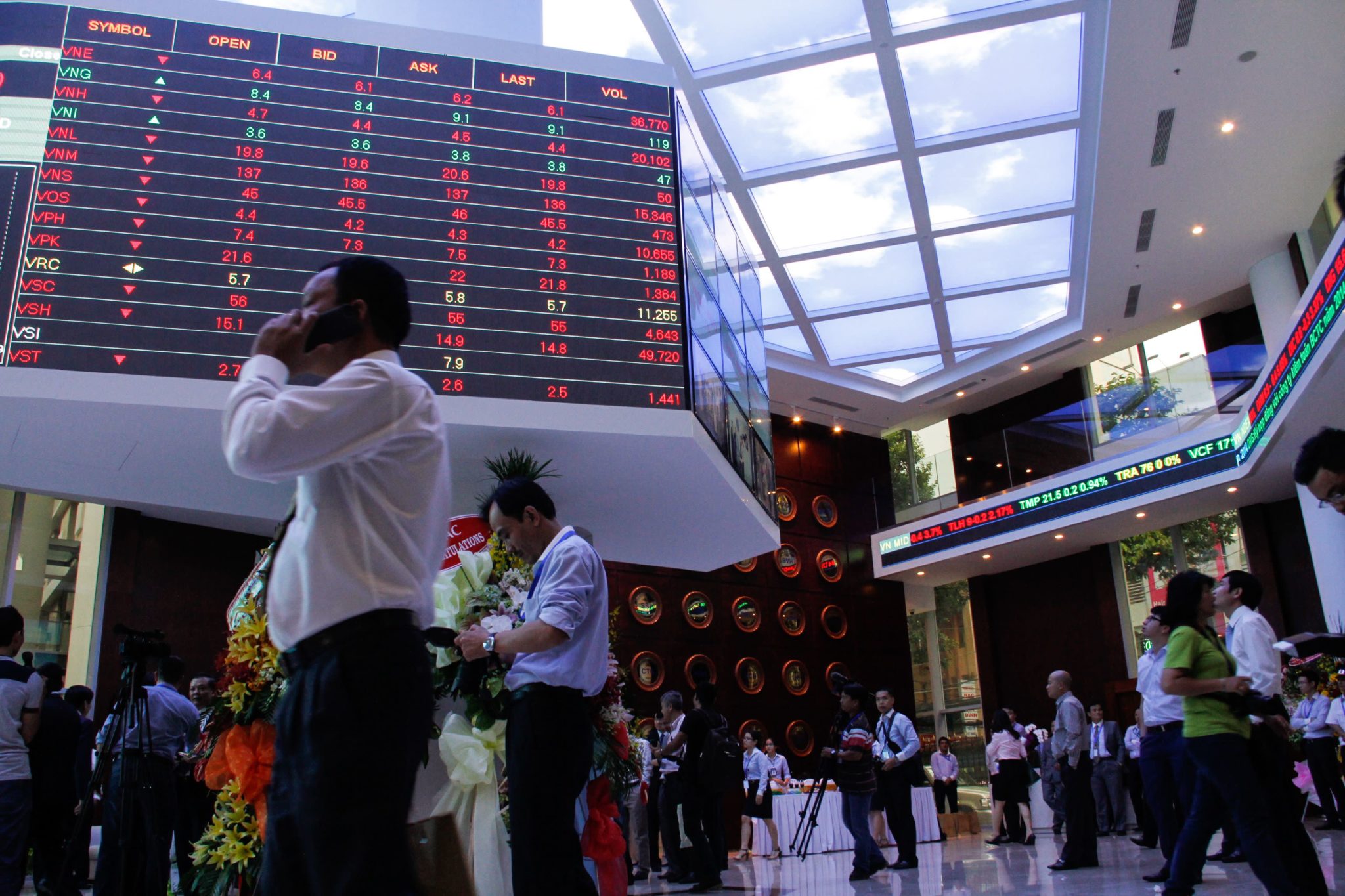
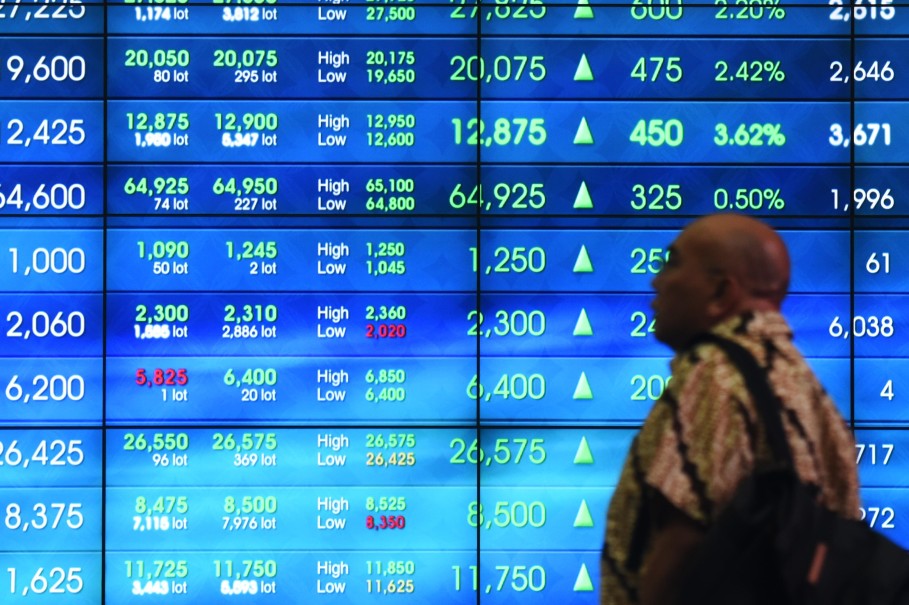
    Vietnam’s stock market kicked off the week on a down note, as the benchmark VN-Index dipped by 0.39%, closing at 1,296.29 points. This drop translates to a loss of 5.1 points, following a previous session where the index slipped 11.81 points.

    Trading Activity Picks Up

    Despite the decline in the index, trading on the Ho Chi Minh Stock Exchange surged by 8.16%, reaching a robust VND 22.39 trillion (approximately US$863.2 million). The VN-30 basket, which includes the 30 largest shares by market cap, presented a mixed bag—22 stocks experienced declines.

    Notably, shares of Fortune Vietnam Bank (LPB) fell by 3.8%, while FPT Corporation saw its stock price slip by 2.3%. Budget airline Vietjet (VJC) wasn’t spared either, closing down by 2.2%. On a brighter note, seven blue-chip stocks made gains, with Vingroup’s VIC reaching its ceiling price with a remarkable 7% increase. Other gainers included Vinhomes (VHM), which rose by 1.38%, and Vincom Retail (VRE), which inched up by 1.02%.

    Foreign Investor Trends

    In the realm of foreign investments, a net selling trend emerged, with foreign investors offloading shares worth VND 562 billion, primarily targeting VHM and Gelex Group’s GEX.

    Meanwhile, the Hanoi Stock Exchange’s HNX-Index, which covers mid and small-cap stocks, fell by 0.84%. In contrast, the UPCoM-Index, catering to Unlisted Public Companies, managed a slight uptick of 0.22%.

    As the market oscillates like a seesaw, it’s clear that volatility remains the name of the game!

    Questions & Answers

    What caused the VN-Index to decline on Monday?

    The VN-Index fell primarily due to losses in most of the large-cap stocks in the VN-30 basket, with significant declines from Fortune Vietnam Bank and FPT Corporation.

    How did trading volume change from the previous session?
    Trading activity ramped up by 8.16%, reaching VND 22.39 trillion, despite the overall decline in the VN-Index.

    What has been the trend among foreign investors?
    Foreign investors were net sellers, offloading VND 562 billion, mainly targeting the shares of VHM and GEX.

  • Dollar Gains Ground Against Dong in Black Market Trading

    Dollar Gains Ground Against Dong in Black Market Trading

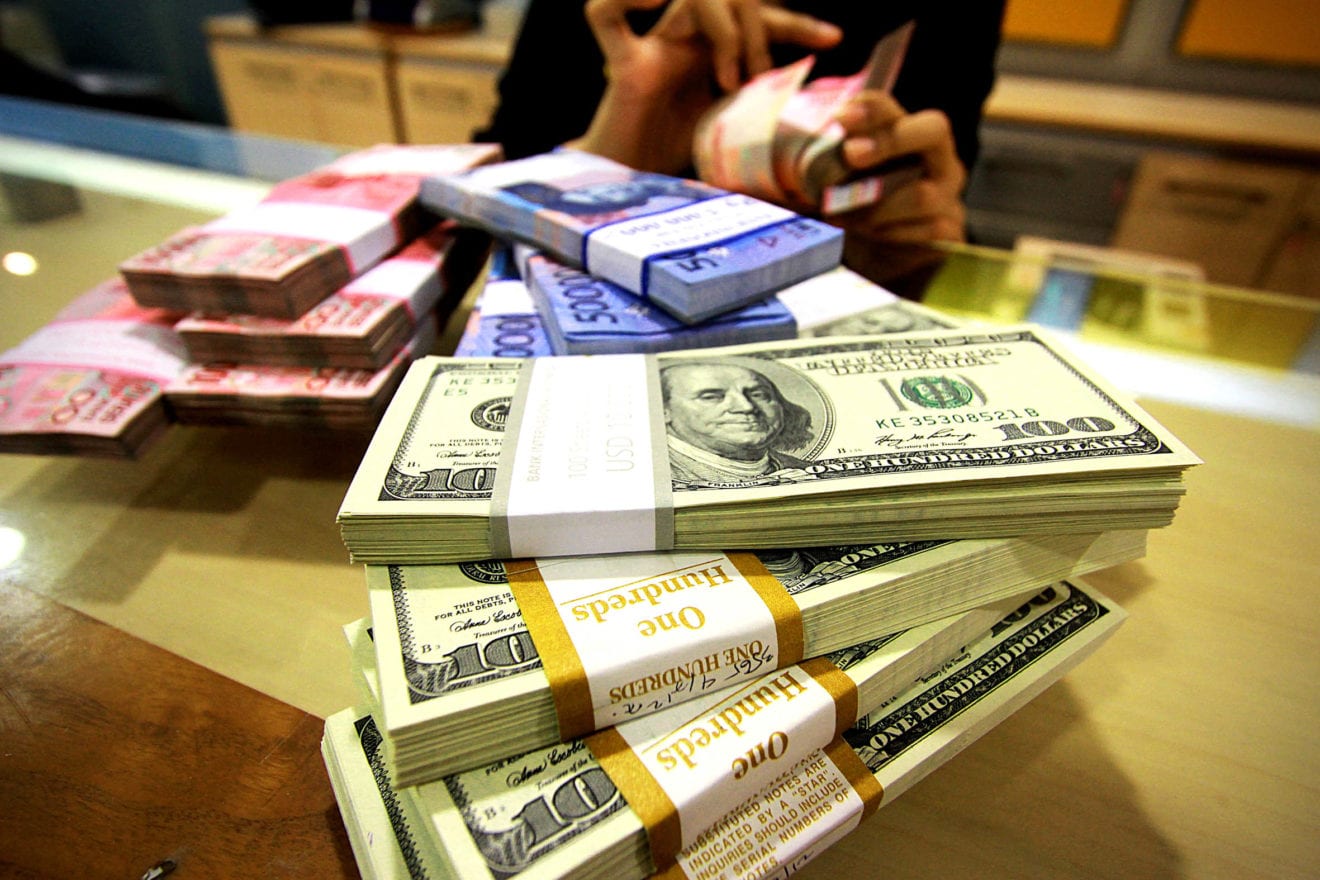
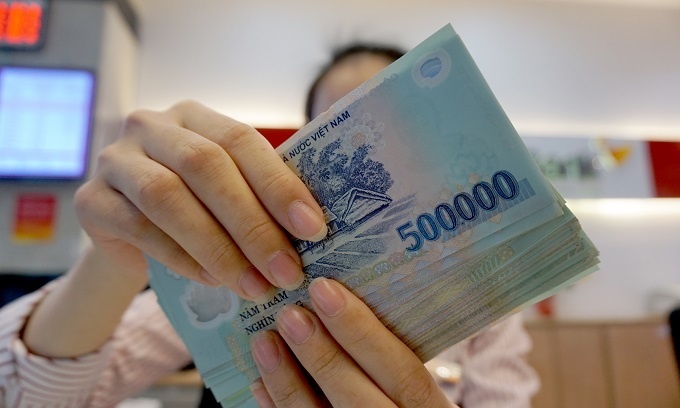
    The U.S. dollar nudged upward on the black market this past Saturday morning, reflecting a subtle shift in the currency landscape. Unofficial exchange points reported selling the greenback at VND 26,550, marking a 0.19% increase from yesterday’s figures. In contrast, Vietcombank held its rate steady at VND 26,110, while the State Bank of Vietnam maintained its reference rate at VND 24,960. So far this year, the dollar has appreciated 3.91% against the dong.

    Globally, the dollar experienced a boost on Friday, buoyed by the latest economic data revealing a rebound in import prices. However, consumer sentiment remained weak due to growing tariff concerns, setting the stage for the dollar’s fourth consecutive weekly rise, according to reports from Reuters. The week unfurled with a startling 1% surge on Monday, thanks to a surprising announcement from the U.S. and China—a 90-day pause on the majority of tariffs levied against each other’s goods since early April, which quelled fears of a potential global recession. However, the currency saw some downward pressure later in the week partly attributed to lackluster economic data.

    Meanwhile, the dollar index, which gauges the value of the greenback against a selection of currencies, climbed 0.36% to reach 101.13, with the euro slipping 0.37% to $1.1146. It seems the dollar still has a few tricks up its sleeve, keeping traders on their toes.

    Questions & Answers

    What was the dollar’s new rate on the black market?
    The dollar was sold at VND 26,550, which represents a 0.19% increase from Friday.

    How does the dollar’s movement compare to Vietcombank and the State Bank of Vietnam’s rates?
    Vietcombank’s rate remained unchanged at VND 26,110, while the State Bank of Vietnam held its reference rate steady at VND 24,960.

    What factors influenced the dollar’s recent rise?
    A rebound in import prices and a 90-day pause on tariffs between the U.S. and China fueled the dollar’s rise, despite ongoing concerns about consumer sentiment and sluggish economic data.

  • VN-Index Hits New Heights with Third Consecutive Day of Gains

    Vietnam’s stock market is buzzing, with the VN-Index soaring by 1.26% to an impressive 1,309.73 points on Wednesday, marking the third consecutive session of growth. This robust performance follows a modest dip of 16.3 points, coming off a gain of 10 points the previous day. Interestingly, the index has experienced a surge in seven out of the eight trading days this month alone—quite the streak!

    Trading Activity Hits New Highs

    On the Ho Chi Minh Stock Exchange, trading volume witnessed a 10% increase, reaching VND 27.33 trillion (approximately US$1.05 billion), the highest level seen in three weeks. The VN-30 basket, which tracks the 30 largest listed companies, showcased a strong showing with 22 of its members recording gains. Among the standout performers, VPB, affiliated with private lender VPBank, remarkably hit its ceiling price.

    Tech giant FPT Corporation also made waves, with its stock climbing by 5.69%. The state-owned lender BIDV wasn’t far behind, rising by 4.61%. Yet, not all was rosy, as seven blue-chip stocks faced a decline. Vincom Retail’s VRE dropped by 2.76%, while property heavyweight Vinhomes, represented by VHM, ended 2.58% lower.

    Foreign Investment Takes Center Stage

    In a stroke of positivity, foreign investors emerged as net buyers, purchasing a net amount of VND 2.26 trillion, predominantly focusing on FPT and VPB stocks. Over on the Hanoi Stock Exchange, the HNX-Index, which features mid and small-cap stocks, edged up by 0.23%. Additionally, the UPCoM-Index for unlisted public companies increased by 0.24%.

    As the market continues to make significant gains, one can’t help but wonder: is it dancing with joy or just warming up for a more exhilarating performance?

    Questions & Answers

    What influenced the VN-Index growth recently?
    An increase in trading volume, particularly in large-cap stocks like VPBank and FPT, has significantly boosted the VN-Index.

    How have foreign investors impacted the market?
    Foreign investors have turned net buyers, acquiring a significant amount of shares, especially in top-performing companies like FPT and VPB.

    What trends are emerging in Vietnam’s stock market?
    The trend shows a strong recovery with consistent gains, indicating positive sentiment and increasing investor confidence in the market.

  • Gold Prices Edge Up Slightly as Market Uncertainty Continues

    Gold Prices Edge Up Slightly as Market Uncertainty Continues

    Vietnam’s gold market saw a modest uptick Tuesday morning, as global prices linger near their lowest levels seen in a week.

    Local Prices on the Rise

    Saigon Jewelry Company’s gold bars increased by 0.67%, now priced at VND120 million (approximately US$4,623.92) per tael—a weight measure equivalent to 37.5 grams or 1.2 ounces. Meanwhile, the price of gold rings remained stable at VND115 million per tael. Notably, gold has surged by 42.5% since the start of the year, indicating a robust demand in the market.

    Global Trends Affecting Local Markets

    On the international scene, gold prices have been gravitating towards a one-week low, influenced by a recent agreement between the U.S. and China to temporarily halt reciprocal tariffs. This development has bolstered investor risk appetite, thereby diminishing gold’s allure as a safe haven asset, according to reports from Reuters. Spot gold remained steady at $3,230.99 an ounce, following a 2.7% downturn in the previous session.

    “The heightened optimism regarding trade relations between these two economic giants has certainly sparked a rise in risk appetite, leading to a retreat in safe-haven demand,” said Tim Waterer, Chief Market Analyst at KCM Trade. However, he also noted that a steadying U.S. dollar has provided gold prices with the opportunity for a slight increase.

    With these dynamics at play, both local and international markets are adjusting to the evolving landscape of gold investment.

    Questions & Answers

    **What influenced the recent rise in Vietnam’s gold prices?**
    The increase in gold prices is largely due to Saigon Jewelry Company’s adjustment alongside global price trends, which are being affected by the recent U.S.-China tariff agreement.

    How much has gold increased in price since the beginning of 2023?
    Gold has risen by a remarkable 42.5% since the start of the year, showcasing significant market demand.

    What are the current global prices for gold?
    Spot gold is currently priced at $3,230.99 an ounce, having recently experienced a decline but showing signs of stabilization.

  • Black Market Sees Dollar Surge Against Vietnamese Dong, Reports VnExpress International

    Black Market Sees Dollar Surge Against Vietnamese Dong, Reports VnExpress International

    The U.S. dollar experienced a slight uptick against the Vietnamese dong on Tuesday morning within the black market, rising by 0.09% to VND26,500. Meanwhile, state-owned Vietcombank held its exchange rate steady at VND26,140. The State Bank of Vietnam also adjusted its rate, increasing it by 0.11% to VND24,973.

    As global markets reacted positively to a newly brokered tariff agreement between the U.S. and China—a development aimed at alleviating tensions in their trade relationship—the dollar maintained its strong position. This deal has alleviated some concerns regarding a potential global recession stemming from escalating trade disputes between these two economic giants, according to reports from Reuters.

    However, the dollar took a minor hit, trading down 0.1% at 148.29 yen and fetching 0.8448 against the Swiss franc, following impressive increases of 2.1% and 1.6%, respectively, during the previous session. Rodrigo Catril, senior FX strategist at National Australia Bank, remarked, “It’s way better than the market was expecting.” He elaborated that this development reflects a U.S. administration increasingly aware of tariffs’ economic ramifications, suggesting a significant shift in approach.

    In a world where financial trends can often feel as dramatic as a suspenseful thriller, just how much can a single tariff deal sway the market?

    Questions & Answers

    What was the change in the dollar’s value against the Vietnamese dong?
    The U.S. dollar rose by 0.09% to VND26,500 in the black market.

    How did the official banks respond to the dollar’s exchange rate?
    Vietcombank kept its rate unchanged at VND26,140, while the State Bank of Vietnam raised its rate by 0.11% to VND24,973.

    What impact did the U.S.-China tariff deal have on the market?
    The deal bolstered investor confidence, helping to stabilize the dollar and ease fears of a global recession, showing a shift in U.S. policy responsiveness.

  • CapitaLand Development Expands Presence in Thriving Vietnam Market

    CapitaLand Development Expands Presence in Thriving Vietnam Market

    CapitaLand Development (CLD) has officially partnered with Vingroup Joint Stock Company, marking a significant step in the collaborative efforts towards large-scale urban development within Vietnam. The partnership, unveiled at a signing ceremony led by CLD CEO Jonathan Yap and Vingroup chairman Pham Nhat Vuong, is expected to channel extensive capital into the Vietnamese real estate market, enhances both companies’ roles amid increasing consumer demand for modern living spaces.

    Doubling Down on Investment

    Tan Wee Hsien, CEO of CLD Vietnam and International, emphasized Vietnam’s critical role as a core market alongside Singapore and China. With a strategic vision to more than double its capital investment in Vietnam over the next five years, the partnership looks set to bolster CLD’s influence in the nation’s evolving real estate landscape. “By merging Vinhomes’ local expertise with CLD’s regional know-how in design and asset management, we are well-equipped to meet the growing demands for quality urban living,” Tan stated.

    Elevating Vinhomes’ Urban Development Strategy

    According to Nguyen Dieu Linh, vice chairwoman of Vingroup and board member of Vinhomes, this collaboration is pivotal for executing Vinhomes’ ambitious development strategy. By aligning efforts with CLD, the partnership aims to create high-quality urban spaces that foster livable, modern communities reflective of international standards.

    Introducing The Fullton: A New Residential Milestone

    In tandem with the announcement, CLD debuted The Fullton, its inaugural low-rise residential project located in the burgeoning Hung Yen Province, part of the expansive Vinhomes Ocean Park 3 complex. With a residential development portfolio now exceeding 19,000 units across 19 projects in Vietnam, The Fullton showcases a commitment to quality living solutions.

    Strategic Location and Diverse Offerings

    Situated just east of Hanoi, The Fullton boasts excellent connectivity to major infrastructure routes, including National Highway 5A and the forthcoming Tran Hung Dao Street. The project will comprise various residential options such as shophouses, cluster villas, and single villas set within a gated community, catering to a multitude of lifestyles and preferences.

    Spanning 25 hectares and developed in two phases, The Fullton’s first phase will offer 342 units with completion aimed for 2026, while an additional 350 units will follow in the second phase by 2027. The development will include a Central Park and an array of amenities designed to enrich the quality of life for its residents.

    Designing for a Sustainable Future

    An eco-conscious design philosophy underpins The Fullton, featuring terraced landscaping that harmonizes with Vietnam’s natural terrain. By integrating green spaces, CLD emphasizes a commitment to livability and sustainability within the residential framework.


    This partnership represents a significant advancement in urban development, promising to enhance the quality and availability of housing options in Vietnam. As brands like CLD and Vingroup expand their presence, consumers can anticipate improved, sustainable living environments that cater to modern lifestyles.

    Questions & Answers

    1. What is the purpose of the partnership between CapitaLand Development and Vingroup? The partnership aims to explore joint ventures in urban development and significantly increase CLD’s capital investment in Vietnam over the next five years.
    2. What is The Fullton project and its significance? The Fullton is CLD’s first low-rise residential project in Hung Yen Province, which expands their portfolio by adding a diverse range of over 19,000 residential units in Vietnam.
    3. How does The Fullton plan to integrate sustainability into its design? The Fullton will feature terraced landscaping inspired by Vietnam’s natural environment, with ample green spaces incorporated into residential living to promote sustainability and a quality lifestyle.
  • VN-Index Achieves Third Consecutive Session of Gains in Retail Sales

    VN-Index Achieves Third Consecutive Session of Gains in Retail Sales

    Vietnam’s benchmark VN-Index experienced a notable increase of 0.68% on Wednesday, reaching 1,250.37 points. This marks a positive trend to kick off the month, as the index continues its three-day upward trajectory.

    Trading Highlights

    The VN-Index closed 8.42 points higher, following a previous gain of 1.9 points. Despite this rise, trading activity on the Ho Chi Minh Stock Exchange saw a decline of 3.4% from the previous session, totaling VND17.2 trillion (approximately USD 662.6 million).

    Key Stock Performances

    Within the VN-30 basket, which includes the 30 largest stocks by market capitalization, 14 companies reported positive gains.

    • Vingroup (VIC) surged by 4.11%, demonstrating strong performance as part of Vietnam’s retail news landscape.
    • Bao Viet Holdings (BVH) rose by 3.16%, reflecting increasing consumer trends in the insurance sector.
    • Vietnam Rubber Group (GVR) climbed 2.26%, signaling positive growth within the commodity market.

    Conversely, several blue-chip stocks stumbled:

    • Masan Group (MSN) fell by 1.77%.
    • HDBank (HDB) slid down by 1.41%.
    • SSI Securities Corporation (SSI) experienced a drop of 1.3%.

    Foreign Investment Insights

    Amidst these fluctuations, foreign investors emerged as net buyers, investing approximately VND900 billion. Top purchases included shares from Dat Xanh Group (DXG) and Nam Long Investment Corp (NLG), indicating strong interest in the real estate market.

    In parallel, the HNX-Index for mid and small-cap stocks on the Hanoi Stock Exchange rose by 0.55%, while the UPCoM-Index dipped slightly by 0.02%.

    Conclusion: Impact on the Retail Sector

    The steady increase in the VN-Index reflects a robust sentiment in the market, which could encourage further investments in various sectors, including retail and real estate. As consumer demand continues to surge, brands are expected to expand their presence while adapting to emerging consumer trends.

    Questions & Answers

    1. What is the current status of the VN-Index? The VN-Index has risen 0.68% to 1,250.37 points, marking its third consecutive gain.

    2. Which stocks contributed to the VN-Index’s rise? Key performers include Vingroup (VIC), Bao Viet Holdings (BVH), and Vietnam Rubber Group (GVR), all showing significant increases.

    3. How are foreign investors participating in the market? Foreign investors were net buyers, investing around VND900 billion, with a focus on stocks from Dat Xanh Group and Nam Long Investment Corp.

  • Retail Stocks Surge to 9-Day High Amid Rising Consumer Demand

    Retail Stocks Surge to 9-Day High Amid Rising Consumer Demand

    The VN-Index has made a notable leap, rising by 1.02% to reach 1,223.35 points on Thursday, marking the highest level since April 15. This upward momentum reflects ongoing positive market sentiment and a mix of investor activity across key sectors.

    Market Overview

    The benchmark index ended the trading day up by 12.35 points, building on a gain of 13.87 points from the prior session. Despite the positive performance, trading volume on the Ho Chi Minh Stock Exchange dipped by 7%, totaling VND17.66 trillion (approximately US$679 million).

    Key Performers in the VN-30

    Among the 30 largest capped stocks in the VN-30 basket, a robust majority of 18 stocks closed with gains. Leading the charge was Vingroup’s VIC, which surged by 7%. Also in the spotlight were Bao Viet Holdings’ BVH, up 5.6%, and real estate giant Vinhomes’ VHM, which rose by 4.6%. HDBank’s HDB rounded out the top performers with a 4.4% increase.

    Conversely, eight blue-chip stocks experienced declines. Asia Commercial Bank (ACB) saw a decrease of 1.8%, while Techcombank (TCB) fell by 1.3%.

    Foreign Investment Trends

    Foreign investors remained active participants in the market, concluding the day as net buyers with a total purchase of VND574 billion, primarily focused on Hòa Phát Group’s HPG and the electronics retailer Mobile World (MWG). This trend signals a growing confidence from foreign stakeholders in the Vietnamese market and its expanding opportunities.

    Regional Indices Movement

    In related exchanges, the HNX-Index of the Hanoi Stock Exchange, which features mid and small-cap stocks, ticked down by 0.18%. Meanwhile, the UPCoM-Index for unlisted public companies experienced a modest rise of 0.40%, showcasing a slight differentiation in performance among various market segments.

    In summary, the upward trajectory of the VN-Index and the impressive gains among key stocks reflect a vibrant and dynamic market landscape. As investor confidence grows, particularly with significant foreign engagement, the future looks promising for Vietnam’s retail and broader economic sectors.

    Questions & Answers:

    1. What recent milestone did the VN-Index achieve? The VN-Index rose by 1.02% to 1,223.35 points, reaching its highest level since April 15.

    2. How did foreign investors engage with the market? Foreign investors concluded as net buyers, investing VND574 billion, with a focus on stocks like HPG and MWG.

    3. What was the performance of blue-chip stocks? Out of the VN-30 stocks, 18 showed gains, with VIC and BVH leading, while eight stocks, including ACB and TCB, saw declines.

  • Revolut Targets Swiss Market with Yield-Focused Retail Strategy

    Revolut Targets Swiss Market with Yield-Focused Retail Strategy

    Revolut is enhancing its presence in Switzerland by introducing flexible money market funds and virtual Swiss IBANs tailored for business clients.

    In an exciting development for the Swiss business landscape, Revolut has announced the launch of a product suite designed to empower companies with new financial tools. By offering flexible money market funds in multiple currencies and virtual Swiss IBANs, Revolut aims to enhance financial management for businesses of all sizes.

    Flexible Money Market Funds

    Starting immediately, Swiss customers using Revolut Business accounts—specifically those on Grow, Scale, or Enterprise subscriptions—can diversify their liquidity investments. Available in euros, US dollars, and British pounds, this offering democratizes access to financial products that were once primarily available to large corporations.

    Revolut highlights the attractive yield of its GBP-denominated fund, which offers variable returns of up to 4.08 percent (as of April 27, 2025). “This innovative fund allows business clients to grow their assets effectively,” stated Revolut in their announcement.

    Introducing Virtual Swiss IBANs

    In addition to flexible funds, Revolut is now providing virtual Swiss IBANs to streamline payment processes for businesses. The key features of this service include no costs for deposits and withdrawals, daily yield payouts, and convenient access to funds. James Gibson, Head of Revolut Business, expressed enthusiasm about these offerings, stating, “We are excited to support businesses of all sizes in managing their money efficiently and without high fees.”

    Strong Growth Momentum

    Revolut’s expansion into Switzerland is backed by impressive growth metrics. The company reports nearly 80 percent increase in monthly transaction volumes and a 63 percent rise in business deposits, reflecting a strong demand for its services among local enterprises.

    Future Considerations

    While Revolut is rolling out a broader range of services, such as FX forwards and enhanced integration with Swiss accounting software, the reception of foreign currency money market funds remains uncertain amid current market volatility. Over the past year, the Swiss franc has appreciated against major currencies, with the US dollar dropping approximately 9.5 percent against the franc, and the euro and pound also seeing declines.

    As Revolut continues to innovate, its new offerings stand to significantly impact the retail sector in Switzerland by providing businesses with cost-effective financial solutions. This expansion not only aligns with current consumer trends favoring digital banking but also reflects a broader shift in how companies manage their finances in an increasingly volatile economic environment.

  • VN-Index Declines as Retail Trading Activity Reaches Two-Week Low

    VN-Index Declines as Retail Trading Activity Reaches Two-Week Low

    On Monday, Vietnam’s benchmark VN-Index saw a modest drop of 0.20%, closing at 1,226.8 points. This decline marks the index’s lowest trading activity in over two weeks, reflecting a period of cautious investor sentiment.

    Highlighted Trends in Trading Volume

    The VN-Index concluded the day down 2.43 points, following a gain of 5.88 points in the previous session. Trading on the Ho Chi Minh Stock Exchange fell significantly, decreasing by 30% to VND 14.153 trillion (approximately USD 544.3 million), the lowest level since April 10. Notably, this dip is attributed to a lack of available sellers amidst eager buyers.

    Excluding this unusually quiet session, current trading levels would represent the lowest in two months, emphasizing a shift in market dynamics.

    Key Movements in Major Stocks

    Within the VN-30 basket, which includes the 30 largest capped stocks, the day reflected mixed fortunes. Thirteen stocks within the basket saw declines, with major players such as Vinhomes Holdings (down 6.1%), FPT Corporation (down 2.6%), and Vietjet Air (down 2.1%) leading losses.

    On a positive note, fifteen blue-chip stocks advanced, with Sabeco (SAB) rising 3.4%, SeABank (SSB) climbing 2.8%, and Fortune Vietnam Bank (LPB) up by 1.5%.

    Foreign Investment Activity

    In a noteworthy trend, foreign investors remained net buyers, accumulating VND 6 billion primarily in shares of Mobile World (MWG), a leading electronics retail chain, and MB Bank (MBB).

    Trends on Other Exchanges

    The Hanoi Stock Exchange’s HNX-Index saw a slight decline of 0.13%. Similarly, the UPCoM-Index for the Unlisted Public Companies Market edged down by 0.03%, reflecting a general trend of subdued trading across the Vietnamese stock market.

    Conclusion: What This Means for Retail and Consumers

    The recent fluctuations in the VN-Index and the accompanying decline in trading volume suggest a cautious atmosphere among investors, potentially impacting broader consumer sentiment and retail growth. As the market adjusts, stakeholders will be keenly observing these trends to gauge their implications for the retail sector and consumer behavior in the coming months.

  • Analysts expect property market to recover early next year

    Analysts expect property market to recover early next year

    The property market has overcome its most difficult period and will recover from early 2024, analysts concur.

    Speaking at the first-ever Autumn Real Estate Forum in Hanoi recently, Can Van Luc, chief economist at state lender BIDV and a member of the National Financial and Monetary Policy Advisory Council, said: “There are more opportunities [now] for the real estate market than challenges because it has overcome the most difficult period.”

    The central bank has reduced policy interest rates four times this year, leading to lower lending interest rates, and policies have been launched to support businesses and individuals such as debt restructuring and preferential credit for social housing, he said.

    He said that tax breaks have also helped companies overcome cash flow and liquidity difficulties. Tax exemptions, reductions and extensions this year are estimated to be worth VND200 trillion (nearly US$8.5 billion), he said. “These are unprecedented policies for businesses, including those in the real estate sector.”

    A lot of corporate bonds will fall due in March 2024, but the situation is under control, seems to be the consensus among analysts.

    Meanwhile, inflation and interest rates tend to gradually decrease, creating conditions for the central bank to loosen monetary policy.

    By August inflation was at 4.6% and the overnight interest rate had decreased to nearly the level of the beginning of 2021.

    The property sector also ranked second in attracting FDI with its US$2 billion accounting for nearly 10% of total inflows.

    Nguyen Van Dinh, president of the Vietnam Association of Realtors, said the market has improved.

    A number of new projects put properties on sale in the second quarter and there were 3,700 successful transactions, while there had almost been no new supply in the first quarter and only around 1,000 transactions, Dinh said.

    Between July and August there were another 5,000 transactions, 70% in the apartment segment. Supply is gradually increasing again mainly from 300 old projects.

    Many investors have restructured their products, lowering prices to attract buyers.

    Dinh said: “In the beginning of this year many developers and investors stopped launchingproducts because they were afraid no one would buy. But since the third quarter their confidence has returned.”

    Experts said the signs indicate the market would start recovering at the beginning of 2024. Luc forecast the economy to grow at nearly 6% in the third quarter and 7.5% in the fourth quarter, and the property market will perform better from the beginning of next year.

    He believed early 2024 would be a favorable time to make investment decisions as interest rates and land and housing prices are decreasing.

    Economist Dinh Trong Thinh said the market would see clear changes from the end of the first quarter and the beginning of the second quarter of 2024 when there is stronger supply of social housing.

    He said developers and buyers would focus on affordable housing rather than luxury projects like apartments, villas and resorts to ensure cash flow.

    Since the end of 2022 over 400 social housing projects have been under way. One of them, a project to build one million social and workers’ housing units is expected to contribute to the market’s recovery.

    According to the Vietnam Real Estate Research Institute, the market will make a V-shaped recovery starting in the middle of the second quarter of 2024.

    The supply of apartments is expected to soar by 20-25% annually during the recovery period in 2024-26.

    In Hanoi and Ho Chi Minh City, apartment supply during the period will be 70,000-85,000 units a year, equivalent to pre-pandemic levels.

    Experts admitted however that the market would continue to face challenges until 2030 since there is no national strategy for the housing market with a long-term vision.

    They said long-term challenges include overlaps in policies and legal mechanisms, a resource shortage, inflation and high interest rates, and modest quality of planning, infrastructure, market information, and human resources.

  • Labor market to record 150,000 new jobs in Q2

    Labor market to record 150,000 new jobs in Q2

    About 150,000 new jobs will be created in the second quarter of this year, including 28,200 in electronics and optical device manufacturing, according to the Ministry of Labor, Invalids and Social Affairs.

    The ministry forecast the most sought jobs will be related to manual works in the industrial sector, sales and marketing, accounting and finance, production management, personnel management, and project management.

    The most in-demand jobs will be relevant to software development; network administration; network security; data analysis and communications; accounting and finance; marketing, sales, and product management; health care; as well as mechanics, electronics, and automation.

    However, the ministry also pointed out that the labor market is facing numerous challenges in Q2, which will lead to the loss of 38,100 jobs in the garment industry, 38,000 in furniture production, and 37,800 in record printing and copying.

    Data from the General Statistics Office show that nearly 294,000 workers suffered from lay-offs or furloughs due to businesses’ shortages of orders in Q1.

    Experts held that it is necessary to take actions in response to the order decline facing many companies in such major industrial hubs as Dong Nai, Binh Duong, Bac Ninh, and Bac Giang.

  • Digital Marketplaces to Grow in 2023 Despite Economic Slowdown

    Digital Marketplaces to Grow in 2023 Despite Economic Slowdown

    Digital marketplaces continue to gain significant momentum in Australia,  with 88% of shoppers buying from a digital marketplace in the past year, and 92% of consumers planning to shop on marketplaces like eBay, Amazon and Catch in the year ahead.

    The findings were revealed as part of global ecommerce accelerator, Pattern’s fifth annual ‘Marketplace Consumer Trends Report – 2023,’ which researched Australian shoppers’ changing ecommerce habits and the latest digital marketplace trends.

    “Digital marketplaces are this year on a continued growth path and are becoming increasingly accepted and adopted as a shopping channel of choice by Australian consumers,” said Merline McGregor, General Manager, Pattern Australia. “However, with cost of living pressures and an uncertain economic outlook, our report highlights how consumer behaviour is set to again evolve in the year ahead.”

    Consumer Behaviour 

    Pattern research shows that 73% of consumers are set to spend more or the same online overall in 2023, and for the leading global digital marketplace Amazon specifically, 84% of consumers expected to spend more or the same on this platform in 2023.

    “Given the rapid increases in the cost of living and interest rate pressures facing consumers in Australia, it could be expected that a majority of shoppers would be looking to reduce their ecommerce spend in the year ahead. However, our research found a large portion of consumers said they had no plans to change their shopping habits in 2023,” said Merline.

    Not only are digital marketplaces attracting higher volumes of shoppers, but the demographic mix and way that shoppers use these channels is also evolving. High income earners are most likely to shop on Amazon today (36% vs 21% average), while eBay attracts larger volumes of male shoppers – with 69% of men purchasing from eBay vs 55% of females. 

    Marketplace Performance

    Looking at the past year, 62% of consumers bought from eBay, with 65% planning to buy from the platform in 2023. Running just behind, 52% of consumers bought from Amazon over the past 12 months, with 59% intending to buy from Amazon this year. Amazon (with 43% of shoppers having access to Amazon Prime) was recorded as the second most visited marketplace, with an anticipated 12% increase in purchases in 2023 compared to last year.

    In terms of website traffic, Amazon overtook eBay in average monthly website visits (58.3M Amazon visits vs 57.6M eBay visits), from December 2022 to February 2023, according to SimilarWeb data, with Catch trailing down the line at 9.9M visits over the same period.

    Pattern’s research asked shoppers what they were likely to buy in 2023 and through which marketplace they were likely to make a purchase. These results indicated that:

    • Amazon’s key shopper categories include Books & eBooks and Home & Kitchen products.
    • eBay scored highest in Electronics & Computer Equipment, followed by Home & Kitchen.
    • Catch saw an equal share in Clothing, Shoes & Accessories, Toys, Kids & Baby products and Home & Kitchen.
    • Kogan consumers are looking for Electronics and Home & Kitchen products on the platform.

    Research also showed that shoppers are most likely to visit a brand’s own D2C (direct-to-consumer) website when it comes to Clothing, Shoes & Accessories, Skincare & Make-up and Food goods.

    “As consumer confidence increases on digital marketplaces, so does their desire to cross-shop and discover new categories. Likewise, as brands begin to include marketplaces in their growth strategy, consumers are met with more choice as the platforms add new products to cater towards a wider variety of consumer interests,” said Merline.

    Marketplaces Continue to Serve as Product Discovery & Research Hubs 

    Marketplaces are increasingly becoming a product discovery hub for many online shoppers. Outside of Google (57% of shoppers), the next most popular channel to research products online is via digital marketplaces, where 23% of shoppers use platforms like eBay and Amazon to search for their goods.

    Of those shoppers using Amazon, 62% indicated that they discovered a new brand on the platform. Interestingly, 42% of consumers who discovered a new brand or product on Amazon also went on to visit the retailer’s D2C website.

    While eBay remains the dominant marketplace in Australia, it is being overtaken by Amazon in consumer search behaviour. Recent data from Power Retail suggests that Amazon has increased in popularity as a customer research tool by 71% (12% of product searches in January 2023 vs 7% in January 2022). This compares to eBay who’s popularity has decreased by 17% over the same period.

    “These findings demonstrate the ongoing appeal of marketplaces as product discovery platforms, whereby consumers are utilising the wide breadth of product diversity on marketplaces to fine-tune their search for particular items. Digital marketplaces appeal to shoppers trying new brands online through building purchaser trust through customer data, including real-world product reviews and informative answers to product page questions,” ended Merline.

    Download the full ‘Australian Marketplace Consumer Trends  Report – 2023’ report HERE