Tag: Market

  • Vietnam Coffee Prices Plunge 14% in a Week as Global Market Reaches Yearly Low

    Vietnam Coffee Prices Plunge 14% in a Week as Global Market Reaches Yearly Low

    In the Central Highlands provinces of Dak Lak, Gia Lai, and Kon Tum, coffee prices have taken a significant dip, plummeting 30% from the peak of VND135,000 reached in March. This downward trend in coffee prices is not limited to Vietnam; it mirrors a broader decline seen across the global market in recent months.

    Currently, Robusta coffee for September delivery is priced at $3,737 per ton, while Arabica fetches $6,950. The cause of this price shift can largely be traced back to Brazil, the world’s foremost coffee exporter, which initiated its harvest in May, yielding more than anticipated. This surplus has contributed to a notable increase in global supply, putting further pressure on prices.

    In Asia, Indonesia is ramping up its robusta exports in response to rising production levels, adding to the already steep competition and exerting downward pressure on prices. It’s a classic case of supply and demand, where larger harvests create a buyer’s market. Meanwhile, as global capital flows gravitate toward the stability of the U.S. dollar amid economic uncertainties, coffee—priced in dollars—has become comparatively more expensive for consumers using other currencies. This shift has dampened international demand, prompting necessary price corrections.

    In light of these market conditions, coffee sellers are keen to capitalize on quick sales, actively seeking to ensure profits which, in turn, has accelerated the short-term decline in prices. Despite these challenges, the U.S. Department of Agriculture predicts that Vietnam’s coffee production for the 2025-2026 season will reach 31 million bags, a 6.9% increase from the previous year.

    Farmers in key growing regions like Dak Lak and Kon Tum are finding reason for optimism this year, buoyed by favorable weather conditions that have thus far limited the impacts of climate change on their crops. Notably, plantations that were replanted four years ago are now entering a high-yield phase, reinforcing production forecasts.

    Vietnam’s coffee exports have also been strong, with the country shipping 823,900 tons in the first five months of 2025, raking in $4.7 billion, according to the Ministry of Industry and Trade. This translates to an average export price of $5,709 per ton—including processed coffee—a staggering 63% increase year-on-year. Major markets driving this demand include Germany, Italy, Spain, the U.S., and Japan. Emerging markets in the Middle East, Africa, and the Americas are also stepping up, making significant contributions to Vietnam’s burgeoning coffee export landscape. Hold onto your coffee cups; the retail brew scene is definitely brewing up a storm.

    Questions & Answers

    What recent trend has been observed in coffee prices in Vietnam?
    Coffee prices in Vietnam’s Central Highlands have dropped by 30% from their March peak of VND135,000, reflecting a global decline in coffee prices.

    How is Brazil impacting global coffee supply?
    Brazil’s coffee harvest, which began in May, is exceeding expectations, leading to a substantial increase in global supply and putting downward pressure on coffee prices worldwide.

    What are the projections for Vietnam’s coffee production?
    The U.S. Department of Agriculture projects that Vietnam’s coffee production for the 2025-2026 season will reach 31 million bags, marking a 6.9% increase compared to the previous season.
  • Singapore’s Private Home Sales Dive 53% in May, with Just 312 Units Sold!

    Singapore’s Private Home Sales Dive 53% in May, with Just 312 Units Sold!

    In a striking turn of events, Singapore’s real estate market experienced a significant dip in new home sales in May 2025, hitting its lowest point in five months. The PropNex report reveals that only 312 new private homes were sold, excluding executive condominiums, a staggering 53% decline compared to April’s 663 units. While the year-on-year comparison shows a more optimistic picture with sales up 40% from May 2024, the current slump highlights a worrying trend.

    A Drought of New Projects

    This decline comes as no surprise, with May marking the first month in 2025 devoid of new project launches. Analysts noted that fresh projects typically stimulate monthly transactions, and a subdued launch activity in June suggests that developers’ sales may continue to lag. In fact, only 20 new units were made available in May, all from the previously launched project The Myst. This number is notably low, matching the weakest monthly launch figures since 2009, alongside December 2024’s 20 units.

    Market Dynamics: The Rest of Central Region Shines

    May’s sales data tells a nuanced story, especially in the Rest of Central Region (RCR), where 191 units changed hands—down 65% from April’s surge of 551 units, thanks largely to the launches of One Marina Gardens and Bloomsbury Residences. Impressively, the RCR made up about 61% of total transactions for the month, with One Marina Gardens leading the charge, selling 62 units at a median price of $2,975 per square foot. The Hill @ One-North also performed well, indicating that collaborations with neighboring projects, like Bloomsbury Residences, can create buzz and drive sales.

    A Slow but Steady Performance in the Outside Central Region

    Meanwhile, the Outside Central Region (OCR) saw a modest uptick with 106 new units sold, compared to 95 in April. Although this marked one of the slowest sales months in the OCR this year, it followed a strong uptake from earlier projects like Parktown Residence and ELTA. Hillock Green was the standout project, moving 17 units at a median price of $2,285 psf, while the majority of units at the six projects in the Lentor Hills estate were already sold.

    Core Central Region: A Tale of Two Markets

    Sales in the Core Central Region (CCR) remained uninspiring, with only 15 new units transacted. Watten House led this sub-market with four units sold at a median price of $3,255 psf. Interestingly, three units sold for over $15 million each, including a lavish 4,489-sq ft unit at 21 Anderson that fetched an astounding $24 million, a telling sign of Singapore’s high-end market’s resilience amidst the overall slowdown.

    Executive Condominiums Take a Hit

    The executive condominium segment faced challenges as well, with only 24 new units sold in May, down by 75% from April. Yet, hope springs eternal with the anticipation of the upcoming launch of 600-unit Otto Place EC in July 2025, fueled by a mere 38 unsold new ECs remaining on the market.

    As the market navigates this interesting phase, one wonders if the lack of fresh launches might unlock more innovative strategies from developers to reinvigorate sales. Who knows, perhaps a surprise project announcement could shake up the market in an unexpected twist!

    Questions & Answers

    What were the total new private home sales in May 2025?
    Only 312 new private homes were sold in May 2025, marking a sharp drop from the 663 units sold in April.

    Which area led the new home sales in May?
    The Rest of Central Region (RCR) led the sales, with 191 units transacted, accounting for about 61% of all transactions.

    How did the executive condominium segment perform?
    The EC segment saw a significant decline, with only 24 new units sold in May, down 75% from the previous month.

  • Mumbai’s Retail Market Set to Expand by 1.4 Million Sq Ft from 2026 to 2029!

    Mumbai’s Retail Market Set to Expand by 1.4 Million Sq Ft from 2026 to 2029!

    The Mumbai retail landscape is poised for an exciting transformation, with JLL analysts forecasting a vibrant expansion of premium malls packed with new local and global brands—all designed to elevate the shopping journey.

    Promising Growth on the Horizon

    As optimism reigns in the retail sector, JLL anticipates that around 1.40 million square feet of additional premium space will become available from 2026 to 2029, energizing the market with fresh offerings. “The retail sector is expected to see more traction across all submarkets due to upbeat market sentiment,” JLL has reported.

    Quarterly Trends Reveal a Surge

    The momentum in Mumbai’s retail market has gained significant traction, with a marked increase in demand quarter-on-quarter, attributed largely to the completion of three new malls in the first quarter of 2025. This resulted in a net absorption of 0.3 million square feet, with the Suburbs submarket seeing significant lease activity. Popular names such as Decathlon, Cinepolis, Timezone, Play N Learn, Lifestyle, and Enamor expanded their footprints across well-regarded malls during this period.

    New Malls Make Their Debut

    The retail scene welcomed three new centers in Q1 2025: Sky City Mall and Aurum Square Mall in the Suburbs, along with The Rise I in the Prime South submarket. Together, these venues added an impressive 1.35 million square feet of operational space this quarter.

    Rental Prices on the Climb

    As demand for prime retail environments continues to grow, rents have increased moderately, led by high occupancy rates and bustling foot traffic. Landlords are becoming more assertive in negotiations, aware that premium retail spaces are now commanding higher rates. Overall, rents and capital values saw an upward trend across the board, particularly in the Suburbs and Prime North submarkets, following the closure of an average-category mall and the robust performance of other high-end locations. Interestingly, yields dipped slightly as capital values surged ahead of rent increases.

    Mumbai’s retail scene is not just on the rise—it’s shaping up to be a shopper’s paradise filled with delightful experiences and encounters around every corner. Who knew retail could make such a strong comeback?

    Questions & Answers

    What new brands are entering the Mumbai retail market?
    Several exciting brands like Decathlon and Cinepolis are expanding their presence in Mumbai as new malls open up.

    How much retail space is expected to be added in the coming years?
    An estimated 1.40 million square feet of premium retail space is set to hit the market between 2026 and 2029.

    What factors are driving the increase in rental prices?
    The rise in rental prices is primarily due to high occupancy rates, increased demand for premium malls, and the completion of new retail spaces.

  • Gold Market Set for Exciting Competition as Bullion Monopoly Comes to an End!

    Gold Market Set for Exciting Competition as Bullion Monopoly Comes to an End!

    Dao Xuan Tuan, the director of the Foreign Exchange Management Department at the State Bank of Vietnam, has announced exciting developments in the nation’s gold bullion landscape. In a recent statement to the Lao Dong (Labour) daily, Tuan revealed that the central bank is finalizing a draft government decree aimed at gradually liberalizing the gold bullion market while maintaining rigorous regulatory oversight.

    Opening the Gates to Competition

    One of the most significant proposals in the draft is the plan to permit eligible banks and enterprises to import raw gold and produce bullion, a privilege that has historically belonged to a single entity. This shift not only breaks the monopoly but is poised to inject vitality into the market. Tuan explained that licenses will be issued to credit institutions and enterprises that fulfill specific conditions, enabling them to import raw gold for both bullion production and jewelry-making.

    Material import quotas will be granted based on macroeconomic conditions, monetary policy, and market fluctuations, aiming to strike a balance between liberalization and regulatory control. Tuan emphasized that this new approach will enforce strict oversight while dismantling existing monopolistic structures.

    Accountability and Transparency in Production

    According to the proposed regulations, licensed bullion producers must publicly disclose quality standards and maintain detailed transaction logs that interface with regulatory authorities. Tuan firmly asserted that producers will be held accountable if the quality of their products fails to meet the proclaimed standards, underscoring the emphasis on transparency in bullion transactions, which will be subject to audits at any time.

    This initiative to introduce multiple bullion brands is expected to foster competition, reduce price discrepancies among brands, and ultimately benefit consumers, much like a thrilling game show where everyone walks away with a prize!

    Enhancing the Jewelry Sector

    Turning to the thriving jewelry sector, Tuan highlighted that over 6,000 enterprises are active in this field, most of which are small and struggle to secure import licenses due to financial constraints. The draft decree intends to address this by permitting only credit institutions and bullion producers authorized to produce gold bullion to import raw gold. They can then pass on raw materials to domestic jewelry manufacturers, promising to increase the availability of raw gold while keeping import activities under tight supervision.

    Licensed importers will also need to implement transparent internal processes, meticulously maintain transaction records, and ensure their information systems are connected with relevant authorities, fortifying inspection and monitoring protocols.

    The revised decree is expected to herald a new era for Vietnam’s gold market, paving the way for a more competitive and transparent marketplace that is in sync with evolving market conditions and legal frameworks.

    Questions & Answers

    What is the main goal of the proposed government decree?
    The decree aims to gradually liberalize the gold bullion market in Vietnam while ensuring thorough regulatory oversight.

    Who will be allowed to import raw gold under the new regulations?
    Eligible banks and enterprises that meet specific conditions will be granted licenses to import raw gold for bullion production or jewelry-making.

    How will the proposed changes impact the jewelry sector?
    The new regulations aim to increase the supply of raw gold and provide greater opportunities for small-scale jewelry manufacturers while ensuring that import activities remain controlled and transparent.

  • Coffee Exports Surge to All-Time High, Driven by Growing Demand from EU and US Markets

    Coffee Exports Surge to All-Time High, Driven by Growing Demand from EU and US Markets

    Vietnam’s coffee scene is brewing up some interesting developments! Although there was a slight dip in volume, with a 0.6% year-on-year decrease, the value of exports leapt by an impressive 62.3%. This surge was largely driven by a significant rise in average prices, which soared by 63.2% to reach $5,709 per ton, according to the latest customs data.

    Steaming Exports in May

    In May alone, Vietnamese coffee exports reached nearly 149,000 tons valued at $860 million. This marks a robust increase of 60.5% in volume and nearly 2.2 times more in value compared to the same month last year.

    Interestingly, the European Union continues to be the primary consumer of Vietnamese coffee, importing over 367,000 tons worth approximately $2 billion. This reflects a 10.2% rise in volume and a staggering 81.9% increase in value. Meanwhile, shipments to the United States also demonstrated impressive growth, climbing 6.3% in volume to 54,310 tons and skyrocketing 72.4% in value to $299 million.

    Emerging markets are also getting a taste of this coffee boom, with shipments to Algeria doubling and exports to Mexico and South Africa soaring by 39 and 17 times, respectively. Who knew coffee could create such a buzz?

    Challenges on the Horizon

    Despite these encouraging numbers, Vietnam’s coffee exports are not without hurdles. Global uncertainties and a downward trend in prices loom as potential challenges ahead. Analysts caution that coffee prices are likely to drop due to increased supply from major producers. By June 11, Robusta futures in London closed at $4,409 per ton, reflecting a 15.6% decline from the previous month, while Arabica on the New York exchange saw an 8.4% drop.

    Domestically, coffee prices in the Central Highlands have dipped to their lowest levels since November, now hovering around VND112,000 (approximately US$4.3) per kilogram—a 12% decrease. The price drop coincides with the new harvest seasons in Brazil and Indonesia, with Brazil’s coffee production anticipated to rise by 0.5% to 65 million bags for the 2025-26 harvest. Simultaneously, Vietnam’s output is projected to increase by 6.9% to 31 million bags, as per the U.S. Department of Agriculture.

    However, there’s a silver lining: the Import-Export Department under Vietnam’s Ministry of Industry and Trade remains optimistic about the coffee export outlook, estimating total annual exports could hit $7 billion—a significant leap from $5.4 billion in 2024.

    Questions & Answers

    What drove the recent spike in the value of Vietnamese coffee exports?
    The sharp increase in average prices, which rose by 63.2% to $5,709 per ton, contributed significantly to the surge in export value, despite a slight drop in volume.

    Which markets are leading in Vietnamese coffee imports?
    The European Union remains the largest market, with imports exceeding 367,000 tons, while there’s also notable growth in the U.S. and emerging markets like Algeria, Mexico, and South Africa.

    What are the potential risks facing Vietnam’s coffee exports?
    Key challenges include global price declines due to increased supply from major producers and uncertainties in global policies affecting market dynamics.

  • Dollar Strengthens Against Dong, Signaling Shifts in Currency Market Dynamics

    Dollar Strengthens Against Dong, Signaling Shifts in Currency Market Dynamics

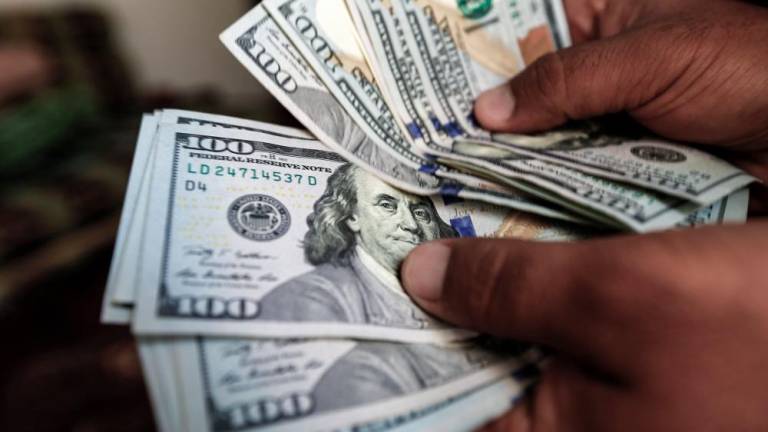
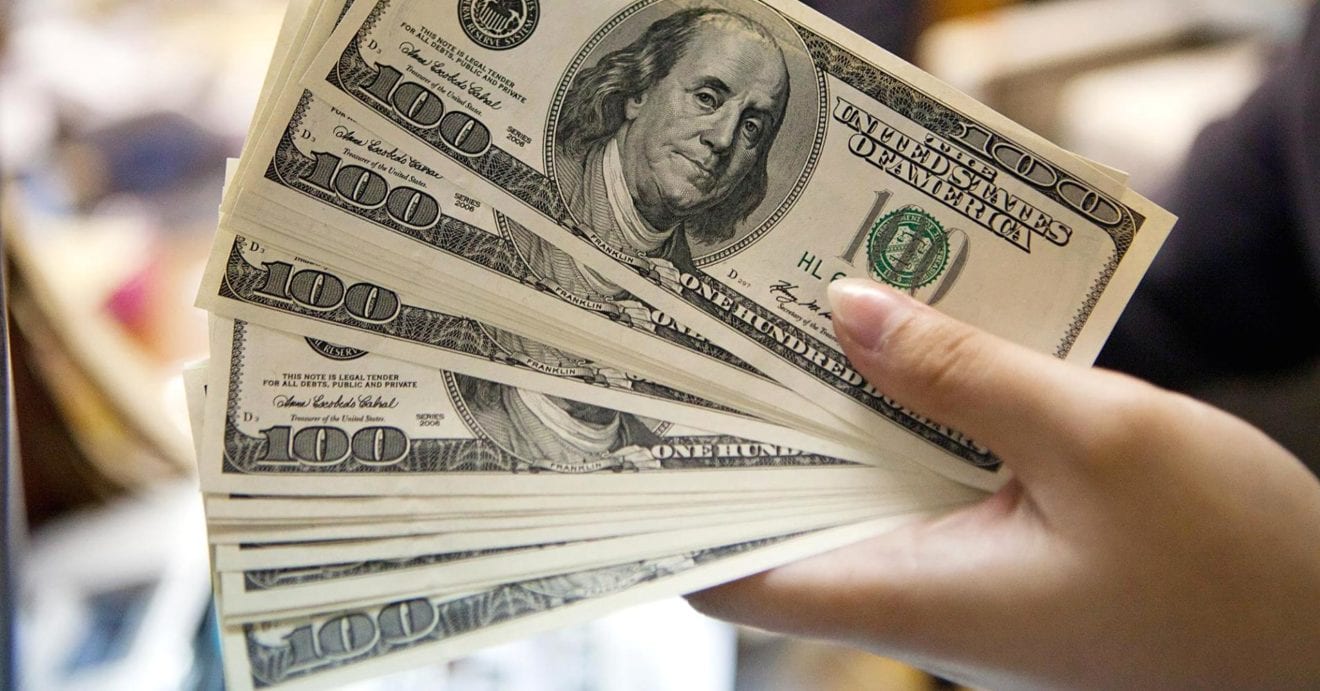
    The U.S. dollar showed signs of strength against the Vietnamese dong as well as other major currencies on Friday morning, reflecting a complex global economic landscape. Vietcombank reported a slight uptick, pricing the dollar at VND26,223, an increase of 0.05% from the previous day. However, in the black market, the dollar traded at approximately VND26,355, indicating a 0.06% dip.

    In the broader context, the State Bank of Vietnam adjusted its reference rate by lowering it 0.06% to VND24,975. This move coincides with rising geopolitical tensions following Israel’s military actions against Iran, prompting a rush back into safe-haven assets such as the dollar, the Japanese yen, and gold. “The geopolitical escalation adds another layer of uncertainty to an already fragile sentiment,” noted Charu Chanana, chief investment strategist at Saxo. He cautioned that escalating tensions could disrupt oil supply routes, perpetuating a risk-averse climate that keeps upward pressure on crude oil prices and safe-haven assets.

    On the global stage, the dollar rose by 0.4%, bringing its index to 98.07 against six other currencies. This was accompanied by gains for other safe-haven currencies—the yen and Swiss franc appreciating 0.3% and 0.4% respectively versus the dollar. In contrast, risk-sensitive currencies faced a decline, with the Australian dollar and New Zealand dollar both slipping by 0.9%. Following a four-day rally, the euro also retraced slightly, trading down 0.3% at $1.155.

    While the dollar index is poised for a weekly decline exceeding 1%, it will mark the largest drop in nearly a month, illustrating the ebbs and flows of currency movement amidst unpredictable geopolitical currents. So, it seems the dollar’s strength might just be a flip side to a risky global situation—who knew that international politics could stir such a financial cocktail?

    Questions & Answers

    What factors contributed to the strengthening of the U.S. dollar?
    The dollar’s strength stems from geopolitical tensions, particularly Israel’s military actions in Iran, which prompted investors to flock to safe-haven currencies.

    How is the Vietnamese dong performing against the U.S. dollar?
    The Vietnamese dong has shown mixed results, with the dollar increasing slightly in Vietcombank while showing a small decrease in the black market.

    What impact does the dollar’s movement have on global currencies?
    The dollar’s movements are affecting other currencies, particularly risk-sensitive ones like the Australian and New Zealand dollars, influencing broader market sentiment and trading strategies.

  • Dollar Strengthens Against Dong in Black Market Surge

    Dollar Strengthens Against Dong in Black Market Surge

    The U.S. dollar rose against the Vietnamese dong on the black market on Monday morning.

    On unofficial exchange platforms, the dollar was selling for VND26,380, marking a slight 0.2% increase since the weekend. Meanwhile, Vietcombank set its rate at VND26,220, while the State Bank of Vietnam maintained a reference rate of VND24,992.

    Globally, the dollar remained stable against major currencies as Monday unfolded, blending enthusiasm from a strong U.S. employment report with a cautious atmosphere ahead of crucial U.S.-China trade talks in London later in the day, according to Reuters.

    The dollar index, which measures the currency’s performance against six others, stood firm at 99.169. In early trading in Asia, the yield on 10-year Treasury notes remained unchanged following a significant rise of over 10 basis points on Friday.

    Against the yen, the dollar dipped by 0.3% to 144.39, slightly offsetting its 0.9% gain from Friday. The euro, however, climbed 0.2% to reach $1.1422.

    Watchful eyes will be on the impending inflation report from the U.S. for May, crucial for investors and Federal Reserve policymakers, as they seek to assess the economic toll of trade-restrictive policies.

    “May will be the first month reflecting the impact of Trump’s 10% universal tariff on imports outside of the USMCA,” analysts at ANZ Bank noted. “The Fed will likely await several months of inflation data to fully gauge the tariff’s effects, particularly its durability.”

    Questions & Answers

    What was the dollar’s rate against the Vietnamese dong on the black market?
    The dollar reached a rate of VND26,380, reflecting a 0.2% gain compared to the weekend.

    How did the dollar perform against other international currencies?
    Globally, the dollar held steady amidst mixed sentiments, with a slight dip against the yen but a rise against the euro.

    Why is the upcoming inflation report significant?
    This report is anticipated to shed light on the economic impact of recently instated trade tariffs, which could influence Federal Reserve policy decisions moving forward.

  • Dollar Dips Against Dong in Vibrant Black Market Trading

    Dollar Dips Against Dong in Vibrant Black Market Trading

    The U.S. dollar saw a slight decline against the Vietnamese dong in the black market as trading began on Saturday morning. Unofficial exchange points reported the greenback selling for 26,325 VND, marking a 0.02% drop. Meanwhile, major player Vietcombank maintained its rate at 26,220 VND, while the State Bank of Vietnam’s reference rate held steady at 24,992 VND.

    Beyond Vietnam’s shores, the dollar performed quite differently on the global stage. On Friday, it experienced a notable uptick against major currencies, buoyed by encouraging U.S. jobs data from May. This news, while highlighting a slowdown from the previous month, indicated that the Federal Reserve may be in no hurry to cut interest rates. As reported by Reuters, the dollar surged 0.95% against the Japanese yen, reaching 144.87, and climbed 0.26% to 0.822 against the Swiss franc. This trend means that the dollar is on track for a second consecutive weekly gain against these safe-haven currencies, though it still lags behind, down approximately 8% year-to-date against the yen and nearly 9% against the franc.

    In a world where currency rates seem to dance with the latest economic news, it’s almost as if the dollar has a flair for drama!

    Questions & Answers

    What is the current exchange rate of the U.S. dollar against the Vietnamese dong?
    The U.S. dollar is currently being traded at approximately 26,325 VND in the black market.

    How did the dollar perform globally recently?
    Recently, the dollar rose against major currencies based on stronger-than-expected U.S. jobs data, indicating the Federal Reserve might hold off on interest rate cuts.

    What is the trend for the dollar against the yen and franc?
    The dollar is experiencing a second consecutive weekly gain against both the Japanese yen and Swiss franc, although it remains down year-to-date against both currencies.

  • Vietnam’s Gold Market Remains Resilient Amid Ongoing Economic Shifts

    Vietnam’s Gold Market Remains Resilient Amid Ongoing Economic Shifts

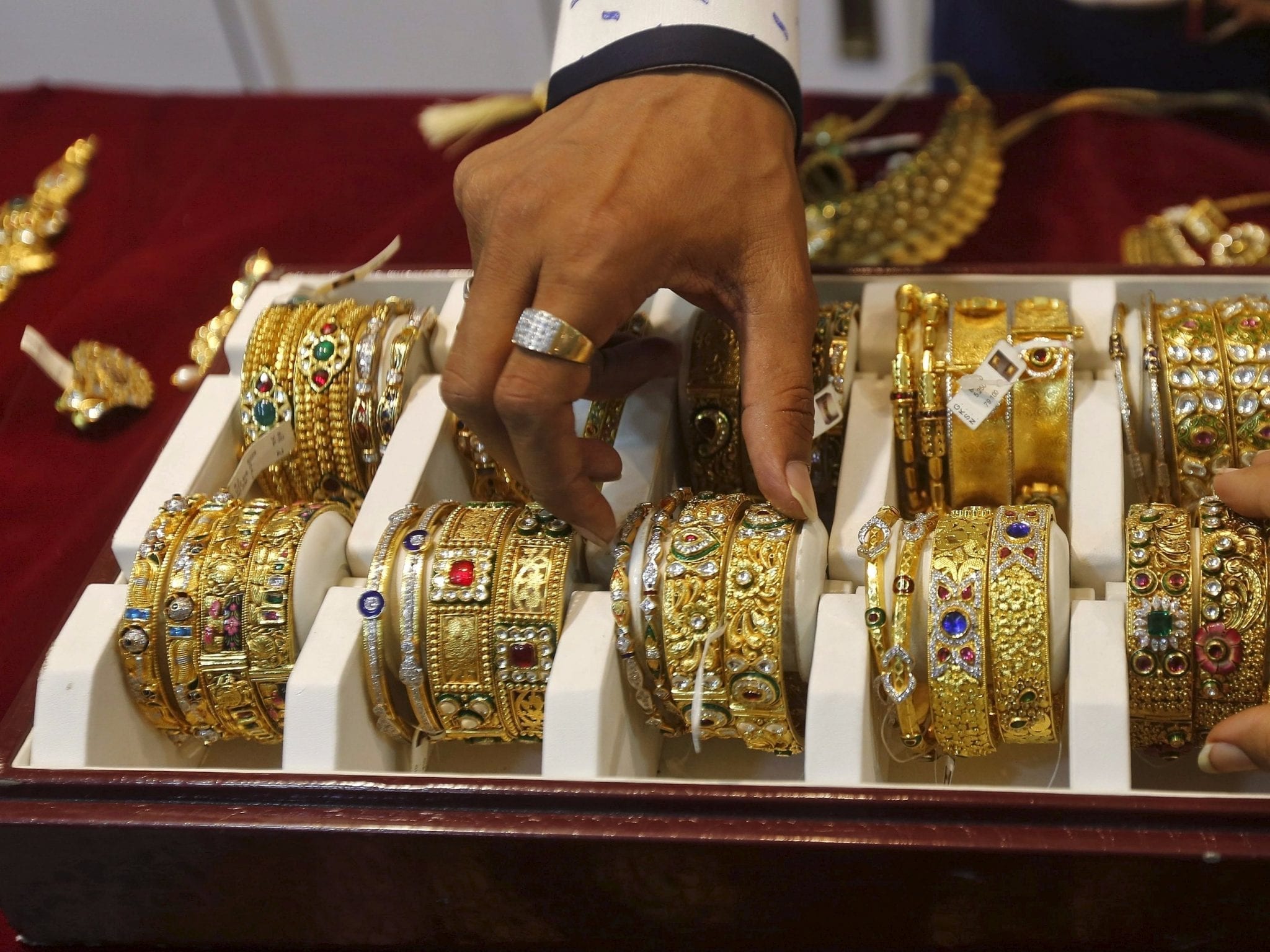
    Gold jewelry sparkles in Ho Chi Minh City, where the allure of gold remains steadfast even as prices hold steady. On Thursday morning, the gold market saw a slight uptick, influenced by stabilizing global rates.

    Marginal Gains in Local Gold Prices

    The Saigon Jewelry Company reported a 0.43% increase in gold bar prices, bringing them to VND117.7 million (approximately US$4,509.06) per tael. Meanwhile, gold rings rose by 0.35%, now priced at VND114 million per tael. It’s an impressive year for gold, with prices climbing by 39.8% thus far.

    Global Market Trends and Investor Sentiment

    Globally, gold prices remained stable on Thursday as investors mulled over disappointing U.S. economic data and an ongoing climate of uncertainty in both political and economic arenas. Many eyes are also on the upcoming U.S. payroll figures for potential market guidance.

    Spot gold maintained its position at $3,372.91 an ounce, while U.S. gold futures slipped by 0.1%, landing at $3,396.60. According to Matt Simpson, a senior analyst at City Index, “Like most markets at present, gold finds itself in a holding pattern, subject to the unpredictability of trade headlines. It shows support while remaining cautious about breaking above this week’s highs.”

    Simpson adds that volatility remains muted as investors await statements from FOMC members and Friday’s Non-Farm Payroll (NFP) report, which could potentially pressure gold if the jobs data reflects robust growth. The precious metal, often seen as a safe haven in unstable times, tends to flourish when interest rates are low.

    Questions & Answers

    What was the increase in gold prices on Thursday?
    The Saigon Jewelry Company gold bar rose by 0.43% and is now priced at VND117.7 million per tael, while gold rings increased by 0.35%, reaching VND114 million per tael.

    How much have gold prices increased this year?
    Gold prices have surged by 39.8% so far in 2023.

    What factors are influencing global gold prices?
    Global prices are being influenced by weaker-than-expected U.S. economic data and persistent global uncertainties, with investors awaiting upcoming U.S. payroll data for more direction.

  • Luxury Market Growth Anticipated to Taper Off in 2025 Amid Economic Shifts

    Luxury Market Growth Anticipated to Taper Off in 2025 Amid Economic Shifts

    The luxury goods sector, a dazzling stalwart of economic growth that typically thrives at about 7% annually, is bracing for a slowdown in 2025, according to insights from Morgan Stanley. This promising world of high-end fashion and lavish accessories is finding itself tangled in a web of challenges—rising macroeconomic pressures, constrained pricing power, and plummeting demand from vital markets threaten its golden sheen.

    Challenges from Major Markets

    After a spectacular sales jump of over 80% between 2019 and 2024—boosted by COVID-era savings, U.S. stimulus, and an influx of new consumers—the luxury market is now facing a more uncertain horizon. Key consumer markets such as China, the U.S., and Europe, which cumulatively represent a staggering 75% of the industry’s spending, are showing signs of weakening demand.

    The Post-Pandemic Reality Check

    The industry is grappling with the normalization of growth post-pandemic, compounded by U.S. tariffs, soaring interest rates in Western nations, and widespread expectations of a slower global economy. “We are in a very different environment today,” asserts Edouard Aubin, Morgan Stanley’s Head of European Luxury Brands Research. “Luxury pricing power has eroded following steep price increases after the pandemic, and Chinese demand is likely to remain stagnant at best this year.”

    Shifting Consumer Sentiment

    The once-vibrant spending habits of Chinese consumers, who are typically the biggest patrons of luxury goods, have significantly dialed back. A recent Morgan Stanley AlphaWise survey of over 2,000 Chinese shoppers conducted in April reveals that 60% plan to cut back on spending in the coming six months due to job instability and income worries stemming from new U.S. tariffs.

    Fading Hopes for Recovery

    The outlook for U.S. consumers stepping in to fill the gap appears dim, with hopes for a 2025 rebound rapidly diminishing after a brief surge in April fueled by seasonal buying and pent-up demand. While some companies managed to evade tariff repercussions by shipping their products early, Morgan Stanley warns that the looming risk of recession and declining consumer confidence is a far greater threat to the sector.

    In the short term, demand is projected to remain lackluster, with a flicker of hope that recovery might materialize if U.S. markets continue their climb or if stability returns to China’s beleaguered real estate sector. As the luxury industry faces these turbulent waters, it’s a reminder that even the glitziest of markets must sometimes contend with unpredictable tides.

    Questions & Answers

    What is Morgan Stanley predicting for the luxury goods industry in 2025? They forecast a slowdown in growth, citing rising macroeconomic pressures and weakened demand from key markets.

    Which markets are contributing to the decline in luxury spending? Major consumer markets such as China, the U.S., and Europe are experiencing softer demand, collectively responsible for 75% of the industry’s spending.

    What factors are affecting consumer behavior, especially in China? According to a survey, 60% of Chinese consumers plan to reduce spending due to concerns about job stability and income levels influenced by new U.S. tariffs.

  • Dollar Strengthens Against Vietnamese Dong in Currency Market Shift

    Dollar Strengthens Against Vietnamese Dong in Currency Market Shift

    U.S. banknotes shimmered a bit brighter in Hanoi as the dollar edged up against the Vietnamese dong on Wednesday morning, continuing its upward trend against major currencies. With a rate of VND26,120 at Vietcombank, the dollar gained 0.08% compared to Tuesday. However, on the black market, the currency slipped slightly to VND26,360, down 0.04%.

    In a proactive move, the State Bank of Vietnam raised its reference rate by 0.05% to VND24,947, reflecting changes in the market dynamics. Reporting from Reuters highlighted that the dollar retained its strength, buoyed by favorable economic indicators emerging from the United States.

    The financial world greeted news of reduced trade tensions between the U.S. and Europe. Elsewhere, global bond markets began to stabilize after a tense rise in long-term yields, providing some much-needed relief for investors. A surge in U.S. consumer confidence ahead of key employment figures due on Thursday added to the overall optimism.

    The dollar index, which measures the greenback against a host of currencies, ticked up by 0.1%, building on a robust 0.6% jump the previous day. Meanwhile, the greenback also gained a slight edge against the euro, trading at $1.132. In a curious twist, the yen remained relatively stable at 144.345 per dollar after experiencing a 1% drop on Tuesday, attributed to speculation that Japan may reduce the issuance of super-long bonds following recent yield spikes.

    The rising dollar’s influence on various markets certainly adds an interesting dimension to the financial landscape—let’s hope your wallet is ready to keep pace!

    Questions & Answers

    How much did the U.S. dollar rise against the Vietnamese dong?
    The U.S. dollar increased by 0.08% against the Vietnamese dong, reaching VND26,120 at Vietcombank.

    What did the State Bank of Vietnam do in response to market changes?
    The State Bank raised its reference rate by 0.05% to VND24,947 to adapt to the ongoing market conditions.

    What contributed to the dollar’s strength in global markets?
    The dollar’s strength was bolstered by positive economic signals from the U.S., easing trade tensions between the U.S. and Europe, and an unexpected rise in consumer confidence ahead of job reports.

  • VN-Index Soars to Three-Year High, Signaling Strong Market Optimism

    VN-Index Soars to Three-Year High, Signaling Strong Market Optimism

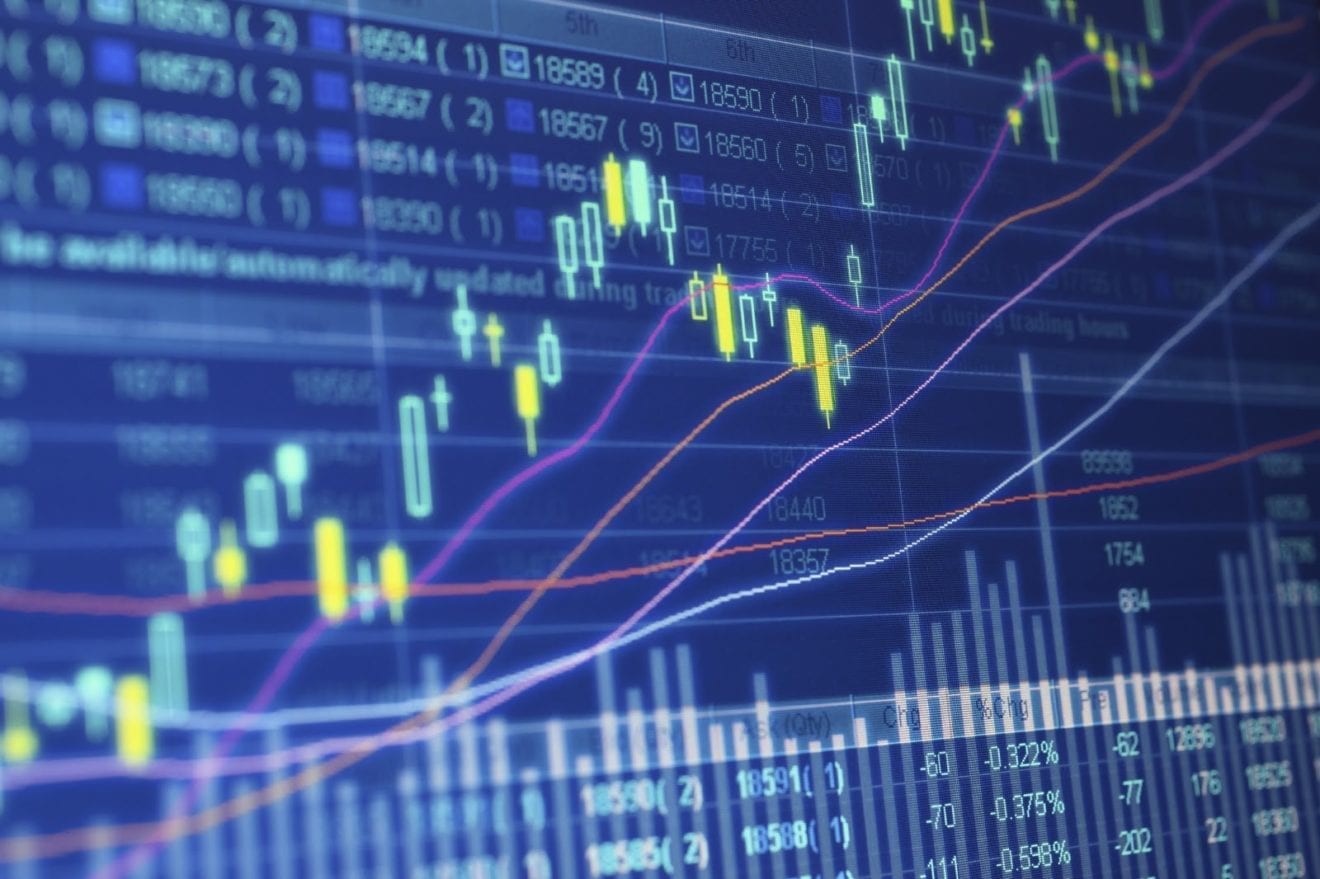
    Vietnam’s stock market is buzzing with fresh energy as the benchmark VN-Index climbed to a remarkable 1,341.87 points on Wednesday, marking its highest level since May 2022. Investors celebrated the index’s upward trajectory, which reflects a gain of 0.15%, or 2.06 points, and extends its winning streak to four consecutive sessions.

    The VN-Index has soared nearly 250 points since dipping in early April, a downturn largely attributed to U.S. tariffs. While the mood in the market is optimistic, trading volume on the Ho Chi Minh Stock Exchange slipped by 11% to VND22.284 trillion (approximately US$858 million).

    Blue Chips Reign Supreme

    In the VN-30 basket, which features the 30 largest stocks, 10 companies saw their shares rise. Notable performers included VRE, the retail real estate arm of Vincom Retail, up by 5.5%, and VIC, the stock of private conglomerate Vingroup, which increased by 2.6%. Fuel distributor Petrolimex (PLX) also had a solid day, edging up 2.2%. However, the blue-chip landscape wasn’t all rosy—15 stocks fell, with HDBank (HDB) down 1.5%, Sacombank (STB) slipping 1.1%, and Vietnam International Commercial Bank (VIB) mirroring that drop.

    Foreign investors played a different tune, becoming net sellers to the tune of VND200 billion, mainly divesting from VRE and VIC. It seems their cautious approach didn’t dampen local spirits, as the HNX-Index for mid and small caps in Hanoi rose by 0.80%, while the UPCoM-Index for unlisted companies gained 0.46%. It’s a thrilling time for stock enthusiasts, reminding us that the market can be as unpredictable as a game of poker—one moment you’re soaring, and the next, you’re bluffing!

    Questions & Answers

    Why did the VN-Index rise to a three-year high?
    The VN-Index surged due to consistent gains over several sessions, alongside a recovery from lows seen earlier this year amid U.S. tariff concerns.

    How did trading volume change in the Ho Chi Minh Stock Exchange?
    Trading volume decreased by 11%, totaling VND22.284 trillion, which indicates a decline in market activity amidst rising index values.

    What stocks were the main contributors to the index’s gain?
    Noteworthy contributors included Vincom Retail (VRE), Vingroup (VIC), and Petrolimex (PLX), with significant gains that propelled the index upward despite some blue-chip stocks experiencing declines.

  • Gold Bar Prices Surge as Global Market Momentum Intensifies

    Gold Bar Prices Surge as Global Market Momentum Intensifies

    Vietnam gold bar prices edged higher Wednesday morning as global bullion prices recovered slightly after falling in the previous session.

    A Slight Uplift in Local Gold Prices

    In a bright turn of events, the price of gold bars from Saigon Jewelry Company climbed by 0.25%, reaching VND118.3 million (approximately US$4,560.52) per tael. Meanwhile, the price for gold rings remained steady at VND114 million per tael, with one tael equivalent to 37.5 grams or 1.2 ounces.

    Global Market Trends at Play

    On the international stage, gold prices enjoyed a modest uptick as investors seized the opportunity to buy on the dip, even as easing U.S.-EU trade tensions constrained further gains. The market now eagerly anticipates the upcoming U.S. core Personal Consumption Expenditures report for hints on future interest rates, as noted by Reuters.

    The spot gold price rose by 0.3% to $3,308.99 an ounce, making a slight recovery after a 1% plunge in the previous session. U.S. gold futures also saw an increase of 0.2%, now valued at $3,308.30.

    Market Analyst Insights

    “Gold’s dip below $3,300 attracted some buyers. However, the overall market sentiment remains upbeat with diminishing U.S.-EU trade tensions, which is limiting gold’s upside potential for the time being,” stated Tim Waterer, chief market analyst at KCM Trade. He also added, “If support holds in the $3,250-$3,280 range, gold could be well-positioned to rally towards $3,400 should risk appetite wane.” It’s almost like waiting to see if the stock market will need its morning coffee!

    Questions & Answers

    What factors contributed to the rise in Vietnam’s gold bar prices?
    Prices increased due to a slight recovery in global bullion prices following a previous decline, as well as local market dynamics.

    What is the current price of a tael of gold in Vietnam?
    As of Wednesday morning, a tael of gold from Saigon Jewelry Company is priced at VND118.3 million, which is about US$4,560.52.

    How are global market trends affecting local gold prices?
    Easing trade tensions between the U.S. and EU have contributed to a generally upbeat market sentiment, somewhat capping potential gains in gold prices.

  • Vietnam Surpasses Thailand and Australia, Claiming Leading Role in China’s Mango Market

    Vietnam Surpasses Thailand and Australia, Claiming Leading Role in China’s Mango Market

    China has dramatically increased its mango imports, with a staggering year-on-year rise that brought the total to US$29 million, as reported by China customs. This surge is primarily due to the country’s insatiable appetite for tropical fruits, coupled with a domestic supply shortage.

    Mango Import Landscape

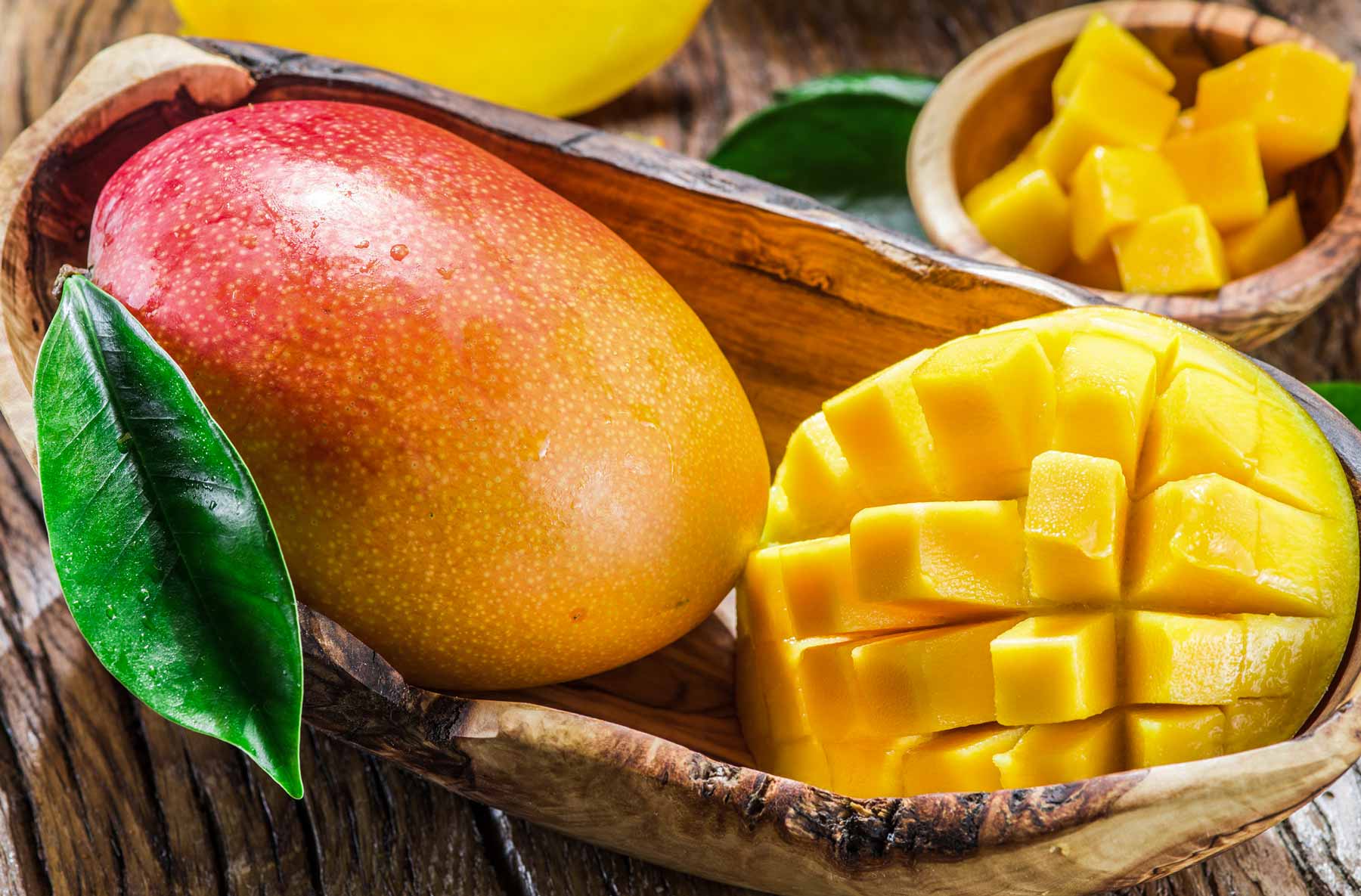
    Among the six countries supplying mangoes, Vietnam emerged as the standout performer, enjoying a remarkable growth rate. While Cambodia, Peru, Australia, Thailand, and the Philippines experienced stagnation or decline, Vietnam’s mango exports skyrocketed to around US$28 million—a whopping 145-fold increase from the previous year. The average price per ton also saw a substantial rise of nearly 73%.

    Thailand’s position as a major mango exporter to China has dwindled significantly, dropping to fifth place with a drastic 70% decline in shipments, valued at just US$65,000. This shift highlights Vietnam’s competitive advantage in accessibility, thanks to low logistics costs and its geographical proximity to China.

    Quality and Affordability

    The Vietnam Fruit and Vegetable Association emphasizes that Vietnamese mangoes are distinguished by their quality and affordability, appealing to the modern Chinese consumer. Local varieties like Hoa Loc and Cat Chu are particularly favored for their rich flavors. A spokesperson for the association noted, “These varieties resonate deeply with Chinese tastes.”

    Experts attribute Vietnam’s vibrant market presence to its pricing strategy. Vietnamese mangoes average around $700 per ton, in stark contrast to competitors that charge between $6,000 and $11,000 per ton, such as Thailand, Peru, Australia, and the Philippines.

    Demand and Seasonal Dynamics

    China’s soaring demand for mangoes—both for fresh consumption and processing—has created an essential need for imports, especially during off-seasons. Vietnam, producing about one million tons of mangoes annually, meets not only the needs of China but also markets in the U.S., South Korea, Japan, and the Netherlands.

    The Mekong Delta’s nearly 2,000 hectares of mango orchards certified under global standards are pivotal in fulfilling China’s stringent requirements. Notably, Vietnam’s off-season production from September to March fits perfectly with China’s deficiency during these months, allowing top-grade mangoes to fetch impressive prices, reaching up to VND100,000 per kilogram.

    Yet, as this month marks the onset of China’s domestic mango season, the demand for Vietnamese mangoes has sharply declined, resulting in steep price drops to just a few thousand Vietnamese dong per kilogram (a mere few U.S. cents). One could say, “The mango may be king, but even royalty can face a fall from grace!”

    Questions & Answers

    **Which country significantly increased its mango exports to China?**
    Vietnam has seen its mango exports soar, with a 145-fold increase year-on-year.

    What factors contribute to the popularity of Vietnamese mangoes in China?
    Their high quality, favorable pricing, and the appealing flavors of local varieties make them particularly attractive to Chinese consumers.

    How does the domestic mango season in China affect Vietnamese mango prices?
    As China’s mango season begins, the demand for Vietnamese imports plummets, leading to significant drops in prices.

  • Dollar Dips Against Dong in Thriving Black Market Exchange

    Dollar Dips Against Dong in Thriving Black Market Exchange

    The U.S. dollar took a hit against the Vietnamese dong in the black market this past Saturday morning, as unofficial exchange points reported a decrease of 0.34%, bringing the dollar’s value to VND 26,340. In contrast, Vietcombank opted to maintain its exchange rate at VND 26,130.

    Globally, the dollar faced a significant decline on Friday, largely fueled by a surge of investor concern as U.S. President Donald Trump escalated trade tensions. His suggestion to impose a 50% tariff on European Union imports beginning June 1 sent investors scrambling, as reported by Reuters. The dollar index, a gauge that measures the greenback against a basket of other currencies, fell by 0.8% to settle at 99.09, marking its lowest point in three weeks.

    Over the course of the week, the dollar slid 1.9%, on track for its most significant weekly percentage drop since early April. Jayati Bharadwaj, a global foreign exchange strategist at TD Securities, noted that the concurrent decline of the dollar and U.S. stocks indicates a noteworthy shift in market dynamics. “The dollar’s correlation with equities is broken,” she stated, adding that this inversion is likely to persist due to the U.S.-specific risks influencing the financial landscape since the year’s beginning.

    In this topsy-turvy market, one might wonder if the dollar’s next move will involve a dramatic dance with tariffs or a quieter retreat into the shadows.

    Questions & Answers

    What was the dollar’s exchange rate against the dong on the black market?
    The U.S. dollar traded at VND 26,340 on the black market, down 0.34%.

    How did the dollar perform globally last Friday?
    The dollar fell by 0.8% in value, hitting its lowest point in three weeks, predominantly due to escalating trade tensions.

    What did the global FX strategist say about the dollar’s performance?
    Jayati Bharadwaj pointed out that the dollar is no longer acting as a safe haven, as its correlation with stock performance has significantly shifted.