Retail News CRM

Tag: mastercard

  • Chinese shoppers feel safer online

    Consumers across Southeast Asia and Greater China feel safer paying in a brick and mortar environment as opposed to online; sole exception is China

    According to the inaugural MasterCard Safety and Security Index, consumers across Southeast Asia and Greater China cited identity theft and ATM-related fraud as the top two security concerns when it comes to electronic payments.

    Some 42 per cent of consumers in Southeast Asia (Indonesia, Malaysia, Philippines, Singapore Thailand, and Vietnam) were most concerned with ATM-related fraud such as a stolen card, card cloning or skimming. In the Greater China markets (China, Hong Kong and Taiwan), this figure was 31 per cent.

    But the biggest surprise was in confidence in shopping online. The Index showed that in general, consumers across Southeast Asia, and the markets of Taiwan and Hong Kong still feel safer paying in a bricks and mortar environment than buying online. China differed, being the only market where consumers felt paying online was safer than in a physical store; even more so than in Singapore.

    Almost every consumer polled in the Greater China markets had made an online payment in the past year. Consumers in China (62 per cent) particularly favored the use of digital wallets in online electronic payments over those in Hong Kong (14 per cent) and Taiwan (29 per cent).

    Consumers across Southeast Asia (35 per cent) and Greater China (32 per cent) were almost as equally concerned about identity theft in relation to data breaches. This includes personal data such as bank details, personal IDs, addresses, and signatures that are stolen or compromised through websites. In both regions however, it appears that these concerns do not directly stem from consumers’ own personal experiences but rather, as a result of the perceived severity of fraud based on what was reported in the media.

    MasterCard chart1

    Meanwhile, the Index also reinforced that banks continue to play a critical role in ensuring payment safety and security for consumers in Southeast Asia. This is both, because of the high levels of trust consumers place in banks as well as the reliance that consumers have on banks to help them resolve issues that crop up in this area.  Banks are often the first line of defense and recourse for the affected consumer – nearly half of all consumers in Southeast Asia who experienced ATM fraud first approached their card-issuing banks for advice.

    “The fact that most cardholders have a primary relationship with their banks, has an obvious and deep-rooted correlation to their sentiment, around who they trust most when it comes to ensuring the safety and security of electronic payments,” said Ari Sarker, oo-president, Asia/Pacific, with MasterCard.

    “This was emphatically reflected in the feedback from all the markets in Southeast Asia and Greater China. However, in Singapore in particular, in addition to banks, consumers also placed significant trust in the government, which is a natural outcome given the country’s strong regulatory environment and overall reputation around safety and security.”

    None of the respondents surveyed in Southeast Asia placed any trust in local websites, suggesting that there is still a lot of work to be done by local eCommerce merchants to ensure that they meet global security standards for payments and build consumer confidence on this front.

    In Greater China, aside from banks and governments, merchants were also seen to have a growing responsibility in ensuring payment safety and security, with 28 per cent of consumers in these markets going to merchants as their first recourse in seeking resolution for payment safety and security issues. Furthermore, merchants in these markets were instrumental in solving 40 per cent of all online electronic payment disputes.

    These and other key findings of the MasterCard Safety and Security Index will be discussed at the MasterCard Global Risk Leadership conference in Singapore on August 26 – 27. The 20th edition of this conference will gather global payment risk leaders to share best practices in fighting fraud together, as an industry. The conference demonstrates MasterCard’s commitment in helping partners and customers fight fraud using the latest tools, processes, and technologies so there is no one weak link in the payments ecosystem.

    The survey was carried out across in six markets in Southeast Asia (Indonesia, Malaysia, Philippines, Singapore, Thailand, and Vietnam) as well as three markets in Greater China (China, Hong Kong, and Taiwan). A total of 6600 consumers and 100 merchants were polled online and face-to-face between January and May 2015 on questions relating to the payments security landscape, payments in brick and mortar and online, safety and security payment concerns and experience with payment fraud, among others.
  • MasterCard expands in Myanmar

    MasterCard expands in Myanmar

    Its launch comes exactly three years on from the lifting of sanctions in Myanmar and affirms MasterCard’s commitment to  provide safer and easier ways for Myanmar residents to pay for their travels.

    The new prepaid card is also timely given the latest MasterCard survey on consumer purchasing priorities in travel indicates that three out of five Myanmar consumers surveyed intend to travel within the next 12 months (either as much, or more than they did in the past 12 months).

    The MAB Travel Prepaid MasterCard provides a secure way for consumers to make payment when travelling overseas for leisure, business or education, and also when shopping on e-commerce sites.
    “We know that leisure travel and shopping are on the rise among Myanmar citizens and we hope this product will help to meet their needs,” said Win Min Khine, managing director, Myanmar Apex Bank.

    MasterCard country manager, Thailand & Myanmar, Antonio Corro said: “Myanmar’s gradual opening up presents many opportunities for entrepreneurship and commerce to flourish, and their progressive participation in the global payments system that MasterCard enables not only aids the development of the local payments landscape, but also facilitates global connections.”

    Since 2012, MasterCard has launched prepaid cards together with Co-operative Bank, Kanbawza Bank, Ayeyarwady Bank and Myanmar Citizen Bank with 2C2P, the last of which was also Myanmar’s first smartphone-enabled Prepaid Card.

    At present, more than 2,000 restaurants, retail outlets and hotels in Myanmar accept payment cards.

  • ValueCommerce and MasterCard to launch inbound B2B marketing service in Japan

    ValueCommerce and MasterCard to launch inbound B2B marketing service in Japan

    ValueCommerce Co., Ltd. and MasterCard have agreed to launch a marketing service that will enable advertisers in Japan to provide reward points and other preferential services when consumers visiting Japan shop at their physical stores beginning from June.

    Advertisers in Japan are expected to use the service to grow their inbound retail businesses by providing international customers with enhanced shopping experiences while traveling in Japan.
    The business-to-business (B2B) service will be offered by ValueCommerce using MasterCard technologies. Currently, advertisers in Japan can only provide such services when shoppers make purchases online, but not in physical stores. This partnership will allow advertisers to close the loop and reward customers for in-store transactions, in order to drive more sales from international shoppers.

    The service will also enable advertisers to send promotional information to customers of Pinpoint Pty. Ltd., a major Australian loyalty-reward service provider acquired by MasterCard last year. Pinpoint manages rewards programs for issuers and merchants throughout Asia-Pacific, including Australia, Greater China, India and Japan.

    Inbound business has been growing in Japan due to fast-rising inbound travel, which has been strongly supported by Japan’s central government. Companies involved in inbound business are becoming increasingly interested in building stronger relationships and offering loyalty rewards to customers who visit Japan.

    Looking ahead, MasterCard and ValueCommerce intend to further leverage their mutual strengths by combining the know-how of ValueCommerce, a pioneer in affiliate marketing, with MasterCard’s global network, extensive experience with loyalty services, analytics capabilities and secure, comprehensive technologies.

    “We are pleased to cooperate with MasterCard to launch a new service in the highly competitive field of inbound business, which is growing as Japan’s inbound tourism continues to rise. In partnership with MasterCard, we aim to maximize the benefits for customers who visit the physical stores of our advertisers. We will leverage our experience and know-how in sending customers from online to offline and O2O solutions,” said Jin Kagawa, Representative Director, President and CEO of ValueCommerce.

    “Inbound business, a key strategy of the Japanese government, is expected to continue growing as more people from overseas visit Japan. Our new service enables international visitors to benefit from various marketing offerings, such as points and rewards in physical stores when they visit Japan, so businesses can use it to add value to their services. We are pleased to partner with ValueCommerce to support inbound businesses. This is a pivotal moment for MasterCard’s loyalty solutions in Japan. Going forward, we will further leverage our leading technology to support payment-based companies with high-value services, as well as provide MasterCard cardholders with an increasing array of benefits,” said Chris Fendley, Asia-Pacific Regional Lead of Loyalty Solutions at MasterCard and CEO of Pinpoint.

  • MasterPass comes to China

    MasterPass comes to China

    MasterCard and BOC Services, the acquiring subsidiary of Bank of China, recently signed an agreement to making MasterPass available to Chinese merchants.

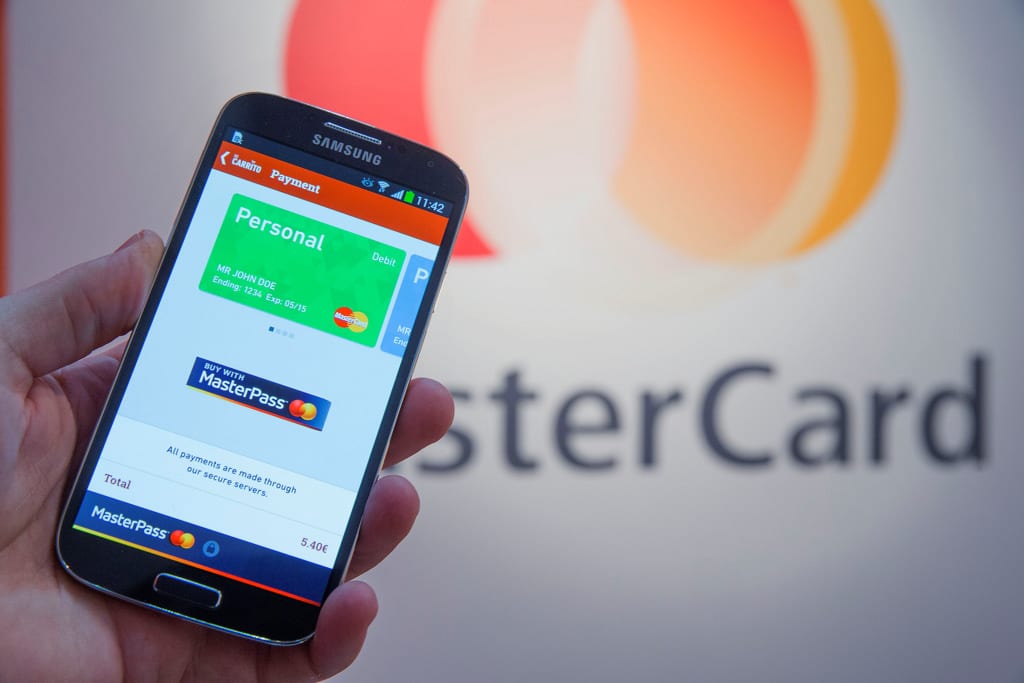
    A MasterPass wallet allows mobile shoppers to quickly and easily check out on any device, by simply clicking the “Buy with MasterPass” button.

    They can also securely store MasterCard and other branded credit, debit and prepaid card information, along with shipping addresses, so that they can be easily accessed when paying for purchases.

    This service is currently accepted by over 70,000 merchants in sixteen countries including China, as well as Australia, Canada, Czech Republic, France, Italy, New Zealand, Poland, Romania, Russia, Singapore, South Africa, Taiwan, United Arab Emirates, United Kingdom and the United States.

    In China, merchants including Ctrip.com, Osell.com, and Ceair.com will be among the first business implementing the service.

    Zhuang Dawei, General Manager, BOC Services Shanghai Branch, said the goal is optimize shoppers’ payment experience, and in the process, create more business opportunities for merchants.

    “Every digital device now has the potential to become a commerce device and Chinese consumers’ demands and spending habits are changing, too. This is bringing new challenges to the foundation of business – payment. This new cooperation will enable more Chinese merchants to utilize the powerful technology of MasterPass, creating more cross-border business opportunities,” added Dennis Chang, General Manager, China, MasterCard.

  • Pay by fingerprint

    Pay by fingerprint

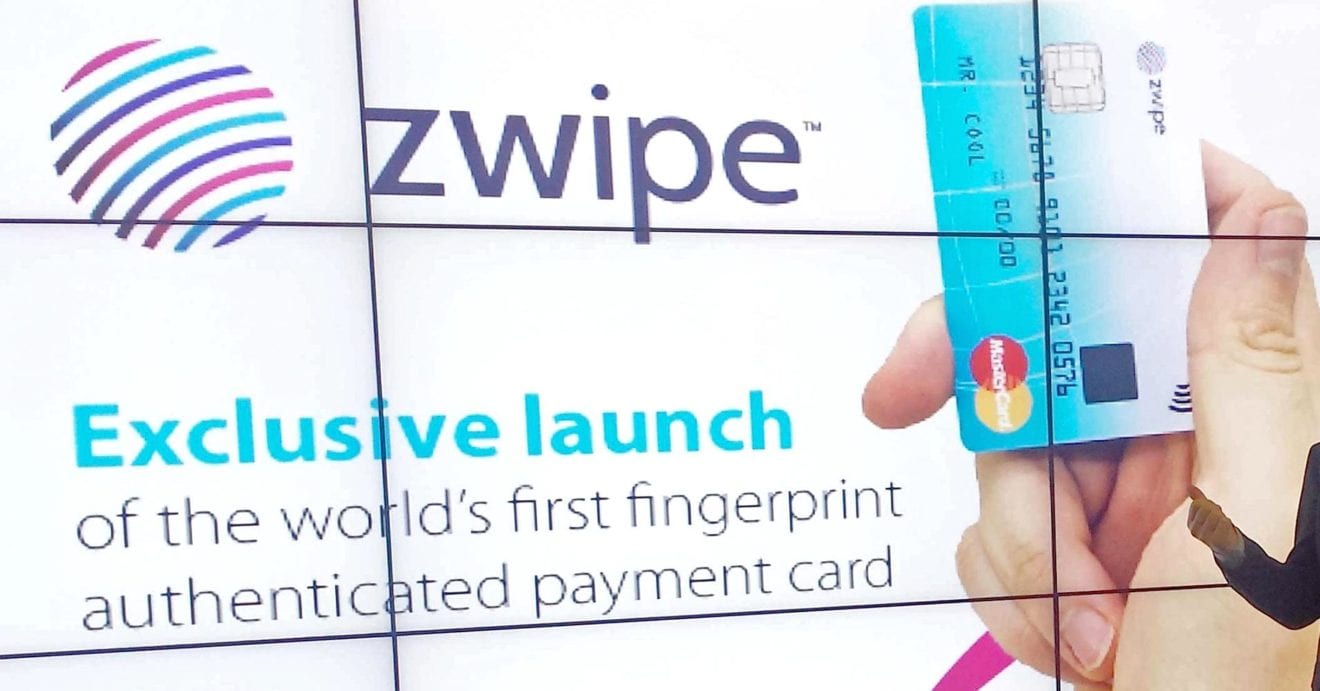
    MasterCard and a Norwegian start-up Zwipe have unveiled a prototype of the world’s first biometric contactless payment card, allowing payment confirmation by fingerprint instead of PIN.

    The card, which features an integrated fingerprint sensor, has been revealed after a successful live pilot with Norway’s Sparebanken DIN, aligned to the Eika Group.

    It’s designed as an answer to the complex challenge of providing a fast, convenient payment solution that does not compromise on security.

    The Zwipe MasterCard payment card includes an integrated biometric sensor and the Zwipe secure biometric authentication technology that holds the cardholder’s biometric data. It contains an EMV certified secure element and  MasterCard’s contactless application.

    The card is the first of its kind to combine the security of biometric authentication with the speed and convenience of contactless payment. Cardholder fingerprint data is stored directly on the card, not in an external database. After activation by a simple fingerprint scan, the Zwipe MasterCard card can be used to make contactless payments. The biometric authentication replaces the PIN entry, thus enabling cardholders to make payments of any amount, unlike other contactless payment cards on the market.

    Zwipe is now working on the next generation of its card that will be the same format as a standard card and designed to work with all payment terminals for release in 2015. This new card will harvest energy from the payment terminals without the need for a battery.

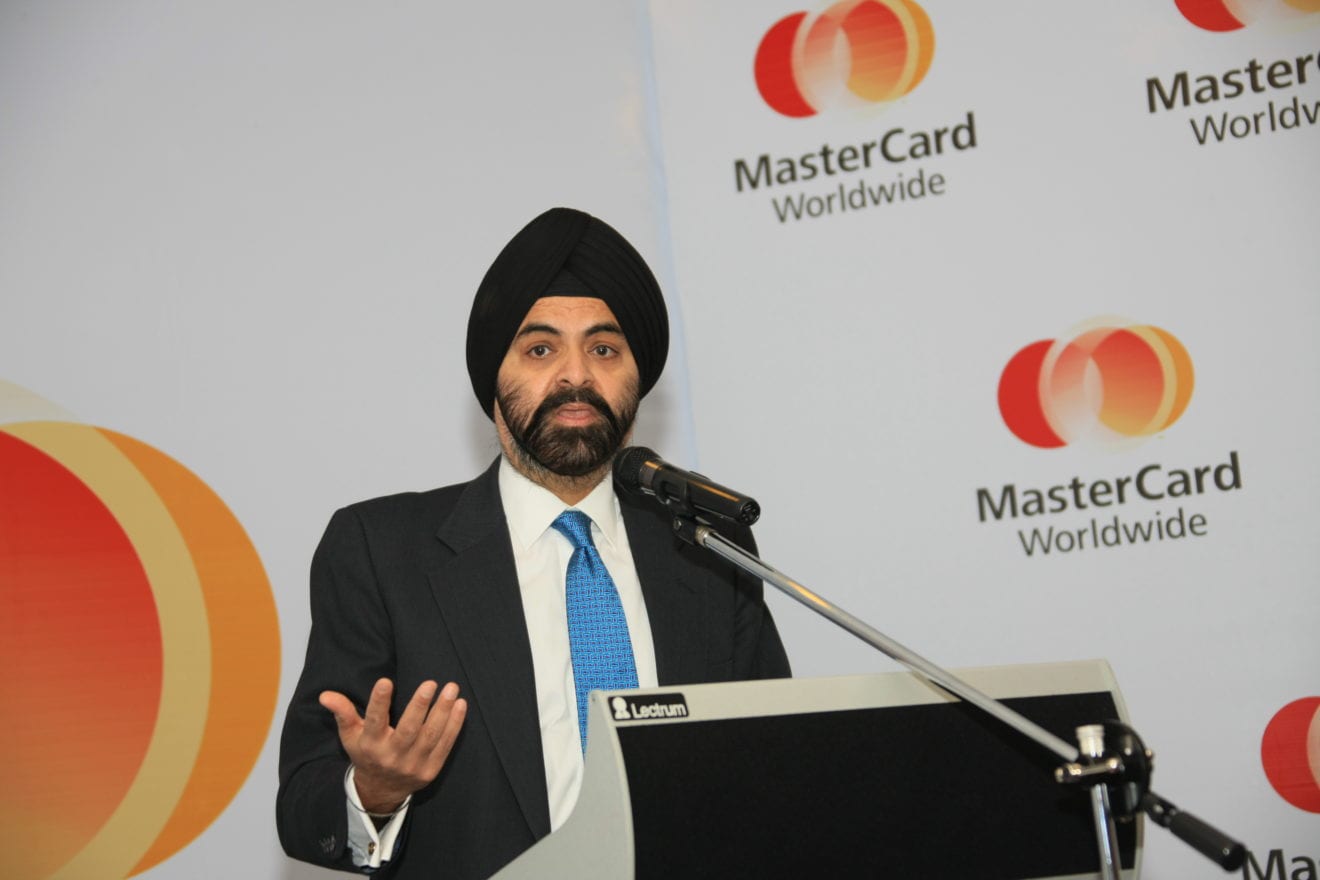
    At a media launch, Ajay Bhalla, President of Enterprise Security Solutions at MasterCard said his company believes people should be able to identify themselves without having to use passwords or PIN numbers.

    “Biometric authentication can help us achieve this. However, our challenge is to ensure the technology offers robust security, simplicity of use and convenience for the customer. Zwipe’s first trial is a significant milestone and its results are very encouraging.”

    Kim Humborstad, founder and CEO of Zwipe, added: “Feedback from our pilot with Sparebanken DIN has been very positive. Cardholders love how easy the card is to use with the added security feature. We have also had exceptionally good feedback from retailers participating in the pilot. This pilot enabled the partners to gather valuable customer feedback, experience and best practice for the enrolment and deployment phase.”