Tag: Myanmar

  • Heineken joins foreign brewers seeking to slake Myanmar’s thirst

    International brewers are trickling into Myanmar, betting that higher incomes and economic reforms will whip up a thirst for foreign beer in a market that has long been dominated by state-owned firms.

    Heineken NV, the world’s third-largest brewer, on Sunday opened a $60-million brewery joint-venture just outside Yangon, returning to one of Asia’s most promising beer markets after exiting in 1997 amid international condemnation of the human rights abuses of the military government at that time.

    Heineken’s Regal Seven beer is set to rival the Tuborg and Yoma brands by Carlsberg, which in May became the first foreign brewer to set up in Myanmar as it emerges from 49 years of military rule.

    “Myanmar is on faster trajectory of growth and its disposable income will rise for common people in coming years,” said Vijay Dhayal, senior consultant at financial advisors New Crossroads Asia.

    Myanmar’s beer industry is dominated by state-backed Myanmar Brewery, and beer consumption rates are some of the lowest in Asia at just 3.2 litres per person in 2013, according to the latest data from research firm Euromonitor International, well below the 31 litres per person in neighbouring Thailand.

    But with consumer spending expected to rise as economic reforms kick in, foreign brewers hope Burmese will want more beer, especially the branded kind. Euromonitor forecasts the value of the beer market to almost double to $675 million in three years time from an estimated $375 million this year.

    Heinken’s Myanmar brewery is a joint venture with privately owned Alliance Brewery Co Ltd (ABC), majority-owned by local spirits entrepreneur Aung Moe Kyaw.

    Analysts, however, say the dominance of Myanmar Brewery, which has an 80 percent market share, will be tough to crack.

    “This will not be an easy game for foreign firms,” said Alec Maurice, Business Development Officer at consultancy Thura Swiss. “Myanmar consumers are often very loyal to their brands, especially in the beer sector.”

  • KBank, Aeon connect in Laos

    KBank, Aeon connect in Laos

    Both parties are also ready to jointly develop payment channels and other innovative services in a bid to assist Thai investors in Laos.

    Suwat Techawatanawana, KBank’s first senior vice president, said Aeon Leasing Service (Lao) had been granted kip-denominated loans by the bank’s Laotian unit to be used for its retail and motorcycle-loan businesses.

    Aeon Group is a successful financial conglomerate in Thailand, offering personal-loan and credit-card services. Given the promising trends in Laos, the group’s business expansion into this marketplace is expected to bring fruitful results.

    Aside from financial support, KBank will cooperate with Aeon to develop products and services such as innovative payment channels to facilitate its customers in Laos.

    Shiro Kitano, managing director of Aeon Leasing Service (Lao), said this cooperative effort with KBank would be supportive to the company’s business, making it more flexible in its operations.

    Aeon Group now centralises its business management of the Asean region in Thailand. After branching out into the Laotian market, the conglomerate may contact KBank. The one-stop service will help reduce the number of relevant procedures and time needed.

    The cooperative endeavour between the two companies to develop complete payment channels will not only provide greater convenience to customers in Laos, but also assist in modernising transactions in this market.

    Having its headquarters and first branch in Vientiane, Aeon Leasing Service (Lao) is now expanding its services in other major cities in that country.

    Amid slowing economic conditions, loans extended during the first half of 2015 accounted for 30 per cent of this year’s target of 50 billion Lao kip (Bt208 million).

    The company plans to launch more marketing activities to boost its business during the second half of the year, wherein the overall economy is expected to benefit from the advent of the Asean Economic Community.

    Suwat said KBank had operated its locally incorporated institution in Laos since last December, offering loans and financial-transaction services to both individual and corporate customers there, including Thai businesses that have invested in the country.

    Providing credit, KBank assesses their business potential in Laos, plus their company outlook in Thailand. Such risk assessment is conducted to evaluate the entire group prospect. Therefore, the bank can better underwrite credit and give other supporting services to the businesses.

    Amid Laos’ high economic-growth potential, some Thai operators may wish to cash in on growing business opportunities. KBank says it stands ready to support Thai businesses in advisory services, business matching activities and diverse financial services.

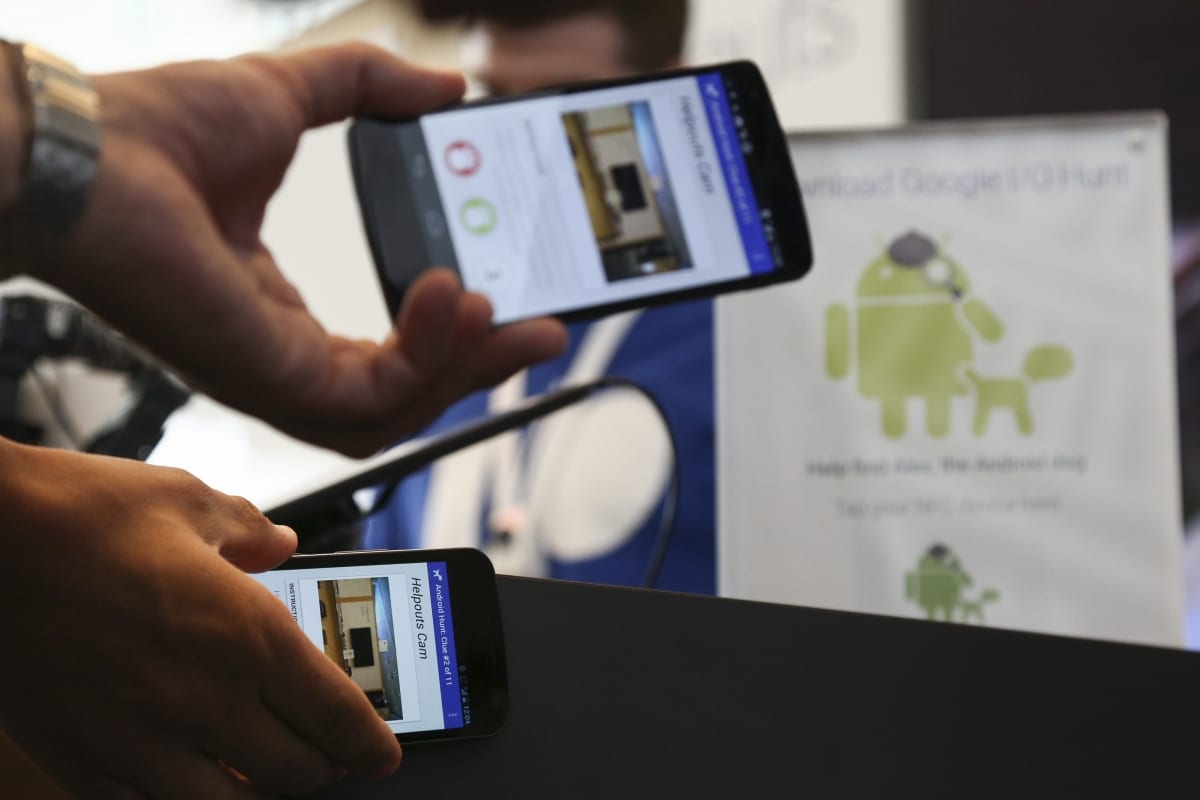
  • Myanmar is the eighth country to join Google’s Android One initiative

    Myanmar is the eighth country to join Google’s Android One initiative

    Following last month’s launch in Turkey, Google has today announced that Android One is now expanding to its eighth country: Myanmar. Cnsumers will be able to buy the Cherry Mobile One in the country, and like all Android One phones, it runs the latest version of Android 5.1.1 Lollipop. The hardware is definitely in the budget range, however,  and starting June 26, the device will be available for purchase at retail in Myanmar, starting at Ks 109,000.

    Since they’re such an important part of our lives, the experience of a smartphone matters a lot. Last year, Google launched the Android One program to help put high-quality, up-to-date devices into the hands of as many people as possible. Following the launch in India nine months ago, Android One has expanded to six additional countries: Bangladesh, Nepal, Sri Lanka, Indonesia, the Philippines, and Turkey — and today, we’re excited to add Myanmar to that list, working in partnership with Cherry Mobile. That makes eight.

    Google originally launched the Android One initiative in India followings its announcement at Google I/O 2014. Following that, Android One made its way to Bangladesh, Nepal, Sir Lanka, Indonesia, the Philippines, and Turkey. You can find the official announcement of Android One’s entrance in Myanmar over at the Google Asia Pacific blog. Google says it hopes to “put great smartphones into the hands of more people across Myanmar,” and that more devices will launch soon.

  • Huawei hails SE Asia success

    Huawei hails SE Asia success

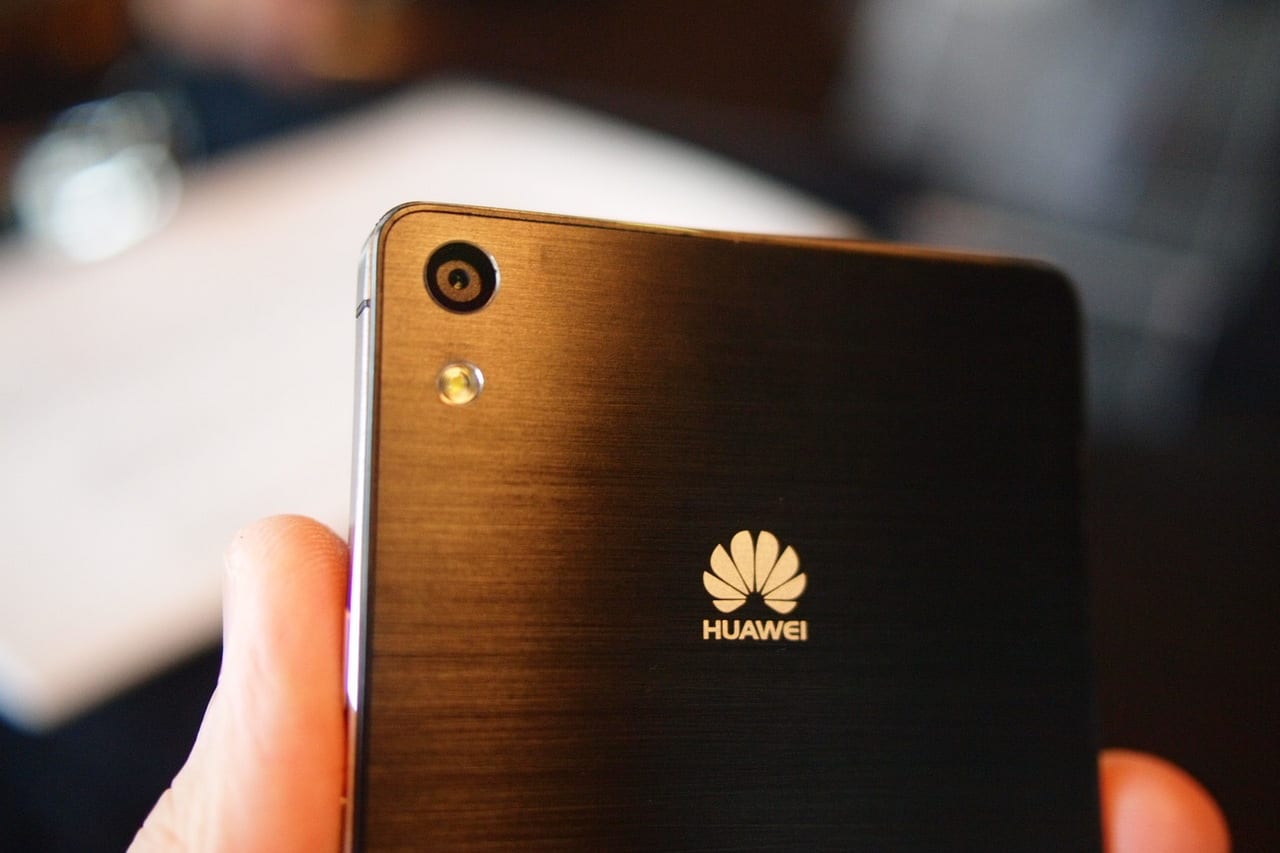
    Smartphone maker Huawei says its determination to concentrate on Southeast Asia is already bearing fruit.

    With the profitable Southeast Asia regional launch of the Huawei P8 and wearable units in Bangkok Thailand in late Might, Huawei is retaining the momentum going by introducing the P8, P8Max, P8Lite, Talkband B2 and AP007 energy financial institution to Myanmar, Laos, and Cambodia, Hong Kong, Taiwan and different Southeast Asia nations and areas.

    The corporate says it set a brand new gross sales document in Myanmar when it launched the P8 handset there on June 6.

    After two weeks of pre-orders of Huawei’s newest flagship merchandise, the primary batch of P8s turned obtainable in 28 outlets throughout Myanmar – all of them bought out by 10am.

    “The regional gross sales supervisor from one among telephone store famous that the P8 has set a brand new gross sales document and has turn into the best-selling handset of their store’s historical past and that they have been amazed by the variety of preorders,” stated Richard Yu, CEO of Huawei Shopper BG.

    says Southeast Asia is now one of many key markets for Huawei, and the corporate is optimistic concerning the potential within the area.

    “Southeast Asia is likely one of the most promising and high-potential financial entities on the earth, each now and sooner or later. It’s considered a strategic market and an engine driving the quick progress of Huawei’s Shopper Enterprise,” Yu stated.

    “In 2014, Huawei noticed over 10 million complete shipments on this area. With the launch of the P8, P8Max and P8Lite this yr, we anticipate complete shipments to succeed in eight million models, a 167 per cent improve.”

    The corporate has seen substantial progress in regional shipments within the area. Thomas Liu, president of Huawei Shopper Enterprise Group Southeast Asia, stated within the first quarter of 2015, smartphone shipments in Southeast Asia rose 120 per cent over final yr.

  • DFS wins Myanmar contract

    DFS wins Myanmar contract

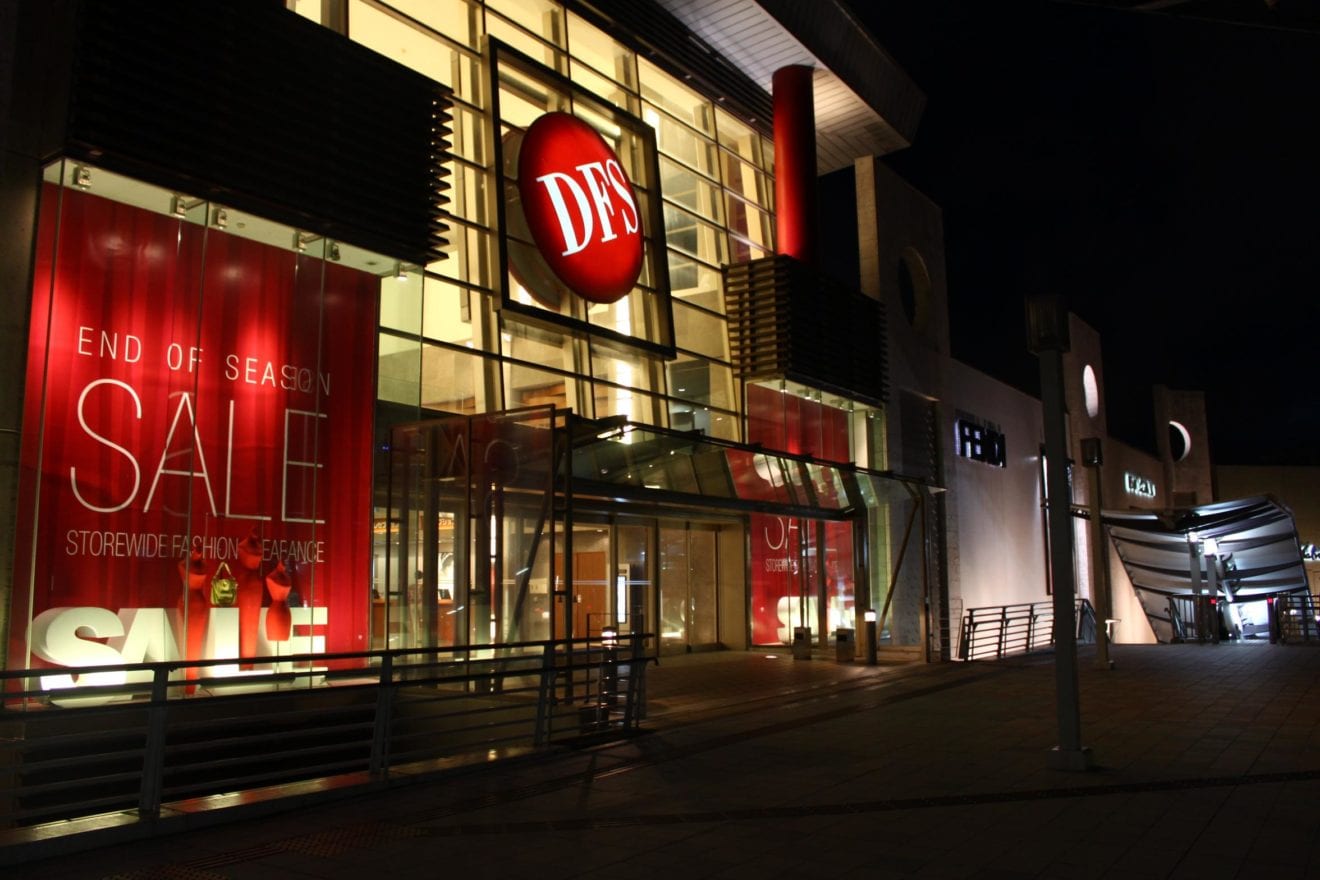
    Hong Kong based mostly international obligation free operator DFS has secured a 10 yr unique provide and merchandise deal for airport shops in Myanmar.

    The deal was negotiated with Singapore Windsor Holdings, which is increasing in a various vary of companies in Myanmar, together with serviced workplaces, telecommunications and tourism providers.

    By the top of this yr, DFS will function virtually 2000sqm of obligation free retail area at Myanmar’s two major airports – Naypyitaw, the capital, and Yangon, the previous capital and principal business centre.

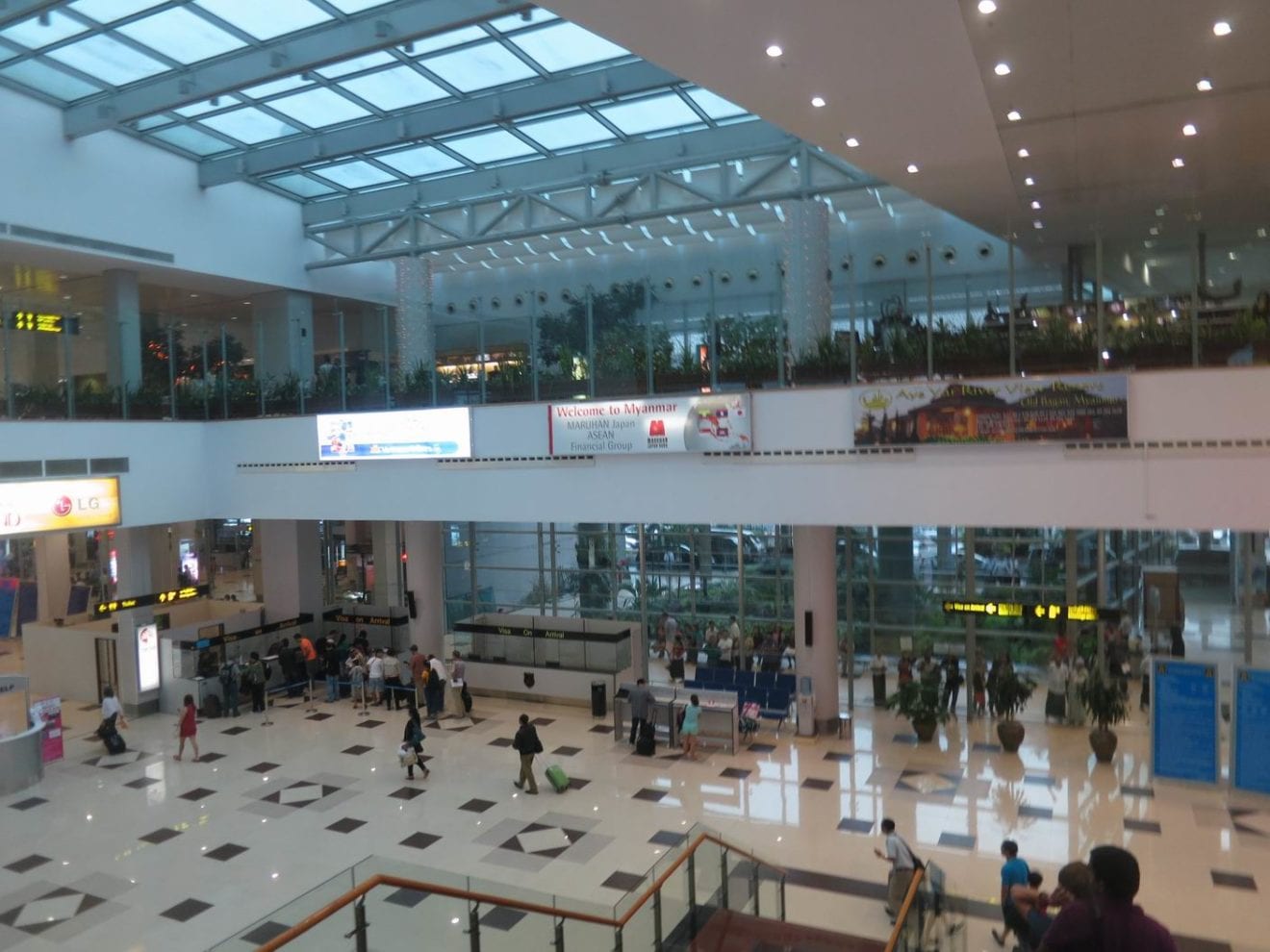
    New retailers can be opened within the present departure and arrival terminals of Yangon Worldwide Airport.

    Singapore Windsor says these shall be outmoded by a bigger retailer when the brand new terminal at Yangon opens later this yr.

    That terminal is predicted to deal with 3 times the present passenger visitors of the prevailing airport.

    With merchandise from over 700 manufacturers promoting in 420 places, DFS Group is likely one of the largest obligation free retailers on the planet. Greater than 200 million individuals visited DFS shops final calendar yr.

  • Burmese social network MySQUAR eyes Aim flotation

    Burmese social network MySQUAR eyes Aim flotation

    The future is bright in Myanmar, even if it is not as Orange as the French telecoms company might have liked. It is more a lurid yellow with puce-tinted characters in local Burmese script, according to MySQUAR, the social media business which hopes to float on the Alternative Investment Market in a fortnight.

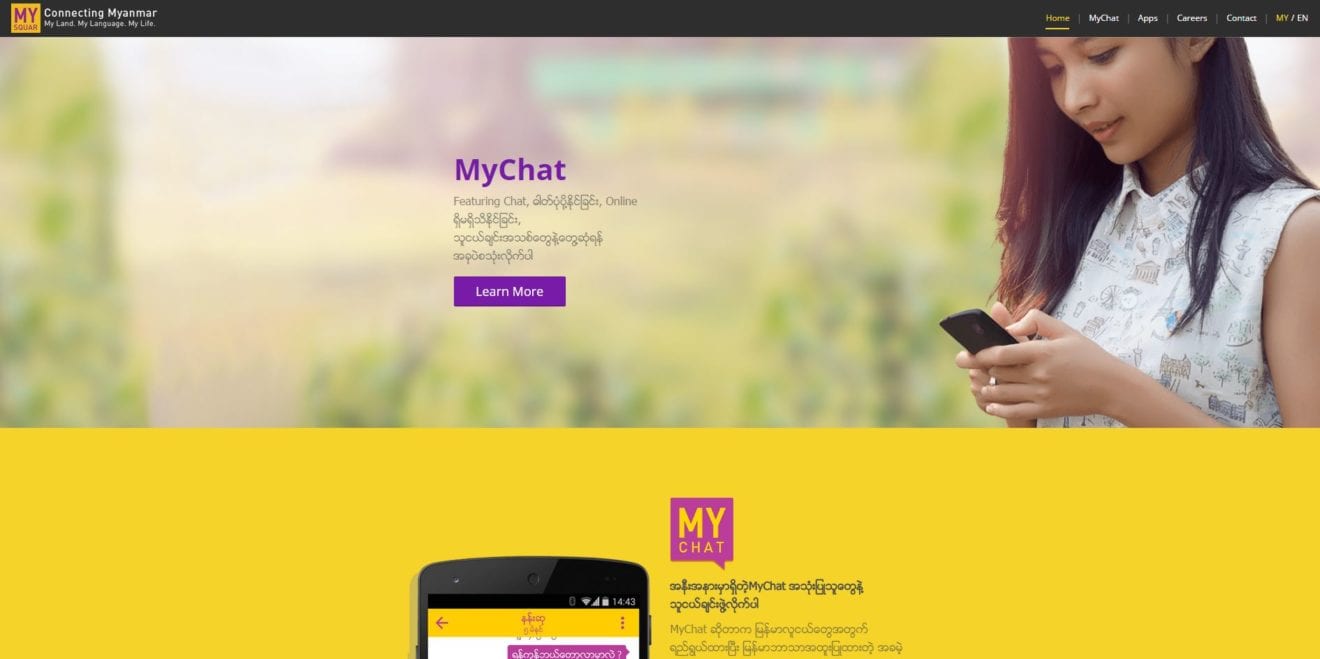
    The Burmese start-up is raising about £2m to piggyback off the impressive growth in mobile communication in Myanmar and build a local-language business of messaging applications and online games. Nearly 700,000 Burmese citizens already use its MyChat app, and that could be more than 1m by December if all goes to plan.

    MySQUAR is just one of the many small businesses hoping to cash in on Myanmar’s economic revival after its release from half a century of military rule and censorship. Five years ago a fraction of a per cent of Myanmar’s population — of which nearly half are under the age of 24 — had access to a mobile phone. Now Myanmar’s economy is growing at about 8 per cent a year, say analysts, and by the end of 2015 a third could have phones.

    The government hopes that by 2016 more than three-quarters of the country will have network coverage. Two years ago it invited the likes of Orange and Vodafone to tender for licences to roll out mobile services across the country. Norway’s Telenor and Ooredoo of Qatar won the tender and this month Telenor said it had already picked up 6.4m customers and was “unexpectedly” in profit. The average revenue per user is more than four times greater than in India or Pakistan, it added.

    “We are sitting on top of all that telecom expansion,” says Eric Schaer, MySQUAR’s chief executive, a US-born former banker and citizen of Comoros who lives in both Vietnam and Singapore.

    Yes MySquar has rivals, including Facebook, but while the literacy rate is extremely high, very few people speak or write English. MySQUAR is the only one allowing Burmese people to chat in the local lingo, says Mr Schaer.

    That said, Myanmar is still a very poor, largely rural country without access to road, rail or reliable electricity supplies where less than 10 per cent of the people have bank accounts. Democracy is young, cronyism prevails and the country is split by factions and disputes over land rights. Companies are not governed by the norms that western investors are used to and the cost of doing business is unpredictable and high. In August, for example, Telenor reported evidence of the use of child labour by suppliers.

    Mr Schaer says stoutly “[business] has all been quite straightforward. We have not had challenges.” So far.

    Broker Beaufort Securities has discounted assumed cash flows to reach a value of about £23m for the company. But MySQUAR’s services are free for now while it builds its customer base and it will not start to charge users for add-on services or advertisers for space for a while. MySQUAR will not generate cash for months, if not years. The profits may come after that. Then again, they may not.

    MySQUAR is a start-up in the real sense of the word and high risk. The purple prose is beguiling, but the company’s future may be more black and white.

    Financiers are forever repackaging centuries’ old products and services, and rebranding them with the latest buzzword. Often it is just a way of charging another layer of fees for another layer of intermediation. Today’s buzzword is “crowdfunding”. It bestows a wow factor on the most pedestrian capital raising.

    Or so Darwin Strategic, majority owned by Henderson, hopes. It claims to have pioneered crowdfunding for public companies. Its second customer is Aim-quoted Kea Petroleum, the New Zealand explorer trying to raise £3m from private investors at 1p a share via Darwin’s PrimaryBid.com. Anand Sambasivan, Darwin’s boss, says PrimaryBid is not brokering any old equity placing. The difference is that retail investors can bid for shares directly from companies. “We fill the gap in bank lending for small companies and give retail investors access to share placings,” he says.

    Kea’s shares tell their own tale. They have fallen from above 30p in under a year and are trading at 0.875p in the market. Paying as much as 1p smacks of that old saying, “a fool and his money are soon parted”.
     

  • World-class duty-free coming to Myanmar airports

    World-class duty-free coming to Myanmar airports

    Singapore Windsor Holdings has signed a 10-year agreement with DFS Group to develop and operate duty-free retail outlets at Yangon International Airport and Nay Pyi Taw International Airport.

    DFS Group is a Hong Kong-based luxury travel retailer, majority-owned by conglomerate Moët Hennessy Louis Vuitton (LVMH).

    “In addition to a duty-free store at Nay Pyi Taw International Airport, we will open duty-free outlets at the existing departure and arrival terminal of Yangon International Airport, followed by a much larger duty-free retail space when the new terminal at Yangon International Airport is completed towards the end of this year,” said a notice on the Singapore Exchange (SGX).

    By the end of 2015, Singapore Windsor will operate almost 2000 square metres of duty free retail space at the two airports. The notice did not mention plans to introduce duty-free services to Mandalay International Airport.

    The new international terminal in Yangon airport is expected to handle three times the current passenger traffic volume. Myanmar’s airports already offer duty-free alcohol and tobacco, but not yet to an international standard, according to the notice.

    DFS is headquartered in Hong Kong and has offices in Hawaii, Los Angeles, Shanghai, Singapore and Tokyo. Singapore Windsor is a Singapore-listed, Myanmar-focused company, with interests in telecom infrastructure construction, trading, distribution and retail, serviced offices, and car hire and rental services.

    Last week, the group’s wholly owned subsidiary SMI Auto Services signed a five-year franchise agreement with Europcar, to provide vehicle rental and limousine services throughout Myanmar. The deal is renewable for another five years, if both parties agree to it.

  • KFC to enter Myanmar

    KFC to enter Myanmar

    Yum! Manufacturers’ KFC is about to grow to be the second multinational quick meals chain to enter Myanmar.

    Yum! has signed an settlement with native franchise associate Yoma Strategic to open fried hen eating places within the quickly opening-up nation. The primary outlet will open in downtown Yangon quickly.

    KFC will comply with South Korean burger chain Lotteria into Myanmar. That chain, owned by Lotte Group, has opened seven eating places because it arrived there in 2013. It has additionally efficiently established first mover benefit in different Southeast Asian markets together with Vietnam.

    No date has been launched for the opening of the primary KFC outlet, however Yoma Strategic stated in a press release it is going to be the “first main American fast service restaurant to determine a foothold in Myanmar”.

    As much as 4 KFC eating places will open in Yangon by the top of the yr earlier than the corporate appears at different cities, reminiscent of Mandalay.

    Laos is now the final remaining Southeast Asian market KFC has but to enter.

  • Citizen Card to facilitate online shopping in Myanmar

    Citizen Card to facilitate online shopping in Myanmar

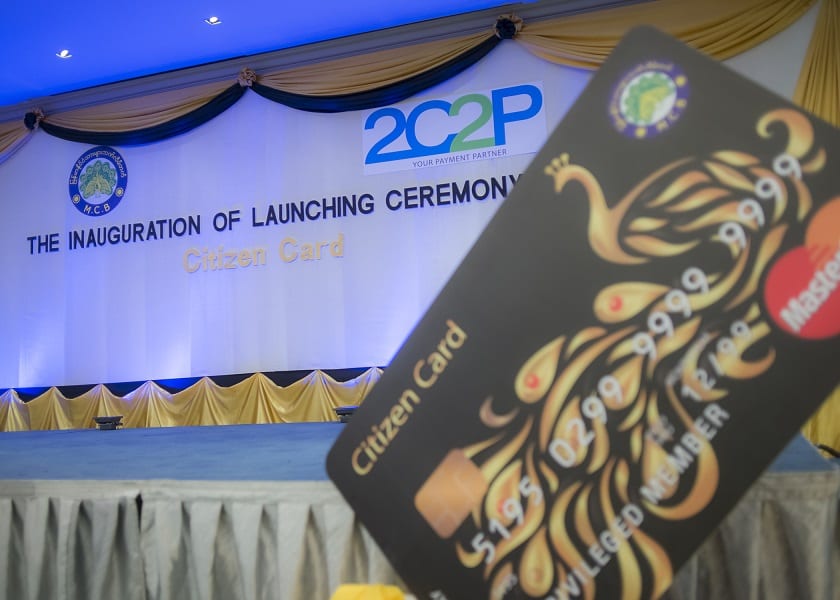
    A citizen card launched by payment services provider 2C2P and Myanmar Citizens Bank is expected to support e-commerce in Myanmar.

    The reloadable prepaid card is accepted by MasterCard merchants and comes with an optional smartphone application that allows cardholders to manage transactions in real time.

    “Targeted at the retail, and travel and tourism sectors, Citizen Card will facilitate both physical and online shopping. It will also be of use to Myanmar tourists when they travel overseas, as consumers can enjoy special benefits and privileges at destinations such as Thailand and Singapore, with a number of partner merchants in the airline, food and beverage and hospitality sectors,” said.

    Initially, supply of the Citizen Card will be limited to 5,000 units but plans are underway for options to roll out more within the year.

    According to McKinsey & Co, Myanmar is expected to quadruple the size of its economy from USD45 billion to over USD200 billion by 2030, with per capita GDP rising from USD1,300 in 2010 to USD5,100 by 2030.

    “Building on this momentum, we are pleased to partner with 2C2P and launch MCB’s very first prepaid card, which will help support the imminent growth in Myanmar e-commerce,” said U Myint Win, Managing Director of Myanmar Citizens Bank.

    2C2P has also introduced in Myanmar iACCEPT, a mobile point-of-sales system with Visa, MasterCard, Myanmar Citizens Bank and Myanmar Hotels International. In July, 2C2P partnered with Creative Web Studios, a Yangon-based e-commerce solutions provider, working to drive financial inclusion and develop Myanmar’s contactless payment infrastructure.

  • Myanmar’s automotive market to grow nearly 8pc in 2019

    Myanmar’s automotive market to grow nearly 8pc in 2019

    Myanmar’s automotive market is likely to grow at a compound annual growth rate (CAGR) of 7.8 percent from 2013 to 2019, driven by a growing economy, infrastructure development and increasing income, new analysis from Frost & Sullivan showed.

    Currently dominated by used vehicles, the market is expected to reach 95,300 in 2019 also due to greater integration with ASEAN.

    Dushyant Sinha, Associate Director, Automotive Practice, Asia-Pacific at Frost & Sullivan, however, said that factors such as unpredictable regulatory changes, high car prices, under-developed auto service market and inadequate road infrastructure might hinder the potential growth.

    Myanmar is highly dependent on two-wheelers, accounting for more than 80 percent of the market while passenger cars represent 11 percent. Meanwhile, trucks and buses only make up 3 percent and 1 percent, respectively. A young labour force with a high two-wheeler ownership promises a potential car buying group in the long term.

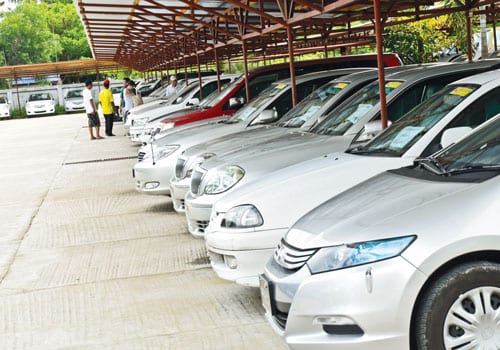
    Dushyant said Japanese brands are expected to continue dominating the passenger vehicle market even in 2019, with Honda, Suzuki and Nissan gaining popularity thanks to their small car offerings (such as Honda Fit/Brio, Suzuki Swift, and Nissan March) which would appeal to Myanmar customers. Chinese and Korean brands will also see growth due to their more affordable prices and smaller engine sizes compared to their Japanese counterparts.