Tag: Myanmar

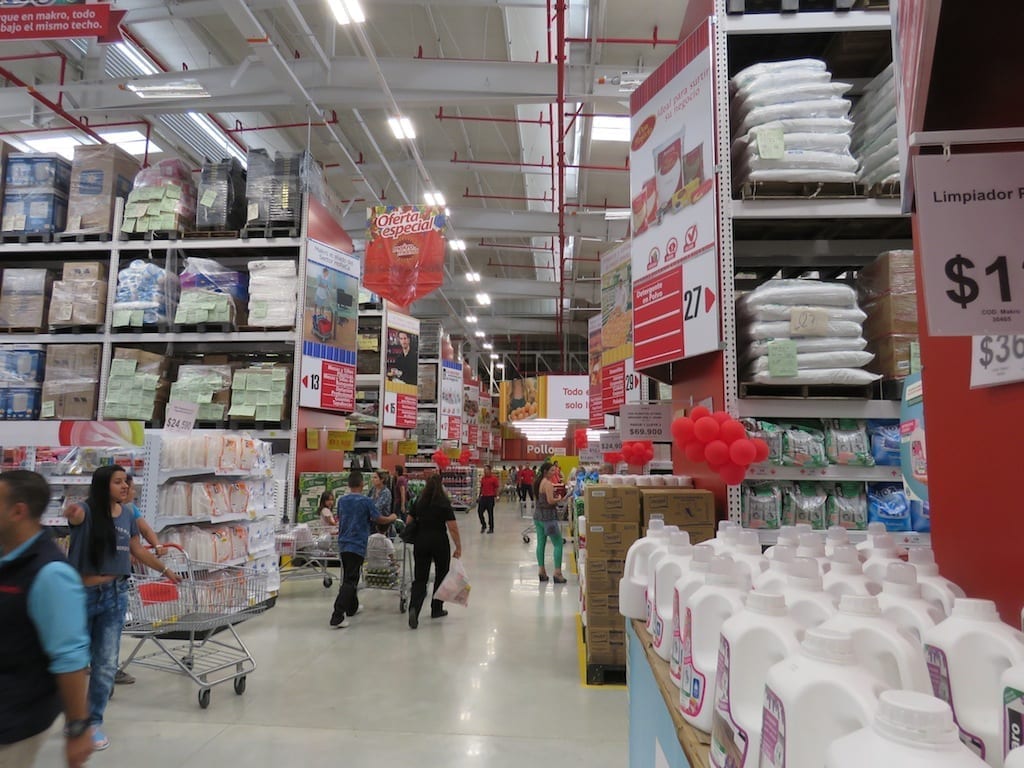
  • Siam Makro eager to open first store in Myanmar

    Siam Makro eager to open first store in Myanmar

    Siam Makro Plc, the operator of Makro cash-and-carry stores under Charoen Pokphan Group, is keen to expand its retail business in Myanmar in the near future.

    Chief executive Suchada Ithijarukul yesterday said the company had met the Thai ambassador in Yangon to explore market opportunities in Myanmar.

    “We have conducted a feasibility study on Makro’s market opportunities in many Asean countries, with Myanmar, Vietnam and Indonesia being the priority destinations,” she said.

    Siam Makro is studying Myanmar consumer behaviour and foreign investment laws. If the regulations are clear, it is ready to open its first store immediately.

    According to an executive of ABC Group, operator of Myanmar’s second-largest convenience store chain, so far the Myanmar government has not allowed foreign retailers to invest in the country by themselves.

    Foreigners will be allowed to invest in supermarkets and hypermarkets next year but will have to form joint ventures with Myanmar companies.

    “The retail landscape in Myanmar will drastically change and new retail plazas will be gradually opened in the near future,” said Wichai Kanrahong, a counsellor at the Thai embassy in Yangon.

    About 80% of products are imported from countries including Thailand.

    “With the connected border and many Myanmar workers in Thailand, Myanmar people are quite familiar with Thai brands,” Mr Wichai said.

    Mrs Suchada said Makro’s business format allowed it to open anywhere because it has various store types.

    “The boom of tourism in Myanmar is also an opportunity for Makro,” she said.

    Makro has already opened branches in border towns near Myanmar.

    It has also conducted a feasibility study to expand into Indonesia and Vietnam, which have big populations. Laos and Cambodia are seen as second-tier countries.

    Mrs Suchada said the company would keep investing in Thailand by opening two stores in Phrae and Trat by year-end. Each will need an investment of 300 million baht.

    “Though the economy is not good, we are satisfied with our performance in the first nine months,” she said.

  • Fastacash to launch payments via social network in Myanmar

    Fastacash to launch payments via social network in Myanmar

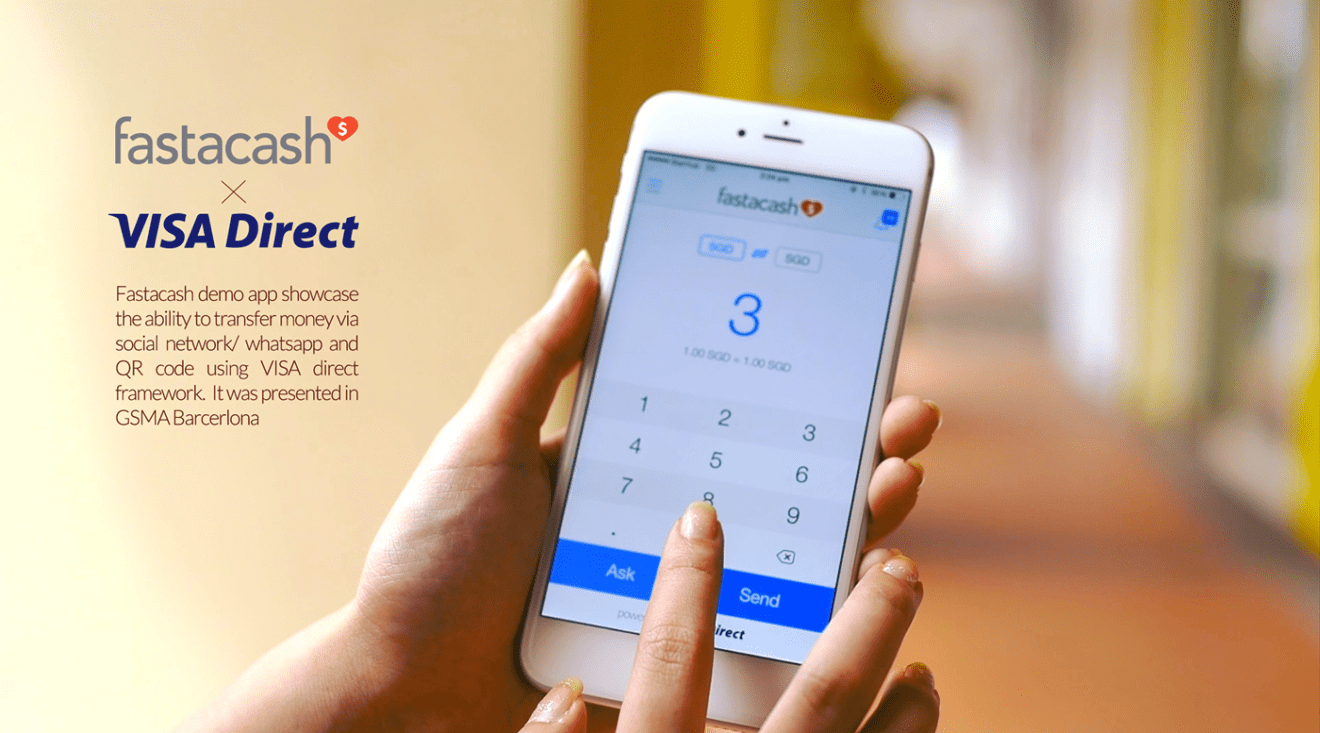
    Fastacash, a global platform enabling payments across social networks, has made a strategic investment in Myanmar focused company, MyPAY.

    MyPAY, which is developing a mobile payment system, also has a strategic partnership with MySQUAR,  a social network in Myanmar with approximately 1.5 million user accounts.

    Along with the investment, fastacash will also provide the technology platform to MyPAY to enable payments through the social network. fastacash will also support MyPAY’s go-to-market activities, including market insights and global partnership management.

    Through the fastacash platform, anyone using MyPAY will be able to transfer money, and airtime to their social connections, and make payments at retail points. MyPAY is expected to leverage MySQUAR’s user base of approximately 1.5 million user accounts.

    “In MyPAY we have found a strong local partner. Together we will make social payments a reality – for the very first time – in one of the last large untapped markets. Building a presence in Myanmar is aligned with our strategy to be a global leader in social payments, given Myanmar’s prominence as a large domestic market and receive market for global remittances,” said Vince Tallent, Chairman and CEO of fastacash.

    We see tremendous opportunity for both peer-to-peer and person-to-merchant payments in Myanmar. Together with fastacash, MyPAY is going to introduce a mobile money app, compliant with Myanmar law, to make payments easier for consumers and merchants in Myanmar. With fastacash’s technology, we are able to leverage social networks such as MySQUAR. Together, we are empowering a connected market where ninety percent of people are unbanked and underserved by traditional financial institutions,” said Nicolas Nguyen, CEO of MyPAY.

    Myanmar is one of Asia’s fastest emerging economies, with its gross domestic product (GDP) rising 8.5 percent in FY2014 (IMF), and forecast to rise 7.7 percent in FY2015. McKinsey estimates the country’s economy will quadruple from US$45 billion in 2014 to US$200 billion by 2030. Economic growth in the country is expected to be tied to demographic trends and mobile and social penetration.

    The country’s young population, with 47% under the age of 24, are expected to drive the consumption of mobile and social networks.

    Myanmar’s mobile penetration is estimated to rise from 10.5% in 2014 to 57% in 2016, boosted by the entry of foreign telecom companies. Mobile is expected to present a huge opportunity for Myanmar; by 2016 nearly 15 million people will be able to access the internet, mainly via their mobile devices. As only 4.8% of citizens have a bank account, a large opportunity exists for mobile money services.

    fastacash has live services in India, Indonesia, Russia, Singapore and Vietnam. Through partnerships with banks, money transfer operators, mobile network operators and social networks, it builds social payment capabilities within their services and mobile applications. Its partners include financial institutions such as DBS Bank (Singapore), Axis Bank (India), Oxigen Wallet (India), Techcombank (Vietnam), Doku (Indonesia), MOBI.Dengi (Russia), as well as VISA Europe.

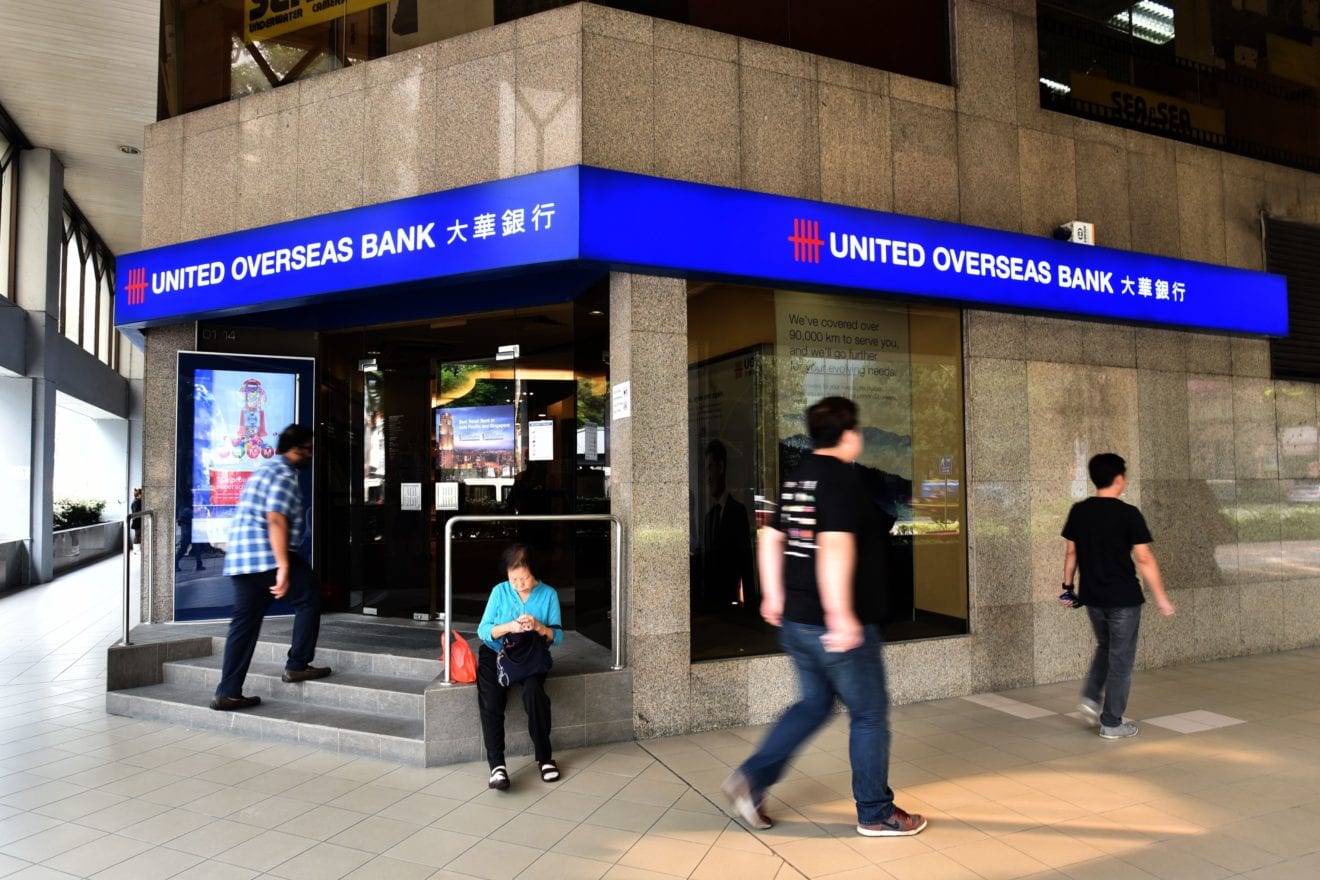
  • UOB sells Brunei retail banking business to Baiduri Bank for $46.6m

    UOB sells Brunei retail banking business to Baiduri Bank for $46.6m

    With the approval of a court declaration, banking and credit facilities made to customers of UOB Brunei and the current, saving and fixed deposit accounts maintained by the clients of UOB Brunei will be transferred to Baiduri.

    According to UOB, the sale consideration of $46.6 million, less the deposits in transferred accounts, will be settled as a cash payment. Arrived at on a willing-buyer-willing-seller basis, it took into consideration account income potential and estimated loan defaults of the retail banking business.

    The sale is part of a move to “rationalise its businesses and operations to achieve cost efficiencies and to focus on building a business platform that is consistent with the business prospects in the country”.

    According to official statements, the sale of its Brunei retail banking unit is also not expected to have any impact on UOB Group for FY2015.

    UOB Brunei will continue to offer wholesale banking services to Brunei clients, as well as continuing its asset management presence there through UOB Asset Management.

    This latest move gels with UOB’s aim of developing itself as a super-regional bank and growing its presence in the Asia Pacific (APAC) region, given the opportunities presented by the growth narrative defining the current economic climate of the region – notwithstanding China’s market turbulence – and the growing middle class of the region.

    In August 2014, Wee Ee Cheong, the CEO of UOB, explained to The Straits Times that due to the acquisition of Overseas Union Bank (OUB) in 2001 and its integration into the UOB Group, the large market concentration in Singapore forced them to take a regional growth approach. Wee had told the Straits Times: “How would the group grow from there? And so we said it would be timely for us to expand regionally to have an effective presence in South-east Asia.”

    Wee explained: “…growing our intra-regional businesses would make our earnings more sustainable and deepen existing relationships. If I have a regional banking relationship with my customer and the banks with me in Indonesia and Thailand because of my footprint, it will be easier for us to grow the banking relationship.”

    Since 2013, its profit growth has become skewed to foreign markets beyond its base and global headquarters in Singapore. The divestment reflects a move to consolidate its holdings in the region, as Brunei is the smallest market in the Southeast Asian region. This move is aligned with its decision to pursue organic growth and M&A opportunities as part of expanding its business operations.

    In June 2015, it disclosed that it was in the process of pursuing a digital revamp, given the recent growth of the worldwide financial technology space. As of 21 October 2015, a Bloomberg quote placed its market capitalisation at S$32.03 billion (US$23 billion).

  • Peri-Peri Charcoal Chicken goes global

    Peri-Peri Charcoal Chicken goes global

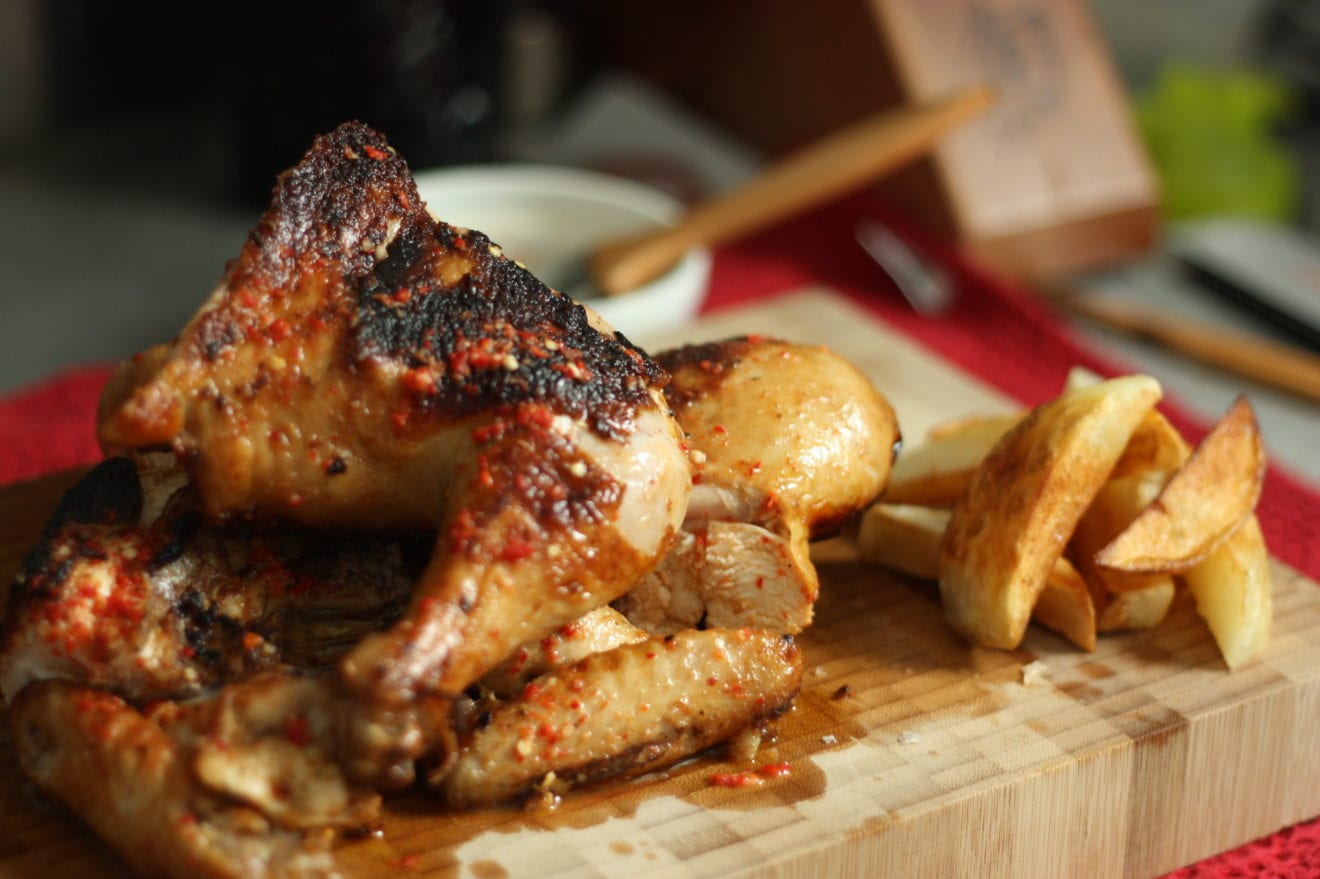
    After 10 years serving Filipinos, Peri-Peri Charcoal Chicken & Sauce Bar has opened its first store overseas and says more will follow.

    The popular quick service restaurant concept has opened in Myanmar, the first test in an offshore market.

    Parent I-Foods Inc, which also owns the Stackers Burger Cafe, Kogi Bulgogi and Wafu, says more stores will follow in other markets, with a focus initially on Southeast Asia.

    “We entered Myanmar and we opened two weeks ago. It’s a good market,” I-Foods owner Bryan Tiu told a press briefing.

    He said the chicken concept is one that can be appreciated by anyone, making it an idea export concept.

    With Myanmar only recently opening its doors to foreign businesses, Peri-Peri Charcoal Chicken & Sauce Bar has the advantage of being an early arrival and establishing a solid customer base before larger competitors come along.

    Meanwhile, the chain is continuing its expansion in its home market. Last month it opened its largest restaurant yet, in Capitol Commons in Pasig.

    Peri-Peri Charcoal Chicken & Sauce Bar also has branches at SM City North Edsa Annex, Promenade Greenhills and Robinsons Mall Bacolod, with others soon to open at SM Megamall, Solenad Mall in Nuvali and Eastwood City Mall.

    The concept is based on grilled chicken marinated in a blend of herbs and spices sourced from Africa and served with a selection of eight sauces ranging from hot and spicy to mild.

  • Central Bank of Myanmar plans first real-time payments system

    Central Bank of Myanmar plans first real-time payments system

    The Central Bank of Myanmar (CBM) plans to introduce a real-time gross settlement (RTGS) system by the end of 2015.

    Deputy governor Winston Set Aung says the country’s first ever RTGS will help to reduce the size of the cash economy, as the system will allow transfers between banks to be settled immediately.

    An unnamed CBM official adds that RTGS will also support capital market development, making it easier and safer to trade stocks and bonds.

    Last year, CBM worked with NTT Data to develop a new core banking system for the settlement of government bonds, funds and collateral management. The project was funded by the Japanese government, and was part of CBM’s plans to establish a fully modernised financial sector.

    At that time, Asako Toyoda, senior manager for the Myanmar core banking project team at NTT Data, said: ‘The team suggested that the IT vendor that established the Bank of Japan’s BOJ Net [an RTGS system in Japan], which was NTT Data, should develop the CBM Net application too, and CBM agreed on it.’

    In Myanmar’s move to modernisation, CBM has the backing of the Japan International Cooperation Agency (JICA) and the World Bank. CBM is also assisting local banks and foreign banks’ branch offices in preparation of the new system.

    According to the Myanmar Times, only about 5-10% of Myanmar’s population has access to any form of banking services.

    In addition to CBM’s work, the Yangon Stock Exchange, Myanmar’s first modern bourse, is set to open in the first week of December. At present, the government issues treasury bonds, but these are illiquid, and the nation has no corporate bond market yet.

    Also, the Myanmar Payment Union (MPU) is upgrading its retail payment and settlement system, to help promote card payments. The organisation’s 21 member banks first offered debit card services in 2012 and introduced credit cards earlier this year.

  • Daraz targets frontier Asian markets

    Daraz targets frontier Asian markets

    Online retailer Daraz is investing $56 million into creating beachheads on so-called ‘frontier markets’ in Asia: Myanmar, Pakistan and Bangladesh.

    Daraz is the leader in online retail in all three markets, selling apparel, accessories, shoes and beauty products for men and women, as well as a wide variety of electronics and general merchandise.

    The company is part of the Rocket Internet group which also owns Zalora and Foodpanda.

    It is planning a ‘mega sale’ on November 27, something like Amazon’s Black Friday in the US, offering a slew of special deals in the three Asian nations.

    Bangladesh, where it is putting most of its focus currently, will get the majority of the marketing spend, where it is partnering with local apparel brands such as Bata, Yellow and Ecstasy, as well as tech partners.

    Daraz Bangladesh chairman Sumeet Singh says the local site is attracting around 2 million visitors a month.

  • Myanmar retail sector ringing up sales

    Myanmar retail sector ringing up sales

    Rising incomes, an expanding economy and changing consumer patterns are attracting a growing number of international brands to Myanmar. By fuelling competition amongst existing players, their presence is expected to trigger an improvement in the range and quality of products and services on offer.

    International attention has been driven by bullish retail growth, which has expanded by an average rate of 7-15% per annum since 2011.

    Daw Win Win Tint, managing director of leading retailer City Mart Group and president of the Myanmar Retailers Association, told OBG international bands are attracted to Myanmar’s strong economic growth and increasing consumer purchasing power.

    “The average basket of goods continues to grow by around 10% per year mainly due to increasing spending power in urban cities, especially Yangon, where salaries have risen significantly,” she said.

    Fast moving

    Several international brands have made forays elsewhere the retail supply chain, making strategic greenfield investments in local processing. In the fast-moving consumer goods (FMCG) segment, Carlsberg and Heineken both opened brewing factories in Myanmar earlier this year through joint ventures with local partners, and Japan’s Kirin acquired a 55% stake in market leader Myanmar Beer for $560m in August.

    While modern retail currently accounts for just 10% of the FMCG segment, Daw Win Win Tint expects restrictions on foreign retail chains entering the Myanmar market to be lifted sometime in the future. As local purchasing power grows and Myanmar consumers have greater exposure to foreign brands via the internet and international travel, demand in the FMCG segment in particular is expected to rise.

    “There needs to be more awareness of the potential of the FMCG sector, as Myanmar has a population of approximately 51m and the prospects of becoming a manufacturing hub for South Asia,” she told OBG.

    Rising tide of consumerism

    Industry observers forecast a surge in consumer activity in the coming years, with the McKinsey Global Institute predicting in mid-2013 that Myanmar’s GDP would expand by more than four-fold by 2030, from around $45bn to $200bn. The group also predicted that rising incomes would fuel expansion of the country’s consumer class, jumping from 2.5m to 19m over the period, with consumer spending to triple to $100bn per year.

    As the country liberalises its retail market, the division of consumer spending between domestic and international retailers could see a shift. Local consumption habits continue to favour local products, though this is largely due to availability. In the beer segment for example, Myanmar Brewery accounts for more than 80% of sales.

    Though Myanmar consumers may welcome the entry of new brands and chains, such a transformation is likely to be a strain on current operators, who will have to contend with high-profile rivals with international experience and economies of scale. This will force local retailers to adapt to the changing market, which should bolster the portfolio products on offer and promote market efficiency.

    Consumer spending

    In addition to the prospect of greater competition, a decline in consumer confidence has the potential to cool sales in the shorter term. Though consumer sentiment in Myanmar remains among the most positive in the region, according to the most recent MasterCard survey, there has been a recent dip in the outlook of shoppers.

    Myanmar’s rating on the latest consumer confidence index, issued at the end of July, slipped from a regional high of 97.2 in mid-2014 to 81.6. Although still ahead of the South-east Asian average of 71 – second only to Vietnam – the 15.6-point drop was one of the sharpest recorded over the period. Although Myanmar’s position on the MasterCard index may have eased somewhat, any rating above 50 suggests that consumers remain optimistic.

    Weaker sentiment could be due in part to upcoming elections, scheduled for November, though increasing inflation is also likely to be a factor. According to the IMF, inflation reached 8% at the end of May. While low compared to an average of 23% between 2001 and 2010, this represents an increase from the 5% and 6.1% registered in FY 2011/12 and FY 2012/13, respectively.

    The ongoing depreciation of the kyat and crackdown on dollarisation could also be impacting consumer confidence, with the currency falling some 25% year-to-date against the US dollar in August. In addition to affecting the price of foreign goods, this downward movement has also increased the cost of local goods that rely on imported components.
     

  • Myanmar National Airlines connects to Sabre

    Myanmar National Airlines connects to Sabre

    Myanmar National Airlines will now distribute its fares via Sabre

    Myanmar National Airlines‘ expansion strategy has taken another step forward, with the signing of a new distribution deal with Sabre.

    The Yangon-based airline started distributing its fares to travel agents last month via the Amadeus GDS, and it will now be able to access even more travel agents with the Sabre GDS deal. Effective immediately, the carrier’s fares and inventory will be made available to more than 100,000 Sabre-connected travel agents across the Asia Pacific region.

    “This agreement will help us to stimulate demand within the most important retail sales channel for Myanmar, supporting our ambitious expansion plans,” said Captain Than Tun, CEO of Myanmar National Airlines.

    “Shopping for flights to our 26 corporate and leisure domestic destinations becomes easy and more transparent, while we also promote our new international routes which have just started with Singapore.”

    In recent months Myanmar National Airlines has started taking delivery of a new fleet of modern aircraft, and also launched its first international services to Singapore. It now plans to add four more international destinations within the Asia Pacific region by early 2016.

    “Myanmar has become a strategic growth market in Southeast Asia for both tourism and trade. This agreement with Myanmar National Airlines provides travel agents across the region with access to the full domestic network, while the flag carrier enjoys a boost in ticket sales,” said Hans Belle, Sabre Travel Network’s vice president of supplier commerce & strategic partnerships for Asia Pacific.

  • H&M positive to the uniform minimum wage set in Myanmar

    H&M positive to the uniform minimum wage set in Myanmar

    At H&M, It is positive to the uniform minimum wage that has been set by the Government. A uniform minimum wage across all industries is essential for the sustainable economic development not only for the textile industry but also for the country as a whole.

    H&M also believes that the minimum wage should be reconsidered through an annual review mechanism, which is inclusive of key stakeholders. It aims at laying the foundation for a vibrant tripartite industrial relation and wage level negotiations process based on transparency, inclusiveness and peaceful negotiation.

    The above has been addressed in two joint letters to the Government of Myanmar. H&M has also met with the Ministry of Labor and expressed the expectations about setting minimum wage levels and annual review mechanisms to ensure that workers receive a fair wage.

    H&M’s role is to contribute to a working environment in the factories where a skilled workforce has their wages annually reviewed and negotiated. It is believed that meaningful collective bargaining is very important and are looking at ways to strengthen it. Workers’ ability to organise and negotiate about their rights is key to improve working conditions. That is why   industrial relations has set as one of our main sustainability focus and will launch a project to strengthen industrial relations in Myanmar in 2015.


  • Myanmar sets daily wage minimum to boost apparel manufacturing

    Myanmar sets daily wage minimum to boost apparel manufacturing

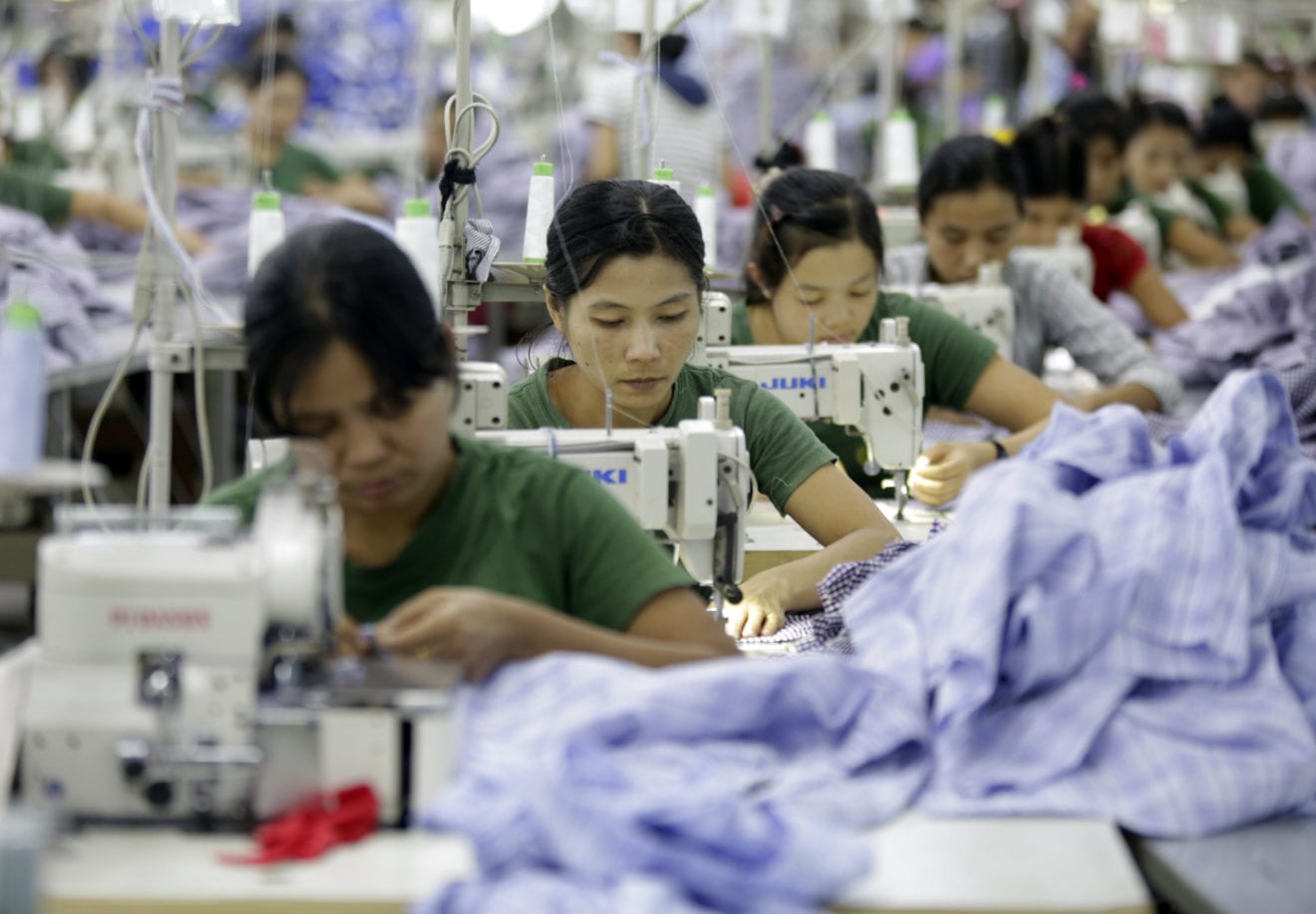
    Last year Gap Inc. was the first U.S. retailer to return to Myanmar for its apparel manufacture, a major sign of the potential return of the country’s once-thriving garment industry.

    But demonstrations by labor unions over working conditions and pay have hampered progress in the three years since U.S. sanctions were lifted, after which Myanmar also attempted its first minimum wage boost.

    Even with the increase in minimum wage that is apparently acceptable to most labor groups and factory owners, Myanmar will still have among the lowest wages in the world. And its standards for factory conditions are seen as lower than in Bangladesh, the site one of the deadliest garment factory collapses in history.

    The government was under pressure not to raise the wage too high out of fear that retailers would turn to South Korea, China, and other countries with established manufacturing. The wage is for eight-hour days in a six-day week; it doesn’t address overtime pay or working conditions. Last year Myanmar exported $1.5 billion of clothes and materials, up from $1.2 billion in 2013 and $947 million in 2012, according to the Global Trade Atlas.

    Still, the stability and the raise, if slight, is seen as an encouragement to more investment by U.S. and other apparel retailers, which can now count on an official wage structure to help them determine costs. Gap and H&M already source goods from there. The country’s economy is predicted to grow 8% this year, according to the World Bank.

  • Krispy Kreme to open 10 shops in Myanmar

    Krispy Kreme to open 10 shops in Myanmar

    Krispy Kreme announced this week that it is set to open 10 shops in Myanmar over the next five years.

    Dan Beem, Krispy Kreme’s Senior Vice President and President – International, said with a growing economy and a population eager to welcome global brands, the time is right for the company to bring its sweet treats to Myanmar.

    The company has signed a development agreement with Singapore-based Doughnut Group Pte. Limited.

    “We’re confident the Krispy Kreme experience will be as meaningful in Myanmar as it is in Memphis or Manila, or anywhere else around the world where our signature sweet treats and coffee are served,” said Pote Narittakurn, owner of Doughnut Group Pte. Limited

    Krispy Kreme has more than 1,000 retail shops in 24 countries. Its  fundraising program has, for decades, helped non-profit organizations raise millions of dollars in needed funds.

  • Myanmar’s MySQUAR raises $2.6m in London listing

    Myanmar’s MySQUAR raises $2.6m in London listing

    MySQUAR, Myanmar’s only social media platform in the local language, has raised $2.6 million, at a valuation of $27.8 million, through an initial public offering on London’s Aim.

    MySQUAR was looking to raise $2.5 million, via a London listing, at a valuation of $25 million. The report had quoted Shashi Fernando, Chief Executive Officer at Yonder and Beyond, the Australia listed global technology accelerator, that has 3 per cent equity holdings in MySQUAR,

    AIM is the London Stock Exchange’s international market for smaller growing companies. A wide range of businesses including early stage, venture capital backed as well as more established companies join AIM seeking access to growth capital.

    MySQUAR said it would use the funds to expand its product line, moving into news, information, financial and payment services in the future to augment its social networking and gaming products

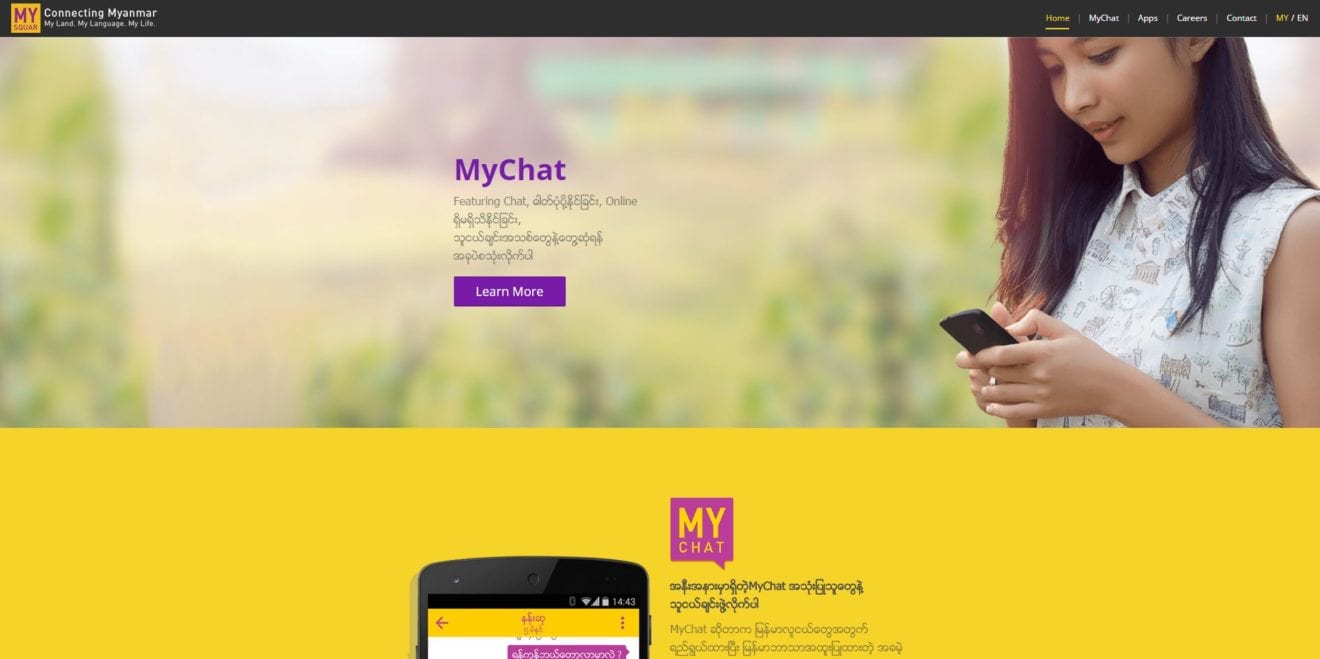
    In August last year, MySQUAR had unveiled its free mobile messaging app – MyChat – built solely for Myanmar.

    The successful listing comes off the back of MySQUAR’s significant growth within the Myanmar telecoms market. Its MyChat app was recently ranked fifth in Google Play’s top free applications store, with over 680,000 accounts on the instant messaging app. By the end of the year, the company expects the figure to have treble to 1.5 million users.

    “What we are seeing in Myanmar is a social revolution and it is gaining traction quickly,” said Eric Schaer, chief executive of MySQUAR. “A SIM card was hundreds of dollars three years ago and now is just US$1.50, making it easily attainable for the population. Although little over 30 per cent of Myanmar’s 60 million population has a handset, the penetration rate is expected to hit 100 per cent in the next five years. We are in a fantastic position to capitalise on this growth and the market has confirmed our position,” he added in a statement.

    Post the listing, Yonder & Beyond’s 3% is worth $845,000, which represents a value up-lift of 24% in four months. “MySQUAR is one of the most exciting companies within our portfolio and this listing provides us with a significant return on our investment,” said Shashi Fernando, chief executive of Yonder and Beyond, in a statement. “It continues to grow at a rapid rate. Through its listing on AIM, they are allowing investors to access the Myanmar market, as well as enabling MySQUAR access to growth capital,” he added.

    MySQUAR intends to expand its product line and Schaer said he was confident that the company would break-even in 2018. The firm intends to move into news, information, financial and payment services in the future to augment its social networking and gaming products.

    By 2019, MySQUAR expects to capture and keep 30 per cent of Myanmar’s connected population continuing its rapid growth trajectory.

    Last year, techinasia, had an interesting post, where MySQAR’s erstwhile Canadian founder claimed she was ousted in a ‘hostile takeover’ of the social media platform. The report further quoted a blogpost titled, ‘When investors turn into bullies’, where Rita Nguyen, founder and former CEO of MySQUAR, had said that her co-founder Nguyen Quynh Anh, and she were “locked out” of the company. Another report, in local media, had said that Rita Nguyen, who had been named one of Forbes’ Asia Power Businesswomen, had taken down this blog post, on June 17, a week after she had uploaded the same.

    Earlier this year, Myanmar granted mobile licenses to Telenor and Ooredoo after these two companies were selected last year following a bidding process, becoming the first foreign mobile phone companies to operate in the country. Their rollout of services has seen Myanmar’s low mobile phone penetration rise rapidly over the last few months.

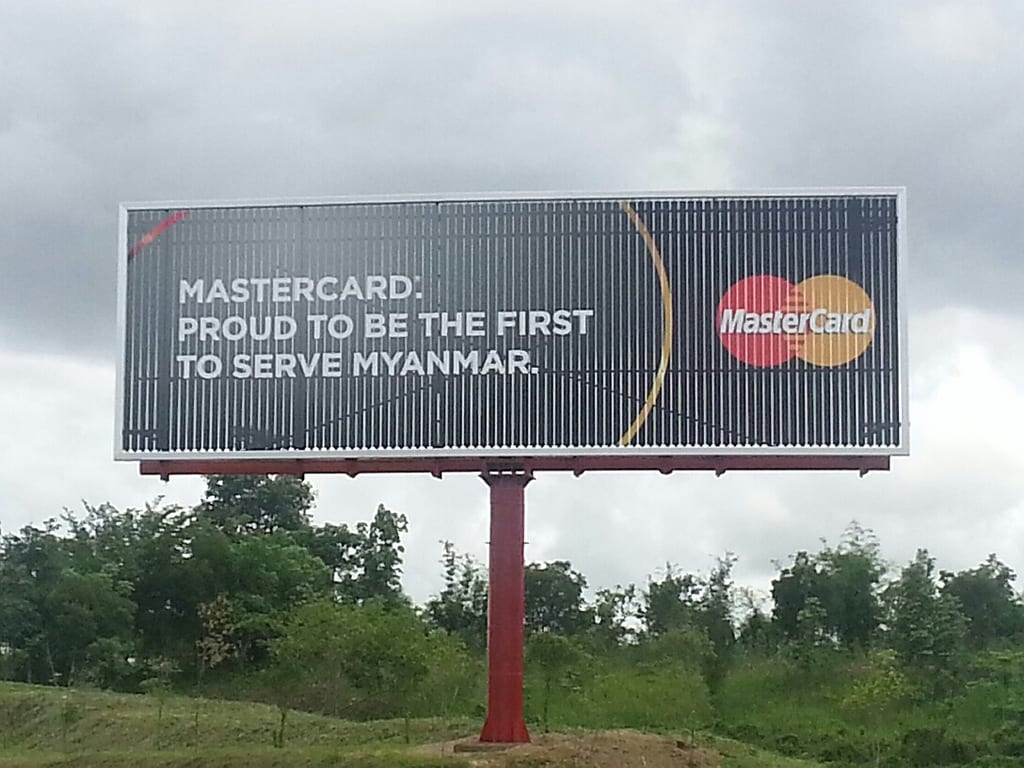
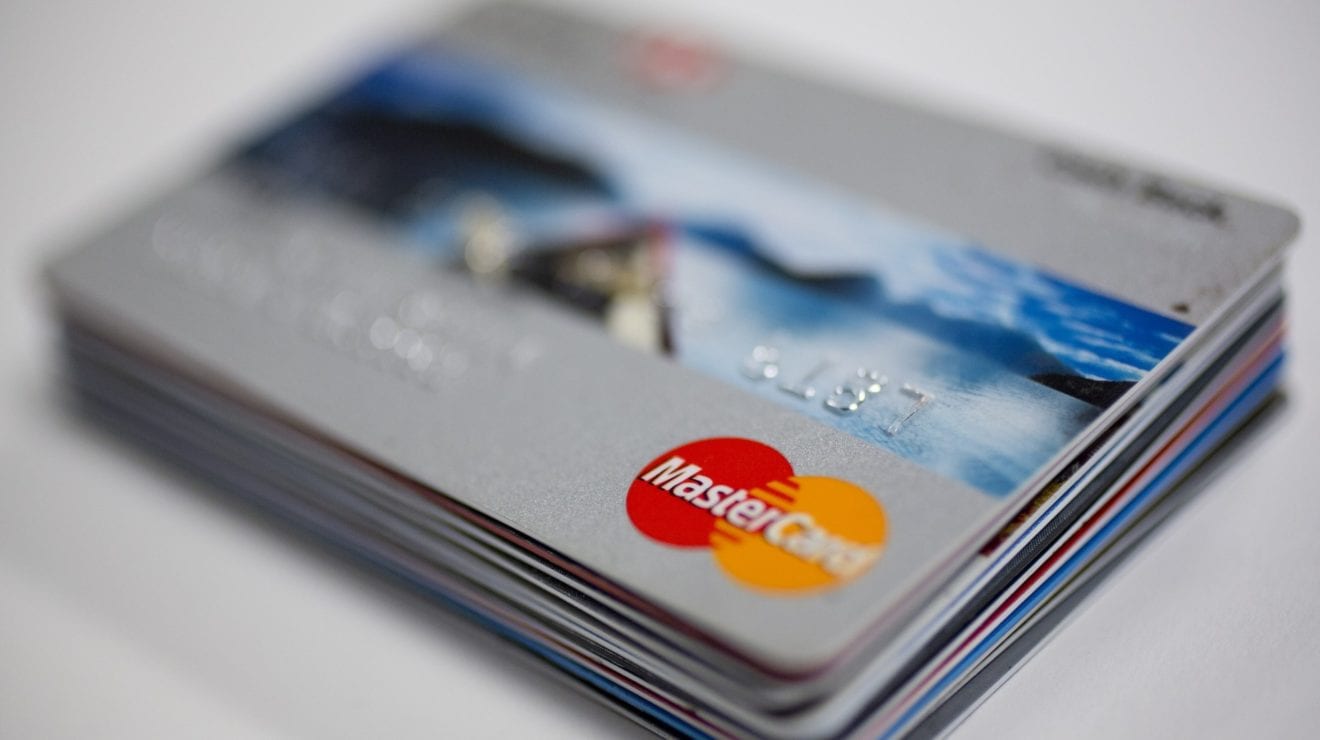
  • MasterCard expands in Myanmar

    MasterCard expands in Myanmar

    Its launch comes exactly three years on from the lifting of sanctions in Myanmar and affirms MasterCard’s commitment to  provide safer and easier ways for Myanmar residents to pay for their travels.

    The new prepaid card is also timely given the latest MasterCard survey on consumer purchasing priorities in travel indicates that three out of five Myanmar consumers surveyed intend to travel within the next 12 months (either as much, or more than they did in the past 12 months).

    The MAB Travel Prepaid MasterCard provides a secure way for consumers to make payment when travelling overseas for leisure, business or education, and also when shopping on e-commerce sites.
    “We know that leisure travel and shopping are on the rise among Myanmar citizens and we hope this product will help to meet their needs,” said Win Min Khine, managing director, Myanmar Apex Bank.

    MasterCard country manager, Thailand & Myanmar, Antonio Corro said: “Myanmar’s gradual opening up presents many opportunities for entrepreneurship and commerce to flourish, and their progressive participation in the global payments system that MasterCard enables not only aids the development of the local payments landscape, but also facilitates global connections.”

    Since 2012, MasterCard has launched prepaid cards together with Co-operative Bank, Kanbawza Bank, Ayeyarwady Bank and Myanmar Citizen Bank with 2C2P, the last of which was also Myanmar’s first smartphone-enabled Prepaid Card.

    At present, more than 2,000 restaurants, retail outlets and hotels in Myanmar accept payment cards.

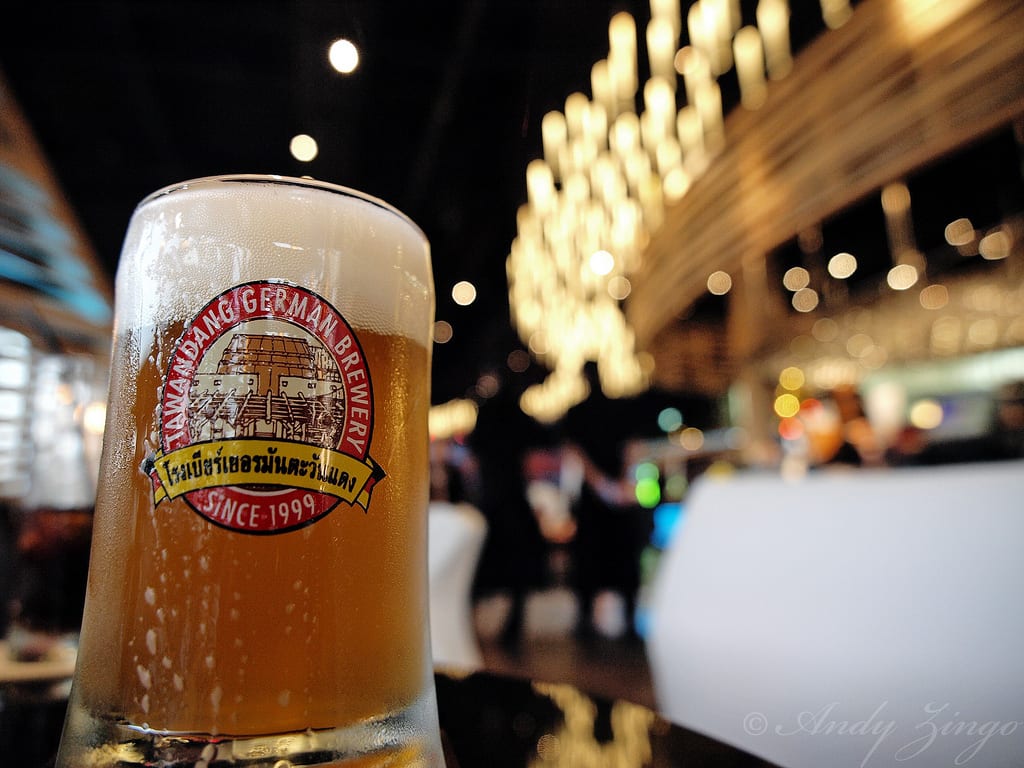
  • Tawandang eyes foreign expansion

    Tawandang eyes foreign expansion

    Thai-based brewery restaurant chain Tawandang is planning further expansion at home and abroad as its concept gains favour with consumers.

    There are currently three Tawandang Germany brewery restaurants operating in Bangkok, with a third scheduled to open on August 7. The first two are located on Rama III and Ram Intra, and the third will open on Chaeng Watthana Rd.

    Tawandang also has breweries in Singapore and Cambodia and a restaurant in Australia.

    In an interview with the Bangkok Post newspaper, CEO Supote Teerawatanachai said the company is now considering expanding into Myanmar and the UK.

    Meanwhile, a further two outlets have been confirmed for Bangkok over the next five years- one at Srinakarin and the other at Bang Khae, each outlet to cost about 200 million THB (US$5.7 million)

    The new Chaeng Watthana Tawandang brewery restaurant features 5000 sqm of space and a dining hall which can seat 1200.

    “The brewery business has shown significant growth every year we have operated,” Supote told the bangkok Post.

    “Even though spending per head may be down because of the poor economy, we believe our sales this year will grow 15 per cent as expected from more new clients and a bigger customer base.”

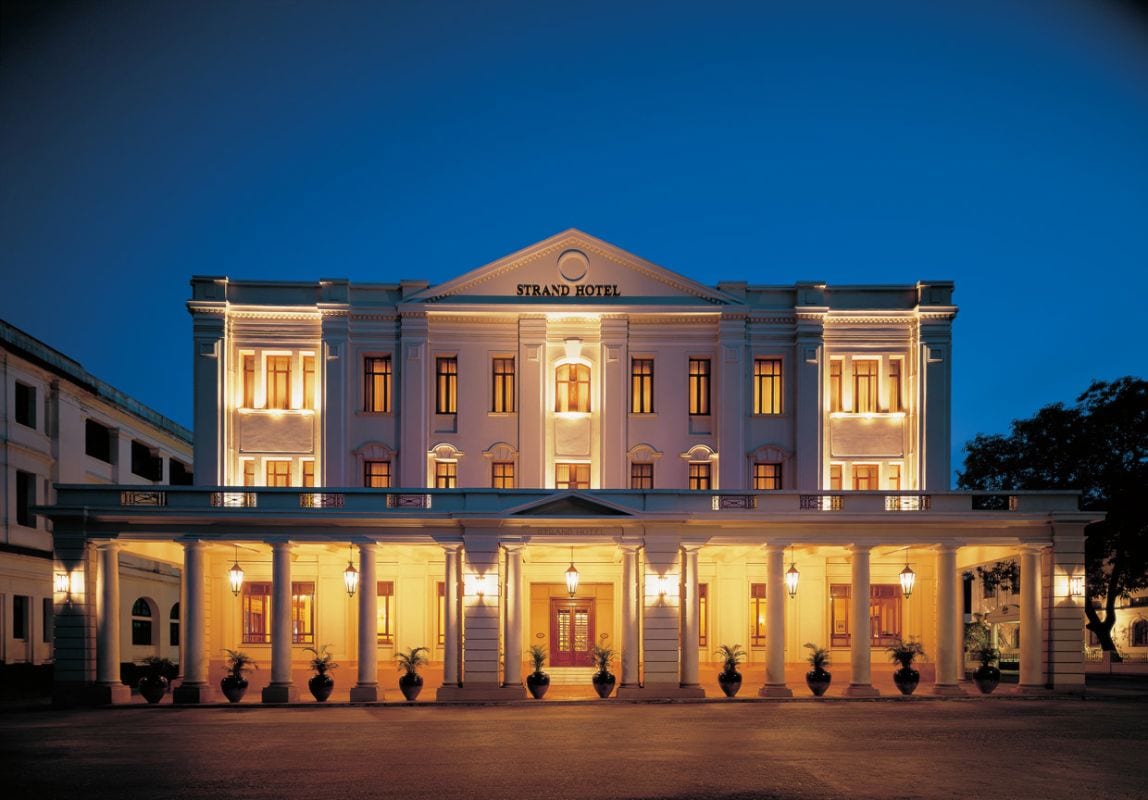
  • The Legendary Strand Hotel Takes To The Waterways Of Myanmar

    The Legendary Strand Hotel Takes To The Waterways Of Myanmar

    The heritage of the iconic Strand Hotel in Yangon now extends to the Ayeyarwady River in Myanmar with the launch of The Strand Cruise. In early 2016, a new luxury river cruise is brought to one of Myanmar’s most visually captivating waterways steeped in history. Built locally, the vessel will offer 27 cabin suites and 24 hour butler service. The luxurious ship will also host a spacious pool deck, wellness center and wine tasting corner as well as gourmet á la carte cuisine in a restaurant with panoramic views of the river.

    The Strand Cruise is an authentic cruise experience offering exclusive and unique onshore tours curated intelligently to reduce ground transportation time andto enable maximum relaxation on-board – all while the ship is continuingly moving at the foot of the landmarks it visits.

    A schedule of regular sailings of three and four nights between Bagan and Mandalay will commence in early January 2016. Also known as The Elephant River, The Ayeyarwady River flows through the center of Myanmar and its banks are lined with hundreds, if not thousands of temples, stupas and nats. The Strand Cruise will moor in exclusive locations along route, right by Old Bagan itself, as well as at the foot of one of the most ancient Buddhist monasteries on Sagaing Hill when in Mandalay, and at a remote and picturesque riverbank for a private farewell dinner.

    The Strand Cruise will have 10 Deluxe Cabins, 13 Strand Cabins, two State Suites and two Strand Suites. The spacious cabins each with floor to ceiling windows and outdoor balconies are tastefully decorated with Burmese craftsmanship and Teakwood floors and furnished with pieces of original, local art. Each cabin offers an en-suite bathroom, complimentary Wi-Fi and international TV channels.

    Special activities for guests include evening BBQ’S on the upper deck as well as outdoor afternoon tea. The upper deck will include a wine tasting corner with temperature controlled cellars and on-board sommeliers creating special pairing menus for all occasions. The Lounge and Library will showcase exclusive cocktails made famous at the sister property, The Strand Hotel. The Spa facilities will offer massages and treatments in either individual rooms or double rooms for couples. A reflexology station on board will offer foot massages to help rejuvenate weary feet.

    “Having operated The Strand Hotel in Yangon for the past decade, we know that there has been a steady growth in demand from luxury travellers to explore the ancient monuments of Myanmar by using the Ayeyarwady’s waterways,” commented Jerome Seban, general manager of The Strand Cruise. “This demand presented us with an opportunity to reinvent the legendary style and unique personality of The Strand Hotel within a contemporary river cruise experience.

    “What makes a journey along the Ayeyarwady River so special is the fascinating landscape through which you glide, from ancient temples to daily life of the communities living at the water’s edge. Every aspect of The Strand Cruise is designed to echo this, with floor to ceiling windows welcoming in the views of the river banks and our colour palette reflecting the natural beauty of the waterways,” continued Seban. “We are working with Myanmar craftsman as much as possible and are using traditional materials such as locally carved teak, some of which will be detailed with gold leaf, connecting the golden age of the Strand to Myanmar’s golden land.”

    Named after its sister property the iconic Strand Hotel in Yangon, The Strand Cruise offers the same level of premium luxury in one of Myanmar’s most stunning destinations.