Tag: Myanmar

  • Foreign wine imports to hit Myanmar’s shelves

    Foreign wine imports to hit Myanmar’s shelves

    U Tin Ye Win, a commerce ministry director in Nay Pyi Taw, said three or four companies have been granted licences, and several more are in the process of applying, but have not yet met all the requirements.

    Premium Distribution Company has been importing wines from South Africa and Italy since late November and Loi Hein Group has been granted an exclusive licence to import Thailand’s Spy wines. “These suppliers are well-experienced and will influence the whole market,” U Tin Ye Win said.

    Further liberalisation will depend on whether wholesalers buy wine imports from the official suppliers, or choose to continue selling cheaper illegal imports, he added.

    Shops are not allowed to sell foreign-made liquor under the current laws. While large supermarkets stick to the rules, smaller shops sell a range of illegally imported foreign brands, such as Johnnie Walker. If sellers switch to legal wine imports, officials may soon allow foreign liquors to be distributed, U Tin Ye Win said.

    The commerce ministry also needs to discover which companies have been dodging taxes by, for example, paying for 100 bottles but importing 100,000. However, it remains hard to keep track of the exact number of bottles entering the country, he said.

    A Ministry of Commerce notification in March said importers must register for a company trading licence and must have a dealership.

    This means they must first secure their licence and then contract a dealership with one or more foreign wine companies, before applying for an FL11 licence from the General Administration Department. This licence allows distribution of foreign liquor brands, which are taxed at 82 percent – 30pc customs duty, 50pc commercial tax and 2pc income tax.

    Importers must pay tax on every bottle, and ensure that ingredients are displayed in English. They can only import by sea or air – not by land – and must declare the country of origin. Suppliers must also ensure that products are Food and Drug Administration-approved, and have a certificate of free sale from the Ministry of Commerce, industry sources said.

    Beyond the big suppliers, DTR Company was set up last April specifically to apply for a wine licence, and has been importing French wines since October. Managing director Ko Thiha Sitt said the company distributes six wine brands for K10,000 to K30,000 a bottle to wholesale, retail, bar, hotel and restaurant markets in Yangon and Mandalay. The company plans to expand to other tourist hotspots in the near future.

    “I understand that this will take some timeas we are in the period of transition, but strongly believe that the government will take serious action on illegal importations,” he said.

    In the past, the Myanmar Customs Department has held auctions of confiscated products at a discount to licenced products and revenues went to the Internal Revenue Department.

    Now the auctions are a thing of the past, and officials say they are toughening up. New tax labels are more secure, and tear as soon as the bottle is opened, he said. In addition, a unique code is printed on the labels of licenced importers.

    It was easy to re-use the old-style tax labels, by peeling them off and sticking them to new bottles, and people made money by collecting labels and selling them to wholesalers and retail outlets, said Ko Thiha Sitt. “We can now guarantee our products, so customers can’t complain,” he said.
  • JV plans 20 Pizza Hut Myanmar stores

    JV plans 20 Pizza Hut Myanmar stores

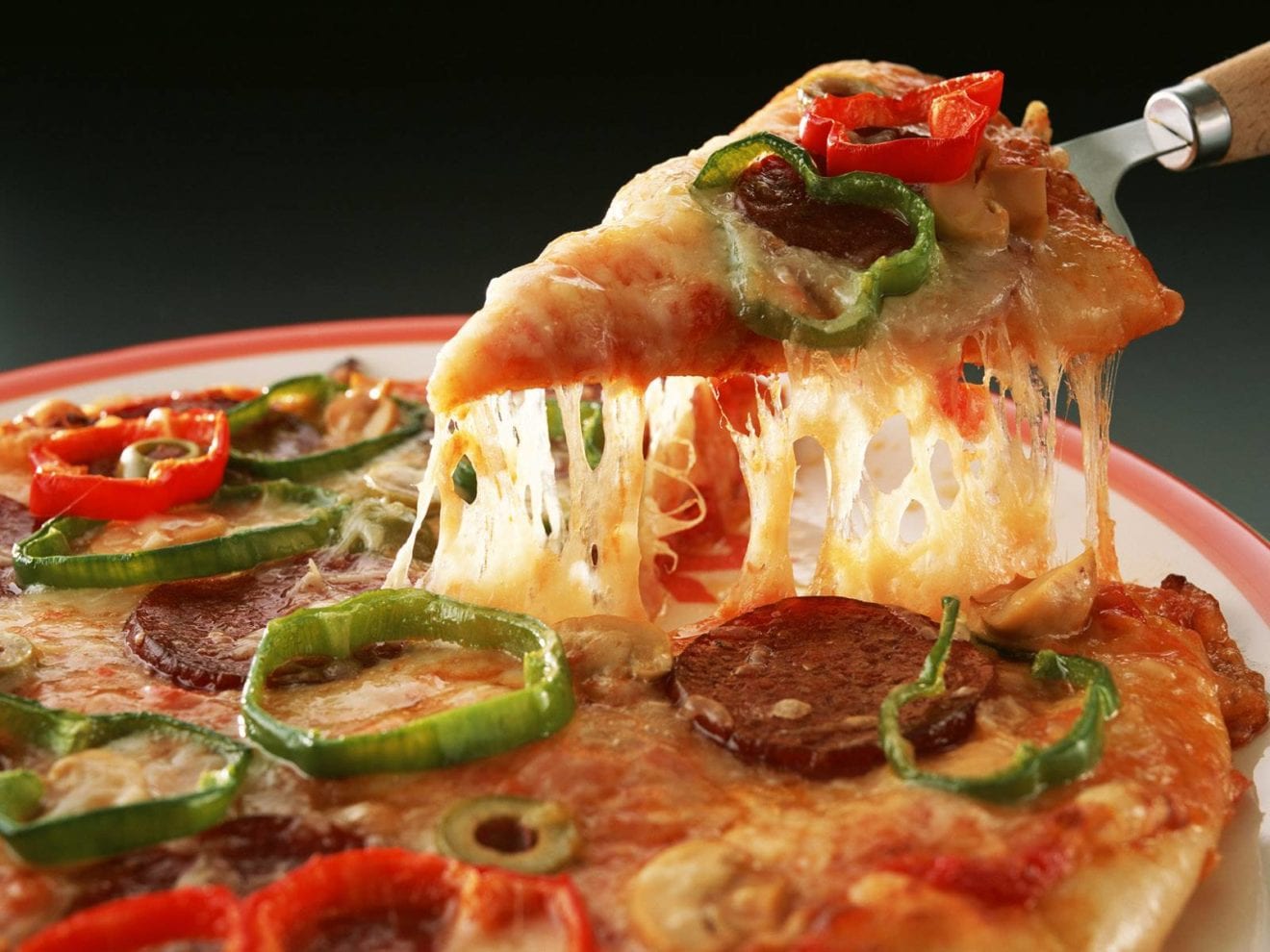
    Hong Kong’s Jardine Group says its Myanmar joint venture will open up to 20 Pizza Hut restaurants across the new market within five years.

    With the first outlet just opened in Yangon, the Jardine CM Restaurant Group plans a second in early 2016 with a gradual expansion thereafter as it tests the market. If sales are high, the rollout may be sped up, according to a company spokesman.

    Jardine CM Restaurant Group is a joint venture between Jardine Restaurant Group Myanmar and City Mart Holding, which owns the Pizza Hut Myanmar franchise.

    Simon Arnold (left), Daw Win Win Tint, UMFCCI chair U Win Aung, Henry Yip and Vipul Chawla (right) hold up pizzas at the launch of Pizza Hut Myanmar.

    Vipul Chawla, MD of Pizza Hut, Asia for parent Yum! Brands, says the company sees huge potential across Asia.

    “Pizza Hut has 25 restaurants for every million people in the US. In Asia we have 11 restaurants per million people. Myanmar has huge potential with a population of more than 50 million,” he said during the opening ceremony for the first restaurant.

    Jardine Restaurant Group operates more than 680 Pizza Hut and KFC restaurants across Vietnam, Taiwan, Hong Kong and Macau.

    Henry Yip, Jardine Restaurant Group CEO, says 97 per cent of the first store’s staff are local and a majority of its ingredients are sourced locally.

    “We are also investing heavily in training and career development to ensure global best practices.”

    Recipes in the restaurant have been tailored to the local palate without removing options which those who have dined in Pizza Huts elsewhere in the world will find familiar.

    “We have researched the tastes preferred by local customers, and tailored our recipes accordingly,” said Simon Arnold, Pizza Hut Myanmar GM.

    Jardine will not be taking KFC into Myanmar – that franchise partnership was secured by Yoma Strategic Holdings, chaired by Serge Pun.

  • Tony Roma’s Myanmar opens second location

    Tony Roma’s Myanmar opens second location

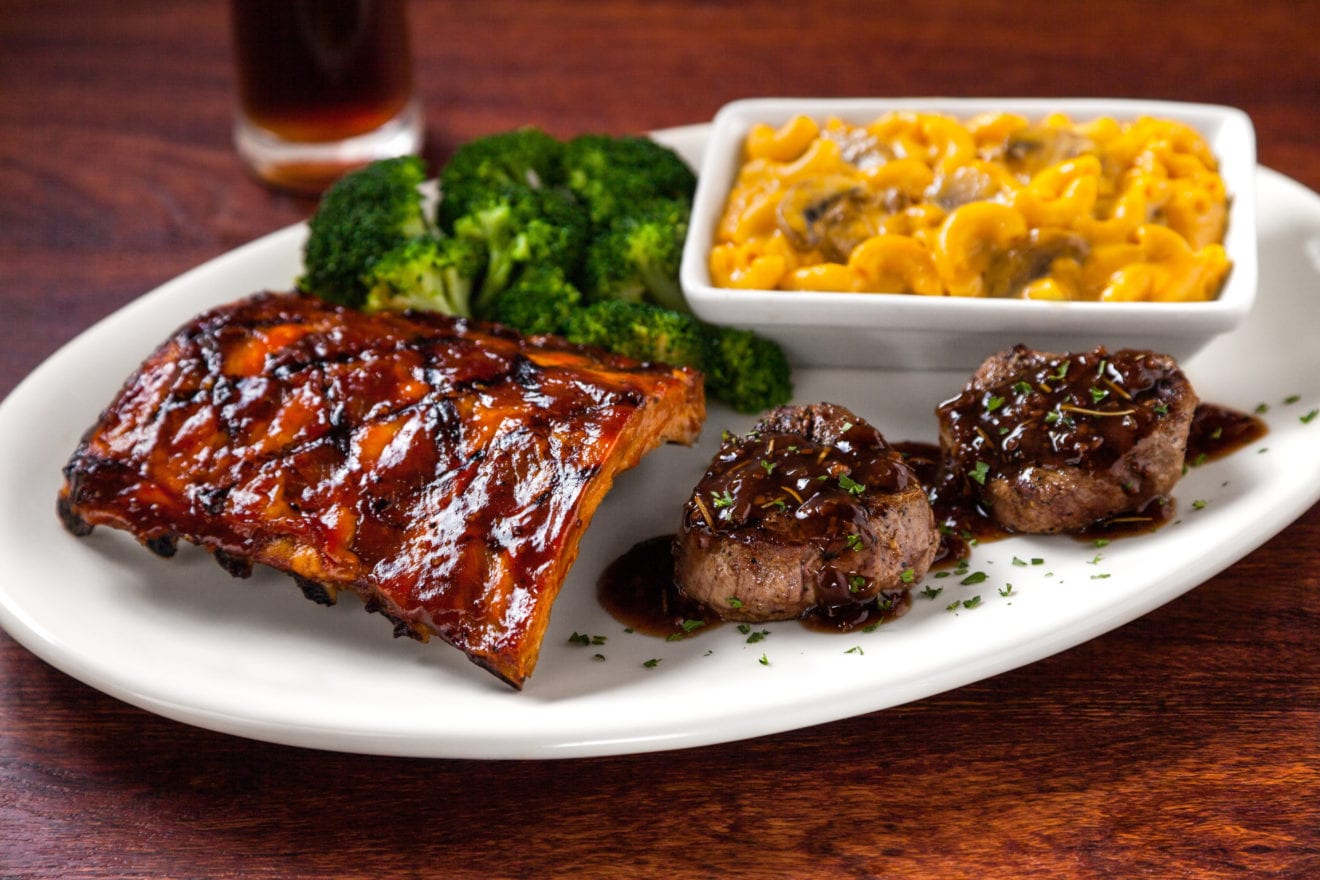
    Tony Roma’s Myanmar has opened its second restaurant in the fast-developing country.

    The first Tony Roma’s there opened earlier this year, and the response from the local consumer to the brand’s signature food and beverages has been tremendous, says Stephen Judge, president and CEO of Romacorp, Inc, Tony Roma’s parent.

    The second restaurant, like the first, is located in Yangon, the largest city in Myanmar, on Strand Square off Strand Rd, an epicenter of the city.

    “Our franchise partner, Apex Food and Beverage, knows the local market well, and we are excited to work with them to extend the reach of the Tony Roma’s brand in Myanmar and bring our world famous ribs to fans throughout Yangon,” said Judge.

    The restaurant is 457 sqm with 198 seats. The building is two stories and also includes covered outdoor seating. This location is situated near Sule Pagoda and Maha Bandoola Garden, two important landmarks in the Myanmar culture.

    “We opened our first Tony Roma’s in Myanmar to much success in January, and the delicious ribs and friendly atmosphere have been very popular, which is why we’re excited to open this second location,” said Kyaw Soe Win, Apex MD.

    Headquartered in Orlando, Florida, Romacorp has more than 150 restaurants in more than 30

  • Parkson expands into food to stem losses

    Parkson expands into food to stem losses

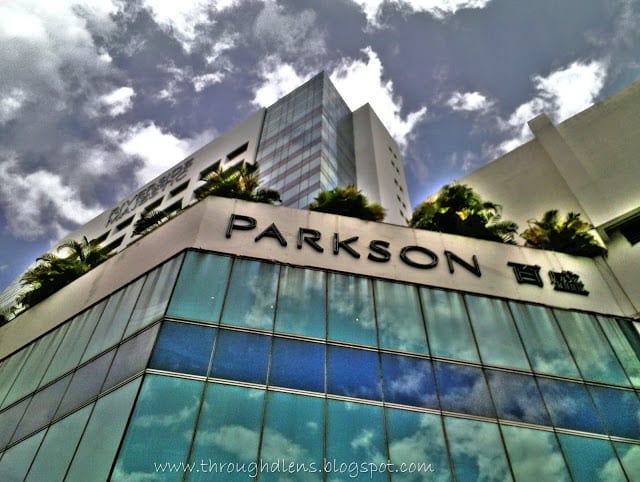
    Hit with a 15 per cent sales slump since the introduction of GST in Malaysia, embattled department store operator Parkson is set to enter new categories – gourmet food, supermarkets, beauty  – and import new fast fashion brands.

    The company has invested RM100 million (US$22.8 million) into a rebranding and repositioning project.

    It will also introduce variations of its reform into other countries where it operates: Vietnam, Indonesia, China, Myanmar and Cambodia.

    Parkson Retail Asia director Datuk Magic Lee said in a media briefing that the group expected sales to fall as much as 15 per cent after GST came into effect and that the company has also been hit by a heavy devaluation of the ringgit.

    “We will keep doing this. Retail needs to keep changing or it will get boring. We will continue investing in new businesses, bringing in new brands, even in food and beverage. We plan to bring in a bakery in the future.”

    Parkson plans to launch three “affordable” fast fashion brands from Korea into Malaysia soon, targeting about RM60 million in annual sales from the stores in stores. Those brands are Spao, Mixxo and Who.A.U. The first concessions will open on November 27.

    Lee says the company plans to build a portfolio of about 100 brands in its apparel offer and will also continue to open new stores throughout the region.

    “At the moment, we are very aggressive in South-East Asia. In Malaysia, we open three or four new outlets each year, and in Indonesia between three and five outlets,” he said.

    “In Southeast Asia, we are still fairly competitive. Competition here [in Malaysia] is not so severe. Many strong brands have not come to Southeast Asia yet, so we can bring these brands in.”

    Lee says while the company expects the weak consumer sentiment in Malaysia to continue, the company plans to remain proactive “so when the market is ready, we are ready too”.

    He hopes the rebranding campaign will fuel at least a 50 per cent rise in sales year on year.

  • Moreh gets first shopping complex

    Moreh gets first shopping complex

    Manipur’s Moreh which borders Myanmar got its first multi-storied shopping complex on Wednesday. Deputy chief minister Gaikhangam, who also holds the home portfolio, inaugurated the complex that comprises 82 shops, a car parking site, a conference hall and a food court.

    The gateway to South East Asia, Moreh, in tribal-dominated Chandel district, sees business of around Rs 5 crore daily.

    The Rs 21-crore shopping complex, set up under the aegis of the ministry of commerce and industries, is located near border gate number 2, one of the busiest areas in Moreh and 110 km from Imphal.

    Addressing the inaugural ceremony, Gaikhangam emphasized on the need for peace and harmony to enhance commercial activities in the border town.

    Echoing Gaikhangam, state industries minister Govindas Konthoujam said peace would allow rapid progress in trading at Moreh. Meanwhile, construction of a multi-crore Integrated Check Post is also under way at Moreh. The town, through which the Trans-Asian Highway passes, was among 13 sites in the country selected for construction of ICPs.

  • Retail space in new Yangon theme park in hot demand

    Retail space in new Yangon theme park in hot demand

    A shopping centre due to open later this month in Yangon’s new Fun Valley Theme Park has been booked out by businesspeople hoping to capitalise on the amusement park’s popularity.

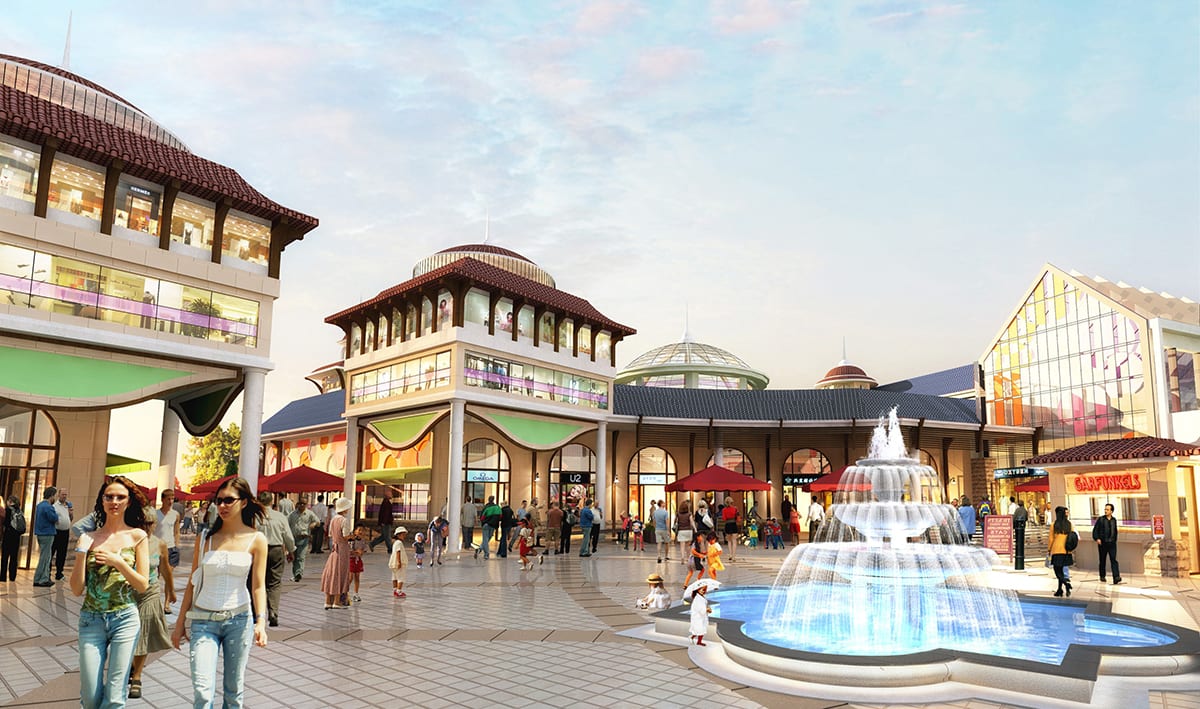
    The Kantharyar Shopping Centre will open on November 27 to include retail space, a supermarket, three cinemas, beauty salons and family KTV, said sales and marketing manager U Thet Htun Zaw.

    Of the 49 shops in the theme park, only two small spaces remain available for rent, he said, adding that retail space in the shopping centre is now fully booked.

    Phoo Pwint San Company opened the theme park in Yangon’s North Okkalapa township at the start of last month.

    Other than the outdated Happy World Amusement beside the People’s Park, this is the first theme park to open in Yangon and businesspeople are optimistic about its success.

    “I am very interested in opening a shop at Fun Valley,” said Ma Thae Su Win of War Sar Bi hot dog shop. “Children and adults alike love fast food.” However, she is unable to afford the rent, which must be paid a year in advance.

    Retail space costs K2000 to K4000 per square foot, depending on the location. Shops must hand over a year’s rent upfront, in addition to a deposit worth three months of rent.

    For now, entrance to the park is free, though fees of K500 to K1000 may be introduced later, said U Thet Htun Zaw. Rides cost between K1000 and K2000 and a water park will open soon.

    Since the park opened, it has had between 7000 and 8000 visitors, he said, adding that the company also has plans to open similar amusement parks in Mandalay and Taunggyi.

    “In North Okkalapa there are no good recreation options and some of the parks are not enjoyable to spend time in, so we decided to open the park here,” he said.

    “It’s aimed at both children and adults, and all of our games and rides are the latest editions.”

  • Trafigura-Backed Puma Building $100 Million Myanmar Facility

    Trafigura-Backed Puma Building $100 Million Myanmar Facility

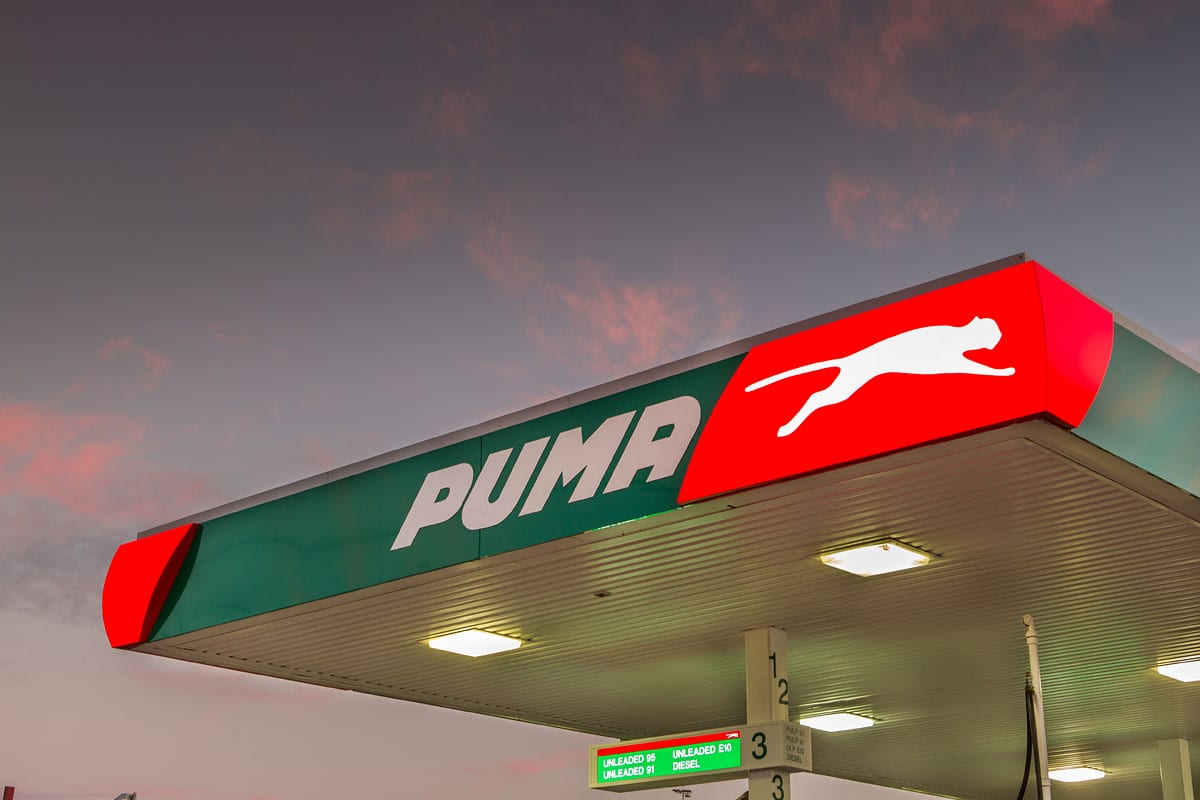
    Puma Energy International, the fuel retail and storage company spun off from commodity trader Trafigura Pte Ltd., is building a $100 million facility in Myanmar and seeking other deals in the once-isolated Asian country that’s opening to more foreign investment after elections this month.

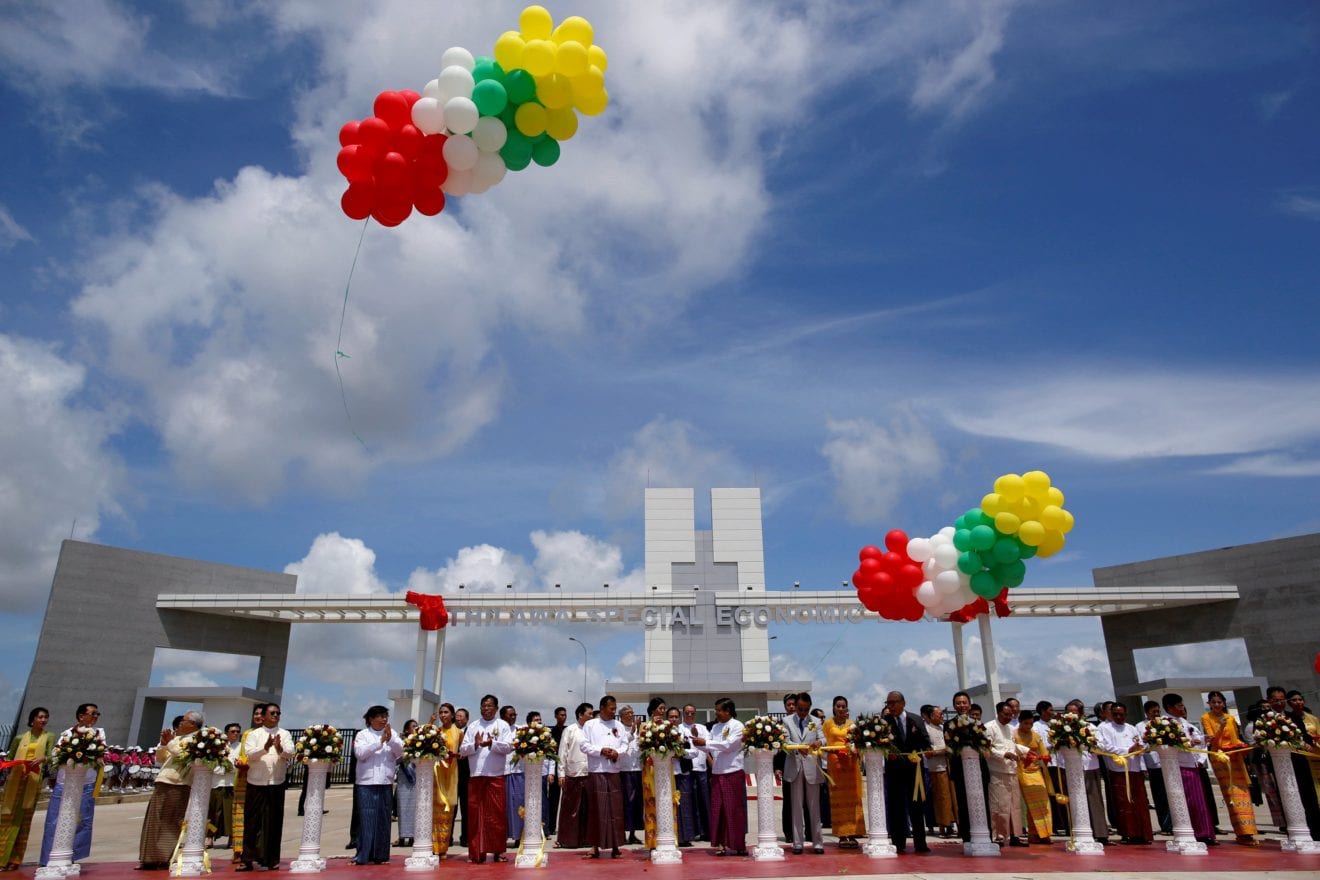
    The storage tank facilities for bitumen and petroleum products at Thilawa Port, 23 kilometers (14 miles) south of the capital, Rangoon, will have a capacity of about 97,000 cubic meters. Based in Singapore and with major operations in Geneva, Puma is the first foreign company granted permission to build oil storage facilities in Myanmar, Chief Financial Officer Denis Chazarain said in an interview.

    “It is a really promising market,” he said of Myanmar, the Southeast Asian nation that suffered a half-century of isolation under a military junta. Puma is targeting potential retail service station deals as well as lubricants, marine fuel and wholesale markets, he added.

    Puma is one of 11 foreign companies that have applied for a government tender to form a joint-venture with state-owned Myanma Petrochemical Products Enterprise for a liquid petroleum gas distribution business. LPG is a staple fuel used for cooking in Myanmar, positioned on a potentially key trade route between China and India.

    “Puma Energy is interested in all segments of the market in Myanmar,” Chazarain said.

    Myanmar’s voters last week handed Aung San Suu Kyi’s opposition party an overwhelming majority, giving her a free hand to choose the next president and push through legislation. Investors and foreign companies, including Puma, are seeking details of the Nobel laureate’s plan to attract investment needed to spur economic growth, create jobs and boost wages. The nation’s military still controls two of the nation’s biggest conglomerates, which invest in everything from mining to banking.

    Puma already has an exclusive agreement to be the sole foreign distributor of jet fuel in Myanmar as part of a joint venture with MPPE. Puma has invested about $50 million in the aviation venture, Chazarain said.

    Mozambique Expansion

    Trafigura, the third-largest independent oil trader, is the biggest shareholder in closely held Puma with a 49 percent stake. Jonathan Pegler, Trafigura’s co-head of crude oil, is returning to Geneva from Singapore to become Puma’s global head of supply and trade. He will be responsible for sourcing products and oil for Puma’s growing network of 88 terminals in 46 countries.

    Puma officially opened two new terminals in Mozambique on Thursday, the company said in a statement. The 115,000 cubic-meter Matola bitumen and fuel terminals bring the company’s total capacity in Mozambique to 275,500 cubic meters, making it Puma’s second-largest storage site in Africa.

    Chazarain said he expects the company’s sales volumes to be about 20 million cubic meters this year. The company executed a series of recent acquisitions including the purchase of Murphy Oil’s shuttered Milford Haven facility in the U.K., which it has converted to storage. It also purchased BP Plc’s bitumen business in Australia and its regional jet fuel business in Puerto Rico.

    Those deals helped Puma increase third-quarter pretax earnings by 5 percent to $177 million, the company said earlier this week.

  • Myanmar card payments on the rise as MPU widens network

    Myanmar card payments on the rise as MPU widens network

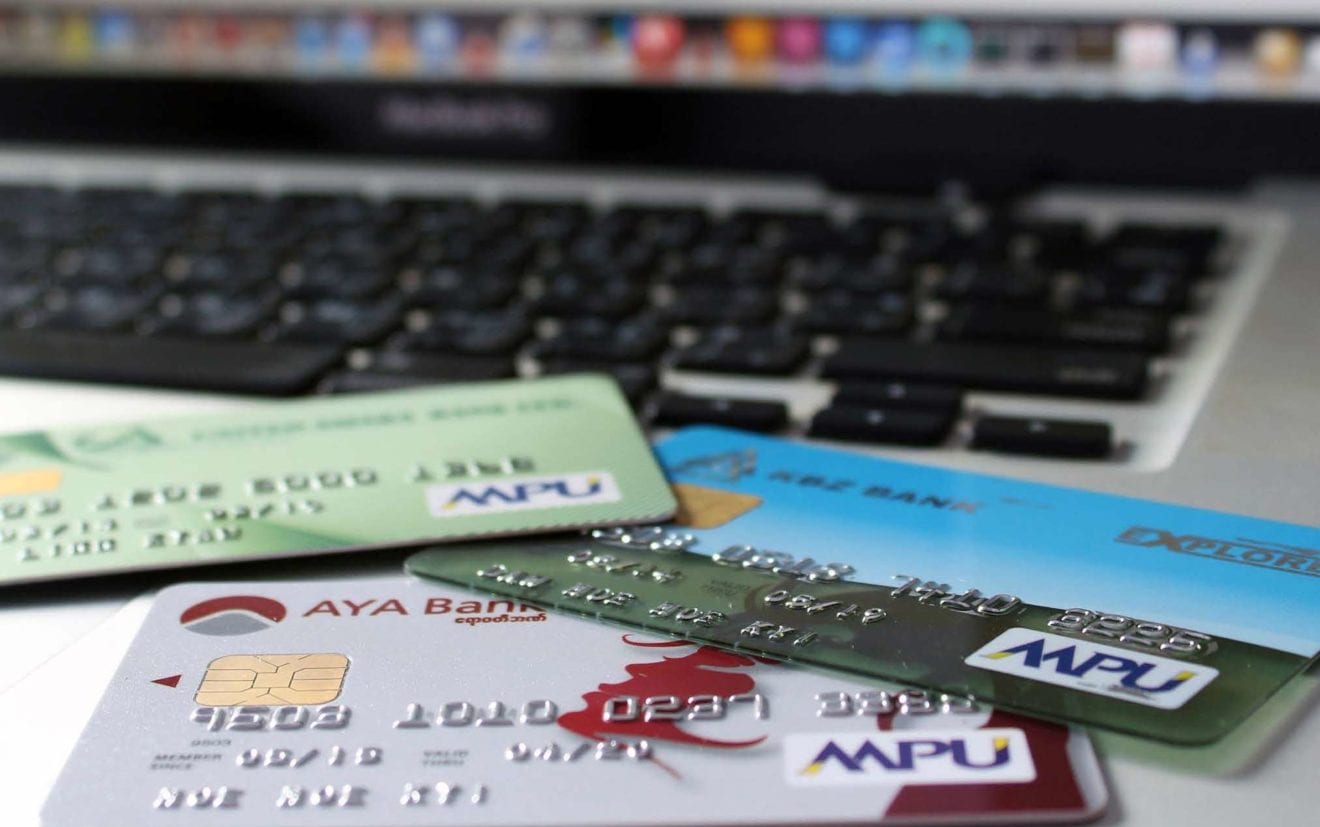
    Card payments in Myanmar are set to rise over the next few months as local shops and supermarkets sign up to Myanmar Payment Union, signalling the beginning of a shift in one of the world’s last cash-based economies.

    MPU got off to a slow start when it launched in 2012, but with the rise of connectivity, this is starting to change. Card transactions jumped from K40 million in September to K70 million in October, said MPU chair U Mya Than.

    Growth is driven by the participation of large retail chains, he said.

    Myanmar’s largest supermarket group City Mart Holding began accepting MPU payments in April, and now gives customers the option to pay by card in seven of its 20 outlets.

    Last month, Capital Diamond Star Group introduced card payments for the first time at its Capital Hypermarket stores.

    City Mart spokesperson Daw Khin May Day said the group’s decisions depend partly on the availability of infrastructure and the internet connection.

    “For customers holding MPU cards, this is one additional payment type, but usage is still quite low as a percentage of total payments,” she said. If the connection cuts out, shoppers pay in cash.

    City Mart has plans to accept additional types of payments and currently offers Visa and MasterCard services in three of its stores, she said.

    “We are aiming for a totally cashless society, but some customers and retailers are not ready for this yet,” said U Mya Than.

    The network will widen quickly with greater participation from shopping centres, he said, adding that most small retailers still prefer to take cash.

    Retail outlets in a new shopping centre being built by Shwe Taung Group of Companies in downtown Yangon will also accept card payments, he said. A Shwe Taung spokesperson said they were not ready to make an official announcement.

    Myanmar Information Technology is supporting MPU to help develop software, computerised systems and better connection lines, according to U Mya Than. The arrival of foreign operators such as Norway’s Telenor, Qatar’s Ooredoo and Japan’s KDDI has markedly improved connectivity, he said. In the past, disputes often broke out between customers and banks over faulty ATM machines, leading banks to install CCTV cameras to check if the connection had cut out.

    Myanmar now boasts around 1.2 million card users, although less than 10 percent of its 51.4 million population has access to banking services.

    Since October 2012, the number of point of sale, or POS, terminals in the three main cities – Yangon, Mandalay and Nay Pyi Taw – has jumped from 200 to 3000, and ATM machines now number 1600, from 20, according to MPU data. ATM transactions still outnumber card payments by 10 to one.

    Banks first offered credit cards in May this year, while debit cards have been on offer since 2011. Fifteen banks issue MPU cards and another eight are preparing to issue them.

    MPU recently signed an agreement with Japan Credit Bureau and China Union Pay to issue co-branded cards, which U Mya Than says he hopes will be introduced to the market before the end of the year.

  • Trafigura-Backed Puma Building $100 M Myanmar Facility

    Trafigura-Backed Puma Building $100 M Myanmar Facility

    The storage tank facilities for bitumen and petroleum products at Thilawa Port, 23 kilometers (14 miles) south of the capital, Rangoon, will have a capacity of about 97,000 cubic meters. Based in Singapore and with major operations in Geneva, Puma is the first foreign company granted permission to build oil storage facilities in Myanmar, Chief Financial Officer Denis Chazarain said in an interview.

    “It is a really promising market,” he said of Myanmar, the Southeast Asian nation that suffered a half-century of isolation under a military junta. Puma is targeting potential retail service station deals as well as lubricants, marine fuel and wholesale markets, he added.

    Puma is one of 11 foreign companies that have applied for a government tender to form a joint-venture with state-owned Myanma Petrochemical Products Enterprise for a liquid petroleum gas distribution business. LPG is a staple fuel used for cooking in Myanmar, positioned on a potentially key trade route between China and India.

    “Puma Energy is interested in all segments of the market in Myanmar,” Chazarain said.

    Myanmar’s voters last week handed Aung San Suu Kyi’s opposition party an overwhelming majority, giving her a free hand to choose the next president and push through legislation. Investors and foreign companies, including Puma, are seeking details of the Nobel laureate’s plan to attract investment needed to spur economic growth, create jobs and boost wages. The nation’s military still controls two of the nation’s biggest conglomerates, which invest in everything from mining to banking.

    Puma already has an exclusive agreement to be the sole foreign distributor of jet fuel in Myanmar as part of a joint venture with MPPE. Puma has invested about $50 million in the aviation venture, Chazarain said.

    Mozambique Expansion

    Trafigura, the third-largest independent oil trader, is the biggest shareholder in closely held Puma with a 49 percent stake. Jonathan Pegler, Trafigura’s co-head of crude oil, is returning to Geneva from Singapore to become Puma’s global head of supply and trade. He will be responsible for sourcing products and oil for Puma’s growing network of 88 terminals in 46 countries.

    Puma officially opened two new terminals in Mozambique on Thursday, the 19th of November 2015, the company said in a statement. The 115,000 cubic-meter Matola bitumen and fuel terminals bring the company’s total capacity in Mozambique to 275,500 cubic meters, making it Puma’s second-largest storage site in Africa.

    Chazarain said he expects the company’s sales volumes to be about 20 million cubic meters this year. The company executed a series of recent acquisitions including the purchase of Murphy Oil’s shuttered Milford Haven facility in the U.K., which it has converted to storage. It also purchased BP Plc’s bitumen business in Australia and its regional jet fuel business in Puerto Rico.

    Those deals helped Puma increase third-quarter pretax earnings by 5 percent to $177 million, the company said earlier this week.

  • Siam Makro eyes Myanmar, Vietnam, Indonesia

    Siam Makro eyes Myanmar, Vietnam, Indonesia

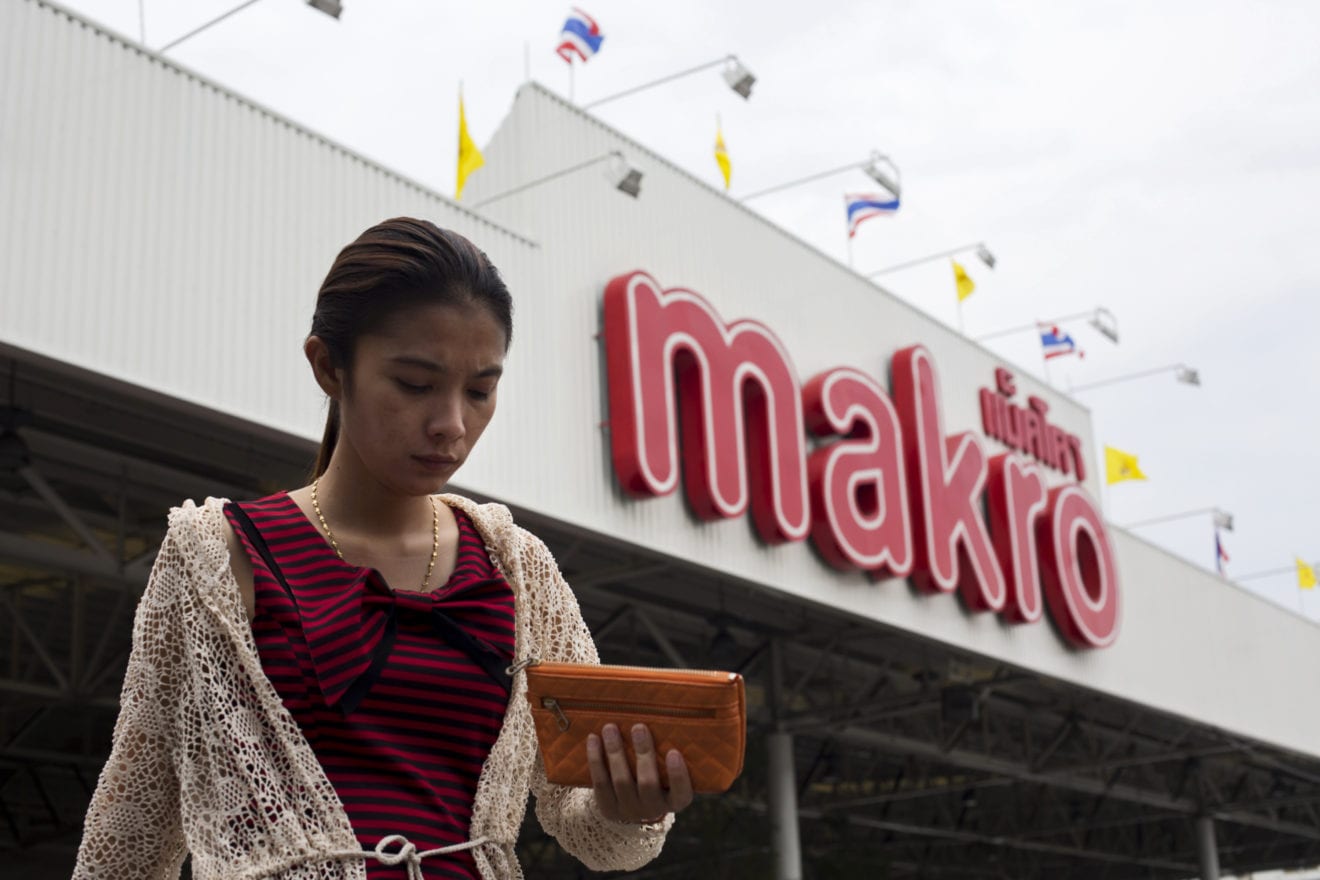
    Thai retailer Siam Makro says it is keen to enter Myanmar, one of three key Southeast Asian markets it considers a priority.

    Siam Makro, which operates the Makro-branded cash-and-carry stores, has confirmed to the Bangkok Post newspaper that it has completed a feasibility study on the fast-deregulating Myanmar market.

    CEO Suchada Ithijarukul said the company had met with the Thai ambassador in Yangon to explore procedures for entering the country.

    “We have conducted a feasibility study on Makro’s market opportunities in many Asean countries, with Myanmar, Vietnam and Indonesia being the priority destinations,” she said.

    “Siam Makro is studying Myanmar consumer behaviour and foreign investment laws. If the regulations are clear, it is ready to open its first store immediately.”

    Siam Makro is part of the powerful Thai conglomerate Charoen Pokphan Group.

  • Thai events organiser taps into Myanmar’s showbiz potential

    Thai events organiser taps into Myanmar’s showbiz potential

    Co-chief executive officer Kriangkrai Kanjanapokin said yesterday Myanmar was transforming into a new era of development that needed infrastructure, real-estate projects, accommodation and transport.

    This presented a huge opportunity for foreign investors, including Thai enterprises.

    Through its joint-venture company ICVeX based in Yangon, Index Creative Village will next year hold “Myanmar FoodBev” and “Myanmar Retail Expo” from August 18-20 and the third edition of “Myanmar Build and Decor”, from October 6-8 at Myanmar Event Park, which is owned and managed by business partner Forever Group.

    Kriangkrai said the construction industry in Myanmar was growing fast, with a compound average growth rate of 20 per cent. The residential and infrastructure sectors comprise almost 80 per cent of the industry, especially residential projects, which account for 49 per cent of investment value.

    According to the Myanmar Department of Human Settlement and Housing Development, only 7,000 houses are currently being constructed but annual demand appears to be around 20,000 units. The government has indicated its willingness to cooperate with the private sector in the construction industry in key cities such as Yangon and Mandalay while carrying out construction in other areas of the country using government loans.

    “We hope that ‘Myanmar Build and Decor’ will be a platform that enables Thai companies related to the construction industry to meet local developers for greater cooperation,” Kriangkrai said.

    He also said there were lots of opportunities for retail business, which was being transformed from traditional to modern trade.

    To cash in on this transformation, major retailer Siam Makro is reportedly keen on expanding its business in Myanmar.

    However, Kriangkrai believes that traditional shops will also look at improving their service with new equipment and management systems from Thai companies on display at Myanmar FoodBev and Myanmar Retail Expo.

    Apart from trade fairs, the company has also formed a joint venture with Suravath Pinsuwanbutr, the owner of Myanmar Alliance Travel and Tours, to offer marketing service for brands and products.

    This service includes organising direct marketing, product demonstrations at points of sale, on-the-ground event and lucky draws.

    Suravath said that after operating for two months, the JV had secured seven or eight projects. The tourism business is another area that Index Creative Village wants to focus on in the near future.

    After entering a partnership with Bagan Myanmar, a travel and hotel operator, the company invested Bt50 million on light and sound equipment for the “Dandaree” cultural show. Kriangkrai hopes the show will hit break-even point within four or five years. Next year, he plans to introduce this show to international tourism operators at the “Asia Tourism Forum” in the Philippines, “ITB Berlin” in Germany and “World Travel Market” in Britain.

    He said he was in talks with another company based in Yangon that is keen on a similar cultural show.

  • Robinson Thailand plans more border stores

    Robinson Thailand plans more border stores

    Thai department store chain Robinson says it will open outlets in planned special economic zones to encourage cross-border trading.

    The Central Retail Corporation subsidiary says it will open a new Lifestyle Centre at Mae Sot in the Tak province, on the border with Myanmar. It follows a similar store which opened in Mukdahan, on the border with Laos, last year.

    “These stores are being built to take greater advantage of cross-border trade,” CRC international business director, and Robinson president Alan Thomson said in an interview published in The Nation.

    “SEZ projects are good initiatives but will take time to develop and for us to realise any opportunities,” he said.

    CRC operates 42 department stores in Thailand; and two more in Vietnam – one in each of Ho Chi Minh City and Hanoi – which trade under the Robins brand name. Its 15 Lifestyle Centres are additional to those.

    In the interview, Thomson talks about the company’s performance in Vietnam to date, its plan to add a well known US apparel brand to its store-in-store brand portfolio next year and how the company is coping with the stagnant Thai economy.

  • Bank of Tokyo Mitsubishi UFJ gets ready for Myanmar’s new RTGS system

    Bank of Tokyo Mitsubishi UFJ gets ready for Myanmar’s new RTGS system

    Bank of Tokyo Mitsubishi UFJ (BTMU) is preparing its systems in Myanmar for the launch of Central Bank’s (CBM) real-time gross settlement (RTGS) system.

    Launch is set for the end of 2015 and the development forms part of Myanmar’s move to modernisation. CBM also has the backing of the Japan International Cooperation Agency and the World Bank.

    CBM is assisting local banks and foreign banks’ branch offices in preparation of the new system, which will allow the immediate settlement of large domestic interbank payments.

    In an interview with The Myanmar Times, Go Watanabe, CEO of Asian and Oceania region, BTMU, says it has seconded staff to the project development team; and it is ‘now able to provide basic financial services including foreign exchange and derivatives trading, and is preparing to launch a more comprehensive suite of trade finance solutions’.

    Watanabe says he expects CBM to ‘review regulations governing foreign exchange, which will lead to greater efficiency for cross-border transactions and international settlement’.

    The Japanese bank was the first of nine foreign banks to open its branch office in the capital Yangon in April this year, becoming the first international lender to begin operations in the country for more than 50 years.

    There will be the inevitable competition, but Watanabe expresses a desire for collaboration.

    ‘Given Myanmar’s banking industry is still in its infancy, it would make sense for the foreign banks to pull our knowledge and expertise together to develop the necessary banking and finance related infrastructure to help move it to the next level,’ he says.

    The Myanmar Times says: ‘BTMU is one of three Japanese banks permitted to offer banking services in Myanmar, and opened its Yangon branch with initial capital of $100 million. BTMU provides services including deposits, loans and foreign exchange to foreign companies and domestic banks.

    ‘Under existing regulations, foreign banks in Myanmar can only deal directly with foreign companies, local-foreign joint ventures, and Myanmar’s domestic banks. They do not yet have access to local retail or corporate clients.’

    Watanabe says, in addition to working with global corporates, BTMU plans to use its majority stake in Thailand’s Bank of Ayudhya PCL – known in Thailand as Krungsri – by ‘tapping its Thai SME segment to further attract investors into Myanmar’.

    In both Thailand and Japan, he says, many companies are looking to diversify their investments, and could potentially begin investing in Myanmar.

    The bank will also use its partnership with Co-operative Bank (CB Bank), based in Myanmar, especially in the area of transaction banking, he says. BTMU signed an agreement with CB Bank back in 2013, to act as a technical adviser.

    Watanabe says the two banks have a joint committee of senior management executives, which aims to encourage knowledge and relationship sharing.

  • ANZ grows retail footprint in Asia

    ANZ grows retail footprint in Asia

    The branch has been established to service multinational and joint venture companies with a presence in Myanmar, as well as international companies looking to enter the country from ANZ’s network countries.

    ANZ said the Myanmar branch provides comprehensive solutions covering a full range of banking products including payments and cash management, electronic banking, lending, foreign exchange, and fund-based and non-fund-based trade finance.

    The branch also offers specialist banking services for natural resources, utilities and infrastructure, telecommunication, consumer goods and other global diversified sectors that are expanding in Myanmar.

    Andrew Géczy, ANZ’s chief executive for international and institutional banking, said the licence approval is the final step in the bank’s plans to deepen its presence in the Greater Mekong, following its recent branch opening in Thailand.

    “As one of the only international banks with a presence in all five Greater Mekong countries, ANZ is uniquely placed to play a leading role for customers wanting to enter Myanmar,” he said.

  • Soo Kee Group plans to sell diamonds online

    Soo Kee Group plans to sell diamonds online

    Singapore listed jeweller Soo Kee Group is planning to become the first bricks and mortar store in the city to start selling gold and diamonds online.

    Soo Kee operates a network of more than 60 retail stores under the brands Soo Kee Jewellery, SK Jewellery and Love & Co in Singapore and Malaysia.

    In an interview published in the Straits Times newspaper, CEO Daniel Lim said his company has already launched the first of three planned online stores, choosing its namesake brand for the online debut. He said the site was designed to improve service to local customers by showcasing its entire range online before they visit a physical store.

    “Some of our customers live in Indonesia, Malaysia and Myanmar, and with this eCommerce platform, we can better target and attract them,” he told the newspaper.

    Sites for the other two retail brands will follow later.

    Lim acknowledged that while consumers are happily embracing online shopping in most categories, when it comes to jewellery there is a reticence to buy online due to security and the importance of trust and personal experience in selecting purchases.

    The company is strategically positioning its websites as complementary to the physical retail store experience.

    Earlier this year, Soo Kee Group executed an IPO, raising $31.6 million. Those funds are being used to expand the business via new store openings, development of eCommerce and developing new products.