Tag: Myanmar

  • Soilbuild Construction secures US$9.4m contract in Myanmar

    Soilbuild Construction secures US$9.4m contract in Myanmar

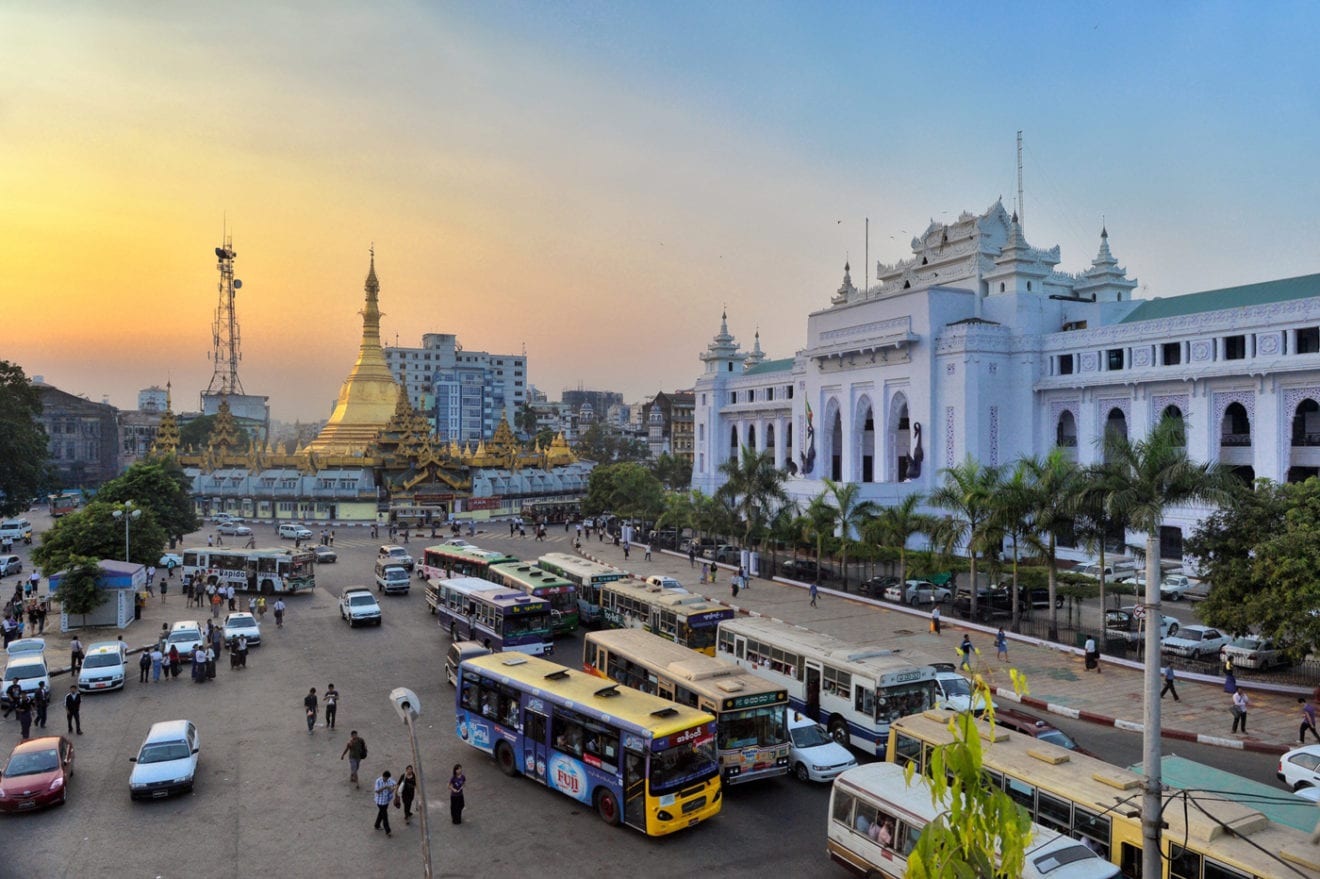
    Soilboild Construction Group announced on Tuesday that it has attained a design and build contract worth about US$9.4 million to carry out addition and alteration works at St John Shopping Center in Yangon, Myanmar.

    The project was awarded by a joint venture between two companies in Myanmar which have activities in retail and real estate development.

    Construction on the project is expected to commence in the first quarter of this year and will likely be completed within eight and a half months.

    Executive director of Soilbuild Construction Ho Toon Bah said: “We are hopeful that Myanmar will continue with its economic reforms that would create significant growth opportunities to various industrial sectors whereby the group could offer our construction expertise and contribute to the country’s well-being. The group will strive to strengthen its business presence in Myanmar and to execute its expansion plan there progressively.”


  • Lawsgroup’s journey from Hong Kong to Myanmar

    Lawsgroup’s journey from Hong Kong to Myanmar

    ‘I run the business just like a hobby’: says Bosco Law, Lawsgroup chief executive. Before his death in 1996, the Hong Kong textile tycoon Law Ting-pong handwrote a letter of wishes in which he expressed the hope that “those who are careful at the beginning would also be careful to the end”.

    Unfortunately, the lack of careful wording in the informal will sparked a court battle between his six children over his HK$1bn estate that dragged on until 2011.

    Now, with the row settled, his 37-year-old grandson Bosco Law is trying to live out the exhortation to cautious living in his role as chief executive of Lawsgroup, the family’s mini-conglomerate, which spans clothes manufacturing, retail and property.

    'I run the business just like a hobby': Bosco Law, Lawsgroup CEO

    “My grandfather had a saying that we should be very conservative but also aggressive,” says Mr Law, speaking at the company’s headquarters in a busy commercial area of the Kowloon district in Hong Kong.

    He explains the apparent conflict: the phrase means eschewing complicated financial products such as currency derivatives but taking an adventurous approach to expanding the core business of sewing T-shirts and knitting sweatshirts for retail customers including Gap, JC Penney and Uniqlo. “The manufacturing environment is ever changing so you always have to have a changing mindset to survive,” he says.

    He declines to release any figures indicating the size of the company but as evidence of its ambitions, cites its recent expansion into Myanmar, which has attracted much attention but where few investors are willing to take the plunge.

    Always searching for cheaper labour, Lawsgroup opened its first factory there last year and employs more than 2,000 people making T-shirts two hours’ drive north of Yangon, the commercial capital. “Opening a new factory is always tough,” says Mr Law. “Everything is new in Myanmar. Even if you talk to the [government’s] commerce department, they don’t really know the policy . . .  everything is a guess, everything is grey.”

    Politics is a further uncertainty, with talks about forming a new government taking place between opposition leader Aung San Suu Kyi and the ruling military after her party won November’s election. “Who knows what will happen? But still, if we have a 70 per cent chance [of success] we will go for it.”

    While the business is much smaller than the conglomerates built by Hong Kong tycoons such as Li Ka-shing and Lee Shau-kee, Lawsgroup’s combination of entrepreneurial endeavour and conservatism is typical of the approach that built the city’s dominant family businesses. Many started with humdrum businesses such as small-scale factories or retail stores before parlaying profits and connections into diversified business empires.

    You can make decisions faster and you can follow your will and passion, but you have to take full responsibility because it’s also your money

    Lawsgroup, which employs about 20,000 people in Bangladesh, China, Hong Kong, Myanmar and Vietnam, was founded as a textile manufacturer by Law Ting-pong in 1975 in the heyday of the “made in Hong Kong” boom. Like other Hong Kong clothes makers, it soon moved into the mainland to take advantage of low wages, a huge workforce and the opening-up of China from the late 1970s.

    Its expansion there took off only after 2005, when quotas on imported textiles in Canada, the EU and the US finally ended. That year, Mr Law joined the family business after studying architecture in Toronto and working for an architects’ firm and a bank.

    Lawsgroup was listed in Hong Kong in 1987 and a separate property and retail arm spun off into their own listings before the main holding group was taken private in 1998.

    Mr Law, who describes his management style as “firefighting” when necessary, rather than micromanaging, says his main interest is fashion. That much is clear from his quirky outfit of flowery sneakers, grey trousers and a green blazer with a robot-shaped brooch.

    A laid-back figure who rarely gives interviews, Mr Law insists he was not parachuted into his job by dint of some family succession plan but he notes that running a family-owned company has advantages.

    “You can make your decisions faster and you can follow your will and passion, but you have to take full responsibility because it’s also your money.” Yet, pushed on whether he feels pressure to maintain and enhance a rich legacy, as in many Chinese family-owned companies, he brushes off the question. “I run the business just like a hobby,” he says. “I’m pushing my vision and I like doing branding and marketing.”

    Perhaps he does not feel the weight of family expectations so heavily because his father’s siblings run their own businesses, from Crystal Group, a leading clothing manufacturer, to the Park Hotel group and Bossini, the low-cost clothing retailer that made his grandfather famous in Hong Kong.

    Mr Law’s focus is on managing Lawsgroup’s moves into new markets. With factory workers in the manufacturing heartland of Guangdong taking home more than $500 a month, Lawsgroup is expanding in countries where wages are less than half the cost, such as Myanmar, Vietnam and Bangladesh.

    Mr Law’s responses are sometimes so relaxed it is hard to tell if he is blasé, unflappable or evasive

    The death of basic manufacturing in China has long been prophesied, but Mr Law believes big producers will keep a presence there because of the scale and infrastructure advantages, as well as technical expertise.

    “Most of our research and development is in China, where we do our industrial engineering and have developed our own IT system for quality control,” he says. “We do our factory line planning and training videos in China and then have the whole package sent overseas for them to follow.”

    Mr Law’s responses are sometimes so relaxed it is hard to tell if he is blasé, unflappable or evasive.

    Asked if he worries about his safety after his cousin Queenie Law was kidnapped for ransom last year, he says “it’s just a single case”. Is he concerned about the disappearance of five Hong Kong booksellers whose store sold works critical of China’s top leaders? “It’s just a single case”.

    Like most Hong Kong businessmen with interests in mainland China, he is reluctant to be drawn into discussions about politics but his attitude might also point to a deeper self-confidence. Free from the vicissitudes and pressures of equity markets, conservative family companies such as his find it easier to endure difficult times.

    On the day of the interview, Chinese stock and currency markets were again ridden with turbulence, and global investors were jittery about the prospects for the world’s second-biggest economy. Unlike some other manufacturers, Lawsgroup has not taken out hedges against renminbi volatility but Mr Law prefers to concentrate on the fundamental business.

    “We’ve been doing this for 40 years. It’s a downtrend right now so we have to buckle up. I’m still confident about Hong Kong and China in the long term.”
  • Mobile World crossing borders

    Mobile World crossing borders

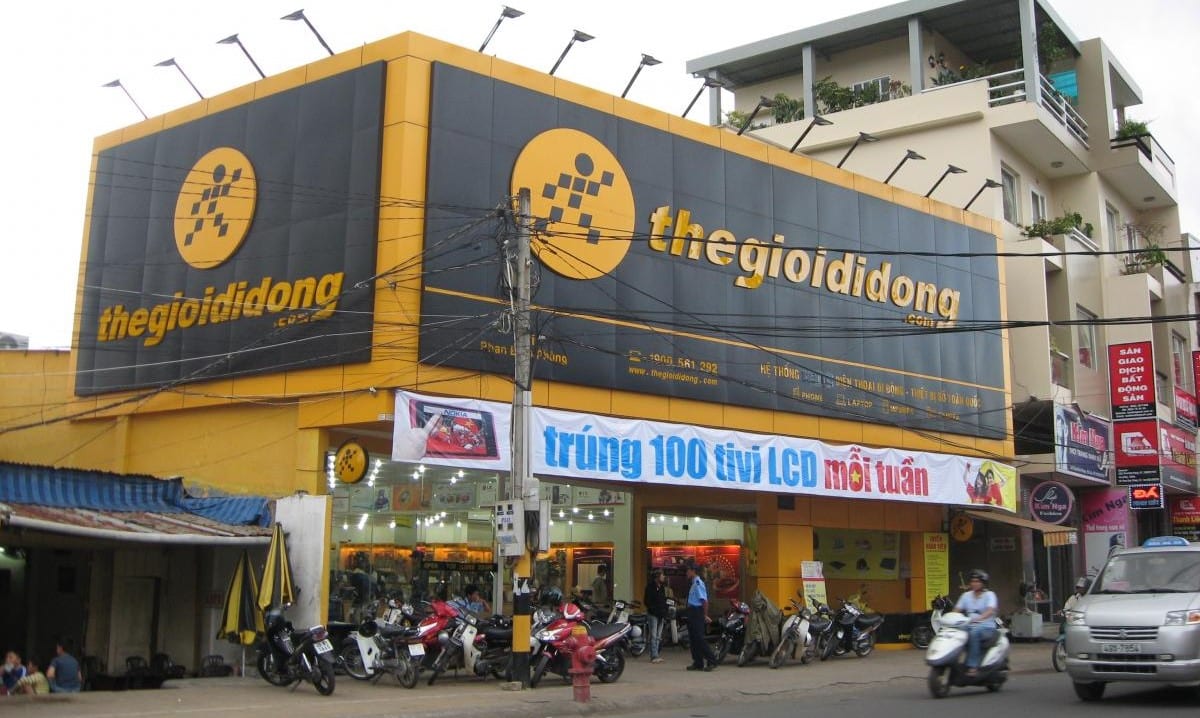
    As well as electronics and mobile phones, its usual products, Vietnamese chain Mobile World is planning to distribute groceries in its first stores in Cambodia, Laos and Myanmar.

    CEO Tran Kinh Doanh says the stores will open early next year.

    Meanwhile, he has revealed two goals – to become one of the biggest eCommerce firms in Vietnam, and to bring in revenue of about VND34,000 billion (US$1.51 billion) this year. This would provide an after-tax profit of VND1400 billion – up VND400 billion on the past financial year.

    With 70 stores and a distribution network covering 42 provinces and cities, Mobile World last year earned VND25,000 billion, giving an after-tax profit of VND1000 billion. Both revenue and profit grew by 60 to 70 per cent. Online sales contributed less than 10 per cent of total revenue.

    Mobile World opened more than 200 cellphone stores last year, taking its total to 550, and this year it plans to expand its network to all 63 provinces and cities in Vietnam to become the second-largest electronic and mobile phone retail chain in the nation.

    It decision to join the food market with 13 stores was announced late last year. The corporation has 17,000 employees, expecting to grow this to about 26,000 people.

  • Myanmar Year in Review 2015

    Myanmar Year in Review 2015

    A decisive victory for the opposition in Myanmar’s general elections in late 2015 generated a fresh wave of investor optimism, raising hopes of increased economic stability in 2016 after a somewhat uncertain year.

    Victory at the polls in November for the National League for Democracy (NLD), under Daw Aung San Suu Kyi, will see greater civilian participation in government, although the military will retain control of the Ministries of Defence, Interior and Border Affairs in the new Cabinet, alongside a minimum of 25% of seats in parliament and substantial economic holdings.

    Growth leaders

    Growth was robust in 2015 despite cooling in the global economy, with Myanmar posting GDP growth of 8.5%, according to the IMF. This ranks ahead of average growth among the five original ASEAN member nations – Indonesia, Malaysia, the Philippines, Singapore and Thailand – which stood at 4.6%, and average global growth, which reached 3.1%. GDP growth is expected to remain relatively steady in 2016, easing somewhat to 8.3%, as per IMF forecasts.

    Strong consumer demand helped drive expansion in Myanmar’s retail sector, while also boosting the appeal of the industry to foreign brands. International brewers like Heineken and Carlsberg opened in-country production facilities through joint ventures with local partners during the year, and Japan’s Kirin acquired a 55% stake in market leader Myanmar Beer for a reported $560m in August.

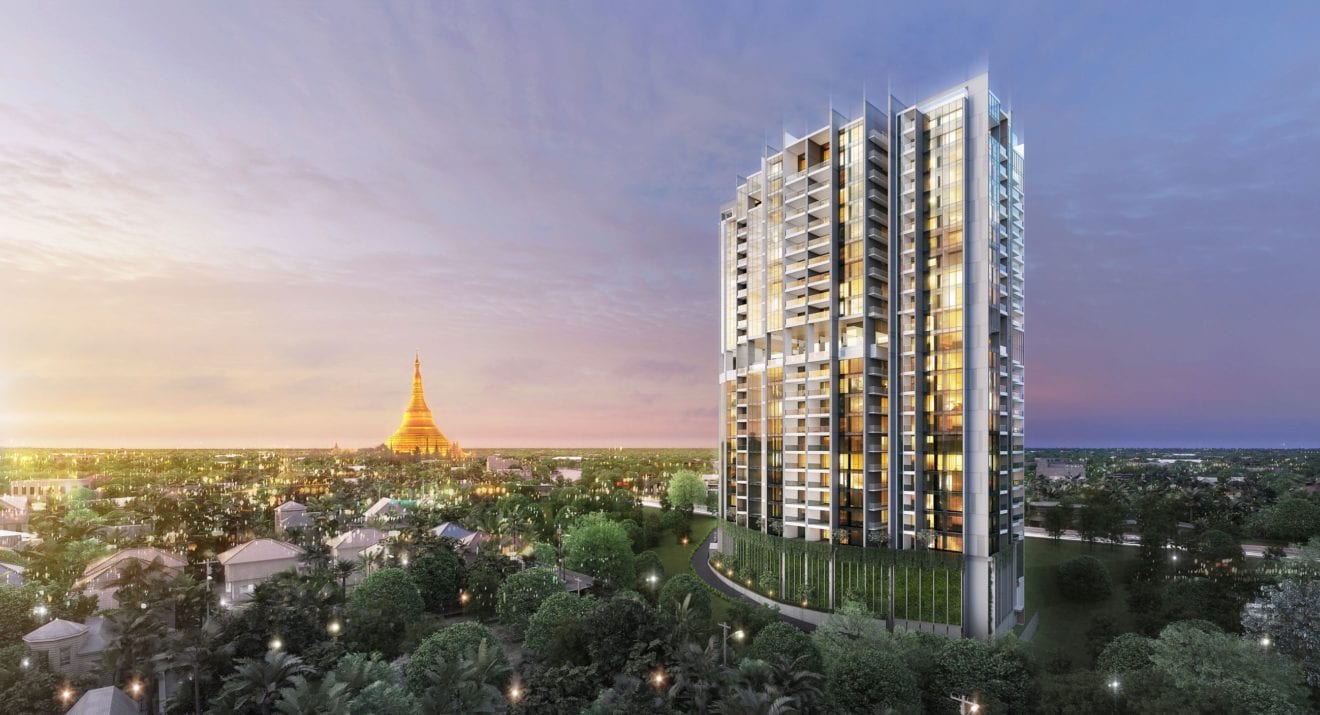
    The year also saw strong growth in commercial property development, buoyed by rising demand for prime business space, particularly in Yangon, the country’s financial and business capital. Such demand should help sustain activity in Myanmar’s construction sector, which already has several infrastructure projects on its books.

    In a key development for the country’s financial services sector, nine foreign banks granted licences to operate in the market commenced operations, albeit on a limited scale, by early 2016.

    Trade and budget prospects

    However, the incoming NLD government, expected to be formally sworn in this March, will inherit an economy faced with ongoing structural challenges, including a widening fiscal deficit, projected to reach 5.5% of GDP, according to the IMF.

    Rising inflation also weighed on Myanmar’s economic performance somewhat in 2015, having gained momentum on the back of high levels of liquidity, rising demand and food shortages caused by mid-year nationwide flooding. In its latest Article IV consultation with Myanmar, the IMF projected inflation would rise to 13.3% by the end of FY 2015/16, up from 7.4% in FY 2014/15.

    Price increases have been exacerbated by depreciation of the kyat, which lost around 21% of its value against the US dollar over the year, driving up the cost of imports and affecting both consumers and firms that rely on overseas technology and equipment for expansion.

    To ease pressure on the kyat and rein in inflation, the Central Bank of Myanmar announced plans in late November to raise the reserve requirement ratio of banks and increase the value of its fortnightly deposit auction, with an interest rate hike also signalled as a possibility.

    A weaker kyat contributed to a widening of the trade deficit, with the gap between imports and exports reaching MMK3.1trn ($2.4bn) for the first six months of FY 2015/16, up 27% year-on-year.

    Major flooding weakened export trade further in mid-2015, after damage to farmlands led to lower production. To maintain food security and stabilise domestic food prices, the government imposed a six-week freeze on rice exports, one of the mainstays of Myanmar’s foreign trade.

    Investment forecast

    Foreign investment has also slowed somewhat, reaching $4.1bn as of December 2015, according to the Directorate of Investment and Company Administration. By the end of FY 2015/16, foreign investment was expected to reach $6bn, down from $8bn in FY 2014/15.

    The oil and gas sector has attracted the bulk of the investment to date, accounting for more than $2bn of the total as at December, while transportation and communications saw $736m worth of investments and manufacturing received $685m.

    Investment inflows are expected to ramp up again in 2016, with a smooth election in hand and the promised transition of government scheduled in the coming months.

    According to U Aung Naing Oo, secretary of the Myanmar Investment Commission, greater investment from EU countries in particular is forecast during the first six months of 2016.

  • 2C2P helps Myanmar revolution

    2C2P helps Myanmar revolution

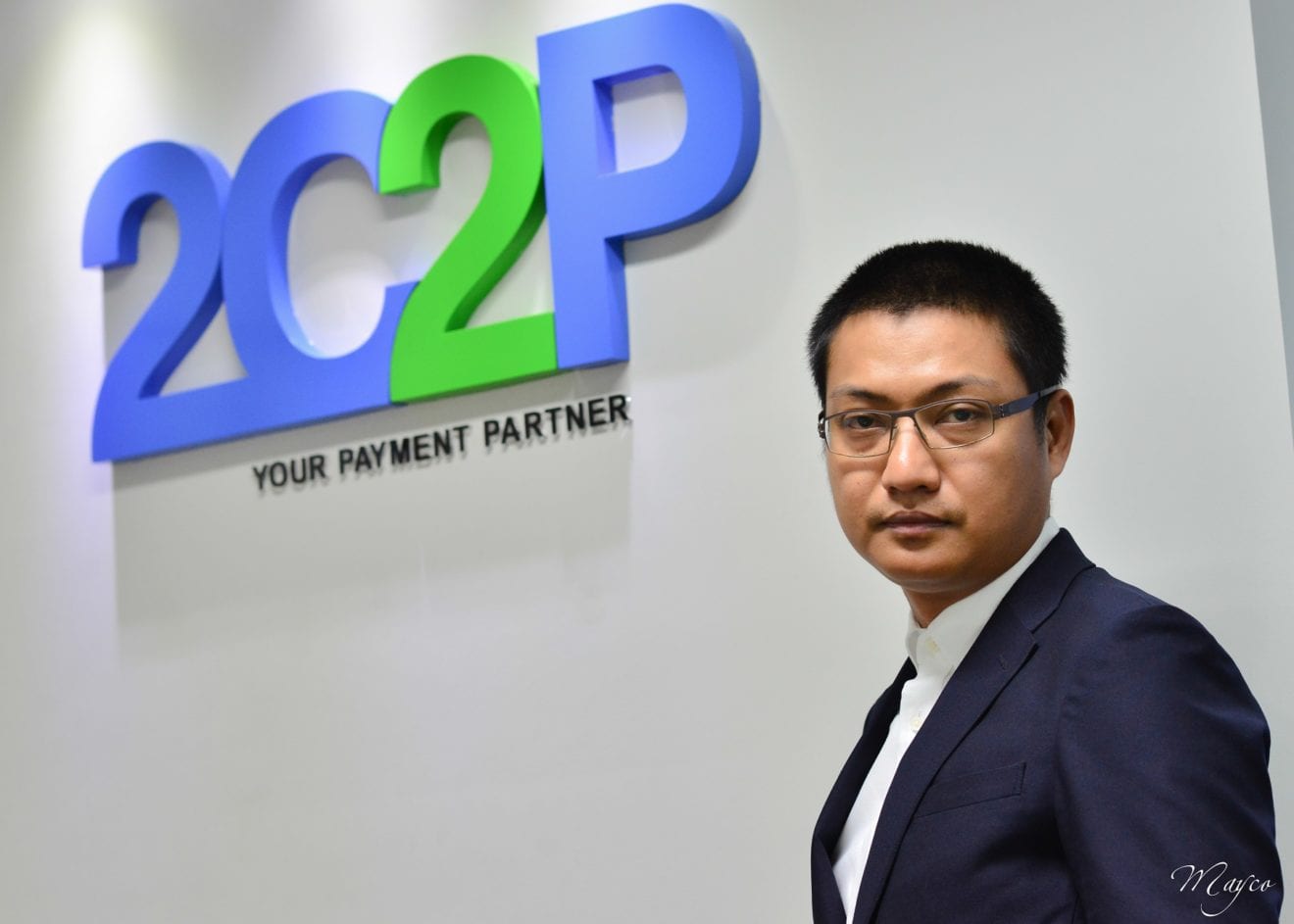
    Southeast Asia payments company 2C2P of Singapore, with its Burmese founder and CEO Aung Kyaw Moe, has taken a step to modernise Myanmar’s economy with the country’s first co-branded debit card so its citizens can shop with international merchants.

    The new UnionPay and Myanmar Payments Union (MPU) co-branded debit card is being introduced along with the launch of 1-Stop, a cash acceptance network of sellers and buyers, bringing digital commerce to Myanmar, especially helpful for its rural communities. Also a partner of the debit card is Myanmar’s Asia Green Development Bank (AGD Bank).

    Anyone in Myanmar can now set up a microbusiness to sell goods and services online. Domestic transactions are processed by MPU, while international transactions go through UnionPay International, which is recognised by more than 4000 merchants domestically and more than 26 million across 150 countries, as well as at 1.8 million ATMs internationally.

    MPU is Myanmar’s national payment network, authorising the issuance and acceptance of all payment cards within the country, of which there are more than 1.2 million. With UnionPay International, a subsidiary of China UnionPay, cardholders can shop with international merchants for the first time. UnionPay is the largest global payment card company with more than five billion cards issued.

    Myanmar is expected to quadruple the size of its economy from $45 billion in 2014 to $200 billion by 2030 (McKinsey), with a reboot of its cash-based economy seen as the key to growth. This will be driven by Myanmar’s young population (47 per cent of its 51.4 million citizens are 24 years old or younger). The World Bank pegs Myanmar’s annual growth rate as leading Asia at 8.3 per cent annually between 2014 and 2017.

    Myanmar’s millennials are also responsible for the country’s spike in outbound tourism. This sector grew from $29 million in 2002 to $257 million in 2012, a rise of 24 per cent, according to the World Trade Organisation.

    “2C2P is committed to support Myanmar’s financial institutions,” says CEO and founder Aung Kyaw Moe. “We do this by bridging the gap between local and international infrastructure.

    “We bring our robust platform, as well as our experience and knowledge in international payments, making it possible for Myanmar’s banking and financial institutions to innovate – offering new services that leapfrog legacy financial technologies.”

    AGD Bank customers can download an app to manage card transactions in real time with online support. A loyalty program offers discounts and privileges from more than 4000 merchants domestically, across food and beverage, retail, hospitality, and travel and tourism.

    “We are committed to innovate, offering Myanmar’s young, fast-growing and connected population the financial services that meet their evolving needs,” says AGD Bank chairman U Than Ye.

    Meanwhile, 1-Stop’s network has more than 3000 locations through 2C2P’s strategic partnerships with the country’s largest distribution network for the agriculture sector Myanmar AWBA Group, retail and convenience store chains Capital Hyper Mart and Grab & Go, mobile stores eCity, Lu Gyi Min andMr.Fone, as well as independent stores.

    It is aiming to contribute to modernising the economy through its online-to-offline commerce approach in a market with relatively high smartphone penetration but limited e-payment infrastructure.

    Myanmar is the fourth-fastest growing mobile market globally, according to Ericsson. In the third quarter of last year, it accounted for nearly 6 per cent of the world’s 87 million new mobile subscribers. Research firm Ovum estimates mobile subscriptions in Myanmar grew by 87.4 per cent in 2014 to 10.7 million. This is forecast to grow at a 21 per cent compounded annual growth rate to reach 38.5 million by the end of 2019 as networks expand to rural areas.

    Last year, 2C2P also launched easyBills, the country’s first online bill-payment system. Previously, along with Myanmar Citizens Bank, 2C2P launched the Citizen Card, a reloadable prepaid card accepted by MasterCard and merchants globally.

    2C2P has offices across Southeast Asia, including Cambodia, Indonesia, Laos, Malaysia, Myanmar, Singapore, Thailand and The Philippines, as well as in Hong Kong.

  • Soilbuild bags US$9.4m Myanmar contract

    Soilbuild bags US$9.4m Myanmar contract

    It’s for a shopping center’s addition, alteration works. Soilbuild Construction has nabbed a build and design contract worth about US$9.4m, or $13.4m.

    According to the company’s media release, as Soilbuild’s second contract in Myanmar, the US$9.4m deal is for the addition and alteration works of St. John Shopping Center in Yangon. It was awarded by a joint venture between two reputable companies in Myanmar, which have activities in retail and real estate development.

    The work for St. John Shopping Center is expected to begin in the first quarter of 2016, and is to be completed within 8.5 months from the commencement.

    Soilbuild notes that this project is not expected to materially impact the company’s net tangible assets and earnings per share for FY16.

  • Myanmar Property Awards 2016 returns for a second year

    Myanmar Property Awards 2016 returns for a second year

    Awards gala in Yangon will be preceded by the high-level forum Property Report Congress

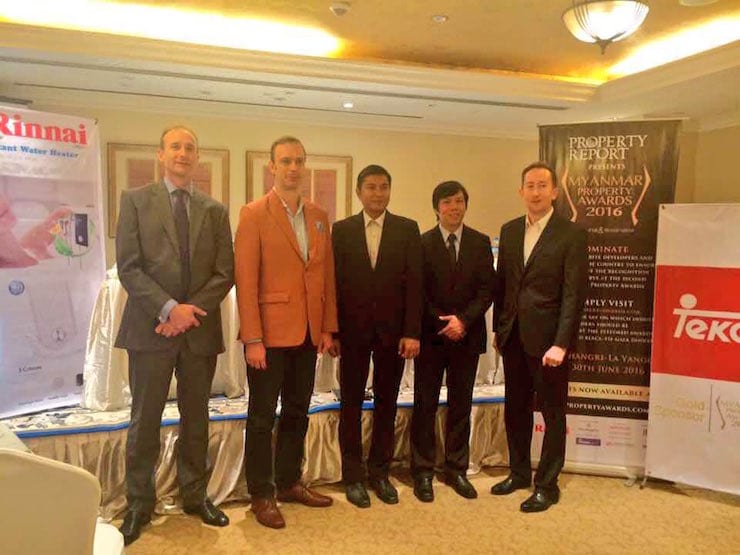
    Richard Emerson of Savills Myanmar, chairman of the judging panel; Terry Blackburn, founder of Asia Property Awards and publisher of Property Report; Aung Kuaw Thu, project manager of gold sponsor Rinnai; Htun Naing, general manager of Empire Holding Co Ltd, authorised distributor of gold sponsor Teka Myanmar; and Paul Ashburn, co-managing partner of BDO Myanmar, awards supervisor

    Following on from a hugely successful inaugural event in 2015, the Myanmar Property Awards gala dinner and awards ceremony will once again bring together the leading names from the real estate industry.

    More than 250 of the country’s top and emerging industry players last June celebrated the success of the likes of Yoma Strategic Holdings, which picked up the highest award for Best Developer (Myanmar), and multiple winner Myint & Associate Co Ltd.

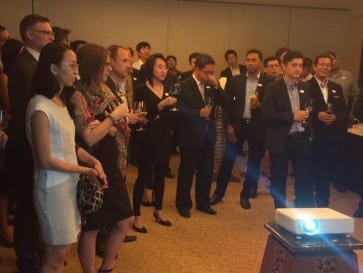
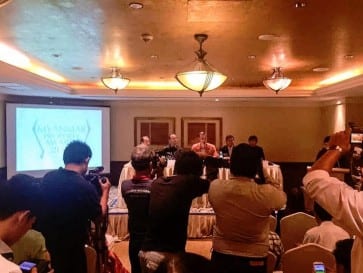
    A pre-launch party for the Awards – part of the acclaimed Asia Property Awards series – was held on Tuesday, 19 January, at the Sule Shangri-La Yangon, the official hotel venue of the Awards, followed by the press launch on Wednesday morning, 20 January.

    The 2016 event has already started to welcome nominations from developers and the general public. The official shortlist will be revealed on Monday, 30 May, and the Winners will be announced at a glittering black-tie awards gala at the prestigious Sule Shangri-La Yangon, on Thursday, 30 June. For the first time ever, the gala will be supported by the Property Report Congress Myanmar 2016, a high-level conference featuring top regional executives and local experts who will discuss the past, present and future of Myanmar real estate.

    With 2015’s historic general election – widely considered the country’s first free election in 25 years – behind it, Myanmar is on the brink of welcoming potential game-changing policy changes, including the proposed Condominium Law, that should impact the country’s growing real estate sector.

    “Now that the election period is over, market activity is Myanmar is expected to accelerate once again, with a flurry of exciting, new, world-class projects under construction or in the planning stages,” commented Terry Blackburn, founder of the Asia Property Awards.

    “The Myanmar Property Awards is the most respected platform to showcase those developments to a global audience,” he said. “As we begin 2016 with the exciting news that the Asia Property Awards, along with Asia’s industry-leading Property Report magazine and the Property Report Congress, are now part of the PropertyGuru Group, we’re delighted to recognise the innovations coming from talents in Myanmar for the second year running, and we encourage everyone to submit their nominations in advance.”

    Covering a range of segments, including condominium, housing, hotel, resort, serviced, renovated, office and retail, the Myanmar Property Awards will hand out more than 20 trophies in 2016.

    Entry for the Myanmar Property Awards is free. Nominations are accepted until 1 April, while entries for the various Developer, Development and Design categories will be open until 8 April.

    Judging will again be supervised by BDO, one of the world’s largest accounting and auditing firms, and the trusted awards supervisor of the Asia Property Awards, which, in its 11th year, is widely recognised for its fairness and transparency.

    In addition to the various award categories, the editors of Property Report will present a special recognition to the Myanmar Real Estate Personality of Year, whose influence and achievements have made an indelible mark on the industry. At the inaugural ceremony in 2015, the honour belonged to Dr Stephen Suen, founding chairman of Marga Group of Companies, the driving force behind the ambitious Dagon City 1 project in Yangon.

    More information on the Myanmar Property Awards 2016 are available on the official website. Super early bird tickets for the gala dinner in Yangon can be purchased until 12 April only.

    Sponsorship and media partner opportunities are also available. For details, email info@asiapropertyawards.com or call +66 (0) 2662 5195.

  • Myanmar City Mart secures IFC loan

    Myanmar City Mart secures IFC loan

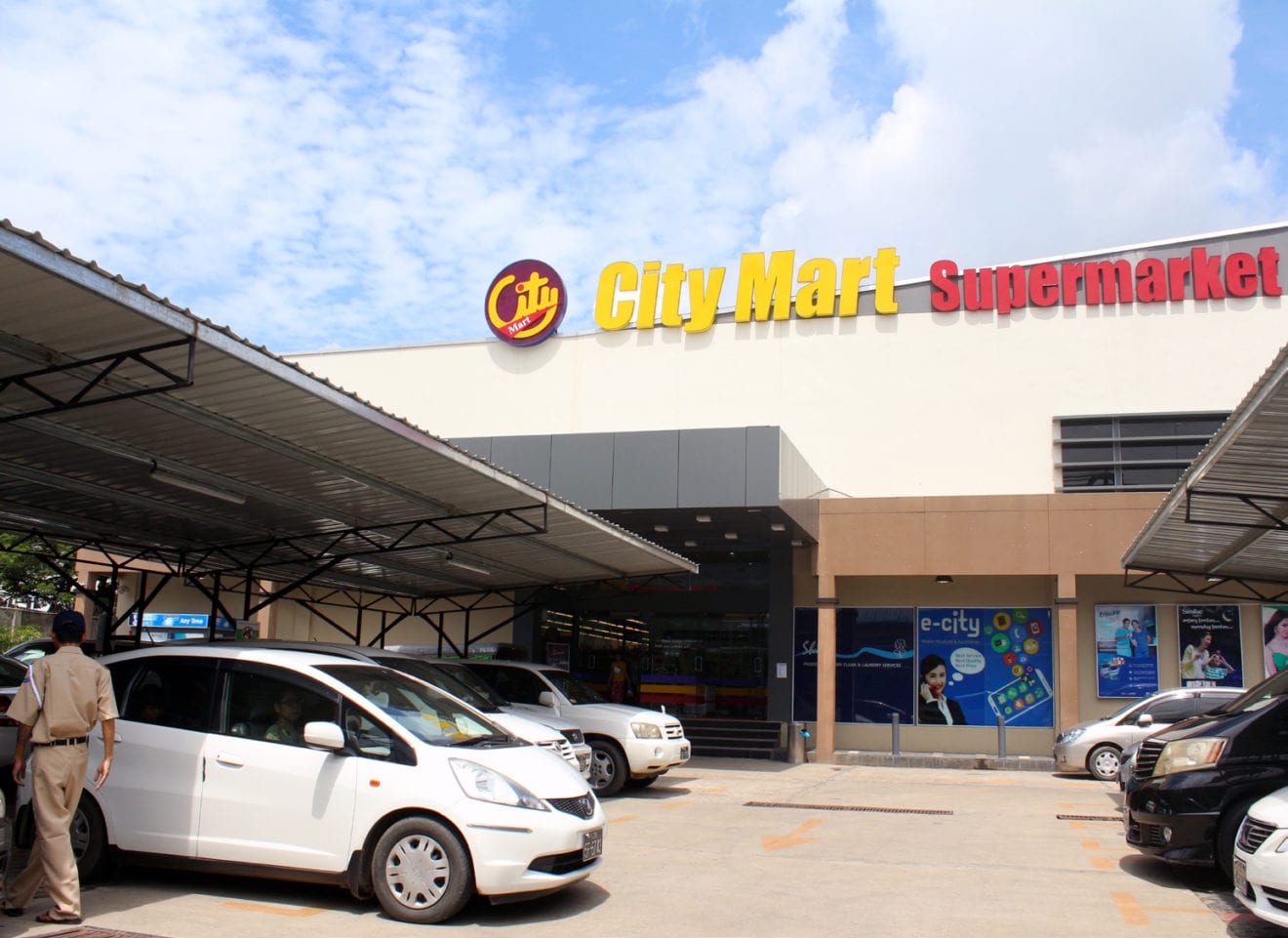
    Supermarket group Myanmar City Mart Holding Company (CMHL), the nation’s largest private retail group, is borrowing $25 million to finance a nationwide expansion.

    With more than 150 retail outlets in Myanmar, the company plans to build 20 more supermarkets and hypermarkets over the next three years.

    It plans a sixfold increase in its purchases from domestic suppliers to reach around $150 million by 2021, and create nearly 4000 jobs, half of which will be for women, reports Deal Street Asia. CMHL’s financing is in the form of a loan from the International Finance Corporation (IFC), the private lending arm of the World Bank Group.

    IFC hopes that CMHL’s expansion will not only help create jobs, but also develop supply chain and logistics infrastructure as well as support smaller businesses. “With our global expertise and industry knowledge, we will be delighted to work with CMHL to improve efficiency and standards to become a model retailer in Myanmar,” says IFC regional director Vivek Pathak.

    CMHL’s shareholders are Win Win Tint, the founder and MD, and her relatives.

    “IFC’s investment is a sign of confidence in our business plan as well as in Myanmar’s retail sector potential,” says Win Win Tint.

    “In addition to funding, IFC’s expertise and advice on food safety, good social and environmental practices and corporate governance will also help us take the company to the next level.”

    Myanmar’s $12 billion retail sector is predominantly informal, with formal retailers holding less than 10 per cent of the market, according to the loan documents. It is the second such loan extended by the IFC to CMHL. In October, IFC had already extended a  $25 million loan for a $46 million retail expansion plan.

    IFC is supporting reforms and investments in Myanmar with the aim of strengthening the private sector, creating jobs for poverty reduction and boosting shared prosperity.

  • Myanmar City Mart eyes US$25m expansion

    Myanmar City Mart eyes US$25m expansion

    The Work Bank Group’s International Finance Corporation (IFC) has invested US$25m in Myanmar’s largest private retailer Myanmar City Mart Holding (CMHL) to expand its operations, create jobs and boost Myanmar’s retail sector.

    CMHL plans to use the loan to construct 20 additional supermarkets and hypermarkets over the next three years, adding to the 150 stores operating in Myanmar.

    The new operations are expected to increase CMHL’s purchases from domestic suppliers six-fold, hitting US$150m by 2021, and creating more than 4,000 jobs, half of which will be for women.

    “IFC’s investment is a sign of confidence in our business plan as well as in Myanmar’s retail sector potential,” founder and managing director Win Win Tint said in a company statement.

    “In addition to funding, IFC’s expertise and advice on food safety, good social and environmental practices and corporate governance will also help us take the company to the next level.”

    “IFC supports the development of a modern retail sector in developing countries as it helps spur growth and job creation, develop supply chain and logistics infrastructure, and support smaller businesses,” said Vivek Pathak, IFC regional director for East Asia and Pacific. “With our global expertise and industry knowledge, we will be delighted to work with CMHL to improve efficiency and standards to become a model retailer in Myanmar.”

    CMHL was established in 1996 and today operates supermarkets, hypermarkets, bakeries, pharmacies and convenience stores across Myanmar.

  • Korea’s E-Mart Vietnam launches

    Korea’s E-Mart Vietnam launches

    As a first step in a Southeast Asian rollout, Korean discount store E-Mart has opened its first outlet in Vietnam.

    It goes head-to-head with rival Korean chain, Lotte Mart, which has been in Vietnam since 2011 and now has 11 stores. The E-Mart Vietnam launch follows four years of researching the Vietnamese retail market.

    Run by retail giant Shinsegae, the new two-storey E-Mart hypermarket is worth US$60 million and is on a 3ha site in the busy Go Vap District of Ho Chi Minh City, nearby the airport. It is the brand’s first overseas store since it shifted focus to Southeast Asia in 2011 after a lacklustre foray into China. The company regards the new store as a foothold for expansion throughout Vietnam and into such neighbouring countries as Indonesia, Laos and Myanmar, reports the Korea Herald.

    E-Mart’s Ho Chi Minh City store has been tailored for Vietnamese consumers, and offers several features new for Vietnam. About 95 per cent of the employees (about 300) are Vietnamese, including the manager, and the parking lot has been designed to cater for 1500 motorcycles and 150 cars to reflect the city’s vehicle preferences

    As well as featuring Korean products popular with Vietnamese tourists to Korea, the hypermarket has imported items sourced by its operator. Korean dishes such as kimbap, tongdak and grilled chicken are made in-store, as well as baked goods adapted for Vietnamese tastes. On its shelves customers can also find fast-moving consumer goods, household utensils, electronics, and clothing from about 1000 local suppliers, plus a wide range of Korean and Emart-branded products. About 95 per cent of the goods will be locally made.

    Unusual for stores in Vietnam, the new E-Mart has such concepts as a diversified food court, a children’s sports club, games centre, book store and an English club, plus its flagship customer services include immediate refund and exchange policies and compensation for checkout errors.

    Its mix of food and entertainment is aimed at turning the store into a “happy hypermarket” for Vietnamese consumers, reports VNS. E-Mart Vietnam general director Choi Kwang-Ho says it is hoped these concepts will “sweep the Vietnamese retail market”.

    “After successfully building up a sizeable presence in Ho Chi Minh, we plan to expand into the rest of the country,” he said.

    According to the Korea Herald, E-Mart has already bought land for a second branch. An E-Mart press release says the company plans to open another hypermarket in Hanoi – a first for the capital – and expand the chain to 52 stores across Vietnam by 2020.

    Meanwhile, in co-operation with the Viet Nam National Traffic Safety Committee, E-Mart has donated hundreds of helmets each to seven primary schools in Go Vap. It plans to gift 50,000 quality helmets for primary-school students by 2020.

    E-Mart is the largest retailer in South Korea with 160 stores. Founded in 1993 by department store franchise Shinsegae, E-Mart reported global sales of $13.2 billion last year.

  • Study reveals Asian dining spending trends

    Study reveals Asian dining spending trends

    One in three millennials in Asia are eating at fine dining restaurants at least once a month – more often than those aged over 30.

    The surprise finding is one of a list of revelations uncovered by a MasterCard survey of Asian dining trends away from home. It featured consumers in 17 Asia Pacific markets: Australia, Bangladesh, China, Hong Kong, India, Indonesia, Japan, Malaysia, Myanmar, New Zealand, Philippines, Singapore, South Korea, Sri Lanka, Taiwan, Thailand and Vietnam.

    The most frequent fine-diners in Asia Pacific are millennials (18-29 year olds) from China – on average they visit more expensive establishments two or three times a month. This is higher than the average for millennials across the region and higher than any other age group.

    When choosing where to eat, consumers in Asia Pacific still prefer to rely on word of mouth and recommendations from friends and family (50 per cent). This was applicable for all consumers, regardless of age group, with even millennials trusting word of mouth recommendations (52 per cent) more than online reviews (38 per cent).

    This is despite the fact that more than a third of millennials (36 per cent) post comments and reviews of their dining experiences online. This is especially true of Chinese (61 per cent) and Thai (52 per cent) millennials, where more than half of the young people polled regularly post reviews after a meal.

    Beyond millennials, people in Thailand (39 per cent) and China (30 per cent) are also the most likely to spend more on dining over the next six months with around one in three indicating they plan to eat at more expensive establishments.

    But while consumers may be enjoying fine dining, they are still cost conscious. Sixty-four per cent of consumers in Asia Pacific regularly check for discounts or dining deals from coupon websites, mobile applications or credit card promotions. Sixty-eight per cent of millennials regularly look out for deals before choosing a place to eat.

    Eric Schneider, regional head, Asia Pacific, with MasterCard Advisors, said Asia has always had a strong dining out culture and so it is not surprising that affluent millennials in the region are ‘foodies,’ with many sharing their dining experiences on social media and posting reviews online.

    “While the survey has shown that people are increasingly moving from the hawker centres and into restaurants, young people are still cost conscious, taking a practical and savvy approach by looking for discounts and deals. Young people also still rely on word of mouth recommendations, despite many posting online reviews of dining spots. As Asia’s economies continue to grow, and with technology and social media revolutionizing the dining experience, people will increasingly demand top quality experiences when dining out,” he said.

    Other findings from the survey included:

    • Overall, consumers in Asia Pacific are not looking to make any significant changes to their dining out plans with 61 per cent of all consumers indicating they will look to eat out at the same frequency in the next six months. Twenty per cent plan to eat out more and 19 per cent plan to eat out less in the next six months.
    • The most popular dining option for consumers in Asia Pacific are mid-range restaurants and cafes, followed by fast food outlets and then hawker centres and food courts.
    • Consumers in the Philippines (44 per cent) are looking to tighten their belts with close to one in two planning to eat at less expensive venues in the next six months. Forty-nine per cent also plan to eat out less regularly.
    • A significant proportion of older consumers are going online to check for dining discounts whether on coupon websites/applications or credit card promotions. More than one-third of consumers aged 55 years old and above (36 per cent) indicated they regularly do so before deciding on a dining option.
    • Consumers in China (58 per cent), Taiwan (44 per cent) and Thailand (44 per cent) are the most likely to book dining deals on coupon sites or coupon applications; while consumers in Bangladesh (1 per cent) and Indonesia (11 per cent) were least likely to do so.
    • Diners in Thailand (60 per cent) and China (57 per cent) are most likely to post comments or reviews on social networking sites like Facebook and Twitter with about one in two respondents in these markets reporting that they regularly post comments online following their dining experience.

    The results are based on interviews with 8698 individuals aged 18 to 64 years-old.

  • Thai CP Group unit True Money Myanmar to test money transfer service soon

    Thai CP Group unit True Money Myanmar to test money transfer service soon

    The firm is currently working in Myanmar as a mobile top-up service provider for Myanmar Post and Telecommunications (MPT) and MEC since September 2015.

    In Myanmar, the money transfer service will be through True Corporation Plc, a subsidiary of the CP Group.

    True Money Myanmar Company Limited has already recruited agents around the country to enable easy access to banks.

    “We want to help people who are not able to reach banks easily. For people who have to go to another township to use the bank,” said Amara, assistant marketing manager of True Money Myanmar Company Limited.

    The firm is also aiming to expand to other payment services like bill payments and international remittance.

    The money transfer service is looking at the possibility of offering safe and easy remittance facility for the Myanmar population working in south east Asian countries.

    True Money Myanmar is targeting the retail customers for the money transfer business. It is also in talks with Aeon credit service and Gold Bus online booking company for future partnerships.

    True Corporation Plc also operates internet services operator, data centres and pay TV business.

  • SMI secures five-year retail licence at Yangon airport

    SMI secures five-year retail licence at Yangon airport

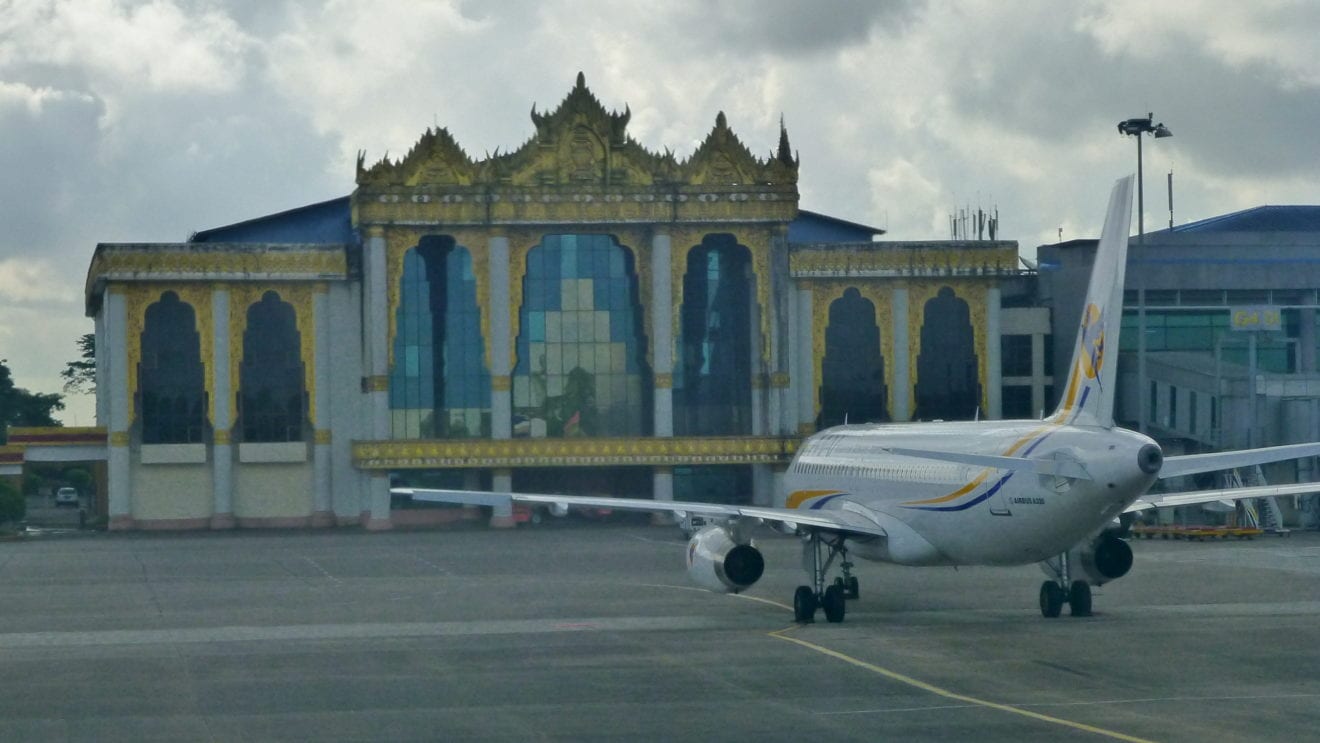
    Singapore Myanmar Investco (SMI) subsidiary SMI Retail is to operate duty-free, retail and food and beverage facilities at Yangon International airport (YIA) terminal two from April 1 2016. The retail operator has been awarded a five-year licence, with the option to extend for a further  five years.

    Comprising 6,725sq m of retail space, SMI will host 43 shop units across the ground, first and second levels in T2, where it is expected to welcome more than triple the amount of international passengers travelling to Yangon. It will also provide a merchandising, management and consultancy service to local distribution partner Royal Golden Sky (RGS) Company Limited for the T2 duty-free retail space. The agreement is for five years and begins on April 1 2016.

    RGS has also been appointed exclusive distributor of duty-free merchandise for sale in the airport, including the new terminal. The agreement also begins on April 1 2016 with the renewable contract expiring on March 31 2021.

    Meanwhile, the group’s exclusive 10-year supply agreement with DFS, announced last May, has been secured and forms an integral part of SMI’s travel-retail business model. According to the company, both initiatives will augment the group’s market position in the burgeoning travel industry and increase its business presence of consumer-related services in Myanmar.

    Operations of the duty-free, retail and food and beverage outlets will commence from March 2016 and be progressively rolled-out over the next few months. In addition, the group has reached  agreements with international fashion and lifestyle brands and food and beverage franchises.

    SMI president and CEO Mark Bedingham said: “SMI has been able to use the capabilities of its senior executives, many of whom have extensive experience in duty-free, retail and food and beverage management, to make a compelling offer, through our local partners, to YIA and its magnificent new terminal. We have  provided them with a unique and exceptional range of duty-free, luxury and lifestyle brands and  introduced for the first time some world class food and beverage concepts. This will allow SMI to have full exposure to the expected rapid growth in tourism and business travel.”

  • Yoma to distribute Mitsubishi cars in Myanmar

    Yoma to distribute Mitsubishi cars in Myanmar

    Mainboard-listed Yoma Strategic Holdings announced on Wednesday a 50:50 joint venture with Mitsubishi Corp to distribute the Japanese cars in Myanmar.

    The joint venture company, MM Cars Myanmar Ltd, will be responsible for the distribution (wholesale), retail sales, after-sales services, and maintenance services of Mitsubishi cars and spare parts. It will also take over the running of two Mitsubishi Motors After-Sales Service Centres set up in 2013 and currently being operated by Yoma.

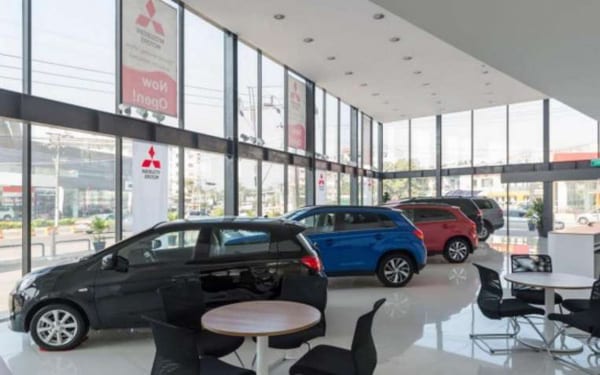
    The joint venture will also operate the first Mitsubishi Motors showroom in Yangon, which opened on Tuesday. Said Mr Melvyn Pun, Yoma Strategic CEO: “The joint venture with Mitsubishi Corporation formalizes our collaboration in developing the Mitsubishi Motor business in Myanmar over the past year.” “Our automotive segment is experiencing strong growth, and we are confident that the Mitsubishi Motors business will contribute meaningfully in the medium term.”

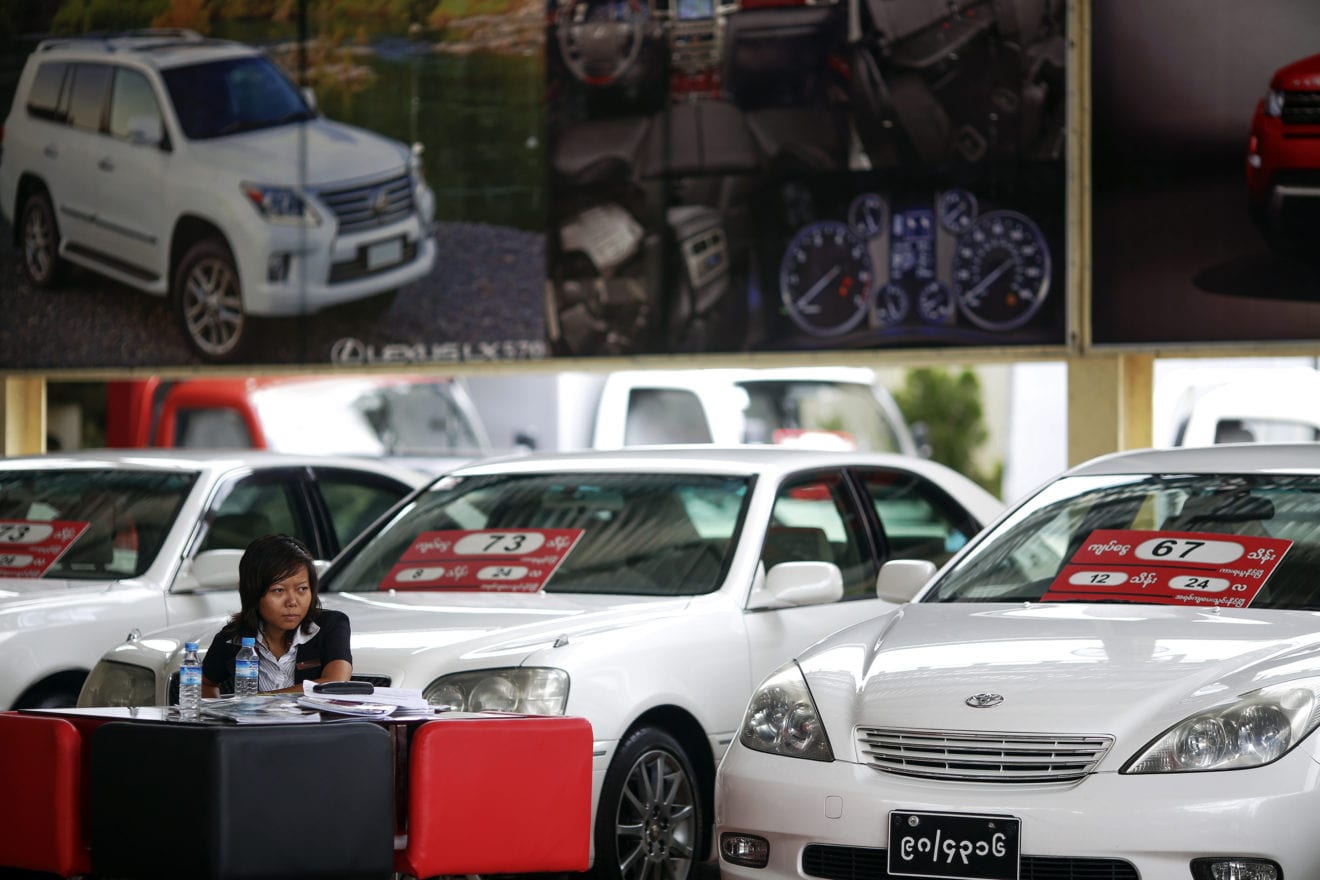
    Yoma said that since the Myanmar government announced a relaxation of vehicle import regulations in 2011 as a part of its “democratisation” policy, the number of used vehicles from Japan has seen a notable increase, making Myanmar the number one destination for used vehicles from Japan in 2014. Import regulations for new vehicles have also been gradually eased since 2012 with the Myanmar government announcing the approval of new vehicle imports and sales by joint ventures established between Myanmar and foreign companies, the company said.

    These developments are expected to generate further growth in the Myanmar vehicle market, it said. Yoma Strategic already has several partnerships with Mitsubishi Corporation, including an elevator related business, a tyre business and the operation of the Mandalay International Airport.

  • Myanmar central bank to grant new foreign bank licences

    Myanmar central bank to grant new foreign bank licences

    The Central Bank of Myanmar plans to initiate a second round of foreign bank licencing in early 2016, the monetary authority said.

    The aim is to licence banks from “additional neighbouring and important trading partner economies”, quoted the central bank as saying.

    “The main objective of the second round of licensing is to further promote existing economic cooperation.”

    Foreign banks headquartered in countries that successfully obtained a licence in the first round – namely Australia, China, Japan, Malaysia, Singapore and Thailand – will not be allowed to participate in the second round, the notice said.

    Foreign banks with representative offices in Myanmar or which are in the process of obtaining one will be permitted to participate.

    The licence will be for onshore wholesale banking through a branch, and a call for expressions of interest will be made in early 2016, the Central Bank said.

    In the last, hotly-contested bidding round, nine foreign banks won licences on October 1 last year, and winners were given a year to prepare operations to meet the approval of the Central Bank.

    All of the banks – Bangkok Bank, Australia’s ANZ, Japan’s the Bank of Tokyo-Mitsubishi UFJ, Mizuho Bank and Sumitomo Mitsui Banking Corporation, the Industrial and Commercial Bank of China (ICBC), Malaysia’s Maybank, and Singapore’s Oversea-Chinese Banking Corporation (OCBC) and United Overseas Bank (UOB) have now opened branches.

    The licences came with a number of restrictions – banks are only permitted to lend to foreign businesses and local banks. They may team up with local lenders to offer additional services, but are prohibited from involvement in retail operations.

    This marked the first time that foreign banks have operated in the country for more than 50 years – Myanmar had not allowed onshore banking by foreign institutions since 1963, when 14 foreign banks were nationalised.