Tag: Myanmar

  • MasterCard launches Contactless Card in Myanmar

    MasterCard launches Contactless Card in Myanmar

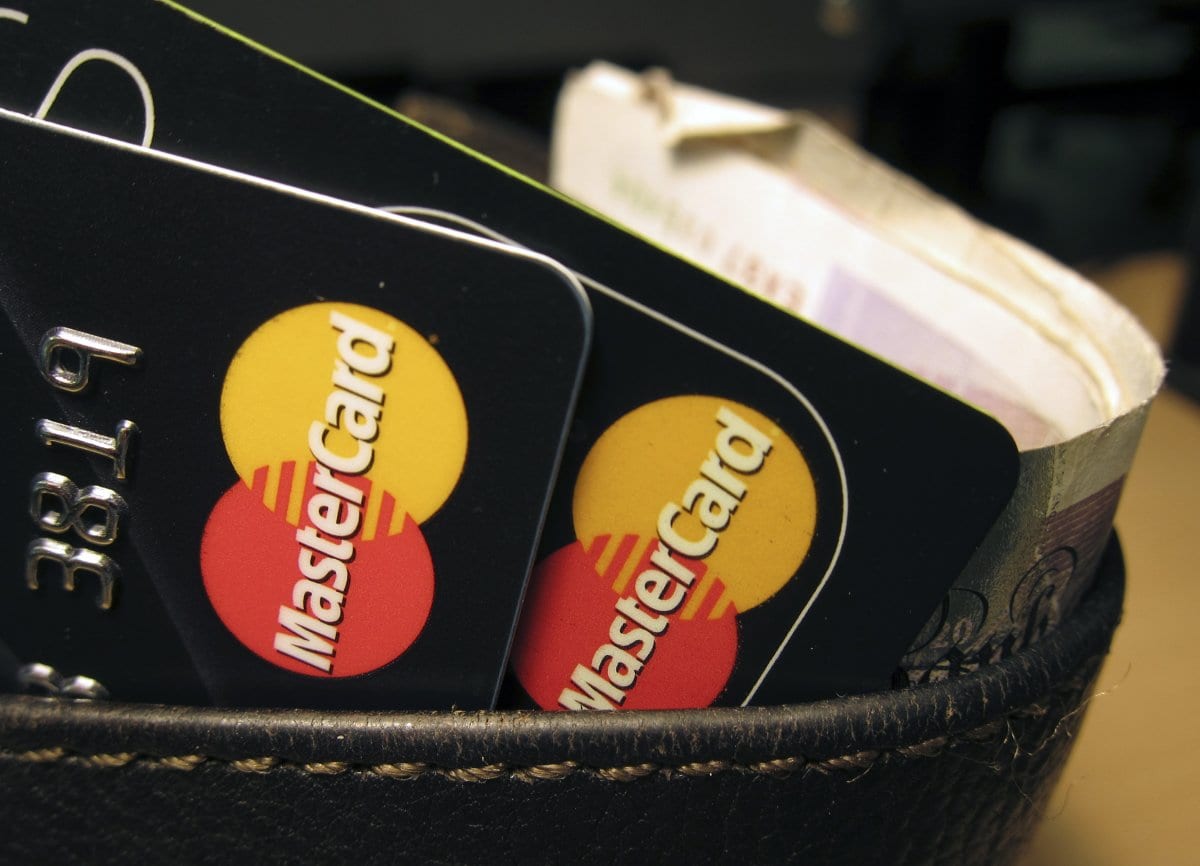
    The latest of MasterCard’s efforts to better serve the people of Myanmar, the CB EasiTravel Prepaid MasterCard Contactless card provides consumers with a more convenient way to pay when travelling abroad without compromising security.

    U Kyaw Lynn, CEO and Vice Chairman, CB Bank said, “More Myanmar citizens are making trips to neighbouring countries than ever before, buoyed by the recent relaxing of entry visa restrictions. This trend will continue as the economy grows and gains traction. CB Bank is always looking for ways that will bring convenience to Myanmar travellers. CB Banks’s newly issued MasterCard Contactless card will give added convenience when making payments internationally.”

    Latest projections by the International Monetary Fund put Myanmar’s economic growth at around eight per cent for 2016. As well as seeing a growth in outbound tourists, inbound tourism is set to significantly contribute to Myanmar’s growth in the coming years.

    According to the inaugural MasterCard Asia Pacific Destination Cities Index launched earlier this year, Myanmar’s former capital Yangon is expected to see very strong growth in inbound tourism. Of the 167 cities ranked, Yangon has the third highest compound annual growth rate of 45.7 per cent for total inbound tourist expenditure over the period 2009-2015, just behind Kandy of Sri Lanka (47.3 per cent) and Okinawa of Japan (49 per cent).

    Antonio Corro, Country Manager, Thailand and Myanmar, MasterCard said, “Earlier this month, it was announced that four foreign banks were issued preliminary approval to operate in Myanmar. It is great to see the government taking further steps toward opening up Myanmar’s economy and we are optimistic that this will provide an excellent foundation for commerce to thrive. The people of Myanmar are also optimistic about the future of their country. MasterCard’s latest MasterCard Index of Consumer Confidence recently revealed that people in Myanmar have the most positive outlook on the future of any Asia Pacific market. With the launch of the first MasterCard contactless card in the country, we are continuing to develop the local payment landscape and look forward to more partnership opportunities that allow us to further financially empower the people of Myanmar.”

    Currently, more than 2,800 restaurants, retail outlets and hotels in Myanmar accept payment card

    According to MasterCard’s latest research, 61 per cent of people in Myanmar (also known as Burma) are seeking to travel abroad more in the next 12 months, a stark increase from just 25 per cent two years ago. To meet this growing demand for travel and cross-border spending, MasterCard together with Co-operative Bank Ltd (CB Bank) have launched the CB EasiTravel Prepaid MasterCard Contactless card.

  • Myanmar likely to delay 2600-MHz auction

    Myanmar likely to delay 2600-MHz auction

    Myanmar’s telecom ministry may need to delay a planned auction of 2600-MHz spectrum due to a conflict over whether the spectrum should be allocated before the regulatory framework is finalized.

    The Ministry of Communications and Information Technology (MCIT) has intended to auction 140MHz of 2600-MHz spectrum by the end of March.

    But after industry consultations, the government has acknowledged that it may need to delay the process. The consultations brought to light a conflict between those believing that the spectrum should be allocated as quickly as possible to ensure the nation’s telecom operators have sufficient spectrum to meet demand, and those believing that a spectrum roadmap should be completed first to give greater clarity to the industry.

    Both Telenor Myanmanr and Ooredoo Myanmar have expressed a belief that the spectrum roadmap should be released before the auction.

    MCIT posts and telecom director U Than Htun Aung acknowledged that the ministry didn’t expect such a range of conflicting views on the matter, and that the auction may need to be delayed as a result of the conflict.

    The ministry had last indicated that it planned to conduct the auction on March 24.

  • Volvo cars plans showroom in Yangon

    Volvo cars plans showroom in Yangon

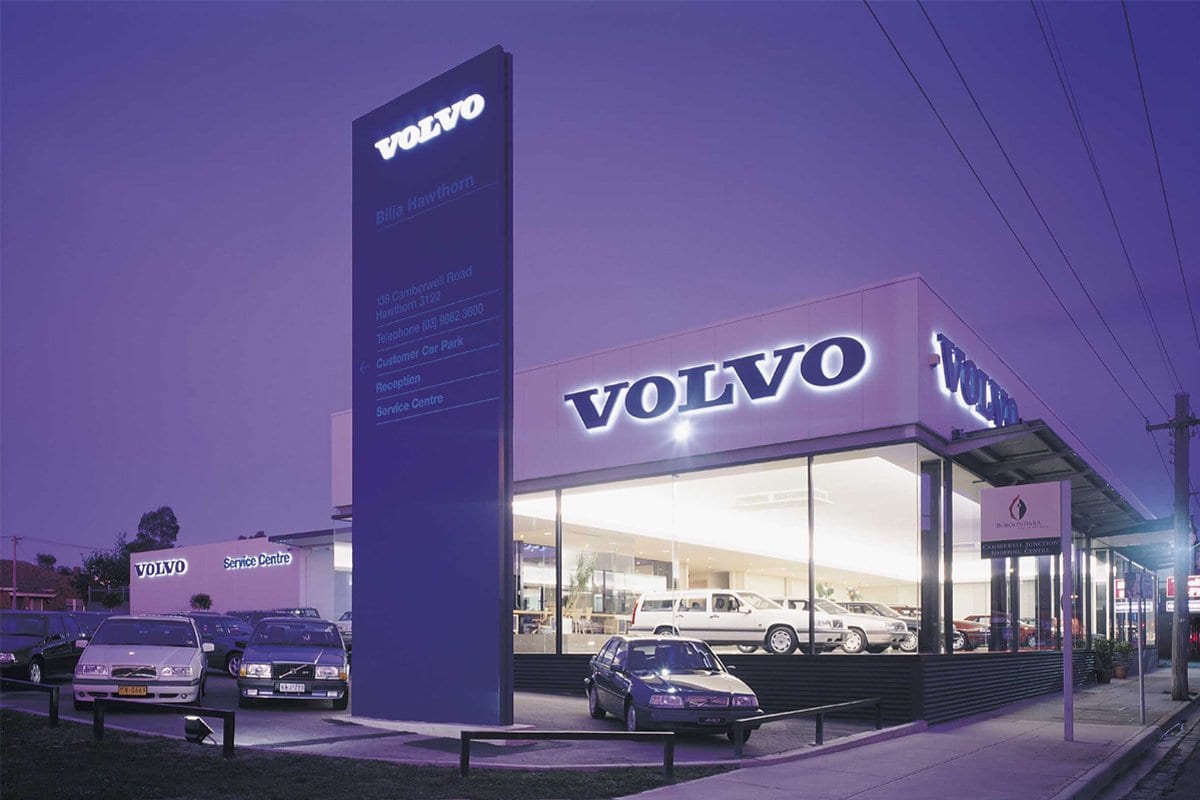
    Volvo Car Group has appointed RedPlus Auto Co ltd as importer and distributor of Volvo’s cars in Myanmar. RedPlus Auto is a joint venture between UMG Co Ltd – a local company involved in sectors of real estate property, IT and entertainment – and Wai Family Gems Co Ltd.

    RedPlus will be responsible for importing, distribution, sales, marketing, PR and after sales services for Volvo cars in the country.

    “Our new products, the XC90 and S90, which have just been launched, add a distinct modern luxury experience to our brand offer that will be very well appreciated in Myanmar,” said Jari Kohonen, vice president of Volvo Cars, Asia Pacific.

    The development of Volvo Center, a new one-stop facility is planned to complete by September 2016 covering about 22,000 square feet in Yangon with an investment of $1.8 million.

    “We are thrilled to have the opportunity to represent the Volvo brand in Myanmar and are certain that our depth of experience combined with the passion for this brand will stand us in good stead in this partnership,” said Daw Mar Lar Win, managing director of RedPlus Auto Co Ltd.

    The Volvo Centre will be equipped with a five car showroom, a fitting lounge, customer longue and be built to the Volvo Car group’s new retail guidelines.

  • Gloria Jean’s eyes Myanmar

    Gloria Jean’s eyes Myanmar

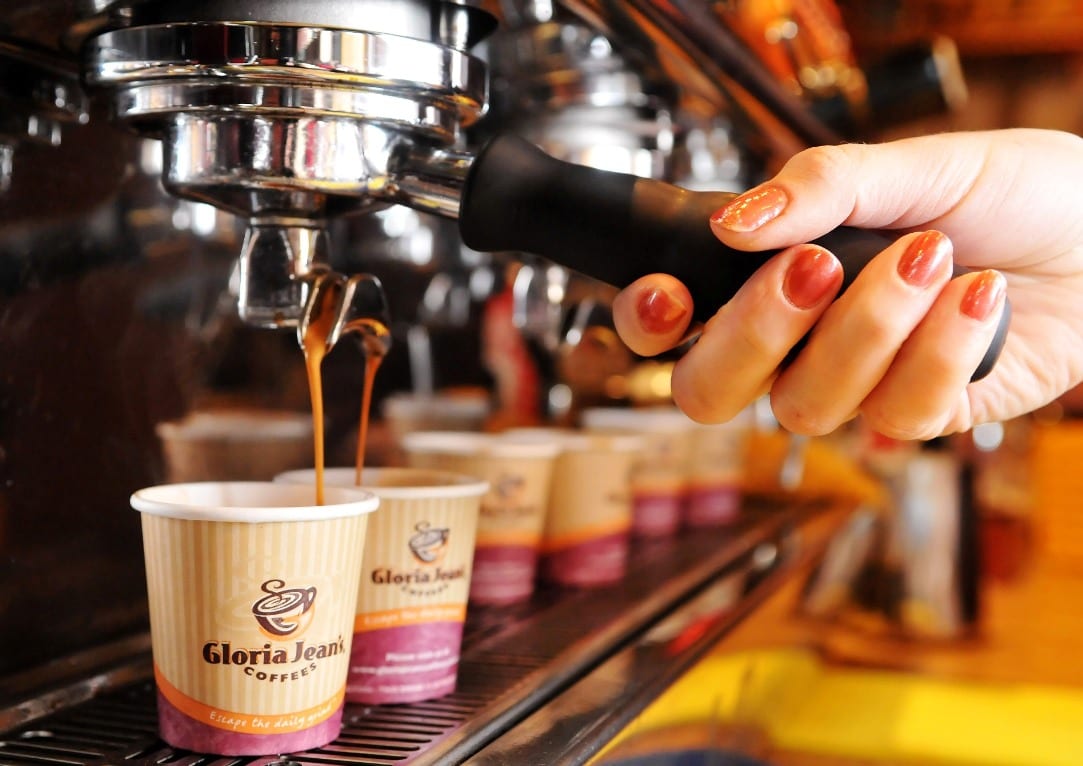
    Gloria Jean’s plans to expand its franchise in Myanmar through more branches across cities

    Gloria Jean’s franchise is operated by local company Seezar Soesan, which has business interests in areas including IT, trading, construction, agriculture, consultancy and media services.

    The coffee franchise has already opened its two branches in Yangon, one in Myanmar Plaza in January and another in Yangon’s new international airport terminal in early March.

    U Kyaw Htin Latt, Seezar Soesan’s chief operating officer said the company plans to continue to be the sole operator for the next two years but may allow other interested firms to open branches, as quoted by local media.

    Other coffee branches that Myanmar has got hold include Espressonite Myanmar, Nervin and Ya Kun

  • End of year launching for Metro Myanmar

    End of year launching for Metro Myanmar

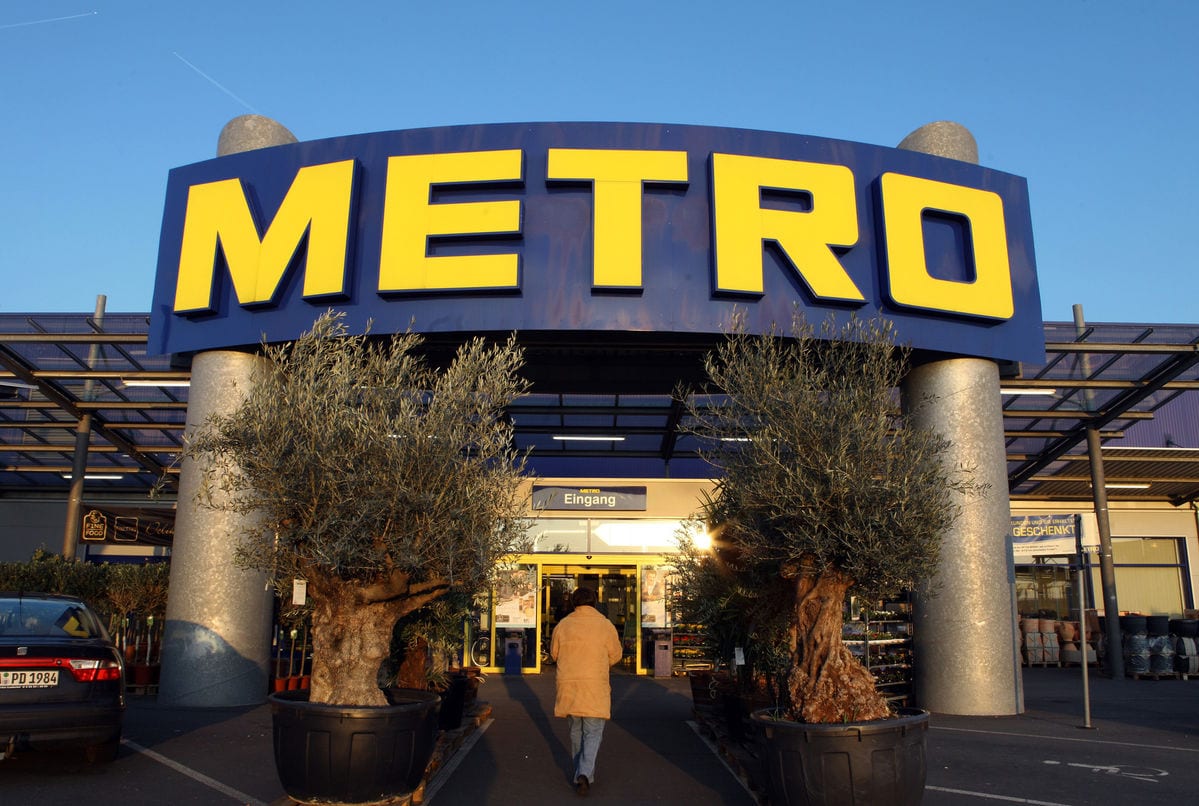
    Metro Myanmar is looking to launch by the end of 2016 as the German hypermarket operator gives Southeast Asia another shot.

    The move will surprise observers given Metro Group’s disastrous previous experience in Southeast Asia – where it chalked up millions in losses and got into an expensive dispute with local taxation authorities before off loading the company to Thai interests in late 2015.

    At the time the company stressed it was still pursuing opportunities in Asia.

    “Asia will remain an important growth region for Metro Group, and we will continue to invest there in the further development of the Metro Cash & Carry business,” said group chairman Olaf Koch in a media statement.

    “Myanmar is benefiting from opening up politically and has a high growth potential,” Koch said on Friday.

    The company is also planning to launch in Iran, newly freed from western trading sanctions.

    “We’ll decide by the end of the year which way our journey is headed,” said Koch.

    Metro Cash and Carry operates in 25 countries across Europe and Asia with 750 stores.

  • Indian traction for Myanmar

    Indian traction for Myanmar

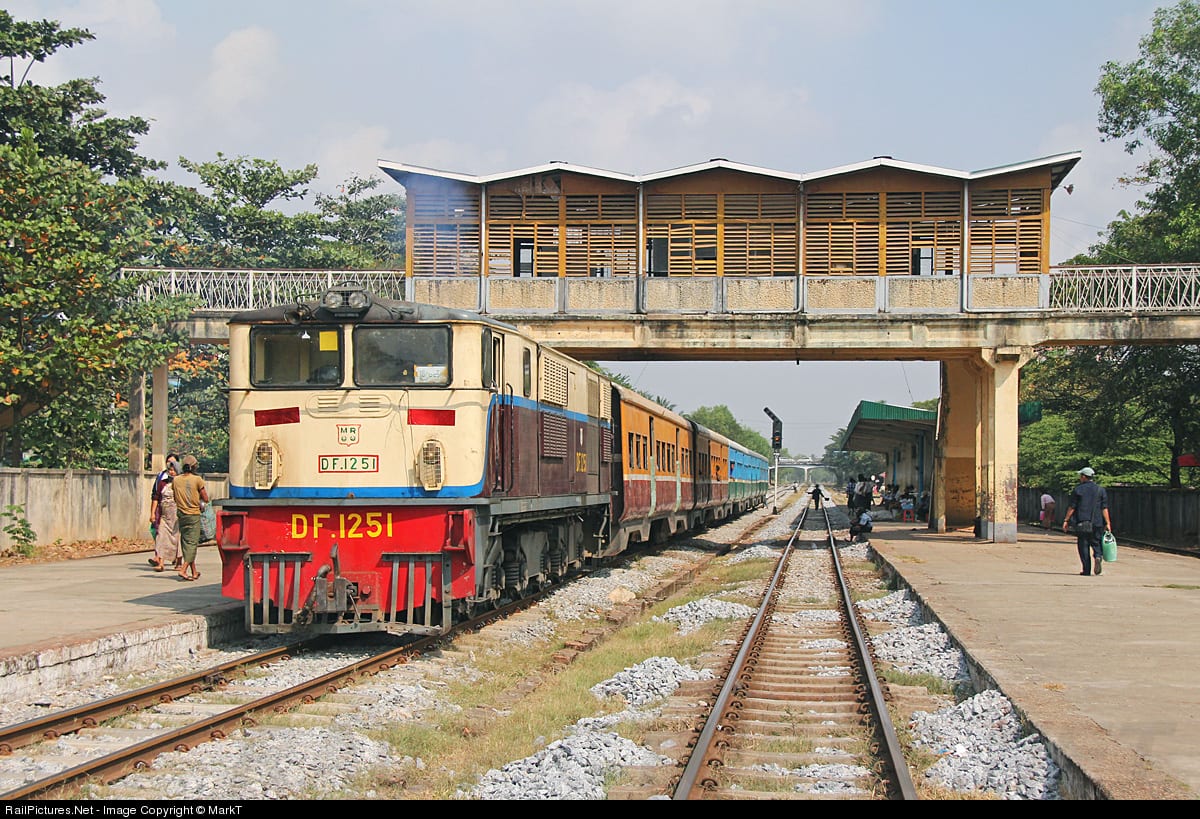
    India is to supply 18 metre-gauge 1350 hp diesel electric locomotives to Myanma Railways. The traction will augment the railway’s fleet and enable it to meet increasing demand for passenger and freight transport services in Myanmar. The requisite contract was signed at Naypyitaw (Myanmar) in week 9.

    The locomotive order is a vital project that is being funded under an existing Indian government line of credit for Myanmar. The traction, sporting several modern features such as microprocessor controls, fuel-efficient engines and an ergonomic cab design etc, will be manufactured at the diesel locomotive works in Varanasi

  • HAGL launches second phase of Myanmar Centre

    HAGL launches second phase of Myanmar Centre

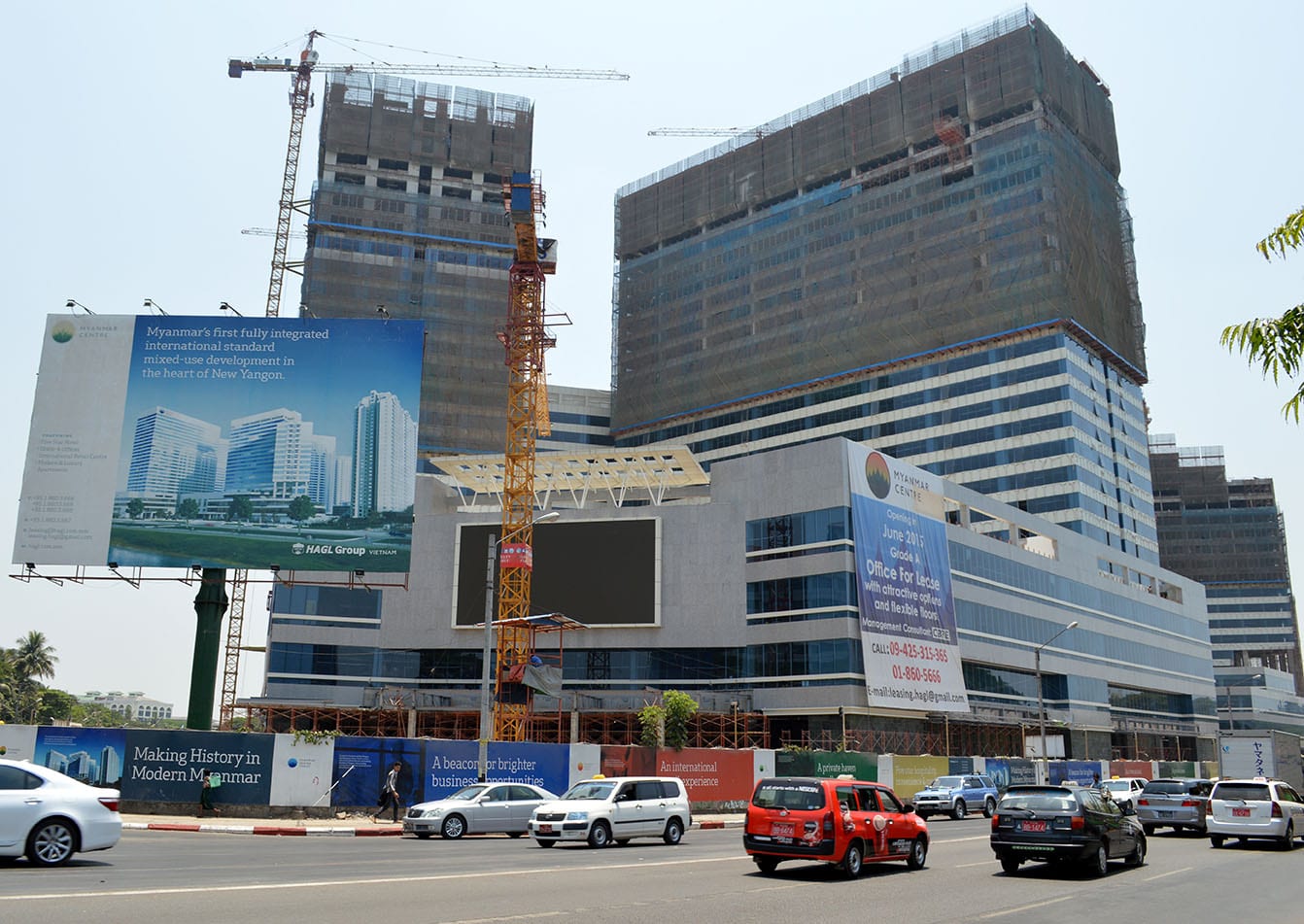
    Vietnamese developer Hoang Anh Gia Lai has started building the second phase of its landmark Myanmar Centre, which will include two office towers and five residential towers including serviced apartments and units for sale.

    The first phase of the US$440 million project included a shopping centre called Myanmar Plaza, which opened at the end of last year, and a hotel operated by Spanish chain Melia.

    The second phase, which is due for completion by 2018, broke ground at a ceremony on March 19. It will include a shopping mall with retail space, a cinema, an entertainment centre and a gaming zone.

    It will also include two serviced apartment towers with 360 units and two office towers. The total commercial leasing area across retail and office will be 93,742 square metres, according to a company spokesperson.

    Also part of the second phase, three 32-storey residential apartment towers known as The Lake Suites, with a total of 674 units, have already gone on sale.

    The units vary in size. One bedroom units are 68 sq m, two bedroom units are 88 sq m and 3 bedroom units are 119 sq m. Apartments are on sale for K300 million to K600 million each, with prices rising for higher floors.

    A representative for the Association of Vietnamese Investors in Myanmar (AVIM) said that the past six years have seen strong growth in investment relationships and cooperation between Myanmar and Vietnam.

    In 2010, Vietnamese foreign direct investment into Myanmar was worth $23.65 million. By December 2015, there were 73 Vietnamese enterprises invested in Myanmar with 10 projects approved by the Myanmar Investment Commission, worth a total of $691.6 million, he said.

    Bilateral trade between the two countries was worth $66 million in fiscal year 2012-13, rising to $281.02 million in FY2013-14 and $321.36 million last financial year.

    This year between April and August, trade between the two countries was worth $133.41 million, Ministry of National Planning and Economic Development statistics show.

    The Ho Chi Minh City-listed developer signed a $300 million build- operate-transfer (BOT) contract in 2013 with the government, state media reported at the time.

    Last year, the project was valued at $550 million during a joint venture bid by Singapore’s Rowsley, though the deal fell through in April. Rowsley said it had been unable to reach an agreement with HAGL over the details of the investment structure.

  • Kirin to make, sell Ichiban Shibori beer in Myanmar

    Kirin to make, sell Ichiban Shibori beer in Myanmar

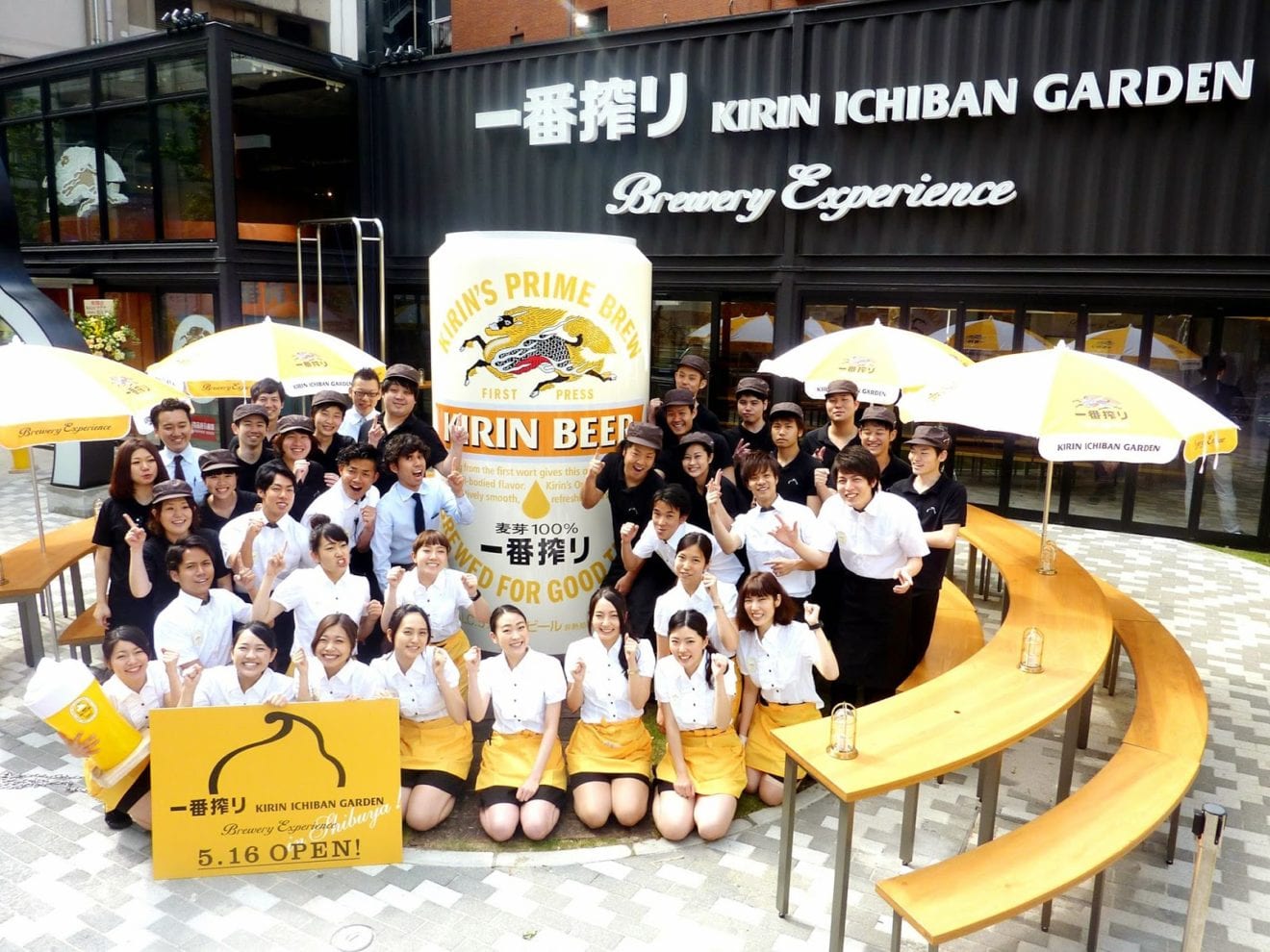
    Kirin Holdings will begin brewing and selling its flagship Ichiban Shibori beer in Myanmar as early as this month.

    The Japanese brewer will make the premium beer at the Yangon plant of Myanmar Brewery, which Kirin acquired last summer. It will initially provide it to Japanese restaurants and other high-end eateries, and aims to supply around 150 outlets within the year. Cans and bottles for retail stores will be rolled out gradually in the future.

    Ichiban Shibori will be sold to restaurants for just under 300 yen ($2.67) per bottle, around 50% more than typical local beer and in the same price range as premium European brands.

    Myanmar Brewery has an 80% share of the country’s market. Most of its products are in lower price ranges and it has lacked a high-end lineup to challenge European brewers. By selling Ichiban Shibori along with Myanmar Brewery’s existing brands, Kirin aims to offer beer in a wide range of prices and fight back against European competitors.

    Kirin sold the equivalent of 5.42 million 20-bottle cases of its beer brands overseas in 2015. It is targeting 6% growth to 5.72 million cases in 2016.

  • Myanmar National Airlines To Yangon Airport New Terminal

    Myanmar National Airlines To Yangon Airport New Terminal

    Asia World Group has opened the first phase of a new airport terminal in Yangon that will be capable of handing up to 20 million passengers a year when complete, with US fast-food chain Kentucky Fried Chicken the first international restaurant confirmed to open in the new space.

    President U Thein Sein (right) and Steven Law (left) attend the new airport terminal opening. Photos: Aung Myin Ye Zaw / The Myanmar Times

    Yangon Aerodrome Company Limited (YACL), an Asia World subsidiary, built the airport in less than two years, completing the project in time to be claimed as one of the final achievements of the outgoing administration. U Thein Sein opened the terminal, which will be known as T1, on March 12, in one of his last public appearances as president as his five-year term draws to a close.

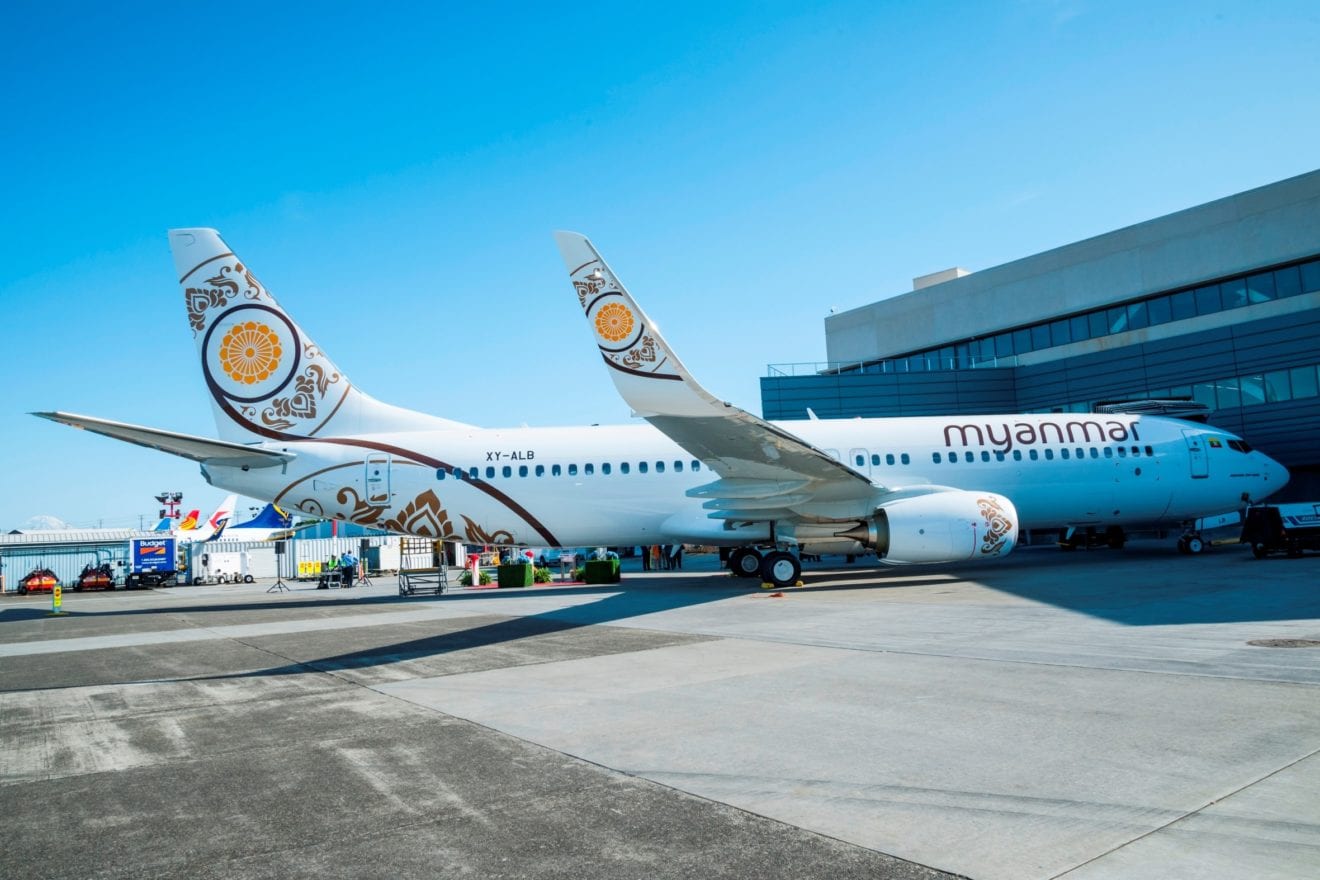
    Myanmar National Airlines, the recently rebranded national carrier, will be the first to move into the new terminal, officials said, with the airline’s maiden departure scheduled for March 20.

    Yangon’s existing international terminal, which is also managed by Asia World Group, will be rebranded as Terminal 2. Work on a new domestic terminal has already begun and plans are being drawn up for an “airport city” comprising a cultural centre, hotels, commercial and retail space.

    A view over the new Yangon International Airport Terminal 1.

    US-blacklisted Asia World was awarded a contract to build the US$660 million project in 2013 in controversial circumstances – the tender committee did not award it the highest mark, favouring a bid by a Japanese consortium, asreported last year.

    In response to a question about the tendering process, project manager Jerzy Wilk told The Myanmar Times that the company had no influence over the DCA’s decision-making, and that the tender was carried out in the public domain. The company’s track record demonstrates its capability, he said.

    YACL was awarded the contract in 2013 and signed a concession agreement with the Department of Civil Aviation in 2015. The group has provided 100 percent of the funding, through equity and loans from banks, said Mr Wilk.

    Balloons mark the opening of the new international airport.

    YACL chair U Htun Myint Naing, who also goes by the name Steven Law, said in a speech on March 12 that in building the airport the company had been confronted with several challenges.

    “First, as everybody is aware, this is not a greenfield project. It is an in-operation project and we needed to carefully deliver during this period,” he said.

    “Another challenge is our airport is a city airport, so we had a lot of limitations in the master plan and design … Also we built all these things within a short time period.”

    The company is operating with limited space – much of the land around the airport is taken up with military compounds and golf courses. Singapore’s CPG Corporation, which designed the world-class Singapore Changi Airport, helped with the design and planning, as did Surbana, said Mr Law in his speech.

    Around 88pc of flights into Myanmar land in Yangon. The airport has seen passenger numbers rise from 1.99 million in 2010 to 4.68 million in 2015, according to literature distributed by YACL.

    Guests ascend an escalator in the new terminal building.

    Weekly international flights from Yangon increased 3.88 times between 2010 and 2015. Twenty-eight international airlines now fly into Yangon and several more have confirmed new routes – Emirates Airlines, for example, will begin daily flights to Dubai in August and Hong Kong Express will launch flights later this year.

    YACL targets 8 million international arrivals through the airport in three years, according to YACL’s chief operating officer, Sulaiman Zainul Abidin.

    Last May, Singapore Myanmar Investco signed a 10-year agreement with DFS Group to develop and operate duty-free retail outlets at Yangon and Nay Pyi Taw airports and the company will be responsible for bringing in international brands.

    A tender has been called for the 7800 square metres of retail space with 50 retail outlets, and 3400 sq m of space across 16 restaurants. KFC has already set up its restaurant on the airport’s ground floor, and plans to open from the end of this month, said Mr Abidin.

    While Asia World Group and Mr Law are on the US Specially Designated Nationals list, YACL is not. Company officials did not explain how KFC has been able to sign with the group, and KFC’s local partner Yoma Strategic had not responded to questions by press time.

    Staff talk beside new baggage reclaim belts.

    Asked whether US sanctions had an impact on international demand to open outlets in the new terminal, Mr Abidin said it had not. “We conducted a tender. So far the response is from almost any country you can find … I don’t see any problems.”

    Despite the sanctions link, international trade will be able to pass freely through the airport, under the US Treasury’s General Licence 20, issued in December. While the license is only valid for six months, it is widely expected to be renewed in June.

    Mr Law has benefited more than most sanctioned companies from the license, which also allows trade to pass through his Yangon port terminal.

    The license is aimed at promoting trade and does not cover business deals between Asia World and US companies beyond transactions “ordinarily incident” to trade, officials from the Office of Foreign Assets Control said on a media call last December.

  • Germany’s Metro Group might start Myanmar ops in 2016

    Germany’s Metro Group might start Myanmar ops in 2016

    Singapore’s Sia Huat, Premium Distribution JV for food distribution

    Singapore based Sia Huat and Myanmar based distributor Premium Distribution Co Ltd are looking into connecting food services brands worldwide with restaurants and hotels in Myanmar.

    They have already invested $1 million in Myanmar.

    The two have joined hands to form S&P Foodservice Distribution Co Ltd that opened a showroom in Yangon to better communicated with Myanmar’s food and beverages, hospitality and travel industry.

    Products include tableware, kitchenware and hygiene units.

    “The food & beverage industry in Myanmar is booming. We expect a strong demand for products that improve operations, food safety and quality, said Miki Ow, general manager of S&P.

    S&P is poised to bring some of the world’s top brands including Cerabon, Safico, Giesser, Atlantic Chef to the market and to have access to over 300 professional kitchen equipment suppliers.

    S&P’s current customers in Myanmar include hotels such as Novotel, Sedona, Parkroyal and franchise brands like Harry’s Bar, Yakun and some restaurants.

    Germany’s Metro Group looks to venture Myanmar by end of 2016

    Germany’s Metro Group, a wholesale retail group is planning a foray into two markets – Myanmar and Iran – by the end of 2016.

    Metro Group with its brands, deals with wholesale trade mainly for food and consumer electronics. They are also one of the largest specialist online discounters in Germany.

    “Myanmar is benefiting from opening up politically and has a high growth potential,” said Olaf Koch, CEO of Metro Group. Iran became free for the sanctions, they are thinking to examine what opportunities Iran will offer.

    The company’s preparations for the extension of its cash and carry business are in progress. METRO Cash and Carry is in 25 countries across Europe and Asia with 750 stores. They deal with about 20,000 food items and 30,000 non-food items.

    “We’ll decide by the end of the year which way our journey is headed,” said Koch.

  • Mitsubishi Estate to build Myanmar’s ‘Marunouchi’

    Mitsubishi Estate to build Myanmar’s ‘Marunouchi’

    Major real estate firm Mitsubishi Estate Co. is planning to start a roughly 50 billion yen (about $438,616,000) redevelopment project featuring office buildings, apartments and hotels in what is now a run-down district in front of a central train station in Yangon, Myanmar.

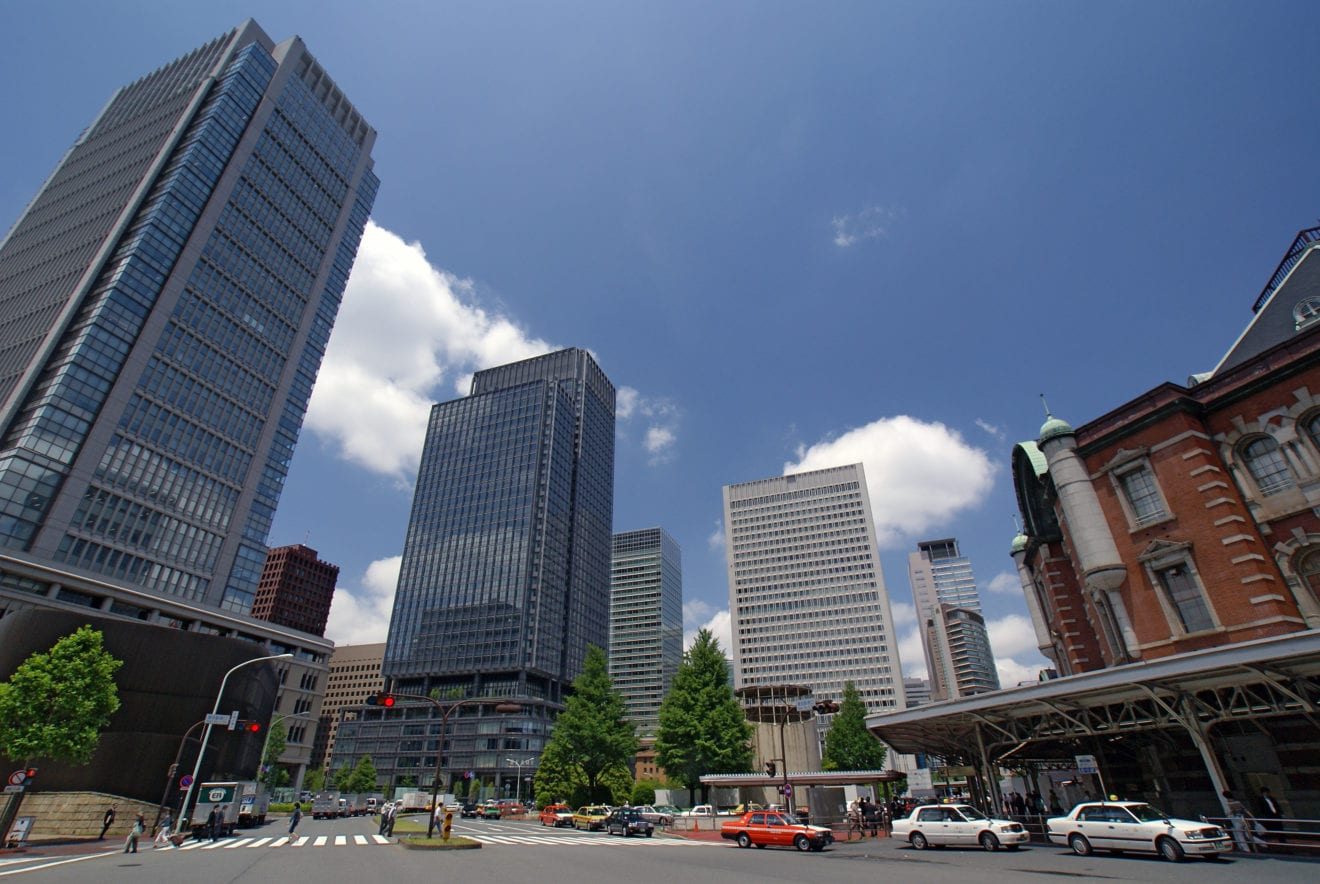
    Mitsubishi Estate plans to draw on its experience of developing Tokyo’s Marunouchi into a world-class business district to create a Myanmar version in Yangon. The company is also planning similar projects in other Southeast Asian nations.

    Mitsubishi Estate is looking into a 40,000-square-meter site(about 9 acres) in front of Yangon’s central railway station, which serves as a gateway to Yangon. The district is currently filled with dilapidated offices and other buildings.

    Mitsubishi Estate is working with Mitsubishi Corp. and a local real estate firm in Myanmar for the project, which is now under way, to build multiple high-rise buildings that will house offices, commercial facilities, apartments and hotel accommodations. The total project is estimated to cost about 50 billion yen.

    Myanmar is facing real estate development woes, including office shortages stemming from its rapid economic growth. The landscape of the Marunouchi district in front of Tokyo Station, which was rapidly developed from the Meiji era (1868-1912) through the rapid postwar growth period, has been cited as a good model for the Yangon development project.

    Marunouchi grew into a town that attracts many visitors as a gateway to Japan, home to the offices of leading companies as well as retail stores, restaurants and hotels.

    Mitsubishi Estate is aiming to work on similar development projects in other South Asian countries by promoting its approach to build complex facilities on prime urban real estate.

    “We will export our urban development system,” Mitsubishi Estate President Hirotaka Sugiyama told The Yomiuri Shimbun. “The Yangon project will be an opportunity to introduce our approach.”

    Investment in Myanmar has sharply risen since the country made its transition in 2011 from military rule to a democratic government.

    According to the Japan External Trade Organization, foreign investment in fiscal 2014 stood at $8 billion (about 940 billion yen) – twice as much as the previous fiscal year.

    Japan-affiliated firms have entered into business in Myanmar one after another during its economic expansion period. There are now more than 280 companies belonging to the Japan Chamber of Commerce and Industry, Myanmar.

    Buildings are rapidly sprouting up, concentrated in the Yangon area. There are also more and more businesspeople visiting Myanmar, resulting in expensive rent for office buildings even for Southeast Asia as well as relatively high hotel charges.

  • Pomelo founders squeezed out

    Pomelo founders squeezed out

    Competing visions for the future of Pomelo have seen several founders forced out of the company in recent months amid allegations of physical intimidation, threatening emails and defamatory public statements. The Myanmar Times‘ RJ Vogt investigates what went wrong at Yangon’s best-loved social enterprise.

    One of Yangon’s most popular social enterprises, Pomelo, is being torn apart by an ownership dispute built on fundamental questions over how it should develop in the future.

    The founder, general manager and lead designer say they have been forced out of the business, locked out of the store and even physically intimidated in recent weeks as the dispute has escalated.

    According to the original Myanmar partner, however, the recent registration of the business as Pomelo Company Limited (PCL) and subsequent changes in management were necessary to protect its local partners from the business being placed “under a foreign entity”.

    In an interview with The Myanmar Times, Daw Thea Thea said she registered PCL in order to preserve what she believed was Pomelo’s original purpose: to create a producer-focused marketplace.

    “The worst part during the process of reforming governance was when they decided to register as a foreign company,” she said. “It felt like foreign people were taking over the shop. A lot of people raised the question – why does a foreigner want to be the owner of the shop?”

    But Pomelo co-founder Rachael Storaas says Pomelo was never going to be solely foreign-owned. She and her team had planned to set up a joint-venture in order to expand the company so it could provide more training and profits to a growing number of producers. It was always going to be a non-profit, Myanmar-focused business, she insists.

    “Pomelo is not about foreigners against Myanmar nationals,” she said. “It is about working together. It is to show that Myanmar products are successful, well-made, ethically produced products. And we helped to design, develop and sell these products.”

    During a messy and tumultuous February, both sides have sought legal counsel. The Myanmar Times was provided with threatening emails from a PCL adviser, in which the person suggested the recipient could face a protracted court case and deportation. Surveillance cameras at the store also showed the PCL adviser pushing Ulla Kroeber, the former lead designer, during an altercation on February 17.

    The store remains open, but the website notes that those running it are not the ones who directed its growth for the last four years.

    The store remains open, but the website notes that those running it are not the ones who directed its growth for the last four years.

    Amid the dispute, the 50-plus producer groups who sell goods at Pomelo have been largely relegated to the sidelines, waiting to find out the future of the business that offered them an opportunity to sell their goods.

    Pau Son, from the upcycling group Shin Thant, said he was not consulted about the recent personnel changes. Other producer groups he has contact with were also in the dark, he said.

    “It’s really rude … It’s horrifying,” he said in an interview on February 24. “This is not Myanmar people’s style. The one thing I’m disappointed in is that they should have met with us before they did this.”

    Seeds of contention

    The struggle has roots dating back to the company’s establishment as a souvenir shop in 2013. Rachael Storaas and Annie Bell, the co-founders, envisioned Pomelo as a social enterprise that would offer Myanmar people a marketplace for sustainably sourced goods, such as recycled notebooks and decorative art. But because Myanmar lacked – and still lacks – the legal infrastructure to licence a social enterprise, Storaas and Bell teamed up with Daw Thea Thea to register the company as a souvenir shop with Yangon City Development Committee.

    Pomelo needed to be registered to a local because foreigners are not allowed to conduct retail operation in Myanmar, so the shop was set up under Daw Thea Thea’s name only.

    Daw Thea Thea says she had been considering setting up Pomelo as far back as 2008. She also organised the early discussions in 2012 that led to its registration the following year, she said.

    “This is a dream we all started together,” she said.

    In just two years, Pomelo rapidly grew from one producer group to more than 50. Ulla Kroeber, an architect from Germany, joined the team as the lead designer. Paula Camba served as a general manager before stepping down to be a volunteer, with Natalie Ortiz as her replacement. The company began to offer training in product design to its producer groups, as well as English lessons and other services. A location within, and then later next to, the popular Monsoon restaurant ensured a steady flow of tourist foot traffic. The shop was soon featured in The New York Times, Lonely Planet and TripAdvisor.

    It appears that producer groups may soon have a choice between Pomelo Company Limited and a new store, to be created by the ousted foreigners.

    It appears that producer groups may soon have a choice between Pomelo Company Limited and a new store, to be created by the ousted foreigners.

    By 2015, Pomelo was clearly outgrowing its souvenir shop status. Filling bulk orders from the United Nations proved near-impossible when the business bank account was technically that of a private individual. Exporting goods overseas required an export licence, which souvenir shops cannot apply for. The souvenir shop had only an unofficial board, comprising Ms Storaas, Ms Bell, Daw Thea Thea and other volunteers, that was often split on issues such as exclusivity agreements with producers. Ms Storaas even admits to harbouring concerns that Pomelo was not paying the appropriate amount of taxes because it was technically just a souvenir shop.

    Ms Storaas and her team began consulting with international law firm Baker & McKenzie for advice on changing the company’s structure.

    “I approached the law firm for assistance so that Pomelo could be, as properly as possible in Myanmar today, registered correctly with myself, Ulla Kroeber, Paula Camba and of course Daw Thea Thea as shared owners,” she said on February 25.

    British Council adviser Don MacDonald told the Pomelo leadership to consider starting two new companies in tandem. One would be a foreign-domestic joint venture, to handle all of Pomelo’s product development, producer training and expansion; the other, purely domestically owned, would handle the retail shop.

    “The aim of our work was to produce a draft constitution, which would involve local producers, along with a marketing plan and a plan for sharing ‘profits’ with local producers,” Mr McDonald said.

    But this proposal did not sit well with Daw Thea Thea and some others involved in Pomelo. She says she was not involved in the process – something that Ms Storaas refutes – and felt excluded from decision making. Bringing foreign ownership to Pomelo, in her mind, was a step away from the original purpose of serving local Myanmar people. She advocated splitting power three ways, between producer groups, Myanmar owners and foreign advisers. That’s when she says the foreign side increasingly began to freeze her out.

    But Ms Storaas says that the proposed changes came with several key stipulations to preserve local producers’ interests, including that the company would only benefit locals, that profits would always be channelled to develop production and that the new arrangement would be temporary until Myanmar laws allowed a better way to register a social business.

    She says Daw Thea Thea was explicitly promised at a December 11 meeting that “all profits would be reinvested back into the company” and given a week to think it over. The follow-up meeting never occurred, and by mid-January a new version of Pomelo had been registered with the Directorate of Investment and Company Administration. According to the DICA website, PCL was registered to the address of Helping Hands, a producer group run by Ms Bell, and had two board members: Daw Thea Thea and Daw Htar Htar of Akhaya Women’s Association.

    A hostile transition

    Two weeks later, Daw Thea Thea and Daw Htar Htar delivered letters of notice to Ms Kroeber, Ms Camba, Ms Bell and Ms Storaas, thanking them for their time and informing them that their expertise was no longer needed.

    Ms Kroeber described her firing at the store on February 4 as “aggressive”. Daw Thea Thea and Daw Htar Htar were accompanied by Ms Bell and Neil MacIntyre, who is listed online as the founder of a children’s nutrition drink company but had not previously been involved with Pomelo.

    The letter Ms Kroeber received gave her just four hours to hand over all company information, passwords and keys. Having been living in the Pomelo office while on extended work visits in Yangon, she was also forced out of her accommodation. Ms Ortiz – Pomelo’s only full-time, salaried foreign employee – received a similar letter, though her position was not terminated. Instead, she was instructed to report directly to the PCL board on all PCL-related matters.

    Pomelo’s iconic vinyl bags owe design influence to Ulla Kroeber, one of several foreign members of Pomelo’s team who has been forced out of the company.

    The first many people heard about the dispute was when Ms Storaas sent a mass email on February 7 giving her side of the dispute and explaining there had been a “difference of opinion” over the future direction of the store.

    The email said that the formation of PCL and the terminations were “in no way originating from the current Pomelo team. The team was furthermore not in any way consulted, nor were the community of producers.

    “There is a great risk of harm to Pomelo, a great risk to undo what has been achieved and at the end of the day a great risk to the income generated for an increasing number of vulnerable groups of producers,” she wrote.

    Shortly afterward, the threats began, Ms Storaas said. She received an email, signed as the “Pomelo Board”, telling her she could expect to face legal action, including defamation and charges under the Electronic Transactions Act.

    Mr MacIntyre followed up with an email on February 15, written in Norwegian, which Storaas speaks.

    “We are determined to ensure that you are kept in this country so that we can have a court case against you to reinstate our reputation,” he wrote. “This will be a slow process. Today, while you still can, you might want to get yourself out of the country.”

    Mr MacIntyre refused to confirm whether defamation charges had been filed.

    The Myanmar Times was also shown security camera footage of Mr MacIntyre pushing Ms Kroeber as well as her husband, Mr Hans ten Feld, in the Pomelo store on February 17.

    Asked for comment, Mr MacIntyre wrote in an email, “There are provisions in the Myanmar Penal Code where a person is allowed to use non-excessive force to prevent a crime against, or to safeguard the damage to property or person; himself or another.”

    He also explained that drawing distinction between “former management” and the “new Pomelo Company Limited” is incorrect.

    “There is no new Pomelo Company Limited. Let me emphasise that there was never a former management. There were usurpers who, by criminal use of force, took over illegal possession of the premises. This required the rightful entity to legally take repossession,” he wrote.

    A few days after the alleged altercation, local police contacted the shop staff, instructing them to hand over the keys to the store to the PCL board members. The lease to the shop was in the name of a Myanmar employee, rather than Daw Thea Thea or Pomelo. On February 20, this person was called to a meeting at Botahtaung police station, so she brought Ms Kroeber and Ms Storaas with her. They refused to give the keys without a written explanation from the police as to why PCL had the right to take over the premises.

    The police refused to put anything in writing and Daw Thea Thea and Daw Htar Htar left without the keys. By Monday, February 22, the shop’s locks had been removed and changed, according to the ousted foreign sides.

    Daw Thea Thea, Ms Storaas and an independent local lawyer confirmed the meeting with police took place. But multiple police officers at Botahtaung police station said they knew nothing about any dispute at Pomelo.

    What’s next?

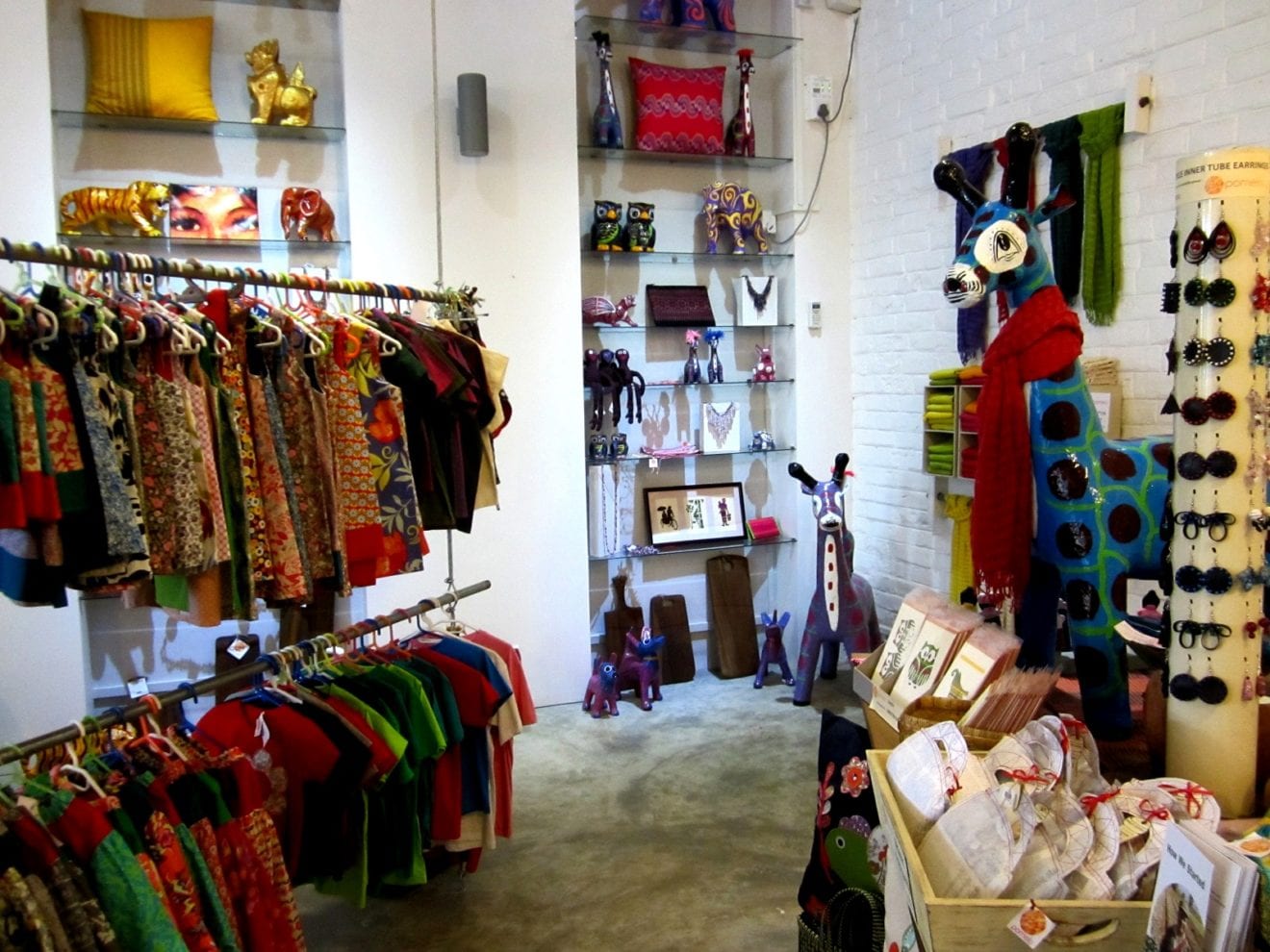
    For Pomelo Company Limited, it looked like business as usual yesterday afternoon. Tourists browsed papier mâché giraffes and trendy seat cushions, oblivious to the recent turmoil. Only the website shows signs of change, with a note pinned to the top stating that emails coming from “pomelopartnerships” are not from the group who ran the day-to-day operation for the past four years.

    Daw Thea Thea describes the past year as “a nightmare” and insists she does not “want to be in this situation”. She is sad that the foreigners have left their former roles, but feels it is necessary to preserve the mission of Pomelo.

    “No one is right or wrong but this is what has happened,” she said.

    In an earlier press statement, the PCL board said, “At this time when Myanmar transitions to a more open and just society, Pomelo can act as a strong example for Myanmar social business across the country.

    “Pomelo is in good hands and the Board wishes to thank its staff and producer groups for their great work, and the community for its ongoing support.”

    Ms Storaas, Ms Ortiz and Ms Kroeber have no legal claims to the Pomelo store, the products in the shop or the money that had been accumulated.

    Because Pomelo was always registered as a souvenir shop under Daw Thea Thea’s name, they have been advised by legal counsel to give up on Pomelo and start over with a different business.

    Ms Storaas, who says she never took a salary from Pomelo and did not get back the US$6000 she originally invested, said that K119 million ($95,967) is now under the control of PCL.

    But she insists that the “services, the ideas, the designs, the support and the training provided by the Pomelo team are no longer part of the shop” that is run by PCL.

    This Pomelo team is already laying plans for a new social business and is looking for partners and support. Some of that support may come from their producers, 24 of whom penned a letter on February 22 objecting to recent changes at the business.

    “We rely on the expertise of Pomelo foreign members in developing new items … This is what made Pomelo successful and we wish not to jeopardise this success through relying on local expertise only,” it states. “We wish to propose that the shop will be run again in the same manner as it was done before the 4th of February.”

    Pau Son reiterated that support in an interview with The Myanmar Times on February 24.

    “I will definitely not join these new Burmese guys,” he said. “You see, Ulla [Kroeber] is like a mother to us all. She is so kind and so sweet. She really does care about us. And what they did to her is really unacceptable. I would rather keep working with Ulla.”

  • New EU funding to help boost Myanmar garment exports

    New EU funding to help boost Myanmar garment exports

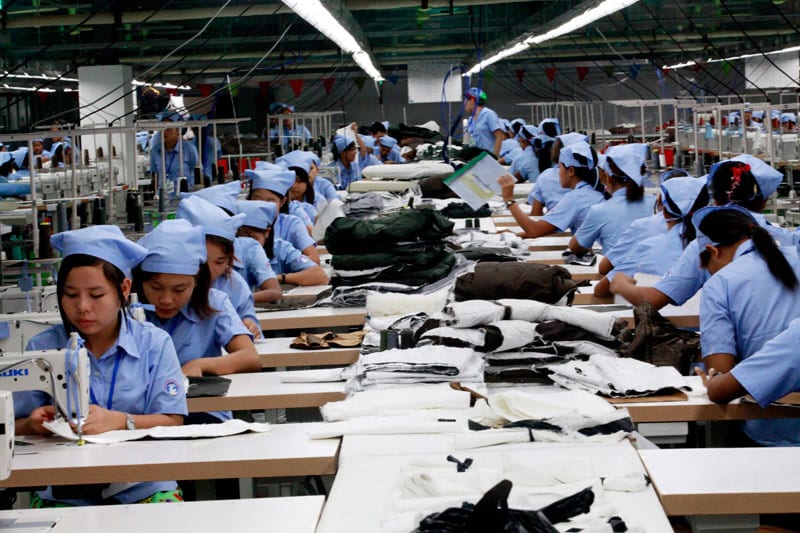
    Myanmar’s garment sector is targeting a 300% increase in garment exports to the European Union (EU) by end of 2019 thanks to a EUR2.8m (US$3m) funding boost as the second phase of the SMART Myanmar project gets underway.

    The EU-funded SMART Myanmar project – SMEs for Environmental Accountability, Responsibility and Transparency – aims to build the sustainable recovery of the Southeast Asian country’s garment industry.

    Phase two of the initiative launched last week, with the goal of boosting productivity and creating over 300,000 jobs for low-skilled workers during the next four years. It has been implemented by a consortium of partners including Germany’s Sequa, the Foreign Trade Association of German Retail Trade (AVE), sustainable fashion group Made-by, the Myanmar Garment Manufacturers Association (MGMA), and the Association of Development Financing Institutions in Asia and the Pacific (ADFIAP).

    More specifically, Jacob Clere, team leader with SMART Myanmar II, told just-style: “The project focus is on improving social and environmental compliance in garment factories, in particular, upscaling and mainstreaming some of the activities piloted and launched during the first project phase from 2013-2015. We’re targeting social compliance improvements in 100 factories during the next four years, as well as delivering HR management to 400 factory managers. As well, we plan to continue capacity building activities with the MGMA and with the training of local technical staff on compliance issues.”

    Other activities will include educating factory workers on labour and OHS laws, working with the government on public procurement procedures, and educating local banks on financial products and services – including introducing the concept of green finance.

    The ultimate goal of the SMART project, which has been running for three years, is to help Myanmar’s garment industry compete in the global market. At its inception, EUR2m was invested in a bid to improve the production and consumption of sustainably manufactured garments in the country.

    Project partners hope other results will be achieved, such as a 20% reduction in waste production in 100 garment factories. Garment exports are also targeted for a 300% increase from 2015 to the end of 2019.

    The consortium is also expecting that at least 150 garment factories will improve their working conditions as a consequence of participating in the SMART Compliance Academies, and that up to 30 banks will take part in at least eight workshops on green finance. In addition, the programme is targeting the training of 15 Safer Consumer Products (SCP) consultants to advanced level to deliver factory improvement programmes. And it is hoping the initiative will create new business opportunities, such as joint ventures between factories in Myanmar and EU brands.

    Speaking at the launch ceremony, EU Ambassador Roland Kobia celebrated the achievements of Myanmar’s garment industry, noting that the value of garment exports has more than doubled in recent years, making it “a catalytic sector of Myanmar’s economic transition”.

    SMART Myanmar is an EU-funded SWITCH Asia project, which, while promoting and supporting the sustainable production of ‘Made in Myanmar’ garments, strives to increase the international competitiveness of small and medium enterprises (SMEs) in the sector. It works alongside companies and business support organisations located in the country, helping build capacity and increase skills and knowledge in local partner organisations, facilitating the development of marketing and export strategies for the garment sector.

    From 2013-2015 the project engaged with dozens of local garment factories on social and environmental compliance issues, providing technical support and capacity building. The project also assisted in boosting the capacity of business associations, helping the Myanmar Garment Manufacturers Association (MGMA) draft a first-ever Code of Conduct for its members.

    Project director Simone Lehmann said at the press conference in Yangon that the focus of the next phase will be on “technical support and capacity building” through workshops engaging dozens of factory employers. She added that there will not be a focus on labour disputes in the sector, but instead, “developing the sector and providing professional support for MGMA”.

    She added: “The garment sector has quickly become Myanmar’s main export sector after oil and gas. The value of exports has more than doubled in less than two years and is projected to continue to grow almost exponentially for the next several years. The growth of the garment sector will contribute to the growth of the industrial sector and create many new jobs.”

  • Tata Group sees Vietnam, Myanmar as potential markets to power growth

    Tata Group sees Vietnam, Myanmar as potential markets to power growth

    At least seven companies of India’s oldest conglomerate, Tata Sons, have zeroed in on Vietnam and Myanmar as markets that need to be penetrated into. Growing economies and an expanding middle class, as well as pacts with global powers and tax incentives have made these countries important for firms that seek to reach out further into the Asean and global markets.

    “The demographics and the economic development stage of these countries represent a market for several products and services from the Tata group,” a Tata Sons spokesperson said. “Tata companies like Tata Power, Tata Projects, Tata Chemicals, Titan, Tata Motors, Rallis (and) Tata International among others are either active or are exploring opportunities in the Vietnam and Myanmar markets,” the spokesperson said in an e-mail, responding to ET’s queries.

    For the business house, Singapore is the nodal country for its Asean markets that include more than 660 million people with a $2 trillion economy. Asean members include Indonesia, Malaysia, the Philippines, Singapore, Thailand, Brunei, Myanmar, Cambodia, Laos and Vietnam.

    “The region has recorded more than 5% GDP growth on average since the year 2000 and, when combined, Asean nations would represent the world’s seventh largest economy. The region is therefore regarded by many as the third pillar of economic growth within Asia, after China and India,” said Shashank Tripathi, leader at PwC’s strategy&.

    In an interview to its quarterly in-house magazine, Tata Group Resident Director for the Asean region KV Rao said: “From a group perspective, we have identified two focus markets: Vietnam and Myanmar.” The group has a memorandum of understanding each in the two countries for power projects. “We are now working on deepening the engagement with these markets from a strategic and operational point of view,” he added.

    The Vietnam-EU Free Trade Agreement (VEFTA), signed in Brussels on December 2 after nearly three years with 14 rounds of negotiation, will remove nearly all tariffs between the Southeast Asian country and the EU once implemented by 2018. The country becoming a global trade partner for the US, EU and China in exports makes it important for Indian firms.

    While recent years have been a bit sluggish for many Asean countries affected by global economic conditions, Vietnam was among the few to record robust GDP growth – 6.0% in 2014. Recently released government figures further estimate 6.7% growth in 2015, its highest since 2007, due to a significant increase in industrial production and a strong push by the government to improve the business environment and reform its state-owned enterprises.

    Indian companies have been investing in sectors such as oil and gas exploration, mineral exploration and processing, sugar manufacturing, agrochemicals, IT and agricultural processing in Vietnam. Some of the companies that have a foothold there include ONGC Videsh, Tata Power, KCP Industries and Tech Mahindra.

    Coming out of junta rule with promises of economic reforms has made Myanmar an important geography for businesses. Major Indian companies there include ONGC Videsh, Jubilant Oil and Gas, CenturyPly, Tata Motors, Essar Energy, RITES, Escorts, Sonalika Tractors, Zydus Pharmaceuticals, Sun Pharmaceutical Industries, Cadila Healthcare, Shree Balaji Enterprises, Shree Cements, Dr Reddy’s Laboratories, Cipla, Gati Shipping, TCI Seaways, Apollo and AMRI Hospital.

  • Parkson Retail Asia profit down 71.6% in Q2

    Parkson Retail Asia profit down 71.6% in Q2

    Department store operator Parkson Retail Asia has posted a second quarter net profit of $2.9 million, down 71.6 per cent from the same period a year ago.

    Revenue in the three months to Dec 31 fell 12 per cent to $103.5 million, driven by a 7.3 per cent fall in same store sales growth in Malaysia and 5.2 per cent fall in same store sales growth in Myanmar.

    Some new stores were also in their first year of operations, which is an initial loss-making period, the group said.

    Earnings per share stood at 0.43 cents, down from 1.51 cents a year ago.

    Net asset value per share was 27 cents as at Dec 31, up from 22 cents as at June 30 last year.

    “The Malaysia operations for the next reporting quarter may encounter muted consumer sentiment, however, this drag will be buffered by progressive normalisation of sales post-GST (Goods and Services Tax ),” the group said in a statement to shareholders after market close on Feb 3.

    It said that it expects Vietnam’s retail environment to improve in the second half, while demand from Indonesia’s middle class will remain robust.

    “The Myanmar operations may be affected by the possible closure of FMI Centre, where the store is located, for re-development. However, the landlord has not confirm on the timing for the redevelopment,” the group added.