Retail News CRM

Tag: Myanmar

  • NTT Com launches high-speed broadband in Myanmar

    NTT Com launches high-speed broadband in Myanmar

    Japan’s NTT Communications has launched high-speed internet services for enterprises in Myanmar, starting with the Yangon area.

    The company has secured a network service license from Myanmar’s Ministry of Transport and Communications, and has started offering the new Digi-Path Premier service in the market.

    The service provides dedicated, fully managed circuits from 1Mbps to connect enterprises with NTT Com’s global network, with 24/7 monitoring of circuits. Delivery of circuits can require as little as one month.

    NTT Com is also providing optional services including global IP address, web hosting, mail hosting, rental routers, managed firewalls, internet VPN and file transfers.

    NTT Com, along with NEC and Sumitomo, jointly deployed a 30Gbps core optical network between three major Myanmar cities in 2013, under contract from the Myanmar government. The operator established an office in the nation in October 2012, the first in the country from a foreign operator.

    The operator said it is now providing internet connections to enterprises globally including in seven Southeast Asian countries – Singapore, Malaysia, Indonesia, Thailand, Vietnam and Cambodia, as well as Myanmar.

  • Golden opportunity: why now’s the time for brands to move in Myanmar

    Golden opportunity: why now’s the time for brands to move in Myanmar

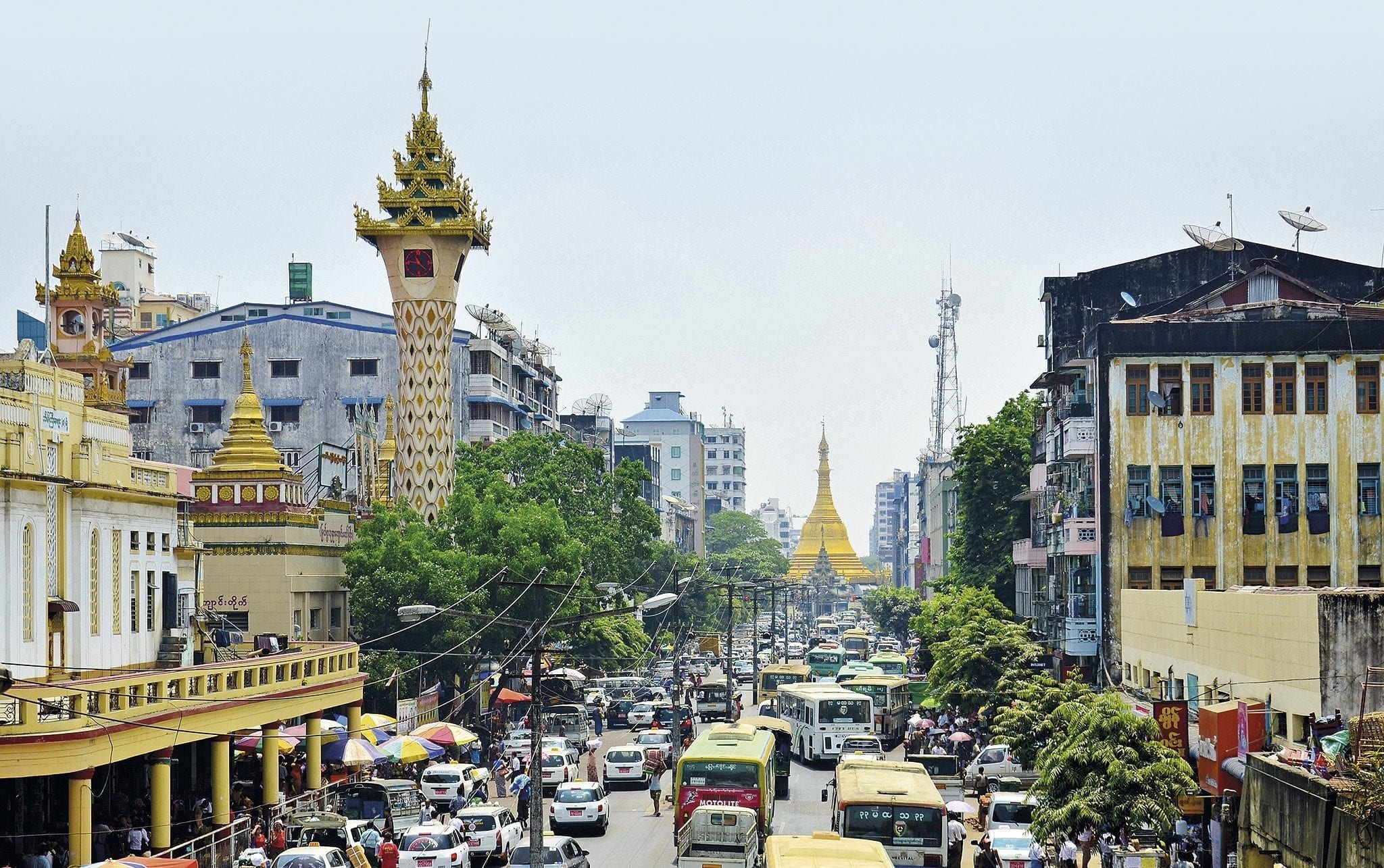
    In the street outside Yangon’s Shwedagon Pagoda, a Buddhist monk reaches into the folds of his burgundy robes for his mobile phone. He cuts a somewhat incongruous figure, tapping his screen against a backdrop of golden spires, with a steady stream of pilgrims and traffic all around. But this blend of ancient tradition with digital connectivity is now the way of modern Myanmar.

    The pace of change here is on a scale unseen in other fast-growth Asian markets. Just three years ago, buying a mobile SIM card meant handing over $2,000 in cash on the black market; now, there are now three competing networks and a SIM costs just $1.50. Ownership of mobile phones has already shot up to more than 50 per cent – a fact all the more remarkable given that only a third of people here have mains electricity in their homes.

    It is this prevalence of mobile connectivity right at the beginning of Myanmar’s growth curve that is proving such a strong accelerant of change. Mobile connectivity won’t just enable growth, it will direct it, leading entire business sectors – from banking to retailing – to leapfrog stages of development.

    The International Monetary Fund has predicted Myanmar will have the world’s fastest-growing economy this year, with GDP growth of 8.6%. Since the country embarked on a programme of ‘disciplined democracy’, investment has been increasing. The smooth transition to a civilian-led government earlier this year is giving many more businesses the confidence to invest and expand here.

    Economic growth and urbanisation are giving rise to social mobility, and with that, the world’s newest, youngest middle class. Myanmar is home to 51 million people, more than half of them aged under 30. By 2020, Boston Consulting Group anticipates that 10 million will be middle-class or affluent. These people won’t necessarily be wealthy by global standards, but they will have disposable income that puts fashion, fragrance and home appliances within reach. Later, they will be in the market for cars and overseas holidays.

    For brand owners, this represents unprecedented opportunity, and there is a clear early-mover advantage to be had. WPP’s global BrandZ study tracks the way consumers feel about different brands around the world. Some brands are so little understood by consumers, they are a ‘clean slate’ in consumers’ minds. In Myanmar, where shoppers have had little choice about where they shop and the brands they buy, about a third of all brands fall into this ‘clean slate’ category – double the global average.

    That means now is the time for brands to start making an impression, not just on people who are ready to buy, but also on those who are on their way up. Ford and Chevrolet are already here; Coca-Cola, KFC and Pizza Hut are among the other international brands to have launched in Myanmar.

    Consumers in Myanmar are open to trying new products and new brands, but while global brands can serve as shorthand for quality or safety, they are not a badge of honour and do not instantly command a premium. People are embracing the opportunities that digital connectivity offers, but do not seek an express route to ultra-modernity. The languorous pace of life here is seen as something to be treasured; thoughtfulness and self-control are admired, and modest attitudes to spending and thrift can make indulgence seem decadent.

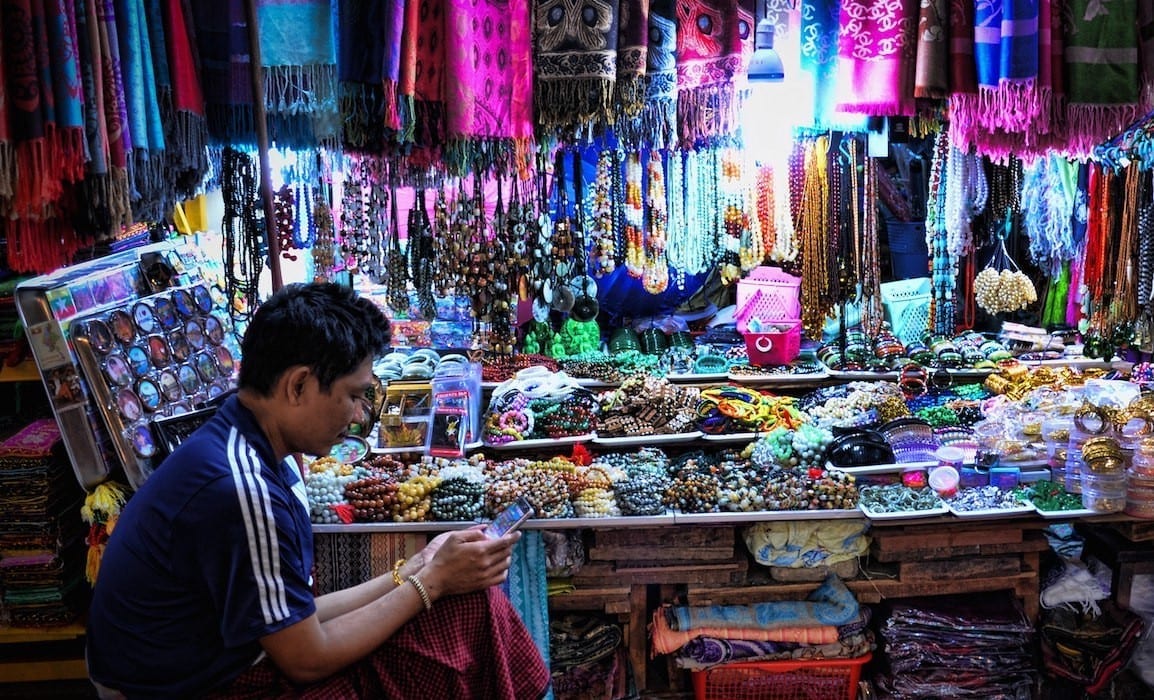
    Brands need to be respectful of tradition, and understand that parents and grandparents are highly influential. BrandZ analysis shows that the strongest brands in Myanmar project idealism and a sense of adventure, but steer clear of individualism and rebellion. They also help consumers navigate what is becoming a sea of choice, emphasizing not just the features of a product but the difference it can make to the consumer’s life. This involves working closely with the traditional retail trade – local ‘Mom and Pop’ shops – which account for the vast majority of sales here. These stores are not just distribution points but trusted sources of information and advice.

    Norwegian mobile phone network Telenor has demonstrated how global brands can achieve local resonance. Its TV campaign reflects the importance of family as a young woman in the city calls her mother in the countryside for urgent cooking advice; she wants to cook ‘nan gyi thohk’ noodles from her home-town to impress her mother-in-law. The ad has been so popular that nan gyi thohk is now ‘the Telenor dish’.

    Similarly, the isotonic drink 100PLUS, from Malaysia, has established a powerful connection with consumers in Myanmar by reflecting what it feels like to be in a hot climate with so much that needs to be done.

    For now, access to television is higher than mobile penetration, but only just. Mobile internet is where consumers are increasingly getting their information, and going online in Myanmar means going on Facebook. Even President Htin Kyaw is a subscriber. Media plans need to be mobile-friendly, if not mobile-first.

    Success in this market requires a nuanced approach both to business and communications. The Buddhist monk on his phone appears to be straddling very distinct worlds; in fact, he is integrating the two in a uniquely Burmese way.

     

  • Blockchain comes to Myanmar microfinance

    Blockchain comes to Myanmar microfinance

    Infoteria Corporation and Tech Bureau Corporation (hereinafter “Tech Bureau”) have successfully transferred loan and deposit account data in the main system of BC Finance, one of the largest microfinance institutions in Myanmar, to mijin, the private blockchain placed on Microsoft Azure using ASTERIA WARP and mijin adapters.

    We hereby announce that this verifies that ASTERIA WARP and the private blockchain mijin are applicable in the operational process of microfinance and the private blockchain technology is applicable to account data recording. This is the world’s first demonstration experiment that used a private blockchain in microfinance.

    Process overview

    We recorded all transaction history (account data) of active accounts at a branch of BC Finance (which operates a total of 19 branches in eight states) in the private blockchain mijin using ASTERIA WARP and mijin adapter. BC Finance assigned a total of three accounts, including one loan account and two savings accounts, to one customer.

    Future plan

    (1) Plan to carry out an experiment for concurrent and consecutive operations over a certain period of time. This is scheduled to begin in the first half of July and continue for approximately six weeks.

    (2) Will consider developing an application that enables data writing and viewing from clients (terminals at each branch) to mijin.

    Upcoming developments

    The number of bank accounts in Myanmar is still limited to approximately two million for a population of more than 50 million, and bank services are available only to the affluent, who represent only a small portion of the population. Microfinance provides financial services such as loans and deposits to a broader segment of the population, and as such plays an important role in supporting Myanmar’s economic growth. Myanmar has achieved 7-8 percent economic growth since its democratization in the spring of 2011, and in the spring of 2016, the military government came to an end, encouraging the lifting of economic sanctions imposed by the U.S. Such factors are expected to facilitate further growth, and a significant increase in the number of BC Finance customers is expected.

    While the current system means rising costs of data management as the number of users grows, the introduction of the blockchain technology enables the safe and low-cost operation of account data. We expect that this will facilitate the growth of the microfinance business.

    Infoteria and Tech Bureau are focusing on the promotion and penetration of blockchain technology not only in Japan, but also overseas. The two companies plan to develop this alliance on a global scale by applying the results of this experiment to other countries.

  • Telenor Myanmar launches 4G services

    Telenor Myanmar launches 4G services

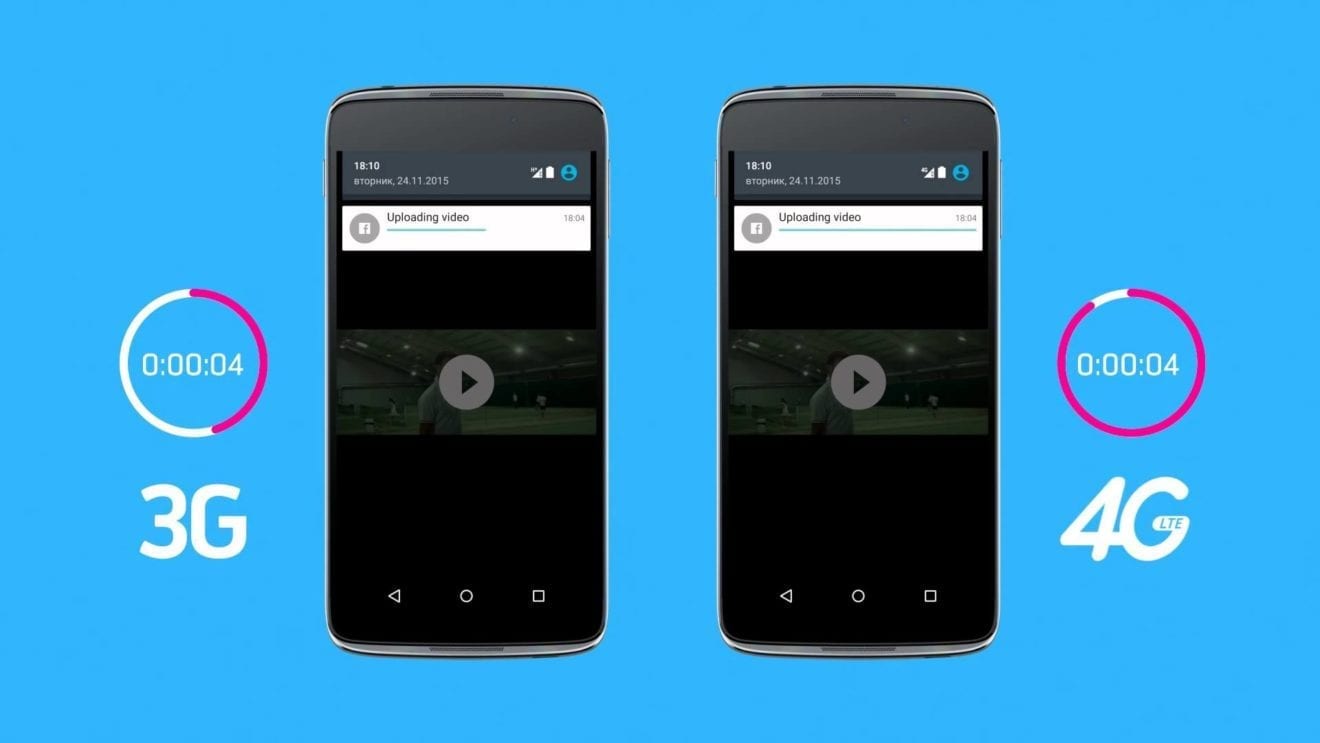
    Telenor Myanmar has officially launched 4G services, starting in capital city Nay Pyi Taw.

    With the launch the operator has become Myanmar’s second mobile operator to launch LTE services, following Ooredoo Myamar’s debut in May.

    Telenor Myanamr CEO Petter Furberg said in addition to the debut in the capital, the company is continuing to test 4G in other cities, and will progressively roll out the technology nationwide.

    “While Telenor users in Nay Pyi Taw now can enjoy 4G services we aim to expand the service to other cities gradually. To provide high speed 4G services all over the country Telenor will need more spectrum,” he said.

    “Telenor is looking forward to participating in the spectrum auctions planned by the Union Government later this year. Due to explosive growth of data and increasing data demand by the Myanmar people we believe it is urgently required to expand our services to 4G all over Myanmar.”

    He noted that 60% of the operator’s 16 million customers are now data users, and that Telenor has Myanmar’s largest internet network with more than 5,800 towers across the country in all states and regions.

    “Myanmar is experiencing an extensive growth of mobile subscriptions and we are also witnessing higher demand for mobile data,” Petter said. “Our 4G service is one more important step in the rapid development of the Myanmar telecom sector.”

  • Bolloré Logistics Expands its Logistics Operations in Myanmar

    Bolloré Logistics Expands its Logistics Operations in Myanmar

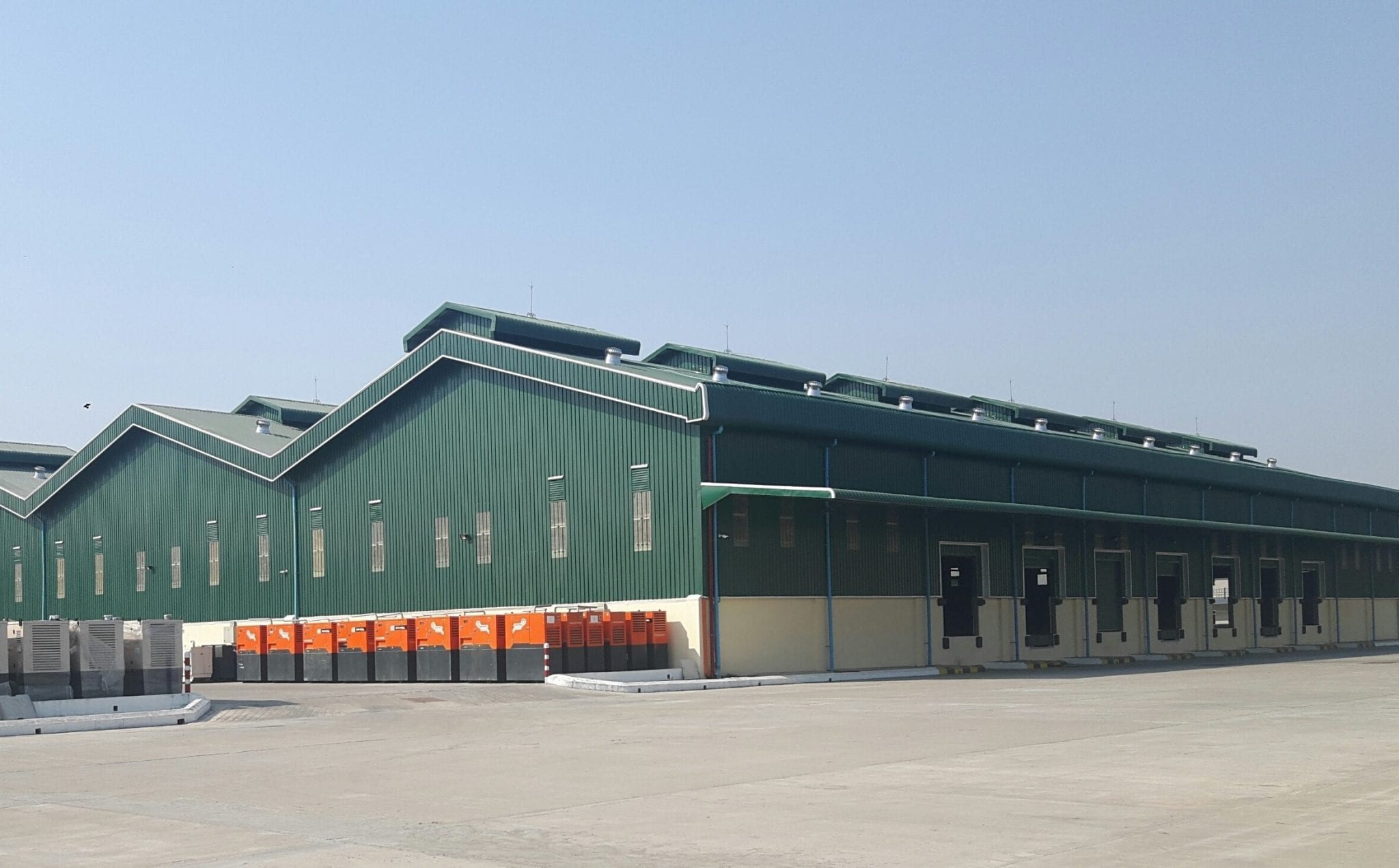
    Bolloré Logistics Myanmar recently announced the start of operations for its new logistics center strategically located in the Mingaladon area, 8km from airport, 25km to main sea port terminals and with quick access to the Asian Highway network.

    Through a wide range of services and best practices process, this facility will provide our customers with operational, commercial, and cost flexibility and efficiency.

    “This is a worthy investment in view to reinforce our presence in Myanmar, and it will enable us to offer more value-added services to our customers such as kitting, packing, labeling, price tagging, and delivery nationwide”, highlights Elizabeth Shwe, Director at Bolloré Logistics Myanmar.

    This new state-of-the-art multi-user warehouse benefits from a surface of 6,000 sqm and is equipped with 24/7 security guards. CCTV, fire protection, seven loading bays, forklifts, all are in use to reinforce clients’ satisfaction. This new warehouse is specialized for industries such as Garment, Telecom, and medical equipment.

    “Following our successes and developments in Telecom and medical equipment, it was much needed to continue investing in order to cope with the continuous increase of garment needs,” mentions Julien Loiret, General Manager at Bolloré Logistics Myanmar.

    Beside our regular services, the Myanmar branch office has been developing tailor-made solutions for textile customers such as buyer consolidation, multimodal delivery from Myanmar to overseas (sea/air, crossborder).

  • First-ever Myanmar Study Highlights Factors for Brand Success & Future Game Changers

    In a nascent marketplace where local brands hold their own against foreign competitors, Apple has emerged as the most differentiated brand whereas local telecom player MPT ranks as the most loved. Brands like mobile provider Telenor have also earned recognition for innovation, despite being a recent market entrant.

    Myanmar’s rapid transformation also means businesses need to ready themselves for game-changing scenarios propelled by technology and infrastructure advancements. Myanmar is set to become the first country in the world to go straight to smartphone as part of its “leapfrog” development. Key changes affecting marketing and brands include the rise from almost zero mobile penetration to nearly 50% in just a couple of years. Technology will likely direct a new generation of digital growth, from retail to banking to social communications.

    The Spotlight on Myanmar findings are based on everyday buying decisions such as coffee, soft drinks as well as long-term purchase decisions around mobile service and handset sectors. Research shows that the most effective messages come from brands that put their products and benefits front and centre. Key differentiators behind the strongest brands are those that project idealism, desirability and a sense of adventure.

    BrandZ research in Myanmar includes 1,660 consumer interviews and covers 42 key international and regional brands that are already building a sense of meaningful difference in Myanmar, based on either their global profile or their local activity. Findings show that:

    • Apple is the most differentiated brand in Myanmar followed by Coca-Cola and Samsung. Apple indexed 232, where the average brand indexes at 100.
    • Mobile network Telenor is the most innovative brand in the survey, indexing 125, with rivals MPT and Ooredoo coming second and third respectively.
    • MPT is the most loved brand in the survey, indexing 129, nine points ahead of Samsung and 11 points ahead of Telenor and Huawei.
    • Samsung’s brand proposition scored the highest at129, ahead of Apple on 125 and MPT on 118.
    • Huawei scored highest on brand power -a brand’s ability to boost sales or gain market share due to consumers’ predisposition to choose this brand over another – indexing 436, significantly higher than its global average score of 81. Huawei performs better in Myanmar than it does in its home market, China, on this measure.

    “There are huge opportunities for international brands to be successful in Myanmar, if they get their cultural message right and understand the diversity of the country, particularly in the border areas. Our teams have identified comparisons with the India of 30 years ago and indeed some aspects of rural India today. Also valid are comparisons with Indonesia, which also has a large population that lives off the land as well as a huge range of different climatic regions,” said David Roth, CEO at The Store, EMEA and Asia.

    The report also highlighted a number of key trends that will change how brands and agencies should approach this market, now and in the next few years, including:

    • Rapid improvement in infrastructure. It has taken just three years to build a national mobile network; other changes including the arrival of greater electrification and improved transportation links will happen much faster than would be expected in many markets.
    • e-tailing is coming. Despite the current poor retail infrastructure, the rapid growth in e-commerce in other developing markets acts as an indicator that the speed will be similar in Myanmar.
    • The world’s first mobile-only market. Consumers are increasingly looking to mobile for both information and entertainment. While TV is important, brands need to consider Myanmar as not just a mobile-first environment but also a mobile only market.
    • Sell the effect, not the spec. Consumers are new to choice in Myanmar so they will navigate the new landscape differently. Brands need to focus on how the product will meet their needs and make it easier to compare functions and prices.
    • Appreciate the diversity of Myanmar. This is not a homogenous nation. Although 88% of the urban population is Buddhist, there is a huge range of ethnic, climatic and cultural variety, which will be particularly critical in the personal care sector.

    “BrandZ’s first research in Myanmar will help international and regional marketers understand the challenge of building strong brands in this new market. Experience in other fast emerging markets shows that first mover advantage and the loyalty it engenders in consumers can last for decades. Myanmar is a long-term commitment but one that will pay off for the brands that get it right,” said Doreen Wang, Head of BrandZ, from Millward Brown.

  • Singapore’s SMI eyes expansion into retail, F&B in Myanmar

    Singapore’s SMI eyes expansion into retail, F&B in Myanmar

    SGX Mainboard-listed Singapore Myanmar Investco (SMI) – engaged in consumer products and services in Myanmar – will be looking at investing in the retail and food & beverage vertical in the next three years.

    Late last year, SMI inked an agreement with Royal Golden Sky Co Ltd to operate a retail space at the Yangon International Airport.

    “We will continue to look at retail opportunities in the domestic market (Myanmar). We are in discussions with the Junction City (Shwe Taung Group’s $300-million mixed-used development project) and I think there will be opportunities in both retail and F&B space,” said Mark Bedingham, president and chief executive officer, Singapore Myanmar Investco.

    About 10 international brands will be brought to the domestic market while the Yangon International Airport retail space will sport 30 brands by July 2016.

    SMI is primarily targeting the downtown business district around Kandawgyi lake area and Mandalay for retail opportunities.

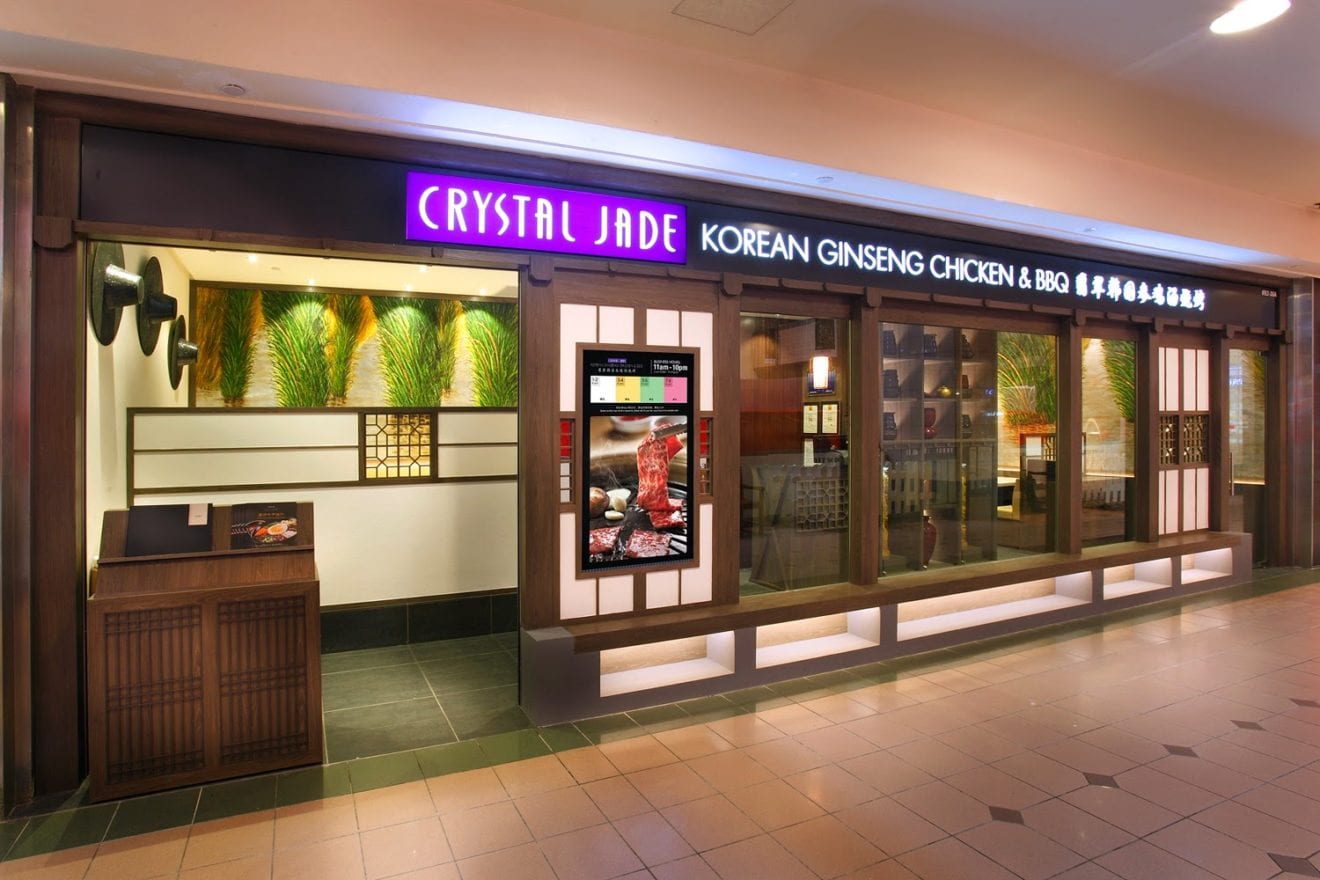
    For the food and beverages sector, SMI has signed a franchise agreement with Crystal Jade group to bring in the Chinese restaurant concept and The Coffee Bean and Tea Leaf that will open soon at the new Yangon International Airport terminal.

    “We want to be seen as a progressive company in Myanmar, bringing new products and services that have not been available here before, both for consumers and businesses.”

  • Myanmar businesses want policies

    Myanmar businesses want policies

    There are concerns the new government, which took office in April, has not yet revealed its economic policies. Businesses are also concerned that if the policies further open up the economy, some companies would not be ready for potentially intense foreign competition.

    At a panel discussion of the Economist Events’ Myanmar Summit 2016, Sai Sam Htun, executive chairman of Loi Hein Co, the No 1 beverage firm in Myanmar and the producers of Alpine drinking water, said local business were showered with optimism and challenges.

    “Currently, local business people are worried,” he said. “We expect the government to come up with the road map, model and vision for the country. We expect that as soon as possible. Otherwise, we are in the dark and do not know where to go, what to do and what will happen in the future.”

    He welcomed the national agenda to achieve reconciliation, but that should not be the single priority.

    “The new government brings us to the road to democracy, but that doesn’t guarantee that everything will be smooth,” he said. “We are expecting our leader Daw Aung San Suu Kyi to say something about the future economy of Myanmar.”

    Kyaw Win, planning and finance minister and chairman of the Myanmar Investment Commission, said the policies should be revealed by the end of this month.

    Win Win Tint, chief executive officer of City Mart Holdings, the nation’s largest retail chain, noted that Myanmar needed to consider whether foreign investment should be allowed in trading, the services industry and retailing.

    Currently, Myanmar’s retail industry is fragmented. Modern trade accounts for only 10 per cent of the retail industry, compared to 45 per cent in Thailand and 25 per cent in Vietnam.

    There is a huge growth potential, but poor infrastructure and low consumption may hold back the potential growth. Suppliers are still unable to support retailers, pushing the ratio of imported products to 80 per cent.

    “One thing we always tell our policy-makers is that local businesses are not on a level-playing field,” Win Win Tint said. “If the MIC allows foreign players in these industries, they will enjoy tax incentives and access to overseas financing.”

    She added that the old foreign investment law did not take local business interests into consideration.

    Sai Sam Htun, however, is not afraid of foreign players. He recalled the situation a few years ago when all businesses fretted about the entry of foreign players.

    “I was quite scared that I would be out of business. But I aggressively worked on the branding aggressively,” he said. “If you are in the market, you just have to be consistent. Then you can compete with any competitor and face any challenge.”

    He noted that foreign and local businesses could have win-win strategies. Foreign companies like Coca-Cola, PepsiCo and multinational beer companies have successfully forged partnership with local players.

    Loi Hein has formed four joint ventures with foreign companies – two each with Japanese and Thai counterparts.

  • H&M collaborates with Caitlyn Jenner for its newest athleisure range

    H&M collaborates with Caitlyn Jenner for its newest athleisure range

    A new H&M athleisure wear range is to be launched in July, developed with input from the Swedish Olympic team and fronted by personalities including Caitlyn Jenner.

    The launch of For Every Victory makes H&M one of the first major multinational fashion brands to make a serious foray into the booming athleisure wear market, to date dominated by fast-growing specialist brands including Lululemon, UnderArmour and 2XU.

    H&M -For Every Victory

    H&M For Every Victory – described by the H&M as “high fashion performance sportswear made to inspire” has been developed with input from the Swedish Olympic team, and the campaign is fronted by inspirational personalities who have all achieved their own victories, whether in sport or life.

    H&M -For Every Victory 1

    The athletes advised on design, performance and wearability. H&M also designed outfits for the Swedish Olympic and Paralympic team for Rio 2016, including the opening ceremony uniform, selected competition pieces and the prize ceremony outfits.

    “This is a collection about performance with great style and the input of the Swedish Olympic team has been invaluable in the creation process,” said Pernilla Wohlfahrt, design and creative director at H&M. “The result is high fashion technical sports pieces for everyone to wear.”

    The For Every Victory collection has a similar visual expression and technical knowledge to the Swedish Olympic team collection, with its own colour palette in black, grey, dusty pink and gold. It is centered on performance T-shirts, running shorts and leggings, as well as sports bras for women.

    H&M -For Every Victory 3

    The quick-drying, breathable materials help to optimise performance and recycled polyesters prove that high-function sportswear can also be conscious and more sustainable − all showing that there’s no compromise on either fashion or performance.

    H&M -Olympic collection

    Among the personalities fronting the new range are Caitlyn Jenner with her Olympic gold medal in the decathlon; Chelsea Werner, a gymnast who has never let Down Syndrome halt her progress; surfer Mike Coots who still takes to his board even though he lost his leg in a shark attack and boxer Namibia Flores who has fought against prejudice to pursue her dreams.

    The new range and brand will be launched globally on July 21.

  • India may import pulses from Myanmar, African nations

    India may import pulses from Myanmar, African nations

    Faced with the highest-ever surge in food prices in the past two years, the NDA government did some brainstorming on Wednesday to devise steps to check prices, especially of pulses.

    At a review meeting convened by Finance Minister Arun Jaitley here, it was decided to boost supply by increasing buffer stocks and imports.

    The Centre may look to Myanmar and Africa to import lentils and pulses, it is learnt. India has already submitted a draft agreement for import of tur from Myanmar via the government route.

    Many African nations have also evinced interest in supplying lentils to India.

    “The Finance Minister said imports via public and private agencies should be strengthened to meet the deficit,” Food Minister Ram Vilas Paswan told newspersons after the meeting. He added that the demand-supply gap of about 7.6 million tonnes of pulses was being met by imports and local procurement to create a buffer stock of 1.5 lakh tonnes this year.

    It is not only the runaway increase in prices of pulses, which have soared to as much as ₹170/kg, that has hurt the aam aadmi; even vegetable prices have shot up in recent weeks.

    Tomato prices in most retail markets have doubled to ₹80-100/kg in the last fortnight due to sluggish supply owing to crop damage. Potato prices have also been on the rise.

    Besides Paswan, the high-level meeting was attended by Agriculture Minister Radha Mohan Singh, Transport Minister Nitin Gadkari, Commerce Minister Nirmala Sitharaman and Urban Development Minister Venkaiah Naidu.

    Discussions involved releasing more pulses from the buffer stock whenever there is a demand from the States. However, Paswan passed some of the blame for high prices to the States.

    “If prices rise despite this move, the Centre is not responsible. In a federal structure, States have equal responsibility in controlling prices,” he said, adding that the Centre had created a buffer stock, but “not many States had shown interest.”

    Against this year’s procurement target of 1.5 lakh tonnes of pulses for buffer stocks, 1.15 lakh tonnes has been purchased, he added.


  • Myanmar taps Intelsat for satellite backhaul

    Myanmar taps Intelsat for satellite backhaul

    Myanmar’s Ministry of Transport and Communications has arranged to use two Intelsat satellites to improve wireless broadband connectivity for the nation and expand broadband access for businesses.

    The multi-year, multi-transponder agreement will allow the government to significantly enhance its own network and help mobile operators achieve their 2G and 3G deployment goals, the parties said in a statement.

    This will hasten the expansion of high-speed wireless broadband connectivity for businesses and communities nationwide.

    Under the agreement, the ministry will use C-band satellite services over the Intelsat 902 craft for VSAT network and cellular backhaul services, and move to the higher-power services on the recently-announced Intelsat 39 satellite by 2018.

    “Over the past few years, Myanmar has made significant strides in expanding access to faster and more reliable broadband connectivity throughout the country,” the ministry’s permanent secretary Khin Maung Thet said.

    “With the help of Intelsat’s Globalized Network, we will leverage their satellite solutions to extend 2G and 3G communications services beyond urban centers and ensure that all of our citizens have access to higher bandwidth, superior quality and more affordable mobile broadband connectivity.”

    Intelsat CEO Stephen Spengler added that the satellite services “will help enrich the lives of the communities [the government] serves by improving medical and educational access, providing a lifeline during times of crisis and enabling Myanmar to foster strong relationships within and outside of the country.”

  • Ooredoo Myanmar launches 4G services

    Ooredoo Myanmar launches 4G services

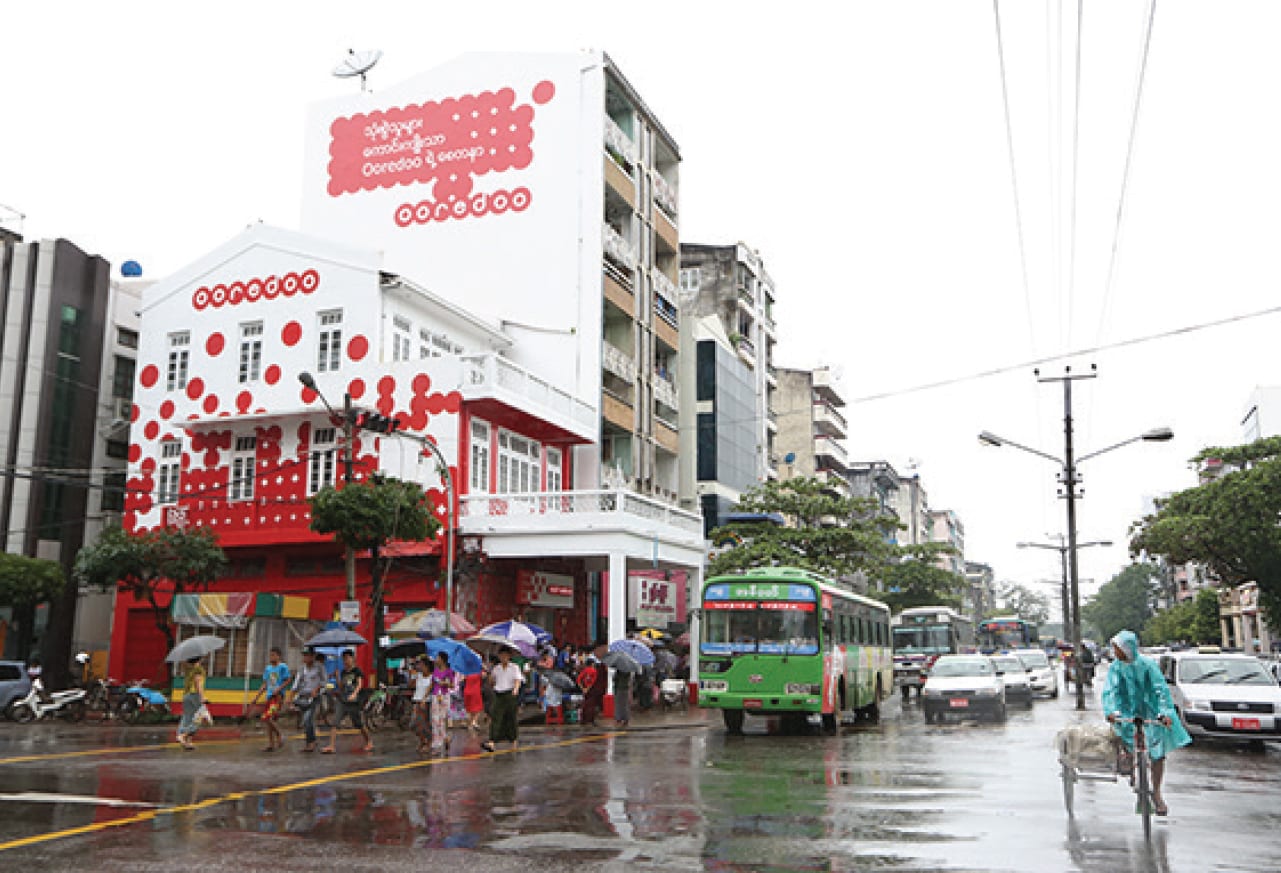
    Ooredoo Myanmar has become the nation’s first operator to launch 4G services as part of a staged rollout.

    The operator has introduced 4G in parts of Yangon, NayPyiTaw and Mandalay, according to an FAQ on the company’s website.

    The company plans to cover half of Yangon’s townships, around 90% of NayPyiTaw’s townhips and all of Mandalay with the service.

    Over the next couple of months, Ooredoo Myanmar plans to upgrade around a quarter of its more than 3800 cell sites to 4G.

    But further rollouts will require more spectrum and cell sites, according to CEO Rene Maza. Ooredoo Myanmar plans to continue to expand its 4G network as it acquires these assets.

    Myanmar’s new Ministry of Transport and Communications recently revealed plans to auction 2600-MHz spectrum as part of its 100-day plan.

    Ooredoo Myanmar is offering 4G services at the same price as its existing 3G offerings.

    The operator’s main rival Telenor Myanmar is also gearing up to launch 4G services following successful tests in Yangon, Mandalay, Myawaddy and Muse.

  • Myanmar signs up for Crystal Jade restaurants

    Myanmar signs up for Crystal Jade restaurants

    Crystal Jade restaurants are headed to Myanmar after a franchise agreement signed between Singapore Myanmar Investco (SMI) and Crystal Jade Management Vietnam.

    Crystal Jade Group has more than 100 outlets in 20 cities in the Asia Pacific region and the US.

    Under the terms of the agreement, SMI will have the exclusive right to develop, manage and run the Crystal Jade Kitchen, Crystal Jade Palace Restaurant and Crystal Jade La Mian Xiao Long Bao restaurants in Myanmar for 10 years, with the option to extend for a further 10 years.

    The first Crystal Jade Kitchen outlet is expected to open in the third quarter of this year at the new Yangon International Airport Terminal 2, while a Crystal Jade Palace restaurant is expected to launch at the Sedona Hotel Yangon later in the year.

    Further ahead, the group expects to open another two Crystal Jade Kitchen restaurants in 2017 and in 2018.

    SMI manages the duty-free retail space in the new Yangon terminal.

  • Ooredoo Myanmar to launch 4G this month

    Ooredoo Myanmar to launch 4G this month

    Ooredoo Myanmar has revealed plans to launch 4G services in two cities this month, becoming the first operator to introduce 4G into the market.

    Ooredoo Myanmar CEO Rene Meza told that the operator plans to introduce 4G in Yangon and Mandalay first.

    A more wide-scale deployment will require more spectrum, Meza said. Ooredoo has applied to purchase additional spectrum as stipulated in the terms of its license, and this application was recently granted.

    Meza said that while the government has not yet provided a concrete date for when additional spectrum will be released, it is expected to be over the next 12 months.

    The availability of spectrum is a hot topic among the players in Myanmar’s mobile industry. The nation’ telecoms ministry is considering making spectrum in the 900-MHz, 2100-MHz bands available, along with the 700-MHz, 1800-MHz, 2300-MHz and 2600-MHz bands.

    Myanmar’s mobile industry has undergone rapid development since the liberalization of the nation’s telecoms sector in 2013, which has contributed to growing demand for spectrum.

    The government recently selected Viettel as the foreign partner for a consortium of local companies that will be granted the market’s fourth telecoms license. The consortium will be competing against Ooredoo Myanmar, as well as Telenor Myanmar and the joint venture between Japan’s KDDI and Myanmar’s MPT.

  • Bison expands to Myanmar with 2 outlets at airport

    Bison expands to Myanmar with 2 outlets at airport

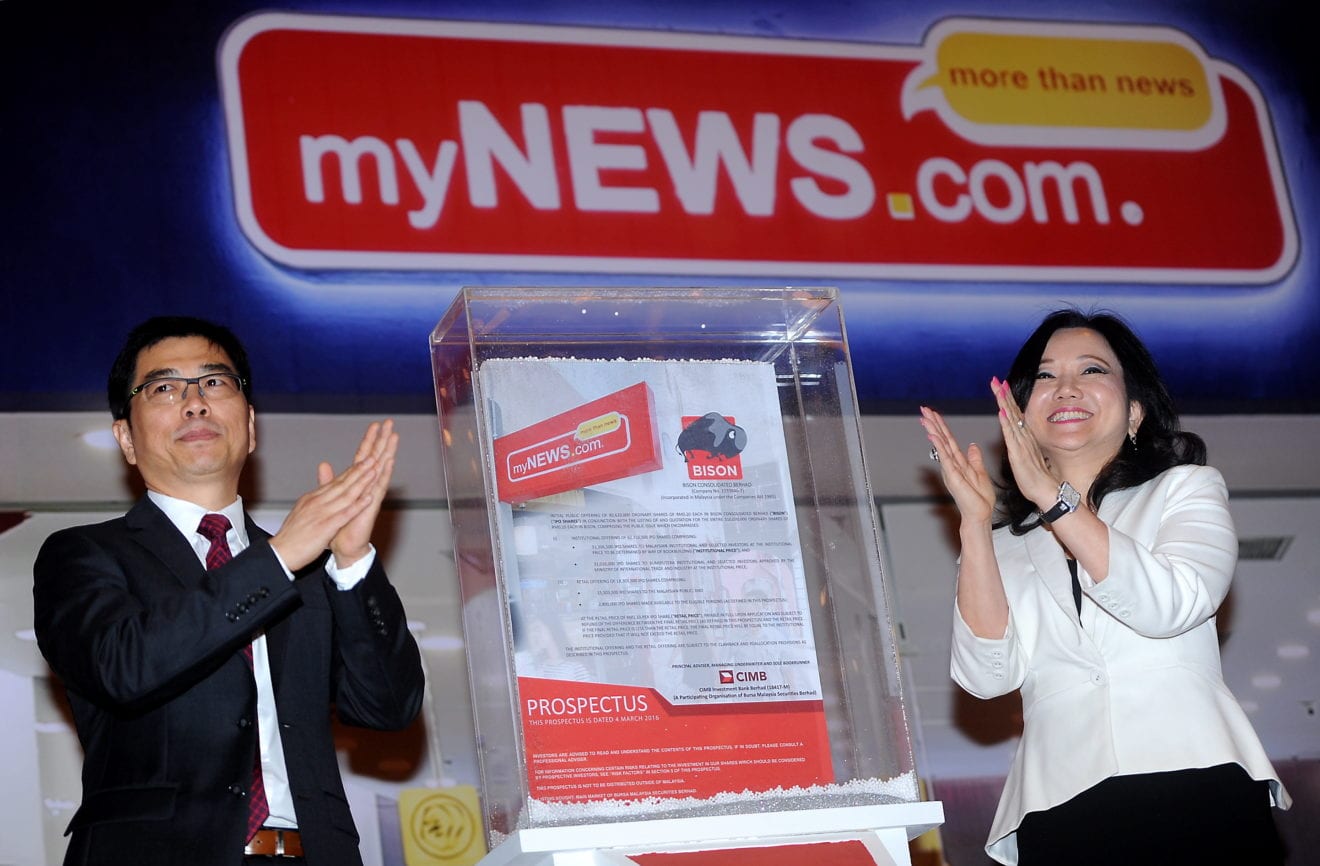
    Bison Consolidated Bhd is expanding its myNEWS.com press and convenience retail brand to Myanmar via a management agreement (MA) with Singapore-based SMI Retail Pte Ltd.

    In a filing with Bursa Malaysia yesterday, Bison said its wholly owned subsidiary Bison Stores Sdn Bhd has signed the MA with SMI Retail, a wholly owned subsidiary of Singapore-listed Singapore Myanmar Investco Limited.

    SMI Retail intends to establish two myNEWS.com outlets at the new terminal of Yangon International Airport and has agreed to enter into the MA to appoint Bison Stores as the independent contractor to provide management services and advisory support.

    Under the MA, Bison Stores agrees to grant SMI Retail a revocable, non-exclusive, non-transferable license to the proprietary business format and retail management and control system developed by Bison Store.

    The MA is valid for five years and is renewable for a further five years upon mutual agreement. SMI Retail’s right to use the Intellectual Property Right is derived solely from the MA.

    If required, SMI Retail will provide assistance in obtaining registration of any trademarks or other intellectual property rights need in Myanmar.

    SMI Retail will also pay Bison Stores a minimum monthly management fee or a percentage of the gross revenue of the business, whichever is higher. All salaries, remuneration, related expenses and costs of secondment of the outlet management and support staff will also be borne by SMI Retail.

    The MA is subject to approval of any other relevant authorities or any other third parties with respect to the implementation of the MA, if required.