Tag: Myanmar

  • Myanmar’s Trunk Roads in Poor Condition

    Myanmar’s Trunk Roads in Poor Condition

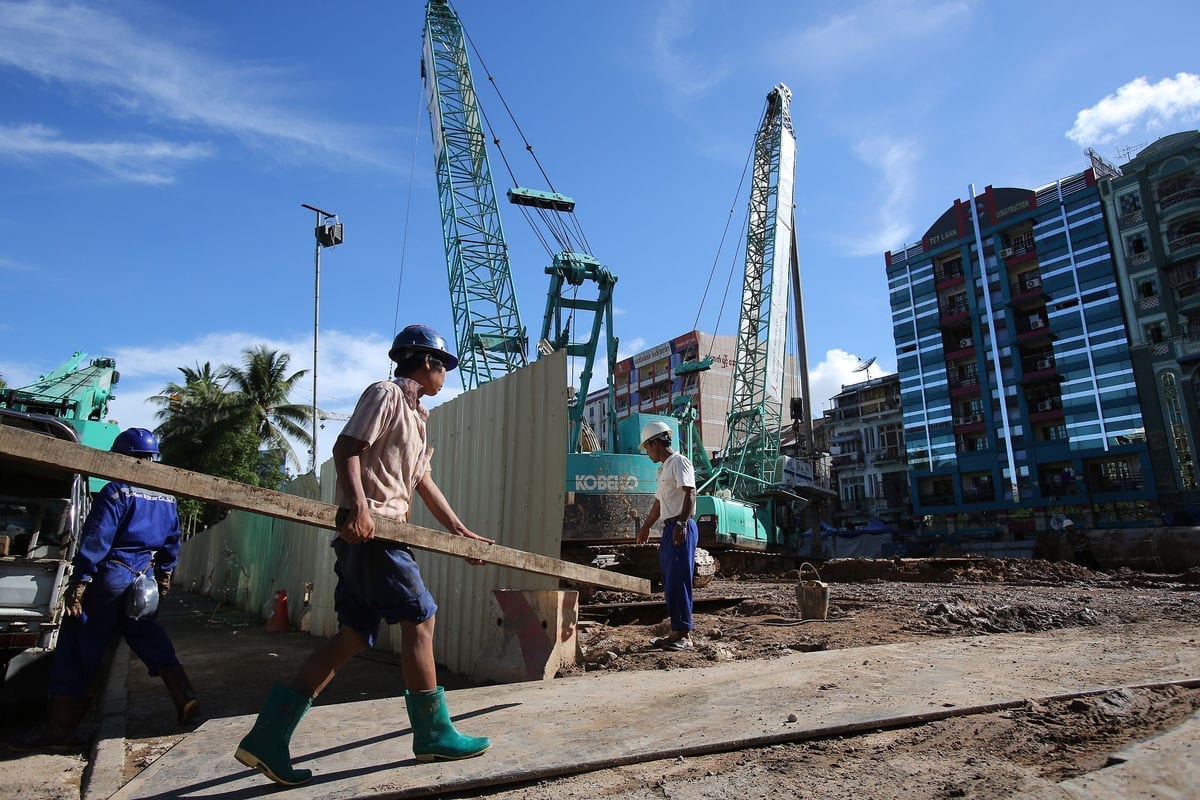
    The Asian Development Bank (ADB) is urging Myanmar to make big investments in its infrastructure and significant policy changes to help it tap its full economic potential. The ADB recommendations were made in a recent Transport Sector Policy Note.

    Decades of underinvestment and isolation have ensured the Southeast Asian country’s roads, rails, ports and airports lag well behind the infrastructure in other countries in the region, the note said.

    “Myanmar has not been investing enough in transport,” the note says baldly, before going on to describe just how debilitating the lack of investment has been.

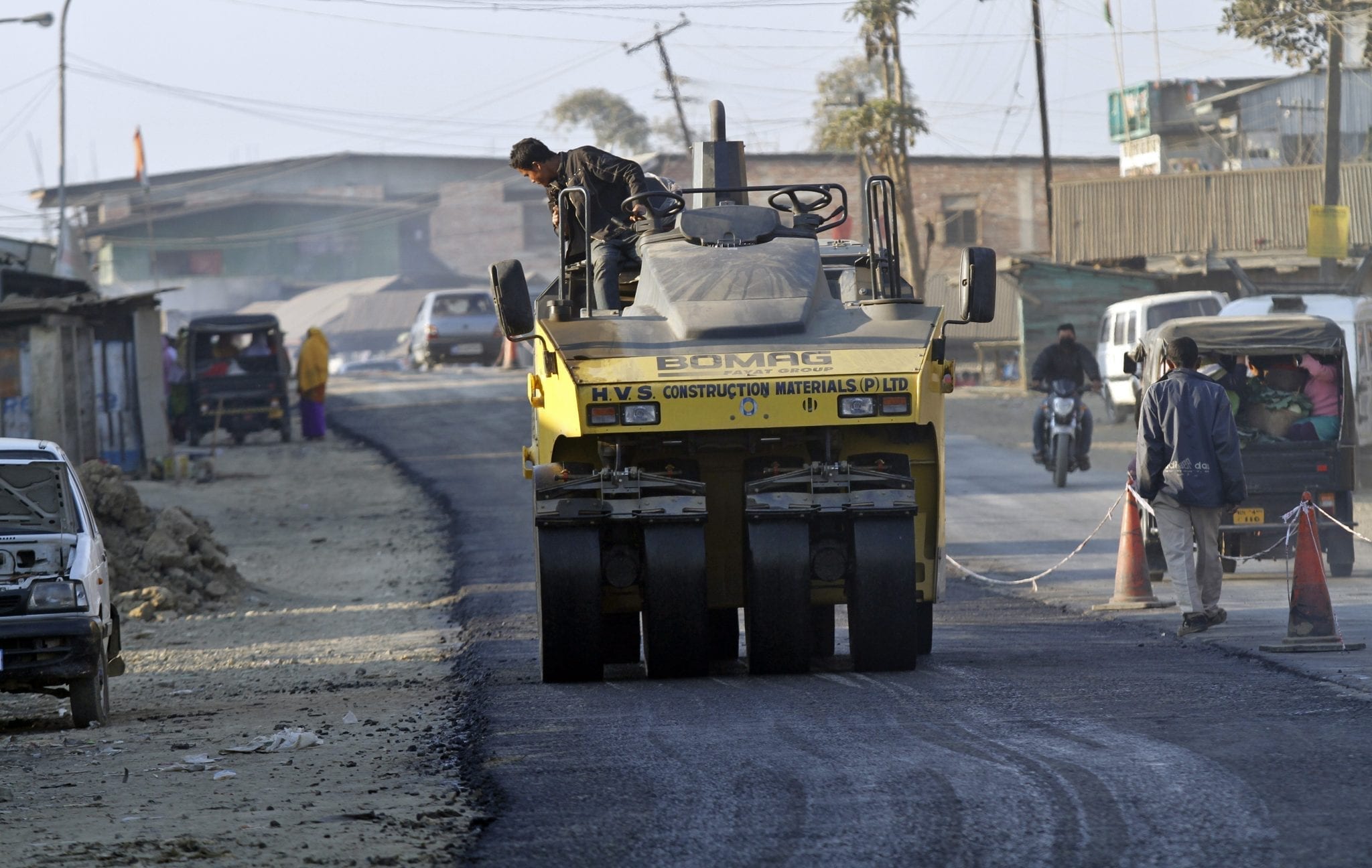
    Sixty percent of the trunk road network is in poor or bad condition, requiring urgent maintenance or rehabilitation. On top of this, poor track conditions means Myanma Railways is forced to operate at 50% of its potential speed.

    “Myanmar’s road network needs better trunk highways and more rural roads. The network is three times less dense than neighboring Thailand’s. It is also of lower quality – only 20% of the roads are paved, against 53% in Thailand – and the roads are narrower,” the note said in elaboration.

    The note offers a more muted but no less critical view of the rail network.

    “Myanmar’s trunk rail lines need modernization, but the tertiary network should be scaled down. The country’s rail network is by far the longest in Southeast Asia, but part of it is unproductive. Neither the current design standards nor the potential demand for over half the network suffices to make commercial operation viable,” the note said.

    While the ADB is critical of the quality of Myanmar’s existing infrastructure, what is really run up the flag pole is the other big problem – that of what is not there at all.

    Roads figure prominently in Myanmar. Twenty million people, including half of the rural population and a key consumer market, lack access to basic roads. More tellingly still in a country which is essentially a delta, the main waterways cannot be used for transport for three months a year because they are too shallow, the note added.

    The ADB, which worked with the Myanmar government to write the note, makes clear what it thinks the lead response should be: investment, and large amounts of it, although it also outlines some significant policy changes to go with the suggested investment.

    Indeed, one of the problems with the ADB’s scheme is not so much the money needed for infrastructure investment but in persuading a national bureaucracy to adopt both lots of restructuring work, such as the corporatization of some services, and what the organization refers to as “deep cultural change.”

    Between 2005 and 2015, Myanmar has spent just 1.0% to 1.5% of GDP on infrastructure, the ADB said. Making this low figure even less productive was a spate of badly-targeted projects: “Few investments have been effective and efficient,” the note said. Compared to other nearby countries, which typically invest 3% to 5% of their GDPs in transport infrastructure, Myanmar’s meagre investment is simply inadequate. (Those other countries include regional peers China, Thailand and Vietnam.)

    Here, the ADB does not pull its punches, and acknowledges a need for some US$60 billion to be spent over the next 15 years. Funding, it says, should come from “from new sources, including development partner loans, bond finance, private sector investment, and investment by state-owned enterprises (once they become financially self-sustainable).” The ADB also urges a broad application of the user-pays principle with levies on fuel and tolls on roads.

    Money spent needs to focus on key national corridors, Yangon and infrastructure maintenance, the bank added, with short-term priorities, besides public transport in Yangon, being highways and railways.

    For the former, the ADB suggests allowing trucks on the Yangon-Mandalay Expressway and upgrading to Class II Asian Highway Standards the international highways to Muse and Myawaddy, which carry most of Myanmar’s border trade but are substandard and in poor condition.

    “A systematic Program of Highway Pavement Maintenance and Improvements could, within five years, bring all major highways to good condition,” the note said, adding the Department of Highways could consider increasing the legal axle load of trucks on main corridors.

    For the railways, the ADB urges a change of priorities for the national railway away from passengers and to goods, which would signal a significant reversal of priorities.

    “Myanma Railways should reallocate assets, staff, and resources to developing long-distance rail freight. Myanma Railways has prioritized passenger transport. However, freight trains are much more profitable. With limited investments and some market development, Myanma Railways could double its share of a growing market,” the note said.

    In a nod to Myanmar’s rivers as potential cargo carriers, the ADB urges development of the Irrawaddy River with the implementation of low-cost navigation aids, channel works, and ports up to Mandalay. It also advocates dredging to ensure a minimum depth of between 1.5 metres and 2.0 metres, as well as developing a more comprehensive network of river ports.
  • TrueMoney Transfer is Thailand’s first affordable remittance solution for migrant workers

    TrueMoney Transfer is Thailand’s first affordable remittance solution for migrant workers

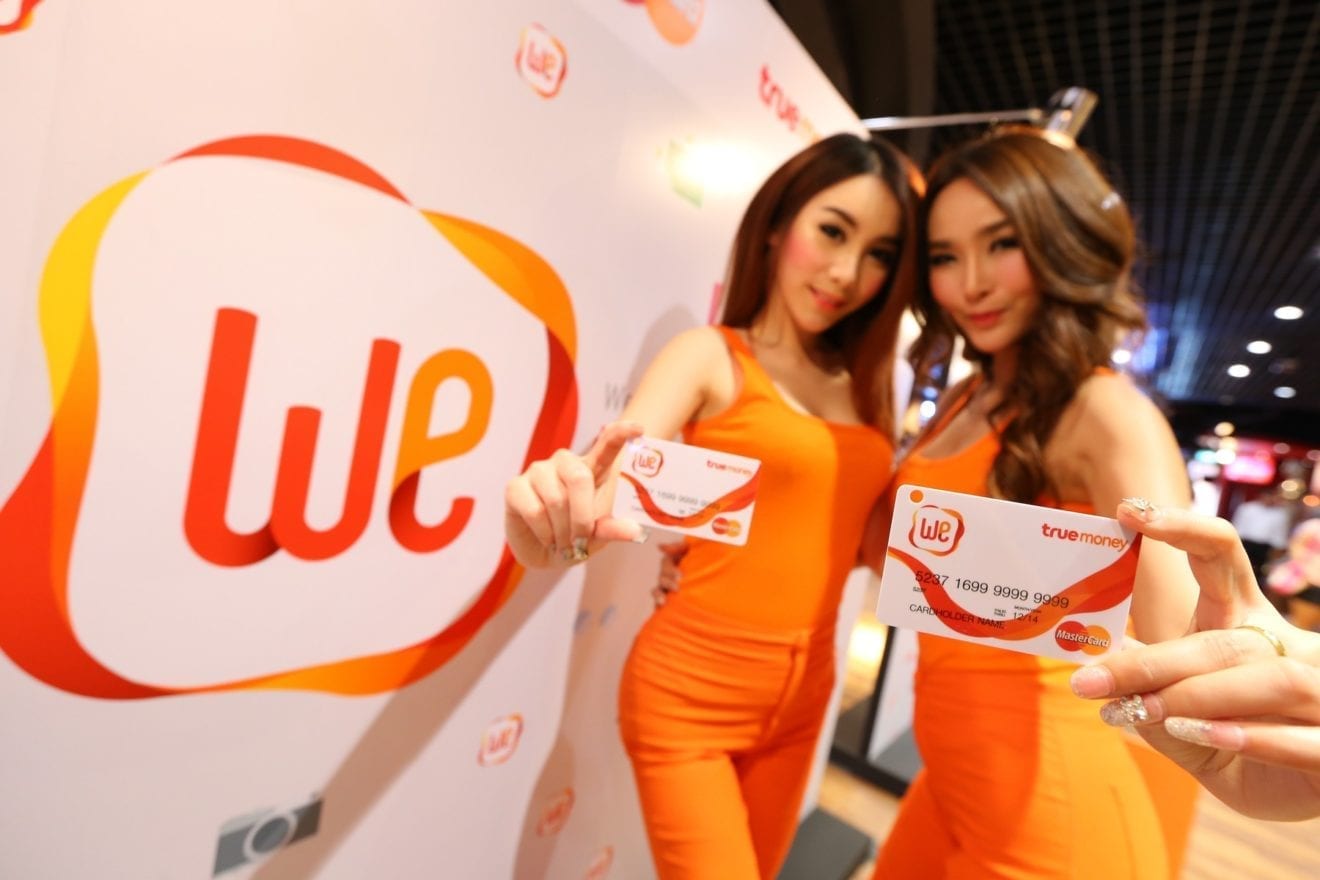
    TrueMoney, a subsidiary of Ascend Group, announces the launch of TrueMoney Myanmar and the launch of its fund transfer solution, TrueMoney Transfer.

    TrueMoney Myanmar aims to be a leading financial service provider, offering bill payment, mobile topup, remittance, and cash collection services. With two offices, one in Yangon and one in Mandalay and a network of 3,000 agents nationwide, TrueMoney Myanmar is working  continuously to expand its services and agent network to fulfill its mission of enabling everyone access to innovative financial services, leading to better lives because we believe that financial access should be a basic right for everyone.

    TrueMoney is also launching TrueMoney Transfer, the company’s first international money transfer solution. Fast, easy, safe, and affordable, TrueMoney Transfer enables real-time fund transfers from Thailand to Myanmar, allowing Burmese migrant workers to significantly reduce the expense and risks associated with sending money to family back home.

    Fast with real-time fund transfers, easy with 250 transfer spots in Thailand by end-2016 and 681 transfer spots in Myanmar, safe with a passcode to receive the money that only the sender knows, and affordable with transaction fees starting at 50 Baht. To celebrate the launch of the TrueMoney Transfer service, TrueMoney is waiving the transfer fees for all transactions until October 31, 2016. Transfer fees usually start at only 1,818 MMK  per transaction.   

    Migration within and across Myanmar’s long borderline has been long-standing. In an aim of improving relatives’ standard of living, many Burmese have chosen to cross borders in search of decent work and income. To date, according to the United Nations (UN), Thailand is home of almost 2 million hard working Burmese sending 2,8 billion Kyat back home annually, namely 1 million Kyat per person per year. 

    Transferring money to loved ones has undoubtedly become a crucial need for Burmese migrants and their families. However, a large number of Myanmar workers remain unbanked, due to a variety of reasons such as, but not limited to legal status, language barrier, and access to banking services. We have developed TrueMoney Transfer to give a faster, safer, more secured and affordable alternative to the commonly used informal channels”, said Ms. San Thaw Da Wun, Country Director of TrueMoney Myanmar. 

    Indeed, sending money from Thailand to Myanmar can be very expensive and uncertain. Because no other options are available to date, Myanmar migrant workers are placing their trust and savings within informal networks, which are complicated, time-consuming – it can take up to 4/5 days to send funds –, and unsafe – there is no guarantee that the intended receiver will ever receive the money.

    Mr. Lawt Aung, Senior Product Executive of TrueMoney said, “TrueMoney Transfer will deeply change the lives of millions of hard-working people who do not have access to proper banking services. The network we have built throughout Myanmar is the stronger existing. Our 681 TrueMoney Transfer spots in Myanmar cover 91 percent of migrant workers hometowns such as Mon, Tarintharyi, Kayin, Shan, Yangon, and Bago, bringing services for money transfer in rural areas where banks don’t even have a representation. The solution will enable money transfer from Thailand to Myanmar only. By end of 2016, the 250 transfer spots in Thailand will be concentrated in areas with a large population of Myanmar migrant workers such as Bangkok, Samut Sakhon, Samut Prakarn, Tak, Ranong, Kanchanaburi, and Phuket.

    Ms. San Thaw Da Wun added, “It has never been that simple to transfer money internationally”.

    Users can simply register a user account at one of TrueMoney’s official agent shops in Thailand, show their ID, and instantly transfer funds to Myanmar. After informing the agent of the receiver’s name and mobile number and the amount to be transferred, the sender will be told the exact amount the receiver will receive. The sender will also receive an 8-digit code via SMS. The receiver can immediately use the given code, in addition to their identification and mobile phone number, to receive cash at any of the TrueMoney Transfer spots in Myanmar.

    TrueMoney has developed this new innovation to offer a cross-border remittance service that is fast, easy, safe, and affordable to upgrade the standard of living of everyone.

    TrueMoney Transfer – Fact Sheet


    TrueMoney – Key information

    About TrueMoney Thailand Company

    TrueMoney is an Ascend Group subsidiary and the first epayment provider in Thailand that has been granted a license from the Ministry of Finance and the Bank of Thailand to offer cross-border remittance service

    About TrueMoney Transfer solution

    TrueMoney has been developing the TrueMoney Transfer solution to help unbanked individuals as well as migrant workers to safely send money to their loved ones and to give them an alternative to costly and unsecured informal money transfer solutions

    Key information about TrueMoney Transfer

    • TrueMoney Transfer, Thailands first fast, easy, safe, and affordable remittance solution for migrant workers
    • With 250 TrueMoney Transfer spots in Thailand by end- 2016 and 681 in Myanmar, a very affordable cost as well as no fee applied for receiving money, this is the most accessible platform available to date
    • You can transfer up to 30,000 Baht per transaction and up to 200,000 Baht per day
    • The transfer fee is waived until October 31, 2016 (normally 50 Baht for 100-5,000 Baht transferred)
    • TrueMoney Transfer is available for individual customers only

    Process to setup an account

    • To use TrueMoney Transfer simply register for the service by showing your ID and mobile phone number at one of TrueMoneys official agent shop. This process is one time will take just a few minutes.
    • Then, youll need to give the receivers details and mobile phone number before handing over the money you wish to transfer. The TrueMoney Transfer officer will let you know exactly how much money the receiver will get in the destination currency.
    • You will then get an 8digit transaction code via SMS to your registered mobile phone number.
    • The receiver simply need to show the 8digit transaction code, ID, and their mobile phone number to any TrueMoney Transfer spot in Myanmar to get the cash right away.

    Target users

    Unbanked individuals and migrant workers who wants to transfer money back to Myanmar


    Transaction fee (Conditions as stipulated by the company)

    Remittances from 100 Baht to  5,000 Baht

    Transaction fee at 50 Baht

    Remittances from 5,001 Baht to  10,000 Baht

    Transaction fee at 100 Baht

    Remittances from 10,001 Baht to  15,000 Baht

    Transaction fee at 150  Baht

    Remittances from 15,001 Baht to  20,000 Baht

    Transaction fee at 200 Baht

    Remittances from 20,001 Baht to  25,000 Baht

    Transaction fee at 250 Baht

    Remittances from 25,001 Baht to  30,000 Baht

    Transaction fee at 300 Baht


    TrueMoney Transfers user profile

    Myanmar migrant workers Key data

    Number of Myanmar workers in Thailand to date

    2 million workers, 50% nonregistered

    Gender

    • 57% male
    • 43% female

    Age

    • 1624: 21%
    • 2534: 52%
    • 3555: 27%

    Location

    • Bangkok Outskirts: 38%
    • South: 27%
    • North: 16%
    • Central: 13%
    • Bangkok: 6%

    Occupation

    Fishing worker, Farm worker, Factory worker, Rubber worker, Construction worker, Housekeeper


    Myanmar’s remittance market

    Average number of fund transfers per individual per year

    6 times a year

    Average amount sent per transfer per individual

    6,650 THB

    Total number of transactions per year

    12 million THB

    Total amount of money transferred per year

    77 billion THB

  • Aeon brings Japanese sensibilities to Myanmar food shopping

    Aeon brings Japanese sensibilities to Myanmar food shopping

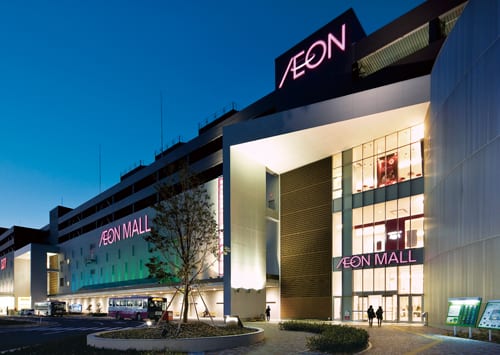
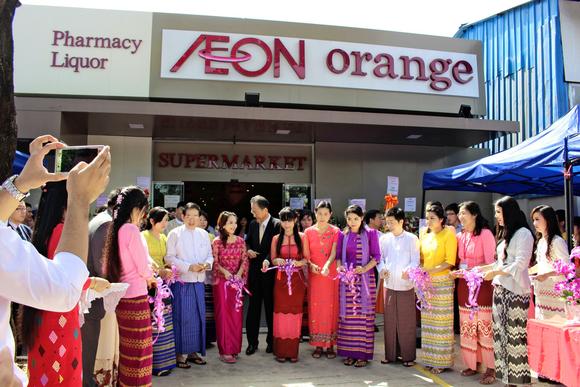
    Japanese supermarket giant Aeon has become the first foreign retailer to enter Myanmar since the 2011 transition to civilian rule, a development that could herald change in a retail industry still dominated by traditional markets.

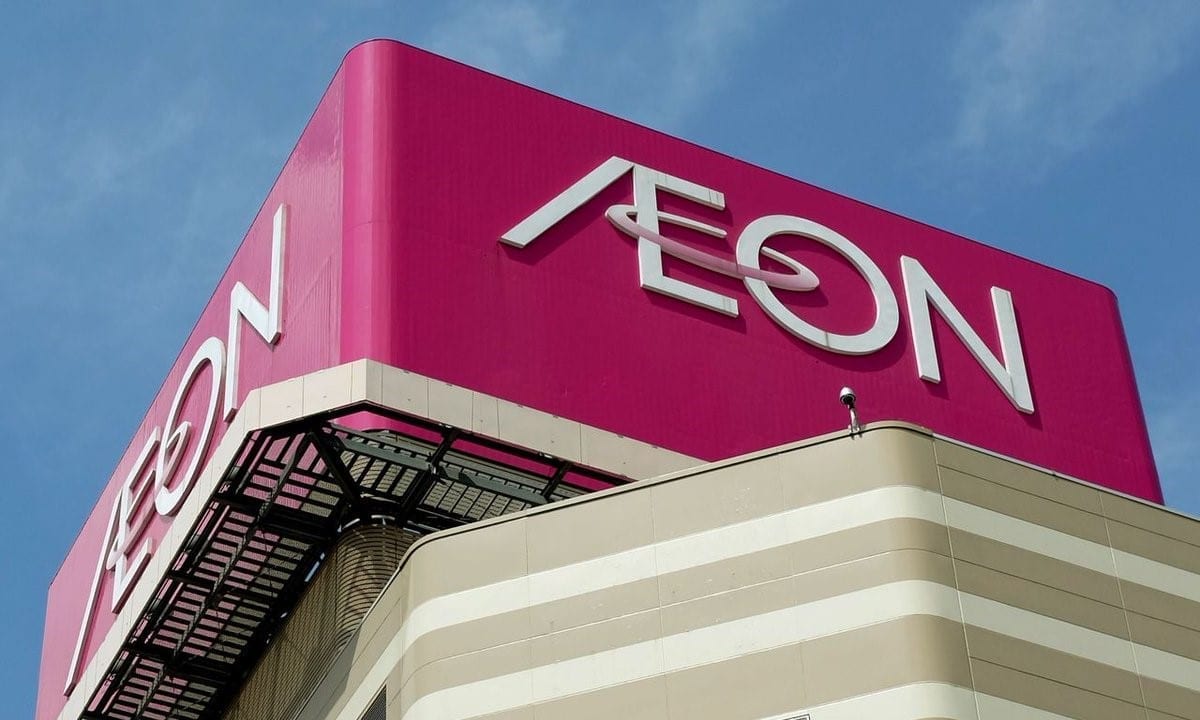
    Aeon signage, a familiar sight to Japanese consumers, made its Myanmar debut Friday in a largely middle-class area along a major road in Yangon’s North Okkalapa district. The store packs some 8,000 products into a relatively compact 613 sq. meters of sales-floor space. The lineup includes about 80 items imported from Japan, including selections from Aeon’s Topvalu private brand. About 70% of the products are imported from Thailand or elsewhere, with the remaining 30%, mainly fresh foods, coming from Myanmar.

    A slice of Japan

    Upon entering the store, the first thing that catches the eye is a refrigerated case featuring neatly wrapped packages containing three or four slices of melon or watermelon, priced at 600 kyat to 800 kyat (47 cents to 63 cents).

    “Foods from Japan like cup noodles can be eaten quickly and easily,” a worker at a beverage plant noted. The 24-year-old praised the low prices, as well as the store’s thoughtfulness in offering small servings of fruit that can be polished off before they go bad.

    Refrigerated products are a rare sight in Myanmar supermarkets, since quality control is difficult. Produce is typically sold by the piece. Refrigerators are also relatively uncommon in households, so if a customer buys a watermelon, for example, it is usually eaten all at once. The Aeon store offers small packs of sliced fruit, meat and fish, giving customers the option of Japanese-style shopping — buying only as much as they need, when they need it.

    Another peculiarity is prepared foods such as boxed meals, which are almost unheard of in Myanmar supermarkets or convenience stores. Ahead of the supermarket opening, Aeon set up a central kitchen in Yangon, where about 10 Myanmarese staffers cook food tailored to local tastes. A lunch box with curry, rice and salad costs 1,280 kyat, while rice balls with pork or other fillings go for 550 kyat. By comparison, a noodle dish from a local vendor typically costs around 800 kyat.

    Aeon announced in August a joint venture with Creation Myanmar Group of Cos., a local company which operates 14 supermarkets in the country under the Orange brand. The venture, Aeon Orange, aims to open 10 or so stores in five years. “This is a milestone in transplanting the Japanese values of convenience, security and safety,” Aeon Orange President Yoshimitsu Kawato enthused.

    An industry in transition

    Modern retail is still a work in progress in Myanmar. Local player City Mart Holding, established in 1996, runs about 40 supermarkets in the country. But these stores serve mostly upper- and middle-class consumers in urban areas. Most people still turn to traditional public markets, known as zei. Modern retailers such as supermarkets account for just 10% or so of the retail industry.

    Aeon aims to lure the zei crowd with such draws as the affordable, high-quality Topvalu brand. “Three towels cost 1,800 kyat,” said one shocked shopper. “Even though they’re high-quality Japanese products, they’re cheaper than what’s sold at regular stores.”

    Aeon’s Southeast Asian business has suffered from something of a slump in Malaysia, a mainstay market, in recent years. “Myanmar is the market we’re focusing most on,” said President Motoya Okada, citing its “unquestionable” potential and rapid growth.

    Research firm Euromonitor International sees Myanmar’s retail market expanding from $11.5 billion in 2015 to $17.5 billion by 2020 amid the rise of the urban middle class. City Mart plans to double its store count within three years, while Thai conglomerate Central Group is reportedly mulling a foray into the country. Competition over this rapidly modernizing growth market will likely be fierce.

    Reform underway

    Myanmar’s new government has accelerated efforts to open up the country’s economy. The retail industry, which was closed to foreign participation in 2002 in the name of protecting domestic companies, is among the clearest examples.

    Aeon’s entry into the market has still met with backlash from Myanmar’s retail industry, which fears that foreign enterprises could throw around their financial weight to crush local businesses.

    “We think about protecting domestic companies, but the benefits to consumers are important, too,” argued Aung Naing Oo, director general of the Directorate of Investment and Company Administration. “We welcome Aeon’s entry into Myanmar.”

    The country still does not permit foreign involvement in trade. Aeon’s imports are handled by its local partner, Creation Myanmar. Opening up trade licenses to foreign businesses is the biggest key to expanding the retail industry, some argue.

    Infrastructure remains an issue as well. The lack of refrigerated trucks and distribution facilities makes it difficult to get seafood and agricultural products from outlying areas to big cities. Though Japanese companies including Kokubu Group started building temperature-controlled warehouses outside Yangon last year, only a few have been completed. A boost to demand from Aeon’s presence would encourage infrastructure construction, a Kokubu spokesperson said.

  • IOC eyes petroleum retailing in Myanmar

    IOC eyes petroleum retailing in Myanmar

    The state-run firm currently has marketing subsidiaries in Sri Lanka, and West Asia. IOC, as part of its overseas expansion, is set to come up with its first international product pipeline to Nepal.

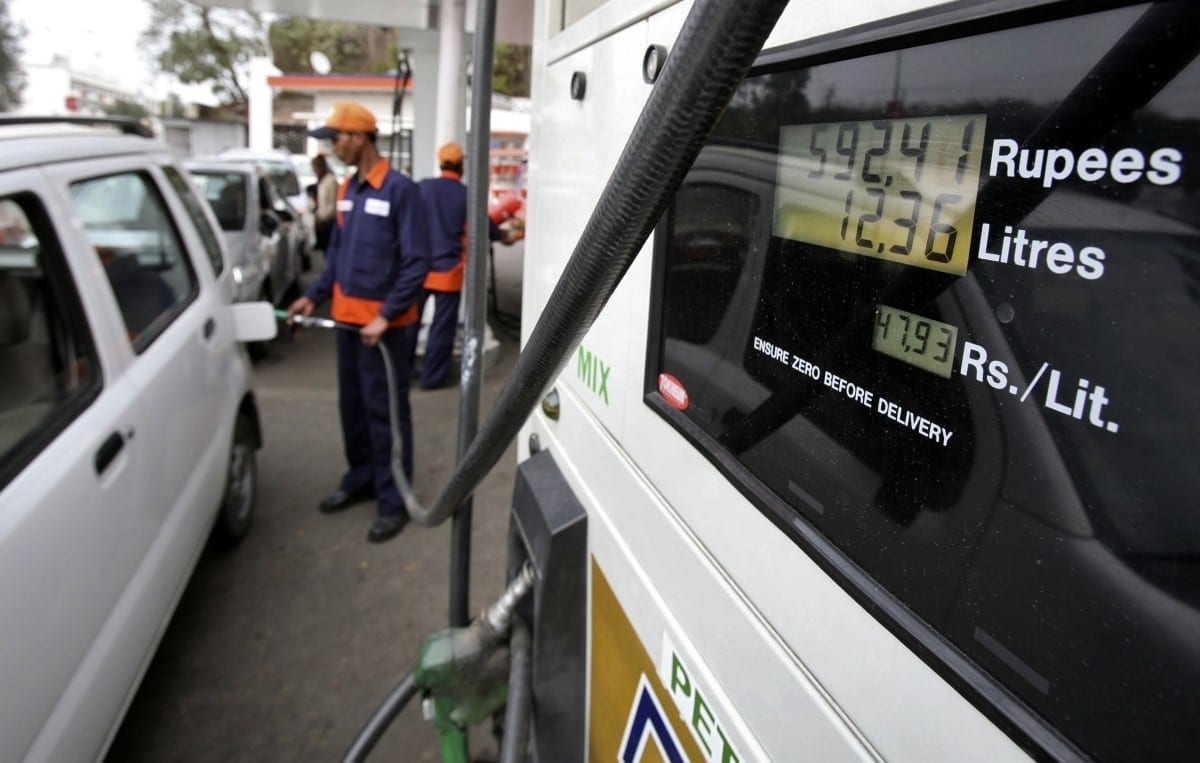
    “We have submitted a bid to start retail outlets and also to set up plants in Myanmar,” said Anish Aggarwal, director (pipelines) of IOC, on the sidelines of a summit organised by Project Management Institute.
    The concept of this pipeline was first proposed in 2006 as a joint venture between and Oil Corporation (NOC). However, it never took off as was not keen on the project.
    “We are awaiting the statutory clearance from the government. Once it is in place, the project can be commissioned with in 30 months,” Aggarwal added.

    India exports $1.1 billion worth of petroleum products to annually.

    It was in 2015 that signed a memorandum of understanding with to lay the pipeline between Raxaul in Bihar to Amlekhganj in at a capacity of 1.3 million tonnes per annum. The project would cost about Rs 275 crore and cover 41 km.

    Currently, all petroleum products are trucked from IOC’s depot in Bihar to Nepal. The project includes expansion of the Amlekhgunj Amlekhganj depot.

    Thirty-nine km out of the 41-km pipeline lie in India. Currently, supplies petroleum products to from Haldia, and refineries.

  • Myanmar’s Golden 11 taps eSites to power fiber nodes

    Myanmar’s Golden 11 taps eSites to power fiber nodes

    Myanmar wholesale telecoms infrastructure provider Golden 11 will deploy a hybrid power system from Flexenclosure to support the deployment of fiber transmission nodes in remote areas.

    Golden 11 constructs fiber networks, towers and data exchange facilities across the nation. The company will use Flexenclosure’s eSite technology to power and integrate the company’s fiber network where needed.

    The eSite hybrid power system is designed for base station sites in areas where grid power is unreliable or unavailable, using any available combination of battery, grid, renewable and genset power sources.

    The eSites Flexenclosure is providing for the contract have dedicated space for fiber transmission equipment, which will allow Golden 11 to take advantage of the technology.

    “In the remote areas of Myanmar where grid power must be complemented with innovative power solution to ensure resilience and permanence of telecommunication services, we needed a tried and tested solution to ensure consistent power for our network transmission nodes,” Golden 11 director of service delivery Clement Larroque said.

    “With Flexenclosure’s strong local team in place and eSite proven in the Myanmar market, they were the clear and undisputed choice for us.”

  • Telenor, MPT apply for Myanmar 2600-MHz auction

    Telenor, MPT apply for Myanmar 2600-MHz auction

    Telenor and Myanmar state-owned operator MPT have both lodged expressions of interest regarding taking part in Myanmar’s first spectrum auction in October.

    The operators are among the potential bidders for 40 MHz of 2600-MHz spectrum reserved for mobile broadband services.

    Multiple ISPs and other companies – including Yatanarpon Teleport and Myanmar Telecommunication Network – have also lodged expressions of interest regarding the auction. In total, 22 companies have applied.

    Of the total number of applicants, 20 have been accepted as potential bidders, while the applications of two were rejected due to those companies lacking the required network facilities service license.

    Selected bidders will need to meet financial and technical prerequisites, including providing a $500,000 deposit, to qualify.

    By contrast, Telenor Myanmar’s main rival Ooredoo Myanmar has elected not to participate in favor of waiting for a separate 1800-MHz auction, which the operator expects to take part later in the year.

    During the auction the 40 MHz of 2600-MHz spectrum will be divided into two 20 MHz licenses, and this will itself be divided into three separate regions. Bidders will not be allowed to win more than 20 MHz in any one region, and will only be allowed to secure spectrum in up to two regions.

  • Parkson Retail Asia cuts Q4 loss by 80%

    Parkson Retail Asia cuts Q4 loss by 80%

    South-east Asian department store operator Parkson Retail Asia narrowed its fourth quarter net loss by 80 per cent, owing to the absence of costs associated with a store closure a year earlier.

    Parkson, which does not have stores in Singapore, reported a net loss of $12 million for the three months to June 30.

    Revenue was up 10.9 per cent to $93.9 million from a year earlier, it added yesterday.

    The closure of a store at Landmark 72 in Hanoi, Vietnam in January last year had cost the firm $68.4 million. This went under other expenses – which include advertising, selling and administrative expenses, for instance – which improved 70.4 per cent to $27.6 million.

    Owing to this, the firm added in a statement that “as a percentage of revenue, the other expense ratios for the fourth quarter and the full year declined substantially year on year”.

    For the 12 months to June 30, Parkson reversed a net loss of $34.7 million to a net profit of $33 million, while revenue dipped 9.4 per cent to $388.4 million from a year earlier.

    Parkson has department stores in cities across Malaysia, Vietnam, Indonesia and Myanmar.

    Malaysia reported same store sales growth being up 21.5 per cent, thanks to “early festive buying arising from the shift in the Hari Raya calendar”. The growth also came from a low base a year earlier, where consumers bought less after the 6 per cent goods and services tax was introduced on April 1 last year.

    Even though consumer sentiment remains subdued in Malaysia, the firm said it has initiated new concepts such as introducing South Korean apparel, affordable private labels and shoe speciality stores to diversify earnings.

    Parkson added: “We have been consolidating our department store space by identifying non-performing stores with the view to closure upon tenancy expiry.”

    The Myanmar operations’ same store sales growth, however, took a 25 per cent hit in the fourth quarter.

    Parkson added that there are plans to close the store in FMI Centre in Yangon for re-development, and this upcoming closure has affected sales.

    “The landlord has not confirmed the timing for the re-development,” the firm added.

    Overall, it expects the first quarter of the next financial year to remain challenging.

    Quarterly loss per share stood at 1.78 cents, up from a loss of 8.82 cents in the same period last year. Net asset value per share was 24 cents as at June 30, up from 19 cents as at the same date last year.

    Parkson proposed a final dividend of 0.5 cent.

    Its shares closed 0.3 cent lower at 15.6 cents yesterday.

  • Ooredoo Myanmar reaches 500,000 LTE subs

    Ooredoo Myanmar reaches 500,000 LTE subs

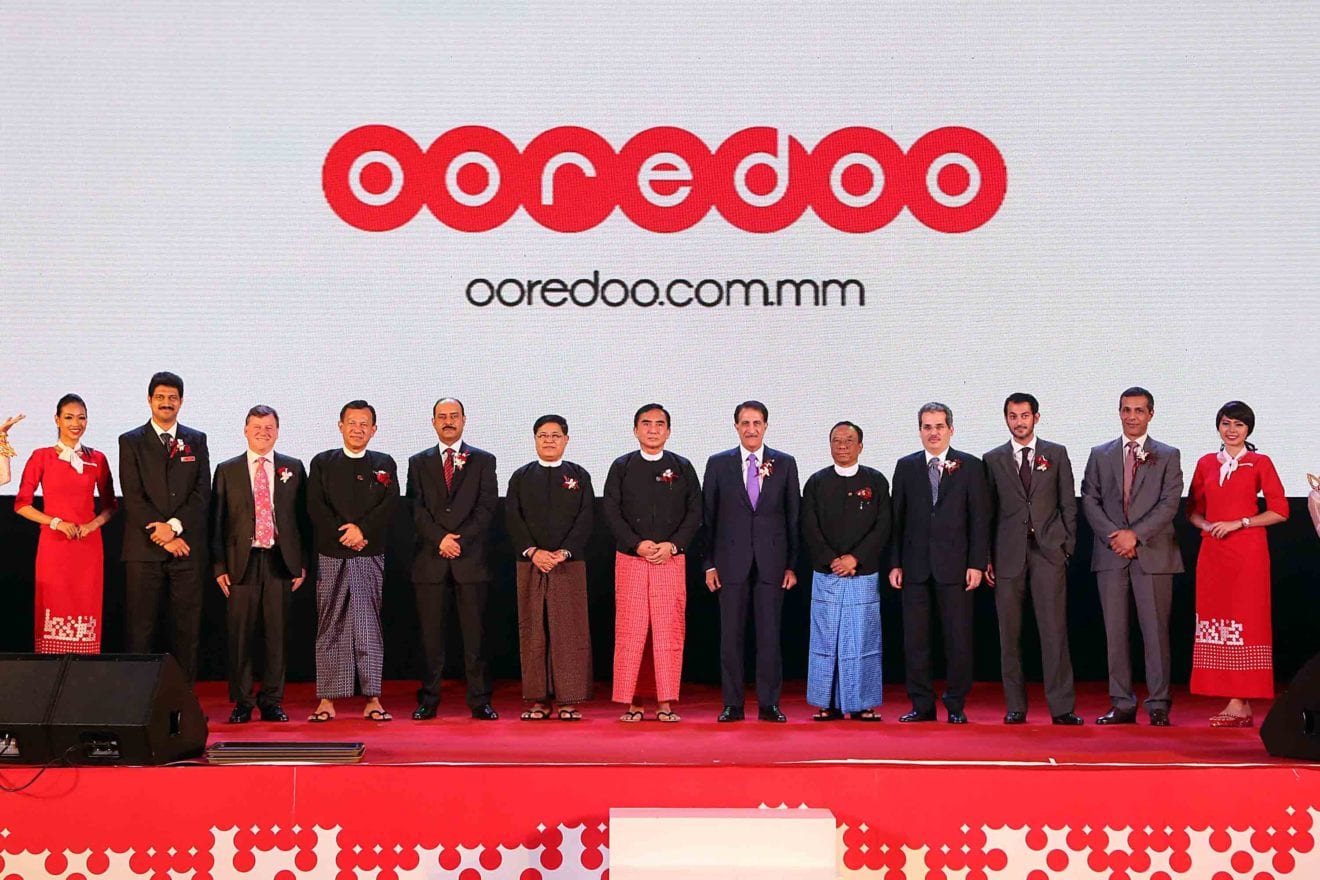
    Ooredoo Myanmar has signed up 500,000 LTE users since launching 4G services in May and is pushing ahead with the operator’s ambitious rollout plans.

    The operator’s CEO Rene Meza told that the operator now has a total 4G population coverage of 4.6 million people in Yangong, Mandalay and Nay Pyi Taw.

    The company is concentrating its 4G rollout efforts on urban areas. It has a target of covering half of Yangon’s townships, all of Mandalay and about 90% of Nay Pyi Taw.

    Main rival Telenor Myanmar has been later to offer 4G. The operator launched in Nay Pyi Taw in July and is at the testing phase in Yangon and two other cities.

    Telenor is also taking a different strategy of focusing its rollout efforts away from heavy usage areas to minimize the impact on existing 3G services.

    Both Telenor and Ooredoo’s 4G networks are currently data-only, and neither operator currently charges a premium for 4G. Meza noted that 80% of the operator’s Myanmar customers are now using mobile data.

    But both operators’ 4G ambitions will be dependent on the acquisition of more mobile spectrum. The government plans to auction 40 MHz in the 2600-MHz band in mid-October and to auction 1800-MHz spectrum by the end of the year.

  • First JCB card in Myanmar Introduced by Ayeyarwady Bank

    First JCB card in Myanmar Introduced by Ayeyarwady Bank

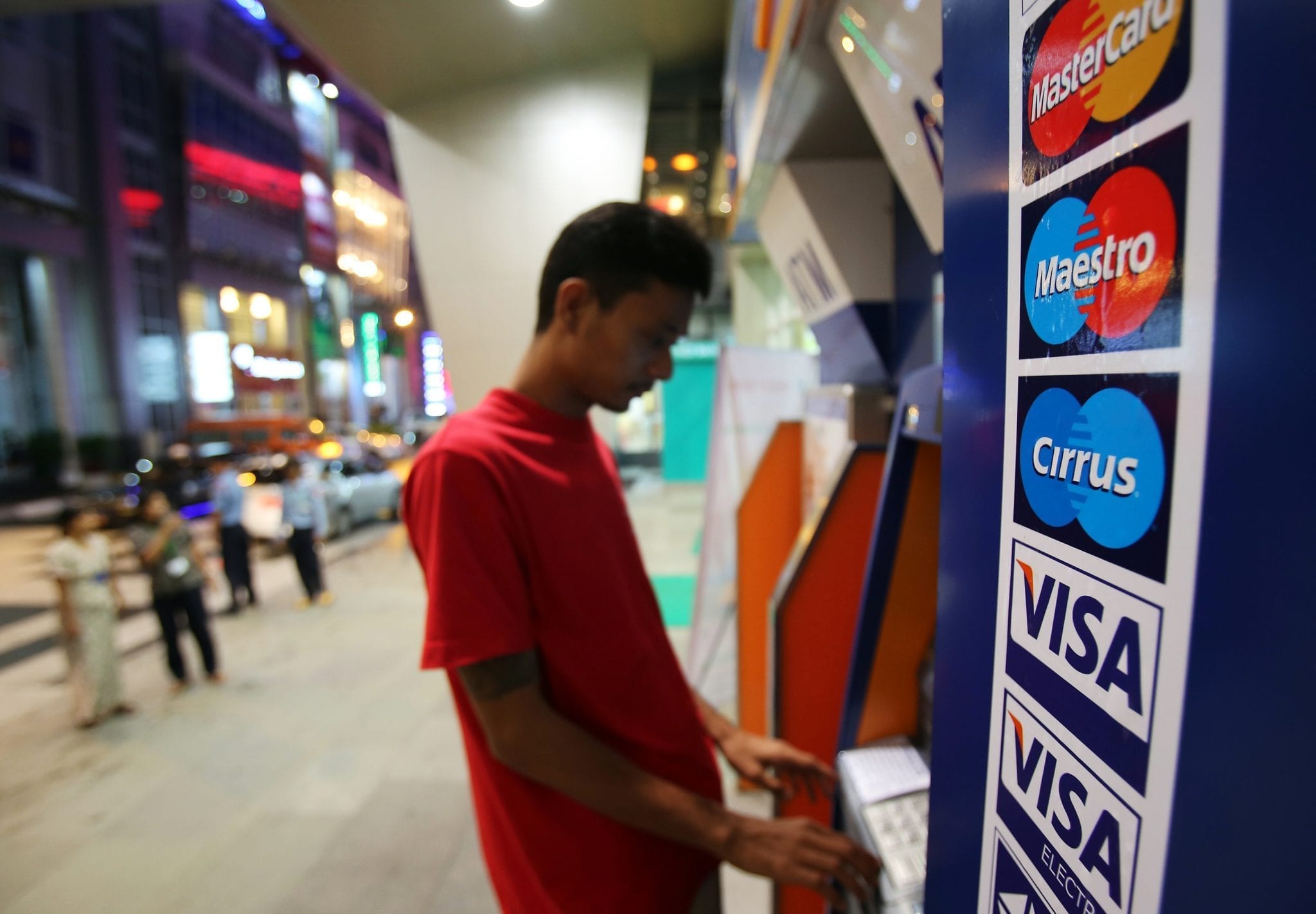
    Ayeyarwady Bank (AYA Bank), a major commercial bank in the Republic of the Union of Myanmar (Myanmar), Myanmar Payment Union Public Co.,Ltd (MPU), and JCB International Co. Ltd. (JCBI), the international operations subsidiary of JCB Co., Ltd., today announced that AYA Bank has launched the first JCB credit and debit card as AYA Universal MPU-JCB Co-Brand cards in Myanmar. Myanmar is the 4th country in the Mekong region where JCB cards are issued, along with Thailand, Vietnam and Laos.

    The Universal AYA MPU-JCB Co-Brand Card combines the MPU brand and JCB brand. Cardmembers can use MPU’s nation-wide merchant network in Myanmar and JCB’s international merchant network with over 31 million locations globally.

    The card has 4 different kinds of product, Universal Platinum credit card, Universal Gold credit card, Universal Silver credit card, and Universal debit card. All the cardmembers can enjoy JCB privileges such as JCB Plaza, and special offers at selected merchants all over the world. JCB offers Platinum cardmembers exclusive JCB Platinum services, such as JCB Platinum airport lounge service, JCB Platinum Concierge Desk, and Special JCB Platinum Hotel Services.

    U Zaw Zaw, Founder and Chairman of AYA Bank commented, “The bank has always been committed to providing our customers higher quality service and experience. This co-brand arrangement will enable cardholders to have more flexible options for their payments in foreign countries. This is another milestone in Myanmar card payment market, to promote the country’s transition to a cashless economy.”

    Kimihisa Imada, Deputy President of JCB International said, “Myanmar is an important market for JCBI. With its growing economy and population, Myanmar has great potential for growth in the card payment market. With the start of JCB card issuing in Myanmar, cardmembers can have a new choice of payment and experience the convenience of shopping abroad with JCB’s worldwide merchant network.”

  • Twinings enters Myanmar

    Twinings enters Myanmar

    Stephen Twining, a member of the 10th generation of the family that has churned out the premium tea for 310 years, was at the official launch in Myanmar on August 5. He said Myanmar offered a opportunity for high growth, with a large tea-drinking population.

    “Tea is well-loved in Myanmar, so it makes absolute sense for Twinings to be here. I am delighted to experience Myanmar’s unique culture and our shared passion for tea,” he said.

    “Twinings never accepts anything less than perfect. Today, Twinings tea is enjoyed by millions in 116 countries worldwide, including Myanmar.”

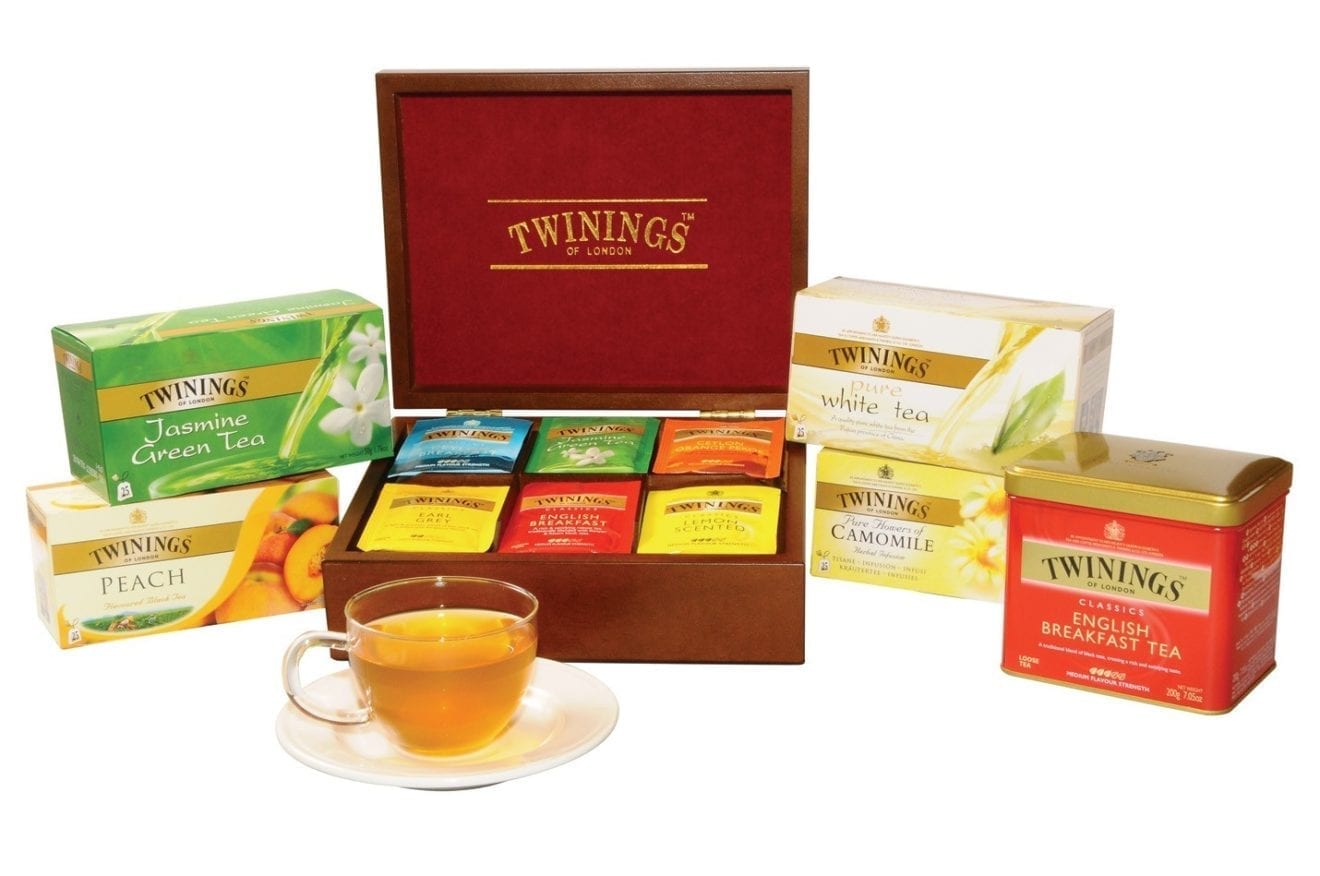
    Five labels will be available in the market – Earl Grey, English breakfast, jasmine green tea, pure camomile and pure peppermint.

    Market research was conducted before the official launch and the company decided to award the distribution rights to AB Food |& Beverages and Premium Distribution. The products are now available in supermarkets and gourmet stores in major cities and destinations including Yangon, Mandalay, Nay Pyi Taw, Bagan, Taunggyi, Inle, Ngapali and Mawlamyaing – major destinations for both local and foreign tourists.

    Twining believes that the demand for high-quality tea will rise as the country opens up.

    “We certainly see good prospects here in Myanmar. We will be targeting top hotels. I know Myanmar received nearly 5 million tourists last year. That is also expected to grow a great deal in the coming years. And we will also be looking to partner with supermarkets,” he said.

    Twining said the company would focus on maintaining quality rather than thinking about competition. He believes in taking early-bird advantages.

    “I think we are the first premium fine-quality tea company here. And we will continue to actively promote ourselves. We are working with our retail partners to reach everywhere” in Myanmar, he said.

    Twinings will open a tea parlour in Myanmar in the years to come, as it did in Bangkok.

  • Aeon to accelerate Myanmar supermarket business

    Aeon to accelerate Myanmar supermarket business

    Aeon will open new supermarkets in Myanmar at a faster clip over the next five years, according to business plans announced Monday, with shopping centers also under consideration.

    The Japanese retail group recently established supermarket chain Aeon Orange, a joint venture with Creation Myanmar Group of Companies. The 14 supermarkets purchased from CMGC will be renovated, and the first new Aeon Orange store is to open within the year. Openings will rise to 10 new stores annually after five years.

    The Aeon Orange markets will be roughly 1,000 sq. meters. But for urban areas, smaller stores of 100 sq. meters to 500 sq. meters will open on an experimental basis. The supermarket operator will source items by tapping CMGC’s more than 600 business partners and Aeon’s procurement system established in Thailand.

    Aeon President Motoya Okada also said that “opening up shopping centers is vital” for the future, expressing interest in capitalizing on the company’s biggest strengths.

    “We cannot delay in such a high-potential market,” Okada said, hinting at plans to open a large-scale shopping center in Myanmar like those Aeon operates in Japan and other countries. The company will keep a close eye on changes to restrictions for foreign investment.

    Aeon’s international business segment slumped during the year ended in February with an operating loss of 2.4 billion yen ($23.4 million). A slowdown in Malaysia, one of Aeon’s largest overseas markets, is deemed responsible and increased the urgency to develop a profitable new market.

  • Myanmar orders all SIMs registered by March

    Myanmar orders all SIMs registered by March

    Myanmar’s Directorate of Telecommunications has instructed the nation’s mobile operators to complete the registration of all SIMs by next March.

    The telecom regulator has revealed that any unregistered SIMs still operating by that time will be temporarily suspended.

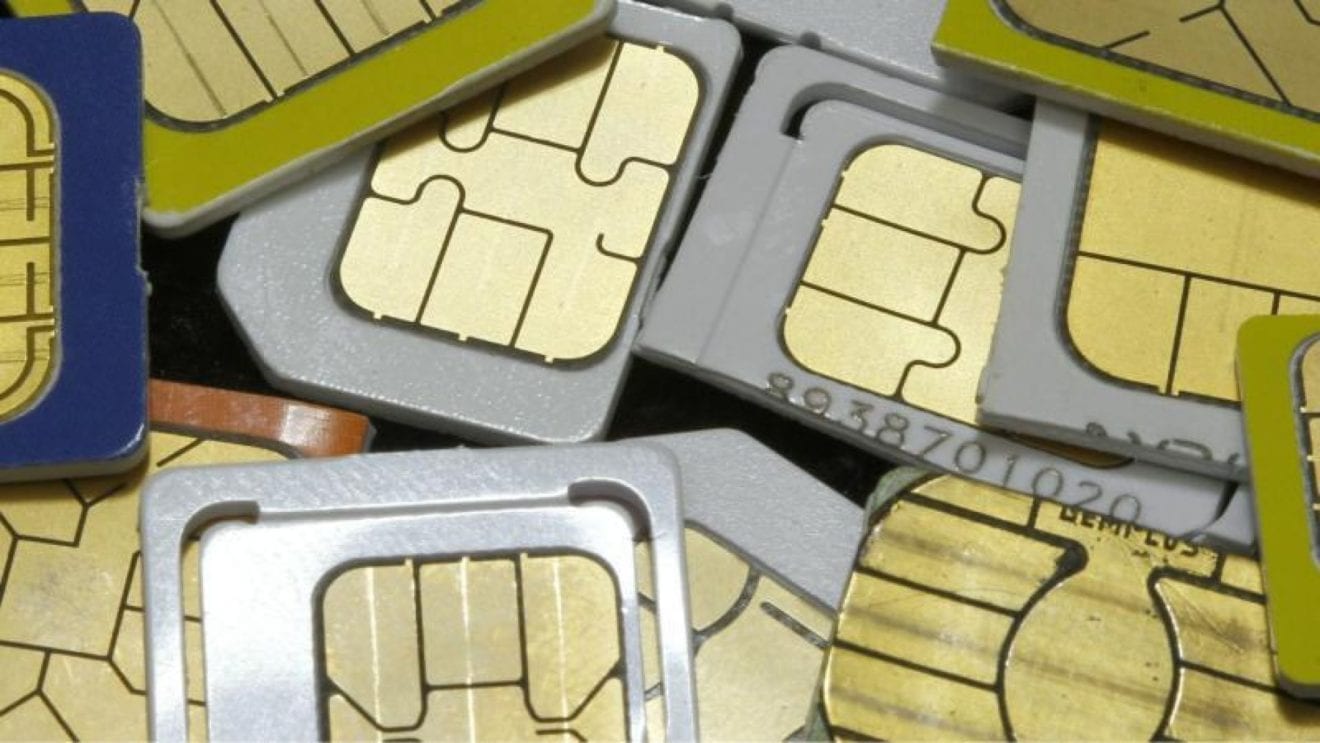
    SIMs will need to be registered based on users’ national registration cards, student identity cards, drivers’ licenses or passports for foreign citizens, the report states, adding that the order is aimed at stimulating mobile banking and m-commerce in the nation.

    There are around 48 million SIM cards in Myanmar, a market where mobile penetration has increased by 35 percentage points over the past year to more than 89%.

    While there’s no data on how many of these are unregistered, the Directorate has stated that “many” SIM cards were sold to buyers who did not supply the required documents.

    With the order Myanmar is joining a growing number of APAC nations requiring SIM registration, including most recently Bangladesh.

    Thailand began cutting off unregistered SIMs last year, while Chinese regulators began ramping up efforts to crack down on unregistered SIMs.

  • Aeon Myanmar launched with acquisition

    Aeon Myanmar launched with acquisition

    Japanese grocery and mall giant Aeon is expanding its Asian footprint yet further, acquiring a 14-store supermarket chain in Myanmar.

    The Aeon Myanmar operation will be run by a new company, Aeon Orange, which has acquired the supermarket chain from Hypermarket Asia, one of the affiliate companies of Creation Myanmar Group.

    At the same time, the newly established company is preparing to open its first supermarket in Myanmar before year end.

    Aeon says that the economic liberalisation after transition to a civilian government, has seen

    Myanmar’s retail industry modernise, and the ranks of the nation’s middle class are growing.

    “With the population of 53 million people, the real economic growth rate in the country is 8.3 per cent – dramatic growth exceeding the average rate among five developed nations in ASEAN countries,” Aeon said in a statement.

    CMG’s 14 supermarkets are mainly in Yangon, Myanmar’s largest city, and it also holds more than 20 overseas brand sales licenses including Adidas and Mango operating some 130 stores.

    The launch of the Aeon Myanmar business follows successful forays into China, Thailand, Vietnam and Cambodia as the Japanese retailer looks for growth internationally to offset declining sales in its home market which is suffering from a falling population.

    “In order to develop business in a speedy manner in this fast growing Myanmar market, Aeon believes that cooperation with CMG is indispensable, as it has the retail business infrastructure in the country and is also familiar with the customer needs which differ from region to region,” the company said.

    Aeon will learn the customer needs in the region and the know-how of community-based

    product procurement, while offering Aeon’s private brand “Topvalu,” the global sourcing

    through utilising the group’s comprehensive multinational strength and quality control to assure “safety and security,” and bring logistics, IT, and human resource development to CMG.

  • SMI helping launch Ippudo in Myanmar

    SMI helping launch Ippudo in Myanmar

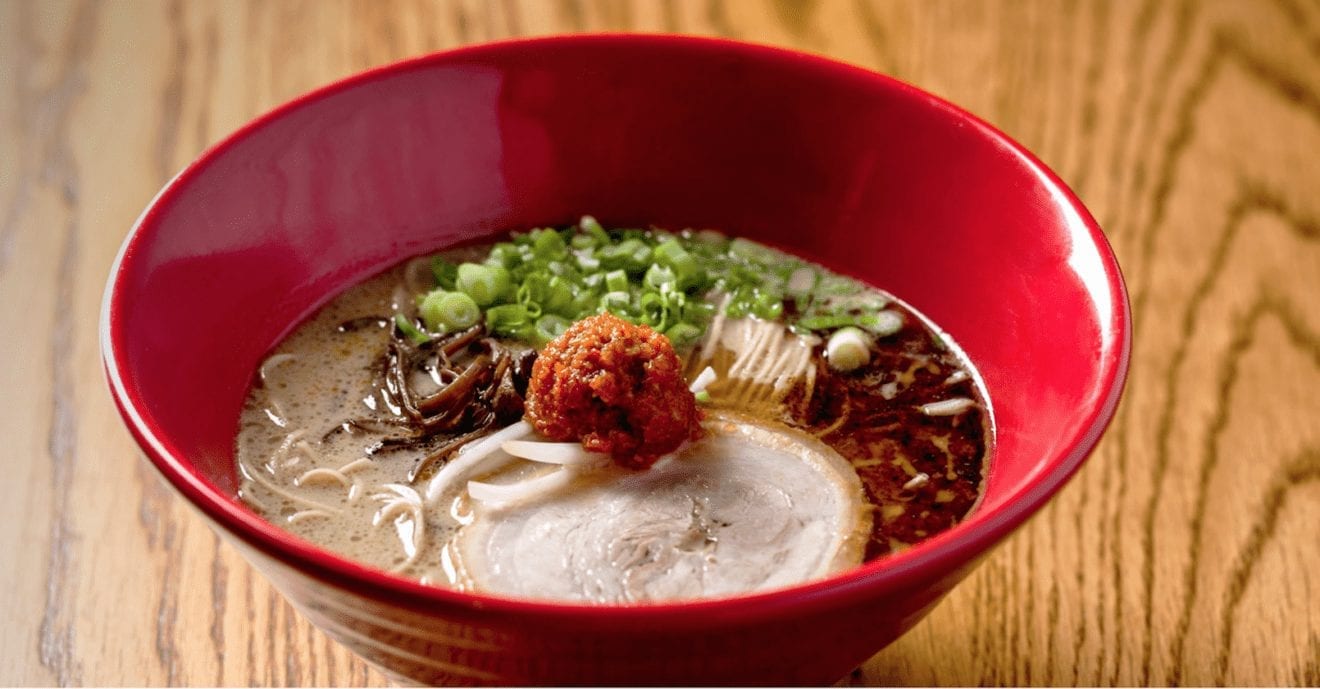
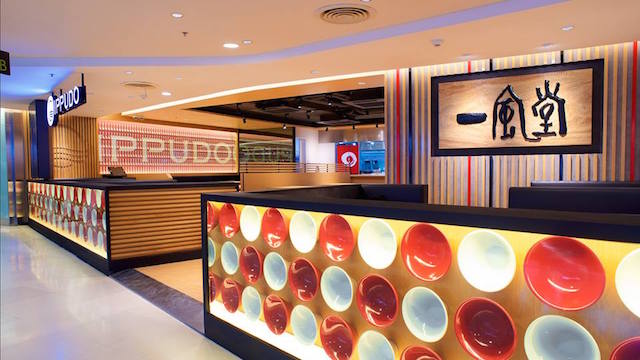
    Singapore Myanmar Investco (SMI) will launch Japanese ramen restaurant chain Ippudo in Myanmar early next year.

    Brand owner Chikaranomoto Holdings will provide training programs for SMI to set up and run the Myanmar restaurants.

    ippudo outside

    “We see abundant growth opportunities within the F&B retail market in Myanmar, and the time is ripe for us to introduce the Ippudo brand and cuisine to the growing middle class,” says SMI president/CEO Mark Bedingham.

    SMI, which is involved in consumer products and services in Myanmar, is looking to invest in retail and F&B over the next three years. It has also signed a franchise agreement with restaurant group Crystal Jade and The Coffee Bean and Tea Leaf.

  • Yoma to redevelop Yangon project, Centrium Square retail units sold

    Yoma to redevelop Yangon project, Centrium Square retail units sold

    A consortium – that includes Yoma Strategic Holdings, its wholly-owned subsidiary Yoma Strategic Investments (YSIL); Mitsubishi Corporation and Mitsubishi Estate; First Myanmar Investment (FMI); and the International Finance Corporation (IFC) – will redevelop a Yangon mixed-used development.

    The Asian Development Bank (ADB) will become party to the deal, with the rest of the corporate entities establishing a joint venture (JV) corporation – Meeyahta Development Limited (MDL).

    Yoma will maintain a 48 per cent share in the JV firm with smaller shares held by FMI (12%), Mitsubishi (30%), IFC (5%) and ADB (5%).

    The proposed development excludes Yoma’s plan to redevelop the former headquarters of the Burma Railway Company into a five-star hotel, The Peninsula Yangon, which was announced in 2013.

    According to Yoma Strategic, it is currently awaiting the approval from the Myanmar Investment Commission for the incorporation of the joint venture (JV) entity.

    According to the deal, yhe shareholders agreement will be terminated should the first subscription of shares fail to take place on or before the deadline of 30 June 2017.

    The agreement is deemed an interested person transaction as FMI’s chairman and controlling shareholder, Serge Pun, also holds about 36.27 per cent of direct and deemed interests of Yoma Strategic. As such, Yoma requires shareholder approval to finalise the deal.

    Centrium Square retail units sold in bulk for S$70.1m

    Thirty two retail units at Centrium Square with a total strata area of 16,738 sq ft are likely to have been sold through a bulk purchase for S$70.1 million, based on caveats published by the URA. This transaction saw first storey retail units sold at an average price of S$6,015 psf, with second storey units fetching an average price of S$3,932 psf.

    Centrium Square is a freehold development comprising two levels of retail units, 39 medical suites and 143 office located close to Farrer Park MRT station and is on the site of the former Serangoon Plaza. The developer is Feature Development, an affiliate of Tong Eng Group.

    According to a report from The Edge Property, the buyer is believed to be Canali Logistics, which purchased Hotel Grand Chancellor at Belilios Road in Little India in 2014.

    The opening of Farrer Park Hospital,  part of an integrated complex comprising Farrer Park Medical Centre, which houses specialist clinics and One Farrer Hotel and Spa, have positioned the area to be a medical hub.

    Separately, RB Capital is developing Farrer Square, a mixed-use project comprising medical suites and 300-room Park Hotel Farrer Park.