Tag: Myanmar

  • Potential seen in Myanmar retail

    Potential seen in Myanmar retail

    With significant potential seen for the Myanmar retail sector, a new survey shows that most businesses there, both local and international, plan to expand in the coming year.

    Meanwhile, details have yet to be finalised for a new law that aims to make it easier to invest in Myanmar.
    Surveying nearly 200 senior executives at companies working in Myanmar, the Roland Berger consultancy found that 70 per cent of local businesses and 80 per cent of international ones are aiming for growth over the next 12 months.

    “I don’t know any other country right now where you’d get that statistic,” says Roland Berger Southeast Asia managing partner Thomas Klotz. “No-one is really scaling back, though some are in the waiting period.”

    There is “huge potential” in the retail sector, according to the Myanmar Times. One of the country’s largest modern retailers, City Mart, has announced plans to double the number of its supermarkets, treble the number of its convenience stores and enter the eCommerce sector with a click-and-collect service.

    “If we look at the distribution of basic commodities, such as soap and detergent, the distribution may be 100 per cent,” says City Mart Holding MD Win Win Tint. “But for more advanced products like fabric softener and hair conditioner, distribution is limited to big cities – maybe only 20 per cent of the country. There is so much opportunity to grow.”

    She says the main hurdles are finding sites to develop or convert into shops – “the cost is very high” – and finding a suitable platform for its eCommerce business that can withstand the emerging challenge of Facebook Shop.

  • Avid Myanmar Travelers Can Now Pay with Mastercard and CB Bank Credit

    Avid Myanmar Travelers Can Now Pay with Mastercard and CB Bank Credit

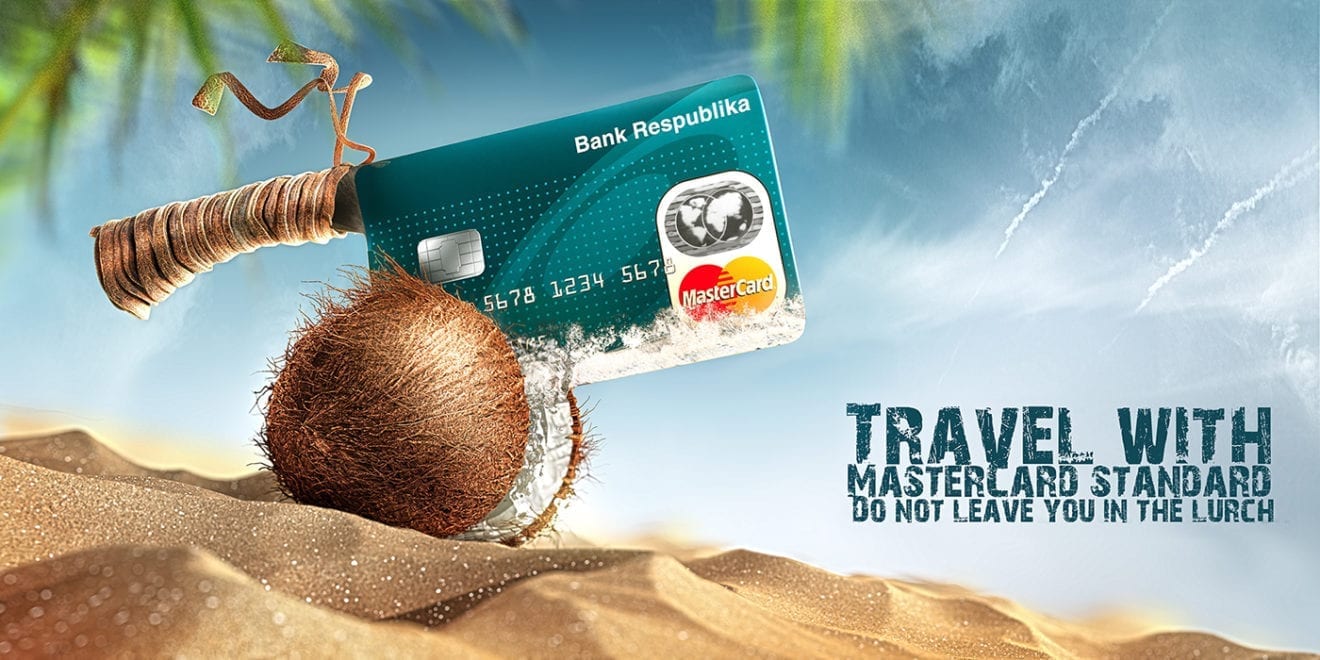
    As Myanmar continues to see positive economic growth projections[1], its people are increasingly seeking overseas destinations. The latest Mastercard research revealed that Myanmar is the fastest growing outbound travel market in Asia Pacific with a growth projection of 10.6% for the next five years.

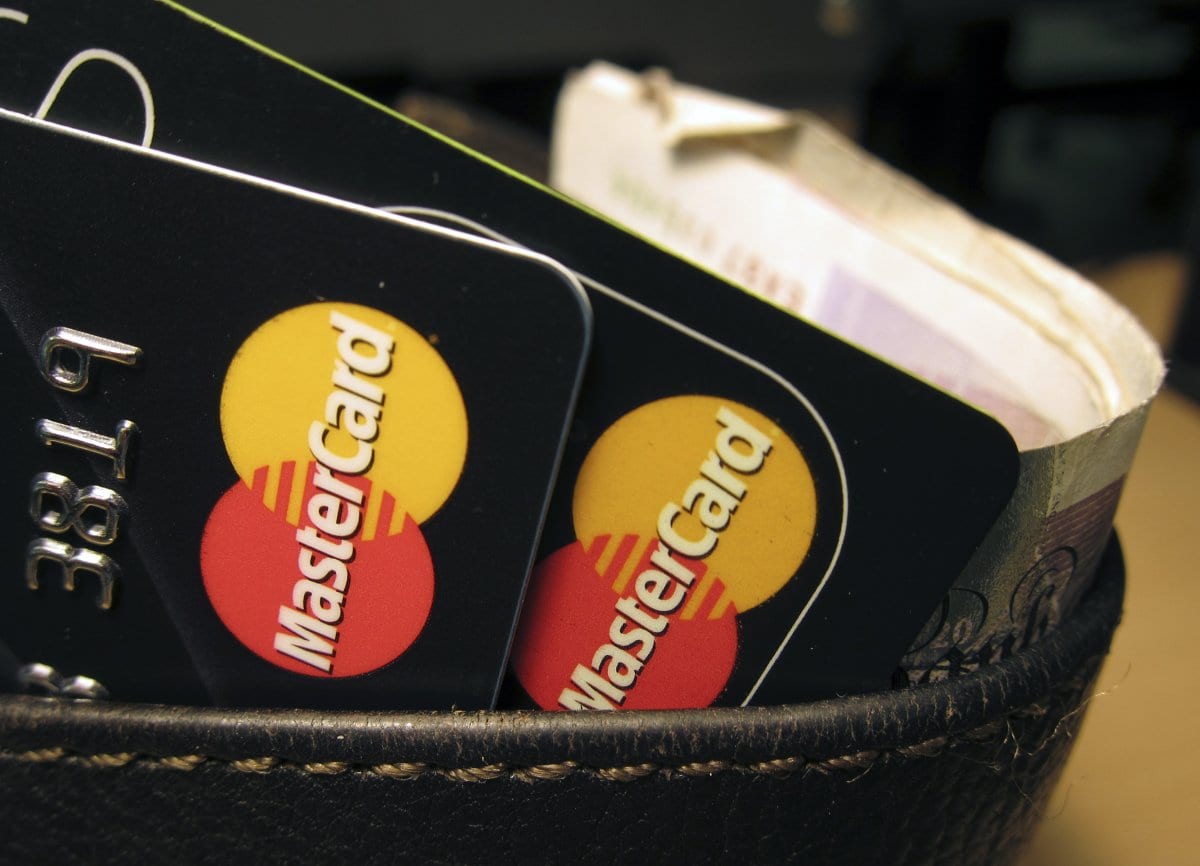
    In light of this, Mastercard has once again partnered Co-operative Bank Ltd (CB Bank) to launch Classic, Gold and Platinum Mastercard cards, which will be made available to Myanmar residents and citizens when traveling abroad. 

    Mr. Kyaw Lynn, Executive Vice Chairman and CEO of CB Bank said: “As more Myanmar residents and citizens travel abroad, it is crucial to have convenient and secure access to their funds wherever they are. A cashless society is an important goal for CB Bank. Although still a work in progress, we are working hard with like-minded partners such as Mastercard to achieve that goal by expanding the payment options, increasing usage of ATMs, POS terminals and enhancing e-commerce capabilities. For starters, we are already seeing a great shift from cash to electronic payments. And on average, there are 9,000 transactions being made monthly via electronic payment at the point-of-sale.”

    Mr. Antonio Corro, country manager, Thailand and Myanmar, Mastercard, said: “For a country that had only opened its doors not too long ago, Myanmar’s economic and outbound travel projections are very encouraging. To meet the increasing demands for travel, we have deepened our partnership with CB Bank to launch our first credit card in the country. This signifies a big step towards the greater development of the electronic payments infrastructure and it also means that consumers are able to make more secure and convenient payments for their purchases when travelling abroad.” 

    Supporting Myanmar in Its Journey to Greater Inclusion

    Since entering the market in 2012, Mastercard has strived to assist Myanmar in its nascent journey towards financial inclusion. In October 2013, Mastercard and CB Bank had launched Myanmar’s first ever payment product, a prepaid travel card for locals called the CB Bank EASI Travel Prepaid Mastercard card, which has seen a healthy take-up rate. Approximately seventy new card applications on average are received every day, according to Mr. Kyaw Lynn. The latest of their efforts include the launch of Mastercard’s first contactless card in Myanmar. 

    With less than 10% of the population holding bank accounts, there is still so much that needs to be done to bring more citizens into the financial system and it is widely acknowledged that the journey to financial inclusion in Myanmar will not be a smooth one.

    In a report by The Fletcher School, Tufts University – conducted with the support of Mastercard and the Myanmar Development Resource Institute’s Center for Economic and Social Development (MDRI-CESD) – one of six key findings point to trust playing a key role in increasing adoption of financial services.

    This means there a stronger impetus and opportunity for Mastercard to assist in rebuilding the financial sector and bringing greater financial access to the population. 

    “Building consumer trust in electronic payments is crucial. In line with our financial inclusion strategy in Myanmar, we will continue to provide support in educating locals on the benefits of electronic payments and increasing access and acceptance to financial services and infrastructure,” Mr. Corro added. 

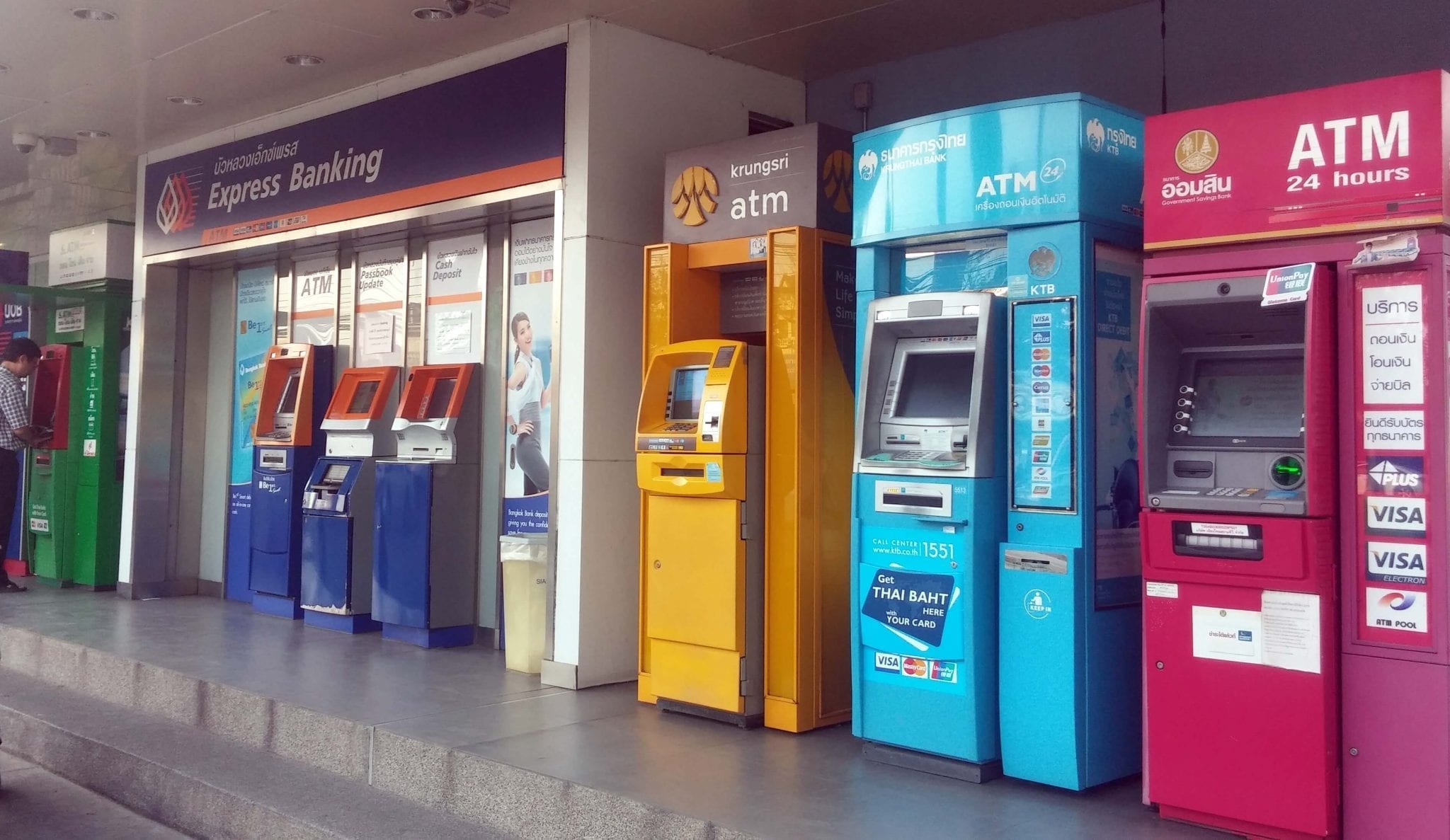
    The number of ATMs in Myanmar which accept Mastercard has been growing at an astounding rate, from over 140 ATMs in 2013 to almost 1,800 ATMs in just three years, marking a near 13-fold increase. The number of point-of-sale (POS) acceptance terminals grew from 72 to over 3,800 in the same period, which signify a strong adoption of cashless payments. At present, more than 3,200 restaurants, retail outlets and hotels in Myanmar accept payment cards.

  • H&M stages Myanmar textile conference

    H&M stages Myanmar textile conference

    More than 100 textile industry stakeholders, among them apparel brands, NGOs, trade union representatives and suppliers, recently attended H&M’s Fair and Equal conference in Yangon, Myanmar. Key note speeches from the ILO’s development partner relations coordinator Peter Rademaker, Impact’s founder and director Rosey Hurst and H&M Group’s head of sustainability Anna Gedda, were followed by a panel discussion and several break-out sessions about social topics such as fair living wages.

  • Ooredoo Myanmar expands SIM registration channels

    Ooredoo Myanmar expands SIM registration channels

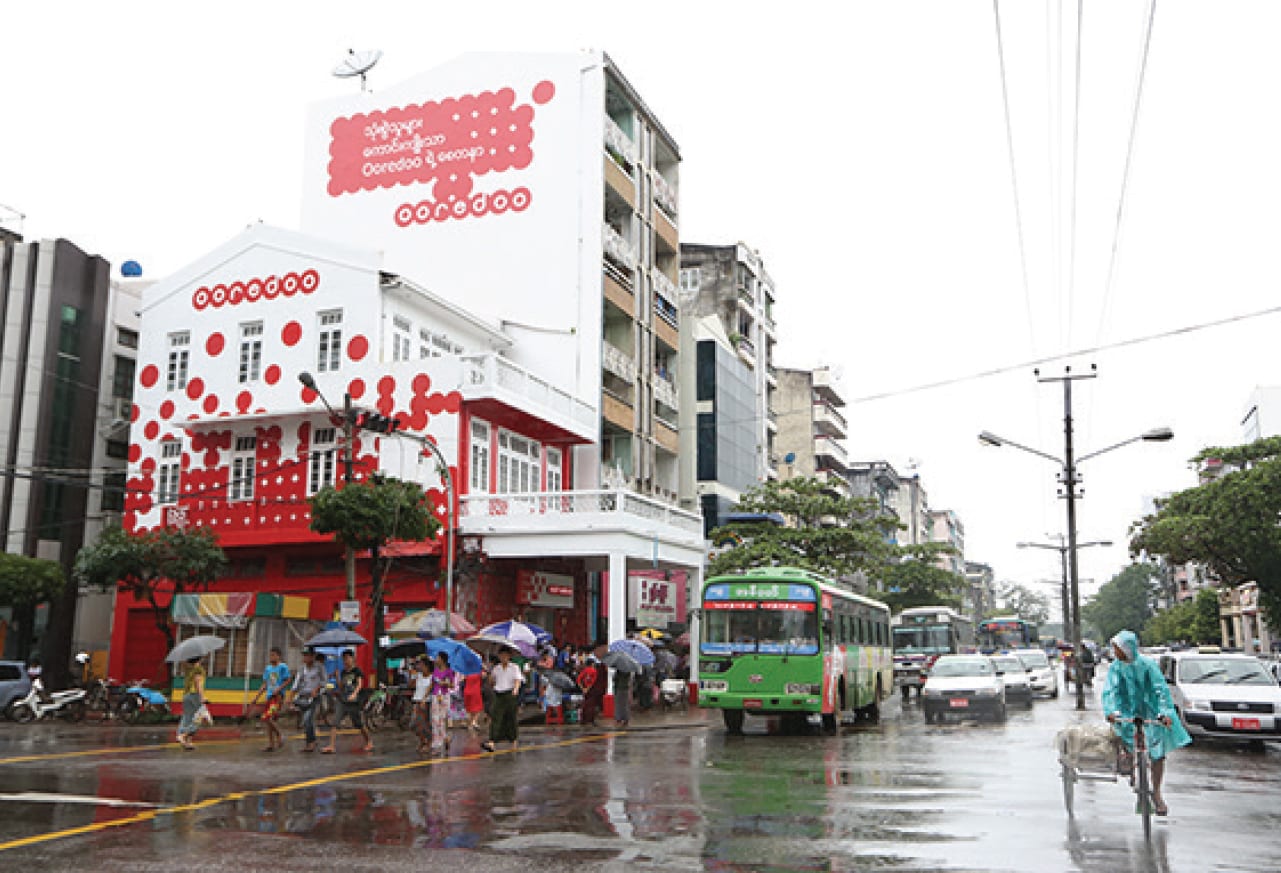
    Ooredoo Myanmar has added new channels for its subscribers to use to self-register, in line with a government directive that all SIMs in use in the nation be registered by next year.

    Customers now have four options for self-registering their SIMs.

    The four options involve dialing a dedicated hotline, downloading an application, using a call center with interactive voice response functionality or registering online via the Ooredoo website.

    Subscribers will also be able to visit an Ooredoo store and complete a registration with the assistance of a sales agent. They will need an NRC card, student ID or drivers’ license.

    Under a new mandate from the Ministry of Transport and Communications, all mobile SIM cards will need to be registered by the end of March. Any remaining unregistered SIMs will need to be deactivated after this date.

    The order brings Myanmar in line with a number of its peers in the Asian region also introducing mandatory SIM registration schemes, including Cambodia, Thailand and Pakistan.

    Thailand’s National Broadcasting and Telecommunications Commission is also calling for the introduction of a common regional SIM registration platform covering prepaid services in Thailand, Cambodia, Laos and Myanmar as a counter-crime measure.

  • Burger King sets up second store at new domestic terminal

    Burger King sets up second store at new domestic terminal

    Myanmar is getting its first ever publicly-accessible Burger King outlet, although whopper-enthusiasts will have to make their way to Yangon International Airport’s new domestic terminal to slake their hunger.

    The new Asia World-built domestic terminal – T3 – opened yesterday, with the first flights scheduled to take off later this week, according to Asia World.

    T3 spans some 44,000 square metres, boasts 38 check-in counters and will offer domestic passengers a “well-curated mix of world-renowned and local retail outlets and food and beverage options”, the firm said.

    Among the food options is the country’s “first public Burger King outlet”, according to Asia World. The new international terminal, T2, which opened earlier this year, hosts the country’s first Burger King. But that store is only accessible after going through passport control and customs.

    Thai firm Minor Food Group (MFG) has the franchise rights for Burger King in Myanmar, but could not be reached for comment on the new store. Asia World was also unavailable for comment on whether the new outlet was already up and running.

    Prapat Siangjan, MFG’s general manager for Burger King Thailand, told in August that MFG was considering a second outlet in the domestic terminal. That store would have prices denominated in kyat, and help MFG better gauge public demand, he said.

    Prices at the international terminal restaurant are dollar-denominated and geared towards international tourists, with a standard value whopper meal going for US$8.50.

    The new domestic terminal will also boast international brands including Gloria Jean, Coffee Bean and KFC. The latter chain, operated by Yoma Strategic, is well established in Myanmar, with seven outlets in Yangon and a new store in Mandalay scheduled for 2017.

    T3 opens just a few months after T2 – also Asia World-built – started operations. Passenger numbers at Yangon International Airport terminals have risen three-fold over the past five years, according to Asia World. Yangon’s airport handled 4.68 million passengers in 2015, the firm said.

    All domestic airlines are expected to move their operations to the new terminal, Department of Civil Aviation deputy director general U Ye Htut Aung previously told us. Asia World said the first domestic flights are scheduled to take place from December 9.

    Myanmar has 10 airlines operating domestic flights to 26 local destinations, according to Asia World.

  • MasterCard Myanmar issues travel card

    MasterCard Myanmar issues travel card

    MasterCard Myanmar and CB Bank have announced their first payment product, a prepaid travel card.

    The CB Bank Easi Travel Prepaid MasterCard is reloadable and is designed for Myanmar residents travelling outside of the country. It is the first such card product for Myanmar and is part of its evolving electronic payments ecosystem.

    CB Bank executive vice-chairman/CEO Kyaw Lynn says the bank continues to pioneer the electronic payments sector in Myanmar.

    Mastercard Southeast Asia president Matthew Driver says that part of the allure of a frontier market like Myanmar is in seeing the vital steps of financial inclusion play out. “By far, most people in Myanmar remain unbanked and don’t have access to financial services, but the payments infrastructure is rapidly developing with ATMs, POS terminals and now prepaid cards.”

    It is expected that more than 500 restaurants, retail outlets and hotels in Myanmar will be accepting payment cards by the end of the year.

    Overall consumer optimism is high in Myanmar (96 points on the latest MasterCard Index of Consumer Confidence). A MasterCard survey has shown that nearly two-thirds of people who have travelled abroad intend to do so again within the next 12 months.

  • Myanmar retail will get investment boost

    Myanmar retail will get investment boost

    Myanmar retail will get a boost from the lifting of US sanctions, opening the way for foreign investment.

    The official end of the restrictions was formalised on October 7 and confirmed by the US Treasury, unblocking sanctioned properties, removing various banking restrictions and reporting requirements for investment. Exporters and manufacturers are expected to be the main beneficiaries, but the retail sector is also expected to see Western brands seeking local partners.

    With the easing of restrictions, local partners will find it easier to find international firms looking to enter the country, but due diligence will be needed as per industry analysts.

    Several brands have already entered the market in recent years including KFC, Pizza Hut and Gloria Jean’s Coffees. Japanese retail company Aeon was the first foreign retail chain to gain access to the market this year. It partnered with Creation (Myanmar) Group to open stores in Yangon and Mandalay.

    In addition, demand for retail space, which is in shortage, is expected to go up following Aeon’s lead. While the trend of shifting from local stores to large retail centers will take time, the pattern is already changing in major urban centers. The wider range of products, particularly foreign brands is expected to further quicken the process.


  • Singapore Myanmar Investco hinges growth on Myanmar’s robust tourism

    Singapore Myanmar Investco hinges growth on Myanmar’s robust tourism

    It secured 90% of commercial space in YIA’s new terminal. Singapore Myanmar Investco’s duty free shops, retail outlets and car rental services are seen benefitting from growing tourism in Myanmar, said DBS Vicker Securities.

    The research house notes that the influx of tourists, estimated by the Tourism Ministry to increase from 5m in FY2016 to 7.5m in FY2020 on the back of the improved political and economic stability, will lead to the capacity expansion of YIA from 2.7m to 8m passengers by 2019.

    As such, with 90% of the commercial space secured on a 10-year agreement with merchandise supplied by DFS Venture Singapore at the new terminal at YIA which opened in mid-March, it believes SMI is set to benefit from the rising tourism in Myanmar.

    SMI will also manage three F&B outlets; with franchise agreements signed with Crystal Jade, IPPUDO (Japanese ramen restaurant) and The Coffee Bean & Tea Leaf.

    SMI plans to expand its range of F&B franchise concepts into the domestic market.

  • Myanmar opens talks with Thailand on reciprocal banking access

    Myanmar opens talks with Thailand on reciprocal banking access

    The central banks of Thailand and Myanmar agreed Sunday to start talks on granting access to designated banks in each other’s markets, marking a small step forward in the financial integration of the Association of Southeast Asian Nations.

    For Thailand, Myanmar is the third country to enter bilateral discussions on bank access, following Malaysia and Indonesia; for Myanmar it is a first.

    Under the ASEAN Banking Integration Framework, countries can enter into bilateral deals allowing banks that meet certain criteria to become “Qualified ASEAN Banks” that operate in each other’s markets on the same terms as local banks.

    “The expansion of a banking presence through QAB will enable greater efficiency and reduce costs for bankers and customers alike,” Bank of Thailand Gov. Veerathai Santiprabhob told bankers who were in Bangkok for the 21st ASEAN Banking Conference on Monday.

    With Myanmar opening up its economy after nearly 50 years of isolation and the ASEAN Economic Community kicking off last year, banks in  Thailand and Myanmar have been growing more active in each other’s markets.

    Myanmar’s largest lender, Kanbawza Bank, opened a representative office in Bangkok in August, becoming the first Myanmar bank to venture abroad.

    Last year, Thailand’s Bangkok Bank was among the first of nine banks to be granted a foreign banking license in Myanmar. Other big Thai banks were not granted licenses in the first round, but have opened representative offices in Myanmar in anticipation of the next opportunity.

    “It’s good that the Bank of Thailand signed the QAB agreement with Myanmar,” said Predee Daochai, president of Kasikornbank, which now has a representative office in Myanmar. “We would like to open a bank there,” he said.

    The time frame for the negotiations and details such as the number of banks to be designated QABs have yet to be decided.

    While trade and investment have been increasing in the region in the wake of deregulation and elimination of tariffs, “much work remains with regards to financial connectivity” in the region, Veerathai said.

  • Mastercard launches credit card in Myanmar

    Mastercard launches credit card in Myanmar

    MasterCard and CB Bank have announced their first payment product in the country – a prepaid travel card for locals called the CB Bank EASI Travel Prepaid MasterCard card.

    The reloadable prepaid card will be made available to Myanmar residents for when they travel outside of the country. It is the first such card product to be launched in Myanmar and is yet another stage in the evolution of the electronic payments ecosystem.

    MasterCard has been working very closely to enable CB Bank (which it licensed in September last year) to roll out its very first prepaid MasterCard card. CB Bank is already certified and has undergone full system testing as part of its efforts to be connected to the global payments network.

    Mr. Kyaw Lynn, Executive Vice Chairman and CEO of CB Bank said, “CB Bank continues to be first in the electronic payments sector in Myanmar and we are pleased to be able to collaborate with MasterCard to launch this travel prepaid card. Just as our country is opening up to the world, at the same time, the world is opening up to our countrymen and we’re seeing more and more locals travel abroad. We are so glad to introduce this travel prepaid MasterCard card to help make their travels safe and hassle-free without the worries of carrying large amounts of cash.”

    According to Matthew Driver, president, Southeast Asia, MasterCard, “Part of the allure of operating in such a frontier market is in seeing the vital steps of financial inclusion play out: a vast majority of people in Myanmar remain unbanked and don’t have access to financial services. But the payments infrastructure is rapidly developing – from the rollout of ATMs, point-of-sale terminals, and now the introduction of prepaid cards.”

    “This presents an alternative option for the growing number of locals who’ve had to carry wads of cash when they leave the country for business or leisure travel. It offers them a safe and secure payment method while abroad.”

    Overall consumer optimism is at an extreme high in Myanmar (96.0 Index points according to the latest MasterCard IndexTM of Consumer Confidence). According to the MasterCard survey of Consumer Purchasing Priorities, nearly two-thirds of people who have traveled abroad intend to do so again within the next 12 months, making the introduction of a prepaid travel card timely for the market.

    “Part of our financial inclusion strategy in Myanmar is to educate the local population about the value of electronic payments – we would like to help them understand the benefits of doing away with cash,” Driver added.

    The launch of a new prepaid card marks another vital step forward in the country’s reform of its banking and financial system. MasterCard was the first international payments network to issue a license to a Myanmar bank in September last year, paving the way international payment cards to be accepted in the country for the first time. In November, MasterCard and Co-operative Bank Ltd (CB Bank) teamed up to launch the first ATM transaction at one of the bank’s Yangon ATMs.

    It is expected that more than 500 restaurants, retail outlets and hotels in Myanmar will be accepting payment cards by the end of the year, following the rollout of Point-of-Sale (POS) terminals in March this year with CB Bank.

  • Co-Operative Bank to issue JCB Debit Card in Myanmar

    Co-Operative Bank to issue JCB Debit Card in Myanmar

    Co-Operative Bank (CB Bank), a major commercial bank in the Republic of the Union of Myanmar (Myanmar), Myanmar Payment Union Public Co.,Ltd (MPU), and JCB International Co. Ltd. (JCBI), the international operations subsidiary of JCB Co., Ltd., today announced that CB Bank will start to issue JCB debit card in December 2016.

    The CB MPU-JCB Co-Brand Card combines the MPU brand and JCB brand. Cardmembers can use MPU’s nation-wide merchant network in Myanmar and JCB’s international merchant network with over 31 million locations globally.

    The Card offers 3 different card types, Platinum debit card, Gold debit card, Standard debit card. All the cardmembers can enjoy JCB privileges such as JCB Plaza, staffed service counters for JCB cardmembers located around the world. Also cash back and discounts at selected CB merchants will be offered to Platinum and Gold CB MPU-JCB Co-Brand Cardmembers. JCB offers Platinum cardmembers exclusive JCB Platinum services, such as JCB Platinum airport lounge service, JCB Platinum Concierge Desk, and Special JCB Platinum Hotel Services.

    Kimihisa Imada, Deputy President of JCB International said, “I am delighted to have a partnership with CB Bank as the second JCB card issuer in Myanmar. JCBI entered into the market in 2012, and we have been committed to providing support to the expansion of the Myanmar payment market in cooperation with MPU. I am confident that the issuance of CB MPU/JCB Co-badged Card will grow the market even further and will contribute to the financial inclusion.”

    U Kyaw Lynn, Executive Vice Chairman & CEO of CB Bank commented, “On behalf of Co-operative bank, I am very pleased to announce that we are issuing CB-JCB debit card. This partnership between CB and JCB will strengthen ties between our business and our countries. Our customers here in Myanmar can enjoy all the benefits developed by CB and JCB when using in Myanmar and using in oversea countries.”

  • Myanmar plans 1800-MHz auction in March

    Myanmar plans 1800-MHz auction in March

    Myanmar plans to hold an auction for 1800-MHz spectrum in March next year, some three months later than initially expected.

    The Ministry of Transport and Communications will allocate spectrum to allow operators Telenor Myanmar, Ooredoo Myanmar and MPT to expand their 4G networks.

    The report cites the ministry’s deputy director of posts and telecommunications U Myo Swe as stating that spectrum will be made available to all operators equally.

    But it is unclear whether the planned fourth entrant into the market, the consortium between Vietnam’s military-run Viettel and a group of local ICT and other companies, will be included in the process.

    Myanmar’s mobile operators have been constrained in their efforts to roll out 4G services by a shortage of spectrum, and have been eagerly anticipating the release of 1800-MHz spectrum.

    Telenor and MPT had initially applied to take part in an auction of 2600-MHz spectrum,  but later decided to withdraw from the running and wait for the 1800-MHz allocation instead.

  • 2C2P’s Online-To-Offline E-commerce Service Now Available At Over 320,000 Locations

    2C2P’s Online-To-Offline E-commerce Service Now Available At Over 320,000 Locations

    2C2P, the leading Southeast Asian payments company which processes billions of dollars in transactions each year, has announced 320,000 offline payment locations for its ‘123’ payment solution. ‘123’ is an alternative payment service. Through it, consumers of 2C2P’s merchants across Southeast Asia (SEA) can pay for their online purchases with cash or alternate means at these 320,000 offline payment locations. 2C2P’s merchant partners include some of the largest online retailers across Southeast Asia, spanning the travel and tourism, retail, food and beverage and hospitality industries, among others.  123 enables these online retailers to bring online commerce to the region’s unbanked population which, according to KPMG, spanned 73 per cent of the region’s population, or 438 million people.  

    At online check-out, their consumers will have the option to pay for purchases using 123. They will be provided a bar code which can be printed out or scanned from their mobile devices, enabling them to then pay with cash or alternate means 2C2P’s extensive network of offline payment locations – available through 2C2P’s channel partners. Payment channels include cash over-the-counter at retail chains and agents, ATMs and electronic kiosks (such as AXS, SAM, SingPost), as well as internet banking and mobile banking. These locations are available across Southeast Asia, including Indonesia, Malaysia, Myanmar, the Philippines, Singapore and Thailand.

    Bringing e-commerce capabilities to rural Myanmar

    123 has increased its payment locations across the SEA region, with 12,000 new locations added in Myanmar in 2016, near ten times the network of the country’s largest bank. It has achieved this by establishing partnerships with Myanma Post Offices, Myanmar Awba Group and ABC convenience store chain. Retailers and merchants including Myanmar National Airlines (MNA) and Oway are among the first in Myanmar to actively offer 123 to their customer base.

    MNA is the largest airline carrier, and one of only two international carriers in Myanmar. It has the most extensive route network within the country. With 123, its customers can book their tickets online and then pay at over 12,000 physical locations across Myanmar, or pay through AYA Mobile Banking and branches. Customers of Oway, Myanmar’s largest online travel agent, can use 123 to make travel bookings more convenient and accessible – all without a debit or a credit card.

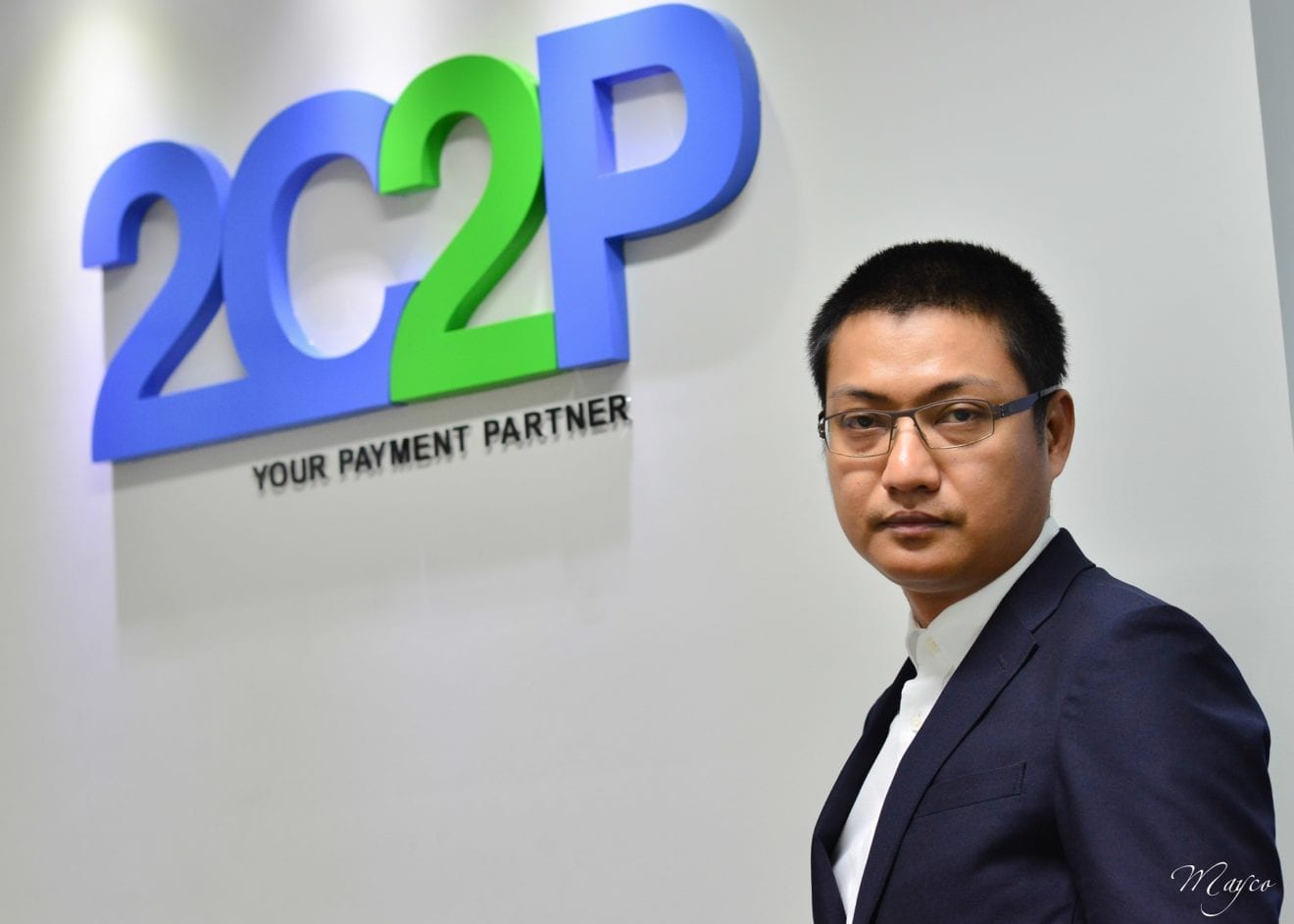
    Aung Kyaw Moe, CEO and Founder of 2C2P said, “2C2P has made extensive efforts to open up Myanmar’s unbanked population to e-commerce. As the country continues to see increased mobile penetration, rising urbanization and improved consumer spending, there is an urgent need to modernise its e-commerce and payments infrastructure. 2C2P’s vision is to bring e-commerce to every single person in Myanmar, and more broadly, in Southeast Asia. In so doing, we look to build the region’s e-commerce future.

    “2C2P, through 123, looks to bring convenience to Myanmar’s citizens, particularly those that remain underserved by banking and financial institutions – lacking banks accounts, credit and debit cards or access to a bank branch. They can now, for the first time, tap into the fast-growth of national, regional and global e-commerce by paying for their online purchase at a convenient offline location via 2C2P’s extensive network of physical channel partner locations,” added Aung.

    Myanmar’s Ministry of Hotels and Tourism estimates 6 million annual inbound tourists for 2016, a 25 per cent increase from 2015 (4.68 million). This number is predicted to cross 7.5 million by 2019. The Asian Development Bank (ADB) is optimistic that tourism will drive the country’s overall economic growth. It forecasts tourism revenues to have increased by 19 per cent from 2014 to 2015 to US$2.1 billion – representing over 4 per cent of Myanmar’s GDP.  Asia-Pacific will overtake North America to become the largest digital travel market globally in 2019, according to eMarketer.
  • Myanmar’s hyper growth era has ended according to Telenor

    Myanmar’s hyper growth era has ended according to Telenor

    Telenor Myanmar will shift focus towards data services as the era of rapid initial subscriber growth comes to a close.

    Telenor Myanamar CEO Lars Erik Tellmann told that the competitive environment is rapidly changing, with operators targeting internet service use.

    Since launching services in September 2014, Telenor Myanmar’s subscriber base has rapidly increased to 18 million, making the operator the second largest industry player. Myanmar’s telecoms market has been experiencing unprecedented growth after the sector was liberalized in 2011.

    But Tellmann said this growth has slowed significantly now that anybody who wants to own a SIM has now purchased one, so the fight is turning to existing customers. “Super hyper growth has flattened,” Tellman told.

    As of the third quarter, around 40% of Telenor Myanmar’s revenue was generated from data services. In a market with very low fixed line penetration and few PCs, smartphones are the primary way Myanmar consumers are accessing the internet, he said.

    Social media is helping drive increased data consumption, with Facebook, WhatsApp and Viber proving particularly popular in the market.

  • KAI Offers Train Cars to Myanmar

    KAI Offers Train Cars to Myanmar

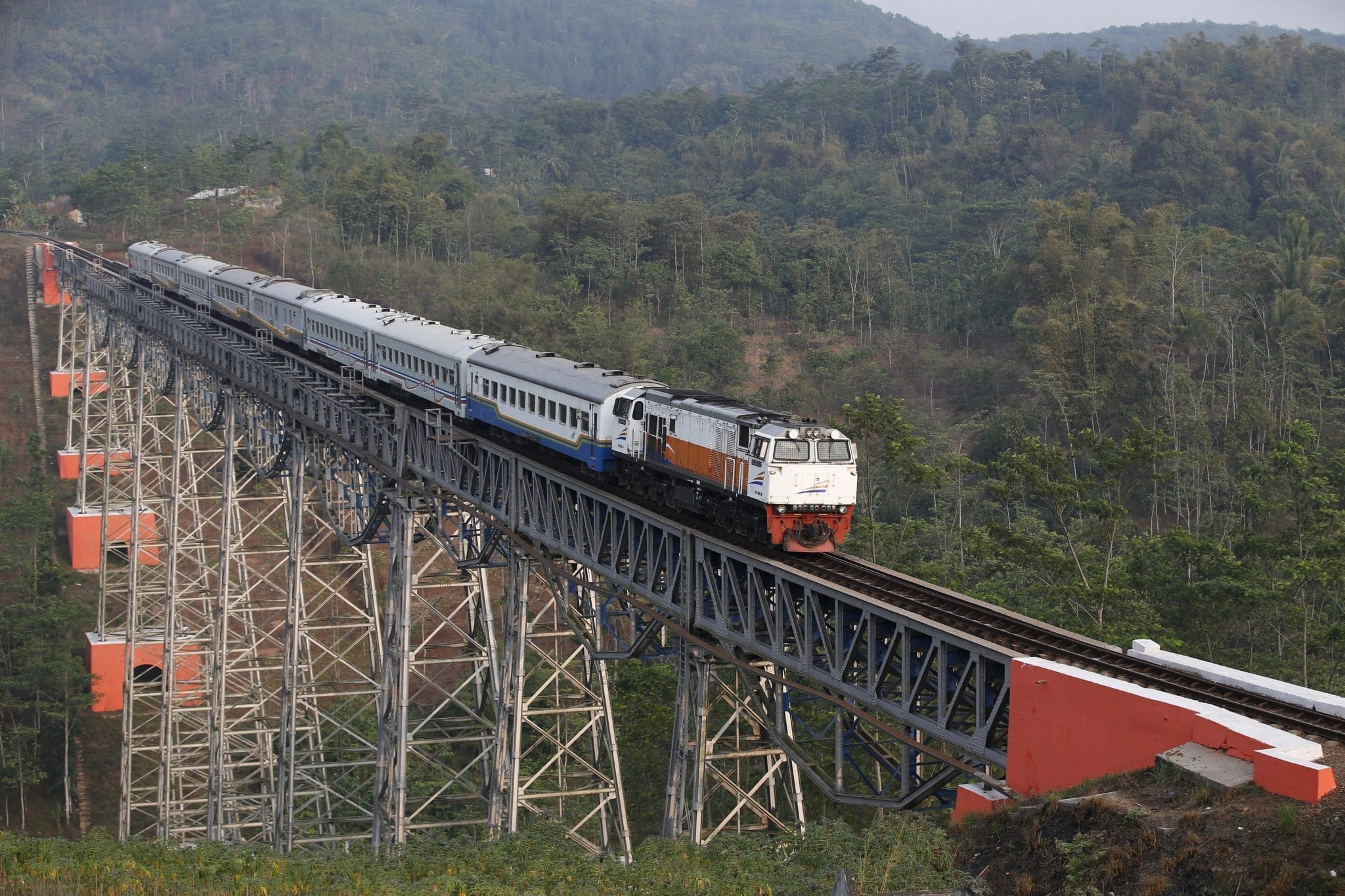
    State-owned railway company PT Kereta Api Indonesia (KAI) has offered at least 600 old train cars to Myanmar.

    “We have about 600 20-year-old cars. They can run up to 60 kilometers per hour. But they need to be reconditioned,” KAI director of logistics and development Budi Noviantoro said in Yogyakarta.

    Budi explained that his company has sent a technical team to Myanmar to conduct a survey. As the company purchased new cars from General Electric, PT KAI had no longer used the old cars for its operations.

    The Myanmar Ambassador to Indonesia has offered PT KAI to operate the country’s railway, reflecting a cooperation commitment to realize the mass transportation project.

    “Myanmar has had trains. But the speed is limited only to 30 kilometers per hour,” Budi said.

    Budi pointed out Myanmar has a huge potential in the railway sector, but the government could not yet optimize the potential, as the situation in the country has just been stabilized.

    In addition, KAI has also discussed a cross-border railway project, connecting Kunming, Vietnam, Thailand, Malaysia and Indonesia. Delegations of six ASEAN countries, including Myanmar are currently meeting in Yogyakarta to discuss the cross-border railway project.

    KAI president director Edi Sukmoro said that the cross-border railway network can be realized since railway transportation is the most important part in the ASEAN Economic Community era.

    “In Europe, a car can be transported by a Ferry. In the future, Indonesia can have this,” he said.