Tag: Myanmar

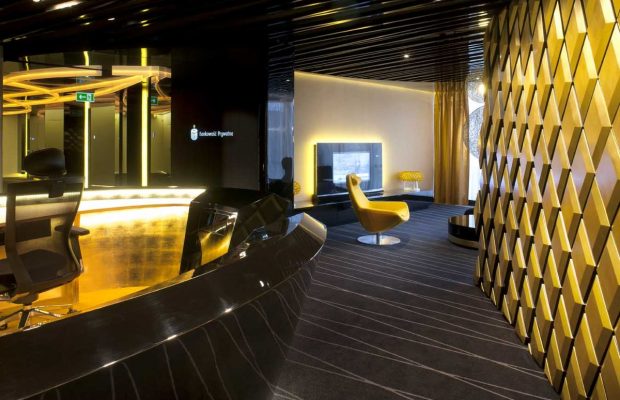
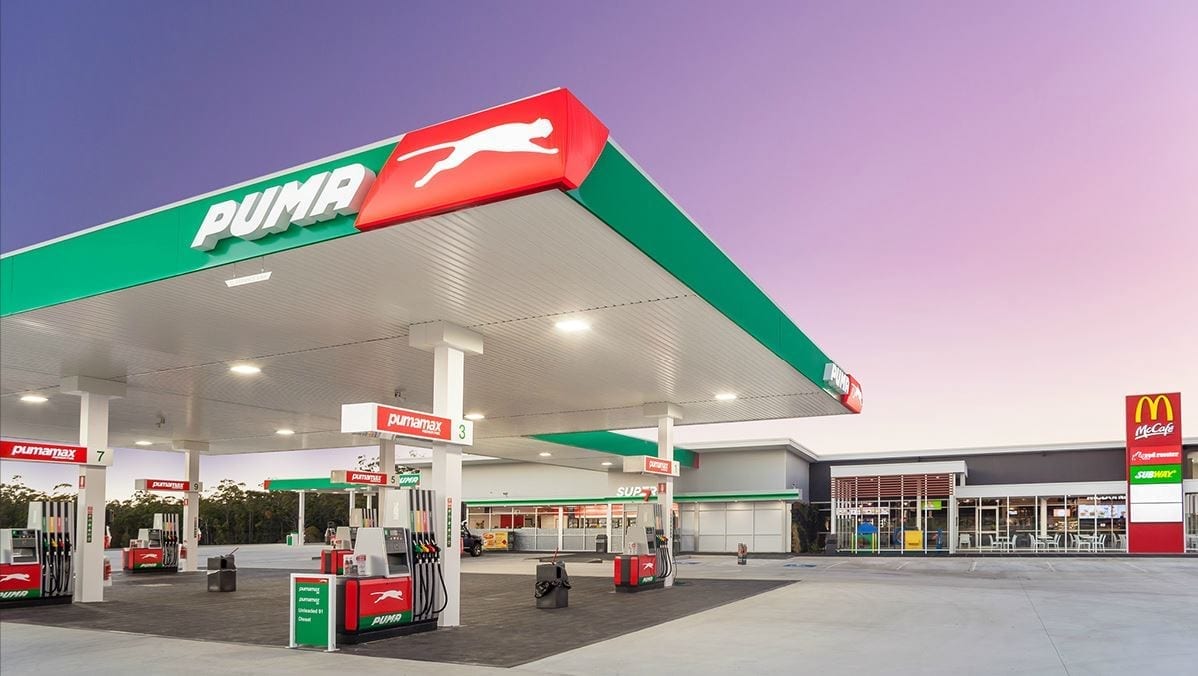
  • Puma Energy Asia Sun Aims to Distribute Petroleum in Myanmar

    Puma Energy Asia Sun Aims to Distribute Petroleum in Myanmar

    The terminal, which cost $92 million, is designed to hold mostly middle distillates, with 29,000 cubic meters of space for gasoil and 21,000 cubic meters for jet fuel.

    Another 17,000 cubic meters is dedicated to store gasoline and the remaining for bitumen and fuel oil.

    Puma Energy Asia Sun only provides storage services, but intends to apply for a license to distribute oil products, said David Holden, general manager of the firm, although it was unclear when that will be granted.

    “With the change in Myanmar’s investment law on April 1, Puma Energy Asia Sun is investigating eligibility to broaden its business scope to include all aspects of the supply chain,” he added.

    “We believe that Puma Energy is one of three foreign firms in the final round of bidding for the Myanmar Petroleum Products Enterprise (MPPE) network tender to run part of Myanmar’s petroleum downstream business.”

    Myanmar, which has three small refineries with a total capacity of below 80,000 bpd, last month reformed its rules governing foreign investments in order to attract more overseas capital.

    Under the MPPE tender, the winning company will take a minority stake in MPPE and contribute to upgrading the 28 terminals and depots it owns along with 13 retail sites, said Holden.

    Myanmar is projected to consume 93,000 barrels per day (bpd) of gasoline this year and 111,000 bpd next year, up 24 percent and 48 percent respectively when compared to 2016, said Nevyn Nah of consultants Energy Aspects.

    In comparison, gasoline consumption in Vietnam, Asia’s second-largest gasoline importer after Indonesia, is expected to reach 142,000 bpd in 2017 and 154,000 bpd in 2018, up 6.8 percent and 15.8 percent respectively versus 2016, said Nah.

    “Consumption is certainly higher in Vietnam but imports are more comparable (between the two countries),” added Nah.

    Puma Energy, owned by European commodity trader Trafigura and Angola’s state oil company Sonangol, operates in 47 countries and has more than 90 storage terminals globally with over 7 million cubic meters in combined capacity.

    It also owns a refinery and retail sites in Papua New Guinea.

  • Burger King GM talks Myanmar expansion plans

    Burger King GM talks Myanmar expansion plans

    Biting into a Burger King in Myanmar for now requires a passport, with the country’s only restaurant located past customs at Yangon International Airport. But franchise operator Minor Food Group is hoping local appetite will merit many more outlets.

    Thai firm Minor Food Group (MFG) opened Myanmar’s first Burger King in Terminal 1 on July 1 – with very little fanfare. There was no press release, no ceremony.

    By comparison, rival fast-food giant KFC opened its first Myanmar branch almost exactly a year earlier, inviting a host of local media and offering free food. Local KFC franchise holder Yoma Strategic also started its operations with a clear plan to open several outlets, first in Yangon and then across Myanmar. The group says it is on track to have 12 KFC restaurants open by March next year.

    MFG, however, only sought approval from the US Burger King company for a single outlet in Yangon International Airport, Prapat Siangjan, the firm’s general manager for Burger King Thailand, said.

    The firm has specialised in running Burger Kings in airports – it started its Thai operations with restaurants at Suvarnabhumi Airport, and its first expansion outside of Thailand was into airports in the Maldives, he said.

    Myanmar’s new international airport Terminal 1 and anticipated tourist growth prompted MFG’s decision to make the country its second overseas location, he added.

    The lack of publicity was down to two factors. Firstly, when the outlet opened in July not all Terminal 1 operations were online, said Mr Siangjan. Only two carriers were using the new space, although more have since moved in. MFG is also entering a new market and wants to make sure its operations are running smoothly and service standards are up to scratch before the official launch, he added.

    A PR announcement and opening in expected due course, he said.

    Mr Siangjan hopes MFG will be able to open many more outlets outside of the airport. But expansion will depend partly on how well the initial branch does, which will help MFG gauge demand. It is likely to be at least a year before the firm decides to expand, he added.

    One issue with the initial location is that many of the customers are likely to be departing tourists, which Mr Siangjan admitted could make it hard to assess local appetite. The prices at the airport outlet – which are denominated in dollars – have also raised eyebrows, with a standard value whopper meal going for US$8.50.

    One potential plan is to open a second Burger King at the domestic terminal next door, which would have prices in kyat and cater more to locals, but negotiations for a second outlet are at a very early stage, he said.

    Applying for permission for the first airport outlet was relatively smooth, he said. MFG applied towards the end of 2015, and received the green light early this year. The Thai firm runs the Yangon airport Burger King without a local joint venture partner, he added.

    Mr Siangjan could not comment on whether the approvals process would be any different for opening an outlet outside of an airport.

    Keeping an eye on the new Myanmar operations should be straightforward, as Yangon is closer to MFG’s head office than some of the outlets it operates in Thai provinces, he said.

    But MFG is not guaranteed to remain the only franchisee authorised to operate Burger King in Myanmar, and Mr Siangjan said MFG has to keep in close contact with Burger King headquarters to make sure they know if a competitor arrives.

  • Vietjet expands its international presence with new Hanoi – Yangon route

    Vietjet expands its international presence with new Hanoi – Yangon route

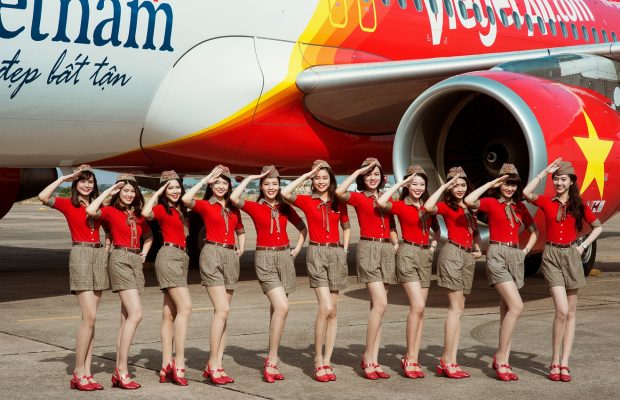
    Vietjet continues its international route extension program with the announcement of the launch of the Hanoi to Yangon (Myanmar) route, with tickets priced from only HKD70 (USD9). The new service, commencing August 31, 2017, is expected to meet the increasing travel demands of individuals, tourists and businessmen between Vietnam’s capital city and the Burmese tourism hub.

    The Hanoi – Yangon route is operated on a daily basis with flight time of 1 hour 55 minutes per leg. The Hanoi – Yangon flight departs at 12:05 and arrives at 13:30 (local time). The return flight takes off in Yangon at 14:30 and arrives in Hanoi at 16:55 (local time).

    The new route’s tickets are available for booking within the golden hours from 13:00 to 15:00 daily. Payment can be easily made with debit and credit cards of Visa, MasterCard, JCB, KCP and American Express.

    The capital city is the second destination to be connected with Yangon following the Ho Chi Minh City-Yangon service. With similar cultures, Vietnam and Myanmar are attracting investments for tourism and economic development. The new route is expected to meet the increasing travel demand of tourists and businessmen contributing to the development, integration and trade in the region. This is made possible with the introduction of Vietjet’s convenient flight schedules and amazing airfares.

  • Siemens partners with MMH to provide technology for Myanmar’s ports

    Siemens partners with MMH to provide technology for Myanmar’s ports

    Myanmar Mahar Htun (MMH) to provide technology and solutions for Myanmar’s busy ports with ever-increasing requirements. Through this collaboration, MMH will equip ports with cranes that feature Siemens’ technology, which would enable them to upgrade their services, enhance safety features and improve productivity. This is in alignment with the focus of Myanmar Port Authority (MPA) to increase capabilities of the country’s port facilities.

    Myanmar, with its strategic location that is connected to key regional markets China and India, and bordering three other Asian countries, Bangladesh, Thailand and Laos, currently is able to handle around 20 small tankers with around a total of 220,000 deadweight tonnes (DWT). This number is set to further rise with the expansion of its ports. In particular, its Yangon port is expected to handle ships with maximum of 50,000 DWT, putting it in front of ports in other Southeast Asian markets.

    Christian Beckers, head of business development, Digital Factory and Process Industry and Drives, Siemens Myanmar and Cambodia, said: “Growing demand for quality goods plus increase in trade and investments will create new opportunities for expansion of Myanmar’s port and logistics sector. Hence, it is important for the terminals to be equipped with the ability to handle the surging amount of imports and exports expected in the coming years.”

    “Siemens’ innovative technologies can enhance productivity, energy efficiency and flexibility while at the same time fulfil the highest international safety standards and increased competitiveness in the market. Along with MMH and the MPA, we aim to enhance port optimization to reliably handle increased traffic and trade volumes,” he continued.

    Yamon Win, executive director, Myanmar Mahar Htun Co., Ltd said: “Through our solid joint partnership, Siemens and Myanmar Mahar Htun Co. Ltd are able to provide a value-added product range which comprise of a combination of totally integrated and complete range of technologies and tailor-made solutions as well as local contact support for our customers in Myanmar. Our aim is to make Myanmar’s ports more efficient as they expand, and this will in turn make the country more competitive on a regional level, and all the more attractive to investors and operators.”

    Cranes are indispensable for transporting loads in terminals, industrial operations and shipyards. Wherever they are used, they must operate with the greatest performance and safety, as well as optimal availability, reliability, maintainability and cost-effectiveness.

    To underline their commitment to the industry in Myanmar, Siemens and MMH have also recently organized a seminar for their customers to discuss challenges faced by different terminals and identify potential solutions to address these challenges. The seminar, which was also organized with the support of MPA, enabled Siemens to showcase how its technology would enable the companies to enhance their offerings to meet with current and future industry demands.

  • Myanmar’s First Private Bank to modernise banking operations with Misys

    Myanmar’s First Private Bank to modernise banking operations with Misys

    First Private Bank (FPB) has chosen Misys FusionBanking to streamline operations and digitalise as it takes a significant role in contributing to Myanmar’s growing economy. The bank, which received the first banking licence in Myanmar in 1992, aims to facilitate access to financial services for all and will transform its retail, corporate and digital offering to bring new products and enhanced services to customers quickly and efficiently.

    “The market here has been through immense change across all industries, and banking is no exception. As we come into a period of expected rapid growth, competition is heating up and customers are demanding superior products and services,” said Dr Sein Maung, Chairman at FPB. “Our mission is to deliver efficient, transparent and trustworthy banking to all and we know that requires a slick, modern technology platform at the core. Misys technology is flexible and scalable and will form the foundation for efficient, digital banking here at FPB.”

    Myanmar’s economy is expected to grow an average of 7.1 percent per year in the next three years. Amidst increasing competition, FPB will be able to provide consumers and businesses with relevant and innovative products and services and shape an enhanced digital experience. This will enable it to capture a greater share of the country’s retail and corporate banking market, including opening up services to those that are currently unbanked.

    This project will see Misys FusionBanking Essence and Digital Channels provide an efficient, connected front, middle and back office with advanced analytics to support the bank in better understanding consumer needs. FPB will be able to launch personalised products quickly and cost effectively in line with demand. Customers will be able to view and access their accounts across channels, get salaries credited electronically, transfer money and pay bills from different branches or on the go via mobile. The FusionBanking Insight analytics module will also enable the bank to track performance and obtain a consolidated view of customer preferences.

    Meanwhile, Misys FusionBanking Trade Innovation and Corporate Channels will help the bank provide unified online commercial banking services and digitalised, efficient trade finance capabilities. The move will ensure rapid access to trade finance and working capital for corporate clients, and support Myanmar’s businesses in expanding into international markets. With an automated trade finance solution, the bank can grow volumes quickly and securely with minimal impact on operations.

    “Creation of a stable banking system has a powerful part to play in supporting this phase of Myanmar’s economic and social growth,” said Simon Paris, President at Misys. “Developing regions can often leap-frog mature banking market challenges, since they are not saddled with legacy technology and processes and can modernise faster. Digital services like those we are providing to FPB make a significant difference. This is especially true in a country where many locals are underbanked but now have access to the latest smartphones, having skipped chunkier mobile models of yesteryear. Bringing modern technology into the bank to support this changing dynamic and drive inclusive financial services is aspirational and speaks to a positive future.”

    Big Byte International was instrumental in the deal which saw Misys chosen over other core banking vendors for its modern, componentised technology and expertise in the region. Amit Johari (AJ), CEO, Big Byte International said, “With the launch of our third entity in Myanmar, Big Byte International will continue to provide consulting, sales and support services to banks and FIs across Asia. Myanmar is our key growth market in addition to Singapore and India.”

    With a growing customer base in Myanmar and Asia Pacific, Misys will help FPB to incorporate best practices, processes and technology. Misys FusionBanking will replace the bank’s partially computerised distributed branch system.

  • Myanmar mobile payment firm ONGO gets new investor

    Myanmar mobile payment firm ONGO gets new investor

    National Bank of Canada (NBC) has acquired a 22% stake in Myanmar-based mobile payments firm ONGO for an undisclosed sum.

    ONGO is the consumer facing brand of Ronoc Asia, a subsidiary of the emerging markets investment business Ronoc. It offers retailer payments solutions, payroll programs and direct to consumer services leveraging payments technology.

    ONGO currently employs over three hundred people in Yangon and is expected to grow to five hundred by year end.

    “The addition of National Bank of Canada is an important milestone for our business. We have aggressive growth plans for Myanmar and have set ourselves a goal of providing over one million consumers with access to finance over the next three years,” said Michael Madden, the Founder and Chairman of Ronoc Asia/ONGO.

    “The addition of NBC as a strategic investor will strengthen our capabilities and accelerate our timelines in Myanmar as well as our expansion to other markets in the region.”

    “National Bank of Canada is proud to become a partner of Ronoc Asia/ONGO. This investment in fintech complements the activities we already have in the ASEAN zone through our subsidiary ABA Bank, in Cambodia,” stated Louis Vachon, President and Chief Executive Officer of National Bank of Canada. “We look forward to contributing to ONGO’s success.”

  • Manila Water to submit scaled-up proposals in projects in both Myanmar and Indonesia

    Manila Water to submit scaled-up proposals in projects in both Myanmar and Indonesia

    Manila Water the water concessionaire for the East Zone of Metro Manila, said it would submit scaled-up proposals within the third quarter of the year for possible water concessions in Myanmar and Indonesia following the completion of its pilot projects.

    In a news briefing after the firm’s annual stockholders’ meeting, the company’s Chief Operating Officer for New Business Operations Virgilio Rivera Jr. said these proposals will be for Yangon City in Myanmar and Bandung City in Indonesia.

    Rivera said the company submitted their report for the successful pilot project that drastically reduces the nonrevenue water in Yangon and expect to complete a similar pilot project in Bandung City, the capital of West Java.

    “With the completion of these pilot projects, we have shown them our best practices and are now ready to propose a scaled-up version,” Rivera said.

    The company’s new President and CEO Ferdinand de la Cruz said it is ready to take on much bigger projects in these cities to the extent of a full-scale water concession like what they have in the East Service Zone of Metro Manila. De la Cruz said the company’s expansion into countries in Southeast Asia will contribute to their goal of achieving a net income of P11.5 billion by 2020 and that half of this should come from businesses other than its Metro Manila concession, currently its single-biggest revenue generator.

    Rivera said the company intends to do more pilot projects in other parts of the Philippines and Southeast Asia as local government units and water districts are more receptive to tapping Manila Water based on its Metro Manila experience.

    In Yangon it partnered with Mitsubishi Corp. to adopt two district metering areas located in South Okkalapa and Insein.

    By the end of 2016, nonrevenue levels in both townships dropped to 14 percent from 54 percent.

    For Bandung, Indonesia’s fourth-largest city, a population of 2.4 million, the company has reduced non-revenue water from a high of 59 percent in September last year to 23 percent in just three months.

    Inc., Rivera said they have also been tapped by SM Development Corp. for five residential projects and will be signing up for five more by early next year.

  • Yangon food court a first for Myanmar

    Yangon food court a first for Myanmar

    Myanmar has its first Japanese-style food court, thanks to a joint venture between City Mart Holdings and Japanese trading company Sojitz Corp.

    Tokyo Dining City, home to six restaurants, opened on Wednesday inside a new commercial building in Yangon’s CBD. The Yangon food court can seat 200 diners and primarily targets office workers.

    Tokyo Dining City Myanmar

    “Japanese food has gained great popularity in Myanmar and there are many Japanese restaurants here,” Zar Ni Kyaw, operations manager of Tokyo Dining City, said in an interview with local media.

    “What makes us different from the others is that we aim to present genuine Japanese dining and Japan’s culture of hospitality to our customers in Myanmar.”

    The two companies say they plan to open more such food courts elsewhere in Myanmar in the future.

  • Diesel Myanmar opens monobrand store

    Diesel Myanmar opens monobrand store

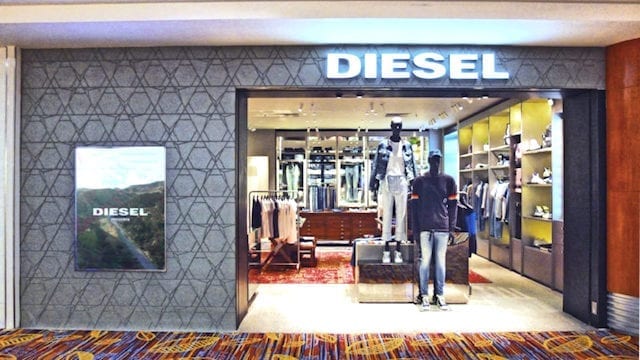
    Diesel Myanmar has opened its first monobrand store, at Yangon International Airport.

    With a new design concept, the 100 sqm outlet was conceived in collaboration with Japanese architectural firm Wonderwall, headed by interior designer Masamichi Katayama.

    In collaboration with Diesel artistic director Nicola Formichetti, the Tokyo team came up with the concept of an apartment space, like a “symbolic new house” for the brand.

    The Italian lifestyle brand says the design aims to create a distinctive atmosphere in which the customer can feel at home.

    The store’s opening coincides with launch of Diesel’s latest spring/summer collection.

    Meanwhile, Diesel plans further travel-retail openings in Singapore and Guam.

  • Diesel makes Myanmar debut at Yangon airport

    Diesel makes Myanmar debut at Yangon airport

    Diesel has opened a new monobrand store in Yangon airport as the brand makes its debut in the Myanmar market and reinforces its presence in global travel-retail.

    With the new 100sq m store, Diesel opens the doors to its renewed retail design concept. The store is the first monobrand boutique for Diesel across Asian travel-retail developed in collaboration with Japanese architect firm Wonderwall, headed by interior designer Masamichi Katayama.

    The Tokyo-based team, in collaboration with Diesel Artistic Director Nicola Formichetti, envisioned a simple yet unexpected concept: the idea of an apartment space, like a symbolic new house for the brand. The aim is to create a distinctive atmosphere, combining it with the brand’s identity, where the customer can feel “at home”.

    The new opening coincides with the perfect season for travellers to explore the Spring Summer 2017 Collection, ranging from apparel to accessories for women and men, not to mention the wide selection of denim and joggjeans. The Spring Summer offer is renewed every season with new fits and washes for denim, while innovative materials and unique fabrics are incorporated into  the authentic joggjeans.

    Diesel stated: “The travel-retail channel is extremely crucial for the brand, in fact Diesel is reinforcing its presence in the global travel-retail market and to confirm this, future openings are planned in Singapore, Waikiki and Guam.”

  • Myanmar distribution platform on way

    Myanmar distribution platform on way

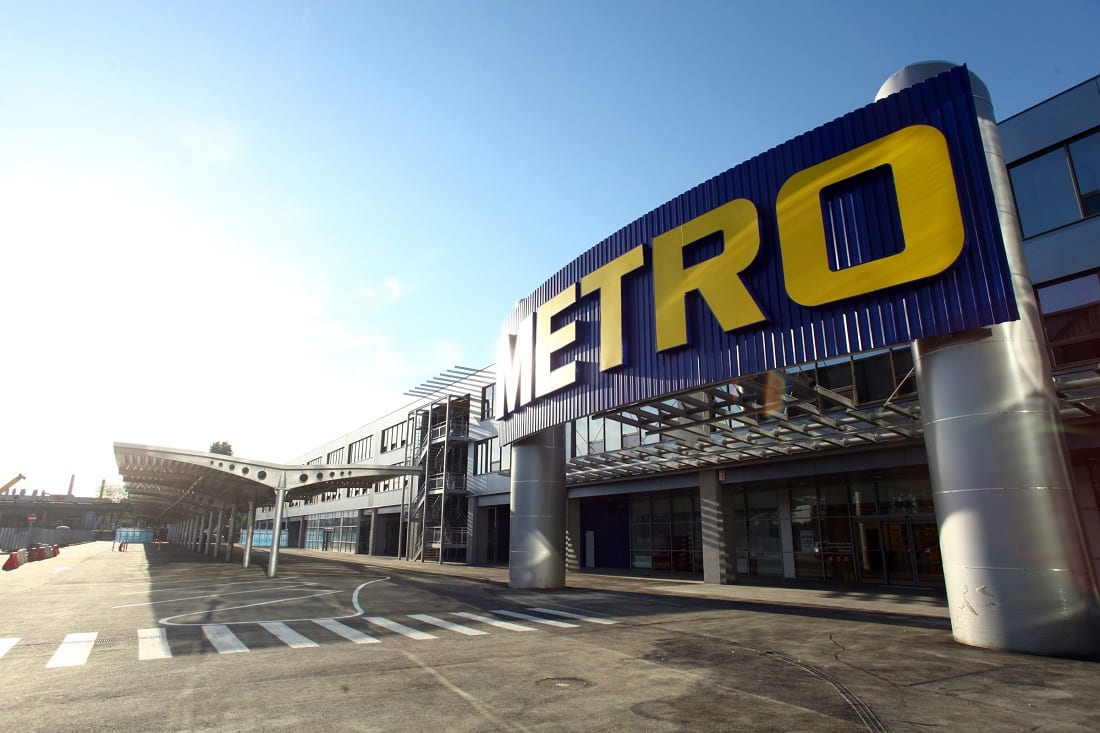
    Singapore-listed Yoma Strategic Holdings has partnered with international wholesale/retail food company Metro Group to establish an integrated wholesale Myanmar distribution platform.

    Metro Wholesale Myanmar aims to address the “evolving needs” of professional customers. Yoma Strategic holds a 15 per cent stake in the business with the remaining 85 per cent taken by the German group.

    “Metro Myanmar will leverage on Metro’s procurement capabilities and Yoma Strategic’s logistics, warehousing and fleet-leasing businesses to fast-track its growth,” the companies say in a joint statement.

    Metro Myanmar is looking at improving the nation’s supply chain. It will be offering more than 3300 food and other items to such customers as hotels, restaurants and independent small retailers.

    As Myanmar retailers need to source products in different ways from distributors and importers, Metro is looking at creating a one-stop wholesale distribution platform.

    “We are confident our partnership with Metro will bring global knowhow in modern wholesale distribution and contribute to bringing reliable and safe food to the people in Myanmar,” says Yoma Strategic CEO Melvyn Pun.

    Metro is active in 35 countries with sales reaching about €37 billion (US$39 billion) in 2015-16. Its B2B wholesale division Metro Cash & Carry serves hotels, restaurants, small retail and catering firms across Europe and Asia.

  • Myanmar firm set for return to Ambiente next year

    Myanmar firm set for return to Ambiente next year

    Thanks to the firm’s satisfactory business performance over the past two years, Bella Interiors, which produces a spectrum of Myanmar crafted rattan furniture and accessories, hopes to return to the Ambiente, an annual global consumer-goods platform held in Frankfurt, next year.

    Stellabeth Swezin Le, business development director of Bella Interiors, said that the firm received some new clients at the recent Ambiente 2017, and also aroused the interest of big names during its second presence at the event.

    “As a market leader in Myanmar, we are proud to represent the country at such a mega fair again. We are confident that international branding will lead us to further growth in the long run,” she said.

    She is excited that the Netherlands will make a special presentation at the 2018 edition of the fair as the new Ambiente Partner Country. Following Denmark, France, Japan, the USA, Italy and the United Kingdom, the Netherlands will be the seventh partner country of the fair, which will be held from 9 to 13 February next year.

    Earlier this week, a total of 142,000 buyers from 154 countries made their way to Germany’s commercial hub for the fair, an increase of almost four per cent when compared to last year. There, 4,454 exhibitors from 96 countries presented the latest trends and innovations on 308,000 square metres (gross) in 27 exhibition halls.

    Top German and international decision makers were also better represented than in 2016, and this ensured good export business and a positive atmosphere in the halls. The top ten visitor nations after Germany were Italy, China, France, the United States, Spain, the United Kingdom, the Netherlands, Switzerland, South Korea and Turkey.

    More than 3,000 visitors came to Frankfurt from the United Kingdom, this year’s Ambiente Partner Country, an increase of around 200 over last year. There was also above-average growth in the number of visitors from China, Hong Kong, Taiwan and Vietnam, as well as the US, Canada, Australia, Russia, United Arab Emirates and South American nations such as Brazil, Uruguay and Argentina. Parallel to this, there was a significant upsurge in the number of visitors from Germany. 95 per cent of the visitors said they were satisfied with the fair.

    “It is also the number one for the German retail trade. Covering the dining, living, and giving sectors, it is the professional venue for numerous German retail outlets where they order large parts of their assortment. The trade had the opportunity to discover the main trends and order the latest products,” said Thomas Grothkopp, director general of German Home and Office Association.

    Matthias Schöffel, marketing manager of Schönwald, said that the event is indispensable for his firm, especially when it comes to international sales.

    “The whole world comes to Frankfurt and it is an excellent opportunity to meet the vast majority of our sales partners and potential customers from all around the globe. In addition to general marketing themes and discussions with customers, the fair is also of enormous importance for us with regard to trend developments,” he said.

    According to Arnold Maier, chief executive officer of AM Design, the halls are always full and that is a good sign.

    “In principle, the age of order fairs is past. Making new contacts is what it is all about nowadays,” he said.

    Lars Adler, chief executive officer of Hoff Interieur, said that they were very pleased with their business at the fair.

    “Both the number of customers and average sales are very encouraging. We even had some unexpected customers from countries such as Iceland, Finland and Sweden. We have been able to maintain our export quota and expect to finish with a slight increase over last year. Accordingly, we are highly satisfied,” he said.

    The top visitor nations on the firm’s exhibition stand were the Middle East, Lebanon and Turkey. There was a slight decline in the number of visitors from Italy. However, this was compensated for by increases from France and Spain.

  • Tata Steel explores Myanmar

    Tata Steel explores Myanmar

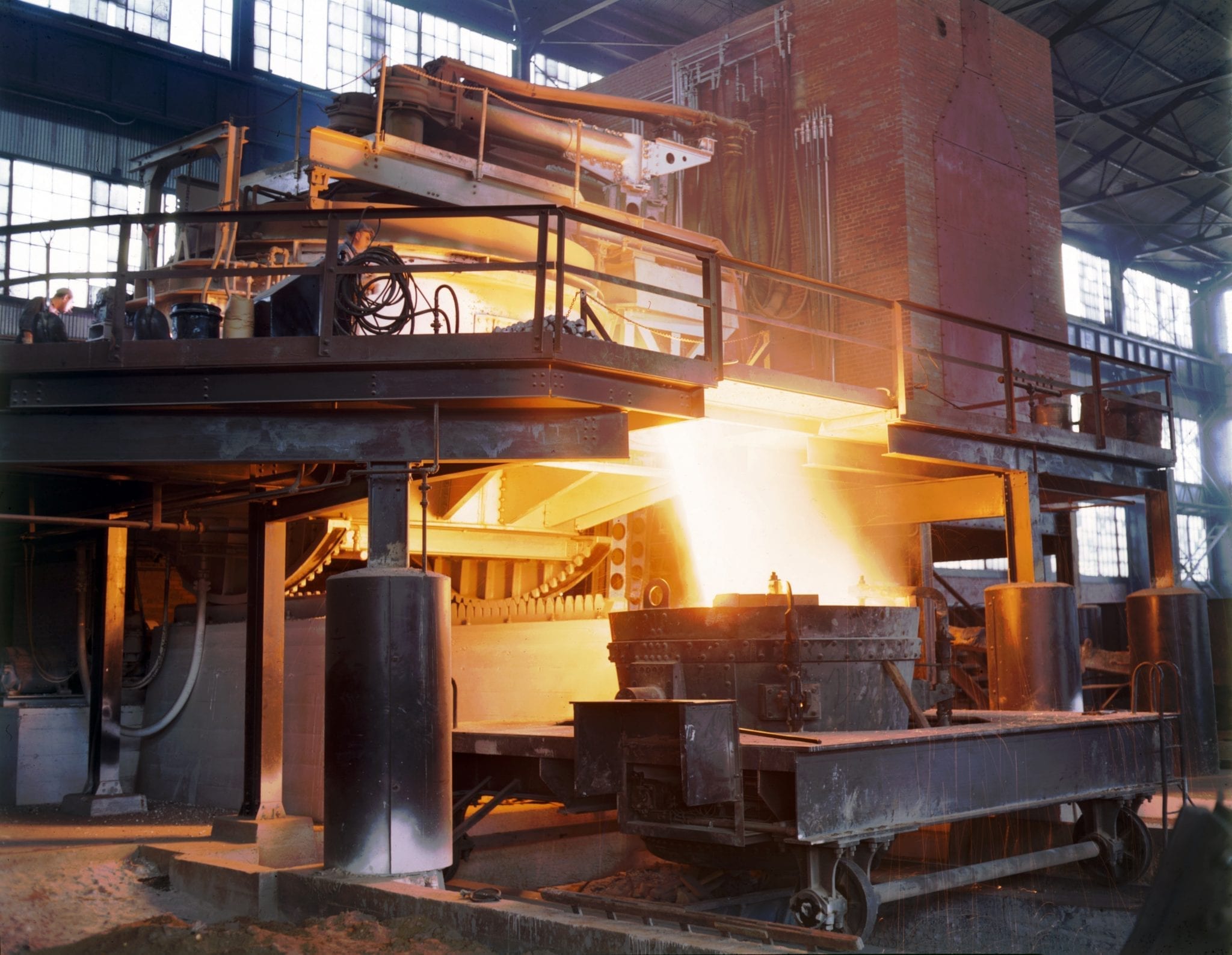
    Boosted with the success of its solution business in the retail segment in the domestic market, steel major Tata Steel is now exploring possibility of entering overseas markets like Bangladesh and Myanmar with retail branded steel solution products.

    “We have a great success in developing brands and distribution network in B2C markets in India.

    Bangladesh and Myanmar are the two B2C markets which have similar profile as India.

    We see the opportunity there in the B2C markets to build the brand and distribution network,” Tata Steel MD (India and South East Asia) T V Narendran said.

    Tata Steel terms consumer products as B2C and has marketed these steel products similar to FMCG strategy.

    Narendran however, did not elaborate further on the overseas foray.

    Tata Steel offers branded rebars, doors, windows, modular housing, toilets and water ATMs etc in the Indian market and generates some Rs 700 crore revenue annually and was aiming to increase the same to 20 per cent of the topline over the next few years.

    Speaking at Bengal Chamber of Commerce organised Metal 2017, he said country’s steel industry had been spending less towards R&D compared to global standards.

    “Most industries and countries spend about 2 per cent (of the revenue) towards R&D.

    Indian steel industry is spending less than 0.5 percent to it.

    The government is providing incentives to the industry to invest more in R&D,” he said here.

    “R&D expenditure is not about spending the money but having the right projects,” he added.

    Narendran also mentioned that India lacks in high end steel processing for automotive sector.

  • How Thai e-wallet startup T2P is going to help Myanmar go cashless

    How Thai e-wallet startup T2P is going to help Myanmar go cashless

    It’s a little hard to believe, but, four years ago, sim cards in Myanmar used to cost around US$500. If that price is considered exorbitant for even a first world nation, think about how out-of-reach it would be for the working class Burmese, whose minimum wage is only US$87.

    But that all changed thanks to the entrance of two foreign telecoms in 2013, Qatar’s Telenor and Norway’s Ooredoo, which saw sim card prices slashed to about US$1.50. Since then, the mobile penetration in Myanmar has skyrocketed to 90 per cent, up from 7 per cent in 2012, according to government figures. And of that, more than 80 per cent use smartphones; as a result, Burmese are hooking up to the internet more than ever.

    Now, Thailand-based fintech company T2P wants to help Burmese catch up to a tech product already prevalent in many other markets — mobile payments.

    Earlier this week, T2P signed a joint venture deal with City Mart Holdings Co.,Ltd, a leading Myanmar retail chain with over 200 outlets across the nation, which includes fast food restaurants, bookstores and supermarkets.

    The signing was held during a Myanmar-Thailand Business Cooperation event presided over by Myanmar State Counseller Aung San Suu Kyi and Deputy Prime Minister of Thailand Dr. Somkid Jatusripitak.

    The joint venture will see T2P integrate its suite of fintech offerings including its payment platform, loyalty and e-gift platforms, as well as e-wallets to cater to Myanmar’s burgeoning smartphone user demographics.

    According to an official press release, T2P’s overarching goal is to democratise financial services to the country’s large unbanked population.

    “At a company level, we are not only bringing our technology platform to help accelerate technology deployment for our partner, but also indirectly drawing attentions from our investors and other potential investors to take a deeper look at opportunities in Myanmar. When more of this happen[s], I’m sure there will be more parties to help accelerate the growth of startup ecosystem in Myanmar,” said T2P’s CEO Taweechai Pureetip, in an interview.

    He added that through regional events such as Mekong Investment Forum, Thai entrepreneurs are raising awareness about the great potential of tech innovations, as well as enabling other entrepreneurs by sharing their experiences and lessons.

    But like any emerging economy, Myanmar’s tech ecosystem still have many obstacles to overcome. Basic infrastructure is still dysfunctional in certain parts, especially rural areas. And although foreign investments are on the rise in Myanmar, the law regarding such investments in the country’s newly-minted stock exchange is still restrictive.

    Pureetip is aware of such challenges, having faced similar problems in his home market.

    “Since the beginning of our company, we aimed to help improve financial access to those unbanked in Thailand.  We have to take into accounts technology literacy of our customers, access to services, and connectivity issues that may arise in some areas.  These are similar issues but may be more common in Myanmar,” said Pureetip.

    “Aside from technology, both Burmese and Thais are cash base society. Changing cash into electronic money will be our big challenge for us but we also see great opportunities there. We will be working closely with CityMart in adapting our service offerings to encourage them to use more electronic money,” he added.

    Founded in late 2011 by MIT Alumni Pureetip, Natwut Amornvivat and Charatpong Chotigavanich, Panop Kasemsarn, T2P has been providing white label cash and reward card solutions to national retailers in Thailand since 2013. It currently process over 1.5 million card holders,

    In 2016, it raised its first outside financing round in 2016 from 500 Startups, 500 Tuk Tuk and a strategic partner Benchachinda Holding.

  • Myanmar to adopt UnionPay chip card standard

    Myanmar to adopt UnionPay chip card standard

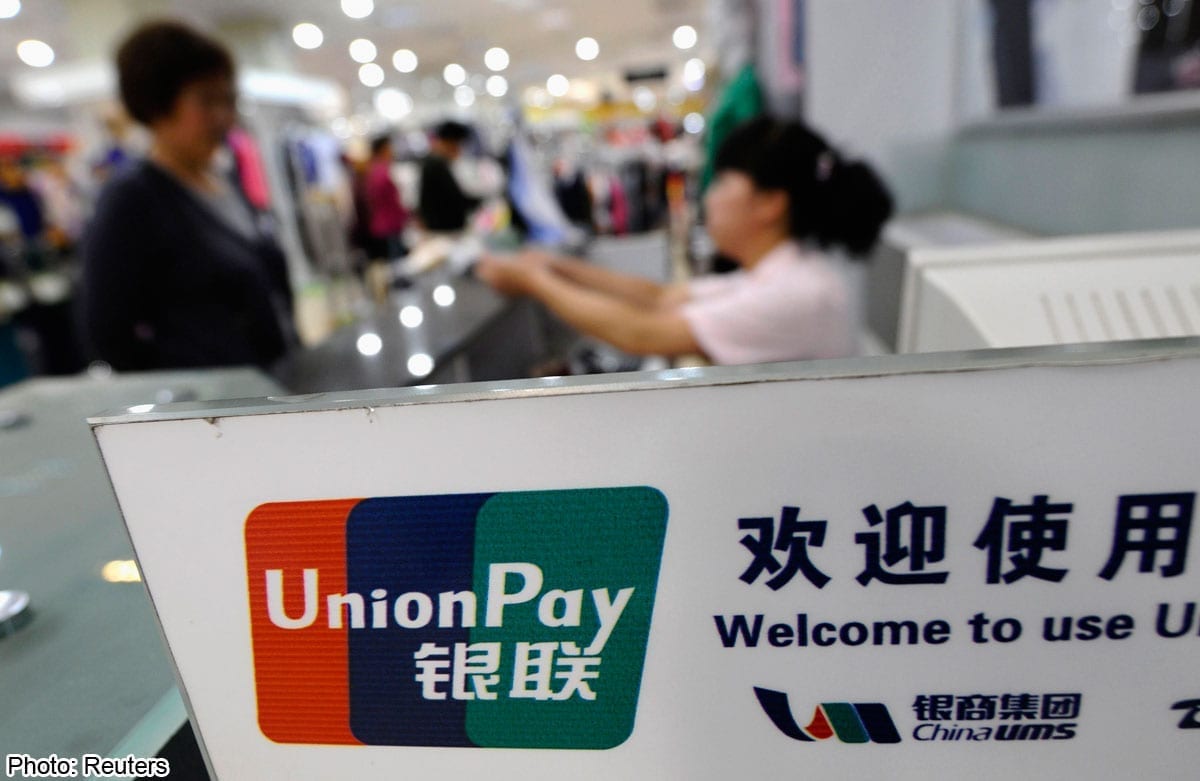
    The Myanmar Payment Union (MPU) and UnionPay International (UPI) have teamed up to implement a common UnionPay chip card standard in the country.

    The UnionPay chip card standard complies with the global EMV chip card standard, and will be adopted by all banks operating in Myanmar.

    The UnionPay chip card standard emerged as the standard of choice after stringent reviews and extensive consultations with Central Bank of Myanmar, MPU and major financial institutions.

    Following this process, the current local chip card standard will be upgraded to the new UnionPay chip card standard which offers enhanced security. In addition, Myanmar Cardholders can use the locally-issued cards featuring the new UnionPay chip card standard anywhere in the world, at locations that accept the EMV chip card standard.

    This announcement follows the implementation of the UnionPay chip card standard in Thailand and Laos in recent years. In Thailand, all new locally-issued debit cards will need to carry the Thai Bank Chip Card Standard starting August 2017, a chip card standard licensed by UPI and run by Thai Banker Association. In Laos, UnionPay provides support for the construction, operation and maintenance of the local payment systems.

    In 2016, UPI also signed a chip card standard licensing cooperation agreement with seven other member institutions of Asian Payment Network. With this collaboration, the major switch networks in Singapore, Thailand, South Korea, Malaysia, Indonesia and the Philippines will adopt UnionPay chip card standard in card acceptance and card issuance.

    Acting Chairman of MPU, U Zaw Win, said, “The UnionPay chip card standard brings the Myanmar Payments industry to the world stage as it complies with international EMV standard and security. The tripartite collaboration on the chip standard lays a strong foundation for innovation, value-added services, and increase convenience for Myanmar consumers and businesses.”