Tag: Myanmar

  • Food2U scores a long term investment

    Food2U scores a long term investment

    Myanmar food-delivery platform Food2U has raised a six-digit investment from Premium Distribution, which handles retail, food services and non-food products.

    It imports and distributes products from such food brands as Cadbury, Ferrero, Fontana and Nestle, as well as items from Lock & Lock and Luminarc.

    The valuation of the startup, founded in early 2015, is said to be more than US$2 million. The company is led by founder/MD Kyaw Myo Thet, whose background is software engineering. In May last year, Food2U raised a six-digit amount from three individual investors including iMyanmarHouse.com founder Nay Min Thu.

    Food2U, which handled about 5000 deliveries a month last year, has expanded its services beyond Yangon to Mandalay and Taunggyi. It has also forged a partnership with Pizza Hut in Myanmar, a JV involving Pizza Hut Myanmar, City Mart Holding and Jardine Restaurant Group.

  • MyTel launches 4G services

    MyTel launches 4G services

    Myanmar’s fourth operator MyTel has launched 4G services, and plans to expand its network to all 15 states and regions of the nation next month.

    The operator started selling SIM cards in Nay Pyi Taw, eastern Bago and Kayin State earlier this month.

    MyTel plans to differentiate by focusing its rollout more in regional areas and provinces away from large cities. The company has previously indicated plans to cover around 90% of the population with 4G-only services by the end of 1H18.

    The operator has set its base rates at 10 kyat ($0.0075) per minute for in-network calls and 23 kyat per minute for out of network calls, and 10 kyat per SMS.

    As a promotion, MyTel has also introduced a new plan offering 750MB of data and a 100 minute welcome bonus, as well as 50% top-up bonuses per recharge.

    MyTel completed its first call over its network last month during a ceremony in Nay Pyi Taw.

    MyTel is 49% owned by Vietnamese state-owned operator Viettel and 51% owned by a consortium of 11 local ICT companies. The joint venture was established to secure Myanmar’s fourth and last telecoms license.

  • AirAsia in talks to set up airline serving Myanmar

    AirAsia in talks to set up airline serving Myanmar

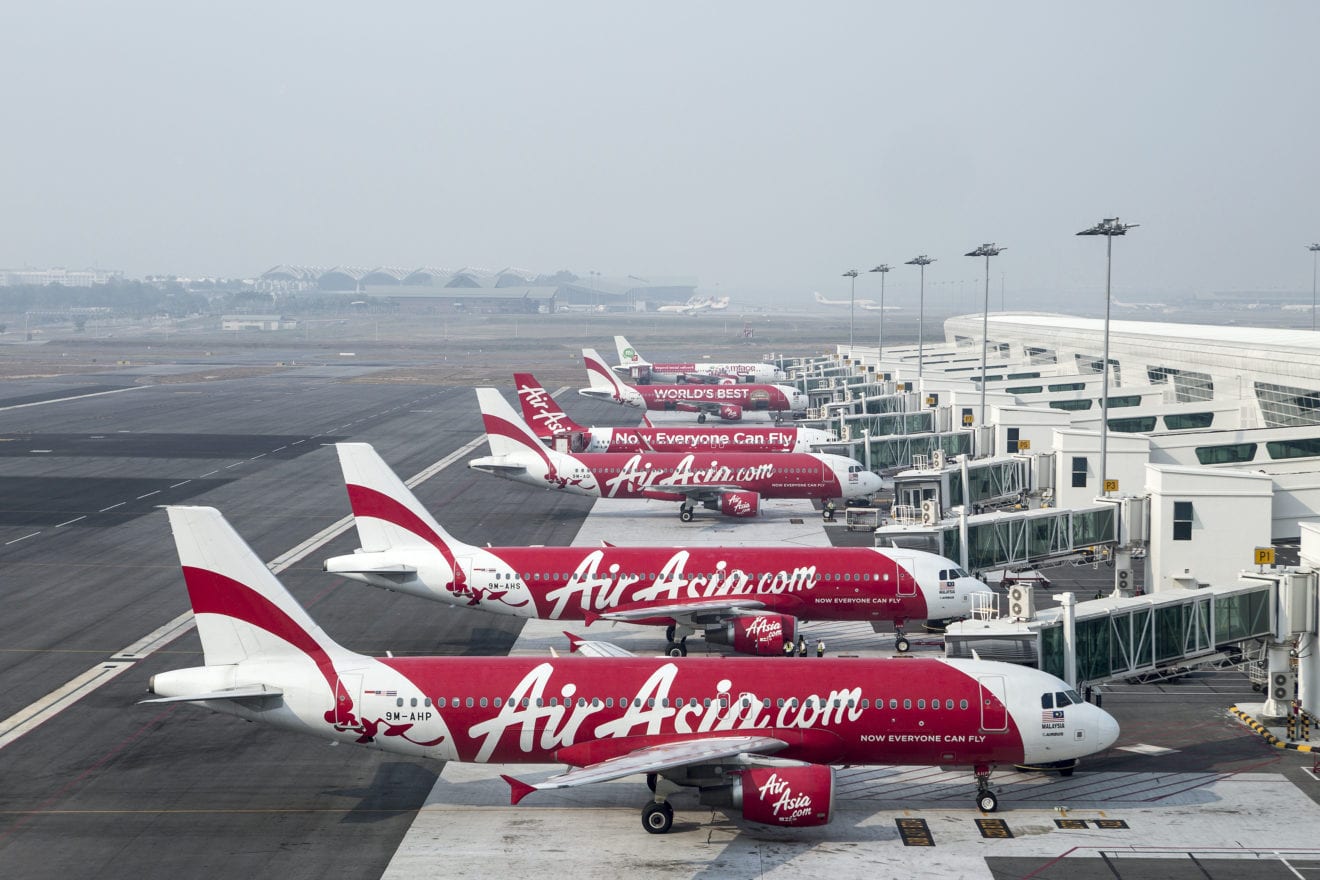
    AirAsia Bhd is in talks with a potential partner to open an airline serving Myanmar, in a move that would help the low-cost carrier cover up to 95% of the Southeast Asian travel market.

    In an interview with Reuters today, the airline’s group chief executive Tan Sri Tony Fernandes said he also expected AirAsia’s Vietnam joint venture to be flying by October.

    AirAsia now has businesses in Malaysia – its home – along with India, Indonesia, the Philippines, Japan and Thailand, as well as plans to launch an airline in China.

    “Once you’ve covered Vietnam and Myanmar, you’ve got all the big (Southeast Asian) populations,” Fernandes said. “Vietnam – we’re talking about October, we’ve had great support from the Vietnam government and we have a great partner. My team are very bullish.

    “It’s not going to be a big airline there (Myanmar), because the airport infrastructure is not there. But it is 50 million people and it will develop over time,” said Fernandes, who was in Sydney over the weekend for the Asean-Australia special summit.

    He added: “We had a good meeting with someone in Sydney – he’s got a good airline that we’ve known for a long time and he is a well-respected guy. We’re going through that process.”

    He did not name the potential partner.

    Fernandes was in Hong Kong for the launch of what he has termed a “We’re More Than an Airline” pitch, which he was due to present to analysts and investors at Credit Suisse’s Asia Investment Conference.

  • Yangon retail sector posted 95% occupancy rate

    Yangon retail sector posted 95% occupancy rate

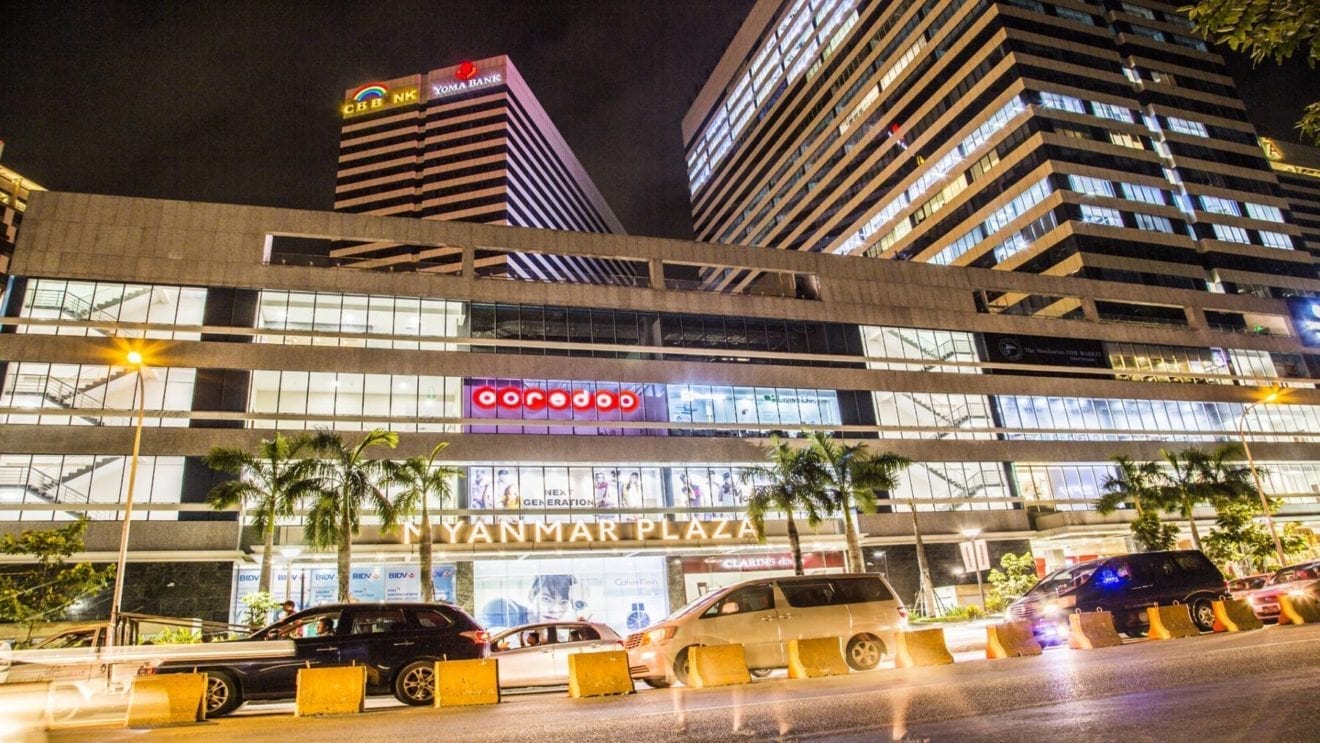
    Prime Yangon retail space remains almost fully occupied despite a record addition of new stock on the market last year.

    As a result, city retail rents are likely to rise by 4 to 5 per cent in the near-term, reflecting high demand.

    “Rents should continue moving upwards in the medium term,” said Joan Mae Lee, analyst for Colliers International’s research and advisory team, in a statement.

    According to a research report from the real estate specialist, more than 79,400sqm of new space opened in the fast-growing economy’s largest city last year – more than double the amount of 2016.

    However the occupancy rate held at 95 per cent which would undoubtedly make it one of the highest rates in Southeast Asia.

    The report said the figure reflected business confidence in the country, where the economy is expected to grow by about 7.5 per cent in the year to March 31.

    Yangon’s retail supply was boosted last year primarily by the opening of Junction City and St John City Mall which combined provided a fresh 67,000sqm of lettable area in the city.

    Lee urged developers to focus on tenant diversity in new or revamped projects.

    “Landlords should aim to lure other prospective tenants, such as aesthetic clinics, wellness centres, showrooms, auxiliary service providers and inclusion of institutional occupiers to boost foot traffic,” she said.

  • Thai coffee brand Inthanin to open first store in Cambodia

    Thai coffee brand Inthanin to open first store in Cambodia

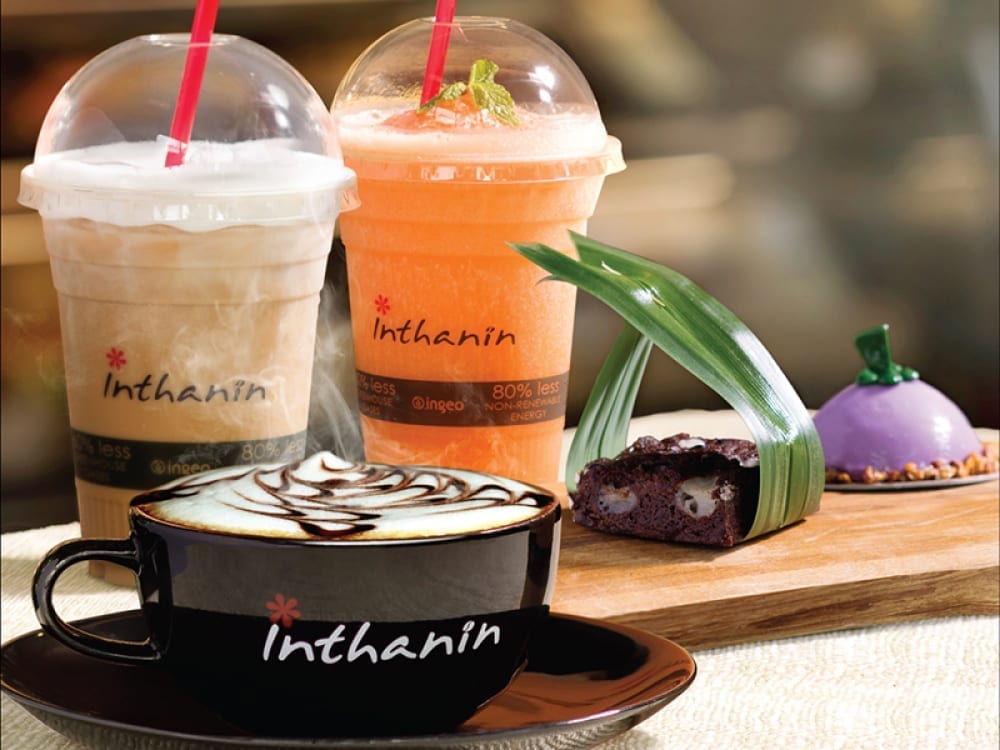
    Thailand’s Inthanin coffee brand will roll out in Cambodia following the signing of a memorandum of understanding between RCG Retail (Cambodia) and Bangchak Retail.

    RCG plans to open more than 100 Inthanin cafes in Cambodia from next month until 2022.
    It will start with a flagship branch in Phnom Penh, followed by a second flagship in Siem Reap in April, says president Jiranun Wongmongkol.

    She says the company will then seek franchisees, with the average cost of applying for a licence and opening a branch being around US$200,000 (THB6.2 million). Each location will have about 20 staff members.

    Bangchak Retail MD Viboon Wongsakul says the Inthanin deal for Cambodia is part of its business plan to expand its business in CLMV countries (Cambodia, Laos, Myanmar and Vietnam).

    He says targeted average sales for Cambodia will be 300 cups of coffee a day for the first year. The company will supply coffee from Thailand directly to franchisees in Cambodia. As master franchisee, RCG Retail will source baked goods and other food to distribute through the coffee outlets.

    Jiranun says RCG Retail has already contracted with 20 Cambodian producers to distribute their products at Inthanin branches.

    Thai coffee firm Amazon Coffee, owned by PTT, has already expanded its franchise business into Cambodia.

  • Parkson Holdings’s second-quarter looks bad

    Parkson Holdings’s second-quarter looks bad

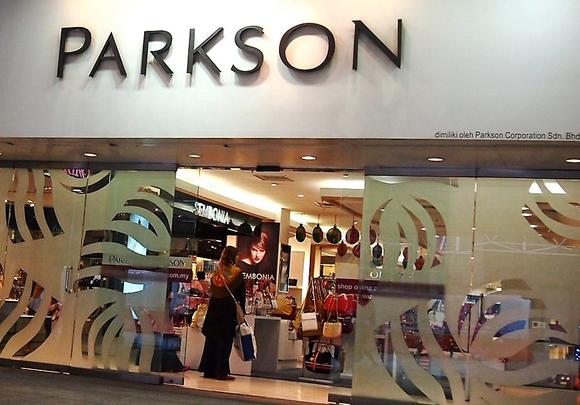
    Despite slight revenue growth, Parkson Holdings’ retailing division ended its second quarter with a loss.

    For the first half, its interim financial report shows there was 3 per cent growth in revenue to RM1.9 billion (US$485.9 million) with an operating loss of RM9 million.

    For the second quarter, to the end of December, the department store group’s revenue grew by 16 per cent to RM1 billion, mainly from higher consumer spending for year-end festivities and holiday seasons. The higher revenue coupled with continued business efficiencies enabled the group to move out of the red with an operating profit of RM27 million.

    After accounting for impairment losses of RM36 million, the group had a loss before tax of RM3 million for the quarter.

    Performance by location:

    Malaysia

    Parkson Malaysia had 4 per cent revenue growth to RM505 million for the six months thanks to the contribution of new stores. However, same-store sales shrank 4 per cent, attributed mainly to the absence of Hari Raya buying following a shift in the festive calendar. This meant the operating loss of RM20 million was higher than a year ago.

    Parkson Malaysia had 45 stores at the end of December after opening two stores and closing two underperforming stores.

    China

    Parkson China, the major contributor of the group’s retail business, had encouraging returns from its transformation strategies, says the company. Same-store sales growth was 3 per cent and 2 per cent respectively for the quarter and year to date, with revenue increasing by 4 per cent to RM1.3 billion for the first half.

    This enabled Parkson China to report an operating profit of RM32 million against a loss of RM85 million a year earlier.

    At the end of December, the group had a network of 48 stores in 30 cities.

    Myanmar/Vietnam

    Same-store sales growth for Parkson Vietnam sagged 5 per cent for the first half amid intense competition, while the contribution of the Myanmar business remained negligible.

    The group had six stores in Vietnam and one in Myanmar at the reporting date. However, the group is about to close its fourth location in Vietnam, Parkson Flemington in Ho Chi Minh City.

    This follows the closure of Parkson Keangnam (Hanoi) in 2015, and Parkson Paragon (Ho Chi Minh City) and Parkson Viet Tower (Hanoi) the following year.

    Indonesia

    Same-store sales were also negative for the first half in Indonesia, falling 8 per cent with revenue lower at RM86 million, largely impacted by the absence of festive spending following the shift in the Lebaran celebration. There was an operating loss of RM13 million.

    Following the closure of two stores in Jakarta during the first half, the group ended the year with 15 outlets in Indonesia.

  • SMI signs deal to develop The Coffee Bean in Myanmar

    SMI signs deal to develop The Coffee Bean in Myanmar

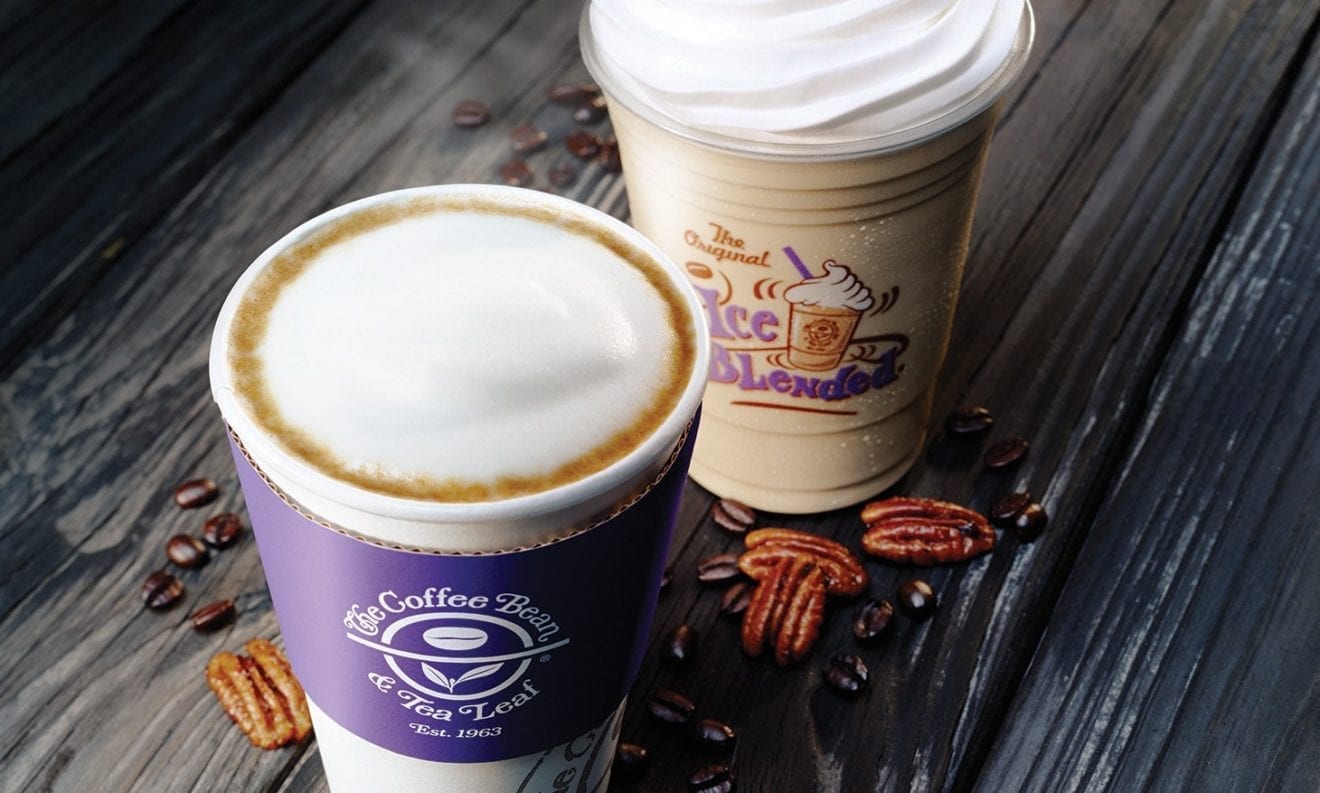
    Singapore Myanmar Investco (SMI) has signed an international area development agreement to develop The Coffee Bean & Tea Leaf (CBTL) cafe chain in Myanmar.

    Founded by Herbert Hyman in 1963, the chain is owned and run by International Coffee & Tea, which has its corporate headquarters in Los Angeles. It has more than 1000 self-owned and franchised stores in the US and 31 other countries.

    SMI secured the franchise rights two years ago to run CBTL outlets within the new Yangon International Airport. Following encouraging results from the two airport cafes, the new deal folds the CBTL brand into the group’s growing F&B brand portfolio, which includes Crystal Jade and Ippudo.

    Under the exclusive agreement, SMI is committed to expand CBTL across Myanmar, with the first outlet planned to open within the next month.

    “Aligned with the growing consumer market in Myanmar, our local market knowledge and experience gives us confidence as we further entrench our F&B business presence in this frontier market,” says SMI president/CEO Mark Bedingham.

  • Myanmar’s cellcos reach a combined 50m subs

    Myanmar’s cellcos reach a combined 50m subs

    Myanmar’s mobile operators – MPT, Ooredoo Myanmar and Telenor Myanmar – have announced they have reached a collective 50 million subscribers.

    Extrapolating from the latest UN estimates, Worldometers projects that the total population of Myanmar is around 53.6 million, meaning the nation’s mobile penetration is approaching 100%.

    In a joint statement announcing the milestone, the three operators committed to further develop their mobile networks, particularly in rural areas, and to provide the investment needed for the deployment of 4G infrastructure and services for the market.

    The companies also agreed to abide by “sound price competition practices”, including by complying with recently imposed floor pricing on mobile offerings.

    The Myanmar Post and Telecommunications Department’s pricing and tariff regulatory framework, introduced in June last year, prohibits behavior such as free distribution or sales of SIM cards and supplying services and handsets at below cost.

    “MPT, Ooredoo and Telenor are firmly committed to competing based on the stated guidelines and the relevant laws of the country that as the telecommunications operators in Myanmar, they are bound to,” the statement reads.

  • PastaMania Myanmar Opens Second Branch in Yangon

    PastaMania Myanmar Opens Second Branch in Yangon

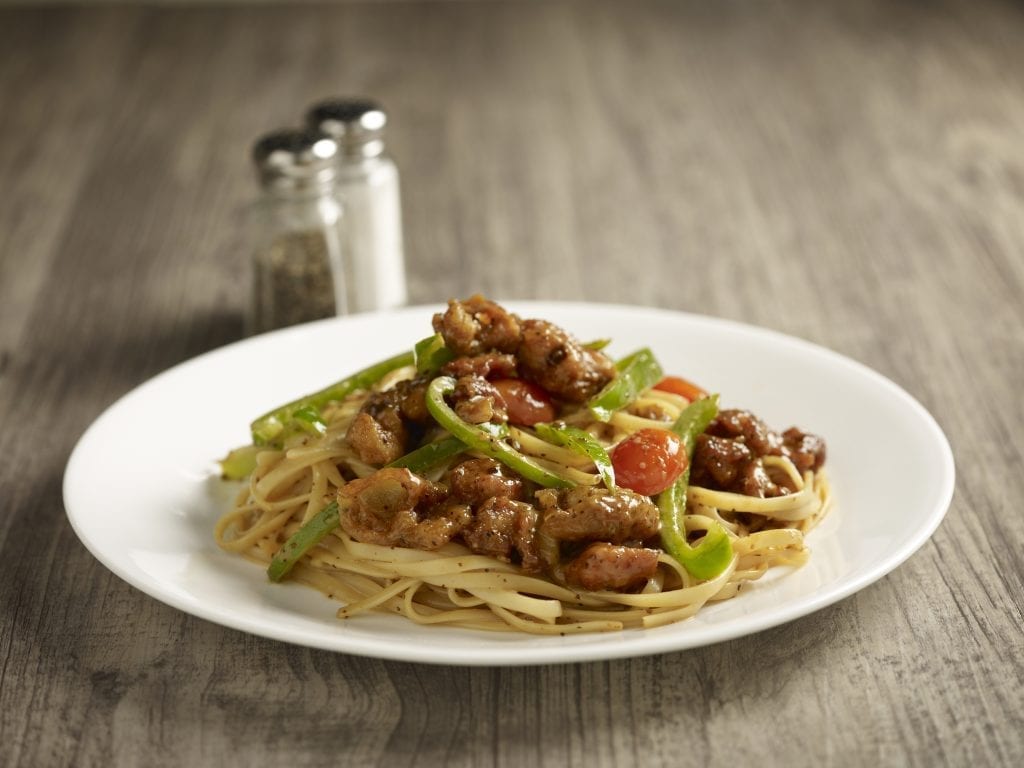
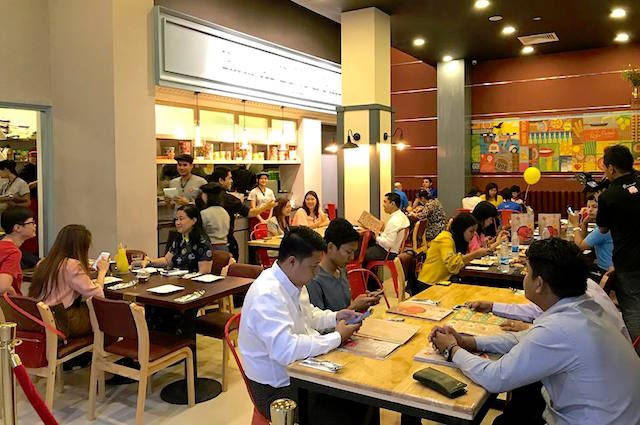
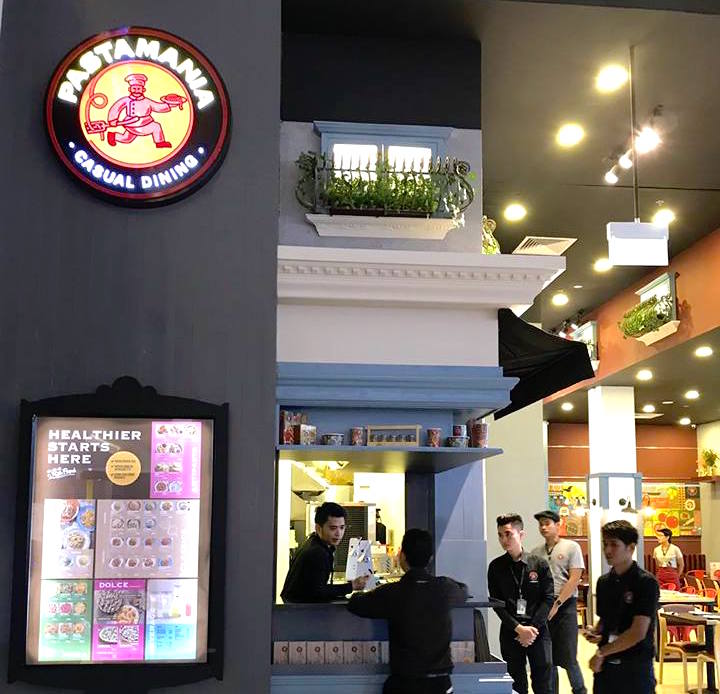
    PastaMania Myanmar will open a branch in Yangon’s Capital Hypermarket Extension Mall on February 27.

    From Singapore, the Italian casual-dining restaurant chain has more than 50 outlets in 14 countries.

    “This PastaMania outlet design is based on Italy’s piazza concept to create the ambience of an Italian city square, says executive director Wilson Lim of Singapore’s Commonwealth Capital Group, which run PastaMania.

    This is the second Yangon outlet for PastaMania, the first opening on Inya Road in February 2016.

    Two more outlets are planned over the next year in Yangon.

  • Bolloré Logistics: QHSE Focus at the PTTEP Myanmar Asset 2018 SSHE Forum

    Bolloré Logistics: QHSE Focus at the PTTEP Myanmar Asset 2018 SSHE Forum

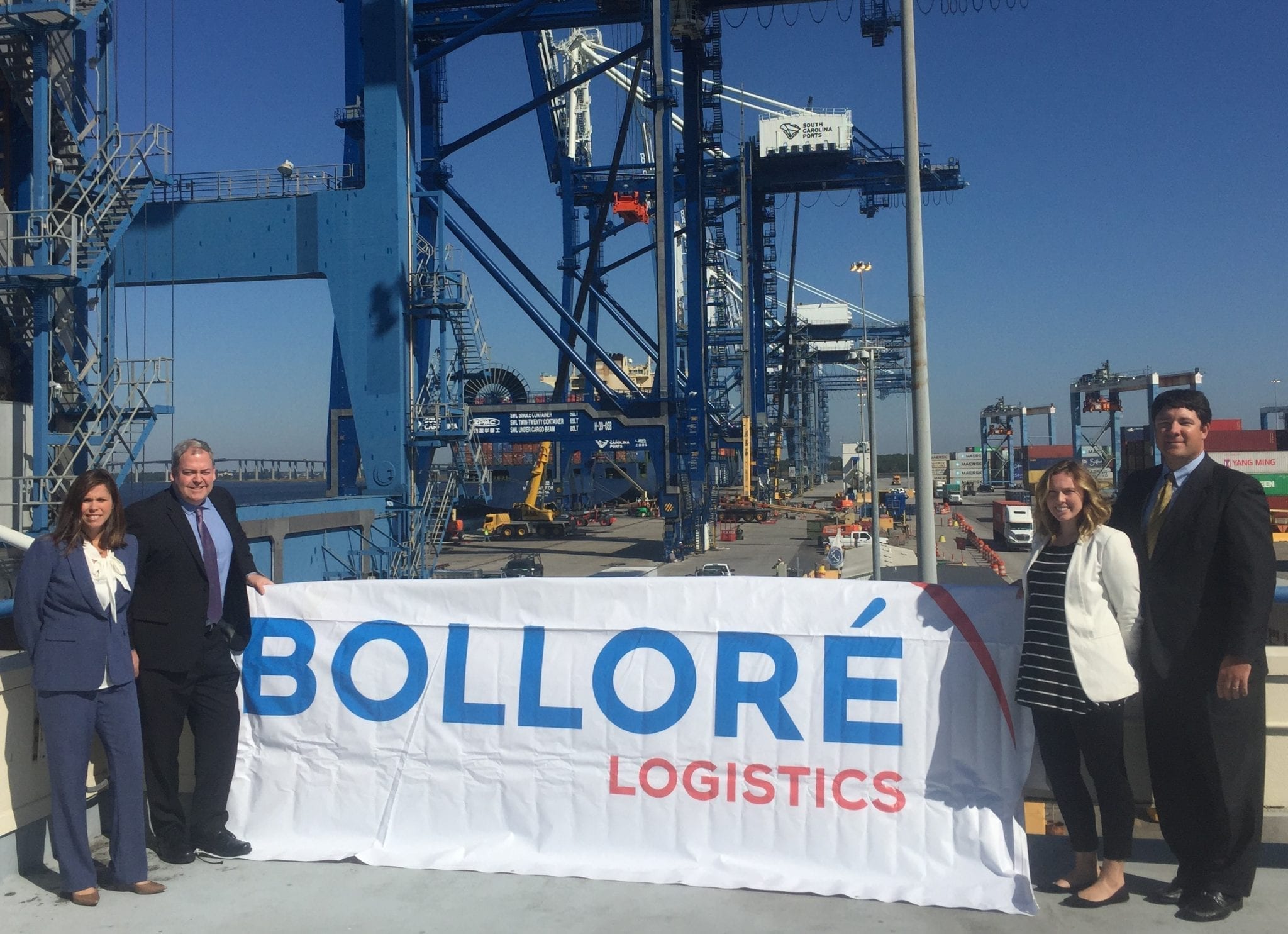
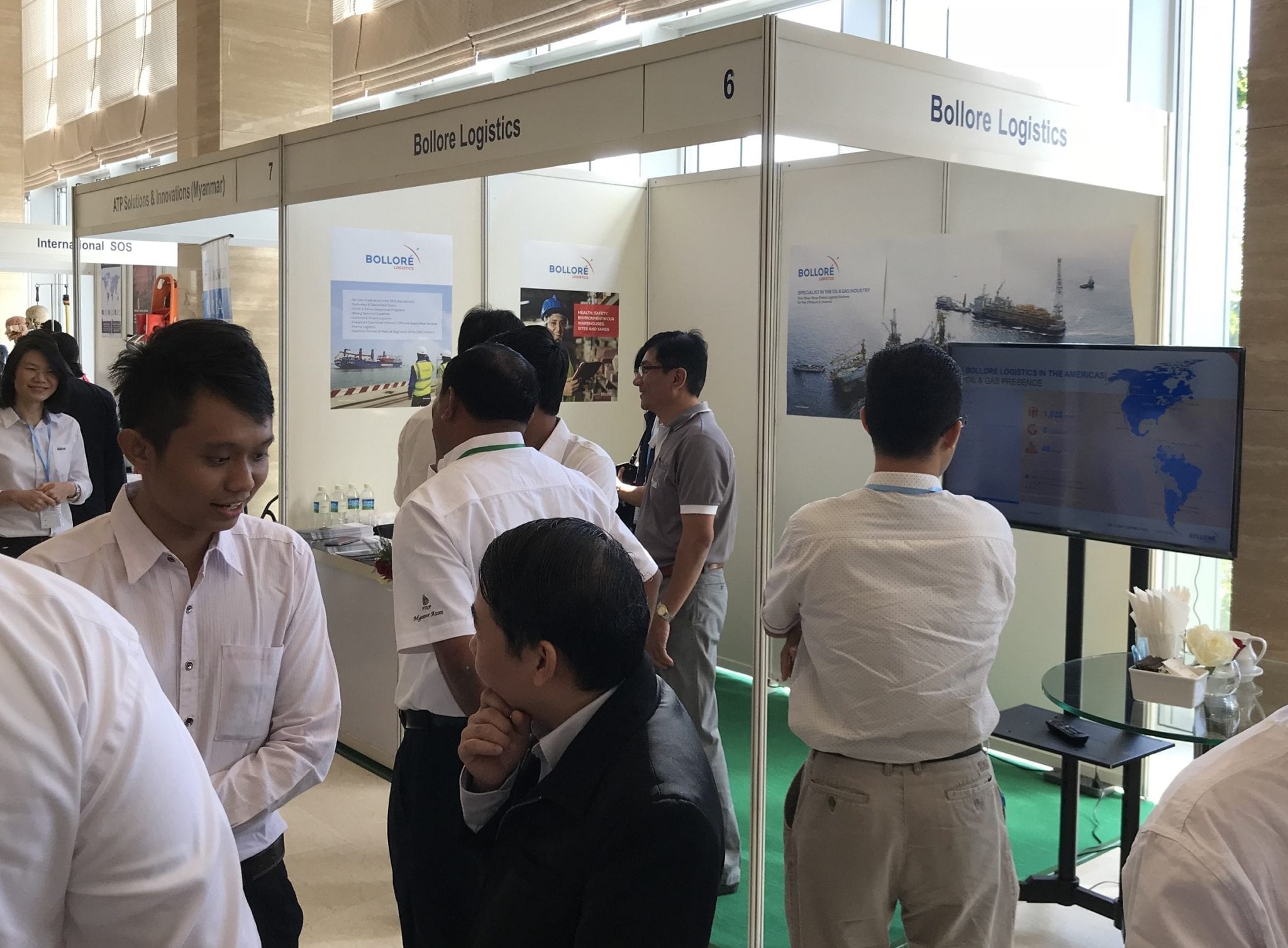
    Bolloré Logistics’ Oil & Gas teams from Myanmar, Thailand and Singapore were present for the second time at the PTTEP Myanmar Asset 2018 Safety, Security, Health and Environment (SSHE) Forum on January 19th, 2018, in Yangon.

    The Oil & Gas teams available at our booth welcomed the opportunity to showcase our footprint in the major global hubs, as well as in most of the oil and gas producing countries, with a strong implementation in Africa and Asia. Offering tailor-made solutions on contract or project basis, Bolloré Logistics prides itself in delivering simple or complex solutions to its oil & gas customers, sometimes in the most challenging areas of the world, in full compliance with Ethics and the Quality, Health, Safety, Environment (QHSE) standards.

    “The presence of the Bolloré Logistics’ Oil & Gas teams from three different countries shows the collaborative spirit that prevails among the dedicated oil & gas specialists in the Asia-Pacific region. Our collaborators are our number 1 asset,” mentions Bruce Boudailler, Regional Director Oil & Gas at Bolloré Logistics Asia-Pacific.

    Bruce Boudailler adds: “Our presence at a SSHE-focused event also demonstrates that Bolloré Logistics is highly committed to ensuring that its valued collaborators, subcontractors and customers go home safely at the end of each working day.”

    The implementation of all of our QHSE processes is top priority for Bolloré Logistics’ teams in Asia- Pacific. It is crucial for clients as well, especially considering the hazardous and risky nature of the oil and gas industry. To back this up, Bolloré Logistics Brunei boasts an exemplary record at their supply base located in Muara – Serasa and contributed to achieving 18 years without Lost Time Injury (LTI*) for TOTAL E&P Borneo BV (TEPB).

    Differentiating itself from other major international freight forwarders, Bolloré Logistics has developed a very strong expertise and track record in handling important capital asset projects onshore and offshore, and extended the logistics chain beyond the entry gates of the supply bases. As an extension of the supply chain, Bolloré Logistics has been integrating for many years in its solutions marine services as well as supply base services.

    *Loss Time Injury can be explained as follows: if someone gets any serious injury at work which inhibits
    him/her from returning to work immediately, it is considered a LTI. However, if instead that person gets light
    injuries but manage to return to work, it will not be counted as a LTI.

  • Honor Opens its First Flagship Store in Myanmar

    Honor Opens its First Flagship Store in Myanmar

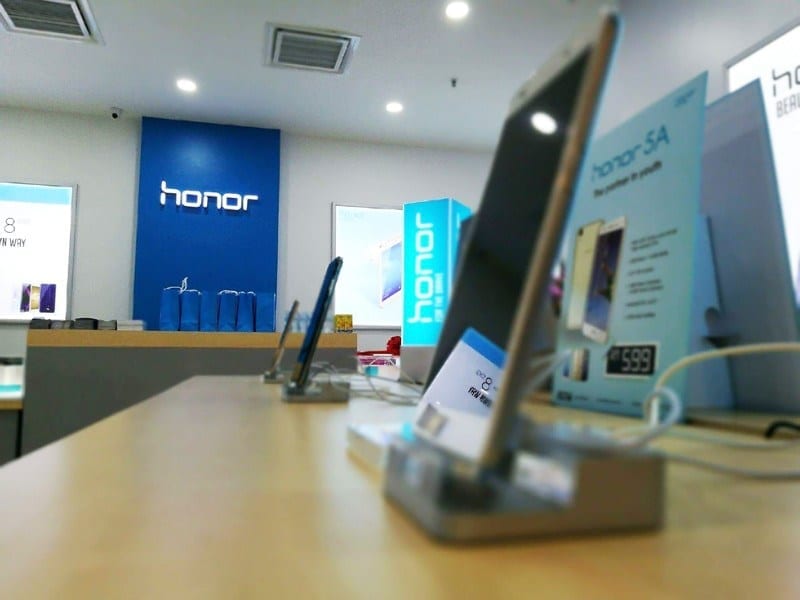
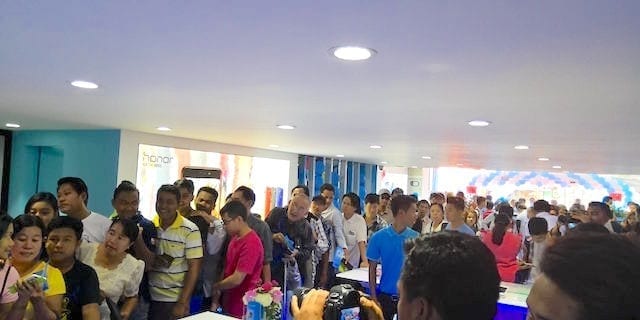
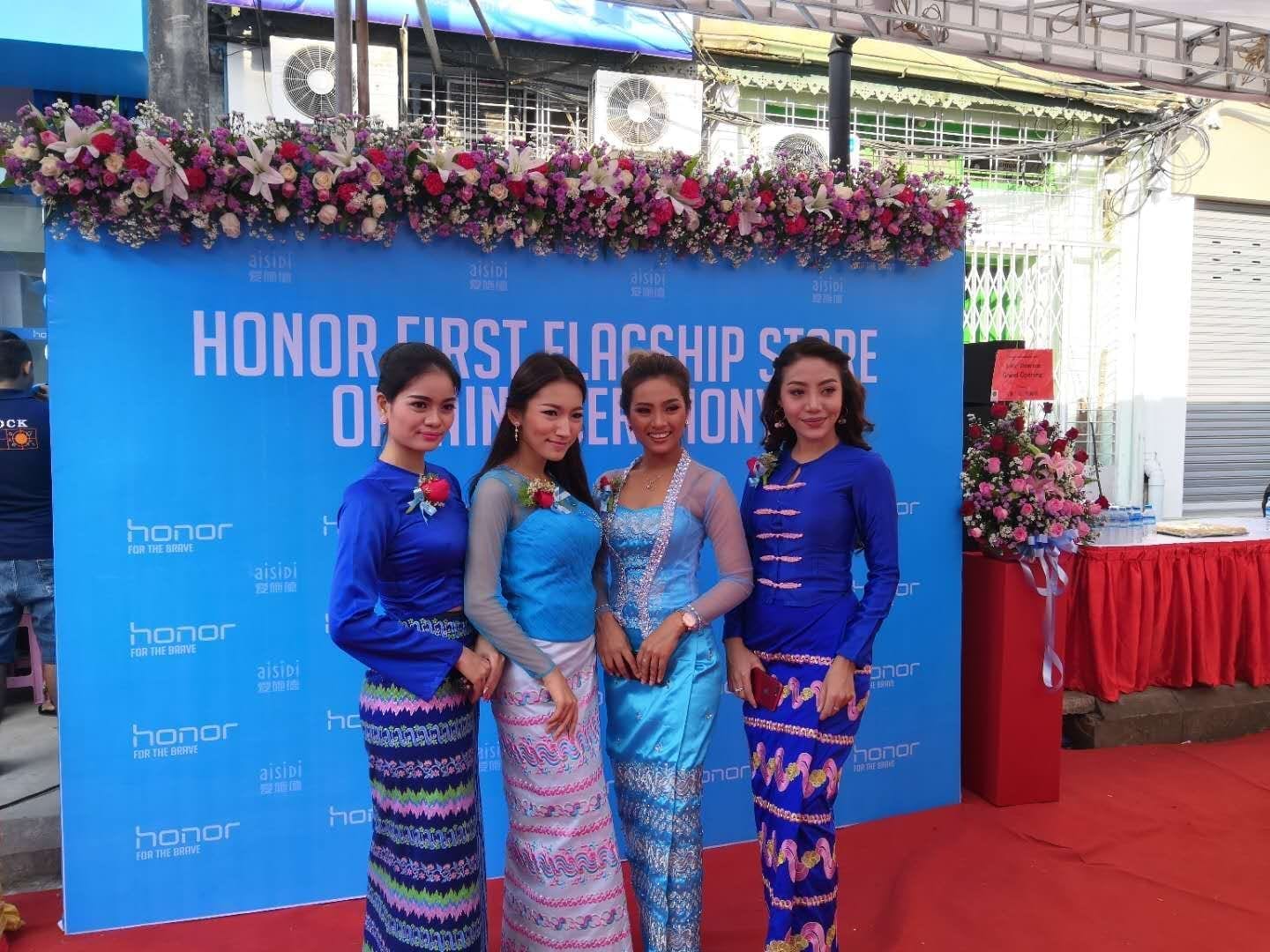
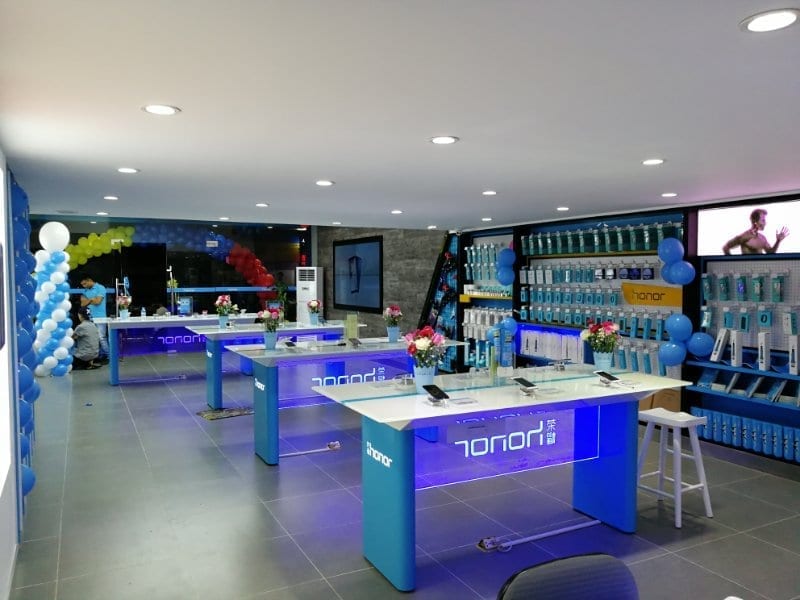
    A flagship store for Honor, a smartphone brand from China’s Huawei Group, has opened in Yangon.

    With its slogan “For the brave”, the brand was created for digital natives and offers internet-optimised products and high specifications at an accessible price level.

    Honor president George Zhao says the Myanmar flagship is a milestone for the brand’s Southeast Asia expansion journey. “Globally, we are confident we will see Honor rise to become a top-five smartphone brand within three years.”

    Four of Honor’s top-rated products feature in the new store: Honor 7X, its first FullView Display smartphone aimed at gamers; Honor V9 Play, a minimalist Scandinavian-style smartphone; Honor 6X, offering budget technology for digital natives; and Honor Holly 6, am affordable high-performance model.

  • Parami Energy Myanmar readies imported LPG for sale as demand rises

    Parami Energy Myanmar readies imported LPG for sale as demand rises

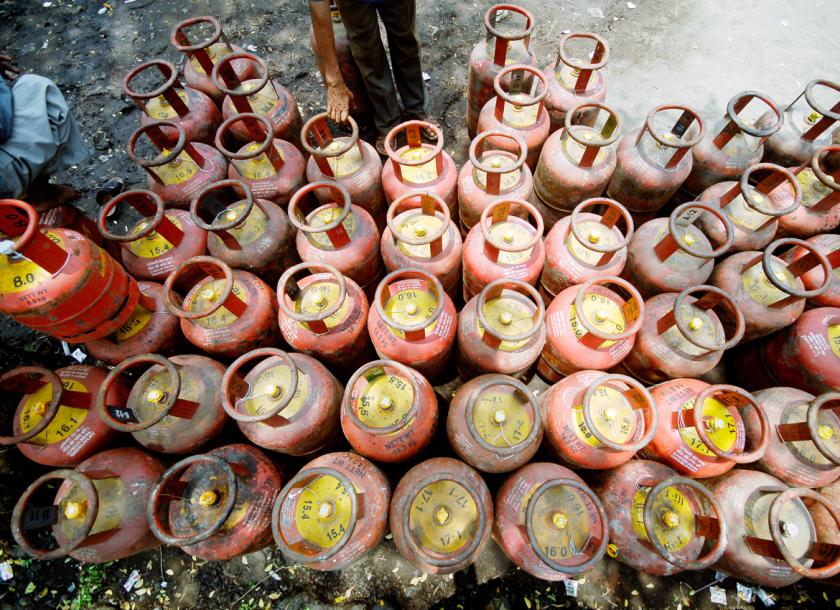
    The government is aiming to replace the use of electricity with Liquefied Petroleum Gas (LPG) as a fuel for household cooking. If widely used, LPG can reduce the use of firewood as well as electricity when cooking, which will help to conserve power as well as the environment.

    Last year, the Ministry of Electricity and Energy (MOEE) launched a K6.5 billion tender involving the lease of a jetty, terminal and storage facility at the Thanlyin refinery in Yangon Region, for the purpose of importing, storing and distributing LPG in Myanmar.ti

    A total of 21 companies sought tender applications but only nine submitted proposals. Of these, privately-owned Parami Energy Services Company ultimately beat oil company Puma Energy to win the tender in August last year.

    It is the first time the government has leased out state-owned facilities under a Public-Private Partnership for the import, storage and distribution of LPG in Myanmar. In the past, the import and distribution of LPG was conducted solely by state-owned Myanmar Petrochemical Enterprise.

    During an interview over the weekend, U Pyi Wan Tun, CEO of Parami Energy, shared his company’s plans and the prospects for LPG in Myanmar. Here is an excerpt of the interview, which has been edited for clarity:

    Can you give us an overview of the current Myanmar LPG market? 

    Currently, LPG is mainly imported from Thailand through the Myawaddy border. Some quantities are imported from China. Officially, Myanmar imports 4,000 tonnes of LPG per month, but the real number could be as high as 7,000 tonnes per month.

    However, this is not enough to meet demand from the industrial, commercial and household sectors. Nationwide, LPG consumption is around 100,000 tonnes annually and this is expected to grow as there are now more hotels, restaurants and other businesses that require LPG.

    In comparison, Thailand consumes 4 million tonnes of LPG yearly, which is around 40 times more than Myanmar. So, our LPG market has the potential to expand to become a million-tonne market at least in the years to come.

    What is required to address and develop the LPG market?  

    The LPG industry must build up adequate safety standards as international investors will invest in growing the sector only if there are satisfactory standards in place. We need to promote safety standard procedures across every part of the business, from filling stations to consumption. We will develop these together with Fire Bridge Department and respective ministries.

    The other issue is taxes. The import tax for LPG is less than 5percent in Thailand. Businesses also get tax exemptions when the LPG is re-exported. In Myanmar, we need a comprehensive and efficient policy to further develop the business.

    What have you done so far since winning this tender last year?

    We did some renovation works at the jetty and terminal. As there is no filling station, we have also built one. We started importing LPG since December. It is now ready for sale.

    Where do you currently import from and what is your target? 

    We imported the first batch of LPG from Indonesia. We will continue to import two vessels worth of LPG a month for now. Currently, our jetty in the Thanlyin refinery area is the only one in the country equipped to handle LPG imports. As the water depth is only 5 meters, we can only handle vessels with the capacity to transport 2,000 tonnes of LPG. So it is still quite limited. But our target is to import at least 8,000 tonnes – 10,000 tonnes of LPG a month over the longer term.

    How long is this project and who is your partner?

    It is a two year project but extendable. If there are investments and we make a profit, we may be able to continue. Currently, we do not have any partner for this project. But we are planning to expand our investments beyond importing to include retail distribution to cover more areas. If we are going to do both wholesale and retail distribution, we will need international partners to help with funding, technology and expertise. At the moment, we cannot expand into retail distribution.

    What is your current investment in this LPG project?

    We have invested $2 million-$3 million to renovate the jetty and terminal as well as build the filling stations. So far, we have 1,800 tonnes of LPG in storage. It is ready for sale. We expect the market to stabiles and for sales to be good.

    What are the advantages of leasing state-owned LPG facilities both for the country and Parami Energy?

    This is the first time state-owned LPG facilities at the Thanlyin refinery area are being leased out to a private company for business. During the previous administration, struggling state-owned enterprises were usually privatised or suspended. By leasing out the facilities to us, the state earns K6.5 billion and gains from private sector investments. As the facilities will be run by a private company, additional expenses like maintenance are also

    passed on.

    The government has a target of supplying LPG to 150,000 households in Yangon. This project will support it. At the moment, we are still in the investing stage and are not sure yet of any profits. However, we can expect a profitable outcome if we can import more than three vessels worth of LPG a month.

    One of the risks is market competition. When a newcomer enters the market, our profit margins will become smaller. On the other hand, we can expect a win-win situation when market demand hits one million tonnes of LPG or more, as there will be room for more competition then.
  • Telenor Myanmar to buy more 1800-MHz spectrum

    Telenor Myanmar to buy more 1800-MHz spectrum

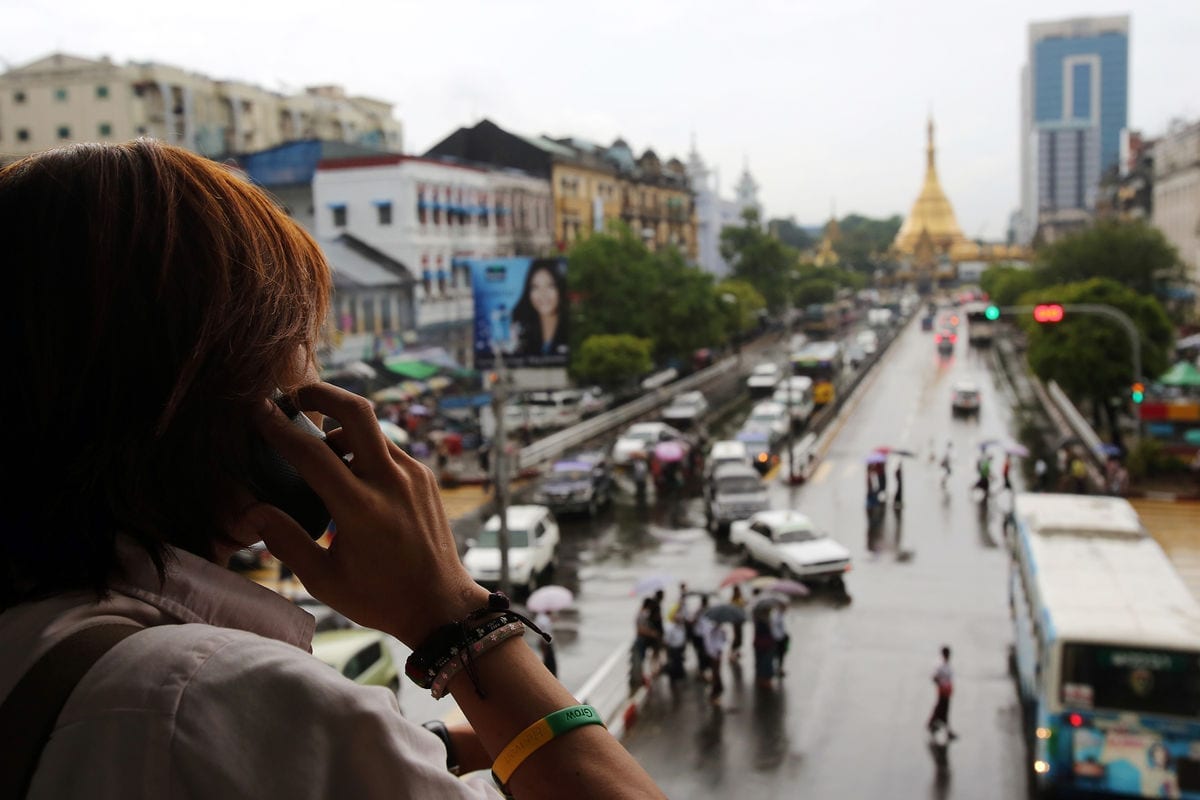
    Telenor Myanmar will pay $80 million to acquire additional 1800-MHz spectrum to help it optimize its 4G network.

    The operator will acquire an additional 2×10-MHz of 1800-MHz spectrum, doubling its holdings in the spectrum band.

    Telenor is exercising its right to acquire additional spectrum on a first come first served basis, as stipulated in the terms of the process the operator used to acquire its first 2×10-MHz of 1800-MHz spectrum – also for $80 million – in May.

    By the end of the year, Telenor expects that its 4G network will cover Myanmar’s top 50 cities and most famous destinations, which represents a footprint of around two thirds of the nation’s urban population.

    The operator has invested over $2 billion in Myanmar since winning a nationwide telecom license along with rival Ooredoo.

    “Myanmar has shown an exceptional hunger for mobile data, and to meet the incredible demand Telenor continues investing in a state-of-the-art network. Today, we are doubling our capacity for delivering high-quality 4G services, resulting in an immediate benefit for our customers who will experience smoother internet services and better indoor coverage,” Telenor Myanmar CEO Lars Erik Tellmann said.

    “Myanmar has clear ambitions of accelerating its digital economy, and I believe that increased deployment of an ultramodern mobile infrastructure will support Myanmar in its digital transformation.”

  • Phee Group brings logistics solutions to Myanmar’s shores

    Phee Group brings logistics solutions to Myanmar’s shores

    Singapore-based, multinational shipping and logistics pioneer, Phee Group, has established Phee Central, a 60,000 square feet logistics centre in Myanmar to cater to a diverse array of logistics needs from businesses in the growing market. It is breaking into this new business segment after having specialised in freight forwarding for over 24 years in Myanmar. This was done with the support of International Enterprise (IE) Singapore, government agency promoting international trade and partnering Singapore companies to go global.

    An investment of US$5 million, the ISO 9001: 2015 and HACCP and GMP certified Phee Central, a multi-temperature storage facility, is situated a mere 25 kilometres from the BSW, MIP and AWP ports and less than 25 kilometres from Yangon International Airport.

    The facility serves a valuable logistics function with the potential to greatly optimise supply chains. Built on 3.2 acres of elevated ground with an around-the-clock security system, Phee Central is equipped with high capacity backup generators to provide an uninterrupted power supply. It is the first of its kind to support a state-of-the-art column-free design that maximises capacity and improves efficiency.

    Phee Central distinguishes itself through delivering a higher standard of reliability matched by advanced technologies. Its Warehouse Management System (WMS) relays live updates of inventory statuses for each client’s warehouse activities. This data is accessible in real-time via web-enabled storage technology, ensuring both reliability and accuracy. Other value-added services include contract logistics, freight consolidation, carrier management, customs brokerage and trade compliance management.

    Ben Phee, group managing director of OV Logistics and Phee Group, said, “It has always been our aspiration to provide a more extensive array of services that offer a peace-of-mind to our clients. With Phee Central, we are not only able to achieve this, we are also able to reduce the wastage of resources and materials due to inadequate storage. Coupled with our temperature-controlled delivery system, we are confident in delivering highly reliable all-rounded logistics solutions for our clients.

    Above all, Phee Central illustrates our commitment to serve the Singapore and Myanmar community. On this note, we are honoured to be recognised by the respective Myanmar authorities for our professional experience and contribution to this country and supported by IE Singapore to realise our commitment of investing and expanding in Myanmar possible more rapidly.”

    Phee Group has been working with IE Singapore on its expansion strategy in Myanmar. Its entry into specialised logistics solutions is timely as Myanmar’s economic reforms and rising middle class have attracted many foreign investments in various sectors of the economy, including food and beverage, hospitality and pharmaceutical equipment and medicines. This brings demand for specialised supply chain solutions such as temperature controlled logistics facilities. As the local logistics infrastructure is still in nascent stage, demand for such services presents opportunities for Singapore logistics companies. Phee Group has risen to bridge the market gaps with its new warehouse, Phee Central.

    Said Law Chung Ming, group director of Transport & Logistics Group for IE Singapore, “It is important for Singapore companies to constantly transform themselves to capture opportunities in fast-growing regional markets such as Myanmar. Having established in Myanmar for over 20 years, Phee has built a firm understanding of the market needs, putting it in a good position to provide specialised cold chain logistics solutions. To build their business in Myanmar, we worked with the company to develop Singaporean talents with specific, customised skill sets in specialised logistics and market-readiness.”

    IE Singapore supported Phee Group by developing a manpower strategy to improving its recruitment, training and retention processes for its operations at Phee Central warehouse. This included market attachments to help their new employees better understand the environment and the cold chain business landscape in Myanmar. Through IE’s support, Phee Group is able to achieve greater regional growth and expansion.

    Headquartered in Singapore, Phee Group crafts unique integrated logistics solutions and practices that are thorough and reliable. Benchmarked to meet the conditions of the Myanmar marketplace, they also effectively resolve complex operations in a simple manner.

    Phee is also looking to partner Singaporean companies to tap onto its logistics solutions, as well as share its insights and networks in the ASEAN market which it has operated in for over two decades.

  • Dropee Launches Full Release of its B2B Marketplace with a New Web Interface

    Dropee Launches Full Release of its B2B Marketplace with a New Web Interface

    Dropee, a local based technology start-up, today launched the full release of its B2B marketplace and introduced a new web interface to further streamline trading between suppliers and retailers.  Prior to the full release, Dropee was running on beta since early this year.

    Unlike previously, current Dropee is able to support any number of suppliers and retailers. In addition, it also brings a new web interface that contains enhancements to help improve and optimize the way suppliers trade products with retailers. For instance, suppliers now have a new dashboard that has greater functionalities to help speed up documentation processing, to better manage relationships with customers and more. Dropee full release is now accessible by registered retailers and suppliers and it is available at a same low rate, starting at RM388 per month.

    Key enhancements brought by the new Dropee are:

    1. Targeted promotional campaigns: Unlike previously, suppliers now can launch promotional campaigns where they can choose to specify which customers that are eligible for additional discounts from the listed prices on Dropee. Dropee system is flexible enough for them to key in any amount of discounts to be given to eligible customers. Additionally, frequent customers of the suppliers will be able to request to be a part of this additional discount feature by clicking on the “Request For Additional Discounts” button on the their respective dashboard.
    2. Better streamline ordering process: With the new interface, the process of ordering can be done more efficiently where retailers can place new orders and to re-order directly without relying on a sales person from the supplier to help them. Subsequently, this empowers suppliers and their sales team by enabling them to focus on closing more new accounts and servicing a larger pool of retailers than they previously could.
    3. Easier discovery of wholesale pricing goods (buyers): Different than the old interface, current Dropee allows retailers to discover products easier based on their categories of interests such as Convenience Stores, F&B Restaurants, and others which are curated by Dropee team for each category after making sure that the products listed are at wholesale prices.

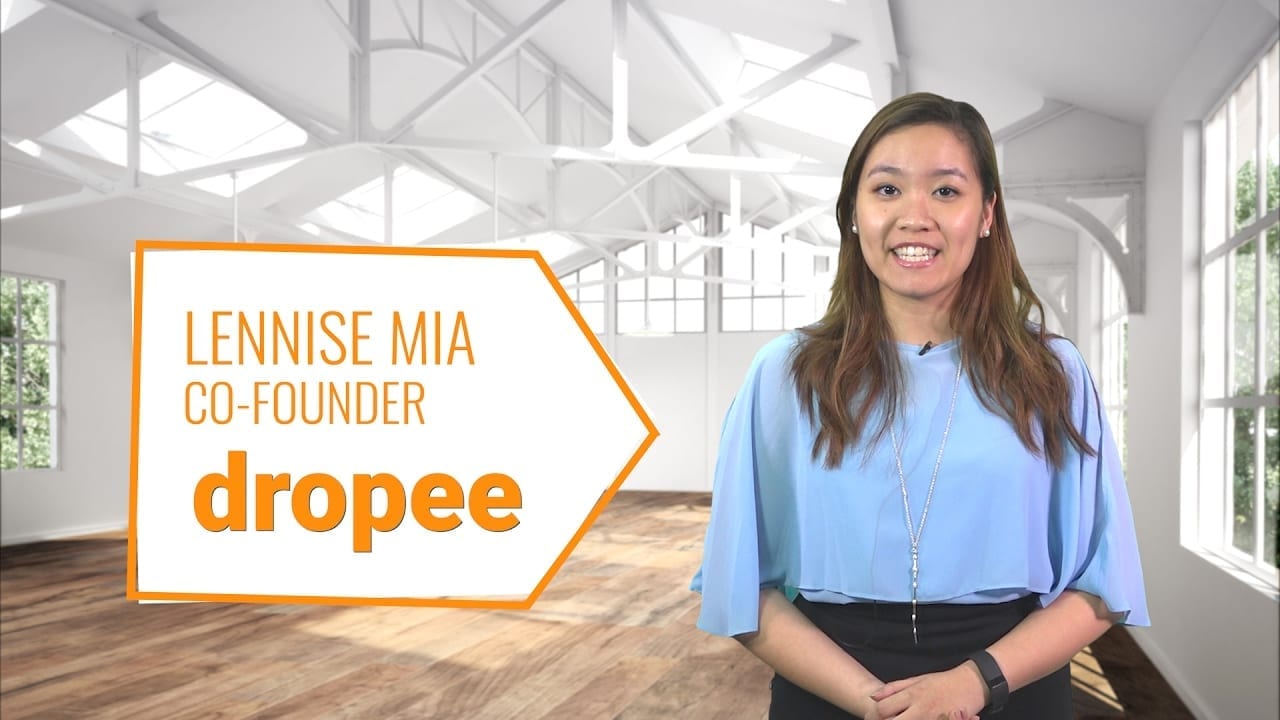
    Lennise Ng, chief executive officer (CEO) and co-founder of Dropee said, “We are truly excited that the Dropee’s full release is here and we now have a new web interface. After months of running on beta, we’ve improved our system to be ready to take on any number of suppliers and retailers. We have also decided to revamp the interface of our B2B marketplace to benefit both retailers and suppliers. We are pleased with the result where it is now easier for suppliers to manage their sales and for retailers to get the best deals that meet their needs and budget.”

    Aizat Rahim, chief operating officer (COO) of Dropee said, “We’ve run a test for the new enhancements with some of our users and they have noted an increase in recurring sales due to a faster replenishment process from reduced documentation time. On top of that, their process ordering rate has increased by 30 percent within two months, based on an internal survey conducted.”

    Lennise Ng added, “Our target is to have 1000 small- and medium-sized enterprise (SME) retailers sourcing from our platform in the next six months. Currently, we have more than 1000 of products of fast-moving consumer goods (FMCG) and, the number is growing rapidly. With just a few clicks of a button, retailers can find products that they want and from the suppliers and brands that they trust.”

    “We plan to expand our on-ground sales team and form strategic partnerships with organizations who aim to provide better services to SME business owners across Malaysia. We will be looking to enter different states in the first quarter of 2018,” Lennise explained about her plan for market acquisition.

    Some of the retailers that have used Dropee include offline retailers such as Shell Select, Pusrawi and local F&B outlets such as Kopi Time, as well as, online retailers such as GrubCycle and Giftr.