Tag: Myanmar

  • Myanmar crisis sounds death knell for garment industry, jobs and hope

    Myanmar crisis sounds death knell for garment industry, jobs and hope

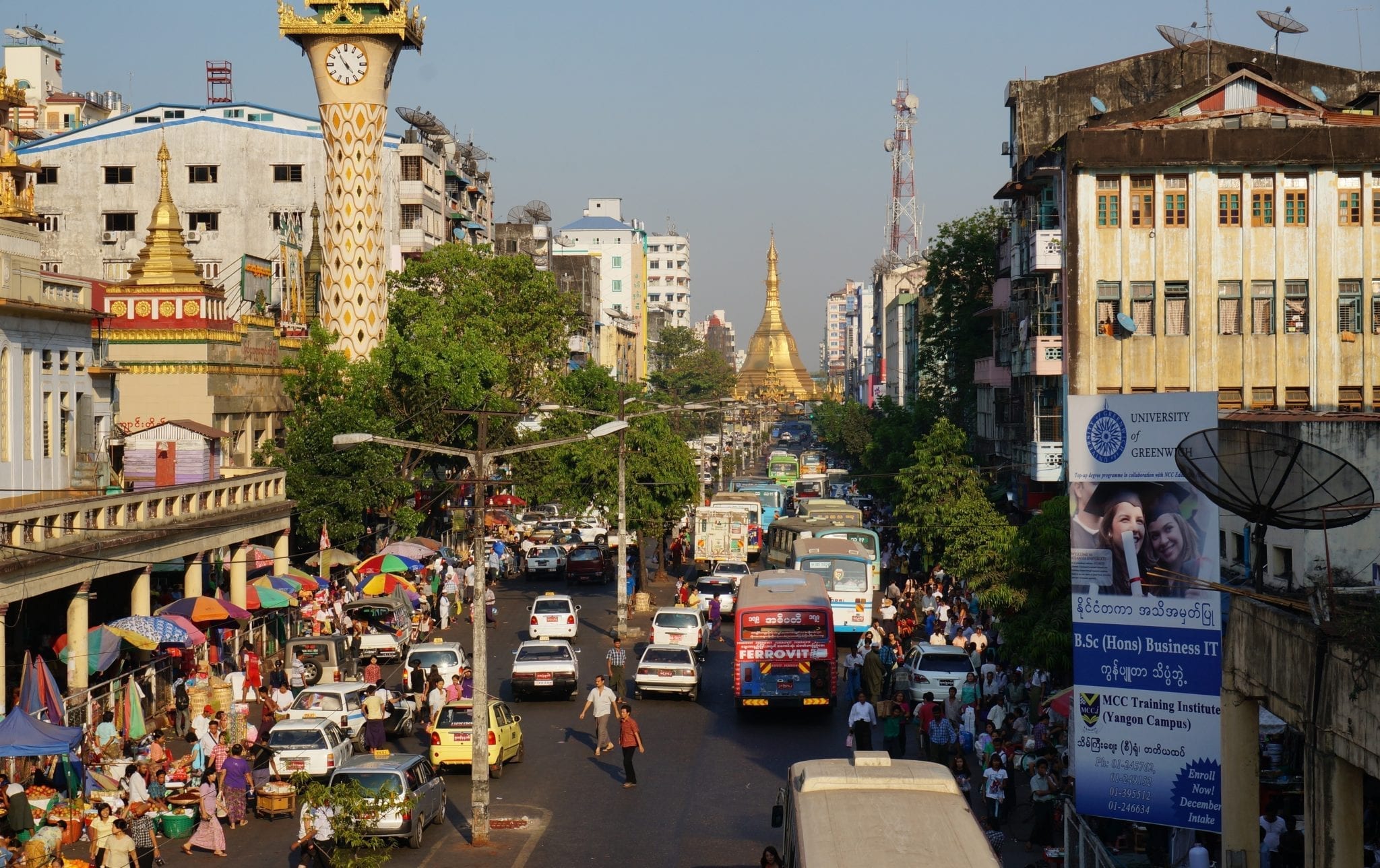
    Two years after opening his garment factory in Myanmar, Li Dongliang is on the verge of closing down and laying off his 800 remaining workers. The business had been struggling because of the Covid-19 pandemic, but after a February 1 coup that sparked mass protests and a deadly crackdown – during which his factory was set alight amid a surge of anti-Chinese sentiment – orders stopped.

    His story is emblematic of the perilous situation facing a sector critical to Myanmar’s economy, which accounts for a third of its exports and employs 700,000 low-income workers, according to UN data.

    “We would have no choice but to give up on Myanmar if there are no new orders in the next few months,” said Li, adding he has been operating at about 20 percent capacity, surviving only on orders placed before the coup, and had already shed 400 staff.

    Li said he and many of his peers were considering moving to other low-cost garment hubs like China, Cambodia or Vietnam, as big fashion brands like H&M and Primark have stopped trading with Myanmar due to the coup.

    Chinese nationals like Li fund nearly a third of Myanmar’s 600 garment factories, according to the Myanmar Garment Manufacturers Association, by far the largest investor group.

    At least two other Chinese-funded garment factories in Myanmar, employing a combined 3000 workers, had decided to close, said Khin May Htway, managing partner of MyanWei Consulting Group, which advises Chinese investors in Myanmar. She said the two firms were her clients but declined to identify them citing privacy.

    Foreign investment in garments surged in Myanmar over the past decade as economic reforms, an end to Western sanctions, and trade deals helped establish the sector as the greatest symbol of its nascent emergence as a manufacturing hub.

    Myanmar garment shipments rose from less than $1 billion in 2011, about 10 percent of exports, to more than $6.5 billion in 2019, about 30 percent of exports, according to UN Comtrade data. But the sector has been rocked by the pandemic which plunged the world into recession and choked consumer demand, resulting in tens of thousands of garment factory jobs lost in Myanmar and elsewhere in Asia. Then the coup happened.

    In the weeks that followed, many garment workers joined protests or couldn’t get to work as streets became battlegrounds. The turmoil also jammed the banking system and made it difficult to get goods in and out of the country, factory owners said.

    With international condemnation of the coup growing, European and US fashion brands last month issued a statement through their associations saying they would protect jobs and honor commitments in Myanmar.

    However, many have recently halted orders there including the world’s second-biggest fashion retailer, Sweden’s H&M, Britain’s Next and Primark, and Italy’s Benetton.

    Next said it would split its orders previously going to Myanmar between Bangladesh, Cambodia, and China, while Benetton said it would mainly move the business to China. H&M and Primark have not commented on how they will redistribute orders.

    Escape from poverty

    In Vietnam, garment factory owner Ravi Chunilal told Reuters he was starting to get more business from European buyers diverting from Myanmar.

    “They don’t want to abandon Myanmar … but it’s being forced upon them,” said Peter McAllister of Ethical Trade Initiative, a labor rights organization whose members include European high-street brands.

    McAllister said that it would be very difficult for Myanmar’s garment sector to recover if Chinese investors left.

    Anti-China sentiment has risen since the coup, with opponents of the takeover noting Beijing’s muted criticism compared with Western condemnation. It was against this backdrop that several Chinese-funded factories, including Li’s, were torched by unidentified assailants during a protest last month.

    Rights groups have repeatedly raised concerns about exploitation in Myanmar’s garment sector, where mostly women workers earn as little as 4800 kyat ($3.40) a day, the lowest rates in the region.

    But it has provided an escape from poverty for many, as workers have migrated from rural areas to the factories, mainly around the commercial hub of Yangon, and sent money back to their families.

    Khin Maung Aye, managing director of Lat War garments factory, which employs 3500 people, says the sector faces collapse if the military does not restore a democratically elected government.

    That would result in “terrible outcomes of poverty”, he said, adding that he was also staying afloat on orders placed before the coup but feared orders for next season, normally due later this month, will dry up.

    The US, which has imposed targeted sanctions on Myanmar’s military, late last month suspended trade talks with it and said it was reviewing its eligibility for its Generalized System of Preferences scheme, which reduces tariffs and provides other trade benefits for developing countries.

    That could “portend future disruption” for Myanmar’s garments sector, said Steve Lamar, president of the American Apparel & Footwear Association, which represents more than 1000 fashion brands.

    But some unions representing garment workers have called for the international community to impose tougher sanctions to press the military, even though it may further damage their industry.

    “I accept orders moving away,” Myo Myo Aye, founder of the Solidarity Trade Union of Myanmar, said through a translator. “Workers would face difficulties and hardship because there would be no jobs. On the other hand, we simply don’t accept the military regime.”
  • Fashion giant H&M pauses placing new orders in Myanmar

    Fashion giant H&M pauses placing new orders in Myanmar

    Sweden’s H&M, the world’s second-biggest fashion retailer, said on Monday it was shocked by the use of deadly force against protesters in Myanmar and that it had paused placing orders in the country.

    Police and military have killed more than 50 people to quell daily demonstrations and strikes against a Feb. 1 military coup, according to the United Nations last week.

    H&M has around 45 direct suppliers in Myanmar, it said on its website, and has sourced in the country for seven years.

    “Although we refrain from taking any immediate action regarding our long-term presence in the country, we have at this point paused placing new orders with our suppliers,” Serkan Tanka, Country Manager Myanmar, said in an email.

    “This is due to practical difficulties and an unpredictable situation limiting our ability to operate in the country, including challenges related to manufacturing and infrastructure, raw material imports, and transport of finished goods.”

    Two protesters were killed by gunshot wounds to the head in Myanmar on Monday, witnesses said, while shops, factories and banks were closed in the main city Yangon as part of the uprising against the country’s military rulers.

    Tanka said H&M was extremely concerned about the situation in the country and that it was in dialogue with UN agencies, diplomatic representatives, human rights experts, trade unions, and other multinational companies.

    “These consultations will guide us in any future decision in relation to how we as a company can best contribute to positive developments in accordance with the will of the people in Myanmar,” he said.

    Myanmar’s garment industry is smaller than that of neighboring countries Bangladesh, China and Thailand. However, its around 600 factories are significant employers, providing jobs for around 450,000 workers in 2020, according to the Myanmar Garment Manufacturers Association.

  • Mastercard Deepens Commitment to Myanmar; Announces Local Presence

    Mastercard Deepens Commitment to Myanmar; Announces Local Presence

    Mastercard today announced that it is deepening its commitment to Myanmar by taking steps to incorporate an entity in the country – thereby establishing a local office presence in Yangon – and to appoint a country business development manager.

    Mastercard aims to support the advancement of Myanmar’s digital payments ecosystem and its efforts to build a futuristic and inclusive cashless society. The establishment of the local office also underscores Mastercard’s long-term commitment to advancing Myanmar’s national digital agenda and reflects the company’s continued confidence in the market.

    Myanmar’s GDP growth is expected to rebound to six percent in 2021, making it one of the fastest-growing economies in the Southeast Asian region. The market has successfully leapfrogged several of the usual transition steps on its way to becoming a digital economy. For example, despite less than a quarter of the country having a bank account, 80 percent of its citizens own a mobile phone, with many using their devices to conduct transactions and remit funds digitally. The government of Myanmar has been actively leveraging these advances to lay the foundation for a modern payments’ infrastructure designed to allow entrepreneurs and businesses to capitalize on opportunities across consumer, commercial and government payment flows.

    “With its futuristic vision to enable sophisticated capabilities like real-time payments for its citizens and businesses, Myanmar is at a truly pivotal stage in its economic evolution.  Mastercard has a long and established history in partnering with hundreds of nations around the world on growing and scaling their payments ecosystems. Mastercard’s ambition for Myanmar is no different – the organization is focused on bringing its global best practices, coupled with a deeply rooted local presence and understanding of the domestic environment, to bear, to help the country secure a digital future defined by efficiency, agility, and security” said Safdar Khan, Division President, Southeast Asia Emerging Markets, Mastercard.

    “As Myanmar continues its digital transformation, it is also necessary to empower its people with the skill sets and knowledge they need to participate actively in the digital economy. Mastercard will bring to Myanmar decades of experience in technology skilling that will enable the country to accelerate human capital development. Furthermore, as part of the organization’s commitment to grow the local talent pool, Mastercard is well on its way to assembling a local team which will lead the local efforts and facilitates Mastercard’s objective for sustainable, domestically relevant, long-term success” he added.

    Mastercard has been working for nearly a decade, with government and key stakeholders in Myanmar, to digitalize its payments environment, achieving a number of critical firsts and milestones, including:

    • Being the first international payments network to issue a license to a local bank (Co-Operative Bank Limited), paving the way for Mastercard cards to be issued and accepted in the country
    • Reducing the month-long national SME registration process to just one day by launching the MSME Webportal, an e-government web portal, in partnership with CB Bank and the Myanmar government
    • Issuing Myanmar’s first credit card designed exclusively for women, MAB Lady’s, in partnership with Myanmar Apex Bank
    • Partnering with Yoma Bank to digitalize and tailor products and solutions for the bank’s customers, including SMEs
    • Curating exclusive offers for all Mastercard cardholders to enjoy until 2021 in celebration of Mastercard’s 8th year in Myanmar
  • First Siam Makro store in Myanmar opens its doors

    First Siam Makro store in Myanmar opens its doors

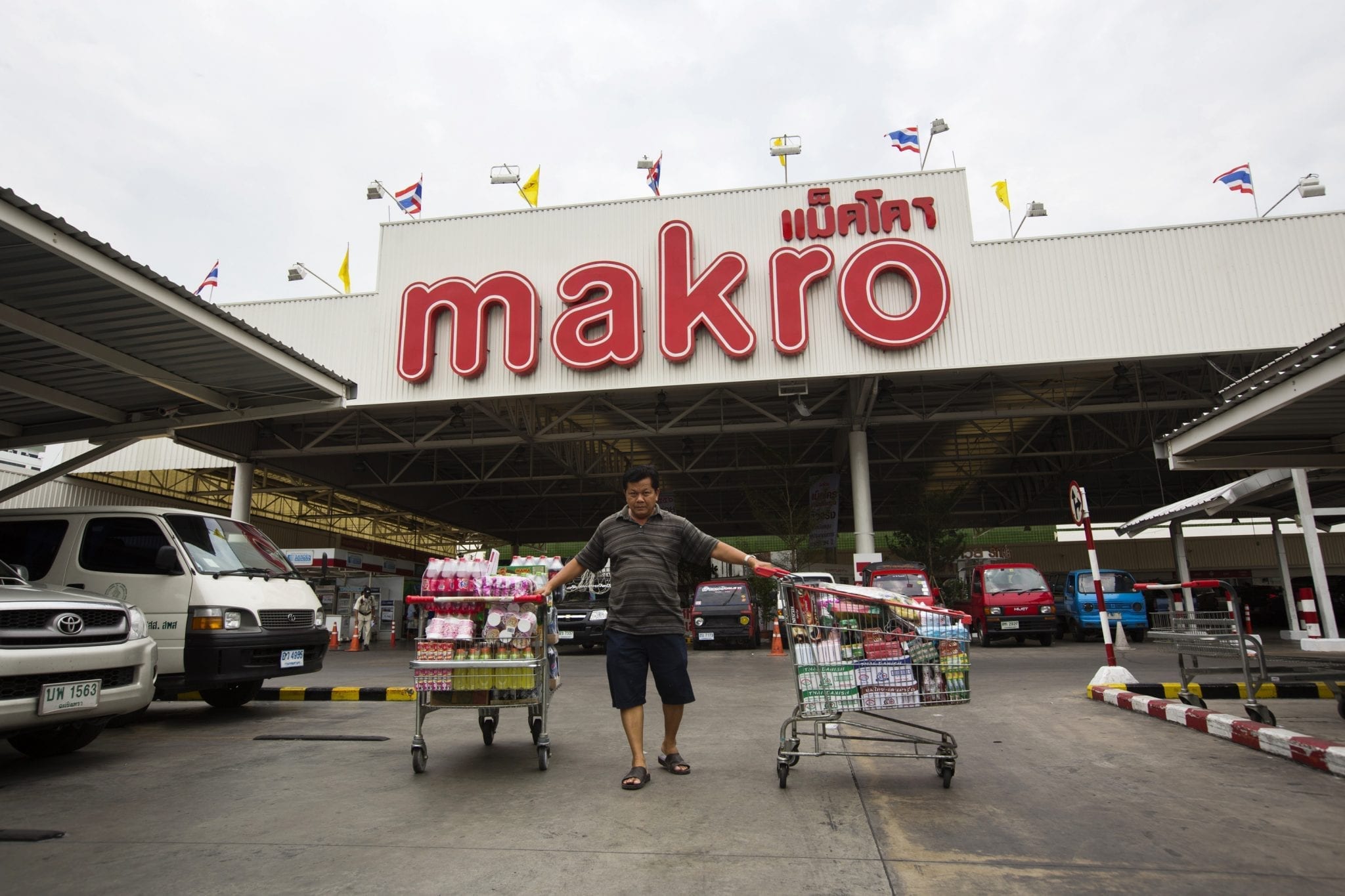
    The first Siam Makro store in Myanmar has opened its doors as the Thai-based cash & carry operator eyes the fast-growing foodservice sector in the rising country Myanmar.

    Located in Myanmar, the more than 7000sqm store offers more than 10,000 lines of fresh food, dry food, and other products.

    “Makro was big, huge,” a shopper told news outlet Myanmore. “We had to book one day in advance to actually go there. There are more local products now than from Thailand. Everyone was wearing a mask when we went there. There are social distancing activities among the queuing at the entrance and each cashier.”

    The store opening was met with lengthy queues, as the brand was welcomed by local residents, despite the fact the retailer primarily serves as a wholesaler, targeting food retailers, hotels, restaurants and catering service firms.

    The Siam Makro store in Myanmar is temporarily enforcing a maximum of 250 customers per time as a social distancing measure.

  • Siam Commercial Bank Set to Launch Myanmar Unit

    Siam Commercial Bank Set to Launch Myanmar Unit

    Thailand’s third-largest lender has received preliminary approval to operate in the Southeast Asian nation of 54 million people.

    SCB will be allowed to open up to 10 branches in the business area with an initial focus on Thai clients with investments in the country, according to Reuters report citing chief executive Arthid Nanthawithaya, who said the bank already had over 100 existing business clients across consumer goods, energy and agricultural sectors.

    Nanthawithaya said the bank will aim to boost its loan assets to 7 billion baht ($210 million) by 2024. After 2021, SCB will also be able to enter the retail market in Myanmar, offering personal loans and wealth management services.

    Not unlike to its Thai banking rivals, SCB has been expanding to widen its regional network with a presence in six other markets including Laos, Shanghai and Singapore. The move to launch in Myanmar follows recent news of Bangkok Bank’s acquisition of a controlling stake in Indonesia’s PT Bank Permata for $2.7 billion in December last year.

  • Aeon to open mall in Myanmar by 2023

    Aeon to open mall in Myanmar by 2023

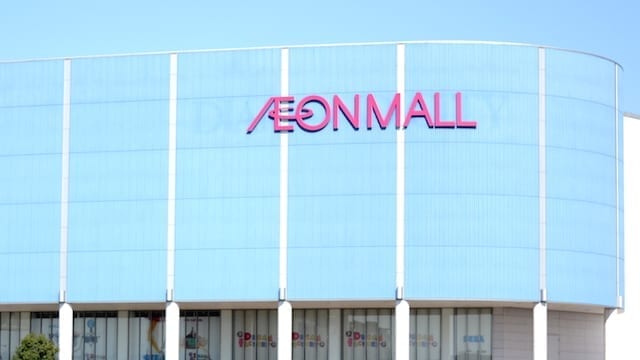
    Japan’s largest retailer Aeon is to open a shopping mall in Yangon, Myanmar’s largest city, in 2023. The Japanese retailer will partner with Myanmar conglomerate Shwe Taung Group to set up a joint venture in the country this year.

    The new Aeon shopping mall will target Myanmar’s middle class, which is predicted to increase significantly during the next few years.

    The opening plan is part of the group’s strategy to strengthen its position in the Southeast Asian market. Aeon Group generated US$315 million profit from the region’s operations in the fiscal year to February last year.

    “We will continue our targeted investment in Asia,” said Akio Yoshida, president of Aeon. “I think [Myanmar] will trace the same trajectory Japan once traveled toward a ‘100 million middle class.’”

    Yangon has a population of 5.2 million and was the nation’s capital until 2006.

  • Suzuki To Set-up Automobile Plant In Myanmar

    Suzuki To Set-up Automobile Plant In Myanmar

    Japanese automaker Suzuki Motor Corporation has announced that it will be setting up a new manufacturing facility in Myanmar, under its subsidiary Suzuki Thilawa Motor. This will be the company’s third facility in Myanmar and will be located in the Thilawa Special Economic Zone, southeast of Yangon. At present, Suzuki produces the Carry LCV, Ciaz, Ertiga and Swift cars at the existing plants. The new production facility will have provisions for welding, painting and assembling vehicles, and will have a manufacturing capacity of 40,000 vehicles annually.

    Suzuki will be investing about $109 million in the upcoming Myanmar plant and will be ready by September 2021 for operations. The manufacturer first set shop in Myanmar in 1998 as part of a joint venture and has been retailing its range of four-wheelers and two-wheelers from 1999. With a growing economy in the region, the automaker has seen a steady hike in its sales volumes.

    Suzuki produced about 13,300 units in 2019 in Myanmar, a 125 percent year-on-year growth over 2018. Sales, on the other hand, stood at 13,206 units, growing at 128 percent year-on-year. Much like India, the Japanese auto giant is a market leader in the neighboring country and accounts for about 60 percent of the market share in four-wheeler sales.

  • Myanmar Secures First Green Loan from Singaporean Banks

    Myanmar Secures First Green Loan from Singaporean Banks

    Singaporean banks continue tapping into the growing sustainable finance market with the latest $44 million loans secured by Burmese developer Shwe Taung Group – the first in the country.

    Sole green loan advisor OCBC provided nearly $30 million with the remaining secured from UOB through the two Singaporean lenders’ Yangon branches. The $44 million loans will be used for a mixed project that includes offices, a shopping mall and the Pan Pacific Hotel.

    Green features in the project include energy-efficient systems that lower consumption such as double-glazed glass windows rooftop solar panels. The features are expected to collectively reduce energy consumption by 15-20 percent, according to a statement.

    The loan brings OCBC slightly closer to its target of constructing a S$10 billion ($7.2 billion) sustainable finance portfolio by 2022. The bank has been on a global green lending spree issuing loans for projects ranging from property development in Hong Kong to hybrid bus fleets in Australia.

    Green financing is gathering momentum across the region as companies embrace the sustainability agenda and find support in driving climate change within their businesses and industries, said Linus Goh, head of global commercial banking at OCBC which has over 60 years of history in Myanmar.

    We believe that this landmark transaction signals an important shift towards sustainability in the country at this crucial stage of economic development, and we hope it will spur other businesses to join us in this journey.

  • Ooredoo Myanmar prioritises CSP via donation to non-profit organization

    Ooredoo Myanmar prioritises CSP via donation to non-profit organization

    “This is a remarkable event for Ooredoo Myanmar and we are very glad to have the opportunity to help the community that we work in. We have set out our Corporate Social Responsibility efforts to help promote the need for the health and education sector. We, as a responsible business, strive to help close the gap of demands for these two sectors. Daw Khin Kyi Foundation is an outstanding exemplary when it comes social works. We are hereby acknowledging their efforts and lending a helping hand with ways we can contribute,” said U Tint Naing Htut, Head of Corporate Communications Ooredoo Myanmar.

    The donated vehicles are well equipped with extensive electrical, plumbing and furniture such as air-conditioning and heating systems, patient attendance seats, storage cabinet, folding work table, work-light, wash hand basin and 110/220V electrical inverter system. It also has an intercom system for communications and medical equipment required for the Emergency Response Unit. Daw Khin Kyi Foundation plans to use the vehicles to respond to medical emergencies and humanitarian assistance works in Myanmar.

    Ooredoo Myanmar believes that immediate medical and humanitarian assistance should be inclusive regardless of ethnicity, race or religion. Daw Khin Kyi Foundation also works towards the same goal by reaching out and providing assistance where and when necessary. They believe that improvement in one place at a time creates a better future for all.

  • Myanmar Opens Doors to Foreign Insurers

    Myanmar Opens Doors to Foreign Insurers

    In a significant move towards financial liberalization, the country issued its first-ever licenses to five foreign fully owned life insurers. It also awarded licenses to six joint ventures to operate in the country.

    Myanmar’s Financial Regulatory Department has issued full licenses to Prudential, Dai-ichi Life, AIA, Chubb and Manulife to issue life insurance policies through fully-owned subsidiaries in the country, «The Myanmar Times» reported on Thursday.

    The five firms were granted provisional licenses in April.

    With a fast-growing middle class and an urbanized and tech-savvy population, the domestic insurance market is a lucrative one. The country currently has one of the lowest insurance rates globally with only 4 percent of the population having any cover, but could be worth some $2.66 billion in 10 years, the report said, citing data by local insurer IKBZ Insurance.

    A total of six licenses were also awarded to joint ventures between foreign and local firms.

    Licenses were granted to three life insurance JVs: Capital Life Insurance and Taiyo Life Insurance; Citizen Business Insurance and Thai Life Insurance; and Grand Guardian Life Insurance and Nippon Life Insurance.

    Licenses were granted to three non-life insurance JVs: AYA Myanmar General Insurance and Sompo Japan Nipponkoa Insurance; Grand Guardian General Insurance and Tokio Marine & Nichido Fire Insurance; and IKBZ Insurance and Mitsui Sumitomo Insurance.


  • United Colors of Benetton expanding into Myanmar

    United Colors of Benetton expanding into Myanmar

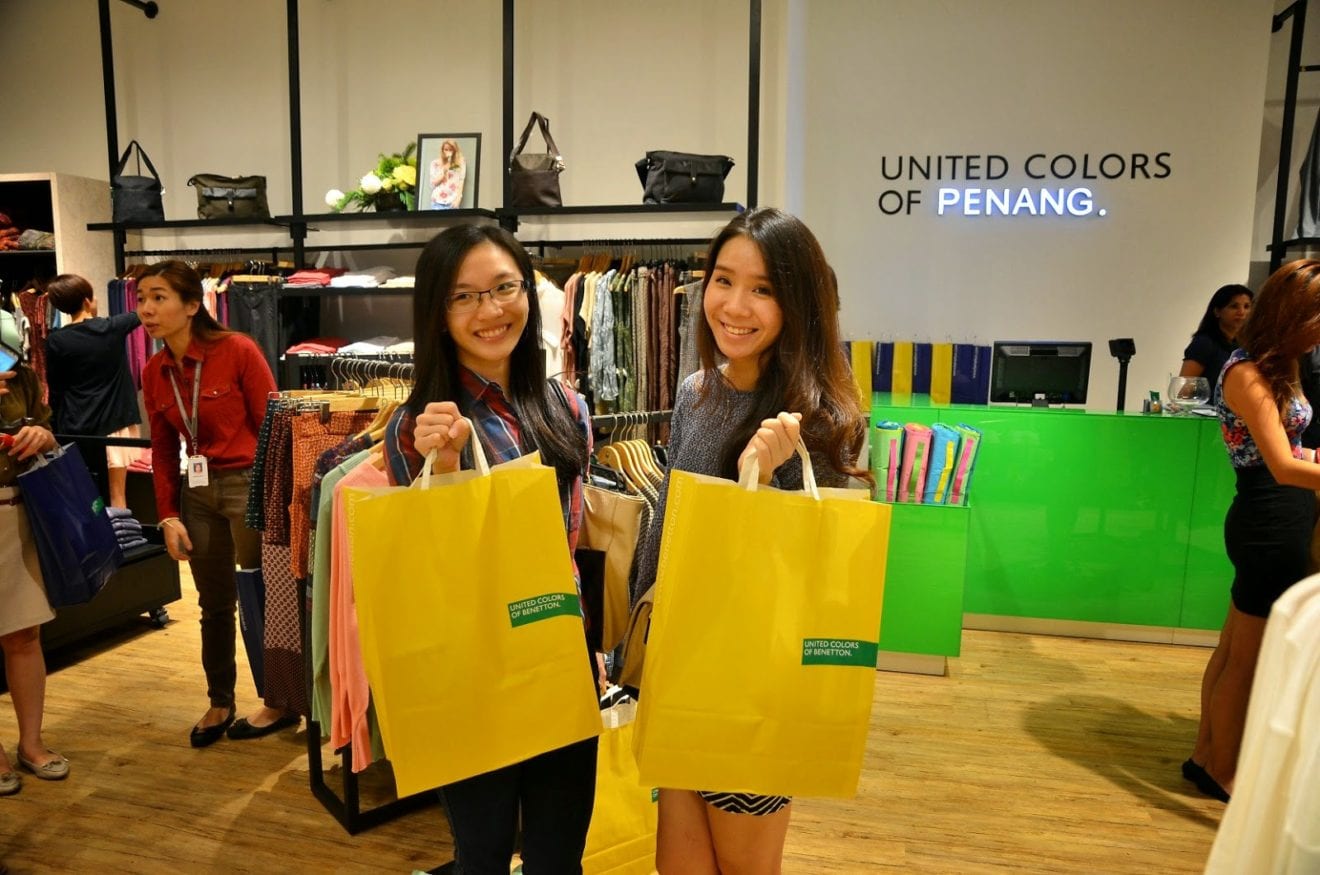
    Italian fashion brand United Colors of Benetton, has released a new collection to celebrate its presence in the Burmese market.

    Benetton entered Myanmar in October 2017 and now has two stores in prominent areas, with plans to further expand its base in the territory over the coming decade. Benetton Group has a global network of 5000 stores.

    “We brought our strong heritage to Myanmar in October 2017 with our first store in Junction City Level 2,” read a statement from the brand.

    “We further expanded with the store in Yangon International Airport … We have interesting plans of expansion in Myanmar next year and are looking forward to catering to the audience with our unique product offering. We have received an overwhelming response so far and will strive towards exciting our consumers with knit, colors and sustainability.”

    With the new global creative director Jean-Charles de Castelbajac coming onboard, Benetton has showcased two collections – The Rainbow Machine and The Colour Wave at Milan Fashion Week (AW2019 & SS2020). The collection is expected to hit Myanmar stores in the coming year.

    Benetton’s AW2019 collection has hit stores to offer a chic winter to fashion enthusiasts in the region. The collection was celebrated with a special showcase followed by a creative session at the Junction City store on November 17 attended by the city’s glitterati.

  • Ooredoo Myanmar’s digital library program encourages digital literacy among citizens

    Ooredoo Myanmar’s digital library program encourages digital literacy among citizens

    These figures are a direct result of Ooredoo Myanmar providing internet connectivity to 150 libraries since December 2018 and its latest contribution of 166 laptops. Within the last 6 months (December 2018 – June 2019), Ooredoo’s support for digital libraries have brought significant impact to local communities.

    As of June, the program outcome revealed that Ooredoo’s digital libraries were used by 43% of its visitors to access news and look up learning opportunities. Among the visitors, 39% sought to improve their technical skills and 18% of people did job searches and applied for jobs during their visit.

    The libraries have attracted and motivated more than 63,000 people to visit and improve their digital literacy skills. Over 4,200 people who visited participated in training workshops to learn how to use the internet and improve their digital skills.

    U Tint Naing Htut, Head of Corporate Communications of Ooredoo Myanmar said, ”During the past six months, the number of first-time users has more than doubled in comparison to the last 5 years. This demonstrates that people are trying to catch up with the digital age. Our efforts are on the right track and are enabling people’s digital literacy through connectivity to the internet at digital libraries across the country. People in these communities now have greater access to information online and opportunities to learn digital skills through which they can gain knowledge and expand their horizon.”

    Ooredoo Myanmar and Myanmar Book Aids and Preservation Foundation (MBAPF) began this joint initiative in September 2014 to transform public libraries into digital community centers. Since the beginning of the program, Ooredoo has donated 539 tablets, 166 laptops and provided internet connectivity for 150 libraries across Myanmar, valued over USD 560,000. The program is proving to be a success, with over 300,000 people across rural and peri-urban areas in Myanmar having access to digital devices, 200,000 first-time internet users, and over 200,000 people having received training on how to use the internet, contributing to the building of digital literacy skills among Myanmar citizens.

  • ZTE, Ooredoo Myanmar alliance to display multiple 5G use cases

    ZTE, Ooredoo Myanmar alliance to display multiple 5G use cases

    This standard specifies the technical requirements of centralized control of shared air-conditioners, setting a benchmark for the centralized control operation of the shared economy in the home appliance industry. It is another breakthrough in the wake of the joint release of the industry’s first shared air-conditioning technology standard based on NB-IoT in September 2018 by ZTE, China Telecom Shanghai Research Institute, Haier AC and other partners.

    ZTE, China Telecom and Haier AC carried out a comprehensive evaluation and pre-commercial verification of the shared air-conditioner centralized control model at University of Shanghai For Science and Technology. China Telecom and ZTE provided indoor and outdoor wireless network coverage to ensure stable and reliable signal quality, data transmission, and service applications in the centralized control area. The centralized control based on NB-IoT wireless network can effectively address the problems of traditional centralized control, such as difficult engineering, complex cabling, and overwhelming maintenance.

    With the release of the shared home appliance industry standard, the NB-IoT network can realize the centralized control of temperature, mode and switch of the shared air conditioners, hence the wide application in campus, apartment and hotel scenarios.

    ZTE has always been exploring continuous innovations in the field of IoT. Based on its self-developed IoT platform and its leading edge in the 5G field, ZTE has created a series of end-to-end 5G+ integrated industry solutions in various fields, including 5G+ Smart Campus, 5G+ Industrial Park, 5G+ Smart Water Control, 5G+XR Cloud Coordination, 5G+ Cloud Education, 5G+ Smart Stadium, Smart Home, and Internet of Vehicles. By integrating the cutting-edge technologies, such as big data and AI, with the IoT, ZTE is committed to promoting the incubation and deployment of innovative IoT solutions.

    “We have been exploring the opportunities in each industry with our industry partners to create values by virtue of our experience and capabilities in the ICT field,” said Mr. Yin Gang, vice president of ZTE Corporation. “We’re happy to join hands and connect closely to build a bright future together.”

    ZTE is a provider of advanced telecommunications systems, mobile devices, and enterprise technology solutions to consumers, carriers, companies and public sector customers. As part of ZTE’s strategy, the company is committed to providing customers with integrated end-to-end innovations to deliver excellence and value as the telecommunications and information technology sectors converge. Listed in the stock exchanges of Hong Kong and Shenzhen (H share stock code: 0763.HK / A share stock code: 000063.SZ), ZTE sells its products and services in more than 160 countries.

    To date, ZTE has obtained 25 commercial 5G contracts in major 5G markets such as Europe, Asia Pacific, MEA (Middle East and Africa), etc. ZTE commits 10 percent of its annual revenue to research and development and has leadership roles in international standard-setting organizations.

  • Myanmar faces Internet blackout

    Myanmar faces Internet blackout

    On Friday, the country’s Ministry of Transport and Communications (MoTC) urged all telecom operators to suspend the use of internet data in around nine townships across the restive area of Rakhine and its neighboring Chin State.

    Telenor Myanmar said in a statement, “As a basis for its request, the MoTC has referenced disturbances of the peace an internet services to coordinate illegal activities.”

    The order was made under the Telecommunications Law which hut all telecom operators for a period of time which was not specified.

    The army is currently fighting ethnic Rakhine rebels who are searching for greater autonomy within their own region. The Rakhine area is home to many Buddhists who are also fighting on their homeland’s border with the northern Chin state.

    The Rakhine have accused the Myanmar army for committing several abuses against them.

    Many civilians of the region were killed in shellings and crossfires, even whilst they were seeking refuge in monasteries.

    “We have no internet at all. We use the internet to share information through (messaging app) viber,” said Kyaw Soe Moe, head of Inn Din village.

    The internet blackout has also impacted local authorities in the region.

    “We have to use the phone, SMS and fax to report back to our headquarters. Fighting is still ongoing here every day,” said a police officer.

  • Ooredoo Myanmar and friends launch digital literacy campaign

    Ooredoo Myanmar and friends launch digital literacy campaign

    Ooredoo Myanmar, Facebook and the GSMA have jointly launched a digital literacy campaign to raise awareness and increase adoption of mobile internet in Myanmar. The “Internet 1O1” (Internet One on One) campaign aims to inform and educate first time and new internet users, through one-on-one training at Ooredoo retail points and exclusive stores across the country, particularly in rural areas.

    According to GSMA Intelligence, around 21 Million people are using mobile internet in Myanmar out of a population of 54.1Million people.

    One of the biggest barriers to connectivity is a lack of digital literacy. This initiative aims to guide users through the multiple uses and benefits of the Internet and help them to do so responsibly. Ooredoo Myanmar, Facebook and the GSMA believe that digital literacy initiatives across the countrywill support internet users in Myanmar to use the internet responsibly and be empowered by it.

    Internet 1O1 will be available to consumers in Ooredoo retail stores where in-store promoters will walk consumers through internet education materials including: an easy-to-understand video explaining: Whatthe internet is, how to access it and how to stay safe online as well as showing the type of useful information consumers might need.

    Ooredoo Myanmar’s CEO Mr. Rajeev Sethi said “We are very proud to partner with industry leaders like Facebook and the GSMA in this initiative to educate the people of Myanmar on how to safely be connected, well informed and benefit from the internet. This is the first step of our “Learn with Internet to enrich your digital lives” CSR program. This initiative will enhance Myanmar citizen’s digital lives.”