Tag: nestle

  • Nestlé Partners with Platinum Equity: Spins off Premium Water Business into Multibillion-Dollar Joint Venture

    Nestlé Partners with Platinum Equity: Spins off Premium Water Business into Multibillion-Dollar Joint Venture

    Nestlé has revealed plans for a significant reorganization of its worldwide water division through a new collaborative endeavor with the private equity company, Platinum Equity. This move will see both Nestlé’s water and premium beverage businesses incorporated into a new autonomous company named Peranel. The 50:50 partnership with Platinum Equity will oversee this process.

    Peranel is set to manage an assortment of high-end brands, including Perrier, S Pellegrino, Acqua Panna, Maison Perrier, Buxton, and La Vie, across more than 120 countries globally.

    Financial Aspects and Benefits of the Partnership

    From this arrangement, Nestlé is projected to receive around €3 billion (US$3.4 billion) in cash while still holding a 50% stake in the newly formed business. Nestlé has communicated that this partnership will offer increased strategic focus and operational flexibility for the water division, allowing the company to redirect its attention towards its primary growth categories.

    Emphasizing the benefits of this partnership, Nestlé’s CEO, Philipp Navratil, stated that, “By partnering with Platinum Equity, Peranel will be better positioned to execute its strategy with enhanced agility. With added focus, it will be better equipped to drive its long-term growth ambitions by bolstering this unique portfolio of international and local brands, through continued investment in innovation, premiumization, operational excellence, and sustainability.”

    The new company, Peranel, will be under the leadership of the current CEO of Nestlé’s waters and premium beverages, Muriel Lienau, along with a team of seasoned management personnel. The transaction, which assigns an enterprise value of $5.6 billion to Peranel, is anticipated to be finalized in the first half of the ensuing year.

    Steady Growth and Future Outlook

    Nestlé’s announcement of this restructuring aligns with the multinational FMCG company’s release of its first-half results. The company reported sales of CHF43.1 billion (approximately US$ 52.76 billion) for the six months ending June 30, with an organic growth of 3.7%. This growth was supported by 1.8% real internal growth and 1.9% pricing. The coffee and confectionery sectors continued to perform exceptionally well, while pet care sustained its positive momentum.

    Nestlé’s CEO, Philipp Navratil, commented on the company’s performance stating, “Emerging markets growth accelerated, and we delivered solid performance in developed markets. We are increasing and prioritizing our investment behind our leading brands and growth platforms, sharpening our portfolio focus and driving further efficiencies to reinvest. While the external environment remains uncertain, we are taking actions to accelerate consistent growth.”

    Navratil also confirmed the company’s full-year guidance, with an expectation of achieving organic sales growth of between 3 and 4 percent.

    Questions & Answers

    What is the purpose of creating the new company, Peranel?
    The formation of Peranel will allow Nestlé’s waters and premium beverages business to execute its strategy with greater agility and focus.

    Who will be leading the new company, Peranel?
    Peranel will be led by Muriel Lienau, the current CEO of Nestlé’s waters and premium beverages, and a team of seasoned management personnel.

    What are Nestlé’s growth expectations for the year?
    Nestlé expects organic sales growth of between 3 and 4 percent for the year.

  • Nestlé Advocates for Simplified Food Labels in Bid to Demystify Scientific Ingredients

    Nestlé Advocates for Simplified Food Labels in Bid to Demystify Scientific Ingredients

    As consumer awareness increases, more people are inspecting ingredient labels and avoiding products that seem heavily processed. Nestlé, the global food and beverage company responsible for products such as Nescafe coffee and KitKat chocolate, has been advocating for the use of simpler, commonly recognized terms on packaging in the United States.

    This move aims to replace scientific names such as “ascorbic acid” with more familiar terms like “vitamin C” and “beta-carotene” with “vitamin A”. The goal is to prevent consumers from rejecting products with unfamiliar ingredient names, despite these ingredients being naturally derived or deemed safe by regulatory bodies. A former senior executive at Nestlé commented that sometimes the current way of labelling in the US can give off an impression of “Frankenstein food,” despite these being natural ingredients that consumers can recognize.

    Nestlé’s Efforts and Current Labelling Policies

    Nestlé has been in direct talks with Health Secretary Robert F Kennedy Jr’s team, discussing food labelling policies as part of the administration’s “Make America Healthy Again” initiative. The initiative aims to inform and educate the public about healthier food choices.

    Under current U.S. regulations, packaging often uses less familiar technical terms, which can discourage consumers from purchasing products and sometimes even compel companies to modify recipes to exclude certain ingredients. On the other hand, in Europe, the labelling depends on the intended use of an ingredient. For example, an ingredient used as an additive could be labelled as “antioxidant (ascorbic acid)” or simply as “vitamin C”.

    According to a report by Innova Market Insights, around 75% of North American consumers reconsider their purchases based on the ingredients list on packaging. The majority of consumers prefer real ingredients and an ingredient list that is easy to understand.

    Public Health Advocacy and the Food Industry

    While some public health advocates believe that simplified labelling can be misleading and allow large food companies to be vague about their use of additives, food companies are spending billions to remove artificial colors, preservatives, and additives in response to consumer preferences for simpler, more recognizable ingredient lists.

    Stefan Palzer, Nestlé’s technology chief, confirmed the company’s lobbying efforts, noting that it is a difficult task. The company aims to reduce ingredients that aren’t easily understood by consumers, without compromising on product safety, quality, or functionality. Palzer added that consumers globally prefer ingredients that look “familiar” and products with understandable labels.

    Industry groups such as the Americans for Ingredient Transparency coalition and the International Food Additives Council argue that technical ingredient names can unjustly stigmatize products, even when the ingredients themselves are widely accepted and considered safe. These groups include significant food and consumer companies such as Nestlé, Coca-Cola, PepsiCo, and Cargill.

    Questions & Answers

    What is the motivation behind Nestlé’s lobbying for simpler ingredient labels?
    Nestlé aims to replace scientific ingredient names with more commonly recognized terms to prevent consumers from rejecting products with unfamiliar ingredient names, even if these ingredients are natural or deemed safe by regulatory bodies.

    What is the current state of food labelling in the U.S.?
    Current regulations often require the use of less familiar technical terms on packaging, which can discourage consumers from purchasing certain products. This has prompted some companies to change recipes to avoid using these less recognizable ingredients.

    What is the stance of public health advocates on simplified labelling?
    Some public health advocates argue that using simpler labelling can be misleading and might allow large food companies to be non-transparent about the inclusion of additives in their products.

  • Nestlé Initiates Global Recall of Infant Formula in 30+ Markets due to Potential Toxin Risk

    Nestlé Initiates Global Recall of Infant Formula in 30+ Markets due to Potential Toxin Risk

    Nestlé, the world’s largest food and beverage company, has initiated a widespread recall of select infant nutrition products across over 30 markets, including Australia, New Zealand, the Americas, and numerous European countries. The recall is attributed to the potential contamination of these products with a certain toxin.

    Investigating Quality Issues

    The decision for a recall came after an internal investigation discovered a quality issue related to one of the ingredients supplied by a prominent vendor. The ingredient in question, arachidonic acid (ARA) oil, which is often mixed with other oils, was found to potentially contain Cereulide. Cereulide is a bacterially derived substance known to cause foodborne illness, produced by certain strains of Bacillus cereus, a type of microorganism. Nestlé stated that the occurrence of cereulide in oils is quite rare and is currently working with the supplier to pinpoint the cause.

    Global Recall

    The recall, which began on January 7, affected 27 European countries, including the United Kingdom, Spain, and Italy. In the Asia-Pacific region, Hong Kong, Australia, and New Zealand were included and in the Americas, Argentina, Mexico, and Peru were impacted. However, Nestlé pointed out that this list may not be exhaustive and will be updated accordingly.

    Given that ARA oil is a component in various infant nutrition products sold around the world, the problem affects multiple brands. Among the brands impacted are SMA, BEBA, NAN, and Alfamino, but the specific products recalled vary from country to country.

    In Australia and New Zealand, the Alfamino Infant Formula (0-12 months) 400g is being recalled. The products have specific markings, including use-by dates from 17.04.2027 to 22.07.2027 and corresponding batch numbers.

    Advice for Consumers

    Customers have been advised to return any affected product to the place of purchase for a full refund. Anyone concerned about their health or that of their infant is encouraged to seek medical advice.

    Nestlé confirmed that there have been no reported illnesses connected with the recalled products so far. However, consumers are advised to watch out for severe or persistent vomiting, diarrhea, or unusual lethargy in infants, which typically appear between 30 minutes to six hours after exposure.

    Ensuring Health and Wellbeing

    The company is actively communicating with authorities in the affected countries to ensure necessary measures are taken to safeguard public health. Nestlé assures the public, especially parents and caregivers, that it is taking appropriate actions to prioritize the health and wellbeing of families and their children.

    Despite the recall, Nestlé notes that the financial impact of the situation is expected to be minimal, as the recalled products make up less than 0.5 per cent of the group’s annual sales.

    Questions & Answers

    What is Cereulide and why is it dangerous?
    Cereulide is a substance of bacterial origin, produced by certain strains of the Bacillus cereus microorganism. It is known to cause foodborne illnesses.

    What are the symptoms to watch out for in infants who may have been exposed to Cereulide?
    Symptoms include severe or persistent vomiting, diarrhea, or unusual lethargy, typically appearing between 30 minutes to six hours after exposure.

    What should consumers do if they have purchased one of the recalled products?
    Consumers are advised to return the product to the place of purchase for a full refund. Those who are concerned about their health or that of their infant should seek medical advice.

  • High-End Health: Nestlé’s Vitamin Business on the Selling Block Amid Consumer Shift to Premium Supplements

    High-End Health: Nestlé’s Vitamin Business on the Selling Block Amid Consumer Shift to Premium Supplements

    Nestlé, the Swiss food giant, is facing a challenge in its attempt to divest from its mass-market vitamin brands. The rise in demand for expensive, scientifically-backed products among health-conscious consumers is complicating the corporation’s efforts to secure a high price for its low-growth, low-margin brands.

    A Shift in Consumer Preferences

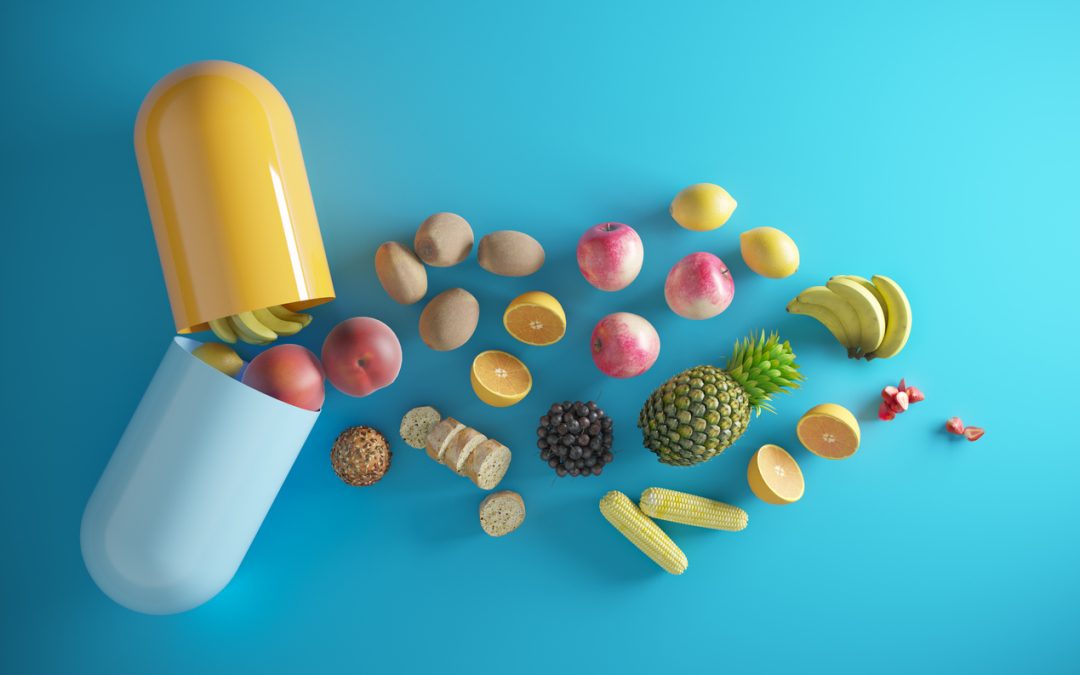
    In July, Nestlé announced a strategic review of its brands in the vitamins, minerals, and supplements category with an eye towards a potential sale. This decision, reaffirmed by new CEO Philipp Navratil, is driven by a growing consumer trend. Global supplement market trends indicate a shift towards brands offering supplements with scientifically proven ingredients. This trend is a potential hurdle for Nestlé, as it considers the sale of affordable mainstream brands such as Nature’s Bounty, Osteo Bi-Flex, and Puritan’s Pride, as well as its US private label business.

    The supplement market itself is quite fragmented, with its regulatory landscape continually changing. This adds an element of risk to any potential acquisition. Although industry players are showing a lack of interest, private equity funds appear more likely to be potential purchasers.

    The brands Nestlé is contemplating selling account for 2.8 per cent of its yearly sales, approximately $1.25 billion. Nestlé intends to increase its focus on premium dietary supplement brands, like Solgar, which offers a range of products from standard vitamins to those aimed at promoting brain health, hair growth, and stress reduction.

    A Potential Opportunity for Private Equity

    Nestlé’s acquisition of these vitamin brands in 2021, for US$5.75 billion, was the third-largest transaction in the vitamin, mineral, and supplement space of the last 12 years. However, matching these valuations could be challenging given the high consumer interest in brands offering products that have undergone rigorous clinical testing.

    Competitors such as Danone and Unilever are showing a preference for high-end brands with evident growth potential. Both companies are exercising caution regarding the mass supplements market due to the stringent European consumer protection regulation, which poses challenges to making promises about a product’s health benefits.

    Moreover, the return on investment is uncertain in such a fragmented industry. No brand that Nestlé is considering selling owns more than 2.1 per cent of the US vitamin market.

    Future Regulatory Challenges

    The future US regulatory landscape is another factor to consider. In March, the US Health Secretary expressed a desire to tighten the federal approval process for new food additives. Should this be finalized, it could increase scrutiny of new ingredients, making it more difficult for companies to market new food additives without US Food and Drug Administration review. This has elicited opposition from the Council for Responsible Nutrition, a supplement industry trade group.

    The preference against Nestlé’s mass-market vitamins is not limited to direct competitors in the packaged goods arena. GNC, a supplement retailer, is focusing on innovation within its own range and aligning with science-backed standards.

    Despite these challenges, the potential upside is significant. The global dietary supplement market, valued at US$192.7 billion in 2024, is projected to surge to $414.5 billion by 2033. This could attract buyout funds, but they are likely to drive a hard bargain.

    Questions & Answers

    What is the main hurdle Nestlé is facing in selling its vitamin brands?
    The main hurdle is the shift in consumer preferences towards expensive, scientifically-backed supplement products, which contrasts with the affordable, mass-market positioning of the brands Nestlé is considering selling.

    What are the potential regulatory challenges for the supplement industry?
    The regulatory landscape is continually changing, and there is talk of tightening the federal approval process for new food additives in the US. This could increase scrutiny of new ingredients and make it more difficult for companies to market new food additives without review.

    What is the potential future growth of the global dietary supplement market?
    The global dietary supplement market, valued at US$192.7 billion in 2024, is projected to increase to $414.5 billion by 2033. This substantial growth could attract potential buyers despite the current challenges.
  • Nestlé To Cut 16,000 Jobs Globally In Cost-cutting Initiative

    Nestlé To Cut 16,000 Jobs Globally In Cost-cutting Initiative

    Nestlé, a global leader in the food and beverage industry, has recently announced plans for a significant reduction in its worldwide workforce. Over the next two years, the company intends to eliminate approximately 16,000 positions as part of its ‘Fuel for Growth’ cost-cutting initiative.

    Workforce Reduction Plan

    In a bold move to streamline operations and achieve financial targets, Nestlé’s management has decided to cut costs by raising the ‘Fuel for Growth’ program’s objective to CHF 3.0 billion (equivalent to US$3.8 billion) from the previously set goal of CHF 2.5 billion (approximately $3.1 billion) by the close of 2027.

    The proposed downsizing, which will be implemented following applicable consultative processes, is expected to affect around 12,000 salaried professionals across various functions and geographical locations. The company believes that this measure will facilitate annual savings of up to CHF1 billion ($1.26 billion) by 2027.

    In addition, Nestlé plans to layoff 4,000 employees as part of ongoing productivity efforts in its manufacturing and supply chain operations.

    Adapting to Change

    “The world is evolving rapidly, and to stay ahead, Nestlé must adapt at an even faster pace,” stated CEO Philipp Navratil. He acknowledged the necessity of making tough decisions, including reducing staff numbers, over the coming two years.

    Emphasizing the company’s commitment to handling these changes with respect and transparency, Navratil affirmed that these actions are crucial to securing Nestlé’s future as a leader in its industry.

    Financial Focus

    Beyond workforce reduction, Nestlé also plans to intensify its focus on driving cash generation. This shift is designed to ensure sustainable returns to shareholders, with the aim of delivering free cash flow exceeding CHF8 billion within the current year.

    In terms of sales growth, Nestlé reported an organic growth of 4.3% in the third quarter. The company also noted ongoing challenges in the Greater China region, which is now managed by a new team focused on business transformation. The first nine months of the year saw organic sales growth of 3.3%, with real internal growth (RIG) at 0.6% and pricing at 2.8%. There were sequential improvements across major markets, global businesses, and categories during this period.

    Despite a more challenging comparison base expected in the fourth quarter, the company anticipates recording annual organic sales growth for the full year.

    Leadership Changes

    Earlier in the month, Nestlé’s chairman Paul Bulcke stepped down from the board ahead of schedule. Vice chairman Pablo Isla is set to assume the role.

    Questions & Answers

    What is Nestlé’s ‘Fuel for Growth’ program?
    This is the company’s cost-cutting strategy aimed at achieving financial targets by streamlining operations and reducing expenditures.

    How many employees will be affected by Nestlé’s workforce reduction plan?
    The plan entails a reduction of approximately 16,000 positions worldwide over the next two years.

    What other financial plans does Nestlé have in place?
    Aside from cost-cutting, the company also intends to concentrate on driving cash generation to ensure sustainable returns to shareholders.

  • Nestle Exits Dairy Methane Action Alliance, Commences Partnership With World Farmers’ Organisation

    Nestle Exits Dairy Methane Action Alliance, Commences Partnership With World Farmers’ Organisation

    Nestle, a global food conglomerate, has announced its decision to exit the Dairy Methane Action Alliance, an international consortium committed to reducing methane emissions. The consortium, established in December 2023, comprises members like Danone, Kraft Heinz, and Starbucks. These members pledge to openly monitor and report methane emissions derived from their dairy supply chains, as well as design and implement strategies to curb these emissions over time.

    Despite withdrawing from the alliance, Nestle has not provided a specific reason for its decision. Nevertheless, the company has affirmed its dedication to lowering greenhouse gas emissions, including methane, across its supply chains. Nestle reiterated its pledge towards achieving net-zero emissions by 2050.

    New Collaboration

    Following its departure from the Dairy Methane Action Alliance, Nestle announced a partnership with the World Farmers’ Organisation. The alliance aims to enhance the resilience of food systems in the face of climate change.

    Climate Alliances Facing Challenges

    Nestle’s withdrawal represents a setback for corporate alliances aiming to mitigate the effects of global warming. This development coincides with the dismantling of several climate protection initiatives by high-profile figures, such as former US President Donald Trump. Additionally, numerous major banks have left the sector’s main group committed to reducing carbon emissions.

    Nestle emphasized its routine assessment of memberships in external organizations, declaring that it has chosen to terminate its membership in the Dairy Methane Action Alliance following such a review.

    By the end of 2024, Nestle had successfully reduced its methane emissions by nearly 21% compared to 2018 levels, according to the company’s 2024 non-financial statement.

    Methane, which is approximately 30 times more potent than carbon dioxide, is a key target in the fight against global warming. Agriculture accounts for nearly 40% of human-induced methane emissions, with the lion’s share originating from livestock, according to the Environmental Defense Fund (EDF).

    The EDF, the organization which established the methane alliance, stated that Nestle’s logo had been taken off its main page, although the company’s name remains visible on other pages. The EDF offered no reason for Nestle’s withdrawal, but acknowledged and appreciated Nestle’s ongoing commitment to addressing dairy emissions through its Dairy Climate Plan and Net Zero Roadmap.

    Questions & Answers

    Question: Why did Nestle leave the Dairy Methane Action Alliance?
    Answer: Nestle hasn’t provided a specific reason for its decision to withdraw from the Dairy Methane Action Alliance.

    Question: Is Nestle still committed to reducing greenhouse gas emissions?
    Answer: Yes, despite its withdrawal from the Dairy Methane Action Alliance, Nestle has affirmed its commitment to lowering greenhouse gas emissions, including methane. The company has also reiterated its goal of achieving net-zero emissions by 2050.

    Question: Has Nestle formed any new partnerships after leaving the Dairy Methane Action Alliance?
    Answer: Yes, Nestle has announced a partnership with the World Farmers’ Organisation, aiming to enhance the resilience of food systems towards climate change.

  • Nestlé Makes Bold Move: CEO Dismissed Due to Workplace Relationship Scandal

    Nestlé Makes Bold Move: CEO Dismissed Due to Workplace Relationship Scandal

    Nestlé, the powerhouse behind iconic brands like Nespresso and KitKat, has initiated a leadership shakeup following the dismissal of Laurent Freixe as CEO. This significant change comes after an inquiry into an undisclosed romantic relationship between Freixe and a subordinate, which was found to contravene Nestlé’s code of business conduct.

    A New Era at Nestlé Begins

    With impressive swiftness, Nespresso CEO Philipp Navratil has stepped into the role of CEO, assuming leadership of the multinational food and beverage giant. The board acted decisively, launching its investigation under the watchful eye of chairman Paul Bulcke and lead independent director Pablo Isla, with support from outside legal counsel. Bulcke expressed gratitude for Freixe’s contributions, emphasizing that the company’s values must remain at the forefront. “This was a necessary decision. Nestlé’s values and governance are strong foundations of our company,” he stated.

    A Veteran’s Journey at Nestlé Comes to a Close

    Freixe’s tenure at Nestlé began in France back in 1986. He played a vital role in guiding the company through tumultuous periods, including the subprime and euro crises. Before his recent promotion to CEO, he led the firm’s Latin America division and was appointed to the top job just last September, tasked with tackling sluggish consumer spending affecting Nestlé’s food and household goods.

    As concerns grew over Nestlé’s performance, evidenced by a nearly 25% dip in its share price over the past year, the company seeks stability amid a tricky economic landscape. Nestlé shares managed a slight gain, closing up 0.13% at 75.49 Swiss francs on the Swiss stock exchange, but the pressure remains on to deliver strong results.

    Profit Slump Signals Urgency for Change

    In late July, Nestlé announced a disappointing 10.3% decline in first-half profits, impacted heavily by lackluster consumer spending in China, despite passing on rising cocoa and coffee prices to its customers. As Navratil embarks on this new chapter, he is determined to steer the company toward recovery and growth. “The board is confident that he will drive our growth plans forward and accelerate efficiency efforts,” Bulcke affirmed, while Navratil embraced the company’s strategic vision and vowed to “drive the value creation plan with intensity.”

    Navratil’s journey with Nestlé spans over two decades, beginning in 2001. He has worn many hats, including leading the coffee and beverage sector in Mexico from 2013 to 2020, prior to becoming chief executive of Nespresso last July. The world will be watching closely as he takes the reins at Nestlé, but it’s hard not to wonder: will this experienced executive brew the perfect recipe for success amid the complexities of modern retail?

    Freixe’s dismissal isn’t an isolated incident in the corporate world. He joins a notable list of executives who have faced similar fates for relationships deemed inappropriate within their organizations. The likes of Bernard Looney at BP and Steve Easterbrook at McDonald’s have experienced the swift exit in the wake of such breaches, reminding the industry that corporate governance is still very much in focus.

    Questions & Answers

    What led to Laurent Freixe’s dismissal from Nestlé?
    Freixe was dismissed following an investigation into an undisclosed romantic relationship with a subordinate, which violated Nestlé’s code of business conduct.

    Who is taking over as CEO of Nestlé?
    Philipp Navratil, previously the CEO of Nespresso, has been appointed as the new CEO of Nestlé.

    What challenges is Nestlé currently facing?
    Nestlé is grappling with sluggish consumer spending in key markets such as China and has reported a 10.3% decline in first-half profits, prompting a need for rapid recovery and growth strategies.

  • Nestle Halts Production Of Vegan Kitkat Amid Rising Costs And Declining Sales

    Nestle Halts Production Of Vegan Kitkat Amid Rising Costs And Declining Sales

    Nestle, the multinational food and beverage company, has announced its decision to cease production of its vegan KitKat range after a four-year span. This decision is attributed to the escalating production expenses and declining sales figures.

    Background and Production Details

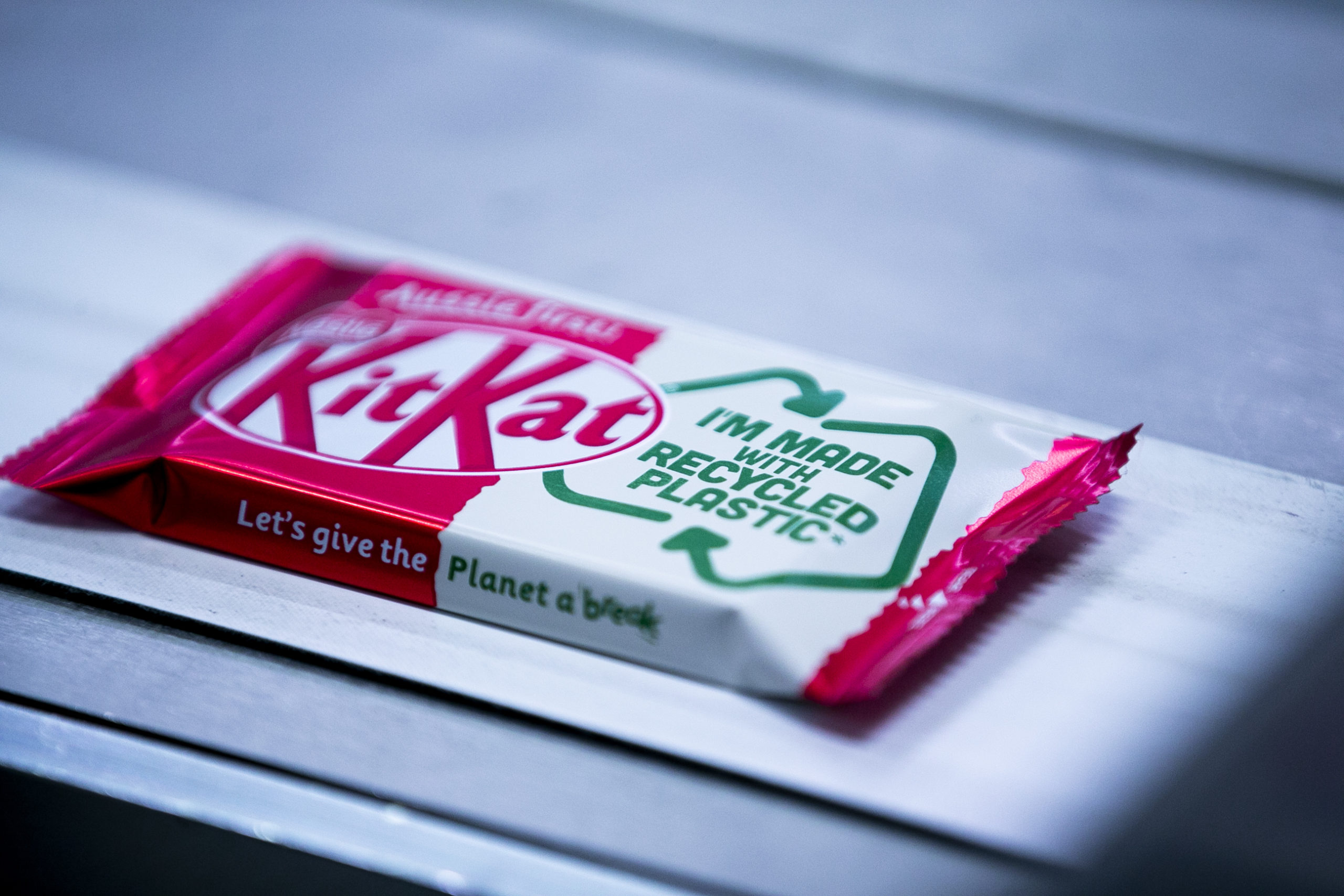
    The vegan KitKat, identified as KitKat V, was conceived at Nestle’s confectionery research and development center located in the UK. The product was initially launched in 2021 to serve as a plant-based substitute for the globally popular classic chocolate bar. However, the company disclosed that the manufacturing of this product necessitated the dedication of exclusive facilities, which escalated the operational costs considerably.

    As of now, the company has halted all production lines for the global Vegan KitKat version. A representative from Nestle shared this news, further highlighting that the remaining stock of this product will continue to be available in Tesco and Sainsbury’s stores until the current stock is exhausted.

    Global Trends for Plant-Based Products

    Nestle’s decision aligns with the observed deceleration in the demand for plant-based products worldwide. Market analysts have noticed a shift in consumer interest from processed alternatives to fresh produce. This change is propelled by consumers questioning the health benefits of plant-based options, which were previously regarded as healthier alternatives.

    The future of the vegan KitKat brand remains clouded in uncertainty. Nestle has not yet disclosed whether it might reconsider the revival of this brand should there be a resurgence in demand.

    Questions & Answers

    What led to Nestle discontinuing its vegan KitKat range?
    High production costs and diminishing sales were the primary factors that led Nestle to discontinue its vegan KitKat range.

    What was the vegan KitKat range?
    The vegan KitKat, labeled as KitKat V, was a plant-based alternative to the traditional chocolate bar. It was developed at Nestle’s research and development center in the UK.

    Is there a possibility for the revival of the vegan KitKat range?
    Currently, Nestle has not indicated any plans for the revival of the vegan KitKat range. However, the potential for reconsideration exists if there is a substantial increase in demand.

  • Nestlé Expands Maggi Seasonings To Uk And Malaysia Amid Rising Global Air Fryer Trend

    Nestlé Expands Maggi Seasonings To Uk And Malaysia Amid Rising Global Air Fryer Trend

    In a strategic move to capitalize on contemporary culinary trends, global consumer goods conglomerate Nestlé has launched its renowned Maggi seasonings in the United Kingdom and Malaysia this year. This step is part of a wider global expansion strategy for the popular brand.

    Modern Cooking Trends

    Nestlé’s decision to introduce Maggi seasonings to new markets is a calculated response to the rising global popularity of air fryers, particularly in the United States. The company’s CEO, Laurent Freixe, has noted that nearly two-thirds of American households now use air fryers as part of their daily cooking routines. Nestlé’s expansion aims to cater to this shift in consumer lifestyle and preferences.

    New Air-Fryer Range

    The first range of products that Nestlé will bring to these new markets includes air-fryer recipes for chicken and vegetable wraps. These will feature a variety of flavors, such as ‘Cheesy’, ‘Paprika & Garlic’, and ‘Tex Mex’ for the chicken wraps, and ‘Fajita’, ‘Street Taco’, and ‘Kebab’ for the vegetable wraps.

    Prior and Future Launches

    The UK and Malaysia launches follow the brand’s earlier entry into the markets of Mexico and Chile. These new markets will also benefit from Maggi’s online platforms, which offer a range of air-fryer recipes that consumers can easily replicate at home.

    In a previous collaborative effort, Nestlé Professional and the KitKat team launched the first chocolate beverage maker, proving the company’s constant innovation in the food and beverage sector.

    Questions & Answers

    What is Nestlé’s reason for launching Maggi seasonings in the UK and Malaysia?
    The launch is a strategic move by Nestlé to cater to the rising popularity of air fryers in home cooking, particularly in the US.

    What products will Nestlé introduce in these new markets?
    Nestlé will introduce a range of air-fryer recipes for chicken and vegetable wraps with a variety of flavors.

    Has Nestlé launched Maggi seasonings in other markets before?
    Yes, prior to the UK and Malaysia launches, the Maggi brand was introduced in Mexico and Chile.

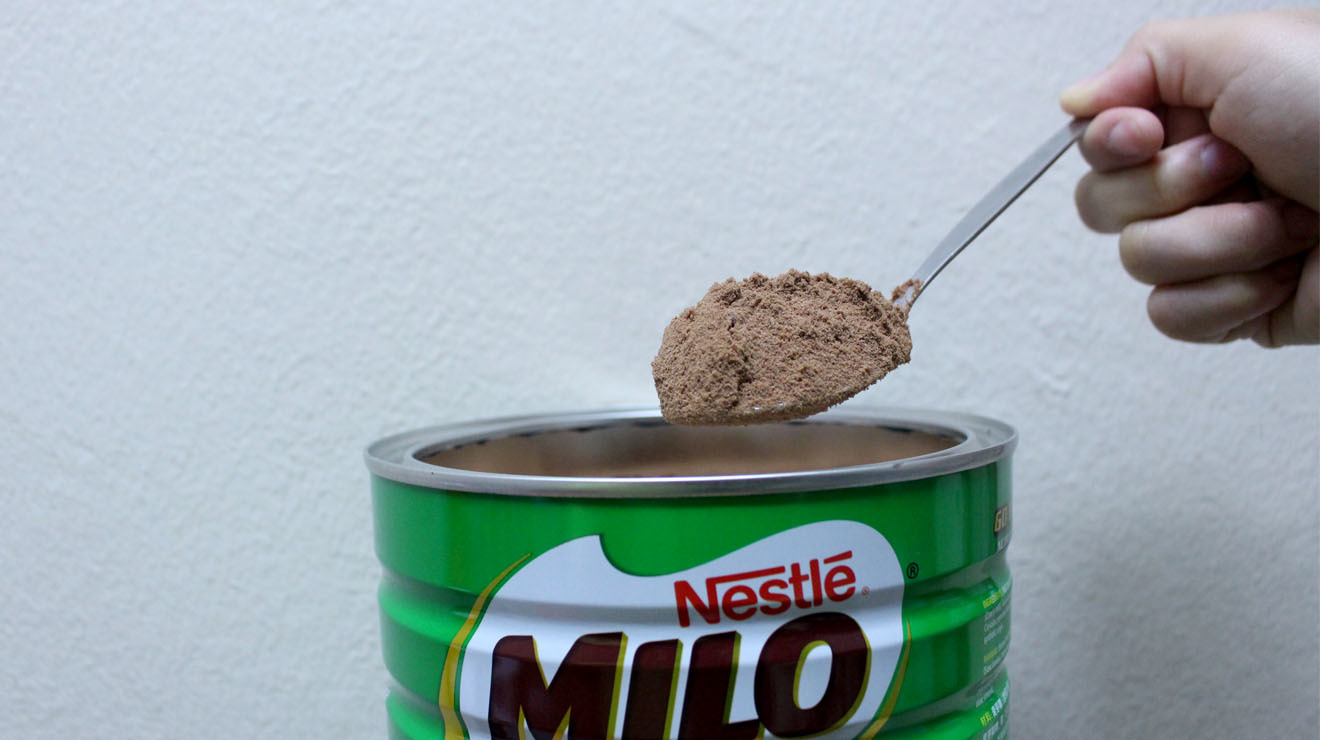
  • Vietnam Health Inspectors Call for Probe into Possible Misleading Nestlé Milo Advertisements

    Vietnam Health Inspectors Call for Probe into Possible Misleading Nestlé Milo Advertisements

    A recent inspection has cast a shadow over Nestlé’s bold claim that its products are “proven to help children.” The provincial Department of Health revealed on Thursday that this assertion, prominently featured on packaging and in marketing materials, was misleading and lacked substantiating evidence.

    While the specifics of the violations remain under wraps, Nestlé Vietnam has yet to respond to these findings. The global food powerhouse based its claim on a study conducted in partnership with the National Institute of Nutrition. However, the institute contradicted Nestlé’s narrative earlier this week, stating that the study showed no significant effectiveness in improving the nutritional status of students after three months.

    Study Results Raise Eyebrows

    The examination focused on the effects of physical education combined with Nestlé Milo barley milk among 576 primary school students in Ninh Binh, conducted between June 2022 and March 2023. The study concluded that not only did the product fail to enhance nutritional status, but it also showed no improvement in cognitive abilities. Yet, it did highlight that physical activities paired with Nestlé Milo contributed positively to certain physical fitness parameters, including speed, strength, endurance, flexibility, and dexterity—proving that some gains can indeed be made at the gym.

    The National Institute of Nutrition has urged Nestlé Vietnam to reassess all communications and advertisements in light of the inspection results. It warned that any misleading information linked to the institute risks immediate removal.

    Previously, on May 15, Nestlé defended its claims, asserting that it relied on the study’s findings and had ensured compliance with relevant legal provisions before promoting its product benefits.

    Wider Implications for the Industry

    This revelation comes amid heightened scrutiny of the food and health supplement industries, with authorities uncovering numerous cases involving fake milk products, subpar health supplements, and dubious cosmetics. The tension has ramped up considerably, with several celebrities drawing fire for misrepresenting the merits of milk and functional foods.

    In response to these issues, on May 22, the Ministry of Health launched 15 inspection teams dedicated to examining pharmaceuticals, cosmetics, traditional medicines, milk, functional foods, and medical equipment nationwide over the next month. It’s a significant step forward in ensuring consumer safety, even if it means ruffling a few feathers in the process.

    Perhaps in this era of wellness hype, a little honesty could go a long way—who knew that sometimes, the truth packs the biggest punch?

    Questions & Answers

    What has the recent inspection revealed about Nestlé’s claims?
    The inspection found that Nestlé’s claim of being “proven to help children” was misleading and lacked sufficient evidence, leading to scrutiny from the provincial Department of Health.

    What did the study conducted with the National Institute of Nutrition conclude?
    The study indicated that Nestlé Milo barley milk did not effectively improve the nutritional status or cognitive abilities of students but noted some improvement in physical fitness through combined physical activities.

    What actions has the Ministry of Health taken in light of these findings?
    The Ministry of Health has established 15 inspection teams to investigate various health-related products and their advertisements across the country, aiming to uphold consumer safety amidst rising concerns about misleading marketing practices.

  • Nestle takes full control of Chinese confectioner Hsu Fu Chi

    Nestle takes full control of Chinese confectioner Hsu Fu Chi

    Nestle has acquired the remaining 40 per cent ownership in Chinese confectionery company Hsu Fu Chi for an undisclosed sum, after purchasing 60 per cent in 2011.

    Hsu Fu Chi, founded in 1992 by the Hsu family, is a well-known confectionery brand in China. Nestle acquired its original stake for $1.7 billion.

    The acquisition reportedly leverages Hsu Fu Chi’s distribution network to expand Nestle’s snacking and confectionery operations in China.

    “This move combines Hsu Fu Chi’s efficient operations and entrepreneurship with our proven innovation and renovation capabilities, accelerates the development of the Hsu Fu Chi brand and further reinforces Nestle’s presence in China,” said Nestle Greater China region CEO Zhang Xiqiang in a statement sent to Just Food.

    “It also demonstrates our long-term commitment to China and enhances our ability to grow our portfolio of international and local brands in this dynamic market.”

    Nestle announced its action plan last year, which included targeted investments in important categories as well as incremental cost savings of at least US$2.83 billion.

  • Nestle launches protein shots for US weight-loss drug users

    Nestle launches protein shots for US weight-loss drug users

    Nestle is launching protein shots in the United States which it says help suppress appetite for people looking to shed pounds, the latest effort by the world’s biggest packaged food maker to tap the booming market for weight-loss products.

    The manufacturer of Kit Kat chocolate bars and Nesquik shakes says its drink sparks a natural reaction in the body which is similar to, but far less powerful than, highly in-demand drugs for weight loss like Novo Nordisk’s Wegovy and Eli Lilly’s Zepbound.

    The weekly weight-loss injections mimic an intestinal hormone called GLP-1 and curb people’s appetite, promoting a feeling of fullness.

    The shake, called Boost Pre-Meal Hunger Support, is to be consumed up to 30 minutes before a meal and is aimed at people taking GLP-1 drugs or other weight-loss medications. The roll-out started last month.

    “You get an increase in natural GLP-1 which helps in controlling the feeling of hunger. So this dose has a significant effect on satiety,” Stefan Palzer, chief technology officer at Nestle, told Reuters.

    The shots, sold for US$10.99 for a pack of four on Amazon.com and at some CVS stores, contain 10 grams of whey protein, 45 calories, 1 gram of sugar, and are fat-free. They are advertised as promoting a “Natural GLP-1 response to a meal.”

    Palzer said they could also help people maintain their reduced weight.

    Lora Heisler, chair in human nutrition and director of research at the Rowett Institute, said it was unclear if the shot could make a real long-term difference for people trying to lose weight.

    “I believe that this protein shot can help release a bit more GLP-1, but you can also possibly have a similar sort of release with a glass of milk,” she said.

    Earlier this year, Nestle started selling a new, $5 line of frozen pizzas and protein-enriched pastas in the United States designed for people taking weight-loss drugs.

    Analysts estimate the obesity drug market could be worth as much as $150 billion per year globally within a decade.

    When US retail giant Walmart said last year it saw a slight pullback in food consumption when people took the medication, it sparked a selloff in shares of companies including Nestle.

    The shot, whose formula Nestle has patented, is not intended to replace weight loss drugs and is less powerful than them, Palzer said.

    Nestle says the product is based on a mix of peptides which are digested quickly, giving the consumer an amino acid spike that then controls hunger.

    Whey protein micro-gels help people digest more slowly, meaning they interact much longer with receptors in the intestine that are releasing the GLP-1 hormone.

    In 2021, Nestle said 26 people with type-2 diabetes participated in a randomised study, consuming either a low-dose whey protein microgel or a placebo of water, followed by a meal designed to produce an adequate spike in glucose.

    One week into the study, participants who had been taking the whey protein were given the placebo, and those who had been taking the placebo were given the whey protein.

    Results showed that during the two hours after the meal, glucose levels were reduced by 22 percent in the whey-protein group compared with the placebo group. There was also a positive effect on the hormone GLP-1.

  • Nestle’s Smithtown factory gets a $32 million overhaul

    Nestle’s Smithtown factory gets a $32 million overhaul

    Food and beverage giant Nestle has invested $32 million in its Smithtown factory, aiming to boost the site’s manufacturing line.

    The funding will also introduce state-of-the-art technology and support an increased production capacity.

    James Garley, the site’s factory manager, said the investment reflects Nestlé’s commitment to support local manufacturing.

    “Over the next 12 months, the project will inject an estimated $20 million into the local economy and support almost 200 jobs as we construct a new building to house Milo production,” explained Garley.

    The Smithtown factory – which has been operating for over 100 years – manufactures Milo, Nesquik, Malted milk, and Nescafe mixes.

    “It’s a complex project, but the team will work to ensure the facilities continue to deliver the choc-malt crunch of Milo Australians have loved for generations,” Garley concluded.

    The upgrade is due to be completed by the end of this year.

  • Nestle begins work on ‘companion products’ for weight loss drugs

    Nestle begins work on ‘companion products’ for weight loss drugs

    Nestle on Thursday said it has started work on products to “companion” weight loss drugs like Novo Nordisk’s game-changing Wegovy, hoping to cash in on their growing popularity.

    The Swiss food giant’s CEO Mark Schneider said Nestle had not seen any impact from such drugs on sales so far, referring to the threat they pose to the packaged food industry that has spooked investors in recent weeks.

    Nestle shares fell this month after Walmart, the world’s biggest retailer, said it saw a slight pullback in food consumption with people taking appetite-suppressing drugs.

    “We’re working already on a wide range of products that could serve as companion products,” Schneider said during an earnings briefing, noting that some supplements can help with the “loss of lean muscle mass” and “rapid regain of weight”.

    “The largest parts of our portfolio will not be affected” by this new breed of weight loss drugs, he said.

    Globally, Nestle’s biggest businesses are coffee and pet care, while frozen food, confectionary and ice cream make up 15 per cent of sales.

    “We’re watching this carefully and will keep you updated,” Schneider said.

    Wegovy has been shown to help patients reduce body weight by around 15 per cent when used along with exercise and lifestyle changes. It is so far available in the United States, Norway, Denmark and, as of late July, Germany.

  • Nestle revamps coffee sustainability plan as climate challenges mount

    Nestle revamps coffee sustainability plan as climate challenges mount

    Food giant Nestle pledged on Tuesday to spend over 1 billion Swiss francs ($1.01 billion) by 2030 on efforts to source coffee sustainably, more than double its previous pledge, as challenges linked to climate change pose particular risks for the bean.

    Study after study has shown that by 2050 roughly half the land currently used to grow coffee, especially that of the high-quality arabica variety, could be unproductive thanks to rising temperatures, drought and disease.

    Multinationals are meanwhile facing increased reputational and legal pressure from consumers and governments alike to clean up their global supply chains in the fight against climate change.

    The European Commission has proposed several laws aimed at preventing and, in the case of forced labor, banning the import and use of products linked to environmental and human rights abuses.

    Nestle, which has already pledged to source all its coffee sustainably by 2025, said it is now also aiming, by that date, for 20% of its coffee to be grown using ‘regenerative’ agricultural practices.

    These include planting cover crops to protect soil, using organic fertilizers to improve soil fertility, and increasing the use of agroforestry and intercropping to preserve biodiversity – all to halve greenhouse gas emissions by 2030.

    The company, in a statement announcing its plan to double spending on sustainable coffee sourcing, said it is “committed to supporting farmers who take on the risks and costs associated with the move to regenerative agriculture”, and will provide programs aimed at helping them improve their income.

    A major coffee report published last year said there is little evidence efforts by the world’s top coffee roasters and traders to prevent human rights and environmental abuses are having any impact, with most farmers operating at a loss and unable to produce sustainably.

    The coffee sector is valued at $200 billion-$250 billion a year at the retail level, according to the report, but producing countries receive less than 10% of that value when exporting beans, and farmers even less than that.

    Around 125 million people around the world depend on coffee for their livelihoods, while an estimated 80% of coffee-farming families live at or below the poverty line, according to non-profit organisations Fairtrade and Technoserve.