Tag: nestle

  • Nestlé calls on FMCG companies to help end recycling confusion

    Nestlé calls on FMCG companies to help end recycling confusion

    The Flexible Plastic Fund is a UK industry first and is being led by producer compliance scheme, Ecosurety, with support from the environmental charity, Hubbub.

    In collaboration with manufacturers, retailers and recyclers, the fund intends to improve flexible plastic recycling and reduce plastic pollution by giving the material a stable value. This will in turn increase the supply of recycled plastic enabling the industry to become more ‘circular’ and meet the forthcoming UK plastic packaging tax obligations. The fund should motivate investment in much-needed jobs and infrastructure to make flexible plastic recycling a financially sustainable system in the UK.

    New research from the University of Sheffield suggests there is strong consumer demand for recycling flexible plastic with 95% of participants saying they would be willing to recycle their flexible plastics1. Sainsbury’s and Waitrose have already signed up to support the initiative by hosting flexible plastic collection points in selected stores across the UK. Several other major retailers are set to follow suit. As a result, recycling this material will become increasingly accessible to consumers, as they will be able to recycle all types of flexible plastic packaging with participating retailers.

    With just 16% of UK local authorities2 currently offering a household collection of flexible plastics, the amounts of this material collected for recycling are low. Flexible plastics include plastic bags, wrappers, films, pouches, packets and sachets and is described as ‘plastic bags and wrapping’, ‘soft plastics’ or ‘flexible plastics’. The fund will guarantee a minimum value of £100 per tonne of recycled product to incentivize recyclers to process flexible plastic.

    The long-term ambition of the fund is to drive progress towards creating a circular, UK-based flexible plastic recycling market that allows flexible plastic recycling via household collections. As part of the UK’s drive to boost recycling, WRAP recently announced new recommendations to support flexible plastic recycling.

    Flexible plastic represented 22% of all UK consumer plastic packaging in 2019 but only 6% was recycled. This type of plastic must be processed in a different way to other plastics due to its unique properties – it often contaminates rigid plastic recycling and clogs up machinery – something that could be overcome by creating a separate flexible plastic recycling stream.

    The initiative will provide fully audited transparency – at least 80% of the plastics collected will be recycled in the UK – rising to 100% by 2023. Until 2023, where there are currently limits in UK capacity and technology, up to 20% could be exported to qualifying facilities in Europe only. All material will be fully traceable and tracked from the collector through to new products. Unlike many other schemes, recyclers will only be paid if the plastic is definitely recycled. The manufacturers contributing to the Flexible Plastic Fund will then be able to access the Packaging Recovery Notes (“PRNs”) generated by this high-quality, tracked recycling scheme.

    The recycled plastic will be turned into a range of products including non-food-grade plastic, non-food-grade film and food-grade film. Through its graded payment hierarchy, the Flexible Plastic Fund is actively incentivizing the development of a circular model of production where flexible plastic packaging can be recycled into plastic packaging, including food-grade, again and again.

    The Flexible Plastic Fund is calling for recyclers, manufacturers and retailers to get in touch to play their role in this vital scheme that is driving solutions to flexible plastic waste in the UK.

  • Nestle internal memo suggests 60 per cent of its products are unhealthy

    Nestle internal memo suggests 60 per cent of its products are unhealthy

    Nestle said on Monday it was working on updating its nutrition and health strategy after the Financial Times reported an internal document at the food giant described a large portion of its food and drinks as unhealthy.

    The newspaper said it had seen an internal presentation circulated among top executives early this year stating that more than 60 percent of Nestle’s mainstream food and drinks portfolio could not be considered healthy under a “recognized definition of health”.

    The paper said this assessment applied to about half of Nestle’s overall portfolio because categories like medical nutrition, pet food, coffee and infant formula were excluded from the analysis.

    Kepler Cheuvreux analyst Jon Cox said that including these categories would significantly reduce the proportion of products potentially considered unhealthy.

    “Given the group’s confectionery, ice cream, and pizza businesses, the real figure for the group based on 2021 estimates would be 28 percent, which is hardly a surprise,” he said in a note. He said the report could point to changes in the product portfolio, notably an exit from mainstream confectionary.

    Nestle said in a statement it was working on a “company-wide project” to update its nutrition and health strategy and was looking at its entire portfolio to make sure its products helped meet people’s nutritional needs.

    It said it had reduced sugars and sodium in its products by about 14-15 percent in the past seven years and would continue to make its products healthier.

  • Nestle buys Nuun as it continues to boost its nutritional portfolio

    Nestle buys Nuun as it continues to boost its nutritional portfolio

    Nestle’s Health Science division has bought US nutritional products maker Nuun as it continues to build its portfolio of health and nutrition products.

    Founded in Washington, Seattle in 2004, Nuun is considered a pioneer in the separation of electrolyte replacement from carbohydrates. Its core product is a low-sugar electrolyte tablet for the sports beverage market and its portfolio has expanded into a range of effervescent tablets and powders containing additional minerals and vitamins for energy, relaxation and overall well-being.

    Nuun is the top-selling sports drink supplement brand in running, cycling, outdoor and natural foods stores in the US.

    This is Nestle Health Science’s second such acquisition in less than a month, following the significantly larger-scale purchase of The Bountiful Company’s core brands including Nature’s Bounty, Solgar, Osteo Bi-Flex and Puritan’s Pride. With more than 7000 employees worldwide, Nestle Health Science is a global business unit of Nestle with products distributed in more than 140 countries.

    Nestle Health Science CEO Greg Baher described Nuun as a leader in the fast-growing functional hydration category with quality, clean, plant-based products.

    “Everyday, health-conscious consumers are becoming more aware of how functional hydration products can add to their overall well being as well as support them during exercise by replacing the minerals that the body loses. That growing awareness is reflected in the steady growth of the category,” he said.

    Nuun CEO Kevin Rutherford said his company and Nestle shared the philosophy that nothing is more important than health and well-being.

    “In joining Nestle Health Science, Nuun will further its mission of ‘hydration that empowers the world to move more.’ The Nuun team has built an incredible business and now with the reach, expertise and capabilities of Nestle, I’m confident that together we will grow even more.”

    Terms of the deal were not disclosed, and the sale will be settled in the third quarter of this year, shortly after the Bountiful Company’s deal.

  • Coffee and dairy help Nestle beat expectations in Q1

    Coffee and dairy help Nestle beat expectations in Q1

    Food giant Nestle confirmed organic sales should grow more than 3.6 percent this year after strong demand for coffee, dairy and petcare products boosted growth in the first quarter.

    The world’s biggest food group has weathered the Covid-19 pandemic well so far as consumers locked up at home bought more packaged foods for themselves and their pets.

    It also expanded eCommerce and its health science portfolio as consumers bought more online and worried about their health.

    Organic sales increased by 7.7 percent, versus 4.3 percent in the year-ago period, the maker of KitKat chocolate bars and Nescafe instant coffee said in a statement on Thursday. This was ahead of a forecast for 3.3 percent organic growth in a company-compiled consensus https://www.nestle.com/investors/analysts-consensus.

    “Retail sales saw solid growth and out-of-home channels saw signs of improvement. We confirm our guidance for the year and our mid-term outlook for sustained mid-single-digit organic growth,” Chief Executive Mark Schneider said in the statement.

    Organic growth stood at 7.2 percent in the Americas, at 4.4 percent in Europe, and at 9.1 percent in Asia, Nestle said. Asia was in negative territory in the year-ago period as the pandemic hit there first.

    In terms of categories, petcare was up 8.7 percent, powdered and liquid beverages including coffee rose 9.9 percent, and dairy increased 15.7 percent. Nutrition and health science fell 0.5 percent, dragged down by nutrition.

  • MCG giants keen to restoring biodiversity

    MCG giants keen to restoring biodiversity

    Leading FMCG companies including Nestlé, Kellogg Company, Danone, Mars and Unilever have formed a new coalition aimed at protecting and restoring biodiversity within their supply chains and product portfolios.

    The One Planet Business for Biodiversity (OP2B) initiative launched by Danone CEO Emmanuel Faber at the United Nations Climate Action Summit in New York on Monday includes 19 companies with combined total revenues of around $500 billion.

    The coalition is focused on scaling up regenerative agriculture practices, boosting biodiversity and increasing the resilience of food and agriculture systems; as well as eliminating deforestation and protecting high-value ecosystems.

    Mark Schneider, Nestlé CEO, said protecting and restoring biodiversity “is essential to safeguard food production and food security”.

    “Nestlé has for many years worked with farmers to manage their land sustainably and will continue to lead activities enhancing biodiversity,”
    Schneider said.

    The OP2B coalition members also include L’Oreal, Balbo Group, Barry Callebaut, DSM, Firmenich, Google , Jacobs Douwe Egberts, Kering, Livelihoods Funds, Loblaw Companies Limited, Migros Ticaret, Symrise and Yara.

    Mars launches #PledgeForPlanet

    Mars is going a step further to tackle climate change, with the launch of its #PledgeForPlanet initiative, which calls on suppliers to set science-based targets and embrace renewable energy.

    “Climate change is a real and tangible threat to society. For example, in our business, we already see it in the risk to livelihoods for smallholder farmers who provide most of our raw ingredients,” Mars CEO Grant F. Reid said.

    “Risks to the resiliency and sustainability of our supply chain and the future of the farmers we work with is top of mind. But, as a family business that thinks in generations and aspires to make a positive difference in the world, our responsibilities and our ambitions go beyond risk mitigation. We are committed to doing our part for the good of the planet.”

    The initiative follows the company’s investment of $1 billion towards its Sustainable in a Generation Plan which looks beyond its own direct operations and into its extended supply chain.

  • Vietnam is Nestlé’s fastest-growing market in South East Asia

    Vietnam is Nestlé’s fastest-growing market in South East Asia

    Nestlé South-East Asia posted solid growth last year underpinned by double-digit growth in Vietnam. The growth was based on strong momentum gained by five of its biggest brands, MILO, NESCAFÉ, MAGGI, NAN and Nestlé itself. This year, the Swiss giant plans to improve organic sales growth and underlying margins as it progresses toward its 2020 target.

    Chris Johnson, Executive Vice President, Chief Executive Officer Zone, Asia, Oceania and sub-Saharan Africa (AOA), speaks to Retail News about how one of the biggest companies in the world has set its business goals for 2019 and contributes to the Vietnam’s overall socio-economic development.

    Can you share the highlights of Nestlé’s business performance last year?

    Nestlé Vietnam has had strong performance in the last four years and we are among the fastest growing food FMCG companies in Vietnam.

    Although Vietnam is not a huge market for Nestlé, it is the fastest growing market in Asia. And its contribution to growth has been important. We have much confidence in the growth potential of Nestlé Vietnam based on a strong and growing economy and burgeoning middle class and population.

    If we look at other countries, sometimes we are strong in one or two categories, but here we have a broad presence in a number of categories. MILO is the strongest brand for Nestlé Vietnam along with four other brands including NESCAFÉ, MAGGI, Nestlé itself and NAN – infant nutrition.

    Last year our efforts were recognized by the government with an award for being the 59th biggest corporate tax payer from the Ministry of Finance, a Certificate of Merit for significant contribution to the FDI sector over the last 30 years in Vietnam from the Ministry of Investment and Planning, a place in the list of top 10 sustainable businesses in Vietnam by the Vietnam Council for Sustainable Development, and an award for prominent employer in manpower development from the Ministry of Labour.

    This year we expect Vietnam will continue to be an important, growing contributor to Nestlé.

    Nestlé Vietnam is a key contributor to not only the growth of Zone AOA but also the Nestlé Group.

    What is Vietnam’s role in the development of Nestlé in Asia?

    Vietnam is important not only because we have a strong business here but also because of the coffee landscape. Vietnam is the second biggest coffee producer in the world and the biggest in robusta. Nestlé is the biggest buyer of coffee in Vietnam with an annual purchase volume of 20-25 percent of the total coffee output. We also invested above $600 million into the economy via coffee purchase and exports.

    In 2011 Nestlé unveiled the NESCAFÉ Plan, among whose important aspects was helping Vietnamese farmers with their crops. Our agronomists provide farmers with training in good agriculture practices and technical assistance. We have distributed 27 million high-yield plantlets since 2011, encouraged farmers to reduce water usage 20 percent and increase their income and resilience through better farming practices, and have provided 200,000 training sessions to farmers to develop the industry.

    The reason we do this, the core philosophy of Nestlé, is that this is not about donations, it is good business for us that Vietnamese coffee farmers do well. That assures we have good-quality supply for the world. Vietnam is a good example of how Nestlé operates well for other countries.

    How does Nestlé plan for short-term and long-term investments in Vietnam for 2019 and subsequently?

    We have a long-term vision and a firm belief in the potential of the country. In 2017 we inaugurated the Bong Sen factory in North Vietnam and a new distribution center in the South.

    In 2018 we further expanded our business, notably through a new distribution center in the northern province of Hung Yen and the NESCAFÉ Dolce Gusto production line in the southern province of Dong Nai. This year will be another year of growth with more and more capacity in line with our ambition in Vietnam.

    Our growth priority remains, and our 2019 activities will continue our long-term strategy that is set for 2017-2020. We want to introduce new products that meet new consumer needs, and Creating Shared Values – CSV will always remain a big driver of our goals.

    Once again, as the world’s top conglomerate in nutrition, health and wellness, we aspire to take a holistic view of our product offerings. This means we must improve our recipe to increase good nutrients, while reducing fat, sugar and salt. At the same time, we want to promote a healthier lifestyle for our Vietnamese consumers and Nestlé looks forward to more collaborations to fulfill this mission.

    The overall plan is to continue to grow, continue to focus on our five core brands in Vietnam. We believe Nestlé Vietnam can reach mid-double-digit growth in 2019.

    What activities have been undertaken in support of the United Nations’ sustainable development goals?

    Since its inception in 2011, the NESCAFÉ Plan has been hailed as one of the most successful public-private partnerships by the Ministry of Agriculture and Rural Development. In eight years we have distributed over 27 million high-yield, disease-resistant plantlets to help farmers replant over 21,000 hectares of aging coffee trees.

    In addition to supporting sustainable farming practices in accordance with international 4C standards, the program also assists farmers in managing coffee quality and supports them in updating market information.

    We see this initiative as a win-win situation because farmers can get a better life and improve their income by 30 percent while Nestlé benefits from high-quality coffee products.

    In addition to the NESCAFÉ Plan, MILO via the Activ Vietnam program in conjunction with the Ministry of Education and the Government’s Project 641 have embarked in grassroot sports development and promoting a healthier lifestyle in school.

    Nestlé Vietnam provided the market with two billion fortified servings in 2018 and has been collaborating closely with the Ministry of Health and the National Institute of Nutrition in the proposal of the national Recommended Daily Allowance (RDA).

    We also promote woman entrepreneurs under the NESCAFÉ Plan, improve women’s incomes in rural areas through the “Go rural” project with the Women’s Union. We are also a signatory to UN Women Empowerment Principles. We recognise that among others, gender equality and women’s empowerment are critical to Creating Shared Value for our business with a respect for diversity.

    How do you view the challenge of competition from local and foreign firms in the coming years?

    We always welcome competition. At the end of the day consumers benefit from competition because they have more choices. More importantly, that drives us to work hard and be competitive every day. We have been trying to do the right things in producing high-quality products while the market is becoming stronger and stronger thanks to competition.

    This is your first trip to Vietnam since you took over as Executive Chief Officer Zone Asia, Oceania and sub-Saharan Africa (AOA) in January. What is your most valuable takeaway from the trip?

    I have only been in the job now for about two months and Vietnam is the third market I have visited after China and India. The most valuable thing for me is to connect with the people working here. We have over 2,300 employees and I am very proud of the team here.

    The next step will be making sure that Nestlé Vietnam continues to cooperate with the government and farmers to ensure successful operations and make social contributions when doing business in the country.
  • Nestle India plans up to 3-dozen product launches in 2019, eyes higher exports

    Nestle India plans up to 3-dozen product launches in 2019, eyes higher exports

    FMCG major Nestle India has lined up nearly two-three dozen products that it plans to launch in calender year 2019 across categories in the country to drive its aggressive growth plans, Chairman and Managing Director Suresh Narayanan said.

    According to a report, the company, whose 6 percent revenues come from exports, is now looking to tap more overseas markets by targeting countries with higher Indian diaspora such as SAARC and South East Asia.

    “In 2018, our core brands have performed well…We look forward for greater acceleration as we go forward….We have two-three dozen projects (products) in pipeline for launch in 2019. These products are across categories,” Narayanan said.

    Reiterating the company’s focus on the Indian market, he said, “As an organisation the one clarion call that we are working to is that we are in the business of growth to thrive and not to survive…It is not a survival mode that we look at the opportunity in India or the opportunity for growth..but a thriving mode.”

    While the domestic market has been driving its growth, Narayanan said Nestle India would now look at expanding its export basket.

    The company is looking at tapping overseas market with higher Indian diaspora such as SAARC and South East Asia to expand its exports, he added.

    Commenting on fake news on nutrition, Narayanan said it was affecting choices and lives of people.

    Therefore, Nestle India in partnership with Google, using a chatbot mechanism, will launch a personalised information dissemination website called ‘Ask Nestle’, he added.

    “Ask Nestle seeks to be a reliable and anchor platform for nutrition and lifestyle information for customers. India is the only market where this website is being launched,” he was further said.

    When asked if the company will in future also link Ask Nestle with its own e-commerce website for selling its products, he said it is a possibility.

    “…Going forward it could morph into something bigger in terms of linking up with our own e-commerce intentions, if at all it happens. But today it is only for information sharing, dissemination and helping,” he said.

    When asked if there has been any impact on sales of Maggi noodles after Supreme Court revived government’s case in the National Consumer Disputes Redressal Commission (NCDRC) against Nestle India seeking damages of Rs 640 crore for alleged unfair trade practices, false labelling and misleading advertisements, Narayanan said “No”.

    When asked if the company is looking for manufacturing capacity expansion, he said: “…This is a question that is coming up with active consultation. That exercise is on but I can not share more at this stage”.

    Typically, our approach is to augment (capacity) at our existing factories, but it does not rule out a new manufacturing facility, Narayanan said.

    Nestle India, at present, has eight factories across the country.

    The company also did not rule out evaluating inorganic growth in the country and said it may consider it if any opportunity arises.

  • Nestlé launches Workplace by Facebook

    Nestlé launches Workplace by Facebook

    Nestlé has adopted Workplace by Facebook as its global internal communication tool, to connect its workforce and better serve consumers.  The announcement comes as the latest and largest wave of staff join the platform, part of a process that began only nine months ago. Today, around 210,000 of its employees worldwide use the platform to connect and collaborate. Nestlé has pledged to move quicker to turn good ideas into great products to meet fast-changing consumer demand. With the majority of its employees active on the platform, Workplace is already making a difference. Internal engagement is higher and responses faster. People are experimenting and collaborating more, as well as sharing information and ideas.

    Workplace offers familiar Facebook features such as News Feed, Groups, Chat, events and live streams, as well as seamless mobile integration.  Because Workplace is easy to use, it can connect everyone and reach employees where they are.

    The first wave of market adoption including Mexico, Brazil, the Middle East and South Africa saw 25 times higher engagement per post and very high rate of use on mobile devices. Amongst other advantages, managers can use Live video to connect directly with employees at different locations. Sales teams can also use Workplace for daily check-ins and to share information and best practice.

    Commenting on the move to Workplace, Nestlé Executive Vice President Chris Johnson, said: “Nestlé is a people-first environment. We really rely on our talented teams to manage more than 2,000 Nestlé brands worldwide. We help our employees develop and we give them the right tools, so Workplace is a perfect fit.”

    The move to Workplace is part of Nestlé’s commitment to empower people and sustain a high-performance culture. The company is moving more and more to offer open office configurations and more flexible working environments.

    Workplace is also a great example of Nestlé constantly embracing the best technology and systems. Filippo Catalano, Chief Information Officer at Nestlé: “Today, using Workplace by Facebook we are able to give our employees across the globe a platform to build connections, enabling faster and more engaging sharing of information.”

    Julien Codorniou, vice president of Workplace by Facebook said, “As the global work landscape continues to change and the demand for better collaboration, best-of-breed IT and mobile-first work increases, we are honored to partner with a company like Nestlé to help employees work together to allow for limitless innovation.”

    While a large majority of users has now joined the Workplace platform, the rollout will continue throughout 2019.

  • Alibaba promises US$200 billion global sourcing plan

    Alibaba promises US$200 billion global sourcing plan

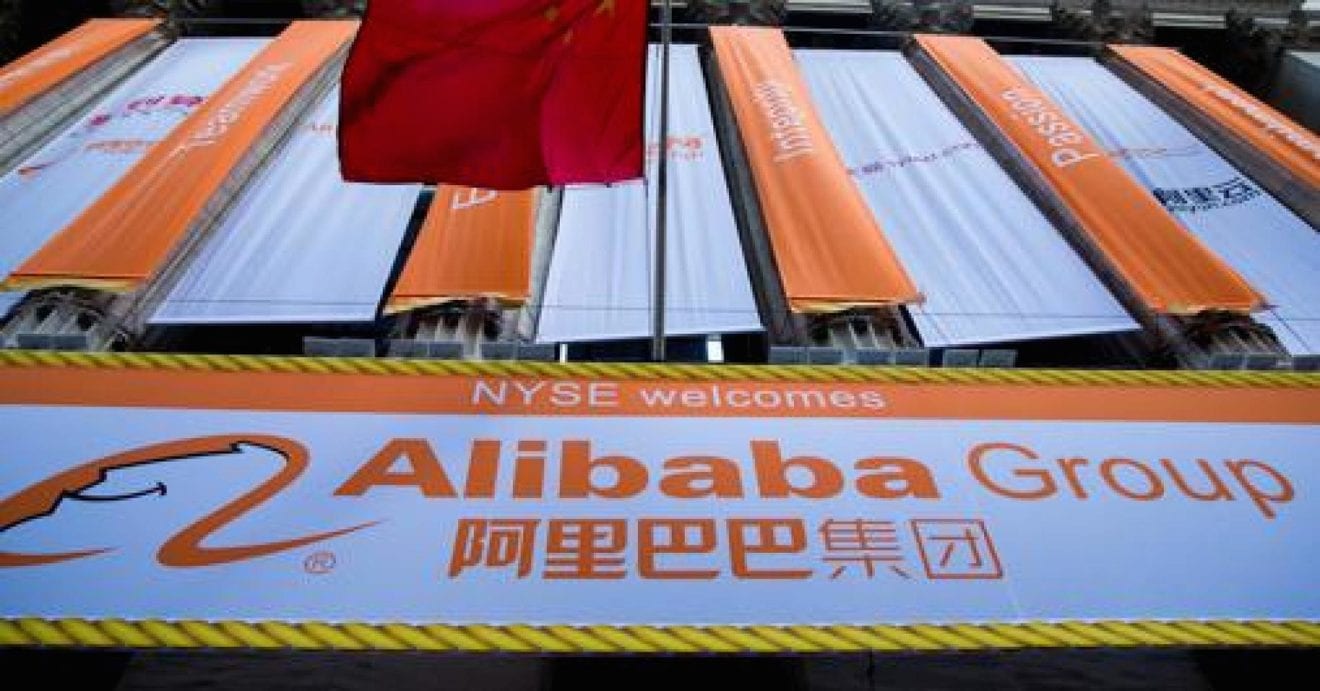
    Alibaba has committed to help import US$200 billion worth of goods from more than 120 countries over the next five years. The company says the move underscores its long-term commitment to globalisation and boosting its efforts to meet the rising demand of Chinese consumers for high-quality international products.

    However, it could also be construed as a move to shore up alternative supply chains in the wake of growing trade tensions between the US Trump administration and China.

    “Globalisation is one of Alibaba’s most critical long-term growth strategies,” said Alibaba CEO Daniel Zhang in a statement. “We are building the future infrastructure of commerce to realize a globalised digital economy where trade is possible for every country around the world.”

    He said using Alibaba’s innovative technology and robust ecosystem, the company is positioned to make global trade more inclusive and fulfil its mission “to make it easy to do business anywhere in the digital era.”

    Zhang outlined Alibaba’s plan at its Global Import Leadership Summit held at the first-ever China International Import Expo in Shanghai. Between 2019 and 2023, Alibaba forecasts it will help import international goods from businesses of all sizes in top countries such as Germany, Japan, Australia, the US, South Korea and Singapore. Several top global brands including P&G, Nestle, JBS, and Refa, have confirmed their holistic partnership with the Alibaba ecosystem.

    By collaborating with various Alibaba businesses units, these brands have been able to effectively engage with China’s massive middle class, a primary engine powering China’s consumption growth.

    Alvin Liu, GM of Tmall import and export, said China’s middle class is booming. “As incomes are rising in China, consumers want faster access to and a wider variety of high-quality products from around the world. Tmall is uniquely positioned to help international brands tap into the growing China market as consumers seek to upgrade their lifestyle.”

    According to a joint report by Deloitte China, the China Chamber of International Commerce, and AliResearch, China’s robust economic growth in recent years has increased the number of middle-to-high income Chinese consumers, who are fuelling the demand for imported, quality goods.

    The report notes that China’s cross-border e-commerce market has grown remarkably, with the proportion of imports to total e-commerce sales growing from 1.6 per cent in 2014 to 10.2 per cent last year. The report also highlights that, between 2014 and 2017, the number of shoppers on Alibaba’s dedicated platform for cross-border shopping, Tmall Global, has grown 10-fold.

  • Nestle Malaysia earnings up 15.7% in Q3, declares 70 sen dividend

    Nestle Malaysia earnings up 15.7% in Q3, declares 70 sen dividend

    Nestle (Malaysia) Bhd’s net profit for the third quarter ended September 30, 2018 rose 15.7% to RM137.69 million from RM119.01 million a year ago, underpinned by higher sales on the back of strong marketing and promotional activities.

    Revenue for the quarter under review increased 8.3% to RM1.43 billion from RM1.32 billion in the same quarter last year, driven by stronger domestic and export sales as well as the zero-rating of the Goods and Services Tax (GST), which boosted consumer spending.

    Nestle has proposed to declare an interim dividend of 70 sen per share for the quarter under review.

    For the cumulative period of nine months, the group’s net profit grew 4.7% to RM535.06 million from RM511.14 million, while revenue expanded 4.8% to RM4.17 billion from RM3.98 billion.

    “Against the backdrop of a more encouraging year for the Malaysian economy, we remain committed to our long-term strategy to ‘Fuel the Growth’ via our innovative drive and enhancing our strong brand portfolio,” Nestle said on its prospects.

    “We are confident that our investments, including the new Nestlé distribution centre, will enable us to maintain our solid growth momentum. In line with this commitment, the group has recently announced the RM100 million investment in Milo manufacturing making the Chembong factory the largest Milo manufacturing centre of excellence in the world. The company strives to improve efficiencies across our supply chain and reinvest savings to achieve sustainable and profitable growth,” it added.

    Nestle’s shares dipped RM1.50 or 1% to close at RM143.50 on 111,600 shares traded.

  • New product helps Vietnam’s canned coffee market

    New product helps Vietnam’s canned coffee market

    One of the largest beverage makers in the world is hoping to ‘capture’ Vietnamese taste with its new canned coffee product. Coca-Cola, one of the two biggest players in the Vietnamese carbonated beverages market, has entered the canned coffee market with Georgia Coffee Max.

    Though Vietnam is the second largest exporter of coffee in the world, its ready-to-drink coffee market has not attracted much attention from major players.

    Coca-Cola’s move could breathe life into it, but the challenge is not a small one, industry insiders said.

    For instance, at a supermarket on Quan Hoa Street in Hanoi’s Cau Giay District, canned coffee products do not have their own section, but are placed among other carbonated and energy drinks.

    Four brands of this rarely-seen product — Birdy, Nescafe, Highlands Coffee, and My Café — sit inconspicuously among dozens of other beverages.

    According to the shop assistants, canned coffee is hardly purchased, and sometimes is not bought for weeks at a time.

    The market for canned coffee came to existence 10 years ago with the entry of Birdy Coffee from Japan’s Ajinomoto.

    A year later Nestlé, which wanted a piece of the action, established a canned coffee production line at its plant in the southern Dong Nai Province.

    Other early birds included local dairy giant Vinamilk, which started putting up ready-to-drink coffee production facilities, followed by two then-emerging brands, Tan Hiep Phat and Highlands.

    Though initially many of the brands ran aggressive marketing campaigns, the market gradually fizzled out. Many products disappeared completely within a short time.

    In 2013 local coffee giant Trung Nguyen launched a range of fresh coffee products in bottles and cartons in sizes ranging from 500 ml to a liter. Within two years these too disappeared from grocery store and supermarket shelves.

    Today only a few names are left in the market, like PepsiCo, Highlands Coffee, Nestlé, Ajinomoto, and the new entrant, Coca-Cola.

    The real challenge for producers is no longer getting market share but changing consumer habits.

    Industry insiders quoted customer feedback as saying canned coffee is like fast food, sweet and lacking the authentic coffee taste.

    Speaking at the launch of the new product, a Coca-cola executive said though there are other brands in the market, their research showed the pie is large enough for new players to enter.

    Le Trung Tin, director of the Georgia Coffee Max line, said the secret to success is capturing the Vietnamese taste in the canned coffee.

  • KitKat opens Osaka shop for made-to-order premium chocolate bars

    KitKat opens Osaka shop for made-to-order premium chocolate bars

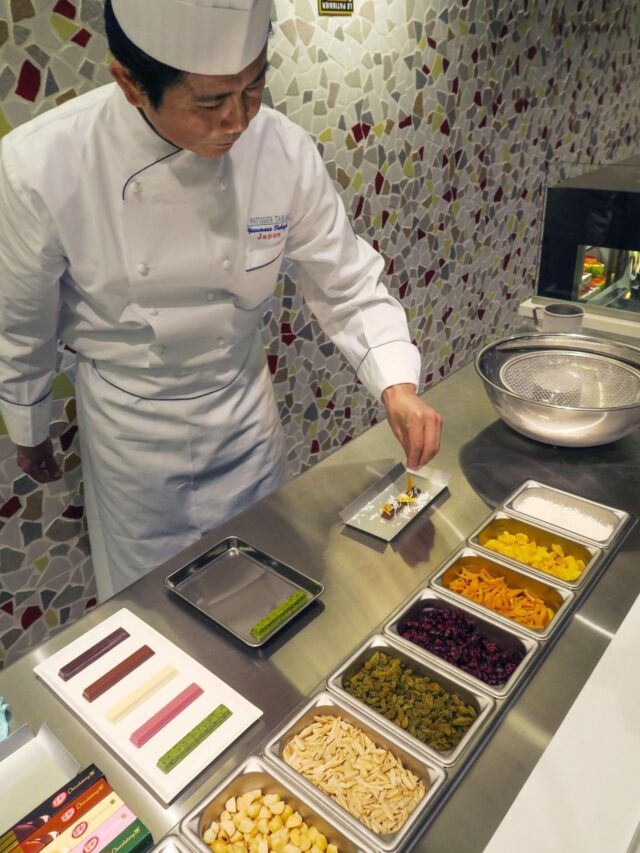
    Nestle Japan has opened a permanent made-to-order Kit Kat store in Osaka. The new specialty store is the first and only permanent location in Japan where personalised Kit Kats can be made. It offers customised creations chilled on-the-spot with liquid nitrogen, with customers choosing from three types of chocolate and nine toppings.

    The store is located just outside Nankai Electric Railway’s Namba Station, a prominent Osaka sightseeing location, given the expected popularity of bespoke Kit Kats among tourists.

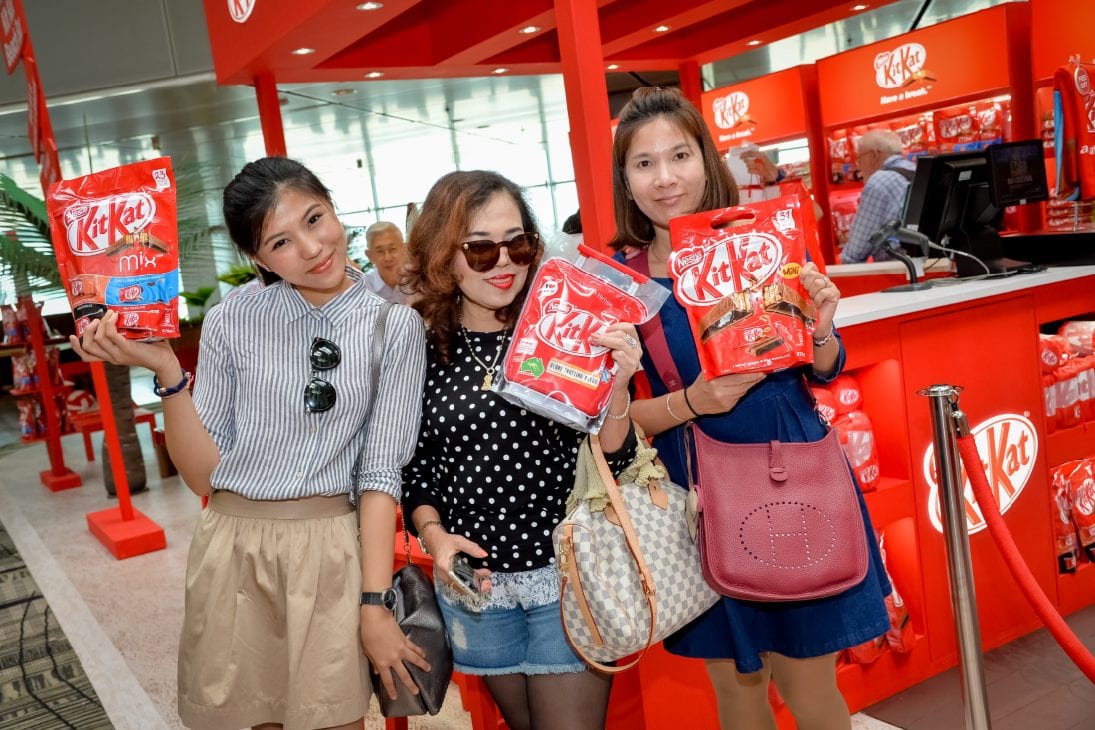
    Japan has developed a reputation internationally for its unique Kit Kat flavours, which have proved popular with visitors to the country. The confectionery originally comes from the UK.

    Nestle Japan says its made-to-order Kit Kats are sold from ¥702 (US$6.25).

  • Nestle Malaysia to sell business to finance world’s largest Milo plant

    Nestle Malaysia to sell business to finance world’s largest Milo plant

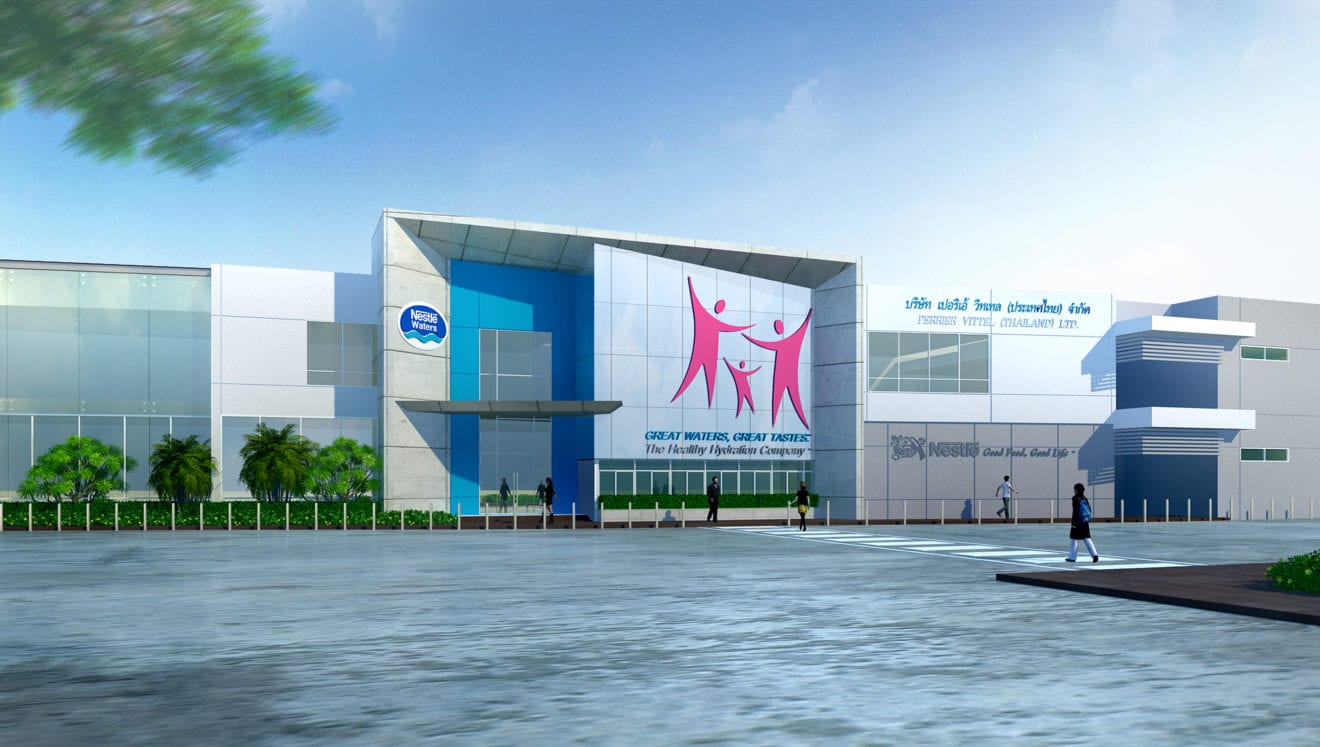
    Nestle (Malaysia) Bhd is selling its chilled dairy business – which retails the Bliss brand of yogurt drinks, in Malaysia, Singapore and Brunei – and its Petaling Jaya factory, to Lactalis Manufacturing Malaysia Sdn Bhd for RM155.3 million, as part of plans to set up the largest Milo factory in the world in Chembong, Negri Sembilan.

    The group said it would be using RM100 million, or the bulk of the proceeds from the sale, by end of 2019, for the Milo manufacturing centre of excellence in Chembong.

    Nestle Malaysia plans to move all existing Milo manufacturing assets in the Petaling Jaya factory to the Chembong factory.

    The disposal is on a going-concern basis, with Lactalis offering continuous employment to a majority of the affected employees based on the purchasers’ evaluation of their business and operational requirements. For roles that will no longer be available, termination benefits will be accorded to those who qualify.

    The group expects a one-time gain of RM27 million from the disposal, split over 2018 and 2019.

    The deal comes with a “no compete” clause for five years, from Jan 1, 2019, forbidding Nestle Malaysia from going into the chilled dairy business.

  • Nestle Malaysia CEO Alois Hofbauer to be replaced soon

    Nestle Malaysia CEO Alois Hofbauer to be replaced soon

    Alois Hofbauer will be stepping down as Nestle (Malaysia) Bhd CEO effective Nov 30.

    Nestle said in a statement that Hofbauer’s departure is to pursue other interests outside the group.

    Hofbauer will be succeeded by Juan Aranols, currently CFO for the Nestle Group’s Zone Asia, Oceania nd Sub-Saharan Africa (Zone AOA).

    Aranols joined the Nestle Group in 1990 as an auditor for Nestle Spain. In his 28 years with the company, he has held roles of increasing responsibility across a number of different markets in Europe and Latin America.

    He has worked for the last six years at Nestle Global Headquarters, first as global group controller and since 2015 in his current role as CFO and member of the senior management team for Zone AOA.

    “Nestle Malaysia is a company with a long history and great future prospects. I am both humbled and excited to be given the opportunity to take this organisation forward, building on the strong foundations laid by my predecessor and his team,” said Aranols of his new appointment.

    Meanwhile, Hofbauer has been Nestle Malaysia CEO for the last five-and-a-half years.

    “I am proud that my team and I have established Nestle Malaysia as one of the top performing companies on the Bursa Malaysia. We reignited growth and achieved solid results year after year. I am confident that this success will continue, and I wish Juan all the best in his new role,” said Hofbauer.

  • Kit Kat Bar opens in Tokyo, serves new Japanese Umeshu Plum Sake Kit Kats

    Kit Kat Bar opens in Tokyo, serves new Japanese Umeshu Plum Sake Kit Kats

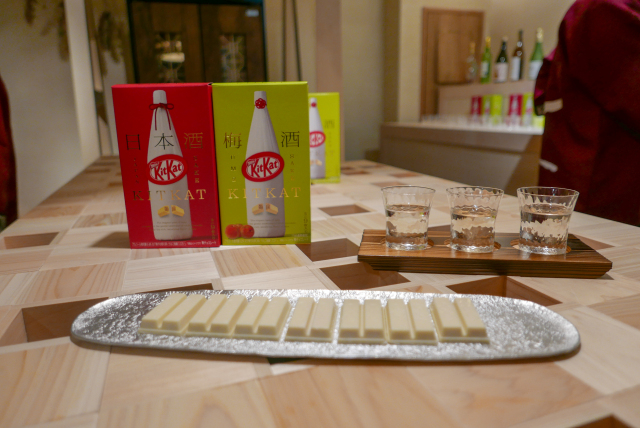
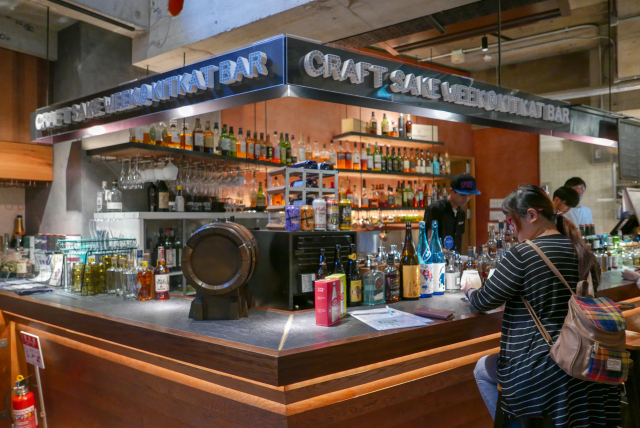
    Nestle has opened a pop-up bar in Tokyo to mark today’s release of its new sake-flavoured Kit Kat bar.

    “Craft Sake Week @Kit Kat Bar” has been offering visitors a preview of the new Umeshu Plum Sake-flavoured chocolate bar paired with cocktails. The space is overseen by former soccer star Hidetoshi Nakata, now known for his work with more than 350 local sake breweries designing products to promote their rice wines both nationally and globally.

    Two Ume Sake Kit Kat and cocktail pairings served in Milano glasses are the highlight of the pop-up. The cocktails, created by noted craft cocktail designers to complement the flavours of the new Kit Kat, are exclusive to the bar.

    The pop-up, which runs to September 24, features other products both collaborated on and curated by Nakata to convey the beauty of traditional Japanese sake crafts, as well as a sake-tasting area.

    Nestle released it first premium sake flavoured Kit Kat last year.