Tag: nestle

  • Nestlé and Starbucks close deal for global license of Starbucks CPG and Foodservice products

    Nestlé and Starbucks close deal for global license of Starbucks CPG and Foodservice products

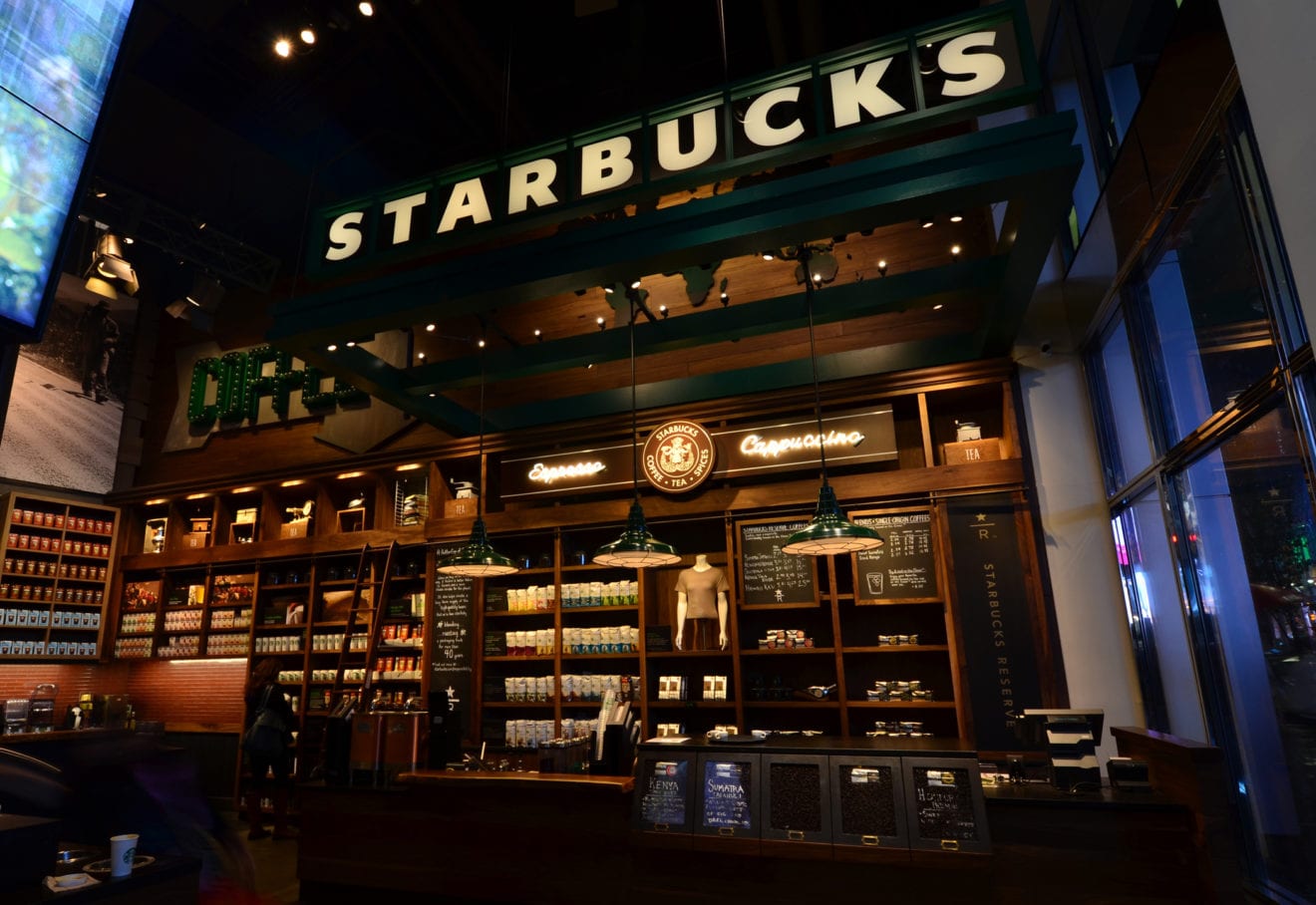
    Nestlé and Starbucks Corporation announced the closing of the deal granting Nestlé the perpetual rights to market Starbucks Consumer Packaged Goods and Foodservice products globally, outside of the company’s coffee shops.

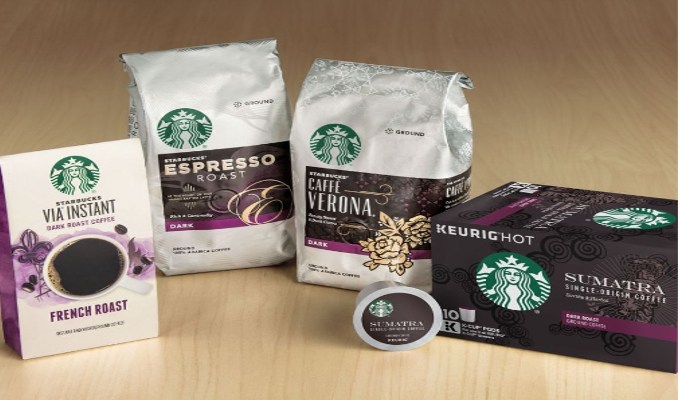
    Through the alliance, the two companies will work closely together on the existing Starbucks range of roast and ground coffee, whole beans as well as instant and portioned coffee. The alliance will also capitalize on the experience and capabilities of both companies to work on innovation with the goal of enhancing its product offerings for coffee lovers globally.

    “This partnership demonstrates our growth agenda in action, giving Nestlé an unparalleled position in the coffee business with a full suite of innovative brands. With Starbucks, Nescafé and Nespresso we bring together the world’s most iconic coffee brands,” said Mark Schneider, Nestlé CEO.
    “The outstanding collaboration between the two teams resulted in a swift completion of this agreement, which will pave the way to capture further growth opportunities,” he added.

    The agreement significantly strengthens Nestlé’s coffee portfolio in the North American premium roast and ground and portioned coffee business. It also unlocks global expansion in grocery and foodservice for the Starbucks brand, utilizing the global reach of Nestlé.

    “This global coffee alliance with Nestlé is a significant strategic milestone for the growth of Starbucks,” said Kevin Johnson, President and CEO of Starbucks.

    Johnson added, “Bringing together the world’s leading coffee retailer, the world’s largest food and beverage company, and the world’s largest and fast-growing installed base of at-home and single-serve coffee machines helps us amplify the Starbucks brand around the world while delivering long-term value creation for our shareholders.”

    Approximately 500 Starbucks employees in the United States and Europe will join the Nestlé family, with the majority based in Seattle and London. The international expansion of the business will be led from Nestlé’s global headquarters in Vevey, Switzerland.

    The agreement covers Starbucks packaged coffee and tea brands, such as Starbucks®, Seattle’s Best Coffee®, TeavanaTM/MC, Starbucks VIA® Instant, Torrefazione Italia® coffee and Starbucks-branded K-Cup® pods. It excludes Ready-to-Drink products and all sales of any products within Starbucks® coffee shops.
  • Nestle’s Q2 earnings driven by higher margin

    Nestle’s Q2 earnings driven by higher margin

    Nestle (Malaysia) Bhd’s net profit for the second quarter ended June 30 rose 2.93% to RM166.16 million from RM161.44 million a year ago due to higher margin.

    In a filing with Bursa Malaysia, the company said its gross profit margin increased by 10 basis points from 37.8% to 37.9%.

    Nestle saw a slight increase in operating expenses from RM265 million to RM271 million, which was mainly attributed to the one-time costs from the start-up of the new national distribution centre (NDC). Pre-tax profit increased from RM211.9 million to RM214.4 million.

    Revenue for the quarter rose 1.98% to RM1.31 billion from RM1.28 billion a year ago driven by the launch of new products and strong consumers and trade promotions.

    In addition, increased festive sales during the Hari Raya period in June contributed to the company’s positive growth.

    “In the second quarter, we also started operations in our new NDC. This move from the existing NDC to the new NDC resulted in a shift of sales from June (Q2) to July (Q3) because of the required and planned ramp-up of the operations in the new NDC, which will support strong growth in years to come,” it said.

    The board of directors has declared an interim dividend of 70 sen per share amounting to RM164.15 million in respect of financial year ending Dec 31 which will be paid on Sept 27.

    For the six months ended June 30, net profit rose 1.34% to RM397.38 million from RM392.13 million a year ago while revenue for the period rose 3.13% to RM2.74 billion from RM2.66 billion a year ago.

    During the period, Nestle saw higher domestic sales and an increase in its export business. It said that the domestic growth was driven by strong demand, especially during the festive seasons.

    The group continued to deliver strong innovations and renovations during the period, which have set a solid base for growth in the second half of the year.

  • Nestle India Q2 net profit jumps 50 pc to Rs 395 crore

    Nestle India Q2 net profit jumps 50 pc to Rs 395 crore

    FMCG major Nestle India has reported 49.95 percent jump in net profit at Rs 395.03 crore for the second quarter ended June 30, helped by lower expenses.

    According to a PTI report: The company, which follows January-December financial year, had posted a net profit of Rs 263.43 crore for the April-June quarter of 2017-18.

    Total income during the quarter stood at Rs 2,758.63 crore. It was Rs 2,525.96 crore in April-June, 2017-18, Nestle said in a BSE filing.

    The company said financial results for the reported quarter are not comparable as sales for the June quarter 2017 were reported gross of Excise Duty and net of Value Added Tax (VAT)/ Sales Tax. Excise duty was reported as a separate expense line item.

    “Consequent to the introduction of GST with effect from July 1 2017, VAT/Sales Tax, Excise duty etc have been subsumed into GST and accordingly the same is not recognised as part of sales,” the company said.

    “The market momentum continued to be favourable and…we have sustained our broad based volume growth across categories. There is an improvement in margins due to favourable cost of commodities and cost efficiency programmes.

    “However, we are now witnessing headwinds in commodity prices,” Suresh Narayanan, Chairman and Managing Director, Nestle India was quoted by PTI as saying.

    The company said its total sales and domestic sales increased 8.5 percent and 8 percent, respectively in the reported quarter.

    “The growth rates are adversely impacted due to lower reported sales by the change in structure of indirect taxes and reduction in realisations to pass on the GST benefits.

  • Nestle to pay billions to obtain Starbucks rights

    Nestle to pay billions to obtain Starbucks rights

    Nestle is to pay Starbucks US$7.1 billion for the global rights to sell and distribute Starbucks products outside cafes. The Starbucks rights deal includes Seattle’s Best Coffee, Starbucks Reserve, Teavana, Starbucks VIA and Torrefazione Italia packaged coffee and tea in all global at-home and away-from-home channels. And the Starbucks brand portfolio will be represented on Nestlé’s single-serve capsule systems, such as the Nespresso machines.

    The Seattle-headquartered cafe giant says the alliance with Nestle will allow it to accelerate and grow the global reach of Starbucks brands in the consumer packaged goods market and in foodservice channels.

    Starbucks will lead in sourcing, roasting and global brand management for the alliance, while the two companies will work closely together on innovation and go-to-market strategies.

    “With a shared commitment to ethical and sustainable sourcing of coffee, this alliance will transform, expand and elevate both the at-home and away-from-home coffee and related categories around the world,” Starbucks said in a statement.

    Neil Saunders, MD of GlobalData Retail, said the scale of the deal underlines the brand strength of Starbucks and of Nestle’s desire to use it to power its own growth.

    “For Starbucks the deal will help to drive brand recognition outside of its core North American and European markets as Nestle ramps up expansion using its distribution capacity. Arguably, it also allows Starbucks to concentrate more fully on developing its retail business, including the higher end concepts like Reserve Roastery that it is currently rolling out.

    “For Nestle, Starbucks gives it a powerful brand it can add to a coffee armoury that is looking a little tarnished. The group has always struggled with market share in North America and this deal essentially buys immediate scale. It also provides numerous opportunities for expansion elsewhere in the world by leveraging the Starbucks brand.”

    Kevin Johnson, president and CEO of Starbucks, said the alliance will take the Starbucks experience into the homes of millions more consumers around the world through the reach and reputation of Nestle.

    “This historic deal is part of our ongoing efforts to focus and evolve our business to meet changing consumer needs, and we are proud to work alongside a company that is committed to our shared values.”

    Nestle CEO Mark Schneider said the deal marked a “significant step” for the Swiss headquartered company’s coffee business.

    “With Starbucks, Nescafe and Nespresso we bring together three iconic brands in the world of coffee. We are delighted to have Starbucks as our partner. Both companies have true passion for outstanding coffee and are proud to be recognised as global leaders for their responsible and sustainable coffee sourcing. This is a great day for coffee lovers around the world.”

    Saunders observed the deal is yet another example of how large consumer goods companies are struggling to develop and grow their traditional brands.

    “Arguably, Nestle’s preferred vehicles for driving growth in coffee would be its own Nescafe and Nespresso brands. However, these have failed to gain traction in North America and have reached maturity elsewhere. There is a case to be made that Nestle has failed to innovate and develop either brand to the extent it should.”

    Saunders cautioned there may be a downside for Nestle in the deal:

    “There is a risk for Nestle is that while Starbucks is one of the best known and most powerful brands in coffee, others like McDonald’s are looking to cash in on the category by selling their own brand products through supermarkets. A host of innovative small companies, like Bulletproof Coffee and Four Sigmatic, are also making advances into the sector by emphasising the health and wellness benefits of the beverage.

    “Arguably, Nestle has gone with the obvious and easy choice – and paid a lot of money for it. It could, and probably should, also examine at how it could also acquire and develop some more innovative startups,” Saunders concluded.

  • Nestlé goes pink for Valentine’s Day

    Nestlé goes pink for Valentine’s Day

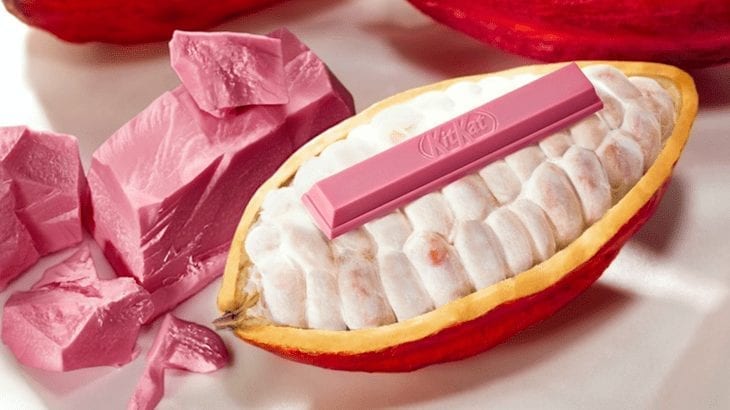
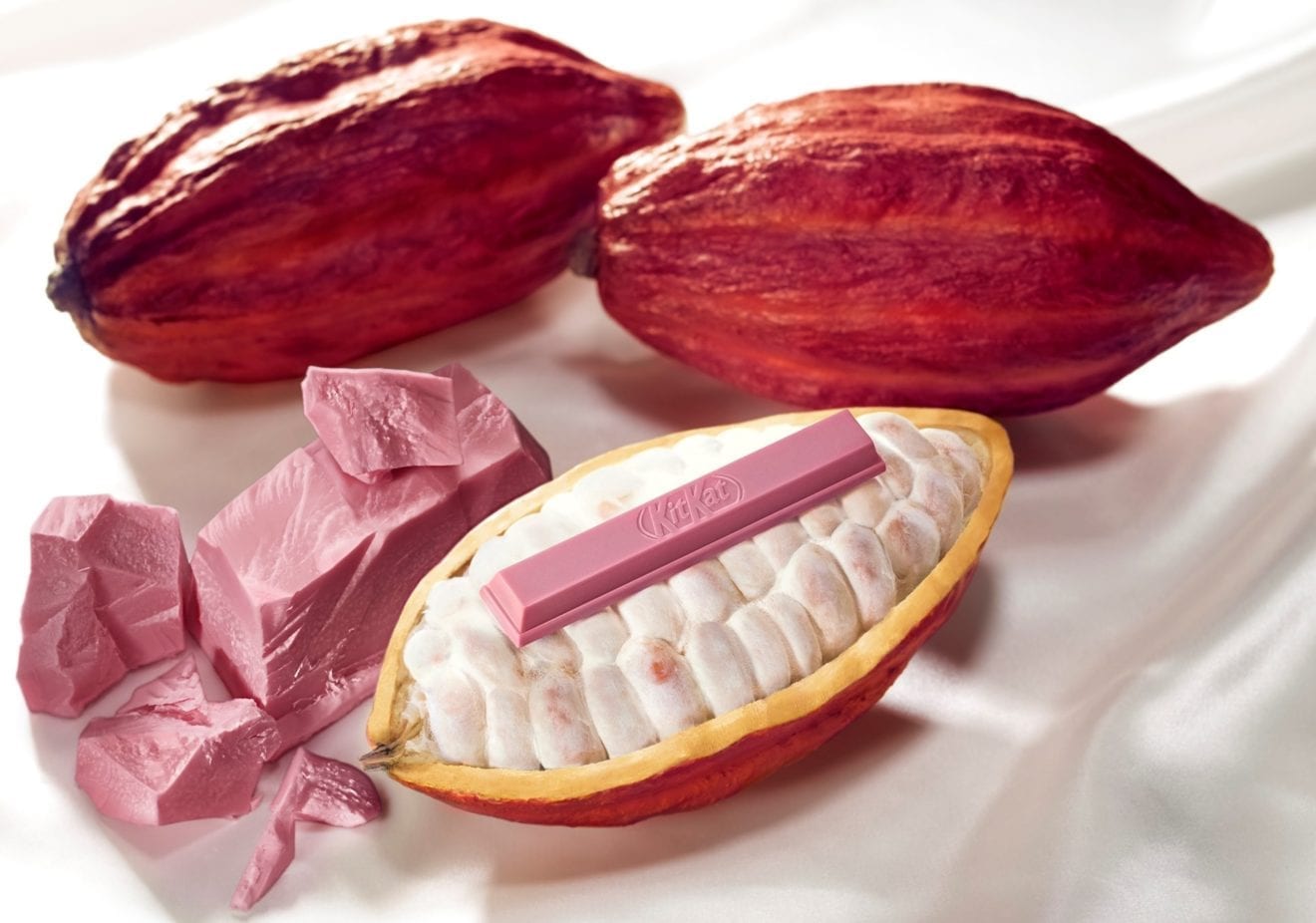
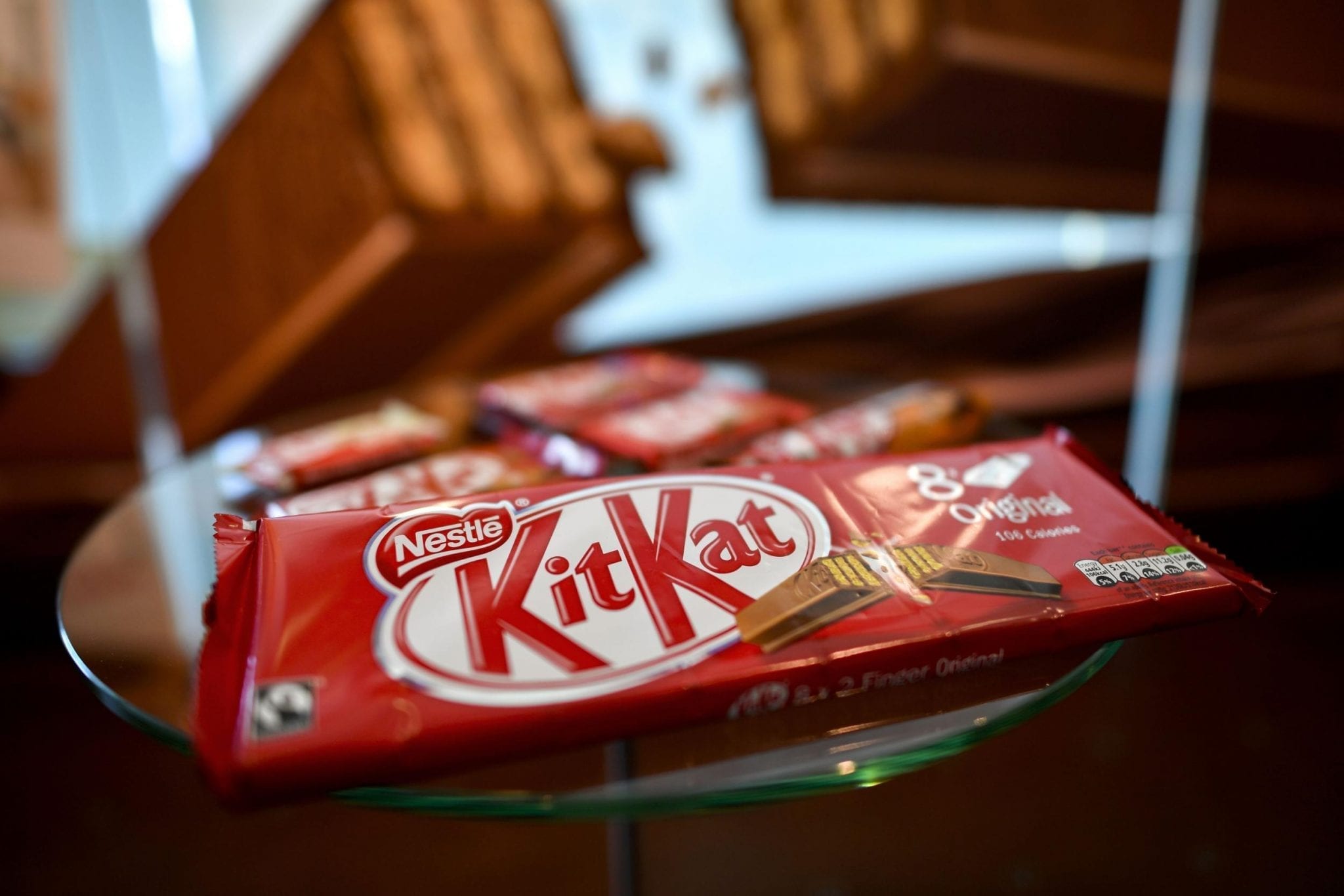
    Nestlé may have struck gold with the release of a new type of Kit Kat made using special “ruby” cacao beans. The new flavor, Kit Kat Chocolatory Sublime Ruby, was launched in select stories in Japan and South Korea on 19 January 19 2018 and shows signs of being a hit.

    The first limited run of 5,000 bars in Japan has sold out and there is even a small black market–or pink market if you prefer–of people reselling the chocolates at a slightly marked up price online.

    In September 2017, the Swiss chocolatier Barry Callebaut announced that they had developed a brand new type of chocolate, using ruby cacoa beans.

    Historically, there have only been three other types of chocolates in existence, according to the company: dark, milk and white. Ruby chocolate is “the fourth chocolate.” The beans have a pinkish red tint and unique taste; they are cultivated in Brazil and the Ivory Coast, among other countries. Chocolate aficionados have eagerly awaited the first ruby chocolates to be released since last summer.

    Nestlé claims to be the first the company to turn the beans into a product. In Japan, the Sublime Ruby Kit Kats were first sold individually at 400 yen ($3.60) for a single package from January 19-25, either at Kit Kat boutique stores or online. From February 1, you can purchase five or seven-piece assorted flavor Valentine’s Day boxes, each including two Ruby Chocolate Kit Kats, that will sell for about $16 and $21 respectively. The main retail shop in Tokyo’s Ginza area will also be offering a Ruby Hot Chocolate set in their cafe, that includes one Ruby Kit Kat, for 1000 yen ($9).

    Kit Kat has been a tremendous success in Japan, partly because the name when pronounced in Japanese, sounds like “Kitto Katsu (きっと勝つ)” which translates as “you (he, she) will surely win.” The company, through clever marketing, convinced Japanese consumers that Kit Kats were auspicious gifts to give to those applying for college or seeking jobs.

    Nestlé has launched over 350 different Kit Kat flavors over the years, including the highly successful green tea version, as well as wasabi, cherry blossoms, beni imo (vermillion potato) and even azuki bean sandwich versions. The firm never has all the flavors available at the same time, but many kinds can be purchased at airports as souvenirs or at boutique Kit Kat stores. It should be noted that some variations have been less successful than others. Last year, Throat Candy (のど飴味) flavored Kit Kats did not appear to do well. These whitish Kit Kats were poorly rated on a website devoted to appraising chocolate snacks, although you might like them, if you like medicinal mint chocolate-chip ice cream, and some ended up on the discount racks of convenience stores.

    The Sublime Ruby edition was designed by a top Japanese pastry chef, Yasuma Takagi, who has spearheaded many Kit Kat creations. Of course, I tried these pinkish delights before writing this. They had a distinct flavor and pleasant sourness that was slightly like a tart berry, but also with a mild sweetness that was reminiscent of milk chocolate.

    Chef Takagi, is quite proud of his work, commenting in press materials: “I am extremely honored to be part of this landmark moment in the history of chocolate, with which I have worked intimately for over thirty years. I have created an especially simple Kit Kat that allows you to enjoy the characteristic fruity fragrance and subtle acidity of Ruby cacao to the fullest. Enjoy wonderful flavors that have never been experienced before.”

    Nestlé suggests that since their new Kit Kat is such a rare and precious chocolate, you should want to give some to that “special person” in your life on Valentine’s Day. It is not a bad sales pitch.

  • Kit Kat Flagship Store to Open Its First Location in Korea

    Kit Kat Flagship Store to Open Its First Location in Korea

    A KitKat flagship store has been launched in Shinsegae’s Gangnam department store in South Korea.

    It has been opened by Swiss food giant Nestle’s Japanese unit, which has developed special flavours for the chocolate wafer snack in collaboration with chef Yasumasa Takagi, who has just rolled out a special ruby version. As well as the original KitKats, the new Seoul store offers such exotic variations as cherry blossom and wasabi.

    “Nestle decided to open the first flagship store to reflect Korean customers’ needs for new and trendy premium chocolate,” says Nestle Korea CEO Erwan Vilfeu.

    Nestle Japan is looking into taking its special flavours to other Asian countries with similar flagship stores.

  • World’s first Ruby KitKat drops in Japan for Valentine’s Day

    World’s first Ruby KitKat drops in Japan for Valentine’s Day

    Forget a diamond ring for Valentine’s Day – this has been trumped by a ruby KitKat chocolate snack by Nestle Japan.

    Its Sublime Ruby KitKat has been unveiled with due ceremony in Tokyo, and has been rolled out in KitKat Chocolatory boutiques across Japan, a further addition to Nestle’s “Made-In-Japan” luxury flavours for the snack.

    It is made from the new Ruby chocolate, which differs in flavour from traditional bitter, milk and white chocolate. Swiss chocolate maker Barry Callebaut spent more than 10 years developing its masterpiece, released in Shanghai in September.

    Made from the ruby cocoa bean, it is described as a new experience with an intense taste and characteristic reddish colour. It is not bitter, milky or sweet, but has a balance between berry fruitiness and smoothness. No berries, flavours or colours are added.

    Chef/patissier Yasumasa Takagi, who has been supervising new KitKat products since 2003, managed to encompass the new chocolate in KitKat form in time for the product to be ready in Japan ahead of Valentine’s Day.

    Units of Sublime Ruby KitKat will be available in limited numbers, with an assortment box to follow including the new product.i

  • Blue Bottle Cafe opens latest Tokyo flagship store

    Blue Bottle Cafe opens latest Tokyo flagship store

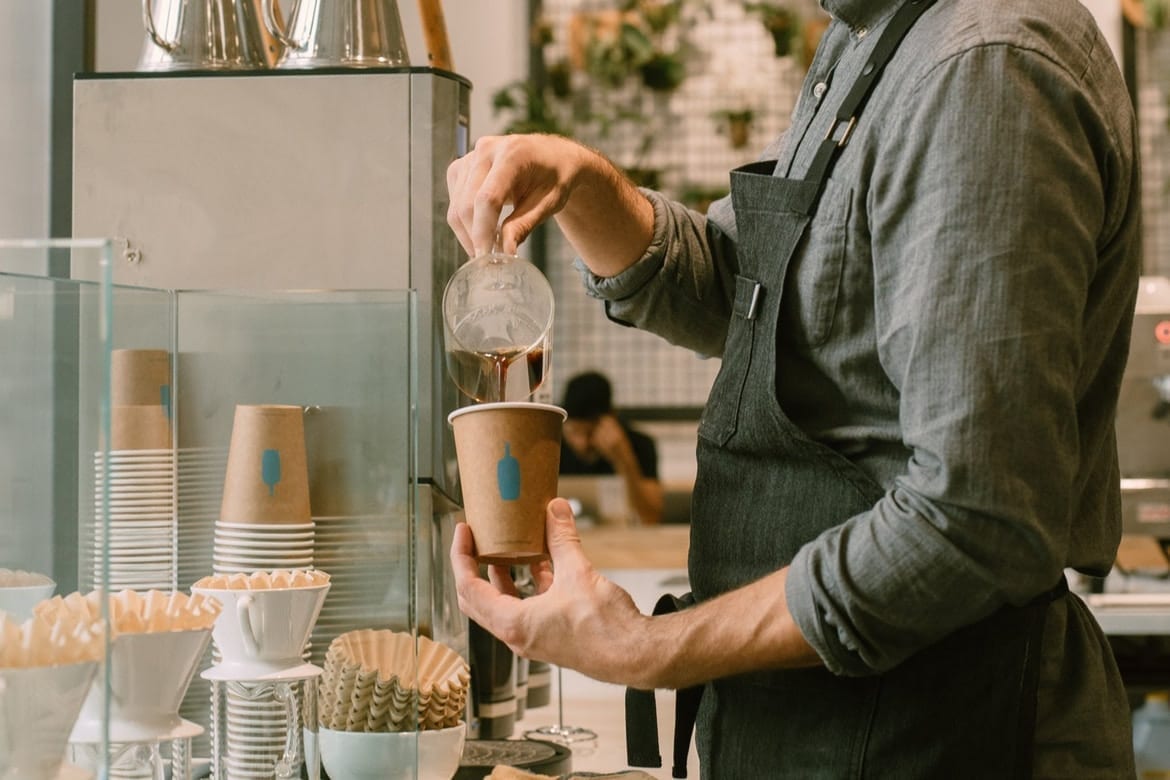
    Blue Bottle Coffee has opened its latest flagship café in Tokyo, the sixth one to open in the Japanese capital, as the American coffee outfit expands its retail footprint in Japan.

    Located in Sangenjaya, the San Francisco-based café is situated in a 50-year old low-rise building, which stands at the end of a no-through road between two buildings; located just a 3-minute walking distance from Sangenjaya station.

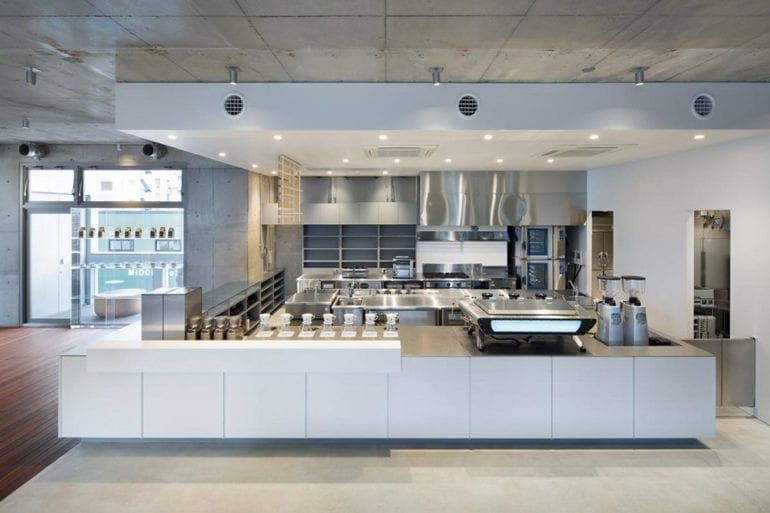
    Blue Bottle Café enlisted Schemata Architects once again to design the complete space layout. Working with the building’s current fittings, Schemata – the firm behind stores for 3.1 Phillip Lim and Loewe – took inspiration from the designs used with the previous space ownership, resulting in industrial concrete texture mixed with Japanese cedar wood.

    However, the 100-square-metre space does reflect Blue Bottle’s bright and open feel, an aesthetic witnessed in the other five Tokyo outlets. There is specific area for workshops and barista training, along with a “soulful public space” for the local community, in a bid to give the company a strong connection to its most recent Japanese locale.

    Offering more than just coffee and related products, customers can go to the register at the far end of the dead-end road, or stop by the drip-bar and walk around the seating area, before venturing outside to the garden in the backyard area. Walking along the building guest will find an entrance to a gallery also.

    “This building is designed in such a way that customers will experience the continuation of this deep spatial sequence,” said Schemata Architects’ Jo Nagasaka, who is the architect in charge of the store.

    James Freeman founded Blue Bottle Coffee Company in San Francisco in 2002. Still headquartered in Oakland, California, consumer goods giant Nestle acquired a majority stake in the new wave coffee firm earlier this year.

    In 2017, Nestlé acquired a 68 percent stake in the company for some $500 million. The firm has plans to have 55 locations by the end of the year. Blue Bottle stores are located in the Bay Area, Los Angeles, New York City, Washington, DC, and Tokyo.

  • JD.com surprises with first profitable quarter

    JD.com surprises with first profitable quarter

    JD.com profit soared 50 per cent after a 39 per cent increase in sales during the Chinese online retailer’s latest quarter.

    Its unaudited results for the three months to the end of September show revenue of RMB83.7 billion (US$12.6 billion), with a record 50.3 per cent surge in gross profit to RMB13 billion. Non-GAAP gross profit was RMB12.8 billion, up 51.9 per cent.

    Active customer accounts increased by 34 per cent to 266.3 million in the 12 months to September 30.

    Chairman/CEO Richard Lio says the company is building robust product content and enhancing user engagement with innovative tools that enable brands to launch highly targeted online marketing programs.

    “The scale economies of our model are becoming clearer with every quarter,” says CFO Sidney Huang. “Looking ahead, we will continue to prioritise investments in technology and leading R&D talent as we execute on our vision to revolutionise China’s retail industry.”

    While releasing its third-quarter figures, JD.com also listed its latest business developments…

    In October, JD and Tencent expanded their partnership with the launch of a marketing initiative that integrates insights on consumer behaviour from Tencent’s social-media platforms with online and offline shopping data from JD and its brand partners. As well as enabling more precise target marketing, the move benefits consumers by offering them wider access to sales promotions and preferred discounts.

    Strategic partnerships

    During the past three months, JD.com also formed strategic partnerships with Baidu, iQIYI, NetEase, Sogou and Qihoo 360 with their big-data resources, massive user bases and AI algorithm technologies.

    JD also continued to strengthen its position among top-tier international brands, expanding its partnership with high-fashion brand Armani with the opening of official online stores for Armani Exchange and Emporio Armani.

    JD Worldwide also launched flagship stores for such companies as Reckitt Benckiser, Spectrum Brands and Tiger, while its new Toplife platform attracted marquee brands like Dyson, La Perla, Rimowa (LVMH) and Trussardi.

    During the quarter, JD Logistics test-launched an unmanned sorting centre, the first of its kind in the logistics industry. JD also signed agreements to lay the groundwork for the rollout of China’s largest drone network.

    In September, JD Logistics expanded its environmentally friendly logistics and packaging campaign, working with brands including  Johnson & Johnson, Kimberly-Clark, Lego, L’Oreal, P&G, Nestle, Unilever, Watsons and Wrigley. The aim is to minimise environmental impact by cutting back on packaging materials.

    Customer demand

    JD also enhanced its fresh product offerings during the quarter to meet customer demand. In July, it launched the Canadian Fresh Food Pavilion, the first country pavilion for fresh products on the JD.com platform. Live lobsters from Canada can now be delivered to customers’ doorsteps in China in as little as 48 hours. During JD’s Super Canadian Day, 140,000 lobsters were sold within 24 hours.

    In September, JD.com, JD Finance, Central Group and Provident Capital announced agreements to establish two JVs in Thailand covering e-commerce and fintech services, with an aggregate investment of $500 million. JD.com is providing its expertise in technology, e-commerce and logistics while Central Group is drawing on its retail store network, brand and merchant relationships, and retail behaviour insights from its loyalty program.

    In October, JD and Sam’s Club launched a promotion offering customers discounted bundled memberships for Sam’s Club and the JD Plus paid-for membership service.

    By the end of October, JD.com JV New Dada had partnered with 146 Walmart stores and 301 Yonghui stores, as well as many other supermarkets and grocery stores, to provide online fresh grocery shopping with one-hour home delivery.

    At the end of September, JD.com had 405 warehouses and provided scheduled delivery services in 250 Chinese cities. It had about 160,000 merchants on its online marketplace, and 137,975 full-time employees.

  • Blue Bottle Coffee heading for Korea

    Blue Bottle Coffee heading for Korea

    US brand Blue Bottle Coffee is expected to open in South Korea soon, followed by other Asian countries including China, Hong Kong and Taiwan.

    “We’re developing our contact here,” CEO Bryan Meehan said while attending the World Coffee Leaders Forum at the Seoul Cafe Show.

    He said Blue Bottle was researching the market and looking for a GM in Korea, with no specific set yet for a launch.

    Meehan said the company headquarters would directly manage its stores in Korea, as it does in other countries.

    “Actually, we had a lot of pressure for a joint venture in Japan. A lot of companies wanted licensed approaches,” he said. “We are very passionate about controlling the quality of Blue Bottle, so we like to do things ourselves. We have never franchised.”

    While local coffee chains in Korea have been hit by losses over the past few years, Starbucks Coffee has alone seen rapid growth, reports The Korea Times.

    “Blue Bottle has grown along with Starbucks in the US. We think we can survive side-by-side,” said Meehan.

    Known for its innovation, Blue Bottle has 44 stores in the US and Japan. Nestle acquired the chain for US$425 million in September.

    “Nestle CEO Mark Schneider has a wonderful vision of where specialty coffee should be in five years’ time, and he sees the value of Blue Bottle,” said Meehan. “Nestle is allowing Blue Bottle to remain a standalone company. I don’t report to anybody at Nestle.”

    Founded in Oakland, California, by musician James Freeman in 2002, Blue Bottle has expanded around San Francisco. Because of Freeman’s interest in Japan, the chain has expanded there and will open its eighth outlet next year in Kyoto.

  • Nestle Korea introducing Kit Kat flagship store

    Nestle Korea introducing Kit Kat flagship store

    Chocolate wafer snack Kit Kat is to have a flagship store in Seoul, being launched by Nestle Japan in co-operation with Nestle Korea.

    The Swedish snack company’s Japanese branch is known for its exclusive “chocolatory”, which offers special flavours and desserts. Flavours previously exclusive to the Tokyo store will be available at the store set to open in Shinsegae Department Store’s Gangnam location.

    Nestle Japan’s Premium Kit Kat is one of the most popular souvenirs Koreans buy when visiting Japan. The exclusive flavours, launched in co-operation with pastry chef Yasumasa Takagi, borrow from local specialties such as Kyoto’s matcha green tea and Hokkaido’s melon.

    In Korea, only the original milk and dark chocolate flavours are available. The Seoul flagship store, which opens next Thursday, will not only expand on this but also offer signature desserts.

  • Lazada opens Coca-Cola, Nestle, Redmart shop-in-shops

    Lazada opens Coca-Cola, Nestle, Redmart shop-in-shops

    Lazada Singapore has unveiled three new shops on its online marketplace, in a bid to bolster its e-tail offering and win consumers during its ‘birthday sale’.

    Lazada has launched ‘shop-in-shops’ for international heavyweights Coca-Cola, Nestle and Redmart, each of which allows the brands to keep their identity across online and offline channels, while giving shoppers a way to connect with them.

    Earlier this year, Lazada acquired RedMart, marking their move into the grocery category, specifically fresh and frozen products. The new addition will also see Singapore shoppers gain access grocery products from RedMart directly via Lazada Singapore, the first step towards a larger partnership between the two companies.

    “We are excited about working together with Lazada Singapore, especially at a time that marks their third year serving shoppers in the country. RedMart will be offering exclusive promotions on everything from Extra Virgin Olive Oil to Sauvignon Blanc, as special deals just for shoppers celebrating Lazada’s birthday,” said Penny Cox, VP Commercial and Marketing at RedMart.

    Both Coca Cola and Nestle will also stock a select range of food and beverages via Lazada Singapore.

    In the lead up to its third birthday and sale, the marketplace has also launched official shop-in-shops for bookstore MPH, SK Jewellery, Chow Tai Fook, South Korean and Mamonde, as well as fashion labels Esprit, Doc Martens and Bonia.

    “Setting up shop-in-shops in time for our birthday sale has really been part of a larger step towards bridging shoppers in Singapore with the brands they know and love. This, combined with a consistent free delivery and 14 days free returns policy, give shoppers best of everything — ease along with great deals and the widest range of products to choose from, be it electronics or groceries,” said Alexis Lanternier, CEO, Lazada Singapore.

    The Lazada birthday sale kicks of March 21 to 23 and will see discounts of up to 90% across its entire platform.

    Launched in 2012, as a part of Lazada Group, Lazada Singapore currently hosts over 300 official brand stores. Lazada also has an e-commerce presence in Thailand, Indonesia, Malaysia and Vietnam.

  • Shopify revenues grow 90 per cent

    Shopify revenues grow 90 per cent

    Shopify, the cloud-based, multi-channel platform designed for small and medium-sized businesses, has reported a 90 per cent increase in revenues for 2016.

    GMV rose 99 per cent to US$15.4 billion, figures which “speak to the enormous opportunity in retail right now and our strategic position within it,” according to CFO Russ Jones.

    Total revenue for the full year reached $389.3 million, compared with $205.2 million in 2015. Within this, subscription solutions revenue grew 68 per cent to $188.6 million and merchant solutions revenue grew 115 per cent to $200.7 million.

    But it still recorded a net loss of $35.4 million, almost double the $18.8 million of 2015.

    Merchants can use Shopify software to design, set up, and manage their stores across multiple sales channels, including web, mobile, social media, marketplaces and physical retail locations. Shopify powers 377,500 merchants in some 175 countries. Its clients include Tesla, Nestle, GE, Red Bull and Kylie Cosmetics.

    “Our work at Shopify is to help entrepreneurs thrive in a space that’s changing all the time, and we did our job especially well this past holiday season,” stated Tobi Lütke, founder and CEO of Shopify. “That eight of our 10 top sellers over the Black Friday Cyber Monday weekend were merchants that had upgraded from lower-priced plans reminds us that today’s startups become tomorrow’s superstars, at a velocity that appears to be increasing all the time. As the engine powering the growth of these merchants, Shopify has an opportunity that stretches years into the future.”

    For the full year 2017, Shopify currently expects revenues in the range of $580 million to $600 million and an operating loss in the range of $73 million to $77 million.

  • Amazon India proposes $500m food venture

    Amazon India proposes $500m food venture

    Amazon India has applied to the government to invest US$500 million in a wholly owned venture that will allow the US eCommerce giant to stock locally produced food items and sell them online.

    If successful, it would become the first foreign retailer to enter the segment.

    Amazon already has an eCommerce marketplace in India, but while 100 per cent overseas capital is permitted for such platforms, they cannot sell products of their own. Last year, the government allowed for 100 per cent foreign investment in the retailing of processed foods made in India.

    Amazon has filed its application with the Department of Industrial Policy & Promotion (DIPP), which handles foreign investment in retailing and e­Commerce. The company plans to invest $500 million over five years and could start selling locally produced food items within six months of obtaining approval, says an insider.

    “We are excited by the government’s continued efforts to encourage foreign direct investment in India for a stronger food-supply chain,” says an Amazon spokesperson. “We have sought an approval to invest and partner with the government in achieving this vision.”

    Only Indian grocery delivery companies Big­Basket and Grofers have applied under
    the category, prompting the government to invite companies including CP Foods (Thailand), Heinz, Nestle and Walmart to provide feedback and investment plans.

    This followed the minister for food-processing industries Harsimrat Kaur Badal visiting London with a team of officials last year to meet representatives of such companies as Cobra Beer, Harrods, Marks & Spencer, Sainsbury’s and Tesco to drum up support for the policy.

    Amazon’s current online platform is open to Indian-­owned entities, and similar platforms are run by Flipkart, the country’s largest eCommerce company, and Snapdeal.

  • Sushi Kit Kats for new Nestle Japan store

    Sushi Kit Kats for new Nestle Japan store

    Nestle Japan will open its first stand-alone Kit Kat Chocolatory store in Tokyo’s Ginza district on February 2 – and marking the occasion with gifts of special sushi Kit Kats.

    Since the first Kit Kat Chocolatory opened in January 2014 as a specialty store offering premium and exclusive Kit Kats, the franchise has expanded to eight outlets across Japan, all within major department stores.

    sushi-kit-kats


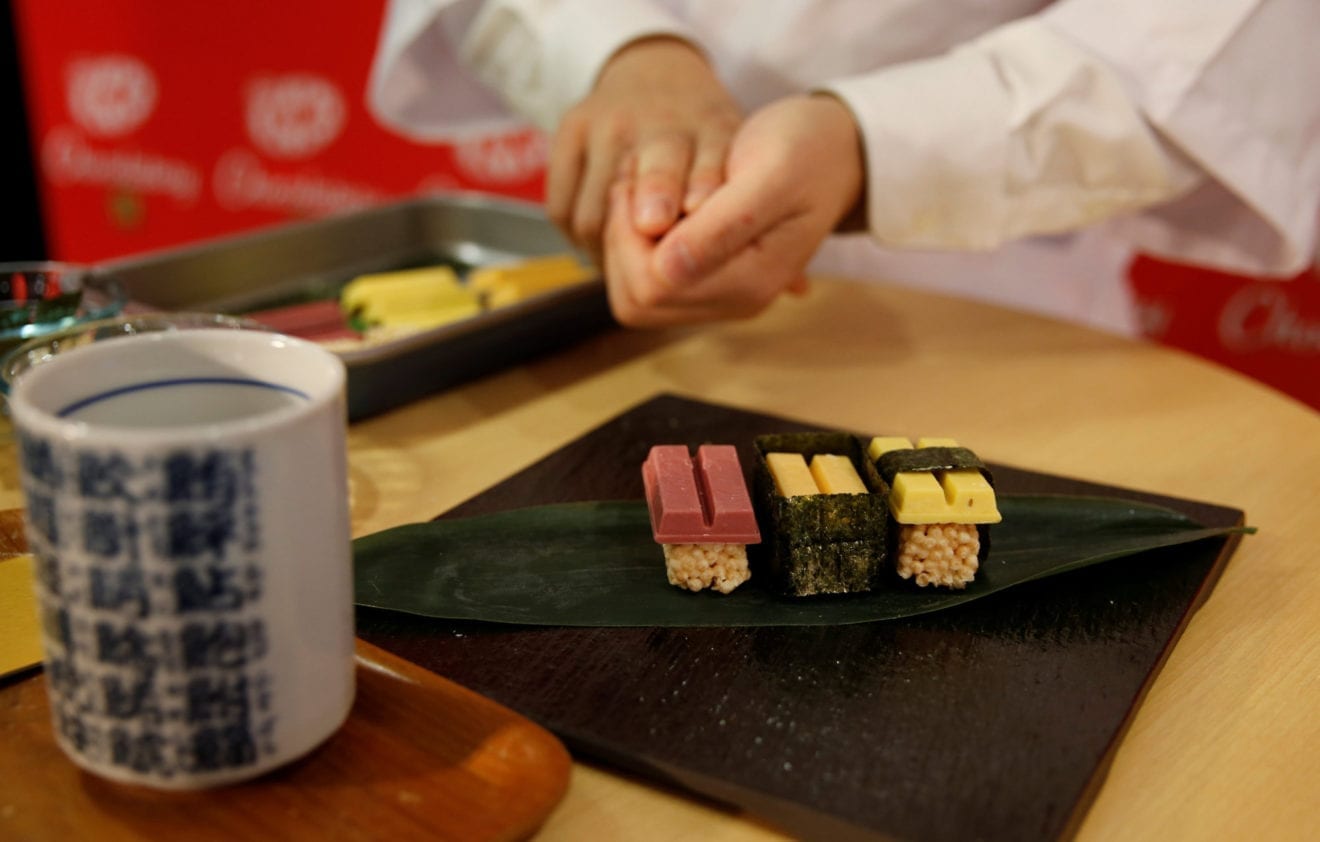
    For the grand opening of its stand-alone store, the company has created a set of three Kit Kats shaped like sushi – a combination of Kit Kats and rice puffs coated with white couverture chocolate. The maguro (tuna) version is topped with a raspberry-flavoured Kit Kat, the uni (sea urchin) version is made with a Kit Kat with the flavour of Hokkaido melon with mascarpone cheese, while the tamago (egg) version features a pumpkin pudding flavoured Kit Kat.

    kit-kats-chocolatory-japan

    Actually, the idea of a sushi Kit Kat was shared on social media by Nestle Japan as an April Fool’s Day joke last year, but the response was so huge the company decided to make it a reality. There will be 500 sets of the three sushi Kit Kats, with a limited number being offered each day to customers spending more than 3000 yen (US$26.50) or more at the new Ginza store.

    There are also plans to open a cafe on the second floor of the store in the next several months where customers will be able to try special items such as baked madeleines made with Kit Kats, or even make their own Kit Kat creations using toppings of their choice.