Tag: New York

  • Coty Full-Year Revenue Drops Five per Cent to US$5.8 Billion Ahead of Gucci License Loss

    Coty Full-Year Revenue Drops Five per Cent to US$5.8 Billion Ahead of Gucci License Loss

    Coty posted a five per cent decline in full-year net revenue to US$5.8 billion as the beauty group prepares to surrender its lucrative Gucci license.

    Fourth-quarter adjusted EBITDA dropped 26 per cent to US$93.6 million, dragging operating margins down 270 basis points to 7.4 per cent. Like-for-like sales in the final quarter slipped one per cent to US$1.3 billion, prompting Coty shares to fall 7 per cent in after-hours trading after management withheld financial guidance for fiscal 2027.

    Markus Strobel, Coty executive chairman and interim chief executive, designated fiscal 2027 a transition year focused on lowering fixed overheads. The departure of Gucci Beauty will trigger an additional drop in revenue and profit in fiscal 2028.

    Fixed costs and new fragrance licenses

    Management plans to counter the Gucci exit by cutting fixed corporate costs and expanding newer licensing contracts. The pipeline relies on cosmetics under Marc Jacobs Beauty alongside fragrance agreements with Swarovski, Etro and Marni.

    GlobalData managing director Neil Saunders noted that replacing Gucci volume requires stronger performance from remaining prestige lines, especially across department stores and travel retail networks. Retail OCD chief executive Barney Stacher cautioned that cost reductions cannot compensate for weak brand heat across mass colour cosmetics lines such as CoverGirl, Rimmel and Max Factor.

    Mass beauty shelf pressure

    Fragrance sales continue to generate cash across Asian metropolitan markets, but Coty’s mass cosmetics portfolio faces intense shelf competition from nimble regional and domestic beauty labels. Rebuilding brand visibility in physical retail and digital storefronts requires targeted product development rather than broad promotional discounting, according to Pepperdine Graziadio Business School marketing professor Kimber Maderazzo.

    Coty will deliver the final decisions from its strategic review of the Consumer Beauty unit by the end of 2026 before the Gucci transition takes effect in fiscal 2028.

  • Perion Network Boosts AI Platform for Retail Media, CTV Growth

    Perion Network Boosts AI Platform for Retail Media, CTV Growth

    Digital advertising firm Perion Network is intensifying its focus on artificial intelligence (AI) to optimize ad campaigns for retailers and brands. The company is using its Perion One platform, which includes an AI-driven engine called Outmax and a client interface called Ask Perion, to navigate the fragmented digital advertising ecosystem.

    Perion’s strategy addresses the challenge advertisers face in gaining clear insights and managing performance across various platforms, formats, and audience segments. The AI layer analyzes campaign data, identifies inefficiencies, and provides recommendations to improve media investment returns.

    This move reflects a broader industry trend where technology providers are enhancing their offerings to support sophisticated retail media strategies. As retailers in Asia increasingly invest in both online and in-store advertising channels, platforms like Perion One become crucial for unified campaign management and performance measurement.

    Accelerated Growth in Key Ad Channels

    Perion Network reported substantial growth in spending across its newer advertising channels during the second quarter. Retail media spend increased by 60% year-over-year, while connected TV (CTV) rose by 56%, and digital out-of-home (DOOH) grew by 45%. Perion One’s overall spending saw a 15% increase, with its AI-driven optimization technology, Outmax, experiencing over 130% adoption growth.

    Outmax evaluates campaign performance across channels, creative assets, and key performance indicators, then suggests changes such as budget reallocation or creative adjustments. The company also introduced Ask Perion, an interface allowing clients to interact with the platform, submit campaigns, and review results. Perion aims to integrate Outmax with platforms like ChatGPT and Google Shopping, and plans to add more channels.

    Expanding Reach and Agency Partnerships

    Perion has secured new agency agreements expected to contribute significantly by late in the third quarter, following extensive testing. These partnerships demonstrate the platform’s ability to perform across diverse campaigns and channels, creating a competitive barrier for others. The company plans to replicate this model with additional clients.

    Digital out-of-home remains Perion’s largest channel, with the company operating technology for in-store inventory at retailers like Best Buy Canada. Perion views in-store media as a significant growth opportunity, allowing advertisers to engage consumers near the point of purchase. The company’s network connects to over 1.6 million screens in more than 40 countries, and it aims to further expand this global access for advertisers. Also, CTV is a fast-growing product for Perion, supporting activity across major streaming services and platforms with its cross-channel approach.

  • Miniso and 99 Ranch Market Lead US Retail Growth by Prioritising Lifestyle and Community

    Miniso and 99 Ranch Market Lead US Retail Growth by Prioritising Lifestyle and Community

    Asian-rooted retailers Miniso and 99 Ranch Market are achieving significant growth in the United States by focusing on lifestyle connections and fostering a sense of community. The 2026 NRF Hot 25 Retailers list, compiled by Kantar, ranks the nation’s fastest-growing retail companies based on year-over-year domestic sales, with both brands making a notable impact.

    Miniso, a global lifestyle product retailer known for its affordable and aesthetically pleasing goods, secured the top spot at No. 1 on the list. 99 Ranch Market, an Asian supermarket chain, also featured prominently at No. 15. Their inclusion underscores a broader retail strategy: turning consumer lifestyle choices into deep-seated loyalty.

    Building Loyalty Through Experience

    According to Dave Marcotte, a senior vice president at Kantar, Miniso embodies the lifestyle approach in nearly all its operations. The brand’s ability to resonate with consumers on an emotional level, offering products that align with contemporary tastes and trends, is a key driver of its rapid expansion.

    Similarly, 99 Ranch Market differentiates itself through its superior offerings. Marcotte highlights the supermarket’s produce, bakery, and prepared foods as being significantly ahead of traditional chain grocers. The presentation and quality of goods are compelling enough to convert first-time visitors into loyal customers, creating a strong emotional connection.

    The Value Of Belonging In Retail

    The NRF Hot 25 Retailers list emphasises that in an increasingly complex world, a sense of belonging is vital. Retailers that successfully provide this, alongside value and convenience, are seeing stronger customer loyalty. This trend extends beyond Asian-rooted brands, with convenience store chains like Casey’s General Stores (No. 13), QuikTrip (No. 20), and Wawa (No. 24) also making the list due to their strong community ties and distinctive offerings.

    For retailers in Asia-Pacific, the success of Miniso and 99 Ranch Market offers valuable insights. Many Asian markets are already highly competitive, but these examples show that a clear focus on lifestyle integration and superior product quality can create a distinct market position and drive exponential growth. Brands across the region, from local startups to established players, are continually seeking ways to deepen consumer engagement and foster loyalty beyond just transactional interactions.

  • ANA Introduces Framework to Standardise Retail Media Measurement

    ANA Introduces Framework to Standardise Retail Media Measurement

    The Association of National Advertisers (ANA) has unveiled a new framework designed to tackle measurement challenges within the rapidly expanding retail media sector. This initiative comes as over US$100 billion is now invested globally in commerce media, with retail media networks struggling to provide consistent and comparable performance metrics across platforms.

    The ANA’s Retail Media Measurement Standardization report proposes a path towards a unified measurement ecosystem. It advocates for common standards across diverse retail media networks, increased transparency in performance calculations, and a greater reliance on independent third-party measurement providers. Leading brands, including PepsiCo, Hershey’s, Clorox, Kimberly-Clark, Mondelez, Bayer, and Intel, contributed to the framework’s development through the ANA’s Retail Media Working Group.

    Addressing Fragmentation in Retail Media

    Retail media has become one of the fastest-growing segments in the media mix, attracting significant brand investment. However, the fragmented nature of the ecosystem makes it difficult for marketers to compare the effectiveness of their spending across different platforms. This new framework seeks to establish a foundational measurement standard, allowing brands to better understand what truly drives results and to optimise their media strategies more effectively.

    For retailers and brands operating in Asia-Pacific, where e-commerce and digital retail media are also experiencing explosive growth, standardisation is crucial. As platforms like Lazada, Shopee, and regional supermarket chains expand their advertising offerings, consistent measurement practices would enable brands to allocate budgets more strategically and demonstrate clear returns on investment across diverse Asian markets. This move by the ANA provides a potential blueprint for similar efforts in the region, helping to mature the retail media landscape.

    Call For Transparency And Independent Verification

    The framework highlights three key areas for improvement: the establishment of common measurement standards that all retail media networks can adopt, enhanced transparency regarding how performance metrics are calculated and presented, and a wider acceptance and use of independent third-party measurement solutions. These recommendations aim to instill greater confidence among advertisers and foster healthier competition within the retail media space.

  • Taylor Swift’s New York Real Estate Expansion: Discover the Price Tag Behind Her Lavish Investment!

    Taylor Swift’s New York Real Estate Expansion: Discover the Price Tag Behind Her Lavish Investment!

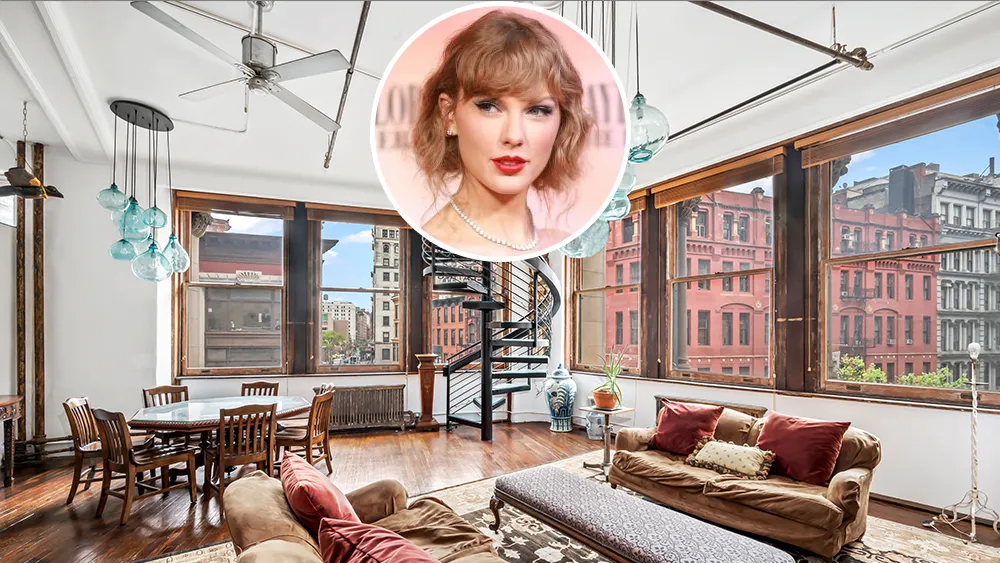
    As American pop icon Taylor Swift continues to secure her place in the music industry, she has also quietly expanded her real estate portfolio in New York City into a remarkable compound that reflects her commitment to privacy and luxury. The singer has reportedly invested nearly $48 million over the past decade, transforming her properties into a haven in the bustling Tribeca neighborhood.

    A Glimpse into Taylor’s Luxurious Abode

    Swift initially purchased two penthouse units in 2014 from filmmaker Peter Jackson for a lavish $19.95 million. This impressive home boasts ten bedrooms and ten bathrooms, complemented by a billiards room that could easily host the ultimate afterparty.

    Expanding the Empire

    Adding to her impressive collection, Swift acquired a neighboring townhouse in 2017 for $18 million, a fully renovated gem featuring a home theater, gym, guest suite, and a terrace created by distinguished architect Leopoldo Rosati. In 2018, she rounded off her holdings with a $9.75 million apartment in the Sugar Loaf building, which encompasses three bedrooms and spans an expansive 3,500 square feet.

    A Personal Approach to Design

    Real estate agent Andrew Azoulay suggested that the townhouse could function as a private garage, seamlessly connecting to the Sugar Loaf apartment for discreet entry and exit, so Swift could glide past neighbors without breaking a sweat.

    The Bigger Picture in Tribeca

    Though Swift’s purchases are among the priciest recent transactions in the neighborhood, real estate expert Noble Black asserted her presence has not drastically changed the Tribeca real estate landscape. He points out that her luxurious acquisitions stack up against other high-profile listings, such as a $34 million penthouse at 111 Murray Street, and another at 67 Franklin Street that went under contract for $12 million in late 2024.

    Wealth Beyond Comparison

    Swift’s real estate investments appear modest compared to her estimated net worth of $1.6 billion, as reported by Forbes. In October 2023, she became the first musician to break into the billionaire club, propelled by staggering earnings from her Eras Tour and the soaring value of her music catalog.

    Questions & Answers

    What properties has Taylor Swift purchased in New York City?
    Taylor Swift has purchased two penthouse units for $19.95 million, a townhouse for $18 million, and an apartment in the Sugar Loaf building for $9.75 million, totaling nearly $48 million in investments.

    How does Swift’s real estate presence affect the Tribeca market?
    While Swift’s properties are among the highest-end sales recently, real estate expert Noble Black suggests her presence hasn’t significantly impacted the overall real estate landscape in Tribeca.

    What is Taylor Swift’s estimated net worth?
    As of October 2023, Swift’s net worth is estimated at $1.6 billion, making her the first musician to enter the billionaire club.

  • Miniso opens new flagship store in Times Square, NYC

    Miniso opens new flagship store in Times Square, NYC

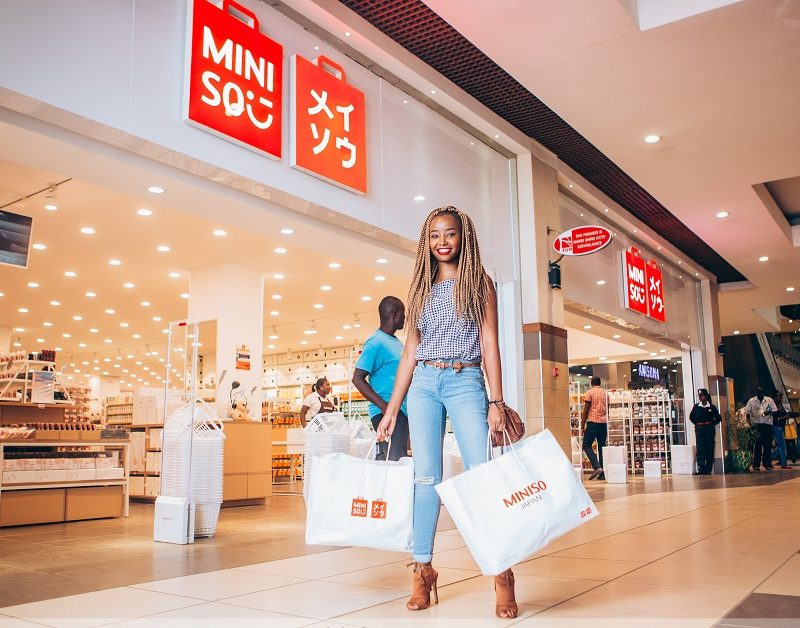
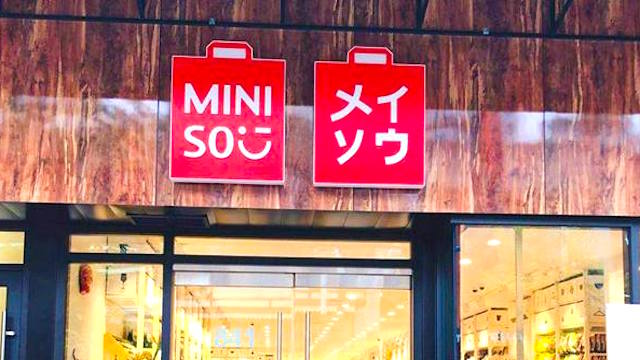
    Chinese discount variety store Miniso will open a flagship store in New York City next month, a move it describes as its biggest milestone since its foundation in 2013.

    The new store, located on the first floor of 5 Times Square, will offer customers almost 2000 different products.

    The new flagship will feature an updated design and nine distinct zones, including licenced collections, blind box collectibles, toys, plushies, fragrances, accessories, makeup tools, snacks, and gifts & stationery.

    According to Miniso, the overall design will be simple and clean, concentrating on licenced products from international brands like Sanrio, Hello Kitty’s parent, which will be included in the window design for the store’s launch. Miniso says it plans to bring more brand collaborations to the US market, including Peanuts, Barbie and Mario Bros.

    “The opening of the Times Square store is a crucial step towards our transformation and upgrade,” said Jack Ye, founder and CEO of Miniso.

    “Times Square is the Crossroads of the World and a hub of business, entertainment and culture. By making a physical presence in one of the busiest pedestrian areas, Miniso appeals to New Yorkers and visitors worldwide and responds to consumer demands for attractive, fun, useful, and affordable products.”

    Miniso unveiled its new worldwide strategy earlier this year, stating that it will convert into a lifestyle superbrand that brings joy to clients worldwide.

    In addition, the Chinese retailer also disclosed to expand into four new markets: Panama, Angola, Trinidad and Tobago, and Latvia, at the beginning of this month.

  • Esprit opens innovation hubs in New York and London

    Esprit opens innovation hubs in New York and London

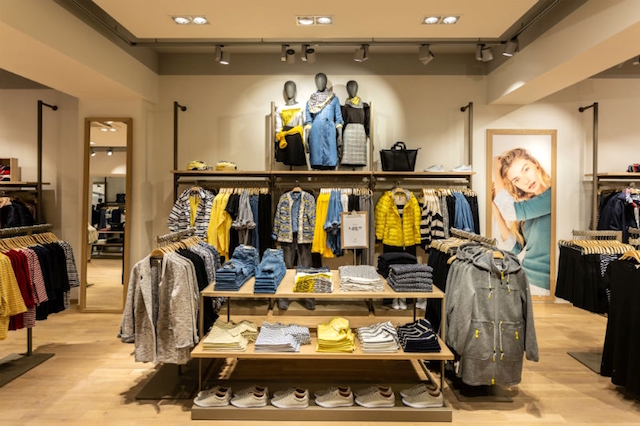
    Esprit has announced London and New York as two new locations for its Futura innovation hubs. Futura is part of its digital strategy to “reinvent customer engagement experiences by turning data into insights, fuelling the brand’s global expansion matched to the fast-growing scale of digital change in today’s fashion retail landscape”.

    As part of its wider strategy, the brand has been moving key functions to strategic locations, “creating a truly global presence”. It said the two metropolises are global cities “with strong cultural influences and 24-hour connectivity. They will be heavily integrated and connected to the brand’s commitment to digital and creative innovation”.

    New York will be the global creative and design hub “to inspire forward thinking and bring contemporary concepts and talent to its new branding strategy”. This is intended to “solidify the ambition to rebrand one of the world’s most iconic companies. [It] will take the lead in Esprit’s rebranding venture”.

    Futura London will be the firm’s global customer experience innovation hub “to provide unique customer experiences for an avant-garde omnichannel connection to the Esprit universe”.

    They join the existing Amsterdam hub that combines e-commerce and technological advancement. As the first physical hub, “it will lead in driving portfolio management innovation, creation of new ideas and pilots, enhancing and renewing the existing omnichannel business, and digital execution”.

    The company said the steps it’s taking are an important part of “turning the iconic brand into an omnichannel technology and data-driven fashion powerhouse”.

    The new hubs “aim to create transformative change in culture, mindset, and business process, discover new growth opportunities for Esprit, and improve innovation performance through a technology-driven approach that focuses on customer experience and embraces circularity”. This new structure “will also provide opportunities to enable staff to have more flexibility with increased international exposure”.

    CEO William Pak said: “Esprit is in the process of transforming into a truly global company with the creative minds and processes in key cities enabling consumers to be connected to the brand on a multi-dimensional level. This enables [it] to adapt to major challenges in fashion and the macro environment in order to propel into the future. Creating an exciting customer experience with smart design and a connection to the brand is an exciting path forward.”

  • Asics shutters New York flagship as Covid plagues business

    Asics shutters New York flagship as Covid plagues business

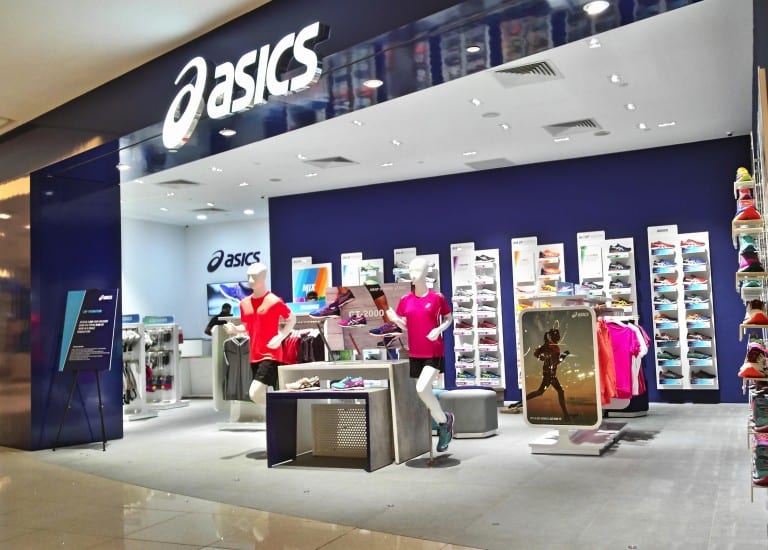
    Japanese sporting goods maker Asics closed down its New York flagship store in December amid the prolonged impact of the COVID-19 pandemic, the company announced on Monday.

    The store opened in December 2017 on Fifth Avenue, selling running shoes and sportswear. Asics’s decision comes as high rent bites the company, on top of uncertainties around when the pandemic will end.

    Due to the store’s closure, the sports brand is taking an extraordinary loss of about 2.3 billion yen ($22 million) for the fiscal year ended December 2020. The loss is already included in the latest earnings forecast.

    Asics’ sales in North America declined by 19% between January and September 2020, compared to the same period in 2019. The company is expected to take a net loss of 17 billion yen in fiscal 2020. Sales are forecast to decline by 15% to 320 billion yen.

  • World-first Sour Patch Kids store launches in New York City

    World-first Sour Patch Kids store launches in New York City

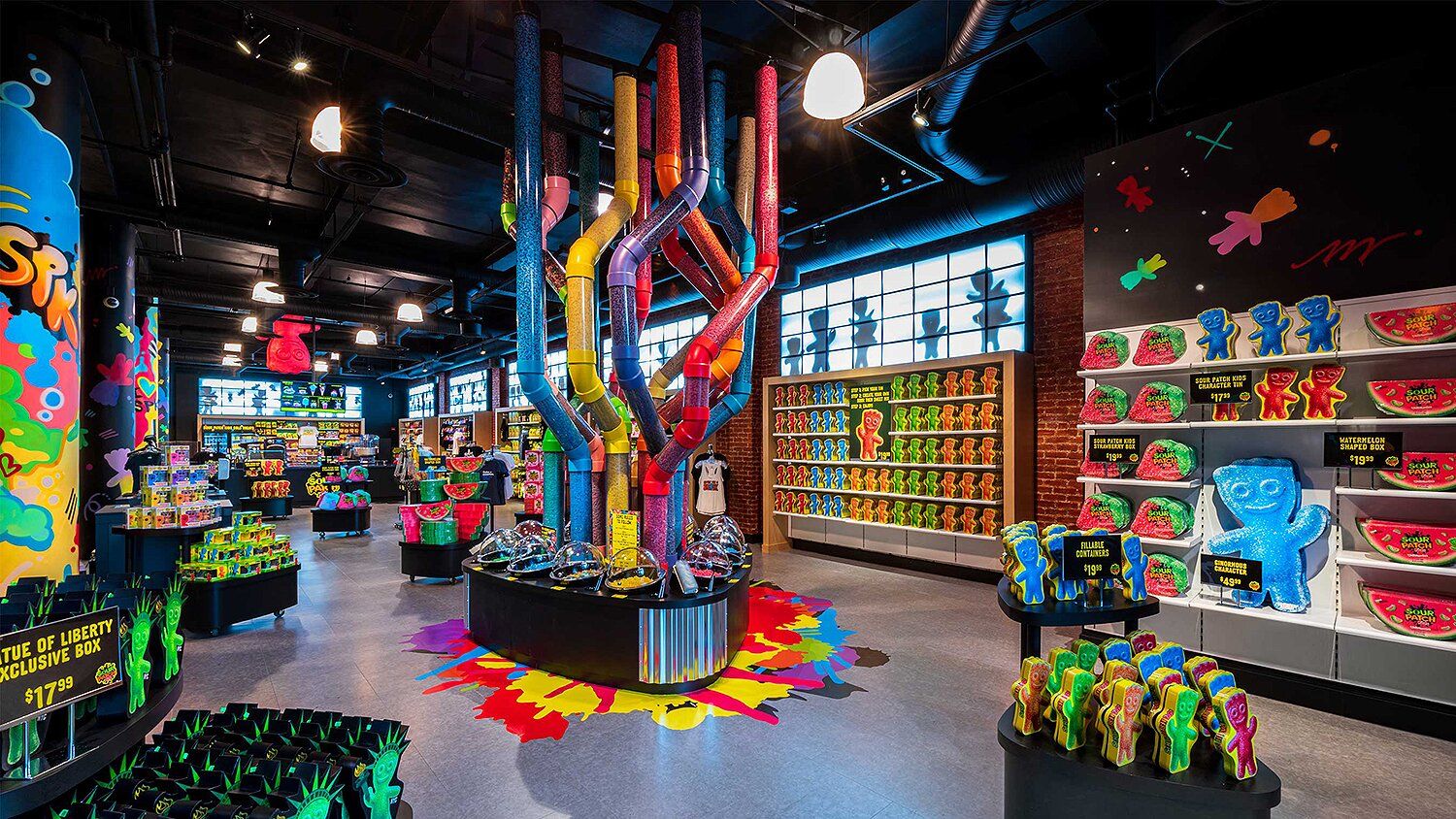
    Soft-candy brand Sour Patch Kids has launched a world-first store in New York City selling confectionery and a raft of themed products.

    Located between New York University’s Washington Square campus and the SoHo Shopping district, Bond Street and Broadway, the Kids’ permanent home features a wide selection of the brand’s merchandise, including mugs, t-shirts, socks, and beach totes.

    “We created this new experience for our fans to engage with the Sour Patch Kids brand on a whole new level, but of course understand that these are uncertain times,” said Danielle Freid, the brand’s manager.

    “With this store as our new permanent home, we want our fans to know that the Kids aren’t going anywhere. We welcome visitors to join us for a colorful, flavourful experience whenever they’re ready to explore the city again,” he said.

    Operated by specialty candy retailer It’sugar, the store also houses a Sour Patch Kids Sweets Bar where customers can find a selection of desserts, including ice creams, smoothies, and cookies.

    The Kids’ store also features a create-your-own candy mix station and a full-size Instagrammable Yellow Cab for customers to take photos with.

    “The concept behind this store is about bringing the beloved Sour Patch Kids brand to life through exclusive products and unique experiences,” said Jeff Rubin, CEO of It’sugar.

    As New York City just begins to reopen, to ensure visitors’ safety, the Sour Patch Kids’ customers are required to follow social distancing and wear face coverings. The Sweets Bar features only a to-go menu until indoor dining is allowed.

  • New York fashion label Sies Marjan closes its door

    New York fashion label Sies Marjan closes its door

    New York-based luxury fashion label Sies Marjan has shut down its operations after five years in business.

    Although the brand was backed by billionaire investors, Sies Marjan was financially affected by the impact of Covid-19 pandemic.

    “What we have worked on has been a dream come true,” said Sander Lak, creative director of Sies Marjan. “Thank you to everyone who has given their time and talent to Sies Marjan over the years.

    “We have built a singular brand whose legacy is not just in the clothes and collections but within each person who contributed along the way.”

    Named after Lak’s parents, Sies Marjan made its debut at the New York Fashion Week in 2016 and became famous for its colourful palette.

    The luxury brand successfully secured funding from billionaires, Howard and Nancy Marks, with an estimated net worth of US$2.2 billion. However, Sies Marjan faced a setback after its major stockist Barney New York went bankrupt last year.

  • Tiffany Flagship Next Door opens in New York

    Tiffany Flagship Next Door opens in New York

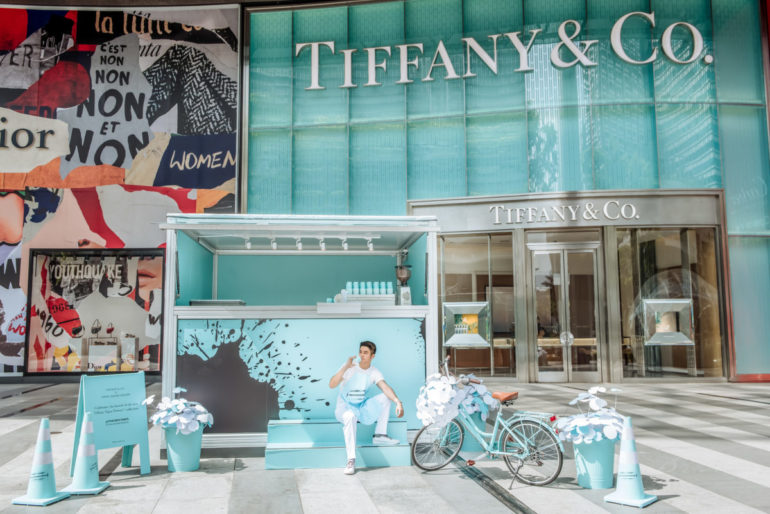
    Tiffany & Co has opened The Tiffany Flagship Next Door – a two-year pop-up store in New York City.

    Located at the adjacent 6 East 57th Street, the Flagship Next Door will serve as Tiffany’s New York City flagship store until the transformation of No 727 Fifth Avenue is complete next year.

    The store’s main floor features high jewellery and famous collections including Tiffany T, Tiffany Paper Flowers, Tiffany Victoria, Tiffany Keys, and Tiffany HardWear. The Tiffany Men’s Collections is presented on the second floor, while third floor displays love and engagement collections and the fourth floor offers homewares and accessories

    The Tiffany Flagship Next Door also features private selling rooms and a VIP salon, offering customers the same level of service that they were accustomed to in the original flagship store.

    The store is designed around a vaulted, escalator-flanked atrium and retains “a playful, fun look with a modernised attitude”, the company said in a statement. Inspired by the original store, the new store’s interior uses concrete and stainless steel as its main materials.

    Tiffany brand codes are displayed throughout the store, from wood paneling with Tiffany’s Flora and Fauna motif stenciled onto crates, to Tiffany’s signature Wheat Leaf motif reimagined as a ‘Color Block’ painted feature wall.

    “We have created something truly unique and visually dynamic with this space,” said Reed Krakoff, chief artistic officer at Tiffany & Co.

    Tiffany unveiled its transformation plans for its iconic New York City flagship store last year. The building is an architectural icon that has served as the cornerstone of Manhattan’s shopping district since 1940. The brand says the transformation of the New York flagship store marks a new chapter on Fifth Avenue and further interlaces the brand into the fabric of New York City.

  • AT&T launches 5G service in New York City

    AT&T launches 5G service in New York City

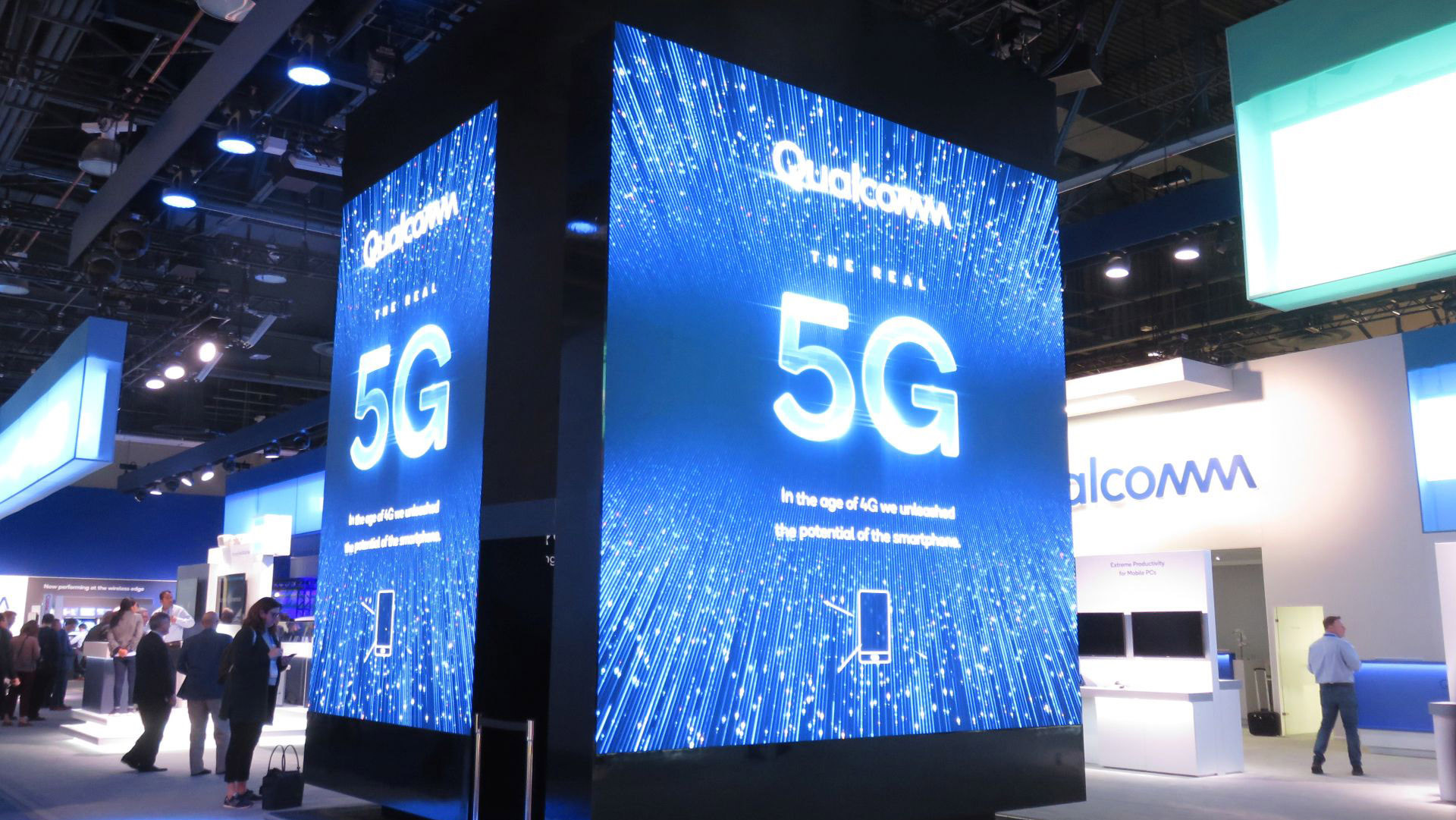
    After Sprint and Verizon, it’s AT&T’s turn to bring 5G to another US city. The carrier has just announced that starting today, customers in New York City will be able to use its 5G service if they own a compatible device.

    However, AT&T’s 5G network won’t cover the entire city and it will be available in limited areas initially. Sadly, unlike other US carriers, AT&T wouldn’t list areas in New York City where customers will be able to access its so-called 5G+ network.

    For the time being, select customers in NYC can access AT&T’s 5G+ network using the Samsung Galaxy S10 5G on the carrier’s AT&T Business Unlimited Preferred plan. As such, the AT&T 5G service is only for business customers, at list initially.

    NYC is the 21st city in the US with AT&T 5G, but the carrier announced plans to offer nationwide 5G in the first half of 2020, so there’s more to come.

  • Luxury CBD store opens in Manhattan

    Luxury CBD store opens in Manhattan

    A new luxury CBD store in the heart of New York City speaks volumes about where the fast-growing industry is headed as regulations are relaxed around the world.

    The 420: An Entertainment Hospitality Company has launched its first CBD-focused retail concept in Manhattan’s luxury shopping district, Soho.

    The 420: A CBD Store features a collection of premium, hand-selected products from top CBD and emerging luxury brands against a backdrop of bespoke art installations.

    “Over the next several years, our company will be taking a big stake in large-scale, cannabis-related hospitality entertainment across marquee locations throughout the world,” said The 420: An Entertainment Hospitality Company founder and CEO Robert Frey.

    “We believe CBD retail is the best place to begin to elevate the consumer experience. The space is ready for a new dimension of immersive luxury retail. We aim to provide the consumer with both established and undiscovered brands plus education through high quality seminars.”

    According to cofounder Eddie Miller, plans are already underway for six additional New York locations.

    The interior of the luxury CBD store features mid-century modern furniture, antiques and modern custom designed fixtures as well as a collection of finds acquired throughout New York City.

  • Forever New Building Ouit Presence in North America

    Forever New Building Ouit Presence in North America

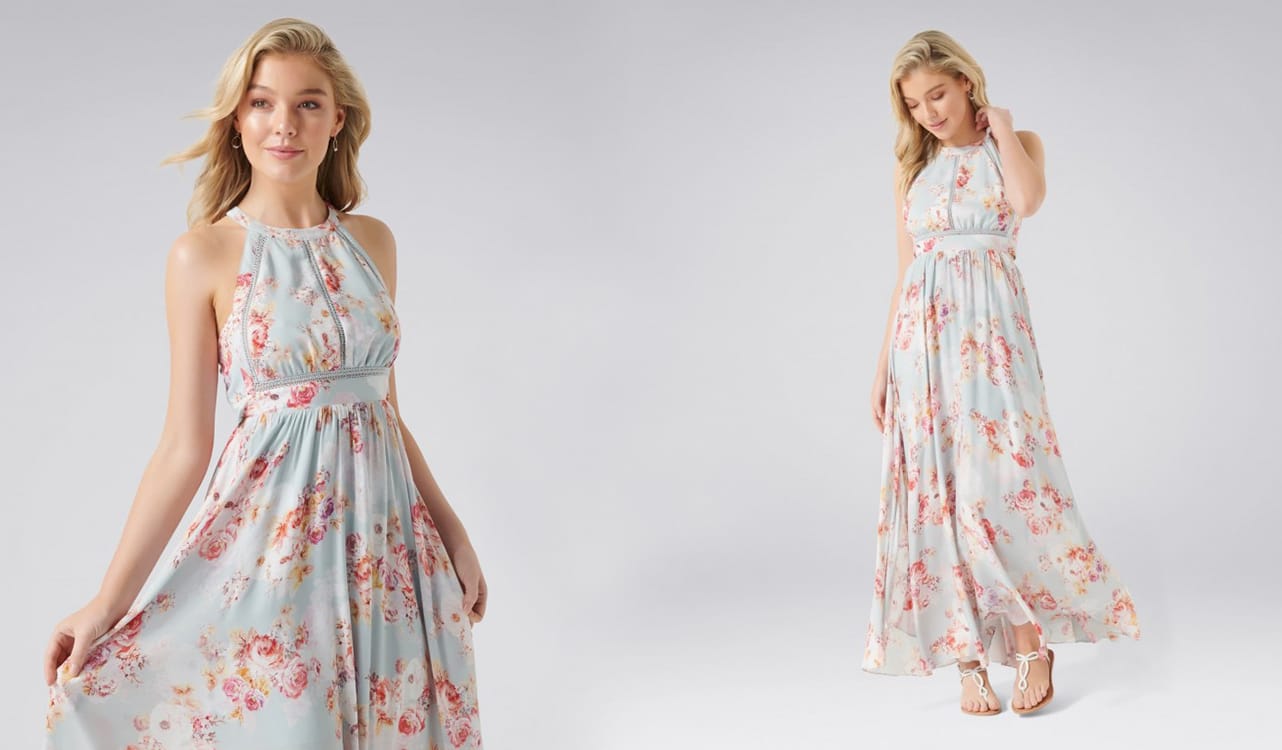
    Australian retailer Forever New is ramping up its presence in North America, with plans to launch a standalone website in the US, sell through major department stores, including Bloomingdales and Nieman Marcus, and open two new stores in Canada.

    The news, announced on Monday, is the latest sign of Forever New’s global aspirations. The brand has formed a string of partnerships with retailers around the world, including Asos and Next in the UK, Zalora in Singapore and Zalando in Europe, and last year, it revamped its website to better serve international customers.

    “Forever New has a unique product offering and our handwriting is not only relevant to the markets in the Southern Hemisphere but also in the Northern Hemisphere. We offer a real point of difference,” Carolyn Mackenzie, managing director of Forever New, told Inside Retail.

    Focus on third-party expansion

    According to Mackenzie, the retailer’s presence in the Canadian market over the last few years has sparked interest from American retailers.

    Forever New, which trades as Ever New in North America, appears to have four bricks-and-mortar stores in Canada – three in the Vancouver area, and one in Toronto. The retailer plans to open a second store in Toronto a new location in Calgary this year.

    The retailer started selling in the US market via Nordstrom.com in 2018, and on Monday, it announced it will launch a standalone website in the coming months. It will also launch offline in Bloomingdales and Nieman Marcus department stores, and expand its online presence via Nordstrom, Lulus, South Moon Under and Amazon.

    Mackenzie said the privately-held business is currently focusing its efforts on third-party and digital expansion, but that it may open standalone stores in the US in future.

    “Being an agile and fast-moving business means there is always the possibility…” she said.

    Broader transformation underway

    The ramp-up overseas is just part of the multi-faceted transformation currently underway at Forever New.

    In late 2018, it overhauled its global e-commerce platform to make the online shopping experience more seamless, and in 2019, it unveiled two first-to-market digital initiatives: a reserve-in-store option and visually-similar product recommendation tool.

    It has also launched a new high-end store concept designed by Hecker Guthrie, featuring terrazzo tiled floors, brushed brass detailing and fluted glass panels.

    “[T]he new store concept embodies the feminine signature of the brand,” Mackenzie said, calling it “the perfect backdrop to the brand’s distinctive designs and prints”.

    Next up for Forever New? More inclusive sizes.

    “Following on from the success of Forever New Petite and to ensure the accessibility of Forever New for all, we’re planning on expanding our category offering with ‘Forever New Curve’,” Mackenzie said.

    “Stay tuned for more details on these exciting initiatives.”

  • Godiva New York City store a launchpad for Global Dominance

    Godiva New York City store a launchpad for Global Dominance

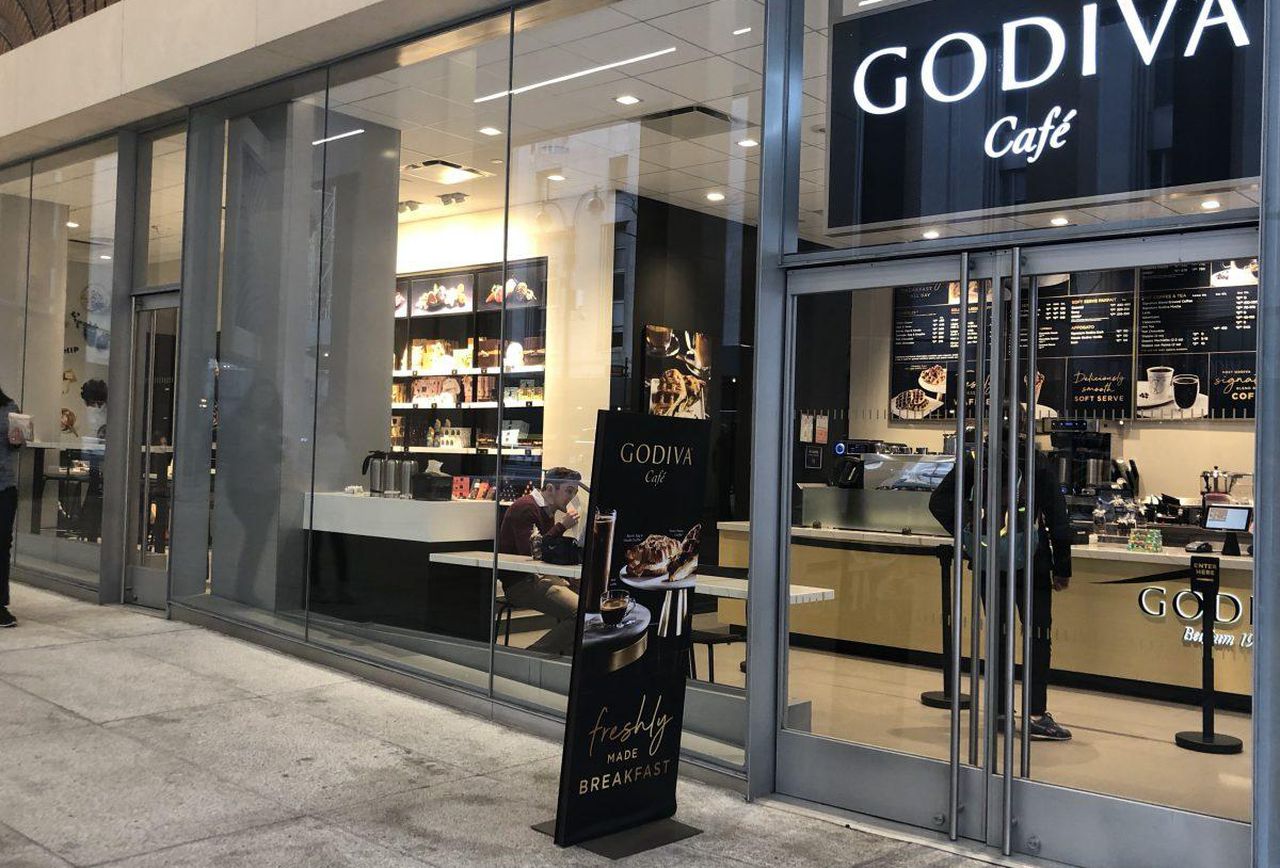
    The Godiva New York City store not only presents the newest store look, it serves as a launching pad for the brand to expand into new product categories, part of the brand’s larger global strategy in achieving a fivefold growth plan in the next six years. By the end of the year, 10 more cafes are slated to open in New York State, and the plan is to launch more than 400 locations in the Americas.

    “This is a very pivotal time for Godiva as we transition to align with the ever-changing consumer behavior,” said Godiva Chocolatier CEO Annie Young-Scrivner. “We have an aggressive growth plan for the next six years, which includes expanding our footprint of 2000 cafes worldwide with a focus on growth in the Americas.”

    Godiva’s cafes have seen international success, with locations currently open in Japan, China, Belgium and the Middle East. In February, the company sold its retail and distribution operations in four markets – Japan, South Korea, Australia and the future rights to develop New Zealand – to private equity company MBK.

    The overall concept has shifted with the Godvia New York City location, featuring a refreshed design and a wide array of new menu items that will shape and be replicated in the course of expansion over the next few years.

    “Godiva’s plan to open more cafes is a smart move from a customer loyalty perspective,” said Clarus Commerce CEO Tom Caporaso, a loyalty program expert with 20 years of experience. “One of the greatest assets that brick and mortar brands like Godiva have is their physical real estate, and adding a refreshed component to the in-store experience will create renewed excitement for both long-standing and new customers.

    “The chocolatier has already established itself as a premier brand for special occasions, but these eateries now also allow it to be a staple in its customers’ everyday lives. This will help create a deeper, more meaningful connection to the brand, and build consumer loyalty over time.”