Tag: nike

  • Nike Revamps China Strategy, Directs Online Sales to Exclusive Channels Amid Rising Domestic Competition

    Nike Revamps China Strategy, Directs Online Sales to Exclusive Channels Amid Rising Domestic Competition

    In a move to regain customer loyalty in China, American athletic wear giant, Nike, is taking control of its online product distribution. The company aims to drive consumers to official Nike channels and implement full-price sales as it faces increasing competition from domestic brands.

    Nike’s new strategy includes limiting online sales by wholesale distributors, according to Cathy Sparks, VP and GM of Greater China. From January, major sportswear retailers in China will cease online sales of Nike’s clothing and footwear, focusing instead on in-store transactions. Online, Nike merchandise will be available through new Nike-branded digital storefronts on popular Chinese e-commerce platforms such as Tmall, JD.com, and Douyin, as well as Nike’s own website and app.

    Sparks, who has spent 25 years at the company and was appointed to oversee Chinese operations earlier this year, stated, “Our marketplace has become so fragmented and cluttered.” She added that consumers desire a premium brand experience that is reliable and seamlessly integrates digital and physical aspects.

    Recovery Challenges in China

    China, the third largest market for Nike, presents a significant area of concern. As the company seeks to recover growth, it’s implementing a comprehensive strategy that includes this shift towards e-commerce.

    The company reported last month that sales in Greater China declined by 17% on a constant-currency basis in the fourth quarter. This drop is even more significant than the 10% decrease seen in the previous quarter. Nike’s market share has been impacted by the rise of local competitors Anta and Li Ning, as well as international brands like On and Hoka.

    Investors are keenly observing Nike’s recovery strategy led by CEO Elliott Hill. Despite facing substantial challenges, Hill, who has been at the company’s helm for nearly two years, is determined to refocus on sports, rebuild wholesale relationships in North America, and introduce new products.

    In line with these changes, most of Nike’s 16 store partners in China, who manage thousands of Nike stores, will halt their online sales, a Nike spokesperson confirmed.

    Topsports, a leading Chinese sportswear retailer that makes 22% of its revenue from online sales of Nike products, is among the distributors expected to be impacted. The company has warned of a “significant” short-term negative effect but remains committed to collaborating closely with Nike on offline sales arrangements.

    Nike’s decision to alter its e-commerce strategy was criticized by BNP Paribas senior analyst Laurent Vasilescu, who called it a “strategic misstep” that could benefit competitors.

    Furthermore, Sparks highlighted the need for Nike to launch products that resonate more with Chinese consumers. The company has appointed a vice president of local product creation in Greater China to address this need.

    Questions & Answers

    What is Nike’s strategy to regain customer loyalty in China?
    In an attempt to regain customer loyalty, Nike is controlling its online distribution by driving consumers to official Nike platforms and implementing full-price sales, despite facing competition from domestic brands.

    How is Nike’s market performance in China?
    Nike reported a 17% decline in sales in Greater China on a constant-currency basis during the fourth quarter, showing a larger decrease than the 10% drop in the previous quarter.

    Why does Laurent Vasilescu, BNP Paribas senior analyst, consider Nike’s e-commerce strategy changes a strategic misstep?
    Vasilescu believes that Nike’s problem is not with distribution in China and elsewhere, but with its product. He suggests that the changes in e-commerce strategy could give opportunities to the company’s competitors.

  • 7-Eleven Takes Nike to Court over Air Max Design: The Battle of the Tri-Color Stripe

    7-Eleven Takes Nike to Court over Air Max Design: The Battle of the Tri-Color Stripe

    The popular convenience store chain, 7-Eleven, has filed a lawsuit against sportswear behemoth Nike, alleging that their upcoming sneaker design infringes upon 7-Eleven’s iconic tri-color branding. This legal action comes in response to the striking resemblance between the orange, green, and red stripe pattern of Nike’s soon-to-be-launched Air Max 95 shoe and 7-Eleven’s company branding.

    Accusations of Brand Infringement

    The lawsuit, lodged in a federal court in Dallas, accuses Nike of creating a “confusingly similar imitation” of 7-Eleven’s tri-color stripe motif. 7-Eleven argues that this design is integral to its brand identity, and is universally recognized as being representative of their stores. Nike’s decision to schedule the shoe release for July 11, a date known for 7-Eleven’s annual “7-Eleven Day” celebration and Free Slurpee Day, further aggravated the dispute.

    The lawsuit alleges that Nike has shown a “callous and malicious disregard” for 7-Eleven’s brand rights. The convenience store chain has expressed concern that the unauthorized use of their brand, coupled with the shoe’s launch on their company’s “birthday”, necessitated this legal action to safeguard their brand identity.

    7-Eleven asserts that they made numerous attempts to amicably resolve the issue prior to filing the lawsuit, but were met with Nike’s resolve to proceed with the shoe’s launch and continued promotion.

    Seeking Resolution and Retribution

    The chain contends it has used the orange, green, and red color scheme for many years across various platforms including store signage, advertising, merchandise, and footwear. It claims ownership of multiple trademark registrations for this design.

    The lawsuit argues that Nike deliberately designed the shoe to conjure associations with 7-Eleven, thus profiting from their established brand recognition. The suit suggests that consumers are likely to incorrectly presume an endorsement or sponsorship from 7-Eleven, even though no such partnership exists.

    7-Eleven is pursuing a court order to halt Nike’s sales of the shoe, as well as a recall of any distributed products. The company is also seeking financial compensation and all profits from the sales of the controversial footwear.

    Questions & Answers

    What is the cause of the dispute between 7-Eleven and Nike?
    7-Eleven has accused Nike of infringing upon their tri-color stripe branding in their upcoming Air Max 95 shoe design.

    What resolution is 7-Eleven seeking in the lawsuit?
    7-Eleven is seeking a court order to stop the sale of the shoe, a recall of any distributed products, financial compensation, and all profits from the sales of the footwear.

    Did 7-Eleven attempt to resolve the dispute before filing the lawsuit?
    According to their statements, 7-Eleven tried multiple times to resolve the issue amicably but were met with Nike’s insistence on proceeding with the launch, leading them to take legal action.

  • Nike Unleashes Football Universe in Hong Kong Stores to Ignite World Cup Fever

    Nike Unleashes Football Universe in Hong Kong Stores to Ignite World Cup Fever

    Nike recently kicked off a football-centric retail initiative as a part of their worldwide ‘Rip the Script’ campaign in Hong Kong, transforming selected stores into immersive environments. This move, unveiled under the banner ‘Nike Football Universe’, aligns with the sportswear titan’s launch of the 2026 National Team Kit collection in anticipation of the upcoming Fifa World Cup.

    Selected stores have taken on a new look, complete with campaign-centric visual merchandising, football-themed exhibits, and interactive elements showcasing the 2026 National Team Kit Collection and the Mercurial football boot line. The campaign roll-out also included guest appearances by local footballers Yapp Hung Fai, Yu Jesse Joy Yin, and Lau Ka Kiu. As an added feature of this campaign activation, Nike’s Fa Yuen Street store is inviting fans to a Football Photo Booth experience until July 22.

    Expanding Personalisation Services

    In addition to the immersive store experiences, the retail giant is broadening the reach of its Jersey By You and Nike By You services across participating stores. This allows customers who purchase selected national team jerseys the option to personalise them with player names and numbers. Meanwhile, the Nike By You service presents shoppers with football-inspired graphics and patches for tailored apparel and footwear.

    This movement in Hong Kong is part of Nike’s larger strategy to stir up enthusiasm around football before the 2026 World Cup. The company aims to use these retail experiences to showcase their new product ranges and deepen customer engagement.

    Questions & Answers

    What is the idea behind Nike’s ‘Rip the Script’ campaign?
    The campaign is designed to build excitement around football ahead of the 2026 World Cup, using immersive retail experiences to highlight new product lines and enhance customer engagement.

    What unique features are offered in the newly transformed stores?
    The stores now feature campaign-themed visual merchandising, football-centric displays, and interactive elements. Customers can also personalise selected national team jerseys and enjoy football-inspired graphics and patches for tailored apparel and footwear.

    How is Nike involving local footballers in the campaign?
    Local footballers Yapp Hung Fai, Yu Jesse Joy Yin, and Lau Ka Kiu have made guest appearances as part of the campaign roll-out, contributing to the immersive football environment.

  • Nike Kicks Off Football Universe in Hong Kong: Unveiling the 2026 World Cup Kit Collection and More

    Nike Kicks Off Football Universe in Hong Kong: Unveiling the 2026 World Cup Kit Collection and More

    Nike has initiated a football-centric retail strategy throughout Hong Kong, as a segment of its worldwide ‘Rip the Script’ campaign, by transforming select stores into immersive environments.

    This effort, known as the ‘Nike Football Universe’, aligns with the unveiling of the athletic apparel behemoth’s 2026 National Team Kit collection, in anticipation of the upcoming Fifa World Cup. Selected stores have been given a complete overhaul, with campaign-specific visual marketing, football-themed displays, and interactive elements that put the spotlight on the 2026 National Team Kit Collection and the Mercurial football boot line.

    The strategy’s implementation also includes visits from local football stars Yapp Hung Fai, Yu Jesse Joy Yin, and Lau Ka Kiu. Integrated into the campaign’s activities, Nike’s Fa Yuen Street store extends a Football Photo Booth experience until July 22.

    Moreover, Nike is broadening the availability of its Jersey By You and Nike By You services throughout participating outlets. Customers who purchase selected national team jerseys have the option to personalize them with player names and numbers. Simultaneously, Nike By You provides football-inspired graphics and patches for bespoke apparel and footwear.

    This Hong Kong campaign is a fragment of Nike’s larger drive to fuel enthusiasm about football leading up to the 2026 World Cup. It uses retail experiences as a platform to debut new product lines and escalate customer involvement.

    Questions & Answers

    What is the aim of the ‘Nike Football Universe’ in Hong Kong?
    The initiative is part of Nike’s global ‘Rip the Script’ campaign, aimed at increasing anticipation and excitement for football and the 2026 Fifa World Cup, by transforming select stores into immersive football-themed spaces.

    How is Nike personalizing the retail experience for customers?
    Nike is expanding its Jersey By You and Nike By You services to more locations. This allows customers to personalize selected national team jerseys with player names and numbers. Customers can also add football-inspired graphics and patches to customize their apparel and footwear.

    Why are local football stars visiting Nike stores?
    Local football stars Yapp Hung Fai, Yu Jesse Joy Yin, and Lau Ka Kiu are visiting select Nike stores as part of the campaign. Their appearances are designed to engage customers and create a more immersive and personal retail experience.

  • Nike Unveils First ACG Flagship Store in Beijing: Breathing New Life into Outdoor Sports Culture

    Nike Unveils First ACG Flagship Store in Beijing: Breathing New Life into Outdoor Sports Culture

    Nike has broadened its scope in the outdoor performance sector with the inauguration of its maiden All Conditions Gear (ACG) flagship store in Beijing, thereby officially rebranding ACG as an independent entity.

    The Store at Taikoo Li Sanlitun

    The ACG Base Camp, situated at Taikoo Li Sanlitun, is the first worldwide retail concept devoted solely to ACG. The store’s launch underscores the instrumental role of the Chinese market in Nike’s overarching expansion strategies.

    Nike has positioned the Beijing store as more than just a conventional retail outlet. Instead, it aims for the store to serve as both a community center and a stage for brand narration, intending to connect urban customers with outdoor sports culture.

    The Legacy of ACG

    ACG, first unveiled over four decades ago, has carved out a reputation for catering to athletes involved in trail running, hiking, and various other outdoor activities. Nike’s decision to rebrand ACG preserves the brand’s longstanding commitment to producing performance-oriented products tailored for a range of challenging conditions.

    The rebranding serves as an indication of Nike’s renewed focus on the outdoor division within its product lineup.

    A New Chapter for ACG

    Scott LeClair, the Vice President and General Manager of ACG, stated that this constitutes a pivotal point in the history of ACG. It represents a renewed commitment to all conditions and serves as a call to athletes to disconnect from their routine, venture outdoors, and explore.

    “ACG has the potential to shape the future of outdoor performance and venture into exciting, novel territories. It is going to be an exhilarating journey,” said LeClair.

    Questions & Answers

    What is the strategic implication of launching the maiden ACG flagship store in Beijing?
    Opening the first ACG store in Beijing highlights the integral role of the Chinese market in Nike’s broader expansion plans.

    What sets the new ACG store apart from traditional retail outlets?
    The Beijing ACG store is intended to function as a community hub and a platform for brand storytelling, aiming to connect urban customers with outdoor sports culture.

    What does the rebranding of ACG indicate about Nike’s future plans?
    The rebranding of ACG indicates Nike’s renewed emphasis on the outdoor segment within its product portfolio.

  • Cathy Sparks Ascends to Nike’s VP and GM Role in Greater China: A New Era of Athletic Partnerships

    Cathy Sparks Ascends to Nike’s VP and GM Role in Greater China: A New Era of Athletic Partnerships

    Nike has recently made several key changes to its top-tier executives across various geographical territories. Cathy Spark has been promoted to the position of Vice President (VP) and General Manager (GM) of Greater China.

    Replacing Angela Dong, a seasoned Nike executive since 2005 who served in a variety of senior-level positions throughout the region, Spark plans to solidify collaborations and reaffirm Nike’s long-standing dominance in the Chinese market.

    Spark’s journey with Nike spans a quarter-century, initially starting as a store athlete at Niketown in Portland. Over the years, she assumed leadership roles across all geographical areas. Prior to her current position, she served as VP and GM of APLA, where she spearheaded the company’s strategy for marketplace transformation and consumer growth.

    Elliot Hill, Nike’s President and CEO, praised Spark for her ability to connect athletics, consumers, and Nike’s role at the crossroads between sports and culture. He highlighted her ability to build high-performing teams, act decisively, and effectively harness the unique appeal of the Nike brand.

    Cristin “Crissy” Campbell, a Nike employee with 15 years of experience, is slated to fill Spark’s former position as VP and GM of APLA.

    In the EMEA region, Carl Grebert will relinquish his duties as VP and GM. César Garcia will take over the role, with his tenure starting on February 2nd.

    Questions & Answers

    Who is the new VP and GM of Greater China for Nike?
    Cathy Spark has been appointed as the new Vice President and General Manager of Greater China for Nike.

    What role did Cathy Spark previously hold at Nike?
    Before her promotion, Cathy Spark was the Vice President and General Manager of APLA, leading the company’s strategy in marketplace transformation and consumer growth.

    Who will succeed Cathy Spark as VP and GM of APLA?
    Cristin “Crissy” Campbell, a 15-year veteran at Nike, will take over as the Vice President and General Manager of APLA.

  • Nike Franchise Collapse Sparks Debate: Is The Retail Franchise Model Nearing Its Limits?

    Nike Franchise Collapse Sparks Debate: Is The Retail Franchise Model Nearing Its Limits?

    The franchise model has long been an effective method for expanding retail reach. However, the downfall of AF-1, an Australian franchisee that managed seven Nike stores in Sydney, has sparked questions about whether this model is reaching its limits.

    Challenges Facing Franchisees

    Operating costs are increasingly high, consumer demand is unpredictable, and the space for mistakes is shrinking. As global brands evolve at a rapid pace towards direct-to-consumer, data-informed decision-making, and experience-focused retail, franchisees that adhere to older structures and slower cycles are under strain.

    The closure of AF-1 led to more than 110 job losses, immediate store closures across Sydney, and the nullification of all existing store credits and gift certificates. This liquidation took place amidst difficult conditions for Australian retailers and marked the termination of almost twenty years of AF-1’s operations of Nike franchises in Sydney.

    Transformation of the Retail Landscape by 2025

    By 2025, the retail landscape is predicted to have undergone a significant shift, influenced by retailers’ digital integration, changing consumer expectations, and the move towards brand centralisation.

    This shift is indicative of a larger trend towards a centralised brand strategy. Here, the importance of consistency, data ownership, and customer experience surpass the benefits of decentralised franchising. Today’s consumers expect smooth, omni-channel experiences, and maintaining consistent brand standards across multiple franchises can pose a challenge.

    Although the franchise model remains feasible, it is less dominant than before, particularly for brands with the capability and resources to manage their own stores.

    The Potential Advantages of Nike Controlling Its Operations

    If Nike were to take full control of its retail stores, it could unlock significant benefits. This would mean prioritising brand control, customer experience, and data integration over rapid growth through franchising.

    A centralised brand control would enable Nike to offer a consistently premium worldwide experience, from cutting-edge store design to unified customer engagement and merchandising.

    Full ownership of data would give Nike the ability to apply insights from every customer interaction to strategic decisions, enabling a tailored customer experience. The brand would also gain operational agility, quickly introducing new technologies, sustainable practices, or innovative merchandising without dealing with delays from franchise partners.

    Direct ownership would also eliminate the need for profit-sharing with franchisees, allowing Nike to maintain higher margins and control pricing and promotions for maximum value.

    Enhancing the Nike Experience

    For consumers, store ownership by Nike would mean an improved and seamless journey, regardless of whether they are shopping online, in-store, or through the Nike app.

    Store teams directly trained by Nike would provide consistent expertise and premium service. Owned stores could offer exclusive access to unique product releases, customisation experiences, community events, and tech integrations specific to Nike’s brand ethos. The customer would also benefit from increased trust and transparency, with authenticity, ethical standards, and sustainability consistently maintained throughout the shopping experience.

    Questions & Answers

    What are the challenges facing franchisees in the retail industry?
    High operational costs, unpredictable consumer demand, and shrinking margins for error due to rapid changes in retail trends are some of the key challenges faced by franchisees.

    What are the potential benefits if Nike were to fully control its operations?
    Nike could unlock significant advantages such as prioritising brand control, customer experience, and data integration, maintaining higher margins, and controlling pricing and promotions for maximum value.

    What would store ownership by Nike mean for consumers?
    A seamless shopping journey across various platforms, consistent expertise and premium service, increased trust and transparency, and exclusive access to unique product releases and experiences would be the benefits for consumers.

  • Nike Partners With Skims For Inclusive, Innovative Women’s Sportswear Line

    Nike Partners With Skims For Inclusive, Innovative Women’s Sportswear Line

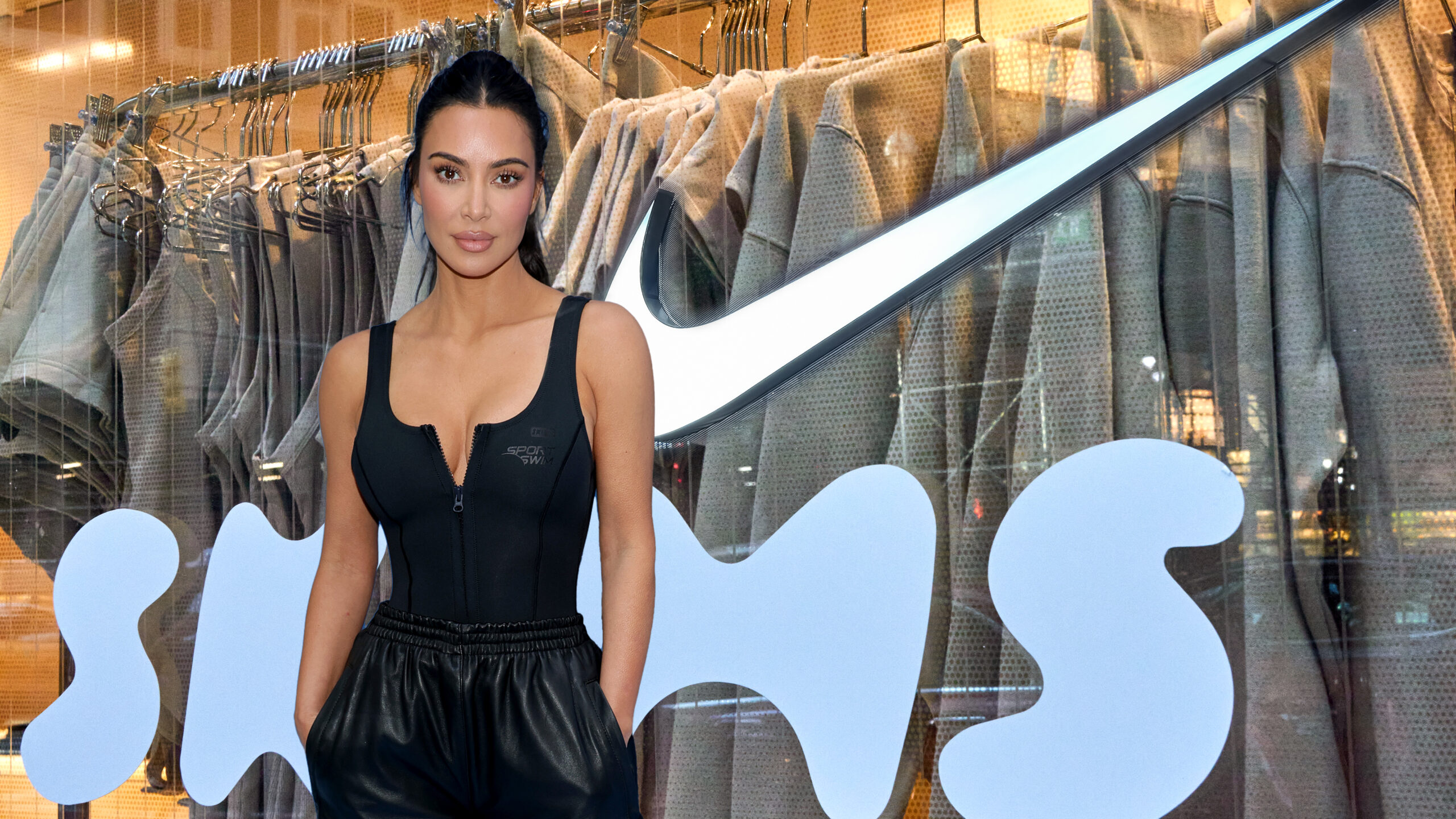
    Nike has recently joined forces with Skims to unveil a line of women’s sportswear, a move that aligns with their commitment to inclusivity and ongoing innovation.

    The NikeSkims collection, expansive in its offering, covers seven categories and 58 styles. The companies have described the collection as a “system of dress” which allows for more than 10,000 combinations to cater to women’s diverse needs.

    The collection features essential items such as bras and leggings, as well as seasonal pieces and accessories that are designed for a comfortable transition between athletic activities and casual, daily wear.

    Kim Kardashian, co-founder and chief creative officer of Skims, expressed the goal of the collaboration was to “redefine the rules of women’s activewear.” The aim is to bring together style and performance-driven designs that meet the modern woman’s demand for both. “No more compromises,” Kardashian asserted. “We’re combining high-performance innovation with sexy, style-forward design for all women who demand both.”

    In addition to its emphasis on inclusivity and innovation, the line focuses on sculpting fabrics, neutral color palettes, and versatile layering options, further enhancing the adaptability of the collection to different body types and lifestyles.

    Amy Montagne, the president of Nike, stated the collaboration falls in line with Nike’s broader strategy to pioneer innovation in women’s products. “NikeSkims is a bold evolution in how women experience sport and style. Together with Skims, we’re delivering an experience that no other brand can offer,” said Montagne.

    Questions & Answers

    What is the aim of the NikeSkims collaboration?
    The joint venture aims to redefine the rules of women’s activewear by combining performance-driven design with stylish aesthetics that cater to the diverse needs of women.

    What are some key features of the NikeSkims line?
    The line is characterized by its sculpting fabrics, neutral color palettes, and versatile layering options. It offers foundational items like bras and leggings as well as seasonal pieces and accessories.

    How does this collaboration align with Nike’s broader strategy?
    The collaboration aligns with Nike’s wider strategy to expand innovation in women’s products, offering a unique blend of sport and style that no other brand can provide.

  • Nike’s Strategic Pivot To Outdoor Recreation: Revitalizing Acg Amid Rising Competition

    Nike’s Strategic Pivot To Outdoor Recreation: Revitalizing Acg Amid Rising Competition

    Nike, the sportswear behemoth, is making a strategic move into the expanding outdoor recreation industry. Starting with the launch of a new trail running shoe, Nike aims to invigorate its lesser-known sub-brand, ACG, and turn it into a vital source of growth.

    Nike’s Outdoor Recreation Strategy

    Beginning with the Ultra-Trail du Mont-Blanc event, an ultramarathon in France, Nike plans to release its Ultrafly trail running shoe, which is a part of the ACG (All Conditions Gear) outdoor sub-brand. This move is an attempt by Nike to reestablish ACG as a credible contender in the realm of performance-focused trail running shoes.

    Commenting on the broader strategy, Nike’s CEO, Elliot Hill, explained that the company is refocusing on core sports such as running in response to the growing competition from smaller brands. Nike is striving to catch up in the outdoor recreation industry, which has seen substantial growth during the pandemic, and in China, where outdoor activities have gained considerable popularity. The company’s struggle in these two markets has been a factor in its diminished share of the global sportswear industry.

    ACG Ultrafly and Future Plans

    Nike-sponsored athletes, including Anthony Costales, will wear the ACG Ultrafly during races. The shoe is scheduled to be available to consumers in spring 2026. In addition, a rejuvenated version of the Zegama trail runner, also under the ACG brand, will be released later in 2026.

    However, revitalizing the ACG brand, initially launched in 1989 with an emphasis on hiking and biking, will not be without its challenges. The brand is currently associated with “gorpcore”, a fashion trend that blends functional gear with style. Despite these challenges, Nike is looking towards the long-term benefits of this strategy, especially in the Chinese market.

    The Chinese Market

    Nike established its ACG team as a sub-brand in October and appointed Angela Dong, VP for all of Greater China, to lead the unit. Sales of outdoor apparel in China nearly doubled between 2019 and 2025, and outdoor footwear sales increased by 65% in the same period. Despite this, Nike has reported double-digit sales declines in China over the past three quarters.

    The Chinese market has posed significant challenges for Nike as it faces stiff competition from other retailers. Economic instability and high youth unemployment have also impacted spending.

    Nike’s global sportswear market share fell to 26% from 29% in 2021. Other brands such as Hoka have used trail running to bolster growth, underscoring the potential that Nike sees in this segment.

    Launching at a Hoka-sponsored event could be viewed as Nike’s attempt to overshadow its rival, demonstrating Nike’s ability to leverage its financial strength against smaller brands.

    Questions & Answers

    What is Nike’s new strategy in the sportswear market?
    Nike is focusing on outdoor recreation, reviving its ACG sub-brand with the launch of a trail running shoe.

    What challenges does Nike face in revitalizing the ACG brand?
    ACG, launched with a focus on hiking and biking, has become associated with the “gorpcore” fashion trend, which may make it difficult for the brand to reposition itself as a serious contender in the outdoor recreation space.

    What is the current state of Nike in the Chinese market?
    Despite the growth in outdoor apparel and footwear sales in China, Nike has experienced double-digit sales declines in this market over the past three quarters due to tough competition and economic factors.

  • Leadership Shakeup At Nike: Aaron Cain Steps Up As Converse CEO Amid Sales Slump

    Leadership Shakeup At Nike: Aaron Cain Steps Up As Converse CEO Amid Sales Slump

    Nike’s Converse division is set to undergo a change in leadership as Aaron Cain steps into the role of CEO, succeeding Jared Carver who has served in the position for the past two years.

    A veteran of Nike for over two decades, Cain has contributed to the company in a variety of roles, most recently as Nike’s Vice President and General Manager of Global Men’s Business.

    Financial Performance

    Nike’s recent annual results in June revealed a 9% decrease in sales, with Converse suffering a more significant slump of 19%. Despite these figures, Nike’s CEO and President, Elliot Hill, remains optimistic about future performance, citing the company’s ‘Win Now’ strategy as a catalyst for improvement.

    Executive Shakeup

    The appointment of Cain as CEO of Converse is just one move in a series of recent executive changes within the brand. Tony Bignell has assumed the role of Chief Operating Officer, while Amy Montagne has been named Nike’s Brand President. Additionally, Jennifer Hartley has been designated as the new Chief Strategy Officer.

    To ensure a smooth transition, Cain and Carver will overlap in their roles until the end of July.

    Questions & Answers

    Who has been appointed as the new CEO of Nike’s Converse division?
    Aaron Cain has been appointed as the new CEO of Nike’s Converse division.

    What were the recent changes in Nike’s sales performance?
    Nike reported a 9% decrease in its annual sales, with the Converse division experiencing a 19% decrease.

    Who are the new executives appointed in Nike?
    Apart from Aaron Cain, Tony Bignell has been appointed as the new COO, Amy Montagne as Nike’s Brand President, and Jennifer Hartley as the Chief Strategy Officer.

  • Nike sued over copycat sports bra design

    Nike sued over copycat sports bra design

    A Florida-based entrepreneur is suing Nike for allegedly copying her design patents pertaining to a sports bra with pockets.

    SherryWear LLC claimed in a lawsuit filed this week that Nike copied its pocket bra design after its founder, Sherry Goff, submitted the SherryWear pocket bra design to Nike via an online submission. The design at the time had some issued and pending patents.

    According to the suit filed in a Massachusetts court on Monday, Nike rejected Goff’s design in March 2017. Just a few months later, Nike filed a U.S. patent application for a “Bra With Storage Pockets.” Goff submitted the SherryWear pocket bra design to Nike again after that and was rejected again.

    SherryWear specifically takes issue with Nike’s Swoosh Pocket Bra and the Swoosh on the Run bras, both of which feature pockets.

    “Nike has never had authority to use, offer, sell or import any product or assembly covered by the Pocket Bra Patents or actively induce others to do so,” the suit claims. “By continuing to engage in commercial activities described in this complaint, Nike is knowingly, deliberately and intentionally infringing the Pocket Bra Patents.”

    Retail News has reached out to Nike for a comment. In a statement to Retail News, a spokesperson for SherryWear’s law firm, Caldwell IP Law, said it is “confident in the effectiveness of the patent system and its ability to empower small businesses, such as SherryWear.”

    Nike may be on the defensive this time, but the Swoosh has historically taken a harsh legal stance when it comes to protecting itself against potential copycats. Nike, in 2021, filed a trademark infringement and dilution complaint against MSCHF, the company that released its controversial Satan Shoes with Lil Nas X, and settled the lawsuit shortly after. Last year, Nike resolved its trademark infringement battle with footwear designer John Geiger after claiming he created sneakers that were similar to Nike’s Air Force 1 shoes.

  • Man arrested for making and selling 200,000 counterfeit Nike, Adidas, and Uniqlo socks

    Man arrested for making and selling 200,000 counterfeit Nike, Adidas, and Uniqlo socks

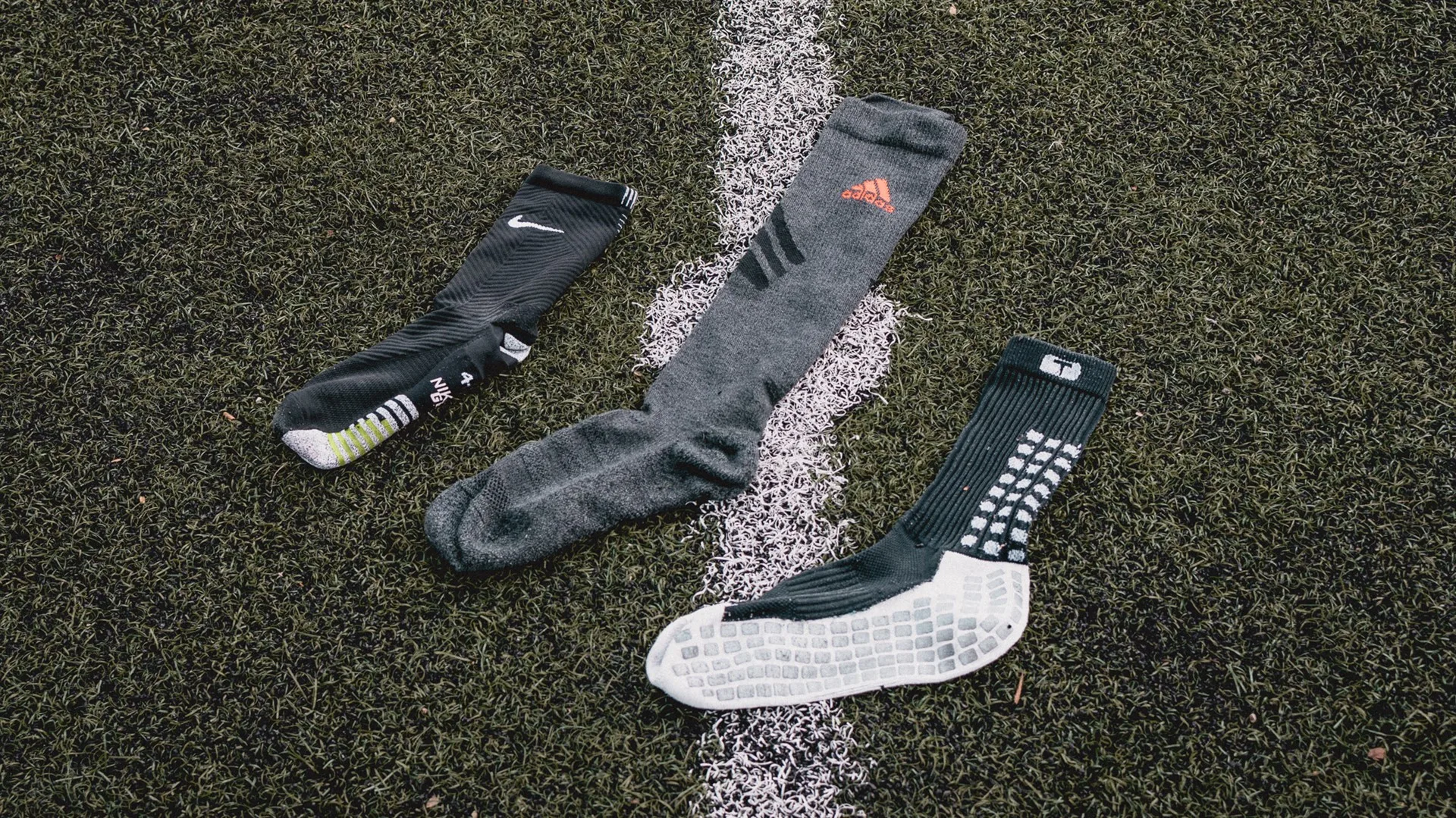
    In a recent case of intellectual property rights violation, a man in Hanoi was found guilty of manufacturing and selling 200,000 fake Nike, Adidas, and Uniqlo socks. The counterfeit items were being retailed at wholesale prices between VND4,500–5,000 (US$0.18–0.20) per pair.

    Investigation and Prosecution

    The Economic Police Department in Hanoi reported the prosecution of Nguyen Van Thien, 51, for the aforementioned offense. The investigation divulged that Thien had initiated a sock manufacturing and trade business in Quoc Oai District in 2015. He initially supplied socks to various companies under his own brand named “Thien Duong”.

    In 2018, Thien observed the surging demand for socks adorned with popular brand logos such as Nike, Adidas, and Uniqlo. Consequently, he started producing counterfeit versions of these highly sought-after socks.

    Fraudulent Business Operations

    Thien arranged for the procurement of knitting machines, instructing the suppliers to pre-install the logos of Nike, Adidas, and Uniqlo into the machine software. He also sourced labels and tags from unregulated producers and hired four workers to operate the machines and manage the packaging process.

    A raid conducted on January 4 unveiled a large stock of counterfeit socks. The authorities confiscated 3,450 pairs of socks with the Adidas logo, 14,400 pairs with the Nike logo, and 2,100 pairs bearing the Uniqlo brand. They also found 1,500 loose socks branded with Nike logo. The authorities seized over 10 machines, 200 heat-molding frames, and nearly 70 kg of labels in total.

    Extent of the Counterfeit Operations

    The investigators discovered that Thien had been producing and distributing counterfeit socks since 2022. He is estimated to have sold around 200,000 counterfeit socks with a total market value of more than VND240 million (US$9,400).

    These fake socks were primarily sold at a profit margin of about 25% via various e-commerce platforms, social media, and suburban markets.

    Questions & Answers

    What was Nguyen Van Thien charged with?
    Nguyen Van Thien was prosecuted for violating intellectual property rights by manufacturing and selling counterfeit Nike, Adidas, and Uniqlo socks.

    How did Thien manage to manufacture the counterfeit socks?
    Thien procured knitting machines and instructed the suppliers to pre-install the logos of Nike, Adidas, and Uniqlo into the machine software. He also procured labels and tags from unregulated vendors and hired workers to manage the production process.

    Where and how were the counterfeit socks sold?
    The counterfeit socks were predominantly sold in bulk through e-commerce platforms, social media, and suburban markets, allowing for a 25% profit margin.

  • Nike’s Olympics ad featuring athlete licking table tennis triggers controversy among Chinese netizens

    Nike’s Olympics ad featuring athlete licking table tennis triggers controversy among Chinese netizens

    Nike’s new ad for the 2024 Paris Olympics, featuring an Asian table tennis player licking her paddle, has sparked controversy among Chinese social media users.

    Though the nationality of the table tennis player has not been specified, many Chinese social media users have implied that the scene targeted China, as table tennis is the country’s national sport. They complained that the video, uploaded to Nike’s social media accounts on July 19 , was “smearing the image of the Chinese people.”

    “What’s the purpose of making this action? It’s disrespectful, incomprehensible and unacceptable,” one netizen wrote.

    The Global Times reported that by Tuesday, the hashtag “Nike promotional video licking table tennis paddle” had already garnered 81 million views on Weibo.

    Others suggest that the inclusion of the scene might have been a deliberate attempt to provoke and stir controversy, and comments expressing how they no longer buy Nike products racked up thousands of likes.

    One netizen commented: “Only people with dirty thoughts would think it’s a bad action. Licking the paddle obviously was to raise their fighting spirit and provoke the competitor.”

    The South China Morning Post reported that in response to the video, a Weibo user expressed confusion and criticism, asking: “What does licking a table tennis paddle even mean? What was the person who made this commercial even thinking, that the paddle is clean and sweet, like a lollipop?”

    It is reported that Nike’s customer service in China stated that it “will reflect the concerns to supervisors.”

    China will be represented by 405 athletes at the Paris Games starting on Friday.

  • Nike launches Jordan World of Flight in Shibuya, Tokyo

    Nike launches Jordan World of Flight in Shibuya, Tokyo

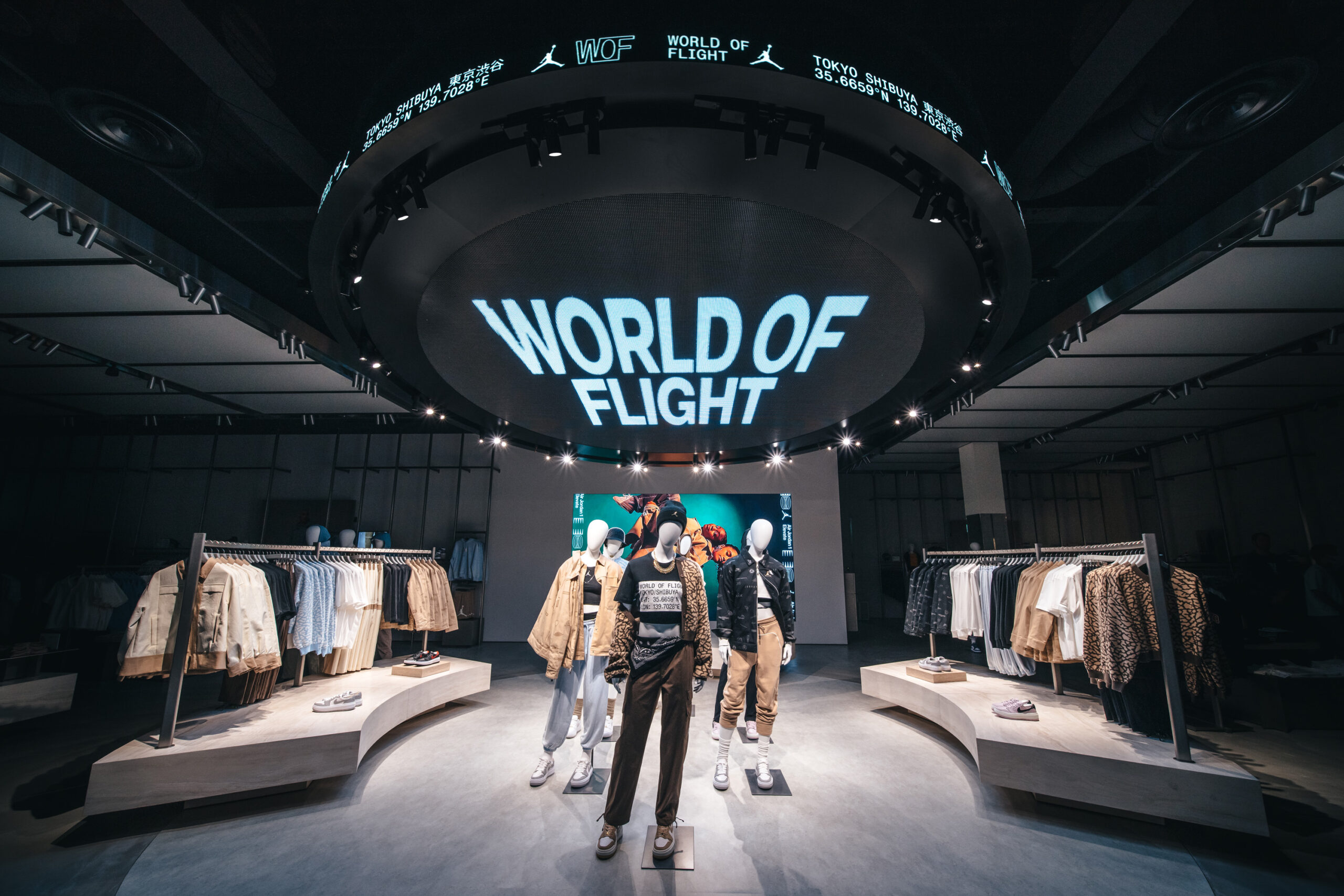
    Located in the capital’s Shibuya district, close to the Harajuku trade zone and along Meiji Dori Street, the 9,200-square-foot space is a designed “as a tribute to basketball culture and Jordan Brand’s identity and heritage,” according to a press release.

    Inside, visitors will find Jordan brand footwear and apparel products across men’s, women’s and kids, as well as customizable products in the store’s ‘The Workshop’, including the AJ1 and the Renegade jacket.

    The Shibuya store will have a dedicated ‘Snkrs’ area for shoppers to pick up products from the app; ‘The Flight Lounge’, which offers an in-store space for members to immerse themselves in Jordan Brand history and basketball culture, as well as a ‘ Nike Member’ innovation center, providing an opportunity for visitors to test new offerings and experiences.

    The ‘Content Studio’ allows shoppers to film unboxings and reviews and create content to share through their social handles.

    Connecting to the region’s local culture, Jordan also commissioned local artists to present their work throughout the store. The Japan opening comes on the back of the Jordan World of Flight opening in Milan in December 2022.

    “Following the launch of Milan, Jordan World of Flight Shibuya provides another unique expression of basketball culture. Tokyo serves as the perfect backdrop, a city that is constantly pushing the edges of innovation, fashion, music and art,” said Craig Williams, president, Jordan brand.

    “Alongside a best-in-class retail assortment, World of Flight is a manifestation of the full potential of the brand. By connecting with people around the world through the values the Jumpman represents, we hope to create even deeper ties to our consumer and underline the culture that unites us all.”

  • Tiffany & Co collaborates with Nike on ‘Legendary’ kicks

    Tiffany & Co collaborates with Nike on ‘Legendary’ kicks

    Tiffany & Co has collaborated with Nike to release the Nike x Tiffany & Co Air Force 1 1837 sneakers and a limited-edition sterling silver accessories range.

    The sneakers, which will be available on March 7, are made of premium black suede, have a Tiffany Blue-coloured Swoosh, and co-branded silver elements over each heel.

    The Nike x Tiffany & Co Air Force 1 1837 will be available in women’s and men’s sizes, with a retail price of $356.98. The sneakers can be found in New York City Tiffany & Co locations: The Tiffany Flagship Next Door and Tiffany & Co SoHo, and globally via Nike’s SNKRS app and select Nike partner retail stores in North America.

    The brands said the collaboration is a continuation of the Air Force 1’s 40th anniversary and the businesses’ first collaboration on a “legendary pair”. Nike also partnered with Louis Vuitton last year to launch Dream Now, a brief pop-up event in Brooklyn, New York, featuring 47 pairs of Nike Airforce 1s designed by Virgil Abloh, to celebrate the anniversary.

    The basketball trainer was launched by Nike in 1982 and since then has gone on to become the most successful model ever created and symbolic in black culture.

    Aside from the launch, Tiffany & Co will release a line of limited-edition sterling silver goods, including a sterling silver whistle, shoe horn, shoe brush, and dubrae for the Nike x Tiffany & Co Air Force 1 1837 lace