Retail News CRM

Tag: nike

  • Netflix to launch Nike Training Hub on December 30

    Netflix to launch Nike Training Hub on December 30

    Netflix would like to help you stick to your fitness-related new year’s resolutions this year. Starting December 30, 30 hours of video content will become available on the platform, through a partnership with NIke.

    Reality check: in recent years, the number of new year’s resolutions related to losing weight are seeing a decline, but that isn’t a cause for celebration, as obesity rates are going up. However, it would be best if you remembere: there is no time like the present.

    While new year’s resolutions may not be the best method for losing weight, having access to content from Nike Training Club on your Netflix app certainly is. It will be released in two bahes, available in multiple languages and to users of all subscription plans, so all that is required of you is to get motivated and give it a shot.

    In case this is the first time you’ve heard about Nike’s training program, it is built around an app that wants you to stick to your decision and help you build healthy habits through fine-tuned training regimens and workout sessions.

    We still don’t know what the second series will include, but we know that it will become available some time in 2023. Until then, batch one will certainly give you enough to sink your sport shoes’ heels in to with:13 episodes of basics of Fitness

    • 7 episodes of core workouts
    • 6 episodes of yoga
    • 14 episodes of strength training
    • 5 episodes of feel-good fitness

    Considering that this is not your typical binge-worthy series, but content that you will actually revisit multiple times — or at least until you’ve gotten a steady workout routine down — it is certainly more than enough to help you get started on that new you.

    The program will also feature videos, suitable for people of all fitness levels, meaning that you will be able to tell the ones that aren’t for you yet, but they will still be available to you when you decide to push things further.

    The videos will be led by certified trainers from Nike’s Training Club solution. And if you like what you see on Netflix, you can also download Nike’s app too for a full experience. Oh, and by the way — the app is completely free, and offers tons more, like additional workouts, goal reminders and expert tips on nutrition and diet.

    As Netflix is stepping up their game regarding, um… well, games on the platform, we can definitely expect them to bring more fitness options too, especially if Nike’s series receives a warm welcome. And you know what? This year might be it, so you should definitely try going for Netflix and Treadmill instead of Netflix and Chill.
  • Nike and Adidas supplier offers bigger Tet bonuses

    Nike and Adidas supplier offers bigger Tet bonuses

    Some 130,000 workers at Taiwanese-invested footwear maker Pou Chen Vietnam, a contract manufacturer for giants like Nike, Adidas and Puma, will enjoy a 30% increase in Tet bonuses this year.

    That puts the annual windfall for employees at the global shoe supplier back to pre-Covid levels.

    Eight Pou Chen Vietnam factories in HCMC and four in the southern provinces of Dong Nai, Tien Giang, Tay Ninh and Ba Ria Vung Tau announced on Monday that they will set aside over VND1.5 trillion ($62.5 million) as bonuses for workers for the upcoming Tet (Lunar New Year Festival). Tet, the most important festival in Vietnam, falls in late January 2023.

    Depending on seniority, workers who have worked for the company a full year or more will be given Tet bonuses of 1-2.2 months’ salary, from around VND6.5 million ($274.20) to nearly VND26 million. The highest bonus in 2022 was 1.54 months’ salary, while in 2021 the figure stood at 1.87 months.

    Besides Tet bonuses, the biggest and most anticipated reward for workers, Vietnam’s largest employer and trade unions at of its eight factories have planned provide free bus tickets home to migrant workers who will be able to enjoy Tet in their hometowns. Other gifts to poor employees will also be distributed.

  • World’s first Nike Style store opens in Seoul

    World’s first Nike Style store opens in Seoul

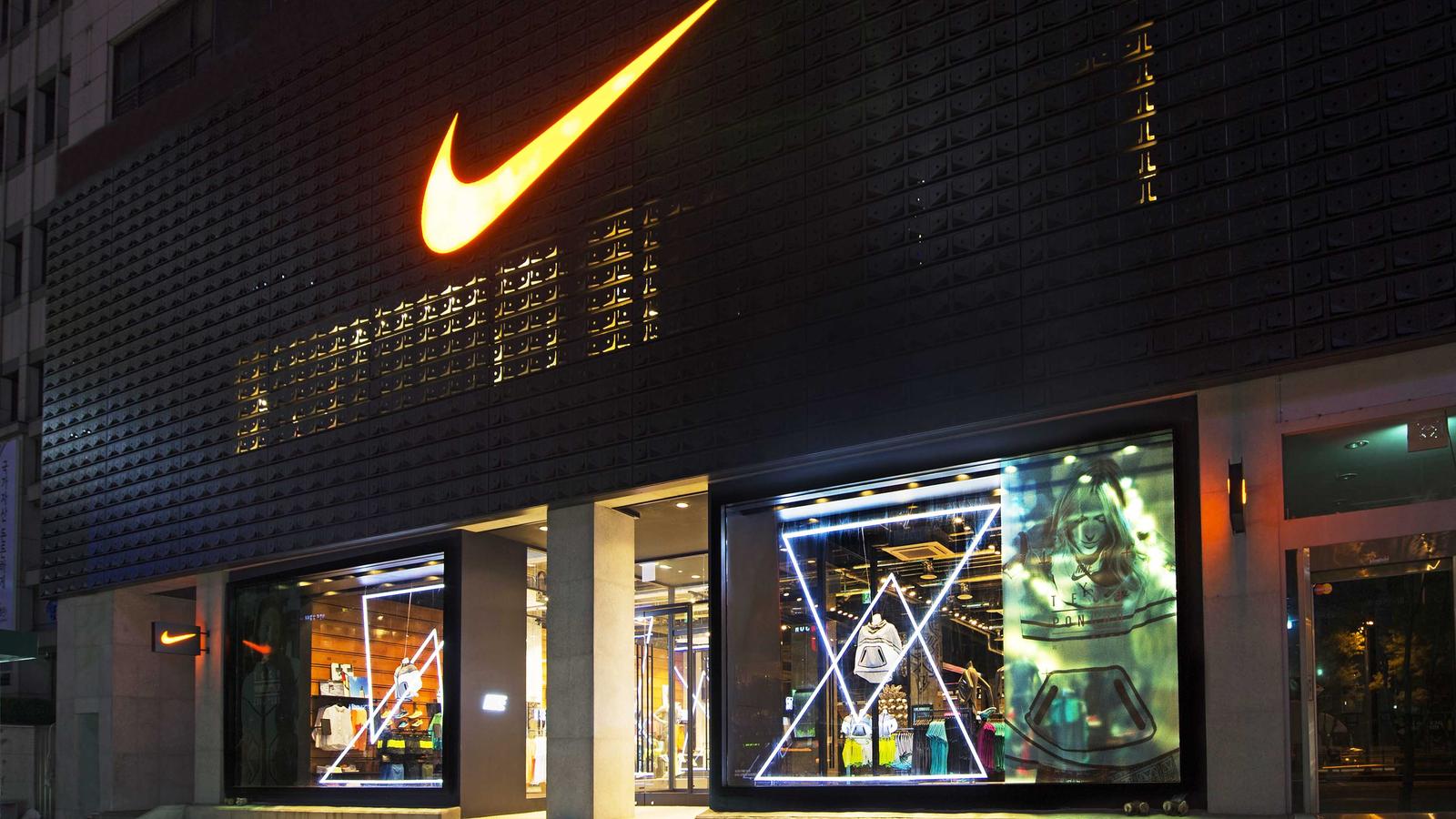
    Nike has introduced its latest retail concept, Nike Style, with the first store opened in South Korea, to be followed by more across multiple international markets.

    The Nike Style concept store is located in the bustling Hongdae neighbourhood, which is known for its art and fashion culture. Gender-agnostic zones are featured throughout the store for fleece, tops, footwear, accessories, and other style-led collections. The new retail concept is expected to “expand the definition of sport” that blurs the line between physical and digital.

    The store houses a content studio with customisable backdrops for local creatives, product experts and shoppers to create content for social media. Customers can scan QR codes for AR experiences related to product innovation and even the surrounding art installations. The store also offers Nike By You workshops and Snkrs Lounge events for its members.

    “The Hongdae neighbourhood holds a strong relationship with the sneaker and neighbourhood-retail community,” the company said in a statement. “With the Style retail concept, Nike helps broaden the aperture of sports retail culture by continuing to blend physical and digital experiences.”

    A second Nike Style store is set to open its doors in Shanghai later this year, with the concept to be expanded into other countries in the future. Nike Style is the latest Nike’s concept, following the House of Innovation, Nike Live and recently Nike Rise.

    The launch of Nike Style in Seoul follows the opening of a 24,000sqft Nike Rise store in Seoul last year, the first of its kind in South Korea.

  • Nike unveils new store in Singapore at VivoCity

    Nike unveils new store in Singapore at VivoCity

    Sportswear giant Nike has collaborated with GMG to launch a new-generation store at Vivo City in Singapore.  According to Nike, the 5900sqft store is intended to bring customers closer to sports and closer together. It has a wide selection of innovative gear, sporting essentials, and seasonal offerings for men, women, and children. Nike says customers can take advantage of styling expert sessions with store athletes, who can help customers of all ages choose appropriate apparel and footwear for

    According to Nike, the 5900sqft store is intended to bring customers closer to sports and closer together. It has a wide selection of innovative gear, sporting essentials, and seasonal offerings for men, women, and children.

    Nike says customers can take advantage of styling expert sessions with store athletes, who can help customers of all ages choose appropriate apparel and footwear for running, training, playing basketball, or simply living an active lifestyle.

    In addition, the Vivo City store offers a buy-online, pick-up-in-store service, and plans to organise community events.

    “In our commitment to bringing consumers closer to sport, we are reintroducing our VivoCity store that is fitted to offer athletes of all sports and expert levels some of the most innovative Nike products and services today,” said Carl Masterman, GMG senior VP retail, SEA – sports.

    “At VivoCity, fit is our focus – and our store athletes are on hand to ensure shoppers are equipped with the best fit for their sport of choice or lifestyle needs. The personal touch is extended also to our … community events for like-minded athletes that will be unveiled in the coming months.”

  • Nike forecasts downbeat quarterly revenue on lingering China worries

    Nike forecasts downbeat quarterly revenue on lingering China worries

    Nike forecast first-quarter revenue below estimates as it expects to discount more and wrestles with pandemic-related disruptions in China, its most profitable market.

    The company’s shares fell 3% to $107 after the bell.

    Analysts are mixed about Nike’s prospects in China this year even as strict COVID-19 lockdowns have been lifted in several of the country’s major cities, as people cut down on spending and a penchant for home-grown brands such as Li Ning and Anta remains firm.

    “We are taking a cautious approach to Greater China, given uncertainty around additional COVID disruptions,” Nike Chief Financial Officer Matthew Friend said.

    The company expects first-quarter revenue to be flat to slightly up, below estimates of a 5.1% increase, according to Refinitiv IBES data.

    “The guidance was somewhat disappointing,” Morningstar analyst David Swartz said.

    Fashion retailers in China are also stuck with piles of unsold stock as the recent re-opening has also seen a flood of goods being shipped from warehouses to store shelves.

    Nike said its gross margins would be under pressure this year due to higher freight and product costs, and as it discounts more to sell seasonal inventories that arrived late due to supply snarls.

    The company’s inventories rose 23% to $8.4 billion at the end of May as more of its products remain in transit due to supply disruptions.

    Nike also forecast fiscal 2023 revenue to increase in the low double digits percentage range on a currency-neutral basis.

    For the fourth quarter, the company reported revenue of $12.23 billion, beating estimates of $12.06 billion, helped by higher sales in Europe, Middle East and Africa.

    Nike recorded a $150 million charge related to its decision to exit Russia and transition of business models in a few South American countries.

  • H&M closes Shanghai flagship after Covid lockdowns

    H&M closes Shanghai flagship after Covid lockdowns

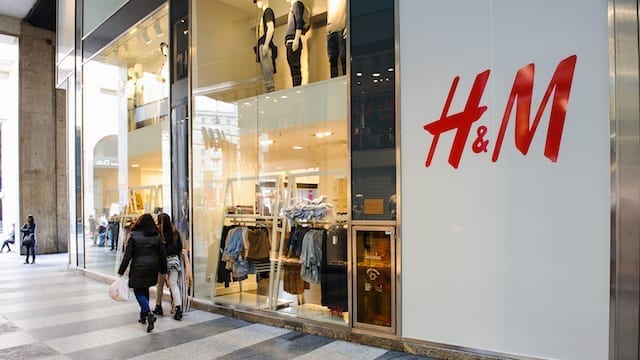
    H&M has shut its flagship Shanghai store, its latest closure in China where consumer demand has slumped amid COVID-19 lockdowns and the fast-fashion retailer has borne the brunt of a backlash against companies that refuse to use Xinjiang cotton.

    Although it was open earlier this month, the three-storey building in downtown Shanghai was on Friday boarded up with its H&M signage gone.

    The world’s second-biggest fast-fashion retailer entered China in 2007 with the opening of the Shanghai flagship store and rapidly expanded. It had more than 500 stores in mainland China early last year but its website currently only lists 376, including the flagship Shanghai store.

    The company declined to comment, citing a blackout period prior to its first-half earnings report on June 29.

    Although nearly a month has passed since Shanghai lifted a strict two-month lockdown, consumers have yet to return to malls in significant numbers.

    Chinese consumers have also beat a retreat from its products after a letter in which H&M expressed concerns about allegations of forced labour in the Xinjiang region came to light in 2021.

    Other brands that publicly disavowed Xinjiang cotton such as Inditex’s, Zara, Nike and Adidas have also suffered with Chinese netizens calling for boycotts and Chinese celebrities refusing to work with them.

    But the backlash against H&M, the first foreign retailer to express concerns, has been particularly harsh. Unlike other brands, its products remain unavailable on major Chinese e-commerce sites such as Tmall and JD.com.

    UN experts and rights groups estimate over a million people, mainly Uyghurs and other Muslim minorities, have been detained in recent years in a vast system of camps in China’s western Xinjiang region.

    Many former inmates have said they were subject to ideological training and abuse in the camps. China denies all accusations of abuse.

  • New Nike concept store opens in Hong Kong

    New Nike concept store opens in Hong Kong

    The new store has been launched by GMG as part of the company’s plans to ramp up its investment in the Asia market.

    The new Nike store spans over 2171sq ft and is situated in the East Point City shopping mall in Hang Tau district. It is home to sportswear for both men and women, in various categories including running, basketball and training.

    GMG has partnered with Nike in other markets since 1982, and entered the Asia market in 2020 after buying Royal Sporting House, a leading multi-sports retailer and recently purchasing Nike retail stores from SUTL Corporation, expanding its presence in Singapore and Malaysia.

    Mohammad A Baker, Deputy Chairman and CEO, GMG, said: “Asia is propelling the retail industry forward, generating a substantial portion of global growth in the sector and offering immense potential and expansion opportunities for GMG. The opening of our new Nike store in a key market such as Hong Kong, the first in two years, further signifies the recovery of a post-pandemic economy while allowing us to strengthen our physical retail presence in Asia.”

  • Nike says to end run club app in China

    Nike says to end run club app in China

    Nike is deactivating its Run Club app in China, becoming the latest Western company to reconfigure its business in the world’s second largest economy.

    The US sportswear giant posted a notice to runners in mainland China, saying the app will “cease service and operation” there starting July 8. A Nike spokesperson said that it would roll out a “localized” platform for Chinese runners in future, and continue to invest in updating its digital platforms in China.
    “We are creating an ecosystem from China for China, specifically catered to the region’s unique consumer needs,” the representative said.
    China is one of Nike’s top markets. The company made nearly $8.3 billion in revenue in Greater China, which includes Hong Kong and Taiwan, in the last fiscal year, according to its most recent annual report. That was more than its sales in the rest of Asia Pacific and Latin America combined.
    China is also a key manufacturing hub for the brand, with about a fifth of Nike’s footwear and apparel being made there.
    Nike Run Club, which allows users to track their runs and perform challenges with friends, has more than 8 million users in China who have collectively covered more than 600 million kilometers (nearly 373 million miles), according to a company statement on the app.
    Local users will be able to export their fitness data, Nike said.
    The move is the latest in a series of changes big Western companies have made to their businesses in mainland China in recent months. Last week, Amazon announced the closure of its Kindle bookstore in the country, as well as the discontinuation of Kindle device sales to retailers.
    This summer, Airbnb will take down all its listings in the country and concentrate instead on outbound travelers. The company made the decision because of mounting costs that were worsened by Covid-19.
    Last October, LinkedIn said that it would shut down the local version of its platform in China, citing a “significantly more challenging operating environment” and compliance hurdles. The platform, which is owned by Microsoft has decided to introduce an all-new, even more localized service, called InJobs.
  • Adidas expects to grow China sales this year

    Adidas expects to grow China sales this year

    German sportswear company Adidas said on Thursday it would grow in its key market of China in 2022 even after it was hit by renewed pandemic restrictions and the aftermath of a consumer boycott of Western brands.

    The comments come after Manager Magazin reported Adidas expects sales in China to be down 400 million euros ($455 million) in 2022, without citing its sources.

    Asked about the article, an Adidas spokesperson said: “Our business in China grew in 2021 and our business in China will grow in 2022 as well.”

    Adidas’s third-quarter sales fell 15% in Greater China, although they were up 15% in the first nine months of the year. The company reports full-year 2021 results on March 9.

    Western brands have come under fire in China for saying they would not source cotton from Xinjiang after reports of human rights abuses against Uyghur Muslims in the region. Beijing denies any abuses.

    Adidas said last year it had launched an action plan to try to revive its fortunes in China, long its most important growth market. It has set up a dedicated studio for marketing and is increasing its creation of products just for the Chinese market.

    Manager Magazin said the situation was seen as so critical that Adidas sales chief Roland Auschel had traveled to China in January despite quarantine requirements.

    Rival Nike said in December supply issues and fresh COVID-19 lockdowns led to a 20% fall in revenue in Greater China in its fiscal second quarter.

  • Nike cries foul over virtual shoes, suing retailer that sells sneaker NFTs

    Nike cries foul over virtual shoes, suing retailer that sells sneaker NFTs

    Sneaker giant Nike sued online reseller StockX in New York federal court on Thursday for selling unauthorized images of Nike shoes, marking the latest lawsuit over digital assets known as non-fungible tokens.

    Nike said StockX’s NFTs infringe its trademarks and are likely to confuse consumers. Its lawsuit asked for unspecified money damages and an order blocking their sales.

    Detroit-based StockX, a platform for reselling sneakers, handbags, and other goods, was valued at more than $3.8 billion last year.

    A representative for the company did not respond to a request for comment, nor did Nike or its attorneys.

    Nike said StockX last month began selling unauthorized NFTs of its sneakers, telling buyers they would be able to redeem the tokens for physical versions of the shoes “in the near future.”

    The complaint said StockX has sold over 500 Nike-branded NFTs.

    The lawsuit said complaints about the NFTs’ “inflated prices and murky terms of purchase and ownership” and buyers’ doubts about the legitimacy of StockX’s model have hurt Nike’s business reputation.

    Nike said it will release “a number of virtual products” later this month in conjunction with the digital art studio RTFKT, which it acquired in December.

    NFTs have recently exploded in popularity, and lawsuits over them have begun to hit U.S. courts. Miramax sued director Quentin Tarantino in November over his plans to auction NFTs related to the 1994 film “Pulp Fiction,” which he directed and the studio distributed.

    Last month, Hermes sued artist Mason Rothschild over his “MetaBirkin” NFTs of the French company’s Birkin bags.

  • Thousands strike work after Nike supplier cuts Tet bonus

    Thousands strike work after Nike supplier cuts Tet bonus

    Thousands of workers of Taiwanese-invested footwear maker Pouchen Vietnam, a Nike contract manufacturer, struck work Friday, demanding the same Tet bonus as last year.

    They refused to return to work after finishing their lunch to protest the company’s policy to pay less bonus than last year for the coming Tet (Lunar New Year) festival. Tet, the most important Vietnamese festival, falls in early February this year. The workers stood on national road 1K in front of their factory’s entrance, causing traffic congestion for hours. The strike affected others and all 14,000 workers of the factory in Bien Hoa Town, southern Dong Nai Province, stopped working.

    A mobile police team was dispatched to maintain order in the area. A female worker said that the company had announced Thursday that employees who have worked for it a full year or more will be given Tet bonuses of 1-1.54 months’ salary – around VND5 million ($217) to nearly VND20 million.

    The highest bonus in 2021 was 1.87 months’ salary, and in previous years, 2.2 months. “With this (coefficient), workers’ Tet bonus in 2022 will be lower than before,” she added.

    A Pouchen representative said that in 2021, the company had faced difficulties in production and business. When the fourth wave of Covid-19 broke out, the factory had to stop working from July 12 to Sept. 30, 2021. On Oct. 5, 2021, it resumed production, but at 60 percent capacity.

    Due to the failure to fulfill the production plan, profits fell, so the Tet bonus, the biggest and most anticipated reward for workers, could not be the same as the previous year. The rep also said that under the collective labor agreement, the company would pay Tet bonus to employees based on its business performance.

    Nguyen Thi Nhu Y, head of the Dong Nai Provincial Labor Confederation, said the union was coordinating with authorities to resolve the situation. She noted that Pouchen’s Tet bonus was higher than the local industry average.Nguyen Huu Nguyen, Chairman of the People’s Committee of Bien Hoa, said relevant agencies are trying to negotiate with the board of directors of Pouchen to increase the Tet bonus. “However, employees need to share the company’s difficulties, because Covid-19 has caused businesses to suspend operations for months,” he said.

    Pouchen Vietnam, part of Taiwan’s Pouchen Group, has one more factory in Dong Nai and six others in HCMC and the three southern provinces of Tien Giang, Tay Ninh and Ba Ria – Vung Tau for a total of 130,000 employees. The group is expected to spend more than VND1.2 trillion on Tet bonuses this year.

  • Nike eyes recovery as Vietnam factories reopen

    Nike eyes recovery as Vietnam factories reopen

    Sportswear maker Nike is confident the resumption in production in Vietnam will boost the company’s future recovery.

    “Compared to ninety days ago, we are increasingly confident supply will normalize heading into fiscal 2023” as all factories in Vietnam were operational and production was at about 80 percent of what it was before the closures, finance chief Matthew Friend said.

    Social distancing in Vietnam, where more than half of Nike’s footwear and about a third of its apparel manufacturing occurs, in the July-September period caused the company to cancel production of roughly 130 million units.

    But as the government eased its social distancing regulations early October, its factories have reopened.

    The company forecasts growth to be in the lower single digits for the next quarter because of the continuing impact of lost production from pandemic-related disruptions in Vietnam where an average 18,000 new cases were recorded in the last seven days.

    Friend said Nike will continue to watch the Omicron variant to see what impacts it may bring to production.

    Demand for Nike’s goods continues to outpace supply. The previous quarter, Nike reported a 10-week delay in production because of a lockdown in Vietnam and said it expected flat revenue growth for the November quarter.

    Nike posted a revenue of $11.4 billion in the quarter ending Nov. 30, up 1 percent from the same period a year earlier. Analysts expected revenue of $11.2 billion.

  • Major garment producer says did not lose Nike orders due to Covid restrictions

    Major garment producer says did not lose Nike orders due to Covid restrictions

    Viettien Garment Corporation has not lost any of its Nike orders to other countries since the American company could not find suitable alternatives, its chairman said.

    “Until October, when we reopened, Nike has not moved any of its orders from Viettien to another country because it could not find an appropriate manufacturer in terms of delivery time and quality.”

    Giang, also chairman of the Vietnam Textile & Apparel Association, said during the restrictions in the third quarter, 13-14 percent of garment orders were moved from Vietnam to other countries.

    But there are signs that orders are coming back for next year, he said.

    “This is why we have set an export target of $43.5 billion.”

    Last year, exports had fallen by 9 percent to $35 billion.

    Giang said that foreign companies only move orders to other countries when the deadline is too close, and they continue to have confidence in Vietnam.

    Vietnam’s garment exports in the first 10 months of this year fell by 5 percent year-on-year to $24.74 billion.

  • Nike manufacturers in Vietnam resume operations

    Nike manufacturers in Vietnam resume operations

    Nearly 200 Vietnamese contract manufacturers for Nike have resumed production after a period of suspension due to Covid-19, a company executive told Vietnamese Prime Minister Pham Minh Chinh.

    Nike is committed to further investing and expanding in Vietnam, the company’s chief sustainability officer, Noel Kinder, told the PM Tuesday at a meeting on the sidelines of the 2021 United Nations Climate Change Conference in the U.K.

    The fourth wave of Covid, which began at the end of April, forced factories, especially in the south, to restrict production and impose stringent curbs to contain its spread.

    On October 1, HCMC allowed most commercial and business activities to resume as rapidly increasing vaccination rates helped bring the outbreak under control.

    Vietnam’s purchasing managers’ index (PMI) surpassed the 50-point threshold in October after four months of decline, indicating expansion in manufacturing.

  • Nike’s Vietnam supply hurdles in focus ahead of quarterly results

    Nike’s Vietnam supply hurdles in focus ahead of quarterly results

    Nike’s updates to its full-year sales outlook on Thursday will likely answer that pressing question for Wall Street as the world’s largest sportswear maker deals with unprecedented supply challenges ahead of the holiday season.

    Three months ago, Nike gave a rosy outlook for the rest of the year as it benefited from consumers splurging on sneakers for running and hiking as they returned to their routines after over a year of staying at home.

    Still, some analysts have cut their outlook for Nike’s sales, predicting that lockdowns and factory closures in Vietnam, where about half of all Nike footwear is manufactured, will cause shortages during the crucial shopping season.

    “We believe the risk of significant cancellations beginning this holiday and running through at least next spring has risen materially for Nike as it is now facing at least two months of virtually no unit production at its Vietnamese factories,” BTIG analysts wrote in a note.

    Many factories in Vietnam’s manufacturing hubs have been shut or are operating with drastically fewer on-floor workers since mid-July as a surge in Delta variant cases forced the government to implement tight containment policies.

    Other apparel companies including Abercrombie & Fitch and Adidas AG have taken a hit to their businesses due to production issues in Vietnam. read more

    Some analysts, however, see Nike using its scale to offset the sales impact from Vietnam shutdowns.

    “The company should be able to mitigate some headwind by shifting production to other countries, like China, and prioritizing top sellers, key products, and its DTC (direct-to-consumer) channel,” Telsey Advisory Group analysts said.

    Since the start of September, analysts have cut their full-year sales expectations for Nike to $49.81 billion from $50.34 billion due to worries about supply shortages

    Full-year earnings per share estimates have also fallen to $4.24 from $4.33, according to IBES data from Refinitiv.

    Nike’s revenue for the reporting quarter is expected to have risen 17.7 percent to $12.46 billion from a year earlier.

    The blue-chip stock has gained 11 percent this year, but is down about 10 percent from its record high hit in August.