Retail News CRM

Tag: nike

  • Nike to replace New Balance as Liverpool FC kit provider

    Nike to replace New Balance as Liverpool FC kit provider

    Nike has signed on as the official kit provider of presumptive English Premier League 2020 champions Liverpool FC.

    The new partnership will commence on June 1 for the following 2020/21 season and continue for “multiple years” according to a statement by Nike.

    Nike will outfit the men’s, women’s and academy squads, as well as the coaching staff and Liverpool Football Club Foundation. Nike replaces New Balance with which the club won a High Court dispute in October.

    “We’re delighted to be partnering with Nike, one of the world’s leading brands,” said Billy Hogan, chief commercial officer of Liverpool Football Club. “We welcome them to the Liverpool FC family and expect them to be an incredible partner for the club, both at home and in the city of Liverpool, and also globally as we continue to expand our fan base.”

    The partnership coincides with Liverpool Football Club preparing to move into a new training facility for the 2020/21 season in Kirkby, a project that includes investment in improved sports facilities for the local community.

    “Liverpool Football Club has such a proud heritage and strong identity,” said Bert Hoyt, VP, GM Nike EMEA. “The partnership with Liverpool underscores our leadership in global football, and with the club’s passionate world-wide fan base and strong legacy of success, they have a very bright future ahead. We look forward to partnering with them to serve players and supporters with Nike innovation and design.”

  • Why Ikea and Nike have walked away from Amazon

    Why Ikea and Nike have walked away from Amazon

    When major global brands like Ikea and Nike announce they are exiting a major global platform like Amazon, it is clear that a strategic shift is in the making

    What used to be a primary go-to-market strategy of brands by latching onto Amazon’s success seemed to have chipped away over the years: Amazon is now losing the grip on its throne and is no longer the “cool kid” everyone wants to play with.

    Welcome to the generation of the ‘hip indies’ where being “self-partnered”, transparent and ethical is the new status symbol – describing both the millennials and Gen Z groups, and the archetype of direct-to-consumer brands.

    Nike competes with itself

    Last month, Nike ceased its pilot partnership with Amazon after a two-year-long gig launched as a means to eject unlicensed distributors and knock-off items from the site. In a statement, Nike announced: “As part of our focus on elevating consumer experiences through more direct, personal relationships, we have made the decision to complete our current pilot with Amazon Retail”. The sportswear label sold a limited range on the marketplace however the control of the grey market it had hoped to regain never materialized. No did the strategy align with expectations.

    While Nike struggled to compete with counterfeits on Amazon, the sneaker giant will continue to sell through other third-parties. Globally it is narrowing the number of retail partners it works within favor of going direct to consumers using flagships and its own online sites.

    Ikea packs up

    In lesser-known and surprising news, just after Nike’s announcement, Swedish furniture and homewares giant Ikea followed suit in quitting Amazon US. The company had been selling a range of smaller products on the platform, taking advantage of Amazon’s speedy deliveries.

    However since the hiring of its new chief digital officer Barbara Coppola last year, the brand decided to revert back to direct selling without the aid of the marketplace. No explicit reasons as to why were released.

    Where Amazon fails, Tmall gains

    The benefits of pairing with a marketplace are obvious, quite aside from the reach and operational efficiencies such as Amazon’s infamous last-mile deliveries. In this case, analysts are split 50-50 on the decisions by Ikea and Nike to ditch Amazon. Some say the divorce will cause the brands to lose some of their market presence – perhaps to their competitors – while others are advocates of the new direct-to-consumer wave.

    However, the bigger issue lies with Amazon’s mundane marketplace and the lack of brand curation, in contrast to how Alibaba’s Tmall has been banking on international brands’ market entry into China.

    Nike’s featured page on the Chinese marketplace allows it to brand its page similarly to its own website, thus keeping its brand image intact – as opposed to the lacklustre stock images on Amazon. Nike has reaped success on Tmall, especially as being one of the top-selling fashion brands highlighted in this year’s Singles Day event.

    When Alibaba launched Tmall’s Luxury Pavillion, it allowed luxury brands such as Givenchy, Versace, Burberry and a string of others to entrust the marketplace with establishing its presence online – some, long before they had established their own direct e-commerce channels.

    Despite the historic association of China with fake goods – and on top of some long legal battles involving leading fashion conglomerates – Alibaba rebuilt its status by eradicating all counterfeits to quickly tap into the Chinese high net worth individuals with all the benefits of being the e-commerce giant in town.

    Being the David to the Goliath 

    Riding on the glorified success of brands like Warby Parker and Glossier, direct-to-consumer brands are hawked over by venture capitalists looking for a stake in ‘the next Unicorn’. The accomplishment of such brands has stemmed from their ability to truly capture the hearts of digital-savvy millennials and Gen Zers using authentic branding and cutting out the middlemen and corporate giants.

    These days, consumers are not necessarily looking to find the best price (money-conscious as they may be), rather they are looking to adorn themselves with brands that share the same values and beliefs.

    Ikea x Off-White collaboration

    Nike is a brand with a long-established and strong reputation for athleticism and its street game. However, in today’s cutthroat market where consumers side with which influencer wore what, brands need to reinforce their imagery, not only through their marketing, but also through their retail environment, whether that be experiential flagship stores or online channels.

    Ikea, for example, is looking to maintain an image as a trusted homewares brand – especially among the rising young millennial household-owner and new parent market segments. Ikea is achieving this by partnering with contemporary brands such as Hay and Off-White.

    The type of shoppers going to Amazon are no longer the type of core customer brands like Ikea and Nike are looking to reach. Therefore it makes sense such brands are choosing to take their own paths – paths they can control themselves.
  • Nike brings personalization service to Australia

    Nike brings personalization service to Australia

    Nike has brought its popular ‘Nike By You’ customization service to Australia.

    Launching in Nike’s redesigned Melbourne Central store, which opened last Friday, the service allows customers to personalize their Nike sneakers and apparel by printing and engraving their chosen initials or phrase on items and choosing colored laces for sneakers.

    “Having the ability to personalize your Nike sneakers and apparel is something that we’ve seen resonates globally, and we’re excited to be giving our consumers the opportunity to connect their style and creativity to Nike,” Ashley Reade, Nike Pacific general manager, said in a statement.

    Nike was an early mover in the personalization trend in retail, launching its NikeID service in 1999. The founders of Shoes of Prey, a design-your-own-shoe brand that launched in 2011, before closing down last year, explicitly referenced Nike in their pitches to investors.

    Brands like The Daily Edited and July, which allow customers to monogram their products, indicate that customization continues to resonate with shoppers.

    “We look forward to delivering uniquely personal and innovative experiences with the best of Nike products and services to Australian consumers,” Reade said.

    In addition to the ‘Nike By You’ service, the redesigned Melbourne store features a 35 percent bigger footwear offering with 115 different sneaker silhouettes, including an increased Nike Air Jordan offering and exclusive Nike sneaker collaborations

    The store also features a strong women’s apparel collection with more than 50 bra and tight options, including a one-to-one bra fitting and styling services, and an increased focus on other forms of sport, such as yoga, pilates and dance.

    “We are continuing our commitment to better serve female consumers through innovation and services that fuel her journey with sport,” Angie Callaway, APLA Nike Stores general manager, said in a statement.

    “One-to-one services and a great representation of Nike sportswear and women’s apparel create a more meaningful and personalized shopping experience for our female consumer.”

    The store also features artwork by local Melbourne artist David C. Morton.

  • Nike culls Indian retail partner network

    Nike culls Indian retail partner network

    Sneaker giant Nike India has more than halved the number of its retail partners, from around 350 to just 150.

    The cull is part of a global strategy to reduce the number of physical sales points to focus online and on its own flagship stores. Nike has singled out 12 major cities internationally where it will focus on building brand awareness and market share, including Tokyo and Shanghai, in Asia.

    Moving forward, Nike India will work with just a single reseller partner which will operate the brand’s offline stores. Nike will run its own online store.

    The consolidation of the Nike India network began in 2016 but has gathered pace in recent months as the international initiative gained a higher profile.

  • SUTL Global takes over Nike retailer Sportsland

    SUTL Global takes over Nike retailer Sportsland

    Singaporean consumer goods firm SUTL Global has crossed the border, buying a 51-per-cent stake in Malaysian Nike retailer Sportsland.

    Sportsland – to be renamed SUTL Sportsland – currently operates Nike mono-brand stores in Kuala Lumpur, Ipoh, and Penang, with an upcoming store in Johor Bahru in September.

    The acquisition comes just months after the successful opening of Nike Jewel Changi Airport in Singapore in February, lauded to be the largest Nike store in Southeast Asia and India to date. It also fulfills SUTL Sports Retailing’s long-time goal to expand beyond the shores of Singapore and attests to the Group’s agility in realizing market opportunities in its partnership with Nike.

    As the majority stakeholder of SUTL Sportsland, SUTL Sports Retailing will streamline and consolidate the centralized leadership team in Singapore, which will be responsible for the overall running of the Nike partnership business across both countries and supported by a local Malaysia-based operations team.

    Meanwhile, SUTL Global will extend its SUTL Life membership benefits to the stores operated by SUTL Sportsland in Malaysia. SUTL Life is a membership-based program that offers customers discounts off regular-priced merchandise and allows them to earn points to offset future purchases. Members also enjoy privileges that include exclusive invitations to members-only events, birthday treats, and personalized offers.

    “Over the years, SUTL Global has established itself as a leading operator of Nike stores in Singapore, backed by our strong understanding of the local retail landscape, focus on operational excellence and commitment to the creation of differentiated customer experiences,” said SUTL Global chairman Arthur Tay.

    “I believe SUTL Global’s track record and experience will hold us in good stead as we gain access to new markets and their consumer base.

    “SUTL Global will continue to explore opportunities to further add value to and expand its portfolio in Singapore, Malaysia as well as potential new markets. We look forward to establishing the SUTL brand name as a premier distributor of Nike products within a challenging, yet rewarding and dynamic global lifestyle and retail environment.”

  • Nike planning to sell off Hurley surfwear brand

    Nike planning to sell off Hurley surfwear brand

    Nike is considering the sale of its Hurley surfwear brand, according to a Reuters report.

    A general downturn in the sector has pushed other industry players within the space into significant difficulties, including rival brand Quiksilver – which filed for bankruptcy in 2015. Nike’s potential sale of its Hurley brand is reportedly likely to be a reaction to the same trends and an indication that the surfwear segment is not showing signs of recovery.

    “The surf/skate market has been soft,” said NPD Group VP and senior industry adviser of sports Matt Powell. “Hurley has not been a growth story for some time.”

    Nike’s potential sales price for the brand has not been disclosed.

  • Nike grows profit, pulls product in China

    Nike grows profit, pulls product in China

    Sportswear brand Nike has revealed its net profit increased to US$4 billion during the 2019 financial year, compared to the previous year, which saw Nike earn US$1.9 billion.

    The large disparity is attributed to the enactment of the Tax Act last year, which raised Nike’s effective tax rate to 55.3 percent – causing a 54 percent drop in profits. In FY19, Nike’s tax rate returned to a more normalized level of 16.1 percent.

    The positive results come at a turbulent time for the sportswear giant, which recently faced a social media backlash in China after Undercover, a Japanese streetwear label it collaborated with on a line of sneakers, shared an Instagram Story with the caption, “No Extradition to China,” and “Go Hong Kong”.

    Nike subsequently pulled the sneakers from its offering in China, according to media reports.

    Nike president, chairman, and chief executive Mark Parker told investors the business is committed to the China market “for decades to come”.

    “We are and remain a brand of China and for China,” Parker told analysts, according to the Financial Times.

    “We’re confident that we’ll continue to grow sport and our business in China for decades to come.”

    On Thursday, Parker told investors FY19 was a pivotal year for the retailer.

    “Our distinctive innovation and digital advantage led to accelerated growth across our complete portfolio, while our brand fuelled deeper relationships with consumers around the globe,” he said in a statement.

    Revenue grew 7 per cent to US$39.1 billion, driven by sportswear, Jordan, and running, as well as strategic investments in innovation and digital led by Nike Direct.

    The Converse brand saw revenue grow 3 per cent to US$1.9 billion, which was mainly driven by double-digit growth in Asia and digital.

    Nike and Retail Prodigy Group have been contacted for comment.

  • Nike products withdrawn in Mainland China after Instagram mistake

    Nike products withdrawn in Mainland China after Instagram mistake

    Nike has elected to withdraw a new shoe design in Mainland China after a politically sensitive image was posted to Instagram by one of its designers.

    The issue overshadowed a solid result from the sportswear giant (scroll down for coverage)

    The image was in support of protests in Hong Kong – news of which has been heavily censored on the mainland – and was posted to an account belonging to one of Nike’s partnering fashion labels in Japan, Undercover, which collaborated on the shoe.

    Nike’s retail partners began pulling the shoe from sale following the post, with some vendors posting announcements that Nike had given urgent instructions to halt the shoe’s release. The withdrawal may have been a response to a negative backlash against the brand on Chinese social media for its apparent siding with Hong Kong.

    Breaching sensitive political issues has proved costly for many companies attempting to do business in China, as nationalist sentiments spread virally on platforms such as WeChat and Weibo can decimate brand credibility overnight for crossing the line.

    The Undercover Instagram post has since been removed, and the firm has claimed that the content was an “individual opinion” posted mistakenly.

    Meanwhile, Nike’s net profit increased to US$4 billion during the 2019 financial year, more than double last year’s figure of $1.9 billion.

    However, the large disparity is attributed to the enactment of the Tax Act last year, which raised Nike’s effective tax rate to 55.3 percent – causing a 54 percent drop in profits. This year, Nike’s tax rate returned to a more normalized level of 16.1 percent.

    Yesterday, Nike president, chairman and CEO Mark Parker told investors this year was a pivotal one for the company.

    “Our distinctive innovation and digital advantage led to accelerated growth across our complete portfolio, while our brand fuelled deeper relationships with consumers around the globe,” he said in a statement.

    Revenue grew 7 percent to $39.1 billion, driven by sportswear, Jordan, and running, as well as strategic investments in innovation and digitally led by Nike Direct.

    The Converse brand saw revenue grow 3 percent to $1.9 billion, which was mainly driven by double-digit growth in Asia and digital.

  • Google launches its health-tracking app For Iphones

    Google launches its health-tracking app For Iphones

    Google Fit, the health-tracking app that made its debut on Android four years ago, has now been released on iOS. The app has gone through multiple overhauls since its launch back in 2014, but the last major update released last year made it extremely simply to use.

    Starting today, iOS users will be able to track their Heart Points and Move Minutes, the best way to build smarter, healthier habits throughout the day. Google Fit awards users so-called Move Minutes and Heart Points the more they move and the more intensely they move. Based on the scores, you’ll be closer to reach the recommended amount of weekly physical activity and reap the health benefits.

    It’s purely motivational, but very helpful if you’re trying to exercise but don’t find the courage to do it regularly. More importantly, Google Fit allows users to track their progress throughout the day using various apps.

    For example, app connected to Apple Health, such as Sleep Cycle, Nike Run Club and Headspace, can be synced with Google Fit to offer a more holistic view of your health. You’ll also be able to see how many Heart Points and Move Minutes you earn through other activities.

    Moreover, if own an Apple Watch as well, Google Fit will keep track of all your workout sessions too. Just don’t forget to check the app’s journal to see what you need to do to sleep better and get more active. You can download Google Fit for iOS right now via the App Store.

  • New NBA China store the largest outside USA

    New NBA China store the largest outside USA

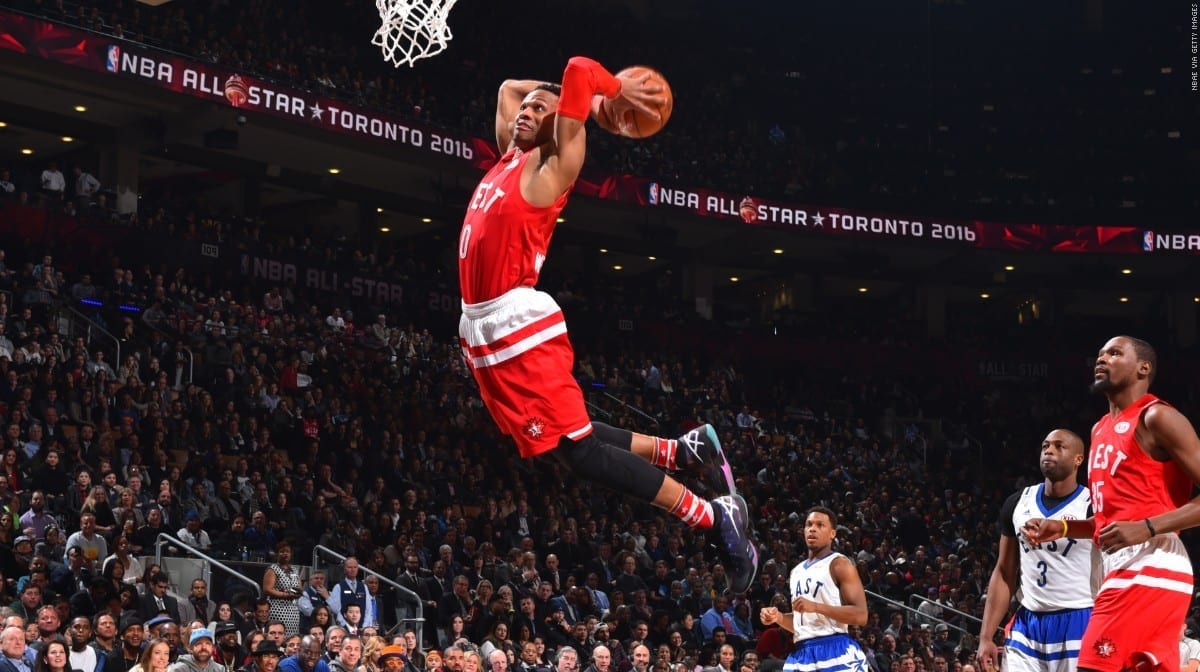
    The US National Basketball Association (NBA) has partnered with Chinese sports retailer Topsports and its official on-court apparel provider Nike to open the league’s largest store outside North America.

    The new 1145sqm NBA China store at Intime Mall on Beijing’s premier shopping street Wangfujing spans two floors and carries a range of products from jerseys and footwear through to basketballs and memorabilia. Customisable jerseys will be available for fans to personalise via the store’s “NBA Me” service, while other products are designed to reflect Beijing-specific themes including Chinese opera masks and local food. The store’s design is inspired by authentic NBA arenas with a hardwood floor.

    “Our largest NBA Store outside North America underscores the NBA’s long-standing commitment to serving our fans in China,” said NBA China CEO Derek Chang.

    “As the appetite for official NBA products continues to grow in China, this brand-new retail space will provide fans with authentic NBA gear and accessories, exclusive memorabilia and localised products that celebrate their passion for the NBA.”

    “Our goal is to make the Beijing flagship NBA Store a landmark for NBA fans in Beijing by offering them the new retail experience and wide category of merchandise,” said Topsports deputy GM Tian Zhong.

    “We will leverage our extensive retail experience to work closely with the NBA and Nike to provide a variety of products, good customer experience and membership service to all the NBA fans in China.”

  • Nike sees steap growth numbers in Asia

    Nike sees steap growth numbers in Asia

    Sportswear retailer Nike has grown net income to US$1.1 billion over its third quarter, with the group’s consumer-direct  approach delivering growth across all four of its geographic regions.

    Revenues increased 7 per cent to $9.6 billion, up 11 per cent. The Nike brand contributed $9.1 billion of this, while footwear brand Converse brought $463 million – down 2 per cent compared to the prior corresponding period.

    “In Q3, our team once again drove strong, healthy growth across Nike’s complete portfolio,” Nike chairman, president and CEO Mark Parker said.

    “Our business momentum is being accelerated by our ability to scale innovation at a faster pace and expand new digital consumer experiences around the world.”

    In Asia-Pacific, the group saw footwear sales increase 3 per cent to $909 million, while apparel sales grew 6 per cent to $340 million.

    However, sales in the equipment category fell 8 per cent over the period, to $58 million.

    Greater China, saw equipment sales stay flat at $29 million, but experienced a strong 21 per cent growth in apparel sales to $444 million, and footwear sales 19 per cent above the prior period at $1.11 billion.

    The group’s gross margin increased over the period to 45.1 per cent, driven by higher selling prices, favourable changes in foreign currency exchange rates and growth in Nike Direct.

    Additionally, the group’s effective tax rate was 14.7 per cent, compared to 179.5 per cent during the same period last year, which included one-time charges related to the enactment of the US Tax Cuts and Jobs Act, which drove a $921 million loss.

  • Instagram users can now buy items from ads inside the App

    Instagram users can now buy items from ads inside the App

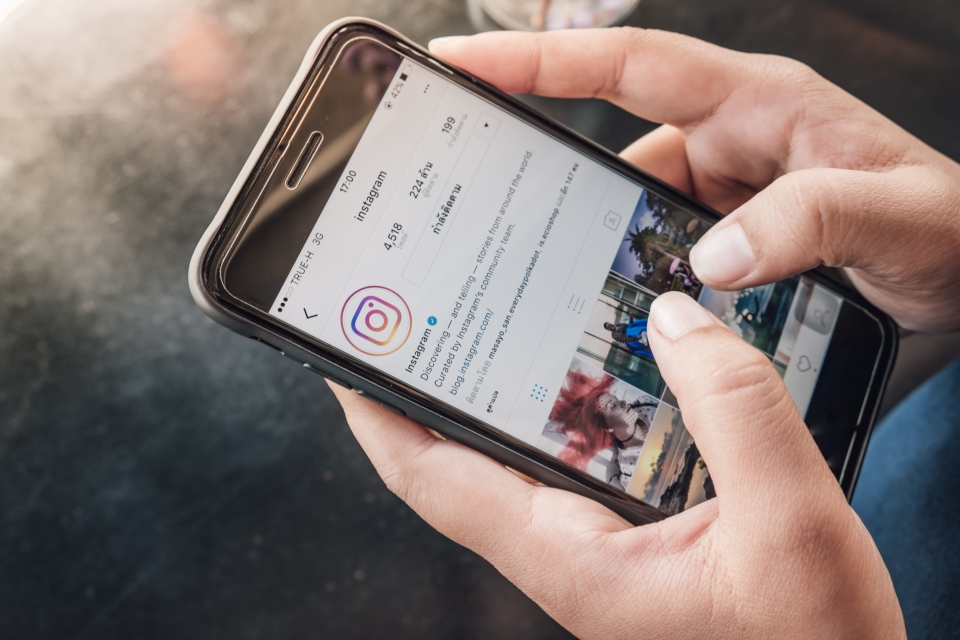
    Instagram is taking its Shopping ads one step further by making it possible for people to buy the products in the ads without leaving the app.

    The feature, called Checkout on Instagram, is currently being tested in a closed beta program by nearly two dozen businesses and is only available to users in the US.

    Retail News has asked for details about if and when the feature will be available outside the US but had not received a reply at the time of this writing.

    Adidas, Burberry, Dior, H&M, Michael Kors, Nike, Outdoor Voices, Uniqlo and Zara are among the 23 fashion, beauty and accessories brands now rolling out the feature. Others will be added in future, according to Instagram, which is owned by Facebook.

    When users tap on a product in a Shopping ad from one of these businesses, they now see a “Checkout on Instagram” button. By tapping the button, they can select the size and colour of the item they want and enter their payment and shipping details to purchase.

    Users receive notifications about shipment and delivery within the Instagram app, and the platform saves all their information for future purchases.

    In the past, if users wanted to purchase a product linked to a Shopping ad, they were redirected to the brand’s website. The new feature removes this step and – crucially for Instagram – keeps consumers in the app.

    “Social selling is really taking shape both in Australia and globally and it’s great to see Instagram leading the way through the next stage of the social selling journey. Giving consumers the option to complete a purchase right then and there in the app will simplify the shopping process and allow brands to connect more easily with shoppers,” said Jordan Sim, group product manager at BigCommerce, an e-commerce platform that has been active in offering integrations with Shopping on Instagram to its users.

    “We’ve seen our merchants both globally and locally in Australia have a great deal of success using BigCommerce’s integration with Shopping on Instagram and are looking forward to unlocking the power of this new integration for our Aussie retailers in the near future. We know the value of simplifying the checkout process to drive sales and this new function on Instagram will facilitate just that.”

    Many brands have said that Shopping ads drive sales, but there’s a trade-off: visibility and control over their customer data. As Instagram continues to make the purchasing process more seamless – that is, takes control of the process – some businesses will undoubtedly question whether the trade-off is worth it.

    It is unclear whether the Checkout feature applies to Shopping posts in Instagram Stories, or only to posts in the feed. Last June, Instagram revealed that of the 500 million people using Instagram every day, 300 million use Stories every day.

  • Nike global warehouses goes carbon neutral

    Nike global warehouses goes carbon neutral

    A Nike warehouse in Melbourne’s Altona North suburb has become the first facility in Australia to receive a ‘whole-of-building’ carbon-neutral certification from the National Carbon Offset Standard.

    The certification is the latest recognition for the site, which has also received a Green Star Performance rating and was named the ‘Best Industrial Project’ at the National Energy Efficiency Awards in 2017.

    The 18,000sqm warehouse, which is owned by the Stockland property group and was custom-built for Nike by Toll, was designed with environmental efficiency in mind.

    Some of the site’s unique features include translucent roof sheeting to maximise daylight so warehouse lighting can be switched off when ambient light is sufficient, roof insulation to assist with temperature control and an optimised conveyor system, which was rewired and reprogrammed to operate in relation to product volumes, eliminating unnecessary movement.

    The retrofitting of 1300 light fixtures with high-efficiency LEDs also helped the site to halve its total electricity consumption, exceeding the greenhouse reductions required by NCOS.

    Toll and Nike offset the remaining greenhouse emissions generated by the building by investing in forest conservation projects in Tasmania as well as in an energy recovery waste water treatment plant in Thailand. These projects protect local biodiversity and native species support jobs in local communities and reduce greenhouse gas emissions, according to a statement from the comp

    Nike’s operations director Marie Varrasso said the success of the facility reflects its commitment to reducing its carbon footprint whilst delivering efficient solutions and savings which can be passed on to its customers directly.

    “Through this collaboration, continuous improvements have been introduced into the supply chain, which ultimately benefits Nike’s footwear, apparel and equipment customers. It’s a unique relationship, with innovation at the heart of everything we do,” she said.

    Stockland’s general manager of logistics and business parks Tony D’Addona said the project has has been a worthwhile education process for the property group’s warehousing and logistics business and helped to improve its management approach to sustainability.

  • Largest Nike store planned to open in Singapore at Jewel Changi

    Largest Nike store planned to open in Singapore at Jewel Changi

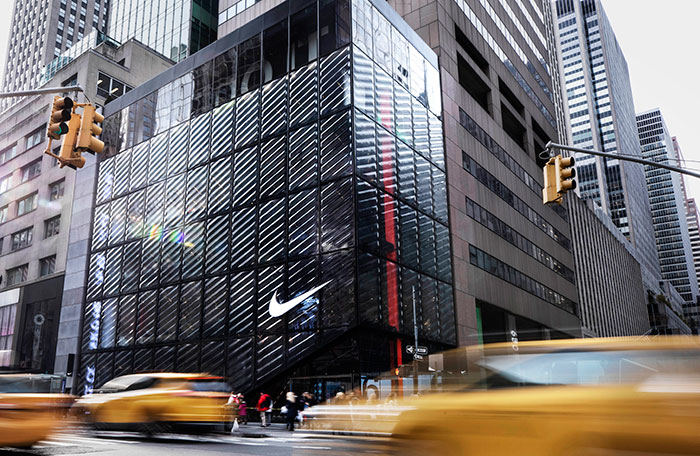
    SUTL Corporation will open its eighth and largest Nike Singapore store at Jewel Changi Airport in the first half of this year. Located on the second floor, the duplex store will span more than 1000sqm, and boasts the latest and most extensive range of Nike footwear, apparel and merchandise in the city. Shoppers who visit the store can look forward to customising their Nike t-shirt and footwear purchases at the Nike By You customisation area.

    SUTL Corporation  says the store will seek to enhance shopper engagement with multiple touch points offering customers “a fully immersive Nike experience” as they walk through the store.

    “Despite the rise of e-commerce as a viable option for shoppers, we believe that brick-and-mortar spaces remain an important part of the retail landscape. Nike at Jewel Changi Airport reaffirms our confidence in this space and we look forward to strengthening our partnership with Nike on its journey to transform the sporting world,” said Arthur Tay, chairman at SUTL Corporation.

    SUTL operates in more than 18 markets across Asia-Pacific, distributing products ranging from tobacco, liquor, spirits, beer, water and wine to fragrances and cosmetics for airports and seaports in Southeast Asia and the Indian Subcontinent.

    Jewel Changi is a 10-storey mega complex that will feature gardens and attractions, retail and dining, a hotel and facilities for airport operations.