Tag: nike

  • Nike India closes more than one third of stores

    Nike India closes more than one third of stores

    To cut losses, US sportswear maker Nike India has closed about 35 per cent of its stores.

    This has left it with about 200 stores, say observers.

    Nike’s accumulated losses were around US$81 million, according to data filed with the Registrar of Companies. Its sales over 2014-15 were about US$120 million for a loss of $15 million.

    Its rivals have also accumulated losses – Adidas losing about $10 million and Reebok $328 million. However, German sportswear maker Puma bucked the trend with accumulated profit of $7 million.

    Nike is believed to be also rethinking its strategy of sponsoring bats for top Indian cricketers. Nike’s largest partner in India is SSIPL (formerly Moja Shoes), which runs 80 per cent of the brand’s stores. Its second-largest partner is soft-drink mogul Ravi Jaipuria’s RJ Corp. Many of the closed Nike outlets have been converted into multi-brand stores by its partners.

  • Hermès Apple Watch launched at up to $1499

    Hermès Apple Watch launched at up to $1499

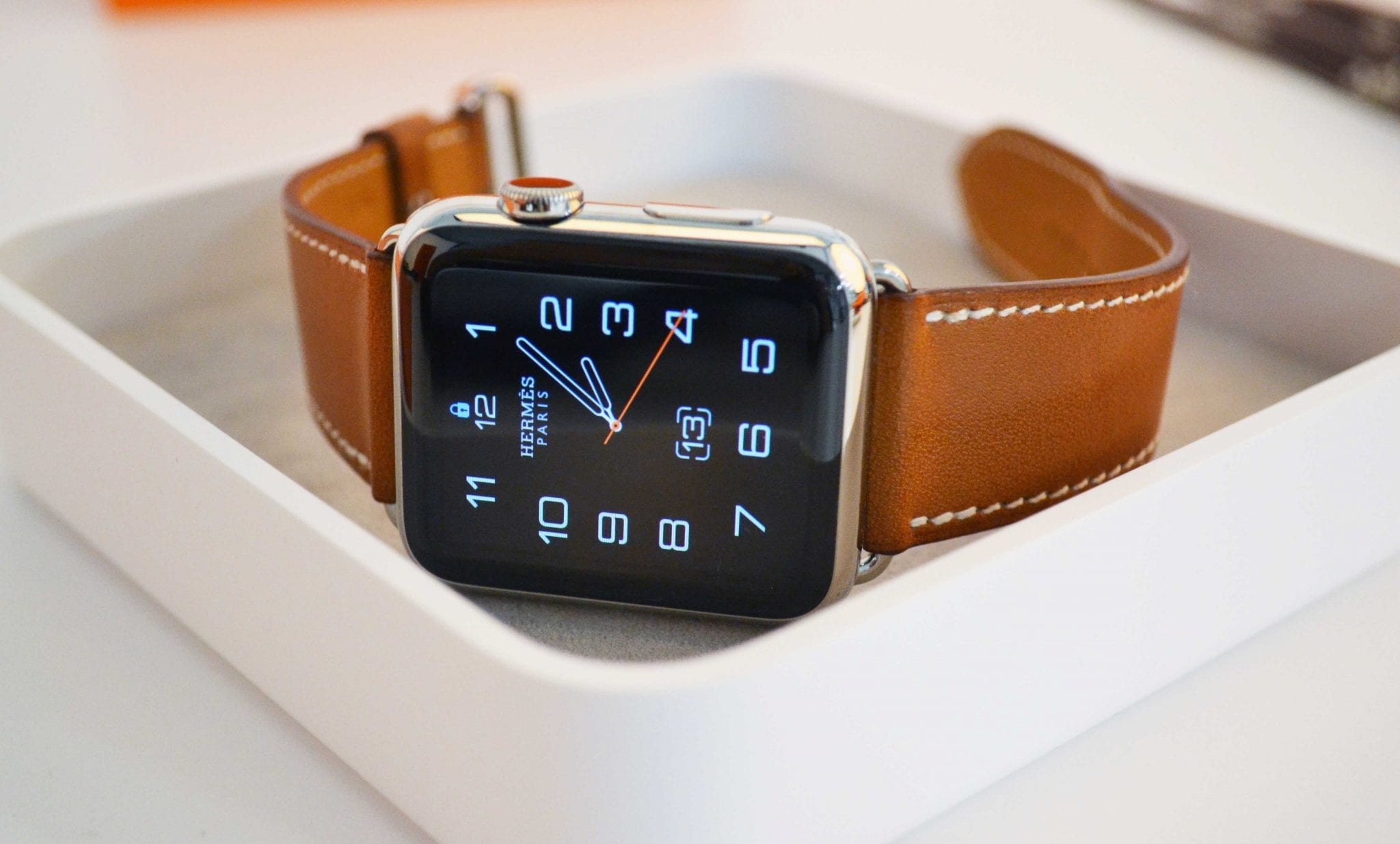
    Hermès and Nike have revealed new collaborations with Apple, to produce exclusive co-branded Apple Watches.

    Hermès introduced new Apple Watch styles and an expanded assortment of wristbands that incorporate its signature palette alongside a series of bold new colors.

    Meanwhile, Nike is focused on functionality for the sportsperson, with the Apple Watch Nike+ Series 2, featuring GPS, a two-times-brighter display, water resistance to 50m and a dual-core processor.

    Launch dates in Asia

    In Asia, the Apple Watch Hermès will be available from September 23 in Australia, China, Hong Kong, Japan, Macau, Singapore and Taiwan. The Nike watch goes on sale from yesterday, September 9.

    The Hermès models range in price from US$1149 to $1499, while the Nike sells for a more affordable $369 – $399. The Hermès wristbands will also be sold separately.

    Apple watch Hermes double buckle cuff

    Hermes says the design process was driven “entirely by a shared ambition for ultimate beauty and utility,” featuring exclusive watch face designs inspired by the iconic Clipper, Cape Cod and Espace Hermès models.

    “Ours is a partnership born of parallel thinking and mutual regard — we share similar preoccupations, ever evolving and refining our design,” said Jonathan Ive, Apple’s chief design officer.

    Siri speaks

    The Apple Watch Nike+ also includes exclusive Siri commands and Nike watch faces along with deep integration with the new Nike+ Run Club app to motivate wearers to go for a run, coaching plans that adapt to their unique schedule and progress, and guidance from the world’s best coaches and athletes.

    “Apple Watch is the ultimate device for a healthy life and we wanted to push it further to create the best smartwatch in the world for runners and athletes,” said Jeff Williams, Apple’s COO. “Apple Watch Nike+ takes performance tracking to a whole new level and we can’t wait to bring it to the world’s largest community of runners.”

  • Is Nike golf equipment journey ending?

    Is Nike golf equipment journey ending?

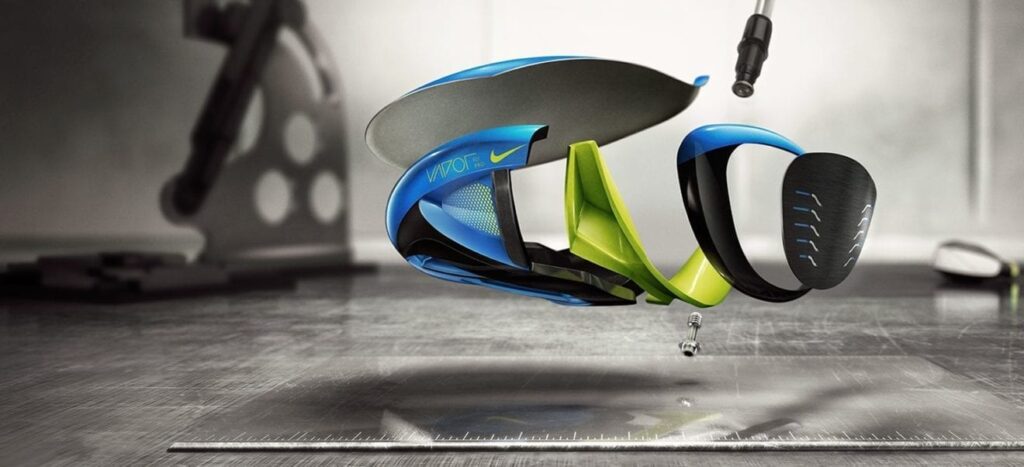
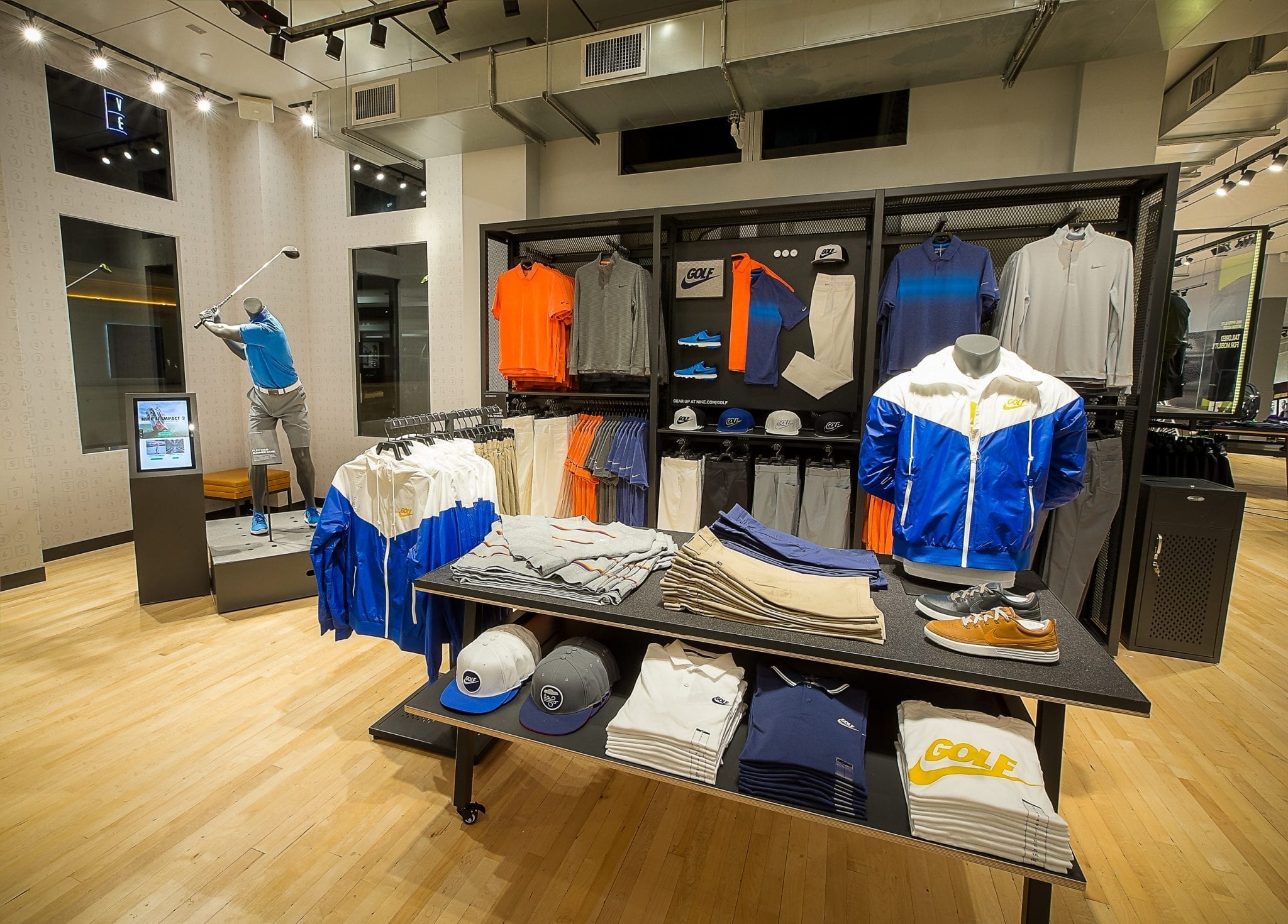
    Nike is phasing out its golf equipment business to focus on shoes and apparel.

    The company has announced it is accelerating its footwear and apparel business and will transition out of Nike golf equipment range – including clubs, balls and bags.

    “We’re committed to being the undisputed leader in golf footwear and apparel,” says Trevor Edwards, president, Nike Brand. “We will achieve this by investing in performance innovation for athletes and delivering sustainable profitable growth for Nike Golf.”

    The global giant said it will continue to partner with more of the world’s best golfers as part of its changed golfing segment strategy.

    “Athletes like Tiger, Rory and Michelle drive tremendous energy for the game and inspire consumers worldwide,” says Daric Ashford, president of Nike Golf.nike golf

    “Over the past year the MM Fly Blade Polo, the Flyknit Chukka and Air Zoom 90 have all connected strongly with golfers. We’ll continue to ignite excitement with our athletes and deliver the best of Nike for the game.”

  • Under Armour China recruits star power

    Under Armour China recruits star power

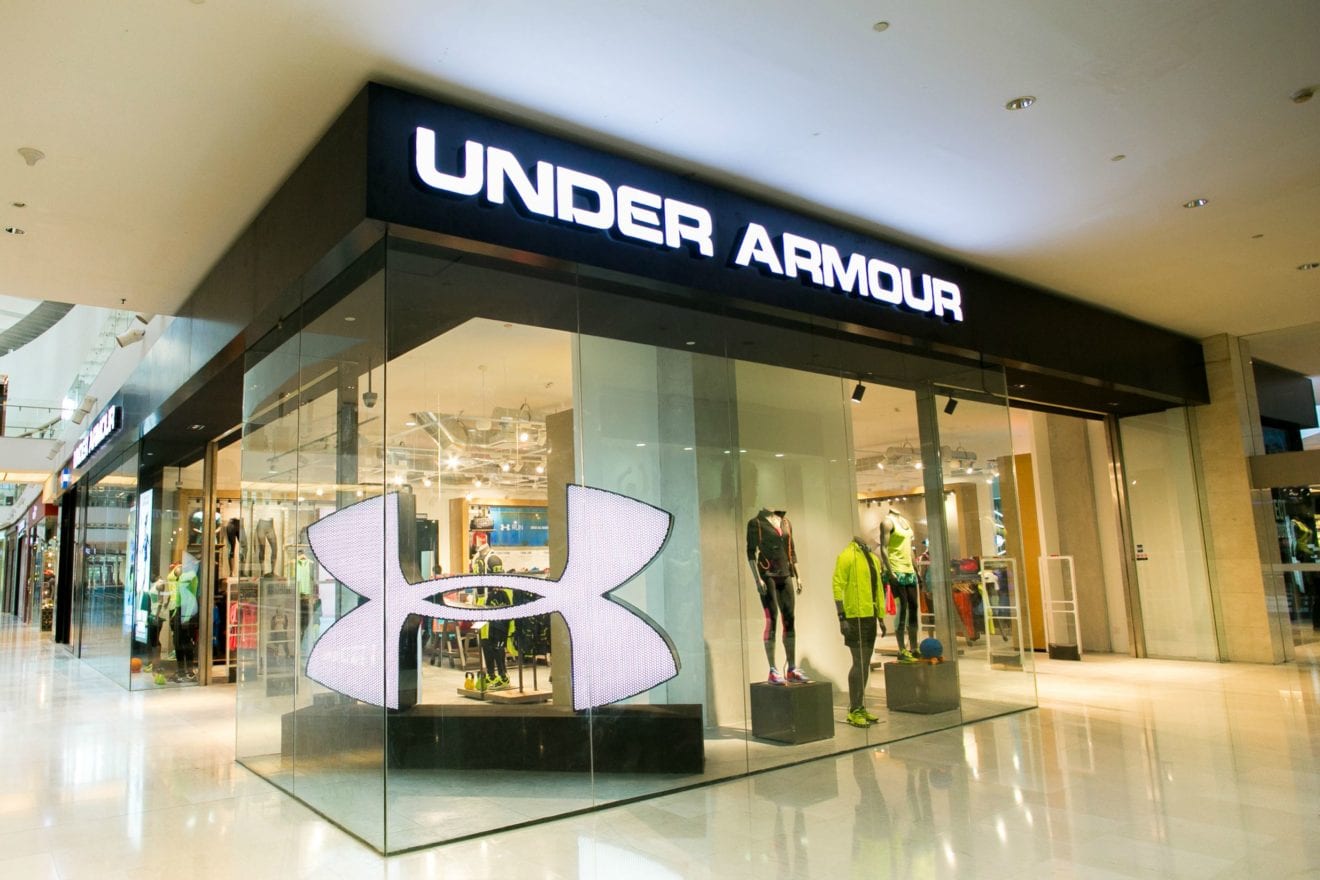
    Star power is being used to connect fast-growing athleisure brand Under Armour with Chinese consumers.

    NBA All-Star Stephen Curry heads back to China next month for another promotional tour for sportswear brand Under Armour China (UA).

    As UA seeks to take market share away from rival Nike, the basketballer will be touring the greater China region, including Taiwan, from September 2 to 6.

    Under Armour CEO Kevin Plank plans to more than double the company’s annual revenue to $10 billion by 2020, identifying three key growth areas: channels, categories and geographies.

    “Our eCommerce in China has basically exploded for us,” he says, “so this is not just a bricks-and-mortar story.” He believes China may actually end up providing the script for the balance between digital and store sales.

    So far this year, UA has reported a 157 per cent increase over the same period last year from its eCommerce initiatives in China. In just 10 years, the company has grown its overseas business exponentially, to $454 million last year from $6 million in 2006.

    Probably trying to catch this wave, low-end Chinese sneaker manufacturer Tingfei Long Sporting Goods introduced its Uncle Martian apparel line in April with a logo similar to UA’s trademark intersecting arches. UA responded by saying it will pursue “all business and legal courses of action.”

    To thrive in China, brand recognition over knockoffs is key for UA, which is why it is sending spokesman Curry into play. Following his first tour two years ago, quarterly revenue in China grew three-fold (Nike had a 23 per cent gain).

    UA plans to open 120 stores in China, more than doubling its presence, by the end of this year. Adidas and Nike have between 8000 and 9000 stores in China already. Nike’s market share grew to 14.3 per cent last year from 11.2 per cent in 2011, while Adidas grew its market share to 13.8 per cent from 8.5 per cent over the same period, according to research company Euromonitor.

  • Thailand retail growth predicted at 6%

    Thailand retail growth predicted at 6%

    Thailand’s retail market is expected to grow at a compound annual growth rate (CAGR) of more than 6 per cent from now until 2020.

    This was revealed in the latest market study by global technology research and advisory company Technavio.

    Its research report, Thailand Retail Market 2016-2020, offers an analysis of the market in terms of revenue and emerging trends, as well as forecasts for six major product segments – grocery, apparel and footwear, beauty and personal care, personal accessories, home and garden, and consumer electronics.

    Grocery

    Valued at US$103 billion last year, the grocery market in Thailand is forecast to reach $145 billion by 2020, growing at a CAGR of 6.92 per cent. The segment is largely driven by the modern retail sector, while increasing urbanisation and changing consumer lifestyles are playing a significant role in the market’s development.

    Supermarkets and convenience stores have shown the fastest year-on-year growth rates with 9.5 and 10.5 per cent respectively last year.

    “Even though hypermarkets offer attractive prices, consumers are increasingly preferring supermarkets for the convenience factor and the availability of a wide product range,” says Technavio lead retail goods expert Poonam Saini. “Unlike supermarkets, which are in urban zones, hypermarkets are generally in bordering areas, catering almost exclusively to nearby consumers.”

    Apparel and footwear

    The second-largest market segment last year, apparel and footwear is expected to reach $9.19 billion by 2020, growing at a CAGR of more than 3 per cent.

    Several foreign companies are competing with local companies in the segment, says the report. International brands have fair penetration rates, offering stylish designs and a wide product range through modern retail stores. Local brands have also been successful with their long-established presence along with customer loyalty and trust.

    “The popularity of the online channel is growing, and players are actively using social media sites such as Facebook and Instagram for promotional campaigns and marketing activities,” says Poonam.

    “Websites such as Zalora.com are becoming popular for apparel and footwear products, as these sites offer promotions and discounts.”

    Beauty and personal care

    One of the fastest-growing segments, beauty and personal care (BPC) is having more than 3 per cent CAGR and is expected to reach $5.53 billion by 2020. A continuous exposure to western beauty and grooming trends has helped maintain the growth of the market over the past few years.

    International BPC companies have a nearly 50 per cent share of the market, with comprehensive product portfolios and innovative products. Thai retailers are expanding and attracting new consumers, says the report, citing cosmetics brand Sephora, which opened two new stores in 2014 after entering the market late the previous year.

    Top vendors

    Technavio’s research analysts name five top vendors for Thailand in the report.

    Topping the list are supermarket Big C and retail conglomerate Central Group. Then follow CP All, which has a chain of 7-Eleven stores, and homewares stores Global House and Home.

    Other prominent vendors in the market are Adidas, Aeon, Isetan Mitsukoshi Holdings, Lazada, Nike, Sephora, Seven & I Holdings, Tesco, The Mall Group and WearYouWant.

    Technavio develops more than 2000 reports every year, covering more than 500 technologies across 80 countries. It has about 300 analysts globally.

  • Phantaci makes it real in Singapore

    Phantaci makes it real in Singapore

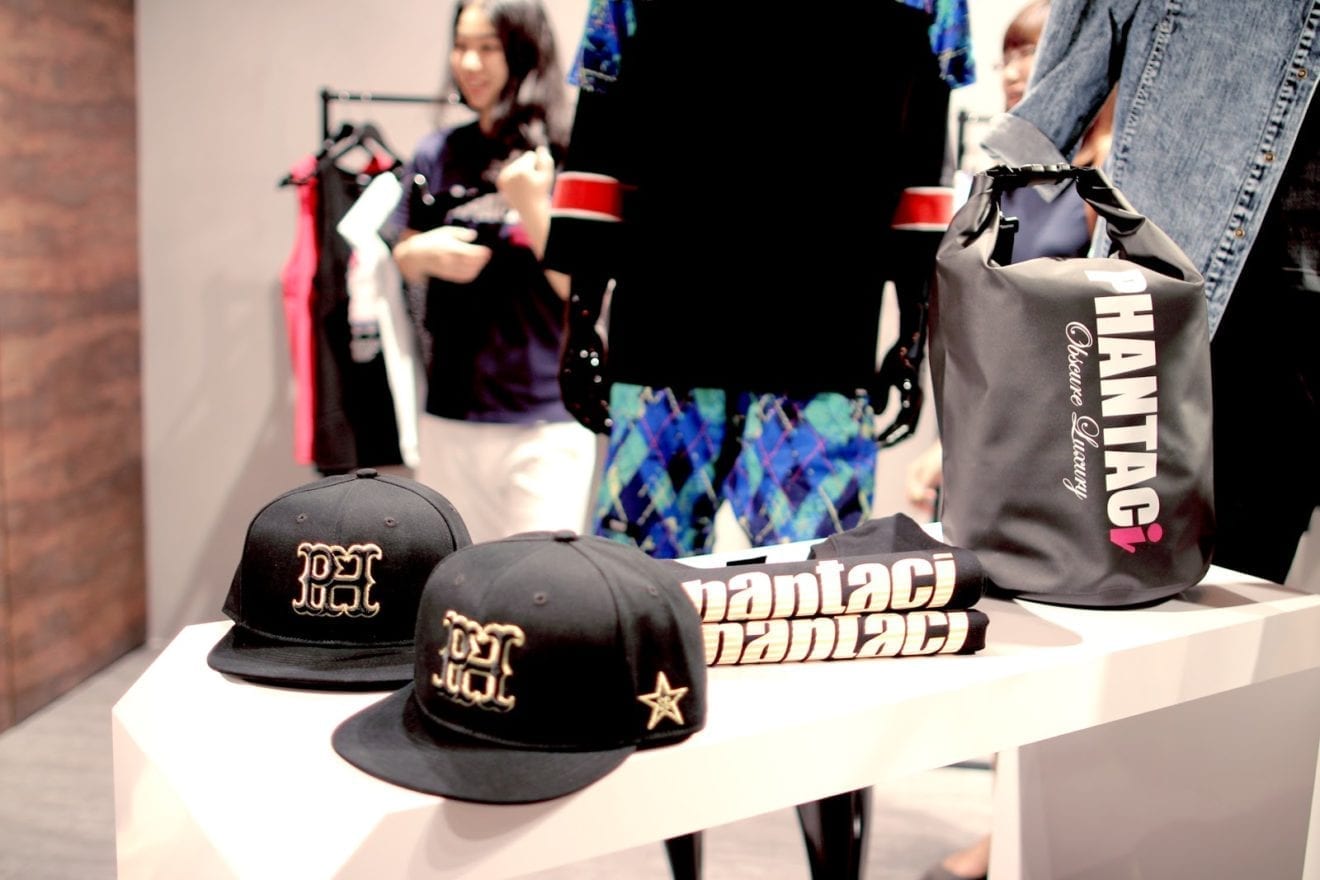
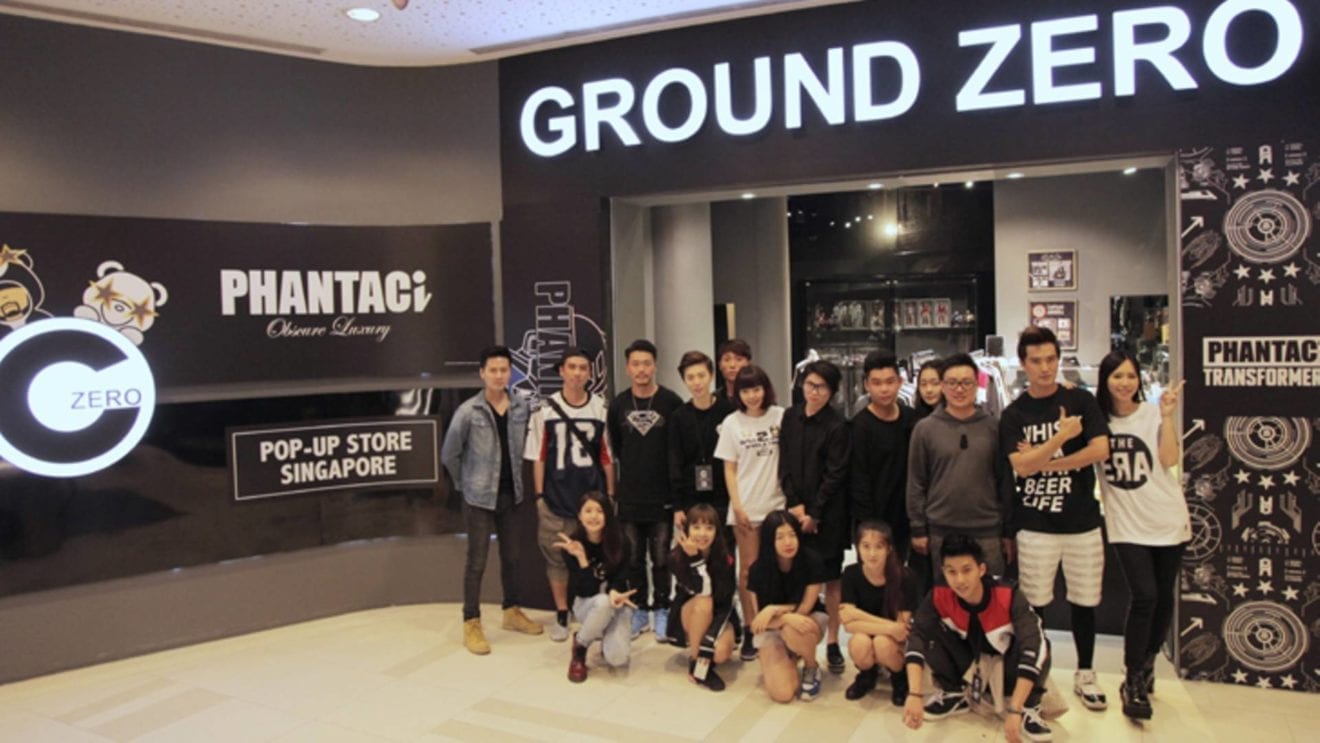
    Taiwanese streetwear label Phantaci has launched its first overseas boutique, at Orchard Gateway in Singapore.

    Covering 1200 sqft (111 sqm) on the mall’s second floor, the outlet features pink shelving and black-and-white tables echoing a piano keyboard.

    2

    As well as an in-house collection, Phantaci collaborates on products with such top brands as Casio, Nike and Stussy.

    To mark the opening, Phantaci is offering an exclusive selection of merchandise including a black-and-gold Phantaci shirt and an embroidered cap.

    Phantaci was established in 2006 by MandoPop musician Jay Chou and Ric Chiang.

  • Chinese sports brands back in the race

    Chinese sports brands back in the race

    A government-backed campaign to encourage healthy living is helping give Chinese sports brands traction again in the domestic consumer market.

    After three tough years with the slowing economy and over-expansion following the Beijing Olympics in 2008, the brands are ready to compete again, thanks to cutbacks in store networks and more choice in online sales channels.

    When Beijing was preparing to host the Olympics, sportswear companies began to expand aggressively, with leading brands adding nearly 1000 points-of-sale each every year between 2007 and 2011, according to Hong Kong brokerage and investment group CLSA analyst Dawei Feng.

    However, sales were undermined by cheap knock-offs and competition from expanding overseas fashion chains such as H&M, Uniqlo and Zara.

    Between 2012 and 2013, China’s biggest sports brand Anta closed 900 shops across the country. Also cutting stores from 8255 to 6133, Li Ning became profitable last year after three years of losses.

    Anta has been working with its stores on marketing, says Bloomberg Intelligence analyst Catherine Lim. It also started a children’s brand after China scrapped its one-child policy.

    Anta, which holds distribution rights to the Fila brand in China, is the official sportswear sponsor of the Chinese Olympic Committee.

    China’s five publicly traded sportswear companies have a combined market value of about $9.4 billion, or less than a 10th of Nike, the world’s largest sporting-goods maker.

  • Siam Discovery about to launch ‘retail revolution’

    Siam Discovery about to launch ‘retail revolution’

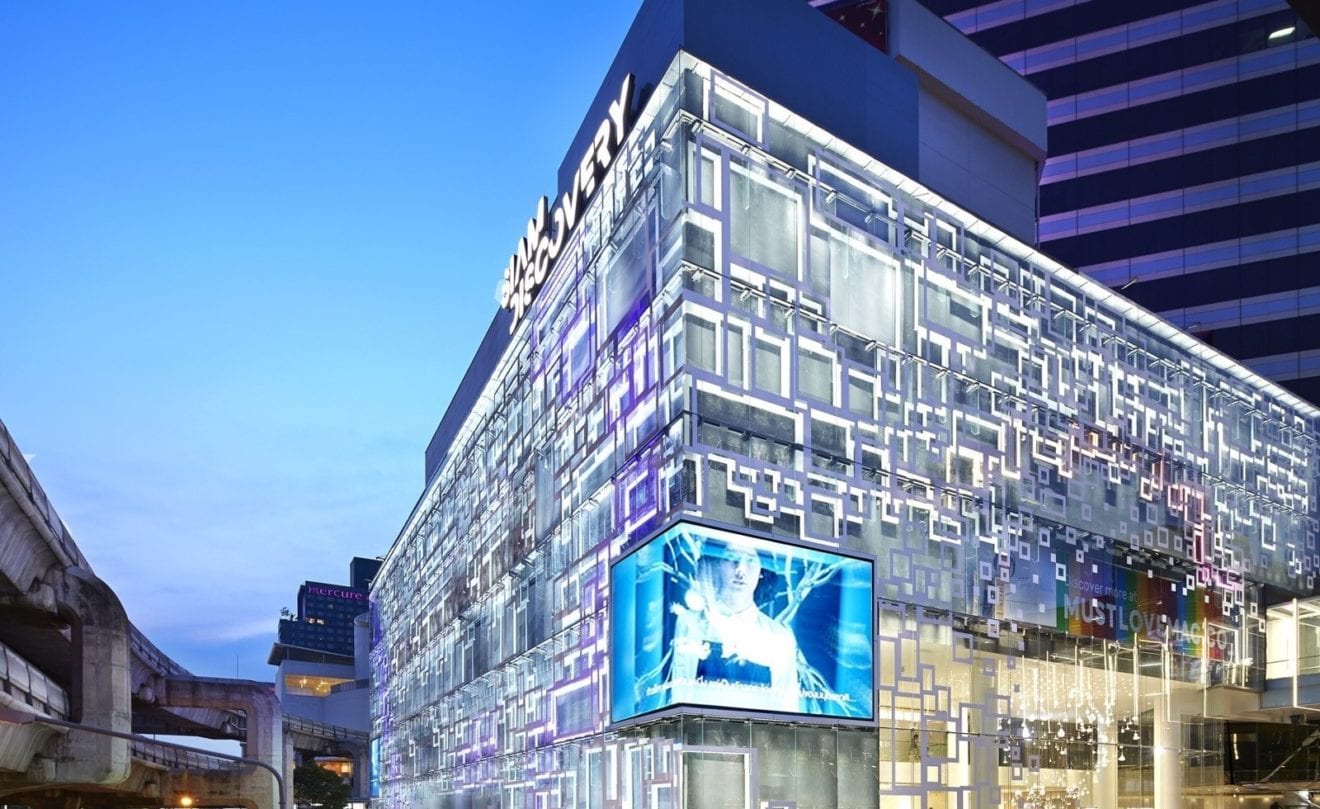
    After a Bht 4000 million (US$113 million) overhaul, Siam Discovery will re-open in Bangkok this month as a self-described “hybrid retail development”.

    As well as Thailand’s largest lifestyle speciality store, the complex will feature an “arena of lifestyle experiments”.

    Opening on May 28, the complex is owned and run by Siam Piwat, which also has Siam Paragon, Siam Center, Paradise Park and, in a joint venture, IconSiam. This new development will be sub-branded The Exploratorium, and introduce what CEO Chadatip Chutrakul describes as a “revolutionary new retail concept”.

    This concept is spread across 50,000 sqm, and senior executive vice-president Charnchai Cherdchuwongthanakorn says the company expects to double its sales per square metre as well as reinforce Siam Piwat’s reputation as a thought-leader in Thailand’s retail sector.

    Siam Discovery – The Exploratorium will encourage visitors to experiment and discover what they like. Without the constraints of a particular brand or school of design, products are brought together under a single universal concept that puts customers at the centre, says the company.

    Charnchai says that in its first year the eight-level complex is expected to draw 100,000 visitors a day, with a mix of 65 per Thais and 35 per cent tourists. Before the renovation the centre had 750,000 visitors a day.

    There are many firsts and concept stores in the centre…

    • In a partnership with the Department of Export Promotion, Siam Discovery will feature award-winning designers in the Objects of Desire Store.
    • Nike will launch its only concept store for Southeast Asia, including a personalised embroidery service.
    • Designer Issey Miyake which have its first concept store outside of Japan, called the World of Issey Miyake and offering products for men for the first time in Thailand.
    • Home decorative brands like Hay, Kartell and Tom Dixon and Kartell will open their first concept stores in Thailand, and artists Lisa Larson and Yayoi Kusama will make their Thailand debut.
    • As well featuring designs from Tokyo Fashion Week, Siam Discovery will highlight Asian designers with brands such as Beautiful People, Discord by Yoji Yamamoto, Dressed Undressed, Factotum and Yoshio Kubo being introduced to Thailand.
    • As a world first, music magazine Billboard will have a cafe with a food-and-drink corner catered by Dean & Deluca and a live radio show.
    • An innovative retail service developed by Siam Discovery will offer customers a personal stylist and a private dressing room.
    • Tokyo Bike will offer cycling products and equipment as well as a customised bicycle fitting service and a test-ride space.
    • Starbucks Coffee will feature a coffee drip for hard-core coffee fans, plus furniture made from recycled coffee grounds.

    Siam Piwat is spending Bht 300 million on the grand opening. But first, 500 members of the public will be able to experience the space first by entering an online draw. Also before the opening, a 7m-tall “Discovery Man” will go on a promotional roadshow throughout Bangkok.

    A Discovery Man exhibition at the opening of Siam Discovery is being curated by Japanese designer Oki Sato, who was chief advisor for the building’s design and interior.

    A highlight during the grand opening period will be Social Discovery, an interactive exhibition that is a collaboration between Siam Discovery and creative designer Black Egg. It will combine storytelling with digital technology to create an experience themed “When Obsession Becomes Identity”.

  • New Balance India return

    New Balance India return

    New Balance India is to make a comeback – and says it aims to open about 50 stores within the next few years.

    The US sports shoes brand’s first foray into India was in the early 2000s, but it shut its shops after a few years. Now its VP for Asia Pacific Darren Tucker says it plans outlets across shopping malls and high streets in Delhi, National Capital Region (NCR), Mumbai and Bengaluru.

    “We were ahead of time,” says Tucker. “We did not have such a wide brand presence globally then, and the retailing experience was poor. Now, the market looks more mature.”

    Its first store this time around opened yesterday – an 1100 sqft (102 sqm) New Balance Athletic Shoes standalone outlet at DLF Mall of India in Noida, near New Delhi. The company has a distribution agreement with The Major Brands Group in Mumbai for retailing New Balance products in India.

    “It’s not about the number of stores,” says Tucker. “We would prefer to have a profitable retail presence and grow at a relatively slower pace this time.

    “All our global competitors are here. The market is built. We know our competitors, and that’s an advantage.”

    With an average selling price of Rs.7000 (US$105) for shoes, New Balance will be a premium offering. Tucker says apparel is a promising segment, so lifestyle will be a focus area. The company has also tied up with online retailer Jabong for e-etailing, and is negotiating with global partner Amazon for the Indian market.

    “Considering the growth of eCommerce in India, that’s a must,” says Tucker. The company will continue to leverage its global marketing properties across sports and athletics, and plans to develop local properties. “For India, it’s going to be cricket first.”

    At the moment, the sports shoe and apparel market in India is dominated by Adidas, Nike, Puma and Reebok. Japan’s Asics Corp. opened its first standalone store in Delhi last July.

    A report by Images F&R Research estimates India’s active sportswear market at Rs.6000 crore, growing at 13 per cent a year.

    New Balance, which reported $3.3 billion in sales worldwide in 2014, was founded in 1906 by British immigrant William J. Riley to sell arch supports to police officers and waiters. The company was bought by Jim Davis, the son of a Greek immigrant, in 1972 and from its base in Boston now sells athletic shoes, apparel and accessories for men, women and children across 5000 outlets worldwide under brands such as Aravon, Brine, Dunham, PF Flyers and Warrior Sports.

  • Farah China to launch next year

    Farah China to launch next year

    Perry Ellis International has signed an agreement with MRH SpaRotica Groupe (MRH) to introduceFarah China next year.

    The brand will be launched in department stores, free-standing stores and specialty outlets as well as online with third-party eCommerce platforms such as Tmall. The first free-standing Farah store is planned to open early next year.

    With street credibility, the Farah has creative brand ambassadors from art, music and modern culture who are empowered to become product developers, storytellers and educators inspiring millennials. The products are sold internationally through major retailers and company-owned stores, as well as online.

    “This is our first agreement for Farah in greater China and represents a major step in the expansion of the brand outside of the United Kingdom and Europe,” says Perry Ellis International chairman/CEO George Feldenkreis.

    MRH president/CEO Richard Kisembo says the company is confident of the impact Farah can make in China. “We believe in brands that make emotional connections with consumers, and Farah will stand out for its modern classics.”

    Perry Ellis International is a designer, distributor and licensor of men’s and women’s apparel, accessories and fragrances. It owns a portfolio of brands including: Axist, Ben Hogan, Cubavera, Grand Slam,  Jantzen, John Henry, Laundry by Shelli Segal, Manhattan, Original Penguin by Munsingwear, Perry Ellis, Rafaella and Savane. The company also licenses trademarks from third parties, including Jag and Nike for swimwear, and Callaway, Jack Nicklaus and PGA Tour for golf apparel.

    Based in Shanghai, MRH curates and invests in brands through acquisition and licensing. It has retail stores, distributes merchandise through franchisees, and runs eCommerce websites.

  • Nation’s consumers, companies finding themselves on thin ice in South Korea

    Nation’s consumers, companies finding themselves on thin ice in South Korea

    Every floor of the NC Department Store in Jamsil-dong, southern Seoul, was packed with customers frantically digging through piles of clothes and shoes on March 1.

    The moment an employee set out pairs of Nike sneakers at 50 percent off the retail price, men and women alike snatched them off the shelves. There was even a scuffle when several buyers grabbed the same item simultaneously.

    “We ran out of boxed tissues by 3 p.m.,” a saleswoman said. “As they were crazy cheap, people took several boxes at once.”

    On the Internet communities for Jamsil residents, members warned the neighborhood had turned into a mad house and said it would take at least an hour just to find parking.

    The chaotic scene has been happening every Independence Movement Day since the retailer started its event several years ago, offering everything from food to fashion at discounts of up to 80 percent.

    While the rest of the country took the day off to remember the independence movement during the Japanese colonial period, NC Department Store was packed with shoppers elbowing each other out of the way to snag the best bargain.

    But this year, shoppers seemed a little more desperate to save money.

    “I’m not really a person who is attracted to sales, but recently, I’ve been changing the way I’ve been spending because the economic situation is becoming more uncertain,” said Song, 42, who was digging through a steeply discounted pile of Nautica outdoors pants. “My wife and I both work so we’re better off than some other households. But even with our income, after paying the interest on our loans, living expenses and for our kids’ education, there’s hardly any left for saving.”

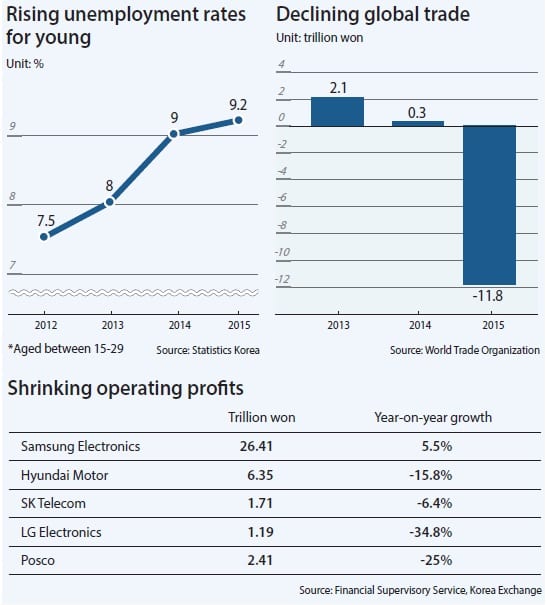
    The average household today is jittery and increasingly less confident about the path of the Korean economy, particularly as various indicators including exports, industrial output, unemployment and household loans have been alarming.

    The frozen stock and real estate markets are causing household income to shrink just as ever-growing household loans, which reached more than 1,200 trillion won ($996 billion) by the end of last year, are applying more pressure on Korean families.

    With less income and more uncertainty about the nation’s economy, many consumers are shopping online rather than at discount stores like E-Mart or Lotte Mart.

    According to Statistics Korea, while overall retail sales grew 4.1 percent in January compared to the same period last year, online sales grew 21 percent.

    Online shopping is currently a 5 trillion won market, accounting for 17.2 percent of overall retail sales, at 30 trillion won. That’s 2.4 percent larger than a year ago.

    Why is online shopping growing so fast? One reason is because it offers products at lower prices while being more convenient.

    More shoppers are buying their groceries online, with sales of agricultural and marine products surging 57.6 percent in just a year. Online sales of processed food and beverages have seen exceptional growth of 43.2 percent.

    But consumers are also heading online because living conditions for the average household have worsened over the last few years.

    According to a recent study by Statistics Korea, the gap between the monthly paychecks of people working for small and midsize companies and those working at conglomerates is wider than it has ever been.

    The average paycheck received by employees at companies with more than 300 employees, categorized as a conglomerate, reached 5.01 million won last year, an increase of 3.9 percent year on year.

    Over the same period, the average paycheck taken home by people at small and medium-size companies (between five and 299 employees) grew 3.4 percent to 3.11 million won. That’s just 62.3 percent of the salary received by their conglomerate counterparts.

    “This year, it is difficult to expect the domestic market to recover from policy implementation,” said Lee Geun-tae, senior analyst at LG Economic Research Institute.

    “Since the second half of last year, household spending has been falling to all-time lows as uncertainties over the economic future have gone up.”

    Lee added that the frozen property market, in which many older people have invested to sustain their life after retirement, as well as low interest returns on financial assets have dampened spending confidence. Growing unemployment faced by young people is also contributing to further cutbacks on spending.

    Even the nation’s top companies are feeling a squeeze. Last year, Hyundai Motor recorded its highest-ever annual revenue at nearly 92 trillion won. But the company was only able to earn 6.35 trillion won in operating profit, which is the smallest since 2010 and 15.8 percent less than the previous year. It was the third consecutive year that operating profit has shrunk.

    The situation at other companies is similar. Samsung Electronics enjoyed an annual operating profit increase of 5.5 percent to 26.4 trillion won. But when looking solely at the fourth quarter, operating profit actually declined compared to the third quarter.

    Market experts are particularly worried by the fact that leading manufacturers, which should be leading the country out of the gloom, are themselves struggling.

    Furthermore, Korea’s leading companies are also major exporters, and the continuing decline in outbound shipments since January 2015 will likely lead to disappointing performances, in turn worsening consumer confidence and finally impacting the domestic market.

    The current situation is unlikely to improve anytime soon as China, which accounts for one quarter of Korea’s economy, has already seen its growth fall below 7 percent.

    “New government stimulus efforts are likely to take effect starting in the second quarter, but their impact is not expected to be strong enough to offset the slowdown in exports,” said Suh Dae-il, an analyst at Daewoo Securities. “In particular, tighter control on bank lending is anticipated to erode the impact of any stimulus. February readings of the consumer sentiment index and the business sentiment index suggest that consumers’ expectations for housing price growth are sliding sharply, and that corporate financial conditions have deteriorated from the levels seen in the second half of 2015.

    “As the Korean economy is expected to continue to slow down in first half of this year, we believe that additional stimulus measures, including a base rate cut, will be needed going forward.”

    Finance Minister Yoo Il-ho, who celebrated his 50th day in office last week, brushed off the growing concerns.

    “There are concerns that the uncertainties [shrinking exports, consumption and even investment] regarding the local economy could result in contraction,” Yoo said during a meeting of economic ministers held at the government complex in central Seoul on Thursday. “[However] when you exclude automobile sales, overall sales are increasing, and as the lowering of the individual consumption tax was back in February, the situation will gradually improve.

    “Exports also fell less in February than in January and actually rose by volume.”

    The minister said that although he is aware of the growing concerns, he does not see the need yet to consider measures like a supplementary budget.
     

  • CapitaLand China growth outpaces economy

    CapitaLand China growth outpaces economy

    Singapore-based shopping mall investment company CapitaLand Retail China Trust (CRCT) grew its income last year by 10.3 per cent to S$89.2 million ($63 million) from S$80.9 million.

    With China’s economy growing 6.9 per cent last year, the company’s retail sales drew 10.7 per cent of RMB30.1 trillion ($4.58 trillion), reports CRCTML chairman Victor Liew (CRCTML manages CRCT).

    “China’s slower growth is reflective of an economy undergoing transition, but it is expanding from a much larger base now and its growth is still considerably faster than those of most other economies,” says Liew. “CRCT’s family-oriented shopping malls are well-placed to benefit from China’s growing urban population and rising retail sales as domestic consumption becomes the country’s new growth engine.”

    It was the first time CapitaLand China’s gross revenue had crossed the RMB1-billion mark, says CRCTML CEO Tony Tan. “Portfolio occupancy remained high at 95.1 per cent  as at December 31, while rental reversion for the full year was 8.1 per cent.

    “Annual tenants’ sales increased 11.6 per cent and shopper traffic rose 1.8 per cent year-on-year.

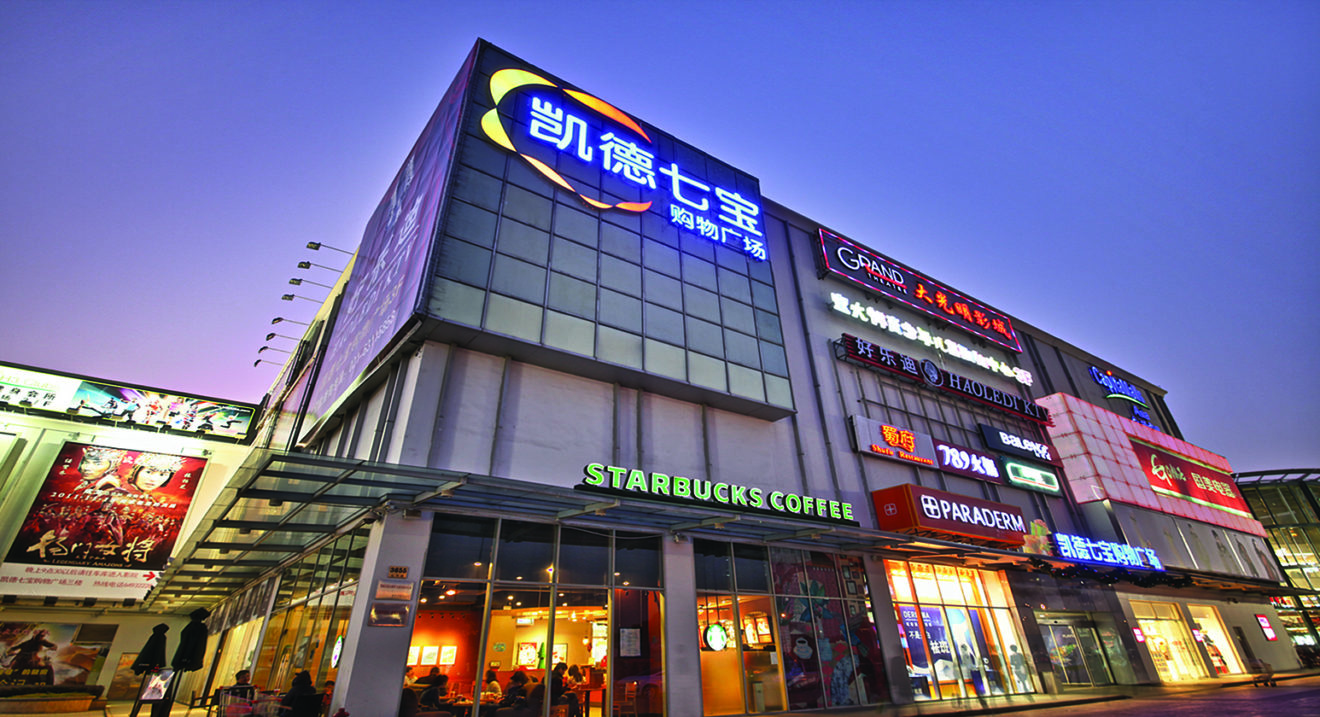
    “We continually refresh our mall offerings to stay relevant to our shoppers’ evolving preferences and needs. For example, CapitaMall Xizhimen (pictured) brought in the popular Jing Ge Steamboat to increase the variety of its F&B offerings, while CapitaMall Qibao introduced a water park.

    “To improve sustainability and the shopping experience, CapitaMall Grand Canyon installed energy-saving LED lights in common areas and upgraded its car park with new flooring.

    “CapitaMall Wangjing is carrying out renovation work to rejuvenate its façade, and is on track to unveil its new look by June.

    “We will continue to strengthen our malls’ tenant mix and uplift the shopping experience through continual asset enhancement initiatives.”

    Gross revenue for the year increased RMB17.5 million, or 1.8 per cent, over the previous year. This was attributed mainly to rental growth from the multi-tenanted malls, partially offset by lower revenue fromCapitaMall Minzhongleyuan, which was impacted by road closure for the building of a subway line, and from CapitaMall Wuhu, where tenancy adjustments are being introduced to achieve stronger positioning and better trade mix.

    CRCT is the first China shopping mall real estate investment trust (REIT) in Singapore, with a portfolio of 10 malls. Listed in Singapore in 2006, its objective is to establish long-term investments in a diversified portfolio of real estate used primarily for retail in China, Hong Kong and Macau.

    A significant portion of CapitaLand China’s properties’ tenancies comprises major international and domestic retailers such as the Beijing Hualian Group, Carrefour and Wal-Mart. The anchor tenants are complemented by specialty brands such as BreadTalk, Innisfree, KFC, Nanjing Impressions, Nike,Sephora, Starbucks, Uniqlo, Watsons and Zara.

  • Nike profits soar in Q2

    Nike profits soar in Q2

    Sportswear brand Nike says sales rose four per cent in the second quarter – but profit soared 20 per cent.

    The company says strong consumer demand drove revenue growth across the entire Nike brand portfolio and improved gross margins led to the profit boost during the three months to November 30.

    “Our strong Q2 growth and profitability show that Nike continues to drive real momentum through the category offense – by going deep with consumers by sport and serving them completely,” said Mark Parker, president and CEO.

    “And our powerful global portfolio of businesses, combined with strong financial discipline, continue to drive significant shareholder value. We see tremendous opportunity ahead as we enter an Olympic and European Championships year with a full pipeline of inspiring innovation for athletes everywhere.”

    Revenues totalled US$7.7 billion, up 12 per cent on a currency neutral basis. Of that, the Nike brand accounted for $7.3 billion, up 13 per cent, driven by double-digit growth in every geography and most key categories.

    Revenues for Converse were $398 million, down five per cent on a currency neutral basis, as strong growth in North America was more than offset by a decline in Europe

    Gross margin increased 50 basis points to 45.6 per cent, primarily due to higher average selling prices, partially offset by higher product input costs and unfavorable changes in foreign exchange rates.

    Net income increased 20 per cent to $785 million.

  • Nike Defies Stagnation in U.S. Retail, China as Orders Surge

    Nike Defies Stagnation in U.S. Retail, China as Orders Surge

    Nike Inc. posted second-quarter results that showed the footwear and athletic-apparel giant remains largely immune to the shopper malaise that’s plagued much of retail.

    The world’s largest sporting-goods maker posted profit of 90 cents a share, topping analysts’ average estimate of 86 cents, as it continued to reap the rewards of a dominant brand and the ongoing fashion shift toward casual, sporty attire. It also defied concerns about slowing economic growth in China, with revenue there gaining 24 percent to $938 million.

    • Orders for the Nike brand for the next four months rose 20 percent, excluding the effects of currency. Analysts expected a 13.6 percent gain.
    • Net income increased 20 percent to $785 million.
    • Sales rose 4.1 percent to $7.69 billion. Analysts estimated $7.81 billion.
    • Gross margin widened 0.5 percentage point to 45.6 percent.

    The shares rose as much as 4.1 percent to $137.31 in late trading in New York. Nike had gained 37 percent this year through the close on Tuesday.

    “Overseas markets have great potential,” for Nike, said Paul Swinand, an analyst at Morningstar Inc. “Investors should take a read on Chinese consumers from the futures orders: There’s room to purchase new Western goods in people’s budgets. That highlights the potential for the long-term middle-class growth there.“

    $50 Billion

    The earnings report is Nike’s first since it announced a goal of increasing annual sales to $50 billion by fiscal 2020, up from $30.6 billion in its most recent fiscal year. The target implies an annual growth rate of 10.3 percent, slightly higher than the past two years. The company expects about a third of those gains to come from its online business. That trend played out last quarter, with sales through its websites surging 49 percent.

    In the most recent quarter, Nike’s China unit was the standout. Footwear sales there gained 30 percent to $600 million, while apparel revenue climbed 15 percent to $306 million. The strength looks set to continue, with futures orders for the segment increasing 34 percent, excluding currency effects.

    Part of Nike’s success in China has been a plan started two years ago to revamp its distribution and merchandise — like the fit of its apparel — after a glut of inventory after the Olympics weighed on results. It also has been selling more products through its own stores and websites, which is part of a companywide strategy. Revenue from those segments in China rose 51 percent last quarter.

    North America also turned in a strong performance, with sales increasing 9.4 percent to $3.55 billion. Footwear led the gain, with a 12 percent increase. North American futures orders grew 14 percent.

  • Nike Japan reopens Kichijoji store

    Nike Japan reopens Kichijoji store

    A new Nike Japan running concept store adjacent to Inokashira Park is a hub for runners in suburban Tokyo.

    Located 20 minutes from Tokyo suburbs Shibuya and Shinjuku, Kichijoji is a suburb of well heeled consumers and home to Inokashira Park, opened in 1918 and now among the city’s top running destinations.

    Nike Japan reopens Kichijoji store 1

    The newly remodelled two story, 502 sqm Nike Kichijoji store blends Nike’s sport DNA with graphics from local artist Shun Sasaki, whose work pays respect to the area’s artistic traditions.

    “We are extremely excited that Nike Kichijoji is our first running experience store in Tokyo,” says Heidi O’Neill, VP, GM of Nike Stores.

    “At Nike, we love to run. We want this store to be an invitation for Tokyo to come run with us.”

    Nike Japan reopens Kichijoji store 2

    The store exterior features a slatted wood screen inspired by traditional Japanese woodcraft, with an embedded Just Do It message. Digital signage brings local tones and patterns to the interior.

    Nike Japan reopens Kichijoji store 3

    Nike Kichijoji also offers a variety of services, including Personal Run Clinics, where runners receive one-on-one coaching on an in-store; treadmill; Personal Styling Services; bra-fitting for Nike+ members; and NikeiD.

    Additionally, the store hosts Nike+ Run Clubs each week, leveraging the store’s new community hub, where runners can pick up trial shoes, refill water bottles, grab a towel and store their gear.