Tag: nike

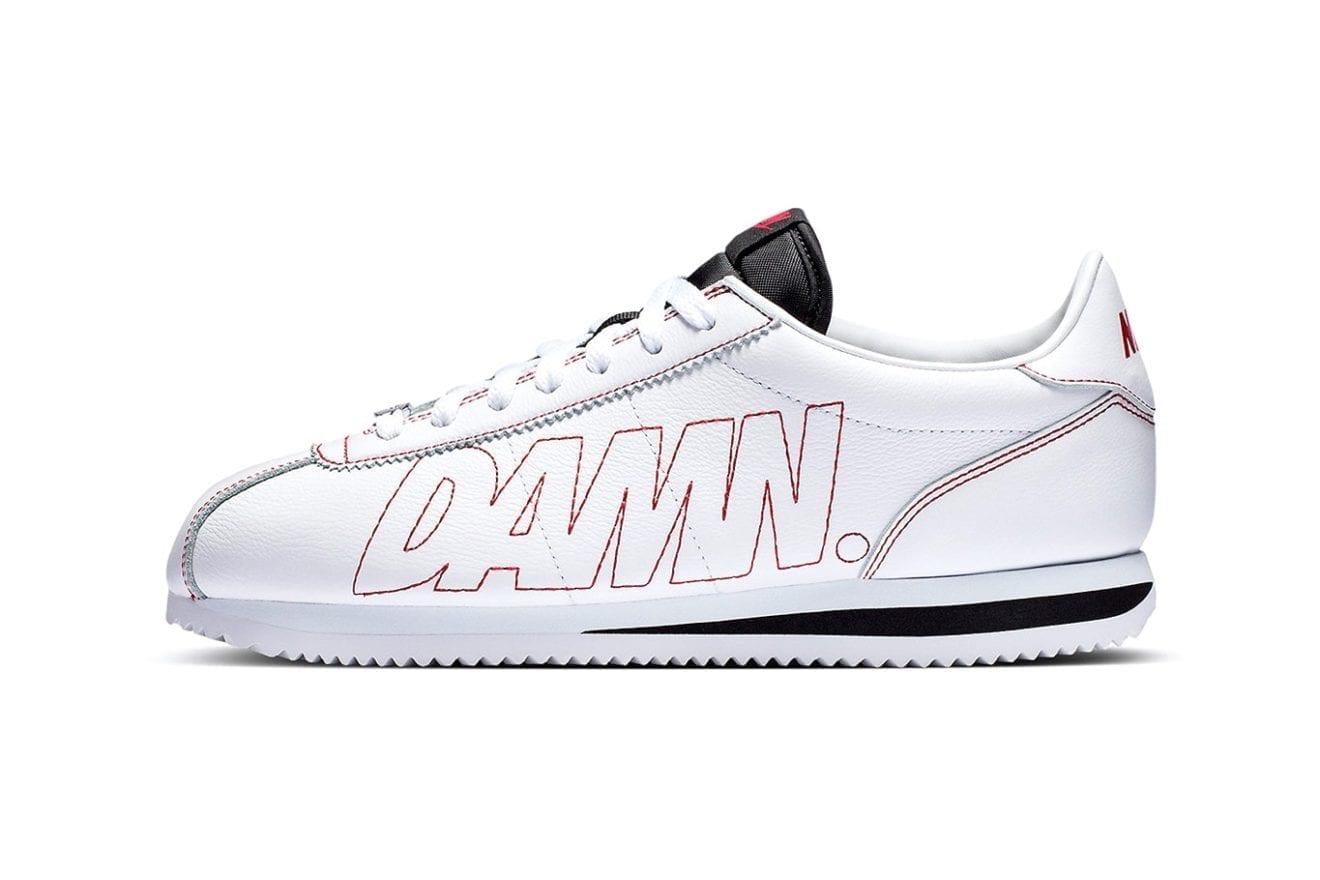
  • Kendrick Lamar Debuts the Nike Cortez “Kenny I”

    Kendrick Lamar Debuts the Nike Cortez “Kenny I”

    With the release date for his “DON’T TRIP” Cortez “Kenny” collaboration with Nike fast approaching, Kendrick Lamar has now given another take on the collaborative sneaker. Stepping out for his performance at the 2018 NCAA College Football National Championship, Lamar was wearing a previously-unseen take on the Cortez silhouette, which Nike described as “a tribute to his album DAMN.“ in an Instagram post.

    DAMN. is celebrated through contrasting red embroidery of the album’s title along the sneaker’s lateral side, as well as custom Nike branding on the tongue with “DAMN.” appearing above a Swoosh logo. Other features of the shoe include its black tongue and red stitching across the upper.

    Nike has confirmed that the “Kenny I” collaboration is set to drop via the SNKRS app on January 26, with a reported retail price of $100 USD. For more new Nike sneakers, take a closer look at the Air Max 270 “Teal.”

  • NBA Teams for Online Stores in APAC

    NBA Teams for Online Stores in APAC

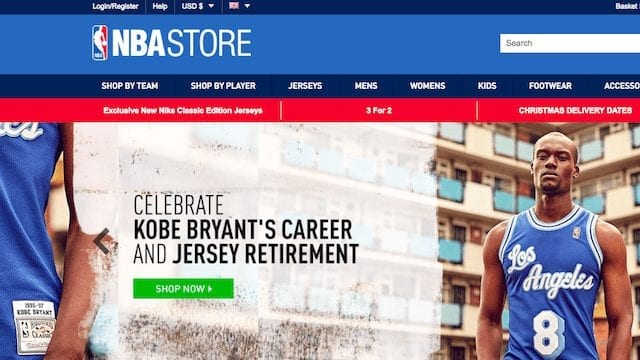
    In partnership with the US National Basketball Association (NBA), sports merchandise e-commerce company Fanatics has launched official NBA online stores across Asia Pacific.

    Fanatics already runs the flagship NBA Store in New York City, the league’s global e-commerce site and its official online store for Europe.

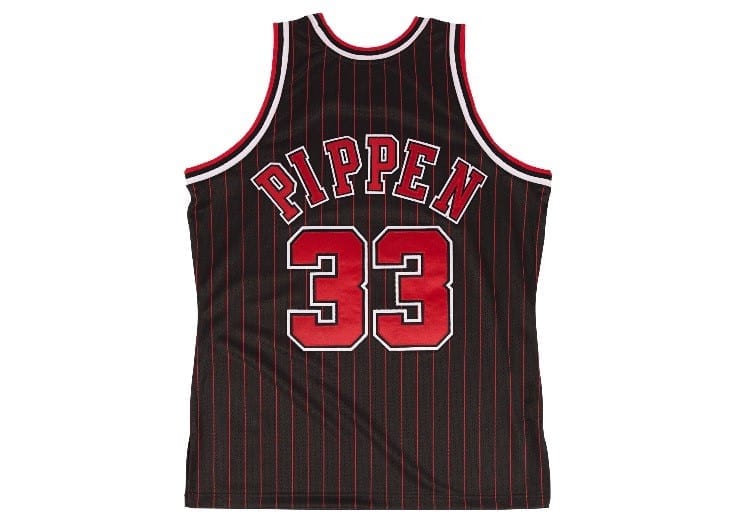
    It has now opened official online stores in Cambodia, Japan, Laos, Malaysia, Singapore, Thailand and Vietnam, as well as Australia and New Zealand. These offer a range of men’s, women’s and youth products from all 30 NBA teams, including oncourt apparel from official outfitter Nike and products from a range of NBA merchandise partners including Mitchell & Ness and New Era.

    There are also exclusive products, including personalised team jerseys.

    As well as paying in local currency, online shoppers will benefit from quicker deliveries and cheaper shipping thanks to Fanatics’ centralised distribution point in Asia.

    “The NBA is becoming an increasingly global league, and we’ve seen a significant uptick in fandom across several regions throughout Asia,” says Fanatics International president Steve Davis.

    With the launch of the new online stores, the league now has 20 international e-commerce sites.

  • Outstanding start for Nanchang Capital Outlets

    Outstanding start for Nanchang Capital Outlets

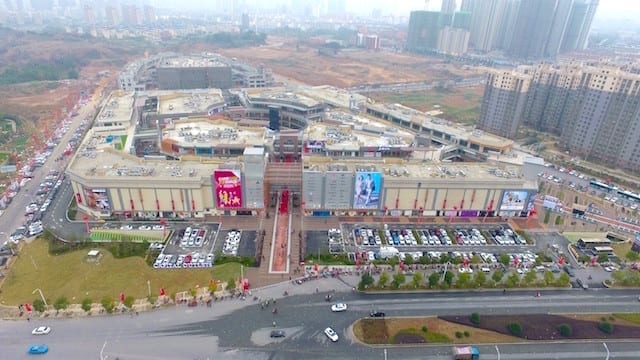
    In its first three days, Nanchang Capital Outlets generated sales of more than RMB21.8 million (US$3.2 million) with customer traffic exceeding 1.8 million.

    It is the second outlet project this year for Beijing Capital Grand, the commercial property arm of Beijing Capital Land, and its sixth outlet project in China. It is also the company’s first foray into central China. Nanchang is one of the 10 youngest cities in China.

    Covering 130,000sqm, Nanchang Capital Outlets combines key elements of Chinese lifestyle and culture. It has more than 300 shops, including international, fast-fashion and sportswear brands, children’s entertainment, theme restaurants, reading corners and 2000 parking spaces.

    Still to come are a trampoline park, Jump360, a 5000sqm Imax cinema and an 8000sqm supermarket.

    The project’s 150-plus fashion and lifestyle boutiques include Adidas, Aigner, Chic Outlets Multi Brands Boutique, New Balance, Nike, Rodrigo, Skechers and Stella Luna. The food line-up includes KFC, Taste of Caimi and Yuemandajiang Classic Sichuan Hot Pot.

    About 12 more Capital Outlets projects are on the drawing boards.

  • Nike to launch world’s first sports hijab

    Nike to launch world’s first sports hijab

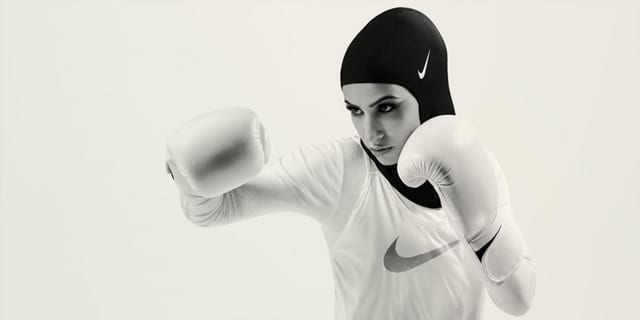
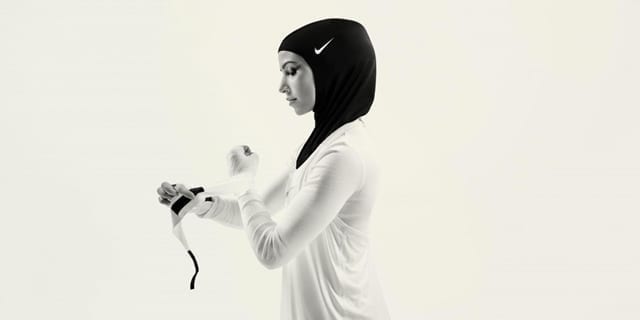
    Nike has launched the world’s first sports hijab, which is being rolled out internationally after months of anticipation.

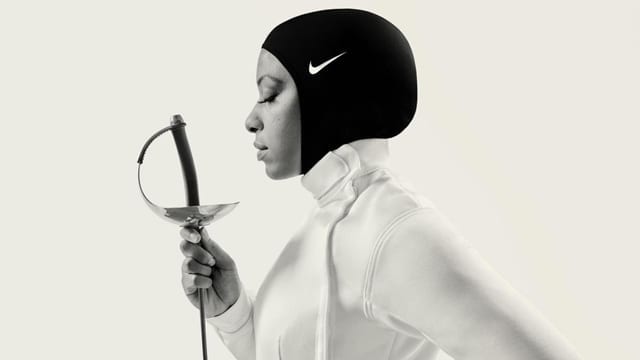
    Tested by US champion fencer Ibtihaj Muhammad, the pioneering garment is breathable and lightweight, designed to fit “like a second skin” and not interfere with movement.

    Muhammad, who this year had the first-ever hijab-wearing Barbie modelled on her appearance, says she has had many false starts while competing because of her heavy hijab impeding her hearing.

    “It really sank in how much my previous hijab had been hindering my performance when I tried the Nike Pro Hijab,” she says. “Suddenly I could hear. I wasn’t as hot, and it felt like my body was able to cool itself down better and faster.”

    Nike says the Pro Hijab will help to make sports more inclusive for Muslim women. Statistics from Sport England show that just 18 per cent of Muslim women take part in regular sport, compared to 30 per cent of the total female population.


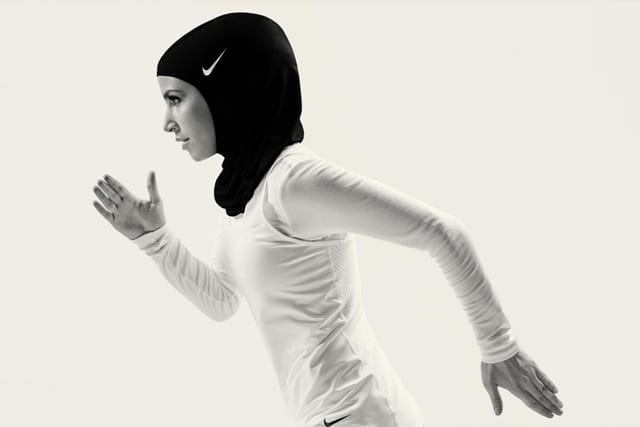
    Other hijabi athletes, including runner Manal Rostom, have also praised the garment’s innovation.
    “It inspires me to reach greater heights and to run farther distances,” says Rostom, who completed the latest New York Marathon in the Nike Pro Hijab. “I believe it’s going to inspire girls worldwide to follow their passion for sport.”

  • Oakley China will start with Nanjing store

    Oakley China will start with Nanjing store

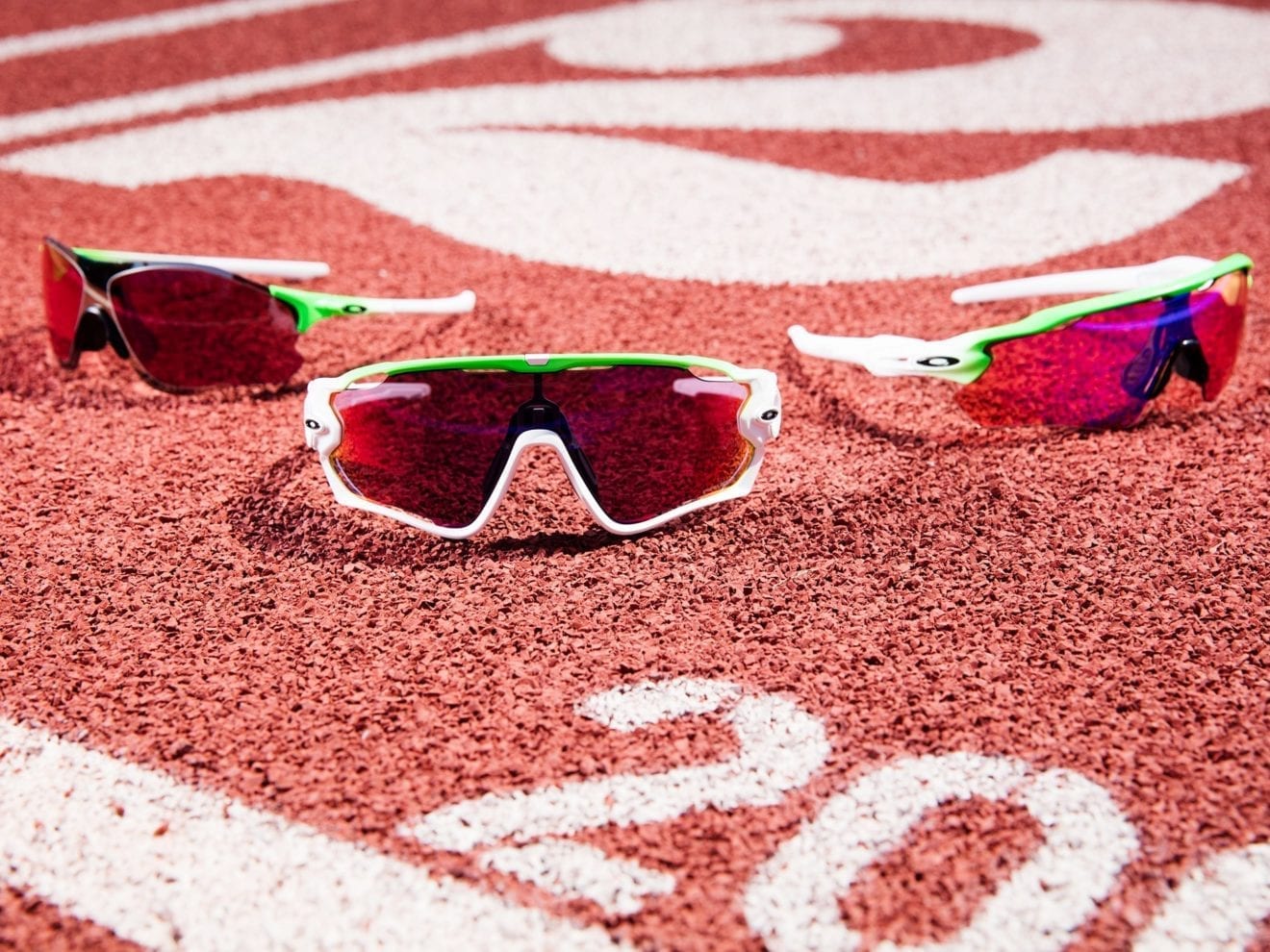
    Oakley China has its first dedicated store, in Xinjiekou’s Deji Plaza, Nanjing.

    The Nanjing store follows the opening in Shanghai of a one-of-a-kind store for the group, being half Oakley and half Ray-Ban. “This Nanjing store is the first Oakley-only store in China, and it not only glasses focused.”

    It also offers the brand’s speciality activewear for such outdoor sports as skiing, cycling and running, and is situated beside other sporting giants Evisu, Nike and Puma, and is across from Adidas.

    Owned by Luxottica, Oakley works not only with Ray-Ban in China but with LensCrafters, another US retailer of prescription eyewear.

    Attending the official opening were Oakley president of retail for greater China Alessandro Donadelli, and LensCrafters, Ray-Ban and Oakley GM for greater China Carl James.

  • JD Sports Fashion moves to influence marketing as strategy

    JD Sports Fashion moves to influence marketing as strategy

    UK company JD Sports Fashion has engaged influencer marketing firm Rocketfuel Entertainment to help develop digital content for its brand in Malaysia.

    JD carries brands such as Adidas, New Balance and Nike as well as in-house labels Brookhaven, Pink Soda, Sonneti, and Supply and Demand.

    A JD spokesperson says it is eyeing growth in markets such as Singapore and Thailand, and aims to open 25 outlets by end of next year.

    Its senior brand marketing manager Jaclyn Tan says the biggest draw for its customers is the “extensive range of sneakers from multiple brands, including Western Europe exclusives available only in our stores”.

    CEO Justin Lim says the content will enable JD Sports Fashion to engage with its audience on its social platforms.

    Rocketfuel claims to have a social-media reach of more than 36 million in the region with influential personalities in beauty, fashion, lifestyle, automotive and parenting.

    The sports lifestyle retailer launched a flagship store for Asia last year at Pavilion Elite Kuala Lumpur, and this week opened a store at Putrajaya’s IOI City Mall. It also has outlets at Aeon Mall Tebrau City (Johor Bahru), Mid Valley Megamall, Sunway Pyramid and Sunway Velocity Mall, with another five stores to follow “very soon”.

  • Nike shapes announces a new era for retail

    Nike shapes announces a new era for retail

    Recently, Nike chief executive Mark Parker fired a reverberating shot across the bow of the entire retail industry.

    He announced that out of Nike’s global universe of more than 30,000 retail partners the brand would, going forward, focus its time, attention and capital on forty — FORTY — retailers that Nike calls “strategic wholesale partners.” Partners, he explained, which are willing and able to build out unique and dedicated Nike spaces within their store environments.

    With this one brief announcement, Parker had not only given tens of thousands of merchants around the world a Tony Soprano-style kiss on the cheek, but he  also made the same sweaty-palmed decision that thousands of other brand CEOs secretly wrestle with on a daily basis: whether to abandon the intoxicating volume of the mass market in a sober effort to save their brands from almost certain ruin.

    The power-merchants that made these brands household names were now the very things rendering them commoditized hostages in a high-speed chase to the bottom.

    Once the salvation of many a fledgling brand, mass merchants have increasingly become like kryptonite. In a world constantly seeking what’s next, new or special, mass retail has become toxic in its overexposure. For consumers, to whom shopping experiences matter as much, or more, than products, mass merchants are bringing nothing to the table.

    Nike is merely one in a growing list of labels rethinking their distribution strategies. Earlier this year Coach announced it would leave the floors of over 250 department stores. Michael Kors also made a similar decision. And high-end outerwear brand Canada Goose, a brand that has traditionally been sold through wholesalers, now has a long-term goal of generating at least half its profits from its direct-to-consumer business. One by one, brands are fleeing the mass market and their absence will weigh heavily on all mass merchants.

    However, more important in Nike’s announcement was the bold declaration that only one tenth of one percent of their retailer network — those retailers who could deliver on the brand promise and experience — were even worthy of the brand’s time and attention. The remainder of Nike’s resources, according to Parker, would be dedicated to growing the brand’s direct-to-consumer business through its owned stores and websites, which currently represent about 30 percent of Nike’s total sales.

    This is by no means a minor shift. In fact, what it portends is a complete reformation of the retail market and a breakdown of the wholesale-retail model for revenue.

    Where today the retail market is largely divided by luxury, mid-tier, and discount, the coming decade will see the market more clearly bifurcate into two distinct retail approaches.

    The first will encompass an ever-swelling number of vertically-integrated brands that focus on serving individual consumers at scale and in a manner that best befits the brand. The second will be a new class of “experiential merchants” that use their physical stores and online assets to perfect the consumer experience across a category or categories of products.

    They will define the ideal experiential journey, employing expert “product ambassadors” and technology to deliver customer experiences that are truly unique, remarkable and memorable. So memorable that they leave a lasting, positive experiential imprint on the shopper’s psyche.

    Nike’s announcement was not merely communicating a new brand strategy but more clearly than ever before, foreshadowing an entirely new and revolutionary era of retail.

  • AW Lab Singapore to open in Suntec City

    AW Lab Singapore to open in Suntec City

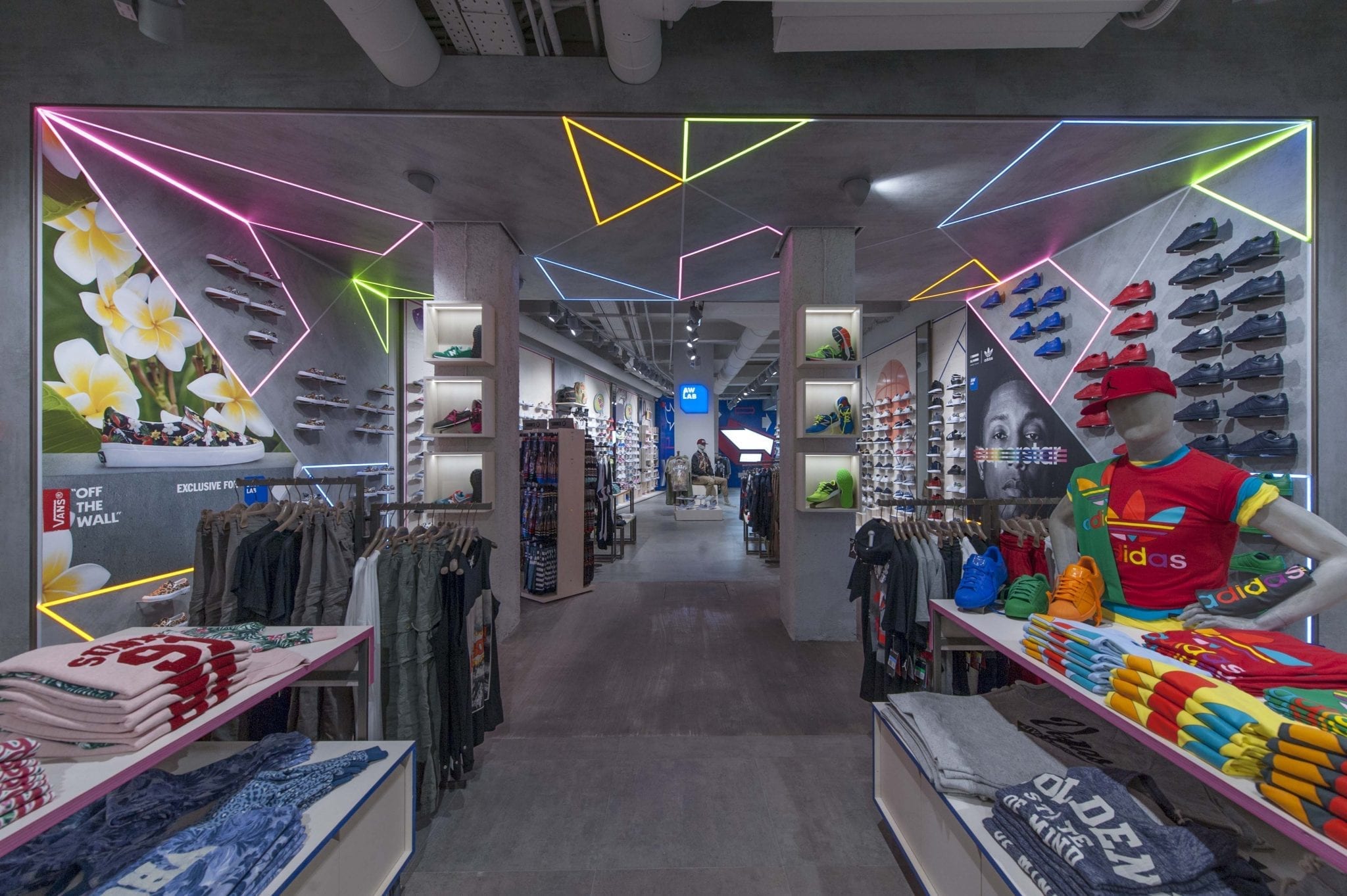
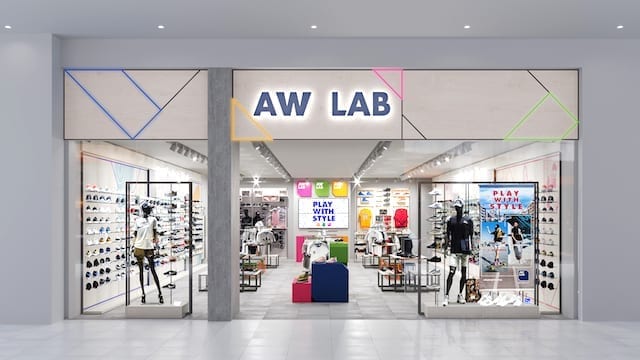
    AW Lab Singapore has opened a store in Suntec City, the first brick-and-mortar outlet in Asia Pacific for the Italian sports apparel retailer.

    Covering 2630sqft (240sqm), the store has a futuristic concept that invites young people to “play with style”. Whited out from floor to ceiling with blocks of bright colours, the outlet features ultra-sleek shelving and bright, stark lighting to present footwear from such brands as Adidas Originals, New Balance, Nike and Vans.

    Galvanised-steel racks are stocked with apparel from brands like Jordan and Under Armour, as well as AW Lab’s own fashion and street apparel labels, Down Up and Two of a Kind.

    The store also offers exclusive collaborations and limited-edition sneakers.

    “We have trust in the commitment and planning of the team to tap into the market’s potential, and it is high time we focus our attention here,” says head of Asia Giuseppe Nisi of AW Lab, which has opened more than 200 stores across Italy and Spain in its first three years.

    “Singapore has always offered its own style, and sometimes the best way to explore a city is simply to walk the streets,” he says. “That’s what we’ve always envisioned for AW Lab – to let the people define their own style while keeping it playful and exciting.”

    AW Lab is known for its exclusive collaboration collections with brands such as Adidas, Champion and Puma, and in Singapore will be releasing several special sneakers and collaborations in the coming months.

  • Nike CEO says Undifferentiated, mediocre retailers won’t survive

    Nike CEO says Undifferentiated, mediocre retailers won’t survive

    Sportswear giant Nike has a message for its thousands of retail partners around the world: shape up or ship out.

    Speaking at an investor day in the US yesterday, Nike brand president Trevor Edwards outlined a step-change for the iconic business in the way it deals with its retail partners, saying that “undifferentiated, mediocre retailers won’t survive,” and committing Nike to “moving away from this over the next five years.”

    Nike, which currently has 30,000 retail partners globally, plans to select around 40 “differentiated retailers”, such as Nordstrom, Footlocker and Amazon, for special collaborations and branded space in-stores.

    No-names were mentioned in terms of who might be on the chopping block in the coming years, but the company is drastically stepping up its direct-to-consumer efforts as part of its plan to reach its $50 billion annual sales target by 2020 – a goal set in 2015 that investors have previously expressed scepticism about.

    To service its ambitions Nike laid out a raft of new targets under a “triple double strategy” laid out by chairman, president and CEO Mark Parker.

    “The consumer today expects a premium experience, with innovative product and services delivered faster and more personally,” Parker said. “Fueled by a transformation of our business, we are attacking growth opportunities through innovation, speed and digital to accelerate long-term, sustainable and profitable growth.”

  • Margins decline for Nike, but growth in China

    Margins decline for Nike, but growth in China

    Footwear giant Nike Inc lost traction in its first quarter to the end of August, its gross margin declining 180 basis points to 43.7 per cent.

    It attributes this mainly to unfavourable currency exchange rates and, to a lesser extent, more discount sales.

    Sustained revenue growth in international markets, particularly China, was offset by an expected decline in North America wholesale revenue.

    Chairman/president/CEO Mark Parker says the group captured near-term opportunities during the quarter through its new company alignment, simplifying its geographical structure from six regions to four – North America; Europe, Middle East and Africa (EMEA); Greater China; and Asia Pacific and Latin America (APLA).

    Nike’s revenues at $9.1 billion were flat on both a reported and currency-neutral basis.

    Revenues for the Nike brand were $8.6 billion, up 2 per cent, driven by growth in Greater China, EMEA and APLA, as well as growth in sportswear. Converse revenues, at $483 million, were down 16 per cent.

  • Nike India still feeling pinch

    Nike India still feeling pinch

    Nike India is planning to further trim back its business activities to stem losses.

    A year ago the US sportswear major had already closed about 35 per cent of its stores, leaving it with about 200 outlets.

    While the sportswear market is expected to touch US$8 billion in sales by 2020, according to Euromonitor, global firms like Adidas and Nike are finding it hard to make profits in the otherwise lucrative Indian market, reports Fashion Network. Even the German sportswear maker Puma had losses in India this financial year, after three years of profits.

    Fashion Network says that while India is a booming market for sportswear, it is price sensitive and dominated by domestic brands like HRX, YWC and Zeven.

    Nike was an early entrant in the Indian market in 2005, but has had losses there for the past few years. It sales plummeted to Rs764 crore (about $119.2 million) last year from Rs803 crore, and its losses widened from Rs101 crore to Rs170 crore.

    In damage-control mode, the company is trying to minimise losses by trimming costs and cutting down on sponsorship deals. It has also let go of 20 per cent of its employees in India.

    It has its headquarters in Bangalore and offices in Delhi and Mumbai.

  • Nike’s opens new three-level flagship in the Sydney CBD

    Nike’s opens new three-level flagship in the Sydney CBD

    Retail Prodigy Group will open the doors to a three-level Nike flagship store at George Street in the Sydney CBD on Thursday morning.

    The new flagship is the first high street store for the brand in Sydney, situated in a heritage building that has been modernised for the new store. The ground floor is dedicated to men’s training and running, sportswear, the Jordan Brand and basketball in the basement. The first floor has been designated for womenswear, in the running, training and sportswear categories, plus a specialised bra fitting service and pant hemming.

    With a focus on running products, the store will feature Nike+ Trial Zones; an immersive space that features a Nike+ Run treadmill dedicated to trialling running footwear.

    In a Nike Australia first, the store also features sneaker cleaning and protection services.

    Brant Hirst, Nike marketing director told us that the vast amount of construction works currently underway in the Sydney CBD had not been a concern in the development of the new George Street location.

    “The heritage facade and multiple levels of the building provided the perfect canvas for a premium shopping experience for our customers,” he said.

    “Having a high street store in an emerging shopping precinct was also a major drawcard of the space.”

    Despite several commentators continuing to forecast the demise of bricks and mortar retailing, Hirst said the new flagship would be “powered by immersive product experiences” and in-store experts.

    “This store centres around elevating every athlete’s potential and offering customers personalised experiences, whether they’re training for a marathon, or want the latest in sports style.”

    When asked if we could expect to see more larger flagships in other locations across Australia and New Zealand, Hirst said that Nike was “always looking at ways to innovate and offer premium shopping experiences for our customers.”

    Nike also recently confirmed it is launching a pilot program to sell sneakers on Amazon, in a move to combat counterfeiters and unsolicited third-party sales conducted online.

    In a call with analysts, Nike CEO Mark Parker said that Amazon would carry “a limited Nike product assortment” of footwear, apparel, and accessories, and that the sports brand was seeking to improve its presence on the e-commerce site while also protect its brand reputation.

    Meanwhile, the race is on within sports retailing in Australia.

    British retailer, JD Sports currently has three stores trading in Australia at Melbourne Central, Pacific Fair on the Gold Coast and Parramatta in Sydney’s western suburbs. Two further stores will open soon at Miranda in Sydney and Highpoint in Melbourne.

    The Lancashire-based company has more than 1,200 stores under a portfolio of sports fashion and outdoor brands throughout the United Kingdom and Europe.

    Decathlon, the French retailer, has established an Australian online sales platform and expects to open its first store in the Sydney suburb of Tempe in October.

    The retailer has more than 1,000 stores in almost 30 countries and has notionally set a target of 100 stores for the Australian market.

    More recently, Super Retail Group decided to discontinue Amart Sports and convert its 65 stores into Rebel Sport as part of a consolidation strategy designed to defend against the entry of Amazon, Decathlon and JD Sports.
  • Nike to cut 1,400 jobs in reorganization

    Nike to cut 1,400 jobs in reorganization

    Sports apparel and footwear giant Nike will cut about 1,400 jobs, part of a plan to expand direct selling to consumers as e-commerce roils the retail sector, the company announced Thursday.

    Nike said it would cut about two percent of its global workforce as it implements the “Consumer Direct offense,” a reorganization initiative that targets customers in 12 key cities.

    “In the new alignment, the company will drive growth by deeply serving consumers in 12 key cities,” the company said in a news release. “Nike is moving closer to the consumer — creating a local business, on a global scale.”

    The focus cities — New York, London, Shanghai, Beijing, Los Angeles, Tokyo, Paris, Berlin, Mexico City, Barcelona, Seoul and Milan — are expected to account for more than 80 percent of the Nike’s growth through 2020.

    The company restructured its global business, cutting the number of geographies from six to four and creating new employee teams so that digital and merchandising will be more responsive to key markets.

    Other changes include the goal of cutting product cycle times in half and new investments in categories seen as offering the greatest growth potential, including running, basketball, global football and young athletes.

    The changes come as department stores and other retailers close hundreds of stores due to the growth of e-commerce and mobile technology.

    “Today we serve our athletes in a changing world: one that’s faster and more personal,” said Trevor Edwards, president of the Nike Brand.

    “This new structure aligns all of our teams toward our ultimate goal — to deliver innovation, at speed, through more direct connections.”

  • Nike launches Summer 17 collection through NikeLab

    Nike launches Summer 17 collection through NikeLab

    Nike has launched a Summer 17 All Conditions Gear (ACG) collection through NikeLab which features the first brand new silhouette of the Komyuter shoe as well as apparel styles blending fashion and function.

    The shoe’s hinge design was inspired by the simplicity of parachute cords. NikeLab partnered with Acronym’s Errolson Hugh to design sleek and functional apparel for this summer’s collection. Pieces include a short sleeve hooded pancho, a sleek pullover hoodie, cargo pants and shorts, fleece shorts, a hat and a lightweight shirt jacket.

    The Komyuter shoe is the capstone piece in the collection and is creating the buzz for the entire line. It was inspired by the straightforward functionality of a brown paper bag and is designed for the urban commuter in mind.

    Nike NSW footwear designer Gerald Sullivan said, “it reduces functional elements to bare necessity — one doesn’t need the distractions of complicated entry and lockdown systems when moving around the city.”

    Technically speaking, it is a laceless shoe with a magnetic heel closure.

    Sullivan shed more light on his design process explaining, “I began thinking about how a parachute unfurls and wondered how that might operate in reverse. Ultimately what worked best was pulling the cord through the shoe via a single hinge.”

    He continued explaining the form and function of the shoe saying, “Secondary lockdown is achieved through the magnetic buckle, which is not only low profile, but adds a distinct panache to the shoe’s form.”

    The Komyuter is water resistant and offers fashionable function which the entire ACG collection stands for this summer. The initial launch offering of the Komyuter, ACG.07.KMTR, is in black and navy. Additional colorways of “golden beige” and “cool grey” have been teased for launch later this summer.

    Price points for the ACG collection range from US$119 to US$295. Nike’s Summer 2017 ACG collection is now available online through NikeLab as well as at NikeLab retail locations.

  • China leads Nike sales growth

    China leads Nike sales growth

    Nike boosted earnings by 20.1 per cent in its latest quarter, on sales up a much more modest 5 per cent.

    While the bottom line was impressive – aided by a substantial reduction in costs – the top line growth trailed Adidas’ impressive 18 per cent growth achieved in 2016.

    In the three months to February 28, Nike sales totalled US$8.4 billion, up 7 per cent on a currency-neutral basis. Of that, the Nike brand accounted for $7.9 billion, driven by 15 per cent growth in Greater China, 10 per cent in Western Europe, 12 per cent in emerging markets and 8 per cent in Japan.

    Sales at Converse were up 3 per cent to $498 million.

    “The power of Nike’s diverse, global portfolio delivered another solid quarter of growth and profitability,” said Mark Parker, chairman, president and CEO of Nike.

    “To expand our leadership and ignite Nike’s next phase of growth, we’re delivering a relentless flow of innovation through performance and style, increasing speed throughout the business and creating more direct connections with consumers leveraging digital and membership.”