Tag: nike

  • Trend of ‘ugly’ summer collection

    Trend of ‘ugly’ summer collection

    From mop shoes to bejewelled crocs, ‘ugly fashion’ is 2018’s most pervasive trend.

    In fact, it has popularised items that are so deeply uncool, wearing them proves, ironically, just how cool you are.

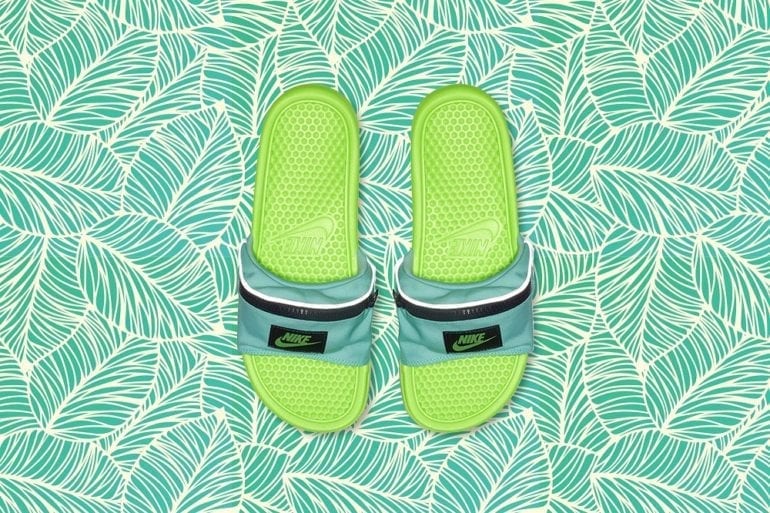
    The latest addition to the trend: Nike’s ‘fanny-pack’ – or as we call them in the UK, ‘bum bag’ – Benassi slides. They are sandal slides with a handy zip pouch for you to keep your… well, we’re still trying to figure that part out.

    The shoe might not be available yet, nor do we know how much this reworked Nike classic is going to cost, but having a bumbag on your foot has sent the Twitterverse into a frenzy.

    The latest addition to the trend: Nike’s ‘fanny-pack’ – or as they are called in the UK, ‘bum bag’ – Benassi slides. They are sandal slides with a handy zip pouch for you to keep your some of your belonging, not sure what yet.

    The shoe might not be available yet, nor do we know how much this reworked Nike classic is going to cost, but having a bumbag on your foot has sent the Twitterverse into a frenzy.

    But mostly, people have just been wondering what to do with this extra pocket space. The truth about ‘ugly fashion’ is that it definitely creates quite a buzz online, and cascades of UGC.

    But they are not the only shoes in the ugly fashion universe. In fact, sported by the likes of Gigi Hadid and Kendall Jenner, ‘ugly’ footwear companies like crocs have enjoyed a higher market value thanks to the effect of the trend.

    Basically, ugly fashion is here to stay.

  • Footwear giants shift outsourcing from China to Vietnam

    Footwear giants shift outsourcing from China to Vietnam

    Major brands in the footwear industry are shifting their outsourced work to Vietnam instead of China, but experts doubt this will be a good thing in the long run.

    Sneaker giant Adidas last year had 44 percent of its footwear produced in Vietnam, more than double the 19 percent made by suppliers in China. This figure also marked a 31 percent increase from 2012 for Vietnam and a 30 plus percent decrease for China.

    A similar move can also be seen at Adidas’ rival Nike, which had 46 percent of its footwear made in Vietnam last year, against just 27 percent in China.

    While China remains the top supplier in the fashion industry, Vietnam is now seen by major brands as a solid and critically important supplier in second place, according to survey results released by the United States Fashion Industry Association.

    “We are reporting a change in the sourcing trend, from ‘China Plus Many’ to ‘China Plus Vietnam Plus Many,’” the association said.

    The typical sourcing portfolio today is 30-50 percent from China, 11‑30 percent from Vietnam, and the rest from other countries, it added.

    According to experts in the industry, China manufacturing has become more focused on high value, and with workers’ wages rising, low-cost manufacturing is no longer its priority.

    This explains why Vietnam, Indonesia and Bangladesh are producing more shoes and apparel for export.

    However, while this trend can yield short-term benefits to Vietnam, long-term consequences will be severe, Professor Nguyen Van Nam, former director of the Institute of Trade Research under the Ministry of Industry and Trade said.

    Since advanced technology is not widely applied in Vietnam, the manufacturing sector exploits labor and pollutes the environment, he said.

    “Vietnam needs to push for the newest technologies in manufacturing, otherwise we will be a ‘landfill’ of other countries,” he added.

    Nguyen Duc Thuan, president of the Vietnam Leather Footwear and Handbag Association (LEFASO), highlighted another challenging aspect of the shift at a conference earlier this year.

    As workers in other countries are assisted by machines in the production process, each of them can make 1.2 pair of shoes in an hour, while their Vietnam peers can only manage 0.7, he said.

    “Labor productivity obviously increases when technology and high management skills are used, and this is a challenge that Vietnam needs to meet,” Thuan said.

    Vietnam’s footwear export value has been growing in recent years, from $8.4 billion in 2014 to $14.65 billion in 2017, a 42 percent increase. The country contributed a billion pairs of shoes to the 27 billion pairs produced globally last year.

  • Tmall and Intersport launch interactive megastore in Beijing

    Tmall and Intersport launch interactive megastore in Beijing

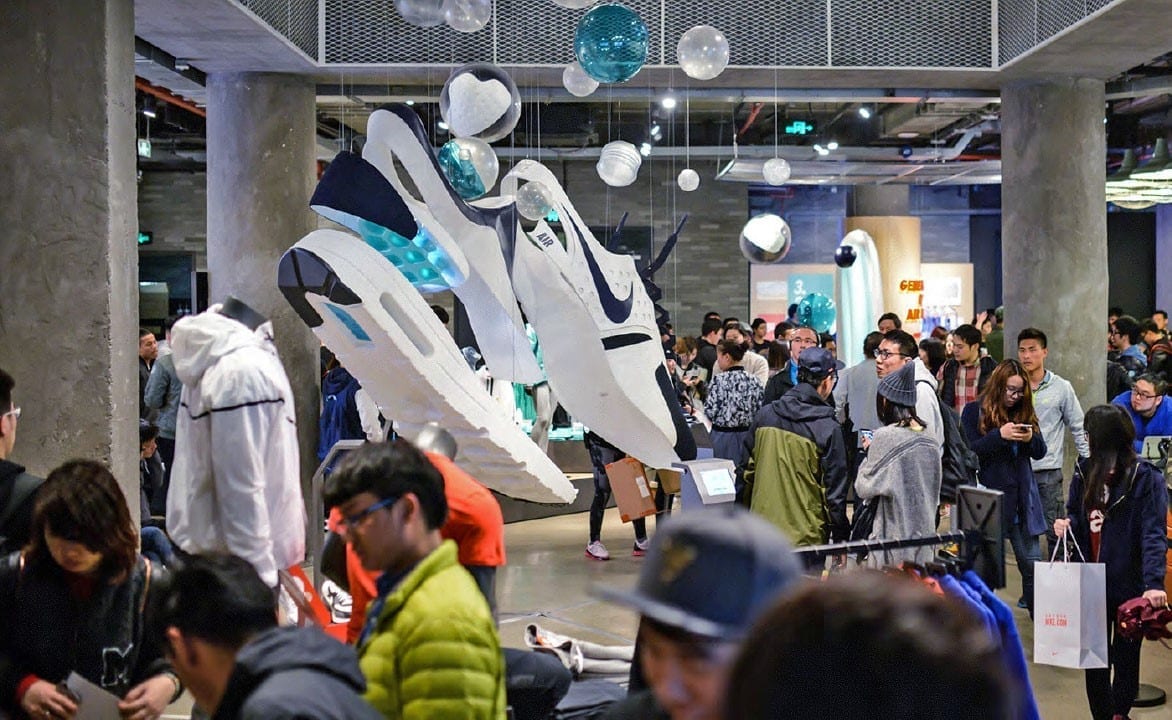
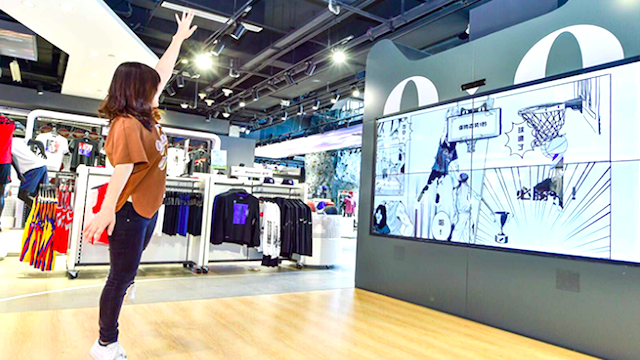
    Tmall and Intersport unveiled a co-branded store in Beijing yesterday, complete with interactive features that offer consumers in China a more engaging and informative shopping experience.

    Under the new name “Tmall x Intersport,” the two-story, 1300sqm space that sits in Beijing’s tourist hotspot Qianmen has been transformed into a futuristic megastore. The revamp underscores that more global brands are recognising the power of New Retail—tech-driven retail model pioneered by Alibaba that captures the best of online and offline shopping experiences.
    “We believe Tmall is the ideal partner in our endeavour to further our engagement with Chinese consumers by providing them the best-quality and most-fashionable sports goods in the market,” said Victor Duran, CEO of the Switzerland-based sportsgoods retailer Intersport.

    Established in 1968, Intersport has more than 5000 branches in 44 countries. It sells sports brands such as Nike, Puma, Reebok, Adidas, North Face and Dynatour. Intersport made its foray into China in 2013 and opened its Tmall flagship store in September 2016.

    “These new in-store technologies provide consumers in China an unprecedented shopping experience that is both entertaining and educational so they can have fun while shopping for the exact products that meet their unique demand,” the CEO said.

    Currently, Intersport has 24 stores in China with the goal of expanding to at least 100 – a combination of larger flagship stores in major cities and smaller specialty stores – during the next couple of years. “It makes sense to have Tmall technologies to be the link to connect all the stores together,” Duran said.

    New Retail is the new solution

    Many industry watchers have pointed to New Retail as the solution for brick-and-mortar retailers feeling the squeeze from e-commerce. By harnessing engaging technologies, store owners can attract more customers through both online and offline channels. Moreover, these technologies can generate insights to help businesses gain a more-precise view of China’s market trends and customer preferences.

    “We are excited to see an extensive range of Tmall’s New Retail technologies and features under one roof in Intersport’s store,” said Jessica Liu, president of Tmall Fashion and Luxury. “What’s even more encouraging is to see our merchants embracing the New Retail concept and exploring its potential. When customers try out these features firsthand, we are confident that they will see the convergence of online and offline shopping as the future of retail.”

    The Tmall and Intersport store is the latest example of how Alibaba’s New Retail technology is helping brands build up and reimagine their business in China since the push began in late 2015. To date, Tmall Fashion has collaborated with over 400 brands, including top names such as Burberry and Zara, and upgraded more than 50,000 storefronts all over China. Liu said the goal is to increase the collaboration to 1000 brands and help digitise 200,000 storefronts nationwide in the next year.

    Educate your customers

    At the grand reopening yesterday, customers were welcomed by an array of state-of-the-art technologies and augmented reality-powered interactive games. For example, the Smart Shelf and the Smart Shoe Mirror can instantly tell customers all the information they need about a certain shoe they pull from the shelf. This way, the customer can make a more-informed decision on whether or not the products fit their individual demands.

    Education on how a product suits an individual’s needs is an especially crucial element in the sportswear and gear market in China, said Tom Birtwhistle, director of China digital strategy at PricewaterhouseCoopers.

    With a government-led mandate to become more physically fit, and as China gears up to host the 2020 Summer Olympic and the 2022 Asia Games, Chinese customers are becoming more interested in adopting an active lifestyle, he added.

    “Chinese consumers are massively curious in learning about new brands and products. For new sports they want to be educated on the activity and understand how technical features can enhance their performance,” said Birtwhistle.

    His research indicates growth in the athletic fashion category is outpacing China’s overall fashion market. The segment is forecast to see 9 per cent growth annually in sales between 2017 to 2020, versus just 4 per cent for men’s and women’s fashion.

    At the smart megastore, shoppers can also get wardrobe tips from an AI Shopping Assistant – an interactive mirror that recommends related accessories or items that complement the article of clothing they are trying on.

    Can’t find what you want in the store? No problem. The megastore is equipped with Cloud Shelf technology, a virtual shelf that quadruples the volume and production selection customers can choose by simply tapping on the touchscreens, according to Tmall.

    A 24-hour interactive window display at the store’s main entrance means people can shop at the megastore around the clock. By using motion-sensor technology, the giant screen wall can distinguish the gender and approximate age of the passersby and recommend the best type of shoes for that person.

    Those who don’t want to lug heavy shopping bags or bulky shoe boxes around the streets of Beijing can opt to have their purchases delivered to a designated address anywhere in the country. Cainiao, Alibaba’s logistics service, can make the delivery in as quickly as two hours for locations within 5km of the store. Next-day delivery is also available for locations outside of Beijing.

    By scanning the QR code of a product on their phones, customers of the Tmall and Intersport store can also place the products in their Virtual Shopping Bag, so they can still buy the item online after they leave the store.
  • Nike loses another one,  fourth executive in a week

    Nike loses another one, fourth executive in a week

    Nike’s vice president of footwear Greg Thompson will be the fourth executive to leave the sneaker giant in a week, joining a growing chorus of other vice presidents that have taken their leave recently amid a corporate culture shake-up.

    Thompson, who has been with the company for decades, follows VP of diversity and inclusion Antoine Andrews out the door, as well as longtime employees VP of global digital brand marketing innovation Daniel Tawiah and senior brand director for Nike Basketball Vikrant Singh.

    Only last month Nike announced the departure of two other senior executives, brand president Trevor Edwards and general manager of global categories Jayme Martin, in two consecutive days.

    Martin’s departure came after a report in the Wall Street Journal alleged that he had been involved in inappropriate conduct.

    It comes amid an investigation into workplace conduct at Nike under chief executive Mark Parker and the implementation of a new human resources strategy designed to better promote diversity.

    Earlier this month Nike’s human resources chief Monique Matheson issued a company memo conceding that the company had “failed” in promoting and hiring women and minorities to senior level positions within the company.

    “While we’ve spoken about this many times, and tried different ways to achieve change, we have failed to gain traction,”  the memo read.

    “Our hiring and promotion decisions are not changing senior-level representation as quickly as we have wanted.

    Currently only 29 per cent of Nike’s vice presidents are women while in the US only 16 per cent are people of colour.

    Nike will now renew its efforts to address this disparity with immediate effect, Matheson said.

    Nike has more than 70,000 employees worldwide and several hundred vice presidents.

  • Nike’s head of diversity steps down in New Zealand

    Nike’s head of diversity steps down in New Zealand

    Antoine Andrews, Nike Inc’s vice president of diversity and inclusion, has resigned just weeks after the announcement of broad changes to the company’s HR policies.

    Nike confirmed the departure, but declined to comment on the circumstances behind Andrews’ departure.

    Andrews is the third high profile departure within a month, coming shortly after Nike conceded it had “failed” in promoting and hiring women and other minorities to senior-level positions within the business and would renew its efforts to address this disparity “with immediate effect.”

    “While we’ve spoken about this many times, and tried different ways to achieve change, we have failed to gain traction,” said Nike’s human resources chief Monique Matheson.

    “Our hiring and promotion decisions are not changing senior-level representation as quickly as we have wanted.”

    The departure comes just weeks after the president of Nike Trevor Edwards resigned, followed shortly by Jayme Martin, vice president and general manager of global categories.

    Nike, during Edwards’ exit, had flagged “conduct inconsistent with Nike’s core values and against our code of conduct,” though there were no direct allegations of misconduct against Edwards.

    Of Nike’s ‘several hundred’ vice president’s only 29 percent are women while in the US only 16 percent are people of colour.

    Andrews joined Nike in 2015, prior to which he was the director of global diversity and inclusion for Symantec.

  • Nike reveals Fabjacks collaboration

    Nike reveals Fabjacks collaboration

    Nike continues the Free RN’s “Free Expression” artist series with Shanghai-based Hong Kong artist Ton Mak, better known as Fabjacks.

    Following Korean artist Novo’s DIY-take on Free RN, Flabjacks opts for a more vibrant approach with a rainbow-like range of hues, alongside her trademark friendly creatures.

    Ton began creating characters and narratives after graduating from University College London as an anthropology student. Tying together her love for art, ethnography and storytelling as Flabjacks, her work spans art toys, paintings, large sculptures and international artist collaborations.

    The Free Expression series asks artists “what it means to be free in the cities in which they live”, and for Mak it is Shanghai’s flaws that make the city special. “Like wildflowers, it is bright and constantly growing and changing.”

    The Flabjacks x Nike Free RN series is available at select Nike retailers and Nike.com in both men’s and women’s sizes.

  • Nike buys custom fit start-up from Israel

    Nike buys custom fit start-up from Israel

    The Israeli based computer vision firm was bought for an undisclosed sum and is Nike’s second acquisition in recent months following its purchase of consumer data business Zodiac in March.

    Invertex found David Bleicher has previously the technology as a “mass customisation” tool that enables customers to fit products to customers online through mobile applications that scan shoppers bodies.

    The business has also launched a smart mat product that uses maching learning to scan feet in-store and achieve what the business calls “unprecedented” levels of sizing reccomendations.

    Nike said the deal would deepen its digital capabilities at a time when it is rushing to capitalise on growing demand for online experiences.

    “The acquisition of Invertex will deepen our bench of digital talent and further our capabilities in computer vision and artificial intelligence as we create the most compelling Nike consumer experience at every touch point,” said Nike Chief Digital Officer, Adam Sussman.

    Nike said Bleicher and his team will focus on “ground breaking innovations” under the Nike umbrella.

    “Nike’s connection to and understanding of their consumer is unsurpassed and we look forward to joining their team to help drive the Consumer Direct Offense,” Bleicher said of the deal.

  • Nike has “failed” in promoting diversity accross Asia

    Nike has “failed” in promoting diversity accross Asia

    Nike’s HR chief has conceded that it has “failed” in promoting and hiring women and other minorities to senior-level positions within the business.

    In a memo send to staff on Wednesday in the US Nike’s human resources chief Monique Matheson signalled broad based changes in the sneaker giant’s policies, American outlet CNBC reports.

    The memo comes just a few weeks after the resignation of general manager of global categories Jayme Martin amid reports of inappropriate behaviour.

    “While we’ve spoken about this many times, and tried different ways to achieve change, we have failed to gain traction – and our hiring and promotion decisions are not changing senior-level representation as quickly as we have wanted,” Matheson’s memo reads.

    Currently only 29 per cent of Nike’s vice presidents are women while in the US only 16 per cent are people of colour.

    Nike will now renew its efforts to address this disparity with immediate effect, Matheson said.

    Nike has more than 70,000 employees worldwide and several hundred vice presidents.

  • Nike arrives at number one in Brand Finance Top 50

    Nike arrives at number one in Brand Finance Top 50

    Despite losing popularity with American teenagers and a drop in brand value of 41 per cent, Nike is still way out in front in the Brand Finance Top 50 list of the most valuable apparel brands in the world.

    In the list, just been release by the independent brand valuation and strategy consultancy, Nike’s main competitor Adidas was fourth behind H&M and Zara with an increase in brand value of 41 per cent.

    In the realm of luxury brands, Hermes overtook Louis Vuitton, jumping two spots from 7th to 5th from last year. Luxury brands including Cartier, Gucci, Hermes and LV had strong growth in value as more consumers in emerging markets buy into the market.

    Japan’s Uniqlo was the only Asian brand in the top 10, with Hong Kong jeweller Chow Tai Fook and China’s Anta Sports taking up the 13th and 33rd spots respectively.

    These are the top 50 most-valuable apparel brands in the world this year:

      1. Nike (brand value, US$2.8 billion)
      2. H&M ($1.8 billion)
      3. Zara ($1.7 billion)
      4. Adidas ($1.4 billion)
      5. Hermes ($11.3 billion)
      6. Louis Vuitton ($10.4 billion)
      7. Cartier ($9.8 billion)
      8. Gucci ($8.5 billion)
      9. Uniqlo ($8 billion)
      10. Rolex ($6.3 billion)
      11. Coach ($6.1 billion); 12. Victoria’s Secret ($6.1 billion); 13. Chow Tai Fook ($5 billion); 14. Tiffany & Co ($4.6 billion); 15. Burberry ($4.5 billion);16. Christian Dior ($4 billion); 17. Polo Ralph Lauren ($4 billion); 18. Prada ($3.8 billion); 19. Under Armour ($3.7 billion); 20. Armani ($3.5 billion)
      12. Puma ($3.3 billion); 22. Ray-Ban ($3.2 billion); 23. Omega ($3.1 billion); 24. The North Face ($3.1 billion); 25. Pandora ($3 billion); 26. Michael Kors ($2.7 billion); 27. Tommy Hilfiger ($2.6 billion); 28. Anta ($2.6 billion); 29. Old Navy ($2.3 billion); 30. Bulgari ($2.2 billion)
      13. Bershka ($2.2 billion); 32. Calvin Klein ($2.2 billion); 33. Levi’s ($2.2 billion); 34. Primark/Penneys ($2.1 billion); 35. Moncler ($2 billion); 36. Boss ($2 billion) 37. Gap ($2 billion); 38. Ferragamo ($1.9 billion); 39. Saint Laurent ($1.8 billion); 40. Bottega Veneta ($1.8 billion)
      14. Valentino ($1.8 billion); 42. Skechers ($1.6 billion); 43. Swatch ($1.6 billion); 44. Tag Heuer ($1.5 billion); 45. Timberland ($1.4 billion); 46. Massimo Dutti ($1.3 billion); 47. Reebok ($1.3 billion); 48. Woolworths ($1.2 billion); 49. Stradivarius ($1.2 billion); 50. Pull and Bear ($1.2 billion).
  • Shoe store chain ABC-Mart seen beating profit forecast

    Shoe store chain ABC-Mart seen beating profit forecast

    A larger line-up of foreign brands for the end-of-year holiday season helped Japanese footwear retailer ABC-Mart grow its operating profit by a better-than-expected 3 per cent to about ¥43 billion (US$406 million) for its year to the end of February.

    It is the 15th straight year of growth for the company, which had forecast a 2 per cent lift in profit, as reported

    Sales rose 6 per cent to nearly ¥255 billion, boosted by such brands as Adidas and Nike. An unusually snowy winter created extra demand for boots and other winter footwear.

    Sales of women’s shoes, which were sluggish in fiscal 2016, seem to have bottomed out, thanks partly to television advertisements, says the company.

    ABC-Mart attracted more customers as it opened about 60 stores in downtown areas and in malls, and added locations of chains that cater to women and children. The retailer also refurbished about 30 stores in order to expand floor space and improve the look of its displays.

    In addition, ABC-Mart saw more Chinese and other foreign visitors shopping at its stores. Online sales also grew.

    In South Korea, where ABC-Mart has about 200 locations, sales grew but probably fell short of its forecast. Business appears to have taken a hit from Chinese restrictions on group tours to South Korea following Seoul’s decision to deploy a US missile defense system.

  • Nike is world’s most valuable apparel brand, says Brand Finance Top 50

    Nike is world’s most valuable apparel brand, says Brand Finance Top 50

    Despite losing popularity with American teenagers and a drop in brand value of 41 per cent, Nike is still way out in front in the Brand Finance Top 50 list of the most valuable apparel brands in the world.

    In the list, just been release by the independent brand valuation and strategy consultancy, Nike’s main competitor Adidas was fourth behind H&M and Zara with an increase in brand value of 41 per cent.

    In the realm of luxury brands, Hermes overtook Louis Vuitton, jumping two spots from 7th to 5th from last year. Luxury brands including Cartier, Gucci, Hermes and LV had strong growth in value as more consumers in emerging markets buy into the market.

    Japan’s Uniqlo was the only Asian brand in the top 10, with Hong Kong jeweller Chow Tai Fook and China’s Anta Sports taking up the 13th and 33rd spots respectively.

    These are the top 50 most-valuable apparel brands in the world this year:

      1. Nike (brand value, US$2.8 billion)
      2. H&M ($1.8 billion)
      3. Zara ($1.7 billion)
      4. Adidas ($1.4 billion)
      5. Hermes ($11.3 billion)
      6. Louis Vuitton ($10.4 billion)
      7. Cartier ($9.8 billion)
      8. Gucci ($8.5 billion
      9. Uniqlo ($8 billion)
      10. Rolex ($6.3 billion)
      11. Coach ($6.1 billion); 12. Victoria’s Secret ($6.1 billion); 13. Chow Tai Fook ($5 billion); 14. Tiffany & Co ($4.6 billion); 15. Burberry ($4.5 billion);16. Christian Dior ($4 billion); 17. Polo Ralph Lauren ($4 billion); 18. Prada ($3.8 billion); 19. Under Armour ($3.7 billion); 20. Armani ($3.5 billion)
      12. Puma ($3.3 billion); 22. Ray-Ban ($3.2 billion); 23. Omega ($3.1 billion); 24. The North Face ($3.1 billion); 25. Pandora ($3 billion); 26. Michael Kors ($2.7 billion); 27. Tommy Hilfiger ($2.6 billion); 28. Anta ($2.6 billion); 29. Old Navy ($2.3 billion); 30. Bulgari ($2.2 billion)
      13. Bershka ($2.2 billion); 32. Calvin Klein ($2.2 billion); 33. Levi’s ($2.2 billion); 34. Primark/Penneys ($2.1 billion); 35. Moncler ($2 billion); 36. Boss ($2 billion) 37. Gap ($2 billion); 38. Ferragamo ($1.9 billion); 39. Saint Laurent ($1.8 billion); 40. Bottega Veneta ($1.8 billion)
      14. Valentino ($1.8 billion); 42. Skechers ($1.6 billion); 43. Swatch ($1.6 billion); 44. Tag Heuer ($1.5 billion); 45. Timberland ($1.4 billion); 46. Massimo Dutti ($1.3 billion); 47. Reebok ($1.3 billion); 48. Woolworths ($1.2 billion); 49. Stradivarius ($1.2 billion); 50. Pull and Bear ($1.2 billion).
  • New shopping center opened in Ho Chi Minh City

    New shopping center opened in Ho Chi Minh City

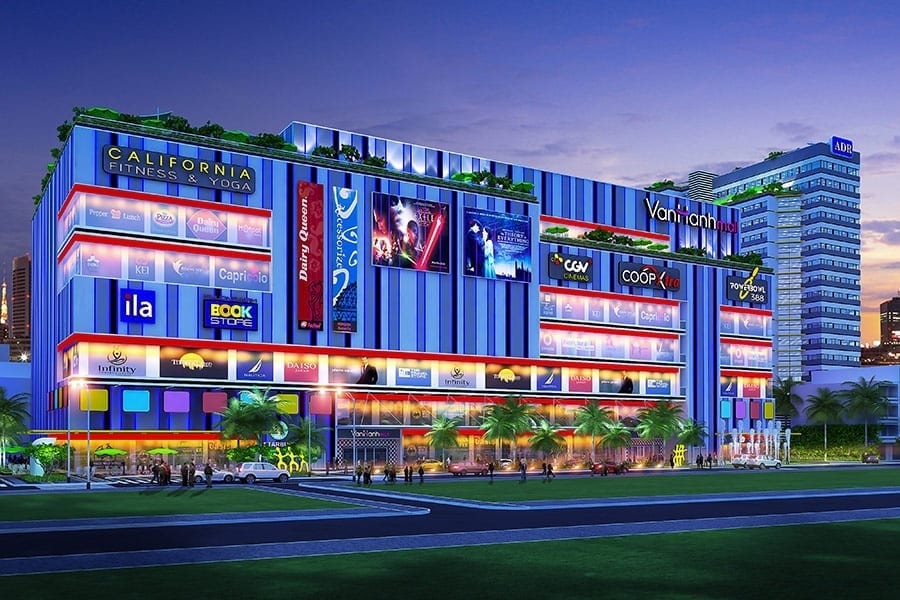
    Vietnam’s newest shopping centre, Van Hanh Mall, has opened in Ho Chi Minh City, on Su Van Hanh Street in District 10.

    Built on a 90,000sqm site, the shopping complex has 55,000sqm of retail space, which is 90 per cent occupied already, by more than 200 international and local brands.

    Tenants include Bata, Charles & Keith, Levi’s, Mujosh and Nike and a raft of dining options, including Buffalo Wild Wings, Crystal Jade, Sushi Kei, Starbucks and Phuc Long coffee.

    For entertainment, there is a CGV multiplex cinema, a Superbowl amusement center and a giant European-themed bookstore.

    A Co.opXtra hypermarket, operated by Saigon Co.op and Singapore’s NTUC FairPrice, also opened, marking the brand’s third outlet in the city.

    There are nine parking floors from basement to fifth floor, enough space for 350 cars and 3000 bikes.

    Built at the cost of VND1 trillion (US$43.9 million), Van Hanh mall rentals range from US$30-60 per sqm.

  • Nike, Sony and NBA collaborate for PlayStation sneakers

    Nike, Sony and NBA collaborate for PlayStation sneakers

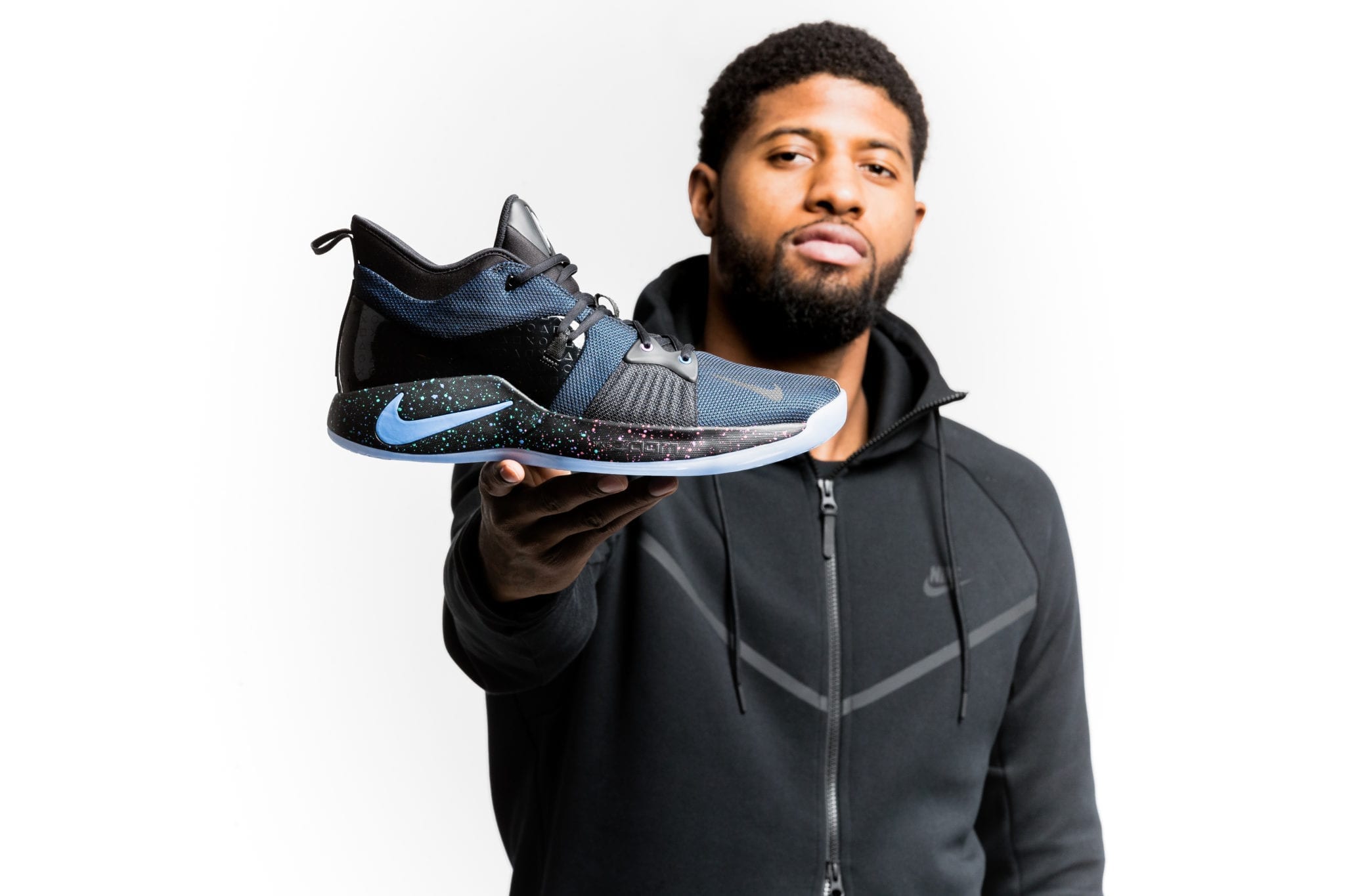
    Nike and Sony Playstation are set to introduce a signature shoe with NBA superstar Paul George.

    Both Nike and Sony have released a teaser video showcasing the sneakers, expected to be released in limited quantities on February 10.

    Capturing the spirit of PlayStation, the footwear features LED logos on the tongue that light up either on static mode or pulse.

    The midsole also takes on PlayStation’s galaxy theme, echoing the PlayStation 2 start-up screen.
    The eyelets on the shoes also feature the classic PlayStation button colours of pastel green, red, pink and blue.

  • Nike footwear supplier Yue Yuen to make HK$6.7b from retail arm’s privatisation plan

    Nike footwear supplier Yue Yuen to make HK$6.7b from retail arm’s privatisation plan

    Yue Yuen Industrial Holdings, the world’s largest footwear maker which supplies global brands including Nike and Adidas, is set to receive HK$6.76 billion (US$860 million) from the proposed privatisation plan of its retail arm, according to a stock exchange filing on Sunday.

    Yue Yuen plans to sell its 62.41 per cent stake in Chinese footwear retailer Pou Sheng International (Holdings) to its Taiwan-listed parent Pou Chen Corporation in a HK$10.9 billion privatisation plan. Pou Chen in turn owns a 49.99 per cent stake in Yue Yuen.

    Pou Chen is offering Pou Sheng shareholders HK$2.03 per share, which represents a 31.82 per cent premium over the HK$1.54 per share closing price on Friday.

    The privatisation offer, which needs shareholders’ approval, is expected to be completed by May 30 after which Pou Sheng will cancel its listing status in Hong Kong.

    Pou Chen said it intends to finance the offer from internal cash resources and loans. Its financial adviser Citigroup is satisfied the company has sufficient financial resources for the offer.

    Yue Yuen said it plans to return part of the HK$6.76 billion as a one-off special dividend to its shareholders while the rest will be used for general working capital.

    Pou Sheng was spun off from Yue Yuen and listed in Hong Kong in 2008. Since trading in the shares was not active it made the “listing status ineffective in providing a sufficient source of funding for Pou Sheng’s business and growth”, the filing said.

    Pou Chen said turning Pou Sheng into a wholly owned subsidiary would allow the retailer to be more flexible in developing a new business model to better compete in China’s retail market where it faces increasing competition from online stores and aggressive marketing from sportswear companies.

    “Pou Sheng needs to be very flexible in transforming its operations in a timely fashion; Pou Sheng will enjoy more advantageous financing and coordinated internal treasury management under Pou Chen;

    and Pou Sheng will benefit from a streamlined corporate and management structure and an enhanced sharing of expertise,” the announcement said.

    Yue Yuen, which has been listed in Hong Kong since 1992, owns factories in China, Vietnam and Indonesia, producing 300 million pairs of shoes a year for Nike, Adidas, Reebok, New Balance, Puma and Timberland.

  • Off-White Set to Launch More Affordable Line “For All”

    Off-White Set to Launch More Affordable Line “For All”

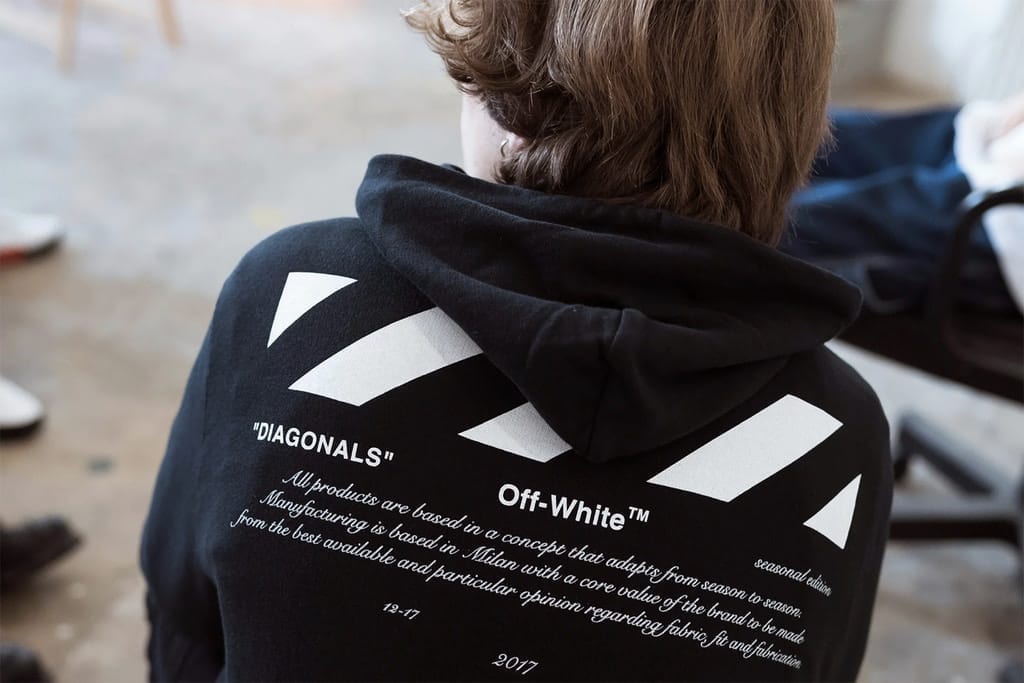
    As speculation grows about an Off-White™ x Nike Soccer collection, Virgil Abloh‘s label has debuted a more affordable line. Titled “For All,” the new collection features pieces such as graphic T-shirts and hoodies at a significantly lower price point than Off-White™ mainline pieces, with tees priced at $95 USD and hoodies at $170 USD.

    Speaking to the press about the newly-launched line, Abloh explained that “the price tier allows for a new customer to see themselves within the overall concept of the fashion label. Off-White™ can be luxury at a traditional luxury price point, or equally it can be relevant at an affordable price point.”

    The “For All” collection is available now from 11 Off-White™ locations around the world — including the brand’s stores in New York, Hong Kong and Sydney. Abloh has also indicated that there could be more affordable collections on the way, telling BoF that he will drop new releases “periodically but with the freedom to decide where and when in each instance.”

    As well as dropping the first “For All” capsule, Off-White™ has also recently released a set of limited edition cycling caps.