Retail News CRM

Tag: nokia

  • Nokia Hits the Mark: Reports 3% Q4 Revenue Boost and Meets Full-Year Goals for 2025

    Nokia Hits the Mark: Reports 3% Q4 Revenue Boost and Meets Full-Year Goals for 2025

    Nokia Corporation recently announced a 3% increase in comparable net sales for Q4 2025, achieving EUR 6.1 billion. This increase is attributed to growth in both its network infrastructure and mobile networks businesses. The company’s outcomes are in line with its full-year financial objectives, demonstrating a year of strategic redirection and portfolio growth.

    Financial Overview

    In 2025, Nokia saw a 2% year-on-year rise in net sales on a constant currency and portfolio basis, and a 3% increase as reported.

    The company reported a full-year operating profit of EUR 2.0 billion, marginally surpassing its previously issued guidance midpoint of EUR 1.85 billion.

    Although Q4 saw a rise in revenue, Nokia’s comparable operating margin fell by 90 basis points year-on-year to 17.3%. This decrease can primarily be attributed to increased investment in network infrastructure and costs tied to the integration of Infinera, a recent acquisition aimed at strengthening Nokia’s optical networking portfolio.

    The comparable gross margin expanded by 90 basis points to 48.1%, underpinned by a robust product mix that compensated for a reduced contribution from Nokia Technologies. The reported gross margin, on the other hand, fell by 120 basis points to 44.9% due to augmented restructuring costs.

    In Q4, the comparable diluted EPS was EUR 0.16 (reported EUR 0.10), with a free cash flow of EUR 0.2 billion and a net cash balance of EUR 3.4 billion. For the full year, net sales expanded by 2% on a constant currency and portfolio basis (+3% reported). All these figures are within the prior guidance.

    Networks Overview

    Optical networks became a major growth catalyst, bolstered by robust demand from AI and cloud deployments. IP networks saw roughly 3% growth, facilitated by a strong Q4 2024 showing. Fixed networks stayed largely steady as portfolio optimization actions balanced out growth in fiber OLT shipments. The company’s book-to-bill ratio remained well above 1, reflecting ongoing momentum across both optical and IP networks. Gross margins stayed mostly consistent year-on-year, but operating margins declined due to continued investments related to growth and the integration of Infinera.

    Cloud and network services experienced a slight year-on-year dip in Q4, though full-year net sales increased by 6%, driven by strong demand in core networks. Q4’s gross margin benefited from a modest provision reversal of EUR 37 million. Even excluding this, margins improved, reflecting ongoing efforts to enhance profitability. Mobile networks also witnessed strong year-end demand, leading to a 6% growth in net sales in Q4, with gross margins bolstered by a favorable product mix. Meanwhile, Nokia Technologies signed several deals during the quarter, maintaining the contracted net sales run-rate at around EUR 1.4 billion.

    Questions & Answers

    What was Nokia’s full-year operating profit for 2025?
    Nokia’s full-year operating profit for 2025 was EUR 2.0 billion.

    What factors contributed to the decline in Nokia’s comparable operating margin in Q4 2025?
    The decline in Nokia’s comparable operating margin in Q4 2025 was primarily due to increased investment in network infrastructure and costs associated with the integration of Infinera.

    What trends were observed in Nokia’s network businesses in 2025?
    In 2025, optical networks emerged as a key growth driver for Nokia, supported by strong demand from AI and cloud deployments. Fixed networks remained stable, while IP networks saw about 3% growth.
  • Indosat, Nokia, and NVIDIA Unveil AI-RAN Research Center: Pioneering AI-Driven Telecom Networks in Indonesia

    Indosat, Nokia, and NVIDIA Unveil AI-RAN Research Center: Pioneering AI-Driven Telecom Networks in Indonesia

    Indosat Ooredoo Hutchison (IOH), in collaboration with Nokia and NVIDIA, has initiated a research center in Surabaya that concentrates on developing AI-powered radio access networks (RAN). This project marks the first Nokia-NVIDIA AI-RAN research site in Asia and is aimed at fostering AI-integrated telecommunications networks. It aligns with Indonesia’s Golden Indonesia Vision 2045 which is focused on promoting digital transformation and nurturing local AI talent.

    Facility Comprising Advanced RAN Technologies

    The research center comprises Nokia’s advanced RAN technologies, NVIDIA’s accelerated computing platforms, and IOH’s commercial network, creating AI-driven network capabilities. It will also connect to IOH’s current NVIDIA-powered sovereign AI Factory, which acts as a distributed computing hub. This hub will enhance network performance, improve energy efficiency and increase scalability, all while bringing AI closer to users.

    Developing AI-Driven Optimization for Wireless Networks

    The research and development at the center will focus on AI-driven optimization for wireless networks, utilizing AI/ML-powered radio signal processing techniques. It will support AI and RAN workloads on the NVIDIA Aerial RAN Computer 1 (ARC-1). It is expected to prepare the ground for commercial-grade AI-RAN deployment using NVIDIA ARC-Pro and Nokia CUDA-accelerated anyRAN software. These technologies aim to deliver more dynamic, adaptable, and intelligent mobile networks for IOH customers.

    Building an AI Grid

    IOH, Nokia, and NVIDIA are planning to establish an “AI Grid” that connects IOH’s central AI Factory with AI-RAN hubs across Indonesia. The grid is designed to host AI applications from data centers to distributed 5G networks, enabling broader access to AI-powered services for millions of Indonesians.

    Supporting Aivolusi5G Strategy

    IOH’s Aivolusi5G strategy is supported by the AI-RAN Research Center with the aim to provide intelligent connectivity for individuals and businesses. It plans to unlock AI-powered applications across sectors such as education, agriculture, and healthcare, transforming how Indonesians learn, work, and live.

    Nurturing the Next Generation of AI Specialists

    The center will serve as a hub to foster Indonesia’s next generation of AI and telecom specialists through hands-on research, mentorship, and training. This effort aligns with Indonesia’s ambition to become among the top five economies globally by 2045.

    Questions & Answers

    What is the role of the AI-RAN Research Center in Surabaya?
    The AI-RAN Research Center, a collaboration between IOH, Nokia, and NVIDIA, focuses on developing AI-powered radio access networks (RAN). It’s designed to foster AI-integrated telecommunications networks and nurture local AI talent.

    What are the AI-RAN Research Center’s areas of focus?
    The center will focus on developing AI-driven optimization for wireless networks, utilizing AI/ML-powered radio signal processing techniques. The goal is to deliver more dynamic, adaptable, and intelligent mobile networks for IOH customers.

    How does the AI-RAN Research Center align with Indonesia’s future goals?
    The center aligns with Indonesia’s Golden Indonesia Vision 2045, which aims to promote digital transformation and nurture AI talent. It also supports Indonesia’s ambition to become among the top five economies globally by 2045.

  • Revolutionizing Connectivity: Globe and Nokia Launch 5G mmWave for Enhanced Broadband Performance in the Philippines

    Revolutionizing Connectivity: Globe and Nokia Launch 5G mmWave for Enhanced Broadband Performance in the Philippines

    Globe has announced the successful completion of 5G mmWave trials using Nokia’s Fixed Wireless Access (FWA) technology alongside Wi-Fi 7 equipment. The trials achieved peak download speeds of up to 4.3 Gbps. According to the operator, this level of performance can bolster mission-critical services, optimize enterprise operations, and improve broadband connectivity for end-users.

    5G FWA Subscriptions Projected to Double by 2030

    Gerhard Tan, Senior Director and Head of Technology Strategy and Innovation at Globe, shared his perspective on the development. He emphasized the company’s forward-thinking approach and commitment to pushing connectivity boundaries. The successful implementation of the 5G mmWave and Wi-Fi 7 with the Philippine Marines demonstrates how advanced connectivity can revolutionize mission-critical operations. Moreover, this technology paves the way for a truly digital and interconnected Philippines.

    Field tests in Zamboanga City yielded consistent outcomes even in complex settings. The trial conducted at the Marine Battalion Landing Team-1 headquarters in Naval Station Rio Hondo clocked 4.3 Gbps at a distance of 2.1 kilometers. Another test site, approximately 9 kilometers away, registered speeds nearing 1 Gbps.

    The Philippine Marines are the inaugural users of the system, utilizing Globe’s 5G mmWave platform to fortify communications for national security and public service.

    Lt. Col. Nepthalie Papa, Commanding Officer of Marine Battalion Landing Team-1 of the Philippine Marines, expressed gratitude to Globe for their continued support in providing reliable communication solutions. Through Globe’s commitment to innovation, connectivity has been bolstered even in the most challenging environments.

    The Philippines’ Broadband Transformation: The Impact of Fiber and 5G FWA

    Globe has confirmed that 5G mmWave sites are now operational in Zamboanga City, Quezon City, and the Rizal province. The company plans to extend the deployment in response to increasing device compatibility.

    According to Globe, the expansion will support applications such as high-speed broadband in urban and rural areas, private 5G networks, industrial automation, and secure enterprise communications.

    Questions & Answers

    What was the result of Globe’s 5G mmWave trials using Nokia’s Fixed Wireless Access (FWA) technology?
    The trials achieved peak download speeds of up to 4.3 Gbps. Such performance can bolster mission-critical services, optimize enterprise operations, and improve broadband connectivity for end-users.

    Who are the inaugural users of the 5G mmWave platform?
    The Philippine Marines are the inaugural users of the system, utilizing Globe’s 5G mmWave platform to fortify communications for national security and public service.

    What applications will the expansion of the 5G mmWave sites support?
    The expansion will support applications such as high-speed broadband in urban and rural areas, private 5G networks, industrial automation, and secure enterprise communications.

  • Nokia and SoftBank Seal Innovative Deal to Propel 5G Standalone Coverage Across Japan

    Nokia and SoftBank Seal Innovative Deal to Propel 5G Standalone Coverage Across Japan

    Nokia has recently declared the broadening of its existing collaboration with SoftBank Corp., showcasing a fresh agreement to supply sophisticated 4G and 5G radio access equipment across Japan. The agreement encompasses an enhancement of current network infrastructure and an extension of 5G standalone coverage through the utilization of Nokia’s cutting-edge AirScale portfolio. The roll-out will take place predominantly in Western Japan.

    Deploying Energy-Efficient Solutions

    As part of this contractual agreement, Nokia is set to incorporate its power-efficient AirScale Radio Access Network (RAN) solutions. This includes the incorporation of the latest Habrok Massive MIMO radios and AirScale baseband equipment. Nokia’s ReefShark System-on-Chip technology powers these solutions, promising stellar performance, expansive coverage, and ample capacity, all while ensuring superior energy efficiency. Additionally, Nokia’s AI-empowered MantaRay solution will be featured to boost network management and Self-Organizing Network capabilities.

    The Head of Radio Access Networks at Nokia, Mark Atkinson, expressed his enthusiasm for the extended partnership, stating that their solutions integrate AI capabilities, delivering unparalleled performance with industry-leading energy efficiency. He further mentioned that these developments support the progression towards Advanced-5G networks.

    Joint Ventures and Future Prospects

    Nokia and SoftBank, both founding members of the AI-RAN Alliance, are jointly embarking on research and development projects focusing on AI-RAN and 6G technologies. This collaboration encompasses joint research, field trials, and the establishment of a virtualized RAN platform. The companies are conducting tests in the 7 GHz frequency band for 6G in Tokyo, employing Massive MIMO technology.

    The Executive Vice President and CTO of SoftBank Corp, Hideyuki Tsukuda, reflected on the enhanced partnership with Nokia, stating that it will facilitate the development of a unique, high-quality 5G network powered by AI. He emphasized that the upgraded network will boost efficiency, reduce emissions, and provide a superior user experience for their customers.

    Questions & Answers

    What is the main aim of Nokia’s collaboration with SoftBank Corp?
    The collaboration aims to supply advanced 4G and 5G radio access equipment across Japan, enhancing the current network infrastructure and extending 5G standalone coverage.

    What key solutions will Nokia implement as a part of this partnership?
    Nokia will integrate its power-efficient AirScale Radio Access Network solutions, which include Habrok Massive MIMO radios and AirScale baseband equipment, powered by Nokia’s ReefShark System-on-Chip technology.

    What future ventures are Nokia and SoftBank planning?
    As part of the AI-RAN Alliance, both Nokia and SoftBank are embarking on joint research and development projects focusing on AI-RAN and 6G technologies, including field trials and the creation of a virtualized RAN platform.

  • Singapore’s LTA Partners With Nokia, Hitachi To Boost Rail Surveillance And Operational Efficiency

    Singapore’s LTA Partners With Nokia, Hitachi To Boost Rail Surveillance And Operational Efficiency

    The Land Transport Authority (LTA) in Singapore is taking the initiative to upgrade its rail infrastructure’s video transport and CCTV network. The project is being launched in partnership with Nokia and Hitachi Rail, and its primary goal is to boost real-time monitoring, enhance safety for commuters and bolster operational efficiency.

    Impacts of the Upgrade

    The initiative will focus on over 50 train stations, employing Nokia’s fiber-based Optical LAN and IP/MPLS solutions to bolster high-resolution video surveillance across the city’s railway system. The system, which caters to in excess of 3.65 million passengers per day, stands to benefit greatly from the enhanced surveillance capabilities.

    Nokia’s Optical LAN technology features robust optical network units (ONUs) and optical line terminals (OLTs) that can offer speeds up to 25 Gbps. When compared with traditional copper-based LAN infrastructure, this system utilizes about 70% less cabling and approximately 40% less power. These factors contribute to increased efficiency and sustainability. The deployment’s IP/MPLS component will provide dependable backhaul connectivity to the LTA’s centralized Operations Control Center, thus enabling efficient transport of live video data. This will lead to improved network reliability and quicker response capabilities.

    Stuart Hendry, Vice President of Enterprise Sales for Network Infrastructure at Nokia Asia Pacific, highlighted the importance of the project. He noted that fiber is being used to connect critical systems, including those responsible for monitoring transportation hubs worldwide. Ensuring a highly available, reliable, and secure real-time surveillance system is critical to the safety of those utilizing Singapore’s transit lines daily. The partnership with Hitachi Rail allowed Nokia to deliver a comprehensive solution for LTA, ensuring they had the necessary video capacity for their extensive CCTV surveillance and broader network operations for years to come.

    Nokia has stated the upgraded system will enhance the capacity and reliability of the LTA’s surveillance network and allow for future expansion as bandwidth and monitoring needs increase.

    Other Railway Project Improvements in Asia

    In addition to the Singapore project, various other improvements are being made to railway projects across Asia. One major project in Malaysia will see YTL Communications leading a significant fiber optic project. Meanwhile, in Indonesia, another project is being implemented to ensure high-speed railway safety and efficiency.

    Joaquim Santos, Vice President of Integrated Communication and Supervision Solutions (ICS) at Hitachi Rail, expressed satisfaction with the collaboration. He stated that the project is part of Hitachi’s ongoing relationship with the LTA and will play a crucial role in upgrading the transport infrastructure.

    Questions & Answers

    What is the primary goal of this upgrade project?
    The primary goal is to boost real-time monitoring, enhance safety for commuters and bolster operational efficiency.

    What are the technical specifications of the upgrade?
    The upgrade will employ Nokia’s fiber-based Optical LAN and IP/MPLS solutions which can offer speeds up to 25 Gbps. This will allow for efficient transport of live video data and improved network reliability.

    What is the significance of this upgrade for Singapore’s railway network?
    This upgrade will enhance the capacity and reliability of the LTA’s surveillance network and allow for future expansion as bandwidth and monitoring needs increase. This will contribute to the safety and efficiency of the rail network.

  • Viettel Expands Customer Experience with Nokia’s Cutting-Edge BNG-CUPS Solutions

    Viettel Expands Customer Experience with Nokia’s Cutting-Edge BNG-CUPS Solutions

    Nokia is set to transform Viettel’s fixed broadband network through the implementation of its Broadband Network Gateway-Control User Plane Separation (BNG-CUPS) solution in the Hanoi Metro area. This strategic move will see Viettel replace its aging legacy system, paving the way for more efficient operations and an enhanced experience for subscribers.

    Digital Landscape and Infrastructure Growth

    Vietnam’s digital economy is on a rapid growth trajectory, driven by the meteoric rise of e-commerce, fintech innovations, and cloud technology adoption. The government’s National Digital Transformation strategy aims for the digital economy to account for a staggering 30% of GDP by 2030. To support this ambitious goal, robust digital infrastructure—including reliable broadband connectivity—becomes essential.

    Viettel’s Commitment to Network Excellence

    Nguyen Tran Quynh, Deputy Director of Technical Global Center at Viettel, expressed enthusiasm for this groundbreaking initiative: “This initiative reiterates our commitment to continuously elevate network performance to deliver a best-in-class experience for our subscribers. We are excited to collaborate with Nokia to modernize the fixed broadband network while streamlining our daily operations. The solution will also help us enhance the energy efficiency of our networks. We are confident that Nokia’s solution will enable us to further strengthen network availability and reliability.”

    Nokia’s Integral Role in Telecommunications Innovation

    Kent Wong, Vice President and Head of IP Networks for Asia Pacific at Nokia, also weighed in on this significant project: “Nokia is at the forefront of developments in IP networks and we also led the specification and implementation of the BNG-CUPS architecture standard. This is a milestone project for us as it marks the first deployment of BNG-CUPS in Vietnam. We are delighted that our BNG-CUPS solution will enable Viettel to modernize its fixed broadband network to advance towards a more reliable, energy-efficient, and high-performing network.”

    This upgrade will be powered by Nokia’s 7750 Service Router, featuring the innovative FP5 chipset, designed to offer a remarkable 75% reduction in energy consumption. Furthermore, Nokia’s Network Services Platform will provide Viettel with the tools needed to simplify operations and rapidly adapt to fluctuating demands. The CUPS architecture allows for a separation of the control plane from the user plane, facilitating greater flexibility in scaling and edge deployments. After all, if the future of broadband isn’t green and efficient, we’re probably just borrowing it!

    Questions & Answers

    What specific technologies will Viettel implement in the upgrade?
    Viettel will deploy Nokia’s Broadband Network Gateway-Control User Plane Separation (BNG-CUPS) solution, utilizing the 7750 Service Router with the FP5 chipset.

    How does this upgrade support Vietnam’s digital economy goals?
    The upgrade will enhance broadband connectivity, crucial for achieving the government’s ambition for the digital economy to constitute 30% of GDP by 2030.

    What are the energy efficiency benefits of the new solution?
    Nokia’s 7750 Service Router is designed to reduce energy consumption by 75%, contributing to a more environmentally friendly network operation.

  • Nokia Unveils Autonomous Networks Fabric: A Game-Changer in AI-Driven Automation for Retail Solutions

    Nokia Unveils Autonomous Networks Fabric: A Game-Changer in AI-Driven Automation for Retail Solutions

    Nokia has unveiled its groundbreaking Autonomous Networks Fabric, claiming the title of the industry’s first suite of telco-trained artificial intelligence models integrated with security and AI applications. This innovation is set to transform network automation, granting operators the tools to deploy new services with unprecedented ease.

    A Unified Approach to Network Management

    The Autonomous Network Fabric acts as a central intelligence layer, seamlessly connecting observability, analytics, security, and automation across various network domains. It aims to ensure that networks function as cohesive adaptive systems, irrespective of their vendor, architectural style, or deployment method.

    Though operators have been gradually moving toward fully autonomous networks, many have struggled with outdated systems, siloed processes, and fragmented data. With the introduction of the Autonomous Network Fabric, Nokia addresses these challenges head-on by providing a fully integrated suite that boasts unified data management, comprehensive observability, and explainable AI. Think of it as giving operators a Swiss Army knife for handling their network intricacies.

    Streamlining Automation for Efficiency

    By enhancing automation at scale, Nokia’s Autonomous Network Fabric simplifies the complexity associated with automated processes. This empowers operators to boost reliability while simultaneously achieving significant operational cost savings. The system allows for rapid experimentation and integration of ideas that yield tangible benefits, a game-changer in the fast-paced world of telecommunications.

    Key capabilities embedded in the Autonomous Network Fabric promise to reshape operators’ approach to network management:

    Unified Data Management: The platform gathers, organizes, and publishes relevant network data as data products using a data-mesh architecture. By facilitating the rapid design and construction of new data products in a low-code/no-code environment, operators can harness AI and machine learning to create sophisticated data assets that fuel automation.

    360-Degree Observability: The solution promotes the federated use and distribution of data and AI throughout the organization, ensuring a meticulous chain of custody. This maintains high standards of quality and consistency in automation efforts.

    Explainable AI: The Autonomous Network Fabric is powered by robust, telco-trained large language models that not only support automation but also provide clarity on data interpretation, issue analysis, and action recommendations, making the inner workings of AI more transparent to users.

    Teaming Up with Google Cloud for Greater Reach

    Nokia’s offering will be available as a software-as-a-service (SaaS) application through Google Cloud, as well as on-premises via Google Distributed Cloud and in hybrid cloud settings. This strategic partnership leverages Google Cloud’s generative AI, including Vertex AI and BigQuery, to create workflows designed to enhance network operations.

    Through real-time monitoring of network traffic patterns and proactive anomaly detection, Nokia’s Autonomous Network Fabric aims to elevate subscriber experiences, allowing for zero-touch remediation of performance issues and robust disaster recovery options.

    “As networks become more complex and susceptible to vulnerabilities, there’s a clear demand for fully autonomous systems where good data is paramount. Our Autonomous Network Fabric establishes a foundation by combining Nokia’s extensive network expertise with Google Cloud’s AI capabilities,” stated Kal De, SVP of Product and Engineering at Nokia.

    The collaboration not only facilitates the deployment of Nokia’s 5G core network on Google’s cloud infrastructure but also aims to foster a space where developers can innovate and scale network automation efficiently. Muninder Singh Sambi, Vice President and General Manager of Networking and Security at Google Cloud, emphasized this partnership’s goal: to enhance network reliability, preemptively address issues, and turn data into actionable insights for high-performing networks.

    Questions & Answers

    What is Nokia’s Autonomous Networks Fabric designed to achieve?
    The Autonomous Networks Fabric is intended to revolutionize network automation by providing a fully integrated suite of tools that enhance data management, observability, and AI capabilities for operators.

    How does the collaboration with Google Cloud enhance Nokia’s offering?
    By integrating with Google Cloud, Nokia can leverage advanced AI tools for enhanced network operations, including real-time monitoring, anomaly detection, and disaster recovery, ultimately leading to improved service delivery.

    What benefits does the Autonomous Networks Fabric offer to telecommunications operators?
    Operators can expect reduced complexity in automation, increased reliability, operational cost savings, and the ability to test and implement new ideas rapidly, significantly improving the efficiency of their network management.

  • Nokia Philippines launches new concept stores

    Nokia Philippines launches new concept stores

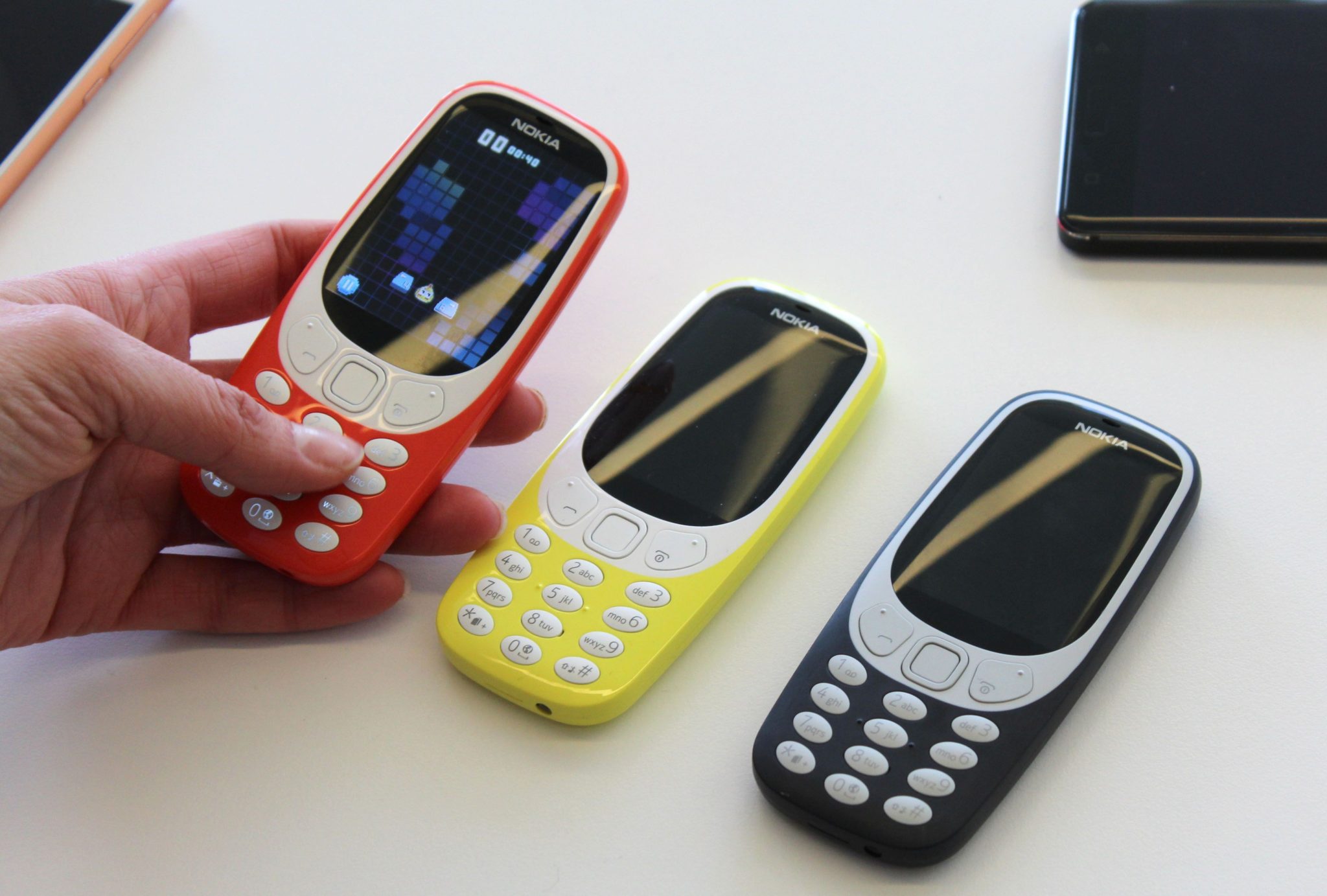
    Nokia Philippines has launched a new concept store in Iloilo City.

    HMD Global, the home of the smartphone brand, says the move aims to further boost Filipinos’ awareness of Nokia’s return to the local market.

    At SM Iloilo’s Cyberzone area, the new outlet adds to the 14 Nokia stores and kiosks in SM malls across the nation.

    “We are dedicated to making Nokia phones more accessible to the market,” says HMD Global Philippines country manager Shannon Mead.

    While last year marked Nokia’s comeback in the Philippine market, HMD Global teamed up earlier with e-commerce firms Argomall and Lazada Philippines. And last week, HMD Global secured $100 million in new investment to boost Nokia’s brand reach and portfolio.

  • Nokia Unveils Autonomous Networks Fabric: A Game-Changer in AI-Driven Automation for Retail Innovation

    Nokia Unveils Autonomous Networks Fabric: A Game-Changer in AI-Driven Automation for Retail Innovation

    Nokia has unveiled its Autonomous Networks Fabric, a groundbreaking suite of artificial intelligence (AI) models specifically designed for the telecommunications industry. This innovation aims to streamline network automation while empowering operators to effortlessly introduce new services.

    The Fabric of Unified Intelligence

    The Autonomous Network Fabric acts as a cohesive intelligence layer, seamlessly integrating observability, analytics, security, and automation across all network domains. This enables networks to function as a single, adaptive entity, irrespective of the vendor, architecture, or deployment model involved.

    Breaking Free from Legacy Systems

    In recent years, telecom operators have been aspiring to transition to fully autonomous networks. Yet, the burden of outdated systems, siloed processes, and scattered data has been a significant hurdle. Nokia’s Autonomous Network Fabric changes the game by offering an integrated suite featuring cohesive data management, comprehensive observability, and interpretable AI.

    Pioneering Automation

    This revolutionary fabric allows for large-scale automation that minimizes complexity. It facilitates reliability improvements and operational cost savings by enabling operators to swiftly test new concepts and incorporate those that yield effective results. What does it mean for customers? Imagine an orchestra where every instrument plays in perfect harmony, and you’re just getting started!

    What Customers Can Expect

    With the Autonomous Network Fabric, clients will enjoy:

    • Unified Data Management: All pertinent network data is systematically collected, curated, and transformed into actionable insights through a data-mesh architecture. Operators have the flexibility to design and create new data products rapidly within a low-code/no-code framework, empowering them to harness AI and machine learning for cutting-edge data assets.
    • 360-Degree Observability: The framework facilitates comprehensive use and distribution of data and AI throughout the organization, ensuring quality and consistency in automation by monitoring the entire chain of data custody.
    • Explainable AI: Telco-trained large language models (LLMs) provide clarity on data interpretation, issue analysis, and rationale behind automated actions through a rich knowledge engine.

    Strategic Partnership with Google Cloud

    The Autonomous Network Fabric will be launched as a software-as-a-service (SaaS) solution on Google Cloud, seamlessly integrating with on-premises setups using Google Distributed Cloud and hybrid cloud environments. It will harness Google Cloud’s generative AI capabilities to offer intelligent workflows for network operations. This includes real-time monitoring, anomaly detection, and effortless resolution of performance issues.

    “As networks become increasingly complex and vulnerable, the demand for fully autonomous systems is on the rise. Good AI is built on quality data, and Nokia’s Autonomous Network Fabric serves as a robust foundation. Our collaboration with Google Cloud merges our extensive network expertise with AI-optimized processes to propel customer success,” remarked Kal De, SVP Product and Engineering, Cloud and Network Services at Nokia.

    By facilitating telecom companies to deploy Nokia’s 5G core network on Google’s cloud infrastructure, the partnership aims to establish an innovative ecosystem where developers can swiftly implement and scale network automation.

    “This marks another pivotal moment in our collaboration with Nokia, focused on enhancing network reliability and proactively addressing issues, turning data into valuable insights for consistent and high-performance networks,” said Muninder Singh Sambi, Vice President and General Manager, Networking and Security at Google Cloud.

    Questions & Answers

    What is Nokia’s Autonomous Networks Fabric?
    Nokia’s Autonomous Networks Fabric is a suite of AI models and integrated security designed to streamline network automation in the telecommunications sector, helping operators roll out services more efficiently.

    How does this solution help telecom operators?
    It allows operators to overcome barriers posed by legacy systems, offering unified data management and comprehensive observability to enhance network reliability and reduce operational costs.

    What role does Google Cloud play in this initiative?
    Google Cloud supports the deployment of the Autonomous Network Fabric, leveraging its AI tools to enable intelligent workflows and facilitate rapid scaling of network automation.

  • Maxis Partners with Nokia to Modernize Data Center Infrastructure

    Maxis Partners with Nokia to Modernize Data Center Infrastructure

    The deployment will support Maxis’s business growth by providing a scalable, secure, and efficient data center architecture.

    The modernization of Maxis’s data center connectivity technology will help the company simplify its network operations, solve issues faster, and automate workloads, all on a robust and secure infrastructure.

    Nokia will deploy its cutting-edge 7220 Interconnect Router (IXR) data center switches and EDA technology across Maxis’s multiple data centers. This upgrade will enable Maxis to provision infrastructure resources without delay, will reduce complexity, and will ensure that Maxis’s current applications running on the network can scale gracefully.

    “This expansion of our longstanding collaboration with Nokia will drive next-generation connectivity in anticipation of customers’ growing needs. It reflects Malaysia’s emergence as a hub for data centers and hyperscalers in line with greater adoption of AI-enabled cloud infrastructure. This initiative will enhance our network capabilities, ensuring we are able to continue providing best-in-class, connectivity-adjacent solutions powered by fast, secure, and reliable connectivity,” said Goh Seow Eng, Chief Executive Officer at Maxis.

    “Data center networks are critical infrastructure and need to be extremely reliable while also being simple to deploy and operate. We are pleased to work with Maxis to modernize their data center infrastructure with our advanced data center switches and EDA technology to provide Maxis with a future-proof architecture that is scalable, resilient, and easy to deploy. This collaboration is a testament to the strength of our technology and our commitment to supporting our customer’s growth in the booming data center market in Southeast Asia,” added Ming Kin Ngiam, Head of Southeast Asia South for Network Infrastructure at Nokia.

    Nokia is helping cloud builders worldwide to construct modern data center networks that are highly reliable, secure, and easy to operate, which is essential to meet the growing demands of artificial intelligence (AI) workloads globally. Nokia’s EDA ensures faster response times, reduces manual effort, minimizes errors, consumes less compute resources, and handles network-wide operations at-scale with consistent performance. By proactively resolving issues, it boosts reliability and reduces operational costs.

    The Nokia 7220 IXR, a key component of Nokia’s Data Center Fabric solution, provides fixed-configuration, high-capacity platforms that offers unmatched scale, flexibility, and operational simplicity within data center and cloud environments. These scalable, next-generation platforms are designed to meet the high connectivity and density demands of webscale companies, service providers, and enterprises.

  • Nokia to Upgrade Vietnam’s Air Traffic Network

    Nokia to Upgrade Vietnam’s Air Traffic Network

    The project will replace the existing Synchronous Digital Hierarchy (SDH) transport system with Internet Protocol/Multi-Protocol Label Switching (IP/MPLS) technology, enhancing security and reliability in southern Vietnam.

    The initiative will provide Ho Chi Minh City’s Air Traffic Control Center (ATCC) with an upgraded transmission network designed to support mission-critical applications, ensuring efficient air traffic control (ATC) operations. The new system, compliant with the International Civil Aviation Organization’s (ICAO) standards, is scheduled to go live in the second quarter of 2025.

    “Air traffic networks need to be exceptionally secure and reliable at all times to ensure the highest standards of safety are met. Nokia comes with extensive experience in air navigation with 20 air traffic control networks deployed worldwide. We are impressed by the quality and performance of Nokia’s IP/MPLS networking solution and are looking forward to the successful completion of this crucial initiative in the coming year,” Ho Sy Tung, Deputy General Director at VATM, stated.

    Nokia’s IP/MPLS solution will equip VATM with advanced network analytics, simplifying operations and optimizing performance. The upgrade will offer enhanced flexibility and programmability to support essential air traffic management applications, improving safety and efficiency.

    Additionally, the system will feature robust security measures and future-proof capabilities to counter emerging threats, including those posed by quantum computing.

    Jonathan Goh, Head of Enterprise Business, Network Infrastructure, Southeast Asia North at Nokia, said, “Our mission-critical network solutions are trusted worldwide, delivering exceptional performance and reliability. With embedded QSN capabilities, Nokia’s IP/MPLS technology will enhance the safety and operational efficiency of Vietnam’s air traffic network. We are honored that VATM has chosen Nokia for this pivotal network transformation, paving the way for safer, more advanced and reliable air traffic management across Vietnam.”

  • Nokia Enhances SONiC Support for Data Center Innovation

    Nokia Enhances SONiC Support for Data Center Innovation

    By combining open-source software with advanced hardware and cutting-edge automation, Nokia is offering a new alternative for modern, efficient, and highly reliable data center networks. Nokia has been a strong supporter of open-source solutions and has been actively involved in the SONiC community for an extended period.

    The SONiC community was originally started by Microsoft and the Open Compute Project and is now overseen by the Linux Foundation.Research by 650 Group found that the market for SONiC-enabled data center switching is expected to exceed USD 9 billion by 2028, driven by the growing demand for traditional IT and emerging AI workloads.

    Previously, selecting SONiC often meant facing limited options in terms of fabric management and automation when using open-source hardware. Nokia’s expanded portfolio now integrates the SONiC community’s capabilities with its data center switching platforms, whilst also offering access to Nokia’s expert SONiC development and support team. This allows enterprises and cloud providers to access a wider range of advanced data center hardware platforms designed for reliability, power efficiency, and longevity.

    Customers will also benefit from Nokia’s Event Driven Automation (EDA) platform, which helps manage and automate SONiC environments, reducing operational costs and minimizing human error and network downtime. For customers who prefer fully integrated solutions with advanced features and dedicated engineering support, Nokia continues to offer its SR Linux network operating system as part of its data center fabric solution.

    By supporting both software approaches, Nokia is providing unmatched flexibility in the data center switching market.

    Alan Weckel, Co-Founder and Technology Analyst at 650 Group, praised Nokia’s commitment to open-source solutions and its support for SONiC, adding that the enhancement demonstrates Nokia’s dedication to providing innovative solutions for evolving data center needs. Josh Helm, Vice President of Global Network and Edge Offering Enablement at Kyndryl, highlighted the benefits of integrating open-source software with Nokia SR Linux, noting that the integration enables Kyndryl to drive IT modernization, consequently benefiting its customers.

    Scott Seger, Senior Vice President Infrastructure and Alliances at CBTS, noted the strong interest in Nokia’s SONiC support for data center switching, especially among financial services clients. Vach Kompella, Senior Vice President and General Manager of Nokia’s IP Networks Business Division, emphasized the importance of giving customers the flexibility to choose how they run their networks. Nokia’s solutions support both a vendor NOS similar to SR Linux and an open-networking NOS similar to the SONiC community, providing customers with the freedom to adapt to changing conditions.

  • Nokia to Equip Viettel with Optical Transport Solution

    Nokia to Equip Viettel with Optical Transport Solution

    This initiative aims to meet the increasing demand for 5G, Data Center Interconnect (DCI), and cross-border connectivity. The collaboration follows a successful trial during which Nokia’s PSE-6s achieved a record transmission speed of 1.2 Tbps per wavelength in real-world conditions. The deployment, expected to be completed by 2025, will enhance connectivity between Viettel’s data centers in major cities, including Hanoi, Ho Chi Minh City, and Da Nang, improving capacity and energy efficiency.

    Nokia’s new optical solution, utilizing the PSE-6s technology, will enable Viettel to scale its network while maintaining high performance efficiently. The solution supports three 800GE or six 400GE services on a single line card, allowing Viettel to increase its total network capacity to 38.4 Tbps over the C-band. Additionally, this technology is expected to help Viettel reduce network power consumption by as much as 60%.

    Nguyen Van Yen, Head of Viettel Regional Transmission, said, “The smooth execution of the record-breaking trial convinced us that Nokia was the right partner for this crucial initiative. Now, we are delighted with the seamless deployment of Nokia’s innovative PSE-6 super-coherent optical engine, which will provide the required capacity for our existing and growing needs while making us ready for 5G and cloud-based use cases.”

    Vito Di Maria, Head of Optical Networks at Nokia Asia Pacific, emphasized the challenges service providers face due to rising data traffic, highlighting the importance of scalable optical networks. He noted that Nokia’s PSE-6s technology will enable Viettel to effectively meet increasing data demands while improving network reliability and energy efficiency.

  • Nokia signs 5G patent deal with vivo

    Nokia signs 5G patent deal with vivo

    Nokia has signed a lot of 5G patent agreements in the last year. The Finnish company recent convinced Oppo that it’s better to make use of technology that other companies patent by simply paying for it.

    Today, Nokia is signing yet another 5G patent agreement, this time with another Chinese smartphone maker, vivo. Granted, this is a multi-year cross-license agreement that will benefit both companies, it’s vivo that gains on the short run since it can now return to the German market after losing the lawsuit filed by Nokia.

    The announcement mentions that the new deal “resolved all pending patent litigations between the parties, in all jurisdictions.” However, the terms of the agreement remain confidential, so there’s not much we can add to this.

    With this licensing agreement, Nokia “has now almost completed its smartphone license renewal cycle,” the company notes. The Finnish giant signed similar agreements with other big smartphone companies like Samsung, Honor, Huawei, Oppo, and even Apple.

    “This is the sixth major smartphone patent license agreement we have signed in the past thirteen months, and we have now almost completed our smartphone license renewal cycle. Together these licensing agreements demonstrate Nokia’s significant contribution to developing key technologies relied upon by the entire smartphone industry and they will provide long-term stability to our licensing business for years to come,” said Jenni Lukander, President of Nokia Technologies.

    Nokia expects its intellectual property licensing business to generate around €1.4 billion ($1.5 billion) in the mid-term, which isn’t that much considering that the company invested around €150 billion in R&D.