Tag: omnichannel

  • Hapas Eyes $15M Boost to Amplify Omnichannel Presence and Southeast Asia Expansion

    Hapas Eyes $15M Boost to Amplify Omnichannel Presence and Southeast Asia Expansion

    Hapas, a fashion accessories retailer based in Vietnam, is reportedly setting its sights on raising a minimum of $15 million in a forthcoming funding round. The objective of this fundraising effort is to bolster its omnichannel footprint and facilitate expansion across the Southeast Asia region.

    The Role of Index Partners

    Reports suggest that Index Partners is taking on the role of sell-side advisor for the transaction. This role typically involves providing guidance on the selling strategy, facilitating negotiations, and working to ensure a favorable outcome for Hapas.

    An Impact-Linked Investment

    In 2022, Hapas received an impact-linked investment from Beacon Fund, which is the SME lending branch of Patamar Capital. This investment was reportedly influenced by the fact that 80% of Hapas’ management personnel are women entrepreneurs. Beacon Fund, however, has since withdrawn its investment.

    Specialization and Expansion Strategy

    Hapas was originally established as a provider of affordable luxury products, specializing in bags and accessories. Presently, Hapas manages 16 brick-and-mortar stores in Vietnam, and places emphasis on e-commerce platforms such as the TikTok Shop and Shopee.

    Furthermore, the company is making conscious efforts to fortify its direct-to-consumer channels to help diminish its dependence on third-party marketplaces. As part of this initiative, Hapas has commenced online sales in Thailand and is formulating plans to extend its physical retail presence to other regional markets. These include Thailand and Indonesia, and the expansion is slated to occur within the next few years.

    Questions & Answers

    What is Hapas planning to do with the new funding?
    Hapas aims to use the funds raised to enhance its omnichannel presence and to facilitate its expansion across the Southeast Asian region.

    Who is acting as a sell-side advisor for the transaction?
    Index Partners is reported to be serving as the sell-side advisor for this transaction.

    What is Hapas’ expansion strategy?
    Hapas has recently begun selling online in Thailand and aims to expand its physical retail presence to regional markets like Thailand and Indonesia in the next few years.

  • Asia’s Retail Revolution: Uniting Online And Offline Shopping Through Omnichannel Strategies

    Asia’s Retail Revolution: Uniting Online And Offline Shopping Through Omnichannel Strategies

    Retailers across Asia are increasingly embracing omnichannel strategies to meet the evolving demands of consumers, who now expect seamless shopping experiences that blend online and offline platforms. This shift is not just a response to the challenges posed by the pandemic but is also driven by a competitive retail landscape where adaptability is key. As businesses strive to engage customers more effectively, the adoption of advanced technologies and innovative practices is transforming the way the region views retail.

    Unpacking the Omnichannel Advantage

    The omnichannel approach allows retailers to create integrated experiences by linking digital and physical shopping environments. Companies are focusing on delivering personalized customer service, which has become paramount in attracting and retaining shoppers. For example, major players like Alibaba and Tencent are investing heavily in technology that facilitates a smoother transition from virtual showrooms to real stores, thus uniting the best of both worlds.

    Digitization on the Rise

    As the retail sector modernizes, a significant rise in digitization is taking place, with brands utilizing data analytics to anticipate consumer trends and preferences. Retailers are not merely responding to individual purchasing patterns but are actively predicting future needs, which can lead to more effective inventory management and enhanced customer satisfaction. Surprising as it may sound, some retailers are even employing AI to curate real-time personalized shopping experiences — a nod to the sci-fi future that’s suddenly more real than imagined.

    Challenges in a Changing Landscape

    Despite the promising direction of omnichannel retail, challenges persist. Traditional retailers are grappling with adapting their business models to accommodate new technologies while also maintaining their customer base. Moreover, the economic backdrop remains volatile, with fluctuations impacting purchasing power across the region. For many, the path to adopting such extensive changes is fraught with hurdles that range from financial constraints to training staff in advanced digital tools.

    Building Trust with Consumers

    In a crowded market, building trust is integral for brands looking to stand out. Retailers are increasingly prioritizing transparency, ensuring that customers feel informed and secure throughout their shopping journey. Initiatives that underscore ethical sourcing, sustainability, and data privacy are becoming critical components of brand marketing, resonating well with a more conscientious consumer base.

    Looking Ahead: The Future of Retail

    As we navigate through 2023, the future appears bright for the omnichannel retail model in Asia. With innovations continually emerging, retailers that dare to embrace change may find themselves leading the charge into a dynamic new retail landscape. As technology integrates even more deeply into shopping experiences, one thing is clear: the way we shop will never be the same.

    Questions & Answers

    What is driving the shift towards omnichannel strategies in Asia?
    The shift is primarily driven by evolving consumer expectations for seamless shopping experiences, heightened by the pandemic, alongside a need for retailers to remain competitive in a rapidly changing landscape.

    How are retailers using technology to enhance customer experiences?
    Retailers are utilizing data analytics and AI to personalize shopping experiences, predict consumer trends, and streamline inventory management, creating a more tailored approach to customer needs.

    What challenges do traditional retailers face in adopting omnichannel practices?
    Challenges include adapting existing business models to new technologies, maintaining customer loyalty amid changes, and addressing financial constraints that hinder the implementation of advanced digital tools.

  • Omnichannel Execution: The Role of Analytics in Seamless In‑Store and Digital Experiences

    Omnichannel Execution: The Role of Analytics in Seamless In‑Store and Digital Experiences

    Asia’s retail sector is undergoing a seismic shift. With digital adoption surging, consumers now expect a fluid journey that merges online browsing, mobile interaction, and in-store experiences. To meet this elevated bar, retailers are turning to omnichannel analytics—integrating data from multiple touchpoints to deliver personalized, frictionless customer journeys and improve revenue outcomes.

    In fact, advanced analytics is not limited to brick-and-mortar environments. Even digital verticals, such as trusted online casino Singapore platforms, are harnessing similar cross-channel data insights to optimize user engagement and retention—underscoring the universal need for seamless consumer experiences.

    In this article, we explore how omnichannel execution powered by analytics is redefining Asian retail, spotlight the technology and strategic shifts behind it, and offer actionable insights for retailers navigating this transformation.

    Why Omnichannel Matters More Than Ever

    Consumers today operate across all digital and physical channels. Whether they start a purchase journey on a smartphone, explore in a web store, or finalize in a physical outlet, their expectations remain constant: subject-relevant, contextual interactions with convenience and coherence.

    Recent insights show:

    • Over 70% of APAC consumers expect real-time stock visibility and consistent pricing across channels. 
    • Retailers that effectively implement omnichannel strategies report 15–30% higher revenue per customer on average.

    By collapsing operational silos and weaving analytics across touchpoints, retailers can better understand behavior patterns, tailor offerings, and make data-informed decisions that drive both top-line and bottom-line growth.

    Understanding Omnichannel Analytics: Definition & Scope

    A clear framework for omnichannel analytics includes:

    • Customer identity resolution across online and offline touchpoints (app sessions, loyalty IDs, store visits). 
    • Journey stitching, tracking each step from ad exposure to in-store purchase. 
    • Channel attribution, enabling retailers to understand which touchpoints influence conversions. 
    • Experience personalization, using customer signals to recommend products, promotions, and services tailored to each channel.

    Put simply, omnichannel analytics allows retailers to:

    • Recognize a shopper whether they browse online, app, or in-store. 
    • Monitor cross-channel conversions and touchpoints. 
    • Tailor messaging and experiences to where users are engaging.

    As SAS explains, modern analytics enables retailers “to apply analytics to every step of the customer journey […], not just in marketing but also in merchandising, demand planning, and supply chain management”.

    Asia’s Omnichannel Momentum: Key Drivers

    Several factors have accelerated Asia’s omnichannel analytics adoption:

    Digital-Native Consumers

    Gen Z and Millennials in urban centers—from Singapore to Seoul—expect frictionless, integrated shopping. They compare online prices, reserve items digitally, and visit stores for experiential browsing.

    Rise of “Phygital” Retail

    Retailers are blending the best of both worlds: in-store experience powered by digital layers (e.g., QR-code information, AI-powered mirrors), coupled with digital relationships and personalization.

    Policy-Driven Transformation

    Policy initiatives, like Singapore’s Smart Nation drive and e-commerce frameworks in Southeast Asia, have enabled digital transformation across the retail ecosystem.

    Technological Maturity

    Cloud infrastructure, AI analytics platforms, and mobile payments now enable rapid deployment of end-to-end omnichannel analytics.

    Technology Stack: Turning Strategy into Scale

    A robust omnichannel analytics system comprises these components:

    1. Identity Resolution & Data Integration 
      • Integrate CRM, e-commerce, POS, mobile, and third-party data sources. 
      • Build unified identifiers for individual consumers. 
    2. Event & Journey Data Architecture 
      • Build data feeds capturing multi-channel events. 
      • Use event streaming (Kafka, cloud ingestion) to build real-time profiles. 
    3. Behavioral Analytics & Insights Layer 
      • Analyze shopping patterns, dwell time, funnel drop-off. 
      • Identify opportunity segmentation (e.g., BOPIS / Click-to-Collect shoppers). 
    4. Orchestration Engine 
      • Serve insights to personalization platforms, loyalty apps, store staff dashboards. 
      • Manage campaign decisions—email, push, in-store signage. 
    5. Measurement & Attribution 
      • Use advanced attribution to trace conversions back to cross-channel exposure. 
      • Conduct lift tests (e.g., BOPIS vs. home delivery). 

    Edge and in-store analytics (e.g., people counting, mobile-beacon signals) also enhance understanding of store layout, service gaps, and conversion opportunity.

    The Benefits: Revenue Impact & ROI

    Omnichannel analytics delivers benefits across three arenas:

    Benefit Category

    What It Enables

    Business Outcome

    Personalization

    Tailored offers, dynamic pricing, locational relevance

    +5–15% sales uplift

    Conversion Lifts

    Move customers more efficiently across the funnel

    +10–20% conversion rates

    Operational Gains

    Inventory, staffing, log forecasting

    10–30% cost reduction, higher satisfaction

    Retailers empowered by omnichannel analytics typically report 15–30% increases in revenue per shopper and 10–20% decrease in inventory waste, showcasing real ROI.

    Challenges & Best Practices for Implementation

    Challenge 1: Data Fragmentation

    Solution: Prioritize toolset consolidation—choose centralized CDPs or CTV stacks. Even legacy systems can be bridged via APIs and middleware.

    Challenge 2: Organizational Silos

    Solution: Establish cross-functional teams, with clear roles across IT, marketing, store operations, and data science.

    Challenge 3: Privacy & Regulation

    Solution: Build consumer consent frameworks, anonymize behavioral signals, and comply with local data laws (e.g., PDPA in Singapore, POPIA in South Africa). This is critical for technologies like in-store analytics and geolocation.

    Challenge 4: Attribution Complexity

    Solution: Use robust measurement models such as real-time A/B testing, incrementality analysis, and time-based attribution to isolate channel interactions effectively.

    Future Trends in Rice Street Retail Analytics

    1. AI-Augmented Customer Context
      AI systems to recommend next-best actions or optimize customer satisfaction in real-time. 
    2. Hyper-local Store Analytics
      IoT sensors to optimize layout, staffing, and product placement based on real-time traffic and conversion data—similar to edge-AI counting systems . 
    3. Unified Experience Across New Formats
      Integrating physical, online, live-stream, and social commerce to create cohesive ‘phygital’ ecosystems. 
    4. Ethical Use and Transparency
      Through initiatives such as Singapore’s AI Ethics Advisory Council, forward-looking retailers will embrace explainable analytics—clearly communicating data use and offering opt-outs.

    Strategic Playbook: Getting Started with Omnichannel Analytics

    Begin With Pilot Use Cases
    Focus on clear pilots: BOPIS use case, mobile notifications tied to geolocation, or unified loyalty communications.

    Stress-Test with A/B Tests
    Run lift studies comparing customer segments using newly layered omnichannel insights vs control.

    Scale Gradually
    Expand omnichannel capabilities to store networks and e-commerce platforms, supported by central analytics teams.

    Govern Responsibly

    • Standards-based consent (cookie banners, app permissions) 
    • Regular audits for compliance 
    • Transparent data policies communicated to users 

    Measure & Optimize Continuously
    Evaluate KPIs such as week-over-week conversion, satisfaction scores, and ROI on targeted offers and campaigns.

    In Asia’s rapidly evolving retail environment, omnichannel isn’t optional—it’s table stakes. Progressive retailers are already adopting analytics-driven approaches that connect the physical and digital in cohesive, personalized experiences.

    By integrating omnichannel analytics:

    • Shoppers enjoy smooth journeys from discovery to purchase. 
    • Retailers increase both conversion and operating efficiency. 
    • Brands stand ready for next-gen formats like livestream commerce, experience-based pop-ups, and more.

    For regional leaders, the call to action is clear: harness analytics, break siloed systems, invest in infrastructure that unifies data, and commit to responsible, consumer-centric execution.

    If you’d like support building omnichannel infrastructure, analytics frameworks, or launching pilot programs in Southeast Asia, feel free to reach out!


     

  • Global giants eye Vietnam e-commerce logistics market

    Global giants eye Vietnam e-commerce logistics market

    The world’s largest container shipping line Maersk and U.S. express delivery company FedEx are seeking to enter Vietnam’s e-commerce logistics market. Ditlev Blicher, regional managing director for Asia-Pacific, A.P. Moller – Maersk (Maersk), was in the country this week, three months after the Danish company spent US$3.6 billion on acquiring Hong Kong firm LF Logistics.

    He said with LF Logistics’ expertise in omnichannel orders, Maersk would have a better position in the global e-commerce market, including Vietnam. He said that his company plans to offer business-to-business (B2B) and business-to-consumer (B2C) delivery services.

    Hoan Dang, head of omnichannel order fulfillment at Maersk Vietnam and Cambodia, said with the acquisition of LF Logistics, his company could join hands with e-commerce platforms to handle goods orders in the Vietnamese market.

    FedEx is integrating its services with e-commerce platforms to enable online retailers to use them without leaving the platforms.

    Hardy Diec, managing director of FedEx Express Indochina, said e-commerce would continue to flourish in Vietnam.

    Earlier this month his company opened a new $2-million operations center in Hanoi’s Bac Tu Liem District. Vietnam will be one of the top 10 countries for FedEx in terms of trade volume growth over the next five years.

    Vietnam will achieve the highest growth in the digital economy in Southeast Asia between 2022 and 2025, a report by Google, Temasek and Bain & Company has forecast.

    Its digital gross merchandise volume is likely to reach $23 billion in 2022, and $32 billion by 2025.

    According to global firm Allied Market Research, Vietnam’s express delivery market is expected to be worth $4.88 billion by 2030 after growing at 24.1% annually, with the growth of e-commerce being one of the main drivers.

    Logistics firms are expanding their services and lowering prices.

    This month Lazada Logistics announced it would start offering omnichannel deliveries for online shops.

    J&T Express announced cuts of 10-20% in freight.

  • Global giants eye Vietnam e-commerce logistics market

    Global giants eye Vietnam e-commerce logistics market

    The world’s largest container shipping line Maersk and U.S. express delivery company FedEx are seeking to enter Vietnam’s e-commerce logistics market. Ditlev Blicher, regional managing director for Asia-Pacific, A.P. Moller – Maersk (Maersk), was in the country this week, three months after the Danish company spent US$3.6 billion on acquiring Hong Kong firm LF Logistics.

    He said with LF Logistics’ expertise in omnichannel orders, Maersk would have a better position in the global e-commerce market, including Vietnam. He said that his company plans to offer business-to-business (B2B) and business-to-consumer (B2C) delivery services.

    Hoan Dang, head of omnichannel order fulfillment at Maersk Vietnam and Cambodia, said with the acquisition of LF Logistics, his company could join hands with e-commerce platforms to handle goods orders in the Vietnamese market.

    FedEx is integrating its services with e-commerce platforms to enable online retailers to use them without leaving them. Hardy Diec, managing director of FedEx Express Indochina, said e-commerce would continue to flourish in Vietnam.

    Earlier this month, his company opened a new $2-million operations center in Hanoi’s Bac Tu Liem District. Vietnam will be one of the top 10 countries for FedEx in terms of trade volume growth over the next five years.

    Vietnam will achieve the highest growth in the digital economy in Southeast Asia between 2022 and 2025, a report by Google, Temasek, and Bain & Company have forecast. Its digital gross merchandise volume will likely reach $23 billion in 2022 and $32 billion by 2025.

    According to global firm Allied Market Research, Vietnam’s express delivery market is expected to be worth $4.88 billion by 2030 after growing at 24.1% annually, with the growth of e-commerce being one of the main drivers.

    Logistics firms are expanding their services and lowering prices.

    This month Lazada Logistics announced it would start offering omnichannel deliveries for online shops.

  • Thai beauty e-commerce platform Konvy bags $10 million in series A

    Thai beauty e-commerce platform Konvy bags $10 million in series A

    Founded 10 years ago, Konvy is now Thailand’s top beauty e-commerce platform. It plans to accelerate its omnichannel and international distribution with a new Series A of $10 million from Insignia Ventures Partners.

    Konvy was launched in 2012 by Chinese entrepreneur QingGui Huang, who previously managed fashion e-commerce platforms in China. It now works with more than 1,000 brands, representing SKUs of more than 20,000. Its brand portfolio includes L’Oréal, Shiseido, Sulwhasoo, Eucerin and La Roche-Posay.

    “Konvy had the advantage of starting in Thailand when there were no really significant e-commerce players there at the time,” Huang told TechCrunch. “We’ve since leveraged our first mover advantage in Thailand to become a leading e-commerce player in the market.”

    Konvy founders Leon Huang, Pornsuda Vangvidhayakul and QingHui Huang

    Konvy’s goal is to help local and international beauty brands take advantage of two major trends. The first is that health and beauty purchases are a priority spending category for Thai consumers and the second is that Thailand sees high rates of e-commerce purchases and social media usage, meaning that young people in Thailand spend an average of about two hours and 55 minutes on social media each day.

    Huang said he confirmed his assumptions about Thai spending on beauty products through conversations with brands, which drove his desire to start Konvy.

    “This opportunity of health and beauty being a priority spending category for Thai consumers is a function of both demand and supply circumstances favoring this consumer behavior over the past decades,” he said. “On the supply side, Thailand has been a manufacturing hub for a lot of international brands for more than 40 years. This has spawned as well a thriving local industry. On the demand side, we see that Thai consumers are plugged into this mindset of ‘upgrades’ when it comes to health and beauty, that is to say, it’s not just about accessing such products but actually looking for the best products and high willingness to spend on the latest trends.”

    Konvy taps into the high rate of social media usage by developing a feedback loop, where engagements on its partner brands’ not only helps Konvy’s existing portfolio, but also helps more brands in the future. For example, as more Gen Z consumers bought products they saw on TikTok during the pandemic, Konvy made itself more present on that channel.

    In a statement, Insignia Ventures Partners founding managing partner Yinglan Tan said, “While there may be stronger competitors from horizontal marketplaces in the future, we believe Konvy is best positioned to be the market leader in the online beauty segment given its long-standing brand equity, brand-centric and community-led approach.”

  • Stop Making “Personalized” Content that Still Feels Generic

    Stop Making “Personalized” Content that Still Feels Generic

    Personalization – you’re doing it wrong.

    There are only a handful of trends or innovations in the world of loyalty marketing that can cause as much global stir as personalization does. And even though most companies have a pretty common understanding of what it is – an act of tailoring an experience or communication to your clients’ needs and preferences, that is – many of them still have troubles with implementing it correctly. The big question is: why?

    Presumably, the biggest reason for that is – personalization is hard; especially, when you have thousands of clients in your database. For real, how are you supposed to address each and every one of them while also paying attention to what they buy, watch, read (or whom they follow on Instagram)? Exactly.

    And so, hundreds of companies decide to lower the bar and opt for sending their clients “personalized” messages, which usually include a Hi-[name]-type greeting, and some bits of information regarding their activity (“Is it summer already? You’ve bought 10 bottles of anti-sweat lotion this month!”) – the rest remains the same for all.

    But is that personalization, really? To say it’s selective would be an overstatement. Anyone can notice that those are but cosmetics changes made to help create an impression that a given message is personalized. Some people fall for that, sure, but most clients – the ones that have seen hundreds of newsletters and special-offer signs in their lives – can tell it’s not real personalization (and so would you if you were in their shoes). That’s because the e-mails and notifications they receive don’t correspond with their needs and personal interests.

    Does that mean that personalization, as it is discussed and promoted by today’s marketers, is impossible to pull off? Nothing could be further from the truth. Think about it – do you actually believe that, with all the technology available to us, we cannot provide each customer with content they can relate to?

    We can, but it requires the right IT tools and… data. This is where modern loyalty management platforms enter the conversation.

    How well do you know your customers?

    Let’s start with the obvious – if you have a loyalty program, you are sitting on a gold mine right now. Why? Because you’re literally drowning in data concerning your customers. Not only can it tell you what, when, and how they usually buy, but it can also reveal what their hobbies, passions, interests, needs, and preferences are; how they perceive the world around them.

    Of course, with the amount of data we’re dealing with here, it is impossible for a human mind to process all of that information and produce findings that could help you improve your communication with your customers. For that, you must use an artificial one.

    In other words, what you need in this scenario is a modern AI-powered loyalty management system that can analyze insane amounts of customer data, identifying trends, interests, needs, and dreams within your clients’ shopping and loyalty program behavior in the process. Not only will a loyalty marketing platform (like the one that Comarch provides, for example) allow you to learn what your customers’ preferences are, but it will also help you craft the right message and send it over the right communication channel at the right time and place.

    How? Well, have you heard about customer segmentation? If you have, then you must know that AI-driven loyalty marketing platforms are now being designed to help you divide clients from your database into groups based not only on demographics but also on their hobbies and preferences. What it means is that the system can suggest creating specific messages for dedicated groups of individuals who feel the same way about particular products and how they want to be approached by a given brand. Because of its power, the system can identify thousands of such customer groups (or clusters, as we tend to call them) and help you automate your communication processes to make sure no client is left unsatisfied. Now, that’s an innovation.

    The important thing is that with AI, you can stop trying to create meaningful content and actually start creating it. Establishing strong customer relationships no longer feels like a job based on a gut feeling. Instead, you know exactly what you’re supposed to do – be genuine.

  • Growing loyalty in a disloyal age through a frictionless customer experience

    Growing loyalty in a disloyal age through a frictionless customer experience

    Brand loyalty in the retail sector is on life support. In a fragmented omnichannel environment, comparison shopping, household budgetary pressures and online price transparency are driving declines in customer loyalty – and leading to tighter margins in the retail sector.

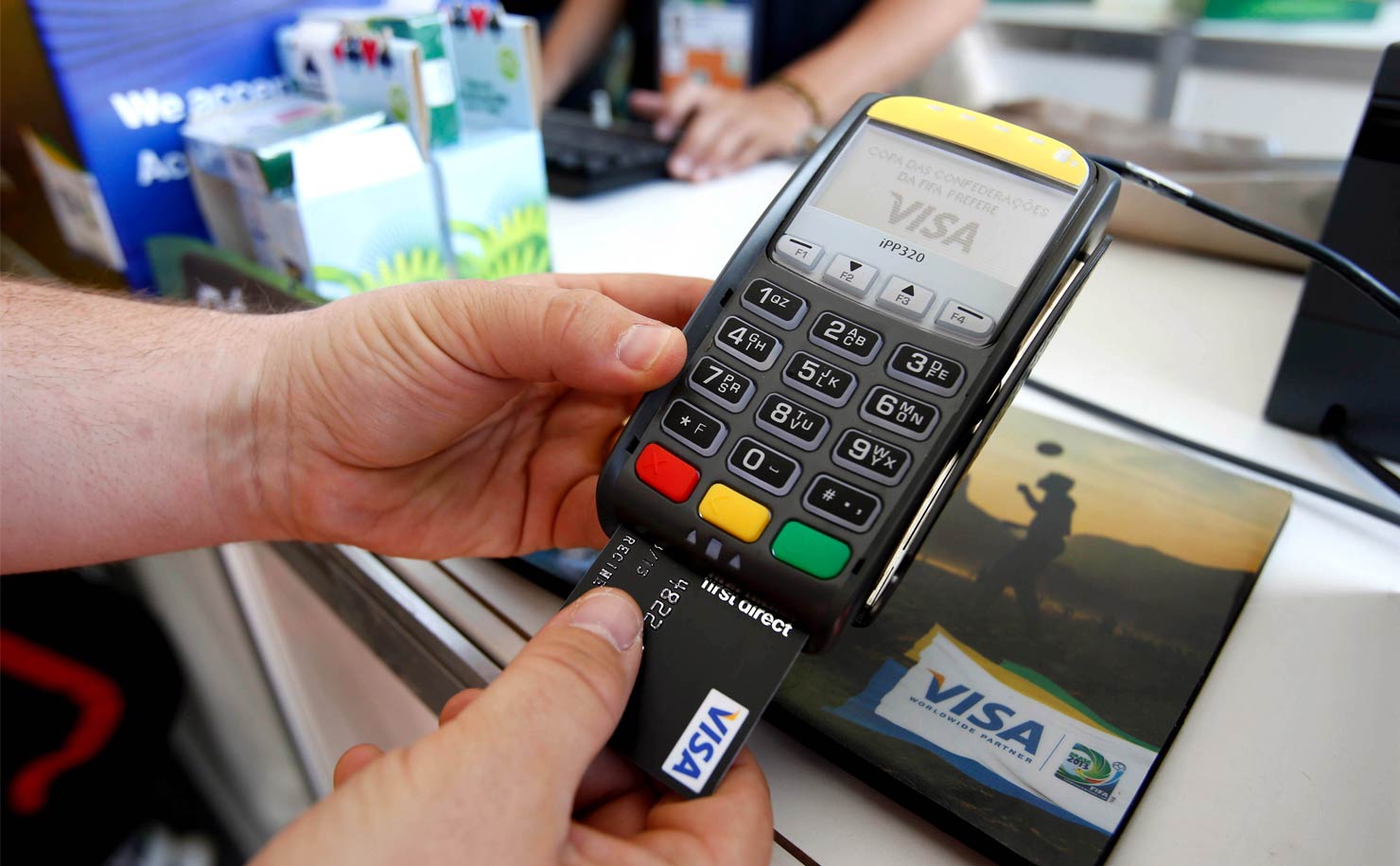
    As traditional retailers struggle to find a competitive edge in such a market, brick-and-mortar stores need to review their processes to deliver greater value and exceptional experience. In an in-store environment, this is leading to brands adopting contactless payment to create hassle-free checkout experiences, along with elevating their stores to offer more ‘experiential retailing.’

    Consumers are more digitally savvy than ever and place a high value on immediacy and quality of service. As a result, a retailers’ workforce needs to be equipped with the means to fulfill different orders with greater efficiency as store associates are now required to do more logistics related tasks, along with offering higher levels of in-store customer service.

    While there have been significant advances in delivering on the customer experience online, the pressure is on for retail stores themselves to meet growing customer expectations. This is not an easy process given that traditionally retail stores have been unstructured environments. Salespeople have had to balance competing demands, handling operational tasks while interacting with customers and immediately responding to their requests. These competing demands can result in inaccurate orders, inefficient bundling, and other errors that drive up labour costs, while employee satisfaction can also suffer if staff feel like they are being pulled in too many different directions at once.

    Meeting online customer service standards offline

    Repeat business remains a critical barometer of success, but like many aspects of the modern retail equation, achieving this means overcoming challenges. Customer loyalty programs matter less, while a high-quality, consistent experience matters more. Loyalty is a cross-channel concept, as customers who shop across all a retailer’s channels are more engaged, creating a more beneficial buyer-seller relationship.

    The modern shopper has access to real-time information and comparison expertise at every step of the journey online. Online retailers compete for customers through offering competitive product pricing and a seamless shopping experience. Customers now want an in-store and offline experience that meets the same standards of excellence they have already typically experienced online. This may mean in-store retail staff having to return an online purchase without hassle for a customer in-store, or sourcing stock in another store and organising delivery to the customer’s home; in-store shoppers expect service excellence at every stage of the buying journey.

    The challenge with trying to match the effortless online customer experience in-store is that many retailers still perceive the customer journey to be linear, which is no longer the case.

    Customers move between online and in-store, browse for goods across social platforms, may direct message for price comparison and email for detailed communication. Shoppers often do not buy where they browse, they may return elsewhere than where they bought and if they change their mind there is an expectation that a store associate will help resolve their issue without any hassle.

    As consumers are shopping on all channels, retailers must focus on delivering an excellent total shopper experience, ensuring that they service their customer how, when and where they are, be that in-store, curbside, or the comfort of their home.

    Built to match the realities of the shop floor

    Retail workers are at the frontline of customer service today and require enterprise level information at their fingertips. After all, every shopper interaction is an opportunity to build a positive impression and support a sale, or conversely create a negative perception and lose business. In such an environment, retail workers need to be supported by the right tools to resolve customer issues, address queries and offer a seamless retail experience.

    New retail-specific mobile technologies can drive efficiency and productivity in store operations and improve the customer experience. Compact, but durable handheld mobile computers, like the Honeywell CT30 XP or EDA5S mobile computers, make salespeople appear more approachable and work in tandem with other devices, enabling users to not only communicate and confirm work easily, but also view pictures of products and inventory locations, type on a keyboard, or scan barcodes.

    How retail stores can transform to meet the needs of an omnichannel world

    The competitive demands of today’s retail environment require in-store processes be optimised and expanded to meet customer needs. Just as Distribution Centres traded paper-based, word-of-mouth and other manual workflows for voice technology decades ago, forces are aligning for retail stores to make the same shift. Retail stores can now support ship-from-store and click-and-collect services – key customer experience differentiators that can also help limit shipping costs as online order volumes grow.

    Proven voice picking technologies allow retailers to empower store associates to fulfill these key logistic roles transforming a traditional a brick-and-mortar store into a modern, flexible fulfilment centre that can meet the demands of omnichannel customers. These technologies present a ‘hands-free, eyes up’ mode of working that can support the demands of a range of in-store workflows, such as order fulfillment, gap scanning, shelf replenishment, inventory management, and more.

    What should also not be overlooked by retailers in such an environment is that customers visiting for in-store pickup provide valuable boosts in foot traffic and opportunities for additional sales.

    Greater operational visibility is required

    Today, retailers need to empower and connect their workers through unified connected communications along with having greater visibility over their operations and workflows. Through these insights, management can analyse how long certain tasks take, leading to better understanding of retail workflows and workforce performance.

    Operational visibility data can fuel labour models to build staffing requirements, determining how much labour is necessary to provide high levels of customer service during peak times and to fulfil online orders from the store. Ultimately, this fuels data-driven decisions to avoid overstaffing while ensuring on-time, accurate order fulfillment and an optimal customer service and checkout experience.

    Empower staff to meet the needs of the omnichannel customer

    Retail stores have transformed from sites that purely existed to make a purchase into something far more complex. Stores now must fulfill several roles along the customer purchasing journey – from being a customer service site, to acting as a returns-facility, to picking and shipping online orders and offering click-and-collect buying options.

    To meet the needs of customers in an omnichannel world, where customers expect the same hassle-free shopping experience that they get online in an instore setting, retailers need to ensure that their staff are properly equipped with the right technologies, systems and knowledge.

    Written by: Vikas Wadhwa, APAC Retail Leader, APACI at Honeywell

    To learn more about how your retail store can meet the challenges of operating in an omnichannel environment, please visit: https://sps.honeywell.com/au/en/industries/retail


  • Central Retail invests US$3 million for Tops Market’s new model

    Central Retail invests US$3 million for Tops Market’s new model

    Central Retail has invested US$3 million to build Tops Market’s first standalone supermarket, on Bangkok’s Pattanakarn 30.

    Catering to the residential areas in Eastern Bangkok, the new standalone supermarket spans 3400sqm, housing more than 17,000 items across seven zones, including Healthiful, Snacker, Asian Flavours and Petster. Tops Market Pattanakarn 30 offers omnichannel with personal shopper service and quick commerce service through Line.

    “The new store will cater to modern consumers who prefer shopping near their home so that they do not have to worry about commuting,” said Stephane Coum, CEO of Central Food Retail. “We recognise the spending potential of the consumers in this area, as it is an upscale residential area in Eastern Bangkok, with many large-scale real estate projects.”

    Sustainability innovations and technology are implemented at the store in line with the Central Retail Retailligence strategy. Two EV charging stations are installed to support clean energy, while energy-saving refrigerators are used to reduce the use of electricity and carbon footprints.

    Customers can also collect trash and household waste to receive points on recycling days. Each point is equal to one baht, and Tops Market adds another baht to be donated to Empty Bottles, Full Value project by Wat Chak Daeng in Samut Prakan province, to make PPE uniforms for the temple and garbage collectors.

  • JD launches five-storey JD Mall in China’s Xi’an

    JD launches five-storey JD Mall in China’s Xi’an

    JD.com launched the “JD MALL” brand, the upgraded version of its E-Space omnichannel retail experience store on September 14, via an online press conference. The new shopping destination will first debut in Xi’an, China, on September 30.

    With an area of 42,000 square meters across five floors, JD MALL in Xi’an offers an immersive omnichannel shopping experience to consumers through 200,000 items from over 150 domestic and international brands.

    Consumers are able to place orders through the official WeChat Mini Program by scanning QR codes on each of the items, and JD will handle the last-mile delivery to their doorsteps through the company’s strong logistics infrastructure.

    In addition to traditional categories such as electronics, home appliances, and digital accessories offered in E-Space, JD MALL also provides a wide range of items in home , furniture, kid, smart healthcare products and auto accessories.

    At the same time, JD MALL offers one-stop home design services and home appliance package purchases, enabling customers to enjoy a seamless shopping experience from designing, product selection to installation and aftersales. A selection of products also supports 2-hour delivery and 24-hour installation services.

    JD MALL combines fashion and technology elements from design to experience. Customers can enjoy tech devices and experiences including holographic projection, VR equipment, an intelligent robot, a virtual live stream room and a transparent computer room.

    As JD’s integrated consumption shopping center, one of JD MALL’s differentiation is the immersive experience. The Mall will have 11 themed experience zones and 29 product interaction zones, such as a beauty salon, audio experience aea, drone testing, massage, etc, making it a multi-scenario and fun space for customers.

    JD is continuing to provide different kinds of physical stores amid the growing trend in which customers pursue a high-quality and multi-store ecosystem, including JD E-Space, JD home appliance flagship stores, JD computer and digital stores and JD retail experience shops. This is also part of JD’s plan to promote its omnichannel operation and accelerate the industrial structure upgrading.

    In the first half of this year, transaction volume of JD’s E-Space in Chongqing increased 105% YOY, while the transaction volume of the opening day of the same type of store in Hefei, Anhui province reached RMB 166 million yuan, and the traffic for both online and offline was over 1.2 million.

  • Shinsegae, Naver win bidding battle for EBay South Korea

    Shinsegae, Naver win bidding battle for EBay South Korea

    South Korean retail giants Lotte Shopping and Shinsegae Group have submitted separate letters of intent for online marketplace eBay Korea, the retailers’ spokesmen confirmed on Monday.

    It is a deal that will almost certainly shake up the country’s e-commerce retail segment, potentially propelling one of the country’s largest retailers into becoming the leading omnichannel operator in South Korea.

    SK Telecom, South Korea’s biggest mobile carrier, and private equity firm MBK Partners, the largest shareholder of discount store chain Homeplus, reportedly dropped out of the race to acquire eBay Korea, which has been up for sale since last year.

    This week’s formal bidding marks the second attempt to divest its interests by eBay Korea – which represents about 11% of global sales within the U.S.-based eBay corporation – and it wants at least $4.43 billion, a price that is looking increasingly attainable.

    South Korea’s total e-commerce transactions jumped 25% last year according to Trade Ministry estimates and eBay Korea represents about 12.8% of South Korea’s e-commerce market, just trailing Coupang at 13% and market leader Naver with 18%. Its revenue is estimated at $1.17 billion, with an operating income of $76 million.

    Coupang listed on the New York Stock Exchange in March, becoming the largest Asian company since Alibaba to go public in New York and raising $4.6 billion. Founded by billionaire Bom Kim, a Harvard business school dropout, Coupang is now the country’s most valuable start-up with a market capitalization of more than $60 billion, backed by Softbank’s Vision Fund.

    By contrast, Lotte and Shinsegae’s market shares in the country’s e-commerce sector are estimated at just 5% and 3% respectively and the takeover of eBay Korea by either could reshape the country’s online retail segment and fast-track the winning bidder into a market-leading position. Both have struggled to catch up with the major online competitors, especially after the impact of the Covid-19 pandemic.

    However, the picture is complicated. Naver could be one of the biggest beneficiaries if Shinsegae is successful as it is believed to be offering support in financing any acquisition. The retailer and portal established a strategic alliance in March and Shinsegae could switch to Naver Pay as the payment platform for three e-commerce websites operated by eBay Korea: Gmarket, Auction and G9. At present, eBay Korea uses its own online payment system called Smile Pay.

    Top South Korean cellphone carrier SK Telecom and retail group E-Mart were still among the remaining suitors as the preliminary round of bids sought by the U.S. parent closed 16 March.

    Indeed, SK Telecom had been the leading candidate. The group also operates the online platform 11Street through a subsidiary, making SK Telecom the fourth-biggest e-commerce provider. But 11Street has struggled to grow, leading SK Telecom to partner with Amazon AMZN 0.0% in November in a collaboration initially limited to 11Street hosting Amazon products, but likely to expand in scope.

    Meanwhile, Lotte will no doubt view the purchase of eBay Korea as a springboard for rebuilding the group’s online business. In April 2020, the group merged the e-commerce sites of its department stores, supermarkets, electronics shops and other physical retail affiliates under one shopping platform called LotteON but it has failed to make much headway.

    While all the potential suitors have refused to give much away, Kang Hee-tae, CEO of Lotte Shopping, admitted during a spring shareholder meeting: “We’re certainly interested.”

    Launching in 2000, eBay Korea quickly grew and last year earned around $75 million in operating profit. But eBay Korea has been squeezed by rivals in recent years, while activist investors like Elliott Management have urged eBay to shed assets with poor growth prospects.

    The U.S. parent’s hope of securing a lucrative deal initially looked ambitious but then Coupang went public successfully, boosting its hopes.

    Whoever wins the battle for eBay Korea, the fact that the rivals are both major retail players should heat up the market and could lead to an array of collaborations and partnerships to fight scale with scale. South Korea is on the brink of the biggest online shake-up since eBay announced its arrival over two decades ago.

  • Pomelo expands its online presence with localised Philippines store

    Pomelo expands its online presence with localised Philippines store

    The omnichannel fashion platform has launched a localized online store in the Philippines as part of its digital expansion across Southeast Asia.

    According to Pomelo, monthly orders from the Philippines currently account for around 10 percent of Pomelo’s total orders. Coinciding with the brand’s eight-year anniversary, the launch will help the brand strengthen their presence in Southeast Asia and increase its market share in the Philippines. Currently, the brand’s listing on Zalora Philippines has amassed more than 100,000 unique orders from locals.

    The Philippines’ online store will house Pomelo’s exclusive collaborations and fashion-forward apparel, including the brand’s new Spring/Summer 2021 Collection. The store will also feature the brand’s cashback reward and loyalty program, ‘Pomelo Perks.’

    This year in particular has seen the brand’s efforts to expand across the region increase with new stores launched in Singapore and Indonesia. The brand will also launch a flagship store in Malaysia this May.

  • Tumi select APAC to launch first experimental virtual store

    Tumi select APAC to launch first experimental virtual store

    TUMI, the leading international travel, lifestyle, and performance luxury brand, launches the breakthrough TUMI Virtual Store to debut its Spring 2021 collection, delivering an immersive and enhanced omnichannel experience to customers in Asia Pacific and the Middle East.

    Ushering in a creative new age of digital retail that connects fans with the brand like never before, the TUMI Virtual Store inspires customers to embark on a journey through thoughtfully designed interactive touchpoints. Guests can explore the Virtual Store’s life-like visual presentation to discover TUMI products via 360° 3D and AR implementations and shop the Spring 2021 collection. They can engage with shareable social photo moments at TUMI’s Magic Mirror and play Instagram and WeChat mini-games.

    Further enhancing the overall TUMI O2O (“Online to Offline” also “Offline to Online”) shopping experience, the Virtual Store is connected to other TUMI shopping channels via its Chat & Shop function allowing for seamless customer movement to the point of purchase. Customers exploring the Virtual Store can easily connect with sales associates to ask questions and place orders, or via the connected local e-commerce websites. Furthermore, those visiting the TUMI physical stores in the region can explore the TUMI digital landscape via in-store kiosks, for an enhanced offline experience.

    With the goal of being everywhere, the customer is, the Virtual Store adds another dimension to TUMI’s evolving omnichannel retailing approach. As another pioneering landmark, the launch of the TUMI Virtual Store sees TUMI rollout its first-ever Regional Livestream Event, bringing all APAC and Middle East customers together digitally to unveil Spring 2021, 7pm GMT+8, Thursday, 4th February 2021: https://virtualstore.tumi-asia.com/

    “The TUMI Virtual Store is an incredible milestone for the brand. For the last few years, we have been pioneering new digital experiences and looking to enhance and elevate the customer journey. Our new Virtual Store is part of this holistic approach to connect with customers wherever they are. Accelerated digitization and shifting customer habits brought on by 2020 have reinforced this direction and shown that we must continue to create exciting, meaningful interactions both in the physical and digital worlds.

    Through the TUMI Virtual Store and our Regional Livestream Event, we are excited to welcome fans to experience the latest innovation from TUMI and our new Spring 2021 collection,” says Adam Hershman, Vice President of TUMI, Asia Pacific and Middle East.

  • EBay close to selling Korean unit

    EBay close to selling Korean unit

    Global e-commerce business eBay is reportedly selling off its Korean businesses G-Market, Auction, and G9, in a deal worth $4.5 billion (5 trillion won).

    eBay is exploring a number of “strategic alternatives” for its Korean business and is looking for options that will maximize value for shareholders and create growth for the wider business.

    “From last week, we heard there is going to be an announcement made by our headquarters in the United States. Given that it said it was considering a variety of options, it seems to be in the process of selling the platforms,” an eBay Korea official said.

    EBay’s Korean platforms provide around 11 percent of its annual sales, and it’s expected any player that acquires the three businesses could become one of the top three e-commerce platforms in Korea.

    Rival marketplace Coupang, which is considered South Korea’s most popular online retailer, is reportedly looking to go public in the first half of 2021.

  • Omni-channel focus rescues Central Retail’s bottom line

    Omni-channel focus rescues Central Retail’s bottom line

    It’s a snowy Saturday in Chicago, but Amy, age 28, needs resort wear for a Caribbean vacation. Five years ago, in 2011, she would have headed straight for the mall. Today she starts shopping from her couch by launching a videoconference with her personal concierge at Danella, the retailer where she bought two outfits the previous month. The concierge recommends several items, superimposing photos of them onto Amy’s avatar. Amy rejects a couple of items immediately, toggles to another browser tab to research customer reviews and prices, finds better deals on several items at another retailer, and orders them. She buys one item from Danella online and then drives to the Danella store near her for the in-stock items she wants to try on.

    As Amy enters Danella, a sales associate greets her by name and walks her to a dressing room stocked with her online selections—plus some matching shoes and a cocktail dress. She likes the shoes, so she scans the bar code into her smartphone and finds the same pair for $30 less at another store. The sales associate quickly offers to match the price, and encourages Amy to try on the dress. It is daring and expensive, so Amy sends a video to three stylish friends, asking for their opinion. The responses come quickly: three thumbs down. She collects the items she wants, scans an internet site for coupons (saving an additional $73), and checks out with her smartphone.

    As she heads for the door, a life-size screen recognizes her and shows a special offer on an irresistible summer-weight top. Amy checks her budget online, smiles, and uses her phone to scan the customized Quick Response code on the screen. The item will be shipped to her home overnight.

    This scenario is fictional, but it’s neither as futuristic nor as fanciful as you might think. All the technology Amy uses is already available—and within five years, much of it will be ubiquitous. But what seems like a dream come true for the shopper—an abundance of information, near-perfect price transparency, a parade of special deals—is already feeling more like a nightmare for many retailers. Companies such as Tower Records, Circuit City, Linens ’n Things, and Borders are early victims—and there will be more.

    Every 50 years or so, retailing undergoes this kind of disruption. A century and a half ago, the growth of big cities and the rise of railroad networks made possible the modern department store. Mass-produced automobiles came along 50 years later, and soon shopping malls lined with specialty retailers were dotting the newly forming suburbs and challenging the city-based department stores. The 1960s and 1970s saw the spread of discount chains—Walmart, Kmart, and the like—and, soon after, big-box “category killers” such as Circuit City and Home Depot, all of them undermining or transforming the old-style mall. Each wave of change doesn’t eliminate what came before it, but it reshapes the landscape and redefines consumer expectations, often beyond recognition. Retailers relying on earlier formats either adapt or die out as the new ones pull volume from their stores and make the remaining volume less profitable.

    Like most disruptions, digital retail technology got off to a shaky start. A bevy of internet-based retailers in the 1990s—Amazon.com, Pets.com, and pretty much everythingelse.com—embraced what they called online shopping or electronic commerce. These fledgling companies ran wild until a combination of ill-conceived strategies, speculative gambles, and a slowing economy burst the dot-com bubble. The ensuing collapse wiped out half of all e‑commerce retailers and provoked an abrupt shift from irrational exuberance to economic reality.

    Today, however, that economic reality is well established. The research firm Forrester estimates that e-commerce is now approaching $200 billion in revenue in the United States alone and accounts for 9% of total retail sales, up from 5% five years ago. The corresponding figure is about 10% in the United Kingdom, 3% in Asia-Pacific, and 2% in Latin America. Globally, digital retailing is probably headed toward 15% to 20% of total sales, though the proportion will vary significantly by sector. Moreover, much digital retailing is now highly profitable. Amazon’s five-year average return on investment, for example, is 17%, whereas traditional discount and department stores average 6.5%.

    What we are seeing today is only the beginning. Soon it will be hard even to define e-commerce, let alone measure it. Is it an e-commerce sale if the customer goes to a store, finds that the product is out of stock, and uses an in-store terminal to have another location ship it to her home? What if the customer is shopping in one store, uses his smartphone to find a lower price at another, and then orders it electronically for in-store pickup? How about gifts that are ordered from a website but exchanged at a local store? Experts estimate that digital information already influences about 50% of store sales, and that number is growing rapidly.

    As it evolves, digital retailing is quickly morphing into something so different that it requires a new name: omnichannel retailing. The name reflects the fact that retailers will be able to interact with customers through countless channels—websites, physical stores, kiosks, direct mail and catalogs, call centers, social media, mobile devices, gaming consoles, televisions, networked appliances, home services, and more. Unless conventional merchants adopt an entirely new perspective—one that allows them to integrate disparate channels into a single seamless omnichannel experience—they are likely to be swept away.

    Why will digital retailing continue to grow so fast? Why won’t it peak sometime soon, or even implode the way it did the last time around? Anyone who has shopped extensively online knows at least part of the answer. The selection is vast yet remarkably easy to search. The prices are good and easily compared. It’s convenient: You can do it at home or at work, without using gasoline or fighting to park. Half of online purchases are delivered free to U.S. consumers—up 10 percentage points over the past two years. Many returns are free as well. Product reviews and recommendations are extensive. Little wonder that the average American Customer Satisfaction Index score for online retailers such as Amazon (87 points) is 11 points higher than the average for physical discount and department stores.

    The advantages of digital retailing are increasing as innovations flood the market. For instance, Amazon has already earned valuable patents on keystone innovations such as 1-Click checkout and an online system that allows consumers to exchange unwanted gifts even before receiving them. Digital retailers drive innovation by spending heavily on recruiting, wages, and bonuses to attract and retain top technical talent. They were also among the first to utilize cloud computing (which dramatically lowers entry and operating costs) and to enhance marketing efficiency through social networks and online advertising.

    Customers are out in front of this omnichannel revolution. By 2014 almost every mobile phone in the United States will be a smartphone connected to the internet, and an estimated 40% of Americans will use tablets such as the iPad. If you doubt whether consumers are ready for technology-driven retail solutions, find a “dumb” video display in any public location and look for fingerprints on the screen—evidence that people expected it to be an interactive touchscreen experience.

    Meanwhile, traditional retailers are lagging badly. Online sales account for less than 2% of revenue at Walmart and Target. Nor are traditional retailers pioneering digital innovations in other channels, such as mobile shopping and call centers, or seamlessly integrating these technologies in their most important channel—physical stores.

    It’s not surprising that these retailers are bring­ing up the rear. As a consultant, I often walk through stores with senior retail leaders whose knowledge of physical retailing is impressive: They know precisely where a fixture should be, exactly how lighting is likely to affect sales, and which colors work best in which departments. As a group, however, they are shockingly subpar in computer literacy. Some retail executives still rely on their assistants to print out e-mails. Some admit that they have never bought anything online. Technophobic culture permeates many great retail organizations. Their IT systems are often old and clunky, and knowledgeable young computer geeks shun them as places to work.

    But it isn’t just computer illiteracy that holds traditional retailers back. Four other factors are at work as well.

    Retailers were burned by e-commerce hype during the dot-com bubble.

    Many created separate online organizations to maximize valuations. The separate organizations targeted different customer segments, inhibited collaboration, and created serious frictions and jealousies. When the predictions of dot-com domination proved wildly optimistic, overpriced acquisitions began failing, and store organizations smugly celebrated. A decade later, real collaboration between retailers’ store and digital operations remains rare.

    Digital retailing threatens existing store economics, measurement systems, and incentives.

    Traditional retailers live and die with changes in same-store sales, in-store sales per labor hour, and compensation systems based on such metrics. That was fine when online sales were 2% to 3% of revenues, but the whole system falls apart when that number reaches 15% to 20%.

    Retailers tend to focus on the wrong financial metric: profit margins.

    If a change dilutes margins, it’s bad. But Bain’s research shows that retailers’ stock prices are driven by return on invested capital and growth rather than by margins. Amazon’s five-year operating margin is only 4%—far below the 6% average for discount and department stores. But with faster inventory turns and no physical store assets, Amazon’s return on invested capital is more than double the average for conventional retailers. As a result, Amazon’s market value, $100 billion, is roughly equivalent to that of Target, Best Buy, Staples, Nordstrom, Sears, J.C. Penney, Macy’s, and Kohl’s combined.

    Conventional retailers haven’t had great experiences with breakthrough innovation.

    They are most comfortable with incremental improvements and with following the well-known dictum “Retail is detail.” Too many store reinvention programs have launched with great fanfare, only to die unceremonious deaths. Propose a more novel approach and retailers will ask why, if it’s such a good idea, nobody else is doing it.

    Retailers tend to believe that their customers will always be there. But as customers grow more comfortable with omnichannel shopping, they grow less tolerant of what they encounter in stores. Sales associates are hard to find. When you find one, he or she doesn’t know much about the merchandise. Stockouts are frequent, checkout lines long, returns cumbersome.

    An omnichannel world, in short, represents a major crisis for traditional retailers. Customers are passing them by. Online players are gaining. To keep up, existing retailers will need to create an omnichannel strategy—and pick up the pace of change.

    Redesign Shopping from Scratch

    The first part of any such strategy is facing reality. Retailing executives must acknowledge that the new technologies will get faster, cheaper, and more versatile. They need to forecast the likely digital density in their categories and prepare for the effects. What should I do differently today if I believe that 20% of our sales will soon come from digital retailing—and that 80% of our sales will be heavily influenced by it? Should we be opening any new stores at all? And if so, how different should they be? How should we adjust to a world of greater price transparency? What happens when traffic-building categories shift online and no longer pull customers into our stores?

    Situations like these call for start-from-scratch, across-the-board innovation. In the book Idealized Design: How to Dissolve Tomorrow’s Crisis…Today, coauthor Russell L. Ackoff recounts a similar turning point at Bell Labs in 1951. The vice president in charge of the labs asked a group to name the organization’s most important contributions to telephonic communications. The VP pointed out that each one, including the telephone dial and the coaxial cable, had been conceived and implemented before 1900. He challenged the group to assume that the phone system was dead and had to be rebuilt from scratch. What would it look like? How would it work? Soon Bell’s scientists and engineers were busy investigating completely new technologies—and came up with concepts for push-button phones, call waiting, call forwarding, voicemail, conference calls, and mobile phones. Retailers need the same start-over mentality.

    The design specifications of omnichannel retailing are growing clearer by the day. Customers want everything. They want the advantages of digital, such as broad selection, rich product information, and customer reviews and tips. They want the advantages of physical stores, such as personal service, the ability to touch products, and shopping as an event and an experience. (Online merchants take note.) Different customer segments will value parts of the shopping experience differently, but all are likely to want perfect integration of the digital and the physical.

    The challenge for a retailer is to create innovations that bring the vision to life, wowing those customers and generating profitable growth. Let’s see what this might mean in practice.

    Pathways and pain points.

    Retailers traditionally defined their job with three simple imperatives: Stock products you think your target customers will want. Cultivate awareness of what’s in the store. When prospective customers enter the store, make it enticing and easy for them to buy. The job in an omnichannel world is more complex. Products themselves can more easily be customized to the preferences of individuals or small groups. Shoppers’ awareness depends not solely on company-generated marketing efforts but also on online expert reviews or recommendations from friends on Facebook and Twitter. The shopping experience includes not just visiting the store but searching for various vendors, comparing prices, quick and hassle-free returns, and so on.

    Retailers today have a variety of precision tools that they can apply to discrete parts of these shopping pathways. Consider the job of creating awareness, which in the past relied mostly on mass-market advertising, promotions, and the like. Today marketers can send coupon codes and offers to customers’ mobile devices. They can optimize search terms and location-based promotions. They can provide targeted offers to customers who check in to stores through external platforms like Foursquare. The list of possibilities is getting longer by the day.