Retail News CRM

Tag: omnichannel

  • Zivame Lingerie raises expansion capital to expand in India

    Zivame Lingerie raises expansion capital to expand in India

    Indian lingerie retailer Zivame has raised about US$8.6 million to fund expansion.

    The funds were raised through Allana Investment and Trading Company, in a round led by existing investor Zodius Technology and individual investors.

    The new capital will be used for store expansion, technology augmentation, product development and omnichannel strategy. Zivame now has more than 30 offline retail stores, and aims to expand to more than 60 in the next year.

    “The funding will enable us to further enhance our footprint and leadership in existing and newer markets as we continue to build on our mission to be the destination for women for all her intimate needs,” said Amisha Jain, Zivame CEO.

    “We continue to build the category as the Indian lingerie market is largely unorganised and under-served.”

    The company plans to a larger fundraising round in coming months.

    Founded in 2011 as a marketplace for lingerie brands, Zivame has expanded into fashion apparel, activewear, sleepwear, and shapewear as well as developed its private labels including Penny and Coucou.

  • Capillary Technologies Announces Continued Business Momentum in Southeast Asia

    Capillary Technologies Announces Continued Business Momentum in Southeast Asia

    Capillary Technologies, a leading provider of CRM and digital retail solutions, announced results for 2018 that show significant year-over-year business momentum. The company highlighted many significant developments that contributed to its most successful year since its entry into Singapore in 2012. In 2018, the company posted a record 100% growth from sales of its omnichannel retailing and CRM software in Southeast Asia. From its headquarters in Singapore, Capillary has established a growing presence in Malaysia, Thailand and Indonesia, servicing more than 14 million customers regionally and over 450 brands such as Courts in Singapore, Caring Pharmacy in Malaysia. With over 10 million monthly transactions across 1,400 regional stores, global revenues witnessed an exponential increase of 55% in 2018.

    Solving the region’s retail challenges with AI technology

    The use of artificial intelligence (AI) has been growing by leaps and bounds amongst Southeast Asian retailers. According to a recent report on artificial intelligence in Southeast Asia, more than 24,000 AI-related papers have been published in the Southeast Asia region, with Singapore, Malaysia and Thailand accounting for 86% of the output.

    To help brands realise the full potential of AI and machine learning, Capillary launched several AI-powered solutions: VisitorMetrix, Personalized Campaigns and Instore AI. These innovative products help brands to access accurate and real-time data on visitors and integrate it with transaction data.  Retailers can get insights on store staff effectiveness, power hours, conversion rate, and campaign effectiveness among others. Moreover, personalised analysis of each customer’s needs, preferences and motivations empower retailers to create an ‘offline clickstream’ of data which can be used to provide relevant recommendations and a highly engaging shopping experience.

    Abhijeet Vijayvergiya, President & Managing Director, Global Accounts and APAC, Capillary Technologies said, “Capillary is delighted with the results that we have achieved in Southeast Asia for 2018. The regional retail industry is moving towards providing personalised and seamless experiences to the ever-changing digital consumer. With greater AI implementation, we will see brands capturing more and more data on consumer behavior and preferences across multiple channels to start building individual profiles for each consumer. We are proud to work alongside these online and offline retailers to deliver superior experiences.”

    Leading brands tap on Capillary to drive customer engagement

    In Southeast Asia, Capillary Technologies has partnered with leading brands such as Bata, a leading shoe retailer, to strengthen its omnichannel CRM strategies. “To really improve our brand-customer relationships, we feel it is imperative for us to find ways to walk and talk with our consumers across the various channels they use in their buying journey. The engagement had to be consistent, connected and seamless across platforms,” said Roberto Longo, President – Asia Pacific, Bata on the brand’s objectives for its CRM initiatives. With Capillary, Bata was able to achieve 2.2 times higher returns from targeted campaigns in Singapore and registered 57 times more ROI from Facebook campaigns in Malaysia. In other markets as well, the brand has seen 10 times increase in ROI from its overall CRM investments.

    One of Singapore’s leading F& B chains, TungLok Group recently partnered with Capillary to drive digital customer loyalty and personalised engagement. As a result, TungLok Group experienced a 350 percent increase in sales and a 139 percent increase in loyalty sales. Carolyn Tan, Senior Vice President, Marketing & Corporate Communications at TungLok Group said: “TungLok Group takes immense pride in serving its customers a high-quality experience at every touch point. With Capillary, we extended this beyond our restaurants and outlets. Their inputs on who to target, when and with what offer has been key to improving customer relationship and in turn, contribute to our growth.”

    Ready for 2019

    Capillary Technologies is preparing for even more significant growth in 2019 with the aim of achieving 70% growth globally. In February 2018, it announced an approximate US$20 million funding raised from investors, including its existing investors, Warburg Pincus and Sequoia Capital. This was followed by another round of funding led by Warburg Pincus in October later the same year. Plans are also officially underway for expansion into Vietnam and the Philippines by the end of 2019.

  • Pomelo secures RedMart’s Jim Boland

    Pomelo secures RedMart’s Jim Boland

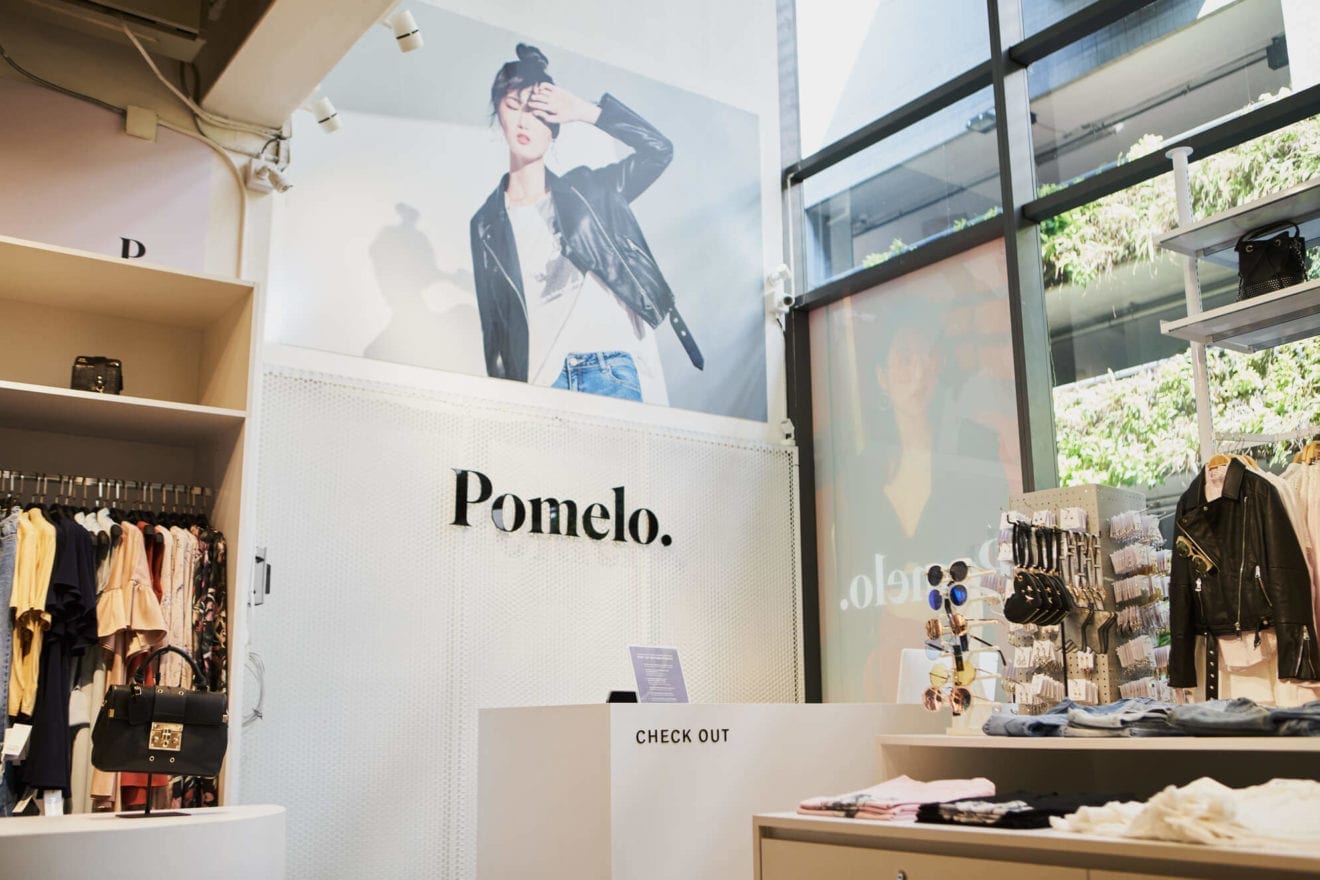
    Bangkok-headquartered omnichannel fashion company Pomelo has appointed Jim Boland, former RedMart CFO, as its new CFO.

    Boland has successfully led finance organisations in fast-growing e-commerce businesses for more than 19 years in leadership roles at Amazon, Dell and Alibaba-owned RedMart. His appointment will see him aiming to build up Pomelo’s financial infrastructure to drive profitability while enabling rapid growth across the region.

    “I am delighted to join this innovative company, which has designed a business model strategically suited to grow fast and profitably,” said Boland. “As a digitally native, vertically integrated omnichannel brand, Pomelo presents an exciting opportunity to leverage my past experience with vertical integration, retail, and e-commerce, especially during the critical scaling up phase.”

    With Boland’s new role as CFO, Pomelo’s co-founder and former CFO Casey Liang is transitioning to Pomelo’s growth team, which encompasses the performance-marketing and business-intelligence teams, a cross-functional unit that will work closely with other teams to accelerate customer acquisition and retention.

    “As we continue in this period of rapid expansion, I am excited to foster more coordination between our creative and technical teams to further accelerate our growth rate and help more customers to experience Pomelo’s unique value proposition,” said Liang.

    Pomelo’s CEO David Jou expressed excitement at the hire as the firm pursues building the “first global fast fashion brand out of Asia”.

  • Pomelo Fashion Beefs Up Management Team with Key Hires from Across SEA

    Pomelo Fashion Beefs Up Management Team with Key Hires from Across SEA

    Pomelo, a leading omnichannel fashion company headquartered in Bangkok, announced the appointment of Jim Boland, former CFO of RedMart, to Pomelo’s core team as its new CFO. As part of Pomelo’s strategic approach to recent key hires, Boland’s appointment will see him
    building up Pomelo’s financial infrastructure to drive profitability while enabling rapid growth across the region. Boland has successfully led finance organisations in fast-growing ecommerce businesses for over 19 years in leadership roles at Amazon, Dell and Alibaba-owned RedMart.
    ”I am delighted to join this innovative company which has designed a business model strategically suited to grow fast and profitably.

    As a digitally native, vertically integrated omnichannel brand, Pomelo presents an exciting opportunity to leverage my past experience with vertical integration, retail, and ecommerce, especially during the critical scaling up phase.” said Boland. With Boland’s new role as CFO, Pomelo’s Co-founder and former CFO, Casey Liang transitions to enhance Pomelo’s growth team which encompasses the performance marketing and business intelligence teams. This cross-functional team will work closely with the engineering, design, and product teams to accelerate customer acquisition and retention.

    “As we continue in this period of rapid expansion, I am excited to foster more coordination between our creative and technical teams to further accelerate our growth rate and help more customers to experience Pomelo’s unique value proposition“ said Liang. Commenting on Pomelo’s spate of new hires, David Jou, CEO of Pomelo says “We’re excited to have Jim on-board as we continue on the path of building the first global fast fashion brand out of Asia.” Jim Boland’s appointment reinforces Pomelo’s commitment to investing in key talent across Southeast Asia.

    In Q4 2018, Pomelo also welcomed aboard Cathriona Nolan as its AVP of Creative Operations, and Vorada Hiransomboon as its AVP of Buying. Previously from Burberry, Nolan brings extensive creative experience in brand development and marketing to the table to strengthen Pomelo’s creative direction, while Hiransomboon, most recently former Head of Buying at Inditex, leads the buying and merchandising team with her keen knowledge of market trends and efficient supply chain management.

  • SingPost Looks to Plug Last-Mile with More Delivery Options

    SingPost Looks to Plug Last-Mile with More Delivery Options

    The resurgence of e-commerce in Southeast Asia has helped mitigate the decline in postal mail volumes, but it has also raised last-mile delivery challenges. To address this, Singapore Post (SingPost) is looking to build up its network and offer more options for consumers to receive and send packages.

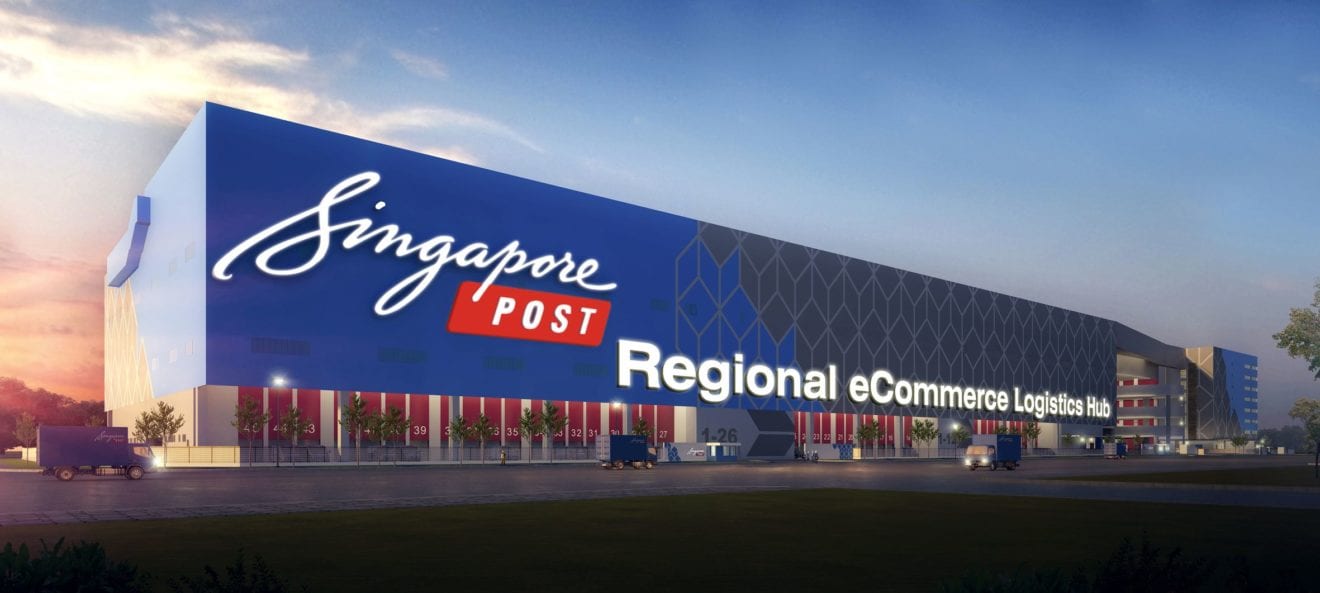
    Established more than 160 years ago, SingPost in 2016 launched its Regional E-commerce Logistics Hub, which has a sorting capacity of 100,000 parcels a day. Parcel volumes in November 2018 climbed 25% year-on-year and the highest volume of parcels processed in one day clocked at 40,000. During the peak period of November to December 2017, some 2,700 tonnes of parcels were delivered.

    In this Q&A with Retail News, SingPost’s group chief digital and technology officer Alex Tan discusses how the postal service provider has been working to keep pace with the region’s e-commerce boom and address challenges in last-mile delivery.

    In what ways have the rise of e-commerce impacted SingPost and the company’s growth and technology roadmap?

    Alex Tan: E-commerce presents a huge opportunity for us and we are driving a lot more e-commerce traffic through our postal and logistics networks. This mitigates the decline in letter mail volumes that is seen all over the world.

    It’s also why we are progressing on a three-year transformation strategy to shore up our footprint in e-commerce logistics. Our vision is to be the regional last-mile delivery and urban logistics platform of choice for Southeast Asia. Our current suite of e-commerce logistics solutions includes frontend web management, warehousing and fulfilment, last-mile delivery, and international freight forwarding.

    In November 2018, we unveiled our latest next-generation logistics platform Last Mile Platform (LaMP), which consolidates various last-mile delivery services such as courier services, parcel lockers, and brick-and-mortar collection points, onto a single platform. Being technology-agnostic, LaMP can integrate services from different retailers and logistics providers to provide greater convenience, flexibility, and control to customers.

    The platform is also location-agnostic and can connect last-mile partner services across Southeast Asia. Through LaMP, retailers can offer their customers the ability to receive their online purchases via any last-mile delivery node in the network, in any country within the region. Consumers may even redirect en-route deliveries to an alternative delivery node on the platform.

    In 2016, we also opened our SGD$182m (£104.08m) Regional E-commerce Logistics Hub, which is fully automated and harnesses the latest warehouse fulfilment and parcel sorting technologies, integrating warehousing and parcel sortation systems for greater efficiency.

    We are also building on our partnerships with our major shareholders, Singtel and Alibaba Group, working closely with them on cross-border e-commerce and digital innovation, in areas such as big data, warehouse robotics, and artificial intelligence (AI).

    There has been numerous customer feedback on SingPost’s delivery service, most of which revolved around non-deliverables or failed/missed deliveries even when the recipient was home. What challenges does SingPost face in fulfilling the last-mile delivery component, which is especially crucial in e-commerce, and how are you looking to resolve these with technology?

    Providing integrated solutions for last-mile delivery is one of the biggest challenges faced by postal and logistics providers. To improve the last-mile delivery experience, we have installed over 160 POPStation parcel lockers across Singapore. These enable our customers to collect, return, and ship parcels at their convenience. In addition, we are working with the Infocomm Media Development Authority on a pilot for the Locker Alliance, an open access delivery network of 43 lockers in Punggol that residents can use to receive and return parcels conveniently, regardless of which logistics firm handles the delivery. We continue to expand on our network of parcel lockers, installing them in more housing estates and developing new features that facilitate e-commerce services beyond online shopping.

    To enhance customer experience, service quality, and operational efficiency, we launched SmartPost in November 2018, which is an integrated suite of solutions that harnesses mobile and digital technologies. In the current phase, it enables better tracking of deliveries and electronic signing-over of registered mail. It also upskills our postal staff with new tools and technologies that elevate their efficiency and capabilities. To date, we have equipped all of our 1,000 postal employees with a proprietary mobile app that works with Near Field Communication (NFC) tags installed at around 15,000 delivery points across the island.

    Looking ahead, we are working towards providing delivery alerts and status updates to customers via SMS or email, as well as electronic notifications, to collect missed deliveries – replacing physical delivery notes that are currently used.

    In addition, LaMP will augment the online shopping experience, empowering customers with greater choice of delivery options and collection locations, including the option to make changes while a delivery is underway. Leveraging AI, LaMP will soon provide customers with SMS alerts half an hour before their courier arrives.

    With customers today wanting a more seamless, digital experience, we are expanding our Smart Post Office network, which combines our physical branch network with our SAM Omnichannel platform, It comprises self-service kiosks, mobile app, and web portal.

    How has the introduction of drone deliveries improved the last-mile fulfilment? Can you provide an update on SingPost’s deployment of drone deliveries?

    There is huge potential in UAV (unmanned aerial vehicle) technology to provide game-changing urban logistics solutions for last-mile e-commerce and mail delivery in the future. We are working with Airbus’ Skyways project to explore how drones can be used to move collect and deliver items autonomously within cities. After a successful flight demonstration in February 2018, we are working towards operating a trial e-commerce delivery service at the National University of Singapore in the coming months.

    Alibaba made significant investments in SingPost in 2014 and 2015. How have the funds been deployed and how has the partnership materialised in terms of the number of deliveries SingPost fulfils from Alibaba’s online marketplaces?

    We have been working closely with Alibaba and its extended ecosystem, which includes Cainiao Network, 4PX, and Lazada.

    Together, Alibaba and its ecosystem have brought in significant cross-border e-commerce volumes for SingPost. We also are collaborating with Alibaba and its technology affiliates on several projects involving AI, warehouse robotics, big data, and cloud computing with the aim to create more opportunities for us to digitally transform our business.

    Alibaba’s investments into SingPost are focused on strengthening our regional e-commerce logistics infrastructure and network, so we can grow and enhance our e-commerce logistics capabilities to better serve the region’s rapidly growing online retail markets.

    What new technologies are you looking at in the next year and how will these be deployed at SingPost?

    We are integrating AI into LaMP to provide parcel traceability and reliability for our customers across Southeast Asia.

    The platform will be able to autonomously plot optimised courier delivery routes based on multiple factors such as parcel destinations, customers’ preferred delivery times, and real-time ground data including traffic and weather conditions. It will be able to analyse and proactively alert all stakeholders on courier movements, and allow customers to receive an alert half an hour before their parcel arrives. This a significant improvement in terms of convenience, especially in dense cities such as Bangkok and Jakarta, where customers are typically provided vague parcel arrival times due to myriad reasons such as traffic jams and extreme weather conditions. On LaMP, all of these will be managed from a single screen called the ‘control tower’, providing enhanced visibility and connecting multiple GPS-tracking systems and APIs.

    On a personal note, when you buy something online, what kind of services do you think these sites should provide in terms of delivery/logistics?

    People want flexibility and control, whether it is choosing the time and location or the mode of delivery, and with the option to change your mind along the way. There is growing agnosticism with regards to geography, where e-commerce shoppers want to be able to shop at online stores in any country and expect a seamless experience no different from buying on a domestic website.

    This calls for a transformation of the logistics industry, and it is why SingPost is harnessing digital technology across the entire supply chain – from transforming our last-mile infrastructure for greater efficiency and responsiveness, to creating agile and open platforms that integrate delivery networks across organisations and geographies.


  • Looking at Omnichannel presence in India: IKEA

    Looking at Omnichannel presence in India: IKEA

    Swedish home furnishings major IKEA Thursday said it plans to have an Omnichannel presence in India going forward, reiterating its long-term commitment to the country. Last year, the company opened its first store in Hyderabad, spread over 13 acres of land and has a built up area of 4 lakh sq.ft. “We are long term committed to India. We are planning to have omni-channel presence here. We will have three formats — big stores, online and smaller stores here,” Peter Betzel, CEO, IKEA India said.

    According to a report, the presence in three formats is to bring the customers closer, he added. The Hyderabad store is the first of 25 such outlets planned to be set up in India by 2025.

    The company will be opening big stores in India, starting with a store in Mumbai this year, followed by one in Bengaluru in spring-2021 and then in Delhi-NCR, Betzel said.

    However, he did not provide any timeline for the opening of the store in Delhi.

    IKEA will have its online presence in Mumbai and will also expand smaller stores category there, he added.

    When asked how the company plans to fund the expansion, Betzel said: “It will be through our own money.”

    In 2013, IKEA received nod from the government to invest Rs 10,500 crore in single-brand retail out of which it had invested Rs 4,500 crore in its different ongoing projects in India.

    IKEA has been present in India for 30 years, sourcing many different products for IKEA stores worldwide.

  • Suning develops omnichannel smart retail through Wanda department stores

    Suning develops omnichannel smart retail through Wanda department stores

    Suning.com, the Fortune Global 500 retailer owned by Suning Holdings Group, one of the largest commercial enterprises in China, recently announced the establishment of its Department Store Group. It will focus on professional operations of fashion department store business to strengthen its full-scenarios development in online-and-offline smart retail and improve the shoppers’ experience.

    The Company will also acquire nationwide all Wanda Department Stores, belonging to Wanda Group, the large Chinese commercial real estate developer, to expand its bricks-and-mortar retail portfolios and facilitate the all-categories merchandise supply chain to satisfy more local consumers and boost Chinese retail market profits.

    As the leading omni-channel smart retailer in China, Suning.com has always been committed to building a full-scenarios retail ecosystem both online and offline to create diversified shopping experiences visible and ready to serve consumers anytime and anywhere. The establishment of the new group with acquisition of Wanda Department Store is expected to further reinforce Suning.com’s offline advantages, improving its overall retail network resources and increasing the business potential of the Company to develop new business opportunities of all-categories merchandise operation, especially of fashion, lifestyle products and fast-moving consumer goods.

    The 37 Wanda Department Stores are located in first- and second-tier cities in China, with more than 4 million registered customers. Through the deal, Suning.com will also bring its powerful technology capabilities such as data learning, artificial intelligence, IoT to accelerate the digitization of operation management for traditional department stores to increase the overall service experience and profitability of the industry.

    Zhang Jindong, Chairman of Suning Holdings Group said: “The prosperity of the physical retail industry must not only rely on the traditional model and experience. It needs to embrace innovative technology and market concepts to continuously create quality and customized services for consumers.”

    Suning and Wanda has built a strategic cooperation since 2015 and strengthened the partnership in 2018 with the former’s acquisition of a tiny stake in the latter’s commercial management subsidiary.

  • Today’s demanding consumers need tech-savvy food retailers: Walmart India CEO

    Today’s demanding consumers need tech-savvy food retailers: Walmart India CEO

    Food is the largest retail consumption category in India, accounting for 33 percent of the overall consumption expenditure. It is also the largest opportunity area, especially in times when market dynamics are changing dramatically, and consumer behaviour is no longer generic.

    Indian consumers are becoming more and more indulgent with food (and vegetables), and they are experimenting with new and foreign cuisines; they are seeking variety and are open to international brands. They profess to enjoy foreign food and are ready to pay more for premium or organic food items. This is a huge shift from the last decade.

    The changes to Indian consumer behaviour are being driven by increasing incomes, younger profiles of consumers and growing access to the Internet.

    According to Krish Iyer, President & CEO, Walmart India and Chairman of India Food Forum, the key trend certainly is for on-demand food.

    “There are a lot of pressures on the disposable income of the consumer. Factors like rising costs of real estate and the need to invest in health – important today because of the awareness and education on health are taking away good chunk of consumer’s disposable income and the expectation of value is increasing,” Iyer said on the sidelines of India Food Forum 2019.

    Expectations, he said, have built up because the consumer has a lot of options, making him more demanding of quality and other conveniences. “Today’s consumer is time-starved. Working couples want ready-to-eat, on-the-go and on-demand food, and this is driving a lot of consumption,” he added.

    To meet the shift in consumer demands, FMCG players are gearing up make the changes in their retail stores.

    Share of E-Commerce in The Retail Pie

    Iyer stated that the share of e-commerce is set to rise over the next 10 years aided by a rise in the Omnichannel format. This, despite the growth in brick-and-mortar retail from 2 percent to 12 percent.

    “What works for today’s FMCG players is a ‘go-to market (GTM) strategy’. This is particularly true for small and medium enterprises who want to launch products. Since GTM is more about digital first, they use the opportunity to connect with consumers in today’s highly connected phygital environment,” he said, talking about the big change which the FMCG sector is witnessing today.

    He stressed on the fact that it is extremely important to bridge the gap between physical and digital retail, especially since the consumer is going digital in terms of experience as also his touchpoints.

    Tech-Savvy CX At Walmart

    Sharing his insights gleaned from years at being at the helm of Walmart India, Iyer explained that that by enriching customer experience, Walmart has observed that the consumer has started purchasing more using the Omnichannel format – Rs 180 over Omnichannel versus Rs 100 spent at the physical store.

    While citing technology adoption as the key to retail growth, Iyer also talked about the four key challenges that retailers need to face head on: food security, safety and nutrition, food wastage and sustainability.

    “Feeding a rising world population of 10 billion, amid rising deaths of infants due to malnutrition and changing climatic conditions are key challenges. In India, phenomenal efforts are made on the regulatory front for safety and nutrition that will follow with awareness, compliance and enforcement of law. Significant investment amounting to Rs 92,000 crore in food processing in catchment areas is needed to overcome the wastage of 30 percent of all food and 40 percent of fruits and vegetables in the country,” he concluded.

  • GreyOrange to launch new products at LogiMAT 2019

    GreyOrange to launch new products at LogiMAT 2019

    Robotics and warehouse automation company, GreyOrange, will launch its new modular sortation system and demonstrate upgraded versions of its Butler and PickPal at LogiMAT 2019, the 17th International Trade Fair for Intralogistics Solutions and Process Management in Stuttgart, Germany on 19-21 February.

    Nowadays, retailers and logistics businesses face many new kinds of complexities and challenges due to the unprecedented growth in volumes, combined with the volatility of peak periods and increased pressure to cut operational costs. GreyOrange will present a portfolio of AI-powered solutions that bring Flexible Automation to life; it reduces complexities and delivers maximum productivity, from inventory management and picking to sortation.

    Sid Chatterjee, Vice President – Products, GreyOrange, said, “The GreyOrange solution portfolio offers a strong business case for Flexible Automation. In the past year it has been adopted globally by industry-leading players in retail, 3PL and e-commerce. At LogiMAT we will demonstrate how our new solutions can help address the complexities of retail distribution. We invite everyone to visit our booth to get a hands-on demo to see how higher throughput can be achieved.”

    The new GreyOrange modular sortation system, designed for flexibility and portability, comprises modular components that deliver significantly higher throughput per unit area; it improves space utilization and reduces operating costs. The AI-enabled robotics system can be easily scaled making it more investment-friendly and usable for a range of applications across retail and logistics industries.

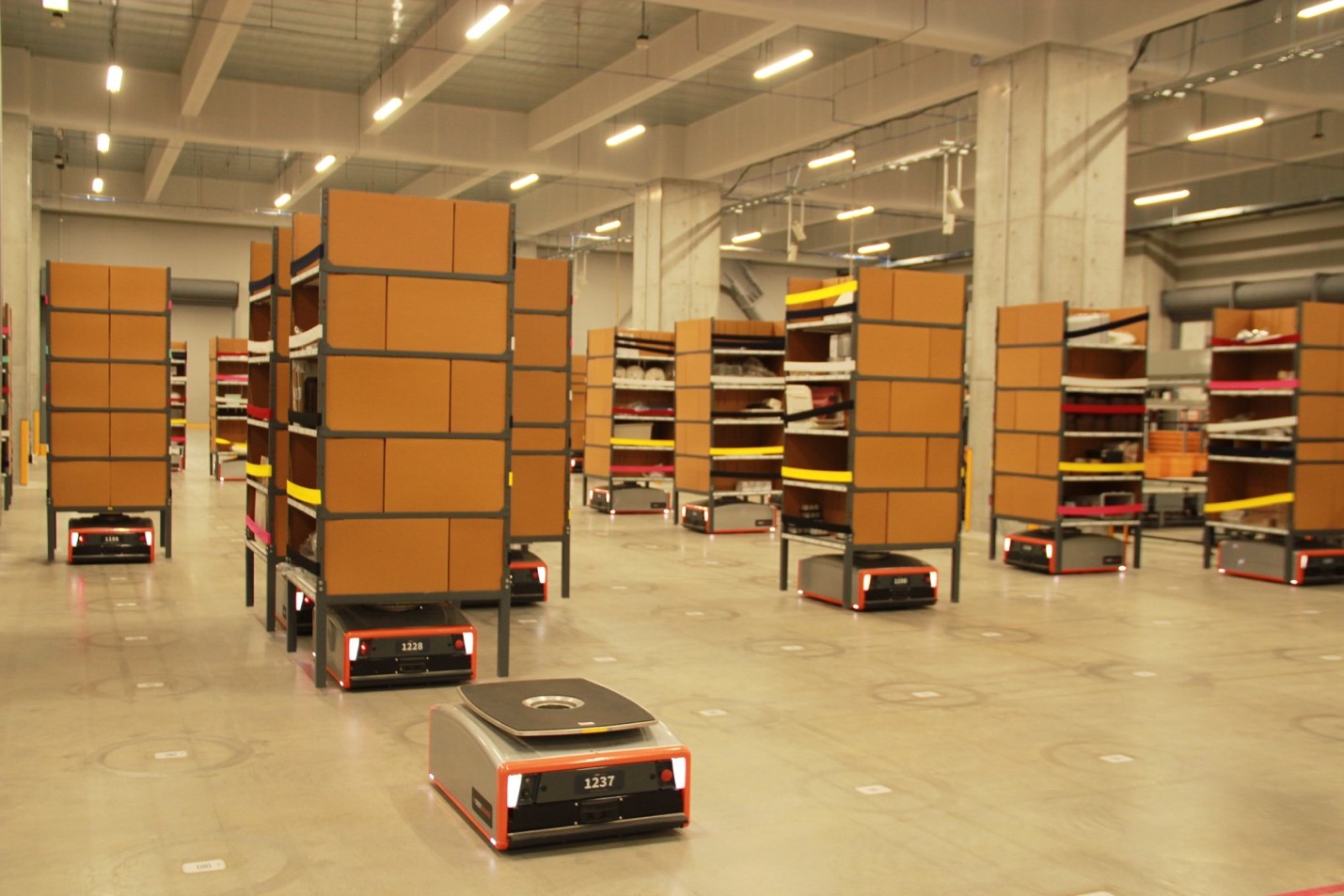
    In the demo of the GreyOrange Butler goods-to-person system, visitors will see how this robotics solution uses an AI-first approach to optimize order fulfillment processes from inventory management to order picking. It has been deployed in distribution centres in Japan, India, Europe and the Americas across industries such as 3PL, e-commerce, electronics and retail. Additionally, the Butler PickPal handles high-speed auto-fulfillment with AI-powered shelf picking.

    GreyMatter, the Warehouse Execution System, is the software platform developed by GreyOrange to make flexible warehouse automation a reality, and address the complexities of warehouse operations caused by ever-changing retail trends. By connecting people, processes and material more efficiently using Artificial Intelligence and Machine Learning, it provides granular control and visibility across warehouse processes and enables systems to adapt flexibly to changing business demands.

  • Strategies that will differentiate leaders in Indian retail in 2019

    Strategies that will differentiate leaders in Indian retail in 2019

    Indian retail industry has seen tremendous transformation and growth in the last few years and has become one of the most favourable market for global investment. The vibrant industry, hugely shaped by changing policies and consumer behaviour is adopting technology not only to understand changing consumer preferences but also to enhance shopping experiences. Innovations have defined a gradual shift in how companies approach retail altogether.

    Technology disruptions have taken all industries in its stride and the cash and carry business is no exception, despite it dealing with B2B customers. Technology has been a pivot for the creation of personalised, ‘instant’ buyer experiences. The players who leverage technology well will be industry leaders of the next decade.

    As we have stepped in 2019, here are some retail trends that will make news this year.

    Integrated Omnichannel presence for retail analytics – Omnichannel in retail has been a high talk point and some retailers have successfully expanded their presence across platforms. However, integration is the key to success in this game. Unless the platforms are integrated, they will present an inconsistent experience to the customers, creating confusion about the product, pricing and promotions.

    Besides ensuring an unswerving experience, a bigger advantage of an integrated Omnichannel approach would be to share and cross-leverage customer behaviour data. For instance, if a customer has a specific purchasing pattern for a product offline, the retailer can use these insights for targeted marketing on various digital platforms. It will not only help the shopper find what they need but also help the retailer generate higher sales through relevant product suggestions and repeat business.

    Shaping in-store experience through proximity marketing – Internet of Things has transformed many industries and has the potential to enable real-time interaction between retailers and consumers, providing them with a truly connected experience. It not only brings about a seamless experience but also enable guided discovery and shopping, using a network of beacons in store. These beacons can help retailers in marketing, mapping the consumer movement patterns and time spent at various sites, in-store messaging, building consumer loyalty etc. This will offer the opportunity to revolutionise in-store experience for consumers.

    Increasing focus towards sustainability – The consumer dynamics have evolved considerably over the last few years. They feel connected to a company or a brand that helps them contribute to social and environmental issues. The inclination of Indian consumers towards building a sustainable future will provide an edge to brands operating sustainably.

    The dynamic regulatory environment and shifting consumer preferences are making it imperative for retailers to decrease the social and environmental impact of their operations. Companies will be seen instituting practices and initiatives to address this need, and, the players who will ace this, will be the most preferred brands for consumers in the future.

    Decreasing wastage, promoting recycling and energy conservation will be certain immediate outcomes of bringing sustainable practices within business operations. Over a longer period, the impact of sustainability will run much deeper, with local community engagement and expected economic benefits.

    Employing Blockchain to enhance credibility through responsible and ethical sourcing –Blockchain technology helps retailers with core functions including supply chain management, inventory management, authenticity verification, auto-renewal and subscription services, customer data and loyalty programmes. However, the key benefits that the technology is delivering to retailers are to ensure authenticity and improve accuracy in tracing the origin of any product swiftly.

    Incorporating blockchain technology will enable retailers to track data right from sourcing stage to customer purchase while ensuring authenticity for their customers. It will also help establish sustainable sourcing practices being followed by the company, making a stronger connect with the millennial consumer.

  • DB Schenker signs a MoU for logistics centre in China

    DB Schenker signs a MoU for logistics centre in China

    DB Schenker, one of the world’s largest logistics service providers, and the Eastern China city of Changshu signed a Memorandum of understanding for the establishment of a state-of-the-art logistics center in the Changshu Economic and Technology Development Zone.

    Due to its convenient location near the metropolitan areas of Shanghai, Suzhou and Wuxi, and its proximity to the deep-water port of Yangshan as well as to a new port currently developed on the Yangtze River near Changshu, the city is a strategic location for a logistics center. Moreover, DB Schenker will be the first international third-party logistics provider (3PL) with a fully owned logistics site in Changshu.

    The new facility will provide state-of-the-art logistics and supply chain management services with a high level of automation to customers from the automotive and healthcare industry as main target group as well as to companies from other industry sectors situated around the Yangtze River Delta and Greater East China Region. The construction start of the center is scheduled for the end of 2019 with duration of two years.

    “After our strategic investment in a logistics center in Pinghu in July, the logistics facility in Changshu will be our second 100% owned distribution center in China. Both facilities complement our local growing warehouse portfolio with existing presence and partnerships with warehouses in Beijing and Shenyang”, says Christopher Pollard, CEO Greater China, Schenker China Ltd.

    With over 50 years of experience in China, DB Schenker is one of the biggest 3PL companies in the local market offering extensive air, ocean, road and rail freight services, as well as integrated contract logistics service and supply chain management.


  • Chinese e-commerce policy to benefit foreign sellers

    Chinese e-commerce policy to benefit foreign sellers

    The Chinese government last week announced that it will improve its e-commerce retail import policy to boost consumption. “We need to take a holistic approach, exercise prudent yet accommodating regulation to fully unleash the growth potential of cross-border e-commerce,” Li Keqiang, Premier of the State Council of the People’s Republic of China, said at a cabinet meeting on November 21, when the policy was laid out.

    The policy has been cheered by Australian exporters to the market, such as AuMake, the ASX-listed retail company that connects local suppliers with Chinese personal shoppers, daigous, who buy and ship products on behalf of friends, family and customers in China.

    The retailer released a statement on Friday saying the new policy is expected to stimulate daigou activity through 2019.

    The new policy ensures that China’s existing approach to cross-border e-commerce continues, and no new requirements around licensing, registration or record-filing for first-time imports will apply to sales through cross-border e-commerce platforms, as was expected to apply from January 1, 2019. Instead, these goods will continue to receive the more relaxed regulation for personal use imports.Adtech Ad

    The Chinese government is also expanding its preferential import duties to another 63 tax categories of high-demand goods and increasing the quota of goods eligible from 2000 yuan to 5000 yuan per transaction, and from 20,000 yuan to 26,000 yuan per head per year. This quota will be further adjusted in light of an individual’s personal income.

    “AuMake welcomes the latest development to further stimulate the CBEC [cross-border e-commerce] with the continuation of current licensing requirements, extension of tariff/VAT/consumer tax concessions and value per transaction/head limit also being increased,” the retailer said in a statement.

    “These measures are anticipated to increase the total size of the CBEC and it is anticipated that legitimate cross border e-commerce participants, including AuMake and professional daigou, will increase their market share as illegitimate operators are phased out with increased regulation.”

  • IGD predicts five trends set to shape retail in 2019

    IGD predicts five trends set to shape retail in 2019

    Seamless in-store shopping experiences coupled with innovative advances in technology are among IGD’s five key retail trends for 2019. “Next year’s biggest trend of all is likely to be the continuation of rapid and radical change in the food and grocery industry,” said Toby Pickard, head of insight, innovation and futures at IGD.

    “We have already seen a significant pivot towards innovative new technology, and there is no sign of this letting up next year. Shoppers’ expectations have changed, and the retail and grocery sectors are working to meet those expectations in every area of business,” he said.

    IGD’s five key retail trends for 2019 are:

    Data dictates the way: This year has seen data become more valuable to the retail sector than ever, with 46 per cent of supply-chain experts now actively prioritising data-driven business. As well as helping to boost sales, accurate data will be vital for tools that allow retailers to understand customer behaviour – and reward their loyalty.

    Through customer datasets, artificial intelligence (AI) and machine learning in-store, retailers can target products and offers more effectively while maintaining appropriate stock levels and improving customer service. Insights gained through closer customer engagement will provide invaluable guidance to retailers looking to grow their businesses: making stronger connections beneficial to both groups.

    Doing good is good businesses: Companies will increasingly take the lead on sustainability while issues such as food waste and plastic pollution make headline news. This has translated to changing attitudes across the generations. Nearly three quarters (74 per cent) of UK shoppers say they have become more aware of the environmental impact of plastic packaging over the past year, and this has led to innovations such as biodegradable wrapping and plastic-free supermarket aisles. Retailers are no longer thinking about just reducing waste, but want to make a positive, tangible contribution. The next wave of innovative and leading retailers and brands will move beyond reducing their impact.

    Seamless stores: Physical stores will offer a much more digital experience next year, by using technology to make it easier for customers to find items and gain more product information. Some 85 per cent of UK shoppers would like to see the roll out of more in-store technologies. This should lead to a faster shop for many, where searching aisles and shelves for the right item is replaced by an app that guides shoppers to where they want to be.

    “Physical stores offer customers a more tangible shopping experience, where they can see products before they commit to purchase,” sais Pickard. “This gives these spaces an advantage over online providers, and we are seeing stores begin to capitalise on that and add in extras to incorporate more of the benefits of online.

    “A recent example of this is Il Viaggiator Goloso, a premium Italian brand, which has enabled its electronic shelf-edge labels to show the online reviews and scores products have received. This gives customers a more informed choice in store.”

    Help me be healthy: Most shoppers aspire to eat and live well, with 85 per cent saying they are actively trying to improve their diet, but aspirations don’t always translate into action. “We believe shoppers will be more health conscious going forward, so supporting them to both look and feel good will be a major priority for retailers and their suppliers. This means that both consumers and businesses will be thinking more about wellness and the role of retail in promoting cleaner living going forward,” says Pickard.

    Anywhere, anytime: IGD expects innovative new social-commerce solutions to emerge throughout next year. Retailers and suppliers will deliver targeted marketing, and new ways to make online shopping more social, instantaneous, and convenient.

    “Next year, we will see retailers think increasingly about making every moment shoppable,” says Pickard. “A recent innovation was EasyJet making it possible for Instagram users to find and book holidays to new destinations, simply by clicking on a photo they have seen. Whether through targeted marketing or simple ways to make purchasing more seamless, shopping is becoming not just more convenient but more instant as well.”

    IGD says shopping will become seamless and omnipresent, with people no longer needing to visit a retailer’s online store. As they look at pictures, watch videos or TV they’ll be able to just add products to a shopping cart.

    “This has the potential to change the way that retailers think about selling in the future.”

  • Fung Retailing, Alibaba to collaborate bringing lifestyle brands into China

    Fung Retailing, Alibaba to collaborate bringing lifestyle brands into China

    Fung Retailing and Alibaba have formed a strategic partnership to launch more international lifestyle brands in Mainland China. The partnership will bring closer Alibaba’s 600-million user base and Fung Retailing’s 3000+ network of stores across Greater China, UK, France, South Korea, Singapore, Malaysia, Thailand and the Philippines. Its partly- or majority-owned businesses include Circle K and Zoff (under Convenience Retail Asia), Trinity, Toys R Us, Suhyang Networks, the UCCAL Fashion Group and Branded Lifestyle Holdings.

    The Fung Retailing and Alibaba collaboration aims to meet the increasing demand of Chinese consumers, building on the strengths of both parties in online and offline retailing, the two companies said in a statement. At the same time, it will better serve global brands by leveraging Fung Retailing’s global portfolio of brands, offline retail channels and marketing know-how, as well as Alibaba’s ecosystem, digital retail leadership, technology, and consumer insights.

    “That will help global brands tailor their product development and marketing strategies to meet the ever-changing needs of Chinese consumers,” the statement said. “The brands can also draw on Alibaba’s new retail channels, including Tmall and Intime, as well as Fung Retailing’s offline stores, thereby reducing costs, risks, and the time traditionally associated with entering the China market.”

    Photo: At the Fung Retailing and Alibaba MOU signing ceremony this week, from left: Sabrina Fung, group MD of Fung Retailing, Dr Victor Fung, group chairman of the Fung Group; Daniel Zhang, CEO of Alibaba Group; and Toby Xu, VP of Alibaba Group.

    Under a memorandum of understanding signed this week, both companies will join forces in global brand recruitment and offer brands merchandising, marketing and omnichannel distribution services. This collaboration will focus on the mainland China market as a first step, and potentially expand to other regions riding on Alibaba’s platforms.

    Speaking during the signing ceremony in Shanghai, Alibaba CEO Daniel Zhang said Alibaba wants to help global brands expand their foothold in China by fully integrating its New Retail capabilities, big data and technology with Fung Retailing’s “unparalleled advantages in brand and supply chain resources”.

    “We believe this partnership represents the beginning of a new chapter for New Retail.”

    Fung Retailing’s group MD Sabrina Fung said retail is changing exponentially, so it’s important to stay ahead of the curve, which this agreement allows the company to do.

    “Through this exciting strategic partnership with Alibaba, we will help customers navigate the full Chinese retail economy and reach China’s 1.4 billion consumers more easily. In this evolving retail landscape, and faced with changing consumer behavior and disruptive retail technologies, we are focused on developing new ways to do business,” she said.


  • UrbanFox Omnichannel 1st year looking good, plans ASEAN expansion

    UrbanFox Omnichannel 1st year looking good, plans ASEAN expansion

    UrbanFox, a subsidiary of Keppel Logistics, marks its first anniversary with stellar growth across all its services. Set to expand its regional footprint to cover Vietnam, Malaysia and Indonesia by 2019, UrbanFox aims to help brands tap into the company’s suite of omnichannel management and logistics solutions across the region as their businesses grow.

    One year since its official rebranding, UrbanFox has witnessed remarkable growth not only in its logistics solutions business but also with its digital e-commerce capabilities. Notably, the introduction of the proprietary Multi-Channel Commerce Platform (MCCP) for seamless integration and management of e-marketplaces (B2B, B2C, B2E) earlier this year has enabled UrbanFox to deliver growth through omnichannel capabilities to its clients.

    The growing popularity of e-commerce and multiple marketplaces presents new challenges and opportunities for retailers as well as logistics services providers. By leveraging UrbanFox’s MCCP and channel management capabilities, brands can seamlessly manage various point-of-sale and inventory, saving valuable time and resources and securing additional revenue streams.

    Since introducing the MCCP in March 2018, UrbanFox has seen its fulfilment business grow by over 200 percent. This part of the business provides end-to-end logistics services to prominent brands across all industry verticals. The company’s brand portfolio has grown to 270 brands and more than 17,000 assortments, from just 12 brands and 100 over assortments within the same period.

    Joe Choa, Managing Director of UrbanFox, said, “UrbanFox has seen remarkable growth and momentum over the past 12 months, and I would like to acknowledge the hard work and dedication of every member of the UrbanFox team. With our end-to-end capabilities and expanded regional presence, we are on the right track to fulfill our mission of helping businesses of all sizes to go beyond logistics to deliver growth and becoming the preferred partner in omnichannel management in the region.”

    UrbanFox offers a comprehensive suite of omnichannel logistics and channel management solutions that promises a seamless experience for brands and their customers. UrbanFox’s services include:

    • Channel Management, which enables brands to tap into multiple e-commerce channels and integrate marketplaces such as Lazada, Shopee, Qoo10, etc.
    • Omnichannel Logistics, which encompasses end-to-end fulfillment services, from one-stop warehousing solutions to real-time inventory management and more
    • Last-Mile Delivery, which leverages both owned and crowdsourced delivery partners to cater to businesses’ diverse delivery needs.


    The company has also significantly scaled its operations, infrastructure and team. The company’s full-time staff have more than doubled and moved into Keppel Logistics’ Tampines Logistics Hub in April, a new 400,000 sq. ft facility with warehousing infrastructure ready for high-volume omni-channel fulfillment with automation capabilities such as automated conveyor bin storage systems and automatic parcel sorting stations that can handle more than 1.2 million units of inventory and over 10,000 deliveries on a daily basis.

    To bolster delivery efficiency, in September 2018, UrbanFox announced its participation in a joint field trial with Fujitsu, SMU and A*STAR to enhance crowdsourced delivery in the market using Artificial Intelligence, as part of its push towards developing innovative ways to adapt to Singapore’s rapidly changing logistics landscape.

    With an eye on Southeast Asia, expected to become one of the world’s fastest-growing marketplace for e-commerce, UrbanFox will be tapping industry trends and expanding into key markets of Malaysia, Vietnam and Indonesia by 2019. Additionally, omnichannel management and logistics solutions will become even more crucial from the emergence of trends such as online-to-offline (O2O) commerce, as retailers explore new ways to ride the commerce wave.