Retail News CRM

Tag: omnichannel

  • Cashmaster Launches QR-Connect in APAC – New Integration Software Solution for Cash Management

    Cashmaster Launches QR-Connect in APAC – New Integration Software Solution for Cash Management

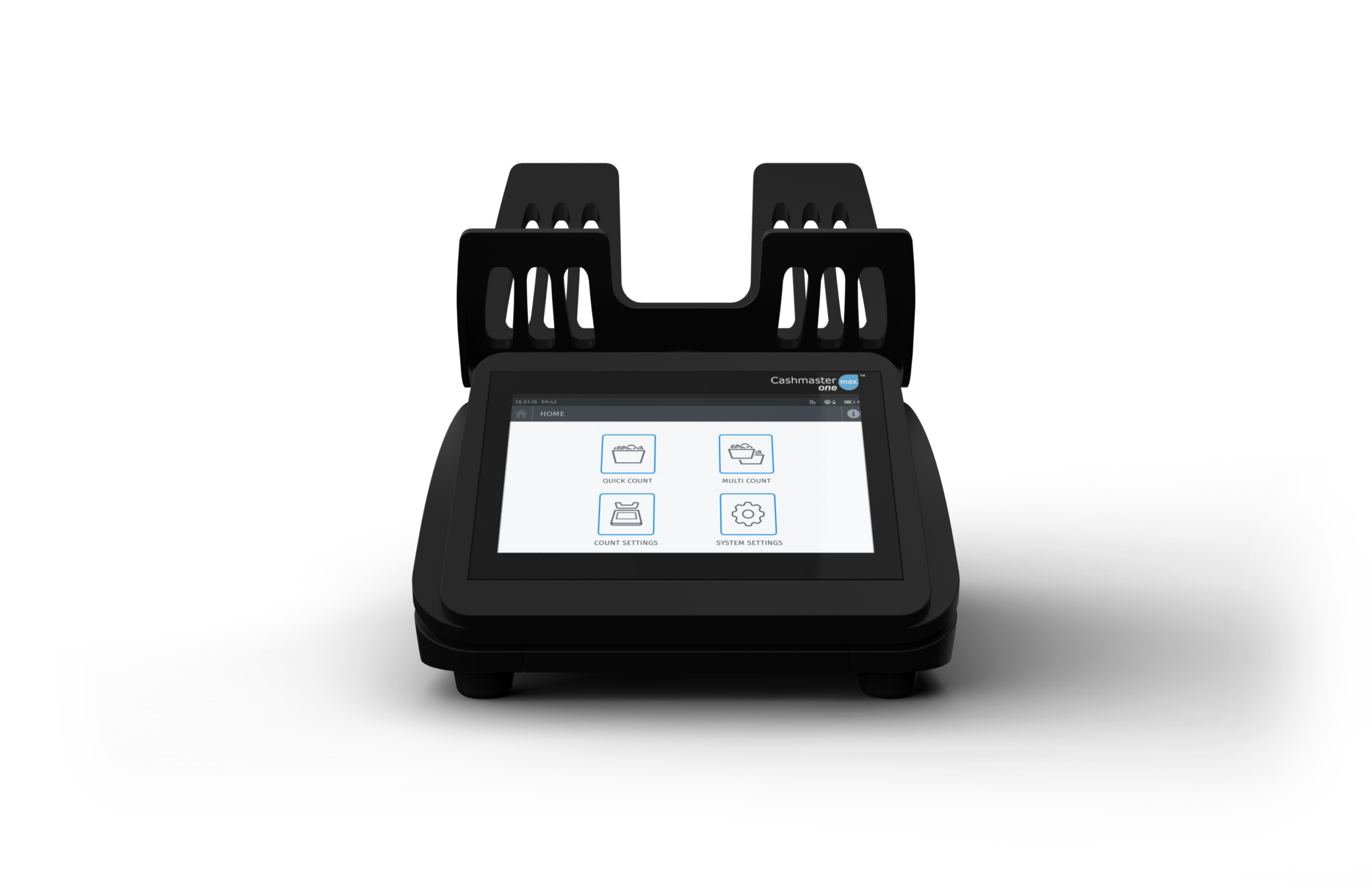
    Cashmaster Asia today announced the Introduction of Cashmaster QR-Connect, a QR code application providing enhanced software functionality for its Cashmaster One range of count-by-weight cash counting devices that offers an innovative, simple solution to integrating with back office or POS systems. When installed, count data is presented as a QR code on the display of the Cashmaster One device that can be scanned by a standard POS scanner or the camera of a mobile/tablet device.

    The count data is instantly transferred to the POS or other system. The QR code avoids the need for USB or ethernet cable connectivity between the POS and the Cashmaster Cash counter – effectively providing wireless transfer of the cash count (including vouchers/coupons in addition to notes and coins) as well as other information for process traceability, such as cashier ID and till ID.

    In a connected world, a deeper level of integration and seamless transfer of data to the POS is a growing requirement for Cashmaster’s clients. Its customers are looking to remove multiple levels of manual processing of data across their businesses in order to: reduce opportunities for errors; speed up the processing of data; give more real-time information that businesses can use to make better, faster decisions; and provide greater accuracy and accountability to their enterprises. Integration can be seen also as a key component in a loss prevention strategy.

    No matter the level of operation, these solutions provide data in a format that can be easily digested by cash management and analytics programs for big, medium or small companies. As competition increases, the rewards of deploying Cashmaster One and Cashmaster QRConnect can show directly in bottom line improvements. Gordon McKie, Group CEO of Cashmaster, commented, “Companies are under intense pressure to maximise income and improve efficiencies, while at the same time motivating staff. It’s a complex dynamic that Cashmaster understands; it has also been a powerful imperative for us in designing the intuitive technology for cash management that helps clients achieve those goals.

    “Solutions can be tailored to customers’ specific needs, from simple off-the-shelf tools requiring minimal customer resources to implement, to working with customers’ IT teams in providing more complex solutions. With a proven quick return on the initial investment to boot.”

    Cashmaster is a global company that specialises in the design and manufacture of count-by-weight cash counting devices using the most advanced touch-screen technology. The company has more than 30 years’ experience in creating innovative and reliable cash handling solutions for a wide range of international clients including supermarkets, convenience stores, retail, banking, fast-food restaurants and coffee shops.

    Website: www.cashmaster.com

    All trade enquiries for Cashmaster One:

    Tel (Hong Kong): +852 9334 8578; E-mail: [email protected]

    Tel (UK): +44 (0) 1383 416 098; [email protected]


  • Brooks Brothers Selects Manhattan Active Omni to Elevate Global Omnichannel Commerce

    Brooks Brothers Selects Manhattan Active Omni to Elevate Global Omnichannel Commerce

    Brooks Brothers, the oldest clothing retailer in the U.S., selected  Manhattan Associates Inc. (NASDAQ: MANH) to improve contact centre operations and deliver a seamless omnichannel shopping experience for customers worldwide. New York-based Brooks Brothers is deploying Manhattan Active Omni to fuel its “buy anywhere, get anywhere” customer experience platform across its full network of 300 retail locations.

    Brooks Brothers selected Manhattan Active Omni, which marries order management and store fulfilment applications on a single platform, to deliver superior product fulfilment across all channels. No matter how customers choose to shop, they expect their purchase experience to be positive, quick, and unified. The Manhattan Active Omni solution will provide Brooks Brothers associates with a 360-degree view of customer information and access to the company’s full network of inventory, enabling them to deliver a truly seamless omnichannel experience.

    “Brooks Brothers has been a leading provider of apparel for 200 years, and we take great pride in both the quality of our products and the customer experience we deliver,” said Todd Treonze, CIO, Brooks Brothers. “The Manhattan Active Omni platform will enable us to increase the level of service we provide by expanding our ‘buy anywhere, get anywhere’ offerings on a global scale and significantly improve the customer journey across channels. Working with Manhattan Associates will help us ensure that all our customers enjoy the type of shopping experience they desire, one that reflects the quality they have come to expect from Brooks Brothers.”

    A cloud-native, versionless and fully extensible offering, Manhattan Active Omni is always current and able to seamlessly scale to meet Brooks Brothers’ future needs. In addition to fuelling omnichannel growth, the platform will also help Brooks Brothers scale its flourishing uniform business.

    “Meeting the transformative demands of today’s omnichannel shoppers is perhaps the most significant challenge confronting modern retailers,” said Eddie Capel, president and CEO, Manhattan Associates. “Manhattan Active Omni helps iconic brands, like Brooks Brothers, remove boundaries across channels and capture the network-wide insight they need to consistently deliver high-level customer experience and maintain valuable brand loyalty.”

  • Luxasia revealed expansion plan to Australia and NewZealand

    Luxasia revealed expansion plan to Australia and NewZealand

    Luxasia, the leading omnichannel partner for beauty and luxury lifestyle brand distribution, retail, and e-commerce in Asia Pacific, has announced its expansion plans into Australia and New Zealand (ANZ) through the acquisition of a majority stake in fragrance and beauty distributor, Pacific SMM. This brings the expanding company’s regional presence to 14 countries, in line with their strategic plan to delight consumers with an omnichannel beauty experience and transform the beauty landscape in Asia Pacific.

    “We are excited by the immense potential of our partnership, given that Australia and New Zealand are mature beauty markets,” said Dr. Wolfgang Baier, Group CEO, Luxasia. “By combining Pacific SMM’s extensive market knowledge in ANZ with Luxasia’s end-to-end brand distribution and channel management competencies, Luxasia is well-poised to bring its repertoire of beauty brands to the ANZ market speedily and successfully.”

    Luxasia’s acquisition of the majority stake in Pacific SMM will be completed in October 2018, and would be renamed to Luxasia Oceania Pty Ltd. The newly established company aims to build upon Pacific SMM’s current setup with experienced team members, innovative retail concepts, e-commerce best practices, as well as an efficient back-office and supply chain management. Adding to the currently fragrance-heavy offering of Pacific SMM, Luxasia aims to bring ANZ consumers more skincare and cosmetics brands.

    “We have great admiration for the Luxasia team’s consumer-centric approach in brand distribution, having worked closely with them for several years across numerous brands,” said Mr. Nicholas Gorick, Managing Director, Pacific SMM. “Leveraging our collective strengths, we are confident that Luxasia Oceania will be a dominant force in ANZ’s beauty industry.”

  • Indonesian fintech startup Moka raises $24M

    Indonesian fintech startup Moka raises $24M

    Indonesia’s Moka, a startup that helps SMEs and retailers manage payment and other business operations, has pulled in a $24 million Series B round for growth.

    The investment is led by Sequoia India and Southeast Asia — which recently announced a new $695 million fund — with participation from new backers SoftBank Ventures Korea, EDBI — the corporate investment arm of Singapore’s Economic Development Board — and EV Growth, the later stage fund from Moka seed investor East Ventures. Existing investors Mandiri Capital, Convergence and Fenox also put into the round.

    The deal takes Moka  to $27.9 million raised to date.

    Moka was started four years ago primarily as a point-of-sale (POS) terminal with some basic business functionality. Today, it claims to work with 12,500 retailers in Indonesia and its services include sales reports, inventory management, table management, loyalty programs, and more. Its primary areas of focus are retailers in the F&B, apparel and services industries. It charges upwards of IDR 249,000 ($17) per month for its basic service and claims to be close to $1 billion in annual transaction volume from its retail partners.

    That’s the company’s core offering, a mobile app that turns any Android  or iOS device into a point-of-sale terminal, but CEO and co-founder Haryanto Tanjo — who started the firm with CTO Grady Laksmono — said it harbors larger goals.

    “Our vision is to be a platform, we want to be an ecosystem,” he told TechCrunch in an interview.

    That’s where much of this new capital will be invested.

    Tanjo said the company is opening its platform up to third-party providers, who can use it to reach merchants with services such as accounting, payroll, HR and more. The focus is initially on local services that cater to SMEs in Indonesia, but as Moka targets larger enterprises as clients, he said that it will integrate larger, global solutions, too.

    Moka offers services beyond point-of-sale, but the core offering is turning any smart device into a cash machine

    Moka itself is expanding its capabilities on the payment side.

    Indonesia, the world’s fourth largest country based on population and Southeast Asia’s largest economy, is in the midst of a fintech revolution with numerous companies pioneering mobile-based wallet services aimed at ending the country’s fixation on cash-based transactions. That’s mean that there are a plethora of options available today. Tanjo said Moka is working to support them all in order to help its merchants grow their businesses and consumers to have easier lives.

    There are so many wallets here in Indonesia,” he said. “There are more than 10 right now and maybe in the next few months there’ll be 15-20, we want to be the platform that works with all of them.”

    Already it works with the likes of OVO, T-Cash and Akulaku, and e-wallets including DANA and Kredivo. The startup is also working in another area of fintech: loans.

    As an extension of its platform, it has tied up with SME loan companies who can reach out to Moka businesses using its platform. With the merchant’s consent, Moka can provide business data — including revenue, profit, etc — to help provide data to assess a loan application. That’s important because the process is particularly challenging in Southeast Asia, where few organized credit checking facilities exist — it makes sense that Moka — which has built its business around encouraging business growth and management — uses the information it has access to help its partners.

    Tanjo said the company takes an undisclosed cut of the loan in cases where it has successfully connected the two parties. He said that he doesn’t expect that to initially become a major revenue stream, but over time he anticipates it will help its customer base grow and become a more important source of income for the startup.

    Sequoia India has some experience in POS startups having backed Pine Labs in India, which recently landed a big $125 million round from PayPal and Singapore sovereign fund Temasek. Still, there are plenty of local players across various markets in Southeast Asia, including StoreHub, which is backed by Temasek subsidiary Vertex Ventures, and Malaysia’s SoftSpace.

    While those two competitors have established a presence in multiple markets in Southeast Asia, Tanjo — the Moka CEO — said there are no plans to venture overseas for at least the next 12 months.

    “We’re still scratching the service,” he said. “So it doesn’t make sense to expand too soon.”

  • Tod’s And Mr. Bags Take Luxury Retail Omnichannel

    Tod’s And Mr. Bags Take Luxury Retail Omnichannel

    Luxury retail has run into a conundrum as digital channels and eCommerce continue to edge out brick-and-mortar shopping venues. Although eCommerce may not be replacing traditional retail just yet, it’s a channel that merchants can’t afford to ignore. Despite this widely accepted reality, many luxury brands have been doing just that: ignoring it.

    For many luxury brands, the in-store experience and presentation are part of the package. This has kept them from embracing omnichannel retail in the same way as some of their more affordable counterparts – which has been to their detriment, as shoppers are gravitating toward brands that meet them where they’re at, not the ones that require them to go find the brand in a retail setting.

    But all that may be starting to change as marketplace and eCommerce functions become more common across social channels such as WeChat, Instagram and Snapchat. Luxury is now beginning to find its way into the spheres where consumers are spending their time.

    Tod’s and Tao Liang Join Forces in Baoshop

    Exhibit A? Luxury brand Tod’s has jointly designed a limited-edition bag with Tao Liang, a.k.a. Mr. Bags: one of China’s most popular fashion bloggers and a powerful style influencer with 4 million social media followers. The product made its world premiere through a WeChat mini program called “Baoshop” on Tuesday, June 26.

    Baoshop is a limited-time exclusive pop-up shop customized by Liang just for shoppers. It’s designed to give them information about the product and a funnel to completing the purchase via WeChat Pay. In a press release about the bag’s world premiere, Liang said the mini program offers convenience and efficiency for shoppers while preserving the high-quality luxury experience.

    That could provide a major assist for luxury as a category as it looks to move sales from the physical to the digital world. There are definitely takeaways from Liang and Tod’s Baoshop that could be applied to any other market – though of course, each market has its own unique advantages and challenges that will factor into the success of such an approach.

    What it Means for the Worldwide Luxury Market

    The omnichannel evolution is underway in China’s luxury sector. Mini programs like the Baoshop by Liang and Tod’s have already become key elements as brands step up their digital game to connect with shoppers – but they are by no means the only ingredient in Chinese luxury’s recipe for success.

    The market has given birth to a unique economic model called the fans economy. Essentially, what happens in the fans economy is that influencers like Tao Liang act as middlemen between consumers and luxury brands. This gives luxury brands a lens into what potential shoppers are looking for and what their buying habits are like, enabling them to refine their interactions with consumers.

    Whether that can translate outside of China remains to be seen, but it’s definitely not out of the question. Every country has its fashion influencers, and every influencer has fans who will follow their style idols not only with their likes and re-posts, but with their dollars. So in that sense, a fans economy could be possible anywhere.

    However, it’s also important to consider the role WeChat has played in creating this economy. The company says it’s continually working to provide more and better digital toolboxes for brands, merchants and influencers, empowering them to serve their buyers and fans ever more directly.

    The soil may be fertile for a fans economy in the U.S., Europe, or elsewhere, but it may take efforts by a company like WeChat to truly make it grow.

  • Omnichannel Retail is Coming to Hong Kong

    Omnichannel Retail is Coming to Hong Kong

    The future of retail is about to be delivered to Hong Kong’s commercial developers, and it’s coming via the Internet, according to a report released today by property consultancy JLL.

    The company’s report on the city’s shopping scene, “Reimagining Retail – Bricks, Mortar and the Evolution of E-Commerce in Hong Kong,” forecasts that the value of Internet retail sales in the Asian financial hub will reach US$3.7 billion by 2021, nearly double the US$1.8 billion transacted in 2016.

    However, although government statistics forecast that e-commerce in Hong Kong will have grown at an average of more than 16 percent per year from 2016 through 2021, the burgeoning online sector will become a component in retailer strategies, rather than a replacement for in-store sales, according to the company’s analysts.

    Ecommerce Growth May Not Lead to Lower Rents

    “As the US and mainland China markets have seen an increasing number of vacant shops, together with the continuous growth in online sales, some of our clients start to worry that the demand for brick and mortar stores will diminish once Hong Kong’s online retail takes off,” said Denis Ma, Head of Research at JLL in a press conference held in Hong Kong.

    According to the report, some 90 percent of the city’s landlords believe online sales will grow over the next five years. However, despite a spate of cut-rate lease deals in a number of the city’s top retail locations, that may not translate into lower rents at Hong Kong’s malls.

    “We don’t see the growth in online retail to be a significant factor in influencing rents in the short term. Factors like the number of tourists coming to Hong Kong and unemployment rate are more relevant to the rental level,” said Eric Cheng, Local Director of Retail at JLL.

    Some of Hong Kong’s busiest shopping districts have witnessed sharp rent cuts during the past few months. In March, fashion brand Twist leased a two-storey shop at 24-26 East Point Road in prime shopping district Causeway Bay for 56 percent less than the HK$1.1 million monthly rent that the previous tenant had been paying.

    On Russell Street in the same district, which formerly ranked as the most expensive retail strip in the world, Swatch Group last month secured a 33 percent cut in it’s HK$1 milliion per month rent when it renewed a lease originally signed in 2015.

    HK Retail Goes Omnichannel

    While online retail may not mean an end to traditional shopping, landlords will have to be ready to accommodate retailers that are selling to consumers who use smartphones and desktops for their shopping as much as they rely on strolls through the mall.

    “The future of the retail market of Hong Kong lies in its evolution into omni-channel retailing,” Ma said at a media briefing on the report. “From our perspective, the growing popularity of mobile payments and wider adoption of big data analytics will move us in this direction, as well as enhancing the overall shopping experience of consumers. This certainly requires retailers and landlords, such as mall operators, to invest more heavily in technology.”

    Ma predicts that online retailers will look into establishing brick and mortar stores while existing physical retailers will open up online platforms in the future. “As the rental market is expected to bottom out within this year, our advice to retailers looking to move into bricks and mortar is that they should act fast. Because in a few months’ time, there will be fewer vacant shops available,” said Ma.

    Last year, Chinese phone maker Xiaomi opened two physical showrooms in Hong Kong after the tech unicorns sales had grown 40 percent in the city as of October last year. The Chinese firm originally adopted an online-only strategy by selling its products directly to customers online before it started opening brick and mortar stores in mainland China in 2015.

    Small Living Space Drives People to Malls

    Hong Kong’s Internet retail grew at a compound annual growth rate of 15 percent from 2011 to 2016, and is expected to grow by 16.1 percent in the next five years, data from the Hong Kong Trade Development Council shows. While the growth rate seems steady, the online retail market in the city remains underdeveloped. Online shopping will account for just 6.1 percent of the city’s total retail sales in 2021, well below the 17.3 percent average in Asia.

    The relatively slow expansion of the Hong Kong’s online retail industry is attributed in part to the city’s famously tight living quarters. With 80 percent of the existing private homes below 70 square metres (753 square feet) in area, people tend to spend their leisure time outside of their homes, often in malls, according to Ma.

    A high density of retail shops, poorly designed online platforms and an ageing population also hindered the development of online retail in the city, Ma added.

  • Kanmo Retail Group Digitises Retail Game with Capillary Technologies

    Kanmo Retail Group Digitises Retail Game with Capillary Technologies

    Capillary Technologies, a leader in omnichannel engagement and commerce solutions, has been locked in as the omnichannel partner for Kanmo Retail Group, which manages a portfolio of more than 70 brands across Indonesia, including Mothercare, Karen Millen, Coach, Justice and T.M. Lewin.Capillary will play a strategic role in supporting Kanmo Retail Group’s mission to provide outstanding retail experiences to customers through designing and powering the technology that enables the business to seamlessly connect online and offline customer journeys.

    As the Indonesian market charges towards digitising traditional retail stores and taking on an omnichannel approach, Kanmo Retail Group recognises the growing need to build a truly omnichannel system that puts their customers at the centre of everything they do.

    “Kanmo Retail Group caught on early to the fact that Indonesia is undergoing a digital boom. However, to truly yield results from our omnichannel strategy, we have to look beyond just engaging our customers through offline and online means. We have to take into consideration all customer touchpoints across our various brands and integrate them seamlessly onto a single platform,” said Bhavin Patel, Group Omnichannel Director at Kanmo Retail Group said.

    “Not only does Capillary helps to integrate all our existing systems and merge them into a single, omnichannel experience platform, they also provide us with the flexibility of scaling and easily deploying the solution accordingly. Additionally, the advanced AI-based reporting and actionable insights engine enabled us to analyse data across channels which in turn provide us business insights and allowing us to improve our campaigns,” Patel added. “All these made Capillary the perfect choice for us.”

    Capillary Vice President and Business Head for Asia Pacific, Abhijeet Vijayvergiya commented on Capillary’s partnership with Kanmo Retail Group, “We are excited to be working with Kanmo Retail Group and empowering their digital journey. With a passionate team at Capillary accompanied with Kanmo Group’s futuristic vision, we look forward to seeing a long-term and rewarding partnership.”Kanmo Retail Group is currently using the following solutions from Capillary Technologies:

    • Capillary’s Loyalty+ and Insights+

    Kanmo Retail Group will be able to build an omnichannel loyalty programme that ensures customers can continue their seamless journey across all Kanmo brands. At the backend, all Kanmo brands will now have a 360° single, unified view of their consumers across channels and have access to in-depth actionable insights and recommendations for the next critical interaction.

    • Capillary’s Order Management System

    As part of Anywhere Commerce+, this feature allows Kanmo Retail Group to integrate all their inventory in the backend with all the orders that have been placed. With a single view of orders and inventory, Kanmo store employees can easily assist customers with omnichannel experiences such as placing orders from the store that can either be picked up from any store of their choice or be delivered to their homes. It would also help Kanmo Group increase efficiency and reduce errors in fulfilment across their omnichannel operations.

    In Southeast Asia, Capillary is working with 14 million customers and has 14 hundred stores active on its platform, including Mitra10, Bata, Caring Pharmacy, TungLok Group and McDonald’s. Fresh off a US$20m funding round led by blue chip investors Warburg Pincus and Sequoia Capital, Capillary also plans to use some of the new funds in strengthening its presence in Southeast Asia, including Indonesia, after achieving a threefold growth in the region.

  • Retailers find winning strategy in online-only

    Retailers find winning strategy in online-only

    Retailers have long been using online channels to make up for sluggish sales at their brick-and-mortar stores, but recently, they have taken the shift to another level, introducing products exclusively for online.

    The trend-conscious fashion and cosmetics sectors are at the forefront of this new strategy. Beanpole Ladies, a brand under Samsung C&T, recently introduced Lime Beanpole, a series of products sold exclusively through its website. The target demographic is Koreans in their teens to 30s, and the prices are around 60 to 70 percent of Beanpole’s original lineup. The designs are youthful, including engraved prints and embroideries for fruit.

    The nearly 30-year-old brand has been releasing clothes aimed at younger consumers since 2016 starting with Choco Beanpole. The last line before Lime Beanpole, called Coffee Beanpole, released for the fall and winter season last year, was a success – 80 percent of the stock was sold out.

    AmorePacific brand Innisfree’s True Care cosmetics line is popular among consumers in their teens and 20s and can only be purchased online. Another AmorePacific brand, Etude House, sells its Tapa sheet masks this way. Iope’s Whitegen Essence Cushion foundation, exclusively sold online, has a demo target of consumers in their 30s.

    “In the past, online-only products were special editions for those who don’t shop at brick-and-mortar stores but nonetheless have a sense of loyalty to the brand,” said Lee Min-kyu, senior vice president at AmorePacific. “Now, they’re starting to make exclusive products rather than one-time events.”

    Similarly, LG Household and Health Care’s The Face Shop sells 14 products from its Bifida line only online. Another well-known cosmetics brand, Nature Republic, has 18 products from its series Bulgarian Rose sold the same way.

    The biggest reason why companies are developing online-only products is their cost effectiveness. Operating brick-and-mortar stores incur high maintenance costs and investment in various stages of distribution.

    “If a product is sold at brick-and-mortar stores, it’s practically impossible to sell the same thing at a lower price online,” one industry source said. “Online-exclusive products can be sold at a lower price while maintaining the same level of quality, which is why it’s more effective in attracting new customers.”

    Another important motivating factor in the strategy is boosting brand loyalty among younger consumers. If something is sold exclusively online, this can attract more people to the company’s website, even if it’s just out of curiosity.

    “To prevent a brand from aging, it’s important to constantly pull in younger consumers,” said Won Eun-kyung, head of Bean Pole Ladies. “But conventional ways [of rebuilding a brand image] through [such methods as] a logo change are expensive, whereas the same results can be obtained by releasing online-only products.”

    Companies anticipate that if they succeed in creating a more favorable perception of the brand, sales will be affected positively in the long run.

    Some companies think online is a better channel to present the product’s differentiating points to the public.

    “A characteristic of online consumers is that they tend to compare the pros and cons of a product through multiple sources like blogs rather than rely on one-sided information offered by the manufacturer’s ads,” said Koh Hyang-sook, who leads one of Woongin Foods’ marketing teams. “Apart from raising awareness of the brand, online-only is now a method used to effectively highlight the product’s advantages.”

  • Courts Invests in Growth by Reimagining Its Omni-Channel Retail Experience

    Courts Invests in Growth by Reimagining Its Omni-Channel Retail Experience

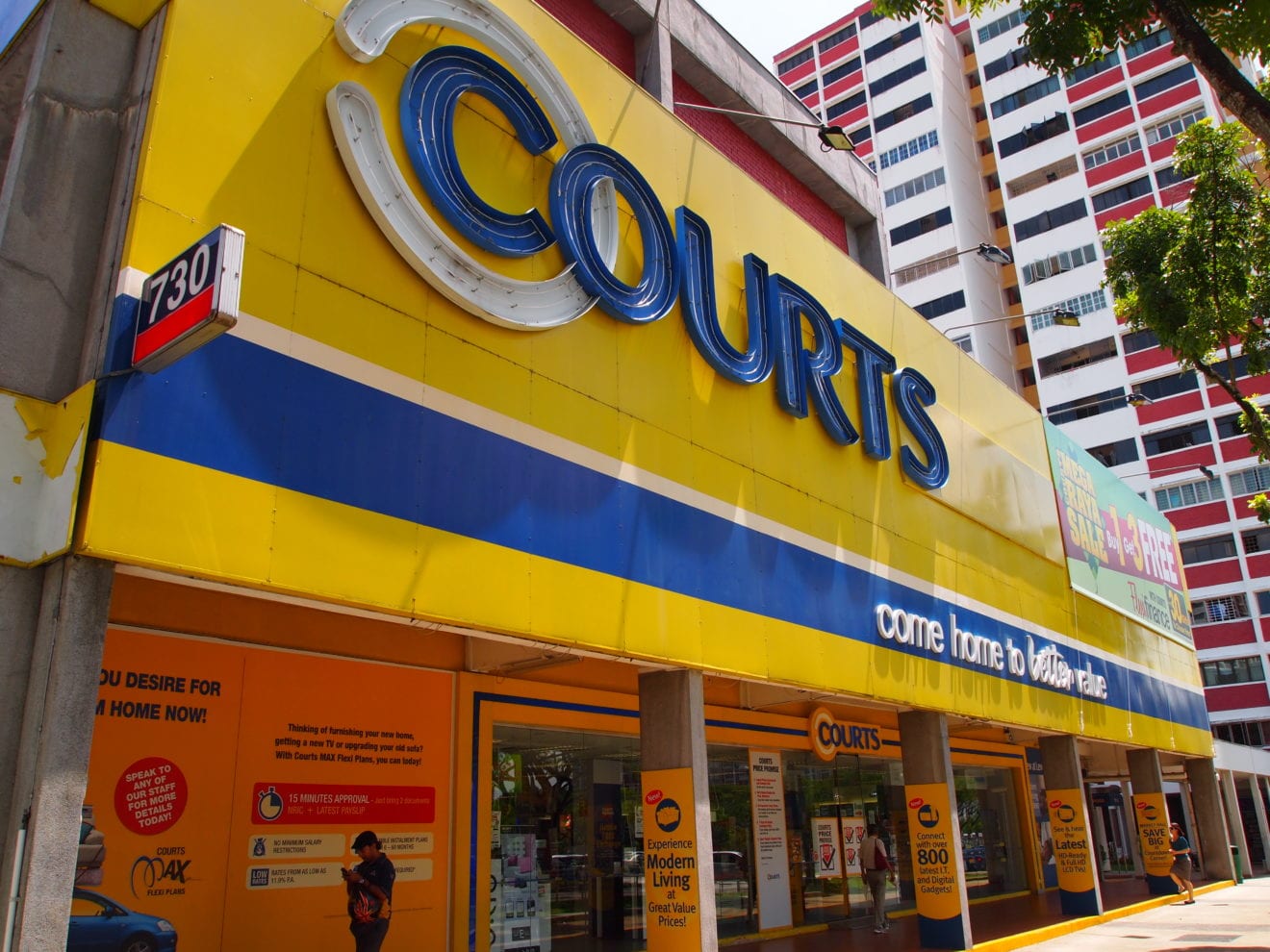
    Specialising in electronics, IT and furniture, COURTS Singapore has put more than a year into researching and redesigning its in-store experiences and omni-channel customer journey. The results are two recent announcements: the relaunch of its e-commerce website, built by e-commerce agency SmartOSC, together with the opening of its newly redesigned Megastore in Tampines, transforming the store experience to serve a wider range of customers seamlessly across touchpoints.

    There has been a significant change in the way customers shop around the world, and they now take a more sophisticated path by engaging with both online and offline channels to collect information and make purchasing decisions. With the new releases, COURTS seeks to catch multi-channel customer generations who, according to recent research published in HBR, spent an average of 4% more on every shopping occasion in the store and 10% more online than single-channel customers. Even more compelling, with every additional channel they used, the shoppers spent more money in the store.

    The new COURTS Online now boasts over 17,000 SKUs, making it their largest store across COURTS’ regional network. SmartOSC, COURTS’ e-commerce partner, has helped them to establish a new mobile first and user-centric experiences with features that connect their digital and physical stores. COURTS customers can research and purchase online to later pick up in-store or ship-from-store, all while accessing their personal accounts. The system also gives COURTS customer service and retail associate teams the information they require to meet customers’ end-to-end needs by connecting all of their touchpoints.

    Built upon Magento Enterprise 2, combined with innovative solutions for omni-channel retailing, marketing automation, and content management, COURTS’ new e-commerce system offers a real-time single view of inventory and customer profiles, activated through integrations with ERP and retail management systems. The website has also been built to be easily navigable, featuring a completely refreshed intuitive navigation, search and faster check-out experience.

    Mr. Stan Kim, Chief Strategy Officer at COURTS Asia shared, “The COURTS Online relaunch was timed strategically around key retail events of the year such as Black Friday and Cyber Monday. Powered by the new platform, online sales for both events grew almost 100% year-on-year. Engaging with the right partners has proved to be pivotal to our e-commerce growth this year. COURTS will continue strengthening its back-end infrastructure to offer customers the seamless online-to-offline experience they expect from best-in-class retailers. We will continue to drive online growth, and our ambition is to grow online sales to comprise 10-15% of the business in five years’ time.”

    The relaunched COURTS e-commerce site augments the transformed retail experience in the physical stores, delivering the ultimate in ‘bricks and clicks’ shopping. The newly redesigned COURTS Megastore in Tampines stands as an aspirational hub featuring the latest in-store experiences, with dedicated experiential retail spaces that have been redesigned to be more immersive, focusing on memorable and informative experiences that will bring customers into the store to encounter the products firsthand.

    COURTS features a 30-day lowest price guarantee and 30-day hassle-free returns both online and in all stores, and tourist tax free scheme to help customers feel secure and confident with their purchase decision. The retailer operates more than 80 stores across Singapore, Malaysia and Indonesia, spanning over 1.6 million square feet of retail space.

  • Retailers take omnichannel path in preparation for Thailand 4.0

    Retailers take omnichannel path in preparation for Thailand 4.0

    Supaluck Umpujh, chairwoman of The Mall Group, said that Thailand 4.0 is an economic model to promote and transform Thailand into a digital economy.

    Digital economy refers to the widespread use of digital technologies, which are rapidly transforming business practices and social interactions.

    According to the Thai Board of Industries, the strategic framework for digital economy promotion consists of four areas: digital commerce, digital entrepreneurship, digital innovation, and digital content.

    In pushing forward this forward-looking agenda, the Ministry of Digital Economy and Society will promote a new generation of entrepreneurs, as well as commercial and industrial innovations. At the same time, it will assist investors in developing new markets for digital content. Entrepreneurs will be aware of the importance of using ICT in enhancing efficiency and reducing production costs. Implementation of the digital economy plan will need the support and involvement of all stakeholders in achieving its stipulated goals.

    “We realised that retail business played a crucial role in Thailand’s economy, and we are also trendsetters in shopping. The first mission that we seek for our customers is to add some online shopping experience into our stores. But we also offer the experience that customers cannot find through digital channels. Currently, we are working on many digital platforms for instance e-commerce, mobile application, Radio Frequency Identification, Near Field Communication and many more,” she said.

    Nicolo Galante, chief operating officer of Central Group, said the group had integrated omnichannels to improve the customer experience. “We [Central Group] expect to move each of its online business units and will launch major e-commerce initiatives such as major partnerships and joint-ventures,” he said, adding that the e-commerce market will have a significant impact on retailers.

    Galante said the Central Group aimed |to be number one in terms of sales across channels. Central Group has stores, customer data and customer knowledge across many different stores, locations and categories.

    Salinla Seehaphan, corporate affairs director of Tesco Lotus, said the Thailand 4.0 economic model stressed on the importance of adding value to traditional products and services using innovation and digital transformation.

    “In our own business, Tesco Lotus has adopted innovation and digital transformation to improve our product and service offerings, as well as our customers’ shopping experience, for example by allowing customers to be able to trace where their fruits and vegetables come from via QR codes. As our core business revolves around fresh food, we have an opportunity to work directly with farmers across the country and help them to become farmers 4.0 in line with the government’s goal for Thai farmers to transform from being simply growers of food to smart farmers who use effective crop management and a market-led approach to farming,” she said.

    We also focus on equipping them with the knowhow that will help them thrive in Thailand 4.0,” she said.

    Punyapon Tepprasit, chief executive of MVP Consultant and lecturer at Sripatum University’s International Trade Department, said the main idea of the Thailand 4.0 economic model focuses on innovation creativity and sustainability. Thai retailers will change definitely in keeping with consumer behaviour. “I have four suggestions for Thai retailers. First of all, retailers must combine the online and offline channel strategy for creating an omnichannel that can help a business generate brand awareness, market share, and sales growth with big data analysis. Online enjoys competitive advantages as it is the fastest, can be available for 24 hours, has low advertising cost, and can track consumer behaviour. Also, businesses can reduce the cost per acquisition for one customer or groups of target customer,” he said.

    “Second, businesses have to build a talent team to create a new creativity strategy. Their new strategy must attract the attention of customers through newness of products and service innovation, or marketing communication via online and offline channel such as the augmented reality technology with an application on smartphone that can boost the emotional connection by experience and relationship creation with customers or target groups. The winner will be the one who can impress the brand on customers’ minds,” added Punyapon.

    “Third is business transformation. Businesses must reshape their organisations into lean entities to minimise wastage in the working process, as well as total cost and lead time. If companies can adjust agilely, they will have a competitive advantage in the volatile environment, because companies have the ability to address the changes in market demand.

    “The fourth is to become a data driven organisation. Businesses have to undertake market research to know the depth of consumer behaviour. Big data is very important, but the tools and data analysis are more important,” he said.

  • Deck Commerce Supports Omni-Channel Retailing for Build-A-Bear Workshop

    Deck Commerce Supports Omni-Channel Retailing for Build-A-Bear Workshop

    Deck Commerce, a leading omni-channel commerce technology provider, today announced that Build-A-Bear Workshop, – an interactive destination for making personalized furry friends – has implemented Deck Commerce’s Distributed Order Management Solution to help streamline, optimize and integrate its omni-channel retail operations.

    Celebrating 20 years of business in 2017, Build-A-Bear is a global brand kids love and parents trust that seeks to add a little more heart to life. Build-A-Bear Workshop has approximately 400 stores worldwide where Guests can create customizable furry friends, including company-owned stores in the UnitedStates, Canada, Denmark, Ireland, Puerto Rico, the United Kingdom and China, and franchise stores in Africa, Asia, Australia, Europe, Mexico and the Middle East.
    To modernize its retail technology and support future growth, Build-A-Bear looked to Deck Commerce to deliver a distributed order management solution that connected their new eCommerce storefront with their existing back-end technology stack. The solution supports a variety of complex order workflows and, most importantly, ensures the ability to deliver outstanding customer service.

    “We selected Deck Commerce to help support our omni-channel retailing vision as we continue to strengthen our Guest engagement,” said Mike Early, Senior Managing Director of Information Technology at Build-A-Bear Workshop. “We are impressed with the solution’s out-of-the-box capabilities, the strong partnership-based approach to working with retailers, and their overall focus on continuing to develop innovative solutions.”

    “We applaud Build-A-Bear for making a solid investment in the technology necessary to deliver the experiences that today’s consumers demand.” said Chris Deck, Founder and CEO of Deck Commerce. “We’re excited to partner with Build-A-Bear to help support new levels of service, productivity and efficiency.”
    Build-A-Bear launched Deck Commerce Distributed Order Management in conjunction with its new cloud-based eCommerce platform, implemented by Lyons Consulting Group. Additional integrations included CyberSource, Avalara, and Channel Advisor.


  • RCG’s omnichannel strategy finds backing

    RCG’s omnichannel strategy finds backing

    RCG co-CEO’s Hilton Brett and Daniel Agostinelli have managed to inspire confidence in the market following the fall-out from their $105 million Hype DC acquisition and its subsequent $9.7 million write-down in May.

    Reporting its first full year of trading since the deal with Accent Group last year, Brett acknowledged that the purchase of the brand, which he said was an “outstanding business” at the time, was a “bad deal”.

    But shareholders forgave management, sending RCG’s share price up almost seven per cent by late Monday trading, despite Hype’s impairment leading to a 2.6 per cent decline in headline net profit.

    It appears as though Brett’s omnichannel credentials, touted at length in an investor call on Monday morning, have resonated with those concerned about how established players are bolstering the lines before Amazon lands.

    Competitor Footlocker, which has seen its market value slide over 27 per cent since reporting a 6 per cent decrease in Q2 comparable sales in the US last week, has been flagged by analysts as a loser in Amazon’s recent distribution deal with Nike, raising concerns about RCG’s future.

    Brett denied that there’s a strong comparison to be made between Footlocker and RCG-owned The Athlete’s Foot, Skechers, Platypus, or Hype DC and believes that having 40 per cent of company own-brand lines, as well as its ambition to generate 15 per cent of sales through online within two years, position the business well.

    “The rise of e-commerce and the arrival of Amazon into the Australian marketplace have been topics of considerable media interest in recent months and several retailers have made significant public statements on their readiness or otherwise to deal with the perceived threat,” Brett told shareholders.

    “RCG’s own omnichannel strategy predates the media hype and our management team has long recognised the importance of delivering true world class omnichannel experience to customers.”

    RCG is one of an increasing number of high-profile retailers backing similar strategies against Amazon, including Super Retail Group, Baby Bunting, Greencross and Woolworths.

    The company will fire on all cylinders to sure up the system in FY18, rolling out endless aisles as well as click-and-collect and click-and-dispatch, delivery fulfilled from stores, throughout its entire 430 strong network.

    Online currently represents five per cent of total sales, which means there’s substantial work to be done if RCG wants to hit its 15 per cent target without cannibalising in-store performance.

    The channel grew 79 per cent during FY17 though, driven by the opening of three new e-commerce sites and initial click-and-collect trading in Platypus and Skechers.

    Two new e-commerce sites have been launched so far in FY18, with another two to come throughout the year.

    Three-hour delivery will also become a reality under the click-and-dispatch model and will be enabled across “most major population centres” through an unnamed third-party partner.

    The reach of that delivery is also set to increase, up 36 per cent this year and set to grow from a long-term target of 120 Skechers stores (current 67) and 100 Platypus stores (current 91).

    A net 15 stores are slated to open in FY18, none of which will be Hype DC, with management of the opinion that the existing 65 stores are sufficient.

    Brett reckons Skechers and Platypus are returning the best results at the moment, but Vans, which has come into-trend with younger shoppers through its latest product line, has been growing quickly in recent months, offset somewhat by a slowing down in Adidas.

    “Adidas is still very strong, it just doesn’t have the heat that it had only twelve months ago, what we’re seeing is that Vans has just exploded, particularly in the last three months and it’s early days,” Agostinelli said.

    Hype DC is now back to positive LFL sales, having declined one per cent in FY17, on a strengthening in the last two months of the year carrying through to initial FY18 trading.

    Brett declined to provide any specific earnings around individual brands, citing intensifying competitive pressures, but did say that he was optimistic about a stabilisation of Hype’s position in its Accent Group division, with the introduction of Vans products into its stores helping things along.

    There remain concerns among analysts, however, that promotional intensity may crimp margins, which increased 2.3 per cent for Accent Group and declined 5.1 per cent in RCG’s own brand division during FY17.

    Brett said RCG has no intention of getting into the downward spiral of discounting, committing to being a “full price” retailer that will clear stock when it needs to.

    “[Competitors] have certainly done some quiet aggressive discounting over the last week in some of our [categories]…ultimately competitors have to make a decision about whether they’re going to run their business for the long-term benefits of shareholders or short-term,” he explained.

  • Sephora’s latest store “completes omnichannel loop”

    Sephora’s latest store “completes omnichannel loop”

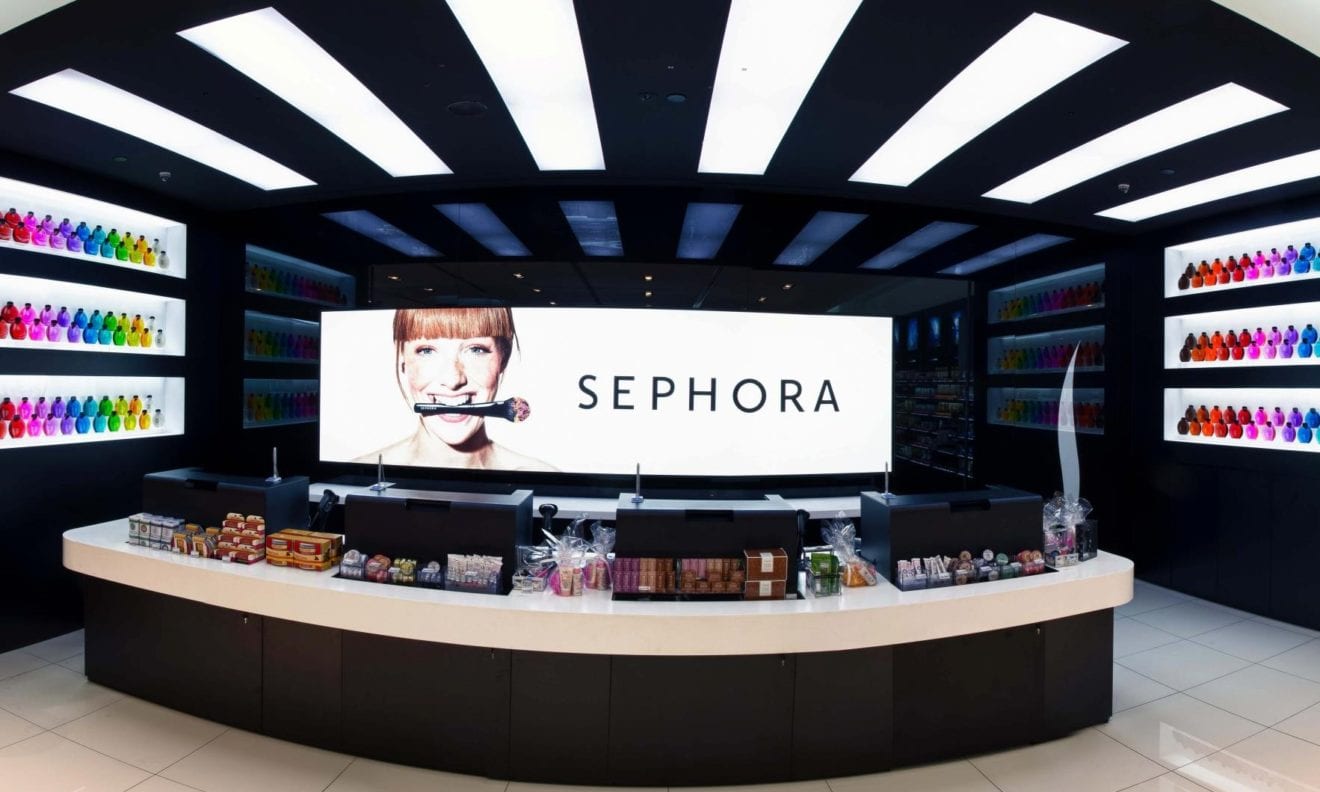
    Cosmetics retailer, Sephora, will open its 11th Australian store at Westfield Bondi Junction in September.

    The new location adds to the beauty chain’s five Sydney stores, located at Pitt St, Broadway, Macquarie, Warringah, Macarthur Square, as well as the soon to open Charlestown (Hunter Valley) location.

    Sephora country manager, Libby Amelia, said it had been a “big year” for the brand and that there was “no sign of us slowing down yet.”

    Brands including KORA Organics, The Beauty Chef and WelleCo, alongside luxe hair care brand Ouai and natural efficacious skincare like Peter Thomas Roth and Ole Henriksen will be offered at the store.

    According to Amelia, the Bondi location will house niche, luxe and natural offerings from local and international brands, with the store set to one of the first retail locations to include Sephora’s new in-store ‘Wellness’ hub, which completes “the loop on our omnichannel offering.”

    “In 2017, ‘Wellness’ became the new black – far from a trend, this beauty essential is a staple in the routines of women across the globe,” said Amelia.

    “Instead of buying quick-fixes and synthetic supplements health-conscious consumers are turning to products with ingredients that promise to combat the effects of an always-on lifestyle.”

    As the first market globally to adopt the Wellness vertical, the global retailer said “it’s only logical that the Australian market would select from the wealth of Aussie wellness brands,” offering a selection from Miranda Kerr’s KORA Organics and Elle Macpherson’s WelleCo, Carla Oates’ The Beauty Chef, James Duigan’s Bodyism, and Chanelle Louise’s Cilk Rosewater.

    “Our customers always want the next big thing, and the demand for wellness has been growing for some time”, said Alice Macdonald, Sephora Australia’s digital category manager.

    “Women are seeing beauty as a natural extension of their health, and are scanning beauty labels just as thoroughly as they do the labels on their food. The social movement for the wellness category is really strong with our customers, and we are so excited to be able to cater to their needs.”

    Sephora Australia retail category manager, Kirrily Bird, said its customers “know that Wellness isn’t an add-on or an afterthought, but a key step in her daily beauty routine” and that the retailer was “really conscious of partnering with brands and products that had a strong link back to beauty and skin health.”

    Of the future plans for the category, Amelia said that, “Wellness isn’t a moment, but a mainstay at the core of our business”.

    “The launch is one moment in the journey of Wellness for Sephora and for our brands and offering. Watch this space,” she said.

  • Omnichannel retailing to deliver market win

    Omnichannel retailing to deliver market win

    The omnichannel model has become a new weapon in the race to maintain and expand market share in the electronics retail industry.

    The coveted Top 3

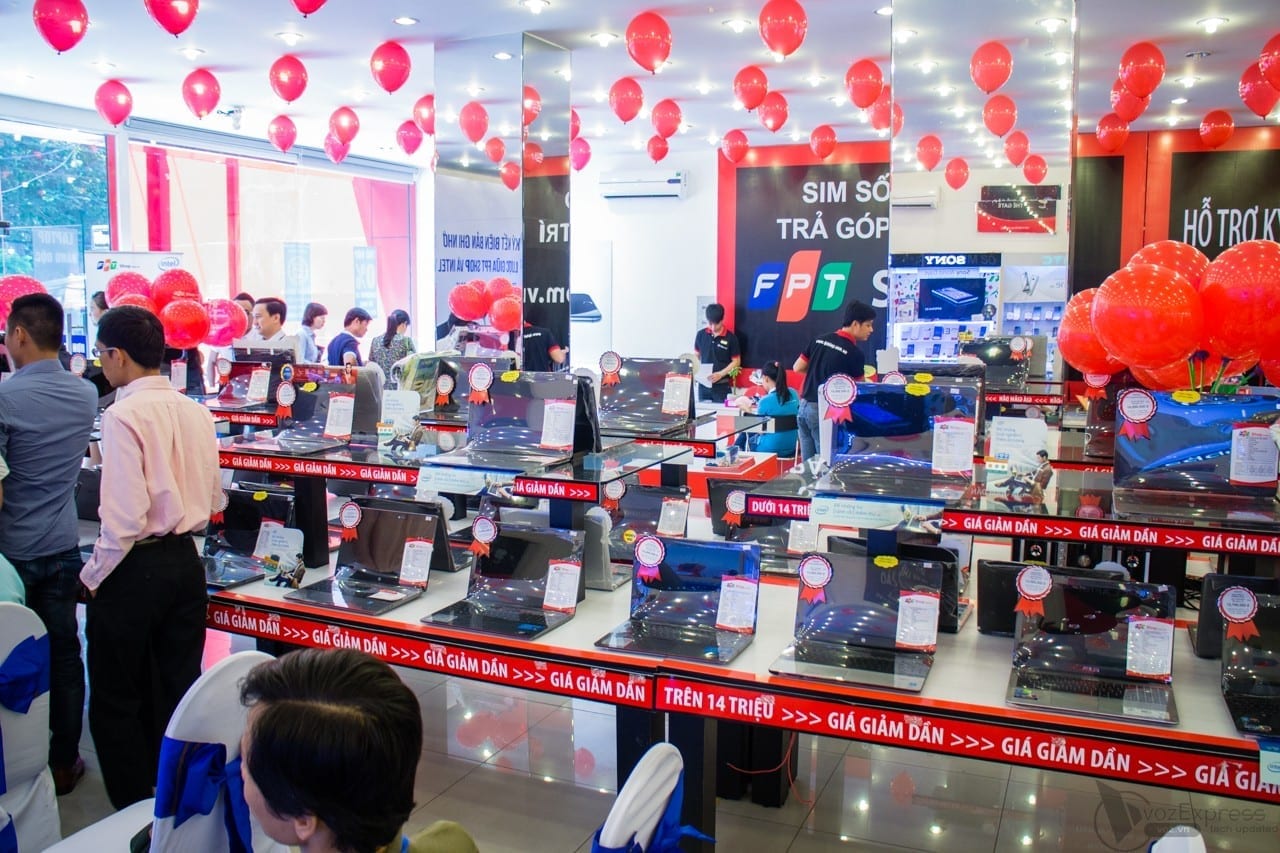
    A latecomer taking on established competitors, FPT Shop only started to strengthen its e-commerce channel in 2014. Within a single year, revenue from this business segment was only VND318 billion out of the total VND5.226 trillion ($13.98 million out of $229.91 million). FPT Shop’s website’s traffic reached a modest 100,000 visitors per day.

    In 2015, the firm’s e-commerce revenue posted VND568 billion ($24.98 million) and traffic doubled. In 2016, revenue from online sales grew by over 200 per cent, registering VND1.2 trillion ($52.79 million) and contributing approximately 10 per cent of its total revenue. Traffic was 800,000 visitors per day.

    Although FPT Shop’s e-commerce revenue in 2016 was only half of its largest competitor The Gioi Di Dong, this is considered an optimistic sign of greater opportunities as FPT Shop enters the potential e-commerce playground.

    According to Ngo Quoc Bao, director of business development of FPT Retail, FPT Shop has set a more ambitious target. “E-commerce revenue will double in 2017, crossing the VND2 trillion ($87.98 million) threshold,” said Bao. Such acceleration of growth shows FPT Shop’s intention toward professional omnichannel retailing. “We will continue the strong development of offline and online channels and the strategic partnership with companies like Google and Facebook to boost customer outreach,” remarked Bao.

    In order to achieve this, FPT Shop implemented comprehensive HR restructuring at the e-Commerce Centre from upper management to business strategy. While it used to open 5-7 stores a month, now the rate is only 1-2 stores per month, with no plans for further physical store expansion in the near future. Its current store count is 430.

    According to Bao, as FPT Shop entered the online arena later than its competitors, it has to reach one million customers this year. To achieve this, FPT Shop must boost traffic, optimise user experience to increase returning visitors, ensure confidentiality, convenience, and timeliness in online payments.

    The Gioi Di Dong (MWG) is arguably the first entrant to the online retail realm. This major name is in possession of the largest market share, with 10 per cent, thanks to a formidable online presence that is considered superior to that of Lazada (mostly owned by Alibaba) and Zalora (wholly owned by Nguyen Kim and Central Group).

    According to market research firm Euromonitor International, although market shares fluctuate year to year, MWG continues asserting its dominance among online retailers since 2011. MWG determined hefty targets for online retail as revenue from this source is set to double over-year to VND6.65 trillion ($292.55 million). The company’s total supermarket count will reach 1,207, of which thegioididong.com accounts for 951, Dien may XANH 256 for supermarkets and 40 for stores. Along with all this, Vuivui.com, a dedicated e-commerce site, will play a crucial role in the company’s strategy.

    Nguyen Duc Tai, president of MWG, commented that middle and high-school students tend to make more and more online purchases. Vuivui.com is the company’s investment for this future consumer base. The platform may even become MWG’s growth driver by 2020. “But for now, physical stores remain MWG’s chief money maker,” said Tai.

    Talks of the race to expand among the likes of FPT Shop and MWG cannot leave out Vien Thong A, a name ringing fewer bells, who is currently ranked third in the online retail arena. This retailer had an impressive year in 2016, where it opened 63 new supermarkets nationwide, boosting total count to nearly 300. Additionally, the retailer’s revenue went up by 30 per cent on-year.

    Besides tackling the coverage target and growth at least of 30 per cent, this year Vien Thong A will expand its online sales activities, which in 2016 generated only 5 per cent of the revenue made through traditional channels.

    Hoang Ngoc Vy, CEO of Vien Thong A, said the company is looking to expand its B2B online business in order to meet the ever-increasing demand. “The development of omnichannel tactics to offer services regardless of location and timing is our top priority,” remarked Vy.

    In order to jumpstart this business segment, Vien Thong A has to meticulously identify a strategic investor as its partner in this race.

    A game of speed

    According to Euromonitor International, by 2020, online electronics retail will grow at 30.9 per cent CAGR, reaching VND20.985 trillion ($923.18 million). Meanwhile, purchasing behaviour is changing, shifting to more time spent online, leading the offline channel to saturation, with increasingly limited room for growth.

    In reality, omnichannel retailing has been steadily gaining ground for the past three years in Vietnam as mini-scale online stores started mushrooming on Facebook with numerous online sales tactics.

    Especially, Zalo (VNG) launched Zalo Shop to provide independent online merchants with a direct platform to 60 million customers without acquiring technical capabilities. Zalo users can conveniently “browse” thousands of stores on the uniform interface of Zalo Shop and easily make purchases without searching on Facebook or Google. Boasting these advantages, the online channel, more than ever before, has become considerably lucrative.

    According to statistics by Google, Vietnam is second in the world in terms of the number of online retail merchants. Whether this form of retail can grow sustainably remains, however, a question as customers are hesitant to accept/trust these independent small-scale businesses.

    Such prospects push retailers towards change. They admit the never-before-seen potential of omnichannel in awakening the market and capturing new customer segments.

    Bao commented that FPT Shop must expand its coverage and get ahead of market demand. However the Vietnamese consumers are naturally sceptical. Online buyers would visit offline stores to browse the merchandise, compare the products and prices. Therefore, it is advisable that companies stay mindful of their physical chains.

    Logistics above all

    “Never coerce consumers to online channels, since physical visits are conducive to unintended additional purchases. It depends on geographic and taste factors that enterprises coordinate their channels, hence enhancing brand recognition,” said Bao.

    In the race of omnichannel retailing, the essential survival tip is understanding, satisfying, and building trust with customers. To achieve this, retailers are responsible for guaranteeing the authenticity, quality, and timeliness of merchandise. Logistics, therefore, should be an investment priority.

    The Gioi Di Dong used to outsource its logistics but has since developed its own delivery capabilities. FPT Shop utilises its own store staff for delivery.

    “In that way, our delivery staff can directly consult the customers on product use and ensure our reputation,” commented Bao.

    Regarding logistics, Luong Duy Hoai, CEO of Giao hang nhanh (GHN) said, in the future, a product from abroad can easily reach Vietnamese consumers. The same goes for Vietnamese goods sold to other countries.

    Therefore, it is no longer a matter of speed but of agility to comprehend and lead the industry landscape by market shares. The challenge for modern retailing is the shipment of million, even tens of millions, of orders on a daily basis. The ultimate success factor lies in a delivery network that can address the complexities of increasingly customised demands. It is up to each retailer to rapidly transform its model according to the current technological trends.

  • Omnichannel Essentials for Ecommerce Success in China

    Omnichannel Essentials for Ecommerce Success in China

    The “Amazon effect” has disrupted the entire retail industry by conditioning consumers to expect personalized, customer-centric service. As ecommerce gains market share, U.S. retailers are looking abroad for growth. Nordstrom, for instance, recently expanded to Canada and boosted revenue.

    Another hot market for foreign expansion is China, with nearly 1.4 billion consumers who are tech-savvy, increasingly affluent and ravenous for American products.  To delight Chinese shoppers, U.S. retailers can make it easy and convenient to shop anywhere and anytime. Retailers need a cross-border strategy supported by relevant omnichannel marketing to realize ecommerce success in China.

    In 2016, China’s cross-border ecommerce market reached $917 billion US, according to iMedia. Mobile shopping accounted for 56% of China’s 2016 online sales. On Singles Day or 11/11 – the world’s biggest online shopping event, created by Alibaba in China and held on November 11 – mobile accounted for an astounding 82% of total sales; experts expect this figure to rise in 2017.

    In rural China, online shopping is often consumers’ only option – especially for U.S. and foreign products. While China’s tier 1 cities, including Beijing and Shanghai, represent affluent markets, Tier 2 cities like Suzhou and Ningbo enjoy lower living costs, giving consumers more disposable income for overseas shopping.

    U.S. retailers can reduce risk and costs by entering China through cross-border ecommerce and prioritizing five omnichannel essentials. Here are 5 tips to help you create ecommerce success in the massive, growing Chinese market:

    A responsive, localized website 

    China’s multiscreen users – online shoppers who use a combination of desktop, smartphone and tablet – spend 17% more than their mobile-only peers, according to McKinsey. Effective omnichannel strategies include responsive web design to reach these engaged shoppers who also shop online in 29% more categories and interact 14% more with businesses through social networks.

    To maximize online conversion rates, retailers must also localize their marketing to suit Chinese consumers’ shopping expectations. A user-friendly, mobile website with easy navigation, full language support, integrated payment and multilingual search are a must for retailers entering China.

    Mobile payment

    China is the world’s largest market for both smartphones and mobile payments. iResearch Global reports the transaction volume of Chinese mobile payments reached $1.5 trillion US in 2015; experts expect it will reach $3.20 trillion US in 2017. Six in 10 Chinese Internet users have used mobile payment, including Alibaba’s Alipay, WeChat Pay and Union Pay. Integrating these mobile payment methods in ecommerce websites can help U.S. retailers entice China’s burgeoning middle class.

    WeChat

    Pervasive social media platform WeChat attracts 700 million users and gives retailers the ultimate multichannel gateway for shopper engagement. WeChat’s integrated online browser, messaging app and social media platform lets users access over 10 million internal apps. WeChat users are highly engaged, as 94% users log in every day, 61% use it more than 10 times a day and 36% log in more than 30 times a day, according to Chinese Micro News. Starbucks just announced WeChat Pay now accounts for 29% of the retailer’s total transactions in China, according to Inside Retail Asia.

    German online pharmacy Bodyguard Apotheke created a successful Black Friday WeChat promotion. A well-respected mother and baby care influencer published a WeChat post on suitable medicines for babies, which earned more than 26,000 views and 2,100 likes, boosting brand awareness.

    QR codes

    In China, QR Codes are ubiquitous. Shoppers can scan codes (on print marketing, product labels, packaging, shop windows and receipts) with their smartphone WeChat app and store the information on their phone. Consumers can even pay for purchases using a QR code. Mobile integration helps retailers personalize their marketing to boost engagement.

    Bodyguard Apotheke produced banners and postcards with an offer for shoppers who scanned a QR code and became WeChat fans. The retailer increased traffic from its WeChat account, which represented 19% of total campaign sales and an average basket value of $93 US.

    Incentivized brand activities 

    U.S. retailers can connect with shoppers through loyalty rewards programs and interactive online games. These activities allow retailers to gather consumer data related to their shopping behaviors, then personalize their marketing to encourage sales and loyalty.

    These recommendations can help U.S. retailers realize cross-border ecommerce success in China by reflecting local shopping behaviors and product trends through relevant omnichannel marketing. For sustainable growth, many U.S. retailers form strategic partnerships with local experts to minimize their financial and infrastructural investments, and conquer China’s legal, financial, regulatory, linguistic and cultural barriers. Ultimately, success in China involves building a trusted brand by making multichannel shopping easy, convenient and seamless.