Retail News CRM

Tag: omnichannel

  • Omnichannel customer experience drives contact center growth

    Omnichannel customer experience drives contact center growth

    The rising relevance of the cloud in the current business environment is prompting contact center solution providers (CCSPs) to shift from a premise-based legacy infrastructure to hosted/cloud contact centers.

    Global, as well as mid-sized CCSPs such as Avaya, Genesys, Verint, NICE, Cisco, Unify, Interactive Intelligence and West Interactive, are strategically offering an omnichannel customer experience to attract business across end-user segments.

    Frost & Sullivan finds that the acceleration of omnichannel and digital transformation, coupled with the C-suite demand for stronger and swifter growth, is driving technology acquisitions.

    “Hosted/cloud contact center solutions will benefit from converged tools, newer social channels and deeper integrations to expand their footprint from 24% of the total seats base in 2015 to a likely 40% by 2020,” said Nancy Jamison, principal analyst of Frost & Sullivan Digital Transformation.

    “CCSPs can drive home the advantage by delivering an omnichannel CX that aligns with the needs of all stakeholders, including employees, customers, prospects, suppliers, distributors and partners.”

    Jamison said contact center vendors need to find a way to tap greenfield opportunities while still catering to their large installed base of premise products.

    “Vendors that deliver a comprehensive suite of cloud contact center solutions comprising of mobile, social, web real-time communication, analytics, machine learning, artificial intelligence, automation and personalization technologies, will grow faster than best-of-breed solution providers,” said Jamison.

  • Philips Lighting first lighting company to “elluminate” the way forward for Omni-channel retail

    Philips Lighting first lighting company to “elluminate” the way forward for Omni-channel retail

    With the increase in operating costs and growing competition in e-commerce, Singapore’s retailers are realising the importance of leveraging omni-channel retail strategies to bring new and better experiences to today’s shoppers.

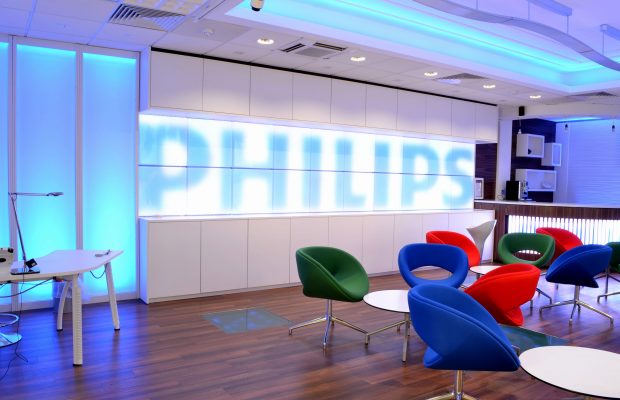
    Philips Lighting, a global leader in lighting, has become the first lighting solutions provider to announce the launch of a ‘chatbot’ on their local Facebook page, allowing users to purchase Philips Lighting’s suite of consumer products conversationally through Facebook’s messenger platform.

    Facebook’s users will now be able to get round-the-clock assistance in making their lighting purchase decisions just by interacting with the chatbot on the Facebook Messenger system. The chatbot responds with product recommendations based on the user’s inputs to the chat and allows users to make their purchase directly on the platform itself.

    Besides being the first lighting provider to officially launch a Facebook Messenger Bot, this is also one of the initiatives undertaken by the company for its LEDs Get Smart campaign, aimed at educating consumers on the benefits of installing the right lights at home. Under this campaign, Philips Lighting has also partnered with Lazada Singapore to launch its “first ever specialty e-store” on the e-commerce platform.

    These initiatives are borne from Philips Lighting’s desire to capture the local e-commerce market. A joint report by Temasek Holdings and Google has revealed that the e-commerce market in Singapore is expected to be worth US$5.4 billion (S$7.4 billion) by 2025, and is expected to make up 6.7 per cent of all retail sales in Singapore. As e-commerce gain traction and become a big contributor to the omni-channel retail trend, the firm aims to stay ahead of the game by becoming the first lighting company to tap into this growing segment. The move is also in line with the government’s plans, as revealed in the recent budget announcement, to promote digitalisation in the retail sector.

    Alok Ghose, Managing Director and Cluster Leader for Philips Lighting in Singapore, Malaysia and Exports said: “The partnership with Facebook and Lazada Singapore will serve as an excellent opportunity for Philips Lighting to tap onto the growing e-commerce market segment to unlock new business revenue. These platforms will enable us to bring  light beyond illumination to Singaporean households, connecting their home lighting systems to the Internet of Things, a viable first step in building homes in a Smart Nation.”

  • Why omni-channel payments need to be the new norm in retail

    Why omni-channel payments need to be the new norm in retail

    Electronic payments account for 69%1 of consumer transactions in Singapore – just slightly higher than the global average of 65%. The country’s e-commerce market, valued at US$1.39b in 2015, is predicted to exceed S$7b in 2025 with 60% of consumers saying they bought products online at least once a month2 – some even showing a growing preference to shop online and pick up their purchases in-store.

    Consumer buying habits aren’t rooted solely at retail locations or online. They shift between retail stores at malls, smartphones, laptops, and transient, yet trendy, pop-ups. In other words, consumers are omni-channel shoppers. So why haven’t payment systems followed in the same direction?

    In Singapore, it’s a common sight to see retail counters with multiple terminals serving different modes of payment: one for credit cards, another for debit cards, yet another for contactless payments. On the back-end, business owners spend hours liaising with various vendors, different banks, grappling with multiple platforms and numerous devices.

    Businesses could instead integrate payments across multiple platforms – increasing efficiency and profits by adopting a seamless, omni-channel payments system. In doing so, they would be able to process payments with greater speed and efficiency saving time and resources in their back-offices, leverage integrated data for actionable insights, and offer customers a seamless, integrated experience.

    1. Greater efficiency
    70% of businesses surveyed in a KPMG report agreed that there are simply too many payment methods to deal with. Many retailers have multiple banking contracts and relationships across Singapore to manage, each of which provides part of the company’s in-store payment solution. This represents an enormous investment in managing reports and financial flows.

    By adopting omni-channel payments, businesses will be able to work across a single centralised platform that enables businesses to accept and process payments across multiple markets. In doing so, retailers can drastically simplify these processes, cut down on the human resource and financial investments needed to manage their payment acceptance.

    2. Leverage data for actionable insights
    The use of technology and data allows local retailers to gain business intelligence and insights into areas such as purchasing habits. Integrating payments from the point-of-sale (POS) system with accounting software or customer relationship management (CRM) systems to capture disparate pieces of information enables retailers to better serve their customers. Leveraging insights gleaned from payment information, retailers can decide when and who to offer discounts and deals to drive sales.

    Having access to cross-channel shopper data gives merchants a treasure trove of information that can be analysed for patterns online and offline. They can then mine this information for customer retention and loyalty marketing. Many merchants are already beginning to offer their customers an omni-channel shopping experience and in doing so significantly improve the shopper experience.

    An example: a shopper makes a number of purchases from an e-commerce site. Several months later, she goes shopping whilst on vacation. At the checkout, the terminal recognises the shopper’s card, and the staff member adds a discount and a personal thank you thus delighting the customer with an even more seamless, personalised experience.

    3. Seamless customer experience
    Businesses need to recognise that the customer journey today is fluid, accessible, and continuous. Shoppers can, and want, to purchase whatever they want, without restrictions on time, location, and across social, online, and mobile channels.

    Businesses too need to provide a seamless experience and allow customers to start a purchase in the channel of their choice and complete it in a potentially different channel of their choice.

    Here’s what a customer journey might look like: a shopper goes into a store and wants a shirt in a different colour than what’s currently available in-store. If a store has adopted an omni-channel approach, the shopper can go to the in-store tablet-assisted sales terminal that carries the entire web-based inventory, choose the colour they want, make the payment on the spot, and have it delivered to the address of their choice.

    Omni-channel payments enable retailers to service customers across multiple channels (in-store, online, or mobile); retail sectors, payment types (NETS or debit and credit cards), and payment methods (contactless, chip and PIN, magnetic and online) through mobile point-of-sales devices, payment gateway, or virtual terminal. In doing so, the store has gained a purchase rather than losing an opportunity.

    With discerning consumers becoming increasingly accustomed to omni-channel payment capabilities, it will transform “the next big trend” into “the new norm” for consumers in Singapore.

    1.https://newsroom.mastercard.com/asia-pacific/press-releases/singapore-among-top-markets-in-asiapacific-advancing-towards-a-cashless-society-new-mastercard-report/
    2.https://www.pwc.com/sg/en/publications/assets/total-retail-sea-2016.pdf

  • Omnichannel marketing from a Chinese perspective

    Omnichannel marketing from a Chinese perspective

    If you have been paying attention to developments in the e-commerce world, it’s unlikely that you have missed the news about the outcome of Singles’ Day.

    Chinese e-commerce giant Alibaba recorded US$14.3 billion in sales on Nov. 11, eclipsing the most recent Black Friday shopping event in the United States, which only saw US$10.4 billion in sales.

    Data from the China Internet Network Information Center shows that China has the world’s largest online population at 632 million people, and more than half of them, about 332 million, shop online.

    Business-savvy Chinese retailers have not been shy on tapping into this massive pool, and their momentum has not shown any sign of slowing down.

    According to iResearch, China’s online sales could reach 5.63 trillion yuan (US$867.1 billion) by 2017, or 15.7 percent of the country’s total retail sales.

    The massive online market, especially in China, has lured many traditional retailers into establishing their own online channels, while interestingly, many pure-click retail businesses in China have also started to establish an offline presence with brick-and-mortar stores.

    We refer to this strategy of leveraging both online and offline platforms to market a brand as “omnichannel marketing”.

    This approach is becoming increasingly popular in recent years, especially with smartphones becoming a staple of modern life.

    More and more retailers are seeking ways to unify the whole ecosystem, both technologically and logistically, with a view towards giving customers a mobile seamless interface to every service that the mall or retailer has to offer.

    With the view that an effective omnichannel marketing strategy will help boost sales, improve brand recognition and strengthen customer loyalty, here are some tips for retailers yet to devise their own strategies to get a head start:

    1. Mobile devices are your friend

    It’s safe to assume that the majority of your customers own at least one smartphone. They’re the perfect gateway for you to communicate with your customers. First and foremost, make sure your online presence is mobile-optimized so that your customers get the best experience even when they’re on the road. Other things you can do to improve your brick-and-mortar shopping experience include making available an in-store map and letting customers check for stock while they’re connected to the Wi-Fi on-premises. Explore your options to interact with your customers meaningfully on mobile.

    2. Understand your customers 

    There are many products widely available on the market to help you capture data about your customers. By analyzing the data with the right tools, you can get insights into your customers’ behavior to help you devise future sales strategies that are more attuned to your customers’ interests.

    3. Tailor your content

    Make good use of the insights gleaned from your Big Data analytics to tailor your communications content. Retailers who exploit mobile channels to disseminate generic marketing materials risk alienating their customers, while who those who make good use of their understanding towards their target audience and develop personalized content will win the hearts, and purses, of shoppers.

    While there are a lot that can be done in omnichannel retailing, retailers should also keep in mind the importance of having a robust mobile engagement solution when pursuing different omnichannel strategies.

    One of the first steps a retailer should take is to find the right technology partner. There are many successful cases across the Greater China region.

    In China, for example, Wanda Group partnered with Aruba to improve the retail shopping experience in over 50 shopping malls through improved mobility.

    Bauhaus, on the other hand, deployed Aruba’s solutions in its stores in Hong Kong and Macau to provide Wi-Fi to its customers and push out relevant, personalized content such as new arrivals and discount offers.

    All these bring unprecedented experience to customers. When you combine location services with Wi-Fi and beacon technology, customers have a magical experience while retailers gain more loyal and engaged visitors who have a higher propensity to return and spend more.

    We are entering the Mobile Engagement 2.0 era. For retailers without a sound omnichannel marketing strategy, especially those who haven’t made it online for fear that their efforts would be overshadowed by established e-commerce companies, it’s not too late to start.

  • MatahariMall.com, Pos Indonesia in Tandem to Boost E-Commerce

    MatahariMall.com, Pos Indonesia in Tandem to Boost E-Commerce

    Pos Indonesia will also install MatahariMall.com “eLockers,” allowing customers to physically pick up their items purchased online from lockers located in ten post offices in the Greater Jakarta area and Bandung.

    Using these services, online shoppers can also arrange delivery of their reserved items to these pickup points, instead of their home or office address, to avoid missing goods upon arrival.

    Pos Indonesia also agreed to provide logistic and delivery services to Mataharimall.com for domestic shipments.

    Like MatahariMall.com, the Jakarta Globe is affiliated with the Lippo Group.

  • Y&R launches retail offering Labstore in Indonesia

    Y&R launches retail offering Labstore in Indonesia

    Y&R Group Indonesia has further strengthened its capabilities with the addition of retail and shopper marketing offering Labstore. Y&R’s global retail and shopper marketing network Labstore now extends across five markets in Asia Pacific – Indonesia, Singapore, Philippines, Thailand and Australia.

    Labstore launches in Indonesia having been appointed to shopper duties for Danone brands AQUA, Mizone and VIT.

    Marjorie Garrovillo, VP Marketing. Danone Waters explained, “Given the potential we see from shopper and retail marketing, we wanted to find the right agency partner. And given our successful ongoing relationship with Y&R and VML, having displayed a strong understanding of our brands, Labstore proved the right choice for seamless integration across agency competencies.”

    Y&R Indonesia Group CEO Matthew Collier said, “The launch of Labstore in Indonesia has been a major priority for us this year. With Y&R handling Danone’s TTL (through the line) business, VML handling digital and now Labstore handling shopper, we’re truly living our philosophy of ‘great alone, better together’. This multi-channel integrated response will help bring our creative concepts closer to Danone’s consumers.”

    Effective 1st November 2015, Labstore Indonesia also reports to the network’s Southeast Asia HQ in Singapore, led by shopper and retail guru Peter Miller.

    “Compared to the US and UK, shopper marketing is still an emerging field in Asia,” said Miller. “Y&R and VML clients have been quick to embrace the concept, and more importantly the imperative to meet shoppers’ needs, accelerating Labstore’s rapid roll-out across Southeast Asia – from Philippines and Thailand last year, to Singapore and Indonesia in 2015.”

    Y&R Labstore Indonesia will be the latest in a string of openings around the world, having rolled out in more than 21 markets worldwide since 2014, across Europe, Asia, Latin America, North America and South Africa. One of the biggest networks of its kind, it is in the top five retail and shopper marketing networks geographically. In Asia Pacific, Labstore already thrives in Singapore, Thailand, the Philippines and Sydney.

  • Olympic hero goes for gold with new retail technique to boost sales

    Olympic hero goes for gold with new retail technique to boost sales

    Chinese gymnast Li Ning wowed the world with one of the highest double pikes in Olympic history to clinch a third gold medal at the 1984 Los Angeles Games. Now a sporting goods retailer, he is counting on another tactic to win over shoppers.

    Li is enticing customers to his namesake Li Ning Co stores, where they can look at and try on the latest range of Xiaoqiang basketball shoes, and Furious Rider and Rouge Rabbit runners-but not take them home. Instead, buyers are directed to the Internet to make purchases online.

    The Web-only strategy, which has generated 22 million yuan ($3.5 million) in sales during the first month, may help it reverse three straight years of losses.

    Companies from home appliance maker Haier Electronics Group Co to clothing purveyor Grana have also introduced the showroom model. Li sees it improving inventory management, a complex exercise in China, where there are about 140 cities with more than 1 million people.

    “In the past, we’d sell flagship products in physical stores,” Li, who founded his retail business in 1990, two years after retiring from gymnastics, said. “Even when we sell them online now, we have thousands of shops to promote the products, with only one warehouse behind us.”

    Distributing goods to online customers from a single warehouse cuts storage and handling costs, resulting in savings that can be passed to customers.

    It can also improve stock management, something the company has been working on to boost profitability.

    “The showroom approach might be a good way to boost sales in China in the face of rising rental and labor costs, ongoing logistics issues, and the boom in Internet retailing,” Sun Fangting, a senior analyst with market researcher Euromonitor International, said.

    The tactic may be especially helpful in penetrating smaller cities and urban areas. Online retail sales reached $165 billion in China last year, accounting for almost a fifth of the global total, according to Euromonitor.

    Haier Electronics plans to progressively strip inventory from 3,000 of its 38,000 stores across China, with 125 of these targeted to have display-only merchandise by the end of the year, the company said.

    The changes mean future shops will feature interactive, computer-simulated household models that enable customers to visualize how products will look and fit in their homes.

    In reformatted stores, sales staff assist customers to make purchases online and facilitate their interaction with designers. Goods such as refrigerators and washing machines can also be paid with cash, and delivered the same way as online-purchased products.

    Reformatted stores have recorded a 7 percent to 8 percent increase in sales, Chairman and CEO Zhou Yunjie said.

    In comparison, revenue from shops yet to be converted to online-only has declined as much as 20 percent, weighed down by an industry-wide slowdown in home appliance sales.

    Zhou said he expects the transformation of physical stores to lower inventory and staff costs by about 30 percent.

    “Integrating conventional shops with Haier’s online retail business will provide a better customer experience,” Zhou said. “Customers need to feel and see the products.”

    Showrooms make that integration possible.

    “The future is not a lot of stores,” Bruce Rockowitz, CEO of Global Brands Group Holding Ltd, said. “It’s going to be a future of showrooms in key places, and stores that showcase the brands and build the image.”

    Grana, a Hong Kong-based online clothing retailer, opened a permanent showroom in the special administrative region last month, enabling customers to try clothes on before buying them.

    The company, which ships its brand of garments to eight countries, plans to open showrooms in Singapore, Australia and the United States next year.

    “It’s really mixing the best of online and offline into one showroom concept,” CEO Luke Grana said. “Coming in, they can have fresh lemonade and we can talk to them. We can suggest styles and they can get their fits right. It’s what you can’t get from just pure online shopping.”

    The showroom approach may also suit other areas of retail, including home-wares, furniture and personal beauty care.

    “The whole nature of stores as we know it will change,” Tim Parker, chairman of Samsonite International SA, said. “(The showroom strategy) adds more value to businesses that have to keep very large inventories in the stores.”
  • Fung Group launches omnichannel retail lab

    Fung Group launches omnichannel retail lab

    Virtual-reality fitting rooms, magic mirrors and 3D printing are among innovations being trialled at a large-scale laboratory in Shanghai where businesses can experiment with omnichannel techniques and trends shaping the future of retail.

    The initiative is led by the Fung Group, the Hong Kong-based multinational with international brands and retail operations across China, and parent of sourcing giant Li & Fung.

    Named ‘Explorium’, the laboratory is being operated in partnership with data and analytics technology leader IBM, and brand activation company Pico. It is located within more than 23,000 sq m (nearly 250,000 sq ft) of trade exhibition space at LiFung Plaza, where it provides a controlled setting for businesses to observe and explore in real time how consumers interact with new technologies, products and environments.

    Brands are also using Explorium to understand opportunities in China for their products and services, based on consumer feedback collected and analysed at the laboratory. Retailers are using it to test different store concepts.

    Fung Group chairman Dr Victor Fung says the initiative is sparked by challenges occurring in retail across the world, especially in China.

    “Everything we thought we knew about how consumers decide upon what they buy, where they buy, when they buy, how they buy and how they pay is changing,” he explains.

    “Technology is the catalyst empowering consumers. The internet and mobile communications are disrupting the way consumers behave and, in so doing, providing unique opportunities for retailing to come up with new business models. Nowhere is this more evident than in China, one of the world’s most exciting, challenging retail markets.”

    Dr Fung adds that he believes the future for retail in China and globally is omnichannel – either online-to-offline (O2O) or a combination of bricks and clicks.

    “Chinese consumers are setting shopping trends globally, especially with their avid use of social media. And Shanghai is home, arguably, to China’s most vibrant, tech-savvy consumers. That is why we chose Shanghai as the launch pad for this major Fung Group initiative.”

    Participating brands and retailers are encouraged to experiment, incubate and iterate at high speed “while minimising their cost and risk,” with no preconceived ideas about which omnichannel business models would emerge from Explorium.

    IBM is gathering data in the Explorium and analysing it to help retailers “deliver personalised, relevant marketing interactions to consumers in real-time, delighting them and differentiating the retailer from the competition,” according to IBM global retail industry leader Stephen Laughlin.

    Consumers will be able to opt-in to receive offers and rewards from their favourite brands via social media and their mobile device – all tailored to their location and unique preferences.

    While children’s products such as toys are a special focus during Explorium’s first phase, it will go on to feature women’s and men’s apparel.

    “Explorium’s priority in coming months is to design, build, run and measure a greater number and variety of experiments to produce a pool of data that will enable participating brands and retailers to obtain unique insights for their individual businesses,” explains the project’s Shanghai-based director Simeon Piasecki.

  • The way forward for retail is omnichannel

    The way forward for retail is omnichannel

    Digital know-how, which permits us to decide on actual supply slots, surf the aisles in the midst of the night time and verify comparability websites for the most effective costs, has put an finish to the times of the omnipotent retailer. Not can retail manufacturers decide once we store, the place we store or how we store. To a big extent, even how a lot we pay.

    Know-how has created a ferociously aggressive shopping for battleground the place retailers are usually not simply competing with the shop down the street, but in addition each retailer on-line, whether or not it’s a huge model, a small area of interest outfit or a digital pure play.

    At the moment, probably the most profitable retailers will not be all-powerful; they’re omnichannel. The facility has shifted to the buyer, who’s now firmly ensconced within the driving seat, with an insatiable urge for food for retail to be quicker, cheaper and higher.

    In 2015, the thought of a buyer taking a day without work work to take a seat at house ready for a supply (which can not even come) appears quaint, risible and consigned already to the historical past books about how we used to reside earlier than the web took maintain.

    The 2 most important drivers forcing this revolution are the change in shopper behaviour and the velocity at which know-how is creating. The coupling of those two developments means one factor: a lot greater shopper expectations, no matter which retail sector you’re working in.

    So, what are shoppers anticipating from retailers?

    Comfort. Most significantly, they need to obtain their items in a means that fits their way of life with out incurring unreasonable premiums, or wasting your time. Many retailers have been testing their method into offering extra seamless omnichannel experiences and driving actual enterprise outcomes. For instance, within the UK, John Lewis realized that buyers needed to purchase on-line and pickup in retailer (click-and-collect) – that service now accounts for 45 % of on-line orders.

    Wonderful Buyer Service. This new competitors for the buyer has led to vital enhancements within the retail buyer expertise. Manufacturers like Nutmeg, Uber and Airbnb are offering radically simplified service fashions. Shoppers’ service expectations are not restricted to a product class or vertical business which compounds the problem for retailers. These pioneers have met the service problem and raised the bar dramatically for his or her retail friends, with shoppers now anticipating excellence as normal.

    Social Proof of Buy. Peer suggestion is a key a part of the fashionable shopping for course of, particularly for millennials. Some manufacturers are responding to this development, similar to Nordstrom, a pacesetter within the within the US for omnichannel retailing, which now tags gadgets which might be well-liked on Pinterest. Shoppers worth the perception and expertise of their friends, and this can be a nice instance of how digital knowledge can affect in-store gross sales.

    Personalised Experiences. Some retailers are already offering these to nice impact, reminiscent of Tori Burch, which has developed a retailer associate-facing pill software, Shopper Ebook, which places the facility of data on the affiliate’s fingertips. The gross sales affiliate can see a strong profile of the person shopper and supply a customized purchasing expertise.

    Related Content material to Inform their Buy. REI, the outside gear retailer, as an example, excels at mixing content material and commerce. The enterprise understands the life-style of its shopper – it publishes common content material, and hosts in-store occasions to deliver individuals collectively. Sephora can also be a winner on this entrance: it seamlessly blends content material, similar to how-to movies and inspirational magnificence boards, with environment friendly commerce. It understands how cellular experiences can increase the in-store expertise – in truth, it encourages cellular use in retailer.

    Retailers have to aggressively restructure their enterprise if the present mannequin does not work. Shoppers anticipate to work together with manufacturers seamlessly throughout channels and units and have a constant expertise. They don’t seem to be within the challenges of integrating totally different communications channels or IT methods. They’re on the lookout for a degree of connectedness that retailers typically wrestle to offer. Some retailers have realized this implies they should continuously reinvent their enterprise and put utterly new processes in place. An excellent instance of that is GrandVision, a worldwide main optical retailer with operations in 43 nations. When GrandVision launched in China, probably the most superior social commerce market on the earth, it enhanced its present instruments and processes with digital applied sciences to offer a seamless cross-channel expertise. For instance, the in-store expertise is now enhanced with a sensible storefront and interactive shows. The personalised expertise allows the client to make a extra knowledgeable buy, in addition to validate their determination inside their social community. Retailer associates are additionally empowered to raised service the client with digital tablets that allow the complete omnichannel buyer journey.

    Whereas on-line retail pure gamers, from Amazon to Netflix to Uber, are getting a whole lot of consideration proper now, at Razorfish we consider probably the most profound improvements within the near-term will truly come from brick-and-mortar retailers— particularly as a result of over 90 % of retail gross sales nonetheless occur in bodily shops.

    There are already indicators of this occurring. For instance, Greatest Purchase, which is leveraging its retailer community to ship merchandise to clients quicker than Amazon does. Within the course of, too, Greatest Purchase has improved margin on clearance and end-of-life stock that has been traditionally trapped in shops.

    To win this omnichannel recreation, retailers want to deal with inner challenges head on. Meaning altering their organizational buildings and incentive fashions to drive collaboration and innovation round digital; placing the client expertise on the centre and re-configuring their infrastructure and knowledge fashions round that—particularly connecting digital to in-store.

    However, when talking with conventional retailers, they typically cite their skinny revenue margins, an lack of ability to draw digital expertise and a hesitancy of shifting first as the primary explanation why they’re holding again in digital, and subsequently not with the ability to present seamless multi-channel experiences.

    Nevertheless, if these ex-power gamers don’t ramp up their tempo and begin adapting their techniques to this new, extra degree enjoying subject, they may quickly discover themselves sitting on the side-lines for good and can by no means have the prospect to revive their former glory.

  • Singapore rides omnichannel wave

    Singapore rides omnichannel wave

    Online and offline sales in Singapore are growing in tandem as omnichannel is becoming an integral part of shopping culture in Asia.

    Data compiled by online couponing website Flipit.com show that 85% of Singaporeans shop in-store at least once a month while 49% shop online with a similar frequency.

    But the preference is for bricks and mortar, Digital Market Asia reported, as more than half of Singaporeans (56%) like to shop in-store in one of the city state’s 105 malls, where they appreciate being able to touch and feel products as well as eat and drink and socialise.

    The fact that malls are increasingly integrating channels also helps, with click-and-collect facilities, for example, being supplemented with “click-and-mortar” stores where shoppers can use barcodes to save items to an online shopping cart.

    “Shopping trends are constantly evolving, but you can always guarantee that Singapore will be one step ahead,” said Willem Nout, Project Manager at Flipit.com.

    “Singaporeans just love to shop – plain and simple!” he said, adding that seeing shopping as a pastime rather than a necessity was “exactly the kind of attitude that guarantees to keep physical stores out of the red zone”.

    Amazingly, Singapore has double the retail space per person of Australia, despite being 10,000 times smaller.

    It is also among the world’s leading markets for retail expansion, according to a report by real estate services firm CBRE, attracting 58 new global brands last year – double the number of 2013 and second only to Tokyo.

    These entrants were mostly in the food and beverage sector, reported Inside Retail Asia, followed by apparel and accessories chains. And the Shoppes at Marina Bay Sands was a favoured location thanks to the high numbers of affluent customers visiting the connected casino facilities.

    Brandon Famous, senior managing director for retail occupier advisory & transaction services at CBRE, echoed Nout when he said that consumers continued to “view the physical store as their preferred mode of purchase and perhaps more importantly, as a point of social interaction”.

    “Consumers view shopping as a leisure activity and the continued expansion of brands and the development/improvement of shopping locations gives them the opportunity to embrace this,” he added. Data sourced from Digital Market Asia, Inside Retail Asia, CBRE; additional content by Warc staff

  • Omni-channel fulfilment critical for retailers to make financial returns on investments

    Omni-channel fulfilment critical for retailers to make financial returns on investments

    Despite increasing investments in omni-channel sales capabilities, many retailers and consumer goods manufacturers find it hard to fulfill omni-channel demand profitably, a new report says.

    The new report The Omni-Channel Fulfillment Imperative prepared for JDA Software Group, Inc. by PwC reveals that an enormous amount of money, energy and time retailers and consumer goods manufacturers are spending to improve their omni-channel sales capabilities. However, only 16 percent of companies say they can fulfill omni-channel demand profitably.

    This study is based on a global survey of more than 400 retail and consumer goods CEOs from around the world, conducted in late 2014.

    It finds that the high cost of fulfilling orders is eroding retailers’ margins as they sell and deliver products across multiple channels. A full 67 percent of respondents reported that these costs are growing as they increase their focus on selling across channels. Survey respondents reported their highest costs associated with omni-channel selling as:

    Handling returns from online and store orders (cited by 71 percent of respondents)
    Shipping directly to the customer (67 percent)
    Shipping to the store for customer pick-up (59 percent)

    The CEOs in the JDA study recognize that they need to continue investing in business improvements to enhance their omni-channel performance. However, reducing the associated logistics costs is not their primary focus. When asked to rank their top initiatives for improving business operations, CEOs’ number-one choice (57 percent) was spending capital on creating new customer experiences. Similarly, when asked to rank strategic growth enablers for the year, reducing/reformatting physical store footprints to focus on expanding the ecommerce business was the top choice at 53 percent.

    “Every time retailers receive an online order, they have a number of options to fulfill that demand. They can pull the product from a local store, send it from a centralized warehouse or ship it directly from the supplier. JDA’s new study demonstrates that most retailers lack the insight to make these decisions in a profitable manner – and are not sufficiently focused on this critical capability gap,” said Kevin Iaquinto, chief marketing officer at JDA. “They need intelligent logistics and fulfillment solutions that can reveal the hidden costs, and the customer service trade-offs, associated with every delivery option. In addition, to truly win in the omni-channel marketplace, retailers need the upfront demand forecasting tools to make sure products are already distributed across all locations in a manner that supports profitable delivery.”

    While they might not be focused on actions today to create profitable fulfillment and delivery schemes, the study shows that CEOs are aware of the importance of profitable omni-channel fulfillment to their future survival.

    Seventy-one percent of respondents said omni-channel fulfillment is either a high or a top priority. And these CEOs are planning to invest an average of 29 percent of their total capital expenditures for 2015 on improving their omni-channel fulfillment performance.

    The fulfillment capability most cited as needing attention was transportation and logistics, named by 88 percent of CEOs as a priority for the future. The second capability CEOs will focus on is improving inventory availability to fill orders, cited by 85 percent.

    “Having products available, then finding the most profitable way to deliver them – are critical activities that lie at the heart of supply chain excellence,” noted Iaquinto. “The CEOs in the JDA survey clearly understand the challenges they have ahead of them with regard to fulfillment, and they know they will have to innovate if they are to be profitable while meeting customer expectations across channels. The good news is that advanced technology can help retailers and consumer goods manufacturers master omni-channel fulfillment. However, until companies fully leverage these solutions, they will fail to realize positive financial returns on their omni-channel investments.”

  • Everyone going omnichannel: but where’s the profit?

    Everyone going omnichannel: but where’s the profit?

    Retailers globally are investing “enormous” amounts of money in omnichannel business modes, according to a study from JDA.

    But alarmingly, just 16 per cent of 400 surveyed said they can fulfil omnichannel demand profitably.

    This finding, and others are highlighted in The Omni-Channel Fulfillment Imperative a new report prepared for JDA Software Group by PwC. The study is based on a global survey of more than 400 retail and consumer goods CEOs from around the world, conducted in late 2014.

    What is eroding retailers’ margins as they sell and deliver products across multiple channels? It’s simple: the high fulfilment cost. A full 67 per cent of respondents reported that these costs are growing as they increase their focus on selling across channels. Survey respondents reported their highest costs associated with omni-channel selling as:

    • Handling returns from online and store orders (cited by 71 per cent of respondents).
    • Shipping directly to the customer (67 per cent)
    • Shipping to the store for customer pick-up (59 per cent)

    The CEOs in the JDA study recognise that they need to continue investing in business improvements to enhance their omni-channel performance. However, reducing the associated logistics costs is not their primary focus.

    The respondents were interviewed in China, North and Central America, the UK, France, Germany, Japan and Australia

    When asked to rank their top initiatives for improving business operations, CEOs’ number-one choice (57 per cent) was spending capital on creating new customer experiences. Similarly, when asked to rank strategic growth enablers for the year, reducing/reformatting physical store footprints to focus on expanding the ecommerce business was the top choice at 53 per cent.

    “Every time retailers receive an online order, they have a number of options to fulfill that demand,” said Kevin Iaquinto, chief marketing officer at JDA.

    “They can pull the product from a local store, send it from a centralised warehouse or ship it directly from the supplier. JDA’s new study demonstrates that most retailers lack the insight to make these decisions in a profitable manner — and are not sufficiently focused on this critical capability gap,” said Iaquinto.

    “They need intelligent logistics and fulfillment solutions that can reveal the hidden costs, and the customer service trade-offs, associated with every delivery option. In addition, to truly win in the omni-channel marketplace, retailers need the upfront demand forecasting tools to make sure products arealready distributed across all locations in a manner that supports profitable delivery.”

    While they might not be focused on actions today to create profitable fulfillment and delivery schemes, the JDA study leaves no doubt that CEOs are aware of the importance of profitable omni-channel fulfillment to their future survival. Omni-channel fulfillment is either a high or a top priority for 71 per cent of respondents.

    And these CEOs are planning to invest an average of 29 per cent of their total capital expenditures for 2015 on improving their omni-channel fulfillment performance.

    The fulfillment capability most cited as needing attention was transportation and logistics, named by 88 per cent of CEOs as a priority for the future. The second capability CEOs will focus on is improving inventory availability to fill orders, cited by 85 per cent.

    “Having products available, then finding the most profitable way to deliver them —are critical activities that lie at the heart of supply chain excellence,” noted Iaquinto.

    “The CEOs in the JDA survey clearly understand the challenges they have ahead of them with regard to fulfillment, and they know they will have to innovate if they are to be profitable while meeting customer expectations across channels.

    “The good news is that advanced technology can help retailers and consumer goods manufacturers master omni-channel fulfillment. However, until companies fully leverage these solutions, they will fail to realize positive financial returns on their omni-channel investments.”