Tag: omnichannel

  • Pomelo roams from fashion label to multi-brand environment

    Pomelo roams from fashion label to multi-brand environment

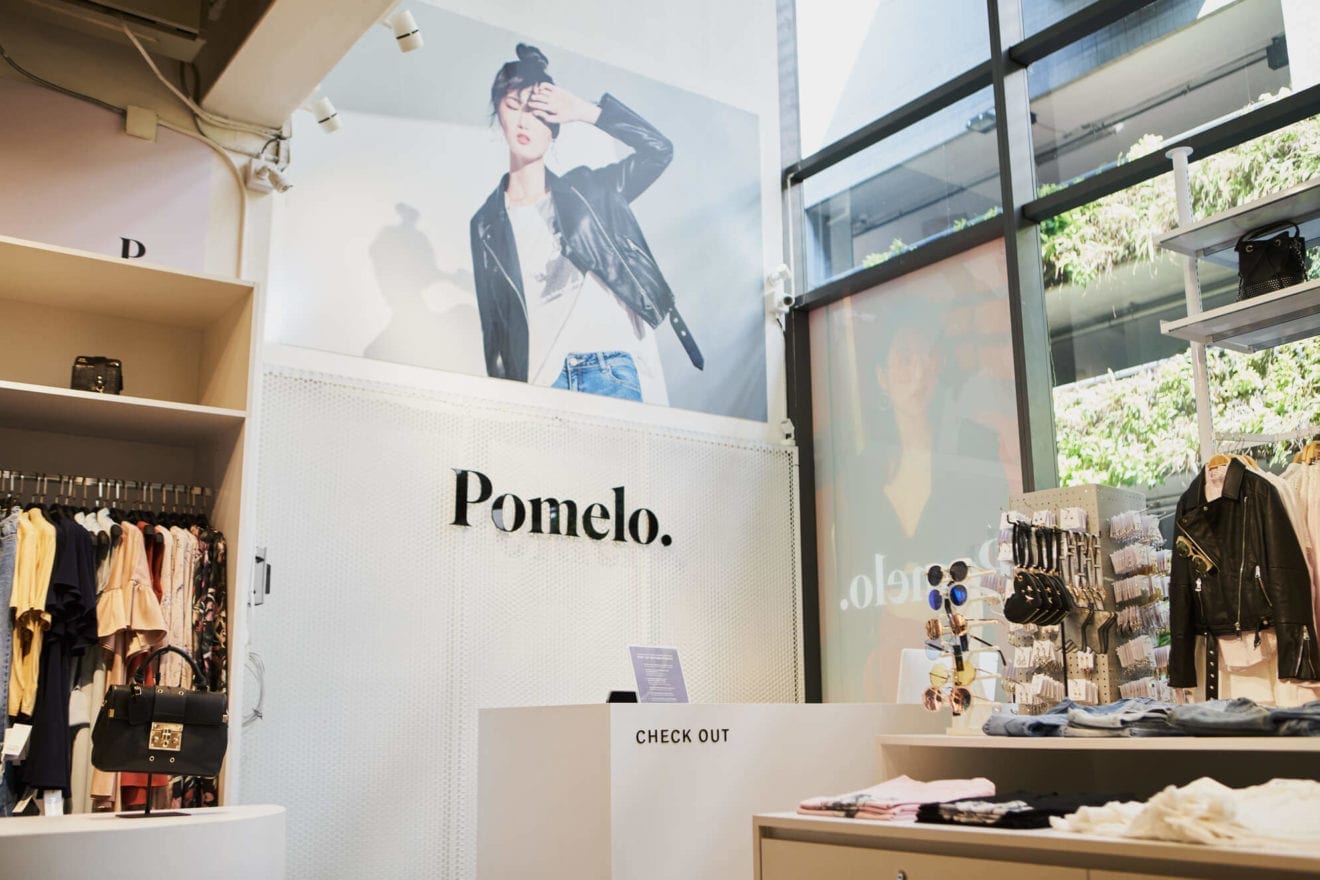
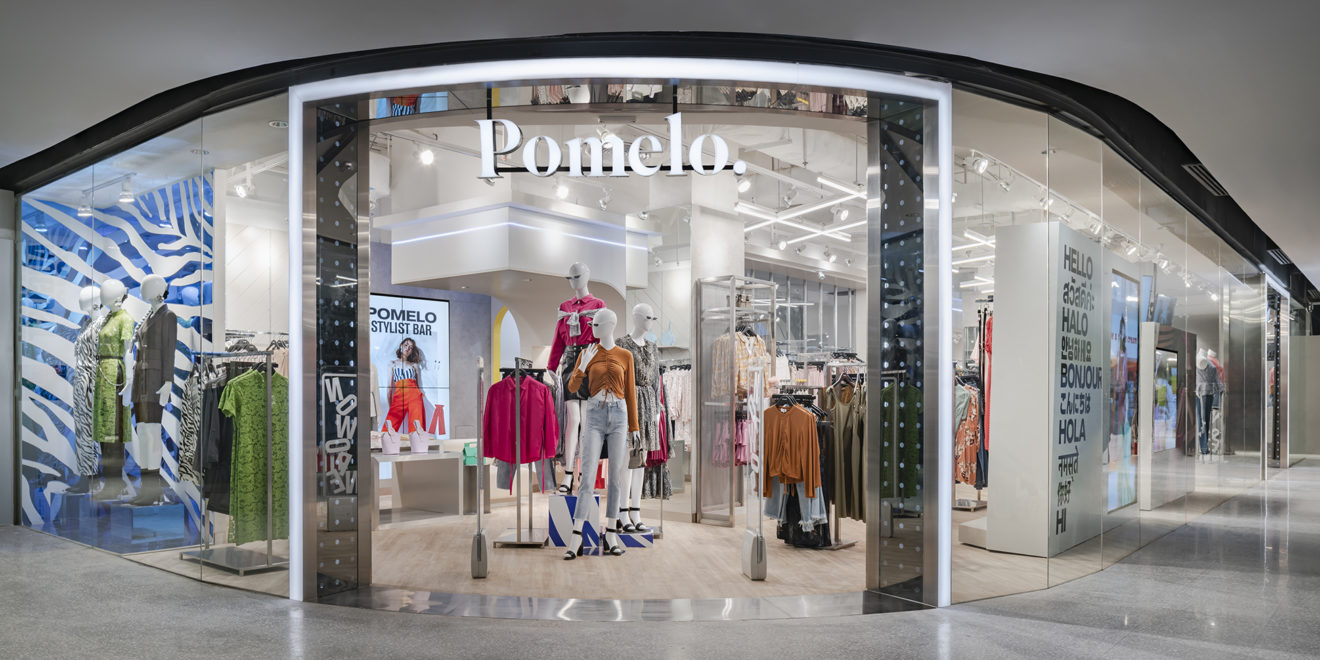
    Thai-based omnichannel fashion platform Pomelo has launched a redesigned version of its online platform which features multiple brands.

    Besides offering in-app exclusive live streaming, the new app houses more than 100 brands on its Thai version, including Vans, Converse, L’Occitane, and local brands such as Rally Movement and Matter Makers.

    But the company told Inside Retail Asia it will continue to design and release its own Pomelo range as well.

    Pomelo, which is building a footprint across Southeast Asia, plans to expand its expanded multibrand selection into other markets next year.

    The new app has a feature called Tap Try Buy, previously called Pomelo Pick Up, which allows customers to order items online through the app or website, select a store or partner location to try on their selected items, and only pay for only what they choose to keep. Tap Try Buy orders already make up almost half of the retailer’s online orders, a percentage that has grown during the Covid-19 crisis.

    Overseeing the new multi-brand direction is Alexandra Schonfrucht, newly appointed former Zalando and JD Sports executive, who is now Pomelo’s global head of third party brands.

    “We’re thrilled to welcome Alexandra to the Pomelo team as we enter this next phase of growth as a multi-brand platform,” said David Jou, CEO, and founder of Pomelo. “We’re continuing to build a diverse brand portfolio to provide the best omnichannel experience for our users.”

    The new app also incorporates Pomelo’s new branding elements including a refreshed logo.

  • The SM Store Advances Omnichannel Merchandising Strategies with Aptos Technology

    The SM Store Advances Omnichannel Merchandising Strategies with Aptos Technology

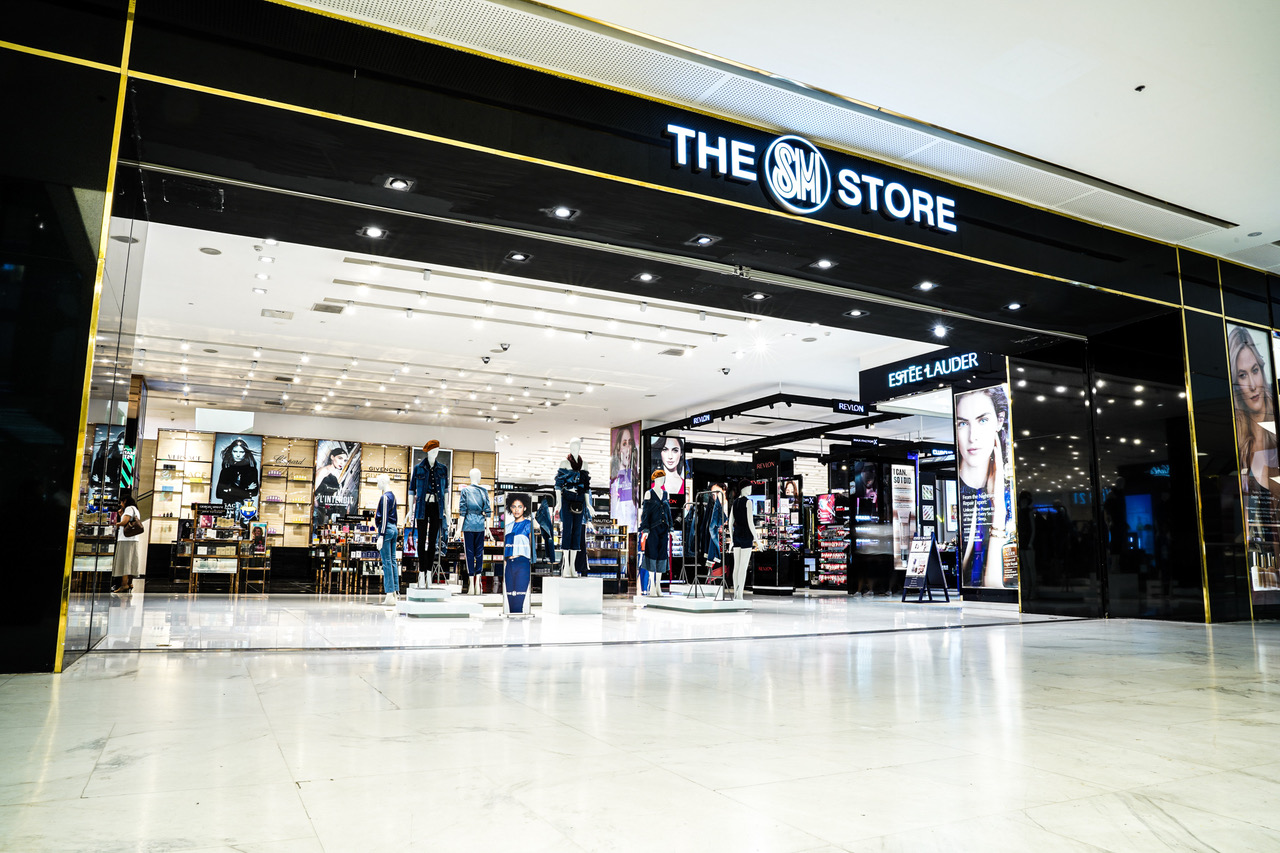
    Aptos, a recognized market leader in retail technology solutions, today announced that The SM Store, the largest department store chain in the Philippines, will deploy Aptos Merchandise Financial Planning to optimize its omnichannel merchandising strategies. The solution will provide end-to-end support for the retailer’s merchandise planning activities across its bricks-and-mortar and online channels.

    The SM Store, formerly known as SM Department Store, has over 60 stores strategically located in key cities throughout the Philippines and carries a wide range of apparel, accessories, housewares, general merchandise and lifestyle products. The SM Store is part of SM Retail, Inc., a significant player in the retail industry in the Philippines.

    SM Retail has come a long way since its founder, Henry Sy Sr., realized his dream to open a shoe store in Manila in 1958. Today, SM’s retail operations are the country’s largest and most diversified, with food, nonfood and specialty retail stores.

    With the guiding principle of offering a one-stop shopping experience, The SM Store continues to enhance the way it engages with its loyal customers. This has included investments in its online shopping platform, ShopSM, allowing customers to shop anytime, anywhere.

    As customers’ browsing and buying behaviors have expanded, so too has The SM Store’s complexity in planning merchandise across channels. In order to delight customers with the right merchandise while consistently meeting financial goals, the Aptos solution will provide end-to-end support for The SM Store’s merchandise financial planning activities. This includes strategic planning and budgeting, planning by attributes, buying and assortment strategy, in-season management, and more.

    Once deployed, Aptos Merchandise Financial Planning will be utilized by over 120 merchandise planners within The SM Store business. The Aptos solution was selected over competitive offerings due to its ability to support The SM Store’s different shop formats and an increasing number of channels, the ease of use and intuitiveness of the application, and the flexibility of the solution to evolve with The SM Store over time.

    “SM’s tagline of ‘We’ve got it all for you’ emphasizes the importance this retailer places on its merchandising strategy, buying decisions and vast assortment,” said Noel Goggin, Aptos CEO and culture leader.

    “Merchandise planning is the foundation of developing, buying and delivering the best assortments to customers while achieving margin and inventory investment targets. With Aptos Merchandise Financial Planning, The SM Store can optimize product distribution and stock levels across channels — a powerful differentiator as it advances its omnichannel vision. We are proud to work with this customer-centric and highly diversified retailer, a true leader in the dynamic and growing Philippine retail market.”


  • Li & Fung Partners with JD.com to Accelerate Development of Digital Supply Chain

    Li & Fung Partners with JD.com to Accelerate Development of Digital Supply Chain

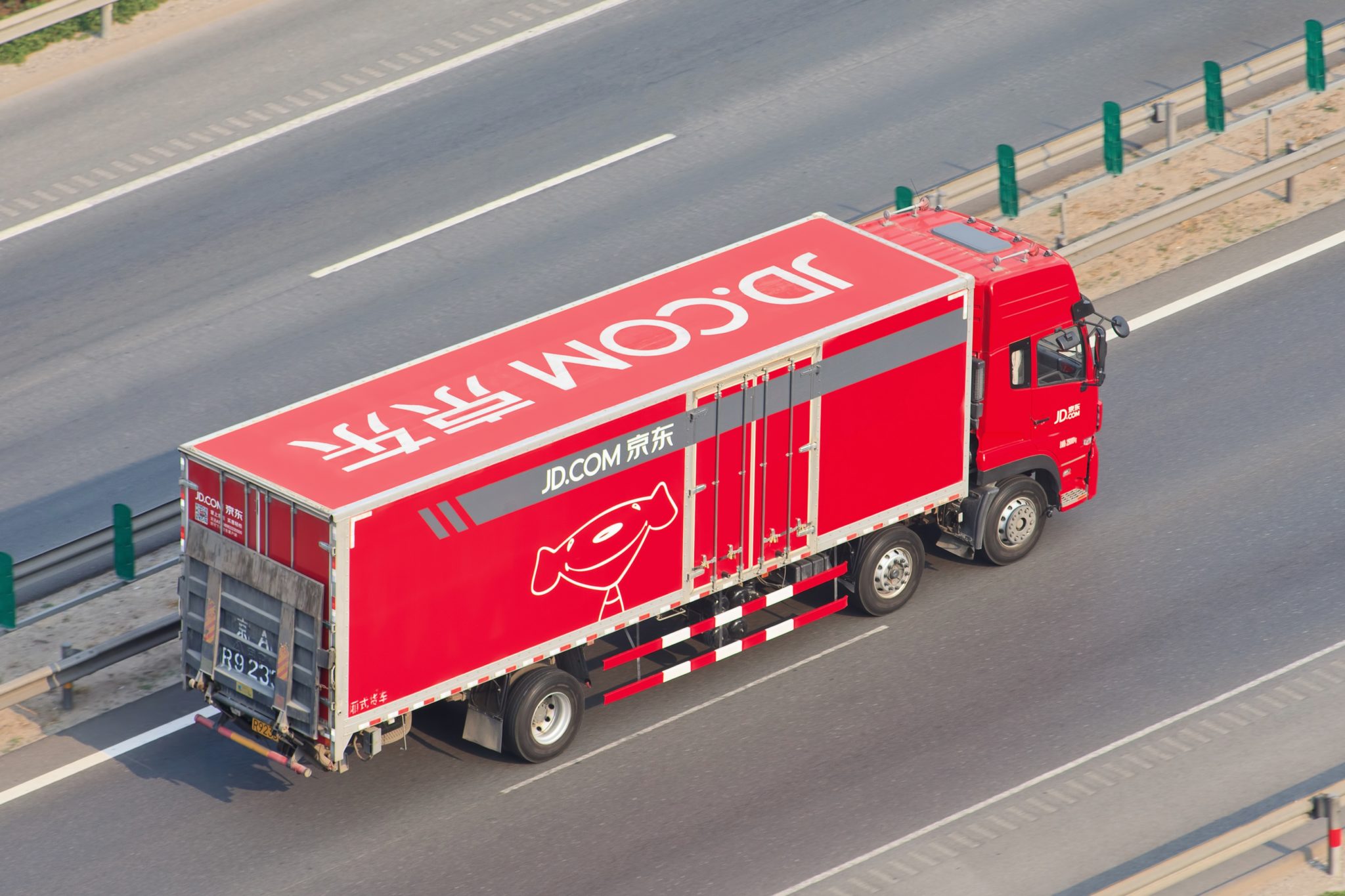
    Li & Fung, today announced a strategic investment of US$100 million from JD.com , with newly issued capital to further develop its digital supply chain. The Fung Family will continue to retain control of the Company with 60% of the voting shares.

    Li & Fung has been on a journey to create the Supply Chain of the Future and the strategic cooperation with JD will accelerate this development with a proven digital partner. Li & Fung will also grow its business in China by partnering with JD on private label initiatives for the China domestic market by leveraging its global network and digital supply chain. With the strong partnership between the Fung Family and Singapore-headquartered GLP Pte Ltd., and now the addition of JD, Li & Fung will be able to leverage its scale and digital capabilities to continue its journey of creating the end-to-end digital supply chain.

    As China’s leading technology-driven e-commerce company, JD is transforming to become the leading supply chain-based technology and service provider, which fits well with Li & Fung’s goal of creating the Supply Chain of the Future. JD has been developing proprietary supply chain technologies for many years and has created digital retail and supply chain platforms that are fully integrated to support its omnichannel strategies.

    Amidst the continuing digital disruption to retail and the ongoing global trade tensions, compounded by the dramatic impact of Covid-19, the global retail supply chain has become more and more complex. With the breadth and depth of its global sourcing and production ecosystem, pan-Asia logistics network, and industry-leading digital product development capabilities, Li & Fung is helping global retailers and brands navigate a highly uncertain and ever-changing macro environment.

    Spencer Fung, CEO of Li & Fung, said: “Our goal to create the Supply Chain of the Future and to improve the lives of one billion people in our global supply chain remains more relevant than ever in this turbulent world. The partnership with GLP and the addition of JD will be instrumental in further strengthening Li & Fung.”

  • Tmall Global offers relief package to merchants worldwide

    Tmall Global offers relief package to merchants worldwide

    Alibaba’s B2C platform Tmall Global is offering support to its merchants during the coronavirus epidemic, including waiving services fees.

    The firm’s annual service fee for the first half of 2020 will be waived for all Tmall Global merchants on board before this coming July. It will also provide its shop setup tool Winpool Smart Edition to all its merchants free of charge.

    “It has always been Alibaba’s mission to make it easy to do business anywhere, and now it’s the time to commit,” said Tmall import and export GM Alvin Liu. “Tmall Global will stand firmly with merchants from all over the world, supporting them and uniting as one to overcome challenges and difficulties at this special moment.”

    Along with the fee waivers, Tmall Global will reduce or exempt warehouse rent and logistics costs. lower the threshold for merchants’ automatic settlement obligations, reduce agency service fees, provide low-interest loans to merchants, and optimize its rules and regulations to allow more flexibility.

    Tmall Global’s move follows the rollout of 20 measures by Alibaba Group and subsidiary Ant Financial to support Chinese SMEs during the outbreak.

  • UOB Launches Student-Designed Bank Branch

    UOB Launches Student-Designed Bank Branch

    United Overseas Bank (UOB) announced the launch of Hangout@UOB, a new branch concept designed and managed by Singapore Polytechnic students.

    A four-week design process of the branch enabled interior design and architecture students to put into practice the skills they have learned in school, the lender said. The final space is based on the final concept presented by the students.

    The process has provided students with the opportunity to gain vital work experience and to build a strong foundation for their careers, the bank added. We wanted Hangout@UOB to go beyond serving the students’ banking needs and to engage them more deeply by contributing to their curriculum and growth. By partnering Singapore Polytechnic, UOB has been able to deepen the students’ learning experience beyond the classroom to the real world,” said Jacquelyn Tan, Head of Personal Financial Services Singapore, UOB, in a media statement on Wednesday.

    The first step in the collaboration involved 40 lecturers and students from different schools such as Business and Media, Arts and Design coming together to create a space to call their own. They participated in a one-day Design Thinking workshop alongside teams from UOB to identify the features within the space that would suit the needs and interests of the polytechnic community.

    The workshop participants put together a list of preferred design elements, which students from the School of Architecture & The Built Environment and School of Business used to design Hangout@UOB. Students were given free rein to decide on the aesthetic and functional design elements of the branch such as the layout, colors, furniture styles and the use of gamification for engagement.

    We also know that while the students are digital natives, they wanted an inviting space where they could gather to find out more about specific banking solutions before applying for them online. As such, it was important that the final design integrated both the offline and online engagement preferences of the students, which is in keeping with the Bank’s omnichannel strategy, Tan added.

  • Walmart India lays off management executives

    Walmart India lays off management executives

    Walmart India will let go around a third of its top executives at its Gurugram headquarters. The retailer has been struggling in the territory and is now responding by laying off more than 100 top-level executives, with more terminations expected to come later. It will also close its Mumbai fulfillment center and its largest warehouse, and will hold plans to open new stores within the Indian market.

    “We are always looking for ways to operate more effectively to serve our members,” said a spokesperson for Walmart India. “This requires us to review our corporate structure to ensure that we are organized in the right way to best meet the needs of our members. Impacted associates have been offered enhanced severance benefits and outplacement services to support their transition.”

    Following a decade of trade within India, Walmart’s sales growth has remained problematic, with the firm recording a net loss of US$24.26 million during the last fiscal year.

  • India’s Lenskart wins US$275 million in Softbank funding

    India’s Lenskart wins US$275 million in Softbank funding

    Indian omni-channel eyewear retailer Lenskart has raised an investment of US$275 million from SoftBank Vision Fund.

    Several of the firm’s existing investors sold their stake in the business during the latest Series-G financing round. The new funding has lifted the firm’s total investments to date to $456 million, leaving Lenskart with a valuation of more than $1.5 billion.

    The firm currently sells via more than 500 outlets throughout more than 100 Indian cities. The firm started as an online-only business, with 60 per cent of current sales still taking place online.

    “We are thrilled to have SoftBank Vision Fund with us in our journey,” said Lenskart founder and CEO Peyush Bansal in an interview with TechCrunch. “Their understanding of consumer and technology will help us build the next edition of Lenskart.”

    The firm’s latest inflow of capital will be used to improve its IT infrastructure and supply chain.

  • South Korean online shoppers still see brick-and-mortar as crucial

    South Korean online shoppers still see brick-and-mortar as crucial

    South Korean online shoppers still see offline stores as a crucial part of shopping, a recent study has shown.

    Furthermore, despite the widely held belief that consumers will engage in online shopping during lunch breaks, or before they go to bed, the study has also revealed that many shop during work hours.

    DMC Media, a South Korean media lab, reported stark differences in perception between the industry and consumers.

    Among consumers with the shopping experience in the last six months, 73.2 percent collected shopping information at offline stores, ranking second after mobile shopping (81 percent).

    About three in four consumers use offline stores rather than the web, indicating shoppers still have a desire to look at products before they buy.

    While offline stores are falling behind in the competition with e-commerce, online consumers are still acquiring shopping information through offline stores, which may indicate a path towards finding a breakthrough.

    In contrast, online marketers have been underestimating the importance of offline stores at 30.7 percent.

    Online marketers’ views differ on the time frame when most consumers engage in online shopping. While many believed consumers would not engage in online shopping during working hours (9am to 6pm), the study showed consumers consistently devote time to online shopping after 9am (15.4 percent) and online shopping activity peaks between 6pm and 9pm (46.9 percent), which shows most consumers engage in shopping activities regardless of time and work.

    When choosing an online shopping mall, consumers consider the price (29.4 percent) and product quality (23.4 percent). Coupons are a factor for 9.4 percent of consumers.

    The study also found that consumers click less on the advertisements posted on Instagram, Facebook, and other social networks (50.7 percent) than those linking to a portal website (69.1 percent).

    “Making a strong impression on consumers at offline stores through special programs will not only raise short-term profits but also increase brand loyalty and encourage them to come back,” said the DMC Media research team.

  • Pomelo Purpose range now features recycled PET fabrics

    Pomelo Purpose range now features recycled PET fabrics

    Omnichannel fashion brand Pomelo has released a third collection for its permanent sustainable line Purpose.

    Seeking to lead the sustainability charge in the Southeast Asian fashion industry, the brand will be introducing Recycled PET (RPET) material to its Pomelo Purpose production processes for the first time.

    As with the brand’s previous Pomelo Purpose collection, which placed a focus on clothing made exclusively from organic fabrics, dyes and cruelty-free materials, this collection intentionally incorporates eco-friendly practices from within the supply chain. Aiming to bring awareness to the importance of building sustainable fashion futures, the latest addition to the Purpose line is produced using RPET material and organically-sourced fabrics including linen, cotton, and natural dye.

    RPET material, which is obtained from EcoMax, one of the few Asian suppliers of environmentally-friendly renewable fabric, is made from 100-per-cent post-consumer PET bottles that would otherwise enter landfills or pollute natural habitats. By incorporating RPET material into the production of Purpose pieces, Pomelo hopes to create higher-quality, lasting pieces that ease production pressures on finite natural resources.

    Pomelo is encouraging its customers to drop off used clothing at its select partnered locations and offline stores, including the newly-opened Singapore flagship store at 313@Somerset. Pomelo Purpose shoppers can also schedule free pick-ups by scanning a QR code stitched into their Purpose products. All collected clothing is then redistributed to underprivileged partner communities, organisations and charities in Thailand, Singapore and Indonesia.

    “Purpose by Pomelo has led the way for the fashion industry in the region to adopt environmentally-friendly practices through sustainable materials and processes,” said Pomelo CEO David Jou. “With this launch, we are hoping to make an even bigger impact by providing all Pomelo shoppers an opportunity to start their recycling journey using our free pick up service. We’re very excited to continue bringing innovation to this very important topic.”

    From now until September 5, all Pomelo online customers in Singapore, Thailand and Indonesia will be able to book a free pick-up for up to 3kg of used clothing via the Pomelo App. After the promotional period, free pick-ups will be limited to first-time Pomelo Purpose shoppers only.

  • Shopeline, Asia’s Biggest Smart Commerce Platform, Strengthens Foothold in Southeast Asia

    Shopeline, Asia’s Biggest Smart Commerce Platform, Strengthens Foothold in Southeast Asia

    Shopline, the global smart commerce platform, has today announced the official expansion of its operations to Malaysia. The news follows the closure of a successful US$2 million funding round earlier this year, led by CDIB Capital Group and Alibaba Hong Kong Entrepreneurs Fund, and reaffirms SHOPLINE’s confidence in the Southeast Asia market.

    The start-up, originally founded in Hong Kong, enables merchants to easily set-up online stores, and offers a wide selection of shop designs, payment gateways, and shipping carriers tailored to the needs of local and cross-border merchants. It has grown over the last six years to become the market leader in Asia, helping more than 150,000 entrepreneurs, SMEs and large enterprises such as Durex, Bee Cheng Hiang and Hiwalk go digital. In 2018, SHOPLINE’s merchants reached over 200 million customers.

    The Southeast Asian Digital Opportunity

    Figures from the latest annual Global State of Digital report by Hootsuite and We Are Social revealed an explosion in online engagement across the region, with the Philippines, Thailand, Indonesia and Malaysia all ranking in the top 10 countries on the world’s internet usage index.

    Meanwhile, a recent study by Google and Singapore’s Temasek Holdings predict that Southeast Asia’s internet economy will be worth in excess of US$240 billion by 2025, with e-commerce accounting for 40 percent (US$102 billion), up from 2018’s US$23 billion spend.

    Against this backdrop, the opportunities presented by the booming Southeast Asian digital economy are immense. However, in order to successfully leverage its potential, businesses need to not only ensure they’re in the mix, but that they also provide a seamless and integrated online to offline experience.

    With a strong following in its native Hong Kong, along with offices in Taiwan, Ho Chi Minh City and Shenzhen, SHOPLINE now adds Kuala Lampur to its network, and has plans to further expand its footprint across the region.

    Empowering businesses and merchants in Southeast Asia with smart, omni-channel tools

    Having already supported several launch partners in beginning their online ventures, SHOPLINE will expand its Malaysia offering in the coming months to include its range of online to offline (O2O) solutions, which enable merchants to connect across channels and optimise the customer’s shopping experience.

    Services will include the SHOPLINE Kiosk, a CRM tool that allows users to sign up for membership with a mobile number or email in seconds; the SHOPLINE Broadcast Center, a marketing automation tool enabling merchants to reach customers via Facebook’s chatbot, SMS and email; and Shoplytics, a proprietary smart analytics dashboard that allows merchants to visualise and analyse data related to their store’s web traffic, revenue, product performance, customers, marketing and promotion campaign performance.

    Later this year, SHOPLINE will further look to introduce its cloud-based point-of-sale (POS) system tailored for retailers, enabling them: to keep an accurate record of store transactions; track and manage store inventories; generate real-time sales performance reports; track staff performance and manage payroll; manage membership and more–creating a unified omni-channel solution over multiple store locations.

    Tony Wong, Co-founder and CEO of SHOPLINE said: “We’re delighted to be setting up camp in Kuala Lumpur. Underpinned by strong governmental support and a huge jump in mobile and internet penetration, we see incredible potential in Malaysia, and indeed the wider Southeast Asian digital economy. SHOPLINE is committed to helping our partners – our merchants – grow with us. By introducing our comprehensive range of O2O and POS solutions to new markets, we hope to equip more merchants with the tools they need to go digital and go global, creating a smooth and holistic shopping experience across offline and online channels.”

    He added: “This is an exciting time for the SHOPLINE team. We have grown from a three person team to a company with over 200 employees across the globe. Each office recruits local team members with deep insight into their respective markets, allowing us to provide tailor-made solutions to satisfy our merchants’ individual needs and Malaysia is no exception.”

  • Farfetch opens flagship on JD.com China

    Farfetch opens flagship on JD.com China

    Farfetch China has opened a flagship store on JD, one of its strategic investors.

    The move follows Farfetch China’s purchase of Toplife announced in February and gives the global luxury-fashion technology platform access to more than 300 million customers in Mainland China.

    According to a statement, Farfetch now has a ‘Level 1’ entry point on the JD app, providing customers with instant access to more than 3000 brands via Farfetch’s network of more than 1000 luxury brand and boutique partners.

    “The partnership builds on the existing successful relationship between Farfetch and JD, started in July 2017,” said Farfetch China MD Judy Liu.

    Since then, the fashion platform has built its China presence by sharing JD’s logistics capabilities and its insights into the behaviour of Chinese luxury consumers.

    “Brands crave ever-better access to the Chinese market, and we are thrilled to deliver this for them,” said Liu.

    “This is an important expansion of our strategic partnership with JD, which strengthens the Farfetch China business as part of our truly global offering. Being able to offer the full suite of Farfetch’s technology and logistics platform to brands wanting to reach high-end Chinese consumers is a major competitive advantage as we seek to continue to grow market share in the rapidly expanding online luxury market.”

  • HGC expands collaboration with Salesforce, Enxoo

    HGC expands collaboration with Salesforce, Enxoo

    Hong Kong’s Hutchison Global Communications (HGC) has expanded its partnerships with customer relationship management company Salesforce and Salesforce platinum partner Enxoo to accelerate its digital transformation.

    HGC plans to use the collaboration to develop a streamlined customer journey across the sales cycle, product catalog, pricing tools, quotations and order management.

    The company will be able to take advantage of a set of open ad modular tools that will allow for greater flexibility when responding to customer needs.

    This includes the Salesforce Einstein AI platform, which HGC plans to use to make proactive decisions to serve customers better and maintain long-term customer loyalty.

    In addition, omnichannel tools will allow HGC to more quickly respond to requests for quotes for complex enterprise solutions, and to provide customers with self-service and procurement automation capabilities.

    HGC chief digital officer Jacqueline Teo added that the automated solutions will also support the creation of targeted marketing and engagement programs and to generate more meaningful insights about customers, which will eventually facilitate the expansion of HGC’s product and service portfolio.

    “We are passionate in delivering a new level of personalization, new ways of engagement for our customers, and in supporting our staff to embrace digitalization,” she said.

    “At every step of our digitalization journey, HGC will strive to optimize our services and solutions and to equip ourselves to meet dynamic market needs in the digital era. In future, we will continue to further expand our ecosystem for much better customer experience.”

  • Turning data into information in the age of IoT

    Turning data into information in the age of IoT

    If you think about what your home was like even just a few years ago, life was very different.

    Think about what grocery shopping was like. You’d open your fridge door to check out what’s missing, scribble down on a notebook a shopping list of what you need, turn off the aircon and switch on the alarm before you left the house and leave.

    Now, your smart fridge automatically knows when you’re running low on milk and will order the specific brand and size that you prefer and have it delivered to your front door. Left home and forgot to switch the aircon or alarm on or off? Simply view the app on your smartphone and tap your appliances on or off.

    Known as the Internet of Things (IoT), people are consuming information from more connected devices and as a result, marketing practices are rapidly changing. Retailers need to learn how to speak to customers through more channels than before.

    As IRI’s product solution director Adam Fisher explains, while more devices are creating more communication, marketers are getting blocked where they weren’t before. What happens when your fridge starts ordering groceries for you? Where a marketer could previously capture customers at the shelf in a grocery store, they now need to work out how to get your attention when the fridge automatically orders milk to your doorstep.

    “From a marketer’s standpoint, there are so many devices vying for people’s attention —How do you get the right person’s attention at the right time?” Fisher says.

    According to Fisher, one of the biggest challenges for retailers is knowing how to turn all the data into actionable information.

    “It’s knowing how do I bring [the information] in, how do I make sense of it, but on top of that, how do I know when I need to do something when it’s signalling something?” he points out.

    Marketing automation can give brands more insights and data into how people are responding to these different channels and how they should be approached, suggests Fisher. It’s one of the biggest trends in retail today

    and can help businesses engage with their customers by programmatically finding the optimal marketing and promotional activities for defined customer segments.

    A major benefit of IoT is the fact that based on all this new information from devices, brands and retailers are able to bring products to market faster, allowing them to keep up with the ever-changing retail landscape.

    However, it is vital that businesses have the right infrastructure in place in order to deliver real business growth.

    Fisher says: “It is important that they have the technology and right partner in place. In order to do this, brands and retailers will have to combine mobile and cloud technology infrastructure and go entirely digital to build a new business model by connecting people, things, processes, and data to keep up with technological innovation. That is the essence of what we do at IRI, is connecting the dots to help make faster and stronger business decisions.”

  • Omnichannel startup CitiXsys Opening Offices

    Omnichannel startup CitiXsys Opening Offices

    Fresh from a US$20 million funding injection, omnichannel-solutions startup CitiXsys plans to open six offices across Asia, eyeing region-wide expansion. CitiXsys’ new offices will be located in Singapore, Jakarta, Ho Chi Minh City, Manila, Bangkok, and Kuala Lumpur.

    “Southeast Asia offers an ideal business climate today, with massive opportunity in this important region,” said Kamal Karmakar, CitiXsys CEO.

    “Purchasing a retail-management solution is one of the most important decisions a retailer can make since the future of the entire business hangs on its success.”

    Southeast Asia is the world’s fastest-growing internet region with the e-commerce market expected to reach US$53 billion by 2023.

    “By opening up more local offices and bringing on local product expertise we will be able to better support the needs of our fast-growing client, partner, and distributor base in Southeast Asia,” added Paula Da Silva, executive VP of global partnerships and alliances at CitiXsys.

    “Already this year, the CitiXsys channel partner ecosystem in this region has grown by 30 percent, signaling a need for solutions designed to complement the way retail works in Asia today.”

  • Omnichannel key to AS Watson Group success

    Omnichannel key to AS Watson Group success

    Don’t mention the so-called ‘Retail Apocalypse’ to AS Watson Group MD Dominic Lai.

    An ardent enthusiast in new-generation retail technology, he heads a company that has just celebrated its 15,000th physical store opening. And that network expansion is showing no signs of slowing, with a new store opening on average every seven hours for the foreseeable future.

    “A few years ago, technology arrived and people said: That’s the end days for retail. But no, we never thought that,” Lai tells Inside Retail Asia during an interview outside the 15,000th milestone store, a Watsons health & beauty shop in the new Central I-City mall in suburban Kuala Lumpur.

    AS Watson Group is possibly one of the best examples worldwide of a retailer successfully merging online and offline in a way that is achieving growth in both sales and profit. Revenue was up 10 per cent last year and profit increased 9 per cent. “My shareholders expect even more,” he deadpans.

    Embracing online and developing an O2O (online-to-offline) business model is the key to the company’s success, he says. It keeps his customers happy.

    The company has invested some US$130 million in technology since 2012, to be sure to be competitive in the online era.

    “We anticipated e-commerce. We anticipated big data. But we are not just about e-commerce. We have to connect our customers through digital, social media, mobile, everything. This is what we have done and we will continue to invest in technology. We are ready. Technology-wise, we are up to speed.”

    At the heart of this O2O business model is click and collect, linking 13,000 stores to their localised e-commerce site. Most online retailers only offer click and deliver, but Watsons’ customers can browse its sites online at midnight and pick up in any of the stores the next morning.

    The best part of this model is that the company has the opportunity to sell more goods to customers collecting their online purchases.

    “The traffic comes straight to the store,” adds Malina Ngai, AS Watson Group COO. “So on average, 20 to 30 per cent of the shoppers will buy something else.” In some markets, like Taiwan, that rate grows as high as 52 per cent.

    Moreover, As Watson data shows when its loyalty program members shop online and in store, their spending is on average three to four times higher than those who shop only in stores.

    Ngai says the business model – combining physical stores with mobile, website and social media – sits well with the retailer’s core demographic. In Asia, 60 per cent of AS Watson Group’s customers are aged under 35. In China, that segment jumps to 80 per cent. “So you know you have to offer those digital options.”

    The company’s loyalty program, with 135 million members worldwide, represents one of the largest of any retailer’s anywhere in the world. That provides a treasure chest of data, helping the company recognise and understand trends, assess the performance of different promotions, and personalise offers or other marketing communication. And it is clearly working: the health & beauty store network growth is running at 6 per cent, yet sales are growing at 9 per cent.

    New store sites are chosen based on interpretation of customer spending both on and offline, using big data. They are typically staffed by people in the same age profile as its customers. “We have a lot of Gen Y and Gen Z staff,” says Lai. “Retail is detail and we look at every [way] how to connect with our customers.

    In the years ahead, Lai’s vision for AS Watson Group is succinct: “We will continue to open new stores and at the same time we would like to get more members, more formats and make more investment in technology.”

    He is unafraid of any economic downturn.

    “Look at [our] business model. We sell essential products. We are not selling watches and jewellery, we are selling essentials. That’s why I use the word resilient to describe our business: we are resilient.”

    AS Watson Group this year added Vietnam to its footprint, taking the number of countries and territories it trades in to 25. Lai says the company is always looking for new markets, but for now is more focused on expanding within the ones it is already in.

    “We are international. We plan prudently. So we went into Vietnam because we realise the customers there already know our brand and the demographics – and the market entry strategy was to open the flagship and enable the online. That’s the process by which we look at the international market.”

    Ngai points out that the 25 markets AS Watson Group already trades in represent 32 per cent of the world’s population, “and we only have 15,000 stores”.

    “That is why we can still open one store every seven hours.”

    With a new-store payback time of less than one year, that strategy is clearly working. “We open, the customers really love us and we get enough sales to get payback within one year.”

    AS Watson has 12 retail brands across the globe, of which Watsons is by far the largest, with 7200 stores in Hong Kong, Mainland China, Taiwan, Macau, Thailand, Singapore, Malaysia, the Philippines, Indonesia, Vietnam, Turkey, Russia and Ukraine. Sales last year nudged US$22 billion. Across its banners, the company has some 20 different formats.

    “Going forward we will be seeing more and more different models because it is about specialising the offer for the customer needs,” explains Ngai. “It may be [we serve] the same customer, but when the customer goes to a work area they just want to buy wellbeing products, so we have a Watsons Health; and in an area with a lot of young mothers we have a Watsons Baby store; and when they go back to the residential area and want to pick up personal-care products, we have a more regular Watsons store.”

    Lai says the reason the company has been so successful over the years is its customer connectivity. And because it has embraced technology.

    “We have even been quietly investing and developing our big data and analytical capabilities.

    We have been using technology to identify sites to control our inventory, to connect with our customers, to do the assortment planning and space planning.

    “I would like people to know that AS Watson Group is a very modern company, it is not just a retail company opening physical stores. We know how to reach young customers,” he says.

    “We are one of the longest-standing companies in the world with 178 years of history. To be able to reach yet another critical milestone, this is only possible with the love from our customers, passion and commitment from our 140,000 colleagues around the world, and the unfailing support of our business partners.”