Tag: online shopping

  • IGD predicts five trends set to shape retail in 2019

    IGD predicts five trends set to shape retail in 2019

    Seamless in-store shopping experiences coupled with innovative advances in technology are among IGD’s five key retail trends for 2019. “Next year’s biggest trend of all is likely to be the continuation of rapid and radical change in the food and grocery industry,” said Toby Pickard, head of insight, innovation and futures at IGD.

    “We have already seen a significant pivot towards innovative new technology, and there is no sign of this letting up next year. Shoppers’ expectations have changed, and the retail and grocery sectors are working to meet those expectations in every area of business,” he said.

    IGD’s five key retail trends for 2019 are:

    Data dictates the way: This year has seen data become more valuable to the retail sector than ever, with 46 per cent of supply-chain experts now actively prioritising data-driven business. As well as helping to boost sales, accurate data will be vital for tools that allow retailers to understand customer behaviour – and reward their loyalty.

    Through customer datasets, artificial intelligence (AI) and machine learning in-store, retailers can target products and offers more effectively while maintaining appropriate stock levels and improving customer service. Insights gained through closer customer engagement will provide invaluable guidance to retailers looking to grow their businesses: making stronger connections beneficial to both groups.

    Doing good is good businesses: Companies will increasingly take the lead on sustainability while issues such as food waste and plastic pollution make headline news. This has translated to changing attitudes across the generations. Nearly three quarters (74 per cent) of UK shoppers say they have become more aware of the environmental impact of plastic packaging over the past year, and this has led to innovations such as biodegradable wrapping and plastic-free supermarket aisles. Retailers are no longer thinking about just reducing waste, but want to make a positive, tangible contribution. The next wave of innovative and leading retailers and brands will move beyond reducing their impact.

    Seamless stores: Physical stores will offer a much more digital experience next year, by using technology to make it easier for customers to find items and gain more product information. Some 85 per cent of UK shoppers would like to see the roll out of more in-store technologies. This should lead to a faster shop for many, where searching aisles and shelves for the right item is replaced by an app that guides shoppers to where they want to be.

    “Physical stores offer customers a more tangible shopping experience, where they can see products before they commit to purchase,” sais Pickard. “This gives these spaces an advantage over online providers, and we are seeing stores begin to capitalise on that and add in extras to incorporate more of the benefits of online.

    “A recent example of this is Il Viaggiator Goloso, a premium Italian brand, which has enabled its electronic shelf-edge labels to show the online reviews and scores products have received. This gives customers a more informed choice in store.”

    Help me be healthy: Most shoppers aspire to eat and live well, with 85 per cent saying they are actively trying to improve their diet, but aspirations don’t always translate into action. “We believe shoppers will be more health conscious going forward, so supporting them to both look and feel good will be a major priority for retailers and their suppliers. This means that both consumers and businesses will be thinking more about wellness and the role of retail in promoting cleaner living going forward,” says Pickard.

    Anywhere, anytime: IGD expects innovative new social-commerce solutions to emerge throughout next year. Retailers and suppliers will deliver targeted marketing, and new ways to make online shopping more social, instantaneous, and convenient.

    “Next year, we will see retailers think increasingly about making every moment shoppable,” says Pickard. “A recent innovation was EasyJet making it possible for Instagram users to find and book holidays to new destinations, simply by clicking on a photo they have seen. Whether through targeted marketing or simple ways to make purchasing more seamless, shopping is becoming not just more convenient but more instant as well.”

    IGD says shopping will become seamless and omnipresent, with people no longer needing to visit a retailer’s online store. As they look at pictures, watch videos or TV they’ll be able to just add products to a shopping cart.

    “This has the potential to change the way that retailers think about selling in the future.”

  • From Cyber Monday to Cyber Week

    From Cyber Monday to Cyber Week

    Cyber Monday is expected to be the largest online shopping day in U.S. history, generating a whopping $7.8 billion in sales. That’s 17.6 percent higher than last year, according to the projection from Adobe Analytics. But the National Retail Federation projects that the number of shoppers taking advantage of online bargains on Cyber Monday – about 75 million – will be 3 million fewer than in 2017.

    Just as Black Friday has evolved into “Black November,” as retailers spread out their discounts, Cyber Monday has turned into “Cyber Week”, which is expected to alter some of its strength as a stand-alone day.

    It has been estimated that more than 164 million people planned to shop over the five-day Thanksgiving weekend. But experts said Black Friday remains the busiest shopping day, with NRF projecting 116 million would shop, both in-store and online, on that day alone.

    Based on Adobe Analytics data, a record $6.22 billion was spent online by the end of Black Friday, an increase of 23.6 percent over 2017’s $5.03 billion.

    Data suggests that consumers are getting more comfortable buying more and bigger ticket items online.

    The average order value of $146 set a new record for Black Friday, up 8.5 percent over last year.

    Many brick and mortar retailers are trying to capitalize on Cyber Monday by offering “buy online, pick-up in store” deals.

    A spokesperson from the NRF said that “Of those [shoppers] that choose to buy items online and pick them up at the store, nearly 70 percent will double their basket size by the time they walk out of the store. So, even on Cyber Monday, retailers will try to use this as an opportunity to bring consumers into their physical stores and cash in on impulse buys.”

  • Walmart China tests same-day delivery from Dada

    Walmart China tests same-day delivery from Dada

    Walmart China has begun testing same-day grocery delivery in its Xiangmihu store. The new Walmart To Go service is available within a WeChat mini-program, following Walmart’s partnership with online social networking provider Tencent earlier this year. It is currently undergoing trial with future rollout pending feedback from customers who opt in to the service.

    Those ordering from the nearly 8000 SKUs available on the app can receive delivery in as little as one hour via a service provided by Dada.

    Another of Walmart’s new mini-programs being tested at the branch displays a digital map that shows in-store shoppers inventory location and stock status.

  • Xiaomi takes over Meitu’s phone business, manufacture co-branded products

    Xiaomi takes over Meitu’s phone business, manufacture co-branded products

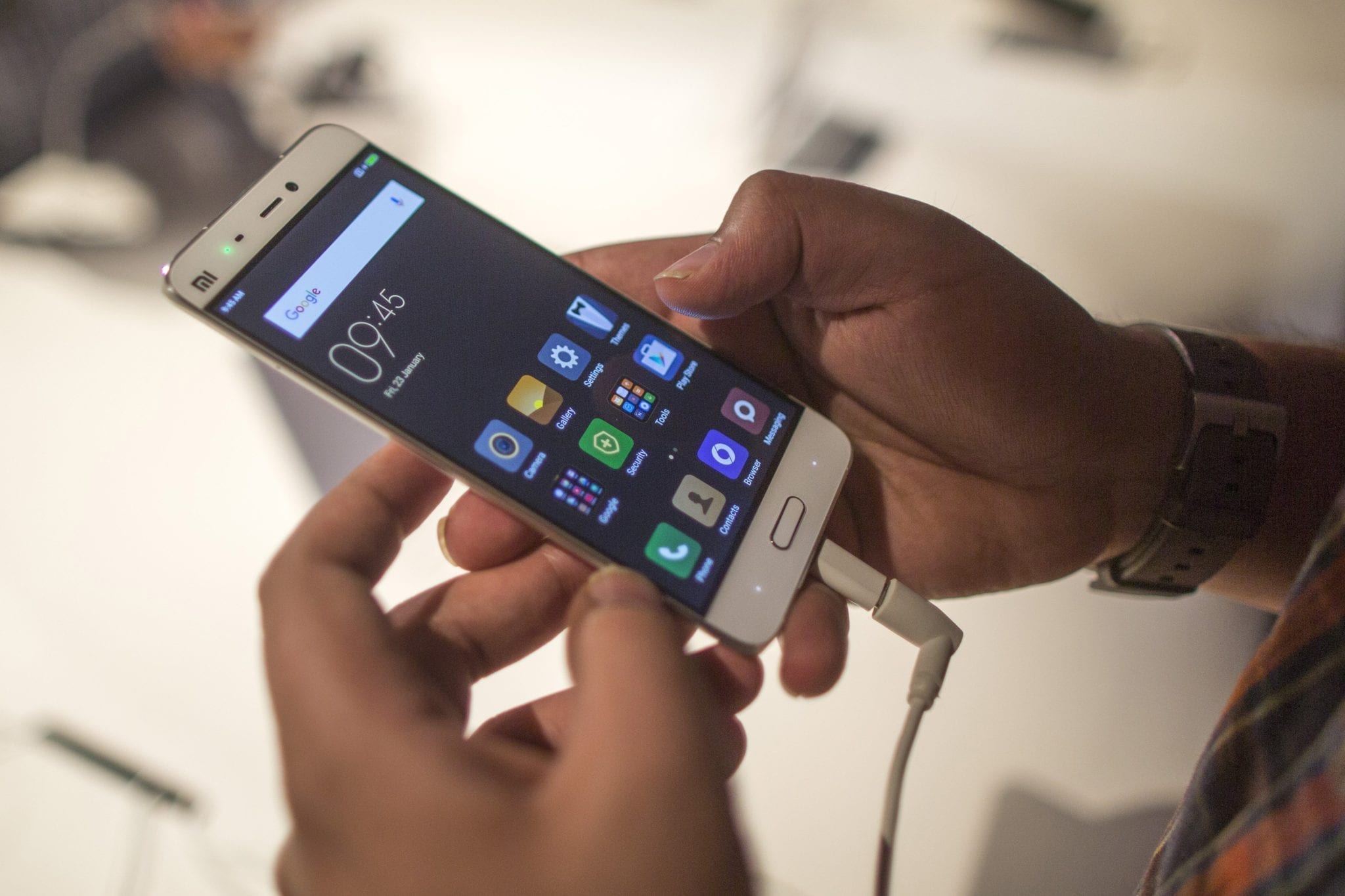
    Meitu and Xiaomi have formed a strategic partnership to jointly launch Meitu-branded phones and other smart devices. The partnership between Meitu – best known for its selfie app – and Xiaomi, a fast-growing technology company with smartphones at its core – will have a far-reaching impact on the brand development of Meitu and Xiaomi as well as the smartphone market as a whole, according to research house IDC. It will allow both companies to expand their customer base and signals a further consolidation in the highly competitive Chinese smartphone market.

    A spokesperson for IDC said that during the last year, Xiaomi has stepped up its efforts to improve the camera capabilities of its products and has done a lot in AI-powered photography research and development. “Leveraging Meitu’s image processing technologies and selfie algorithms will help Xiaomi further boost its AI-powered photography and photo quality and reduce its gap with leading vendors such as Huawei.”

    IDC says Meitu is popular with females which will help draw more women to Xiaomi products which are currently “overrepresented by male users”.

    “Introducing the Meitu brand also enables Xiaomi to offer greater diversity of smartphone products under multiple brands and series, including Redmi, Xiaomi, Black Shark, Pocophone, and Meitu. Xiaomi is gradually forming a multi-brand portfolio targeting different user groups, thereby laying the foundation for it to compete in the market in the long term.”

    The spokesperson said that through Xiaomi’s sales network, Meitu’s software products will reach a larger group of customers via smartphones. “Moreover, licensing its hardware business to Xiaomi allows Meitu to focus on software development and the upgrade of its image processing technologies.”

    And finally, with the top five vendors in China’s smartphone market taking up nearly 83 per cent market share, the growth potential will increasingly diminish for small vendors in areas such as marketing and supply chain resource integration.

    “Going forward, more small vendors are expected to seek strategic cooperation with large vendors and drive consolidation in the China’s smartphone market.”

    Meitu was founded in Xiamen in 2008 as a developer of selfie apps such as MeituPic and BeautyCam, and has been focussed on selfie algorithm development. In 2013, the company ventured into the smartphone market and launched smartphones targeting female users and the selfie market. Despite a higher profit per phone sold and a higher brand premium, the company has become increasingly marginalised in China’s brutally competitive smartphone market due to its meagre shipments.

    According to IDC’s Worldwide Quarterly Mobile Phone Tracker, Meitu only had a mere 0.5 per cent market share in China with shipments of approximately 1.5 million units as of the third quarter of this year.

  • DHL Delivers Black Friday, Cyber Monday and 2018 Holiday Season

    DHL Delivers Black Friday, Cyber Monday and 2018 Holiday Season

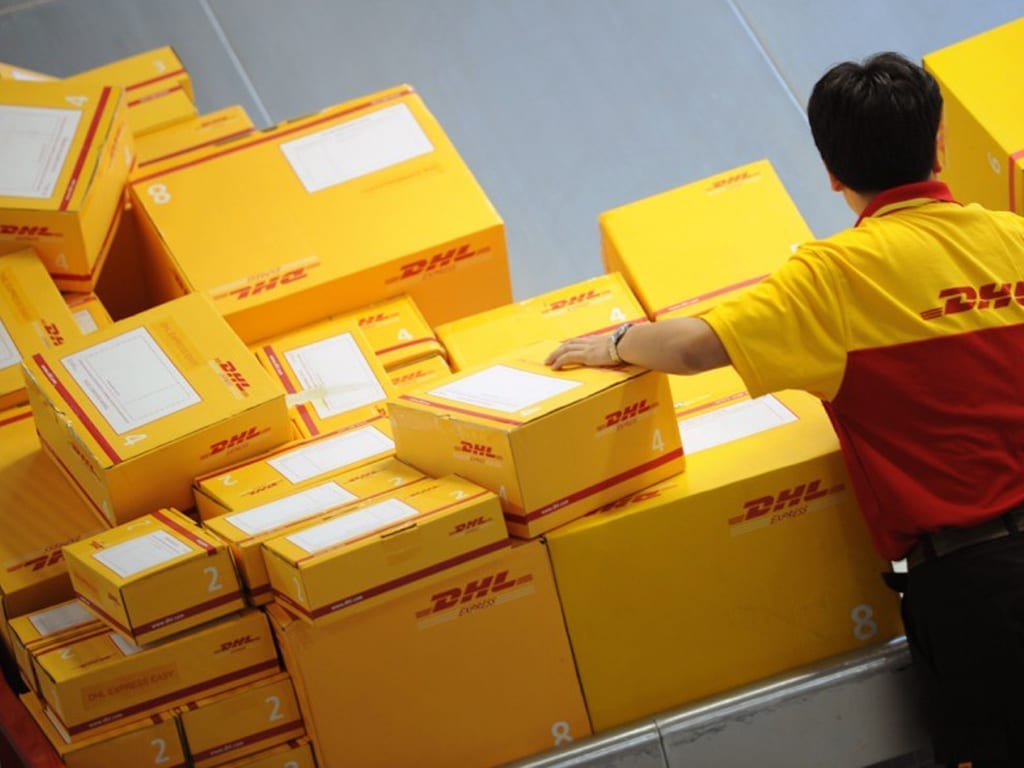
    DHL, the world’s leading logistics company, is ready to deliver Black Friday, Cyber Monday and the 2018 holiday season as e-commerce continues to boom. As the only logistics company with services and capabilities to link the entire e-commerce supply chain, the DHL divisions operating in the United States can expect to handle up to 40% more volume in the peak season versus the rest of the year.

    U.S. retailers are preparing for another record holiday shopping spree, growing more than 4% with total sales predicted to top USD 1.002 trillion this Christmas season1, boosted by promotions such as Black Friday and Cyber Monday. Online sales are expected to accelerate at an even faster clip, growing nearly 17% from last year.

    To boost productivity and meet the surge in volume, DHL is adding more automation and bringing innovative technologies including using collaborative robots in fulfillment centers that help staffers gather the products needed to fill online orders more efficiently, introducing chatbots to answer customer questions more rapidly and adding more automation to its distribution centers to quickly sort and get parcels ready for delivery.

    In New York, DHL couriers will be collecting packages from automated delivery depots and beating the traffic to get them to customers’ doorsteps.

    Says Greg Hewitt, CEO for DHL Express U.S.: “We define peak as the period right after Thanksgiving through to Christmas. We really see volumes go up around the globe at this time. In the U.S., our busiest day of the year for outbound shipments is November 26 – Cyber Monday. Our busiest inbound day will be December 17 – the last Monday before Christmas.

    To ensure shipments arrive on time, Hewitt says, “First think about your product and how to protect it. Ensure you have the right packaging to move through our network. Next, ensure that your staff is accurately portraying content on the shipment’s commercial paperwork and declaring the proper value – if you don’t know how to do this, ask someone in our team. Most importantly, plan early and ship early, in order to beat potential delays due to weather or customs hold-ups. The assurance we can provide is, if it gets to our stations by December 24th, we’ll deliver it. We don’t close our doors until every package is out and on its way to the final destination.”

    DHL eCommerce’s new automated distribution center in northern New Jersey, one of the company’s 19 distribution centers along with three fulfillment centers in the U.S., provides the last mile delivery solution for online retailers. For these merchants, logistics is the back-end support that provides a significant part of the consumer experience. The new center will be launched at the end of the month.

    Says Lee Spratt, CEO for DHL eCommerce Americas: “This season will probably be stronger than 2017. The market is growing at 10-15%. I expect a minimum of 10% growth on peak volumes vs. last year, but wouldn’t be surprised to see it hit 20%. The peaks are Black Friday and Cyber Monday – around these days we see a dramatic increase in orders. The volumes usually show up on the Saturday and Tuesday directly after these days. This is when we need the highest amount of labor in our facilities and our operations at full power. Consumer expectations are high – they want to receive their orders just as on any other shopping day – and this is a defining moment for many retailers in winning and retaining business, so it’s critical that delivery providers meet their commitments.”

    At Chicago’s O’Hare International Airport and John F. Kennedy International Airport in New York, DHL Express workers will be loading American goods onto pallets and freighters for export to consumers in Asia and Europe.

    Says Mike Parra, DHL Express Americas CEO: “Many of our customers are shipping to the UK, Australia and China. These are key trade lanes, but the rest of the world is still important. A large portion of our growth is now coming from e-commerce and our fast-growing retail channel. In line with the growth we’re seeing over the first and final mile, we’ve made recent investments, for example, in expanded facilities in Tucson, Arizona, Ontario, California, and Baltimore, Maryland. We’ve also invested in air capacity – our customers want speed to market for their own customers, so we have invested in new flights to Vancouver, Lima and Bogota.

    “To improve the customer experience, we are also looking at more automation in our facilities, robotic process automation for customs clearance and billing, and chatbots and voice assistants. These enhance the end-to-end customer service experience. You can now opt to speak to someone live or to go through one of our tools that is integrated with Alexa, WhatsApp and other applications to find your package or get other information from DHL Express.”

    At the Port of Miami, DHL staff will be supervising the offload of containers filled with consumer goods from trading partners around the world.

    Says David Goldberg, CEO for DHL Global Forwarding U.S.: “The peak season usually starts a bit earlier for the forwarding industry, as customers reposition inventory to their fulfillment centers in the U.S. ahead of time in consolidated freight consignments. Last year, we saw an extremely strong peak in the fourth quarter, with a capacity crunch in air freight and ocean freight, and rates going up by more than 100% versus previous months. Now, with the tariffs, inventory is getting pushed forward, so the peak has started even earlier and become more elongated. We are seeing tight capacity in transpacific ocean freight, in particular, which is one of the main trade lanes during the holiday season. And air freight capacity has tightened in recent weeks. Both capacity and rates are tight overall.”

    And in Columbus, Ohio, DHL warehouse associates will be working with several innovative technologies that help them make sure that the right products are in every order and get them on the road well in time for Santa’s visit. Vision Picking is among the technologies that DHL is using. These “smart glasses” are an augmented reality tool that provides staff in warehouses with the location of products needed to fill orders; helps reduce pick time and increase order picking accuracy thus providing productivity increases of up to 10%. It also helps reduce employee training time.

    DHL is also working with collaborative robots which can see, move, and work alongside people. Made by Locus Robotics, LocusBots are used in e-commerce fulfillment operations, helping staffers locate products for orders and ferrying them from warehouse aisles to the shipment prep area. With the bots, order pickers don’t have to push carts or carry heavy bins. LocusBots are used in several DHL warehouses.

    Says Scott Sureddin, CEO for DHL Supply Chain North America: “The expectation of next-day or 2-day delivery is compressing order cycle times and challenging everyone in the supply chain to become more efficient and adaptable to change. The first thing our e-commerce customers want is quality and operational excellence with a continuous improvement culture. They also want experts who are leaders with emerging technologies, who can help them to find ways of improving efficiencies and productivity. And they want agile solutions, which will allow them to respond to changes in their market and business needs.”

  • Nykaa.com to bring Laneige to India

    Nykaa.com to bring Laneige to India

    Nykaa.com, India’s leading beauty retailer has launched Korean Beauty brand Laneige, exclusively in India. Laneige maximizes the potential of water to deliver the right solution to each skin concern with carefully selected, optimum natural ingredients. The brand has been showing great results with its simple yet innovative skincare and makeup solutions.

    With over 20 years of research, Laneige’s Water Science has developed optimum water to address skin concerns like hydration, pore refining, anti-aging, or complexion-correcting. Their signature Hydro Ionized Mineral Water offers quicker and deeper absorption for better overall moisturization while Mint Water reduces excessive sebum while offering greater pore care.

    “Observing the growing trend of Korean beauty brands across the world, Nykaa began introducing Korean brands to our portfolio last year. These brands have been a huge success with the Indian audience with their innovative ingredients and cutting-edge science. With Laneige’s signature water science based products we offer our customers a new facet in their beauty regime,” says Falguni Nayar, CEO Nykaa.

    Laneige’s best-selling products like Water Sleeping Mask, Lip and Eye Sleeping Mask, Water Bank Hydro Essence and White Dew Ampoule Essence are now available for women in India exclusively on nykaa.com and at select Nykaa Luxe stores in Delhi, Ahmedabad, Indore, Hyderabad, and Bangalore.

  • Coupang Korea to sack $2 billion funding

    Coupang Korea to sack $2 billion funding

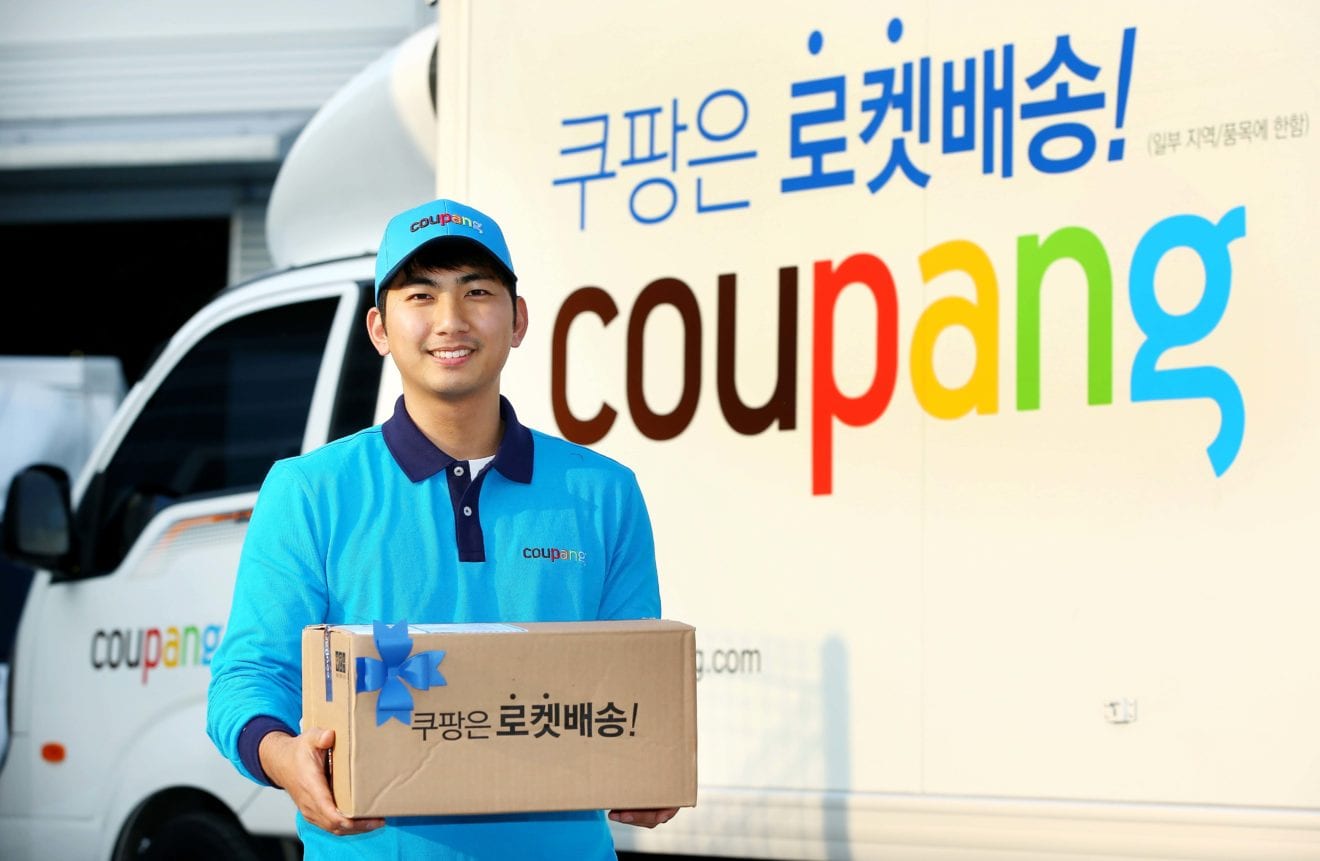
    South Korea’s Coupan, the fast-growing e-commerce firm, will receive an investment of US$2 billion from the SoftBank Vision Fund. The funding follows SoftBank Group’s initial investment of $1 billion in June 2015. The new round of capital will enable Coupang to continue investing in consumer-first technologies.

    Lydia Jett, partner at SoftBank Investment Advisers and a Coupang board member, said the company Coupang wants to have “a revolutionary technology platform and uncompromising focus on customer delight”.

    “We believe the company is well-positioned to lead the Korean e-commerce market, with significant platform opportunities ahead given its data, payments and logistics advantage.”

    With revenue more than doubling in the last two years and approaching $5 billion this year, Coupang is Korea’s largest online retailer with more than 120 million items for sale and 4 million available for guaranteed one-day delivery.

    Millions of customers buy from Coupang more than 50 times per year, and one in every two Koreans has downloaded Coupang’s mobile application.

    Coupang CEO Bom Kim said: “At Coupang, we are obsessed with making customers’ lives easier.

    We’re excited to continue our partnership with SoftBank. We are confident this investment will allow us to leverage the platforms we have created in logistics, payments, and data to make e-commerce and other innovations even more indispensable to our customers.”

  • Farfetch poised to top $1 Billion in gross merchandise value

    Farfetch poised to top $1 Billion in gross merchandise value

    Online luxury group Farfetch said gross merchandise value through its site surged 53% in the third quarter to $310 million, resulting in revenues for the British company to total $132.32 million. The London-based marketplace upgraded its outlook for future growth saying it expects value merchandise revenues to be higher than the company’s previous estimates in the fourth quarter.

    For the three months to September 30, adjusted earnings before income, taxes, depreciation and amortisation registered a $32.3 million loss, meaning the company is yet to hit profitability.

    At the same time, the company reported 1.2 million active customers in the third quarter, up 42 percent.

    Average spending per order fell to $585, from $605 a year earlier, said the company, on the back of a stronger dollar and a free-shipping promotion.

    The results follow Farfetch’s IPO in September, which saw shares soar above $30 in the days after its debut, a more than 50% gain on the initial offer price.

    Farfetch has proven a popular choice for global luxury brands and retailers, as more and more houses continue to sign on to sell through the site.

    Most recently, new additions include Moschino, Victoria Beckham and Tory Burch, as well as streetwear offerings such as Stadium Goods, which sits inside the hub devoted to sneakers.

    Farfetch has also started selling jewellery and added its first department store to its portfolio, Harvey Nichols.

    Looking ahead, Farfetch raised its outlook for fourth-quarter sales on its marketplace, to be between $435 million and $445 million.

    Currently, Farfetch’s marketplace offers luxury products from over 1,000 vendors across 48 countries.

  • BigBasket India eyes 40 pc revenue from private labels next fiscal

    BigBasket India eyes 40 pc revenue from private labels next fiscal

    Chinese retail giant Alibaba-backed online grocery player BigBasket that aims to be a billion-dollar company by the next fiscal year, is expecting 40 percent of its projected revenue to come in from its private labels, a top company official has said.

    “Private labels are around 34 per cent of our business now and we plan to scale this to 40 per cent in about a year. The incremental 6 percentage points of revenue will come from non-fruits and vegetables and non-staples,” Hari Menon, Co-founder and Chief Executive, BigBasket said.

    According to a report: The company aims to clock Rs 3,500 crore in sales this fiscal year, up from Rs 2,000 crore last year.

    He added that the Bengaluru-based company will add a lot of categories to the private labels vertical.

    BigBasket that aims to raise up to US$ 200 million over the next few months, said, the FMCG sales overall (food and non-food) contributes over 50 percent of its business, 30 percent from staples (including 14.5 percent from private labels) and 18 percent from fruits and vegetables.

    It is going to launch beauty as a category in the next few days, with imported products as well, Menon said.

    The company has a presence in 25 cities and plans to launch its operations in Kochi soon.

    “Having gone deeper into the existing consumer base already, which has been our growth driver, we are now planning to get into the upper middle class and middle class segments,” he further said.

    BigBasket, founded in December 2011, claims 10 million subscribers and close to 1 lakh orders per day. The company expects to break even in the 10 large cities by next June.

    BigBasket last month acquired Pune-based RainCan and the Bengaluru-based Morning Cart to deliver milk to 20,000 customers. It has already launched this service in seven cities and expects to roll out to other three cities among the top 10 metros.

    Menon expects the milk delivery business to clock Rs 1,000-crore by next year and plans to grow this business as it will give access to many homes.

    He further said that the company will look at scaling up the fresh meat segment and increase its contribution to 5-6 percent from 1-1.5 percent at present.

    BigBasket has 30 warehouses now and will touch 45 by next year.

  • What is Black Friday like in the Philippines?

    What is Black Friday like in the Philippines?

    After Singles’ Day, the annual Black Friday shopping frenzy is back. A decades-old tradition celebrated every year the day after Thanksgiving, Black Friday marks the unofficial start of the Christmas shopping season in America.

    Together with its more recent online counterpart Cyber Monday, the sales have become a major global event over the past few years as online shopping has brought the bargains to the rest of the world.

    So what is exactly Black Friday like in emerging developing countries like the Philippines? What are Filipinos consumers’ expectations?

    Large discounts expected

    Customers will not waste the opportunity to save money on shopping.

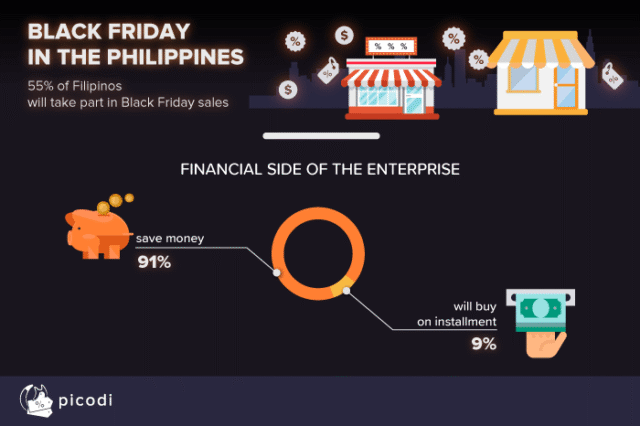
    55% of Filipinos admitted that they’re going to take part in the upcoming Black Friday sales and 91% of shoppers save money prior to Black Friday just to shop on this day.

    Let’s remember that Black Friday sales are usually associated with electronics and housewares which are the best-selling products.

    The remaining 9% declared that they are going to buy on installments.

    38% of consumers are planning to buy 2-3 products, and 36% are going to go on a shopping spree and buy more than 5 items.

    What’s more, 59% of buyers already have an idea what’s going to end up in their baskets. This can be due to the infinite number of guides to what is worth buying and how to find the biggest discounts.

    Black Friday symbolically opens the season of pre-Christmas sales. That is why it is a great opportunity for those who start searching for gifts in advance.

    38% of consumers will take advantage of Black Friday exactly for this purpose—to buy Christmas gifts.

    However, in the Philippines Black Friday is also an occasion to get a present for yourself as it is the intention of 67% of consumers.

    What does an average shopper looks like?

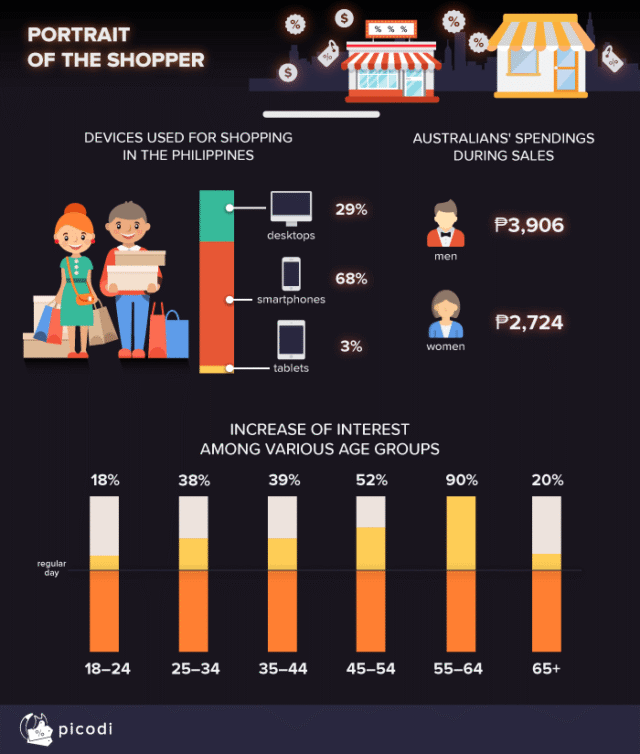
    Spending differences vary by sex. Indeed, an average man will spend more money on sales than an average woman: 3906 PHP and 2724 PHP respectively.

    When it comes to age the biggest interest for Black Friday discounts was among people aged 55-64 and 45-54.

    Statistics also say that mobile devices dominated desktops with 68% of consumers shopping on their mobile phones and 29% on desktops.

  • JD sales jumps as shoppers reached 300 million

    JD sales jumps as shoppers reached 300 million

    JD sales lept 25.1 per cent in the third quarter, to RMB104.8 billion (US$215.3 billion). “We are pleased to report solid results for the third quarter, with our core JD Mall business driving consistent growth under its highly experienced management team,” said CEO and chairman Richard Liu.

    “JD’s commitment to convenient, reliable service and high-quality, authentic products continues to translate into an increasingly loyal user base. Our ‘Retail as a Service’ strategy is also gaining traction as we provide a wide range of partners with innovative retail infrastructure solutions,” he said.

    Annual active customer accounts increased to 305.2 million in the year to September 30, from 266.3 million at the same time a year earlier.

    Net income from continuing operations attributable to ordinary shareholders for the third quarter was RMB3.0 billion (US$400,000), three times more than for the same period last year.

    “JD’s strategic focus on improving customer experience helped drive strong performance across the business,” said Sidney Huang, JD’s CFO. “We will continue our disciplined strategy of investing in key technologies as we focus on optimising operations and driving economies of scale over the coming quarters.”

    Among highlights of the quarter was the signing of a raft of major international brands to the JD platforms, including L’Occitane de Provence, House 99, Hera, Salvatore Ferragamo,  Furla, Gieves & Hawkes, Kent & Curwen, Cerruti 1881 and D’Urban. JD’s dedicated luxury platform Toplife welcomed John Galliano, Buccellati and Shang Xia among others.

    As at September 30, JD had some 200,000 merchants on its online marketplace, and 175,366 full-time employees.

  • India’s Jabong merges with Myntra

    India’s Jabong merges with Myntra

    Myntra has announced the integration of Jabong with the brand and Ananth Narayanan will continue to lead the team.“Since Myntra’s purchase of Jabong in mid-2016, the two brands have been steadily integrating key business functions and streamlining processes. This has resulted in revenue growth and a significant improvement in the customer experience. As the next step in this process, Myntra and Jabong will now fully integrate all the remaining functions including technology, marketing, category, revenue, finance and creative teams,” said company spokesperson.

    “The closer integration of Myntra and Jabong is a necessary step in our continuing development. To remain the leader in fashion eCommerce in India, we have to find ways to operate more effectively and innovate more quickly. By better aligning our resources with our long-term plans, we can put the best structure in place to serve our sellers and brand partners and ultimately benefit our customers.” it added.

    According to the company, Myntra’s independence as a business will be preserved. Myntra team will continue to operate independently to achieve even greater success.

    “We will continue to lead the market, serve our customers, and do what we do best,” according to the company.

    From a consumer perspective, the well-loved Jabong brand will remain.

  • E-commerce to contribute 11 pc of FMCG sales by 2030: Nielsen

    E-commerce to contribute 11 pc of FMCG sales by 2030: Nielsen

    E-commerce’s contribution to the total FMCG sales is expected to be 11 percent by 2030, according to market research firm Nielsen. E-commerce contributed 0.4 percent to FMCG sales in 2016 and in 2018 it is expected to be around 1.3 percent of the branded packaged FMCG sales.

    “Over the next 12 years, we expect e-commerce itself to be 11 percent of FMCG sales, an 8X growth from its current size, Sameer Shukla, Executive Director – Retail Measurement Services, South Asia, Nielsen (India) said.

    E-commerce is around 10 percent of modern trade, while modern trade at present is 10 percent of FMCG sales.

    “E-commerce channel contribution to India FMCG sales now stands at over 1 percent and has grown at over 101 percent since last year. In specific product categories and markets the contribution is already touching double digits of total category value sales,” he said.

    He added that in categories like diaper there has been an upsurge in e-commerce from 4 percent to 9 percent since July 2016 to September 2018.

    Modern trade itself has seen a growth over the last few years from growing at one-third of traditional trade in 2015 to 2X at present.

    From the third quarter in 2016 to third quarter of 2018, traditional trade grew at 2 percent while modern trade at 23 per cent.

    The growth in modern trade has been classified as 18 percent from metros, 32 to percent from 5-10 lakh towns, 33 per cent from 1-5 lakh towns and 58 percent from less than 1 lakh towns.

    Nielsen also noted that salary weeks witness 15-20 percent higher sales compared to regular weeks in a given month and the tactical play adopted by modern trade retailers around big days or weeks (Republic Day, Independence Day, Diwali etc) is an essential ingredient for success in the fast growing modern trade channel.

    In the third quarter of calendar year 2018, FMCG had a growth of 16 percent largely led by volumes, with 81 per cent share or 13 percentage points and the remaining 3 percentage points from price changes.

    It also noted that north and east have contributed to the 16 percent growth in the third quarter. Rural consumption is growing at a faster pace than urban with an index of 1.4X.

    The market research firm also noted that the FMCG companies in the top 50 contributed 60 percent in value terms, however the smaller manufacturers are driving the growth.

    It noted that companies in the bracket of top 101 to 300 contributed 11 percent in terms of value however their growth was 12.8 percent and in terms of the tail-end companies beyond the top 300, the contribution was 21 percent while the growth was 18.5 percent.

    Regional players are growing at a faster clip at 27.7 percent compared to national players at 11.7 percent.

    The presence of regional players is predominantly in packaged food categories where they clocked 31 percent growth in September 2018 on year. This was nearly 3X times growth witnessed among national players.

    However for the last quarter of 2018, it expects the growth in FMCG to come down to 12-13 percent.

  • Korean brands stars on China’s Singles’ Day

    Korean brands stars on China’s Singles’ Day

    South Korean retailers benefited from another record-setting Nov. 11 Singles Day shopping extravaganza led by Alibaba Group of China. Since 2009, Chinese retail giant Alibaba Group has transformed Singles’ Day, which falls on Nov. 11, into an online shopping festival with large discounts offered for 24 hours.

    Over 40 percent of shoppers made purchases from international brands, said Alibaba.

    Among the countries that sold products to Chinese customers on Sunday, Korea ranked third after Japan and the United States.

    Korea placed at No. 3 on the list in 2016, but fell two ranks last year after the deployment of the U.S.-led terminal high altitude area defense (Thaad) antimissile system.

    The incident soured relations between the two countries and provoked a boycott movement against domestic brands in China.

    The exact volume of Korean goods purchased on Sunday was not disclosed, but it was evident that the shopping spree had an impact on local companies, as some of them reported record-breaking figures on Monday.

    Korea’s top beauty and personal care brand LG Household & Health Care Ltd. said on Monday that overall cosmetics sales during this year’s around-the-clock shopping gala rose 50 percent from a year ago at Tmall Global, a major e-commerce platform managed by China’s Alibaba Group.

    Sales of household items also jumped 73 percent during the same period.

    LG Household & Health Care raised 23 billion won (US$20.3 million) in sales of its flagship cosmetics label the History of Whoo during this year’s Singles Day event, up 72 percent from last year.

    Sales of luxury cosmetics brand su:m37 also jumped 82 percent during the same period mainly driven by increased demand for its Water-Full skin-care product line.

    The brand sold 26,500 sets of Water-Full line on November 11, up 208 percent from a year ago. It sold 24,400 sets of its Time Energy skin moisturizing solution, up 48 percent during the same period.

    Korea’s largest cosmetics company AmorePacific Corp. also scooped up sales on Sunday event.

    Sales of Yoonjo Essence, an activating serum of its premium cosmetics brand Sulwhasoo, hit 10,000 in just 60 seconds after launching sales at Tmall.

    Pre-order sales of Hera’s Rouge Holic lipstick also quintupled this year from last year.

    Korea’s fashion and retail conglomerate E-Land Group that manages 19 brands on Tmall raised 72.3 billion won in revenue on November 11 alone.

    Korea’s largest manufacturer of instant noodles Nongshim Co. also raked in record sales of 800 million won at Alibaba’s online shopping mall Taobao on the event day, more than tenfold from its daily average sales and up 25 percent from last year.

    The company attributed record sales to its top-sellers Shin Ramyun and Kimchi Ramyun.

    Alibaba clocked in sales of US$30.8 billion in the 24-hour shopping gala that began at 12 a.m. Sunday, beating last year’s US$25.3 billion.

  • What is the hot new “Boundaryless Retail” trend?

    What is the hot new “Boundaryless Retail” trend?

    Chinese consumers are quickly adapting to buying groceries online for immediate delivery from local offline stores, according to a new joint study conducted by JD, Walmart, Tencent and JD Daojia. In China, where over 15% of consumption takes place online, compared to just 9% in the US, consumers have been faster to embrace online grocery shopping.

    Over 67% of Chinese consumers actively use services like JD Daojia, which can deliver goods from local offline shops, including Walmart, to customers in under an hour.

    An increasing number of online shoppers in China view a guarantee of product authenticity as the most important factor when buying goods, with price often viewed as secondary in importance to considerations like product variety, speed of delivery and after-sales service.

    Consumers carefully consider purchases that can improve their lifestyle, reflect their individuality and be delivered in a convenient way that fits in with their busy modern lives.

    Omnichannel integration in the Chinese supermarket industry is expected to be a major trend going forward, as online and offline players in the industry are increasingly combining resources to meet the diverse needs of modern-day shoppers: bringing together the convenience and diversity of online shopping with offline retail’s immediacy of service and superior user experience.

    Boundaryless Retail is a reality gaining in popularity as “The increasingly diverse needs of consumers require a correspondingly dynamic approach” said Kenny Li, VP of JD.com.