Retail News CRM

Tag: Pakistan

  • Pakistan boosts orange exports to Indonesia

    Pakistan boosts orange exports to Indonesia

    Indonesian fresh fruit importers say Pakistan will face tough rivalry from China. Pakistan hopes to see an increase in exports of its famous Kinnow oranges to Indonesia, as it has started to infiltrate the market through giant retailers.

    A press statement from the Pakistani Embassy made available to The Jakarta Post states that consignments of the Pakistani Kinnow have started arriving in Jakarta, and are currently being sold in many major grocery chains, including Carrefour, Ranch Market, Hypermart and Giant.

    The Kinnow is a larger orange, touted to be extremely easy to peel and is cited as having a unique flavor as a result of the soil and climate in which they are grown.

    “The Pakistani Kinnow made its entry into the Indonesian market at New Year and the Chinese New Year, to make them more joyous occasions. Last year, Pakistan’s exports of Kinnow oranges to Indonesia amounted to US$23 million and this figure is expected to grow significantly in 2017,” the press statement read.

    Indonesia has a preferential trade agreement (PTA) with Pakistan, which began in 2013, and Pakistan’s Kinnow oranges are allowed access through the country’s main port in Tanjung Priok, North Jakarta.

    In exchange, Pakistan exempts Indonesia, the world’s largest crude palm oil (CPO) producer, from paying 10 percent import duty on that commodity.

    Following the PTA, imports of Kinnow oranges from Pakistan reached $19.3 million in 2014, from $3 million in 2013.

    However, Indonesian Fresh Fruit and Vegetables Exporters and Importers Association chairman, Kafi Kurnia, said that it was unlikely Pakistan could significantly boosts its exports of Kinnow oranges because of fierce competition from similar oranges from China.

    Kafi noted that since existing regulations limited the size of imports of certain fruits, importers tended to be choosier.

    “The Kinnow imports arrived during a very good time, at around Chinese New Year. However, they have a lot of fierce competition, mostly from Chinese exporters. If my importing quota was limited, especially during this time, I would definitely prioritize oranges from China,” he told on Monday.

    Even so, the Kinnow orange will remain a major competitor for locally produced oranges, as there was a lack of research and development that could help raise the quality of local fruit and vegetables.

    Indonesia is also home to many other tropical fruits such as mangosteen, rambutan, snake fruit, jackfruit, soursop, breadfruit, guava and starfruit, but they are not exported in great quantities or even consumed heavily at home.

    The government aims to boost tropical fruit production by expanding land for fruit plantations while also improving infrastructure and transportation systems to reduce high distribution costs, as part of efforts to become the biggest tropical fruit producer in Southeast Asia by 2025 and in the world by 2045.

    Meanwhile, National Agriculture Council chairman Benny Kusbini concurred that a lack of uniform quality among locally produced fruit was an obstacle when it came to competing with imported fruit sold in Indonesia.

    He also noted that poor infrastructure remained a problem as some fruits were cheaper to import than to transport from regions in Indonesia.

    “The Kinnow, for example, can be very cheap to import from Pakistan to Indonesia. Sometimes 10 kilograms of Kinnows can be imported for only $5 to $6. Compared to oranges from Medan, for example, it is difficult to compete with those prices,” he told the Post.

    Indonesia imported $666.37 million worth of fruit and $558.08 million worth of vegetables in 2015, according to data from Trade Map.

  • PTCL signs fiber leasing deal with Zong

    PTCL signs fiber leasing deal with Zong

    Pakistan’s largest operator PTCL has secured a fiber leasing agreement with China Mobile’s Pakistani mobile unit Zong.

    Under the agreement, PTCL will deploy 789 kilometers of fiber for Zong’s mobile network.

    The fiber leasing agreement will also allow Zong to utilize PTCL’s nationwide fiber footprint, which will help the operator further expand its 3G and 4G networks nationwide.

    PTCL and Zong signed a memorandum of understanding in December last year which declared PTCL as Zong’s preferred partner for infrastructure and technical expertise. PTCL has meanwhile been making efforts to position itself as the “carrier of carriers,” the report states.

    Zong is Pakistan’s third largest mobile operator by subscribers with a market share of around 19% as of late 2014. China Mobile first entered the Pakistani market in 2008 by acquiring an operating license from Millicom, and holds a 100% stake in Zong Pakistan.

  • Telenor Pakistan launches 4G services

    Telenor Pakistan launches 4G services

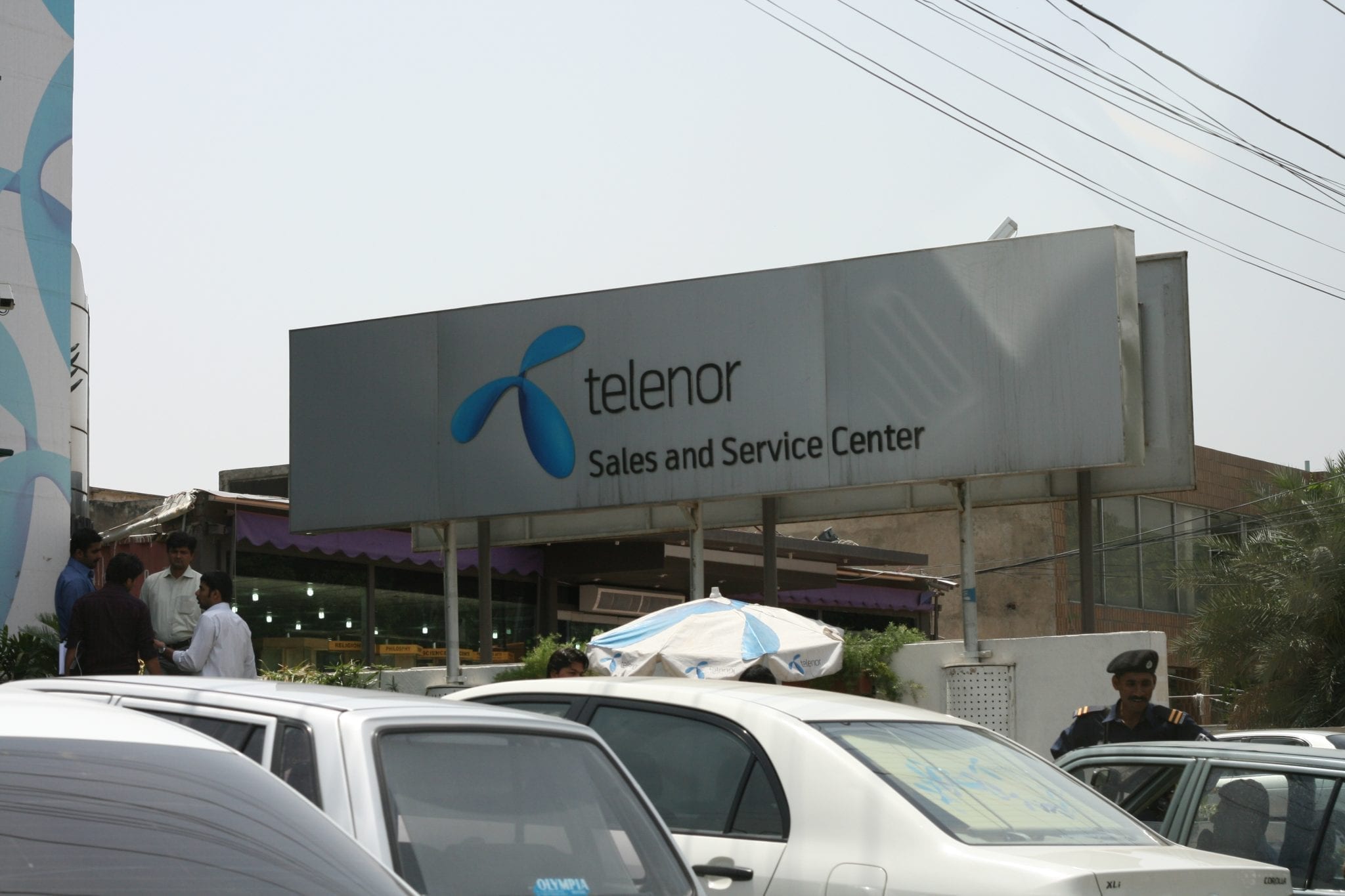
    Telenor Pakistan has commenced a nationwide 4G rollout. launching services in six cities.

    The company will offer 4G services to customers free of cost as a promotional exercise in the initial launch areas, which include select locations in Karachi, Lahore, Islamabad, Multan, Peshawar and Swat.

    Customers in the cities will be able to obtain 4G SIMs at the operator’s sales and service centers and franchises.

    Telenor Pakistan plans to rapidly roll out the service to other cities in the nation, the operator said in a statement.

    “For Telenor Pakistan, this represents a huge leap forward towards realizing our ambition of bringing Internet for All and empowering Pakistan with digital technology,” the statement reads.

    Telenor Pakistan was the only bidder for 4G spectrum during a recent auction of a 10 MHz block in the 850-MHz band. The operator secured the spectrum for $395 million.

    The operator will be competing against China Mobile subsidiary Zong, which this week announced it has expanded its 4G coverage to over 100 cities nationwide.

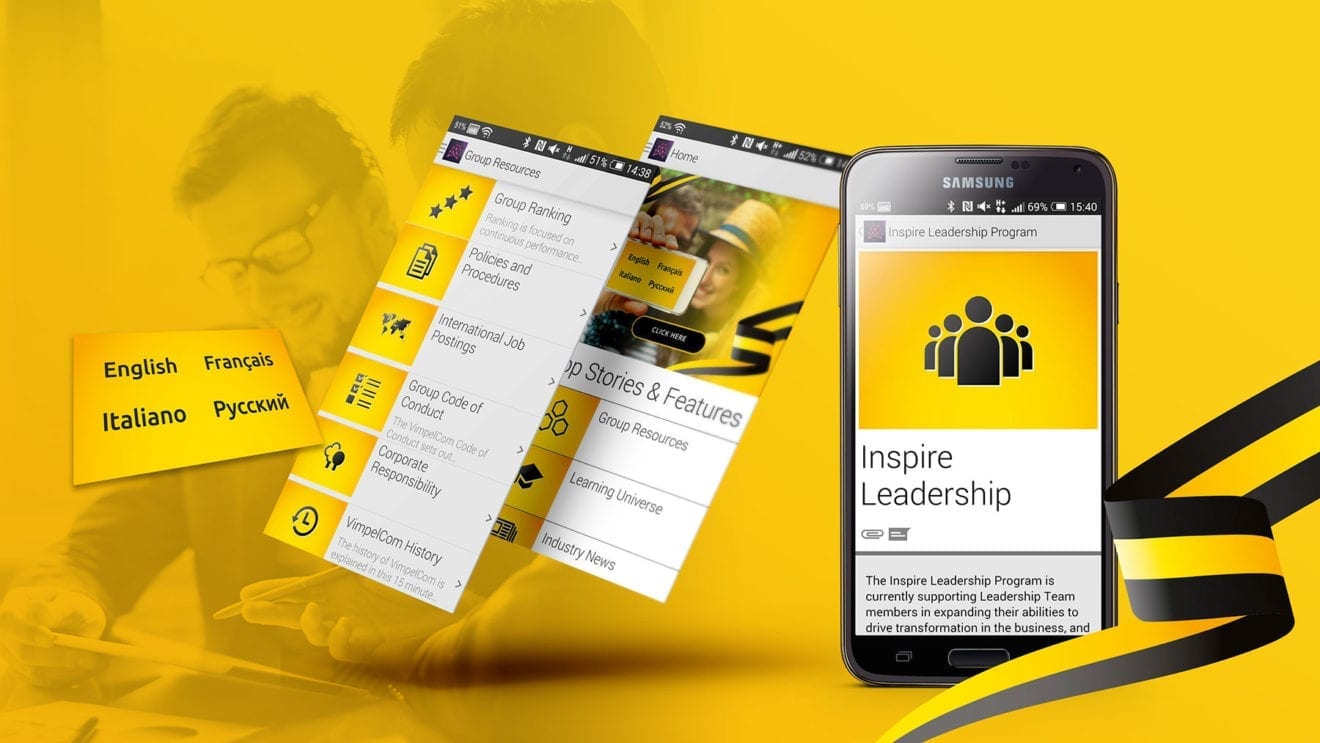
  • VimpelCom to invest $1b in Pakisan over five years

    VimpelCom to invest $1b in Pakisan over five years

    Global telecoms group VimpelCom has announced plans to invest $1 billion in its Pakistani operations over the next five years.

    The company plans to roll out what it says will be one of the largest and most ambitious IT infrastructures in the industry for its Mobilink and Warid operations.

    With the new systems the company aims to ensure faster rollout of new products and services, particularly in areas including mobile entertainment, communications, the IoT and mobile financial services.

    Mobilink recently completed a merger with Warid to create Pakistan’s largest mobile operator with over 50 million customers.

    The merger was announced  in November last year, won regulatory approval in May and closed at the start of this month.

    At a press conference announcing the investment plans Mobilink CEO Jean-Yves Charlier said with the merger 38 million Mobilink customers will be provided with 4G while 12 million Warid customers will be provided with 3G.

    He also said around 1,500 joint Mobilink-Warid franchise shops will be opened nationwide. The operator has also made a commitment to the government to roll out services to remote areas.

  • Telenor wins 4G license in Pakistan for $395m

    Telenor wins 4G license in Pakistan for $395m

    Norway’s Telenor has secured a 4G license in Pakistan for $395 million as the sole bidder for an 850-MHz spectrum block.

    Telenor Pakistan will join China Mobile subsidiary Zong in holding a 4G license following the auction. The operator is seeking to capitalize on burgeoning demand for mobile broadband in a market where smartphone shipments soared 123% in the first quarter of last year.

    As of the end of April, the number of broadband users in Pakistan grew to nearly 29 million, the report states, marking a higher population penetration than India, Nepal and Bangladesh.

    Telenor Pakistan was the lone bidder for the 10 MHz block of 850-MHz spectrum, even though the auction was open to both domestic and international participants. The government had been hoping to use the auction to attract a new entrant into the market.

    The operator will be allocated the spectrum within 30 days of making its payment.

  • Businesses to explore Indonesia

    Businesses to explore Indonesia

    Pakistan’s businessmen should take advantage from the large Indonesian market, an envoy said. Ambassador of Indonesia Iwan Suyudhie Amri, talking to the Lahore Chamber of Commerce and Industry (LCCI) Vice President Nasir Saeed, said bilateral trade needs to be enhanced as Pakistan and Indonesia are potential markets.

    Ambassador Amri said Pakistan’s rice and meat have great demand in Indonesia and therefore Pakistan’s businessmen should avail this opportunity.

    He said the LCCI is playing a significant role to strengthen the trade and economic relations between the two countries.

    Saeed said the implementation of Pakistan-Indonesia preferential trade agreement will begin a new era of cooperation and serve as a foundation for enhanced economic and trade cooperation.

    He said local businesses will increase exports to Southeast Asia’s largest economy under the preferential trade agreement.

    “There is also a lot of scope for Indonesia to make investment in Pakistan. Indonesia has a fairly advanced petro-chemical, rubber, plywood, telecommunication and tourism industry,” he added.

  • Zong Pakistan, Fortumo team for direct carrier billing

    Zong Pakistan, Fortumo team for direct carrier billing

    Mobile payments company Fortumo and China Mobile Pakistan (Zong) have entered into a direct carrier billing partnership in Pakistan.

    Digital content merchants and app stores using the Fortumo carrier billing platform can now collect payments from 26 million Zong customers in the country. Fortumo is the only global direct carrier billing provider in Pakistan, where the company has been working together with Telenor Pakistan since July 2014.

    “Millions of people in emerging markets are accessing the internet only from their phones,” said Gerri Kodres, chief business officer at Fortumo. “This new digital audience is connected to the world but cannot access paid content as a majority of them do not own credit cards.”

    An estimated 56 million Pakistanis now have a smartphone. The adoption of smartphones in the country is helped by both Zong and Telenor Pakistan launching 3G networks in 2014.

    Fortumo’s direct carrier billing platform allows users to make payments over a data connection by confirming purchases with one click on their phone. Payments are processed without any additional information required from the mobile user which provides a significant conversion improvement compared to any other online payment method.

    Fortumo’s direct carrier billing platform is currently available to over 1.3 billion people in 16 Asian countries. Globally Fortumo covers 95 countries and reaches over 3 billion end-users with its carrier billing solution.

  • Indonesia to Import 1m Tons of Pakistan Rice in New Deal

    Indonesia to Import 1m Tons of Pakistan Rice in New Deal

    Indonesia to Import 1m Tons of Pakistan Rice in New Deal. Pakistan is the world 11th largest rice producer with annual production of 6.9 million tons milled rice.

    Indonesia will import 1 million metric tons of milled rice over the next four years from Pakistan, in a move to shield the country’s food security against volatile weather patterns.

    The two governments, represented by Indonesia’s Trade Minister Thomas Trikasih Lembong and Pakistan’s Ambassador to Indonesia Mohammad Aqil Nadeem, signed a memorandum of understanding on Tuesday.

    The deal, with an estimated worth of $400 million in imports between 2016 and 2019, will be executed by Indonesia’s procurement agency, Bulog, and Pakistan’s Trading Corporation of Pakistan.

    Indonesia currently has similar MoU with Cambodia, Myanmar, Thailand and Vietnam, though only some of the deals have been realized.

    Pakistan is the world 11th largest rice producer with annual production of 6.9 million tons of milled rice.

    The country saw trade with Indonesia rise 27 percent to $2.2 billion last year following a Preferential Trade Agreement in 2013.

    Indonesia enjoyed $1.8 billion surplus in the trade, thanks to its palm oil exports.

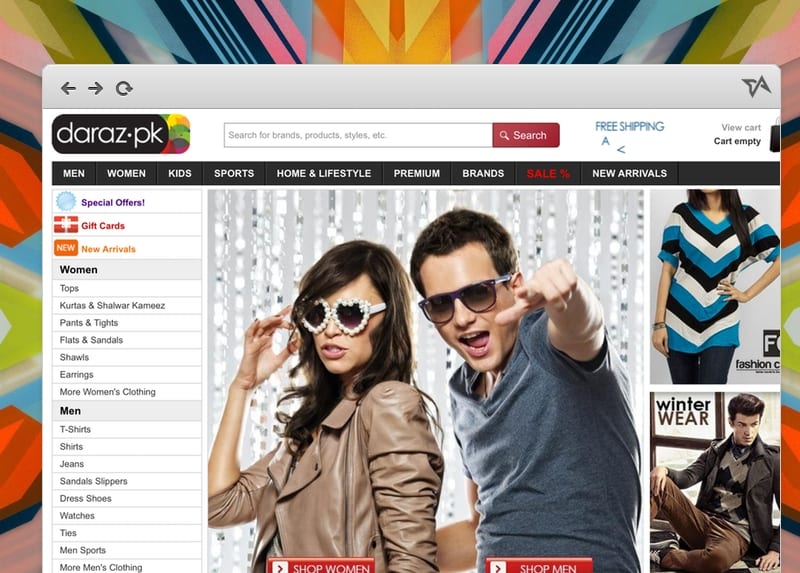
  • Online retailer Daraz raises $55 M

    Online retailer Daraz raises $55 M

    Online retailer Daraz, which has presence in Pakistan Daraz.pk, Bangladesh Daraz.bd and Myanmar shop.com.mm, has secured EUR50 million ($55 million) in its first major financing round. 

    The investment comes from the CDC Group, the UK Government’s Development Finance Institution (DFI) focused on supporting and developing businesses in Africa and South Asia – as well as Daraz’s existing investor Asia-Pacific Internet Group (APACIG).

    Founded in Pakistan in 2012 as an online fashion business, it has since then has expanded its business model to a general marketplace for quality brands within electronics, home appliances, fashion and many other categories.

    The company said the funding will be used to continue to grow the business in existing markets and for expansion into other frontier markets in Asia.

    “Taking the e-commerce business model into these exciting markets is a fascinating journey. Although internet penetration is still relatively low, the market is developing fast and its potential is immense,” said Bjarke Mikkelsen, CEO of Daraz. “By making Daraz a success, we are not only building a great business but also creating jobs and infrastructure in the countries we operate in – that’s what makes it so exciting”.

    Daraz is part of APACIG, a joint venture between German internet platform Rocket Internet and Qatari telecommunications provider Ooredoo which began its operations in the region early in 2014.

    Today, it is one of the fastest growing internet platforms in the  region, currently 14 e-commerce companies in 15 countries.

    Hanno Stegmann, CEO of APACIG, said Daraz is one of the most promising companies in their portfolio.

    Last month, it  announced today an ambitious plan to launch one new startup company every three months, which it says is part of the strategy to build one of the largest Internet platforms in the APAC region.

    The first company to be launched as part of the  strategy will be online beauty marketplace Vaniday, starting in Australia. The marketplace offers curated selection of offers and can book treatments such as massages, hair appointments and manicures.

  • Daraz targets frontier Asian markets

    Daraz targets frontier Asian markets

    Online retailer Daraz is investing $56 million into creating beachheads on so-called ‘frontier markets’ in Asia: Myanmar, Pakistan and Bangladesh.

    Daraz is the leader in online retail in all three markets, selling apparel, accessories, shoes and beauty products for men and women, as well as a wide variety of electronics and general merchandise.

    The company is part of the Rocket Internet group which also owns Zalora and Foodpanda.

    It is planning a ‘mega sale’ on November 27, something like Amazon’s Black Friday in the US, offering a slew of special deals in the three Asian nations.

    Bangladesh, where it is putting most of its focus currently, will get the majority of the marketing spend, where it is partnering with local apparel brands such as Bata, Yellow and Ecstasy, as well as tech partners.

    Daraz Bangladesh chairman Sumeet Singh says the local site is attracting around 2 million visitors a month.