Retail News CRM

Tag: Pay

  • Singapore’s Top-Paying Job Now Boasts a Median Monthly Salary Over $15,500!

    Singapore’s Top-Paying Job Now Boasts a Median Monthly Salary Over $15,500!

    In a recent Occupational Wage Survey released by Singapore’s Ministry of Manpower, flying instructors emerged as the highest-paid professionals in the city-state. Their remarkable median monthly salary of S$21,000 leaves other professions in the dust, with foreign exchange brokers following closely at S$19,750, and in-house legal counsel earning a respectable S$17,972.

    Salaries of Singapore’s Elite and Economy Insights

    Commodities traders, excluding those in oil and bunker sectors, secured the fourth spot with a median pay of S$16,000, while chief information, technology, and security officers earned S$15,258 on average, according to Yahoo! News Singapore. Interestingly, managing directors and CEOs only managed to snag the tenth position, with a median wage of S$13,000. Clearly, the sky is the limit for flying instructors, but their dependency on altitude might just be a metaphor for the highs and lows of their pay scale.

    The comprehensive survey, conducted between July and December of last year, evaluated 4,286 private sector firms employing approximately 407,800 full-time resident workers. Notably, this analysis excludes public sector employees. The wage figures reflect total earnings, including overtime pay, commissions, and bonuses, although they are calculated before accounting for Central Provident Fund contributions or income tax.

    Pay Gaps and Gender Disparities

    While the soaring salaries of flying instructors grab attention, the survey also shed light on more sobering statistics. Bus attendants and manual laborers such as building painters and waiters inhabit the lower end of the salary spectrum, earning a mere S$1,400 to S$1,600. Notably, differences in pay within professions indicate potential disparities; while the highest-paid flight instructors can earn anywhere from S$8,050 to S$30,000, economists noted a broader wage range from S$4,848 to S$20,000 for other occupations.

    The survey also uncovered a complex landscape of gender pay gaps across different sectors. Male economists and human resources consultants often earn significantly more than their female counterparts, while women excel in roles like security operations specialists and attractions managers, typically outpacing male earnings in those fields. Meanwhile, positions such as executive search consultants and auxiliary police officers exhibit no gender-based salary discrepancies.

    Wage Growth Trends Amid Global Challenges

    According to a preceding report from the manpower ministry, real wages experienced a significant uptick of 3.2% last year, marking the fastest growth since 2019. This increase followed a period of easing inflation, which dropped to 2.4% from 4.8%. Approximately 80% of companies raised salaries last year, a noteworthy rise from 65.6% in 2023, as many firms returned to profitability. However, the ministry cautioned about possible economic headwinds from global trade uncertainties and geopolitical tensions that could dampen wage growth moving forward.

    Ang Boon Heng, head of the ministry’s manpower research and statistics department, indicated that although wage growth could slow down in 2025, the labor market is expected to remain tight. “Demand for services in community and social sectors continues to be robust,” he said, suggesting optimism amid cautious forecasts.

    Questions & Answers

    What professional sector achieved the highest median pay in Singapore’s recent survey?
    Flying instructors topped the list with a median monthly salary of S$21,000.

    How did the wage growth in Singapore compare to previous years?
    Real wages rose by 3.2% last year, the fastest increase since 2019, marking a significant improvement compared to the previous year’s growth of just 0.4%.

    Which professions showed notable gender pay gaps and what were some exceptions?
    Male professionals, particularly in economics and human resources, often earned more than their female counterparts, while women in certain roles like security operations specialists earned more than men, and several professions showed no pay gap at all.
  • The time for a new Apple Card issuer might finally be near

    The time for a new Apple Card issuer might finally be near

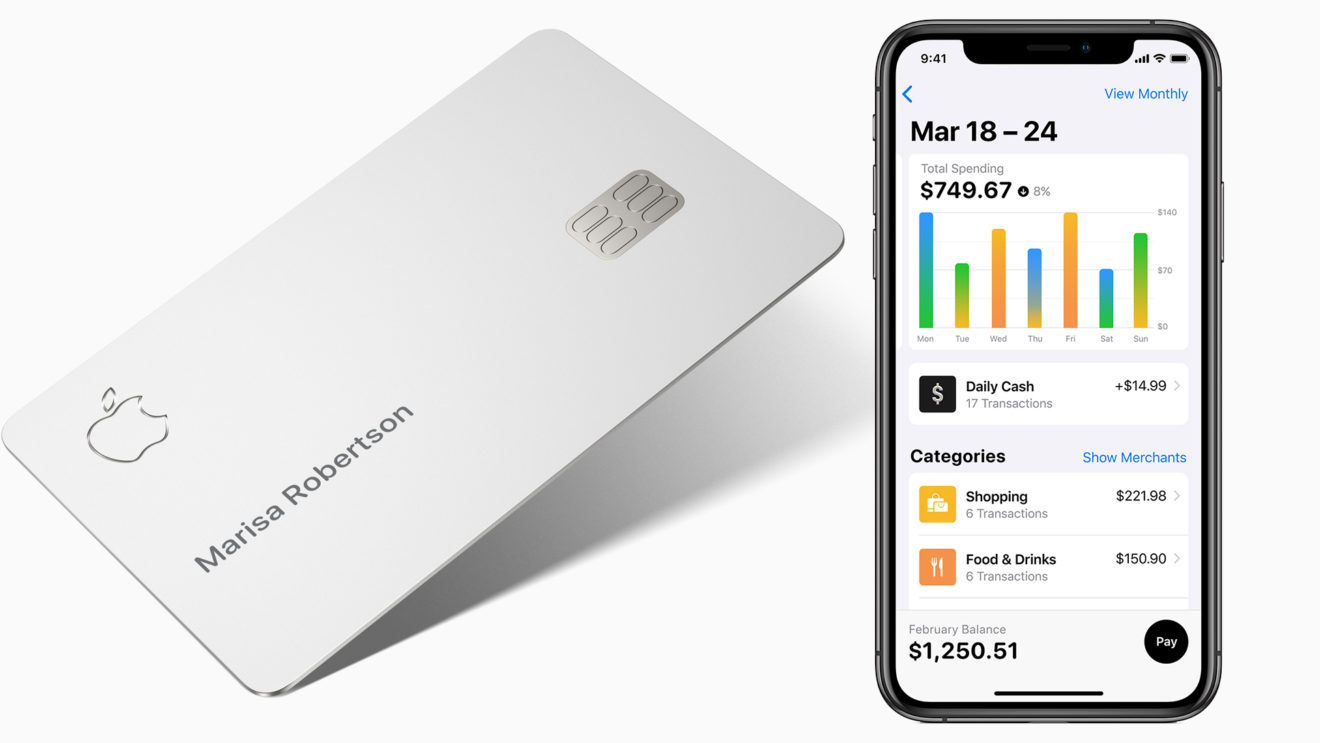
    It’s 2025 and the Apple Card saga is still unfolding. Last year, reports surfaced that talks between Apple and JPMorgan Chase had picked up, possibly signaling a move away from the current issuer, Goldman Sachs. A new player is joining the mix, while Goldman Sachs seems eager to bow out, particularly after the Apple Card missteps led to over $89 million in fines for both Apple and Goldman last year.

    A new report reveals that Apple is discussing with Barclays to take over from Goldman Sachs as its credit card partner, according to two sources familiar with the matter. This comes as the Wall Street giant pulls back from its consumer finance plans. Additionally, according to one of the sources, Synchrony Financial, a credit card issuer, is reportedly in talks with Apple about the potential partnership.

    Multiple financial firms are competing to replace Goldman Sachs, which partnered with Apple to launch the credit card back in 2019, according to the sources. While the appeal of working with Apple, one of the most recognizable names globally, is strong, some lenders have reportedly seen the initial terms of the deal as risky and not profitable. Talks between Apple and Barclays have been underway for months, but it could still take a while before an agreement is finalized.

    As mentioned earlier, JPMorgan Chase has also been in discussions with Apple about the partnership since last year. Although Goldman Sachs’ deal with Apple runs until 2030, Goldman CEO David Solomon recently suggested the collaboration could wrap up earlier. So, it’s no surprise that talks with other potential partners are in full swing.

    A switch in the Apple Card’s issuer could bring a host of new features and perks for cardholders, along with the possibility of a different or more consistent interest rate for Apple Card Savings accounts. Recently, Apple and Goldman Sachs reduced the savings rate again. Ultimately, as a consumer, I’m hoping that whoever Apple partners with next will result in a stronger and more competitive product for us.

  • With Google Pay going the way of the dodo soon, you need to start withdrawing funds

    With Google Pay going the way of the dodo soon, you need to start withdrawing funds

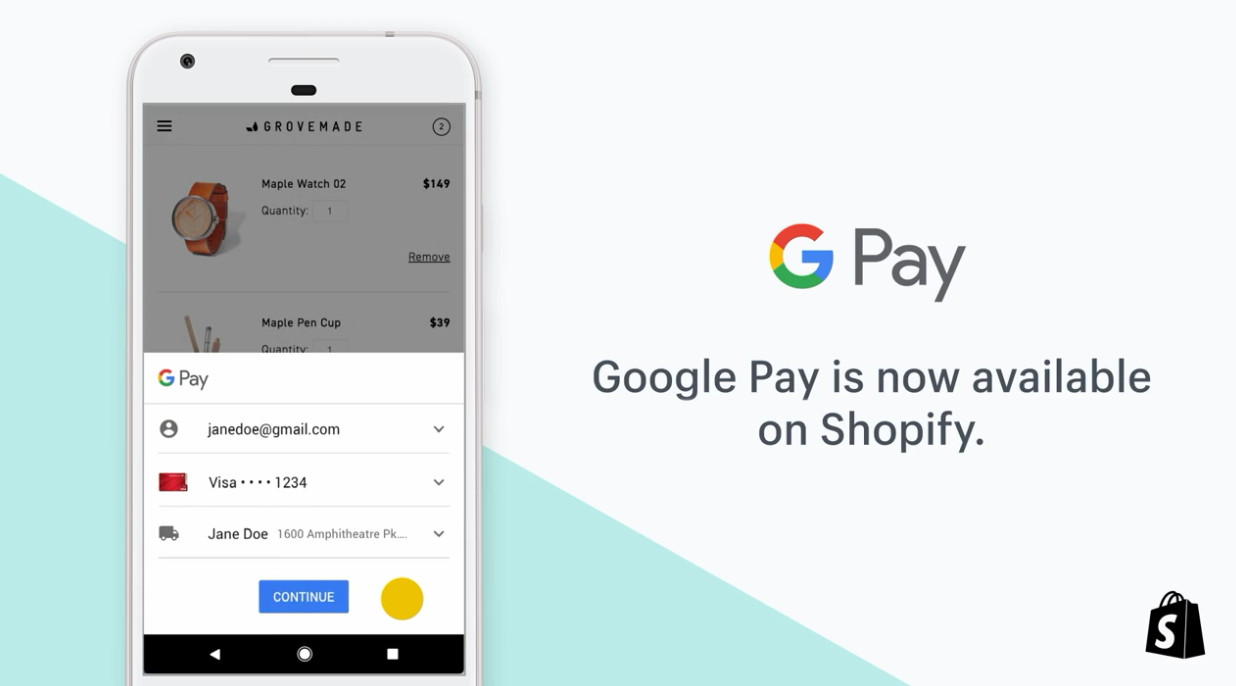
    In late February, Google announced that the Google Pay app was shutting down in the US. The company wants people to transition to Google Wallet, which offers many of Google Pay’s features, including paying at online checkouts and in stores. Google Pay will stop working for US citizens after June 4, so if you have a lot of funds, you might want to start transferring them to your bank account.

    Google Wallet, as the name implies, is more of a digital wallet and can be used to store payment cards and other digital items like your driver’s license and loyalty cards. According to Google, it’s used five more times than Google Pay in the US, but what it did not mention is that Google Wallet doesn’t have Google Pay’s peer-to-peer payment feature.

    If you want to transfer funds from the Google Pay app to your bank account, you should do it by June 4. After that date, you will have to visit the Google Pay website to transfer money out of it.

    Even if that doesn’t sound too much of a hassle to you, you should start withdrawing cash right away if there’s a lot of it in your Google Pay account.

    That’s because currently, you can withdraw up to $5,000 from the app every day if your account is verified. The app has a rolling $20,000 7-day limit, meaning you cannot withdraw more than $20,000 within a 7-day period. If your identity is not verified, the total limit is $700 for seven days.

    Google is informing customers that new daily and weekly caps will apply once the app is sunsetted, per Droid Life. Starting June 4, you will not be able to withdraw more than $200 in any given week. Whether you access the limit in a single transaction or withdraw it over a 7-day period is up to you.

  • VIB introduces easy, secure, private payment via Apple Pay

    VIB introduces easy, secure, private payment via Apple Pay

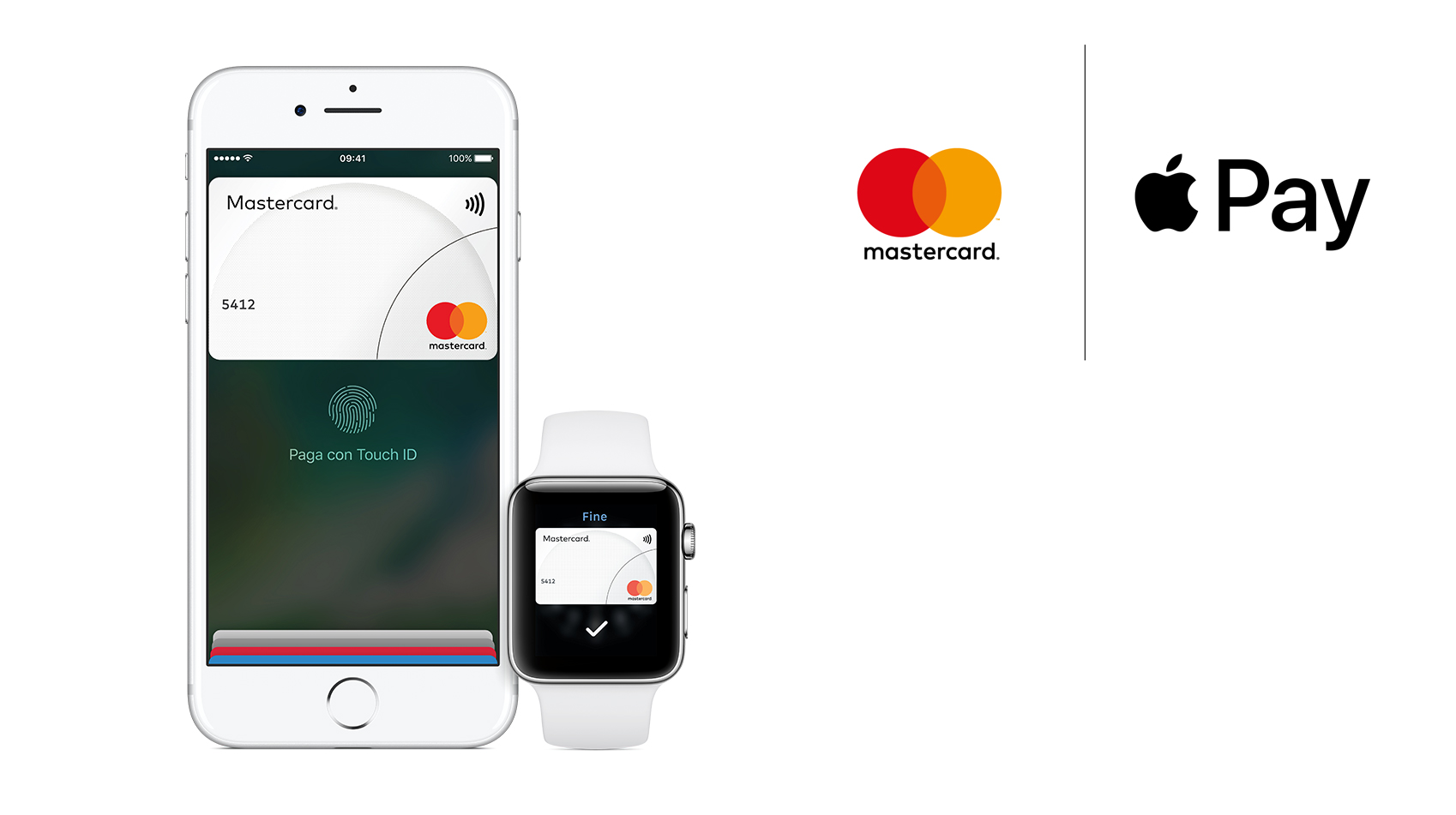
    Apple Pay is now available with the VIB Mastercards, bringing to card holders an easier, safer and more secure way to pay.

    Each Apple Pay transaction takes a few seconds and is done in just three simple steps. Beyond that, facial recognition (FaceID) technology will enhance security and privacy for cardholders.

    “Now, customer can easily pay for everything you love, from everyday purchases like groceries and coffee, to online shopping and travel, using just your Apple devices,” a VIB’s representative said.

    Apple Pay leverages tokenization to safeguard credit and debit card information. Upon adding a credit or debit card to Apple Pay, the actual card number remains undisclosed; it is neither retained on the device nor Apple’s servers.

    A distinct device account number is created, encrypted, and safely stored on the user’s device. Each transaction is authorized using a unique, dynamic security code.

    With Apple Pay now available on VIB Mastercard, users can expect a multitude of benefits, most notably the top-tier easy, secure, and private payment features that Apple provides, ensuring the protection of personal information, transaction data, and credit/debit card details.

    Tuong Nguyen, Head of the Card Strategy and Operation Center at VIB, said that they bring contactless payment methods via Apple Pay to customers based on their understanding, grasping the needs of customers, and offering financial solutions that suit their modern lifestyle.

    “With Apple Pay, VIB Mastercard cardholders enjoy a seamless and trustworthy payment experience every day,” she said.

    VIB Mastercard cardholders can now easily add Apple Pay to their Apple devices, such as the iPhone, iPad, MacBook, and Apple Watch. This can be done by adding their VIB Mastercard through either the Apple Wallet app on their devices or the MyVIB app, and enjoying the ease of paying anytime, anywhere.

    Getting started takes just a few simple steps. First, customers should open the Apple Wallet app on their Apple devices, tap the “+” icon on the top right corner, or access their Mastercard card on the MyVIB app, and click the “Add to Apple Wallet” button right below the card image.

    Then, they should scan or enter the VIB Mastercard information. They will not to go through this if they start via MyVIB in Step 1.

    Next step is to follow the on-screen instructions, make the VIB card the default card, and they are all set to use Apple Pay.

    VIB is now offering a VND50,000 cashback for the first Apple Pay transaction of at least VND100,000. The promotion is valid until May 5.

  • Apple Pay is down for some users forcing them to pay for purchases like a Luddite

    Apple Pay is down for some users forcing them to pay for purchases like a Luddite

    Some social media users are complaining that they are unable to use contactless payment system Apple Pay to ring up a transaction using a Chase credit card. On Apple’s System Status page, it notes that Apple Pay is undergoing some maintenance at the moment and adds that some users in Maryland may have issues with the feature. However, the problem appears to be preventing Apple Pay users from hearing that satisfying “ding” indicating that their credit card has been accepted in other states as well.

    Nilay Patel, editor-in-chief of The Verge stating that his Chase card was declined when using Apple Pay. Patel noted that when he called Chase, the bank told him that the problem is an “unexpected Apple Pay upgrade” which matches the reason for the issue posted by Apple on the System Status page. Other Thread users weighed in complaining about the same problem including one poor (and possibly hungry) iPhone user who wrote, “Yup, Chase Apple Pay declined getting my baguette and vegan cheese.”

    Considering that the weekend is usually prime time for shopping, we wonder whether Apple should have performed the maintenance on Apple Pay during a time when shoppers are less likely to be tapping their iPhones on POS (point of sale, not what you thought the abbreviation stood for) machines. For example, at 1 am PST (4 am EST), most Americans are sleeping and charging up their iPhone units.

    If this is a problem that happens to you today whether you are shopping in Maryland or Massachusetts, or anywhere else in the U.S., there is the perfect workaround but only if you are up to doing this. Once your Apple Pay payment is declined, follow these directions precisely:

    • Put your iPhone in your pocket.
    • Reach into your other pocket and remove your wallet.
    • Open the wallet and remove the Chase card that is connected to Apple Pay.
    • Run the card through the POS terminal like you might have done years ago before Apple Pay was launched.

    If this happened to you today, we’re sure you were sweating and trying hard to remember how you paid for purchases made before October 20th, 2014 when Apple Pay launched. But those with a memory of a bygone era have been able to pay for their purchases today by simply using their Chase credit card without bringing Apple Pay into the picture. Or, you could pay for your purchases with cash.

  • myOKIES: QR menu for order and pay

    myOKIES: QR menu for order and pay

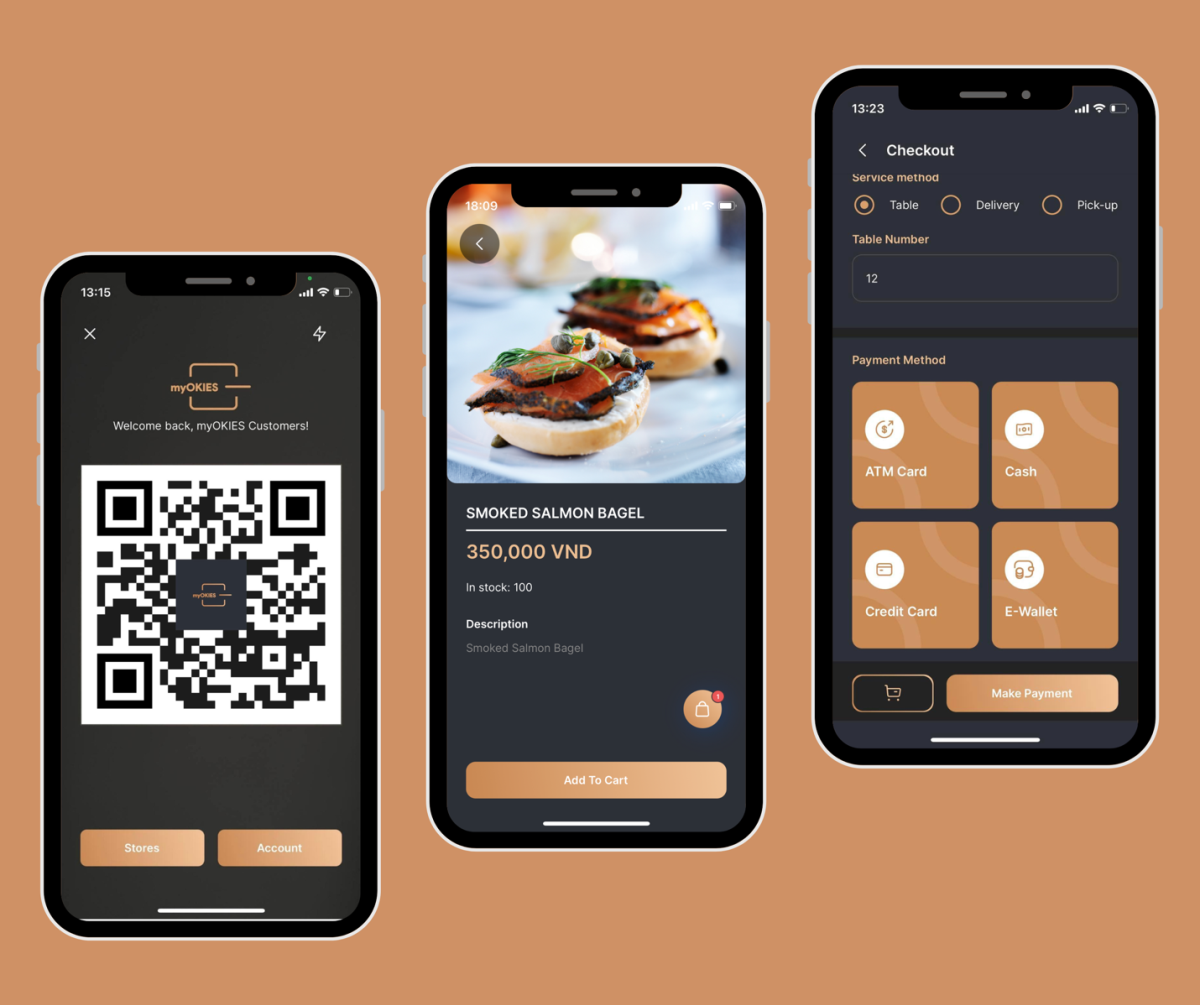
    myOKIES has launched a digital contactless service for Vietnamese businesses, enabling customers to order and pay for purchases directly from their cell phones using a QR code.

    Customers can scan the code using their smartphone camera, which will take them to the myOKIES page where they can select their items and pay using a variety of payment methods, including 21 different e-wallets, all types of debits, credit cards, and cash.

    myOKIES has 136 languages available for customers, enabling businesses to expand their international customer base easily and effectively.

    The benefits of the myOKIES service extend beyond convenience, as it eliminates the need for customers to physically touch a menu or paper receipt, thereby reducing the risk of transmission of viruses and other germs, protecting the environment with a paperless focus, and enabling sustainability for businesses.

    Moreover, customers can use the myOKIES platform to reserve tables and appointments and purchase products in-store and online by accessing the myOKIES website or the myOKIES app.

    myOKIES is also known for its simple yet elegant design, which is reflected in its mobile application and website. The platform’s design is consistent with myOKIES’ overall brand identity, which emphasizes simplicity, efficiency, elegance, and ease of use.

    Its QR code ordering and payment feature also offer a unique lifestyle experience for the young generation, who are always on the lookout for new ways to enhance their daily lifestyle.

    Jalen Phung, CEO of myOKIES Vietnam, understands the importance of serving the younger generation’s lifestyle preferences. “We recognize that the younger generation is looking for new and innovative ways to enhance their daily activities, and we are excited to offer them a solution that is both convenient and visually appealing.”

    myOKIES service is not limited to just the food industry and can be utilized by any business from mid- to high-end that wants to provide their customers with a secure and convenient way to make purchases, including retail businesses and other service businesses like spas, coffee shops, business lounges, furniture stores, and in-room dining for 5-star hotels and resorts, which are myOKIES target business partners.

    myOKIES QR code for ordering and payment service is an outstanding example of how technology can enhance the customer experience and help businesses grow in the most efficient way. With its easy-to-use platform and seamless features, it’s a service that is sure to continue gaining popularity among businesses and customers alike.

  • Apple Pay launched in Vietnam

    Apple Pay launched in Vietnam

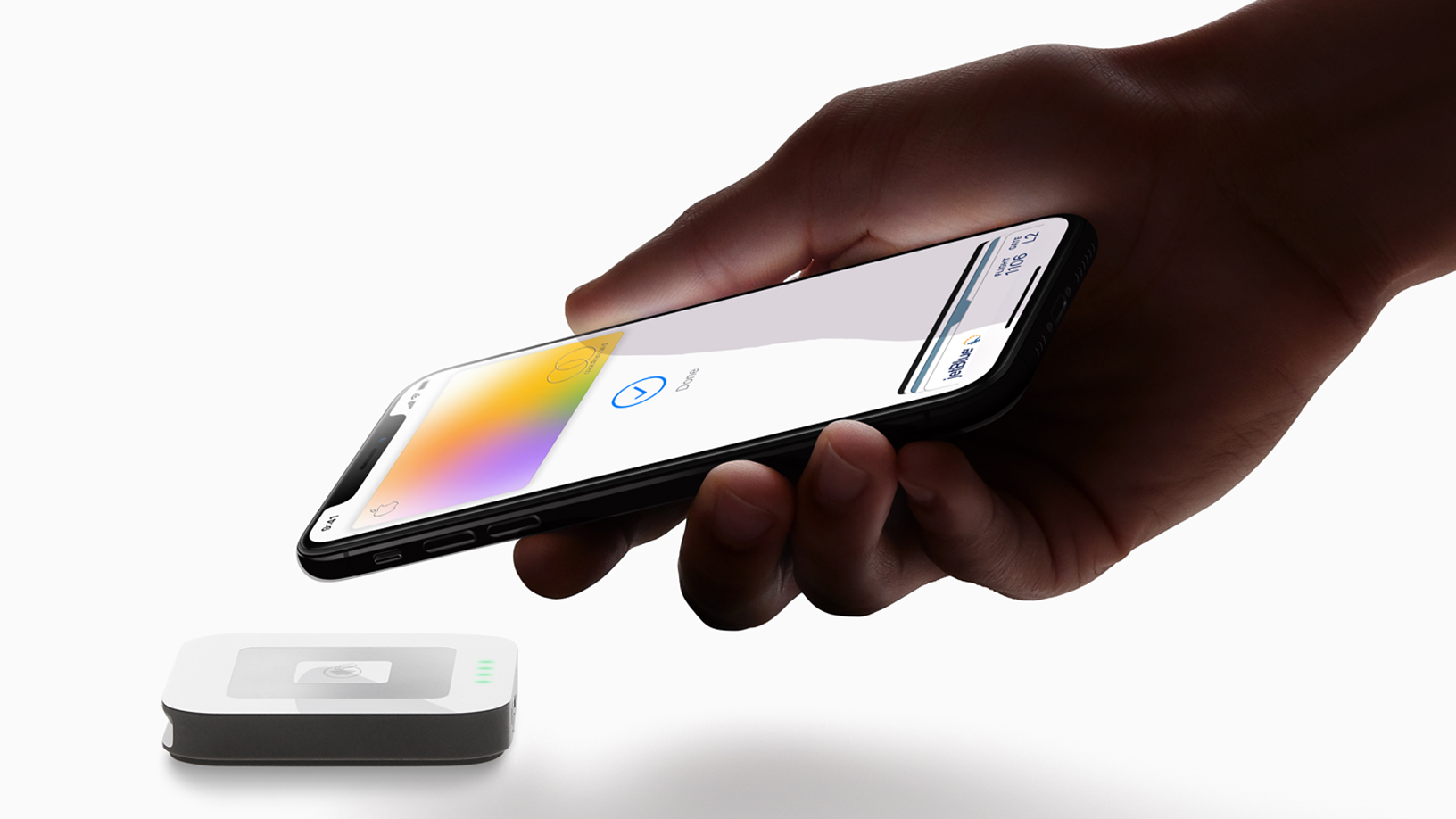
    Apple Pay has arrived in Vietnam, enabling users to make contactless money transactions through an iPhone or Apple Watch.

    Vietnam is the third country in Southeast Asia to allow Apple Pay after Malaysia and Singapore.

    Several lenders such as MB Bank and Techcombank now support Apple Pay services at some establishments such as Starbucks, Phuc Long, Mc Donald’s, Highlands Coffee, CGV, and Winmart.

    Users can add their credit or debit card information to Apple Pay using the Apple Wallet app.

    At least an iPhone 6 or Apple Watch Series 4 is required to use it.

    Apple Pay was first launched in the U.S. in 2014.

    Apple assures that users’ credit data is only stored on their devices and not transmitted to Apple’s servers.

    In Vietnam, Samsung Pay was launched in 2017 and Google Wallet in November 2022.

  • Apple Pay all set to come to Vietnam

    Apple Pay all set to come to Vietnam

    Digital wallet Apple Pay will soon be available in Vietnam. At least one bank has announced that it will soon support Apple Pay services.

    Sources have told VnExpress that three other major banks will also launch Apple Pay by the end of this month.

    Users can add their credit and debit card information to Apple Pay and make payments through their iPhone or Apple Watch.

    Devices connect through near-field communication and are authenticated by users’ FaceID or fingerprints.

    In most markets, users do not have to pay Apple Pay fees since their banks cover them.

  • Upgrade to Apple Pay tightens fraud prevention features

    Upgrade to Apple Pay tightens fraud prevention features

    Apple Pay is the company’s mobile payment platform. It’s a brilliant money-making scheme because Apple receives a cut of .15% of the value of each transaction that uses the feature (15 cents for each $100 purchase). With more than a million retail stores, gas stations, supermarkets, and restaurants accepting Apple Pay in the U.S. alone at the start of this month, the volume of transactions that run through the platform is large enough to generate big bucks for Apple.
    Some Twitter users noted that a notification badge showed up on their payment credit card inside the Wallet app today. That is because Apple has upgraded Apple Pay to improve the fraud prevention for some credit cards. According to Apple, “For cards with certain enhanced fraud prevention, when you attempt an online or in-app transaction, your device will evaluate information about your Apple ID, device, and location (if you have enabled Location Services), to develop fraud prevention assessments which are used by Apple to identify and prevent fraud.”
    Apple adds that it will share “fraud prevention assessments as well as information about your transaction (such as purchase amount, currency, and date) with your payment card network for fraud prevention.” You can avoid having to share this data with your payment card’s network by changing the payment card that you use for purchases made with Apple Pay to one that doesn’t sport the notification.

    To remove your payment card on the Wallet app, open the app and tap on the image of that card. Press on the three dots in the upper right of the display and when the new page loads, scroll to the bottom and tap on Remove This Card to well, remove this card. To add a new card, open the Wallet app and tap the “+” icon on the upper right of the display. You then scan the card and follow the directions to add it to the Wallet app.

    While this writer doesn’t see the notification badge on a Visa card placed in the Wallet app, some Visa users worldwide have started to see the badge. With so much cash tumbling into Apple’s coffers from Apple Pay, anything that Apple can do to get more users to pay using the platform brings more money to Apple’s bottom line. If that means making the card used for Apple Pay transactions safer to use thanks to enhanced fraud notification, so be it.


  • Samsung Pay’s security receives a “very good” test rating

    Samsung Pay’s security receives a “very good” test rating

    Samsung Pay’s security is in the “very good” category. This was announced by the tech giant in an official newsroom post. According to the post, Samsung Pay scored 450 points out of 500 in a security test conducted by an independent agency called umlaut. Umlaut is part of the Ireland-based IT company Accenture and offers ‘advisory and engineering services to clients all over the world.’

    In its post, Samsung stated that Samsung Pay meets the requirements of umlaut’s test procedure in ‘all tested aspects.’ During the security test, Samsung Pay was tested in four areas:

    • security of data traffic between smartphone and bank
    • compliance with secure programming standards
    • data protection on the smartphone
    • protection against malicious attacks by third parties.

    In the “security of data traffic” tests, testers inspected the types of security algorithms and protocols implemented into Samsung Pay. They also examined how sensitive data is transmitted and if the app has the appropriate measures in place to protect its users from man-in-the-middle attacks, which control and manipulate data traffic.

    In the “compliance with secure programming standards” test, the testers from umlaut checked if Samsung Pay uses secure programming methods and if there is any hidden sensitive information in the app’s source code. During the “checking data protection” tests, the experts tested how securely the Samsung Pay app stores sensitive data and if this data is protected from third parties. The app was also tested against impersonation attacks. These are attacks where the user was tricked into using Samsung Pay on fake apps or websites.

    In regard to Samsung Pay’s good test results, Gerrit Povel, Vice President, Direct to Consumer Division at Samsung Germany, stated, “We play it safe with mobile payment. The result of the independent test by umlaut proves the high priority that security has in the development and operation of the Samsung Pay app. The rating ‘very good’ underlines the role of Samsung Pay as a leading solution in mobile payment.”

  • Users in the States will now be able to pay in stores with a Google Pay virtual card

    Users in the States will now be able to pay in stores with a Google Pay virtual card

    A new and welcome change to Google Pay users in the US is now coming: you will be able to use your Google Pay balance to pay in stores. The new feature is currently only available in the States, but it should be available to all Google Pay users soon.

    Starting this week, users in the States will be able to pay using their Google Pay balance via NFC. The app will offer a virtual card that you can use in-store. Of course, this feature will only work on phones that support NFC and in stores that have NFC as a payment option.

    This new feature will allow users to pay with money that they earned from rewards or were sent to them via family and friends in Google Pay. Before this change, you could use the app to send money, buy products or services online or in the Play Store, or transfer money out to your bank account.

    However, you could not use Google Pay to pay in physical stores. And on top of that, when you transferred the money to your bank account, you couldn’t pay with it right at the moment as most banks need 1-3 days for the transferred funds to process.

    Starting this week, if you live in the States, you can get the Google Pay balance card that you can request from the app itself. Google has not given a precise rollout date to users outside of the States, but the company has stated that the feature will be coming to “all Android users” soon.

  • Instagram could pay you to use its Reels app

    Instagram could pay you to use its Reels app

    Last fall, Instagram announced the launch of its short-form video platform called Reels—TikTok’s unofficial rival. The app allows you to easily record and edit 15-second multi-clip videos with audio, special effects, and plenty of creative tools. By allowing public accounts to share “reels” to the wider Instagram community through a new Explore space, Instagram has seen some significant growth in its diversity and creativity lately.

    Now, it seems Reels is about to go all out in an effort to catch up with (or beat out) TikTok, as it is about to implement a new strategy for expanding its user base.

    Alessandro Paluzzi, an avid Android and iOS developer, was digging around in some back-end code when he stumbled upon a never-before-seen announcement screen. This screen reveals that Instagram is planning to begin offering monetary bonuses to Reels users to get more people excited about the platform.

    In order to participate in the mysterious bonus program, Instagram users will reportedly be asked to share their favorite Reels and spread the word. They’d most likely have to hit certain milestones before they can cash their earnings, but any further criteria have been undisclosed as of yet.

    Instagram’s cash payout game plan is by no means a novel strategy in the social media app business, and Reels is far from the first to implement it. Late last year, Snapchat began offering $1M per day in rewards for the most entertaining clips shared on the platform. And they were quite successful.

    Then just this month, YouTube announced its “Shorts Fund,” a prize pool of $100M distributed to YouTube Shorts creators over the course of 2021-2022.

    Instagram has kept mum about Paluzzi’s discovery so far, but they’ll be sure to announce their plan for the secretive “bonus program” when they are closer to the launch date and ready to let the world know.

  • Google Pay gains international money transfer support at last

    Google Pay gains international money transfer support at last

    Launched all the way back in 2015 as Android Pay on the underlying technology of Google Wallet and rebranded as Google Pay a little over three years ago, the search giant’s Apple Pay-rivaling digital wallet platform has been slowly but steadily expanding to more and more places around the world and more and more US banks in the last 12 months or so.

    At the same time, the official Google Pay app has received a major redesign that the company really wants its users to embrace as soon as possible, and on top of it all, the mobile payment service is now getting a huge new feature everyone with family abroad will undoubtedly appreciate.

    Yes, ladies and gents, international money transfers are a thing starting today, at least for folks in the US looking to send funds to fellow Google Pay users in India and Singapore. Those are the only countries supported right off the bat, which is far from impressive, but Big G aims to expand the functionality to “more than 200 countries and territories” with Western Union’s help and “more than 80 countries” through Wise (all for US users only) by the end of 2021 alone.

    Both Western Union and Wise (formerly known as TransferWise) are integrated for sending money from the US to India and Singapore, and the involvement of the two financial services giants suggests Google might in fact be serious about those aforementioned global launch plans.

    Of course, international money transfers are not exactly a groundbreaking feature for a digital wallet platform, having been supported on Samsung Pay since 2019. Samsung’s Google Pay alternative made it possible to send funds from the US to nearly 50 countries right from the start, which means Google still has plenty of catching up to do.

    On the bright side, Western Union is offering unlimited free transfers through Google Pay until June 16, with Wise waiving its own standard fee for a single transfer of no more than $500 per “new” customer. That being said, it’s unclear if the fees and things like exchange rates will make this service competitive against other such products developed by individual banks and financial companies.

  • Lawmakers from 34 countries back ‘Make Amazon Pay’ campaign

    Lawmakers from 34 countries back ‘Make Amazon Pay’ campaign

    More than 400 lawmakers from 34 countries have signed a letter to Amazon.com Inc boss Jeff Bezos backing a campaign that claims the tech giant has “dodged and dismissed … debts to workers, societies, and the planet,” organizers said.

    The “Make Amazon Pay” campaign was launched on Nov. 27 – the annual Black Friday shopping bonanza – by a coalition of over 50 organizations, with demands including improvements to working conditions and full tax transparency.

    The letter’s signatories include U.S. Congresswoman Ilhan Omar and Rashida Tlaib, former UK Labour Party leader Jeremy Corbyn and Vice President of the European Parliament Heidi Hautala, co-convenors Progressive International and UNI Global Union said.

    “We urge you to act decisively to change your policies and priorities to do right by your workers, their communities, and our planet,” the letter said.

    “We stand ready to act in our respective legislatures to support the movement that is growing around the world to Make Amazon Pay.”

    Amazon, the world’s biggest retailer, has faced criticism for its tax practices before, including in the UK and the EU. It says its profits remain low given retail is a highly competitive, low margin business and it invests heavily.

    It said on Thursday that while it accepted scrutiny from policymakers, many of the matters raised in the letter stemmed from misleading assertions.

    “Amazon has a strong track record of supporting our employees, our customers, and our communities, including providing safe working conditions, competitive wages and great benefits,” it said, adding it was “paying billions of dollars in taxes globally.” The company has also pledged to be net carbon neutral by 2040.

    Amazon grew rapidly during the pandemic, with sales soaring as restrictions to prevent the spread of the coronavirus closed bricks-and-mortar shops and sent consumers online.

    Governments worldwide are considering tougher rules for big tech to assuage worries about competition.

    The European Union, for example, last month charged Amazon with damaging retail competition, alleging it used its size, power and data to gain an unfair advantage over smaller merchants that sell on its online platform.

    Amazon disagreed with the EU assertions, saying it represented less than 1% of the global retail market and there were larger retailers in every country in which it operated.

  • Google Pay Launches Refreshed App in Singapore

    Google Pay Launches Refreshed App in Singapore

    The refreshed app, which builds on Singapore’s payments infrastructure, now allows real-time money transfers via PayNow for DBS PayLah!, OCBC Bank and Standard Chartered customers.

    Google has launched a new version of its payments app Google Pay, which streamlines money transfers from different banks on one platform and allows customers to make peer-to-peer transfers via PayNow and to merchants via UEN or PayNow QR, which is available on Android and iOS.

    Instead of taking a digital wallet approach, Google focused on everyday relationships its users had between friends and businesses in designing the app, Patrick Teo, director of engineering, Google Pay, said at a media launch on Thursday. The result is an app that makes it quick and easy to transact with people and businesses, which is as simple as sending a chat message.

    Google Pay also includes features like split bill payments, restaurant menus for take-out and delivery, which can be ordered within the app, movie ticket booking, as well as cash-back rewards for payments made using the app.

    SMEs and corporates are leveraging digital to change the way that they buy, sell, and operate. They have to do so if they want to thrive in the post-Covid-19 new normal and e-payments are an important part of that, Melvyn Low, OCBC Bank head of global transaction banking, said.

    Singapore is the first country in Southeast Asia and the second globally after India to offer the new version of Google Pay. The number of PayNow users in Singapore stands at 4 million, with nearly three-quarters of all organizations on PayNow Corporate.

    We believe that we are at a tipping point on digital adoption and building more client-centered solutions and services will provide a further boost to adoption. Building a strong digital ecosystem through industry collaboration will give clients a seamless digital payment experience, Dwaipayan Sadhu, head of retail banking for Singapore at Standard Chartered Bank, said.