Retail News CRM

Tag: Pay

  • Google Pay expands to 25 new banks in 14 countries

    Google Pay expands to 25 new banks in 14 countries

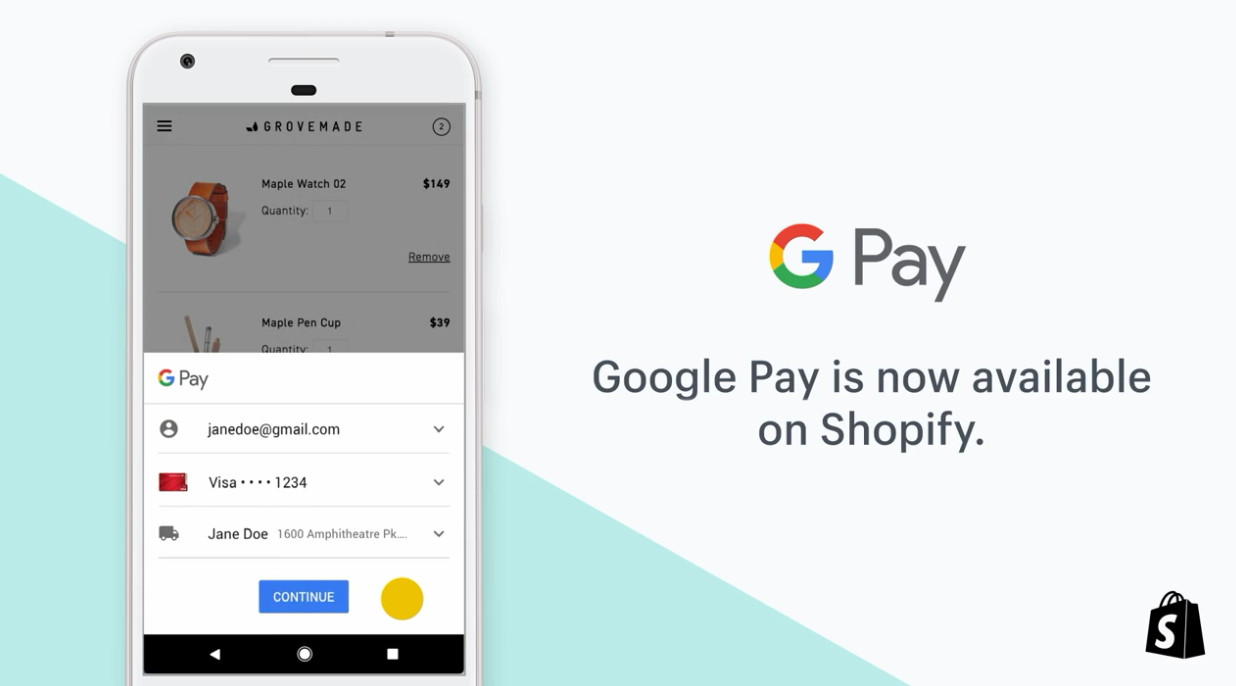
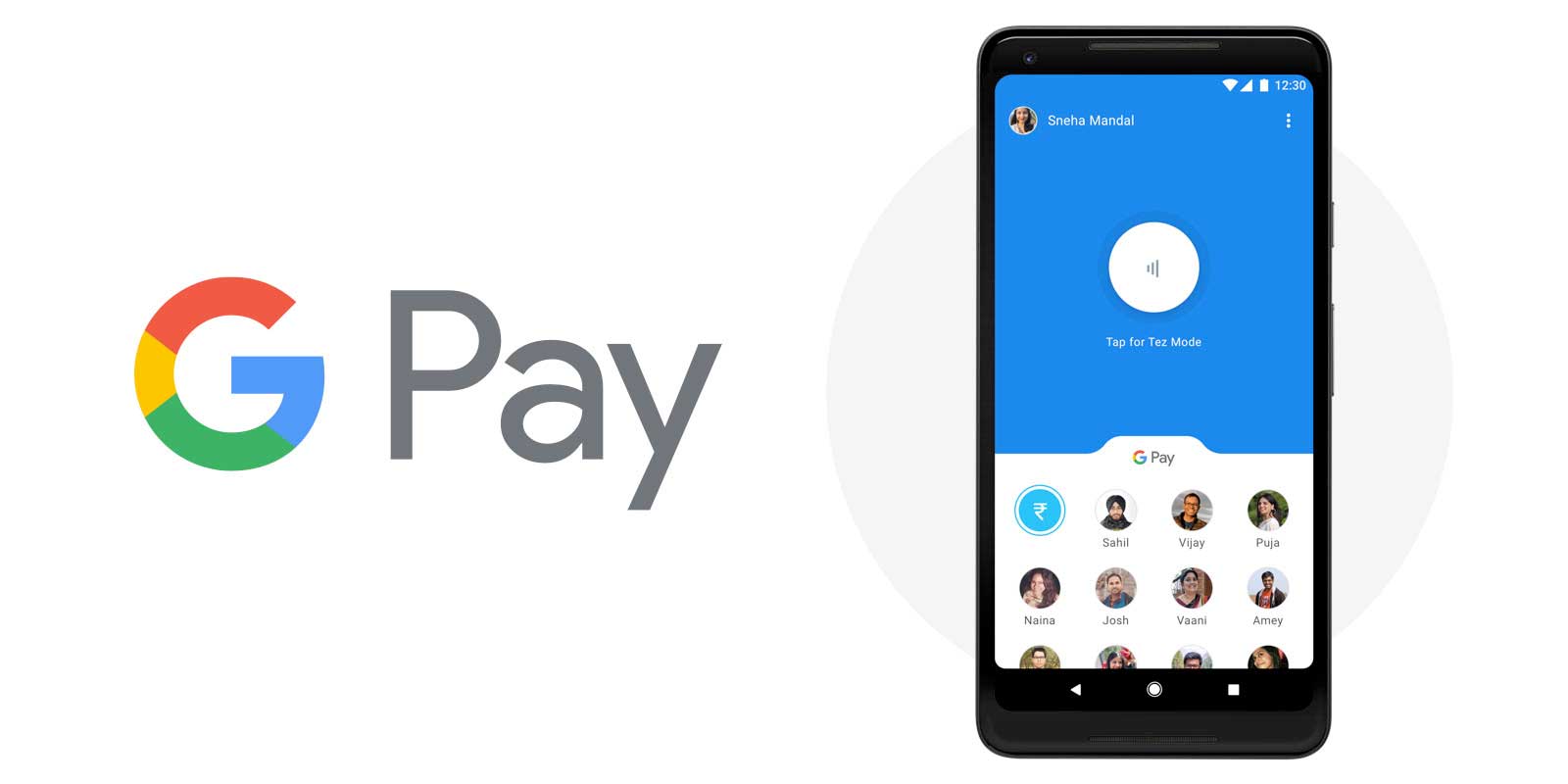
    Apple Pay and Google Pay compete with each other for world dominance, while other services like Samsung Pay and LG Pay struggle to keep up. If you’re using an Android or iOS smartphone in the US, the chance is your bank already supports either of the two big mobile payment systems. However, if you live in Europe, Apple Pay and Google Pay could offer more coverage than they do right now.

    However, both companies are making efforts to bring their mobile payment services to larger audiences. As of last week, Google Pay covers 25 new banks in 14 different countries.

    Here is the list of banks that now support Google Pay: Queensland Country Bank (Australia), Moorwand Limited, Lunar (Denmark), Moorwand Limited (Finland), Augsburger Aktienbank, Curve, Netbank, Penta (Germany), Flow S.p.A. Societa Benefit (Italy), Revolut Technologies Japan (Japan), Moorwand Limited, Lunar, Sparebanken Sogn og Fjordane (Norway), Idea Bank, SGB (Poland), Commercial Bank Garant-Invest Bank Joint Stock Company, Commercial Bank Sinko-Bank, Industrial Agricultural Bank, Joint Stock Commercial Bank IRS, Joint Stock Company First Investment Bank, JSC Kuban Trade Bank (Russia), Ceskoslovenska obchodna banka (Slovakia), Aplazame SL (Spain), Marginalen Bank, Moorwand Limited, Lunar, Volvofinans Bank AB (Sweden), Yapeal (Switzerland), Moorwand Limited, Weatherbys Bank, and Whim (United Kingdom).

    To start using Google Pay, you need to download the app from the Play Store if you don’t already have it on your phone. Then, follow the step-by-step guide to add your cards and start using Google Pay.

  • Line Pay Taiwan Forms Cross-Border Payments Alliance

    Line Pay Taiwan Forms Cross-Border Payments Alliance

    The digital wallet and fintech service for messaging app Line will allow people from Japan, Korea and Thailand to use their local mobile payment services when in Taiwan.

    Line Pay has announced a cross-border mobile payment alliance to connect the ecosystems of payment operators Line Pay Japan, Rabbit Line Pay (Thailand), Naver Financial (Korea), and NHN PAYCO (Korea), the firm announced in a statement on Monday.

    This will allow users of services in the alliance to make cross-border payment services in the partnering services’ countries. Operations are planned to be launched by the first quarter of 2020, and Line said it plans to grow the number of partners in the future so users from more countries can benefit from the alliance

    We hope to build a path for all LINE Pay users and merchant partners in Taiwan to transcend national borders and to share a borderless payment experience, Line Pay Taiwan chairman WoongJu Jeong said in the statement.

  • Foreigners in China Can Soon Use Wechat Pay

    Foreigners in China Can Soon Use Wechat Pay

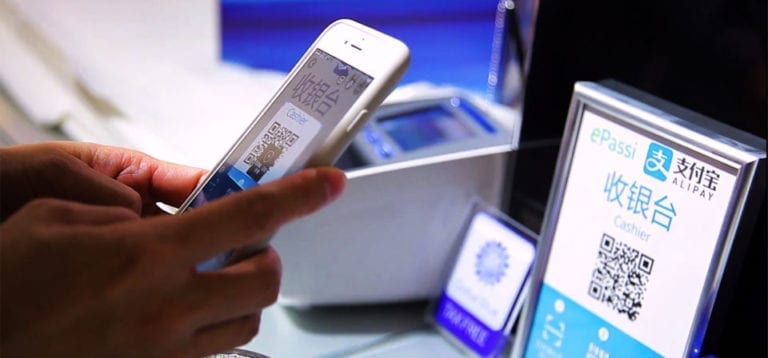
    Alipay and WeChat Pay have announced plans to open up their platforms to foreigners visiting the mainland.

    This week, the two dominant payment apps in China announced that they will allow their platforms to be used by visitors to China, possibly boosting spending there.

    Although Alipay and WeChat Pay’s logos are visible in stores and taxis in major cities around the world, it had previously been restricted to Chinese travelers with a China bank account. This is due to regulatory concerns about money laundering and cross-border cash flows.

    Ant Financial’s Alipay laid out a system that will work around current restrictions and can be used immediately. Travelers can use a prepaid card service provided by the Bank of Shanghai, and just periodically top up that account.

    In contrast, Tencent Holdings’ WeChat Pay intends to let people more directly connect their existing cards to its app. Visa said it will essentially enable its cards to work across the world’s second-largest economy.

    Tencent, under guidelines from regulators, has been discussing cooperation with U.S. card-network operators Visa, Mastercard, American Express and Discover as well as Japan’s JCB to support the linking of overseas credit cards to Wechat Pay, according to an article from Tencent News.

    This is a great step forward, both for consumers traveling to China and the overall payments industry. This partnership means that we’ll be working towards an environment where Visa cardholders will be able to use their Visa card in China at the millions of places where WeChat Pay is accepted, instead of having to rely on cash, Visa said in a statement. No time frame was provided for the rollout.

    For overseas firms, the move has big implications, potentially helping pave the way for future adoption of both platforms abroad.

  • Samsung Pay Cash is a new virtual prepaid card aiming to help you spend less

    Samsung Pay Cash is a new virtual prepaid card aiming to help you spend less

    Samsung Pay has come a long way since making its US and Korea debut more than four years ago, spreading to over two dozen additional markets around the world and pretty much working anywhere physical credit and debit cards are accepted nowadays. That said, the mobile payment service seems to have slowed down its expansion and development a little in the last few months, returning to the spotlight just yesterday by releasing a killer new feature that its two main rivals are yet to support.

    But there’s actually another addition to the digital wallet platform worth discussing today in Samsung Pay Cash functionality. Despite what the name suggests, this doesn’t involve the exchange of real cash money, instead of keeping your funds within Samsung Pay “like cash in your wallet.” The idea is basically to help you spend less, which feels rather counterintuitive for an app that still has a long way to go before catching up to Apple Pay in terms of how many transactions it processes worldwide.
    Apart from simply storing your conventional credit and debits cards digitally, the newly launched feature enables Samsung Pay users to transfer funds from said cards or even directly from your bank account to a “virtual prepaid cash card.” That way, you can better manage your budget by only keeping a certain amount of money on hand for routine spending. In case you’re wondering, no, Samsung isn’t also launching its own physical credit or debit card to go after you-know-who.
    Your Samsung Pay Cash funds will obviously be accessible wherever you can use the main Samsung Pay platform, which means you’ll be able to spend this money in physical stores that use either NFC or magnetic POS terminals, as well as online at supporting e-commerce retailers. You can even effortlessly send money from your Samsung Pay Cash card to contacts in your phone. By the way, you’ll still need one of only a few Galaxy devices to download and access the Samsung Pay app, as well as this Pay Cash functionality. The list essentially includes all flagships starting with the Galaxy S6.
    Last but not least, it’s certainly worth pointing out that early Samsung Pay Cash adopters have a little something, something to gain from signing up for a “virtual prepaid cash card.” The first 20,000 people in the US to complete the registration process will receive a free $5 credit that they can use immediately without having to transfer any of their own funds.
  • Google Pay update brings dark mode to Android users

    Google Pay update brings dark mode to Android users

    Google continues to push dark themes to its apps and service, a more than welcome feature that Android users have been requested for a long time. Pay is the next Google app that is getting the long-awaited dark theme, although we’re not yet sure if the update that brings the new feature is rolling out to everyone.

    A certain version of Google Pay (2.96.264233179) has the new dark theme, but it’s only showing up for some users on the Google Play Store. You can download the APK file from the source if you don’t want to wait for Google to release it in your country.

    If you’re lucky to get the updated version of Google Pay, the app will automatically switch to dark mode if the battery saver is enabled, but you can also manually set the app to use dark theme whenever you want.

    Once Android 10 gets released, the system-wide dark mode will take over, so it makes sense for Google to want to add this feature to as many of its app as possible until the new OS update hits compatible devices.

  • Apple Pay is gaining popularity

    Apple Pay is gaining popularity

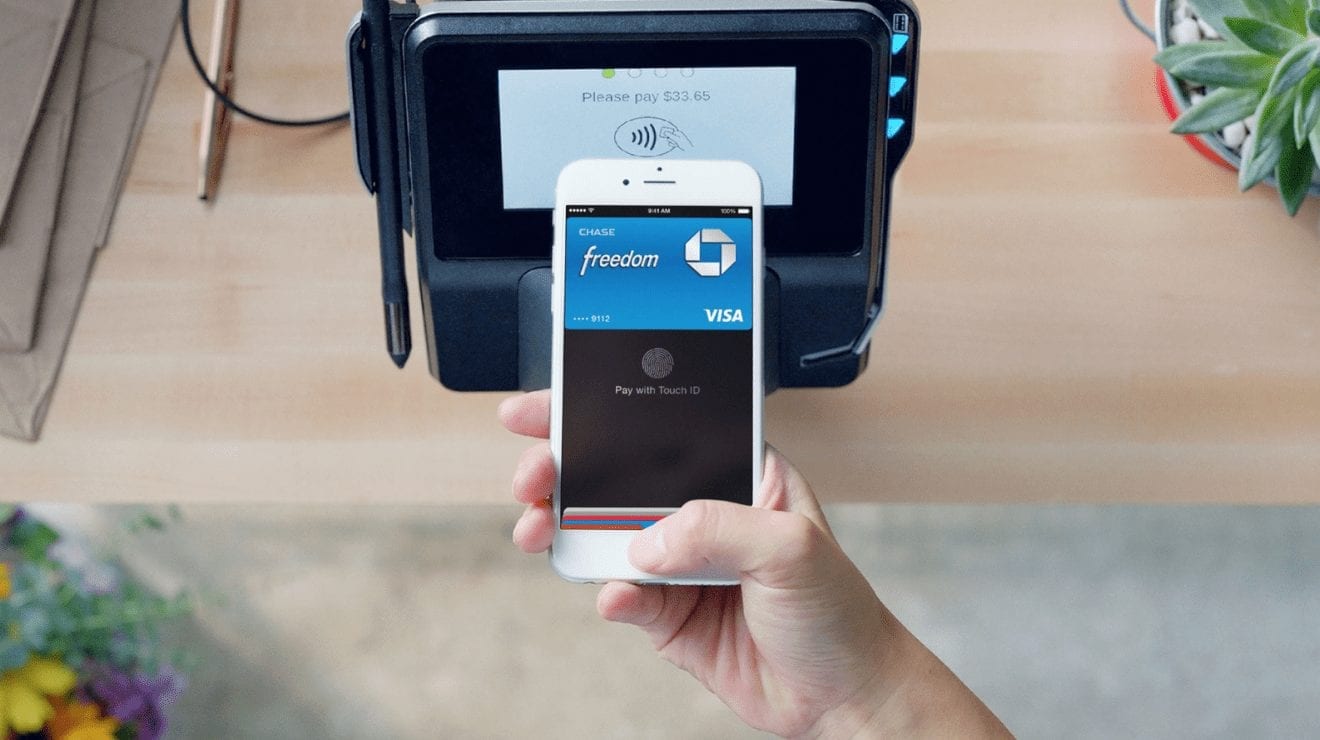
    Apple’s Services business generated record revenue of $11.5 billion during its fiscal third quarter. This is Apple’s second-largest unit and its most profitable. And one of the businesses in this segment is Apple Pay. This is Apple’s mobile payment system and the company takes .15% of the value of each transaction rung up on the platform. For example, if someone with a compatible device (iPhone 6 and later, iPad Air and later, Macs sporting Touch ID and all Apple Watches) uses the system to make a $100 purchase, the company takes 15 cents. That might not sound like a lot of money, but multiply that by the number of transactions a month that use Apple Pay and you can see how this can be a lucrative business for Apple.

    So how many transactions a month involve Apple Pay? The tech titan said during today’s earnings call that its payment platform is used on nearly 1 billion purchases each month. And that is close to doubling the number of monthly transactions that Apple Pay was involved in last year. According to CEO Tim Cook, “Based on June quarter performance, Apple Pay is now adding more new users than PayPal and monthly transaction volume is growing four times as fast.” During the quarter, Apple Pay was rolled out to 17 new countries and is now available throughout the European Union. Cook says that the service can be found in 47 markets.

    Apple also is expanding the number of transit systems that use Apple Pay. It has already added support for TriMet, Portland’s mass transit system, and has started rolling out support for the massive New York City transit system. Later this year, Chicagoans will be able to use the system to cover fares when commuting.

    “In the United States, in addition to successful integration into Portland’s transit system in May, we’re beginning the rollout of New York City transit, and will launch in Chicago later this year. In China, Apple Pay launched the payment card for Didi, the world’s largest ride-hailing provider. As I’ve said before, transit integration is a major driver of a broader digital wallet adoption, and we’re going to keep up this push to help users leave their wallet at home in more and more instances.”-Tim Cook, CEO, Apple

    After Apple iPhone shipments worldwide peaked at 231.22 million units in 2015, the manufacturer decided the next year to focus on its Services unit. This was a good idea because much of the revenue in this segment is recurring such as subscriptions for Apple Music and Apple News+ (and soon, Apple Arcade). Also in this category is AppleCare, iCloud, the App Store and more. The company set a goal of $50 billion in Services revenue for 2020, double the amount it garnered in 2016. This part of Apple’s business is dependent on the number of active iPhone units (900 million at the beginning of this year). As a result, growth in shipments is nice to have but is not nearly as important.

    Based on the firm’s fiscal third-quarter report, the Services unit is currently generating revenue at a rate of $46 billion on an annual basis. But $50 billion in gross next year can be achieved if Apple Pay and Apple Music continue to grow and if Apple Arcade captures the imagination of mobile game players.

    Overall, Apple reported fiscal third-quarter revenue of $53.81 billion up from $53.27 billion. Net profits decreased from $11.52 billion during the same period last year to $10.04 billion. Earnings per share decreased to $2.18 from $2.34 during the 2018 quarter.

  • Lee Hwa’s JewelPlay opens at Bugis Junction

    Lee Hwa’s JewelPlay opens at Bugis Junction

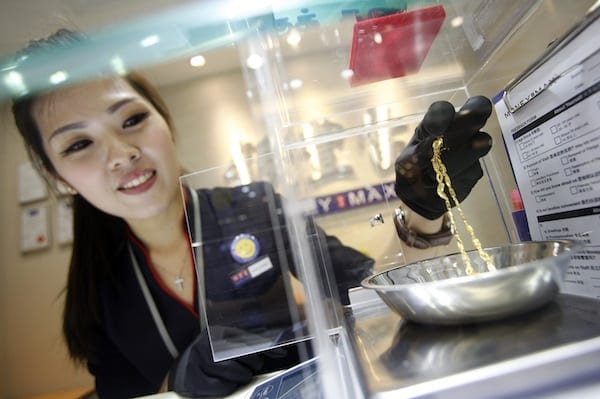
    Lee Hwa’s JewelPlay concept has opened at Bugis Junction, promising personalised jewellery and services for weddings.

    Targeting millennial couples and fashion-forward shoppers, the 880sqft concept store features interactive touch-points and spaces geared to showcasing the brand’s bridal jewellery collection, Lee Hwa Romance, as well as its extensive multi-wear series catered to the young and the young-at-heart.

    “Besides the trendsetting multi-wear jewellery for daily wear, we observed a growing demand among young couples,” said Mavis Toh, business director of Lee Hwa Jewellery.

    “We want to be a part of every couple’s unique love journey, from couple bands, to proposal ring, wedding bands, bridal jewellery, and anniversary gifts.”

    She says Lee Hwa’s JewelPlay boutique is providing an engaging space for couples to “revel in the experience and celebrate their love story together”.

    The store features a JewelPlay Mirror in front of which people can try on jewellery for Instagrammable photographs.

    In the ‘Love Cove’ customers can receive a private consultation with a boutique staff member to explore creative bridal styles and personalisation.

    Lee Hwa’s JewelPlay carries the widest selection of bridal jewellery among all of its stores, which includes global jewellery brands such as Destinee, Forevermark and Niessing as well as customisable wedding-band collections such as Ensemble Collection, Niessing Configurator, and Furrer Jacot Ringdividuell.

    Couples can design their own jewellery Lee Hwa Jewellery’s My Personal Designer service.

    Lee Hwa’s JewelPlay has launched a store-exclusive collection to celebrate the boutique’s opening.

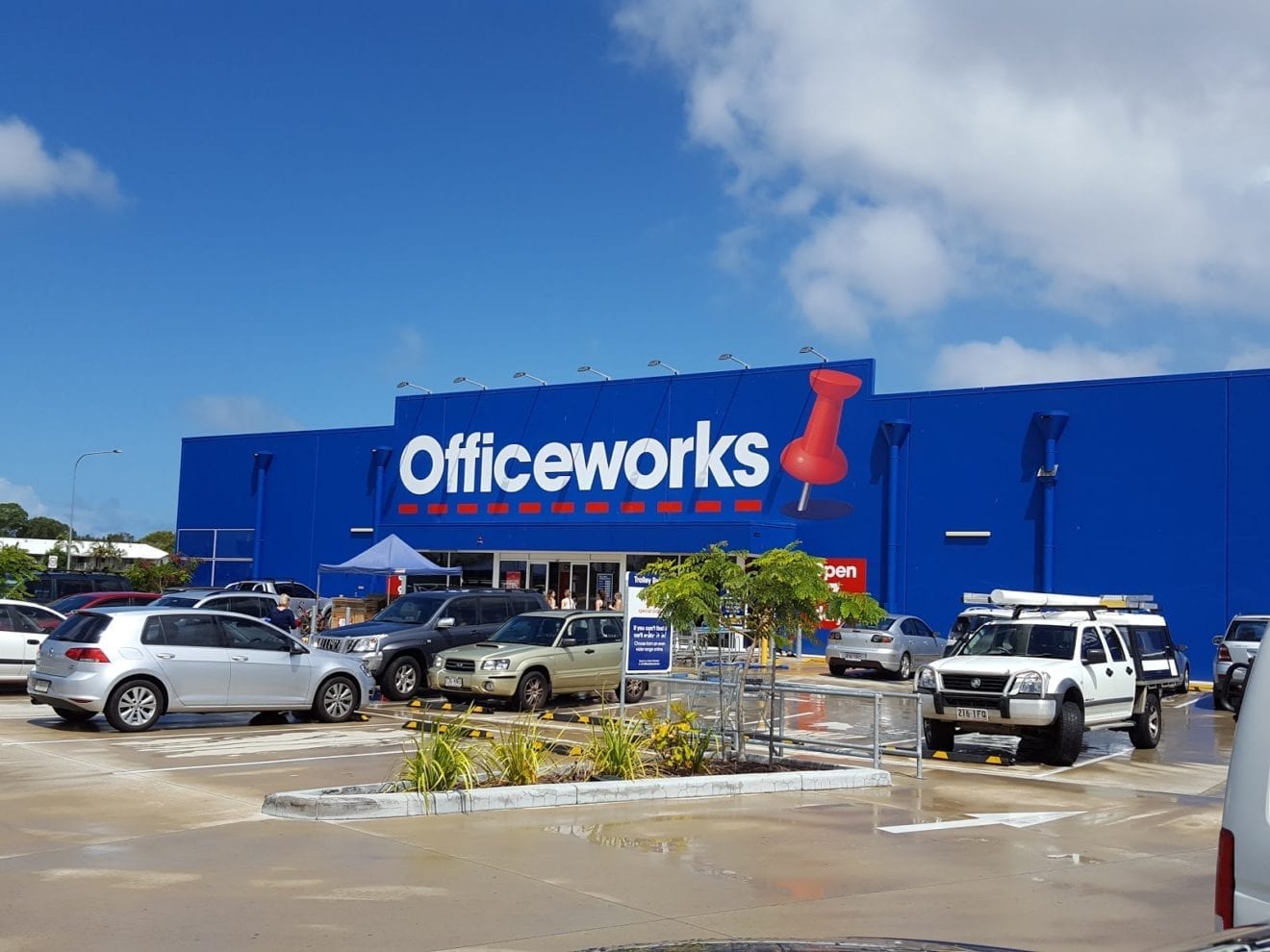
  • Officeworks staff vote for Increased Salaries

    Officeworks staff vote for Increased Salaries

    Officeworks staff have approved a new Store Operations Agreement that will introduce higher base pay and penalty rates and new leave entitlements for eligible team members.

    More than 80 percent of staff participated in the vote, which closed on Sunday night, with 97 percent voting in favor of the new Agreement, according to a release from Officeworks.

    “The new Agreement sees over-award terms and conditions retained, with improved conditions for both part-time and casual team members when it comes to securing work,” the Wesfarmers-owned retailer said in the release.

    As part of the four-year agreement, eligible team members will receive a 2 percent wage increase for the first two years and a 3 percent wage increase for the last two years, with the base pay rate continuing to clock in above the award. They will also be paid higher penalty rates on weekends and evenings.

    Team members will also be able to choose their superannuation fund, and they will be provided with two days of paid domestic and family violence leave.

    Officeworks’ new leave entitlements follow the introduction of its ‘Growing Families’ policy in March, which saw primary carers receive 12 weeks of paid leave, double the amount they received previously, and secondary carers receive two weeks of paid leave, where none was available before.

    It also entitles primary carers to 52 weeks of superannuation contributions and long-service-leave accrual, and secondary carers to two weeks of superannuation contributions.

    “Providing certainty about pay and conditions for our team members so that they can plan their work and life more effectively is important to us and has been an absolute priority for me and my team,” Sarah Hunter, Officeworks managing director, said in the release.

    “I’m really excited that our team has overwhelmingly voted in favor of this Agreement. It’s such an exciting time at Officeworks and creating more stability for our team members will help us make bigger things happen together moving forward.”

    The Agreement will now be lodged with the Fair Work Commission for approval; however, the retailer said yesterday that it would immediately increase the base pay rate by 2 percent for all team members covered by the agreement.

  • Google announces customers can now use PayPal with Google Pay

    Google announces customers can now use PayPal with Google Pay

    Google has just announced it has expanded its partnership with PayPal to provide merchants with more ways to accept payments online. Starting next week, Google Pay will benefit from PayPal integration in all 24 countries where customers can link their PayPal account to Google Pay.

    Merchants that enable PayPal as a payment method on their Google Pay integration will allow consumers to seamlessly check out on their website or app. Basically, users will no longer have to sign in to PayPal when they use it with Google Pay once they link their PayPal account.

    With the new option, customers will be able to switch between debit cards, credit cards, their PayPal account, and more just by choosing Google Pay at checkout.

    Enabling PayPal integration in Google Pay will let merchants keep all the benefits they currently have, including the ability to receive payments directly to their PayPal Business Account within minutes, no minimum processing requirements, as well as seller protection on select transactions.

    Now, if you’re a merchant who can’t wait to enable the option to pay with PayPal in Google Pay, there are a couple of things that you need to do before customers can use the new feature. However, instead of going too technical, we’ll just redirect you to Google’s developer blog, which has all the information needed to enable PayPal in Google Pay.

  • Razer Partners Visa In Expanding Payment Network

    Razer Partners Visa In Expanding Payment Network

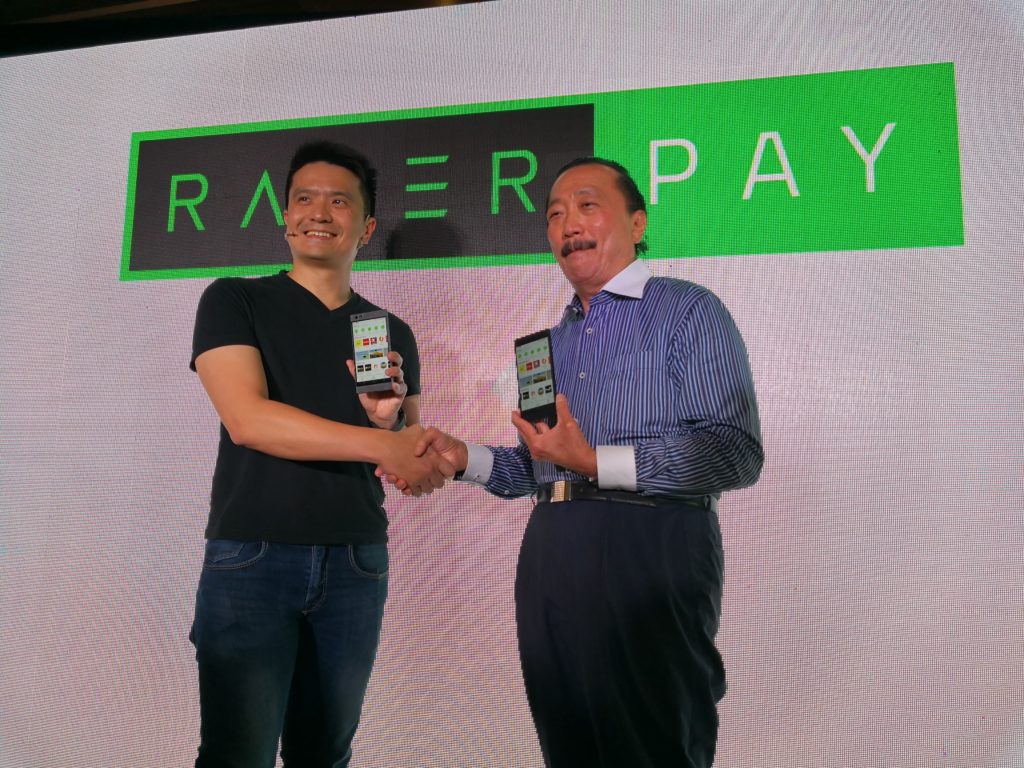
    Up to 60 million users of Razer’s mobile wallet, Razer Pay, will be able to try out the newly-developed virtual prepaid solution by Visa for making payments wherever Visa is accepted without the need for a bank account or a credit card, both companies announced on Monday

    We want to make sure that we are able to introduce the benefits of mobile and digital payments to [the under-banked and under-served population in Southeast Asia], in order to bring them up to the formal financial system, said Chris Clark, regional president of Visa Asia Pacific, in a statement.

    The new Visa prepaid service will be available in Southeast Asia next month, starting from Malaysia and Singapore where Razer Pay is already available. The service will then be expanded to other countries including the Philippines, where the launch of Razer’s e-wallet is in the pipeline, said Limeng Lee, Visa’s chief strategy officer. «Fintech is the extension of what we have been doing. We’re currently focusing on Southeast Asia where we see massive opportunity. There’s a huge youth demographic and a lot of them are gamers… and these are usually the early adopters of new technology,» Lee said.

    Southeast Asia’s mobile payments landscape grew rapidly in recent years, driven by high mobile penetration rates and the popularity of mobile services. In particular, Vietnam saw the highest growth globally in mobile payments use last year, with six Southeast Asian countries, including Singapore and Malaysia, in the top 10 markets for the shift to mobile, according to a survey by PwC in April this year.

  • VinID acquires MonPay e-wallet in Vietnam

    VinID acquires MonPay e-wallet in Vietnam

    Vingroup’s loyalty program VinID has acquired digital wallet app MonPay, a central bank source says.  The takeover procedures have been completed but did not disclose its form and value.

    Earlier this week, a new feature called “My Wallet” has appeared on the VinID app where customers can accumulate points from goods and services bought from Vingroup’s ecosystem, which includes real estate, education and shopping.

    From this feature, customers can deposit and withdraw money as with any electronic wallet, and all transactions go through MonPay. MonPay is a product created and run by local firm People Care JSC.

    Previously, at the end of 2018, People Care completely replaced its management board with three key executives from VinID, including Nguyen Thi Diu, deputy general director of Vingroup and general director of VinID; and Nguyen Minh Hong, one of three founding shareholders of VinID.

    VinID JSC was established in July 2018. It has a chartered capital of VND3 trillion ($128.81 million) and is 80 percent owned by Vingroup, Vietnam’s biggest private conglomerate.

    People Care JSC is one of 29 enterprises that have been granted the payment intermediary license from the State Bank of Vietnam. The company doubled its charter capital from VND68 billion ($2.92 million) to VND138 billion ($5.93 million) at the end of 2018, after it had reappointed its board of directors.

    The government is working to accelerate the use of cashless transactions. In a resolution released January, it tasked the central bank to come up with solutions that would promote the use of e-wallets, which allow users to deposit cash into their e-wallets without the need for a bank account.

    However, Vietnam is still far away from becoming a cashless society, given low financial literacy and the lack of an ecosystem, experts say.

    The use of cash in Vietnam remains high. World Bank’s statistics released last year showed that the country had the lowest percentage of cashless transactions in the region with only 4.9 percent, while this value for China and Thailand were 26.1 percent and 59.7 percent respectively.

  • Apple Pay focussing on wider NFC adoption

    Apple Pay focussing on wider NFC adoption

    Apple has been trying to replace your wallet with your iPhone for years now. Despite the relatively wide adoption of Apple Pay (at least in the States), however, it’s still not abundant enough to make you think twice about leaving your wallet at home. One of the main reasons for that is that Apple, in its typical fashion, has restrained the things developers can use the available hardware and software for. But it seems that might be changing very soon.

    Apple recently announced changes coming to the way NFC can be used on its iPhones in combination with Apple Pay during a conference for electronic transactions. Called Transact, the conference was held in Las Vegas in late April and was host to a rare Apple presentation that’s not during one of the company’s own events.

    Apple is looking to make it easier for businesses to integrate NFC payments into the Apple Pay ecosystem. To do that, it is going to allow its Core NFC framework to work with multiple NFC formats. Currently, Apple only supports one format called NFC Data Exchange Format. Three new formats are expected to be added with the release of iOS 13. These changes, among many others, will likely become official during Apple’s Worldwide Developers Conference 2019 that starts on June 3.

    But NFC formats don’t matter to users, they care about what that means for the way they use their devices. There will be some noticeable improvements in that area if Apple’s plans come to fruition. The company’s goal is to make paying for almost everything as easy and convenient as possible. Let’s take a look at what’s its vision.One example given at the presentation was the so-called micro-mobility, which is a fancy term for all the scooter-renting services like Bird and Lime. Right now, each of those comes with its own app that you can use not only to locate a scooter but mostly to pay for your time using it. Needing an app and an account adds friction, as experts call it, which reduces the number of people that use the service. Apple is working in cooperation with some of these companies to remove that extra step. In the future, tapping on the NFC chip of the scooter will allow you to rent it straight from Apple Pay. This will not only make it easier for non-frequent users to rent scooters but will also improve security, as you’re not sharing payment information with yet another entity.

    And then there are parking meters. The ones that allow mobile payments come with their own app as well. Similar to the scooter approach, Apple aims to cut out the unnecessary step of installing and logging into various apps (companies still get their money, after all) by handling everything within Apple Pay. The same technology can be applied to almost anything, from vending machines to public transport and all sorts of venues that you need to pay to get into.

    But NFC is not only useful for payments, but it can also carry all sorts of information. A few companies are already partnering with Apple to streamline the sign-up process for their loyalty programs by using NFC instead of paper forms people need to fill out.

    Once the ball starts rolling, we’ll likely see more and more businesses joining Apple’s initiative. This move will strengthen its ecosystem and tie down iPhone users to the brand even more than they already are. Hopefully, it will also nudge Google to put more effort into its own Google Pay.

  • SK Broadband agrees to merge with t-broad

    SK Broadband agrees to merge with t-broad

    South Korea’s SK Telecom has arranged to merge its fixed broadband subsidiary SK Broadband with the nation’s second largest cable TV operator t-broad to help both companies weather rapid changes in the pay TV market.

    Under the proposed merger, which still requires government approval, SK Telecom would take a 74.4% stake in the combined company.

    Meanwhile t-broad’s parent company Taekwang Industrial would take a 16.8% stake in the company, with the remaining held by financial investors, treasury stock and others.

    The merger ratio has been set at 75:25 based on corporate valuation analysis, the companies said. The two companies have also attracted additional investment of 400 billion won from financial investor MiraeAssetDaewoo.

    As of June 2018, t-broad had around 3.14 million subscribers. Adding SK Broadband’s IPTV subscriber base of 4.54 million recorded at the same period, the combined entity would become a media company with around 8 million subscribers.

    But the two companies could face difficulty securing competition regulatory approval for the merger due to this figure.

  • Google Pay update brings Gmail integration

    Google Pay update brings Gmail integration

    Google is trying to build an entire ecosystem that will allow users to access any important information from just about every Google app. Gmail has been integrated with many other Google apps, but other developers noticed the benefits and added integration with the email app.

    The newest app that benefits from Gmail integration is Google Pay, which doesn’t come as a surprise since the changes were spotted a few months ago. Now, Google Pay has been updated with Gmail importing, which means that the mobile payment app will browse through your emails and add the relevant information to its system.

    For example, whenever you receive loyalty cards, movie tickets, and boarding passes in the Gmail inbox, they will be automatically added in Google Pay. Keep in mind though that if you delete the email containing the information, it will disappear from Google Pay as well.

    The improvement makes it easier to access loyalty cards, tickets, and more without having to go through your emails every time you want to know something about them. It’s also easier to find coupons and boarding passes that are being sent to your Gmail inbox and make use of them.

    It’s worth mentioning that the new Gmail import feature is disabled by default, so you’ll have to enable it in Google Pay by heading to Settings / General / Gmail Imports and using the toggle available after the latest update.

  • Google’s mobile payment service expands to more banks

    Google’s mobile payment service expands to more banks

    If you’re anxious to use Google Pay, but can’t because your bank doesn’t yet support the mobile payment service, you’ll be happy to know that Google is working hard to bring the product to as many consumers as possible. At least in the United States.

    We’re back with the monthly list of banks and credit unions that are about to receive Google Pay support, and this time there are only 15 of them. If your bank is among them, but you still can’t use the service, then give a few days. Without further ado, here is the full list of banks and financial institutions that should now offer Google Pay support.

    American State Bank & Trust Company, Commercial Bank, Community First Bank of Indiana, First National Bank of Paragould, Generations Bank (AR), Generations Bank (NY), Greensboro Municipal Federal Credit Union, Harvard State Bank, Heartland State Bank, Minnesota National Bank, People’s Bank of Commerce, PrimeWay Federal Credit Union, Spring Bank, Tampa State Bank, Walden Savings Bank, and Zellco Federal Credit Union.

    To find out if your bank or card works for in-store purchases with Google Pay on your phone, you should check out the full list from the service’s support site.