Retail News CRM

Tag: Pay

  • Grab launches ‘Buy Now, Pay Later’ option

    Grab launches ‘Buy Now, Pay Later’ option

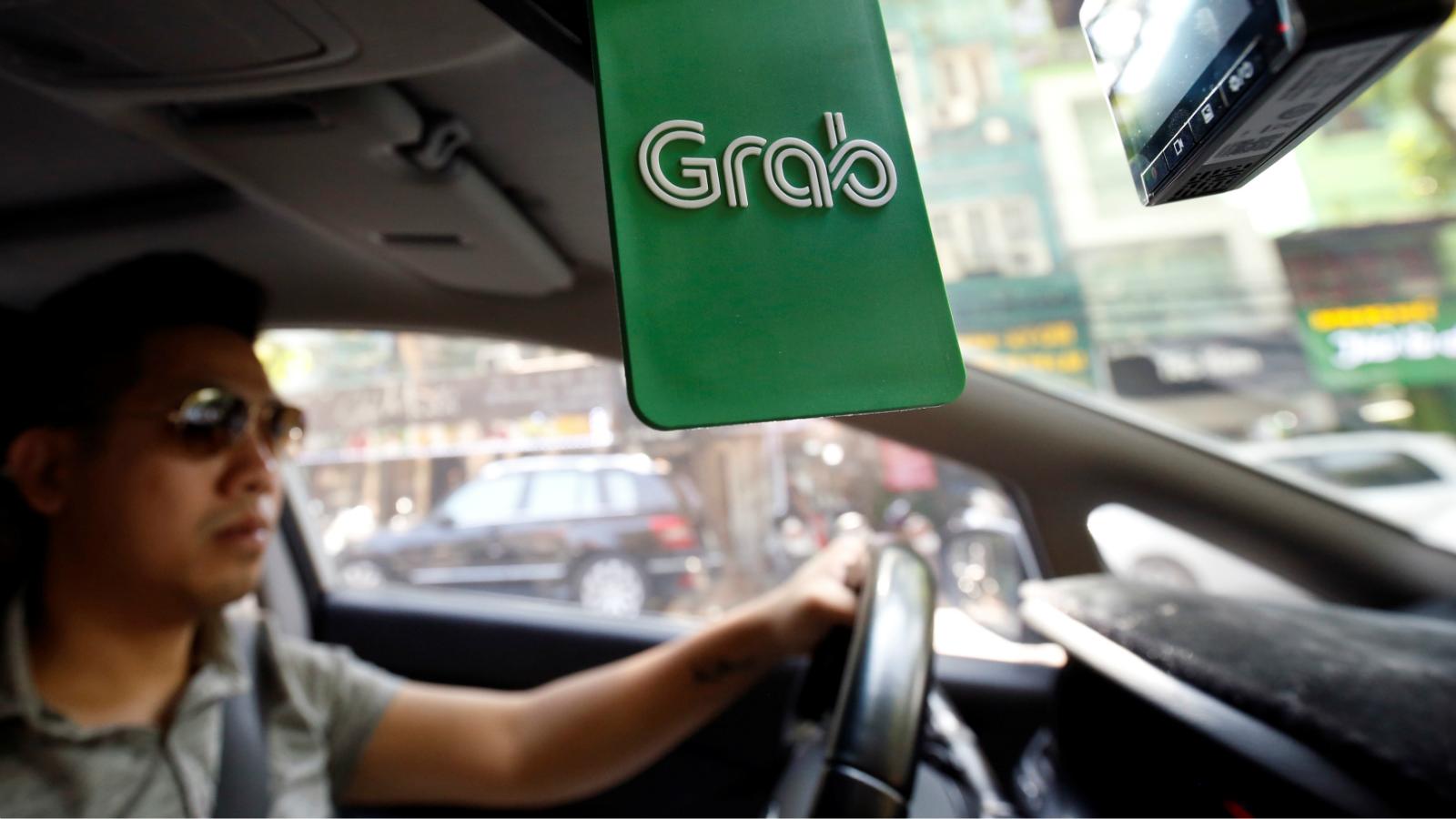
    Grab has expanded its fintech offer with “Buy Now Pay Later” facility and an online store check-out plugin.

    Through its joint venture with Credit Saison, the ride-hailing platform offers a post-paid payment facility which allows customers to pay for Grab services at the end of the month, without additional fees.

    This is geared towards consumers who face exceptional expenses, but are keen to avoid being hit with high credit card or personal loan interest payments.

    The platform will also launch another pay-later product, which will allow consumers to shop online immediately, but pay for their purchases in installments.

    Only Grab’s most creditworthy customers can use these two products. Credit risk is based on their tenure on the Grab platform, frequency of use and spending patterns.

    Grab has been boosting its financial services in Southeast Asia in recent years. Its GrabPay service has teamed with e-commerce platforms such as Qoo10 and 11Street.

    It has recently signed with Adyen, Boku, iPay88, Dragonpay, Cathay Cineplexes, and SM Cinema in the Philippines.

  • Facebook’s unannounced mobile payment service shows up

    Facebook’s unannounced mobile payment service shows up

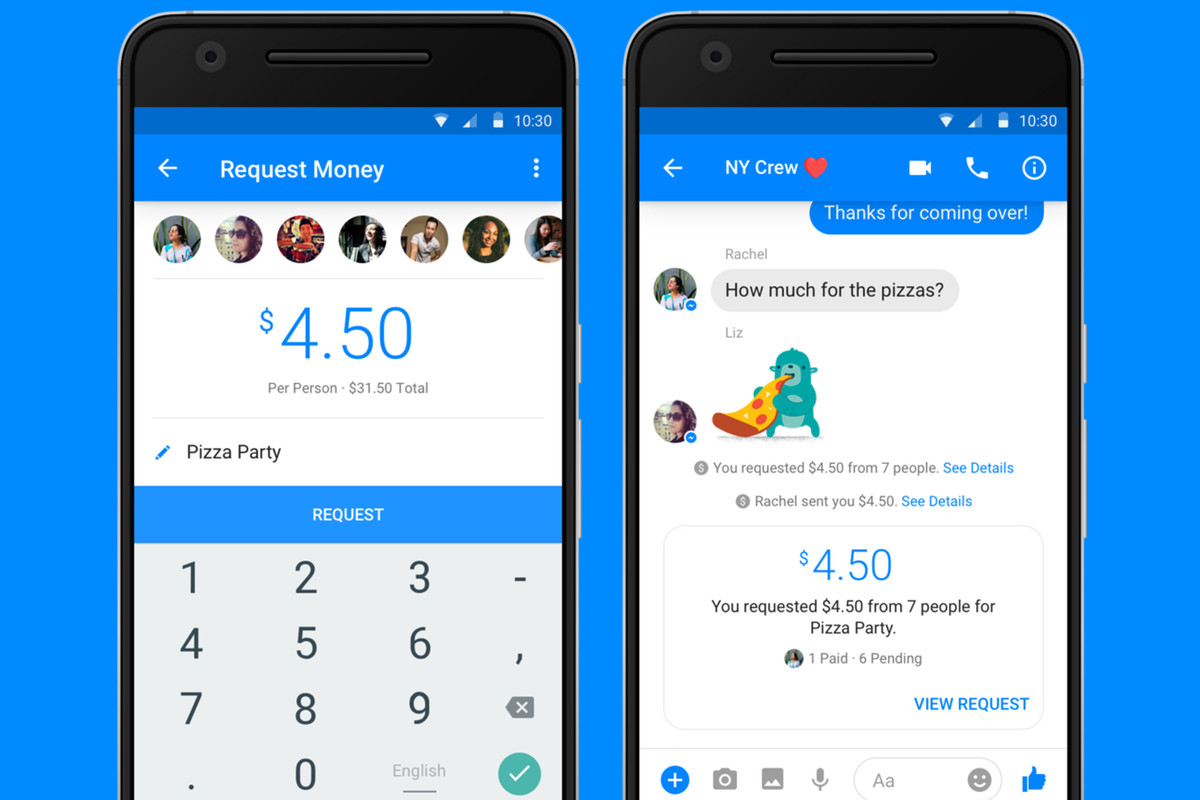
    Facebook’s Marketplace seems to be one of the few successful features launched by the social network giant in the last couple of years. Now, Facebook plans to add an important tool that will make the entire Marketplace experience smoother and easier, at least this is how we’re seeing things at first glance. A mobile payment service that will allow Facebook users to pay for goods they buy through Marketplace is already showing in the Android and iOS app. A new Pay with Facebook option is now available on some Facebook pages that sell various products (i.e. Marshmello Music).

    The new option supports various payment methods that use Visa and Mastercard, as well as cryptocurrency, though the latter seems just a placeholder for now since we don’t recognize the symbol.

    At the moment, the whole process seems a bit convoluted because the buyer must first send a request to the seller, who will then have to accept or refuse the offer and send another payment request to the buyer.

    Although it sure doesn’t sound like a seamless process, Pay with Facebook may at least offer Marketplace users a more secure (and free) method of payment. We’re still waiting for Facebook’s official announcement to learn more about the new mobile payment service, but we can’t guarantee it will ever come.

  • Razer launches country HQ in Malaysia, looks to groom next gen tech talent

    Razer launches country HQ in Malaysia, looks to groom next gen tech talent

    Shortly after it announced the construction of a new Southeast Asia headquarters, Razer has unveiled its new country headquarters in Malaysia which will house over 280 employees. The investment strengthens Malaysia as Razer’s regional center of fintech innovation, e-sports excellence and talent development.

    Razer aims to position itself as a fintech leader in Malaysia, with one of its initiatives being a partnership with property development company UOA Group to digitise and integrate its carpark payment system into the Razer Pay app. Upon completion, carpark users can settle their parking fees using the Razer Pay app without waiting in queues. It is also working with merchants in Bangsar South to accept Razer Pay

    As part of its e-sports initiatives, Razer will share its expertise in the field with the Malaysian gaming community. This includes coordinating with industry partners to drive gaming events in the country, bringing the gaming community together and looking to support Team Malaysia for esports at SEA Games 2019.

    Razer will also work with the government and industry partners to develop the next generation of tech talent in Malaysia. It will collaborate with institutes of higher learning, provide training and mentorship programs and offer exchange programs across the regional Razer offices.

    The world now demands a high level of innovative thinking and entrepreneurial mindsets, and Razer will help nurture the future technology leaders of Malaysia.

    “Razer will be investing in Malaysia as a hub for our fintech efforts in Southeast Asia,” says Min-Liang Tan, co-founder and CEO of Razer. “It is the first country in the world to be ready for Razer Pay, and we see the Razer Malaysia office as a natural springboard for our fintech efforts in the region.”

    Last year, Razer launched its e-wallet app for youth and Millennials in Malaysia and claimed to have signed up 500,000 users in less than a week. This month, Razer Pay has been expanded with major new features such as in-app coupons, instant messaging, and an enhanced e-wallet experience.

    Razer has collaborated with Malaysia’s household brands to bring exciting offers to consumers. 7-Eleven is offering RM5 coupons and Kenny Rogers Roasters will offer RM10 coupons to Razer Pay users. U Mobile will also organize weekly contests with prizes such as the Razer Phone 2. Merchants operating in Bangsar South will also start accepting Razer Pay. These merchants will also begin to offer rewards programs enabled by Razer Pay, such as coupons and flash sales to help customers save time and money.

  • Abysmal start Zero Pay pilot in South Korean

    Abysmal start Zero Pay pilot in South Korean

    The Seoul city government’s smartphone-based payment-program pilot posted an abysmal track record in its first full month of service, data showed Wednesday.

    In a bid to help relieve small merchants of burdensome credit card fees, the municipality began the trial run of the “Zero Pay” service in late December, enabling users to pay for purchases card-free and receive tax benefits.

    About 8600 purchases totalling 199 million won (US$177,000) were settled via the Zero Pay system in January, according to the data provided to Rep. Kim Jong-seok of the main opposition Liberty Korea Party by the Financial Supervisory Service.

    The number of settlements came to a mere 0.0006 per cent of the 1.56 billion purchases made using credit, debit and prepaid cards, with the value reaching only 0.0003 per cent of the total 58.1 trillion won.

    As of the end of January, slightly over 46,600 small shops and businesses were taking part in the pilot payment service.

    Watchers attributed Zero Pay’s poor record to the small number of participating merchants and customers’ unwillingness to change their payment habits.

    Eleven commercial banks, including all major lenders, joined the test service, which the Seoul city government plans to formally launch after this month.

    Nine more banks are slated to take part in the Zero Pay system, and the municipality will recruit convenience stores and other franchise stores to join.

    Under the system, money is transferred from a consumer account to that of a merchant when the consumer scans the merchant’s QR code with a smartphone using the existing apps of commercial banks or online payment platforms.

    Following its formal launch, the central government plans to gradually expand the service to other parts of the country by offering tax breaks and eliminating related regulations.

  • Octopus Card integrates with Samsung Pay

    Octopus Card integrates with Samsung Pay

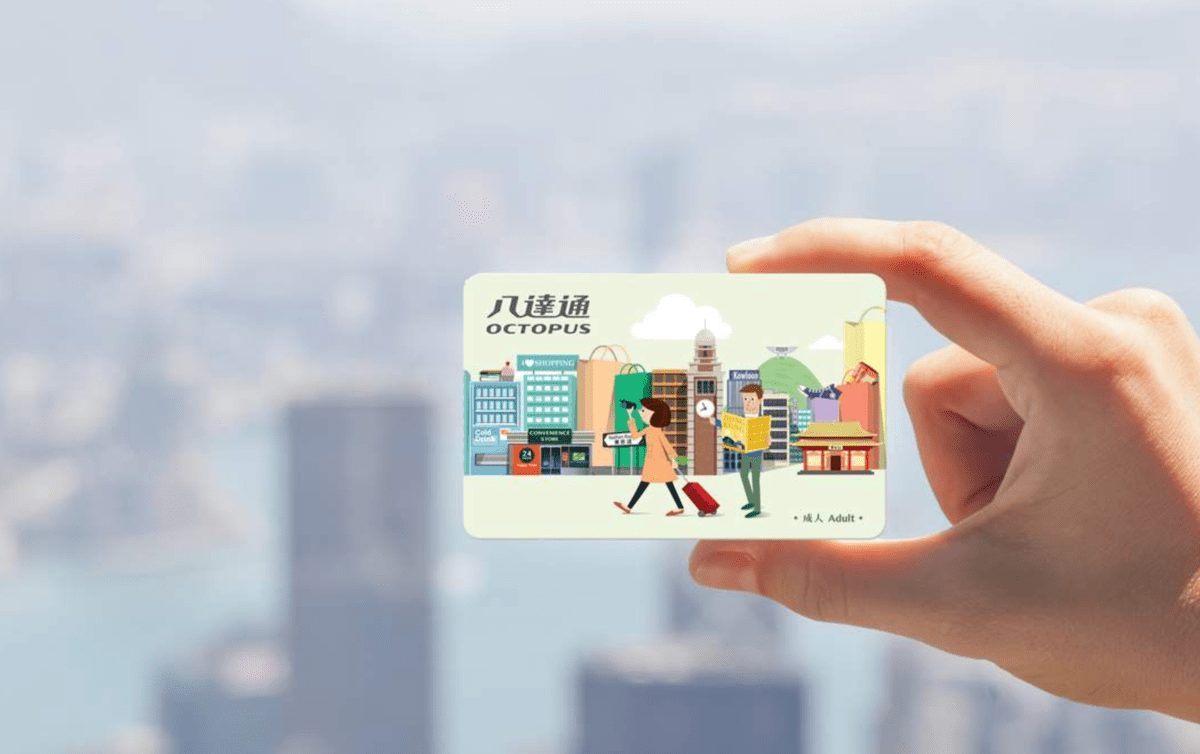
    The ubiquitous Octopus Card has been digitally integrated into the Samsung Pay network, allowing consumers to securely pay and travel by simply tapping their smartphones against an Octopus acceptance reader for payment or even door access.

    Consumers will be able to easily register their credit card details with Samsung Pay, providing one more option to top up their digital Octopus cards when necessary.

    It’s a major leap forward for the Octopus Card which has previously worked purely as a  stored value system, and for online e-payments.

    Originally designed as a contactless smart card for using public transport, the card has grown into the most popular cashless payment system in Hong Kong, accepted by convenience stores and even Starbucks. There are now more than 80,000 touch-points in Hong Kong, including stores, recreational facilities, vending machines, and self-service kiosks and more than 34.5 million active Octopus Cards and O! ePay accounts in use. Some 14.5 million transactions amounting to more than HK$200 million are made every day.

    Smart Octopus in Samsung Pay uses Gemalto’s Trusted Service Hub technology to securely digitise Octopus Cards into Samsung Pay, including the transfer of the balance and any associated loyalty programs.

    Sunny Cheung, CEO of Octopus Holdings, said the partnership has enabled Octopus to be among the first contactless smart card payment system operators in the world to allow customers to pay via their smartphones.

    “We believe this service will resonate well with consumers seeking a payment method that is hassle-free and safe to use, providing them with more payment methods to choose from.”

    “Smart Octopus in Samsung Pay delivers a convenient yet secure payment option for consumers in Hong Kong, and helps the city realise its vision of transforming into a cashless society,” said Michael Au, senior VP banking and payment in Asia with Gemalto.

    Smart Octopus in Samsung Pay is currently compatible with Samsung Galaxy Note8, S8+, S8, S9, S9+, A8+ and C Pro series including C5 Pro, C7 Pro and C9 Pro models.

  • LG’s mobile payment service ‘LG Pay’ to be launched in June in Korea

    LG’s mobile payment service ‘LG Pay’ to be launched in June in Korea

    LG Electronics announced that it will launch its own mobile payment service dubbed ‘LG Pay’ across Korea, which will allow users to use their mobile phone as a credit card.

    During the World IT Show 2017 exhibition currently under way in Seoul, the South Korean tech giant showcased LG Pay, which adopted the Wireless Magnetic Communication technology. Samsung Pay is equipped with the Magnetic Secure Transmission technology.

    Users can register multiple credit cards into an LG Pay-enabled mobile phone and they choose one of pre-registered credit cards to pay. The payment service is supported by four credit card companies – Shinhan, KB, BC and Lotte – from June and by all of other Korean credit card companies from September, the company said.

    The service is based on wireless magnetic communication (WMC) technology, in which a credit card reader deciphers magnetic signals generated by a mobile phone. Nearly 90 percent of credit card readers support this magnetic payment system, making the service available at virtually all merchants.

    To use this service, users need an antenna-embedded smartphone to enable magnetic communication. The LG G6, the company’s latest smartphone model released early this year, is the only model that is equipped with this antenna. The company aims to expand its mobile payment service through its future smartphone models.

    LG said the service will be launched next month in South Korea and will be connected to the country’s eight major credit card companies.

  • Samsung Pay arrives in Hong Kong

    Samsung Pay arrives in Hong Kong

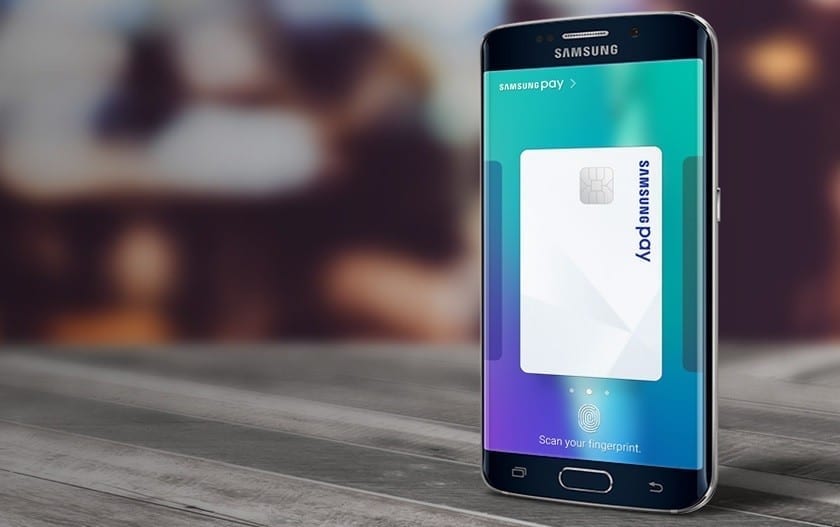
    Samsung Pay has finally landed in Hong Kong. The Korean technology giant launched an early access program in the Hong Kong market last month, but officially launched the mobile payment system to the general public last Thursday.

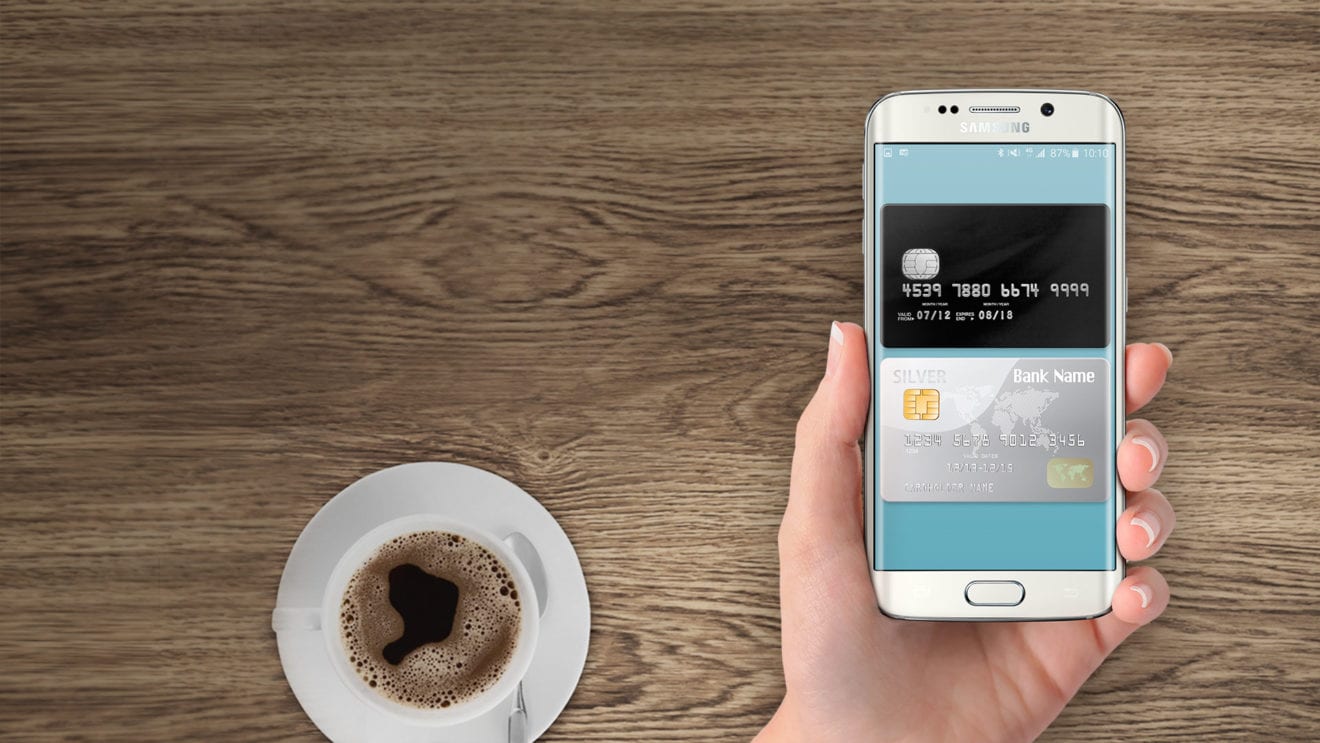
    Samsung Pay can be used almost anywhere a point-of-sale (POS) terminal is available and supports payments via both near field communication (NFC) and Samsung’s proprietary magnetic secure transmission (MST) technologies.

    According the maker of the Galaxy smartphone, MST sends a magnetic signal from the supported Samsung device to the payment terminal’s card reader (to emulate swiping a physical card), allowing Samsung Pay to work almost anywhere cards are accepted.

    “We are happy to have received overwhelming, positive responses from users of Samsung Pay’s Early Access Program,” said Yiyin Zhao, vice president and head of information technology and mobile communication business for Samsung Electronics Hong Kong.

    “We look forward to building a complete digital wallet solution in Hong Kong, which will allow users to not only pay conveniently, but also use membership cards and many more.”

    Several major banks in Hong Kong, including Citi and DBS, are set to offer incentives to encourage customers to pay for items using credit cards via Samsung smartphones, The incentives include discounted food, drink and toiletries, as well as free mobile phones.

    The perks come as the South Korean company enters the Hong Kong mobile e-pay market relatively late. Apply Pay launched its mobile payments service in July last year, while Google launched Android Pay in October. Several of the mainland’s technology giants, including Tencent Holdings and Alibaba Group Holding’s financial arm Ant Financial Services Group, have also launched WeChat Wallet and Alipay, respectively, in the city.

    Samsung Pay is available on Galaxy S8+, Galaxy S8, Galaxy S7 edge, Galaxy S7, Galaxy S6 edge+ and Galaxy Note5.

  • Samsung Pay early access program launches in Hong Kong

    Samsung Pay early access program launches in Hong Kong

    Samsung has launched an early access program for Samsung Pay in Hong Kong, in collaboration with local banks.

    Customers with American Express, Citibank, Dah Sing Bank and Standard Chartered Bank cards are able to register to participate in the early access program.

    The service is expected to launch more widely in the second quarter, adding support for other card issuers including Bank of China (Hong Kong).

    Samsung Pay is a mobile payment system that supports both NFC and Samsung’s own Magnetic Secure Transmission (MST) technologies.

    It uses three levels of security – biometric authentication, card tokenization and the Samsung Knox mobile security platform, as well as the ability for users to lock or wipe Samsung Pay remotely should their phone be lost or stolen.

    To date, Samsung pay has launched in 12 markets worldwide and is in early access in a further four. Over 240 million transactions have been processed by Samsung Pay in the past 18 months.

    Samsung has partnered with payment technology companies American Express, Mastercard and Visa for the mobile payment service.

    “As a global leader in information technology, Samsung has always aspired to create better and more fulfilling experiences for our users through meaningful innovations,” Samsung VP and head of IT and mobile communications Yiyin Zhao said.

    “We hope to offer our consumers a payment service that is truly safe, simple, and widely-accepted. We are also thankful for the support of Mastercard. Together, we are creating a more complete payment experience, further enhanced with promotions, to bring mobile payments capability to more users than ever before.”

    Mastercard division president for Hong Kong, Macau and Taiwan said a recent survey by the payment card company indicates that more than four in 10 Hong Kong consumers have made purchases via their mobile device in the past three months.

    “This partnership demonstrates Mastercard’s commitment to delivering innovative solutions for the rapidly evolving mobile payments space,” he said.

    Compatible Samsung Pay devices include the Galaxy S8+, Galaxy S8, Galaxy S7 edge, Galaxy S7, Galaxy S6 edge+ and Galaxy Note5, with more compatible devices due to launch soon.
  • WeChat Pay launches new service in Hong Kong

    WeChat Pay launches new service in Hong Kong

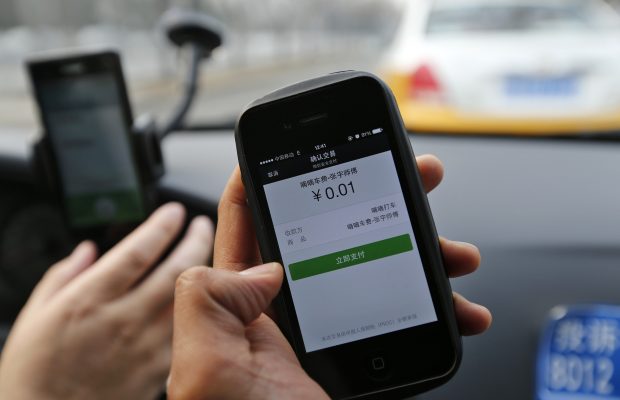
    WeChat Pay, one of the Chinese mainland biggest mobile payment platforms, has boosted its cross-border business by launching a new service in Hong Kong.

    In a move that is expected to promote businesses of local merchants, it opened a channel for membership card applications when customers pay through WeChat.

    After paying for their goods through the platform, they will receive information from local merchants’ WeChat official accounts automatically on becoming a member.

    The virtual membership card will enable customers to be given details on vendors’ latest activities, while at the same time help local merchants gain new followers and promote their businesses.

    Hong Kong, which is a major destination for Chinese mainland outbound tourists, is a key market for WeChat Pay to develop its cross-border business, said Grace Yin, director of WeChat Pay international operations.

    “We will further increase our investment in the cross-border payment business in Hong Kong to help local merchants better serve mainland tourists,” Yin said.

    WeChat Pay’s move comes at a time when Hong Kong’s retail industry is still struggling to recover from a “chilling winter” caused by the decline in the number of mainland visitors.

    Mainland arrivals dropped 6.7 percent year-on-year in 2016, according to the Hong Kong Tourism Board. The situation saw a slight improvement this year, rising 1.1 percent from January to February compared with a year earlier.

    “Linkage of WeChat payment and the merchants membership system will enable us to provide a better shopping experience to consumers, thereby enhancing our brand reputation. Moreover, with data on WeChat Pay users, we will be able to understand our consumers better,” said Wang Yifan, social media specialist with British cosmetics brand Lush, which has a number of stores in Hong Kong.

  • Progress on bringing Apple Pay to South Korea ‘still in an early stage’

    Progress on bringing Apple Pay to South Korea ‘still in an early stage’

    Though Apple is working on launching Apple Pay in South Korea, the mobile payments system is still some ways out —and the company has yet to hold a critical meeting with the government, according to a local report.

    A legal director and a senior counselor from the company visited Korea in November to talk with the country’s financial officials. At the time however, Apple’s team is only said to have explained how Apple Pay works —including the tokenization of transactions, for security purposes —while promising to partner with local credit card firms.

    To actually launch in Korea, Apple will need to meet with authorities again to determine whether it should be registered as an electronic financial business operator. No such meeting is scheduled so far.

    On the private side, meanwhile, an official with one local card company told the publication that “work with Apple is still in an early stage.”

    This stands in contrast with Google, which is expected to launch Android Pay in Korea before Apple can get a foothold. The company is not only said to be planning a meeting on the electronic financial business operator issue, but working with card companies like KB Kookmin, Shinhan, Lotte, and Hyundai on online and NFC-based payments.

    It’s believed that Google will probably focus on online transactions first, as most Korean retail stores reportedly lack NFC-ready sales terminals. The situation has in fact given Samsung an edge, since Samsung Pay can be used at any terminal with a magnetic card reader. The firm isn’t registered as an electronic financial business operator, though, since it doesn’t actually generate money from transactions.

    Apple Pay is now accepted in a dozen countries. Apart from the U.S. this includes places like Australia, Canada, China, France, Russia, and Japan. Taiwan has been confirmed as an upcoming market, but hints of a German launch have yet to solidify.

  • Samsung Pay Service Comes To Thailand

    Samsung Pay Service Comes To Thailand

    Similar to Android Pay from Google and Apple Pay from Apple, Samsung Pay works like other mobile payment platform by using NFC. Samsung Pay, which was made to build brand loyalty from consumers allows users to pay for things online with their smartphone or smartwatch.

    Samsung has fully unveiled the Samsung Pay in the Thailand. The company aims to entice at least one million users within this year. The mobile payment platform was already made available in Malaysia, Singapore and China a while ago. Samsung apparently already boasts a network of 100 retail partners found in Thailand following a soft launch just in November of 2016. Thailand has been working to adopt a more cashless society much like other Western countries.

    “Samsung is the first phone maker jumping into the mobile payment fray in Thailand,” said the Thai corporate Vice President for IT and Electronics of Samsung Electronics, Wichai Pornpratang. The company is expecting to bring in one million customers using Samsung’s Pay service by the end of the year.

    Consumers can use the Samsung Pay by just tapping their compatible Samsung smartphone on near field communication (NFC) or magnetic security transmission (MST). Doing this will allow them to proceed to making payments in stores.

    Samsung Pay is considered as one of the best mobile payment solutions but it can only be supported on the Galaxy S7 family, Galaxy S6 family, Galaxy Note 5, Galaxy A5 and Galaxy A7. Samsung Pay Mini, however, was reportedly just launched and what’s nice about the service is that it is not limited to just Galaxy smartphones. With an Android smartphone that has a 1280 x720 pixel resolution or higher than Android 5.0 Lollipop, the Mini version will function well. An offline payment option feature, however, that can be found on the Samsung Pay is nonexistent on the Samsung Pay Mini.

  • Samsung Pay, partner banks launch offers for Thai customers

    Samsung Pay, partner banks launch offers for Thai customers

    Samsung Pay and its financial partners have introduced exclusive offers for customers who make payments using a partnered credit card via Samsung Pay, The Nation reports. The offers are provide in partnership with Citibank, Kasikornbank, KTC, and SCB.

    Citibank card owners will have access to 5-fold reward point increase for every payment transaction of THB 1,000 or more. Kasikornbank card users will receive THB 100 cash back on every payment of THB 100. KTC card holders will receive 5 percent cash back with special privileges from participating shops, while SCB users will get THB 100 cash back for payments of THB 200.

    Samsung Pay went live in Thailand on 27 October. The platform enables customers to use their smartphone as credit cards. Supported payment gateways and credit cards for Thai users are Visa and MasterCard issued by six financial institutions namely Bank of Ayudhya, Citibank, KasikornBank, KTC, Siam Commercial Bank, and soon Bangkok Bank.

    In Thailand, Samsung Pay is compatible with the Galaxy S7, Galaxy S7 edge, Galaxy S6 edge+, Galaxy Note 5, Galaxy A7 (2016) and Galaxy A5 (2016) smartphones.

  • HSBC enables Apple Pay for Singapore cardholders

    HSBC enables Apple Pay for Singapore cardholders

    Customers can enjoy $5 off every transaction as a kick off promo. HSBC Singapore is treating its HSBC Visa and MasterCard credit cardholders with Apple Pay.

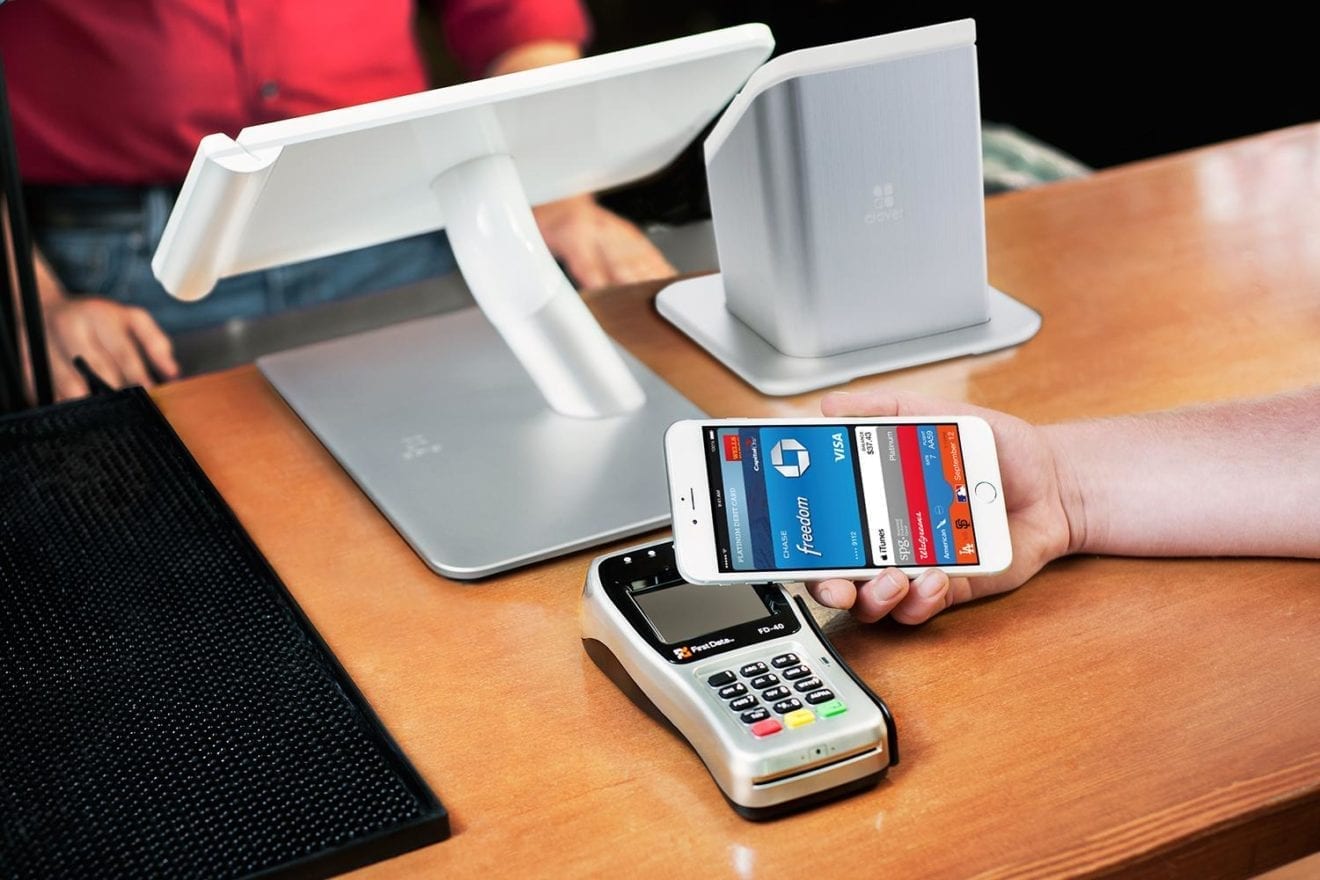
    Customers using iPhone SE, iPhone 6 to higher versions, and Apple Watch can use Apple Pay in stores with Visa payWave or MasterCard contactless payment terminals in Singapore and overseas.

    As a kick off treat, HSBC customers will be given $5 off for every Apple Pay transaction with their HSBC credit cards, with a minimum spend of $10 per transaction. This promo will be on until January 15 next year.

    Commenting on the launch, HSBC Singapore head of retail banking and wealth management Anurag Mathur said going digital is part of the banks strategy as technology and mobility are changing how our customers do banking.

    “Our findings show that awareness of contactless mobile payment is high amongst Singapore consumers (about 89%) and over half indicated interest to try this new payment method. We believe the security, privacy and convenience Apple Pay brings will appeal to all our customers, especially those who are also active users of our digital banking services,” he said.

  • Adyen supports WeChat Pay globally

    Adyen supports WeChat Pay globally

    Global payments technology provider Adyen has added WeChat Pay support to help businesses worldwide sell to customers in China and Hong Kong.

    Adyen provides the payment infrastructure for multiple major internet companies including Uber, Facebook and Neflix. With the agreement, Adyen will be the first payment service provider to support WeChat Pay on a global scale.

    Adyen CCO Roelant Prins said China is at the forefront of the digital payments revolution, with 15% of the total population expected to make a cross-border purchase in 2016.

    “We are very excited to support WeChat Pay. When combined with our existing UnionPay and Alipay integrations, it gives businesses access to the world’s biggest e-commerce market with a single partner,” he said.

    “This is the final key to unlocking full access to the Chinese shopper. This is especially appealing to travel businesses and high-end retailers.”

    According to Adyen data, despite the rapid adoption of digital payments in Hong Kong, credit cards are expected to remain the most popular payment method in the market. Visa has a significant lead over rival MasterCard.

    Because no local entity is required for cross-border transactions it is easy to accept and settle payments in Hong Kong dollars with no impact on currency conversion.

  • Google Android Pay lands in Hong Kong

    Google Android Pay lands in Hong Kong

    Google may be blocked in mainland China, but it’s Android Pay mobile payment service has just launched in the freer environs of Hong Kong.

    The mobile payment service from the American Internet company has launched in Hong Kong and is now available at thousands of retail outlets.

    Android Pay is a “one-click payment” service launched by Google. It features NFC communications technology and can be used on devices starting with the KitKat 4.4 Android system.

    Android Pay is similar with Apple Pay, which supports rapid and convenient payment functions via smartphones. Apple Pay launched in Hong Kong and mainland China earlier this year.

    Android Pay has established partnerships with the Bank of East Asia, DBS, Dah Sing Bank, Hang Seng Bank, HSBC, and Standard Chartered Bank in Hong Kong. At the same time, Android Pay gained support of over 5,000 retailers, including 7-11, Circle K, Fortress, Mannings, Maxims Cakes, MX, and McDonald’s.