Tag: payments

  • Apple said to plan iPhone for Japan that supports FeliCa

    Apple said to plan iPhone for Japan that supports FeliCa

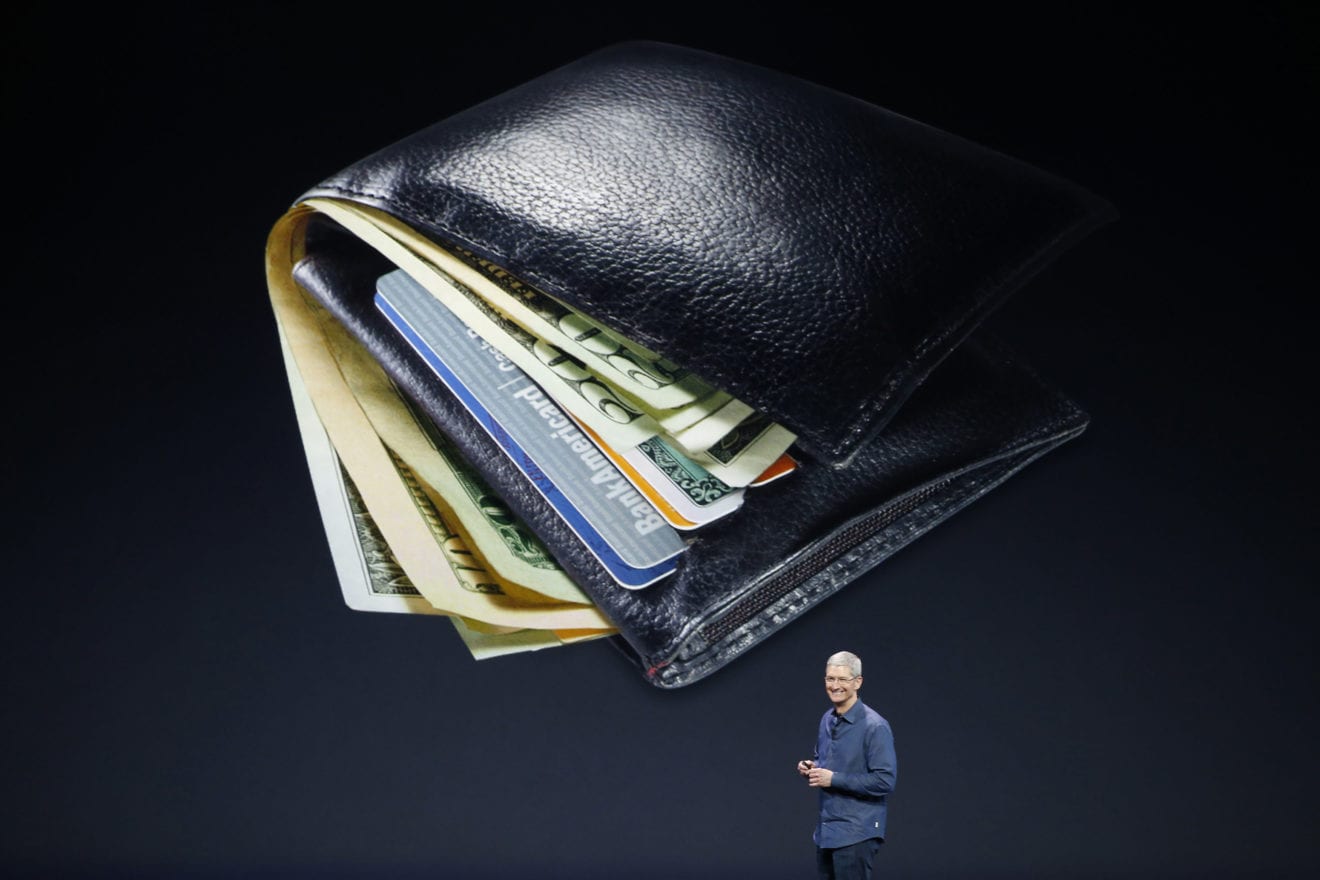
    Apple is reportedly planning to launch an iPhone in Japan that supports FeliCa, the contactless mobile payment standard widely used in the market.

    Sources told that a future iPhone designed for the market will include a FeliCa chip to support payments using the Sony-developed standard.

    FeliCa is used in multiple public bus and train pass payment systems across Japan. The standard dominates in Japan over the NFC standard used in Apple Pay – there are an estimated 1.9 million FeliCa payment terminals in the country handling around $46 billion worth of transactions per year.

    According to the report, Apple plans to work with multiple transit card providers on the launch, and is currently planning to store virtual representations of transit passes within the iPhone’s wallet app.

    Apple is said to currently plan to introduce the FeliCa functionality into the next iPhone models bound for the market, although the introduction could be held back to next year if talks with Japanese payment networks stall.

    One hurdle that could complicate the plan is the fact that FeliCa chips are designed to process transactions in a tenth of a second to accommodate Japan’s very busy transit system, whereas transactions using Apple Pay currently go through servers and require bank approval.

  • Inditex Group to introduce m-payment in Sept

    Inditex Group to introduce m-payment in Sept

    Mobile payment is coming to stores belonging to fashion retailer Inditex Group in September, chairman and executive Pablo Isla announced recently during the company’s annual general meeting.

    Inditex has eight brands and more than 7,000 stores throughout the world. These brands include Zara, Pull&Bear, Massimo Dutti, Bershka, Stradivarius, Oysho, Zara Home and Uterqüe.

    Initially, the company’s in-house developed application, InWallet, will facilitate mobile payment at any of the group’s brands in Spain. The service will also allow all receipts to be issued electronically. Isla said the new service has been designed to enhance the shopping experience and aims to significantly simplify the purchase and returns process.

    Customers can activate the service directly from the online app and add the payment cards they want to use on the account in a safe and secure way.  The app has been developed entirely in-house by Inditex as part of the group’s efforts to continually upgrade technology to improve the overall customer experience.

    Isla also announced that the RFID technology rollout across all Zara stores is on track for completion by the end of this year and due to be rolled out in the rest of the group’s brands starting next year.

    Meanwhile, the Inditex chief has launched an ambitious recycling program that would collect customers’ unwanted clothing when shopping online.

    Under the plan, between 1,500 and 2,000 clothes collection containers will  be installed in several Spanish cities in collaboration with Caritas. Simultaneously, Zara will continue installing containers in the bricks and mortar stores, and in September all Zara stores in Spain will have a container for recycling.

    Caritas will sort the clothing to further the garment’s life through its distribution channels or allow for recycling for the development of new textile raw materials.  The pilot test will initially trial in Madrid with the aim of gradually introducing the scheme all over Spain.

    Inditex said it will donate €3.5 million ($3.9 million) over two years to this project, which will also encompass the modernization of Cáritas’s garment sorting and treatment plants.

  • JCB Launches New Website

    JCB Launches New Website

    JCB , the only international payments brand based in Japan, is pleased to announce that it will launch a new JCB global website on August 3 2016.

    The website has a portal function to link to a wide range of other JCB websites in many countries/territories, and is a new and easy-to-navigate website that offers comprehensive information about JCB corporate, products and services. At the same time as this release, some more new regional websites will also be released for countries and regions where JCB cards are issued, Vietnam, Hong Kong, Indonesia and Russia, in addition to the existing websites for China, Taiwan, Korea, the Philippines and Europe. We will provide attractive contents for all JCB customers.

    Also the JCB global website uses a top level domain*, “.jcb,” based on our concept of universal design that does not rely on languages or countries/territories. This domain is easy to understand and remember for customers, and can only be used by JCB, reducing the risk of counterfeiting or spoofing, and allowing customers to use the websites more safely.

  • India’s YES BANK taps Gemalto for secure m-payments

    India’s YES BANK taps Gemalto for secure m-payments

    India’s YES BANK has deployed Gemalto technology to secure mobile payment transactions for its customers under India’s recently implemented Unified Payments Interface (UPI).

    YES BANK, India’s fifth largest private sector bank, has adopted Gemalto’s SafeNet Network HSM for the purpose.

    UPI, India’s online payments solution, enables all account holders to send and receive money from their smartphones with a single identifier – such as mobile number or virtual payments address – without entering any bank account information.

    The SafeNet Network HSM (formerly SafeNet Luna SA HSM) provides end-to-end data security and encryption to protect user credential confidentiality and the private keys responsible for digital signing.

    “With a widespread network of over 860+ branches and 1,625+ ATMs Pan India, we’re committed to taking a customer-centric approach to our banking services,” said Anup Purohit, CIO at YES BANK.

    “The Unified Payments Interface offers clients revolutionary convenience when it comes to banking and payments, and we want to ensure the highest levels of security for users of the platform. We’re thrilled to integrate Gemalto’s industry-leading SafeNet HSM technology into the UPI application to support this initiative.”

  • Social media giants plan new e-payment offerings

    Three new e- payment services from Line and Facebook will become available to Thai mobile users by the end of this year, as the social-media companies gear up with a view to tapping into high growth potential in the domestic market.

    Jin-Woo Lee, chief executive officer of Rabbit Line Pay, told the “Thailand E-commerce Summit 2016” that the company would provide two new services in the near future under the Rabbit Line Pay brand, enabling mobile payments via a smart phone using any operating system.

    Mobile users will simply need to download the Rabbit Line Pay application to their device in order to use the system, he said, adding that the new payment services would be piloted at retail outlets such as McDonald’s in August.

    “I believe Thailand is the first country in which we will provide the new e-payment service. In the next couple of months, we will test it with retail shops, and then with the Skytrain in December, before making it officially available in the market,” the CEO said. Another new offering under Rabbit Line Pay services is a logistics service available to mobile users who already have the Rabbit Line Pay app.

    Under the logistics service, the company has joined hands with Kerry to deliver products to customers when they order from the Line shop. Kerry will provide a same-day delivery service for users located in Bangkok, with cash on delivery being a payment option. The new service will initially be available in Bangkok.

    “For Line, Thailand is the second biggest market, after Japan. I believe there is high market potential in Thailand for the provision of services that support mobile users in a simple and convenient way,” Lee said.

    The company is currently working with four commercial banks – Siam Commercial Bank, TMB Bank, Bangkok Bank and Kasikornbank – to support e-payment transactions under its new offerings, he added.

    Line now has around 40 million users in Thailand, the chief executive said.

  • KinerjaPay Establishes Wholly-Owned Subsidiary in Jakarta

    KinerjaPay Establishes Wholly-Owned Subsidiary in Jakarta

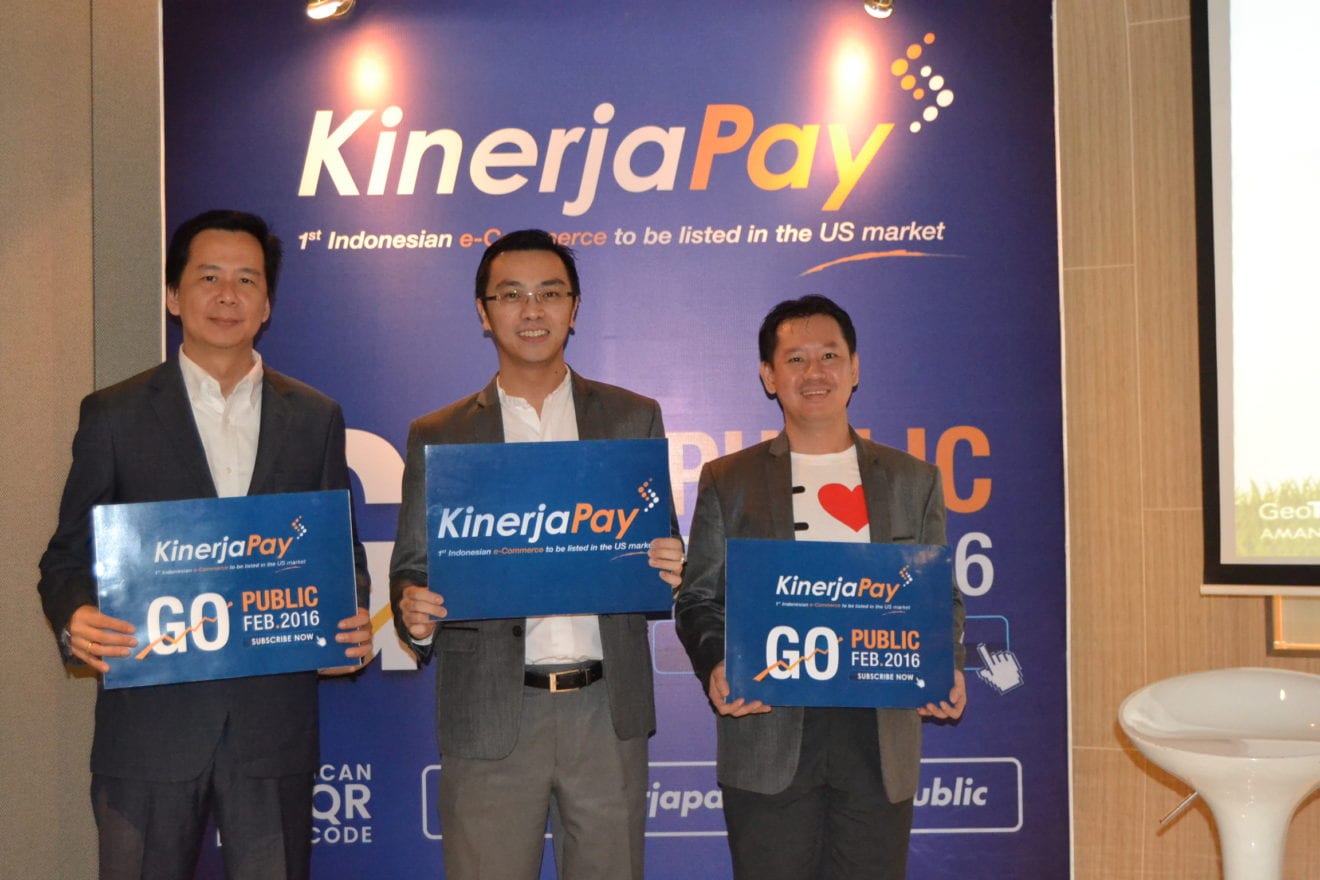
    KinerjaPay, today announced that it established its new wholly-owned subsidiary, PT Kinerja Pay Indonesia, with offices located in Jakarta city, Indonesia. The new Subsidiairy was organized under Indonesian Incorporation Law Article No.34, dated 14 April 2016, and Principal License from Indonesia Investment Coordinating Board (BKPM) No.909/1/IP/PMA/2016 dated 06 April 2016. The Company has also appointed Mr. Deny Rahardjo as Chief Executive Officer (CEO) of PT Kinerja Pay Indonesia.

    Mr. Edwin Ng , Chairman and CEO for KinerjaPay Corp. stated. “We are extremely excited that Mr. Rahardjo accepted his appointment as CEO of our new subsidiary, PT Kinerja Pay. With his extensive experience in Information Technology and Business Management, Mr. Deny Rahardjo is the right person to manage and expand Kinerja Pay’s business operations in Indonesia. With Deny Rahardjo at our helm, we plan to grow our business and become one of the largest mobile payment and eCommerce providers in Indonesia. Since 2015, we have registered more than 35,000 active users with total of 170,000 transactions to date. We fully believe that Mr. Rahardjo, formerly a Microsoft, Polycom, and Telstra Executive in Singapore, will truly revolutionarize eCommerce in Indonesia and enable Kinerja Pay to become the most highly used and popular online payment solution/platform within the next several years, as well as expand its business opportunities throughout the SE Asian marketplace.”

    Mr. Ng further stated that “we chose to establish our initial business operations in Indonesia due to several economic factors, including its population size (est. 260 million according to Worldometers), user demographics, which consists of younger generations, and its ever-growing eCommerce market, which is expected to reach USD $3.8 billion by 2019.”

    With the growing trend of online shopping, Kinerja Pay will offer its users with convenient shopping experience as well as secure payment option. The Company also expects to launch several other applications to complement its mobile eWallet business by entering into other eCommerce verticals such as travel industry, fashion, online games, time-saver application, and many more.

    Notice Regarding Forward-Looking Statements

    This press release may contain forward-looking statements, about KPAY’s expectations, beliefs or intentions regarding, among other things, its product development efforts, business, financial condition, results of operations, strategies or prospects. In addition, from time to time, KPAY or its representatives have made or may make forward-looking statements, orally or in writing. Forward-looking statements can be identified by the use of forward-looking words such as “believe,” “expect,” “intend,” “plan,” “may,” “should” or “anticipate” or their negatives or other variations of these words or other comparable words or by the fact that these statements do not relate strictly to historical or current matters. These forward-looking statements may be included in, but are not limited to, various filings made by KPAY with the U.S. Securities and Exchange Commission, press releases or oral statements made by or with the approval of one of KPAY’s authorized executive officers.

    Forward-looking statements relate to anticipated or expected events, activities, trends or results as of the date they are made. Because forward-looking statements relate to matters that have not yet occurred, these statements are inherently subject to risks and uncertainties that could cause KPAY’s actual results to differ materially from any future results expressed or implied by the forward-looking statements.

    Many factors could cause KPAY ‘s actual activities or results to differ materially from the activities and results anticipated in such forward-looking statements, including, but not limited to, the factors summarized in KPAY ‘s filings with the SEC. In addition, KPAY operates in an industry sector where securities values are highly volatile and may be influenced by economic and other factors beyond its control. KPAY does not undertake any obligation to publicly update these forward-looking statements, whether as a result of new information, future events or otherwise. Please see the risk factors associated with an investment in our securities which are included in our Annual Report on Form 10-K as filed with the U.S. Securities and Exchange Commission on February 11, 2016.

  • Bloomberg TV Indonesia pressed for severance payment

    Bloomberg TV Indonesia pressed for severance payment

    The Legal Aid Center for the Press ( LBH Pers ) and the Manpower Ministry have called on the owner of now defunct station Bloomberg TV Indonesia Rosan Roeslani to pay compensation to its former workers in accordance with the company’s layoff agreement.

    LBH Pers executive director Nawawi Bahrudin said Rosan, who is also chairman of the Chamber of Commerce and Industry ( KADIN ), must comply with the legal agreement.

    “I strongly urge the employer to comply with its legal obligations,” Nawawi told  recently.

    Bloomberg TV Indonesia has failed to pay the compensation by the time stated in the payment agreement attached to the termination of employment letter issued on July 8, 2015.

    Manpower Ministry special staff Dita Indah Sari said as a leader of Indonesia’s industrialists, Rosan should be more sensitive in dealing with labor issues and attentive in treating employees properly.

    “The Manpower Ministry warns the shareholders not to neglect employees’ rights. Otherwise, our legal division will call and examine them,” Dita asserted.

    She added the ministry would continue to supervise the dispute process between the ex- employees of Bloomberg TV Indonesia and the employers until everything was settled, adding that the department’s legal division is ready to help if necessary.

    “I fully support the ex-workers’ struggle,” asserted Dita, a former labor activist who was jailed by President Soeharto’s government.

    The coordinator of ex-Bloomberg TV Indonesia workers Arif Budiman said the former employees had chosen LBH Pers as their representative to submit the lawsuit to the Industrial Relations Court ( PHI ) in the event of a deadlock in the mediation between ex-employees and employers.

    “We urge ex-CEO Adhitya Chandra Wardhana and the owner Rosan Roeslani to cooperate with us and meet the terms of the agreement,” Arif said.

    Bloomberg TV Indonesia owner Rosan Roeslani responded to the demands by saying that his party would settle everything related to the company’s obligation to the workers as soon as possible.

    Rosan established the economic and business focused Bloomberg TV Indonesia, which was operated under holding company PT Idea Karya Indonesia in 2013, and officially closed two years later due to financial concerns.

  • Card, not cash, is king in South Korea

    Card, not cash, is king in South Korea

    Whenever she needs to use money – whether to take the subway, buy a drink from a vending machine or pay for lunch at a restaurant – Ms Kim Mee So, 29, will whip out her debit card.

    It is the only card the teacher carries with her in her bag, and the only one she needs for daily expenses.

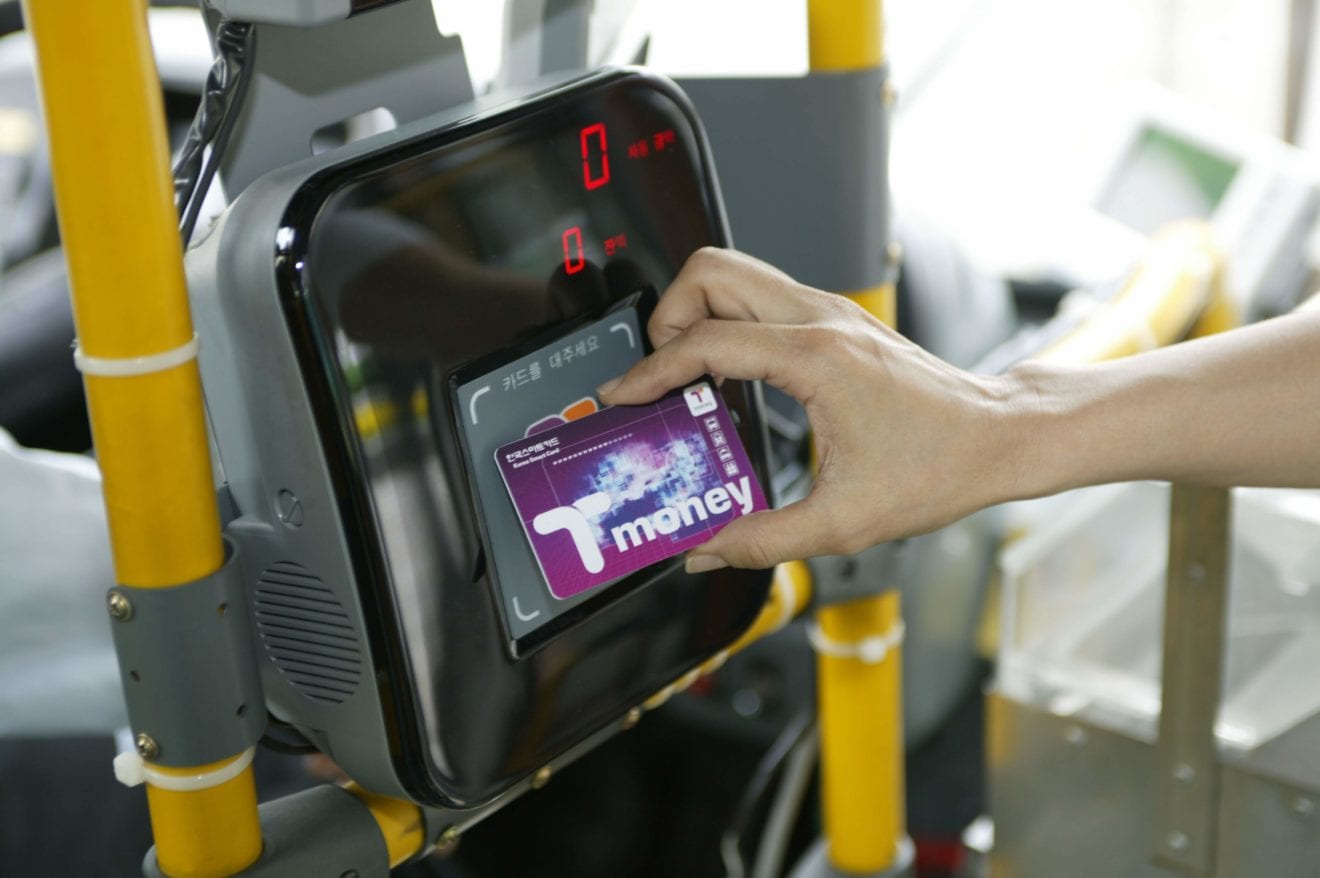
    The Visa debit card is linked to her bank account and equipped with a smart chip that also allows her to use it as a public transport payment card, known as T-money.

    “I don’t use real money because it’s heavy to carry around, and I don’t have a wallet so there’s no place to put it in. The only time I use cash is to pay for food delivery and give an allowance to my brother who’s in high school,” she said.

    Ms Kim is among a growing group of South Koreans who are relying less on cash and more on cards and electronic payments, as the world’s most wired country started early last year to open up its finance technology (fintech) industry and encourage more people to adapt to IT-based systems, including payments via mobile phones.

    NO ROOM FOR CASH

    I don’t use real money because it’s heavy to carry around, and I don’t have a wallet so there’s no place to put it in. The only time I use cash is to pay for food delivery and give an allowance to my brother who’s in high school.

    MS KIM MEE SO, a 29-year-old teacher who carries only a debit card in her bag for daily expenses.

    Only about 20 per cent of all payments here are made with cash – among the lowest in the world – according to the Bank of Korea (BOK).

    The central bank is now aiming for the country to go cashless by 2020, beginning with plans to phase out coins so as to reduce the cost of minting them. It has already cut back on issuing paper money.

    A system is being tested for retailers who receive cash to give back change not in coins but as credit in the customer’s T-money card or credit card.

    It will be rolled out by next year if pilot tests prove to be successful.

    Going cashless is a global trend, led by Scandinavian countries Norway, Sweden and Denmark. Singapore has also committed $225 million to grow fintech start-ups as part of its plan to go cashless.

    In South Korea, electronic payments gained popularity after the introduction of T-money in 2004, as the country sought to streamline public transport payments with a single touch-and-go smart card.

    What is T-money?

    South Korea introduced a smart card called T-money in 2004 to streamline public transport payments.

    Here is how it works:

    • •T-money is a stored-value card with a smart chip for fare deductions, much like Singapore’s ez-link card.

      •Modified T-money chips can also be fitted into credit cards and debit cards, and even into mobile phone SIM cards, which means one can just tap one’s phone to take the bus, subway or taxi.

      •It is also accepted at many convenience stores, retail shops and restaurants.

      •By the end of 2014, T-money was used in 43 million transactions daily.

      •There are 15 million users in Seoul and the surrounding Gyeonggi province, which have a combined population of 22 million.

    Much like Singapore’s ez-link card, T-money is a rechargeable stored-value card with a smart chip for fare deduction. The chip has been modified to fit credit cards, debit cards and even mobile phone SIM cards – which means people can tap their phones to take the bus.

    T-money can also be used at most convenience stores and some retail shops and restaurants.

    By end-2014, T-money was used in over 43 million transactions a day. There are more than 15 million T-money users in Seoul and the surrounding Gyeonggi province, which have a combined population of 22 million. Apart from the T-money card, credit and debit cards have also become a way of life.

    The success of T-money and the popularity of mobile devices have also prompted a new wave of fintech developments.

    Tech giants including Naver, Kakao and Samsung compete to build and bolster their mobile payment platforms to capture consumers shifting from computers to mobile devices.

    Text-messaging app company Kakao, for instance, has its own mobile payment platform KakaoPay that allows its seven million users to shop online as well as pay electricity bills.

    The Seoul Metropolitan Government jumped onto the bandwagon last December, launching an app called STAX to allow users to pay property and car taxes and water and sewage fees on mobile phones.

    Business consultant Lee Youn Joo, 31, said cash has become less important nowadays and is used only on special occasions like weddings and funerals, and when paying street vendors and for valet parking.

    “Koreans are used to convenient transaction means and… the use of credit cards and mobile banking will continue to increase,” he said, adding that he uses credit cards for 90 per cent of his monthly spending.

    But as more people choose to go cashless, there are concerns about credit card security, overspending and whether the elderly can adapt to electronic payments.

    Student Terry Nam, 21, is concerned about security, as the country has witnessed major data leaks involving big credit card companies.

    “Our distrust of privacy protection is very high. The government should explain what it has done to resolve this issue and strengthen the punishment for private data leakage crimes,” he said.

    Wary of credit card companies, graduate school student Kwon Joo Hyun, 27, uses a debit card instead and avoids online payments that require credit card details.

    But she still supports the BOK’s plan, adding that the government can introduce a kind of cashback card for elderly folks to use when coins are phased out.

    But Dr Sohn Sang Ho, senior research fellow at the Korea Institute of Finance, feels the BOK’s plan to go cashless by 2020 is “too ambitious”. He said there is still a big group of older people who rely mainly on cash transactions, especially in traditional markets, and it will take a long time for them to convert to electronic payments.

    “Going cashless can be our long-term goal, but it’s not possible in the near future,” he said.

  • Huawei moves further into mobile payments

    Huawei moves further into mobile payments

    Apple and Samsung recognize that revenue from the sale of mobile devices, alone, cannot keep shareholders happy.

    With the vendors venturing into what is arguably one of the most exciting spaces in the financial services space – payments – it begs the questions of who will follow suit and whether the market can afford multiple payment providers.

    Not to be left behind, Chinese mobile phone device manufacturer, Huawei, is accelerating its payments ambition in 2016 with two significant announcements in the first quarter of 2016.

    The first is an agreement with Bank of China to jointly co-develop what the two organizations are claiming to be the next mobile based payment system under the Huawei Pay label. This was followed by a separate announcement with China UnionPay, the country’s state-run bank-card processor.

    This is not Huawei’s first foray into payment. Unofficially, Huawei Pay debuted in China with the launch of the company’s latest flagship smartphone – the Mate S in December 2015 following a test run of the payment service in September 2015. Using NFC technology, placing the Mate S in close proximity to a China UnionPay POS terminal with Quick Pass function will launch the Huawei Pay service.

    Users can complete the transaction via fingerprint authentication. The partnership with UnionPay holds the promise of extending Huawei Pay across China to a broader spectrum of Huawei handset users – mostly smartphones equipped with fingerprint sensors and an NFC chip simply by downloading the Huawei Pay app.

    China UnionPay, which holds a monopoly on bank-card payments in the country, also works with Apple Pay, which was launched in China last month.

    Local market research firm iResearch estimate that third party mobile payment transactions reached 2.42 trillion yuan in the third quarter of 2015, a 64% jump from Q2 2015. The China Internet Network Information Center estimated mobile payments to have risen to 357 million, up 60% from the previous year.

    The Chinese mobile payment market is expected to get very crowded rapidly with other mobile device manufacturers, including Xiaomi, ZTE and Lenovo, rumored to be developing their own mobile payment service. Xiaomi is doing so following its acquisition of a local payment company – Jiefu Ruitong in early 2016.

    According to iResearch China’s mobile payment is dominated by Alipay (70%) and WeChat Wallet (19%). To compete in this market Huawei plans to secure the assistance of more banks as part of its smartphone launch strategy. Without releasing details the company said it is designing more payment scenarios for its smartphone users.

  • Apple Pay gets off to a fast start in China

    Apple Pay gets off to a fast start in China

    China this month became the fifth country where consumers can use smartphones to pay with Apple Pay, and Chinese shoppers quickly embraced the Apple Inc. payment system.

    In the first two days after the Feb. 18 launch, 3 million consumers linked their bank cards to Apple Pay according to China Merchants Bank, one of 19 Chinese banks involved in the rollout. The payment method can be used to pay in stores with compatible terminals and in mobile apps that link to Apple Pay.

    Every Chinese consumer with a debit card and many with credit cards are eligible to use Apple Pay because Apple is collaborating with the country’s sole debit card network, China UnionPay. Banks have issued 5 billion cards that are accepted on the China UnionPay network, including 500 million credit cards, UnionPay says.

    China Merchants Bank says its customers connected 1 million bank cards with Apple Pay in the first two days of the launch, representing 35% of cards connected with Apple Pay in China. Apple and China UnionPay both declined to confirm this data from China Merchants Bank.

    Apple did say it is quite happy with the launch. “I would rate our first-day performance as 1,000, if the full score is 100,” Jennifer Bailey, vice president of Apple Pay, said at a mid-February press conference in China. Apple also has rolled out Apple Pay in the United States, the United Kingdom, Canada and Australia.

    Apple says the 19 Chinese banks offering Apple Pay, including such major institutions as Bank of China and the Agricultural bank of China, represent about 80% of bank cardholders in China.

    In addition, 16 retail chains, restaurants and online retailers in China have begun accepting Apple Pay. They include Starbucks, McDonald’s, Kentucky Fried Chicken, Circle K and the French department store chain Carrefour. Almost all of those merchants have launched promotions for Apple Pay users. For example, Starbucks offered a 15 yuan ($2.30) discount to Apple Pay users who spend 65 yuan ($10) or more.

    But consumers used Apple Pay the most on the first day of its introduction to pay on the mobile app of Meituan.com, a Groupon-like Chinese service in China, according to China UnionPay. Apple says the new payment method may double the conversion rate for e-commerce apps.

    Starbucks came in second in terms of Apple Pay payments on the launch day, followed by convenience store chain FamilyMart, McDonald’s and another daily-deal site, Dianping.com.

    China UnionPay reported that Apple Pay users’ spent 101 yuan ($15.5) on average on the first day of the service and about 47% of purchases were above 10 yuan ($1.5).

    Web-only e-retailer Vipshop, No. 4 in the Internet Retailer 2015 China 500, is among of retailers accepting Apple Pay in its mobile app, and says it received 10,000 Apple Pay orders on the first day. The company says Apple Pay could help Vipshop offer faster services to online shoppers.

    Apple Pay is hardly the first payment method in China based on mobile phones and wallets. Alibaba Group Holding Ltd.’s payment affiliate Alipay says there are about 300 million bankcards linked to its mobile wallet app, and Chinese online game and social media powerhouse Tencent Holdings Ltd. says the number of banking cards connected with its mobile apps has topped 200 million.

    However, Apple Pay requires fewer steps when paying in a store. An Alipay user must open the app on her phone and then click several times to generate a bar code that the cashier scans. With Apple Pay the consumer need only place her iPhone near a terminal and verify the payment by touching a finger on a button on the phone or by inputting her password. Apple Pay users don’t need to open an app or access the Internet to make a payment, Apple says.

    In stores, Apple Pay runs on China UnionPay’s Quick Pass service network, launched in 2013, which uses wireless Near Field Communication technology to establish a connection between a mobile phone and a terminal. There are 4 million NFC-compatible terminals in the Quick Pass network that can accept Apple Pay, of the 20 million payment terminals that accept UnionPay cards, according to China UnionPay.

    Besides Apple’s iPhone, other smartphones that consumers can use on the Quick Pass network include NFC-enabled phones from manufacturers like Samsung Group and Huawei Technologies Co. Ltd.

    Apple Pay works on the iPhone 6 or 6S, the Apple watch and some versions of the iPad. Consumers can use Apple Pay with an iPhone 5 and 5S if they pair the phone with an Apple Watch.

  • Online retail Visa offers new payment method to deal with abandoned carts

    Online retail Visa offers new payment method to deal with abandoned carts

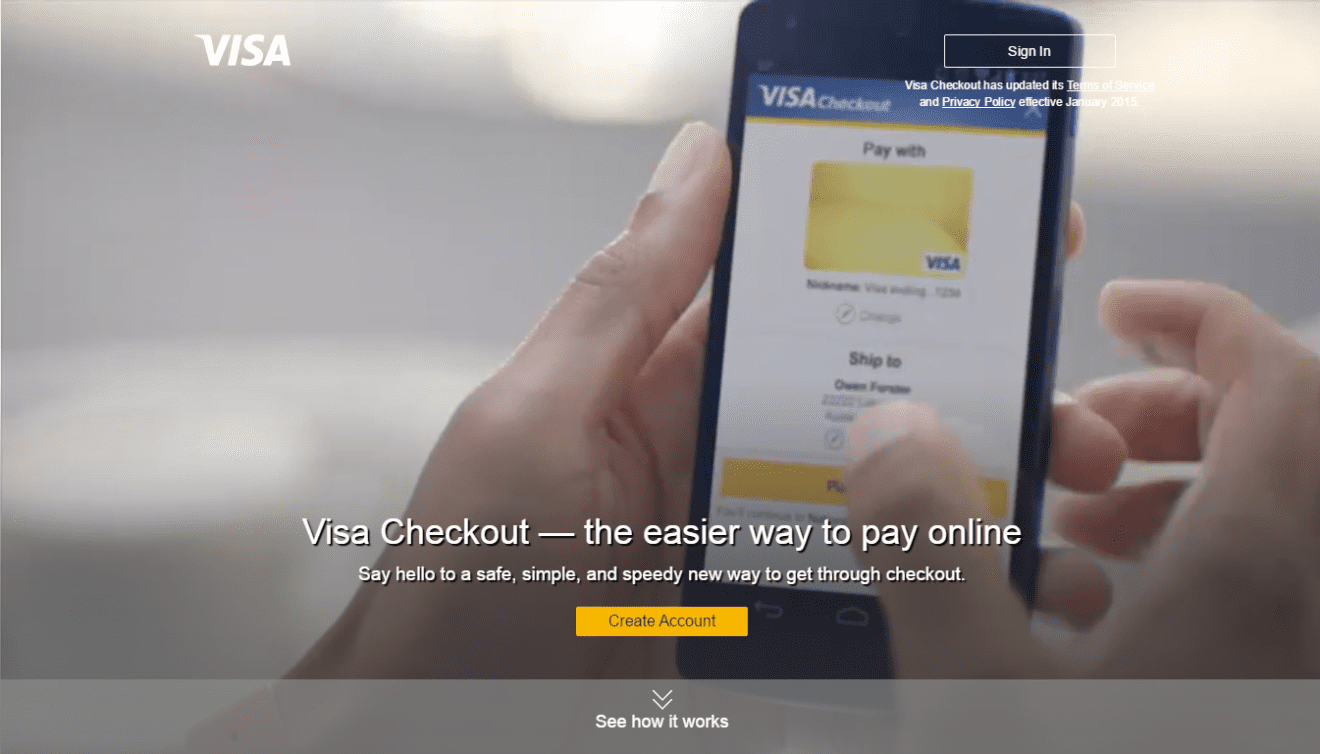
    Visa has launched a new payment service that simplifies the payment process for online shoppers in a bid to address the high percentage of abandoned online shopping carts caused by inconvenient payment methods.

    The service, Visa Checkout, captures and saves customers’ payment details. Registered users can pay for their online shopping at several merchants that have partnered with Visa through just one payment point. Users simply enter a username and password to pay for items, instead of filling up credit card information and shipping address for every transaction. The service can be used via a smartphone, tablet, laptop or PC.

    Visa Checkout is available in 16 markets worldwide, including China, Malaysia and Singapore. The company plans to extend this service to other parts of Southeast Asia in the near future.

    Ooi Huey Tyng, Visa country manager for Singapore and Brunei said that as more consumers spend more time and money on ecommerce, they are also “demanding a fast, secure and frictionless way to shop online.”

    “Two in three Singaporean shoppers have abandoned a purchase because it took them too much time to complete the payment process or it was too cumbersome to enter their personal details,” the company said in a press release on Wednesday.

    According to a recent Visa study, Singapore is among the top online shopping countries in Southeast Asia. At 88%, the city-state has the highest smartphone penetration of any country in the world, and 71% of Singaporeans shop online at least once a month, an increase from 59% last year.

  • Indonesia to speed up EU CEPA negotiation

    Indonesia to speed up EU CEPA negotiation

    Indonesia will speed up negotiations on the Indonesia-European Union (EU) Comprehensive Economic Partnership Agreement (CEPA), aiming to have an agreement with the EU come into effect within two years.

    The two parties had discussed the implementation of the CEPA in a meeting with EU trade ministers during the World Economic Forum (WEF) in Davos last week, Trade Minister Thomas Lembong said.

    “It has been decided in a Cabinet meeting that we will have a trade agreement with the EU. We must start it immediately because the President gave us two years to complete the agreement,” Thomas said in Jakarta on Tuesday.

    In contrast to the discussion of trade agreements in the Trans Pacific Partnership (TTP), which still required time for assessment to solve the challenges, Thomas underlined that there were no special constraints on the Indonesia-EU CEPA discussion.

    The planned Indonesia-EU CEPA has been stagnant since 2013. Vietnam, which started free trade agreement negotiations with the 28-member trading bloc in the same year reached an agreement in August last year.

    The EU CEPA covers issues of trade and business, including the reduction of trade barriers and liberalization of government procurement. The two points are also included in the TPP framework.

    Aside from the two agreements, Thomas continued, the ministry also held meetings with trade ministers from several countries to discuss bilateral trade agreements.

    “We are exploring bilateral trade agreements with Australia. Also with the EFTA [European Free Trade Association] which consists of Norway, Switzerland, Iceland and Liechtenstein,” Thomas said.

  • Visa claims more Filipinos using contactless payments

    Visa claims more Filipinos using contactless payments

    More consumers in The Philippines are using contactless payments, according to the Visa Consumer Payment Attitudes Study 2015.

    It shows that 29 per cent of Filipinos have used contactless payments for transactions over the past year, up from 21 per cent in 2014. Cardholders cited the convenience of the system, security and ease of use among reasons for using contactless payments.

    Trends in payments behaviour and openness to using contactless payments were identified by the study which surveyed consumers in six Southeast Asian markets. Contactless payments are made by waving a credit or debit card or smartphone over a point-of-sale terminal, eliminating the need for cash, PIN number or signature.

    “As more Filipinos learn about the convenience, security and speed that contactless payments, such as Visa PayWave, bring to their lives, they are more willing to use them regularly,” says Visa country manager for The Philippines and Guam, Stuart Tomlinson.

    Filipinos’ awareness for contactless payments has risen 62 per cent in 2014 to 66 per cent last year. This has led to usage growing from 21 per cent last year to 29 per cent.

    Using contactless payments help save time, report 78 per cent of respondents (up from 58 per cent in 2014). The same percentage said system means they don’t need to carry cash (also up from 58 per cent), and 55 per cent said contactless payments are easier than using cash – a leap from 9 per cent in 2014.

    It was also revealed that Filipinos recognise contactless payments as being less hassle to use (41 per cent) and safer (36 per cent), while freeing them from queueing (34 per cent) and giving them a more enjoyable shopping experience (22 per cent).

    In The Philippines, contactless payments are mainly used for groceries plus food and beverage – 57 per cent for groceries, 37 per cent for F&B, 28 per cent for fashion and accessories, 27 per cent for beauty and cosmetics, 25 per cent for health and wellness services, 23 per cent for movie tickets, and 22 per cent for household electronics. Another revelation was that women are buying across all categories, however men use these payments more than women for transportation (8 per cent of total purchases). Other expenditures include books, CDs and DVDs (18 per cent), personal electronics (18 per cent), financial services (17 per cent), and events and concerts (10 per cent).

    Most respondents (80 per cent) said they prefer to buy products and services from retailers who offer contactless payments, and 84 per cent are interested in making payments with contactless wearables, such as smartwatches. Women would like to make such payments for groceries (67 per cent) while men prefer them for buying food and drinks (62 per cent).

    Users said security is also important, which is addressed by contactless cards having multiple layers of security including EMV chip technology and dynamic encryption. As they have a short read range, they are claimed to be virtually impossible to compromise. Financial institutions and credit card companies also monitor transactions to identify suspicious and unusual transactions.

    “Given growing awareness, use and openness to contactless payments among Filipinos over the past year, there is an immense opportunity for businesses to grow their market share by adopting the technology,” says Tomlinson.

  • Apple Pay coming to China in 2016

    Apple Pay coming to China in 2016

    Apple and China UnionPay Thursday announced a partnership to bring Apple Pay to China in 2016. UnionPay cardholders will be able to add their bank cards to Apple Pay on iPhone, Apple Watch and iPad, according to a press release.

    Apple Pay will roll out to UnionPay cardholders as soon as early 2016 following relevant tests and certification required by Chinese regulators, with the service itself in compliance with the applicable national mobile payment and financial industry standards in China, according to the announcement.

    “China UnionPay is dedicated to promoting payment innovations and providing secure, convenient mobile payment experiences for its hundreds of millions of cardholders, aligning multiple parties in the industry,” said Chai Hongfeng, executive vice president of China UnionPay. “We’re very excited to offer Apple Pay among a diverse set of innovative payment options that work with China UnionPay QuickPass.”

    “Apple Pay has revolutionized the way millions of people pay every day with their iPhone, Apple Watch and iPad,” said Eddy Cue, Apple’s senior vice president of Internet software and services. “China is an extremely important market for Apple and with China UnionPay and support from 15 of China’s leading banks, users will soon have a convenient, private and secure payment experience.

  • Central Bank of Myanmar plans first real-time payments system

    Central Bank of Myanmar plans first real-time payments system

    The Central Bank of Myanmar (CBM) plans to introduce a real-time gross settlement (RTGS) system by the end of 2015.

    Deputy governor Winston Set Aung says the country’s first ever RTGS will help to reduce the size of the cash economy, as the system will allow transfers between banks to be settled immediately.

    An unnamed CBM official adds that RTGS will also support capital market development, making it easier and safer to trade stocks and bonds.

    Last year, CBM worked with NTT Data to develop a new core banking system for the settlement of government bonds, funds and collateral management. The project was funded by the Japanese government, and was part of CBM’s plans to establish a fully modernised financial sector.

    At that time, Asako Toyoda, senior manager for the Myanmar core banking project team at NTT Data, said: ‘The team suggested that the IT vendor that established the Bank of Japan’s BOJ Net [an RTGS system in Japan], which was NTT Data, should develop the CBM Net application too, and CBM agreed on it.’

    In Myanmar’s move to modernisation, CBM has the backing of the Japan International Cooperation Agency (JICA) and the World Bank. CBM is also assisting local banks and foreign banks’ branch offices in preparation of the new system.

    According to the Myanmar Times, only about 5-10% of Myanmar’s population has access to any form of banking services.

    In addition to CBM’s work, the Yangon Stock Exchange, Myanmar’s first modern bourse, is set to open in the first week of December. At present, the government issues treasury bonds, but these are illiquid, and the nation has no corporate bond market yet.

    Also, the Myanmar Payment Union (MPU) is upgrading its retail payment and settlement system, to help promote card payments. The organisation’s 21 member banks first offered debit card services in 2012 and introduced credit cards earlier this year.