Retail News CRM

Tag: payments

  • Easy Pass users can now top up with MasterCard via “easyBills”

    Easy Pass users can now top up with MasterCard via “easyBills”

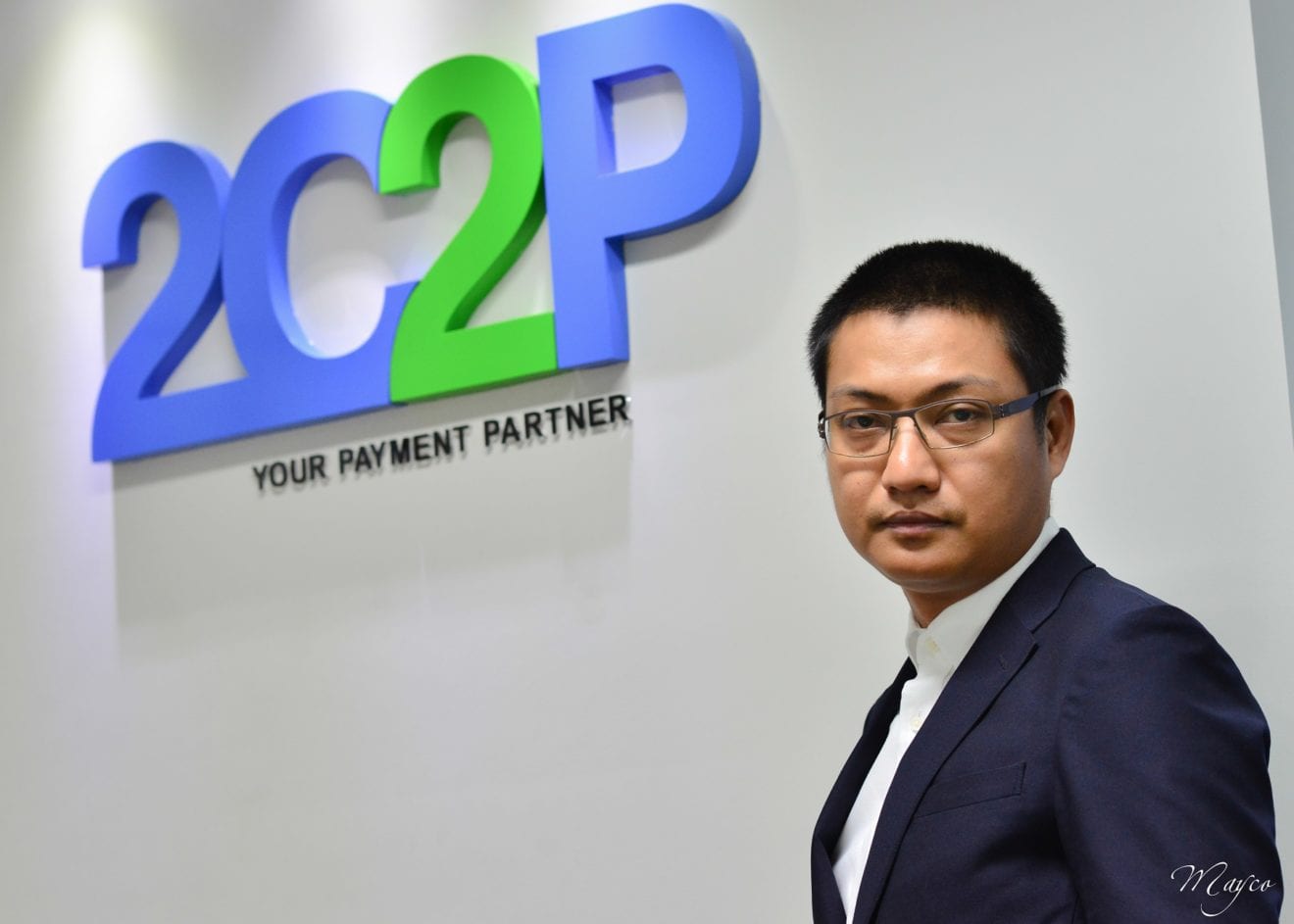
    2C2P, Expressway Authority of Thailand (EXAT) and MasterCard have partnered to launch a new top-up channel for Electronic Toll Collection System for Easy Pass users in Thailand. Easy Pass users can now top up their cards easily with their MasterCard via easyBills’ mobile application or its website (www.easyBills.in.th), without having to pre-register their cards with the respective issuing banks. They will enjoy benefits including points accumulation upon card usage, extended due dates for payments made through the credit card, convenient storage of their favorite billers for repeat usage and checking their historical transactions, as well as the ability to set bill alerts on their calendar.  A thousand gift cards worth 500 baht each will be given away to the top 1,000 MasterCard cardholders who accumulate the highest Easy Pass top-up value via easyBills from now till 28 February 2017.

    Mr. Piyachart Ratanaprasartporn, Chief Executive Officer of 2C2P (Thailand) Co., Ltd., said:  “easyBills is an innovative payment service catered to digital users who are familiar with the online platform. The collaboration marks the first time that Easy Pass users can easily and conveniently top up their cards without cash, using their MasterCard without pre-registering with their banks, simply by downloading and using the easyBills mobile application on either iOS or Android, or by visiting easyBills’ website.

    easyBills helps consumers pay their bills easily, bringing convenience to everyone. It is equipped with special features that enable users to store their favorite billers for future usage, store their credit card details securely for future payments with 2C2P’s PCIDSS Level 1 certification and set biller alerts on their calendar to remind them of the payment due. Users will receive their payment confirmation via their emails,” Mr. Piyachart added. 

    Mr. Antonio Corro, Country Manager for Thailand & Myanmar, MasterCard, said, “MasterCard is very pleased to join our partners to increase convenience to our customers. They can now top up their Easy Pass card through the easyBills mobile application and website, with their MasterCard that is issued by all the banks in Thailand. They can be assured that all the online transactions are secure, while enjoying the privileges from using MasterCard. We believe this service will pave the way for Thailand to become a cashless society soon.”

    Mr.Narong Gieddech, Governor of Expressway Authority of Thailand (EXAT) said: “Since 2010 we have provided our service for the Electronic Toll Collection (ETC) system;  there are 1.3 million Easy Pass card users. We are excited to join hands with MasterCard and 2C2P who developed easyBills. easyBills’ application and website will be the 12th top-up channel for Easy Pass. This service will be bolstered by Thailand’s National e-Payment system, which the government is set to launch to transform Thailand into a cashless society.”

    easyBills “Pay Bill Easily…Get More Easier”, is developed by 2C2P in collaboration with MasterCard. Through this service, cardholders can pay utility bills, such as electricity, water supply, telephone, mobile phone top-up and e-wallet, as well as for insurance premium, online products, games, books and several other bills all in one app, anywhere anytime. Most importantly, security meets the international standard of 3D Secure.

    There will be a giveaway of a thousand Tesco Lotus gift cards worth 500 baht each. The prizes will be awarded to the top 1,000 MasterCard cardholders who accumulate the highest top-up value on their Easy Pass via easyBills from now until February 28, 2017.

  • Airtel launches India’s first payments bank

    Airtel launches India’s first payments bank

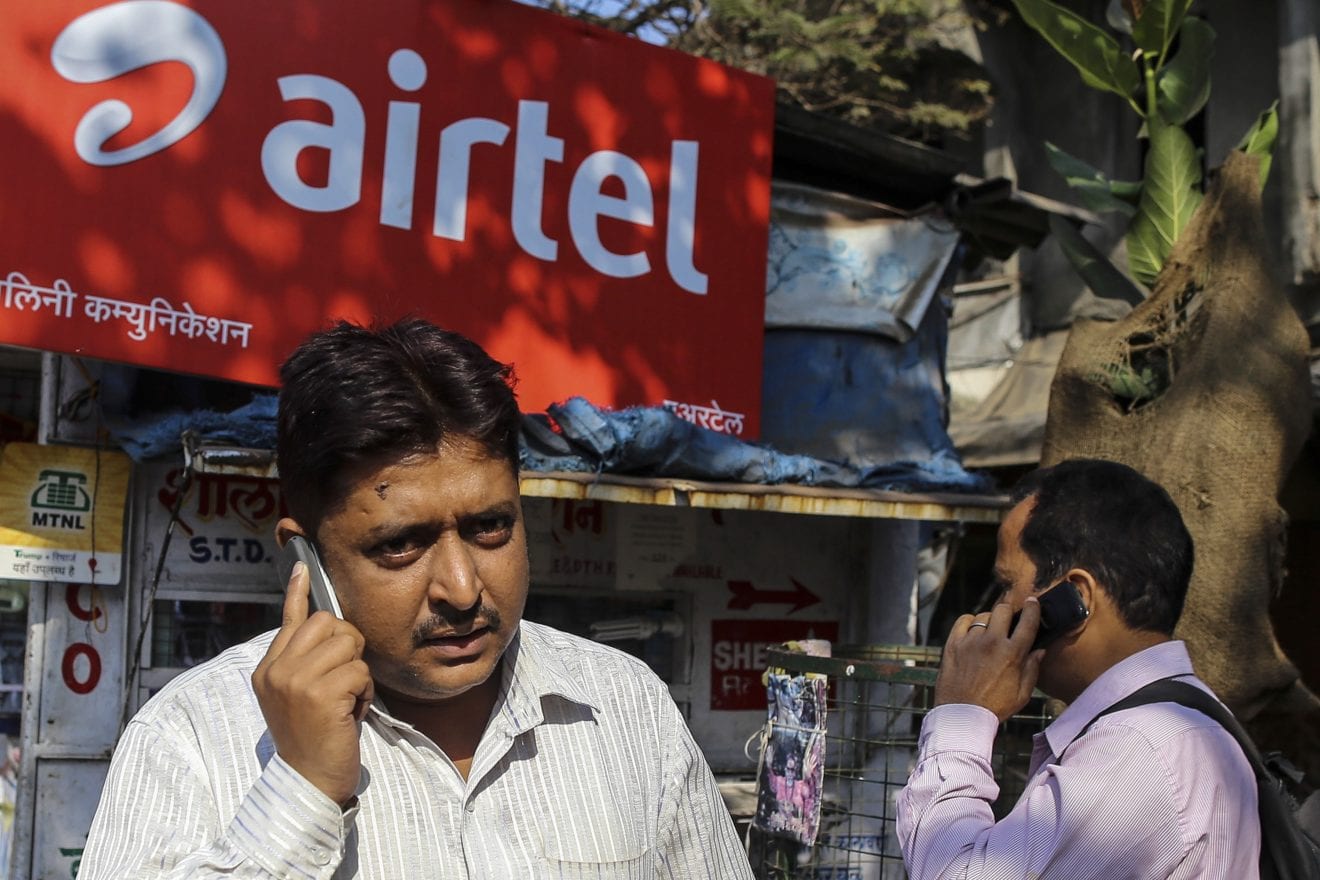
    India’s largest mobile operator Bharti Airtel has launched the nation’s first payments bank in all 29 states, using its extensive network of retail stores as banking points.

    The operator will invest an initial 30 billion rupees ($440.3 million) to develop a pan-India banking network and payments ecosystem for its mobile customers. Customers’ mobile number will serve as their banking numbers.

    At launch, the Airtel Payments Bank will use Airtel’s retail network of around 250,000 stores in all 29 states of India as banking points. This is more than the total number of ATMs currently operating in the country.

    Airtel plans to develop a nationwide digital payments ecosystem consisting of over 5 million merchants. The operator said 1 million are already on board.

    The bank offers an interest rate of 7.25% per annum on deposits in saving accounts, and Airtel mobile customers will receive equivalent talk time for every rupee they deposit at the time of opening a savings account.

    Airtel also rolled out its payments bank app for Android and iOS, accessible via the MyAirtel app.

    “Just like mobile telephony leapfrogged traditional telecom networks to take affordable telecom services deep into the country, Airtel Payments Bank aims to take digital banking services to the unbanked over their mobile phones in a quick and efficient manner. Millions of Indians in rural areas will get their first formal banking experience with Airtel Payments Bank,” Bharti Enterprises chairman Sunil Bharti Mittal said.

    “We are fully committed to… Prime Minister Shri Narendra Modi’s call to build a Digital India and lay a strong foundation for India’s transition to a cashless economy. Airtel Payments Bank will invest towards building a vast digital payments ecosystem with millions of merchants, and allow customers to make convenient cashless payments for good and services with their mobile phones.”

  • Why omni-channel payments need to be the new norm in retail

    Why omni-channel payments need to be the new norm in retail

    Electronic payments account for 69%1 of consumer transactions in Singapore – just slightly higher than the global average of 65%. The country’s e-commerce market, valued at US$1.39b in 2015, is predicted to exceed S$7b in 2025 with 60% of consumers saying they bought products online at least once a month2 – some even showing a growing preference to shop online and pick up their purchases in-store.

    Consumer buying habits aren’t rooted solely at retail locations or online. They shift between retail stores at malls, smartphones, laptops, and transient, yet trendy, pop-ups. In other words, consumers are omni-channel shoppers. So why haven’t payment systems followed in the same direction?

    In Singapore, it’s a common sight to see retail counters with multiple terminals serving different modes of payment: one for credit cards, another for debit cards, yet another for contactless payments. On the back-end, business owners spend hours liaising with various vendors, different banks, grappling with multiple platforms and numerous devices.

    Businesses could instead integrate payments across multiple platforms – increasing efficiency and profits by adopting a seamless, omni-channel payments system. In doing so, they would be able to process payments with greater speed and efficiency saving time and resources in their back-offices, leverage integrated data for actionable insights, and offer customers a seamless, integrated experience.

    1. Greater efficiency
    70% of businesses surveyed in a KPMG report agreed that there are simply too many payment methods to deal with. Many retailers have multiple banking contracts and relationships across Singapore to manage, each of which provides part of the company’s in-store payment solution. This represents an enormous investment in managing reports and financial flows.

    By adopting omni-channel payments, businesses will be able to work across a single centralised platform that enables businesses to accept and process payments across multiple markets. In doing so, retailers can drastically simplify these processes, cut down on the human resource and financial investments needed to manage their payment acceptance.

    2. Leverage data for actionable insights
    The use of technology and data allows local retailers to gain business intelligence and insights into areas such as purchasing habits. Integrating payments from the point-of-sale (POS) system with accounting software or customer relationship management (CRM) systems to capture disparate pieces of information enables retailers to better serve their customers. Leveraging insights gleaned from payment information, retailers can decide when and who to offer discounts and deals to drive sales.

    Having access to cross-channel shopper data gives merchants a treasure trove of information that can be analysed for patterns online and offline. They can then mine this information for customer retention and loyalty marketing. Many merchants are already beginning to offer their customers an omni-channel shopping experience and in doing so significantly improve the shopper experience.

    An example: a shopper makes a number of purchases from an e-commerce site. Several months later, she goes shopping whilst on vacation. At the checkout, the terminal recognises the shopper’s card, and the staff member adds a discount and a personal thank you thus delighting the customer with an even more seamless, personalised experience.

    3. Seamless customer experience
    Businesses need to recognise that the customer journey today is fluid, accessible, and continuous. Shoppers can, and want, to purchase whatever they want, without restrictions on time, location, and across social, online, and mobile channels.

    Businesses too need to provide a seamless experience and allow customers to start a purchase in the channel of their choice and complete it in a potentially different channel of their choice.

    Here’s what a customer journey might look like: a shopper goes into a store and wants a shirt in a different colour than what’s currently available in-store. If a store has adopted an omni-channel approach, the shopper can go to the in-store tablet-assisted sales terminal that carries the entire web-based inventory, choose the colour they want, make the payment on the spot, and have it delivered to the address of their choice.

    Omni-channel payments enable retailers to service customers across multiple channels (in-store, online, or mobile); retail sectors, payment types (NETS or debit and credit cards), and payment methods (contactless, chip and PIN, magnetic and online) through mobile point-of-sales devices, payment gateway, or virtual terminal. In doing so, the store has gained a purchase rather than losing an opportunity.

    With discerning consumers becoming increasingly accustomed to omni-channel payment capabilities, it will transform “the next big trend” into “the new norm” for consumers in Singapore.

    1.https://newsroom.mastercard.com/asia-pacific/press-releases/singapore-among-top-markets-in-asiapacific-advancing-towards-a-cashless-society-new-mastercard-report/
    2.https://www.pwc.com/sg/en/publications/assets/total-retail-sea-2016.pdf

  • OCBC Trials Blockchain for Interbank Payments

    OCBC Trials Blockchain for Interbank Payments

    One of the five largest banks in Singapore has tested a blockchain-based payment service, with an eye to develop commercial products around the tech.

    OCBC Bank used the tech to send funds between its operations in Singapore and Malaysia, as well as transmit money to the Bank of Singapore, a private banking business it owns. The bank said it worked with BCS Information Services, a local payments firm, to develop the prototype.

    The test is the latest for Asia’s banking sector, the members of which have spent much of the past two years investigating use cases, investing in startups and pursuing commercial applications.

    Praveen Raina, OCBC senior vice president, was quoted as saying:

    “We hope this will be a catalyst for more banks to adopt the blockchain technology so that, together, we can achieve efficiency and cost effectiveness while delivering more high-value financial services to our consumers.”

    Though the bank announced its move on its official group website, the details of that announcement appear to have been removed at press time.

    The move comes as the Monetary Authority of Singapore (MAS), the city-state’s central bank, has moved to create a pro-fintech environment within the domestic finance sector. Earlier this month, MAS has forged relationships with regional interests on the tech, coming more than a year after the institution began developing and investing in projects of its own.

  • CIMB launches mobile wallet app for cashless payments

    CIMB launches mobile wallet app for cashless payments

    CIMB Bank Bhd has launched a lifestyle mobile application, CIMB Pay that provides combine secure cashless payments with deals and offers.

    This enables the bank’s seven million customers to experience faster, easier and more secure payments at over 1,800 contactless terminal-enabled merchants nationwide as well as search nearby location-based real-time deals.

    Group consumer banking chief executive officer Samir Gupta said the launch of CIMB Pay further strengthens its suite of digital offering, reaffirming CIMB’s position as a customer-centric bank with cutting-edge technology in the region.

    “We are proud that CIMB Pay is the first mobile wallet app that enables consumers to not only make cashless payments, but also allows them to take advantage of lifestyle deals.

    “Combined with the ability to store cards issued by both Mastercard and Visa, CIMB Pay is the leader among similar apps,” Gupta said in a statement, adding the initiative also supports Bank Negara’s move to go cashless.

    On the app’s security features, Gupta noted that security and privacy are at the core of CIMB Pay and that all card details were tokenised with no information stored on the devices.

    “Users will also be required to authenticate transactions either using the mobile fingerprint or a six digit PIN,” he added.

    In the meantime, Gupta said more functionalities will be added onto CIMB Pay in the first quarter of 2017, including simplified online payment and express checkout solutions powered by Mastercard’s Masterpass.

    With Masterpass, shoppers will be able to use their CIMB Mastercard debit or credit card along with the shipping information saved on the mobile app to complete online transactions.

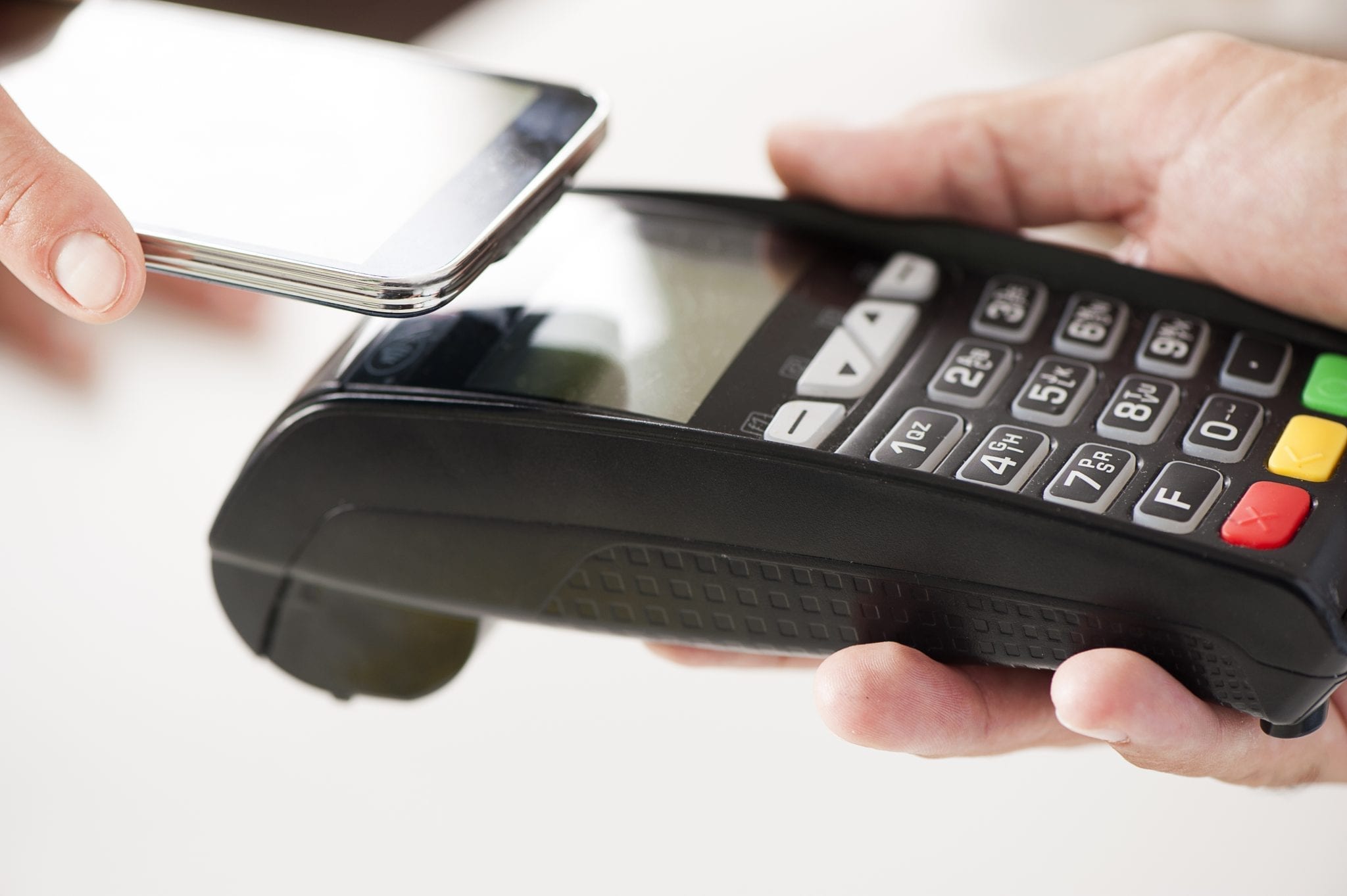
    Customers can make payments by simply tapping their phone on any contactless terminal based on Near Field Communication technology.

    The app also has an in-built notification system that alerts customers on nearby contactless terminals and flash deals.

    CIMB Pay can be downloaded on Google Play for NFC-enabled smartphones running on Android 4.4 and above.

  • Samsung Pay, partner banks launch offers for Thai customers

    Samsung Pay, partner banks launch offers for Thai customers

    Samsung Pay and its financial partners have introduced exclusive offers for customers who make payments using a partnered credit card via Samsung Pay, The Nation reports. The offers are provide in partnership with Citibank, Kasikornbank, KTC, and SCB.

    Citibank card owners will have access to 5-fold reward point increase for every payment transaction of THB 1,000 or more. Kasikornbank card users will receive THB 100 cash back on every payment of THB 100. KTC card holders will receive 5 percent cash back with special privileges from participating shops, while SCB users will get THB 100 cash back for payments of THB 200.

    Samsung Pay went live in Thailand on 27 October. The platform enables customers to use their smartphone as credit cards. Supported payment gateways and credit cards for Thai users are Visa and MasterCard issued by six financial institutions namely Bank of Ayudhya, Citibank, KasikornBank, KTC, Siam Commercial Bank, and soon Bangkok Bank.

    In Thailand, Samsung Pay is compatible with the Galaxy S7, Galaxy S7 edge, Galaxy S6 edge+, Galaxy Note 5, Galaxy A7 (2016) and Galaxy A5 (2016) smartphones.

  • Over half of APAC connected consumers use m-payment

    Over half of APAC connected consumers use m-payment

    The Asia Pacific region is leading the world in mobile payment adoption, with over half of connected consumers in the region using their mobiles to pay for goods or services at point of sale via apps.

    This is among the key findings of a survey of more than 70,000 consumers, conducted by consultancy Kantar TNS. The study pegged mobile payment penetration for Asia Pacific at 53%, compared to 33% in North America and 35% in Europe.

    With smartphone users across Asia Pacific numbering over a billion, one key driver behind this trend would be the significant mobile penetration here. Moreover, the evolution of Asian chat apps to include payment options and the lack of legacy banking structures has only served to accelerate adoption.

    Chat apps such as WeChat and LINE have developed numerous payment services such as WeChat Pay, Line Pay, Alipay and O! ePay to facilitate everything from taxi bookings to e-commerce sales.

    Mobile payment options within these apps allow consumers to complete their purchase journey seamlessly, and also serve to help to establish these behaviors.

    Many mobile-first markets such as India, Malaysia and Indonesia are also taking up the behavior, fueled by the lack of legacy banking structures. The study noted that this makes that mobile payment an especially attractive solution for connected consumers in these countries.

    China, Hong Kong and South Korea are the top three mobile payment markets globally for weekly use, while Singapore is in the fourth position with the use of mobile payment identified as most prevalent among middle-aged consumers.

    In Singapore, 57% of connected consumers have used mobile payment, with more than a quarter (27%) doing so on a weekly basis. This number rises among younger Singaporeans ages 16-30, where 31% use mobile payment weekly, but is highest (33%) amongst middle-aged consumers in the 31-45 age group.

    Only 11% of those ages 46-65 use mobile payment on a weekly basis, however, 37% have tried it in the past, showing that they are open to sampling this kind of new technology.

  • 2C2P to Work with Diners Club International to Increase Acceptance

    2C2P to Work with Diners Club International to Increase Acceptance

    2C2P, the leading Southeast Asian (SEA) payments services company, and Diners Club International, a subsidiary of Discover Financial Services and part of the Discover Global Network, announced that 2C2P is a global acquirer for all cards running on the Discover Global Network. 2C2P’s SEA merchants can now tap Diners Club International, Discover and other Discover Global Network cards as an additional payment method. 2C2P will increase acceptance in the SEA region allowing Discover Global Network cardholders to use their cards at an increased number of merchants in the region. 

    2C2P will provide its merchants with single-source electronic payment services for the acceptance of Discover Global Network, which includes Discover cards from the United States, Diners Club International as well as its affiliate cards such as BC Global Card from South Korea, Elo Card from Brazil and RuPay from India.

    Aung Kyaw Moe, founder and Group CEO of 2C2P, said: “With the rise in global online retail and tourism, this agreement opens up key international travel and entertainment markets such as Asia, Europe and the U.S. to our Southeast Asian merchants. Cardholders from Discover Global Network can now enjoy payments access to the region’s travel, transport, tourism, retail and e-commerce brands.”

    “Discover Global Network continues to increase our merchant acceptance footprint in Southeast Asia through working with companies such as 2C2P because this region has an increasing number of Discover Global Network cardholders as a result of our Diners Club and RuPay networks,” said Ricardo Leite, vice president, Discover Global Network. “2C2P specializes in e-commerce travel merchants, an important sector to our cardholders.”

    McKinsey estimates the annual revenue of the global payments market is expected to increase by six percent from 2015 to 2020, exceeding US$2 trillion by 2020. The Asia Pacific region, including China, accounts for approximately 55 percent of the industry’s revenue growth worldwide. 

    Discover Global Network is the third largest payments network in the world1. With over 39 million merchant acceptance locations and 1.9 million ATM and cash access locations across 185 countries and territories, Discover Global Network includes Discover, Diners Club International, PULSE and affiliated networks.

    “2C2P continues to look for market-leading partners around the world, to deploy its best-in-class online payments processing solutions and make it easier for consumers to transact with the payment instrument of their choice,” added Aung.

  • Forum explores securing APAC cashless payments

    Forum explores securing APAC cashless payments

    The rapid growth of cashless payments are growing rapidly in Asia-Pacific is triggering a corresponding rise in cybercrime, which is costing the region an estimated $81 billion annually.

    With new combinations of malware customized for local markets, phishing and social engineering attacks as well increasing e-commerce and ATM fraud, businesses are increasingly at risk for payment data theft.

    Singapore’s cards and payments market is one of the most competitive and attractive in the Asia-Pacific region. In fact, 69% percent of consumer spending in Singapore is made through electronic payments.

    It’s against this backdrop that global payment and cybersecurity experts met at the PCI Asia-Pacific Community Meeting last week in Singapore to collaborate on helping businesses prevent, detect and respond to cyberattacks that can lead to payment data breaches and fraud.

    “We simply must work together to advance payment security,” PCI Security Standards Council (PCI SSC) international director Jeremy King told attendees.

    “New technologies are driving adoption of cashless, mobile and digital commerce in Singapore and the Asia-Pacific region, and it’s critical that we ensure consumers remain confident in the security of their financial information with every payment transaction. As payments evolve, businesses must prioritize data protection with robust security standards and practices.”

    The PCI SSC, meeting in Singapore, reinforced its mission to foster secure transactions globally and emphasized that as new cyber threats emerge, and advances in technology change the way payments are conducted, PCI Standards will evolve to protect the next generation of payments.

    Regional and industry experts speaking at the event included representatives from the PCI Security Standards Council, INTERPOL, Verizon, Diners Club Singapore, Foregenix, Beijing Information Technology and Pen Test Partners. Presentations and discussions addressed a mix of regional and global topics ranging from new threats via the Internet of Things; cybersecurity trends in Asia-Pacific; Point-to-Point Encryption for protecting payment data throughout the entire processing environment; preventing skimming at ATMs and the future of mobile and digital commerce.

  • Liquid Pay targets 25,000 retailers in Singapore with QR code mobile payments

    Liquid Pay targets 25,000 retailers in Singapore with QR code mobile payments

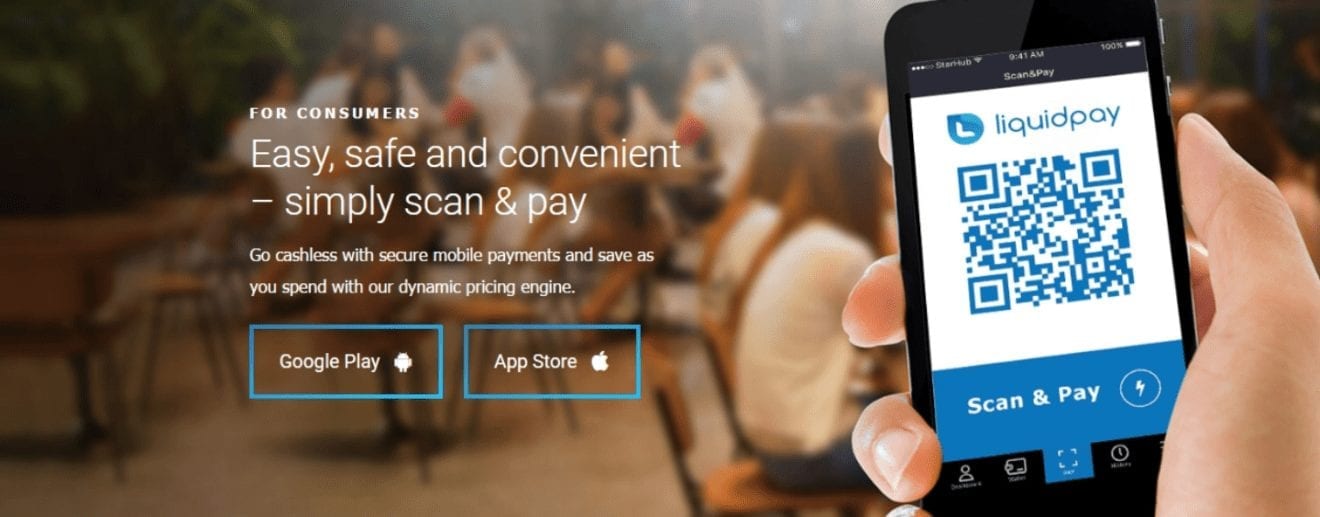
    Some 25,000 retail locations in Singapore are expected to accept a new mobile payment service within the next 12 months. Liquid Pay enables consumers to make payments by scanning a QR code at the point of sale, and compare merchant discounts and rewards from within the mobile app.

    “Liquid Pay has just successfully completed trials at select hawker stalls in Bukit Timah and Tiong Bahru markets, food and beverage (F&B) outlets at One-North/Galaxis and all Spinelli Coffee Company outlets,” Liquid Pay says.

    “Deployment to 30 more hawker centres and multiple F&B chains is expected to complete before the end of the year, with the target of 25,000 acceptance points in Singapore within 12 months.”

    “By adding their credit and debit cards onto the Liquid Pay app, consumers are able to compare the various card discounts and merchant rewards when making payments,” the company adds.

    Offers and rewards

    “To pay for their purchase at checkout, consumers scan the merchant’s individual QR code at the point of sale with Liquid Pay’s QR code reader.

    “Consumers can then view the savings, offers and rewards available with different payment methods, select the most beneficial one for that particular purchase and complete their transaction.

    “Merchants accept payments via QR codes without the need to upgrade equipment or make any costly upfront investment. Merchants and banks can also deepen engagement with customers by extending dynamic, real-time, hyper-personalised promotions and offers.

    “Liquid Pay’s robust architecture also enables banks and merchants to introduce e-cards (prepaid, debit, credit, discount and gift cards) instantaneously, with contextual data analytics for deep consumer insights.”

  • Starbucks launches mobile payment app in Indonesia

    Starbucks launches mobile payment app in Indonesia

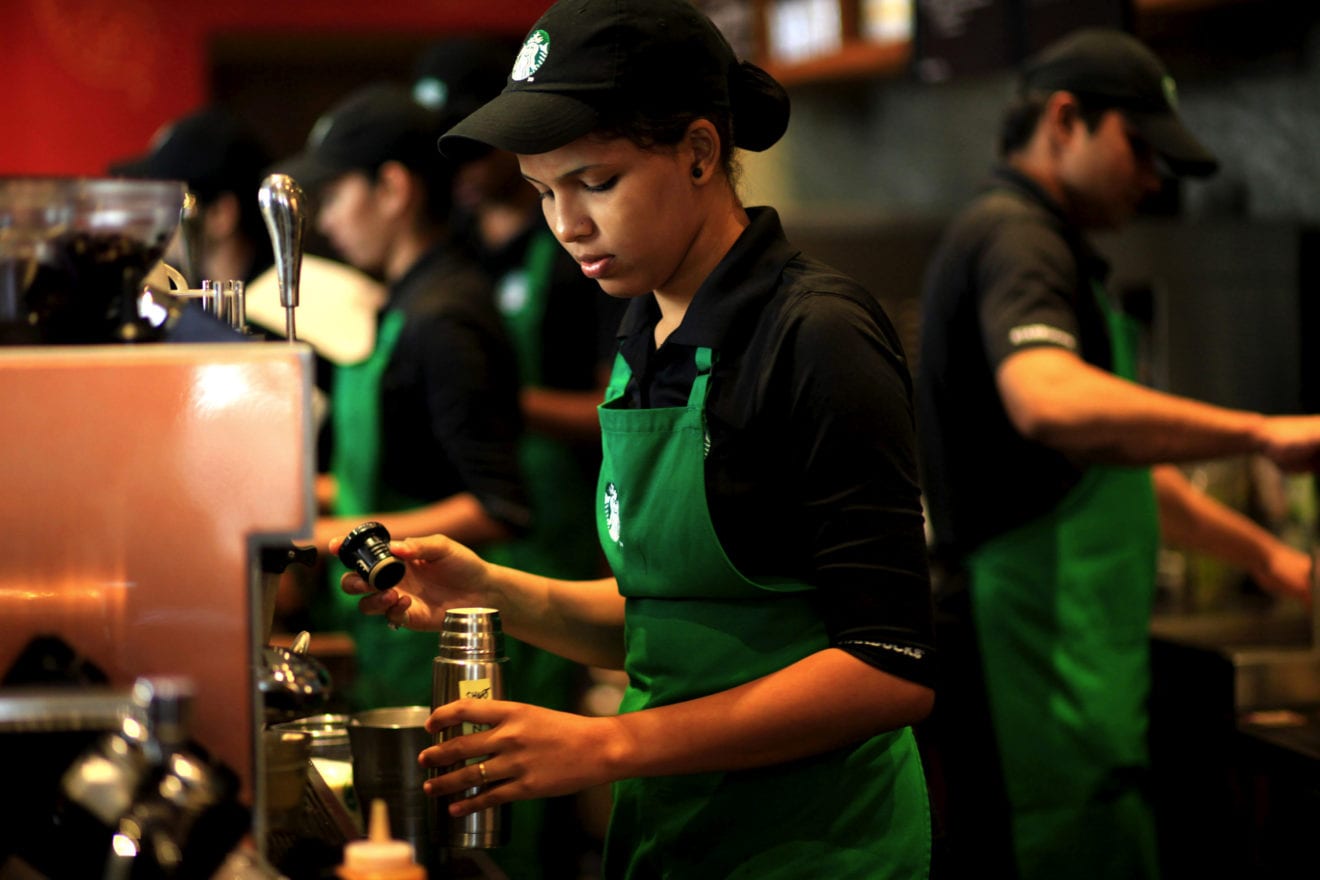
    Starbucks recently launched a mobile application in Indonesia to allow customers to pay for in-store purchases at the coffee marker’s more than 260 stores across the country.

    Building on the cashless payment system Starbucks Indonesia introduced in 2013 with Starbucks Card, the move is part of the broader plan to expand the company’s digital ecosystem.

    The new Starbucks Indonesia Mobile App for iPhone and Android allows customers to quickly pay for in-store purchases by scanning the barcode linked to a registered Starbucks Card. Customers can register multiple Starbucks Cards onto their account, which are linked to the Starbucks mobile app.

    The app also compiles the latest information on Starbucks products in a browsable menu of beverage, food, and merchandise, as well as feature a convenient store locator.

    “This is the latest Starbucks innovation which aims to provide an enhanced experience and meet customers’ needs in the digital space while continuing to provide an exceptional experience in our stores,” Starbucks Indonesia VP of marketing and operations Roger van Tongeren said.

  • Philippines based mobile payment service Abra joins hands with Codapay

    Philippines based mobile payment service Abra joins hands with Codapay

    Philippines-based mobile payment service Abra has announced a partnership with Singapore-based e-payment gateway Codapay.

    With this new deal, Abra users in the Philippines will be able to purchase Steam wallet codes, Skype credit, Amazon gift cards and Battle.net cards by paying with Abra at Codapay’s retail site, Codashop.

    “It is Abra’s goal to provide its users a better way to send and receive money, and to pay for things online. I am incredibly happy to partner with Codapay, a company whose vision of financial inclusion aligns with ours,” said Bill Barhydt, founder and CEO of Abra, in an official press statement.

    Founded in 2014, Abra leverages on blockchain technology to store digital cash on users’ smartphones. Credits in the mobile wallet can be topped up via any accredited Abra teller (which incurs a small fee) or through the users’ bank accounts. Users can also transfer cash to other users via the app — including cross-border money transfers between Philippines and the US.

    To date, it has raised a total of US$14 million in three funding rounds.

    While mobile payment services such as Smart Money and GCash have been operating in the Philippines for a decade, the country is experiencing a surge in mobile payment adoption due to the increasing smartphone penetration rate and growth of e-commerce (which is set to hit US$1.01 billion in revenue this year).

    Additionally, a Mastercard survey revealed that 17 per cent of consumers and 15 per cent of consumers in Philippines have made mobile commerce purchases and p2p transactions respectively.

  • Ant Financial deploys V-Key tech for m-payment security

    Ant Financial deploys V-Key tech for m-payment security

    Ant Financial Services Group has deployed technology from Singapore-based V-Key to augment mobile payment security.

    V-Key will provide a virtual software solution called V-OS for Ant Financial to secure transactions on e-Commerce platform AliExpress, Ant Financial’s sister company. V-Key will also provide cryptographic services and trusted environments to help secure payments processed by Alipay on AliExpress, along with risk management for each transaction.

    V-OS, which is currently deployed by top banks, mobile payment providers, and governments globally, is the world’s first virtual secure element. With V-OS, card and cardholder data will be encrypted, providing for more secure user authentication.

    V-Key’s solutions allow businesses to roll out cloud-based payments, trusted digital identity and authentication necessary for mobile banking and other secured mobile applications. V-Key brings advanced user data protection to its partners without the need to use any form of hardware secure elements. Its mobile security solution works on both iOS and Android devices.

    “As more users opt for mobile payments, account safety assumes utmost importance. V-Key’s unique technology helps us deploy our risk engine to enhance mobile security. The partnership is part of our commitment to secure our services,” Ant Financial VP of fraud management Jason Lu said.

  • V-Key Partners with Ant Financial To Secure Mobile Payments

    V-Key Partners with Ant Financial To Secure Mobile Payments

    V-Key, a global leader in digital security, and Ant Financial Services Group, the leading global tech company that provides online and mobile financial solutions, have entered into a collaboration. Under the partnership, V-Key will provide a virtual software solution called V-OS for Ant Financial to help secure transactions on AliExpress, one of Alibaba Group’s international retail ecommerce platforms. (Ant Financial is a related company of Alibaba Group). V-Key will also provide cryptographic services and trusted environments to help secure payments processed by Alipay on AliExpress, along with risk management for each transaction.

    V-OS, which is currently deployed by top banks, mobile payment providers, and governments globally, is the world’s first virtual secure element. With V-OS, card and cardholder data will be encrypted, providing for more secure user authentication. V-Key’s solutions allow businesses to roll out cloud-based payments, trusted digital identity and authentication necessary for mobile banking and other secured mobile applications. V-Key brings advanced user data protection to its partners, without the need to use any form of hardware secure elements, which can be less secure. Its mobile security solution works on both iOS and Android devices. 

    Speaking on the pressing need for V-Key’s fast-growth, as well as its mission to work with its partners to secure mobile transactions against fraudulent activities, Benjamin Mah, co-founder and Chief Executive Officer of V-Key said: “With the rapid uptake in mobile payments, e-commerce threats are becoming smarter, bigger, more sophisticated. They pose a threat not just to end-users, but also to the reputation of our partners. To stay ahead, V-Key has invested considerable time and effort to build the world’s leading virtual mobile cybersecurity suite of solutions. With our all-in-one virtual element V-OS, we look to future proof mobile wallets against advanced threats by protecting end-user information. In doing so, we look to create a safer transaction environment for our fast-growing number of partners.” 

    V-Key’s solutions are certified by leading industry bodies including FIPS 140-2 (USA) and Info-communications Media Development Authority of Singapore. It has been rigorously stress tested by the likes of global analysts, e-commerce players, government agencies and regulatory bodies globally, including Ant Financial, Core Security Technologies, UL Transaction Security, MWR InfoSecurity, Quarkslab, Upyun, Vantage Point Security, Resolvo Systems among others.

    Jason Lu, Vice President of Fraud Risk Management at Ant Financial, said,”As more users opt for mobile payments, account safety assumes utmost importance. V-Key’s unique technology helps us deploy our risk engine to enhance mobile security. The partnership is part of our commitment to secure our services. In the process, we are enabling more and more businesses and partners to expand their global market reach.”

    V-Key was founded in 2011, and has services in Singapore – where it is headquartered – as well as key markets across Asia-Pacific and the US. Through its partners, including Ant Financial as well as some of the leading banking and financial institutions and government agencies, it has already amassed over 30 million end-users.

  • Smartfren launches carrier billing with Fortumo

    Smartfren launches carrier billing with Fortumo

    Indonesia’s Smartfren has launched direct carrier billing for the operator’s 12.5 million subscribers, in collaboration with mobile payments company Fortumo.

    The partnership will allow Smartfren to support carrier billing from Google Play and the Windows Phone Store, as well as select digital media and gaming companies.

    The World Bank estimates that only around 5 million of Indonesia’s 250 million citizens have a credit card, limiting most customers’ access to online content. By contrast over 65 million Indonesians own a smartphone.

    “With direct carrier billing supported by Fortumo, our subscriber will be able to purchase their in-app items and premium memberships as easy as deducting their own Smartfren balance or bill, and this is fully supported by our widest 4G LTE network for the best experience to enjoy the services,” Smartfren SVP of digital services Revie Sylvaina said.

    In August, Smartfren rival Indosat Ooredoo made a similar deal to bring Fortumo’s direct carrier billing services to its own mobile customer base. Fortumo has also recently announced partnerships with Tri in Indonesia and Globe Telecom in the Philippines.