Tag: payments

  • Circle International Inks Cross-Border Payment Deal With Lakala

    Circle International Inks Cross-Border Payment Deal With Lakala

    Circle International Holdings, the Australian payments company, announced news on Monday (April 30) of a new strategic partnership with payment gateway company Lakala.

    In a press release, Circle International said the partnership will enable it to facilitate cross-border payments between Malaysia and China. The company noted that cross-border transactions involving China within the eCommerce market were valued at $1 trillion. Lakala is China’s only non-bank institution, which Circle International said offers online, offline, personal and corporate services and had a trading volume of 1 trillion renminbi. Additionally, Circle International said Lakala is one of China’s top three companies in the offline settlement market.

    “This will contribute positively to our Group revenue in 2019, and the tie-up will allow for increased monetization opportunities from China and the creation of a complete marketplace within its proprietary Business Circle mobile application,” said CEO Dato’ Brian Tan in the press release. “Circle International’s self-developed Business Circle mobile application has a tremendous following in China and other Chinese-speaking markets. The English version of Business Circle was launched recently as part of its regional plans to penetrate into new markets, including Australia.”

    The executive said that through the partnership, Circle International can leverage Lakala’s strength in eCommerce and integrated payment solutions to enable eCommerce services for its Business Circle users, particularly those from China.

    “Via Lakala, both consumers and merchants can buy and sell products and services through Business Circle,” the executive noted.

    The company said the partnership is part of several strategic initiatives it has been undergoing to power its penetration into the mobile wallet and payment gateway industry. Most recently, it launched its Circle VISA Premium Card, which is exclusive for Business Circle users — rewarding them with incentives, discounts and promotions.

    “It’s about creating a complete payment ecosystem for consumers and merchants to leverage on. While the Circle VISA Premium Card was our first step into FinTech, we continue to expand our product lines for our members. E-commerce complements our existing revenue streams as a regional content owner and digital advertising player,” the CEO said in the press release.

  • Visa expands global partner network in contactless payments push

    Visa expands global partner network in contactless payments push

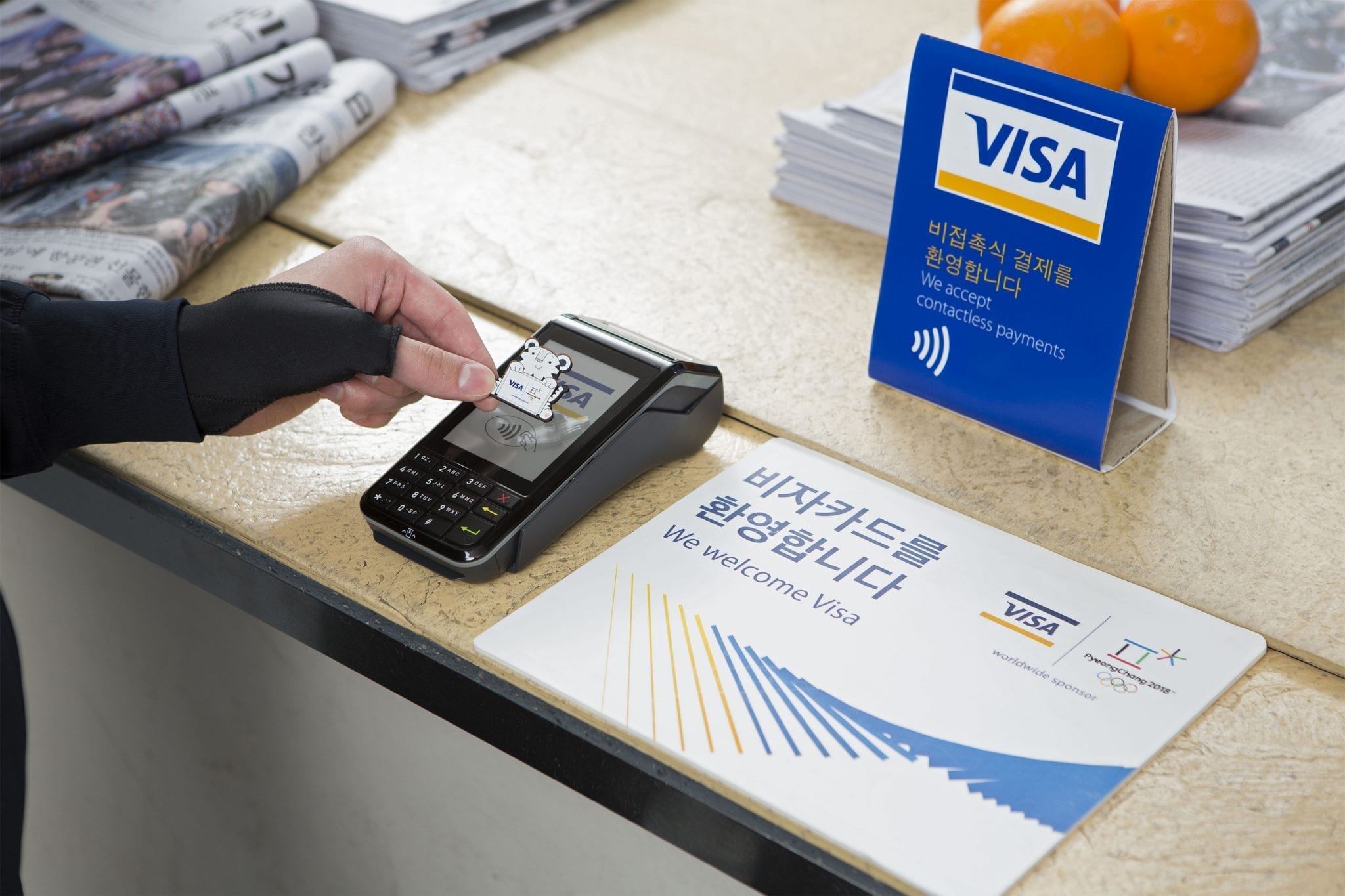
    Visa Inc said this week that 14 technology partners have joined its Visa Ready for Transit programme, as part of a move to promote contactless payments on public transport around the world.

    Companies from ten different countries are included on the list, joining Vix and Worldline, the initial members of the scheme when it launched in November 2017.

    As part of the programme, Visa is looking to work with companies that have hardware and software “to support a more seamless commute for people around the world”. It is part of a wider Visa Ready initiative, which allows developers to ensure their biometrics, transit or internet-of-things solutions meets Visa’s security standards and specifications.

    The new technology company partners announced by Visa this week are, as follows:

    AS Ridango: a transit solutions and services provider from Estonia.

    BBPOS International: a mobile point-of-sale technology distributor from Hong Kong.

    Conduent Business Solutions: a business process services provider from France, offering capabilities in transaction processing, automation and analytics.

    Digicon: a Brazilian company specialising in the provision of turnstiles, traffic controllers, parking meters, electronic time clocks and automatic ticketing systems for urban transportation.

    FIME: a France-based organisation that works with transit operators to deliver interoperability of fare collection systems.

    Mennica Polska: a Polish ticketing operator and automatic fare collection solutions integrator.

    Paycraft: an Indian contactless, open-loop products provider with capabilities of processing online and offline transactions.

    Perto: a Brazilian technology products and services developer for banks and retailers.

    Planeta Informática: another Brazilian company which provides solution for secure online and offline payment systems and devices.

    Quadrac: a Japanese provider of ultra-high-speed payment servers and proximity communication devices.

    Schiedt&Bachmann: an intelligent ticketing and information systems provider from Germany.

    Spire Payments: a Luxembourg-based point-of-sale hardware and software provider.

    Smartran: a smart business solutions provider in the UK, which utlises contactless EMV and NFC mobile applications.

    T-Systems: a UK-based information and communication technology systems operator for multinationals and public-sector institutions.

    Jason Blackhurst, senior vice president for innovation & strategic partnerships at Visa, commented: “We’re seeing renewed interest from transit-related companies around the world to learn how new innovations in payments can improve their customer experiences.

    “Since launching Visa Ready for Transit, we’ve welcomed 16 world-class technology partners to the programme, ranging from small tech companies to multinational organisations. Each of these partners are empowered to help extend the benefits of Visa’s digital payment technology to transit companies around the globe.”

  • Nationwide e-payments to push cashless society goal

    Nationwide e-payments to push cashless society goal

    As part of Thailand’s aspiration to become a cashless society, the country will soon adopt a new nationwide e-payment method using the so-called QR Code familiar to social media users.

    The Bank of Thailand has approved plans by five commercial banks to introduce the QR Code e-payment service – Kasikornbank, Siam Commercial Bank, Bangkok Bank, Krungthai Bank and Government Savings Bank.

    The addition of the service is expected to help reduce dependence on cash transactions as more businesses are set to accept the new e-payment method.

    During a recent experiment in using the service at Bangkok’s Chatuchak Sunday market, more than 1,000 small vendors as well as service providers including motorcycle taxis accepted payment from customers using their mobile phones to transfer money via the QR Code.

    The method is convenient and carries no additional transaction costs for either sellers or service providers.

    The QR Code e-payment platform was pioneered by China’s e-commerce and social media giants, Alibaba and Wechat, which operate the Alipay and Wechat Pay apps respectively.

    Its popularity makes it possible to live in China today without having to use cash for most goods and services.

    China is now the world’s leader for QR Code e-payments, which has disrupted more traditional payment services such as debit and credit cards.

    The huge number of Chinese tourists in Thailand, totalling nearly 10 million per year, has also prompted the early adoption of the e-payment method among Thai convenience stores and retail operators.

    Earlier, the Thai government launched the PromptPay e-payment service for domestic use, making free of charge small-value money transfers via bank accounts.

    The PromptPay popularity is expected to further grow when the QR Code system is added to the e-payment platform.

    To facilitate nationwide adoption of the new platform, the central bank has taken steps to endorse a single Thai QR Code standard in accordance with the international system for mobile applications.

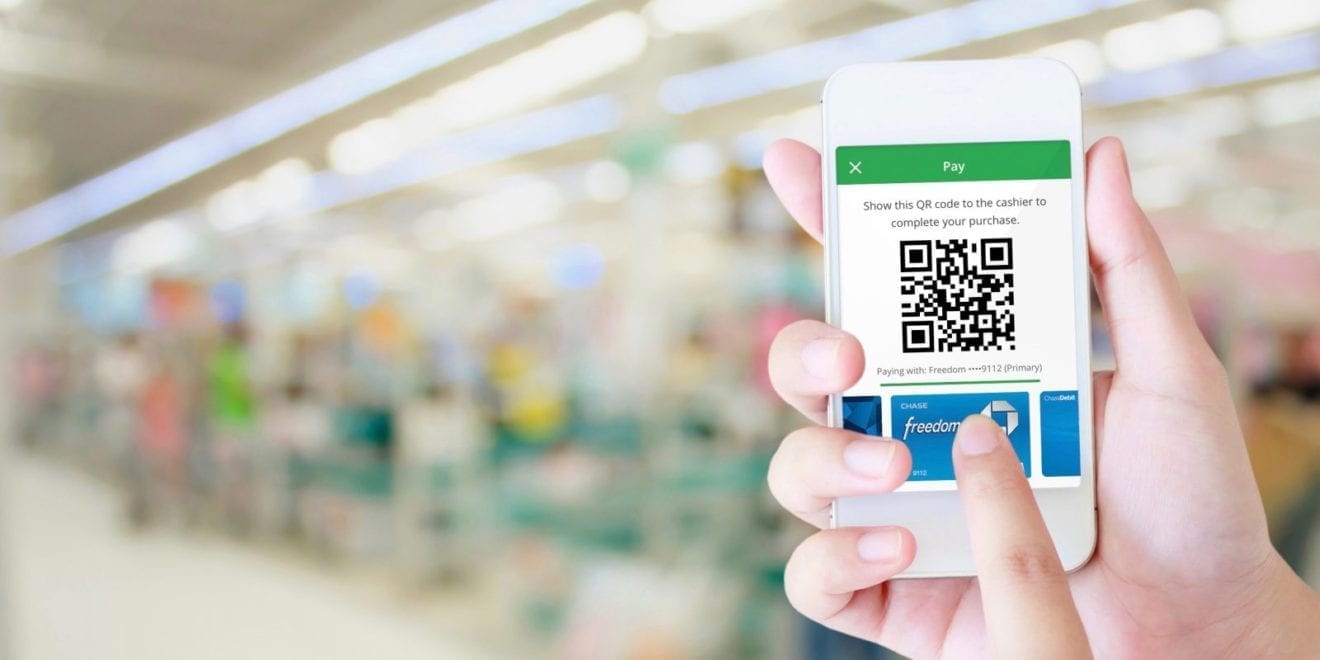
    In practice, consumers after downloading an app for the service that matches their bank accounts could turn their smartphones or other compatible devices into electronic purses by scanning a seller’s QR code to pay for purchases at various goods and services outlets.

    The money would then be automatically transferred from the buyer’s bank account into the seller’s account based on a similar arrangement with their participating bank.

    The central bank has said that in a future stage it would expand the e-payment platform to cover holders of credit cards so as to make it more versatile.

    Overall, the platform is a crucial element of Thailand’s emerging digital economy and society in which the lifestyle of consumers increasingly is closely tied to mobile phones and other smart devices.

    For the government, any form of electronic payment is useful since it creates electronic records on transactions that make tax collection more efficient. In addition, the economy will benefit from more electronic transactions by increasing efficiency – cash transactions are more expensive due to higher costs.

    For vendors, there is no additional transaction cost since banks are keen to provide the service free of charge at this stage, with some banks even offering additional financial incentives to early adopters without conditions requiring minimum payment per transaction.

    The new service will help banks stay close to both consumers and businesses, big and small. This would allow banks to make use of the huge amount of data generated by both buyers and sellers in multiple ways.

    While electronic transactions offer definite convenience advantages for consumers, experts warn that they should ensure that their personal devices are fully secured.

  • APAC leading global online payments boom

    APAC leading global online payments boom

    Asia Pacific is at the forefront of a global trend toward increasing complexity in the online payments market, according to research from payments company Worldpay.

    The research found that consumers across APAC increasingly prefer to pay online via alternative payment methods such as e-wallets, bank transfers and cash on delivery. The annual Global Payments Report states that the Asia Pacific e-commerce market will grow by an average of 12% annually, and is set to be worth $2.1 trillion by 2021.

    Alternative payments are cementing their place at the heart of online shopping in this region – echoing a global trend toward fragmentation in online payments, as options like mobile wallets, pre-paid cards and bank transfers continue to steal market share from more traditional payment methods like credit and debit cards.

    The report found that in China – the world’s largest e-commerce market – most consumers prefer to pay with an e-wallet such as Alipay, Tenpay or WeChat Pay. E-wallets now account for 62% market share in China. Meanwhile credit cards are currently the second most popular payment method for online shoppers (10%), and bank transfers are set to overtake credit cards by 2021, increasing their market share to 14%.

    This growing preference for alternative payments can be seen amongst online Asian shoppers:

    • In Hong Kong, e-wallets are catching up to credit cards, and are set to make up more than a quarter of the online payments market (28%) by 2021.
    • In Singapore, while credit cards are overwhelmingly the payment method of choice in 2017 (66% market share), by 2021 both bank transfers and e-wallets are set to nearly double in share; from 11% to 21% and 13% to 21%, respectively.
    • In Australia, bank transfers are set to overtake credit cards by 2021, increasing 23.3 percentage points to become the most popular payment method, with a whopping 43% of the market.
    • In India, e-wallets (26%) and bank transfers (24%) are already the most popular payment methods, and by 2021 credit cards are expected to decline from 12% to 8% market share.

    Phil Pomford, general manager for Asia Pacific at Worldpay, commented that consumers are leading the charge in demanding more opportunities to use alternative payment methods online.

    “While there are significant variations in how consumers in different Asian markets prefer to pay, a constant is that they are shifting away from more traditional options like credit and debit cards, and instead choosing e-wallets, bank transfers and cash on delivery,” he explained.

  • PayMaya, Smart boost rollout of QR code payments

    PayMaya, Smart boost rollout of QR code payments

    After it introduced the first Quick Response (QR) code payments via app in the Philippines last May, PayMaya Philippines has announced that the scan-to-pay technology is now available across the country, with Smart Stores and select merchants in key cities allowing consumers to conveniently pay by simply scanning QR codes through their PayMaya app.

    Smart subscribers have a new means to transact with their accounts as Smart Stores all over the country are equipped with PayMaya QR technology. PayMaya is also enabling merchants in communities starting with canteens in partner schools like STI and commercial establishments in cashless cities such as Muntinlupa and Malabon. Similarly, PayMaya is also tapping popular merchants in SmartSpots already enabled by WiFi connectivity in key cities such as Baguio, Cebu and Davao.

    In the near future, payments enabled by PayMaya will also be accepted online and in-store in popular food chains, supermarkets and malls such as McDonald’s, Army Navy, Domino’s Pizza and Gaisano Supermarkets, among others.

    To further bring the technology to more users, Smart and PayMaya are also set to equip Smart retail partners down to the sari-sari store level with the payment technology.

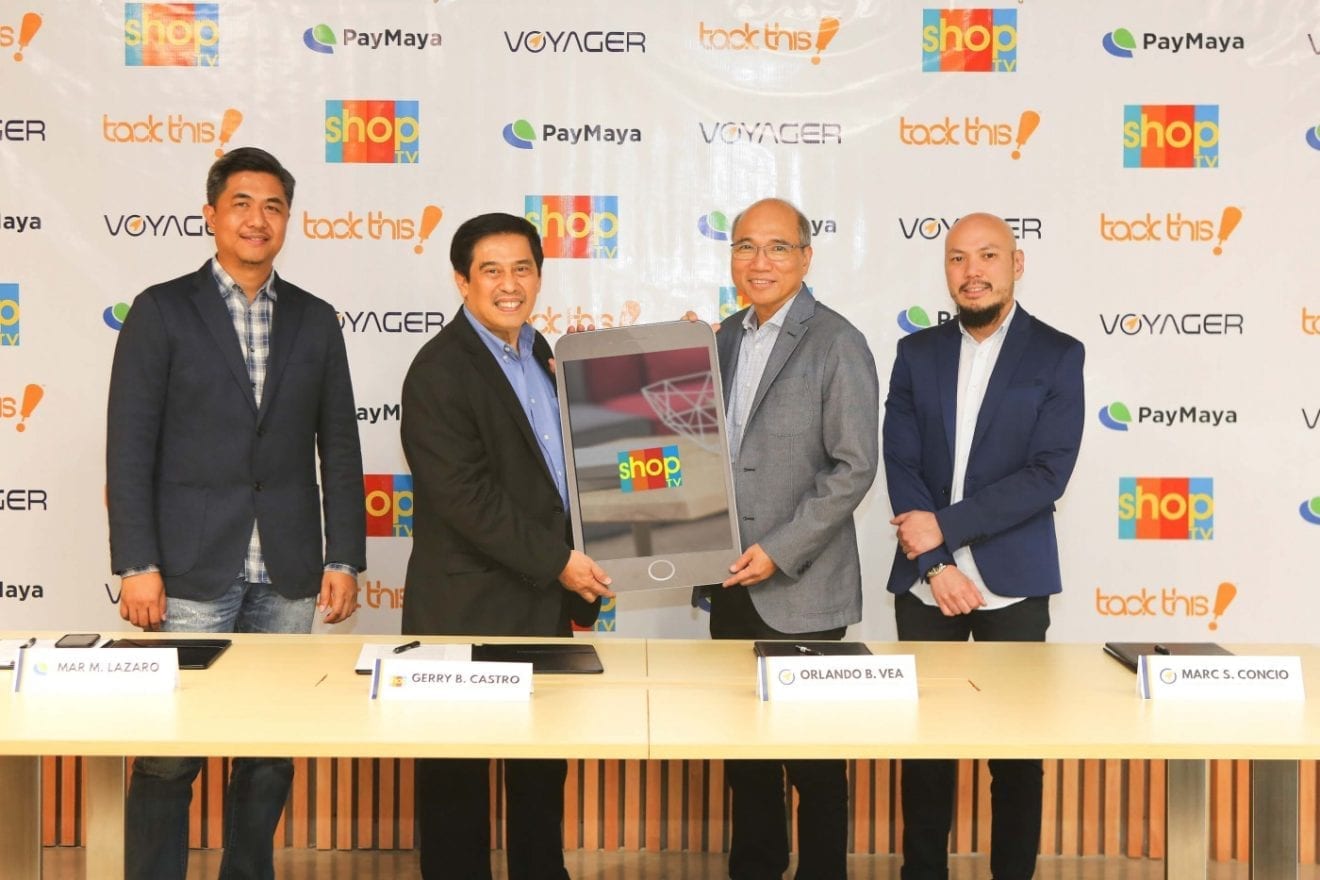
    “As PayMaya continues to grow nationwide, we take a giant step for our customers by making QR code payments available to all kinds of merchants. PayMaya is the leading digital payments wallet and on the merchant side, this will reinforce our position as the top mobile payments acquirer in the country,” said Orlando Vea, president and CEO, PayMaya Philippines and Voyager Innovations.

    “Convenient and secure cashless transactions complete the digital life experience of people and communities. Equipping our Smart Stores, partner merchants and retailers with PayMaya’s innovative platforms is a step in making our vision a reality,” said Eric Alberto, chief revenue officer, PLDT and Smart.

    Existing technology, new use cases, right conditions

    QR code technology has been in use for quite some time with many applications already in the market. However, wide adoption for payments had been previously hampered by various factors, such as lower smartphone and internet usage.

    The technology has now taken off around the world, with payment providers in various countries introducing use cases for adoption. Globally, Tencent’s WeChat app is the leader with close to a billion active users, most of them residing in China. Similar to PayMaya, every time their app is downloaded, so too is a QR code reader as the feature has already been integrated.

    In the Philippines, the growing smartphone and internet penetration is now being complemented by digital payments adoption, pioneered by PayMaya. It has made payments integration capability via QR codes available and is now accelerating consumer acceptance, as it further builds up and reinforces the payment ecosystem and infrastructure across the country.

    It takes a village to make ‘cashless’ work

    “For any kind of digital payments technology to be widely adopted, it is important to foster the right conditions and build the ecosystem. PayMaya is already leading the market toward this direction. Along with the strongest network of PLDT and Smart, we are seeing digital financial inclusion in action,” said Manuel V. Pangilinan, chairman of PLDT, Smart, Voyager Innovations and PayMaya Philippines.

    PayMaya Philippines is the digital financial services arm of PLDT and Smart’s Voyager Innovations. Its PayMaya wallet, accessible via mobile app and Facebook Messenger (@PayMayaOfficial) that comes with a virtual and physical Visa or MasterCard, is now the preferred prepaid payment by the millennial market.

    Any mobile subscriber can simply download the PayMaya app from the Play Store or the App Store and load up their wallet at any of the more than 15,000 reloading stations nationwide, which include SM Business Centers, Robinsons Department Stores Business Centers and 7-Eleven, Petron stations along NLEX and Ministop outlets with Touchpay Kiosks, UnionBank ATMs, Shopwise, Wellcome, 2Go outlets, Smart Padala centers, Palawan Pawnshop and online banking via BDO and UnionBank.

    PayMaya is also the platform of choice of local governments, enterprises and schools for disbursements and ID-plus payments cards.

    PayMaya-enabled ID-plus payment cards are being used by Balanga City, Malabon City, Malolos City, Muntinlupa City, Catbalogan City and Tacloban City, as well as by schools such as STI.

    Meanwhile, PayMaya Business, the company’s system solutions provider that allows businesses to receive online and card payments anytime, anywhere, is now the top mobile payments acquirer powering companies such as Cebu Pacific, Lazada, Meralco, Metro Pacific Tollways, Philippine Airlines, Smart, and Zalora, as well as numerous other merchants.

    Completing the cashless ecosystem is Smart Padala’s largest money-in/money-out remittance network.

  • Finastra to host payments solutions on Azure

    Finastra to host payments solutions on Azure

    Finastra has arranged to bring its next-generation payments solutions to the cloud over Microsoft Azure.

    The move enables Finastra to deploy value-added services to clients more efficiently. Banks will benefit from streamlined onboarding, as well as faster access to new products and upgrades.

    The move part of an ongoing broadening of its relationship with the cloud provider that started in 2016 for the US and Canadian markets.

    “This collaboration allows us to change how we deliver software to our customers and partners in a fundamental way,” Finastra CEO Nadeem Syed said.

    “It will enable us to bring new products to market faster and more frequently, with stability and with the highest levels of data security for which Microsoft is known. It also allows us to take a significant step forward in the creation of a platform for innovation and collaboration in financial services.”

    The strategic move to work with Microsoft Azure enables Finastra to optimize existing business processes and functions, while expediting development with stability and sophistication.

    Today banks are seeking ways that evolve with their needs while also fulfilling the ability to scale at a lower overall cost. The migration of payments solutions to Azure will accelerate Finastra’s ability to easily and effectively deploy value-added services onto its platforms and continue to meet customer demands.

    “Generally in the market both payment hubs and cloud have come of age – and this announcement will mean even greater benefits, with the two coming together here. Modern technology, running on modern architecture, gives not only means for greater performance at much lower running costs, but also the potential for new business models altogether, for all involved,” Celent senior analyst Gareth Lodge commented.

    Startups have at their disposal multiple options for delivering their service via infrastructure as a service (IaaS) business model.

    “As enterprises look at the spectrum of options available, careful consideration of internal IT strategy and detailed evaluation of provider portfolios will maximize the benefits delivered to the enterprise through cloud adoption,” commented Deepak Mohan, IDC’s research director for Public Cloud Infrastructure as a Service.

  • Caution over IoT payments, Worldpay research shows

    Caution over IoT payments, Worldpay research shows

    Smart home appliances that order and pay for items on behalf of their owners have yet to win over support, according to research by payments company Worldpay.

    While Asia Pacific is set to become a frontline for the Internet of Things (IoT), driven by government initiatives and infrastructure investments, consumer confidence has yet to catch up in Australia, China and Singapore.

    Worldpay’s Connected Consumer research shows that Chinese consumers are the most comfortable with IoT, with only 18 per cent not easy about a device ordering a product on their behalf without asking. Australians (39 per cent) were the least comfortable. Across markets, privacy and hacking are the top consumer concerns.

    Covering more than 20,000 consumers across 10 markets, the research focussed on comfort levels when it comes to IoT technology making payments independently. Some smart devices use services from other devices, involving a payment.

    China leads the IoT charge, with 61 per cent of consumers saying they would be comfortable with a device shopping on their behalf without asking permission.

    Singapore, however, is on a tipping point. While the technology is ready and government support is in place, consumers still have concerns around IoT purchases made without their knowledge, and 55 per cent would want to approve purchases.

    Privacy and hacking are the main concerns across the three markets. More than 70 per cent of respondents fear manufacturers would share their personal data, with a similar percentage worried about connected devices being hacked.

    Meanwhile, to help businesses overcome the perceived security barrier, Worldpay is trialling an open-source software development kit (SDK) to handle IoT payments. Worldpay Within is an embeddable payments agent that allows smart devices to make and take payments.

    With the number of connected devices is estimated to reach 20 billion by the end of this year.

    “No matter if done by a human or machine, it is vital for consumers to stay in control when delegating payment tasks,” says Worldpay Asia Pacific GM Phil Pomford. “Our research has found there should always be a conscious ‘act of consent’, be that via a device notification, button press or a pre-set rule like a spending limit.”

  • Contactless payments coming to Myanmar

    Contactless payments coming to Myanmar

    Myanmar’s Co-Operative Limited Bank (CB Bank) will next month facilitate contactless payments acceptance in Myanmar.

    CB Bank will facilitate the development of a network of Mastercard Contactless-enabled merchants across over 5,000 of its access points in Myanmar by the end of 2017, including supermarkets, convenience stores and petrol stations.

    “The launch of contactless payments is an important step forward for Myanmar’s e-payment journey. Contactless payments delivers greater convenience and security to consumers and merchants and is widely adopted as a preferred payment mode all around the world,” Mastercard country manager for Thailand and Myanmar Donald Ong said.

    A little over a year before this announcement by Mastercard and CB Bank, the two organizations made a similar claim to launching the country’s first contactless payment service in the form of CB EasiTravel Prepaid MasterCard Contactless card.

    The difference was that the 2016 announcement was focused on contactless payments for Myanmar consumers traveling outside the country. The October launch will see contactless payment extended locally for everyday purchases.

    What is consistent is the intent to provide payment experience that is fast, safe and convenient according to U Kyaw Lynn, CEO & Vice Chairman at CB Bank.

  • Mastercard adds payment capabilities to vivoactive 3

    Mastercard adds payment capabilities to vivoactive 3

    Mastercard has added payment capabilities to the newly launched Garmin vívoactive 3 fitness tracker and smart watch.

    The move aims to to provide active customers with a watch that frees them from having to carry their phone or wallet around.

    Fitness enthusiasts will be able to make contactless payments and pay by holding their device near a contactless terminal at nearly 6.6 million merchant locations globally.

    Garmin users will enter payment information in the Garmin Connect Mobile app (available in Apple and Android app stores) by scanning a card or manually entering their information. Once the app has synced with the smartwatch, the card is available for use. The user can quickly launch their wallet from the controls menu and tap at a contactless terminal whenever they wish to make a payment.

    By using Mastercard’s token service, the 16-digit card number found on the front or back of a payment card is replaced by a unique alternate number or “token.” The token number is not only different from the card number but is also, on its own, useless, when trying to perform a transaction via a different device – making each transaction secure.

    Bringing secure payment functionality to the Garmin vívoactive 3 is the latest initiative within the Mastercard Commerce for Every Device program that is designed to provide consumers a safe and secure way to pay from any device of their choice. Simplicity and security are at the core of the Garmin Pay capability.

    “Technology is enabling fitness companies to provide athletes with the most comprehensive performance trackers we have seen in our time,” said Kiki Del Valle, senior vice president in charge of the program.

    “Adding payment capability to these devices is a natural next step to make training and fitness experiences more relevant, personal, and convenient.”

    “We want to be true training partners and support the active lifestyles of our users,” said Dan Bartel, Garmin vice president of worldwide sales.

    “With Mastercard technology, our users no longer need to be tethered to their physical wallets and can pay for things in a safe, simple, and secure way. This partnership enables us to empower our consumers to use the device that is most convenient to them, with a high level of security.”

  • Alipay, CCPay partner for cashless payments in Singapore

    Alipay, CCPay partner for cashless payments in Singapore

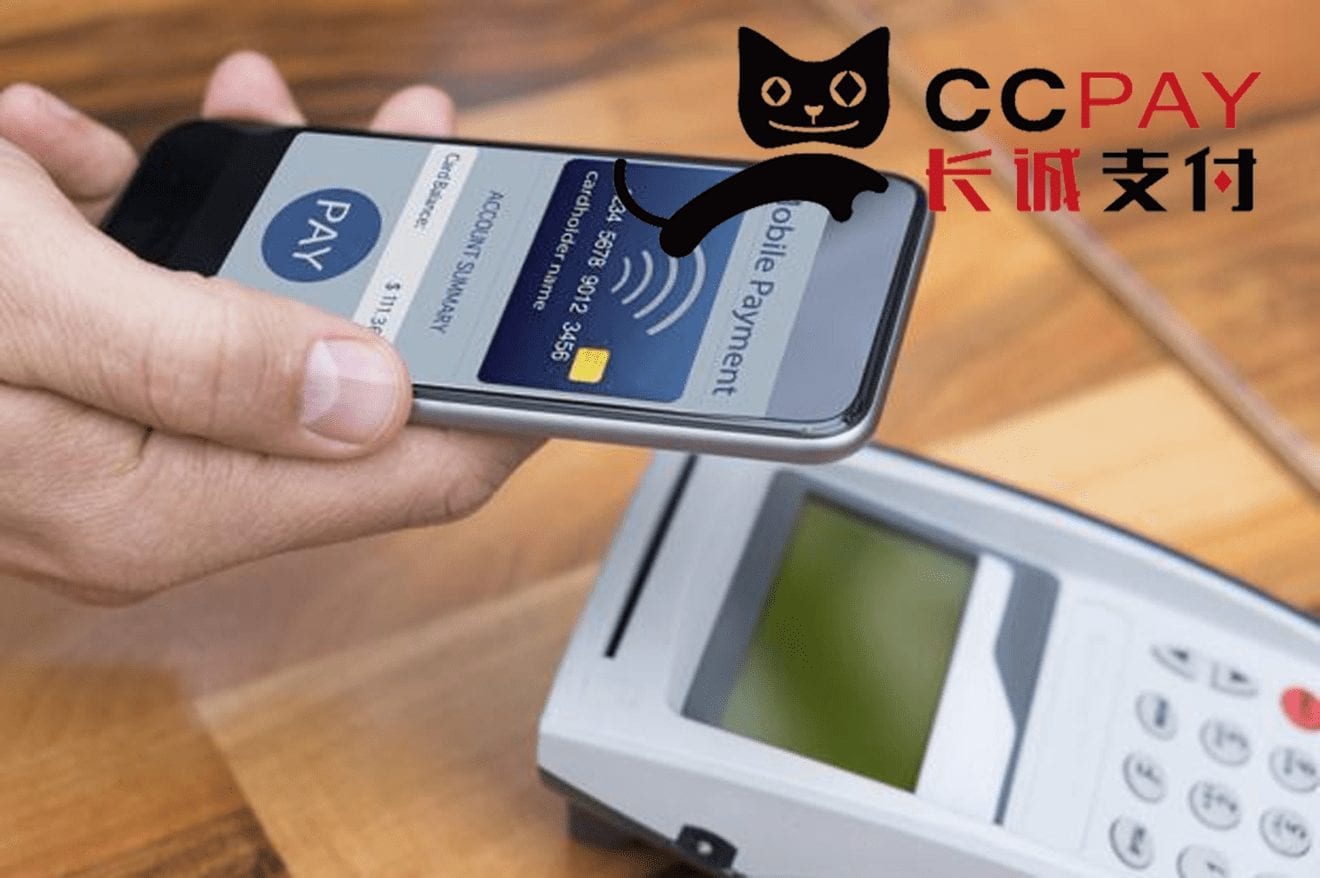
    China’s popular cashless payment platform Alipay has honed in on Singapore, announcing on Tuesday it has entered into partnership agreement with a local digital payment provider CCPay to offer cashless payment services to Singaporean retailers.

    Alipay, a subsidiary of Alibaba’s associated Ant Financial, has tapped CCPay to expand the use of the cashless payment platforms in Singapore, in a bid to give convenience to Chinese tourists here.

    The cashless payments will be first introduced to merchants around the Chinatown area, with plans for further expansion to other shopping malls in Singapore.

    “With Alipay’s scale and expertise in the field of cashless payments, this collaboration with CCPay will provide a platform for merchants to facilitate safe, fast and cashless payments for the Chinese tourists in Singapore,” Melvin Ooi, Alipay country manager at Singapore, Sri Lanka and Maldives, told local media.

    Kicking off in 2004, Alipay boasts over 520 million active users, mostly in China. It continues to expand into offline payments globally and covers more than 200,000 retail stores overseas with the support for 18 currencies.

    Most recently, Alipay entered nearby Malaysia in May, after forging its way into North America in January via its partnership with DFS Group.

    Founded in March 2017, CCPay is a Singapore’s main digital payment solutions provider for online, mobile and in-store payment.

  • Card spending up, delinquency down – Monetary Authority of Macao

    Card spending up, delinquency down – Monetary Authority of Macao

    While credit-card spending has increased in Macau, the delinquency rate (amounts overdue for more than three months) has eased, Monetary Authority of Macao data shows.

    Total credit-card turnover reached MOP4.9 billion (US$608 million) in the second quarter, up 2.1 per cent quarter to quarter and 8.9 per cent year on year.

    Local cash advance turnover reached MOP225.2 million, nearly 4.6 per cent of total card turnover.

    Credit card repayments, including interest and fees, totalled about MOP4.8 billion – down 6.6 per cent from the first quarter but up 8.1 per cent from the same period last year. The ratio of overdue amounts remained low, dropping to 1.37 per cent at the end of June, down from 1.46 per cent at the end of the previous quarter.

    With more dual- and triple-currency cards, the total number of personal credit cards in circulation was 1,134,044 at the end of June. This was an increase of 3.7 per cent over the previous quarter earlier or 12.3 per cent year on year.

    Pataca (MOP) cards rose by 11.4 per cent to 796,992, Hong Kong dollar (HKD) cards increased by 10.2 per cent to 94,725 while renminbi (RMB) cards grew by 16.2 per cent to 242,327.

    Banks had granted about MOP27.3 billion in card limits by the end of the quarter, up 3.6 per cent since the end of March and a 15.5 per cent increase from a year earlier.

    Credit-card receivables amounted to MOP2.5 billion, of which rollover reached MOP751.7 million, nearly 30.5 per cent of receivables.

  • QR-code payments could dominate mobile payments

    QR-code payments could dominate mobile payments

    QR-code payments have the potential to replace any other form of mobile payment according to new research.

    More than 1000 Chinese consumers and 60 decision-makers from global merchant companies were surveyed by mobile payments specialist Cancan and financial research company Kapronasia for the first global study covering the impact of Asian mobile POS payments worldwide.

    “Alipay and WeChat Pay, both based on QR code technology, are already dwarfing their Western counterparts tenfold with 750 million active users between them,” says Cancan MD Candice Koo.

    She says global merchants need to meet shoppers’ expectations regarding mobile payments. “Today that consumer is predominantly Chinese, but in year we could also be looking at Indians, Indonesians, Japanese and Koreans, who are already all following the Chinese trajectory.”

    “The rapid adoption of mobile payments by Chinese consumers domestically is well known, but not as much how they are using them abroad,” says Kapronasia director Zennon Kapron.

    The 2017 Mobile Payment Survey: Chinese Consumers Abroad investigates how mobile payments methods such as Alipay and WeChat Pay are shaping Chinese consumer expectations toward shopping outside of China. It also investigates global merchant preparation for this phenomenon.

    Key findings include:

    • Mainland Chinese consumers expect to spend more with mobile payments this year and next when travelling abroad, overriding the use of cash or credit cards
    • Nearly half of the consumers surveyed made between 10 and 30 per cent of their overseas shopping purchases with QR-code mobile payment methods; one-third paid for more than half their purchases in China with mobile
    • Fashion and cosmetics/skincare products are the categories most likely to attract mobile payment purchases
    • Consumers chose mobile payments for transaction convenience and the ability to track purchases in real time; they also appreciate not needing to carry cash and credit cards while travelling
    • More than a third of merchants who accept mobile payments say this payment method contributes to at least 3 per cent of their global sales, with some merchants experiencing a share as high as 25 per cent.

    The report says customer demand is driving merchant adoption of mobile payments, while merchants are attracted by the speed of mobile-payment transactions.

  • Mastercard to expand QR payments program

    Mastercard to expand QR payments program

    Mastercard has detailed plans to expand its QR-based payment programs, starting this month.

    The company will broaden its solutions to offer QR codes that can be scanned by either consumers or merchants under a common set of global specifications.

    Mastercard worked with EMVCo and other industry players to create a new global QR standard. These standards aim to ensure consistency in QR codes both generated and captured on a consumer’s mobile phone.

    The use of QR codes in certain markets aims to complement the extensive investment in contactless payments to provide merchants of all sizes with a fast, secure and inexpensive way to accept payments.

    Launched in 2016, Masterpass QR provides people with any type of mobile phone the ability to safely make in-person purchases without a plastic card. A consumer scans a QR code displayed at the merchant’s checkout on their smartphone or by entering a text code into their feature phone.

    The company’s consumer-presented solution will allow the merchant to scan a QR code from a smartphone and process the payment through the Mastercard network. It will leverage M/Chip technology to provide a secure way to pay based on EMV infrastructure.

    “Today’s news builds on the momentum of our QR work in India and Africa,” said Ajay Bhalla, president of global enterprise risk and security, Mastercard. “We look forward to the adoption of the EMVCo global QR standards. In the meantime, we’ll continue to work with our customers and partners to make every device a secure way to pay and be paid.”

    IDC Financial Insights lists NFC and QR codes as payment technologies that will power m-payments, complementing non-NFC based mobile wallets and other peer-to-peer transfers or direct funds transfers.

    The analyst predicts mPayments will accelerate in 2017 exceeding US$1 trillion in 2017. IDC also predicts that APAC will not follow the same growth path for mPayments as that of North America and Europe. Taiwan, Malaysia, China and Thailand will lead the region in terms of mobile payments while the Philippines, Vietnam, Indonesia and India will showcase the best examples in mobile money.

  • Australians prefer biometrics to PINs for payments

    Australians prefer biometrics to PINs for payments

    More than half of Australians prefer fingerprints, voice or retina scans in place of PINs when authorizing, according to research commissioned by Visa.

    The research also indicates that 29% of Australians are ready to use an internet-connected device, like a smart home virtual assistant or connected fridge to make payments on their behalf.

    “Australian shoppers are at the forefront of the global evolution of commerce, providing a big opportunity to merchants and financial services providers to similarly lead their international counterparts in innovation,” Visa group country manager for  Australia, New Zealand and the South Pacific Stephen Karpin said.

    “As the Internet of Things and biometric capabilities become integrated into our everyday experiences, we’ll experience a significant shift in how payments are made. In our lifetime, we will see infinitely more choice in how Australians pay, from watches, fridges and mobile phones, to eyes and fingers. And we’ll experience personalization that we never thought possible, powered by artificial intelligence.”

    Visa estimates over three billion of its cards are circulating globally with about 44 million merchants accepting the Visa card as payment. The card company predicts that with the introduction of connected devices and the continued growth of digital commerce, those numbers will expand 30 billion different ways of paying and 400 million physical and digital acceptance points.

    According to Futurist Anders Sorman-Nilsson, ease of use will drive consumers to adopt new patment and commerce experiences. “Connected, AI enabled devices ready to pay will only be pervasive if the experience is easy, seamless and secure,” he added.

    Many of the new payment methods currently using smartphones rely on biometrics for authentication. More than half of respondents surveyed by YouGov (56%) said they are comfortable using their thumbprint, voice or retina for payment. According to the research, the appeal of biometrics is that it is more secure (45%) and the need to not have to remember a pin/password (40%) is driving consumer adoption and readiness.

    But while consumers are keen to embrace biometric authentication, less than half (39%) of respondents were willing to share their personal information in exchange for convenience in payments.

    Karpin attributes this hesitation to prevailing privacy concerns.

  • Tencent Holdings targets Malaysia for local payments

    Tencent Holdings targets Malaysia for local payments

    Tencent Holdings has applied for a licence in Malaysia to offer local payment services via its WeChat Pay, in what would be a first for the platform beyond Mainland China and Hong Kong.

    If approved, users in Malaysia will be able to link their bank accounts to the service and pay for goods and services in ringgit.

    Tencent has chosen Malaysia as a test bed because of its large Chinese community, says WeChat Pay global director Grace Yin.

    The company has more than 600 million monthly users of its QQ Wallet and WeChat Pay, which is embedded in social-media app WeChat, which has 938 million active users. Rival Alipay says it has more than 450 million active users.

    WeChat Pay and Alipay dominate China’s mobile banking market, which had RMB18.8 trillion (US$2.76 trillion) worth of transactions in the first three months of this year, according to consultancy Analysys.

    Silicon Valley startup Stripe this week said it has partnered with the two companies to allow its merchants worldwide to accept payments from Chinese consumers.

    WeChat Pay can be used at more than 130,000 shops in 13 foreign markets, including Japan, and supports 10 currencies. Yin says to expand overseas, WeChat Pay needs extra layers of regulatory approval, as well as having to explain the system to local businesses.

    Mandarin advertisements

    Meanwhile, seeing Thailand as central to its expansion across Southeast Asia, Tencent is putting an early focus on advertising Thai brands to Chinese tourists in Mandarin.

    Tencent Thailand MD Krittee Manoleehagul says Thailand is the third market to offer service this after Hong Kong and Italy.