Tag: Philippines

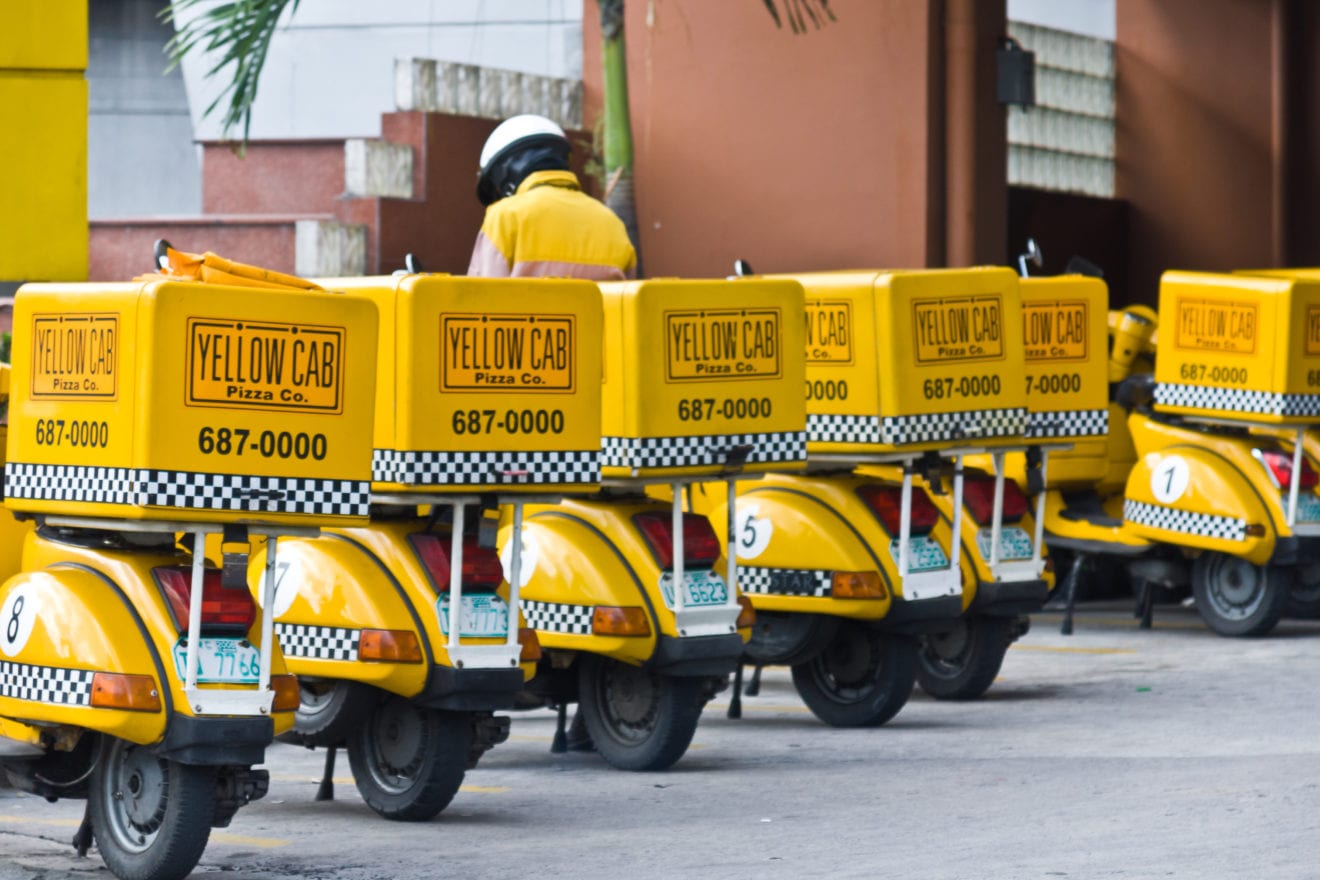
  • Max’s Group takes Yellow Cab Pizza to UAE

    Max’s Group takes Yellow Cab Pizza to UAE

    Philippines-based Max’s Group is to launch its Yellow Cab Pizza chain in the UAE after signing a partnership with Cartoon Fashion Group.

    Cartoon will open 10 Yellow Cab outlets in the UAE over the next five years. IT’s the second overseas market for the Filipino brand, following six stores in Qatar.

    Yellow Cab specialises in New York style pizzas and has 112 branches in the Philippines.

    President and CEO of Max’s Group, Robert Trota, said the Cartoon Fashion Group had a proven track record and solid reputation in the UAE. “We knew they were the best partner for this endeavor.”

    Dubai-based Cartoon Fashion is one of UAE’s largest retail and hospitality consortiums, operating local franchises for brands including Adidas, Ed Hardy and French Connection.

  • Daiso wins Manila court battle

    Daiso wins Manila court battle

    Japanese discount retailer Daiso has won the right to use its name in the Philippines after a hearing in the Supreme Court.

    In a final ruling just issued, the court has blocked Filipino company Japan Home Center from using the trademark Daiso, confirming an earlier ruling by the Court of Appeals.

    The judges ruled that Japan Home Center had registered the name in “bad faith” in 2005 – largely to prevent the Japanese Daiso or its local franchisee from using it.

    Daiso Industries of Japan first filed a complaint with the Intellectual Property Office back in 2009 after it appointed Robinsons Retail Holdings as its local distributor and retail partner. Daiso Industries owns the brand name.

    This week’s Supreme Court decision thus ends a six year long legal battle to give Daiso and Robinson the legal right to use the brand.

    Robinsons currently operates 38 Daison stores in the Philippines.

    In another case in January this year, the Intellectual Property Office blocked MySmart One-Shop Daiso from using the brand name.

  • New malls boost SM Prime revenue

    New malls boost SM Prime revenue

    SM Prime Holdings has posted a 90 per cent increase in first half year sales to PHP18.7 billion (US$408 million).

    However the increase was largely due to one time gains on the sale of securities; recurring income grew by a more modest, but still healthy, 15 per cent.

    The company says new malls helped boost its turnover.

    Rental revenues from retail and commercial spaces, accounted for 54.2 per cent of consolidated revenue, up 10 per cent. The growth in rental revenues was mainly driven by rising contribution from the new malls and the expansion of shopping spaces in existing malls in 2013 and 2014. These include SM Aura Premier, SM City BF Parañaque, Mega Fashion Hall in SM Megamall, SM City Cauayan, SM Center Angono and the expansion of SM City Bacolod with a total gross floor area of 652,000 sqm.

    In the first half of the 2015, SM Prime opened SM Megacenter Cabanatuan and SM City San Mateo last April and May, respectively, taking the total Philippine operating malls to 52 with a GFA of almost 6.6 million sqm. For the rest of the year, SM Prime is set to open one mall in Metro Manila, SM Center Sangandaan in Caloocan, and two malls outside Metro Manila namely SM City Cabanatuan in Nueva Ecija, and SM Seaside City Cebu.

    The company is also expanding two existing malls, SM City Lipa in Batangas and SM City Iloilo. Combined, these new and expanded malls will have a total GFA of almost 716,000 sqm. By the end of 2015, SM Prime will have 55 malls in the Philippines and six malls in China with an estimated combined GFA of 8.3 million sqm.

    Cinema and event ticket sales, accounted for 6.6 per cent of consolidated revenues, recovered in the second quarter registering a seven per cent year-on-year increase to PHP1.4 billion as compared to a decline year-on-year of eight per cent to almost PHP1 billion the previous quarter. This brought cinema and event ticket sales to an almost flat point when compared with the same period last year.

    The recovery of ticket sales in the second quarter was due to Hollywood blockbusters like Avengers – Age of Ultron, Fast and Furious 7 and Jurassic World.

    “The strong financial performance posted by SM Prime in the first half of the year is reflective of the benefits derived from a diversified property portfolio as both rental and developmental incomes contributed to the overall performance of the company,” said SM Prime president Hans T. Sy.

    “The sustained growth could be attributed to the consolidation of SM Prime, which resulted to a strong balance sheet that allowed us to pursue all projects as planned. We are confident that we can sustain this growth in the long-term.”

  • SM Investments Corporation bags five awards from Alpha Southeast Asia magazine

    SM Investments Corporation bags five awards from Alpha Southeast Asia magazine

    SM Investments Corporation (SM) bagged five awards from Alpha Southeast Asia magazine based on a poll of investors.

    SM topped four categories under the 5th Annual Southeast Asia’s Institutional Investor Awards for Corporates. These are Most Organised Investor Relations for the fifth year in a row; Best Senior Management Investor Relations Support; Best Strategic Corporate Social Responsibility. SM was also named among the companies with the Most Consistent Dividend Policy.

    SM’s Executive Vice President and Chief Financial Officer Mr. Jose T. Sio was likewise named Best Chief Finance Officer (CFO) in the Philippines for the fourth time in a row. Mr. Sio is known for his financial prudence while strongly supporting the phenomenal growth of the SM group of companies.

    Mr. Sio is a certified public accountant with a master’s degree in Business Administration from New York University. He was a senior partner at Sycip Gorres Velayo & Co. prior to joining SM in November 1990.

    “We are grateful for this recognition by Alpha Southeast Asia which continues to inspire us to strive for excellence. We also thank our investors who continue to put their trust in the company,” SM EVP and CFO Jose T. Sio said.

    The awards presentation for the Philippine winners will be held on September 1, 2015 at the Makati Shangri-La.

    The poll is based on tallied votes among 520 investors and analysts across the region as well as the US and Europe. These included fund managers with investment interests in Southeast Asia, large institutional investors, insurance companies, pension funds, funds of hedge funds, private banks, equity and fixed income brokers as well as buy and sell-side analysts.

    Alpha Southeast Asia is a monthly magazine primarily written for institutional investors, asset and fund management companies in Hong Kong, Singapore, other parts of Asia, US, Europe and the Middle East. The magazine also has a strong following among the region’s largest local corporates.

  • British brands invading Philippines

    British brands invading Philippines

    Asif Ahmad, the UK ambassador to the Philippines, is one of the busiest diplomats in the country, as he leads, almost on a weekly basis, the opening of new outlets put up by dozens of British companies which are taking advantage of the rapidly growing consumer market and improved purchasing power of Filipinos.

    Ahmad, the 59-year-old diplomat who has been assigned in the Philippines since July 2013, says while several British companies have established their presence in the country for several decades now, more are expected to land in the Philippines soon.

    “We have done it in fashion.  We have done it in cars. We have done it in films and music.  The next story is eating and drinking,” says Ahmad, during the opening of the second outlet of Costa Coffee in the Philippines at Robinsons Place in Ermita, Manila.

    Costa Coffee, the leading coffee chain in the United Kingdom, is the latest British brand setting its sights on the Philippine market, which Ahmad says offers a lot of opportunities for foreign companies.

    The ambassador says the expansion of British firms in the country is a part of a deliberate effort of the London government to triple its exports to the world to 1 trillion pounds by 2020.

    Unilever, an Anglo-Dutch company, is one of the biggest distributors of consumer products in the Philippines while Royal Dutch Shell Plc. is one of the three largest petroleum players in the country.

    The last couple of years saw dozens of UK firms opening outlets or expanding their presence in the Philippines.  In November 2013, London opened its airspace to Philippine Airlines via Heathrow Airport, with the help of Ahmad.  This has triggered a faster movement of people, including investors and tourists, between the two countries.

    British financial giants HSBC, Standard & Chartered, Barclays and Pru Life UK have strong presence in the Philippines while UK companies that are expanding in the country include Pearson Plc., Ashmore Group, British American Tobacco, British Petroleum, ECR Minerals Plc., CRH Plc., Arup, Nectar Group Ltd., MacKay Green Energy Inc., Forum Energy, Pitkin Petroleum Plc., Eaton Corp. Plc. and Weir Engineering Services Ltd.

    Top British brands opening or adding outlets in the Philippines include Rolls Royce, Range Rover, Jaguar, Mini Cooper, Morgan Motors, Tesco, The Body Shop, Fitness First, Toni & Guy, Remington UK, Marks & Spencer, Debenhams, Lee Cooper, F&F, John Lewis, Burton, Reiss, Speedo, Hamleys, Burberry, Topshop, Topman, Dorothy Perkins, Mitre Sports, Berghaus, Kangaroos, Superdry, Warehouse, Clarks Shoes, Paul Smith, Mothercare, Hackett London, Lush, TM Lewin, River Island, Cath Kidston, Pepe Jeans London, Savile Row, Lyle & Scott,  Whyte & Mackay, Twinings, Diageo, Union Jack Tavern, Wolf & Fox, Chuck’s Grub, Waitrose and Yummy Organics.

    Ahmad says more brands will expand in the Philippines soon. “We have a strong presence of British brands that is gonna grow.  My government, the UK, has said that we must triple exports to 1 trillion [pounds]. My mission here is to grow three times more than before.  That is a very strong target to have,” he says.

    The UK is already the largest investor among European countries in the Philippines.  “The easy target that we have met is being the number one investor in the Philippines from the European Union. We have achieved that already,” he says.

    “In terms of trade, we have a long way to go.  If we added it both ways, it [bilateral trade] adds up to $2 billion.  We have to make it $6 billion,” says Ahmad.

    He says the UK embassy is working with the British Chamber of Commerce to help more companies navigate the Philippine market.  British investors are looking at infrastructure, public-private partnership projects, water, healthcare, education, information technology and defense sectors, he says.

    The British Chamber of Commerce is arranging more trade missions to bring more British brands in the Philippines this year to look at opportunities, given the country’s improving economy.

    “What we are seeing is that the government has more money.  The infrastructure projects are now speeding up, after a difficult start.  We are seeing people consuming more, spending money more, not just in houses and cars, but also in their lifestyle,” Ahmad says.

    Ahmad says Filipinos can afford to buy British brands.  “It [local market] has been ready for quite some time.  That’s why we have been very successful here.  If you go back, they [British companies] have been here for a long time and they are expanding still.  New ones are coming onboard.  What Costa Coffee does is something different.  It is in food and beverage segment, which has much more to offer,” he says.

    Costa Coffee opened its first outlet at Eastwood Citywalk 1 in Libis, Quezon City in June and plans to open three more branches this year at Tera Towers in Fort Bonifacio, E. Rodriguez Jr. Ave. in Quezon City and Robinsons Antipolo in Rizal.

    “We plan to open 70 Costa Coffee branches in the Philippines over the next five years,” says Costa Coffee Philippines general manager Corinne Milagan, who heads a new unit of Robinsons Retail Holdings Inc. to guide the expansion of the Costa brand in the country.

    Among those who attended the opening of the Costa Coffee branch at Robinsons Place Manila are Ahmad, Milagan, Robinsons Retail Holdings president and chief operating officer Robina Gokongwei-Pe, Costa Coffee International managing director Chris Rogers, Robinsons Land Corp. president and chief operating officer Frederick Go and Costa Coffee franchise manager for Southeast Asia and India Matt Kenley.

    RRHI formed a new company called Robinsons Gourmet Food and Beverage Inc. to operate the Costa Coffee chain in the country. Robinsons Gourmet teamed up with Whitbread Plc. of the United Kingdom to bring the British coffee brand to the Philippines.

    “The Philippines has fantastic opportunity for the Costa brand.  It brings something different to the market. A different coffee, a different environment and a great people.  And it brings a little taste of London to the Philippines,” says Rogers.

    “We have been looking forward to the next 20 to 30 years. The Philippines is an exciting place to be, because of the potential growth.  The economy is growing strongly. The consumer population is growing. There are good dynamics,” says Rogers, who joined Whitbread eight years ago.

    Rogers has been leading the international expansion of the Costa Coffee brand since July 2012.

    Robinsons Retail plans to open 70 Costa Coffee stores in the Philippines over the next five years, with an average cost of P10 million per outlet.

    Rogers says Costa Coffee has found its niche in the competitive coffee market.  “Our difference is our coffee.  We have the Mocha Italian blend.  We are very particular with the beans we choose–high-quality beans with a particular taste. The environment is also very different,” he says.

    Milagan says the Philippine coffee market is now prepared for a British brand.  She says coffee lovers, including British expatriates, were lining up hours prior to the opening of the Costa Coffee branch at Robinsons Place Manila on July 31.

    “The [coffee] market is not yet saturated. The Philippine market has matured in terms of  food and drinking preference. We are graduating now from instant coffee and we are now shifting to coffee made in a hand crafted way,” says Milagan.

    Milagan says “the Filipino taste has become discriminating, as they travel abroad.”

    Costa Coffee was founded by Italian immigrants Sergio and Bruno Costa in 1971 in Lambeth, London. The Costa brothers were known for creating their unique blend of coffee, a combination of Arabica and Robusta beans. They called it Mocha Italia, a blend that is a closely guarded secret to this day.

    The brand was acquired by Whitbread Plc. in 1995.  The UK firm continues to serve the original Mocha Italia recipe, which is slowly roasted in the Old Paradise Street Roastery in London.

    Milagan says Costa coffees are all handcrafted and espresso-based.

    Costa Coffee now has 3,000 stores in more than 30 countries. Costa employs Master Genarro Peliccia as the official coffee master who ensures that the taste remains consistent to the original blend.

    Gokongwei-Pe says Costa Coffee is the second British brand brought to the Philippines by Robinsons Retail, the first being the fashion brand Topshop.  She says her company will bring more foreign brands, depending on the performance of Costa Coffee.

    “We have to make sure this works first,” she says, adding that the outlook for the Costa brand in the Philippines is promising.

    “I believe in good luck.  I believe in good vibrations,” she says.
     

  • Vista Land bags multiple awards at the 2015 Philippines Property Awards

    Vista Land bags multiple awards at the 2015 Philippines Property Awards

    Amore, an Italian-themed residential property under the luxury brand of Vista Land, Brittany, was awarded Best Housing Development in Metro Manila and Best Housing Development in the Philippines for 2015.

    Amore is a massive development that infuses Italian elements such as cupolas, cobblestone pathways, gabled roofs and pocket gardens that draw the beauty of landscape and light within an expansive central business district emerging at the south of Manila.

    The affordable housing brand, Camella, won as the Best Mid-Range Development (Resort) for the Camella Palawan development.

    Meanwhile, Vista Land’s Vista City was recognized as Highly Commended for Best Retail Development and Best Retail Architecture for its Evia Lifestyle Center. To date, the center’s first two buildings are already up and running with an elite selection of stores and restaurants.

    Concluding the list of awards Vista Land earned is the Highly Commended for the Best Architectural Design recognition for the Vista Hub at the Bonifacio Global City.

    Vista Land has been in the business of building quality homes and communities for four decades now. Its developments are present in 38 provinces and 90 cities all over the Philippines.

  • Lawson to open 450 stores in Japan this year

    Lawson to open 450 stores in Japan this year

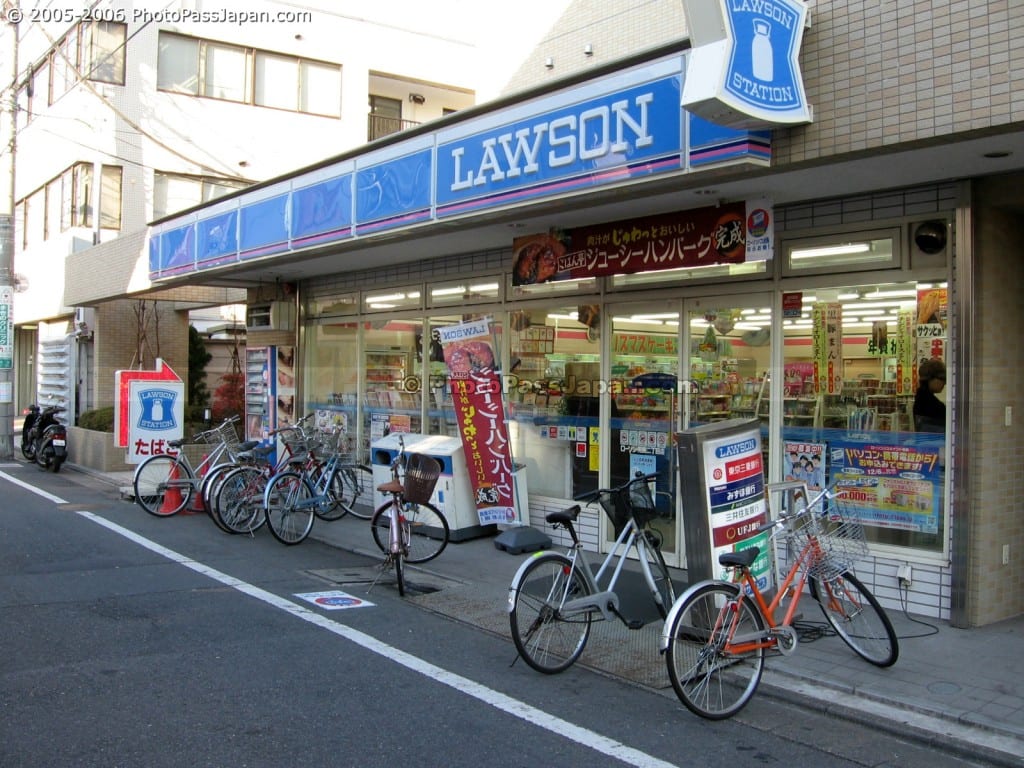
    Even though Japan’s convenience store sector faces numerous challenges, the country’s second-largest operator, Lawson, plans to open another 450 stores this year, the company’s CEO has revealed.

    Genichi Tamatsuka said there are 55,000 convenience stores in Japan but the market has not yet reached saturation point.

    He sees massive potential for growth because of demographic and other social changes that are altering consumers’ buying behaviour.

    “Whereas people used to go to a big supermarket and prepare meals for a family of four or five, now they’re busier, they’re older, and they prefer to buy in a small neighbourhood store,” he explained.

    Lawson currently runs a network of 12,000 stores – soon to be expanded – and, combined with its logistical muscle, Tamatsuka expressed confidence that it would be able to meet the needs of these “combini” neighbourhood stores.

    “With our scale of 12,000 stores, our supply chain and platform, we can supply food and necessities to these neighbourhoods,” he said.

    Expansion overseas is another source of potential growth, he indicated, considering the value placed on the high level of customer service provided by Japanese retailers.

    Lawson has 500 stores in China and has also started up operations in Thailand, Indonesia and the Philippines.

    Despite Tamatsuka’s confidence, research group Euromonitor earlier this year published a more downbeat assessment of Japan’s retail landscape.

    “Japanese grocery retailers are expected to face numerous challenges imposed by such factors as changing demographics and operational difficulties,” it warned.

    However, in what could be seen as endorsement of Tamatsuka’s expansion strategy, the report went on to say, “in order to fight against such negative circumstances, grocery retailers may attempt to expand in size and diversify business portfolios”.

  • Prince Philippines to expand

    Prince Philippines to expand

    Hypermart chain Prince Philippines says it will open four new stores before the end of this year.

    Prince Hypermart says the new stores will be in Visayas and Mindanao and will take its network to 28, all located in provincial areas where the company has strong relationships with traditional sari-sari store owners as well as direct to consumer business. It offers micro financing options for sari-sari owners.

    Business development manager John Robertson S Go says the first new store will open in Gingoog City in Misamis Oriental.

    “Sari-sari store business is relevant to the local economy because it directly helps Filipinos at the grassroots level in getting themselves out of poverty,” another company executive said.

    The company already serves about 500,000 customers every day in its 24 existing stores

    Prince says it has been adjusting its stock range in recent years as buying habits change. Where once customers were always seeking the least expensive products, there is now growing demand for premium goods.

    “This means they have more money to spend. Their inventories have also upgraded,” the spokeswoman said.

  • Uniqlo eyes Philippines as garments production site

    Uniqlo eyes Philippines as garments production site

    GLOBAL clothing retailer Uniqlo is planning to tap Philippine garments manufacturers as it considers making the country one of its production sites that will cater to its global retail network.

    In a briefing on Thursday, Katsumi Kubota, chief operating officer of Fast Retailing Philippines Inc., said he had started studying a list of 40 local garments factories that was given to them by the Philippine government during President Aquino’s state visit to Japan recently.

    Kubota said this was also one of the topics discussed by the Uniqlo head and President Aquino when they met in Tokyo.

    “I think we have to study it carefully…We do not own any of our factories so what I’m checking now is, first of all, the quality (of the products produced by these factories). We cannot sacrifice quality. We’re also looking at their (capacities) because most the time, one factory produces one item for Uniqlo branches all over the world, so we have to work with large factories. These factories must also be operated by good owners,” Kubota said.

    Kubota, however, did not provide any timeline as to when the study on the prospective factories would be completed. If the company decides to pursue this plan, the local garments factories that will be selected will have to supply to all Uniqlo stores globally.

    For now, Kubota said Uniqlo was focusing on expanding its retail network aggressively over the next five years and in beefing up the local market’s awareness of the Uniqlo brand.

    He said Uniqlo would be opening two branches in Cebu by the fourth quarter of this year, marking the company’s first foray outside Luzon. Plans to put up stores in key areas in Mindanao such as Davao, Cagayan de Oro and GenSan are being studied.

    “Opening our stores in Cebu, after our third year in the Philippines, is another important phase of our business in the country. We have opened 23 stores in Metro Manila and Luzon, and entering the Visayas market is a milestone in our growth strategy,” he added.

    The two Uniqlo stores in Cebu will cover at least 1,000 square meters each and create 200 jobs per branch. Kubota did not say the amount the company was investing in these stores but said it was compliant with Philippine laws that required foreign retailers to invest a minimum of $800,000 a store.

    He said Uniqlo was targeting to have 29 stores in the country by the end of the year and 200 by 2020.

  • APRCE Manila to attract 2500 delegates

    APRCE Manila to attract 2500 delegates

    Retailers and businessmen looking to expand to Asia Pacific markets will find up to date developments in the world’s fastest-growing region at the Asia Pacific Retailers Convention and Exhibition (APRCE) in October.

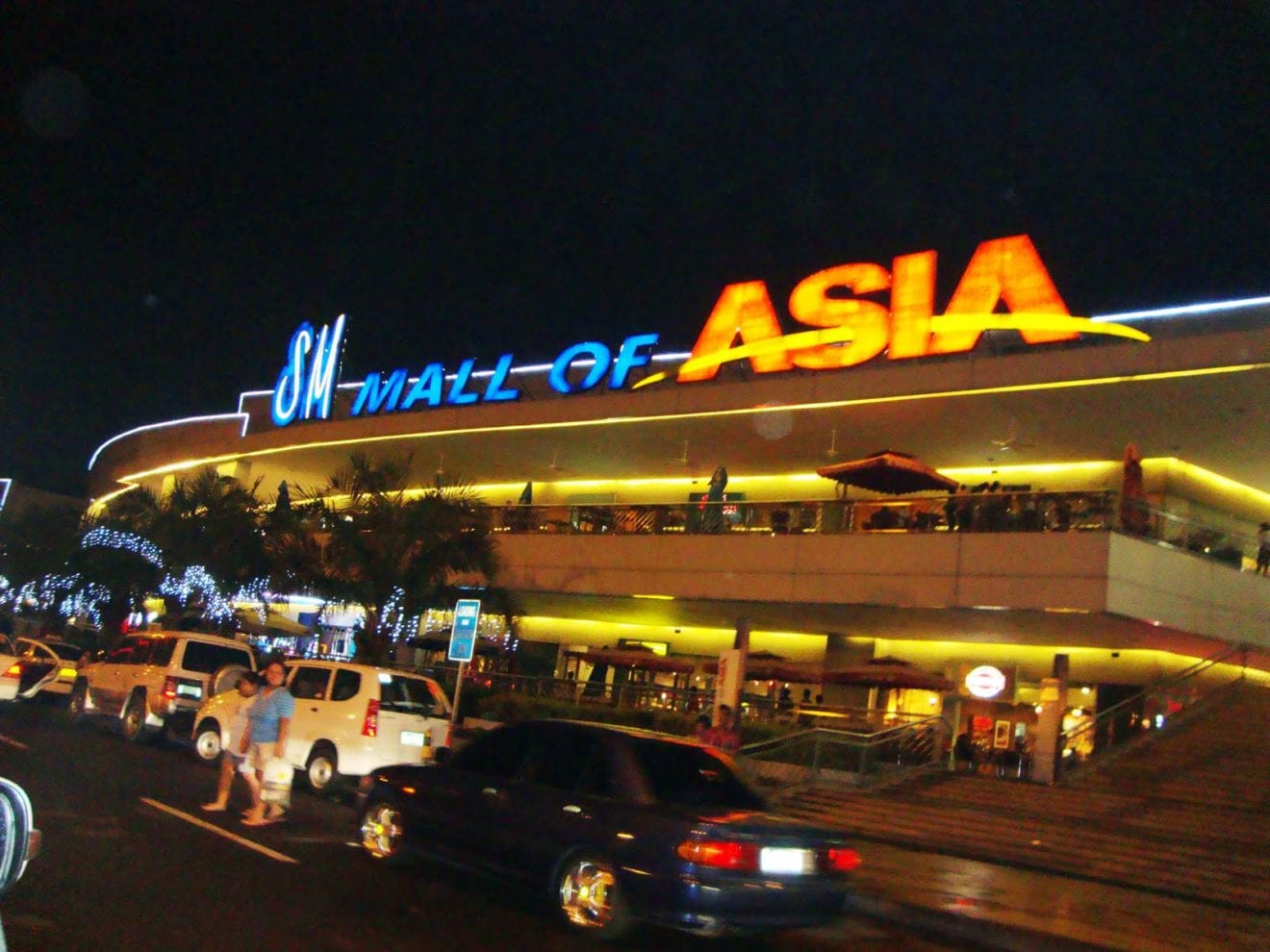
    The biennial event will this time around be held in Manila at the SMX Convention Center in the Mall of Asia in Pasay City from October 28-30.

    The APRCE is the largest and longest running retail industry event in APAC and is expected to attract some 2500 foreign and local, retailers and executives.

    APRCE-2015-Lorenzo-Formoso-236x300The president of the Philippine Retailers Association, Lorenzo C Formoso, who is the COO of Duty Free Philippines, said the 17 member economies of the Federation of Asia Pacific Retailers Association (FAPRA) will present their respective country reports during the APRCE breakout sessions. These include reports from Australia, China, Japan, Korea, Chinese Taipei, Singapore, Thailand, Malaysia, Indonesia, Vietnam, Hong Kong, New Zealand, India, Mongolia, Fiji, Turkey and the Philippines.

    The Philippines last hosted this biennial event – the biggest conference and expo of retailers in the region 20 years ago.

    “The member-associations will present and discuss the retail environment and situation in their respective countries, retail and investment opportunities as well as the laws governing foreign investments in their respective retail industries,” Formoso emphasised.

    APRCE-2015-Frederick-Go-191x300Frederick D Go, Manila APRCE 2015 chairman and president of Robinsons Recreation, said through the country reports, FAPRA member-associations will get the chance to present the strengths and opportunities their markets offer that attract international retailers to consider them in their expansion plans.

    “If you are looking to expand and need a good market intelligence about Asia Pacific and the 17 member- economies, the APRCE is a must-attend event for you this year. This is like a one-stop shop for all the market intelligence that you’ll need for your expansion in Asia-Pacific markets,” Go stressed.

    On Day two of APRCE, the retail associations of Australia, Vietnam, China, India, Fiji, Chinese Taipei, Hong Kong, Indonesia and South Korea will present their country reports during breakout sessions, to be followed on Day three by Malaysia, Mongolia, New Zealand, the Philippines, Japan, Singapore, Thailand and Turkey.

    Aside from the country reports, over 30 experts will speak and share their insights on the trends and updates on the global retail and marketing industries during the event.

    Formoso said the three-day event aims to explore and discover new approaches to issues facing the region’s retailers and highlight innovative solutions that can help them differentiate themselves from competitors, and to deliver greater value to consumers.

    Organised by the Federation of Asia Pacific Retailers Association (FAPRA), the Manila APRCE 2015 is co-presented by the Tourism Promotions Board, The SM Store, Wyeth Nutrition. With Bench, Flight 001, and Penshoppe as platinum sponsors, Robinsons Malls and Ayala Malls,

    PLDT Alpha, Megaworld, Unilab, Mercury Drug as gold sponsors; Duty Free Philippines, HP, Wilcon Depot, Kojie-san,Celine, MET Tathione as silver sponsors and Araneta Center as bronze sponsor.


  • Ayala snaps up drug store stake

    Ayala snaps up drug store stake

    The Philippines retail and property conglomerate Ayala Group has bought a 50 per cent interest in local franchised healthcare chain Generika Drugstore.

    Ayala’s subsidiary Ayala Healthcare Holdings completed the deal, acquiring the stake from the family of Julien Bello.

    The chain has more than 500 stores across the Philippines. Co-founder Teodoro Ferrer, and the Bello family, will retain the other 50 per cent and Ferrer retains his role as president and CEO.

    Ferrer left Ayala’s employ in 2003 after more than 30 years for create Generika, which specialises in generic medicines for Filipinos unable to afford branded drugs.

    In a statement, Ayala president and COO Fernando Zobel de Ayala said the company was looking forward to furthering Generika’s goal of closing the gaps in affordable retail healthcare in the Philippines.

    “We believe this is an excellent platform for Ayala to reinvent the space and it will serve as foundation for our emerging healthcare portfolio,” he said. “

    With the combined strengths and management capabilities of Ayala and Generika, we believe we can raise the level of efficiency and accessibility of this platform to better serve Filipino families by providing a wide range of quality medicines at affordable prices.”

    Ayala will add the new business venture to a growing portfolio of companies in the healthcare arena. Last year it bought QualiMed, the Ayala Land subsidiary’s chain of hospitals and medical clinics, in partnership with the Mercado medical group.

  • Costa Coffee Manila opens

    Costa Coffee Manila opens

    The first of five Costa Coffee Manila cafes has opened its doors, marking the British-headquartered coffee chain’s Philippines debut.

    Costa, the world’s second largest dedicated coffee chain behind Starbucks, has opened in Eastwood City Mall in Quezon City, metropolitan Manila.

    Four more cafes are planned by the year’s end in Bonifacio Global City, Robinsons Ermita, Tera Towers and Robinsons Antipolo.

    The Eastwood City Mall cafe is spread over two floors and features distressed timber fittings, and a sofa upholstered with the Union Jack to reflect the brand’s heritage.

    For its Philippines entry, Costa has partnered with Robinsons Retail Holdings, which owns the Robinsons Department Store, supermarket, Handyman, True Value, Toys ‘R’ Us, and Daiso retail banners in the Philippines.

    Costa Coffee has over 3000 stores worldwide, including 1800 in the UK and 400 in the Middle East.

  • Smoothie King eyes Asia

    Smoothie King eyes Asia

    Fresh from sealing a deal to enter the UAE, US chain Smoothie King is now seeking partners to enter seven Asian markets, along with Australia.

    With more than 700 locations worldwide and plans to top 1000 locations globally by the end of 2017, Smoothie King has signed up Al Ghurair Retail to open across the emirates, starting with multiple locations in Dubai.

    Smoothie King is currently located in Korea, Grand Cayman and Singapore, and according to Dan Hannah, VP of international business development, the company is now eyeing development in Japan, China, India, Indonesia, the Philippines, Taiwan, Australia and Brazil.

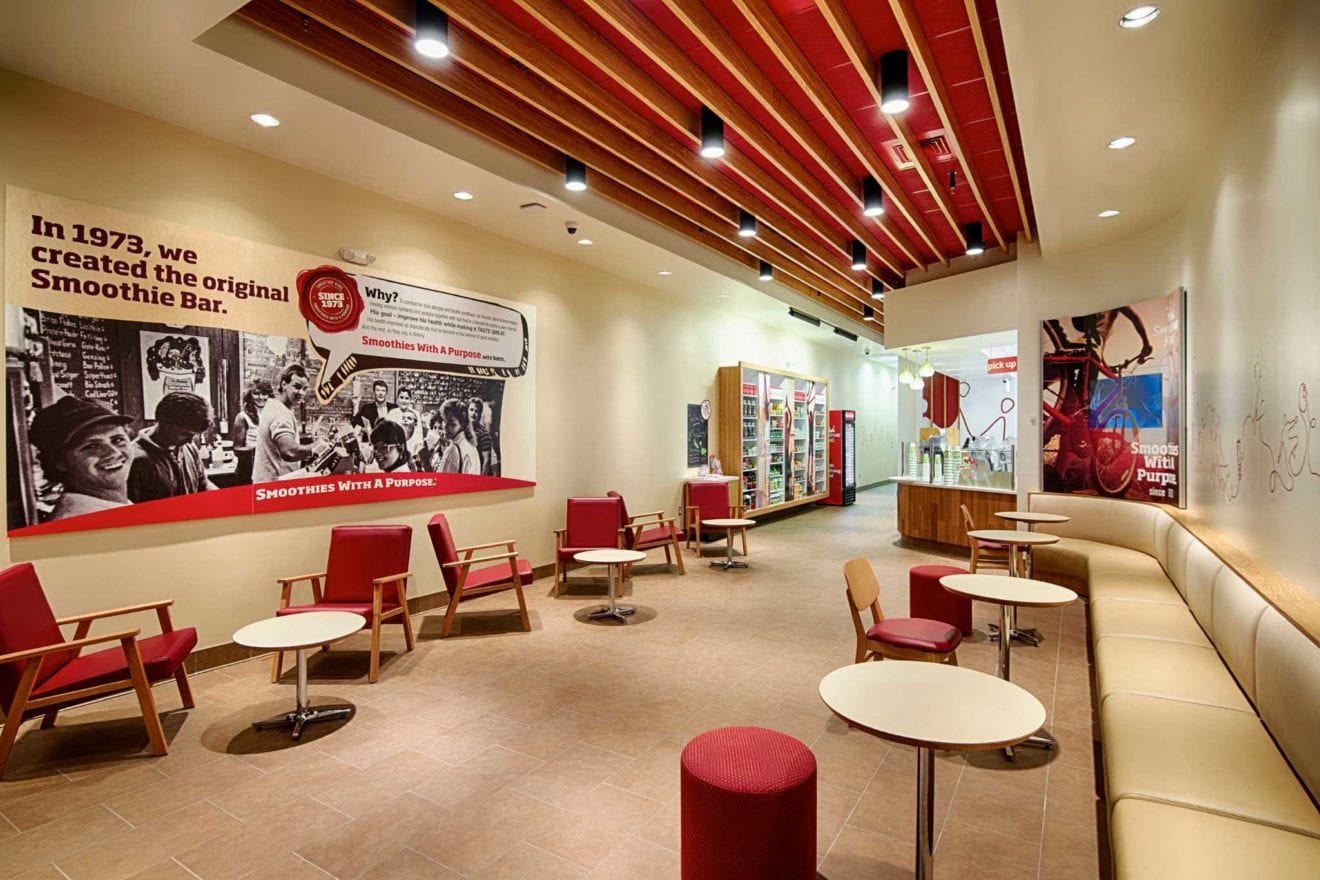
    Smoothie King is providing guests around the world with nutritional solutions that live up to the brand’s founding vision to create “Smoothies With a Purpose.”

    Smoothie King differentiates itself in the crowded juice and smoothie category as an “originator and innovator”, evolving to meet customer’s health needs since 1973. The mission since the company’s inception carries through to today: to inspire people to live a healthy and active lifestyle.

    New Orleans-based Smoothie King offers a wide variety of smoothies made with the highest quality ingredients, created to meet all nutritional goals including weight loss, weight gain and increased energy.

    “By working with dedicated and passionate partners like AG Retail, we are able to continue to build our brand and expand our presence worldwide, while preserving brand integrity,” said Smoothie King CEO Wan Kim.

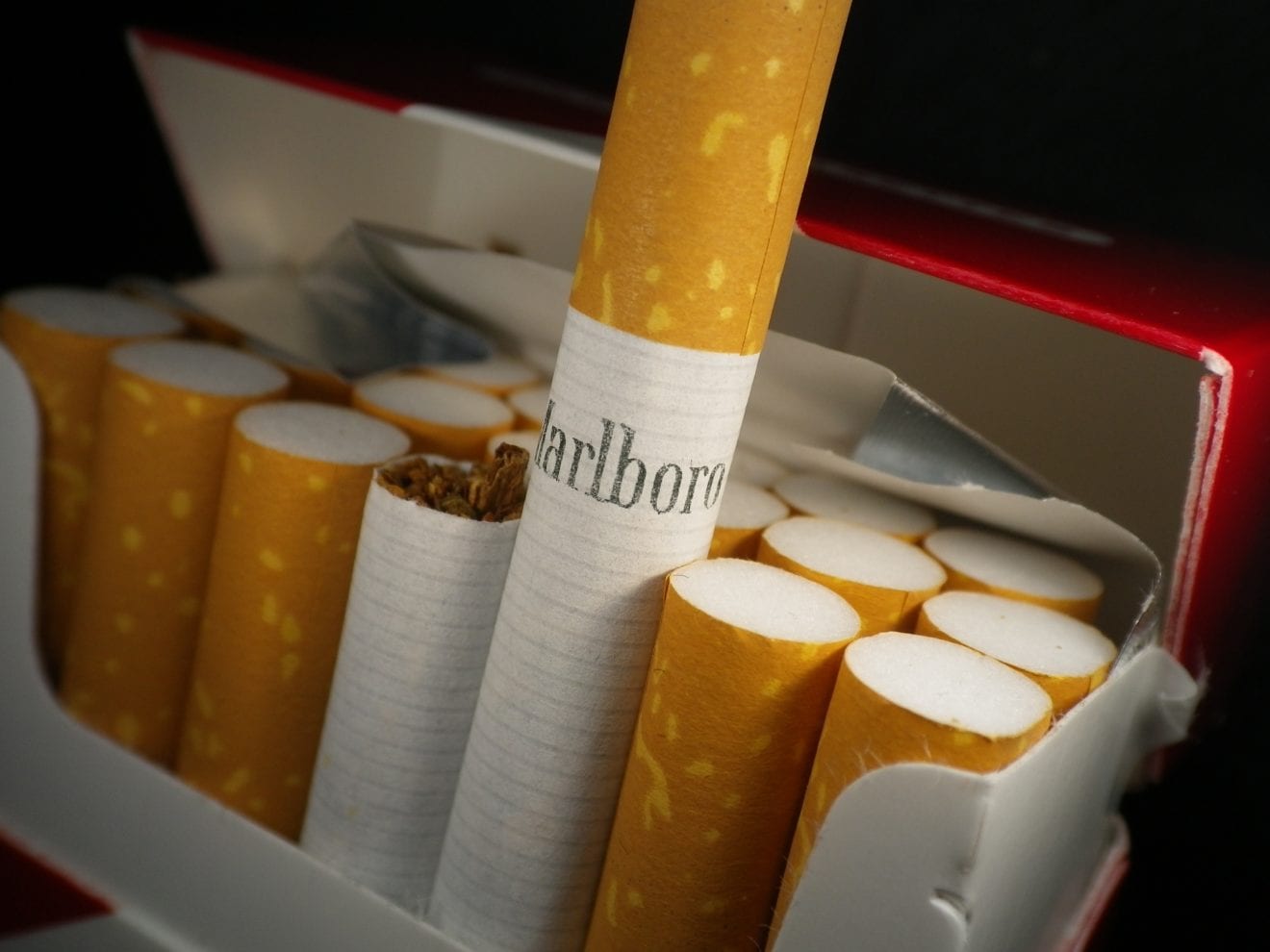
  • ‘Sin tax’ cuts cigarette smoking in Philippines

    ‘Sin tax’ cuts cigarette smoking in Philippines

    A “sin tax” on cigarettes has sharply cut smoking in the Philippines while also boosting government revenues, the internal revenue chief claimed on Monday.

    The number of cigarette packs put on store shelves by retailers fell by nearly a third between 2012 and 2014, said revenue chief Kim Henares.

    The government raised excise taxes on tobacco and liquor products in 2012 to raise revenues and discourage smoking, which kills nearly 88,000 Filipinos each year according to World Health Organisation data.

    “We exceeded the targets,” Henares told AFP.

    The government agency’s data showed 5.764 million packs were withdrawn from storage and placed on retail shelves in 2012, compared to 4.869 billion packs in 2013.

    By 2014 the figure was down to 3.917 billion packs, said Henares.

    Taxes are levied on the number of packs placed on store shelves rather than the number subsequently sold.

    Proceeds from the taxes on cigarettes rose to P74.328 billion ($1.69 billion) last year from 32.16 billion pesos in 2012, the agency said.

    Under the law, a portion of the revenues from sin taxes are allotted to finance government health programes including anti-smoking campaigns.

    A Department of Health survey in 2009 found that more than 28 per cent of the country’s adult population were smokers.

    The government first asked parliament to raise taxes on “sin” products as early as 1997, but a strong lobby by tobacco manufacturers delayed this for years.

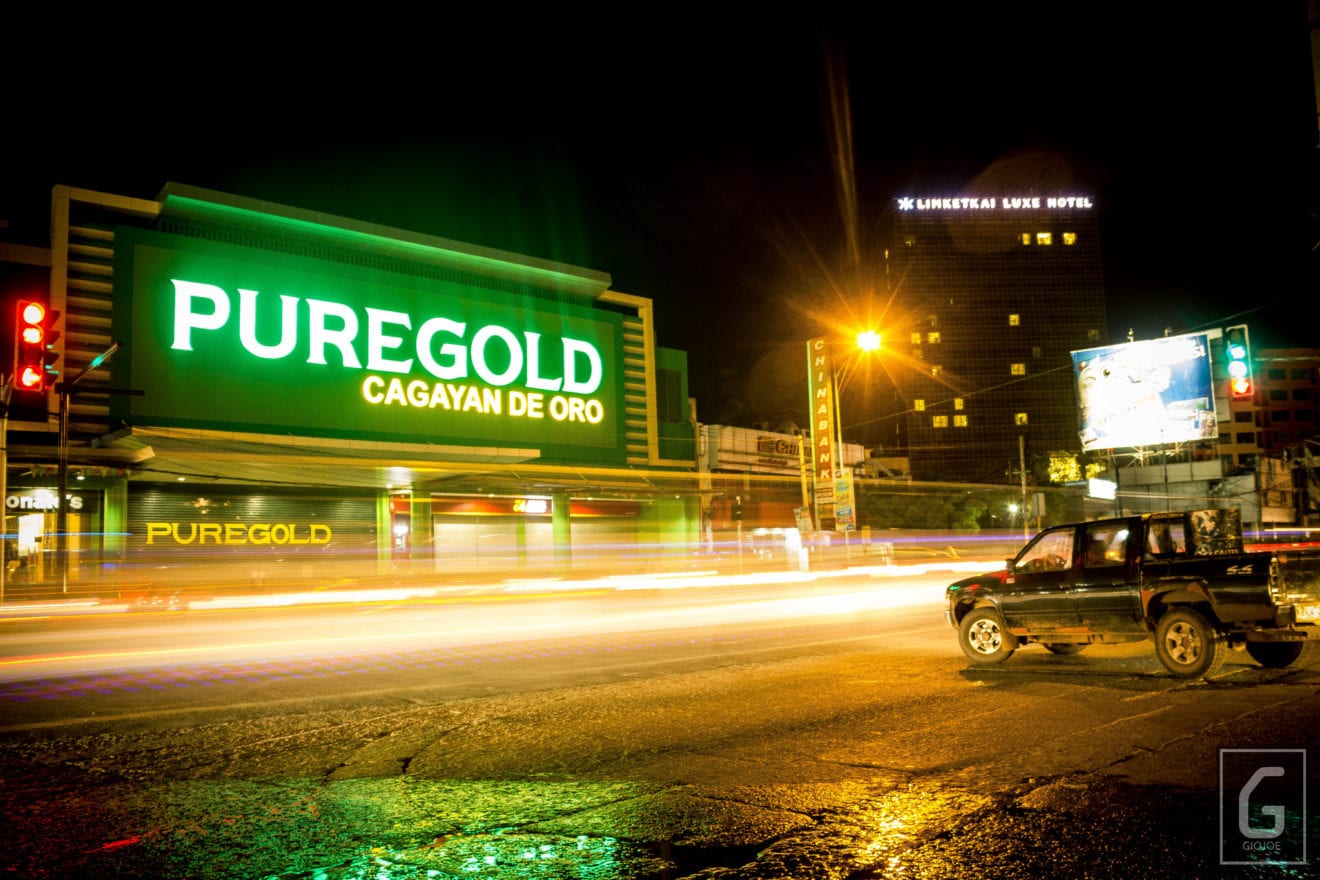
  • Puregold moves into remittances

    Puregold moves into remittances

    Philippines grocery retailer Puregold Price Club says it is expanding into the remittances business.

    The company says the move will increase foot traffic and sales in its 239 stores across the nation.

    The remittance business allows local Filipinos to collect funds transferred from overseas foreign workers. Manpower is the Philippines’ single largest source of export income.

    Puregold president Vincent Co unveiled the initiative at a press conference, revealing the remittance business will be branded PurePadala.

    Co said Puregold’s remittance solution will be unique, allowing those sending cash to stipulate where it is spent.

    “Most of the time, around 25 to 30 per cent of the money sent by Filipinos abroad is spent irresponsibly. The money that is supposed to go to essentials is sometimes spent on vices,” Co said.

    “This innovation will allow senders to automatically choose where to allocate the funds such as for groceries, utilities or education. For example, the money will have to be spent in Puregold if it is allocated for groceries, instead of getting it as cash.”

    Senders of cash will also be able to stipulate it is not spent on alcohol or tobacco products.

    Co said Puregold will partner with 57 remittance partners across 27 countries for the new venture, which formally launches on July 12.

    Transaction fees will be waived for the first three months and after that will be lower than the standard rate of 10 pesos.