Tag: Philippines

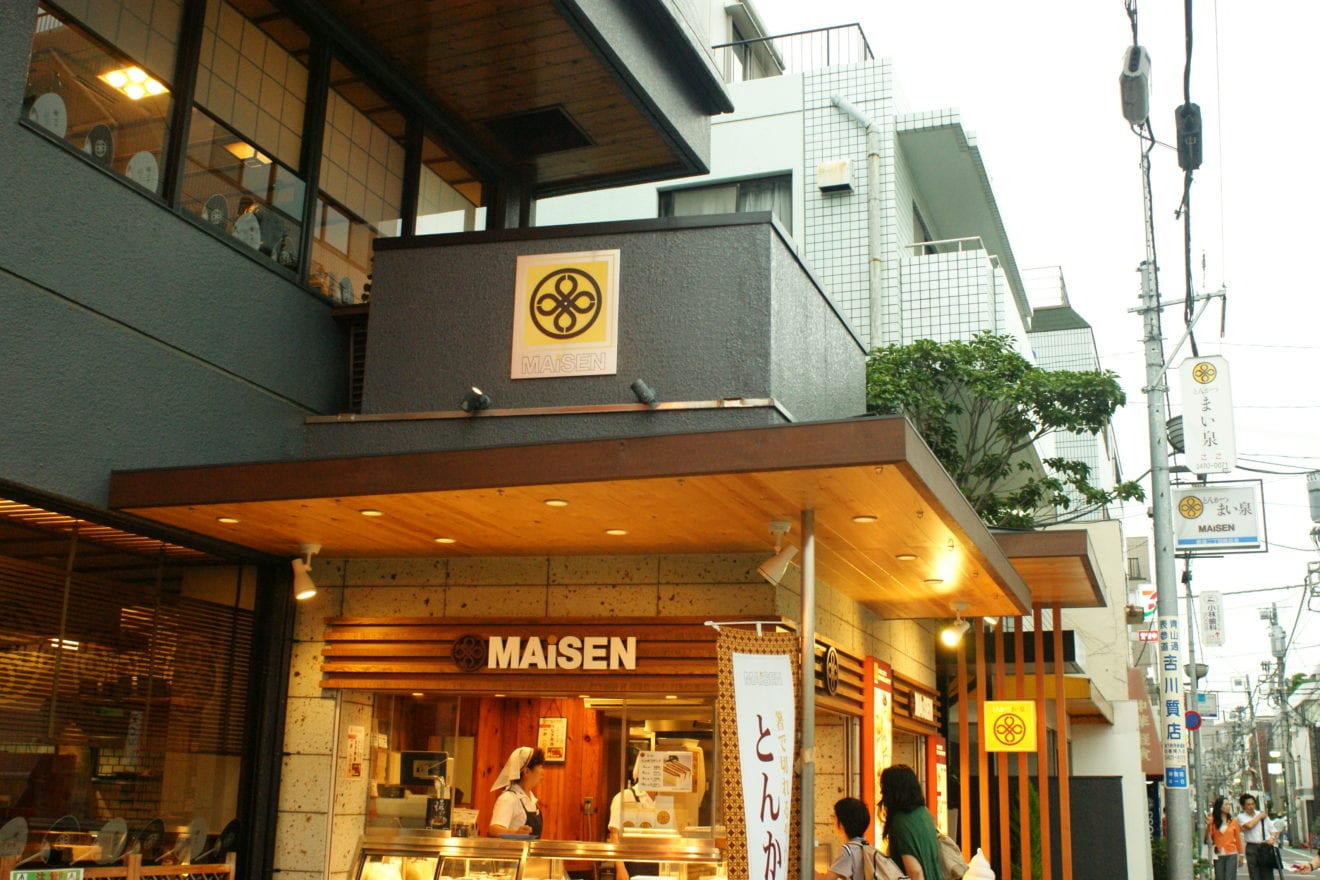
  • Maisen Tonkatsu heads to Philippines

    Maisen Tonkatsu heads to Philippines

    Maisen Tonkatsu, described as Japan’s “greatest tonkatsu restaurant”, is to open a sequence of eating places within the Philippines.

    The primary restaurant, described as a flagship, will open at SM Megamall by the third quarter of 2015.

    Maisen Tonkatsu, based in 1965, will increase into the Philippines underneath Katsucuisine Inc, a subsidiary of its Japanese father or mother Suyen Company.

    Thought-about the market chief in its class in Tokyo, the restaurant model is steadily increasing in Asia. It has six branches in Bangkok, Thailand, a part of a community now numbering 1100 worldwide.

    Foodies and vacationers alike typically queue outdoors the Tokyo eating places whose profile has been boosted by in depth reward on social media and by skilled reviewers.

    The restaurant’s positioning slogan is: “Tender tonkatsu you’ll be able to minimize with chopsticks.”

  • Philippines’ Emperador Says Seeks to Buy Cognac Firm From Japan’s Suntory

    Philippines’ Emperador Says Seeks to Buy Cognac Firm From Japan’s Suntory

    Philippine liquor firm Emperador said on Monday it has submitted a bid to buy French cognac maker Louis Royer from Japan’s Suntory Holdings, and could go to the debt market to fund the deal.

    The acquisition is unlikely to cost Emperador more than last year’s $700 million deal to buy the Whyte & Mackay whisky unit of India’s United Spirits, company director and spokesman Kingson Sian said.

    Sian declined to disclose Emperador’s offer citing a confidentiality agreement, and said he was not aware who the other bidders for Louis Royer were.

    “After the first round, there may be a second round … There may be a shortlist first, so it’s too early to say,” Sian said when asked when the bidding results were likely to be released.

    Suntory declined to comment on Emperador’s offer. “It is a company policy that Suntory does not make any comment on such reports,” a spokeswoman in Japan said.

    Suntory, one of Japan’s oldest companies, is looking to sell off its smaller assets to consolidate its portfolio and finance its acquisitions, Sian said.

    Suntory bought U.S. drinks firm Beam in a deal last year valued at about $15.7 billion. It was the third-biggest acquisition by a Japanese company.

    Emperador, mainly a brandy producer with a market value of $4 billion, bought Whyte & Mackay last year as part of a long-term strategy to expand its product portfolio and global reach.

    Shortly after its purchase of Whyte & Mackay, Emperador joined the Philippines’ benchmark stock index.

    “We want to continue the momentum and sustain the strong growth going forward,” Sian told reporters after the company’s annual stockholders’ meeting.

    “We’re going to hit all the major markets – China, Taiwan, Korea, Southeast Asia, Hong Kong – for our signature products,” Sian said.

  • FitFlop unflappable about Thailand investment scheme

    FitFlop unflappable about Thailand investment scheme

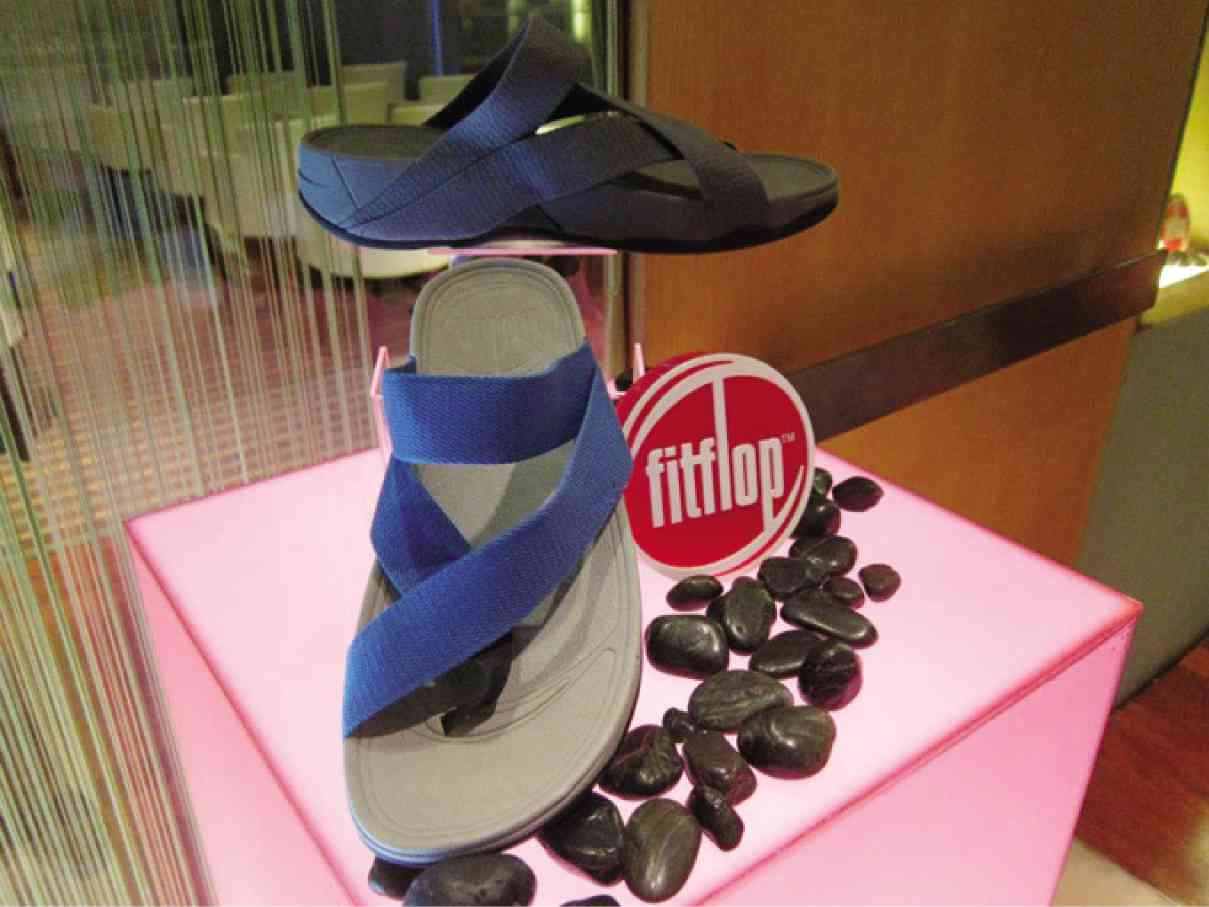
    The Primer Group of Companies, a Philippines lifestyle fashion company, believes sales of FitFlop shoes in Asia-Pacific this year will outpace last year’s with Thailand driving growth.

    Camille Karaan, deputy director and vice-president of Primer International Management Ltd, the operator of FitFlop shops in Asia-Pacific, said despite the Thai economy slowing it would maintain its investment in the Thai market, particularly for exclusive product designs.

    The company started producing exclusive shoe designs for Thailand three years ago, which received a warm response from ASEAN customers, particularly the Shasha collection. About 150,000 pairs of Shasha sandals were sold in Asia-Pacific last year, compared with a record high of 100,000 pairs for its regular collections.

  • John Lewis eyes 11 store openings in the Philippines this summer

    John Lewis eyes 11 store openings in the Philippines this summer

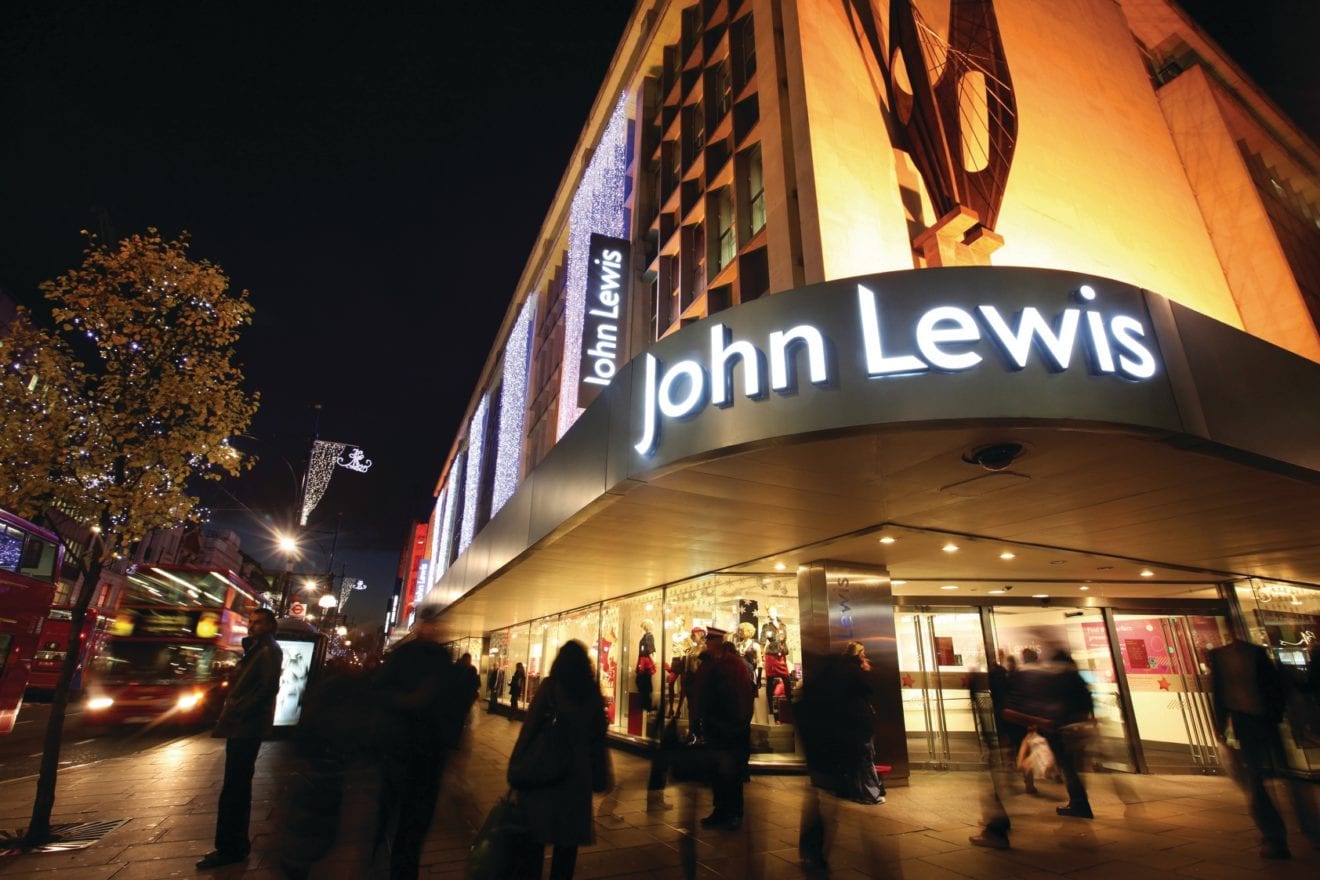
    Britain’s John Lewis Partnership said on Sunday it planned to expand internationally by opening outlets in 11 branches of department stores in the Philippines.

    The outlets, due to open this summer, follow its establishment of shops in seven branches of South Korean chain Shinsegae and an already announced plan to open outlets in three branches of Singapore department store Robinsons.

    The Philippines stores will be set up within branches of SM Retail and Our Home, John Lewis said in a statement, and will be between 300 and 1,000 square feet (30-93 square meters) in size.

    “The success of our partnership with Shinsegae has given us the confidence to continue our expansion in the international market,” said Andy Street, managing director at John Lewis.

    “We are actively looking for more international partnerships, and expect to make more announcements about our international plans in the next year.”

    Street said that while the move would give John Lewis, which already delivers to 33 countries, access to a new emerging market, its focus on physical expansion remained on Britain.

  • Robinsons expands loyalty card program

    Robinsons expands loyalty card program

    Filipino retailer Robinsons Retail Holdings expects to boost the ranks of its loyalty program membership beyond 1 million by the year’s end after forging a new partneship with Caltex.

    Robinsons, the Philippines second largest retail group, says its Robinsons Rewards Card membership has grown rapidly throughout the last year to about 850,000 now. At the current growth rate, it is on track to reach the new milestone within this year.

    RRHI president and COO Robina Gokongwei-Pe said a new  partnership with Chevron Philippines (Caltex), will help build critical mass. It is the first non-Robinson retail brand to join the program.

    Robinsons Rewards Card holders can now earn points through purchasing fuel and other products at Caltex stations and points can be redeemed and used as a discount card to 21 Robinsons Retail brands as well as in Caltex stations nationwide.

    The other Robinsons Retail brands are Robinsons Department Store, Robinsons Supermarket, Robinsons Selections, Robinsons Easymart, Robinsons Appliances, Toys “R” Us, Handyman, True Value, AM Builders Depot, Daiso Japan, Topshop, Topman, Dorothy Perkinsm Miss Selfridge, Warehouse, River Island, Shana, G2000, Shiseido, and Benefit.

  • SSI Group profit soars

    SSI Group profit soars

    The Philippines’ largest specialty store retail business, SSI Group, has reported a massive 63 per cent jump in its annual profit.

    SSI Group says its 2014 surplus was 998.7 million Pesos (US$66.9 million), up from 613.7 million P ($41 million) in 2013.

    The company’s brand portfolio includes Marks and Spencer, Gucci, Burberry, Hermès, Prada, Salvatore Ferragamo, Lacoste, Michael Kors, Kate Spade, Gap, Bershka, Aeropostale, Samsonite, Nine West and Payless Shoe Source.

    SSI Group says its performance is the result of an aggressive store rollout program, strong gross profit margins and the depth and breadth of its brand portfolio. It expanded its store network by 126 outlets last year.

    The group’s annual sales rose 19 per cent to P15.2 billion, and in the last quarter by 26 per cent to P5.2 billion.

    In a statement, SSI Group president Anton T Huang described the outlook for 2015 as positive.

    “2014 was a landmark year for SSI as we executed our largest store expansion program to date. We continue to leverage on a brand portfolio that resonates with consumers, on the availability of prime retail space, and on evolving consumption patterns and consumer tastes.

    “We expect that these factors will continue to drive our performance in 2015,” he said.

    The company now operates 723 specialty stores with a combined floor space of 134,000 sqm and represents 106 brands in the Philippines.

    It also operates 90 FamilyMart convenience stores.

  • SSI Group plans 130 new stores

    SSI Group plans 130 new stores

    Fresh from announcing record profit growth, Philippines specialty retail operator SSI Group says it plans to open 130 new stores this year.

    The expansion plan will be ramped up even further if current discussions with four international fashion brands not yet launched in the Philippines come to fruition. They could arrive late this year or in early 2016.

    As reported by Inside Retail Asia on Tuesday, SSI Group grew topline sales by 19 per cent last year and achieved a 63 per cent increase in profit.

    It ended the year with 723 specialty stores and 134,000 sqm of retail trading area. The company’s brand portfolio includes Marks and Spencer, Gucci, Burberry, Hermès, Prada, Salvatore Ferragamo, Lacoste, Michael Kors, Kate Spade, Gap, Bershka, Aeropostale, Samsonite, Nine West and Payless Shoe Source.

    SSI President Anton T Huang said the company will continue its expansion strategy, with plans to add 21,000 sqm of trading area this year and a further 16,000 sqm in 2016.

    The growth is being spurred by the growing disposable income of middle class Filipinos and rapid development of new shopping malls.

    SSI already has a presence in at least 70 shopping centres across the country.

    The last three years saw SSI add 64,000 sqm of retail space, more than half of that opening last year alone.

    “There really is a very steady supply of new shopping malls coming up, just taking into account the continued growth in consumption expenditure and increasing sophistication of consumers not only in suburban areas within the metropolis but in secondary cities throughout the country,” Huang said.

    “Just looking at 2014, it was a very good year for us… We grew our top line sales by 19 per cent and in terms of fourth quarter alone, we grew our top line sales by 26 per cent,” said Huang.

  • Lawson Philippines debuts today

    Lawson Philippines debuts today

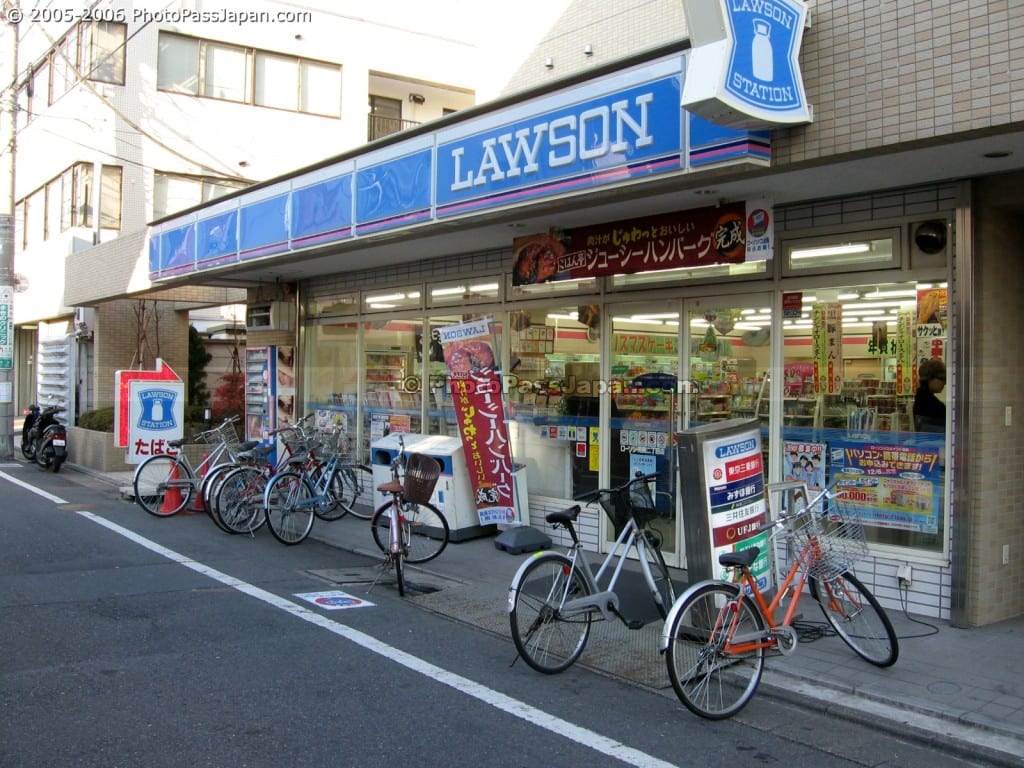
    The much anticipated debut of Lawson Philippines will occur today, Monday.

    The first store will open in the Manila suburb of Sta. Ana.

    Lawson Philippines is a joint venture between local operator Puregold Price Club (70 per cent) and Lawson Japan (30 per cent). The two companies plan a massive network of 500 convenience stores across the Philippines by 2020, with up to 100 opening this calendar year.

    Initially the chain will be focused on metro Manila.

    Lawson’s debut will have little immediate effect on the nation’s cstore sector, but once it builds critical mass, it will present a challenge to the dominance 7-Eleven chain and compete with the rising FamilyMart and Ministop networks.

    “Under the partnership, Lawson will provide its expertise in convenient stores know-how and product development while Puregold will provide its expertise in product procurement and localized knowledge of the retail consumers,” the company said in a statement.

    In May 2014, during a visit to Manila, Lawson Japan chairman Takeshi Niinami said the company was planning as many as 2000 convenience stores in the Philippines in the long term.

  • Lawson Philippines set for debut

    Lawson Philippines set for debut

    Lawson Philippines will launch later this month with the first of 500 stores planned in a partnership with local retailer Puregold Price Club.

    Puregold will own 70 per cent of the joint venture partnership with the Japanese convenience store retailer, which will hold the remaining 30 per cent.

    The company has yet to reveal the location of the first store, but Investor Relations Officer John T. Hao confirmed in an interview with Business World Online that construction is underway on the first five stores.

    The supermarket company says it has allocated P500 million on rolling out the first 50 to 100 Lawson stores this year.

    The Lawson Philippines network will initially be focused on metro Manila, mostly in the university belt and business districts.

  • Foreign brands drive Manila malls boom

    Foreign brands drive Manila malls boom

    Manila’s thriving retail sector will lead boost returns for shopping centre developers, says new research from real estate specialist CBRE.

    “With several new malls operational this quarter, supply of retail space has boosted,” concludes CBRE’s The Philippine Real Estate Industry Update and 2015 Outlook.

    “Retail sales remained solid, demonstrating upticks in consumer spending as evidenced by the low inflation rate and an encouraging outlook for real estate and tourism sectors.”

    Nationwide, the Philippines’ retail industry growth is being fuelled by both local and international brands expanding their footprints.

    “The quarter saw the entry and expansion of new and existing global brands in different retail core sites. These international brands have recognised the potential of the Philippine retail market, signified by the country’s strong economic growth.”

    Sweden’s H&M is a prime example: after a successful debut in Manila, the company has aggressively expanded its operations throughout Metro Manila with local major shopping mall operators. The first H&M outlet in Megamall occupies 3000 sqm over three floors and is now considered one of the largest retail stores in the Philippines.

    Estancia Mall in Capitol Commons, which houses several retail outlets and restaurants, opened in the fourth quarter in time for the holiday rush. The building, which has a gross floor area of over 30,000 sqm meters, also incorporates office space.

    Other Manila malls opening during the quarter were Robinson’s Place Las Piñas and City of Dreams Manila.

    “With the holiday season at hand, the retail sector remained active with more international retailers showing interest in entering the domestic market. Consumer sentiment was sustained as major drivers such as the BPO sector and overseas remittances show no signs of slowing down,” said CBRE.

    Diversifying into the retail segment, major developers are taking advantage of the ‘Retail- tainment’ concept wherein office and residential projects are including retail use.

    “The purpose of this is to provide the overall retail experience to Filipino shoppers, giving them the power of choice at their own convenience. This factor is also seen to attract foreign retail players to dive into the Philippine market scene.”

    These factors, says CBRE, will drive “upbeat” demand for, and supply of, retail space in Manila malls in the near future.

    “Overall, the Metro Manila retail market is seen to remain strong and stable for the remainder of the year empowered by the expanding Business Process Outsourcing industry, Overseas Foreign Worker remittances, growing tourism and a growing middle-income market.”

  • SM to expand Savemore network

    SM to expand Savemore network

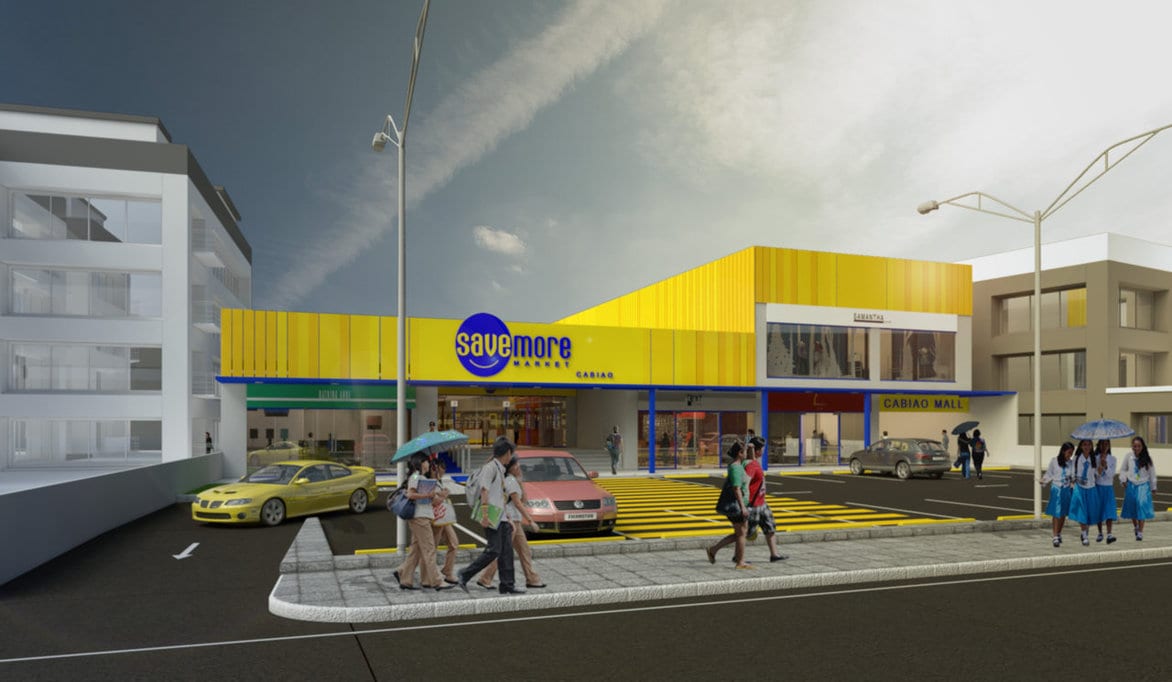
    The Philippines’ SM Retail plans to open 20 more Savemore supermarkets this year after reaching the 100 threshold last year.

    Savemore is a neighbourhood grocer format, typically about 1300 sqm and located in areas where there is little organised retail industry in place. In such neighbourhoods, most Filipinos shop in sari sari stores – small businesses selling groceries in single unit volumes, everything from shampoo to soft drinks, run from the front of family homes.

    Besides groceries, Savemore stores offer services such as Western Union, bill payments and Watsons pharmacy concessions.

    SM Retail says it will invest P1 billion (US$22.7 million) this year in building new Savemores.

    SM Supermarkets president Joey C. Mendoza told the Philippine Star that SM Group opened 20 Savemore stores last year as well.

    “Our Savemore is expanding aggressively. We’re now over 100 stores so that’s good. And we’re expanding our reach because of the positive reception,” he said.

  • Alfamart Philippines targets 3000 stores

    Alfamart Philippines targets 3000 stores

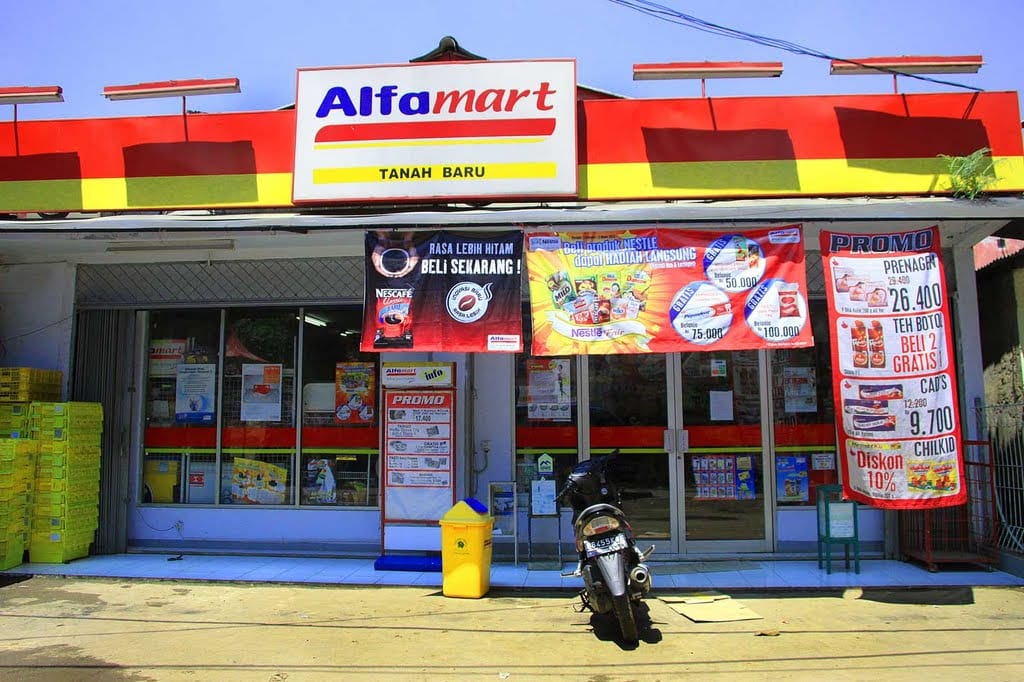
    Indonesian c-store format Alfamart is making steady progress in the Philippines after local retail giant SM Group entered a joint venture.

    Alfamart operates some 8500 convenience stores in Indonesia and now the brand is expanding into Philippines, where the c-store sector is still in its development stage.

    SM Supermarkets president Joey C. Mendoza told the Philippine Star newspaper that at the end of 2014, his company had opened 22 Alfamart branches after the two companies partnered in July. The first store in Trece Martires in Cavite, near Manila.

    Another eight have opened already this year.

    Alfamart Philippines stores stock basic groceries, foods, medicines and convenience foods 24 hours a day.

    SM expects strong growth during the next five years, believing critical mass for the chain is between 1000 and 3000 stores.

    Alfamart Indonesia is providing SM Group with experience and advice on the format’s expansion, stocking and rollout.

    Each store ranges from 150 sqm to 300 sqm in size and costs a maximum of P30 million (US$681,000) to open.

  • Jollibee to open 330 stores

    Jollibee to open 330 stores

    Philippines-based fast food operator Jollibee Foods has reported a 14.3 per cent increase in income and announced a massive 330-store rollout for 2015.

    Jollibee is the country’s largest fast-food chain saw global sales increase 12.9 per cent to P90.7 billion (US$2.05 billion) from P80.2 billion ($1.81 billion) year on year to December 31.

    Its profit was P5.3 billion ($120 million), according to a lodgement with the Philippine Stock Exchange.

    Jollibee says it will open 330 stores this year – 220 of which will be in the Philippines. That’s a significant increase on last year’s 234 stores last year, of which 169 were in the Philippines and the remaining 65 abroad.

    The expansion will be funded by a 65 per cent boost in capital expenditure this year. two thirds to be spent in the Philippines, the blance in China, the Middle East and Southeast Asia.

    Jollibee operates 2301 restaurants inside the Philippines: 858 bearing the Jollibee banner, 456 Mang Inasal, 410 Chowkings, 211 Greenwich, 323 Red Ribbon, and 43 Burger Kings. It has a further 612 stores overseas, including 310 Yonghe Kings, 50 Sang Pin Wan stores and 42 Hong Zhuang Yuan stores in China; 125 Jollibees outside the Philippines, including 62 in Vietnam and 32 in the US; and a chain of Chowkings in the US and Middle East.

    It also has a 50 per cent stake in Vietnamese chains Highlands Coffee, which has 78 stores in Vietnam and the Philippines, and Pho 24 which has 53 restaurants in Vietnam, Indonesia, the Philippines, Cambodia, Macau and Korea; and in 12 Sabu, which has 19 stores in China.

    Jollibee says system-wide retail sales grew a faster 13.3 per cent in 2014, including company-owned and franchised stores.

    Jollibee’s CFO Ysmael V. Baysa said profitability would have been higher if not for increased raw material costs last year.

    “The raw material cost increases in 2014, averaging 5.4 per cent, brought pressure on our profit margins. We made important price adjustments and improved our store and manufacturing expenses during the year. We are now very close to fully covering these cost increases and look forward to the full recovery and improvement in gross profit margins in 2015 through lower cost of energy and more stable raw material prices,” he said.

    “We will also offer even better products to our consumers to help ensure our products continue to provide them great value.”

  • Lazada Philippines guns for more mobile footprint

    Lazada Philippines guns for more mobile footprint

    Online shopping mall Lazada is cooking up a revolution. On the 25th of February, a national holiday in the Philippines observed annually to commemorate the anniversary of a popular uprising, it is holding a one-day shopping event exclusive to mobile shoppers.

    Inanc Balci, CEO of Lazada Philippines, believes that the timing is right for the mobile power sale. Mobile traffic, he said, now constitutes more than 50 percent of daily traffic of Lazada.com.ph. The Lazada Mobile App downloads have also grown 18 percent month-on-month on iOS and Android since its launch in early 2014.

    This, he said, is being driven in large part by the increasing adoption of smartphones and mobile Internet in the country.

    “The smartphone penetration is expected to hit 50 percent within 2015, which means tripling the number within the year, increasing 22 percent year-over-year in the last two years,” Balci said.

    The country’s 16.7 million mobile Internet users (in a population of over 100 million) is indeed a huge market and still has huge potential for growth.

    While infrastructure remains a challenge in the country with often slow Internet connectivity, and expensive, limited bandwidth, local telecommunications companies are relentless in providing innovative mobile Internet solutions through mobile Internet bundles and freebies.

    “The mobile Internet access is increasing tremendously in the Philippines. Thanks to telco companies, they are making more investments and more people can access the Internet. The mobile phone manufacturers – the local brands – are also coming up with new products that are making it easier for Filipinos to buy smartphones,” he said.

    The availability of applications and the coming of music streaming services have also made it more appealing for digital consumers to increase their usage of their smartphones.

    “Yes, people are buying smartphones but we want people to use their smartphones as well for various applications and to enable them to live easier lives,” Balci said.

    Up for grabs in the upcoming one-day flash sale include consumer electronics devices, including Apple’s iPhone 6, Cherry Mobile’s Me Vibe, Meizu’s MX4 and a wide assortment of power banks at attractive price points.

    Not surprisingly, Balci said 60 percent of those who shop via mobile are female customers between the ages of 24-35, which is slightly higher than the desktop average but at the same time significantly higher than the regional average. Overall, Lazada customers are between the ages of 18 and 25.

    Fashion, health and beauty, electronics, as well as home and living items are currently the most search and bought items via mobile.

    The Lazada chief disclosed that Lazada mobile also tend to shop during lunch breaks (from 11 a.m. to 1 p.m.) and before they go to bed (from 9 p.m. to 10 p.m. Each mobile app and mobile browser user spends an average of 5 minutes shopping online;

    The holiday could give mobile users a breathing space from the daily grind and more time to shop.

    Mobility and convenience

    By pursuing a sales pitch anchored on mobility and convenience, Lazada is hoping more Filipinos will warm up to the idea of mobile shopping.

    Balci noted that the Philippines has also over a one-million strong workforce in the business process outsourcing industry (BPO), working in shifts in all time-zones across the world.

    “Their time shifts allow them to have more shopping hours. They are tech savvy and has high disposable incomes,” he said, adding that Lazada data shows that there is a sales increase after midnight during the graveyard shift.

    In an interview with Maximilian Bittner, CEO of Lazada Group, last year, he told Enterprise Innovation the challenges in setting up general merchandize destination websites in Southeast Asia, are huge. However, the opportunity is equally big, given the steady rise of mobile phone ownership and growing economies in the region.

    Since the launch of the e-commerce sites in five Southeast Asian countries in 2012 – Indonesia, Thailand, Malaysia, the Philippines and Vietnam – the company has been striving to address the specific needs each market.

    Balci is pursuing the same track in the Philippines with its strong focus on the customer experience.

    “We started investing in mobile early. When we came to the Philippines, we knew that despite mobile penetration being low, it is increasing very high,” Lazada

    One of the important issues on online shopping the company has addressed in the Philippines is the low penetration of credit cards.

    By offering to accept cash on delivery, it has allowed shoppers with no credit cards to shop online. Currently, majority of its customers said in a recent survey that paying for purchases upon delivery is what they like most about shopping on Lazada, followed by option to pay on installment and other flexible payment schemes. It has also thrown in other perks such as extensive warranty commitments and free returns.

    In a price sensitive market, another strategy is providing dedicated deals and discounts on the mobile platform.

    “Everyday, we curate a group of products and we offer them at the lowest prices on mobile in order to give the customer an incentive to use this new way of shopping,” Balci said.

    This is on top of the big deals that the online shopping mall regularly provides customers such as the mobile power sale this week.

    Shopper experience

    “The user experience is very important because it is easy to come up with an app, but if you don’t come up with the right app, then you end up hurting the e-commerce experience because e-commerce, m-commerce or social commerce is a big ecosystem. You need to cover everything by providing the same experience.

    Balci said Lazada works closely with smartphone brands, especially the local manufacturers, in working to enhance the mobile experience for users.

    “Keeping in mind that the purchase rate is higher on the mobile platform, it is very important for us to meet the needs of these customers,” he said.

    With its success in the online retail space, Balci said the company has no plans to venture into offline retail, and prefers to remain a pure-play e-commerce player.

    “We are very focused on online marketing, which we think is the most efficient way of marketing and we want Lazada to be perceived as a purely online shopping mall,” he said.

    Although mobile commerce started slow in the Philippines because of the limited infrastructure and low smartphone adoption, the growth is huge that Balci said the country is poised to be one of the largest e-commerce market in Southeast Asia in two to three years.

  • Online pawn debuts in Philippines

    Online pawn debuts in Philippines

    Pioneer online pawnshop PawnHero has come to the rescue of Filipinos with urgent cash needs.

    In the Philippines, only two out of 10 Filipinos have bank accounts and fewer than five per cent have credit cards. Most don’t have access to affordable credit. As such, many fall prey to loan sharks or turn to physical pawnshops, which charge high interest rates.

    Launching this week, PawnHero (https://pawnhero.ph) – Southeast Asia’s first online pawnshop – seeks to solve the problem of expensive credit for ‘base-of-the-pyramid consumers’ in emerging markets.

    “We provide an easy, fair, and convenient way of overcoming short­-term cash needs. This is a completely new way of doing business in the industry,” chairman and co-founder David Margendorff told.

    Unlike bricks-and-mortar pawnshops in the Philippines, which usually only accept jewellery, PawnHero also accepts gadgets, electronics, and luxury handbags.

    All customers need to do is take a picture of the valuable they wish to pawn and in minutes, they’ll receive an estimate for their item. They can choose to have the item picked up by PawnHero’s logistics partner 2GO or to drop it off at any of the over 900 affiliated 2GO outlets nationwide. The whole process isn’t only convenient, it also breaks the stigma around pawnshops as it eliminates the need to line up at physical outlets, which can be embarrassing and intimidating for some.

    “You need not have a bank account. We will provide you with a free PawnHero Card, a debit card you can use at any ATM nationwide, shop at any Bancnet-accredited merchant, or online store. Your money will be deposited to your account immediately after we have received and appraised your item. Packages are fully insured and shipping is on us,” explains Margendorff.

    “When it’s time to redeem your item, you may simply contact one of our customer representatives or use your PawnHero Card to pay for your loan and the company will ship back the item to you, again fully insured and free of shipping charges,” he said.

    PawnHero goes all out to give traditional pawnshops a run for their money. Because of the use of technology, it is able to offer half of the monthly interest physical pawnshops offer, according to Margendorff. Even better, he says, “there are no hidden costs and no penalties for late payments”.

    Margendorff says consumers may also sell their valuables to the platform and eventually, the platform will launch an eCommerce feature to sell unclaimed loaned items at affordable prices.

    “It’s a more convenient solution than eBay or OLX since you wouldn’t need to research the price for your item or create an ad or wait for a potential buyer. We’ll take care of everything, even shipments,” boasts Margendorff.

    PawnHero is the first such platform in Southeast Asia, but the concept itself is already proven in mature markets like the UK and the US where online pawnshops iPawn.com, Pawngo.com, andBorro.com operate.

    Emerging markets, particularly the Philippines, could be profitable for online pawnshops, if they are successful in capturing the customers of traditional outlets. Traditional pawnshops in the Philippines have grown from around 4000 in 1995 to over 17,500 today, compared to only 9000 banks, according to Margendorff. The total estimated loan volume recorded by pawnshops has grown at a compound annual growth rate of 27 per cent since 1995 to about US$1 billion in 2014. An estimated one million Filipinos visit pawnshops every day.

    But with its online-only presence, PawnHero faces challenges, too. For instance, clients who pawn are likely in need of cash on the spot and the waiting time for shipping could be a hindrance. Some clients may also be hesitant to send their valuables without receiving cash right away.

    Margendorff says they’re trying to work around these concerns.

    “I agree that PawnHero might be less interesting for those who need money on the spot. But we’ve put a lot of hours into making the value chain more efficient to provide the best customer experience possible. To give you an example, if you inquire about a loan on a weekday morning and accept our estimate before lunch, the item will be picked up the same day, even on Saturdays. It will be delivered and appraised before midnight.

    “If you think about how much time and hassle you save from travelling back and forward to multiple pawnshops to get an appraisal for your item or renew your loan, I believe we can make a big impact.

    “We went out on the street to ask our future customers how they would feel about a delayed payment. We were amazed by the result. Out of those who went to a pawnshop before, 63 per cent feel comfortable with the delayed payout, while 67 per cent feel safe with 2GO picking up their items. 2GO already has a strong brand in the Philippines. Once items are picked ­up, they are kept in one secure storage facility, and in the unlikely event that an item gets lost or stolen, PawnHero will pay for the damage – up to the initial estimate or agreed loan amount.”

    Margendorff has a strong background in the Philippine financial system. He was among the first on the ground to build financial comparison site MoneyMax in the Philippines. During this stint, his team met with banks and learned how only a small portion of the population had access to credit cards and other banking products.

    He began to wonder: what was the immediate option for Filipinos?

    “I started researching and found that 72 per cent of the population went to a pawnshop before. Pawnshops outperform the number of banks in the country. That was when the idea for PawnHero was born.”

    He got seed investment from Hatchd Digital, led by angel investors Manny Ayala and Nix Nolledo, and then worked on building the platform, growing the team, incorporating, and applying for a pawnbroker license from the central bank. Its partner 2GO also invested in the start-up.

    Margendorff says they’re trying to get more investors on board. Receiving their license in January was a key to raising more funds.

    “We spoke to VCs like IMJ, Golden Gate Ventures, Softbank, and Kickstart – just to name a few. All of them really liked the concept but without the license and a single customer, it was too early for them to invest. Now that we are just about to launch, we can continue speaking with them and others.”