Tag: Philippines

  • Ford Philippines hits all-time high retail sales in September

    Ford Philippines hits all-time high retail sales in September

    In a statement, Ford said its retail sales in the country rose 53 percent to 3,065 units in September, driven by the continued demand for the all-new Everest, new Ranger, EcoSport and Fiesta.

    The all-new Everest led the lineup in September, achieving an all-time monthly record total for any Ford nameplate in the Philippines with retail sales of 1,341 units.

  • Philippine banks lead in retail financial services

    Philippine banks lead in retail financial services

    Singapore-based publication The Asian Banker sees the Philippines leading the strong  growth in the retail financial services market in Asia Pacific on the back of increasing consumption and improved access.

    A study conducted by Asian Banker Research showed the income of commercial banks from retail financial services in Asia Pacific growing 77.5 percent to $824 billion by 2020 from the projected $464 billion this year.

    “Asia Pacific’s retail financial services market will be worth $824 billion by 2020. Increasing consumption and improved access to financial services in combination with mobile banking technologies, will be key catalysts in driving retail banking income between 2015 and 2020,” The Asian Banker said.

    Retail banking income was defined as business from retail deposits, mortgages, credit cards/unsecured lending, wealth management and, wherever possible, small and medium enterprises banking.

    “The ability to generate gross income in any given market is regarded as a key indicator of wallet share and a determinant of a bank’s bench strength in retail financial services,” said Mobasher Zein Kazmi, head of research at The Asian Banker.

    The study showed the Philippines is expected to book the highest compound annual growth rate and total income generated among emerging markets between 2015 and 2020 with 18 percent followed by Indonesia with a little over 15 percent, and Thailand with 15 percent.

    Malaysia is seen to post the slowest income growth with a growth rate of six percent for the five-year period.

    “Since 2014, the Philippines has outpaced China and Thailand and is becoming one of the key growth engines in the Asia Pacific,” The Asian Banker said.

    However, China would continue to generate higher earnings by 2020.

    “Currently, China’s retail financial services industry alone generates 48 percent to total regional income, followed by India with 12 percent and Australia with nine percent,” it added.

    The Asian Banker sees income from retail financial services of commercial banks in Asia posting a CAGR of 12 percent from 2015 to 2020.

    “There are, however, stark variances in growth rates between the mature markets of Korea, Hong Kong, Australia, Japan, Taiwan and Singapore and developing markets,” it said.

    On the other hand, income growth in mature markets is lower and expected to grow by an average of five percent this year and by the same amount in subsequent years until 2020.

    Developing markets have grown on average by 13 percent annually to 2015. However there have been dramatic changes since 2014.

    The fastest growing markets up to 2013 were Thailand and China after having grown by more than 20 percent annually.  Both markets, however, have been slowing down due to economic woes.

    The Asian Banker noted that retail banking income is shifting focus on high yield businesses but sees tightening of consumer banking regulations as a key threat.

    The greatest change in regulations is a shift away from a principle-based regulatory framework to a rule-based framework. As a result regulators have much more power to intervene.

    In particular, in emerging markets, financial authorities often want to control everything down to the product level, including loan pricing and fee income.

    Commercial banks have managed the impact of new regulations imposed on banks’ wealth management businesses in the aftermath of the global financial crisis, but a second wave of regulatory scrutiny, initiated in 2012, into interest rates and fee structures, compounded by recent macro-economic weaknesses, continues to pose ongoing threats to income expansion.

    “Regulators are increasingly worried about rising consumer debt so they have resorted to tightening unsecured lending, credit cards and home loans. In addition, consumer protection and optionality, which requires banks to seek a customer’s consent to opt in or out of services, are becoming key agenda items for financial regulators in this region,” Kazmi said.

    According to The Asian Banker, the most profitable banks in Asia include Bank of Mandiri in Indonesia, Union Bank of the Philippines, and Siam Commercial Bank in Thailand.

  • Philippines eyed as next largest market for e-commerce firm Lazada

    Philippines eyed as next largest market for e-commerce firm Lazada

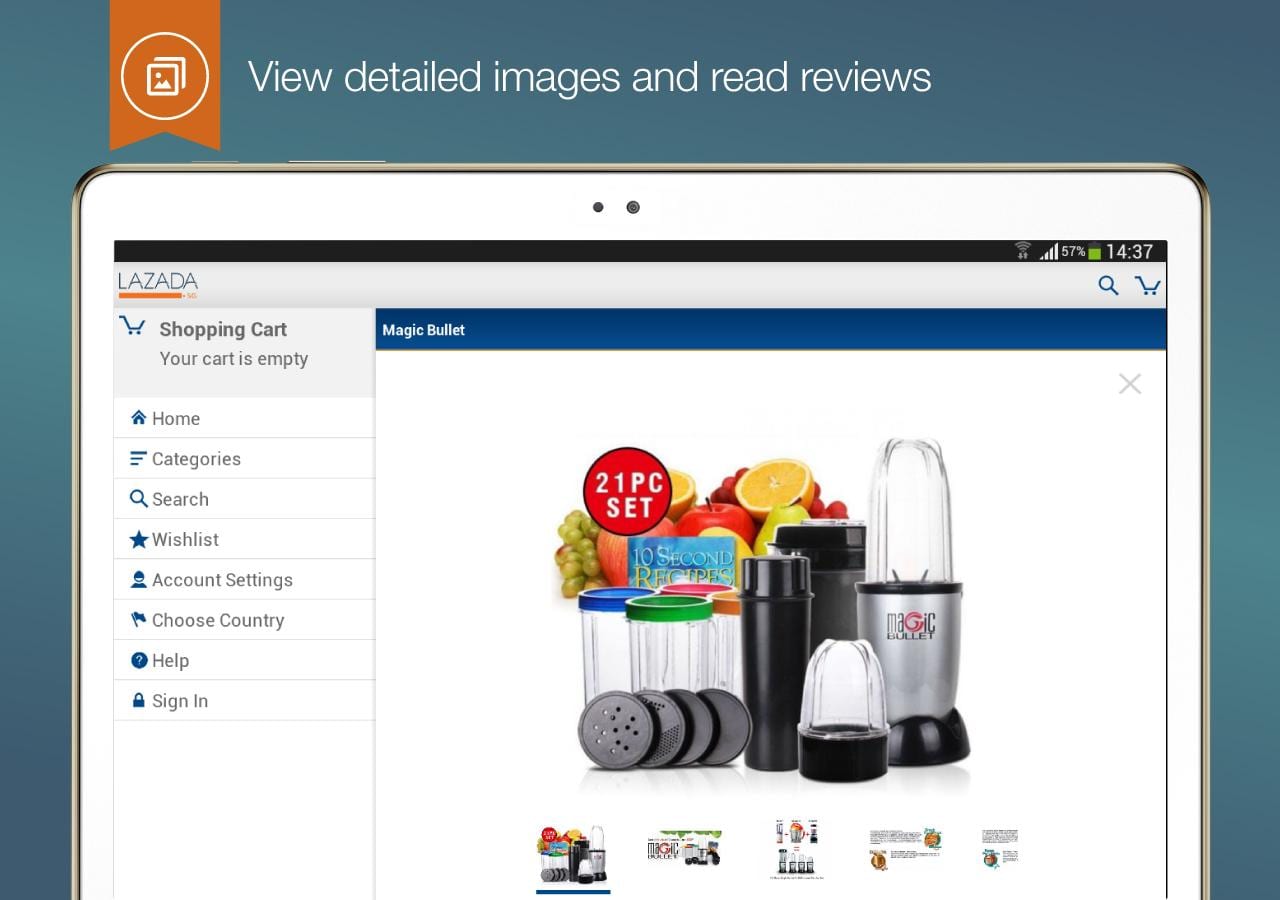
    Lazada Group, an online commerce company founded by the world’s largest Internet incubator, is eyeing to keep a double-digit growth trend for its sales and customer-based in the Philippines, which is well-positioned to become the company’s largest market.

    Part of Rocket Internet, Lazada’s e-commerce websites are present in six countries including the Philippines, Indonesia, Malaysia, Thailand, Vietnam, and Singapore.

    Lazada Philippines Chief Executive Officer Inanc Balci said in an interview with Business Bulletin that the group is eyeing to make the Philippines its largest market out of the six countries it is present in.

    “I want to make it [the Philippines] the first,” Balci said.As of now, Balci said Lazada Group’s largest market is Indonesia, while the Philippines only stand at second.

    “The e-commerce is growing in the Philippines. We have the 80 percent market share in the general retail e-commerce in the Philippines. [Here] we intend to be the market leader. I would like to grow faster. Sales is growing,” he added.

    In September alone, Balci said the company had recorded 37.7 million visits, significant number of which had actually booked their orders. “This significantly increased over the years,” he further said.

    Next month, Lazada Philippines will launch its three-year-old annual online shopping event that highlights big discounts on 200 major brands, which includes Canon, Nikon, Nescafe, Epson, Microsoft, Asus, Acer, Lenova, Milo, Pampers, Chuckie, Nestle, Unilever, among others.

    As of now, 1 million brands are being sold through Lazada and this should increase before the end of the year.

    “From 100,000 in 2012, we now have 1 million brands. That’s going to increase by several times moving forward. We proactively approach the brands,” he further said.

    From November 11 until December 12, online shoppers can avail of as much as 95-percent discount from their favorite brands in Lazada through Online Revolution.

    With its increased share in mobile app users, it is expected that this year will definitely break last year’s record in terms of online traffic for Lazada in the Philippines.

  • DHL Express boosts Philippine presence with new Las Piñas service center

    DHL Express boosts Philippine presence with new Las Piñas service center

    DHL Express Philippines inaugurated yesterday its P80 million South Service Center in Las Piñas to complement the logistics company’s goal of widening its presence in the country.

    The facility is also expected  to cater to the growing logistics demand of businesses in Parañaque, Pasay, Cavite and nearby provinces in South Luzon.

    During the inauguration of the new facility, DHL Express country manager Nurhayati Abdullah said the company’s investment underscores their long term view on the local market.

    “DHL takes a long term view in the Phillippine market as it holds great potential for growth and trade with gross domestic product forecasted to grow at an average annual rate of 5.9 percent in 2015-2019,” Abdullah said.

    The new facility in Las Piñas marks the continued commitment of DHL Express to invest in the country following the successful opening of Clark Service Center in Northern Luzon in February. The company had invested P30 million in its facility in Clark.

    Abdullah said the proximity of the South Service Center would benefit  customers located in free trade zones in South Luzon, such as those in Gateway Business Park in Gen.  Trias, Cavite; Philippine Export Zone Authority in Rosario, Cavite; and First Cavite Industrial Estate in Dasmariñas, Cavite.

    Las Piñas is a gateway to Manila for many industries such as electronics, semiconductors and manufacturing.

    “The South Service Center will play a critical role by supporting growth of our customers across South Luzon. Our investment in Las Piñas reaffirms our commitment to upgrade our services to meet the changing demand of our customers,’’ Abdullah said.

    In particular, growth in demand for express services from the  semiconductors, technology and the life sciences industries as well as small and medium enterprises is expected to continue in the following years.

    “We do see growth in those areas…so we’re quite confident it will spur  the continued growth (in revenues and volume) in the following years,” Abdullah said.

    The Philippines is among the company’s top four countries in terms of revenues in  Southeast Asian and South Asian region.

    For next year, Abdullah said the company is looking to expand its retail footprint in Cebu and Quezon City by opening more service points where walk-in customers can drop off shipments.

    Occupying a land area of 3,000 square meters, the South Service Center will hold new vehicles and state-of-the-art material handling  equipment, IP cameras and 30 CCTV cameras capable of tracking shipments throughout the entire process within the service center.

    Currenty, DHL Express has eight service center facilities and more than 200 retail outlets in the country.

    DHL operates in more than 220 countries and territories worldwide.

  • Internet malwares threaten Philippines industries

    Internet malwares threaten Philippines industries

    All over the world, the threat of a digital infrastructure crashing is as valid as an earthquake decimating a 50-story building or a series of typhoons striking without any preamble, ruining everything on their path.

    For anybody who is connected to the Internet, the threat is real and the Philippines is not exempted from it, says Trend Micro Philippines director for marketing communications Myla Pilao.

    “Security is almost a buzz word. Five years ago, the issue on security doesn’t land in any of the news. The old mindset of security is that if there is no malware or infection, there is nothing to worry about. Today, I don’t think it’s true anymore. We are so much living a digital lifestyle in a digital world that being connected is native to us already,” she says.

    “Anything connected to Internet, we have to assume it is or it can be compromised. If it is connected to the Internet, then it is a target. The freedom of data coming in or out is presenting trouble when it comes to hard data,” she says.

    Trend Micro is a global leader in IT security, cloud security and small business content security. It develops innovative security solutions that make the world safe for businesses and consumers to exchange digital information.

    Pilao, who also heads Trend Micro’s TrendLabs technical marketing team, monitors the development of global materials and supporting communication plans that aim to broaden the public’s understanding on threats and security.

    “What threats do we see in the Philippines? We are seeing theft in the retail industry when do e-commerce. There are a lot of malwares online that are being introduced. Second is online banking. The Philippines ranks fourth in the Asia Pacific in terms of increased security threats via online banking,” says Pilao.

    “Because Philippine facility is readily available so access to online banking is simple. Third is the sending habits of Filipinos of going online, with the huge volume of merchandise that will enter the Philippines this holiday season. This is a very encouraging season for cyber criminals to strike against payments,” she says.

    The Philippines used to figure at the top ten list of countries that are highly susceptible to ransomware, a program used to extract and ransom data.

    But in 2014, the Philippines improved its ranking as it moved down the list to top 20.

    “Ransomeware infects corporate and company systems since 2004. There has been an increase of its activity not just in the Philippines but around world. It goes through our emails , compromises our systems and the malware open gates that compromise websites,” she says.

    “There were instances when crypto-ransomware breaks into the enterprise using legitimate source of transaction and then ask you to pay. It kidnaps data bank screen and data breach happens mostly to financial institutions,  government systems and telecommunications companies. Even now on healthcare and hospital and insurance processes,” says Pilao.

    In the Philippines, the insurance sector is the single institution that most malwares and malicious software target.

    “With just 1 percent infection by a ransomware, we are still under attack. The biggest misconception is that consumers are not connected to Internet but majority of attacks must have emanated from the operations of small and medium enterprises,” says Pilao.

    A related recent study by Trend Micro discovered that 25 percent of data breaches are caused by hacking or malware and the most affected industry is the healthcare sector, accounting for more than a fourth of all breaches at 26.9 percent this past decade

    Second was the education sector at 16.8 percent followed by government agencies at 15.9 percent, then the retail industry with 12.5 percent.

    The stake is higher for bigger multinational companies as cybercriminals increase the cost of their attack based on the capabilities of the organization. Security comes with harsher legal implications not just for the violators but for the users to reinforce a proactive approach.

    As the Internet of Things advances, smart devices or innovations that are used for public-facing technologies can be exploited, potentially causing virtual and physical destruction. Public transportation such as car and planes, and public utilities such as gas stations can become targets.

    The study, conducted in the US, revealed that smart systems in cars can be accessed remotely to interfere with its functionality including life-critical ones like the brake. It was reported that Jeep Cherokee, through the car’s public IP address, can be hacked and controlled by another person miles away. BBC reported that even data sent by digital audio radio signals can intervene with a car’s functionalities.

    In a Trend Micro’s research that involved SmartGate System which allows drivers to access their car’s data such as speed and fuel using their smartphone that was first introduced by Škoda Auto in its Fabia III cars, it was determined that any attacker can read more than 20 parameters and even lock out the owner of the car from the SmartGate system.

    All the attacker needs to do is to stay within the SmartGate’s in-car Wi-Fi range (which is wide by default), identify the car’s Wi-Fi network, and then break the password. The Wi-Fi range could be even wider if the attacker is using a superior antenna.

    Strategic partnerships prove to be vital in formulating immediate and long-term resolutions to combat cybercrimes. Trend Micro aided law enforcement agencies in taking down two notorious botnets that were heavily involved in full-scale cybercriminal operations—SIMDA.

    Trend Micro worked closely with Interpol and provided information such as the IP addresses of the affiliated servers and statistical information about the malware used, which led to the disruption of the botnet activities.

    Moving forward, organizations can stay protected on their own terms. Aside from being proactive, extra-cautious, and running information and education campaigns inside their organization, businesses can leverage on modern-day security solutions.

    Trend Micro Deep Discovery, a threat protection platform, can help organizations respond to today’s targeted attacks in real time, says Pilao.

    It provides advanced threat protection where it matters most. Deep Discovery is made up of four key solutions that will help detect, analyze, adapt, and respond to attacks.

    “Even mobile applications are vulnerable to attacks. There are reports of highly malicious applications that prey on mobile users. The magnitude of attacks globally is pretty much alarming. We are seeing that most of the attacks in the last six months are pretty much more real to us because they are affecting public utility, public infrastructures, public services that you and I are obviously consumers. The snippets of attack on critical infrastructures like power grid, are not massive but nonetheless alarming. We need to be protected and on guard always,” Pilao says.

  • Uniqlo Philippines opens in Cebu

    Uniqlo Philippines opens in Cebu

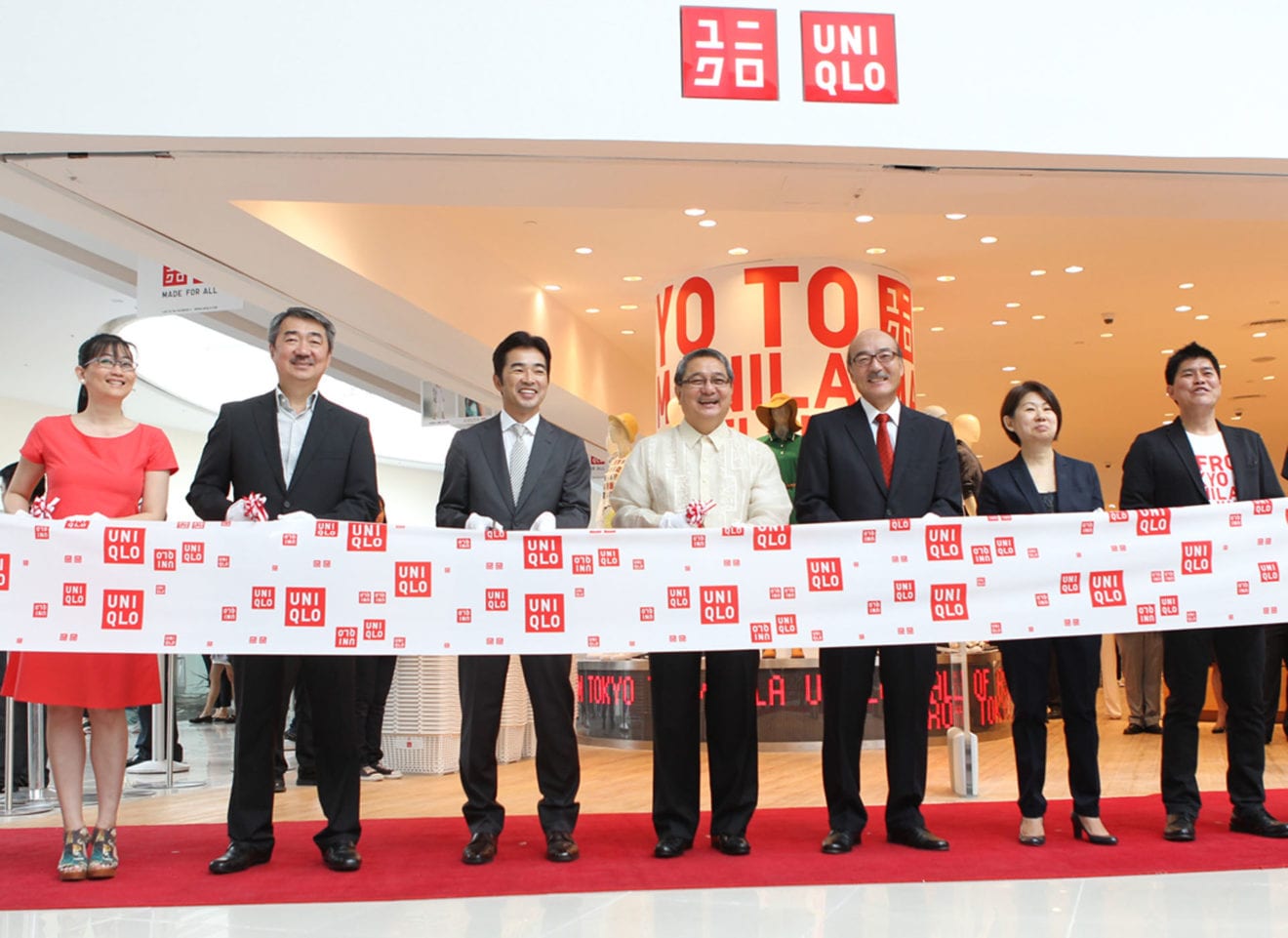
    Uniqlo Philippines will open its first store in Cebu on Friday (October 23).

    The new 1000 sqm store is located in SM City Cebu shopping mall, on the first level of the north wing.

    It will be Uniqlo Philippines’ 25th shop and its first in the Visayas region.

    “We have opened 24 stores in Metro Manila and Luzon, entering the Visayas market is a milestone in our growth strategy,” said Katsumi Kubota, COO of Uniqlo Philippines.

    A second Cebu store will open in November in SM Seaside City Cebu.

    Uniqlo’s Lifewear concept, Simple Made Better, advocates apparel that comes from the Japanese values of simplicity, quality and longevity made with elegance.

  • Pancake House heads for Dubai

    Pancake House heads for Dubai

    Philippines-based Max’s Group has signed a contract to launch Pancake House in Dubai.

    The QSR and cafe operator will open at least eight Pancake House restaurants in the UAE in partnership with master franchisee Lulu Group.

    Max’s Group is the Philippines’ largest operator of fast food and QSR restaurants, and this week’s deal is one of several to expand into the fast growing Middle East market. Max’s other brands include Max’s Restaurant, Yellow Cab, Krispy Kreme, Jamba Juice, Max’s Corner Bakery, Teriyaki Boy, Dencio’s, Meranti, Le Coeur De France, Maple, Kabisera, Singkit and Sizzlin’ Steak.

    The first eight Pancake House stores will open progressively over the next five years.

    “We are pleased with the opportunity to further broaden our reach in the UAE this time around for Pancake House. We are excited with our partnership with Lulu Group, an established retailer with a storied and rich history of success, to serve our products to the Emiratis,” said Max’s Group president and CEO Robert Trota.

    Lulu Group will operate the Pancake House restaurants under its Tablez Food subsidiary, which already has a strong portfolio of restaurants, cafes and ice cream stores in the UAE and India.

    “At Tablez we have always believed in bringing in unique brands from around the world in the evolving and highly competitive food and beverage sector in the gulf region,” said CEO Shafeena Yusuff Ali.

    “I am excited that UAE and the gulf region is home to a large Filipino community and a brand like Pancake House will be a big hit and also gives us a chance to present this brand to other diverse nationalities residing here.”

    Max’s Group has previously said it wants to open at least 200 stores outside the Philippines by 2020.

  • Jollibee takes big bite of Smashburger

    Jollibee takes big bite of Smashburger

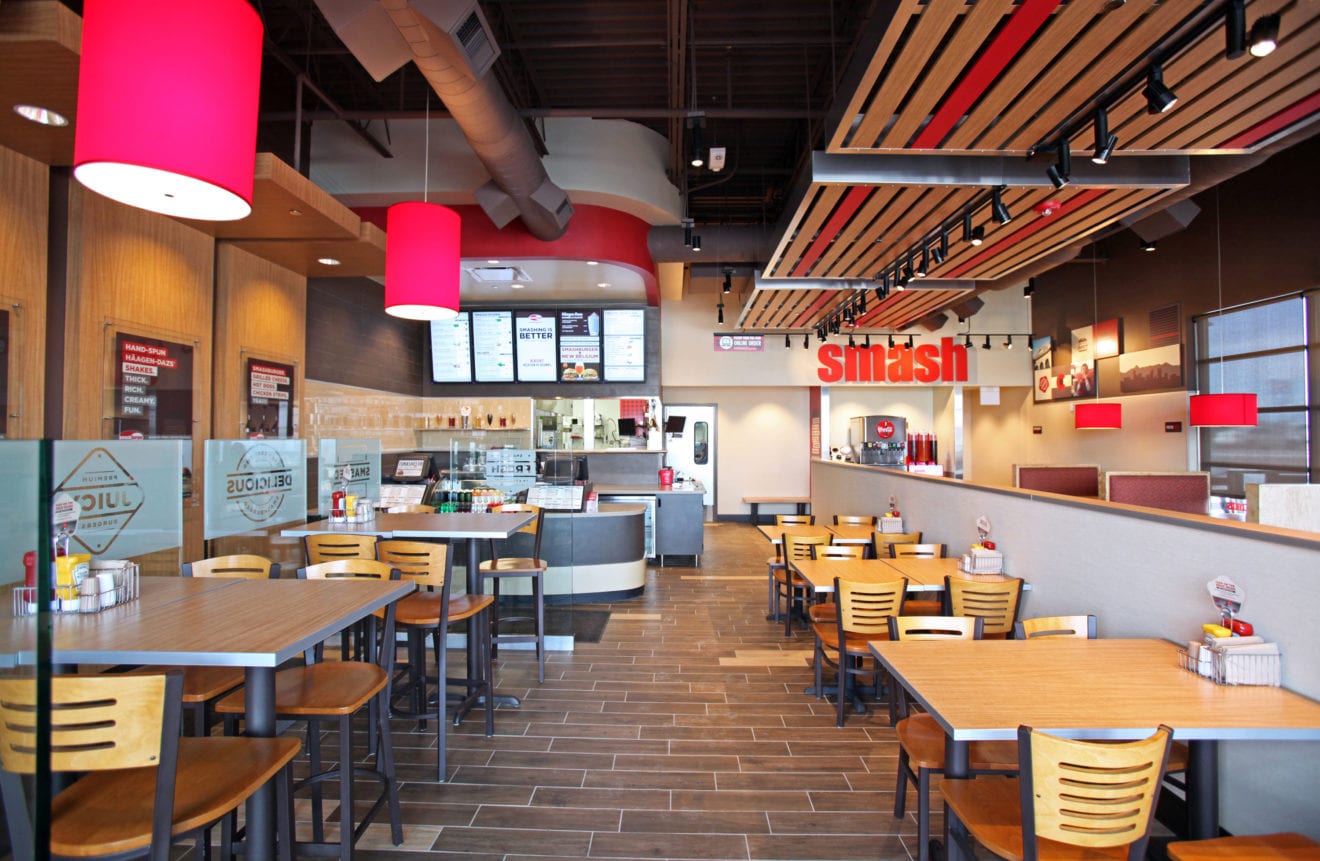
    Asia’s largest fast food company, Jollibee, has taken a 40 per cent stake in a fast-rising American burger chain, Smashburger for US$335 million.

    Launched in 2007, Smashburger has over 335 corporate and franchised restaurants operating in 35 states and seven countries. Approximately 60 per cent of Smashburger’s outlets are company owned and operated. The company is growing at a rate of  20 per cent annually.

    Jollibee, publicly listed in the Philippines, has been actively seeking an investment in a leading US growth brand. It currently operates and franchises a network of more than 3000 restaurants worldwide under the trade names Jollibee, Chowking, Greenwich, Red Ribbon, Yonghe King, Hong Zhuang Yuan, Mang Inasal, Burger King Philippines, San Pin Wang, and Jinja Bar. Jollibee also has a 50 per cent interest in the Super Foods Group, which operates and franchises restaurants under the Pho 24 and Highlands Coffee brands throughout Vietnam.

    “We at Smashburger are excited about our new strategic partnership with Jollibee,” said Rick Schaden, chairman and co-founder.

    “As founders and entrepreneurs we both have built teams that focus on bringing the highest quality and best tasting food to our restaurant categories. [Jollibee] founder and chairman, Tony Tan Caktiongand I share a true passion for the restaurant business having opened and operated our very first restaurants, we believe our companies still cultivate that spirit today as we initiate this partnership.”

    Caktiong  described Smashburger as one of the fastest growing restaurant brands in the US.

    ”We are very excited to work side by side with the owners and management of Smashburger as we continue its growth. This acquisition will make JFC’s presence in the US more significant, going beyond the Filipino market and serving mainstream consumers in the $100 billion US burger market, a food segment which is estimated to be almost three times larger than the pizza, sandwich or coffee segment in terms of sales.

    “This acquisition will make the US one of JFC’s most important markets and drivers of long term growth along with the Philippines, China and other Asian markets abroad.”

  • Philippines’ BDO sets up first GCC branch

    Philippines’ BDO sets up first GCC branch

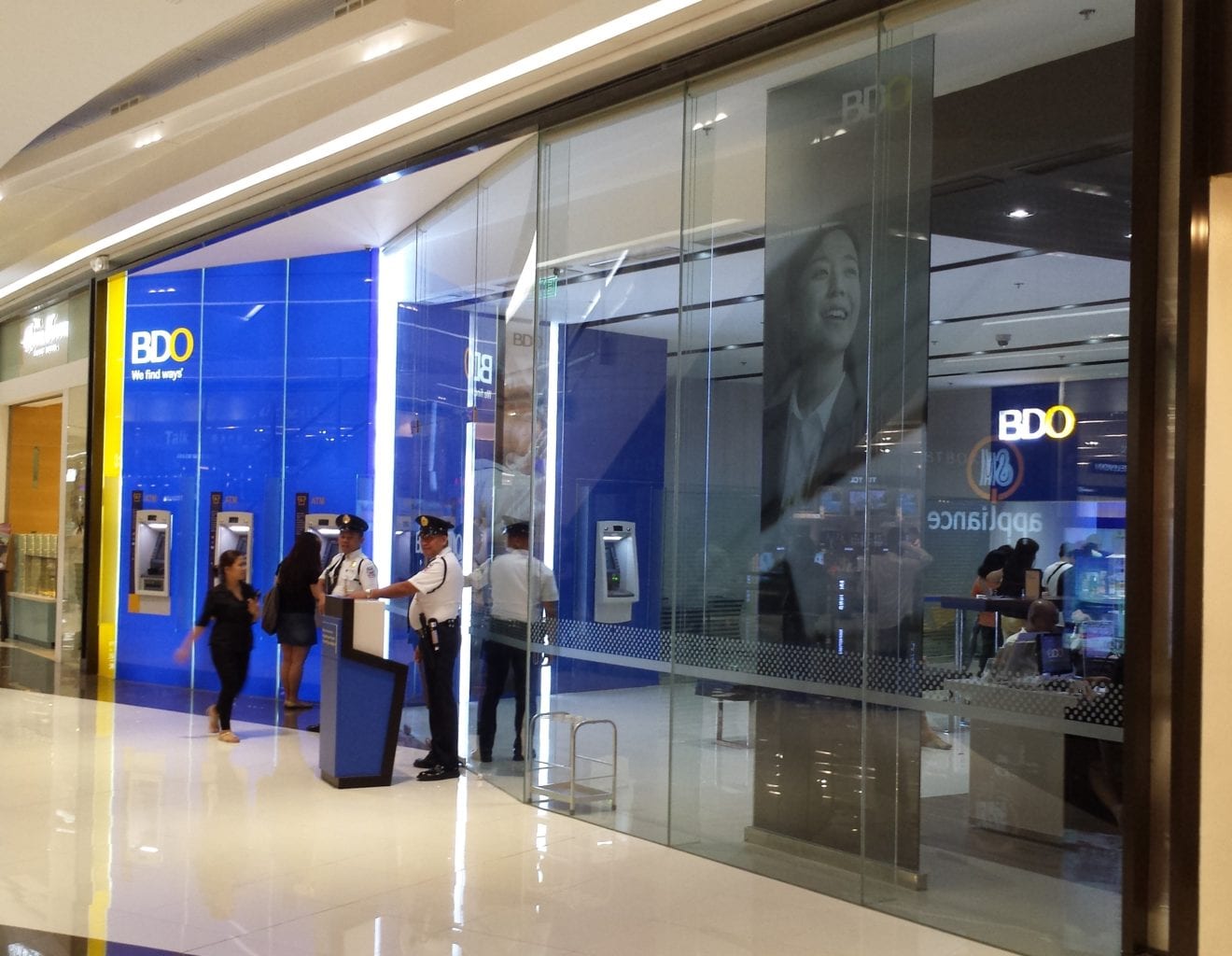
    Manila-headquartered BDO Unibank, the largest bank in the Philippines, has become the first Filipino bank to set up an office in the Gulf Cooperation Council (GCC) where it will operate within the premises of the UAE’s Dubai International Financial Center, a financial free zone and one of the largest financial hubs in the Middle East.

    The establishment of a GCC office is a reaction to the growing number of Philippine expats in the region and their banking needs, Nestor Tan, president and CEO of BDO Unibank, explained. Filipinos form one of the largest expat communities in the GCC, with an estimated 700,000 of them living and working in the UAE. More than 1.2mn are said to stay in Saudi Arabia and over 200,000 in Qatar, and all are the source of significant money flows back to the Philippines.

    “Setting up a representative office in the Dubai International Financial Center was driven by our objective to further widen our overseas network to provide support to Overseas Filipino Workers (OFWs) and residents,” Tan said, adding that “the expansion into Dubai will boost our capability to service the needs of our countrymen in the entire Middle East and, hopefully, make the bank a catalyst for the progress of financial inclusion of the expatriates in the Philippines.”
    The new branch comes on top of several partnerships BDO Unibank already has in the Gulf. It struck a deal with Emirates NBD in January this year to provide quick money transfer services to the Philippines. It also cooperates with UAE Exchange, Al Ansari Exchange and Al Ghurair Exchange for remittance services, as well as with Gulf Exchange in Qatar and other banks and financial service providers in Saudi Arabia, Oman, Kuwait, Bahrain and Jordan.

    OFWs are the third largest source for remittances globally, with $28bn sent back home in 2014, only being topped by Indians and Chinese who sent home the biggest chunk at $70bn and $64bn, respectively. With regards to Filipino remittances, estimates are that more than half of total remittances to the Philippines are originating from the GCC, making it a huge business for regional money remittance services.

    The new branch in Dubai, however, aims at widening the scope of banking services on offer for Filipinos, Tan indicated, as well as at extending the reach of BDO Unibank’s portfolio within GCC countries as the bank also wants to address possible Philippine expat and Middle East investors and provide more sophisticated financial services than just remittances. The bank offers a variety of corporate, commercial and retail banking services, including traditional loan and deposit products. This is in addition to treasury, trust banking, private banking, wealth and cash management, leasing and finance, insurance, retail cash cards and credit card services.

    BDO Unibank – its full name is Banco de Oro Universal Bank – was founded in 1968 as a small savings bank in Manila and became a universal bank only in 1996. Today, it has over 870 branches in the Philippines and one other foreign branch in Hong Kong. It is one of the many banks owned by Chinese-Filipino businessmen in the Philippines, namely tycoon Henry Sy – listed by Forbes Magazine as the richest man in the Philippines – through his conglomerate SM Group of Companies, one of the country’s largest business groups with activities spanning from retail, mall operations and property development to financial services.

    Since 2001, the bank grew through remarkable mergers and acquisitions, among them the Philippine operations of Banco Santander, Citibank, UOB, Deutsche Bank and GE Money. In March 2008, it was listed on the Philippine Stock Exchange. Its main competitors on the home soil are Metrobank, owned by Chinese-Filipino business tycoon George Ty, and Bank of the Philippine Islands (BPI), the oldest bank in the Philippines and a subsidiary of Ayala Corp, the country’s largest business conglomerate majority-owned by the influential Ayala family, which is of Spanish descent.

  • Sister brands make plans to enter Philippines

    Sister brands make plans to enter Philippines

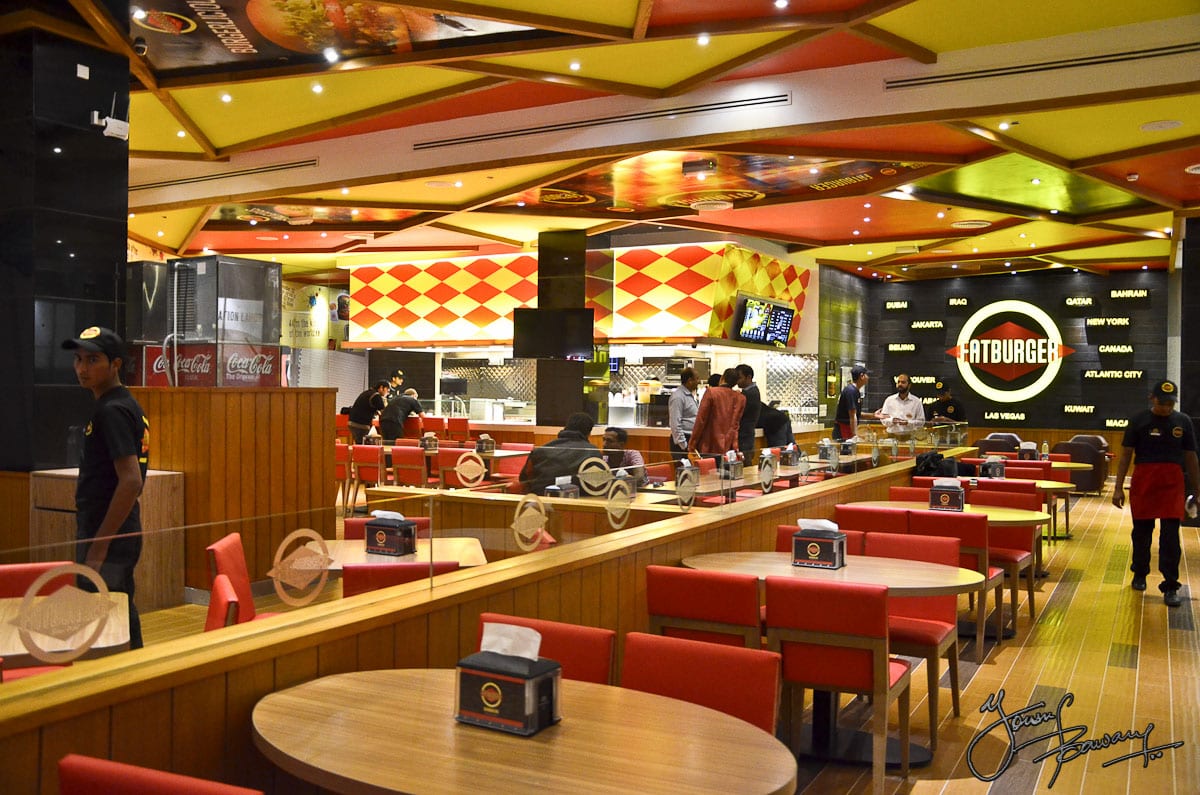
    Fatburger and its sister brand, Buffalo’s Café, have signed a master development agreement with Trimark Holdings Inc., a retail operator throughout the Philippines with a portfolio of more than 40 brands and 300 stores.

    What originally was a deal to develop pure Fatburger restaurants has now changed with plans to develop 16 co-branded Fatburger and Buffalo’s units to the area in addition to freestanding Buffalo’s locations, according to a company press release. The two companies struck a deal earlier last year to bring the burger brand to the Philippines.

    “The economy in the Philippines has seen significant growth in the past few years and shows a great amount of potential for both of our restaurants,” said Andy Wiederhorn, CEO of Fatburger and Buffalo’s Cafe. “Due to Trimark Holdings being so familiar with brand expansion in the country, we will be able to better connect with our audience resulting in our menu being well received.”

  • Flyspaces wants to be Southeast Asia’s Airbnb for office and retail spaces

    Flyspaces wants to be Southeast Asia’s Airbnb for office and retail spaces

    Flyspaces bills itself as “Airbnb for office and retail spaces.” The idea is to build a network of offices, meeting rooms, and commercial spaces that businesses and entrepreneurs can lease for short periods or whenever they need them.

    This concept isn’t new, of course. In the US, several startups like Liquidspace and Storefront are dealing with work and retail spaces. There’s also Breather, which lets users stay in quiet rooms where they can work in peace or just breath and chill out, as the name implies.

    But Flyspaces claims to be the first to bring this concept to Southeast Asia. “The idea is already a working model internationally. I just localized it to Southeast Asian markets. I decided to do it ‘cause I myself went through the pain of finding office spaces in Manila, Singapore, Kuala Lumpur, etc, and I’ve noticed the total lack of flexibility,” says founder and CEO Mario Berta.

    Mario, who comes from a sales background, served as regional CEO for Rocket Internet-backed Easy Taxi for 2.5 years and Nova Founders director for six months. He has been based in Asia for six years now, four of them in the Philippines.

    Cherry-picking tenants

    Flyspaces’ entry is timely as the region’s fast growth has heated up the real estate market.

    Citing a report by property consultancy firm Jones Lang Lasalle, Mario says some cities such as Manila and Jakarta have the lowest office vacancy rates in the world – below four percent.

    The huge demand for office spaces has made the market very “pro-landlord.”

    “Landlords can cherry-pick among possible tenants,” he says. “When I was working for Rocket Internet, I had to submit a company profile to every landlord in Manila and I kept being rejected just because the word ‘startup’ was in it. As landlords were afraid of defaulting tenants, they wanted a safe bet. I started labeling it an IT company and finally got a space.”

    As a precaution, commercial landlords would normally ask tenants to shell out six months’ worth of rent as deposit and pay another six months in advance. That lack of flexibility is a challenge for small enterprises and individual entrepreneurs who can’t afford to engage in costly long-term contracts.

    “We want to offer a complete and comprehensive selection of spaces to clients who need them on an hourly, daily, or monthly basis. These clients could be freelancers looking for a better internet connection than a coffee shop, or a company that needs meeting rooms for a couple of hours around town, or a satellite office or brand that is looking to set up a pop-up shop to test a product,” Mario explains.

    For realtors, Flyspaces also offers an attractive proposition: make money out of unutilized space that you need to maintain anyway.

    Expanding footprint

    Since its launch early this month, the company has signed up multinational office space company Regus on its site, as well as several startups providing co-working space in the Philippines, including Aspace, Acceler8, Bitspace, and Penbrothers.

    Apart from the Philippines’ capital Manila, Flyspaces is doing business in Cebu, the country’s second largest city. It will start expanding internationally to all Southeast Asian cities in December, says Mario.

    “We’ve had more than 500 sign-ups in the first seven days,” he said. “Most of these people do not have immediate need for space, but we’ve made a couple of hundreds of dollars in bookings so far.”

    Meeting rooms on the site can be rented for US$10 per hour to US$500 per hour, while offices are leased for US$100 per month per person to US$500 per month per person. Payments can be made via credit card, bank deposit, wire transfer, and soon Paypal. Just like Airbnb, Flyspaces takes a commission of 20 percent of each successful booking.

    Signing up should be a no-brainer for landlords who want to maximize their assets. The challenge for Flyspaces is how to educate the end-users about its service and have them use the platform instead of a normal phone call to landlords to inquire about rooms, says Mario.

  • Indra Philippines mulls tie up with Indonesia’s Salim Group

    Indra Philippines mulls tie up with Indonesia’s Salim Group

    Tech company Indra Philippines Inc is mulling business expansion in Southeast Asia with a possible tie-up with the Indonesia-based conglomerate Salim Group, reports said.

    Avionics and air defense radar systems are some of the main business targets of Indra in the region, according to Manuel Pangilinan, chairman of the Metro Pacific Investments Corp (MPIC).

    Headquartered in Jakarta, Salim Group has subsidiaries operating in agribusiness, food, distribution and retail, telecommunications, automobile, building materials, infrastructure, real estate, hotels and resorts, banking and financial services, international trade, including chemical manufacturing.

    Only last week, MPIC bought a 26 per cent stake in Indra from its unit the Manila Electric Company (Meralco) for $7.1 million, reducing the latter’s ownership to 24.95 per cent.

    Indra has worked on a number of large systems projects for various MPIC portfolio companies. MPIC is now seeking to further commercialize the expertise developed as part of these projects.

    Indra is a joint venture between Meralco and Indra Sistemas SA of Spain. It has been operating in the Philippines for the past 18 years as provider of information technology solutions to various businesses and industries with engagements in utilities and telecommunications, financial services and public administration.

    The company offers its customers management solutions – consultancy, project development, integration and implementation to IT outsourcing, and business process outsourcing (BPO).

    MPIC and Meralco’s last trading prices remained at P5.07 and P308 since Friday.

  • Smashburger sells 40% of the company to Jollibee Foods Corporation

    Smashburger sells 40% of the company to Jollibee Foods Corporation

    Smashburger, the Denver-based Fast Casual restaurant concept, today announced that it has entered into a definitive agreement to sell 40% of the company to Jollibee Foods Corporation (PSE: JFC), Asia’s largest restaurant company. The purchase price values Smashburger at a $335 million enterprise value.

    Launched in 2007, Smashburger has over 335 corporate and franchised restaurants operating in 35 states and seven countries. Approximately 60% of Smashburger is company owned and operated. Smashburger continues to grow at a rate of 20% annually.

    Jollibee Foods Corporation, a publicly-traded market leader in the Philippines, has been actively seeking an investment in a leading U.S. growth brand. Jollibee Foods Corporation currently operates and franchises a network of over 3,000 restaurants worldwide under the trade names Jollibee, Chowking, Greenwich, Red Ribbon, Yonghe King, Hong Zhuang Yuan, Mang Inasal, Burger King Philippines, San Pin Wang, Jinja Bar. Jollibee also has a 50% interest in the Super Foods Group, which operates and franchises restaurants under the Pho 24 and Highlands Coffee brands throughout Vietnam.

    “We at Smashburger are excited about our new strategic partnership with Jollibee,” commented Rick Schaden, Chairman and Co-Founder of Smashburger. “As founders and entrepreneurs we both have built teams that focus on bringing the highest quality and best tasting food to our restaurant categories. Founder and Chairman, Tony Tan Caktiong and I share a true passion for the restaurant business having opened and operated our very first restaurants, we believe our companies still cultivate that spirit today as we initiate this partnership.”

    JFC Chairman Mr. Tony Tan Caktiong gave the following statement: “Smashburger is one of the fastest growing restaurant brands in the US and we are very excited to work side by side with the owners and management of Smashburger as we continue its growth. This acquisition will make JFC’s presence in the US more significant, going beyond the Filipino market and serving mainstream consumers in the $100 billion US burger market, a food segment which is estimated to be almost three times larger than the pizza, sandwich or coffee segment in terms of sales. This acquisition will make the US one of JFC’s most important markets and drivers of long term growth along with the Philippines, China and other Asian markets abroad.”

    “This partnership will provide additional energy and resources to Smashburger as we expand,” said Scott Crane, President and CEO, of Smashburger. “The team at Jollibee is focused on the same values as our company, which are to serve the highest quality food and provide a great dining experience for our guests.”

    Smashburger was counselled by North Point Advisors as financial advisor and Paul, Weiss, Rifkind, Wharton & Garrison as legal and JFC was advised by J.P. Morgan as financial advisor, Pillsbury Winthrop Shaw Pittman LLP as legal advisor, and Isla Lipana & Co./PwC as accounting and tax advisor in this transaction.

  • Low credit card penetration, lack of trust constrain Philippines e-commerce

    Low credit card penetration, lack of trust constrain Philippines e-commerce

    ONLINE retail sales in the Philippines account for only one percent of total retail sales in the country, a key e-commerce executive said.

    Inanc Balci, Lazada Philippines co-founder and chief executive officer said this is much lower than in Western countries, which record online retail sales from five to 10 percent of the total retail sales.

    One major constraint to the growth of e-commerce in the Philippines is the low credit card penetration. According to Balci, only three to seven million Filipinos are credit card holders and 30 million have bank accounts.

    The lack of trust, customer knowledge, and market size are also challenges confronting e-commerce in the Philippines.

    Because of this, Lazada led the “no risk” cash-on-delivery (COD) payment scheme, where buyers would only have to pay for the item they bought from Lazada when the item is delivered.

    “Credit card penetration is low, but even those with credit cards prefer cash-on-delivery on their first few purchases,” Balci said.

    Most of the transactions in Lazada are through COD.

    In Lazada, top selling categories include electronics, fashion, and home products. These are delivered to the customers within one to 10 days upon purchase.

    The geography of the Philippines is also affecting e-commerce.

    “(There are) hard to reach, low-density areas with low retail presence and an expensive delivery infrastructure,” Balci said.

    To address this, Lazada has been putting up warehouses in some parts of the Philippines.

    Last Thursday, it opened a warehouse in Mandaue City to serve some areas in the Visayas. It will also open one in Davao in the next 12 months.

    While online shopping is a relatively new concept in the Philippines, Balci is optimistic that the country will exceed Western countries’ five to 10 percent share.

    “I believe the Philippines is going to be bigger than the Western markets,” the official said, saying the increasing smartphone use among Filipinos will drive e-commerce growth.

    Balci said there were 10 million additional mobile Internet users in 2015.

    “The mobile ecosystem is the big driver of Internet penetration. (There is a) $21 smart phone on Lazada,” he added.

    Presently, Lazada holds 80 percent market share in the online retail segment. The company sees the Philippines as one of its fastest growing markets. The online shopping mall is also present in Indonesia, Malaysia, Thailand, Singapore, and Vietnam.

    “I’m very optimistic with the Philippines, since we have experienced growth at a crazy rate,” Balci said.

    Lazada was launched in the Philippines in March 2012.

    More than half of Lazada buyers, or 54 percent of them, are males. People aged 18 to 34 years old account for 71 percent of the company’s customers.

  • SM opens 53rd mall in Philippines

    SM opens 53rd mall in Philippines

    SM Prime Holdings, Inc. on Friday is opening its second shopping center in Cabanatuan, as part of the property holding firm of the Sy family’s drive to capitalize on the growth prospects in the provinces.

    Its 53rd mall in the country, SM City Cabanatuan expands SM Prime’s footprint in Nueva Ecija after SM Megacenter Cabanatuan, the integrated property developer said in a disclosure yesterday.The four-level mall, which has 154,020 square meters (sqm) of gross floor area (GFA), increased SM Prime’s total retail space to 6.76 million sqm in the Philippines.

    “The opening of SM City Cabanatuan is SM Prime’s commitment to be part of the growth of the province. The opening of new malls is timely given the expected higher growth in overall consumption in the fourth quarter,” the disclosure quoted SM Prime President Hans T. Sy as saying.

    “The economy’s sustained gross domestic product growth in the past five years is now spreading to the provinces and we at SM Prime will continue to expand in these provinces that are enjoying high growth, like in Cabanatuan City, where we see significant development and huge unserved demand for shopping experiences,” Mr. Sy said.

    Cabanatuan, the largest city in Nueva Ecija, is located between the provinces of Pampanga, Bulacan, Tarlac and Aurora.

    SM City Cabanatuan is 90% occupied by various tenants, including SM Store, SM Supermarket, Ace Hardware, SM Appliance Center, Watson’s, The Body Shop, Surplus Shop and Uniqlo.

    The mall will have six cinemas, consisting five cinemas with a 275-seating capacity and one large-format cinema with a 525-seating capacity. It has 2,500 parking slots for cars and motorcycles.

    For the rest of the year, SM Prime is scheduled to open SM Center Sangandaan in Caloocan and SM Seaside City Cebu. The company is also set to expand SM City Lipa in Batangas and SM City Iloilo this year.

    By the end of 2015, SM Prime will have 55 malls in the Philippines and six in China with an estimated combined GFA of 8,269,486 million sqm.

    Next year, SM Prime is spending P65 billion in 2016 with plans to open six malls with an aggregate GFA of 430,669 sqm. They are located in San Jose Del Monte in Bulacan, Commonwealth in Quezon City, Trece Martires City in Cavite, Tuguegarao, Puerto Princesa in Palawan, and Urdaneta in Pangasinan.

    SM Prime is part of SM Investments Corp., which has core businesses in retail, banking and real estate. The family also has interests in gaming, geothermal energy and infrastructure.

    Shares in SM Prime slid 10 centavos or 0.47% to P21.40 apiece yesterday.