Tag: Philippines

  • Sandara Park is newest int’l endorser of Pinoy fashion retail brand

    Sandara Park is newest int’l endorser of Pinoy fashion retail brand

    Korean super star Sandara Park whose road to international fame started in the Philippines decided to return to where it all started by endorsing a local fashion retail brand.

    “Hey guys! It’s me Sandara Park. And guess what? I’m the newest member of Team Penshoppe. I had a great time shooting my first campaign and I love the clothes,” Park said in an Instagram clip as she broke the news to her fans.

    The Korean superstar made the announcement Thursday with a caption, saying she’s “happy” to be the newest face of the local retailer.

    She also included a teaser photo of the campaign shot by photographer Cliff Watts who flew in from New York for the shoot.

    The shoot took place last month at Golden ABC’s Studio 1155 and Gallery.

    The long list of international celebrity endorsers include Cara Delevingne, Kendall Jenner, Nina Dobrev, Leighton Meester, Ed Westwick, Josh Bowman, Mario Maurer, Ian Somerhalder and the world’s highest paid male model, Sean O’Pry.

  • Henry Sy still Philippines’ richest man

    Henry Sy still Philippines’ richest man

    Property, retail and banking tycoon Henry Sy whose conglomerate owns the chain of SM Supermalls in his country and China has retained the title of the Philippines’ richest person for the eight consecutive year, with his net worth up $1.7 billion from last year to $14.4 billion.

    Forbes Philippines, which puts together the list, said Thursday that the value of Sy’s publicly traded conglomerates SM Investments rose 17 percent and SM Prime Holdings 20 percent over the past year. His companies announced record income from banking and retail businesses and two new mall partnerships in 2014. Sy also has a stake in privately owned power supplier National Grid Corp.

    John Gokongwei Jr. of JG Summit conglomerate that owns SM’s rival, mall chain Robinsons, is the second richest with a net worth of $5.5 billion.

    Forbes said Gokongwei moved up three spots after his company’s stocks rose 30 percent, boosted by revenue growth in its petrochemical business and investments in Meralco, the Philippines largest power distributor.

    JG Summit also has interests in food and beverage, airlines, telecoms, property development, banking, retail, and hotels.

    Forbes compiles the net wealth of the Philippines’ richest based on stock prices and exchange rates, with the value of private companies based on similar companies that are publicly traded.

    Alliance Global’s Andrew Tan climbed a notch to the third place despite a drop in his net worth to $4.5 billion from the previous $5.1 billion. His company’s stock price is 11 percent lower due to a drop in income from its resort and casino operations.

    Lucio Tan of LT Group whose businesses include stakes in beverages, tobacco, distilled spirits, banking and property was fourth with a net worth of $4.3 billion. Tan is also chairman of Philippine Airlines.

    Fifth was International Container Terminal Services’ Enrique Razon Jr., who is worth $4.1 billion.

    Rounding out the top 10 are George Ty, the Abotiz Family, Jaime Zobel de Ayala, David Consunji, and Tony Tan Caktiong.

  • EcoWaste Coalition calls for crackdown on fake cosmetics in the Philippines

    EcoWaste Coalition calls for crackdown on fake cosmetics in the Philippines

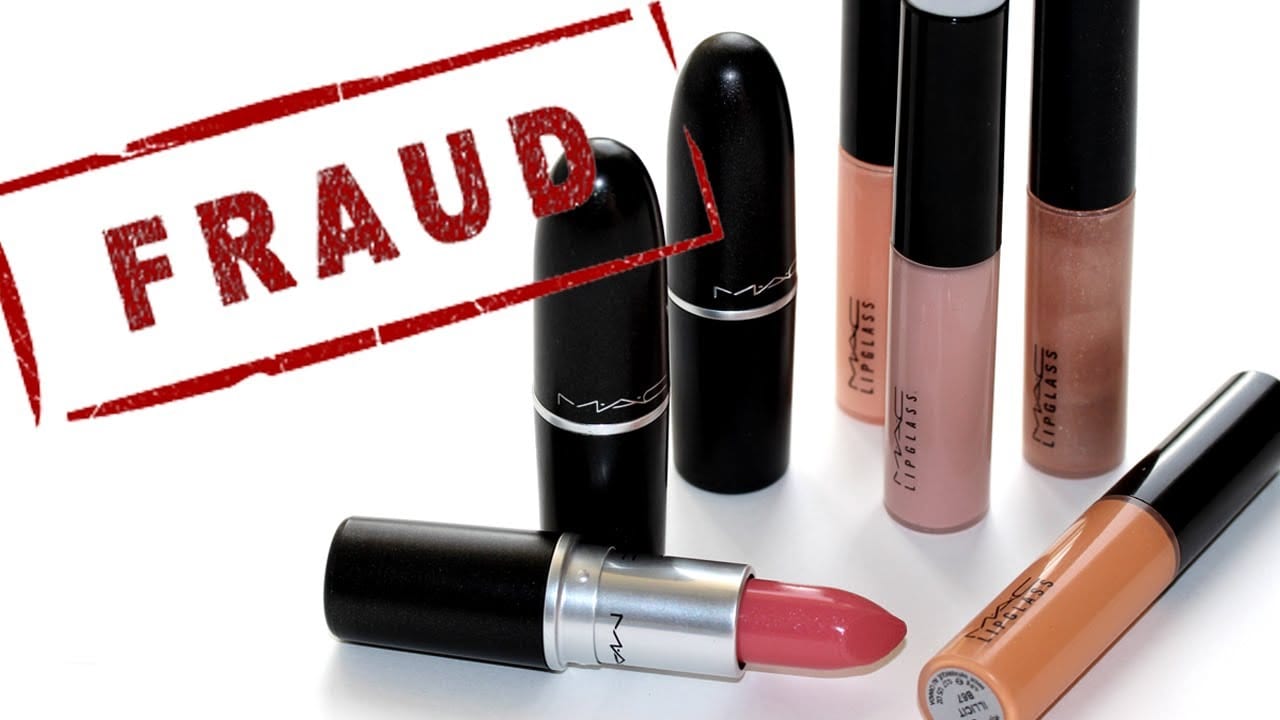
    The call comes after the watchdog found seven beauty and herbal vendors at the Guadalupe Commercial Complex selling cosmetics that had been banned by the Food and Drug Administration.

    Beauty brands Erna, Jiaoli and S’zitang were among the skin whitening creams found to have dangerously high levels of mercury.

    To curb this illegal trade of dangerous products that had no FDA notification, we request the Makati government seize the unregistered items, issue formal warning against non-compliant vendors and/or shut retail outlets engaged in such illicit business,” says Ecowaste project coordinator Thony Dizo.

    In-organic mercury in face cream is absorbed following application to the skin and toxic levels in the body can develop gradually with prolonged use.

    The signs and symptoms of mild to moderate toxicity due to exposure in skin lightening products may include nervousness and irritability, difficulty with concentration, headache, tremors, memory loss, depression, insomnia, weight loss, fatigue, numbness or tingling in hands, feet, or around the lips.

    Nanotech tracker to change how the industry tackles counterfeit goods

    Sydney-based YPB Group announced last year that it had bought tracer patents developed by China’s Dalian Maritime University to pair with its own scanners to determine counterfeit goods.

    The Australian company claims the cheap tool will initially change how the industry will tackle fake goods from China.

     The nanotech tracer is invisible to the naked eye and can only be read by a YPB-developed scanner that costs about $35. The material can be applied to any product and costs less than 50¢.

    According to John Houston, chief executive YPB Group; “Only two people in the world know the tracer formula.” 

    PB Group also acquired Brand Reporter, a US-based start-up that developed a platform for companies to identify and track counterfeit products in the supply chain and at retail points.

    The tracer can be put into fibers, plastics and inks to determine a product’s authenticity,” Mr Houston said.

  • SM Malls embrace future style

    SM Malls embrace future style

    On her first visit to SM Aura in Taguig, Michelle Dabuet, 38, an IT project manager, noticed that it had an “odd” shape.

    “It’s clean and classy and not like the other SM malls that are boxed-shape,” Dabuet noted.

    Gail Dacquel-Perez, 39, and a mother of three also distinctly remembers the fragrance that accosted her upon entering the mall, as well as the cleanliness and the look and feel of a bigger “Podium” mall, one of SM’s earliest upscale shopping malls in Ortigas.

    Noticeably, SM malls today have undergone a major transformation to cater to a new breed of shoppers.

    The sleek designs, open spaces, and iconic edifices in the newest SM malls are attracting shoppers who have become more aware and appreciative of style, fashion and global trends.

    Architect Fides Garcia-Hsu of SM’s Engineering, Design and Development shared that SM, in general, has taken into account two kinds of customers in retail which are also reflected in the design of its malls. Those that are focused and those who act on impulse.

    Focused buyers go to the mall with the intention of buying and carrying the right amount of money to achieve their objectives. Impulse buyers are those who visit the mall with no original intention of buying but will do so if something appeals to them or continue to window shop.

    “Both types are important for SM and that’s why zoning is equally important for us. We try to achieve the right tenant mix to cater to both types,” Hsu said.

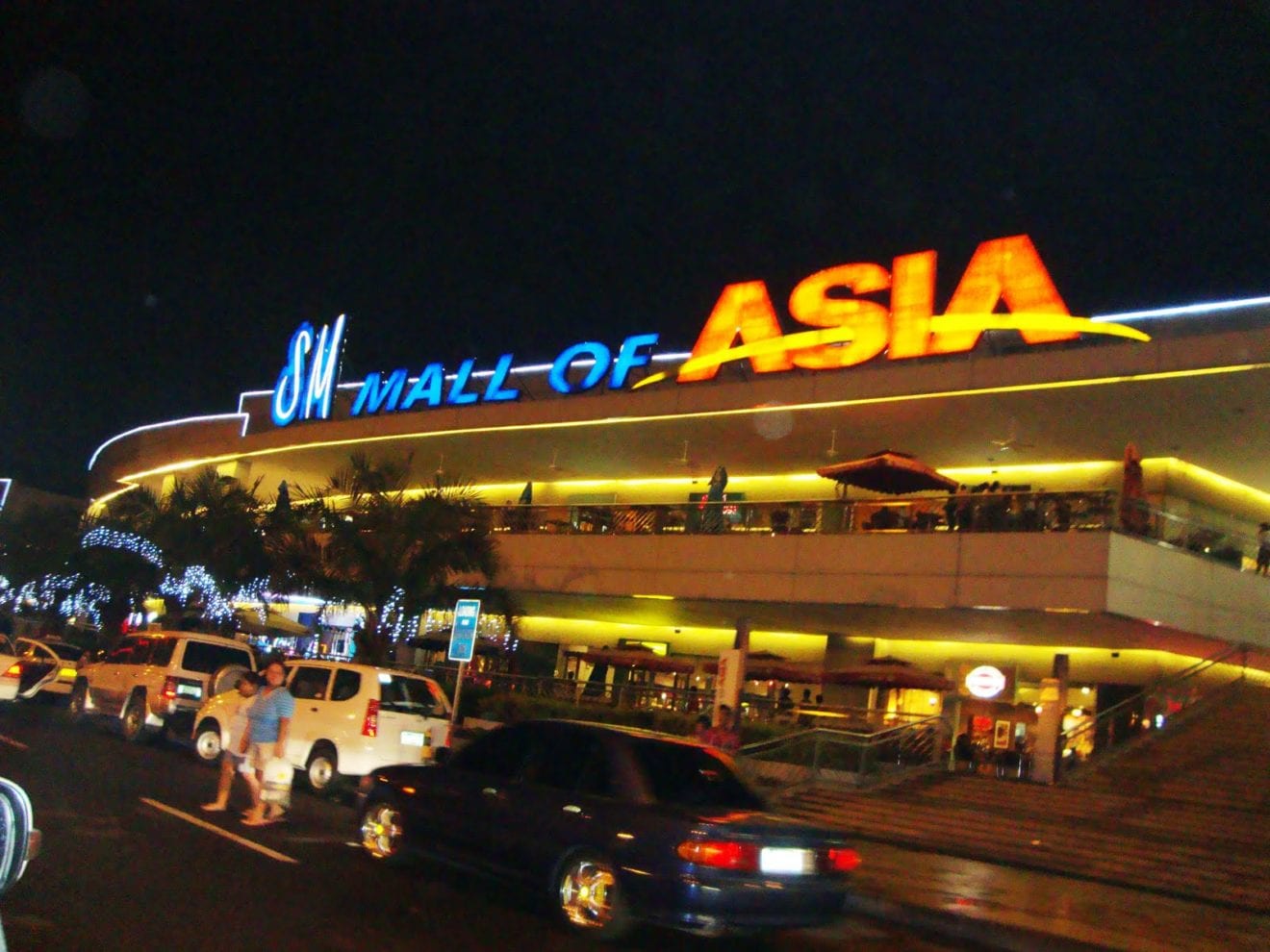
    Take Mall of Asia, SM’s premier mall in Pasay as an example. The Hypermarket and THE SM Store are located on both north and south car parks. The Entertainment Mall which houses cinemas and various dining establishments are at the seafront side while the Cyberzone is on another floor. The Food and Beverage units are along the pedestrian streets.

    SM North EDSA, which has undergone several renovations and upgrades in the last few years, follows a similar zoning pattern which aims to provide a more convenient shopping experience while also allowing equal exposure to majority if not all the mall tenants.

    Hsu shared that SM patriarch Henry Sy, Sr. or Tatang (father) as he is fondly called, has provided the direction for the design of SM malls and is, in a way, the first architect of the SM malls.

    SM malls usually follow a straight or H-path which makes it convenient for shoppers to find their way from point A to point B, said Hsu.

    “Tatang  also taught us how to plan the space. He told us that every inch is valuable,” she said

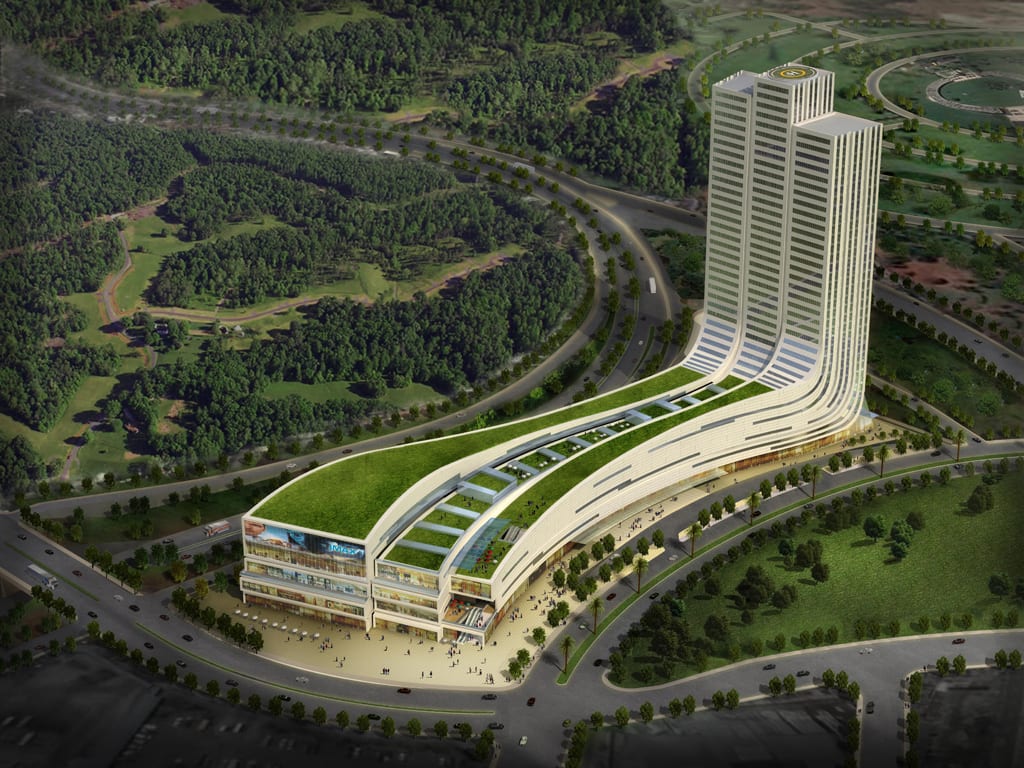
    In recent years, SM malls have transcended the boxy look to develop into bolder and more artistic designs. SM Aura in Taguig, which was designed by Miami-based Arquitectonica drew inspiration from the elements – much like a tree melding with its roots or a waterfall cascading into a river. It also aims to be one of the first civic centers to be certified Gold under the US Green Building Council Leadership in Energy and Environmental Design (LEED) program.

    The 470,000 sqm SM Seaside City in Cebu, which promises to be a regional landmark in the Visayas, meanwhile takes inspiration from the legendary nautilus shell. The mall, which will feature a steel cube sculpture and a 148-meter tower with a viewing deck that has a breathtaking 360-degree view of Cebu, is expected to cater to various segments of the market.

    These new designs are a huge departure from the original designs of SM malls. Interestingly, the old design mirrored the shopping preferences of the era. In the 1980s, Filipinos mainly  flocked to the box-type SM malls, usually rising three storeys, for their basic needs, for convenience and for novelty while others just wanted to bask in the air conditioning to get away from the scorching heat that a tropical country like the Philippines is known for.

    The straightforward design also appeared to echo both the personality and the vision of Sy who was known to many as a “no-nonsense”, straightforward man.

    “Every mall has a touch of Tatang (as Sy is fondly called by family, friends and employees). He is always involved in the design. His direction was to make it (mall design) simple, straightforward, convenient and efficient for shoppers,” Hsu said.

    Sy was inspired by his travels to the US where he saw malls starting to proliferate, or a series of retail stores and major stores put under one space with a common pathway. The desire to offer this emerging retail concept to Filipinos was strong, says SM Prime Chairman Henry Sy, Jr , the eldest son of Sy.

    “My father saw the US model. Being in the retail business, he was attentive to the needs of the people and what will make things convenient for them here in the Philippines. When he built the first SM mall on North EDSA, what he had in mind was the real estate play and that everything should be under one roof,” Henry Jr. said.

    Many thought that the opening of SM North EDSA, with a gross floor area of 125,000 sqm then, was ill-timed in 1985, with the country plunged into political upheaval.  But Filipinos quickly latched on to the new concept, much also to the surprise of the Sy family.  The first mall opened with SM’s own brand of supermarket and department store as many businesses were fearful then to open in uncharted waters such as in North EDSA.  Cinemas in the mall were also a novelty and as more tenants warmed up to “SM City”, the new business venture flourished and was soon replicated across the country at a rate of three to four malls a year.

    The next wave: sustainable malls

    Hsu said environmental sustainability has become the paramount consideration at present and for years to come in terms of mall development.

    “SM will continue to incorporate sustainable features in its malls. Rain harvesting, water recycling and expansive skylights to provide sufficient daylighting, the use of solar panels to provide adequate percentage of the mall’s power requirement, the use of high performance IGU (insulating glass units), deck landscaping and a host of other measures will be looked into and integrated into the planning,” Hsu said.

    SM Marikina which is within the Marikina River watershed and situated in a flood prone area was built on concrete stilts to elevate the structure. The mall was constructed 20 metres farther than the suggested 90-meter distance from the center of the Marikina river.

    SM Center Muntinlupa was also enhanced to be more resilient in light of two fault exposures in the area. It stands with a five-meter buffer zone to minimise the impact of earthquakes and other disasters such as the rupturing of both sides of the fault.

    SM City Masinag in Antipolo has fully revolutionised the company’s approach to sustainable and disaster resilient design. It incorporates a 3 million gallon holding tank to reduce the impact of super typhoons that plague the area. The tank has the capacity to hold water volume generated from constant rainfall of a storm similar to Typhoon Ondoy (Ketsana) for over three hours.

    Other unique sustainable features of SM malls include high windows above eye level that use natural light to illuminate company facilities; the use of LED and CFL light bulbs to further reduce electricity consumption; environmentally-friendly materials and technology for all heating and cooling processes; water-efficient fixtures systems to reduce potable water consumption such as waterless urinals and faucet aerators; and prudently-selected construction materials that minimise the impact of certain structures, promote healthier indoor environments and enhance performance of all company facilities.

    Roof gardens are also incorporated in the malls which make both commercial and environmental sense. These not only cool the mall, but also draw people upwards, thereby providing better footfall to tenants on the higher floors; retain water during heavy rainfall and reduce flooding; reduce heat transfer to the local environment by absorbing heat through trees, plants and fauna. “The roof gardens we design for SM make a solid contribution to disaster resilience that should be considered countrywide,” Arquitectonica MD Asia Peter Brannan said.

    “As builders, we know that the most iconic monuments depend on a great foundation. Our approach to sustainability works the same way. By designing green, we are not only making a commitment to revolutionising the retail industry, but we are also creating a solid foundation for future stewards of the environment to build on,” SM Prime President Hans Sy had said.

    Indeed, today’s shoppers are exposed to international trends through frequent travels, unafraid to risk resources for experience, always on the prowl for what’s “trending” or “viral” in terms of venues, “eats”, technology and are constantly in search of new advocacies to champion.

    “The Philippines is currently one of the fastest growing economies in the world; that will inevitably result in rising disposable incomes and a much more sophisticated consumer. They will want a better environment, a better workplace, and a better home. Both designers and developers will have to respond to that, and constantly strive to improve the quality of their product. Doing business as usual will simply leave you behind in this fast-moving, interconnected world,”Arquitectonica’s Brannan said.

    This new generation of shoppers now view malls as destinations. More than just a place to hang out with friends or family, they now demand the best quality experience, the best food, the best product, the best service. And as shoppers evolve, SM malls too will adapt to ensure that there is a preferred destination for all.

  • Chinese shoppers feel safer online

    Consumers across Southeast Asia and Greater China feel safer paying in a brick and mortar environment as opposed to online; sole exception is China

    According to the inaugural MasterCard Safety and Security Index, consumers across Southeast Asia and Greater China cited identity theft and ATM-related fraud as the top two security concerns when it comes to electronic payments.

    Some 42 per cent of consumers in Southeast Asia (Indonesia, Malaysia, Philippines, Singapore Thailand, and Vietnam) were most concerned with ATM-related fraud such as a stolen card, card cloning or skimming. In the Greater China markets (China, Hong Kong and Taiwan), this figure was 31 per cent.

    But the biggest surprise was in confidence in shopping online. The Index showed that in general, consumers across Southeast Asia, and the markets of Taiwan and Hong Kong still feel safer paying in a bricks and mortar environment than buying online. China differed, being the only market where consumers felt paying online was safer than in a physical store; even more so than in Singapore.

    Almost every consumer polled in the Greater China markets had made an online payment in the past year. Consumers in China (62 per cent) particularly favored the use of digital wallets in online electronic payments over those in Hong Kong (14 per cent) and Taiwan (29 per cent).

    Consumers across Southeast Asia (35 per cent) and Greater China (32 per cent) were almost as equally concerned about identity theft in relation to data breaches. This includes personal data such as bank details, personal IDs, addresses, and signatures that are stolen or compromised through websites. In both regions however, it appears that these concerns do not directly stem from consumers’ own personal experiences but rather, as a result of the perceived severity of fraud based on what was reported in the media.

    MasterCard chart1

    Meanwhile, the Index also reinforced that banks continue to play a critical role in ensuring payment safety and security for consumers in Southeast Asia. This is both, because of the high levels of trust consumers place in banks as well as the reliance that consumers have on banks to help them resolve issues that crop up in this area.  Banks are often the first line of defense and recourse for the affected consumer – nearly half of all consumers in Southeast Asia who experienced ATM fraud first approached their card-issuing banks for advice.

    “The fact that most cardholders have a primary relationship with their banks, has an obvious and deep-rooted correlation to their sentiment, around who they trust most when it comes to ensuring the safety and security of electronic payments,” said Ari Sarker, oo-president, Asia/Pacific, with MasterCard.

    “This was emphatically reflected in the feedback from all the markets in Southeast Asia and Greater China. However, in Singapore in particular, in addition to banks, consumers also placed significant trust in the government, which is a natural outcome given the country’s strong regulatory environment and overall reputation around safety and security.”

    None of the respondents surveyed in Southeast Asia placed any trust in local websites, suggesting that there is still a lot of work to be done by local eCommerce merchants to ensure that they meet global security standards for payments and build consumer confidence on this front.

    In Greater China, aside from banks and governments, merchants were also seen to have a growing responsibility in ensuring payment safety and security, with 28 per cent of consumers in these markets going to merchants as their first recourse in seeking resolution for payment safety and security issues. Furthermore, merchants in these markets were instrumental in solving 40 per cent of all online electronic payment disputes.

    These and other key findings of the MasterCard Safety and Security Index will be discussed at the MasterCard Global Risk Leadership conference in Singapore on August 26 – 27. The 20th edition of this conference will gather global payment risk leaders to share best practices in fighting fraud together, as an industry. The conference demonstrates MasterCard’s commitment in helping partners and customers fight fraud using the latest tools, processes, and technologies so there is no one weak link in the payments ecosystem.

    The survey was carried out across in six markets in Southeast Asia (Indonesia, Malaysia, Philippines, Singapore, Thailand, and Vietnam) as well as three markets in Greater China (China, Hong Kong, and Taiwan). A total of 6600 consumers and 100 merchants were polled online and face-to-face between January and May 2015 on questions relating to the payments security landscape, payments in brick and mortar and online, safety and security payment concerns and experience with payment fraud, among others.

  • Jollibee opens 3000th store

    Jollibee opens 3000th store

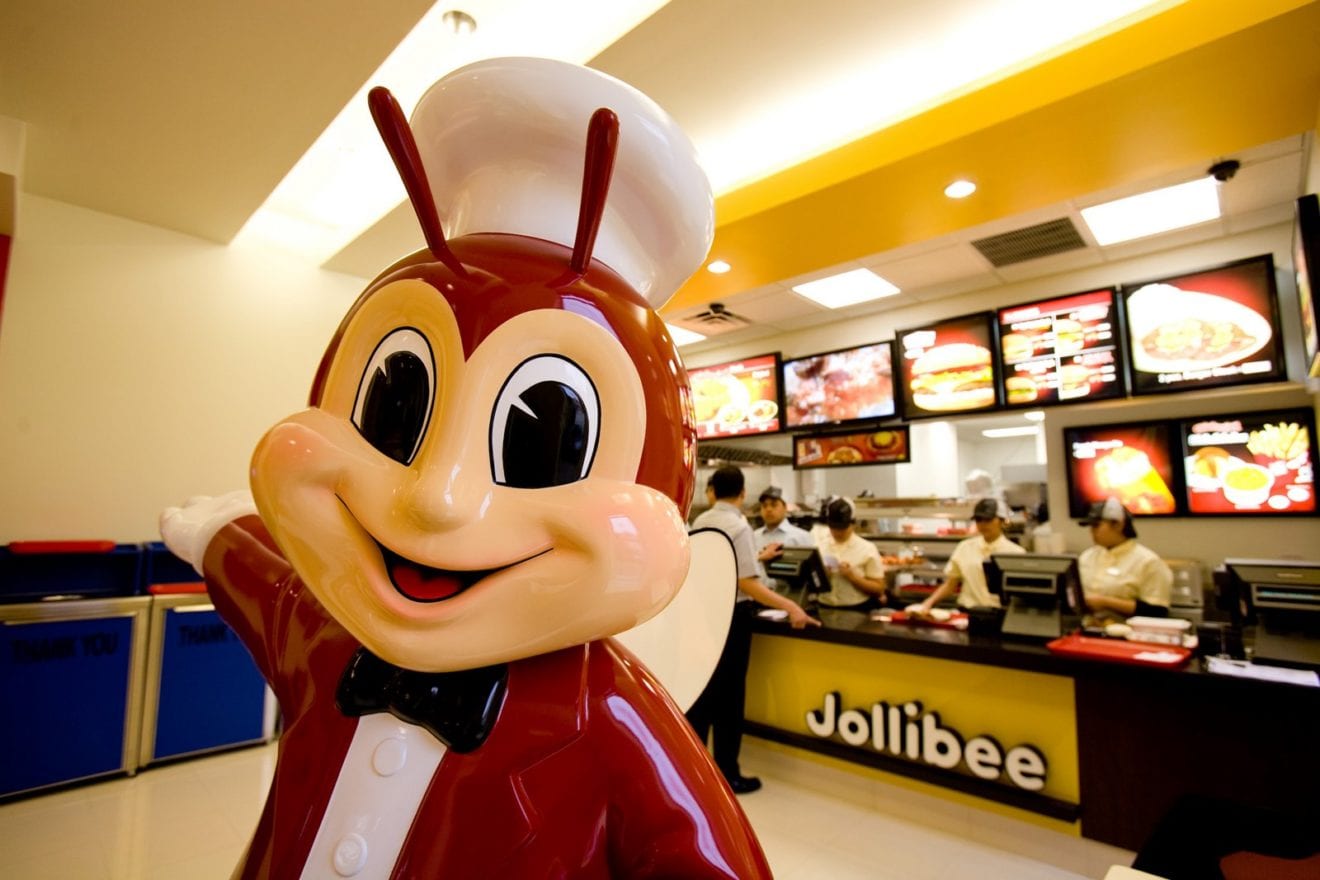
    Philippines-based fast food chain operator Jollibee Foods has surpassed the 3000 store milestone as it reports a 7.4 per cent increase in net income for the first half of 2015, to P2.7 billion (US$58.5 million).

    Sales rose 9.5 per cent, but increased cost of raw materials squeezed profit growth.

    Having reached the 3000 store milestone, the company has no plans to slow its growth.

    “We are on track to open at least 200 new stores in one year in the Philippines, the first time we will able to do so,” said JFC CEO Ernesto Tanmantiong said in a statement.

    “Historically, we were opening 100 new stores per year in the country. We look forward to opening 300 new stores worldwide this year, also a first in our history, with 100 abroad, the bulk of which will be in the People’s Republic of China,” he added.

    “We look forward to JFC’s resurgence to double-digit sales growth in the quarters and years ahead.”

    CFO Ysmael V. Baysa said the group hopes to achieve double-digit growth in 2016 due to the network expansion and improved margins.

    “Raw materials prices are [now] declining, however their benefits on profit margins have been offset by high levels of inventories of materials with still high prices. We deliberately increased our inventories in the Philippines starting in 2014 as a safety measure during a major new system implementation, and as a way of dealing with the logistics and delivery challenges in the country,” Baysa said.

    Jollibee has 2374 outlets in the Philippines and 627 overseas – 3001 in total.

  • SSI Group enters travel retail arena

    SSI Group enters travel retail arena

    Philippines specialty store operator SSI Group has made its first foray into the travel retail sector.

    SSI, through a subsidiary SKL International, has bought a 50 per cent stake in Landmark Management Services which marks its debut in the increasingly lucrative travel retailing category.

    The stake was acquired from duty free distributor Prime and the Regent Asia Group.

    “We are very happy to be part of the development of the travel retail industry. We believe that with SSI’s retailing experience and Landmark’s deep understanding of the unique shopping requirements of travelers, we can expand our market to cover tourists and business travelers,” SSI President Anthony Huang said in a statement.

    Landmark operates duty free and travel retail fashion stores at the Philippines’ larger airports as well as at Fiesta Mall in downtown Manila, under a concession from Duty Free Philippines.

    SSI Group ended last year with 723 specialty stores and 134,000 sqm of retail trading area and was planning to open a further 130 this year, outside this week’s acquisition. The company’s brand portfolio includes Marks and Spencer, Gucci, Burberry, Hermès, Prada, Salvatore Ferragamo, Lacoste, Michael Kors, Kate Spade, Gap, Bershka, Aeropostale, Samsonite, Nine West and Payless Shoe Source.

  • Fusionex eyes Philippines, fuelled by 26% jump in revenue

    Fusionex eyes Philippines, fuelled by 26% jump in revenue

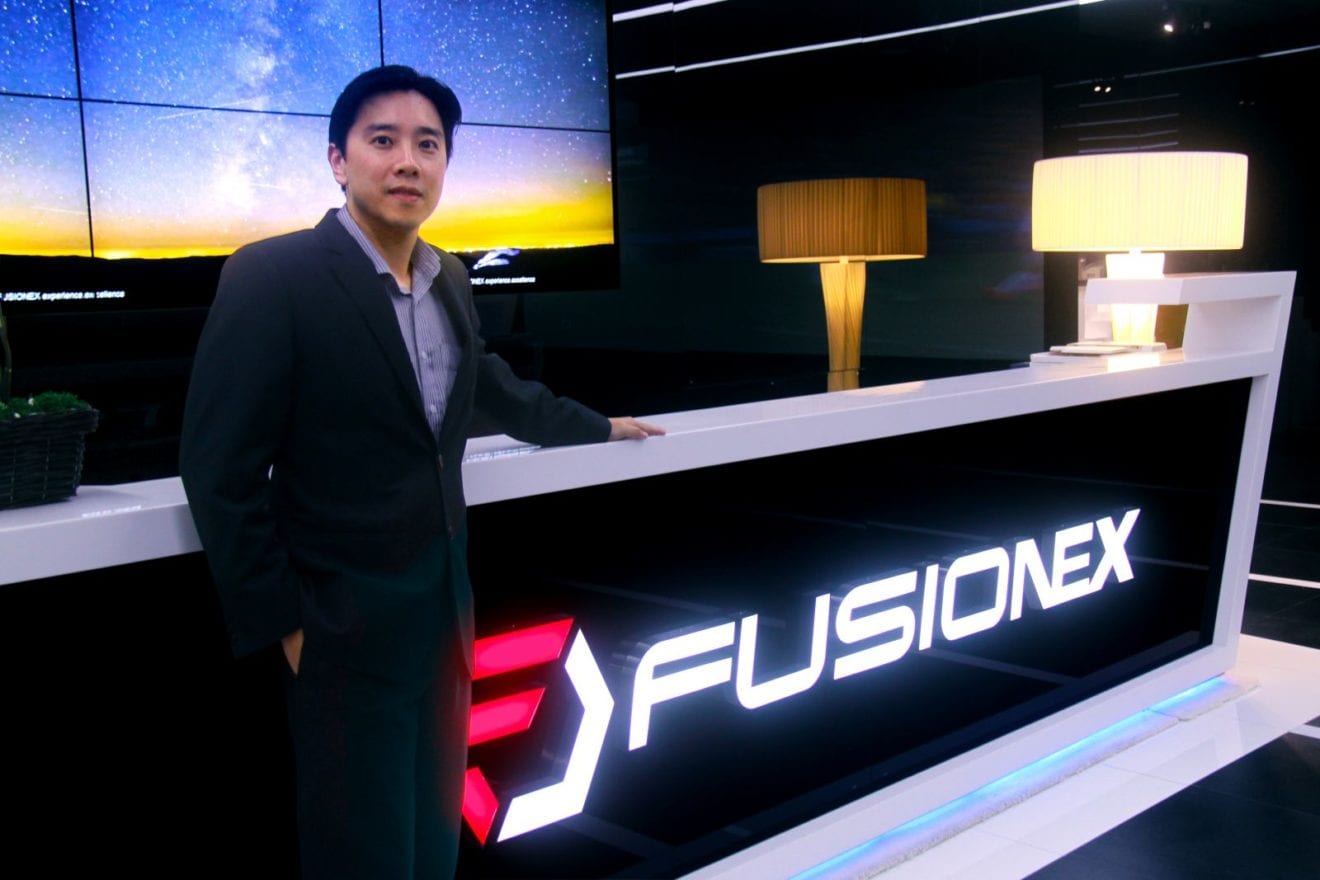
    BIG data and analytics software company Fusionex International Plc will be widening its footprint in South-East Asia by expanding to the Philippines over the next few months, its fourth market in the region.
    The company, listed on the London Stock Exchange’s Alternative Investment Market (AIM), has a presence in Hong Kong, Macau, the United Kingdom and the United States; as well as its home base of Malaysia and South-East Asian neighbours Singapore and Thailand.

    Its expansion strategy is somewhat conservative, but it is already close to securing an anchor customer, Fusionex cofounder and managing director Ivan Teh told Digital News Asia (DNA) in Kuala Lumpur recently.

    “We have been spending time to ensure that we got the right partner, the right place, the right kind of ecosystem, infrastructure and setup.

    “We want to know the market first, so we don’t want to go in and waste two years only to realise the market is not suitable,” he said.

    One may wonder why Fusionex is eyeing the Philippines, where ICT spending is significantly lower than its home market even though its population is triple Malaysia’s.

    According to an IDC report, Philippines’ ICT spending is expected to reach US$6.76 billion this year. In contrast, according to a Gartner report, Malaysia’s ICT spending is estimated to be around RM65.1 billion (US$16.42 billion).

    But Teh, an inaugural DNA Digerati50, said Philippines is a good expansion destination for various reasons.

    “The retail market is booming over there. The shared services and outsourcing markets are exploding too,” he argued.

    According to a Manila Bulletin report, citing the Philippines Retailers Association, the country is expected to see 40 new malls open in 2014 and 2015. The association projected retail sales would reach P1.61 trillion (US$35 billion) by 2016 and P1.78 trillion (US$38 billion) by 2017.

    “Malaysia will remain to be our centre of excellence – a lot of the research and development will be done from Malaysia. Nevertheless, the Philippines is undeniably a booming market,” said Teh.

    For the six months ended March 31, 2015, Fusionex’s revenue increased 26% to RM31.6 million, while gross profit jumped 31% to RM24.9 million. [RM1=US$0.25 at current rates]

    The strong performance was mainly driven by its flagship big data analytics product Fusionex Giant , which has found over 25 customer wins since launch. These companies include the domestic unit Japanese retailer Aeon.

    Fusionex has managed to get other big-name customers this year, including AirAsia; Brother Industries Ltd, a multinational electronics and electrical equipment company headquartered in Nagoya, Japan; and Islamic insurer Syarikat Takaful Malaysia Bhd in Malaysia.

    But for now, all of Teh’s attention will be on ensuring its Philippines expansion goes according to plan, and also that the business runs smoothly post-launch.

    “It’s important for us to set up the right team and to hire the right people. We will also get some of our Malaysian employees to be there for a period of time, just to make sure we have a cultural transition.

    “Then, we want to grow the local talent as well,” he said.

  • Boracay Beach Resort deal secures Mövenpick Hotels & Resorts

    Boracay Beach Resort deal secures Mövenpick Hotels & Resorts

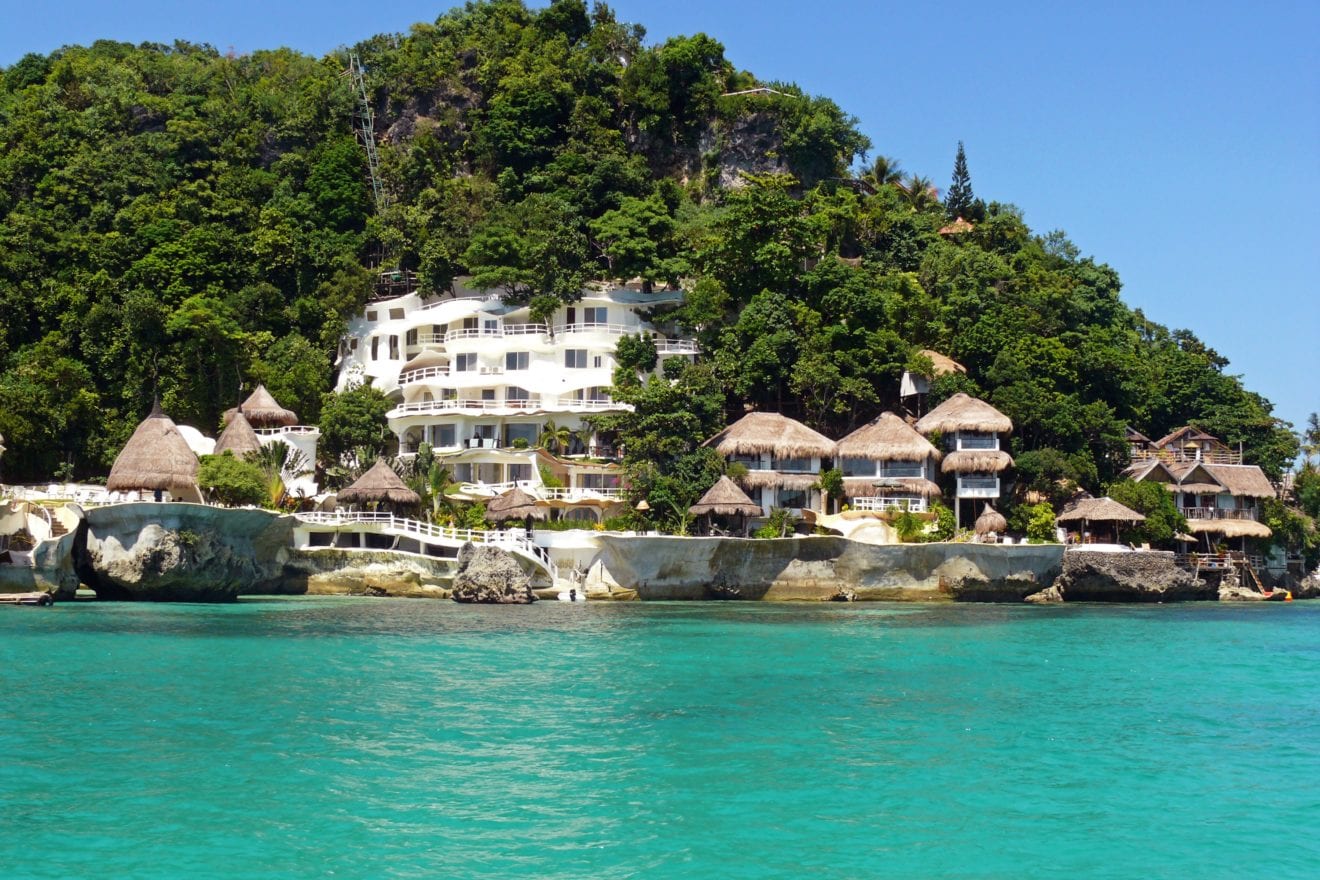
    Mövenpick Hotels & Resorts has secured its own piece of paradise in one of Asia’s most exclusive holiday destinations, having signed a deal to manage the Sol Marina Resort, which will soon be renamed Mövenpick Resort Boracay, in the Philippines.

    Located in the north west of the island on idyllic Punta Bunga Beach, famed for its white powdery sand and aquamarine waters and considered one of Asia’s luxury resort hotspots, the upscale 333-key property will start welcoming guests in December 2015.

    The property will not only shore up Mövenpick’s presence in the Philippines, where it already manages Mövenpick Hotel Mactan Island Cebu, but also bolster the hospitality firm’s portfolio of resort properties in top Asian locations. In Thailand the company operates two resorts in Phuket and one on Koh Samui, while construction is underway on properties in leisure destinations such as Pattaya, Thailand, Quy Nhon, Vietnam and Bali, Indonesia.

    “Signing a property in Boracay is a significant development for Mövenpick, as it cements our presence in one of Asia’s most established resort destinations,” explains Andreas Mattmüller, Chief Operating Officer, Mövenpick Hotels & Resorts, Middle East and Asia.

    “Punta Bunga Beach, with its crystal-clear waters and soft white sand, is unspoiled and truly idyllic, attracting discerning travellers from all over the world from both the upscale leisure and corporate meetings segments.”

    Mattmüller also notes how the Filipino culture marries well with Mövenpick’s ‘We make moments’ guest promise, which guides the hospitality firm’s service ethics world over.

    “The Filipinos have a friendly attitude towards life; in the Philippines you will always receive a warm welcome,” he adds.

    Mövenpick Resort Boracay will comprise a cluster of three buildings nestled around the lagoon pool with most of the resort’s rooms and suites boasting sea views. Designed to give guests the ultimate luxury experience, the Presidential Suite will be housed in a stand-alone villa, featuring two bedrooms and a private pool.

    Key resort features will include family rooms; a kids club for young children and a games area for teens; and several dining outlets including Italian, Japanese and Korean restaurants plus a lobby lounge, beach club and swim-up pool bar. Meetings and events facilities will span a ballroom that can accommodate up to 450 guests for a seated dinner, three multi-function rooms and a boardroom.

    The property’s owner, Ambassador Alfredo Yao, who is also the founder and owner of the Philippines’ largest beverage producer, Zest-O and a partner in AirAsia Zest, Philippines, says signing the management agreement with Mövenpick Hotels & Resorts marks the start of a “new exciting era” for the resort.

    “The rebranding of Sol Marina as Mövenpick Resort Boracay will mark a new beginning for our beautiful property, steered by the capable team at Mövenpick Hotels & Resorts, which has a formidable reputation as one of Asia’s top resort operators,” says Yao.

  • Max’s Group takes Yellow Cab Pizza to UAE

    Max’s Group takes Yellow Cab Pizza to UAE

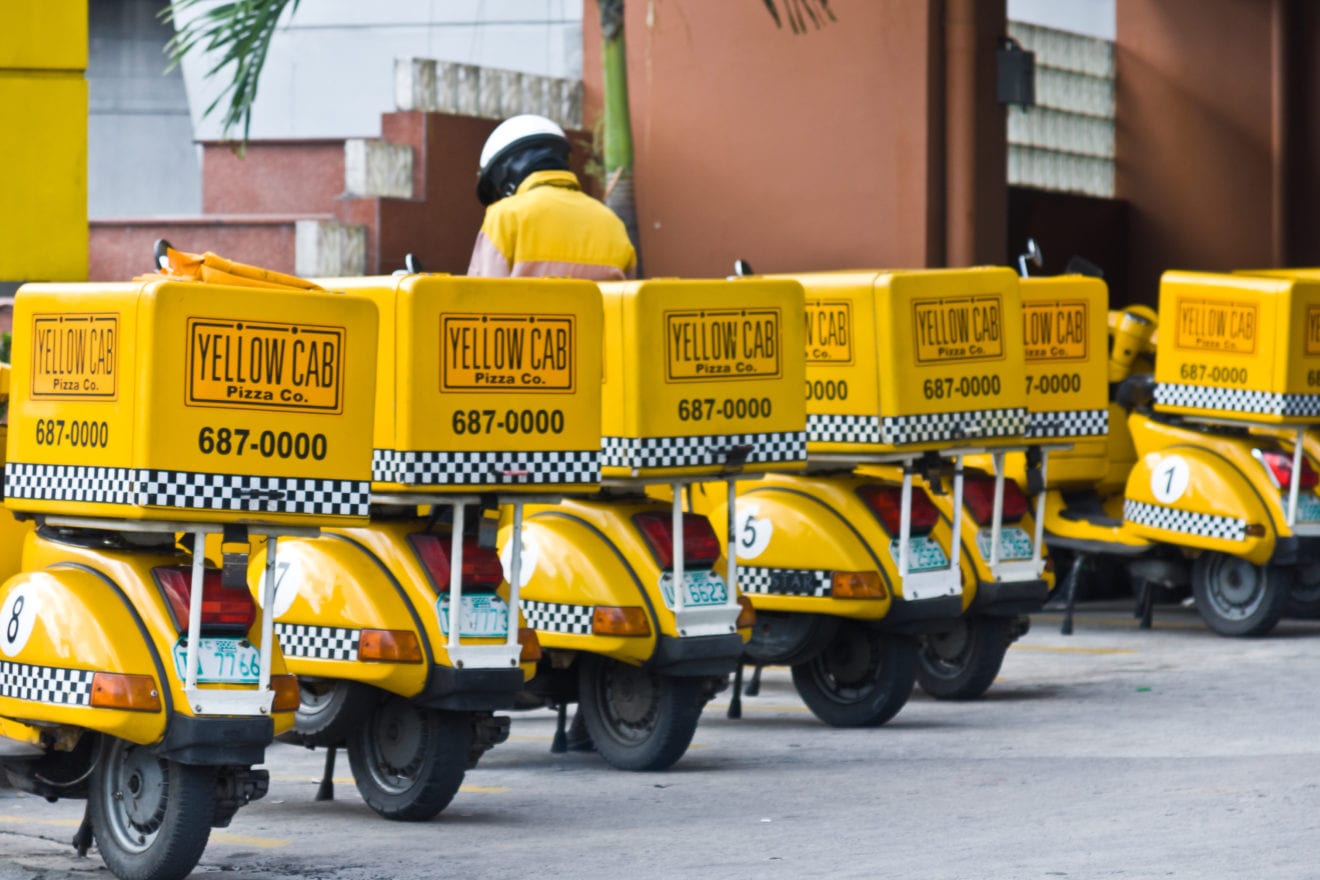
    Philippines-based Max’s Group is to launch its Yellow Cab Pizza chain in the UAE after signing a partnership with Cartoon Fashion Group.

    Cartoon will open 10 Yellow Cab outlets in the UAE over the next five years. IT’s the second overseas market for the Filipino brand, following six stores in Qatar.

    Yellow Cab specialises in New York style pizzas and has 112 branches in the Philippines.

    President and CEO of Max’s Group, Robert Trota, said the Cartoon Fashion Group had a proven track record and solid reputation in the UAE. “We knew they were the best partner for this endeavor.”

    Dubai-based Cartoon Fashion is one of UAE’s largest retail and hospitality consortiums, operating local franchises for brands including Adidas, Ed Hardy and French Connection.

  • Daiso wins Manila court battle

    Daiso wins Manila court battle

    Japanese discount retailer Daiso has won the right to use its name in the Philippines after a hearing in the Supreme Court.

    In a final ruling just issued, the court has blocked Filipino company Japan Home Center from using the trademark Daiso, confirming an earlier ruling by the Court of Appeals.

    The judges ruled that Japan Home Center had registered the name in “bad faith” in 2005 – largely to prevent the Japanese Daiso or its local franchisee from using it.

    Daiso Industries of Japan first filed a complaint with the Intellectual Property Office back in 2009 after it appointed Robinsons Retail Holdings as its local distributor and retail partner. Daiso Industries owns the brand name.

    This week’s Supreme Court decision thus ends a six year long legal battle to give Daiso and Robinson the legal right to use the brand.

    Robinsons currently operates 38 Daison stores in the Philippines.

    In another case in January this year, the Intellectual Property Office blocked MySmart One-Shop Daiso from using the brand name.

  • New malls boost SM Prime revenue

    New malls boost SM Prime revenue

    SM Prime Holdings has posted a 90 per cent increase in first half year sales to PHP18.7 billion (US$408 million).

    However the increase was largely due to one time gains on the sale of securities; recurring income grew by a more modest, but still healthy, 15 per cent.

    The company says new malls helped boost its turnover.

    Rental revenues from retail and commercial spaces, accounted for 54.2 per cent of consolidated revenue, up 10 per cent. The growth in rental revenues was mainly driven by rising contribution from the new malls and the expansion of shopping spaces in existing malls in 2013 and 2014. These include SM Aura Premier, SM City BF Parañaque, Mega Fashion Hall in SM Megamall, SM City Cauayan, SM Center Angono and the expansion of SM City Bacolod with a total gross floor area of 652,000 sqm.

    In the first half of the 2015, SM Prime opened SM Megacenter Cabanatuan and SM City San Mateo last April and May, respectively, taking the total Philippine operating malls to 52 with a GFA of almost 6.6 million sqm. For the rest of the year, SM Prime is set to open one mall in Metro Manila, SM Center Sangandaan in Caloocan, and two malls outside Metro Manila namely SM City Cabanatuan in Nueva Ecija, and SM Seaside City Cebu.

    The company is also expanding two existing malls, SM City Lipa in Batangas and SM City Iloilo. Combined, these new and expanded malls will have a total GFA of almost 716,000 sqm. By the end of 2015, SM Prime will have 55 malls in the Philippines and six malls in China with an estimated combined GFA of 8.3 million sqm.

    Cinema and event ticket sales, accounted for 6.6 per cent of consolidated revenues, recovered in the second quarter registering a seven per cent year-on-year increase to PHP1.4 billion as compared to a decline year-on-year of eight per cent to almost PHP1 billion the previous quarter. This brought cinema and event ticket sales to an almost flat point when compared with the same period last year.

    The recovery of ticket sales in the second quarter was due to Hollywood blockbusters like Avengers – Age of Ultron, Fast and Furious 7 and Jurassic World.

    “The strong financial performance posted by SM Prime in the first half of the year is reflective of the benefits derived from a diversified property portfolio as both rental and developmental incomes contributed to the overall performance of the company,” said SM Prime president Hans T. Sy.

    “The sustained growth could be attributed to the consolidation of SM Prime, which resulted to a strong balance sheet that allowed us to pursue all projects as planned. We are confident that we can sustain this growth in the long-term.”

  • SM Investments Corporation bags five awards from Alpha Southeast Asia magazine

    SM Investments Corporation bags five awards from Alpha Southeast Asia magazine

    SM Investments Corporation (SM) bagged five awards from Alpha Southeast Asia magazine based on a poll of investors.

    SM topped four categories under the 5th Annual Southeast Asia’s Institutional Investor Awards for Corporates. These are Most Organised Investor Relations for the fifth year in a row; Best Senior Management Investor Relations Support; Best Strategic Corporate Social Responsibility. SM was also named among the companies with the Most Consistent Dividend Policy.

    SM’s Executive Vice President and Chief Financial Officer Mr. Jose T. Sio was likewise named Best Chief Finance Officer (CFO) in the Philippines for the fourth time in a row. Mr. Sio is known for his financial prudence while strongly supporting the phenomenal growth of the SM group of companies.

    Mr. Sio is a certified public accountant with a master’s degree in Business Administration from New York University. He was a senior partner at Sycip Gorres Velayo & Co. prior to joining SM in November 1990.

    “We are grateful for this recognition by Alpha Southeast Asia which continues to inspire us to strive for excellence. We also thank our investors who continue to put their trust in the company,” SM EVP and CFO Jose T. Sio said.

    The awards presentation for the Philippine winners will be held on September 1, 2015 at the Makati Shangri-La.

    The poll is based on tallied votes among 520 investors and analysts across the region as well as the US and Europe. These included fund managers with investment interests in Southeast Asia, large institutional investors, insurance companies, pension funds, funds of hedge funds, private banks, equity and fixed income brokers as well as buy and sell-side analysts.

    Alpha Southeast Asia is a monthly magazine primarily written for institutional investors, asset and fund management companies in Hong Kong, Singapore, other parts of Asia, US, Europe and the Middle East. The magazine also has a strong following among the region’s largest local corporates.

  • British brands invading Philippines

    British brands invading Philippines

    Asif Ahmad, the UK ambassador to the Philippines, is one of the busiest diplomats in the country, as he leads, almost on a weekly basis, the opening of new outlets put up by dozens of British companies which are taking advantage of the rapidly growing consumer market and improved purchasing power of Filipinos.

    Ahmad, the 59-year-old diplomat who has been assigned in the Philippines since July 2013, says while several British companies have established their presence in the country for several decades now, more are expected to land in the Philippines soon.

    “We have done it in fashion.  We have done it in cars. We have done it in films and music.  The next story is eating and drinking,” says Ahmad, during the opening of the second outlet of Costa Coffee in the Philippines at Robinsons Place in Ermita, Manila.

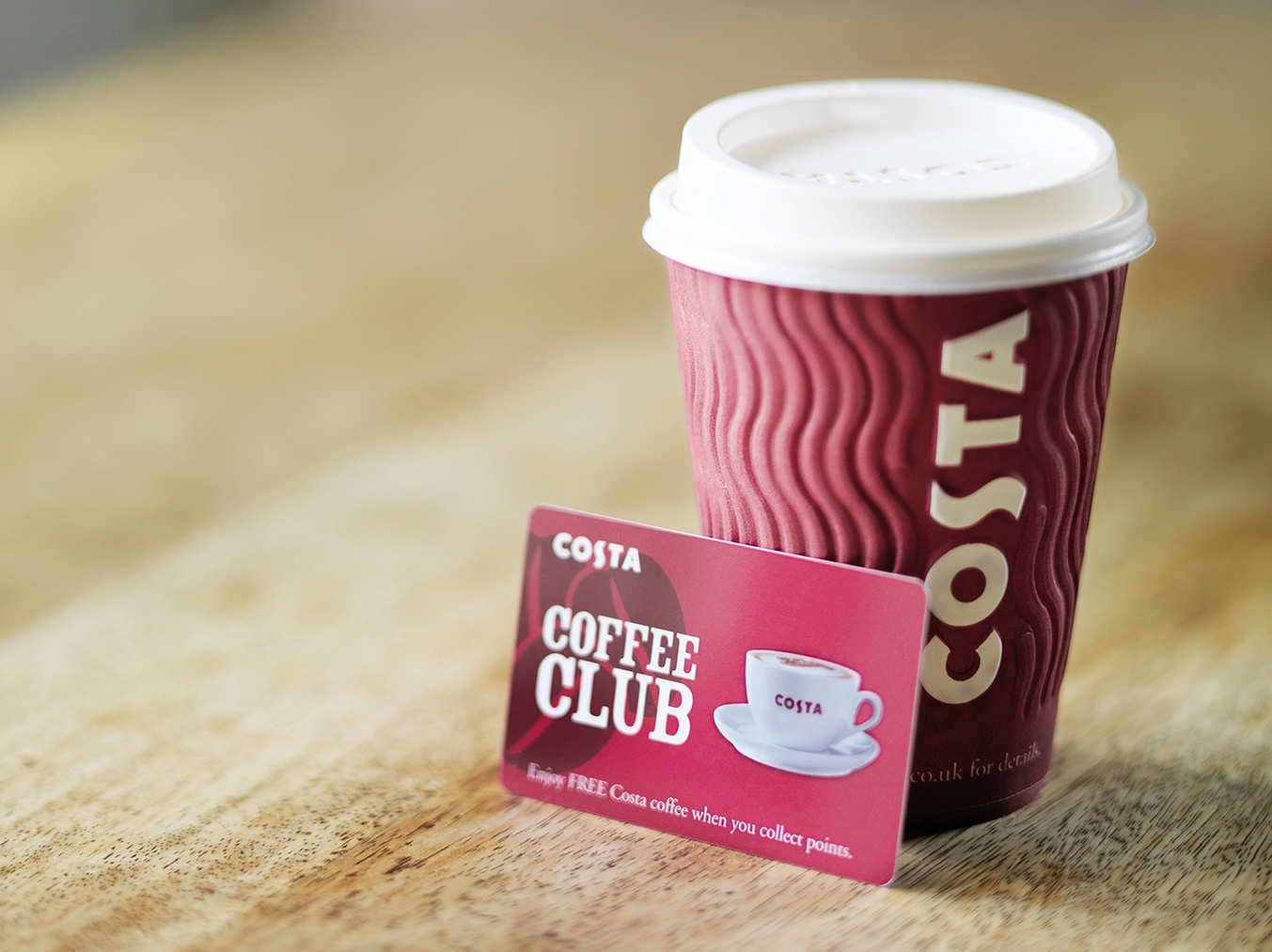
    Costa Coffee, the leading coffee chain in the United Kingdom, is the latest British brand setting its sights on the Philippine market, which Ahmad says offers a lot of opportunities for foreign companies.

    The ambassador says the expansion of British firms in the country is a part of a deliberate effort of the London government to triple its exports to the world to 1 trillion pounds by 2020.

    Unilever, an Anglo-Dutch company, is one of the biggest distributors of consumer products in the Philippines while Royal Dutch Shell Plc. is one of the three largest petroleum players in the country.

    The last couple of years saw dozens of UK firms opening outlets or expanding their presence in the Philippines.  In November 2013, London opened its airspace to Philippine Airlines via Heathrow Airport, with the help of Ahmad.  This has triggered a faster movement of people, including investors and tourists, between the two countries.

    British financial giants HSBC, Standard & Chartered, Barclays and Pru Life UK have strong presence in the Philippines while UK companies that are expanding in the country include Pearson Plc., Ashmore Group, British American Tobacco, British Petroleum, ECR Minerals Plc., CRH Plc., Arup, Nectar Group Ltd., MacKay Green Energy Inc., Forum Energy, Pitkin Petroleum Plc., Eaton Corp. Plc. and Weir Engineering Services Ltd.

    Top British brands opening or adding outlets in the Philippines include Rolls Royce, Range Rover, Jaguar, Mini Cooper, Morgan Motors, Tesco, The Body Shop, Fitness First, Toni & Guy, Remington UK, Marks & Spencer, Debenhams, Lee Cooper, F&F, John Lewis, Burton, Reiss, Speedo, Hamleys, Burberry, Topshop, Topman, Dorothy Perkins, Mitre Sports, Berghaus, Kangaroos, Superdry, Warehouse, Clarks Shoes, Paul Smith, Mothercare, Hackett London, Lush, TM Lewin, River Island, Cath Kidston, Pepe Jeans London, Savile Row, Lyle & Scott,  Whyte & Mackay, Twinings, Diageo, Union Jack Tavern, Wolf & Fox, Chuck’s Grub, Waitrose and Yummy Organics.

    Ahmad says more brands will expand in the Philippines soon. “We have a strong presence of British brands that is gonna grow.  My government, the UK, has said that we must triple exports to 1 trillion [pounds]. My mission here is to grow three times more than before.  That is a very strong target to have,” he says.

    The UK is already the largest investor among European countries in the Philippines.  “The easy target that we have met is being the number one investor in the Philippines from the European Union. We have achieved that already,” he says.

    “In terms of trade, we have a long way to go.  If we added it both ways, it [bilateral trade] adds up to $2 billion.  We have to make it $6 billion,” says Ahmad.

    He says the UK embassy is working with the British Chamber of Commerce to help more companies navigate the Philippine market.  British investors are looking at infrastructure, public-private partnership projects, water, healthcare, education, information technology and defense sectors, he says.

    The British Chamber of Commerce is arranging more trade missions to bring more British brands in the Philippines this year to look at opportunities, given the country’s improving economy.

    “What we are seeing is that the government has more money.  The infrastructure projects are now speeding up, after a difficult start.  We are seeing people consuming more, spending money more, not just in houses and cars, but also in their lifestyle,” Ahmad says.

    Ahmad says Filipinos can afford to buy British brands.  “It [local market] has been ready for quite some time.  That’s why we have been very successful here.  If you go back, they [British companies] have been here for a long time and they are expanding still.  New ones are coming onboard.  What Costa Coffee does is something different.  It is in food and beverage segment, which has much more to offer,” he says.

    Costa Coffee opened its first outlet at Eastwood Citywalk 1 in Libis, Quezon City in June and plans to open three more branches this year at Tera Towers in Fort Bonifacio, E. Rodriguez Jr. Ave. in Quezon City and Robinsons Antipolo in Rizal.

    “We plan to open 70 Costa Coffee branches in the Philippines over the next five years,” says Costa Coffee Philippines general manager Corinne Milagan, who heads a new unit of Robinsons Retail Holdings Inc. to guide the expansion of the Costa brand in the country.

    Among those who attended the opening of the Costa Coffee branch at Robinsons Place Manila are Ahmad, Milagan, Robinsons Retail Holdings president and chief operating officer Robina Gokongwei-Pe, Costa Coffee International managing director Chris Rogers, Robinsons Land Corp. president and chief operating officer Frederick Go and Costa Coffee franchise manager for Southeast Asia and India Matt Kenley.

    RRHI formed a new company called Robinsons Gourmet Food and Beverage Inc. to operate the Costa Coffee chain in the country. Robinsons Gourmet teamed up with Whitbread Plc. of the United Kingdom to bring the British coffee brand to the Philippines.

    “The Philippines has fantastic opportunity for the Costa brand.  It brings something different to the market. A different coffee, a different environment and a great people.  And it brings a little taste of London to the Philippines,” says Rogers.

    “We have been looking forward to the next 20 to 30 years. The Philippines is an exciting place to be, because of the potential growth.  The economy is growing strongly. The consumer population is growing. There are good dynamics,” says Rogers, who joined Whitbread eight years ago.

    Rogers has been leading the international expansion of the Costa Coffee brand since July 2012.

    Robinsons Retail plans to open 70 Costa Coffee stores in the Philippines over the next five years, with an average cost of P10 million per outlet.

    Rogers says Costa Coffee has found its niche in the competitive coffee market.  “Our difference is our coffee.  We have the Mocha Italian blend.  We are very particular with the beans we choose–high-quality beans with a particular taste. The environment is also very different,” he says.

    Milagan says the Philippine coffee market is now prepared for a British brand.  She says coffee lovers, including British expatriates, were lining up hours prior to the opening of the Costa Coffee branch at Robinsons Place Manila on July 31.

    “The [coffee] market is not yet saturated. The Philippine market has matured in terms of  food and drinking preference. We are graduating now from instant coffee and we are now shifting to coffee made in a hand crafted way,” says Milagan.

    Milagan says “the Filipino taste has become discriminating, as they travel abroad.”

    Costa Coffee was founded by Italian immigrants Sergio and Bruno Costa in 1971 in Lambeth, London. The Costa brothers were known for creating their unique blend of coffee, a combination of Arabica and Robusta beans. They called it Mocha Italia, a blend that is a closely guarded secret to this day.

    The brand was acquired by Whitbread Plc. in 1995.  The UK firm continues to serve the original Mocha Italia recipe, which is slowly roasted in the Old Paradise Street Roastery in London.

    Milagan says Costa coffees are all handcrafted and espresso-based.

    Costa Coffee now has 3,000 stores in more than 30 countries. Costa employs Master Genarro Peliccia as the official coffee master who ensures that the taste remains consistent to the original blend.

    Gokongwei-Pe says Costa Coffee is the second British brand brought to the Philippines by Robinsons Retail, the first being the fashion brand Topshop.  She says her company will bring more foreign brands, depending on the performance of Costa Coffee.

    “We have to make sure this works first,” she says, adding that the outlook for the Costa brand in the Philippines is promising.

    “I believe in good luck.  I believe in good vibrations,” she says.

     

  • Vista Land bags multiple awards at the 2015 Philippines Property Awards

    Vista Land bags multiple awards at the 2015 Philippines Property Awards

    Amore, an Italian-themed residential property under the luxury brand of Vista Land, Brittany, was awarded Best Housing Development in Metro Manila and Best Housing Development in the Philippines for 2015.

    Amore is a massive development that infuses Italian elements such as cupolas, cobblestone pathways, gabled roofs and pocket gardens that draw the beauty of landscape and light within an expansive central business district emerging at the south of Manila.

    The affordable housing brand, Camella, won as the Best Mid-Range Development (Resort) for the Camella Palawan development.

    Meanwhile, Vista Land’s Vista City was recognized as Highly Commended for Best Retail Development and Best Retail Architecture for its Evia Lifestyle Center. To date, the center’s first two buildings are already up and running with an elite selection of stores and restaurants.

    Concluding the list of awards Vista Land earned is the Highly Commended for the Best Architectural Design recognition for the Vista Hub at the Bonifacio Global City.

    Vista Land has been in the business of building quality homes and communities for four decades now. Its developments are present in 38 provinces and 90 cities all over the Philippines.