Tag: Philippines

  • Pancake House heads for Dubai

    Pancake House heads for Dubai

    Philippines-based Max’s Group has signed a contract to launch Pancake House in Dubai.

    The QSR and cafe operator will open at least eight Pancake House restaurants in the UAE in partnership with master franchisee Lulu Group.

    Max’s Group is the Philippines’ largest operator of fast food and QSR restaurants, and this week’s deal is one of several to expand into the fast growing Middle East market. Max’s other brands include Max’s Restaurant, Yellow Cab, Krispy Kreme, Jamba Juice, Max’s Corner Bakery, Teriyaki Boy, Dencio’s, Meranti, Le Coeur De France, Maple, Kabisera, Singkit and Sizzlin’ Steak.

    The first eight Pancake House stores will open progressively over the next five years.

    “We are pleased with the opportunity to further broaden our reach in the UAE this time around for Pancake House. We are excited with our partnership with Lulu Group, an established retailer with a storied and rich history of success, to serve our products to the Emiratis,” said Max’s Group president and CEO Robert Trota.

    Lulu Group will operate the Pancake House restaurants under its Tablez Food subsidiary, which already has a strong portfolio of restaurants, cafes and ice cream stores in the UAE and India.

    “At Tablez we have always believed in bringing in unique brands from around the world in the evolving and highly competitive food and beverage sector in the gulf region,” said CEO Shafeena Yusuff Ali.

    “I am excited that UAE and the gulf region is home to a large Filipino community and a brand like Pancake House will be a big hit and also gives us a chance to present this brand to other diverse nationalities residing here.”

    Max’s Group has previously said it wants to open at least 200 stores outside the Philippines by 2020.

  • Jollibee takes big bite of Smashburger

    Jollibee takes big bite of Smashburger

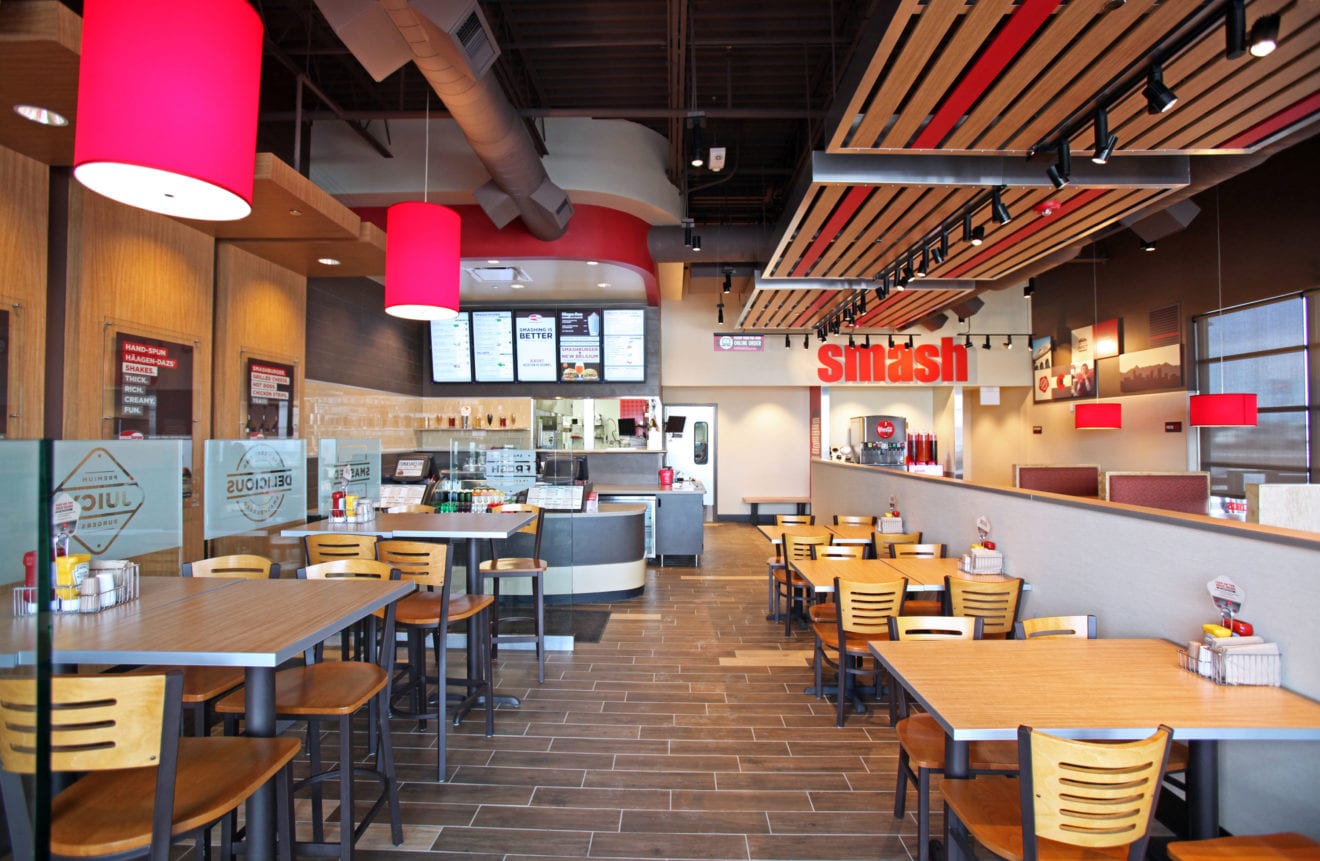
    Asia’s largest fast food company, Jollibee, has taken a 40 per cent stake in a fast-rising American burger chain, Smashburger for US$335 million.

    Launched in 2007, Smashburger has over 335 corporate and franchised restaurants operating in 35 states and seven countries. Approximately 60 per cent of Smashburger’s outlets are company owned and operated. The company is growing at a rate of  20 per cent annually.

    Jollibee, publicly listed in the Philippines, has been actively seeking an investment in a leading US growth brand. It currently operates and franchises a network of more than 3000 restaurants worldwide under the trade names Jollibee, Chowking, Greenwich, Red Ribbon, Yonghe King, Hong Zhuang Yuan, Mang Inasal, Burger King Philippines, San Pin Wang, and Jinja Bar. Jollibee also has a 50 per cent interest in the Super Foods Group, which operates and franchises restaurants under the Pho 24 and Highlands Coffee brands throughout Vietnam.

    “We at Smashburger are excited about our new strategic partnership with Jollibee,” said Rick Schaden, chairman and co-founder.

    “As founders and entrepreneurs we both have built teams that focus on bringing the highest quality and best tasting food to our restaurant categories. [Jollibee] founder and chairman, Tony Tan Caktiongand I share a true passion for the restaurant business having opened and operated our very first restaurants, we believe our companies still cultivate that spirit today as we initiate this partnership.”

    Caktiong  described Smashburger as one of the fastest growing restaurant brands in the US.

    ”We are very excited to work side by side with the owners and management of Smashburger as we continue its growth. This acquisition will make JFC’s presence in the US more significant, going beyond the Filipino market and serving mainstream consumers in the $100 billion US burger market, a food segment which is estimated to be almost three times larger than the pizza, sandwich or coffee segment in terms of sales.

    “This acquisition will make the US one of JFC’s most important markets and drivers of long term growth along with the Philippines, China and other Asian markets abroad.”

  • Philippines’ BDO sets up first GCC branch

    Philippines’ BDO sets up first GCC branch

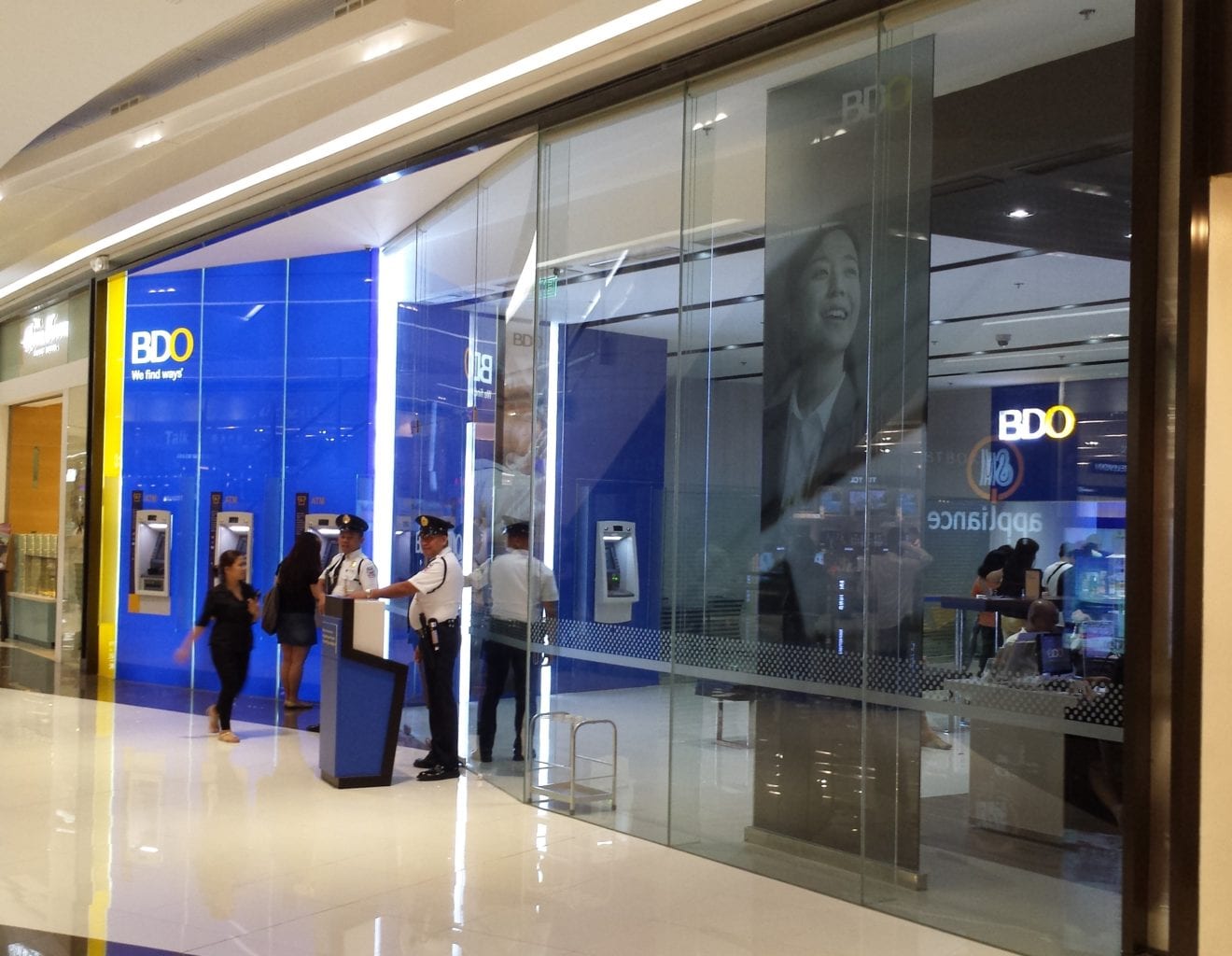
    Manila-headquartered BDO Unibank, the largest bank in the Philippines, has become the first Filipino bank to set up an office in the Gulf Cooperation Council (GCC) where it will operate within the premises of the UAE’s Dubai International Financial Center, a financial free zone and one of the largest financial hubs in the Middle East.

    The establishment of a GCC office is a reaction to the growing number of Philippine expats in the region and their banking needs, Nestor Tan, president and CEO of BDO Unibank, explained. Filipinos form one of the largest expat communities in the GCC, with an estimated 700,000 of them living and working in the UAE. More than 1.2mn are said to stay in Saudi Arabia and over 200,000 in Qatar, and all are the source of significant money flows back to the Philippines.

    “Setting up a representative office in the Dubai International Financial Center was driven by our objective to further widen our overseas network to provide support to Overseas Filipino Workers (OFWs) and residents,” Tan said, adding that “the expansion into Dubai will boost our capability to service the needs of our countrymen in the entire Middle East and, hopefully, make the bank a catalyst for the progress of financial inclusion of the expatriates in the Philippines.”
    The new branch comes on top of several partnerships BDO Unibank already has in the Gulf. It struck a deal with Emirates NBD in January this year to provide quick money transfer services to the Philippines. It also cooperates with UAE Exchange, Al Ansari Exchange and Al Ghurair Exchange for remittance services, as well as with Gulf Exchange in Qatar and other banks and financial service providers in Saudi Arabia, Oman, Kuwait, Bahrain and Jordan.

    OFWs are the third largest source for remittances globally, with $28bn sent back home in 2014, only being topped by Indians and Chinese who sent home the biggest chunk at $70bn and $64bn, respectively. With regards to Filipino remittances, estimates are that more than half of total remittances to the Philippines are originating from the GCC, making it a huge business for regional money remittance services.

    The new branch in Dubai, however, aims at widening the scope of banking services on offer for Filipinos, Tan indicated, as well as at extending the reach of BDO Unibank’s portfolio within GCC countries as the bank also wants to address possible Philippine expat and Middle East investors and provide more sophisticated financial services than just remittances. The bank offers a variety of corporate, commercial and retail banking services, including traditional loan and deposit products. This is in addition to treasury, trust banking, private banking, wealth and cash management, leasing and finance, insurance, retail cash cards and credit card services.

    BDO Unibank – its full name is Banco de Oro Universal Bank – was founded in 1968 as a small savings bank in Manila and became a universal bank only in 1996. Today, it has over 870 branches in the Philippines and one other foreign branch in Hong Kong. It is one of the many banks owned by Chinese-Filipino businessmen in the Philippines, namely tycoon Henry Sy – listed by Forbes Magazine as the richest man in the Philippines – through his conglomerate SM Group of Companies, one of the country’s largest business groups with activities spanning from retail, mall operations and property development to financial services.

    Since 2001, the bank grew through remarkable mergers and acquisitions, among them the Philippine operations of Banco Santander, Citibank, UOB, Deutsche Bank and GE Money. In March 2008, it was listed on the Philippine Stock Exchange. Its main competitors on the home soil are Metrobank, owned by Chinese-Filipino business tycoon George Ty, and Bank of the Philippine Islands (BPI), the oldest bank in the Philippines and a subsidiary of Ayala Corp, the country’s largest business conglomerate majority-owned by the influential Ayala family, which is of Spanish descent.

  • Sister brands make plans to enter Philippines

    Sister brands make plans to enter Philippines

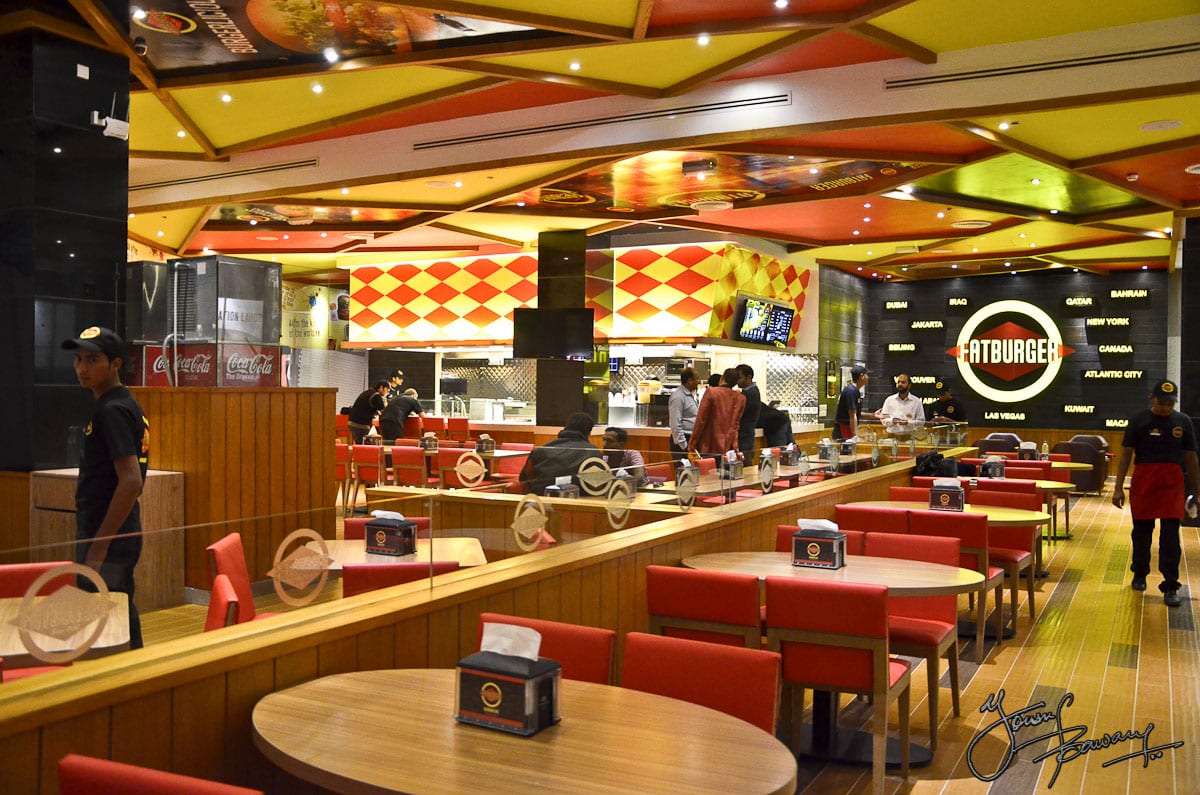
    Fatburger and its sister brand, Buffalo’s Café, have signed a master development agreement with Trimark Holdings Inc., a retail operator throughout the Philippines with a portfolio of more than 40 brands and 300 stores.

    What originally was a deal to develop pure Fatburger restaurants has now changed with plans to develop 16 co-branded Fatburger and Buffalo’s units to the area in addition to freestanding Buffalo’s locations, according to a company press release. The two companies struck a deal earlier last year to bring the burger brand to the Philippines.

    “The economy in the Philippines has seen significant growth in the past few years and shows a great amount of potential for both of our restaurants,” said Andy Wiederhorn, CEO of Fatburger and Buffalo’s Cafe. “Due to Trimark Holdings being so familiar with brand expansion in the country, we will be able to better connect with our audience resulting in our menu being well received.”

  • Flyspaces wants to be Southeast Asia’s Airbnb for office and retail spaces

    Flyspaces wants to be Southeast Asia’s Airbnb for office and retail spaces

    Flyspaces bills itself as “Airbnb for office and retail spaces.” The idea is to build a network of offices, meeting rooms, and commercial spaces that businesses and entrepreneurs can lease for short periods or whenever they need them.

    This concept isn’t new, of course. In the US, several startups like Liquidspace and Storefront are dealing with work and retail spaces. There’s also Breather, which lets users stay in quiet rooms where they can work in peace or just breath and chill out, as the name implies.

    But Flyspaces claims to be the first to bring this concept to Southeast Asia. “The idea is already a working model internationally. I just localized it to Southeast Asian markets. I decided to do it ‘cause I myself went through the pain of finding office spaces in Manila, Singapore, Kuala Lumpur, etc, and I’ve noticed the total lack of flexibility,” says founder and CEO Mario Berta.

    Mario, who comes from a sales background, served as regional CEO for Rocket Internet-backed Easy Taxi for 2.5 years and Nova Founders director for six months. He has been based in Asia for six years now, four of them in the Philippines.

    Cherry-picking tenants

    Flyspaces’ entry is timely as the region’s fast growth has heated up the real estate market.

    Citing a report by property consultancy firm Jones Lang Lasalle, Mario says some cities such as Manila and Jakarta have the lowest office vacancy rates in the world – below four percent.

    The huge demand for office spaces has made the market very “pro-landlord.”

    “Landlords can cherry-pick among possible tenants,” he says. “When I was working for Rocket Internet, I had to submit a company profile to every landlord in Manila and I kept being rejected just because the word ‘startup’ was in it. As landlords were afraid of defaulting tenants, they wanted a safe bet. I started labeling it an IT company and finally got a space.”

    As a precaution, commercial landlords would normally ask tenants to shell out six months’ worth of rent as deposit and pay another six months in advance. That lack of flexibility is a challenge for small enterprises and individual entrepreneurs who can’t afford to engage in costly long-term contracts.

    “We want to offer a complete and comprehensive selection of spaces to clients who need them on an hourly, daily, or monthly basis. These clients could be freelancers looking for a better internet connection than a coffee shop, or a company that needs meeting rooms for a couple of hours around town, or a satellite office or brand that is looking to set up a pop-up shop to test a product,” Mario explains.

    For realtors, Flyspaces also offers an attractive proposition: make money out of unutilized space that you need to maintain anyway.

    Expanding footprint

    Since its launch early this month, the company has signed up multinational office space company Regus on its site, as well as several startups providing co-working space in the Philippines, including Aspace, Acceler8, Bitspace, and Penbrothers.

    Apart from the Philippines’ capital Manila, Flyspaces is doing business in Cebu, the country’s second largest city. It will start expanding internationally to all Southeast Asian cities in December, says Mario.

    “We’ve had more than 500 sign-ups in the first seven days,” he said. “Most of these people do not have immediate need for space, but we’ve made a couple of hundreds of dollars in bookings so far.”

    Meeting rooms on the site can be rented for US$10 per hour to US$500 per hour, while offices are leased for US$100 per month per person to US$500 per month per person. Payments can be made via credit card, bank deposit, wire transfer, and soon Paypal. Just like Airbnb, Flyspaces takes a commission of 20 percent of each successful booking.

    Signing up should be a no-brainer for landlords who want to maximize their assets. The challenge for Flyspaces is how to educate the end-users about its service and have them use the platform instead of a normal phone call to landlords to inquire about rooms, says Mario.


  • Indra Philippines mulls tie up with Indonesia’s Salim Group

    Indra Philippines mulls tie up with Indonesia’s Salim Group

    Tech company Indra Philippines Inc is mulling business expansion in Southeast Asia with a possible tie-up with the Indonesia-based conglomerate Salim Group, reports said.

    Avionics and air defense radar systems are some of the main business targets of Indra in the region, according to Manuel Pangilinan, chairman of the Metro Pacific Investments Corp (MPIC).

    Headquartered in Jakarta, Salim Group has subsidiaries operating in agribusiness, food, distribution and retail, telecommunications, automobile, building materials, infrastructure, real estate, hotels and resorts, banking and financial services, international trade, including chemical manufacturing.

    Only last week, MPIC bought a 26 per cent stake in Indra from its unit the Manila Electric Company (Meralco) for $7.1 million, reducing the latter’s ownership to 24.95 per cent.

    Indra has worked on a number of large systems projects for various MPIC portfolio companies. MPIC is now seeking to further commercialize the expertise developed as part of these projects.

    Indra is a joint venture between Meralco and Indra Sistemas SA of Spain. It has been operating in the Philippines for the past 18 years as provider of information technology solutions to various businesses and industries with engagements in utilities and telecommunications, financial services and public administration.

    The company offers its customers management solutions – consultancy, project development, integration and implementation to IT outsourcing, and business process outsourcing (BPO).

    MPIC and Meralco’s last trading prices remained at P5.07 and P308 since Friday.

  • Smashburger sells 40% of the company to Jollibee Foods Corporation

    Smashburger sells 40% of the company to Jollibee Foods Corporation

    Smashburger, the Denver-based Fast Casual restaurant concept, today announced that it has entered into a definitive agreement to sell 40% of the company to Jollibee Foods Corporation (PSE: JFC), Asia’s largest restaurant company. The purchase price values Smashburger at a $335 million enterprise value.

    Launched in 2007, Smashburger has over 335 corporate and franchised restaurants operating in 35 states and seven countries. Approximately 60% of Smashburger is company owned and operated. Smashburger continues to grow at a rate of 20% annually.

    Jollibee Foods Corporation, a publicly-traded market leader in the Philippines, has been actively seeking an investment in a leading U.S. growth brand. Jollibee Foods Corporation currently operates and franchises a network of over 3,000 restaurants worldwide under the trade names Jollibee, Chowking, Greenwich, Red Ribbon, Yonghe King, Hong Zhuang Yuan, Mang Inasal, Burger King Philippines, San Pin Wang, Jinja Bar. Jollibee also has a 50% interest in the Super Foods Group, which operates and franchises restaurants under the Pho 24 and Highlands Coffee brands throughout Vietnam.

    “We at Smashburger are excited about our new strategic partnership with Jollibee,” commented Rick Schaden, Chairman and Co-Founder of Smashburger. “As founders and entrepreneurs we both have built teams that focus on bringing the highest quality and best tasting food to our restaurant categories. Founder and Chairman, Tony Tan Caktiong and I share a true passion for the restaurant business having opened and operated our very first restaurants, we believe our companies still cultivate that spirit today as we initiate this partnership.”

    JFC Chairman Mr. Tony Tan Caktiong gave the following statement: “Smashburger is one of the fastest growing restaurant brands in the US and we are very excited to work side by side with the owners and management of Smashburger as we continue its growth. This acquisition will make JFC’s presence in the US more significant, going beyond the Filipino market and serving mainstream consumers in the $100 billion US burger market, a food segment which is estimated to be almost three times larger than the pizza, sandwich or coffee segment in terms of sales. This acquisition will make the US one of JFC’s most important markets and drivers of long term growth along with the Philippines, China and other Asian markets abroad.”

    “This partnership will provide additional energy and resources to Smashburger as we expand,” said Scott Crane, President and CEO, of Smashburger. “The team at Jollibee is focused on the same values as our company, which are to serve the highest quality food and provide a great dining experience for our guests.”

    Smashburger was counselled by North Point Advisors as financial advisor and Paul, Weiss, Rifkind, Wharton & Garrison as legal and JFC was advised by J.P. Morgan as financial advisor, Pillsbury Winthrop Shaw Pittman LLP as legal advisor, and Isla Lipana & Co./PwC as accounting and tax advisor in this transaction.

  • Low credit card penetration, lack of trust constrain Philippines e-commerce

    Low credit card penetration, lack of trust constrain Philippines e-commerce

    ONLINE retail sales in the Philippines account for only one percent of total retail sales in the country, a key e-commerce executive said.

    Inanc Balci, Lazada Philippines co-founder and chief executive officer said this is much lower than in Western countries, which record online retail sales from five to 10 percent of the total retail sales.

    One major constraint to the growth of e-commerce in the Philippines is the low credit card penetration. According to Balci, only three to seven million Filipinos are credit card holders and 30 million have bank accounts.

    The lack of trust, customer knowledge, and market size are also challenges confronting e-commerce in the Philippines.

    Because of this, Lazada led the “no risk” cash-on-delivery (COD) payment scheme, where buyers would only have to pay for the item they bought from Lazada when the item is delivered.

    “Credit card penetration is low, but even those with credit cards prefer cash-on-delivery on their first few purchases,” Balci said.

    Most of the transactions in Lazada are through COD.

    In Lazada, top selling categories include electronics, fashion, and home products. These are delivered to the customers within one to 10 days upon purchase.

    The geography of the Philippines is also affecting e-commerce.

    “(There are) hard to reach, low-density areas with low retail presence and an expensive delivery infrastructure,” Balci said.

    To address this, Lazada has been putting up warehouses in some parts of the Philippines.

    Last Thursday, it opened a warehouse in Mandaue City to serve some areas in the Visayas. It will also open one in Davao in the next 12 months.

    While online shopping is a relatively new concept in the Philippines, Balci is optimistic that the country will exceed Western countries’ five to 10 percent share.

    “I believe the Philippines is going to be bigger than the Western markets,” the official said, saying the increasing smartphone use among Filipinos will drive e-commerce growth.

    Balci said there were 10 million additional mobile Internet users in 2015.

    “The mobile ecosystem is the big driver of Internet penetration. (There is a) $21 smart phone on Lazada,” he added.

    Presently, Lazada holds 80 percent market share in the online retail segment. The company sees the Philippines as one of its fastest growing markets. The online shopping mall is also present in Indonesia, Malaysia, Thailand, Singapore, and Vietnam.

    “I’m very optimistic with the Philippines, since we have experienced growth at a crazy rate,” Balci said.

    Lazada was launched in the Philippines in March 2012.

    More than half of Lazada buyers, or 54 percent of them, are males. People aged 18 to 34 years old account for 71 percent of the company’s customers.

  • SM opens 53rd mall in Philippines

    SM opens 53rd mall in Philippines

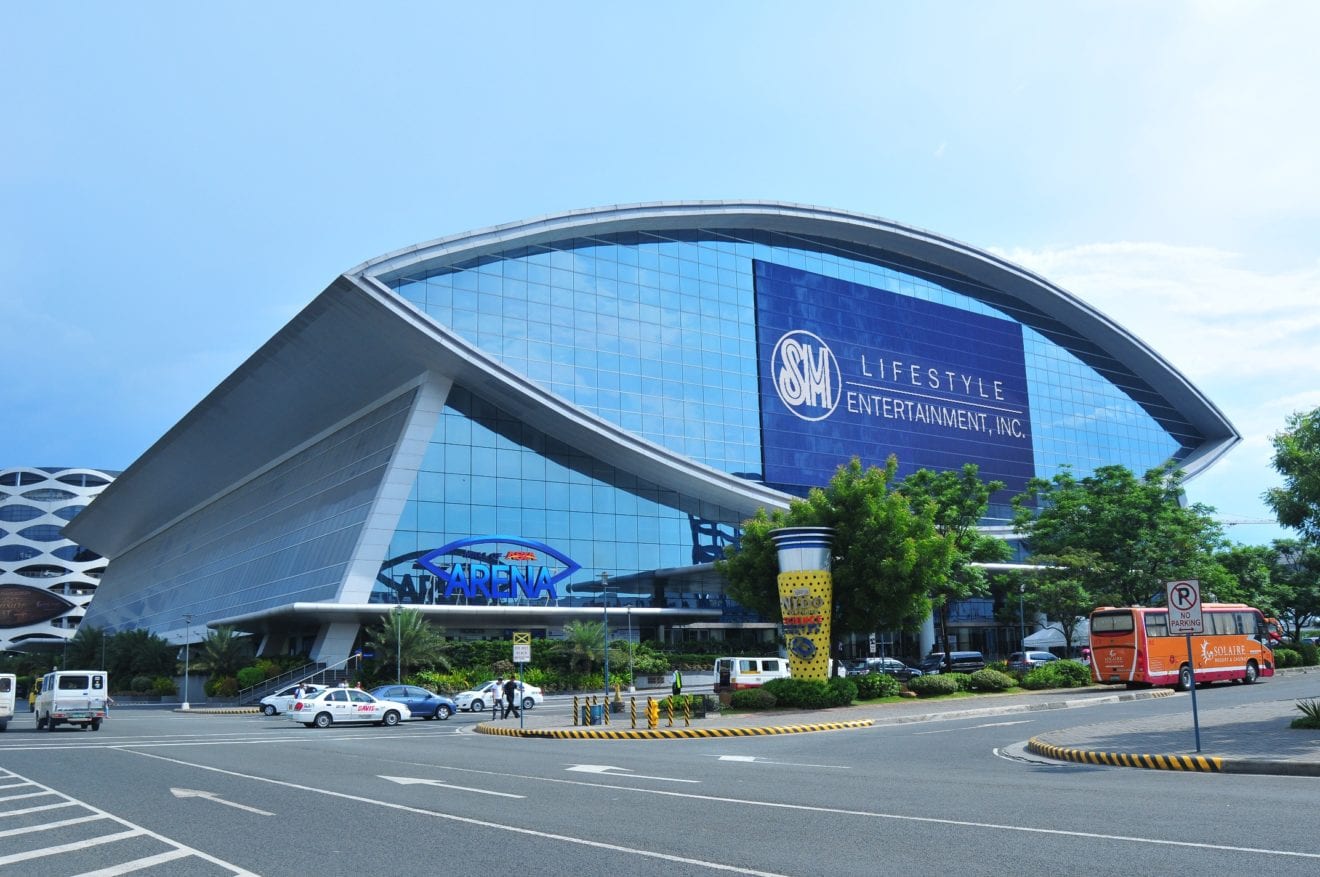
    SM Prime Holdings, Inc. on Friday is opening its second shopping center in Cabanatuan, as part of the property holding firm of the Sy family’s drive to capitalize on the growth prospects in the provinces.

    Its 53rd mall in the country, SM City Cabanatuan expands SM Prime’s footprint in Nueva Ecija after SM Megacenter Cabanatuan, the integrated property developer said in a disclosure yesterday.The four-level mall, which has 154,020 square meters (sqm) of gross floor area (GFA), increased SM Prime’s total retail space to 6.76 million sqm in the Philippines.

    “The opening of SM City Cabanatuan is SM Prime’s commitment to be part of the growth of the province. The opening of new malls is timely given the expected higher growth in overall consumption in the fourth quarter,” the disclosure quoted SM Prime President Hans T. Sy as saying.

    “The economy’s sustained gross domestic product growth in the past five years is now spreading to the provinces and we at SM Prime will continue to expand in these provinces that are enjoying high growth, like in Cabanatuan City, where we see significant development and huge unserved demand for shopping experiences,” Mr. Sy said.

    Cabanatuan, the largest city in Nueva Ecija, is located between the provinces of Pampanga, Bulacan, Tarlac and Aurora.

    SM City Cabanatuan is 90% occupied by various tenants, including SM Store, SM Supermarket, Ace Hardware, SM Appliance Center, Watson’s, The Body Shop, Surplus Shop and Uniqlo.

    The mall will have six cinemas, consisting five cinemas with a 275-seating capacity and one large-format cinema with a 525-seating capacity. It has 2,500 parking slots for cars and motorcycles.

    For the rest of the year, SM Prime is scheduled to open SM Center Sangandaan in Caloocan and SM Seaside City Cebu. The company is also set to expand SM City Lipa in Batangas and SM City Iloilo this year.

    By the end of 2015, SM Prime will have 55 malls in the Philippines and six in China with an estimated combined GFA of 8,269,486 million sqm.

    Next year, SM Prime is spending P65 billion in 2016 with plans to open six malls with an aggregate GFA of 430,669 sqm. They are located in San Jose Del Monte in Bulacan, Commonwealth in Quezon City, Trece Martires City in Cavite, Tuguegarao, Puerto Princesa in Palawan, and Urdaneta in Pangasinan.

    SM Prime is part of SM Investments Corp., which has core businesses in retail, banking and real estate. The family also has interests in gaming, geothermal energy and infrastructure.

    Shares in SM Prime slid 10 centavos or 0.47% to P21.40 apiece yesterday.

  • Datem, Metro Retail Stores IPO plans okayed by SEC

    Datem, Metro Retail Stores IPO plans okayed by SEC

    The Securities and Exchange Commission (SEC) on Friday approved two initial public offering (IPO) plans worth a combined P10.82 billion.

    In a special meeting, the corporate regulator greenlighted construction firm Datem, Inc. and Gaisano’s Metro Retail Stores Group, Inc.’s bids to raise P4.65 billion and P6.17 billion, respectively, by going public.

    The IPO plans still have to be approved by the Philippine Stock Exchange (PSE). If accepted, the market debuts would be the third and fourth for this year.

    The bourse has said that it was targeting nine to 10 IPOs for this year but PSE President Hans Sicat has revised this to five given market volatility.

    Metro Retail
    Gaisano family’s Metro Retail Stores Group Inc. is looking to raise up to P6.17 billion from the IPO, offering a total of 1.012 billion shares (920 million for the base offer and 92 million for oversubscription) at P6.10 each.

    Final pricing has been scheduled for October 29 and the offer period will run from November 2 to 6. Listing at the PSE Main Board is expected on November 12.

    Expected net proceeds of P5.285 billion — without the overallotment option — after offer and listing expenses and taxes will be used for expansion of the firm’s store network (P3.752 billion), construction of a logistics and distribution center (P1.215 billion) and working capital requirements (P317.2 million), mostly for 2016 up to 2017.

    BPI Capital Corp. and Deutsche Bank AG have been appointed joint global coordinators.

    Metro Retail is the operator of Gaisano stores, including Market! Market! in Bonifacio Global City. As of end-June, the company had 45 stores nationwide, including nine in Metro Manila, with a total net selling space of about 197,873 square meters.

    Datem
    Datem, Inc., meanwhile, wants to raise P4.65 billion to expand its activities in construction, housing and bulk water.

    It wants to sell up to 329.046 million shares (286.127 million for the base offer and 42.919 million for oversubscription) at P14.15 per.

    The offer period is scheduled to run from November 16 to 24, while listing at the PSE Main
    Board is targeted by the end of November.

    BPI Capital Corp. and First Metro Investment Corp. have been appointed joint issue coordinators, lead underwriters and bookrunners.

    Datem has ongoing projects with big developers, including eight residential developments for Megaworld Corp., One Shangri-La Place for Shang Properties Inc., Twin Oaks Place for Greenfields Development Corp., Arya Residences for Arthaland Corp., Grand Hyatt Residences for Federal Land Inc., Axis Residences for Robinsons Land Corp., The Makati Place for Alphaland Corp. and Parksuites for Anchor Land Holdings Inc.

    Other IPO hopefuls for this year, and the amounts they want to raise, include D.M. Wenceslao & Associates Inc. (P21.7 billion), restaurant chain operator Gweilo Corp. (P75 million), Green Power Panay Philippines Inc. (P290 million), property developer Italpinas Development Corp. (P242 million), brokerage firm Philstocks Financial Inc. (P185.89 million), Philippine Primark Properties Inc. (P1.2 billion) and BPO firm Pointwest Technologies Corp. (P2.09 billion).

    Only two firms have listed so far this year: Crown Asia Chemicals and SBS Philippines Corp.

    Arman Pan, SEC acting corporate secretary, said the final decision on whether or not to go public lay with the firms themselves.

    “Approval [of IPO plans] is easy. It is just a question of whether firms will push their listings this year given the market volatility,” Pan said.

  • Metro Retail Stores Philippines IPO approved

    Metro Retail Stores Philippines IPO approved

    The Philippines Securities and Exchange Commission has approved Metro Retail Stores Philippines’ initial public offering, with the retail chain expected to raise P6.17bn (US$135m) next month.

    Run by the Gaisano family, Metro Retail Stores operates hypermarkets and supermarkets across the country, and plans to use the proceeds from the float to expand its network of stores, and construct a new distribution centre.

    Metro Retail Stores plans to sell up to 1.01bn shares at P6.1 (US$0.13) each, with the price to be finalised on 28 October head of an expected 12 November listing.

  • AirAsia to revive Davao-Clark

    AirAsia to revive Davao-Clark

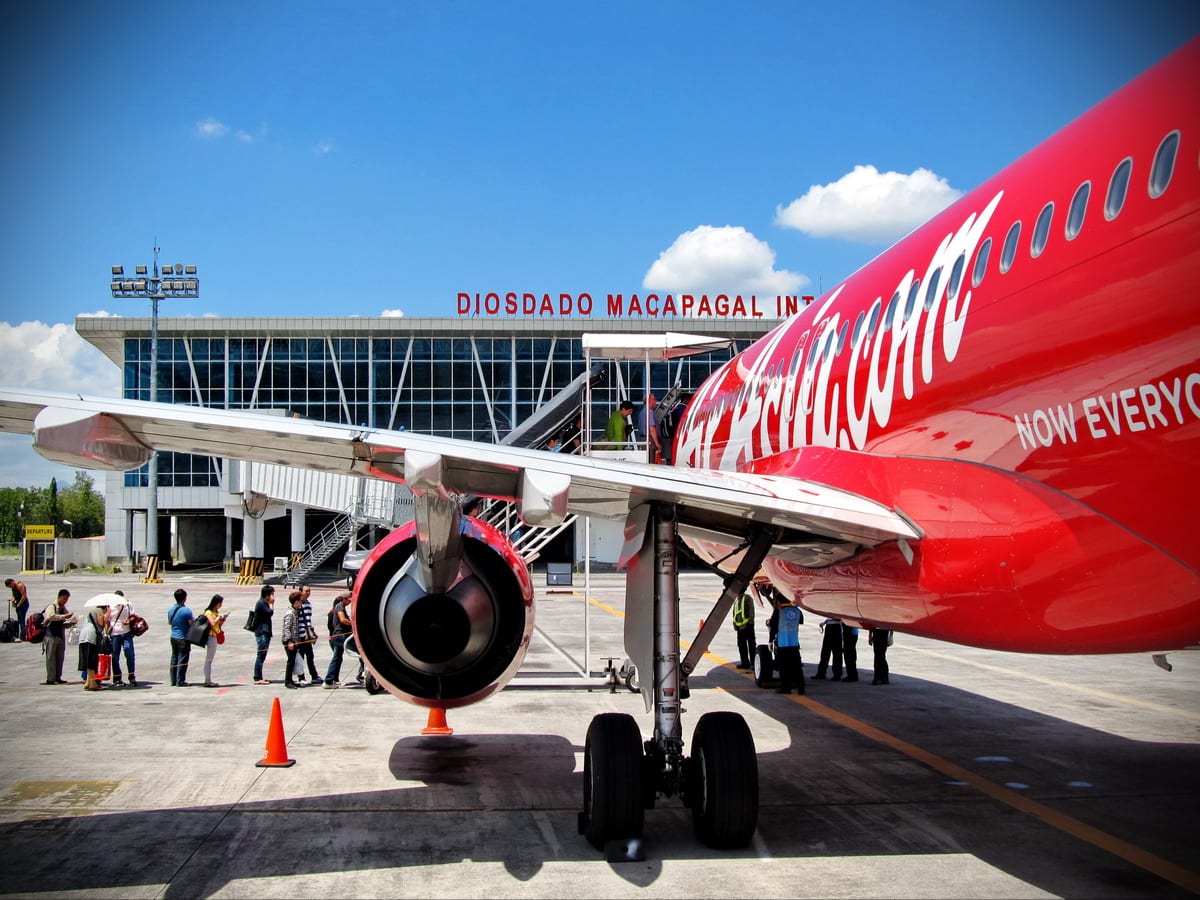
    Around two years since Davao-Clark flights were suspended, the budget airline Philippine’s AirAsia is gearing up to revive the route, a tourism officer said.

    Arwin Lingat, provincial tourism officer of Pampanga, said that AirAsia is working out to offer again the Davao-Clark, Pampanga flights.

    “Though it is still up for confirmation, there are plans to revive the flight from Davao-Clark and vice versa,” he said.

    He also pointed out that Davao-Clark Pampanga route has a big chance to be revived especially now that AirAsia inked an agreement with Davao tourism industry sector last September 30, 2015 during the recently-concluded 16th National Convention of the Association of Tourism Officers of the Philippines (Atop) in SMX Convention Center, Lanang, Davao City.

    Davao City Tourism Operations Officer Lisette Marquez, for her part, said that the signing of agreement with Air Asia for a special arrangement for Meetings, Incentives, Conventions and Events or Exhibitions (Mice) participants would mean an easier arrangement with no fee if the ticket holder wants the fare be upgraded or rebooked.

    The partnership between the city and Air Asia was signed during the formal launching of Mice Davao Program. The program is aimed to signify the city as a potential Mice destination in the country.

    In a report last 2013, budget airline Philippine’s AirAsia announced it will temporarily stop servicing the route starting October 9. The airline said the suspension was made to cushion the impact of losses made by its affiliate Zest Airways following the suspension order imposed by Civil Aviation Authority of the Philippines (Caap) last August 16, for safety violations.

    “The temporary suspension is primarily to manage costs following the recent grounding of Zest Air by Caap. This has affected many factors and allocating necessary resources such as aircraft and crew critical to ensure its recovery,” the airline said.

    Among the violations committed by Zest Air, as cited by Caap, were the series of occurrences like fuel overflow that affected several flight operations, refueling with passengers on board, excessive flight duty time of pilots, and failure to present an airman license during ramp inspection.

    Air Asia holds around 49 percent share in Zest Air.

    Flights from F. Bangoy International Airport, Davao City to Clark International Airport in Clark, Pampanga, is at four times a week.

    The airline route was suspended only after over a year of operations.

  • UnionBank bets on retail boost

    UnionBank bets on retail boost

    UNION BANK of the Philippines, Inc. (UnionBank) expects its retail business to boost its growth this year as an industry-wide slump in trading gains is seen continuing on the back of persisting market volatilities.
    The Aboitiz-led bank’s total loan portfolio is already bigger “in general” compared to its income from securities, UnionBank Senior Executive Vice-President Edwin R. Bautista said.“There’s a big growth in our loan book. It’s something that in the past we’ve said that we’ll do but the growth has always been just modest… but since last year, most of our growth is coming from retail,” Mr. Bautista told reporters in the sidelines of an Aboitiz party last Thursday.

    Currently, consumer lending — auto loan, mortgage, salary loans — makes up “more than half” of UnionBank’s P150-billion lending portfolio, while the rest are commercial loans, he added.

    “I think most of the banks know that the trading income would not be as much this year. We’re all trying to recover it through net interest income, fees, so growth, it will have to come from expansion of loan book because your source of income would be loans, fees, trading income. Since the opportunity to gain from trading income is not there, you have to make up through the other lines,” Mr. Bautista said.

    The bank official, who is set to take over the post of current UnionBank President and Chief Operating Officer Victor B. Valdepeñas by yearend, noted that there is a push to foray into retail banking since the “margin is very good.”

    Aboitiz Equity Ventures, Inc. (AEV) President and Chief Executive Officer (CEO) Erramon I. Aboitiz said in his speech during the same event that for UnionBank, AEV — the listed holding firm of the Aboitiz family’s businesses — “remains focused on its 2020 strategic objectives: double market share to 9%, 15% CAGR (compounded annual growth rate) volumes, balance revenues and becoming a great retail bank.”

    Last May, Mr. Valdepeñas told reporters that the Aboitiz-led bank targets up to 30% growth in its loan portfolio in 2015 compared to its P139-billion loan book as of end-2014.

    Moving forward, UnionBank sees its loan portfolio rising a little over its current level by yearend.

    This, however, will not be enough to lift the lender’s growth this year over its 2014 record.

    “Right now, we are I think more than 50%. In this market, once you hit 50% that’s already a big thing since the consumer market is small compared to the corporate loan market. So if you want to be big in terms of balance sheet, you have to be big in the corporate lending… [but] everyone wants to go into retail since the margin is very good,” Mr. Bautista said.

    “I think we will end the year near where we are right now or pretty much a little bit more, 5-10% from where we are today. Before, if you look at our balance sheet, securities made up bulk of that, but now loans in general take up bigger share compared to securities,” he further said referring to the bank’s loan portfolio growth.

    A STRETCH
    Mr. Bautista added: “It will be difficult to surpass last year’s growth.

    I think for all the banks, it will be a stretch. I think it will already be a big achievement if we match our level last year.”

    The bank earlier targeted a 5% growth in net income this year to P8.7 billion on the back of the continued expansion of its lending business, with at least a quarter of the earnings guidance to come from City Savings Bank, Inc. (CSB), a Cebu-based thrift lender it took over in 2013. The move consolidated the Aboitizes’ banking ventures under one company. UnionBank, a universal bank, is majority-owned by Aboitiz Equity Ventures, Inc., while CSB is also majority-owned by AEV and its food unit, Pilmico Foods.

    Meanwhile, UnionBank is open to possible acquisitions, Mr. Bautista said, “if the right opportunity presents itself” although the listed lender’s main focus “to strengthen” its current base.

    The bank is also currently maximizing its growth “to the extent that our capital allows without raising more capital right now” but UnionBank may tap the debt market should there be a need to do so.

    “We don’t see a need yet to raise the capital. We are in a sustainable growth trajectory that our income is enough to provide capital for the growth. But if we see an opportunity … then I think we will consider raising more capital. But we also don’t want to raise capital prematurely because it will reduce our RoE (return on equity),” he said.

    UnionBank saw its net income for the first six months of 2015 plunge to P3 billion compared to the P4.467 billion it posted in the same period a year ago.

    UnionBank shares closed at P53.80 apiece last Friday, gaining P1.80 or 3.46% from its previous close of P52 each.

  • L&L Hawaiian Barbecue opens in Manila

    L&L Hawaiian Barbecue opens in Manila

    L&L Hawaiian Barbecue has opened its first store in the Philippines, with a second one planned by November.

    The ‘plate lunch’ QSR brand made its debut quietly last month in a shopping mall at Edsa which will be followed by a second outlet in SM Megamall in Manila.

    “I think that the people there really enjoy our taste in food,” L&L Hawaiian Barbecue VP and COO Bryan Andaya told Pacific Business News. “Here, in the US, our third biggest demographic is Filipinos.”

    L&L Hawaiian Barbecue, also known as L&L or as L&L Drive-Inn in Hawaii, is a franchised restaurant chain based in Honolulu, Hawaii, centered on the traditional Hawaiian ‘plate lunch’.

    The concept expanded onto the US mainland in 1999 and there are now more than 200 locations across the US, Tokyo and Auckland, New Zealand.

    The brand has been credited with popularising the plate lunch in Hawaii, primarily through its drive-throughs.

  • Asia luxury goods market still growing

    The Asia luxury goods market is still growing rapidly despite negative press about Hong Kong, Macau and deteriorating China spending.

    Luxury goods retail sales in Asia-Pacific are expected to reach US$134.9 billion by 2019, growing at a CAGR of seven per cent during 2014-2019, according to the report Luxury Goods Retailing Market in Asia-Pacific, 2014-2019 Market and Category Expenditure and Forecasts, Trends, and Competitive Landscape.

    Japan will remain the largest Asia Pacific luxury goods market amid a slowdown in China and India’s luxury goods market is the fastest growing in Asia-Pacific, driven by rising disposable income, growing fascination towards luxury brands, and the desire of high earners to differentiate themselves from others.

    The report says jewellery, watches and accessories is the largest and fastest growing category in the region, driven by higher spending on jewellery and watches by Chinese, Japanese, and Korean consumers.

    The Hong Kong luxury goods market is struggling due to political unrest and reduced Chinese spending. A luxury tax exemption is expected to boost luxury goods consumption in Indonesia.

    Social messaging apps is a trending marketing channel for luxury brands, as the digital channel is influencing the purchasing decisions and pattern of consumers.