Tag: Philippines

  • Celebrities grace ‘Visit Philippines Again’ 2016 London launch

    Celebrities grace ‘Visit Philippines Again’ 2016 London launch

    Even as the outrage over the tanim-bala (bullet-planting) scam has dominated Philippine social media, the trending tweets in the United Kingdom last Tuesday evening was #VisitPhilippinesAgain2016.

    About 200 UK-based travel media, bloggers, TV celebrities, “influencers,” travel trade partners and investors trooped to Searcy’s, a private club at the top of the iconic The Gherkin, for the launch of the global campaign for VPA2016 of the Department of Tourism and its marketing arm, the Tourism Promotions Board (TPB).

    Filipino-American rap artist apl.de.ap of The Black Eyed Peas sang a catchy new tune titled “It’s More Fun in the Philippines” especially composed for the campaign. In the song, he narrates “places to go, the things to see” when a tourist visits the Philippines. “You can walk along the beach, the sun shining on your feet, wine and dine, our food is unique, go dancing in the moonlight…” he rapped, as a music video played on the screen behind apl. de.ap showing the images  he was narrating.

    In a brief message, Tourism Secretary Ramon R. Jimenez Jr. expressed his appreciation for the guests at the event, and extolled everyone to “just visit the Philippines.”

    In a separate interview, he said, “Visit Philippines Again 2016 is going to be the most massive retail-focused effort the Philippines has ever made. We’re negotiating with tour operators and travel agents for incentives to give returning visitors to the Philippines.”

    He added, “We’re putting together packages and rewards, so that when a tourist returns to the Philippines for a second or fifth time, he will get discounts in several establishments.”

    Other musical performers at the event included Jessica Reynoso, a finalist in the first season of The Voice of the Philippines. Calling her “the next big star from the Philippines,” apl. de.ap served as her mentor during the widely watched first edition of the musical competition. They also sang a few numbers together.

    Another much-applauded performer was Princess Ybañez, a violinist in the mold of Vanessa Mae, who modernized classical violin pieces to reach a wider and younger audience.

    The VPA2016 global launch was part of the DOT’s activities during the World Travel Market  (WTM) 2015, held from November 2 to 5 at the ExCel in London. About 5,000 exhibitors participate in this leading travel event to showcase their destinations, products  and services. According to its web site, “the organizations use WTM as a platform to reach 50,000 travel professionals” who were expected to flock to the show.

    Exhibitors were organized in two massive halls by geographical region: Africa, Asia, Europe, the Middle East, the UK and Ireland, as well as “Global Village.” The Philippines has been attending the annual event since 1980, when the WTM was first conceived.

    In a related development, TPB COO Domingo Ramon Enerio III told the BusinessMirror that the Philippines will be hosting the Travel Bloggers Exchange (Tbex) from October 13 to 16 next year at the PICC in Pasay City. “We’re expecting 700 delegates. We believe that social media is an effective tool to send out more good news and stories about travelling in the Philippines.”

    After the main event, he said the bloggers will travel to different appealing destinations around the country, such as Boracay, Cebu, Palawan, to name a few. “We’re still finalizing the dates for the post-event trips, but definitely this will be all over the Philippines,” he added.

  • SM Center Sangandaan opens

    SM Center Sangandaan opens

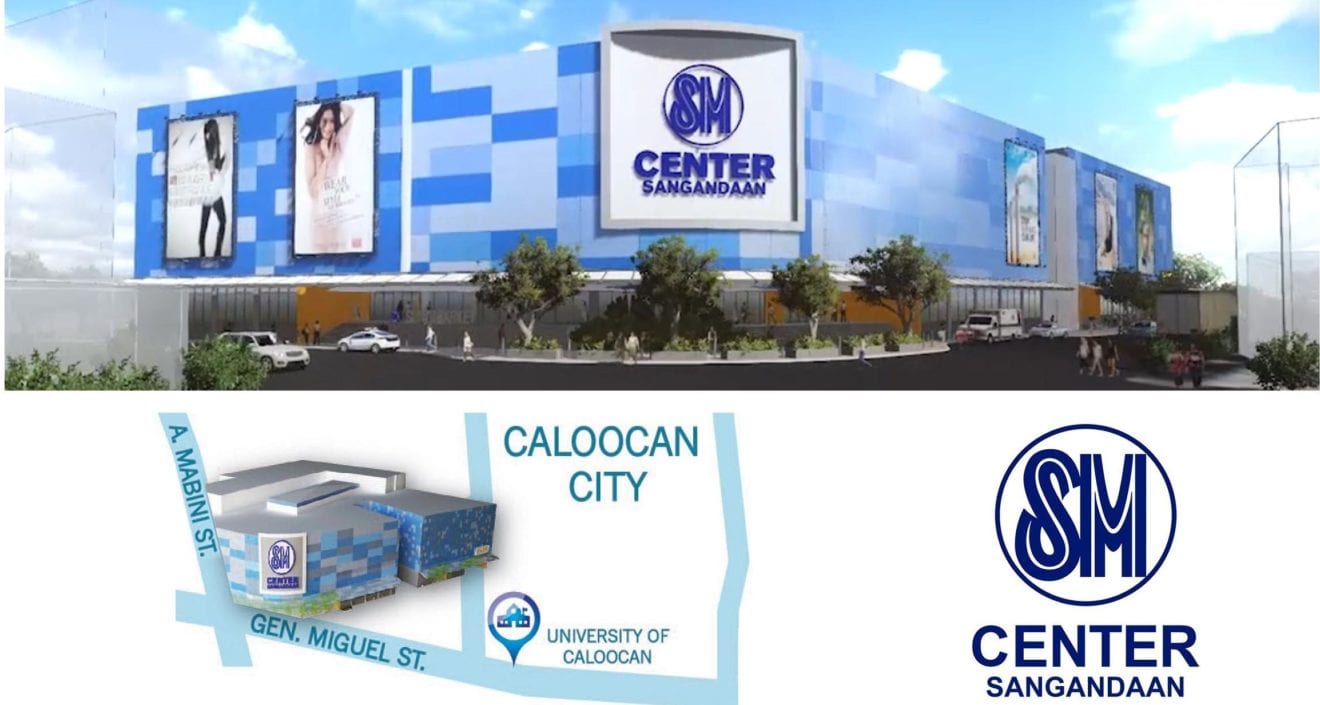
    SM Center Sangandaan has opened its doors – owner SM Prime’s 55th mall in the Philippines.

    It is SM Prime’s first mall in the populous City of Caloocan, one of the 16 cities within Metro Manila. The new mall provides an additional 38,622 sqm in gross floor area (GFA), giving SM Prime a total retail space of 6.8 million sqm, the largest mall footprint in the country.

    SM Center Sangandaan, strategically located along the busy intersection of Samson Rd and A. Mabini St in Sangandaan, will give SM Prime access to the northern tip of Metro Manila, bringing a unique shopping experience closer to the highly dense cities of Malabon, Navotas and Caloocan.

    “SM Center Sangandaan reflects SM Prime’s commitment to be part of the growth across communities. We are very pleased to open our first mall in Caloocan City which is a testament to the fact that Metro Manila is far from being saturated by modern retail facilities,” SM Prime president Hans T. Sy said.

    The mall opens its doors to a catchment of more than 1.5 million with 90 per cent of its space leased. Anchor tenants include SM Supermarket, SM Appliance Center, SM Cinema, Ace Hardware, BDO and Watsons.

    There are three levels of prime space which includes four cinema theaters with a total seating capacity of 824, and 493 parking slots.

    The mall’s facade features different shades of blue, gray and white, giving the exterior a quirky geometric visual design. The main interior features a high glass ceiling, complemented by white walls which maximises daylight and adds further dimension to the mall.

    SM Center Sangandaan is the fifth SM mall to be opened this year, after Cherry SM in Shaw Boulevard with a GFA of 24,165 sqm and SM City Cabanatuan, both of which opened this month. SM Seaside City Cebu is next, scheduled to open on November 27.

    By the end of 2015, SM Prime will have 56 malls in the Philippines and six in China.

  • Lazada launches online Christmas sale

    Lazada launches online Christmas sale

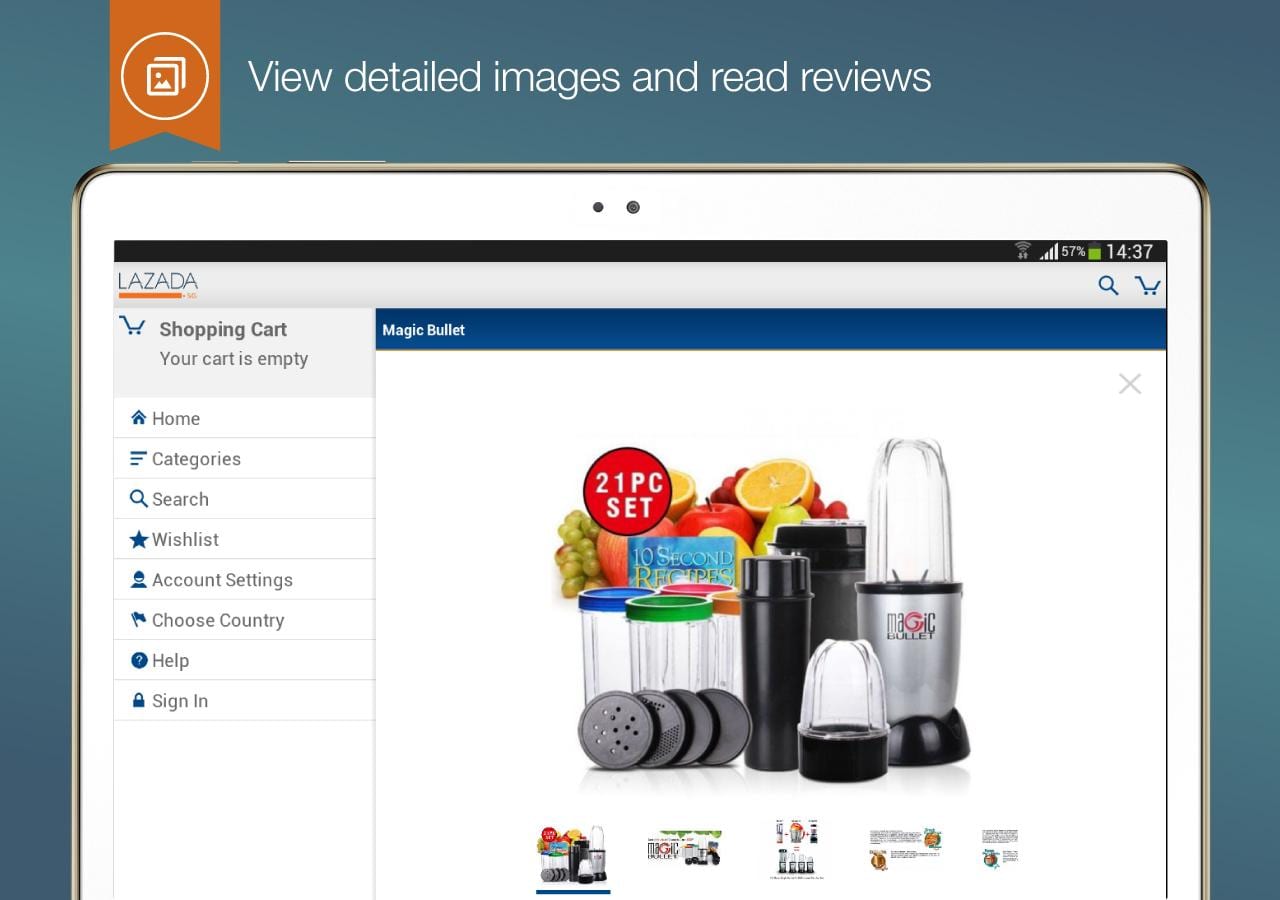
    The country’s biggest online retail firm, Lazada Philippines, has announced the launch of its month-long Christmas sale, bubbed as Lazada Online Revolution, from November 11 to December 12, slashing prices of over 200,000 goods  across 13 product categories up to 95 percent.

    November 11 or 11/11 is known in China as “Singles’ Day” celebrating bachelors and bachelorettes and e-commerce retailers have turned it into the world’s biggest online shopping event.

    Last year, they sold over $9 billion worth of products on “Singles’ Day”.

    Lazada introduced the 11/11 holiday in the country to mark the start of the Christmas shopping season and has hauled record sales since then.

    For 2015, Lazada Philippines expects to break new records, with over two million visitors to its website and mobile app on the date.

    Big brands and merchants in electronics, fashion, kids and toys as well as home goods are joining the sale.

    Online merchants will also come up exclusive items on flash sales and P99 deals on November 11.

    Participating brands include ASUS, Lenovo, Alcatel, Cherry Mobile, Bosch, Belo, Huggies, Mamy Poko, Timex and Giordano watches.

    As an early treat for Lazada shoppers, the retail firm will sell special items for P11 each.  Lazada bestsellers, such as Sandisk 8GB flash drives, 5600 mAH Powerbank and 4-layer shoe racks could be purchased for P11 starting today until 11/11/

    The P11 deals will be announced everyday at 11:11 a.m. on one of Lazada’s social media channels (Twitter: lazadaph, Facebook: lazadaph, Instagram: lazadaph).

    “We’ve been working hard with our merchants and suppliers to bring these deals to our customers,” according to Lazada Philippines CEO Inanc Balci. “We  believe that online shopping will provide a lot of convenience to shoppers especially during the holiday season.”

    “By shopping online, they can avoid heavy traffic, long lines and crowded areas,” he pointed out.

  • SM named Philippines’ Top Retailer

    SM named Philippines’ Top Retailer

    In October 1958, SM, then known as Shoemart, was nothing but a lone store along Rizal Avenue in downtown Manila. Fifty-seven years later, it has become a part of the lives of millions of Filipinos across the country and abroad. And with more than half a century of retail experience under its belt, SM Retail once again received the Gold Award as the Philippines’ Top Retailer at the recently held Retail Asia-Pacific Top 500 Awards.

    Each year, Retail Asia Publishing recognizes the largest and most outstanding retail companies in the 14 Asia-Pacific economies. Three retailers stand our from the pack and receive Gold, Silver and Bronze awards. SM Retail has consistently been a Gold recipient, while Puregold Price Club and Mercury Drug Corporation received the Silver and Bronze Awards, respectively.

    Two other companies affiliated with the SM Group, Watsons Philippines and Ace Hardware also received Certificates of Distinction during the awarding ceremony.

    SM Retail received the Gold Award as the Philippines’ Top Retailer during the recent Retail Asia-Pacific Top 500 Awards held recently at the Solaire Resort and Casino. Photo shows SM Retail Chairman Tessie Sy Coson receiving the award from Mr. Douglas Lawson, UnionPay International Southeast Asia’s Head of Regional Products. Each year, three top companies in 14 Asia Pacific economies receive Gold, Silver, and Bronze top retailing awards, with SM Retail consistently a Gold recipient. Two other companies affiliated with the SM Group, Watsons Philippines and ACE Hardware also received Certificates of Distinction during the evening.

    Retail Asia Publisher Andrew Yeo commended the retailers that made it in the Retail Asia-Pacific Top 500 list for having “risen to the many challenges confronting the industry, reviewing and revamping their operation to provide seamless shopping experiences for today’s highly connected shoppers.”

    Since its establishment, SM Store has undergone major transformations to serve a new generation of customers. SM Makati introduced the shop-in-shop concept wherein each category is designed and conceptualized like an individual boutique with its own look and feel.

    Here, elements work together to create a bolder, more innovative kind of retail environment, which highlights and defines the merchandise, engaging the elite customer to experience a new sense of space.

    Apart from the SM Store, SM’s Retail Group also has specialty store formats that serve niche markets by focusing on a wide selection of merchandise for each category. Part of this is the Food Retail Group, which recently unified its three formats – SM Supermarket, SM Hypermarket, and Savemore – under one brand name known as SM Markets to emphasize the group’s commitment to bring the same friendly service, wide selection, and great value across all its stores.

    The Non-Food Group, on the other hand, has store formats including appliance stores, fashion discount and toy superstores, as well as Kultura Filipino, a showcase of the best Filipino products.

    “You have not only proven yourselves to be adaptable and versatile, but also able to win and maintain the critical core value that all retailers must nurture in their drive to win and retain their customers – trust,” said Yeo.

  • Five Manchester City online stores launched in Asia

    Five Manchester City online stores launched in Asia

    English Premier League club Manchester City has partnered with EZ Shopnet to launch five online stores serving Asian fans.

    Manchester City online stores will be launched for customers in China, Hong Kong, Japan, Korea andSoutheast Asia.

    As the club’s new online retail partner for Asia Pacific, Hong Kong-based EZ Shopnet will help to meet fast growing demand across Asia Pacific for official Club merchandise. Each of the five stores operates in local languages and currencies, with local customer support enabling the club to get official merchandise to its fans quickly and cost effectively.

    Manchester City is following the lead of rivals Manchester United and Chelsea in cashing in on the growing fan base for EPL across broader Asia. It recently opened a regional management office in Singapore.

    Omar Berrada, group commercial director for City Football Marketing, which brokers Manchester City’s commercial partnerships and manages all of its retail and licensing, said that through EZ Shopnet, the club can get even closer to its growing fan base across Asia Pacific and deliver them a better and quicker service.

    “We have seen an enormous growth in our followers in the region and we are extremely happy that they will have easier access to official City kits and our wide range of merchandise than ever before.”

  • PAL, Air Asia cancel 300 flights for Apec

    PAL, Air Asia cancel 300 flights for Apec

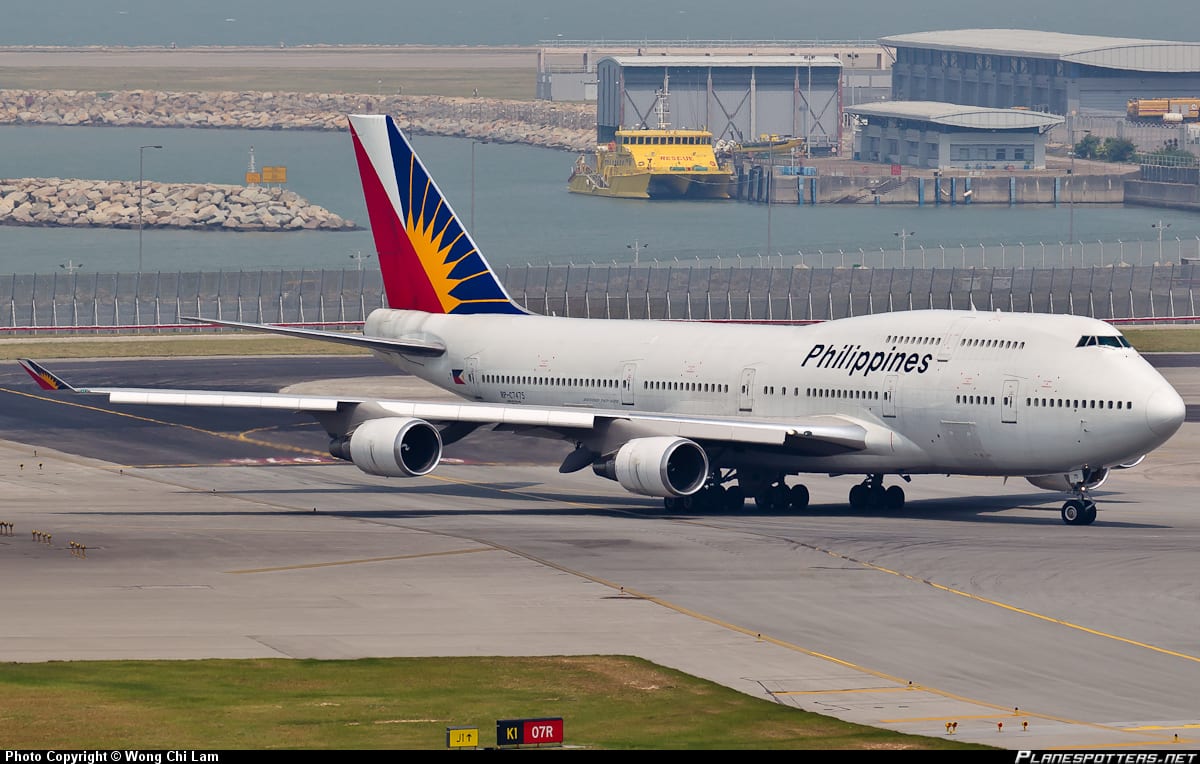
    The country’s flag carrier Philippine Airlines (PAL) and Air Asia Philippines cancelled nearly 300 domestic and international flights in anticipation of disruptions in runway operations on the week of the Asia-Pacific Economic Cooperation (Apec) Summit.

    In an advisory, PAL announced it was grounding 115 domestic and 96 international flights from Nov. 15 to 20 “to give way to the arrival and departure of Apec leaders.”

    The Manila International Airport Authority (MIAA) had announced periods of temporary runway closure at the Ninoy Aquino International Airport as part of the protocol for the arrival and departure of world leaders.

    Heads of state are expected to arrive on Nov. 16 and 17 for the summit which will be held on the 18th and 19th. They are expected to leave Manila on Nov. 19 and 20.

    “PAL assures affected passengers that the airline will reschedule their flights with rebooking and penalty charges waived,” the advisory said.

    Likewise, passengers with confirmed flights on Nov. 15, 16, 17, 18, 19 or 20 have the option to rebook within 30 days from their original schedule “for as long as the new schedule falls within the ticket validity period.”  They can also refund the full  ticket cost.

    PAL said that it may cancel more flights depending on the flight movements of the heads of state attending the summit.

    Meanwhile, Air Asia cancelled 74 domestic and 10 international flights from Nov. 17 to 20, also to give way to the arrival of heads of state.

    The airline gave passengers on the cancelled flights the option to rebook within 30 days of the date of their original flight schedule or get a refund.  Affected flyers may also avail of a credit shell within 90 days of the cancelled flight.

    A credit shell, according to Air Asia, is “a credit account where monies paid towards a booking  are stored.” The number issued, which is practically the booking number, in a credit shell account that may be used by passengers to transfer flights.

  • Philippine firms on billion dollar global shopping spree

    Philippine firms on billion dollar global shopping spree

    Philippine firms are on an unprecedented global shopping spree spending billions on everything from vineyards to food manufacturers and casinos reflecting the nation’s recent economic rise.

    A combination of strong domestic growth bargain prices in retreating economies abroad and rock-bottom borrowing rates have fuelled the acquisitions analysts said.

    The Southeast Asian nation has for years exported shopping malls and junk food to the region but cashed-up Filipino firms have diversified in recent years with acquisitions around the world and in many sectors.

    “It has not happened in this rapid succession. It’s like a colonial mentality in reverse” said Luis Limlingan research head at Manila stock brokerage Regina Capital.

    The pace of the acquisitions has startled both local and foreign investors according to BDO Unibank chief market strategist Jonathan Ravelas.

    “Filipino companies are moving into the global space and it’s not limited to just one sector. The opportunities abound” he said.

    In one of the most-recent big-ticket acquisitions local instant noodle firm Monde Nissin said last month it was buying British meat substitute manufacturer Quorn for 550 million pounds (833 million).

    In the last two years the private company also snapped up popular fruit juice brand Nudie and chilled dips manufacturer Black Swan both from Australia for undisclosed amounts.

    Monde Nissin is owned by Betty Ang who started her company 30 years ago and is now the nation’s 19th richest person with a net worth of 900 million according to Forbes.

    Meanwhile Emperador a company controlled by the Philippines’ fourth richest man Andrew Tan and which specialises in cheap brandy at home is looking to spend more than one billion dollars on diversifying in Europe.

    In May the company said it would bid to acquire French cognac maker Louis Royer SAS.

    There has been no resolution in that attempt yet but last year it paid 430 million pounds (726 million) for Scottish whisky maker Whyte and Mackay.

    Emperador also spent 60 million euros (82 million) last year for half of Spanish brandy producer Bodega Las Copas.

    The Philippines’ third-richest man Enrique Razon has made headlines by expanding on the port operator business that has made him his fortune by setting his sights on the Asian gaming market.

    He opened a billion-dollar casino in Manila in 2013 and then in March this year his Bloombery Resorts firm announced it was buying AN island and part of another one in South Korea for his first overseas gaming foray.

    Analysts said these were some of the highest-profile acquisitions overseas but there were many others in a wide range of sectors including telecommunications power fast food and oil.

    Awash with cash

    Filipino firms are leveraging their earnings from a robust local economy to snap up bargains in countries where growth has slowed analysts said.

    “These companies have huge stashes of cash and they are maximising it to compliment their existing businesses” said Astro del Castillo managing director at Manila stock brokerage First Grade Holdings.

    The Philippines had for decades endured low economic growth compared with other Asian tiger economies partly due to crippling corruption and red tape.

    But in recent years the economy has been one of the strongest in Asia averaging growth of 6.3 percent between 2010 and 2014.

    President Benigno Aquino whose six-year term ends in 2016 has been widely credited overseas for the economic gains due to his efforts to tackle graft and stifling government bureaucracy.

    This year the economy has slowed but still expanded by 5.3 percent in the first half.

    But many of the enduring problems remain at home and these are forcing the local firms to look elsewhere according to Victor Abola an economist at the University of Asia and the Pacific.

    “It’s not so much a lack of growth opportunities (locally)” Abola said explaining why Filipino companies were investing abroad.

    “It’s about the government changing the rules of the game midstream… and slow action on proposals.”

    The Philippines ranks 95th out of 189 economies based on ease of doing business according to The World Bank’s International Finance Group.

    But that is a huge improvement: under Aquino’s reign the Philippines has moved up 53 spots in the last four years.

  • Home-grown label M)phosis shuts stores

    Home-grown label M)phosis shuts stores

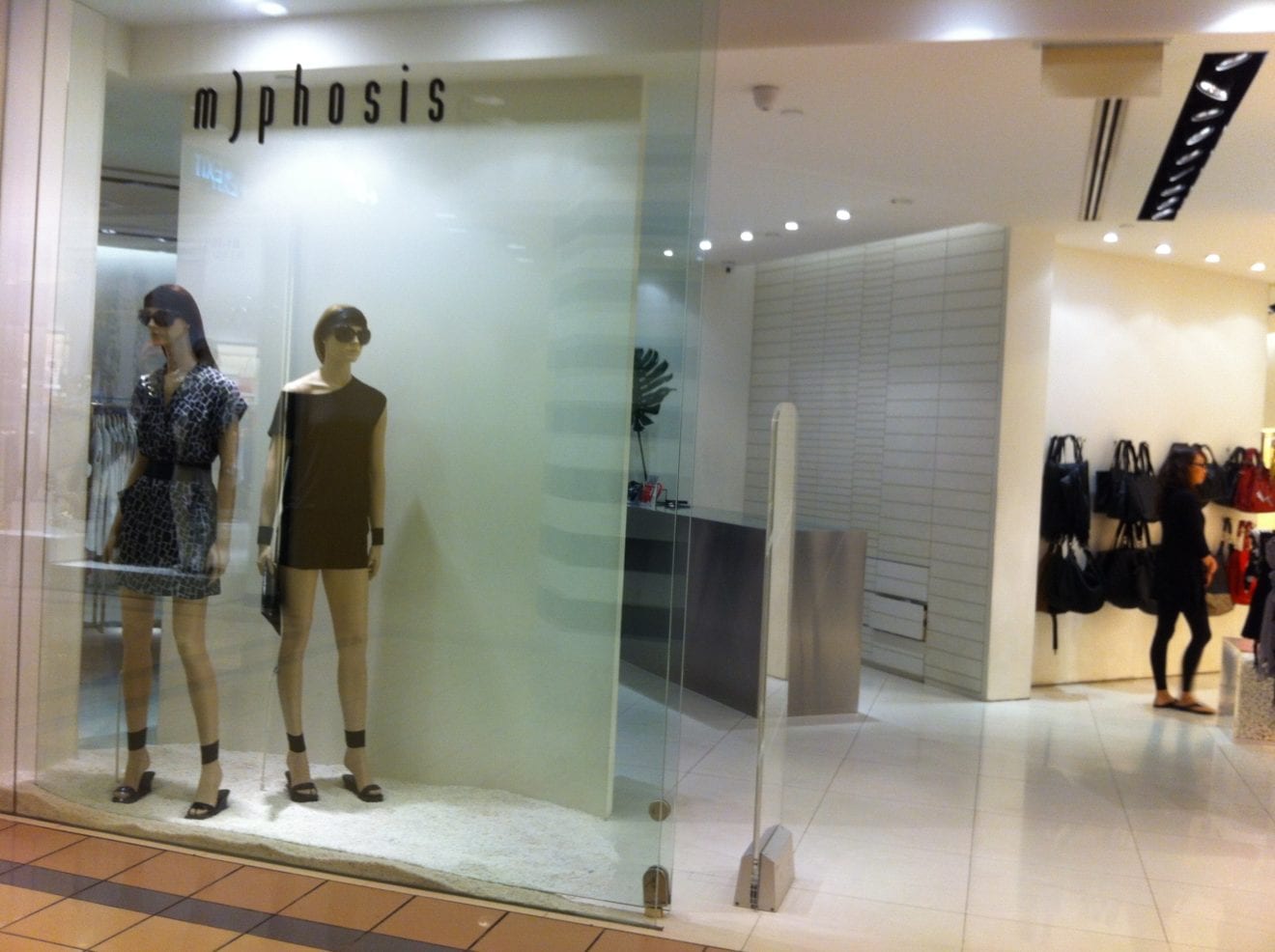
    Fashion brand M)phosis, once cited as among the more successful home-grown labels, has shut all its stores in Singapore.

    The Straits Times understands that all its outlets in Vietnam, Malaysia, the Philippines and Indonesia – more than 10 of them – are in the process of folding. Only its stores in China are still open.

    “In China, we are still in the marketplace,” the brand’s director, Mr Hensley Teh, told The Straits Times yesterday.

    “We were having a severe cash flow situation. We were not able to continue, despite wanting to. We did everything we could,” he said, adding that all staff at the affected outlets have been retrenched. “We thank our customers, who have supported us all these years.”

    The last M)phosis (pronounced “emphasis”) outlet to shut here was the one in VivoCity on Aug 25, but many former customers are now angry about being unable to redeem the vouchers they bought.

    STUCK WITH VOUCHERS

    They may have already known that they were going to shut down and they still sold the vouchers.

    MS CECILIA YEO, an upset customer who has $60 worth of unused vouchers

    Ms Cecilia Yeo, 37, said she was sold vouchers in April and was a “lifetime member” of the chain.

    “I am supposed to get 10 per cent discount for a lifetime,” she said, adding that she has $60 worth of unused vouchers.

    “When I bought them, staff told me not to worry about the expiry date. They may have already known that they were going to shut down and they still sold the vouchers. That is not right,” said Ms Yeo, a sales executive.

    Mr Teh said he is “deeply sorry” that not all vouchers had been redeemed.

    The chain had tried to reach out to as many customers as they could, to ask them to make redemptions before the last outlet shut, he said, adding: “We don’t take the matter lightly. But we are not in a position now to make any promises.”

    M)phosis first opened in 1994 at Change Alley.

    Catering to women aged 18 to 35, and selling clean-cut designs in solid colours, it soon expanded to more than 10 outlets.

    By 1998, it had four stores in Jakarta and two in Kuala Lumpur. In 2009, it opened its first boutique in China. It then expanded into Dubai, Japan, Thailand, Vietnam, Australia, Hong Kong and the Philippines. The Dubai, Japan, Australia and Hong Kong stores shut several years back.

    At its peak, the brand had more than 30 outlets in total.

    Ms Sarah Lim, a senior retail lecturer at Singapore Polytechnic, said that stiff competition in the retail market was likely to blame for M)phosis’ downfall.

    “The brand sells many clothes in classic cuts and colours. But there are so many brands out there that sell the same thing.

    “Large international names, like Zara, have similar items at lower prices with better designs,” she said, adding that the firm may have spread itself too thin during the expansion phase.

    Mr Seah Seng Choon, executive director of the Consumers Association of Singapore, said that it would be difficult for customers to get refunds for unused vouchers.

    “If the shop has already shut down here, and there are no other places to redeem the vouchers, there is not much customers can do,” he said, adding that they can choose to hire a lawyer to sue the firm. “But doing this is costly and does not make sense. Also, even if they do that and win, the company may not have assets available for claiming and cannot honour the vouchers anyway.”

  • Philippines ranked among most vulnerable to retail systems hacking

    Philippines ranked among most vulnerable to retail systems hacking

    The Philippines ranked among the countries in the region most vulnerable to hackers who target electronic retail systems, cybersecurity company Trend Micro’s Philippine unit said on Wednesday in a media briefing.

    Point-of-sale (POS) system malware incidents, affecting purchases made through a credit card or a debit card, are among the most prevalent cyber crimes in the Philippines.

    In the Asia-Pacific, the Philippines had the fifth highest rate of POS attacks at 6% while the United States topped the list at 31%. Countries in second to fourth place were Australia (10%), Taiwan (9%), and Brazil (8%).

    The study covers the first half of 2015.

    POS systems are becoming increasingly available to even small to medium enterprises due to the influx of card-swiping devices employing cheap hardware, it sad.

    “It’s not just the cards, but the system server where the data is stored or the gadget being used to swipe the card is also vulnerable,” said Myla V. Pilao, Trend Micro Philippines’ Director of Marketing Communications said.

    Meanwhile, online banking was also an area of concern, as the Philippines had the fourth highest number of attacks in the region. There were over one million malware detections in the Philippines for the third quarter alone, Trend Micro said.

    As Filipinos become more accustomed to make their purchases through e-commerce, Trend Micro noted that local banks still do not use the most modern security practices for their credit and debit cards.

    Financial institutions in the Philippines still do not employ EMV cards that come with embedded chips as an added security feature to the personal identification number.

    “Anything that is connected to the Internet, we have to assume that it is a target,” said Ms. Pilao.

    “It would take us years to put up regulation (against cybersecurity threats), that is the biggest hurdle. We also need capacity building. Our law enforcement, they are used to investigating crimes on the street but to get them to investigate online won’t be easy because it’s not their habit,” she said.

    The country’s e-commerce law, which Ms. Pilao pointed out, is outdated based on what is happening in real world attacks. — Nicolo Paolo A. Pascual

  • Ford Philippines hits all-time high retail sales in September

    Ford Philippines hits all-time high retail sales in September

    In a statement, Ford said its retail sales in the country rose 53 percent to 3,065 units in September, driven by the continued demand for the all-new Everest, new Ranger, EcoSport and Fiesta.

    The all-new Everest led the lineup in September, achieving an all-time monthly record total for any Ford nameplate in the Philippines with retail sales of 1,341 units.

  • Philippine banks lead in retail financial services

    Philippine banks lead in retail financial services

    Singapore-based publication The Asian Banker sees the Philippines leading the strong  growth in the retail financial services market in Asia Pacific on the back of increasing consumption and improved access.

    A study conducted by Asian Banker Research showed the income of commercial banks from retail financial services in Asia Pacific growing 77.5 percent to $824 billion by 2020 from the projected $464 billion this year.

    “Asia Pacific’s retail financial services market will be worth $824 billion by 2020. Increasing consumption and improved access to financial services in combination with mobile banking technologies, will be key catalysts in driving retail banking income between 2015 and 2020,” The Asian Banker said.

    Retail banking income was defined as business from retail deposits, mortgages, credit cards/unsecured lending, wealth management and, wherever possible, small and medium enterprises banking.

    “The ability to generate gross income in any given market is regarded as a key indicator of wallet share and a determinant of a bank’s bench strength in retail financial services,” said Mobasher Zein Kazmi, head of research at The Asian Banker.

    The study showed the Philippines is expected to book the highest compound annual growth rate and total income generated among emerging markets between 2015 and 2020 with 18 percent followed by Indonesia with a little over 15 percent, and Thailand with 15 percent.

    Malaysia is seen to post the slowest income growth with a growth rate of six percent for the five-year period.

    “Since 2014, the Philippines has outpaced China and Thailand and is becoming one of the key growth engines in the Asia Pacific,” The Asian Banker said.

    However, China would continue to generate higher earnings by 2020.

    “Currently, China’s retail financial services industry alone generates 48 percent to total regional income, followed by India with 12 percent and Australia with nine percent,” it added.

    The Asian Banker sees income from retail financial services of commercial banks in Asia posting a CAGR of 12 percent from 2015 to 2020.

    “There are, however, stark variances in growth rates between the mature markets of Korea, Hong Kong, Australia, Japan, Taiwan and Singapore and developing markets,” it said.

    On the other hand, income growth in mature markets is lower and expected to grow by an average of five percent this year and by the same amount in subsequent years until 2020.

    Developing markets have grown on average by 13 percent annually to 2015. However there have been dramatic changes since 2014.

    The fastest growing markets up to 2013 were Thailand and China after having grown by more than 20 percent annually.  Both markets, however, have been slowing down due to economic woes.

    The Asian Banker noted that retail banking income is shifting focus on high yield businesses but sees tightening of consumer banking regulations as a key threat.

    The greatest change in regulations is a shift away from a principle-based regulatory framework to a rule-based framework. As a result regulators have much more power to intervene.

    In particular, in emerging markets, financial authorities often want to control everything down to the product level, including loan pricing and fee income.

    Commercial banks have managed the impact of new regulations imposed on banks’ wealth management businesses in the aftermath of the global financial crisis, but a second wave of regulatory scrutiny, initiated in 2012, into interest rates and fee structures, compounded by recent macro-economic weaknesses, continues to pose ongoing threats to income expansion.

    “Regulators are increasingly worried about rising consumer debt so they have resorted to tightening unsecured lending, credit cards and home loans. In addition, consumer protection and optionality, which requires banks to seek a customer’s consent to opt in or out of services, are becoming key agenda items for financial regulators in this region,” Kazmi said.

    According to The Asian Banker, the most profitable banks in Asia include Bank of Mandiri in Indonesia, Union Bank of the Philippines, and Siam Commercial Bank in Thailand.

  • Philippines eyed as next largest market for e-commerce firm Lazada

    Philippines eyed as next largest market for e-commerce firm Lazada

    Lazada Group, an online commerce company founded by the world’s largest Internet incubator, is eyeing to keep a double-digit growth trend for its sales and customer-based in the Philippines, which is well-positioned to become the company’s largest market.

    Part of Rocket Internet, Lazada’s e-commerce websites are present in six countries including the Philippines, Indonesia, Malaysia, Thailand, Vietnam, and Singapore.

    Lazada Philippines Chief Executive Officer Inanc Balci said in an interview with Business Bulletin that the group is eyeing to make the Philippines its largest market out of the six countries it is present in.

    “I want to make it [the Philippines] the first,” Balci said.As of now, Balci said Lazada Group’s largest market is Indonesia, while the Philippines only stand at second.

    “The e-commerce is growing in the Philippines. We have the 80 percent market share in the general retail e-commerce in the Philippines. [Here] we intend to be the market leader. I would like to grow faster. Sales is growing,” he added.

    In September alone, Balci said the company had recorded 37.7 million visits, significant number of which had actually booked their orders. “This significantly increased over the years,” he further said.

    Next month, Lazada Philippines will launch its three-year-old annual online shopping event that highlights big discounts on 200 major brands, which includes Canon, Nikon, Nescafe, Epson, Microsoft, Asus, Acer, Lenova, Milo, Pampers, Chuckie, Nestle, Unilever, among others.

    As of now, 1 million brands are being sold through Lazada and this should increase before the end of the year.

    “From 100,000 in 2012, we now have 1 million brands. That’s going to increase by several times moving forward. We proactively approach the brands,” he further said.

    From November 11 until December 12, online shoppers can avail of as much as 95-percent discount from their favorite brands in Lazada through Online Revolution.

    With its increased share in mobile app users, it is expected that this year will definitely break last year’s record in terms of online traffic for Lazada in the Philippines.

  • DHL Express boosts Philippine presence with new Las Piñas service center

    DHL Express boosts Philippine presence with new Las Piñas service center

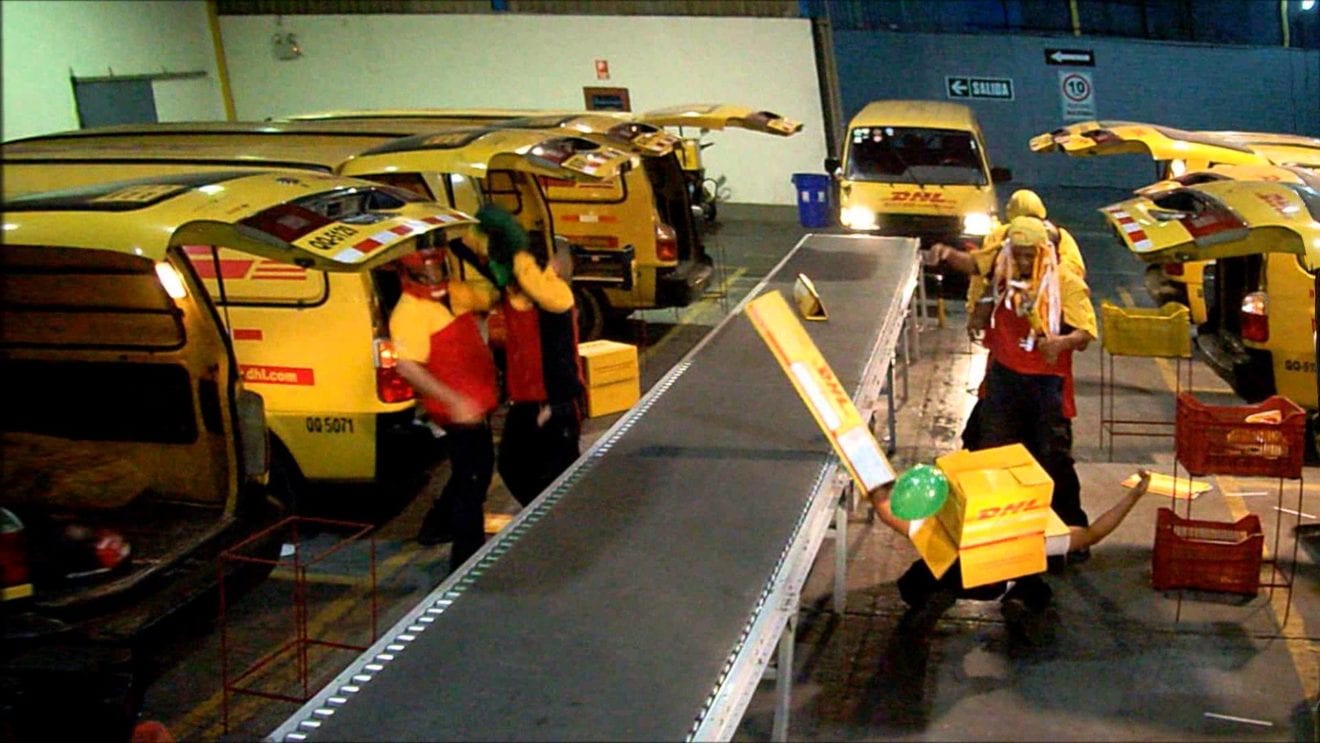
    DHL Express Philippines inaugurated yesterday its P80 million South Service Center in Las Piñas to complement the logistics company’s goal of widening its presence in the country.

    The facility is also expected  to cater to the growing logistics demand of businesses in Parañaque, Pasay, Cavite and nearby provinces in South Luzon.

    During the inauguration of the new facility, DHL Express country manager Nurhayati Abdullah said the company’s investment underscores their long term view on the local market.

    “DHL takes a long term view in the Phillippine market as it holds great potential for growth and trade with gross domestic product forecasted to grow at an average annual rate of 5.9 percent in 2015-2019,” Abdullah said.

    The new facility in Las Piñas marks the continued commitment of DHL Express to invest in the country following the successful opening of Clark Service Center in Northern Luzon in February. The company had invested P30 million in its facility in Clark.

    Abdullah said the proximity of the South Service Center would benefit  customers located in free trade zones in South Luzon, such as those in Gateway Business Park in Gen.  Trias, Cavite; Philippine Export Zone Authority in Rosario, Cavite; and First Cavite Industrial Estate in Dasmariñas, Cavite.

    Las Piñas is a gateway to Manila for many industries such as electronics, semiconductors and manufacturing.

    “The South Service Center will play a critical role by supporting growth of our customers across South Luzon. Our investment in Las Piñas reaffirms our commitment to upgrade our services to meet the changing demand of our customers,’’ Abdullah said.

    In particular, growth in demand for express services from the  semiconductors, technology and the life sciences industries as well as small and medium enterprises is expected to continue in the following years.

    “We do see growth in those areas…so we’re quite confident it will spur  the continued growth (in revenues and volume) in the following years,” Abdullah said.

    The Philippines is among the company’s top four countries in terms of revenues in  Southeast Asian and South Asian region.

    For next year, Abdullah said the company is looking to expand its retail footprint in Cebu and Quezon City by opening more service points where walk-in customers can drop off shipments.

    Occupying a land area of 3,000 square meters, the South Service Center will hold new vehicles and state-of-the-art material handling  equipment, IP cameras and 30 CCTV cameras capable of tracking shipments throughout the entire process within the service center.

    Currenty, DHL Express has eight service center facilities and more than 200 retail outlets in the country.

    DHL operates in more than 220 countries and territories worldwide.

  • Internet malwares threaten Philippines industries

    Internet malwares threaten Philippines industries

    All over the world, the threat of a digital infrastructure crashing is as valid as an earthquake decimating a 50-story building or a series of typhoons striking without any preamble, ruining everything on their path.

    For anybody who is connected to the Internet, the threat is real and the Philippines is not exempted from it, says Trend Micro Philippines director for marketing communications Myla Pilao.

    “Security is almost a buzz word. Five years ago, the issue on security doesn’t land in any of the news. The old mindset of security is that if there is no malware or infection, there is nothing to worry about. Today, I don’t think it’s true anymore. We are so much living a digital lifestyle in a digital world that being connected is native to us already,” she says.

    “Anything connected to Internet, we have to assume it is or it can be compromised. If it is connected to the Internet, then it is a target. The freedom of data coming in or out is presenting trouble when it comes to hard data,” she says.

    Trend Micro is a global leader in IT security, cloud security and small business content security. It develops innovative security solutions that make the world safe for businesses and consumers to exchange digital information.

    Pilao, who also heads Trend Micro’s TrendLabs technical marketing team, monitors the development of global materials and supporting communication plans that aim to broaden the public’s understanding on threats and security.

    “What threats do we see in the Philippines? We are seeing theft in the retail industry when do e-commerce. There are a lot of malwares online that are being introduced. Second is online banking. The Philippines ranks fourth in the Asia Pacific in terms of increased security threats via online banking,” says Pilao.

    “Because Philippine facility is readily available so access to online banking is simple. Third is the sending habits of Filipinos of going online, with the huge volume of merchandise that will enter the Philippines this holiday season. This is a very encouraging season for cyber criminals to strike against payments,” she says.

    The Philippines used to figure at the top ten list of countries that are highly susceptible to ransomware, a program used to extract and ransom data.

    But in 2014, the Philippines improved its ranking as it moved down the list to top 20.

    “Ransomeware infects corporate and company systems since 2004. There has been an increase of its activity not just in the Philippines but around world. It goes through our emails , compromises our systems and the malware open gates that compromise websites,” she says.

    “There were instances when crypto-ransomware breaks into the enterprise using legitimate source of transaction and then ask you to pay. It kidnaps data bank screen and data breach happens mostly to financial institutions,  government systems and telecommunications companies. Even now on healthcare and hospital and insurance processes,” says Pilao.

    In the Philippines, the insurance sector is the single institution that most malwares and malicious software target.

    “With just 1 percent infection by a ransomware, we are still under attack. The biggest misconception is that consumers are not connected to Internet but majority of attacks must have emanated from the operations of small and medium enterprises,” says Pilao.

    A related recent study by Trend Micro discovered that 25 percent of data breaches are caused by hacking or malware and the most affected industry is the healthcare sector, accounting for more than a fourth of all breaches at 26.9 percent this past decade

    Second was the education sector at 16.8 percent followed by government agencies at 15.9 percent, then the retail industry with 12.5 percent.

    The stake is higher for bigger multinational companies as cybercriminals increase the cost of their attack based on the capabilities of the organization. Security comes with harsher legal implications not just for the violators but for the users to reinforce a proactive approach.

    As the Internet of Things advances, smart devices or innovations that are used for public-facing technologies can be exploited, potentially causing virtual and physical destruction. Public transportation such as car and planes, and public utilities such as gas stations can become targets.

    The study, conducted in the US, revealed that smart systems in cars can be accessed remotely to interfere with its functionality including life-critical ones like the brake. It was reported that Jeep Cherokee, through the car’s public IP address, can be hacked and controlled by another person miles away. BBC reported that even data sent by digital audio radio signals can intervene with a car’s functionalities.

    In a Trend Micro’s research that involved SmartGate System which allows drivers to access their car’s data such as speed and fuel using their smartphone that was first introduced by Škoda Auto in its Fabia III cars, it was determined that any attacker can read more than 20 parameters and even lock out the owner of the car from the SmartGate system.

    All the attacker needs to do is to stay within the SmartGate’s in-car Wi-Fi range (which is wide by default), identify the car’s Wi-Fi network, and then break the password. The Wi-Fi range could be even wider if the attacker is using a superior antenna.

    Strategic partnerships prove to be vital in formulating immediate and long-term resolutions to combat cybercrimes. Trend Micro aided law enforcement agencies in taking down two notorious botnets that were heavily involved in full-scale cybercriminal operations—SIMDA.

    Trend Micro worked closely with Interpol and provided information such as the IP addresses of the affiliated servers and statistical information about the malware used, which led to the disruption of the botnet activities.

    Moving forward, organizations can stay protected on their own terms. Aside from being proactive, extra-cautious, and running information and education campaigns inside their organization, businesses can leverage on modern-day security solutions.

    Trend Micro Deep Discovery, a threat protection platform, can help organizations respond to today’s targeted attacks in real time, says Pilao.

    It provides advanced threat protection where it matters most. Deep Discovery is made up of four key solutions that will help detect, analyze, adapt, and respond to attacks.

    “Even mobile applications are vulnerable to attacks. There are reports of highly malicious applications that prey on mobile users. The magnitude of attacks globally is pretty much alarming. We are seeing that most of the attacks in the last six months are pretty much more real to us because they are affecting public utility, public infrastructures, public services that you and I are obviously consumers. The snippets of attack on critical infrastructures like power grid, are not massive but nonetheless alarming. We need to be protected and on guard always,” Pilao says.

  • Uniqlo Philippines opens in Cebu

    Uniqlo Philippines opens in Cebu

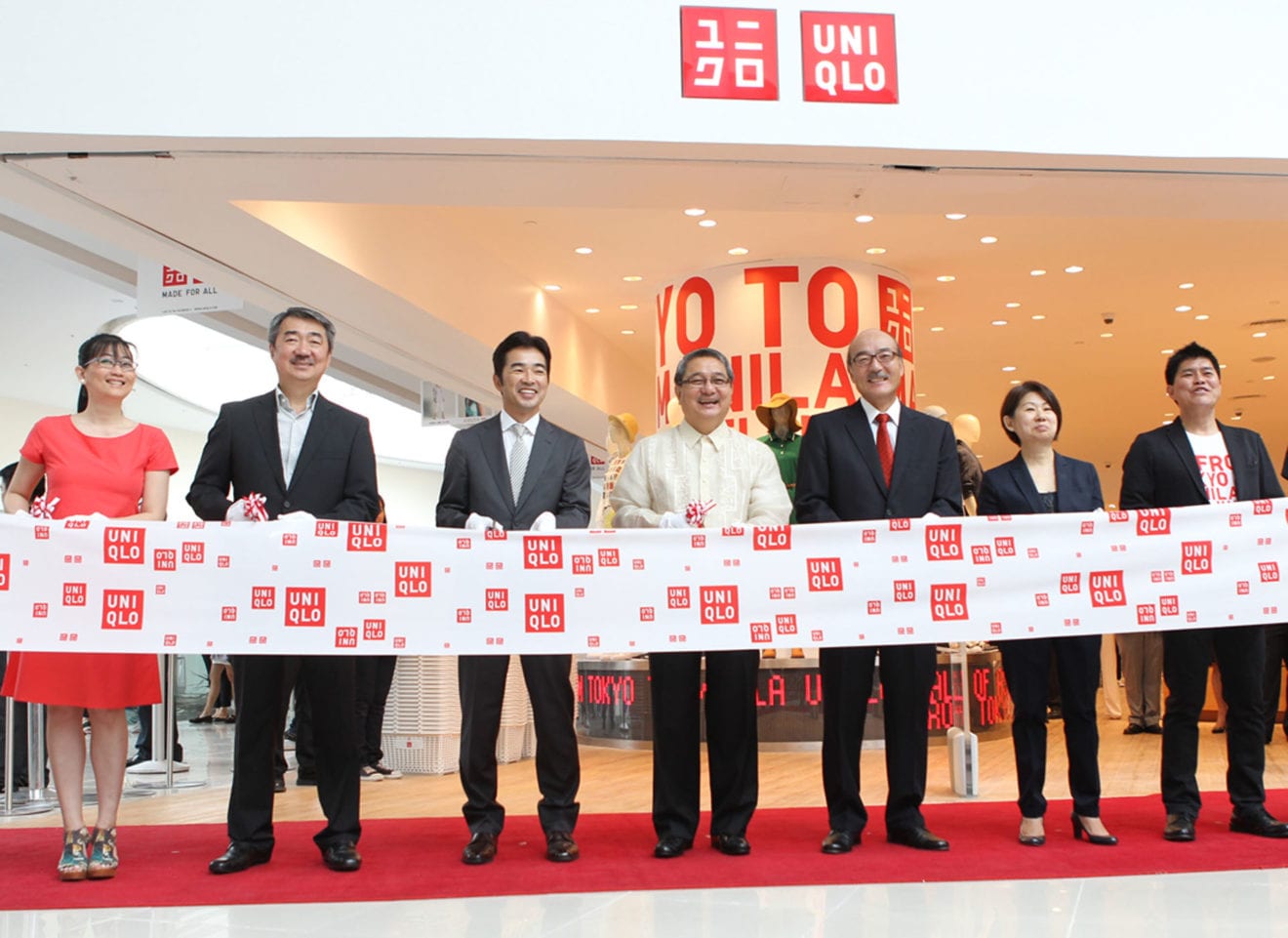
    Uniqlo Philippines will open its first store in Cebu on Friday (October 23).

    The new 1000 sqm store is located in SM City Cebu shopping mall, on the first level of the north wing.

    It will be Uniqlo Philippines’ 25th shop and its first in the Visayas region.

    “We have opened 24 stores in Metro Manila and Luzon, entering the Visayas market is a milestone in our growth strategy,” said Katsumi Kubota, COO of Uniqlo Philippines.

    A second Cebu store will open in November in SM Seaside City Cebu.

    Uniqlo’s Lifewear concept, Simple Made Better, advocates apparel that comes from the Japanese values of simplicity, quality and longevity made with elegance.