Tag: Philippines

  • Jollibee eyes seven new nations

    Jollibee eyes seven new nations

    Jollibee, Asia’s largest fast food restaurant operator, is planning to enter seven new markets over the next two years.

    According to a report in The Standard, Dennis Flores, VP for international operations of Jollibee, has revealed the company plans to take its mainstay Jollibee burger restaurant brand Jollibee into the UK, Italy, Canada, Malaysia and Oman in 2016. Forays into Australia and Japan will follow in 2017.

    The news follows last month’s investment of US$100 million for a 40 per cent stake in a fast-rising American burger chain, Smashburger.

    Jollibee, publicly listed in the Philippines, had been actively seeking an investment in a leading US growth brand to gain a foothold in the US, as p[art of its broader plan to become an international restaurant operator. It currently operates and franchises a network of more than 3000 restaurants worldwide under the trade names Jollibee, Chowking, Greenwich, Red Ribbon, Yonghe King, Hong Zhuang Yuan, Mang Inasal, Burger King Philippines, San Pin Wang, and Jinja Bar. Jollibee also has a 50 per cent interest in the Super Foods Group, which operates and franchises restaurants under the Pho 24 and Highlands Coffee brands throughout Vietnam.

    According to Flores, Jollibee’s first two stores in Europe will be located in London and Milan and its first Canadian store will open in Toronto.

    Jollibee’s network outlets have reached 3,023 worldwide, with 2,393 of them in the Philippines, and 630 outlets abroad.

    As well as expanding into new markets, Jollibee plans to open 20 additional outlets in Vietnam, and another 12 in Brunei in coming months.

  • Mobikon partners with BPI for Philippines foray

    Mobikon partners with BPI for Philippines foray

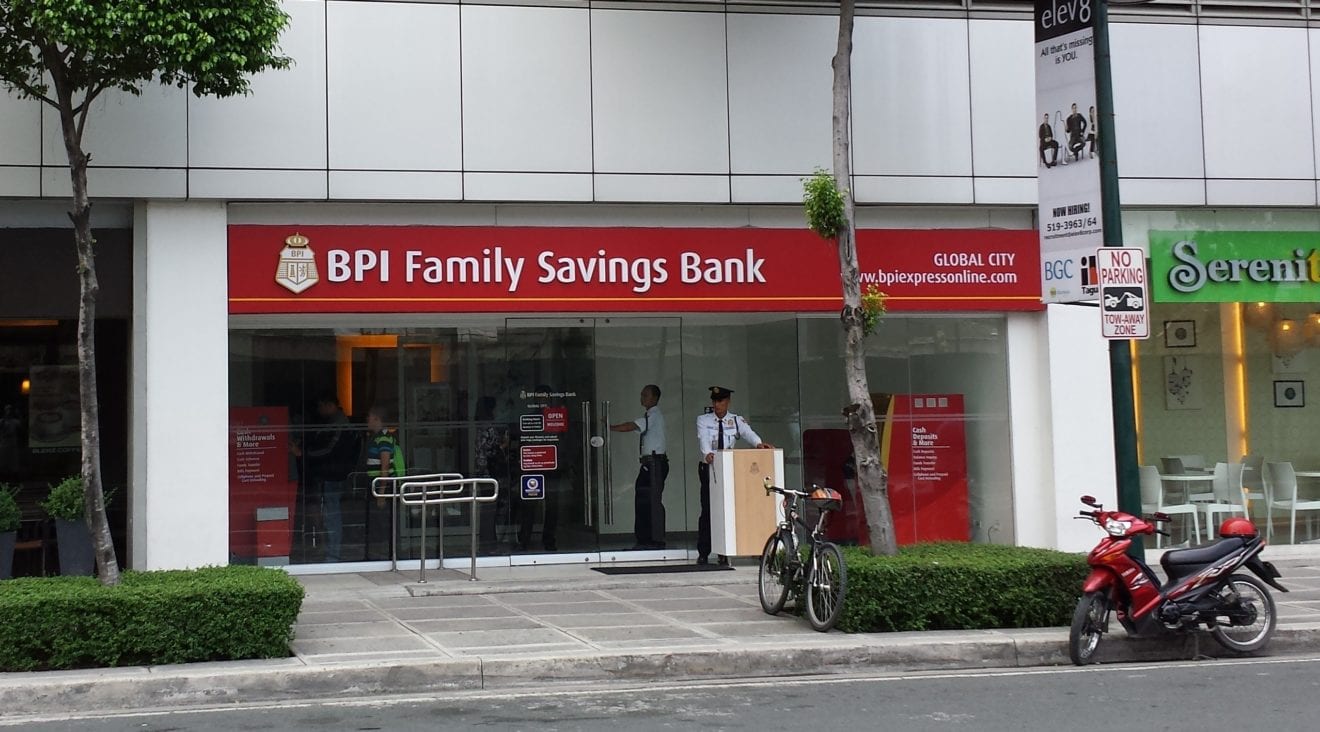
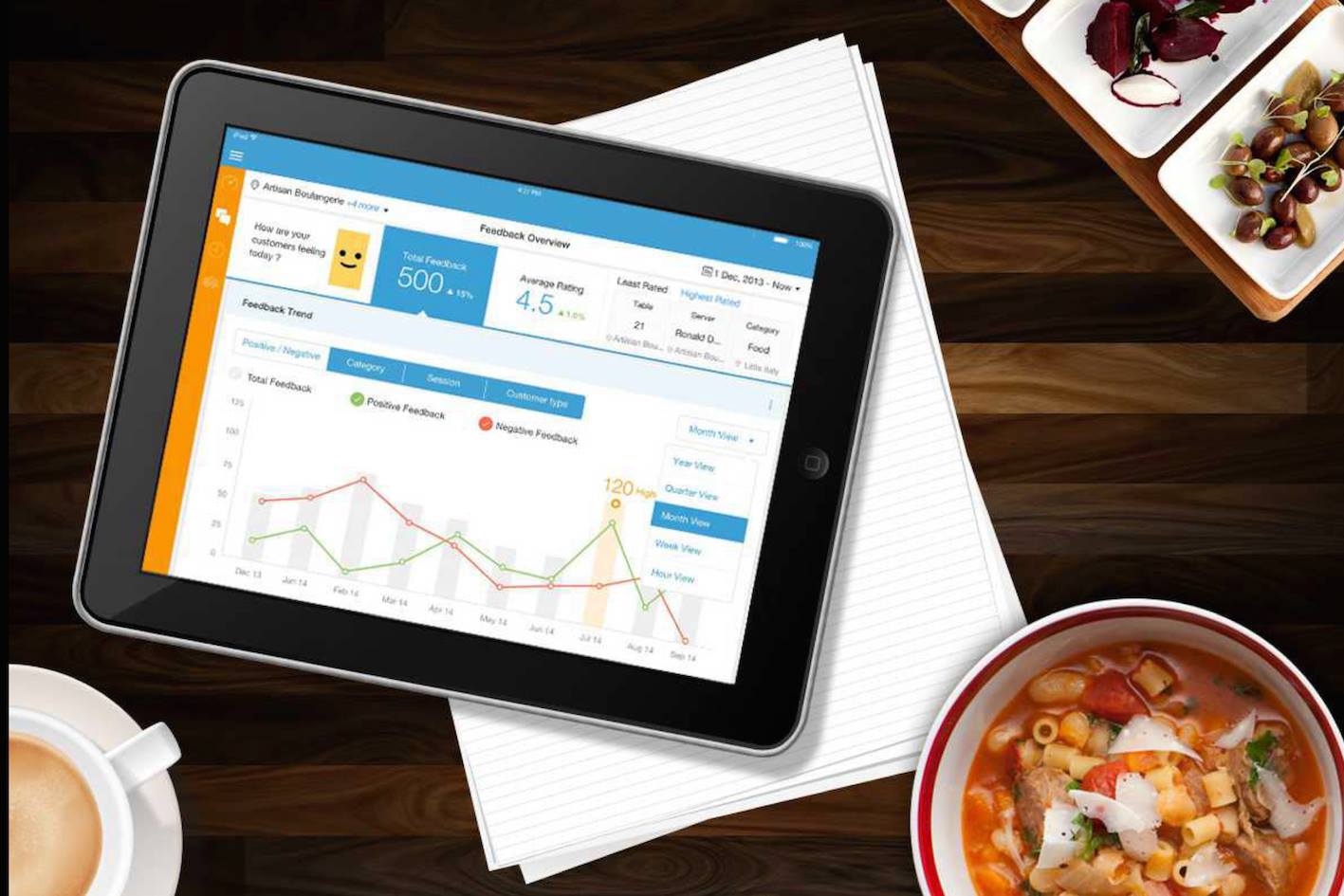
    Singapore-based Mobikon has tied up with Bank of the Philippines Islands (BPI) in Manila to offer its customer engagement platform to restaurants.

    The tie up will add a repertoire of over 300 restaurants in Mobikon’s network and strengthen its presence in South East Asia. Currently, the company has 1500 restaurants across India, Singapore, Malaysia, Macau, Philippines, and Dubai.

    “Apart from organic growth for the company, one of the key pivot in our strategy is where we target larger brand as a reference point for other brands to follow. The rewards program given out by banks is commoditised. We saw an opportunity for a win-win tripartite partnership with BPI,” said Anuj Jain, vice-president, Asia-Pacific, Mobikon. BPI confirmed the tie up but declined to discuss further details in response to an email query from ET.

    Through this contract-based partnership, BPI will provide Mobikon’s customer relationship management platform to restaurants on a tablet as a ready-to-use value-added solution. In turn, BPI will advertise its offering on Mobikon’s platform to restaurant brands as self-promotion and to strengthen relationships.

    Currently, Mobikon works with 100 restaurants in Manila. Mobikon is also in talks with other leading banks in India and other markets and also exploring strategic partnerships with mPOS & cloud POS companies.

    Within this year, Mobikon has raised close to $4 million from Jungle Ventures, Life-.Sreda and Qualgro. It strengthened its market reach in Singapore this August acquiring ‘Triibe’, a customer feedback platform in South East Asian markets.

  • BPI books P13.8-b net profit

    BPI books P13.8-b net profit

    Bank of the Philippine Islands, the third-largest bank in the country, posted an 8-percent increase in net income in the first nine months to P13.84 billion from P12.8 billion year-on-year on the strength of its core businesses.

    Total revenues increased 9 percent or P3.67 billion to P44.1 billion year-on-year as both net interest income and non-interest income grew P2.98 billion and P0.68 billion, respectively.

    Operating expenses rose 6.7 percent to P22.89 billion on year, a slower rate than revenue growth. As a result, the bank’s cost-to-income ratio improved to 51.9 percent from 53.1 percent a year ago. Return on equity decreased to 12.6 percent, from last year’s 13.3 percent.

    Both total loans and total deposits rose in double digits year-on-year. Total loans stood at P780.07 billion, an increase of 11.2 percent on year. Corporate loans accounted for 76.6 percent while retail loans stood at 23.4 percent.

    “Gross 90-day non-performing loans rose slightly to 1.9 percent from 1.8 percent of total loans, while loan loss cover remained 107 percent. Total deposits stood at P1.18 trillion, up 13.3 percent higher year-on-year. CASA ratio ended the quarter at 72.5 percent,” the bank said.

    Total assets during the period stood at P1.41 trillion, 8.8 percent or P113.78 billion higher than that of the same period last year.

    Investment securities closed at P303.28 billion, a 15.2 percent hike year-on-year. The bank’s investment securities remained mostly held-to-maturity, at P240.87 billion.

    Capital, net of cash dividends of P3.54 billion paid to shareholders on Sept. 2, 2015, ended at P150.44 billion. This represents a 9.3-percent growth in total capital versus September last year.

    Capital adequacy ratio was at 14.9 percent from 15.7 percent a year ago. CET1 stood at 14.0 percent.

    Earlier in the year, the Asian Banker named BPI as the Best Retail Bank in the Philippines for 2015. BPI also received the Best Electronic Delivery Channel award during the inaugural Bank Marketing Awards night, organized by the Bank Marketing Association of the Philippines.

    The award recognizes the bank that successfully implemented the most innovative electronic delivery systems and achieved the desired results in terms of usage and acceptance.

    BPI, the first bank in the Philippines and in Southeast Asia, is a commercial bank with an expanded banking license. BPI’s services include consumer banking and lending, asset management, insurance, securities brokerage and distribution, foreign exchange, leasing, and corporate and investment banking.

  • Philippines’ Metro Retail IPO priced below guidance

    Philippines’ Metro Retail IPO priced below guidance

    Philippine supermarket and department store chain Metro Retail Stores Group Inc said its initial public offering (IPO) was priced at a steep discount of 35 percent due to market volatility, cutting the expected proceeds from its listing to $86 million.

    The offer price was set at 3.99 pesos each, down by a third from the guidance of 6.10 pesos, said Reginaldo Cariaso, chief operating officer of underwriter BPI Capital Corp.

    Metro Retail is now expected to raise 4 billion pesos ($85.58 million) through the sale of 1 billion shares, including the over-allotment option of up to 92 million shares, to fund its store expansion programme. The company would have raised 6.17 billion pesos as per earlier guidance.

    Only two firms have debuted on the Philippine Stock Exchange this year, raising a total of 1.77 billion pesos ($37.87 million) as markets reel from volatility and investors seek clarity on the next move by the U.S. Federal Reserve.

    “We had strong interest from domestic and international investors but given that markets are very volatile, there was price sensitivity,” Cariaso said.

    Metro Retail’s price-to-earnings (PE) ratio of 15 times was more attractive than its peers, Cariaso said.

    Retail chains Puregold Price Club Inc and Robinsons Retail Holdings Inc traded at more than 20 times PE multiples on Wednesday.

    Listing is scheduled for Nov. 24. BPI Capital and Deutsche Bank are the joint global coordinators and lead underwriters of the IPO. ($1 = 46.7400 Philippine pesos)


  • BDO Unibank Nomura partnership presents new opportunities

    BDO Unibank Nomura partnership presents new opportunities

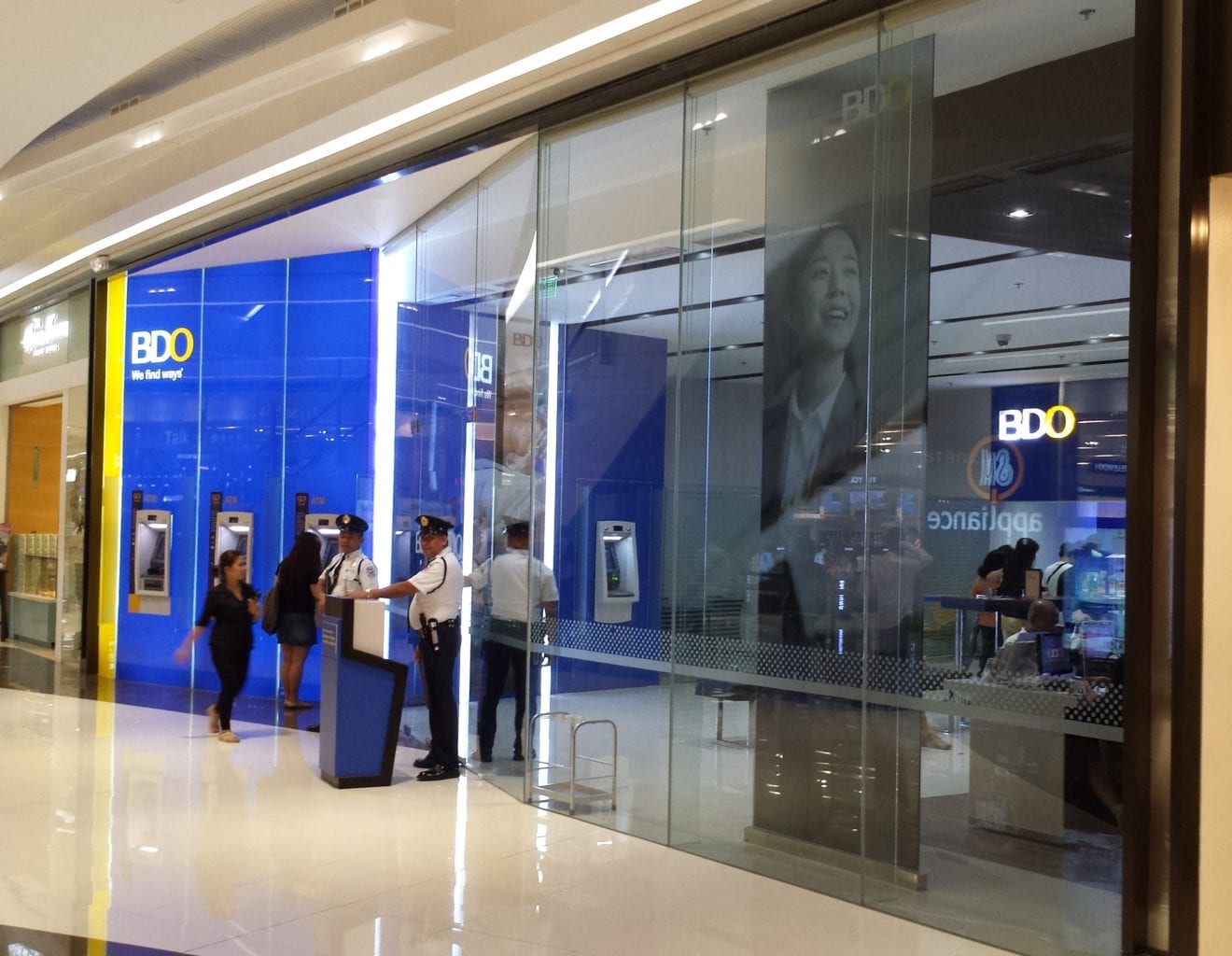
    BDO Unibank, already the Philippines’ largest lender, with total assets of 1.86 trillion pesos ($39.3 billion), has big plans — some of which include a new Japanese partner.

    The bank is part of the SM Group, which mainly operates a range of retail businesses and has piggybacked the Philippines’ economic growth to steady revenue gains. The lender is now aiming to explore new business areas at home and abroad through a joint venture with leading Japanese brokerage Nomura Holdings as well as partnerships with Japanese regional lenders.

    BDO Unibank Chairwoman Teresita Sy-Cosop

    BDO Unibank has been expanding its business scale through a series of acquisitions since 1976. As a result, it now has more than 900 branches throughout the Philippines. Moreover, the lender in recent years has taken various measures to improve the quality of its services; it has extended its opening time by two hours, to 5 p.m., and has used blue as the base color at all its branches in an attempt to create a clean, fresh image.

    The efforts have been led by BDO Unibank Chairwoman Teresita Sy-Coson, the eldest daughter of SM Group founder Henry Sy. Sy-Coson’s business acumen has won the admiration of Tadashi Yanai, chairman and president of Fast Retailing, the Japanese holding company that operates the Uniqlo chain of casual clothing stores. Yanai praised her in one of his books, and Fast Retailing has formed a joint venture with SM Retail, an SM Group company.

    Sy-Coson is eyeing more Japan-Philippine business transactions. BDO Unibank has forged partnerships with a number of Japanese regional lenders, including Joyo Bank, based in Mito, Ibaraki Prefecture. In addition, the Philippine bank is set to open a money remittance center in Tokyo in December.

    As the Philippine economy has been growing, more Filipinos have begun to open securities trading accounts. The trend has Sy-Coson anticipating a future in which more pesos in circulation further boost the country’s economic growth.

    In June, BDO Unibank and Nomura agreed to set up a joint stock-trading venture in which the Philippine lender has a 51% stake and the Japanese securities house holds the remaining 49%.

    BDO Unibank says it manages around 7 million bank accounts. What’s more, the SM Group operates large shopping malls across the country that can attract tens of thousands of visitors a day. As such, the bank is well-positioned to raise the new brokerage’s profile through ads and other platforms.

    Sy-Coson expects synergies from BDO Unibank’s countrywide network and Nomura’s investment banking expertise. “In the future, we hope to offer our clients more services, to include cross-border investments,” she said. “This will provide a wider choice of opportunities to investors, particularly in the context of Asean integration.”

  • Johnny Rockets Philippines expands

    Johnny Rockets Philippines expands

    Johnny Rockets Philippines has opened a new restaurant in the Ayala Fairview Terraces Mall, Quezon City.

    “With its all-American fare and friendly service, Johnny Rockets is unlike any other restaurant concept in the area,” said Dr Amable Aguiluz IX, franchise owner of the Quezon City Johnny Rockets.

    “We have seen great success with our current Johnny Rockets locations in Quezon City, which has provided us the opportunity to expand our presence further in the area.”

    Aguiluz now operates five Johnny Rockets in the Philippines, halfway to his goal of opening 10 of the franchises during 15 years. The Ayala Fairview Terraces Mall restaurant marks Dr. Aguiluz’s third Johnny Rockets in Quezon City, which is the Philippines’ most populated city. His others are in Mandaluyong, in the upscale lifestyle and shopping destination Shangri-La Plaza, and in Malay, on the popular resort island Boracay.

    The Ayala Fairview Terraces Mall Johnny Rockets is about 113 sqm and can seat 36 guests.

    Johnny Rockets Brought to the Philippines by Dr. Amable Aguiluz IX, Johnny Rockets Philippines is happily serving its customers at five different locations in Quezon City, Malay Aklan and Mandaluyong City.

  • Celebrities grace ‘Visit Philippines Again’ 2016 London launch

    Celebrities grace ‘Visit Philippines Again’ 2016 London launch

    Even as the outrage over the tanim-bala (bullet-planting) scam has dominated Philippine social media, the trending tweets in the United Kingdom last Tuesday evening was #VisitPhilippinesAgain2016.

    About 200 UK-based travel media, bloggers, TV celebrities, “influencers,” travel trade partners and investors trooped to Searcy’s, a private club at the top of the iconic The Gherkin, for the launch of the global campaign for VPA2016 of the Department of Tourism and its marketing arm, the Tourism Promotions Board (TPB).

    Filipino-American rap artist apl.de.ap of The Black Eyed Peas sang a catchy new tune titled “It’s More Fun in the Philippines” especially composed for the campaign. In the song, he narrates “places to go, the things to see” when a tourist visits the Philippines. “You can walk along the beach, the sun shining on your feet, wine and dine, our food is unique, go dancing in the moonlight…” he rapped, as a music video played on the screen behind apl. de.ap showing the images  he was narrating.

    In a brief message, Tourism Secretary Ramon R. Jimenez Jr. expressed his appreciation for the guests at the event, and extolled everyone to “just visit the Philippines.”

    In a separate interview, he said, “Visit Philippines Again 2016 is going to be the most massive retail-focused effort the Philippines has ever made. We’re negotiating with tour operators and travel agents for incentives to give returning visitors to the Philippines.”

    He added, “We’re putting together packages and rewards, so that when a tourist returns to the Philippines for a second or fifth time, he will get discounts in several establishments.”

    Other musical performers at the event included Jessica Reynoso, a finalist in the first season of The Voice of the Philippines. Calling her “the next big star from the Philippines,” apl. de.ap served as her mentor during the widely watched first edition of the musical competition. They also sang a few numbers together.

    Another much-applauded performer was Princess Ybañez, a violinist in the mold of Vanessa Mae, who modernized classical violin pieces to reach a wider and younger audience.

    The VPA2016 global launch was part of the DOT’s activities during the World Travel Market  (WTM) 2015, held from November 2 to 5 at the ExCel in London. About 5,000 exhibitors participate in this leading travel event to showcase their destinations, products  and services. According to its web site, “the organizations use WTM as a platform to reach 50,000 travel professionals” who were expected to flock to the show.

    Exhibitors were organized in two massive halls by geographical region: Africa, Asia, Europe, the Middle East, the UK and Ireland, as well as “Global Village.” The Philippines has been attending the annual event since 1980, when the WTM was first conceived.

    In a related development, TPB COO Domingo Ramon Enerio III told the BusinessMirror that the Philippines will be hosting the Travel Bloggers Exchange (Tbex) from October 13 to 16 next year at the PICC in Pasay City. “We’re expecting 700 delegates. We believe that social media is an effective tool to send out more good news and stories about travelling in the Philippines.”

    After the main event, he said the bloggers will travel to different appealing destinations around the country, such as Boracay, Cebu, Palawan, to name a few. “We’re still finalizing the dates for the post-event trips, but definitely this will be all over the Philippines,” he added.

  • SM Center Sangandaan opens

    SM Center Sangandaan opens

    SM Center Sangandaan has opened its doors – owner SM Prime’s 55th mall in the Philippines.

    It is SM Prime’s first mall in the populous City of Caloocan, one of the 16 cities within Metro Manila. The new mall provides an additional 38,622 sqm in gross floor area (GFA), giving SM Prime a total retail space of 6.8 million sqm, the largest mall footprint in the country.

    SM Center Sangandaan, strategically located along the busy intersection of Samson Rd and A. Mabini St in Sangandaan, will give SM Prime access to the northern tip of Metro Manila, bringing a unique shopping experience closer to the highly dense cities of Malabon, Navotas and Caloocan.

    “SM Center Sangandaan reflects SM Prime’s commitment to be part of the growth across communities. We are very pleased to open our first mall in Caloocan City which is a testament to the fact that Metro Manila is far from being saturated by modern retail facilities,” SM Prime president Hans T. Sy said.

    The mall opens its doors to a catchment of more than 1.5 million with 90 per cent of its space leased. Anchor tenants include SM Supermarket, SM Appliance Center, SM Cinema, Ace Hardware, BDO and Watsons.

    There are three levels of prime space which includes four cinema theaters with a total seating capacity of 824, and 493 parking slots.

    The mall’s facade features different shades of blue, gray and white, giving the exterior a quirky geometric visual design. The main interior features a high glass ceiling, complemented by white walls which maximises daylight and adds further dimension to the mall.

    SM Center Sangandaan is the fifth SM mall to be opened this year, after Cherry SM in Shaw Boulevard with a GFA of 24,165 sqm and SM City Cabanatuan, both of which opened this month. SM Seaside City Cebu is next, scheduled to open on November 27.

    By the end of 2015, SM Prime will have 56 malls in the Philippines and six in China.

  • Lazada launches online Christmas sale

    Lazada launches online Christmas sale

    The country’s biggest online retail firm, Lazada Philippines, has announced the launch of its month-long Christmas sale, bubbed as Lazada Online Revolution, from November 11 to December 12, slashing prices of over 200,000 goods  across 13 product categories up to 95 percent.

    November 11 or 11/11 is known in China as “Singles’ Day” celebrating bachelors and bachelorettes and e-commerce retailers have turned it into the world’s biggest online shopping event.

    Last year, they sold over $9 billion worth of products on “Singles’ Day”.

    Lazada introduced the 11/11 holiday in the country to mark the start of the Christmas shopping season and has hauled record sales since then.

    For 2015, Lazada Philippines expects to break new records, with over two million visitors to its website and mobile app on the date.

    Big brands and merchants in electronics, fashion, kids and toys as well as home goods are joining the sale.

    Online merchants will also come up exclusive items on flash sales and P99 deals on November 11.

    Participating brands include ASUS, Lenovo, Alcatel, Cherry Mobile, Bosch, Belo, Huggies, Mamy Poko, Timex and Giordano watches.

    As an early treat for Lazada shoppers, the retail firm will sell special items for P11 each.  Lazada bestsellers, such as Sandisk 8GB flash drives, 5600 mAH Powerbank and 4-layer shoe racks could be purchased for P11 starting today until 11/11/

    The P11 deals will be announced everyday at 11:11 a.m. on one of Lazada’s social media channels (Twitter: lazadaph, Facebook: lazadaph, Instagram: lazadaph).

    “We’ve been working hard with our merchants and suppliers to bring these deals to our customers,” according to Lazada Philippines CEO Inanc Balci. “We  believe that online shopping will provide a lot of convenience to shoppers especially during the holiday season.”

    “By shopping online, they can avoid heavy traffic, long lines and crowded areas,” he pointed out.

  • SM named Philippines’ Top Retailer

    SM named Philippines’ Top Retailer

    In October 1958, SM, then known as Shoemart, was nothing but a lone store along Rizal Avenue in downtown Manila. Fifty-seven years later, it has become a part of the lives of millions of Filipinos across the country and abroad. And with more than half a century of retail experience under its belt, SM Retail once again received the Gold Award as the Philippines’ Top Retailer at the recently held Retail Asia-Pacific Top 500 Awards.

    Each year, Retail Asia Publishing recognizes the largest and most outstanding retail companies in the 14 Asia-Pacific economies. Three retailers stand our from the pack and receive Gold, Silver and Bronze awards. SM Retail has consistently been a Gold recipient, while Puregold Price Club and Mercury Drug Corporation received the Silver and Bronze Awards, respectively.

    Two other companies affiliated with the SM Group, Watsons Philippines and Ace Hardware also received Certificates of Distinction during the awarding ceremony.

    SM Retail received the Gold Award as the Philippines’ Top Retailer during the recent Retail Asia-Pacific Top 500 Awards held recently at the Solaire Resort and Casino. Photo shows SM Retail Chairman Tessie Sy Coson receiving the award from Mr. Douglas Lawson, UnionPay International Southeast Asia’s Head of Regional Products. Each year, three top companies in 14 Asia Pacific economies receive Gold, Silver, and Bronze top retailing awards, with SM Retail consistently a Gold recipient. Two other companies affiliated with the SM Group, Watsons Philippines and ACE Hardware also received Certificates of Distinction during the evening.

    Retail Asia Publisher Andrew Yeo commended the retailers that made it in the Retail Asia-Pacific Top 500 list for having “risen to the many challenges confronting the industry, reviewing and revamping their operation to provide seamless shopping experiences for today’s highly connected shoppers.”

    Since its establishment, SM Store has undergone major transformations to serve a new generation of customers. SM Makati introduced the shop-in-shop concept wherein each category is designed and conceptualized like an individual boutique with its own look and feel.

    Here, elements work together to create a bolder, more innovative kind of retail environment, which highlights and defines the merchandise, engaging the elite customer to experience a new sense of space.

    Apart from the SM Store, SM’s Retail Group also has specialty store formats that serve niche markets by focusing on a wide selection of merchandise for each category. Part of this is the Food Retail Group, which recently unified its three formats – SM Supermarket, SM Hypermarket, and Savemore – under one brand name known as SM Markets to emphasize the group’s commitment to bring the same friendly service, wide selection, and great value across all its stores.

    The Non-Food Group, on the other hand, has store formats including appliance stores, fashion discount and toy superstores, as well as Kultura Filipino, a showcase of the best Filipino products.

    “You have not only proven yourselves to be adaptable and versatile, but also able to win and maintain the critical core value that all retailers must nurture in their drive to win and retain their customers – trust,” said Yeo.

  • Five Manchester City online stores launched in Asia

    Five Manchester City online stores launched in Asia

    English Premier League club Manchester City has partnered with EZ Shopnet to launch five online stores serving Asian fans.

    Manchester City online stores will be launched for customers in China, Hong Kong, Japan, Korea andSoutheast Asia.

    As the club’s new online retail partner for Asia Pacific, Hong Kong-based EZ Shopnet will help to meet fast growing demand across Asia Pacific for official Club merchandise. Each of the five stores operates in local languages and currencies, with local customer support enabling the club to get official merchandise to its fans quickly and cost effectively.

    Manchester City is following the lead of rivals Manchester United and Chelsea in cashing in on the growing fan base for EPL across broader Asia. It recently opened a regional management office in Singapore.

    Omar Berrada, group commercial director for City Football Marketing, which brokers Manchester City’s commercial partnerships and manages all of its retail and licensing, said that through EZ Shopnet, the club can get even closer to its growing fan base across Asia Pacific and deliver them a better and quicker service.

    “We have seen an enormous growth in our followers in the region and we are extremely happy that they will have easier access to official City kits and our wide range of merchandise than ever before.”

  • PAL, Air Asia cancel 300 flights for Apec

    PAL, Air Asia cancel 300 flights for Apec

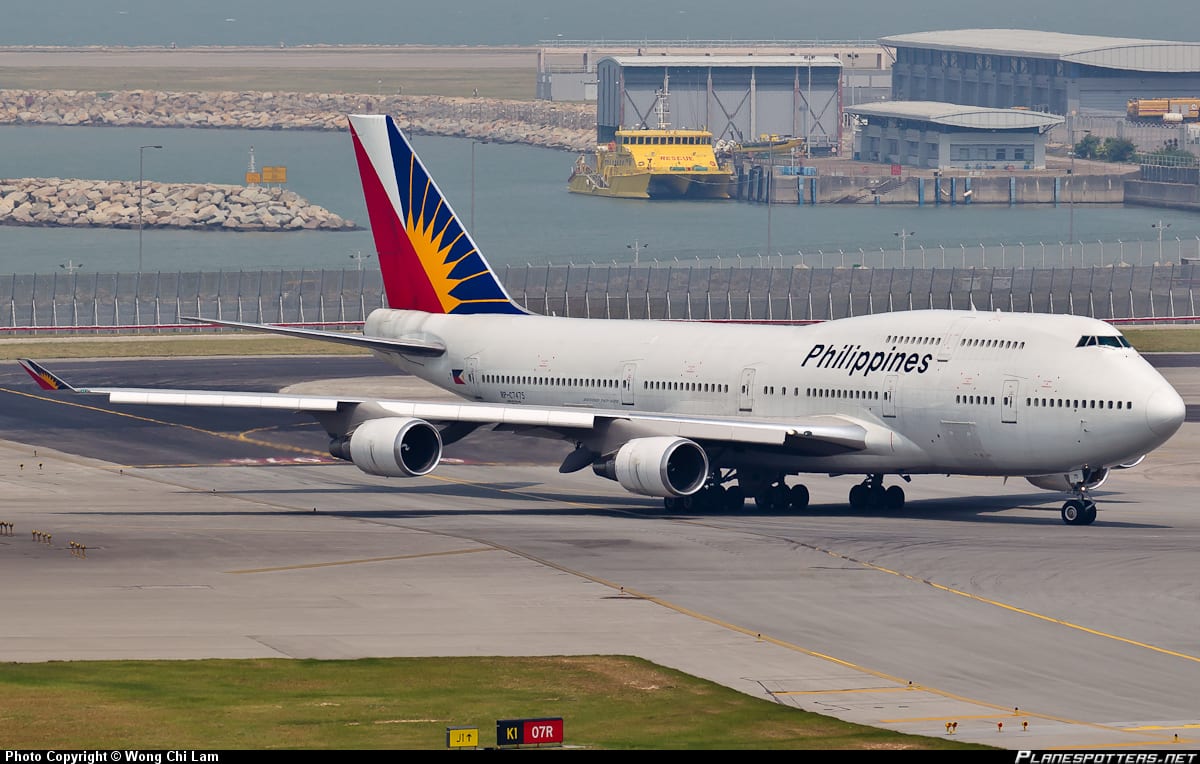
    The country’s flag carrier Philippine Airlines (PAL) and Air Asia Philippines cancelled nearly 300 domestic and international flights in anticipation of disruptions in runway operations on the week of the Asia-Pacific Economic Cooperation (Apec) Summit.

    In an advisory, PAL announced it was grounding 115 domestic and 96 international flights from Nov. 15 to 20 “to give way to the arrival and departure of Apec leaders.”

    The Manila International Airport Authority (MIAA) had announced periods of temporary runway closure at the Ninoy Aquino International Airport as part of the protocol for the arrival and departure of world leaders.

    Heads of state are expected to arrive on Nov. 16 and 17 for the summit which will be held on the 18th and 19th. They are expected to leave Manila on Nov. 19 and 20.

    “PAL assures affected passengers that the airline will reschedule their flights with rebooking and penalty charges waived,” the advisory said.

    Likewise, passengers with confirmed flights on Nov. 15, 16, 17, 18, 19 or 20 have the option to rebook within 30 days from their original schedule “for as long as the new schedule falls within the ticket validity period.”  They can also refund the full  ticket cost.

    PAL said that it may cancel more flights depending on the flight movements of the heads of state attending the summit.

    Meanwhile, Air Asia cancelled 74 domestic and 10 international flights from Nov. 17 to 20, also to give way to the arrival of heads of state.

    The airline gave passengers on the cancelled flights the option to rebook within 30 days of the date of their original flight schedule or get a refund.  Affected flyers may also avail of a credit shell within 90 days of the cancelled flight.

    A credit shell, according to Air Asia, is “a credit account where monies paid towards a booking  are stored.” The number issued, which is practically the booking number, in a credit shell account that may be used by passengers to transfer flights.

  • Philippine firms on billion dollar global shopping spree

    Philippine firms on billion dollar global shopping spree

    Philippine firms are on an unprecedented global shopping spree spending billions on everything from vineyards to food manufacturers and casinos reflecting the nation’s recent economic rise.

    A combination of strong domestic growth bargain prices in retreating economies abroad and rock-bottom borrowing rates have fuelled the acquisitions analysts said.

    The Southeast Asian nation has for years exported shopping malls and junk food to the region but cashed-up Filipino firms have diversified in recent years with acquisitions around the world and in many sectors.

    “It has not happened in this rapid succession. It’s like a colonial mentality in reverse” said Luis Limlingan research head at Manila stock brokerage Regina Capital.

    The pace of the acquisitions has startled both local and foreign investors according to BDO Unibank chief market strategist Jonathan Ravelas.

    “Filipino companies are moving into the global space and it’s not limited to just one sector. The opportunities abound” he said.

    In one of the most-recent big-ticket acquisitions local instant noodle firm Monde Nissin said last month it was buying British meat substitute manufacturer Quorn for 550 million pounds (833 million).

    In the last two years the private company also snapped up popular fruit juice brand Nudie and chilled dips manufacturer Black Swan both from Australia for undisclosed amounts.

    Monde Nissin is owned by Betty Ang who started her company 30 years ago and is now the nation’s 19th richest person with a net worth of 900 million according to Forbes.

    Meanwhile Emperador a company controlled by the Philippines’ fourth richest man Andrew Tan and which specialises in cheap brandy at home is looking to spend more than one billion dollars on diversifying in Europe.

    In May the company said it would bid to acquire French cognac maker Louis Royer SAS.

    There has been no resolution in that attempt yet but last year it paid 430 million pounds (726 million) for Scottish whisky maker Whyte and Mackay.

    Emperador also spent 60 million euros (82 million) last year for half of Spanish brandy producer Bodega Las Copas.

    The Philippines’ third-richest man Enrique Razon has made headlines by expanding on the port operator business that has made him his fortune by setting his sights on the Asian gaming market.

    He opened a billion-dollar casino in Manila in 2013 and then in March this year his Bloombery Resorts firm announced it was buying AN island and part of another one in South Korea for his first overseas gaming foray.

    Analysts said these were some of the highest-profile acquisitions overseas but there were many others in a wide range of sectors including telecommunications power fast food and oil.

    Awash with cash

    Filipino firms are leveraging their earnings from a robust local economy to snap up bargains in countries where growth has slowed analysts said.

    “These companies have huge stashes of cash and they are maximising it to compliment their existing businesses” said Astro del Castillo managing director at Manila stock brokerage First Grade Holdings.

    The Philippines had for decades endured low economic growth compared with other Asian tiger economies partly due to crippling corruption and red tape.

    But in recent years the economy has been one of the strongest in Asia averaging growth of 6.3 percent between 2010 and 2014.

    President Benigno Aquino whose six-year term ends in 2016 has been widely credited overseas for the economic gains due to his efforts to tackle graft and stifling government bureaucracy.

    This year the economy has slowed but still expanded by 5.3 percent in the first half.

    But many of the enduring problems remain at home and these are forcing the local firms to look elsewhere according to Victor Abola an economist at the University of Asia and the Pacific.

    “It’s not so much a lack of growth opportunities (locally)” Abola said explaining why Filipino companies were investing abroad.

    “It’s about the government changing the rules of the game midstream… and slow action on proposals.”

    The Philippines ranks 95th out of 189 economies based on ease of doing business according to The World Bank’s International Finance Group.

    But that is a huge improvement: under Aquino’s reign the Philippines has moved up 53 spots in the last four years.

  • Home-grown label M)phosis shuts stores

    Home-grown label M)phosis shuts stores

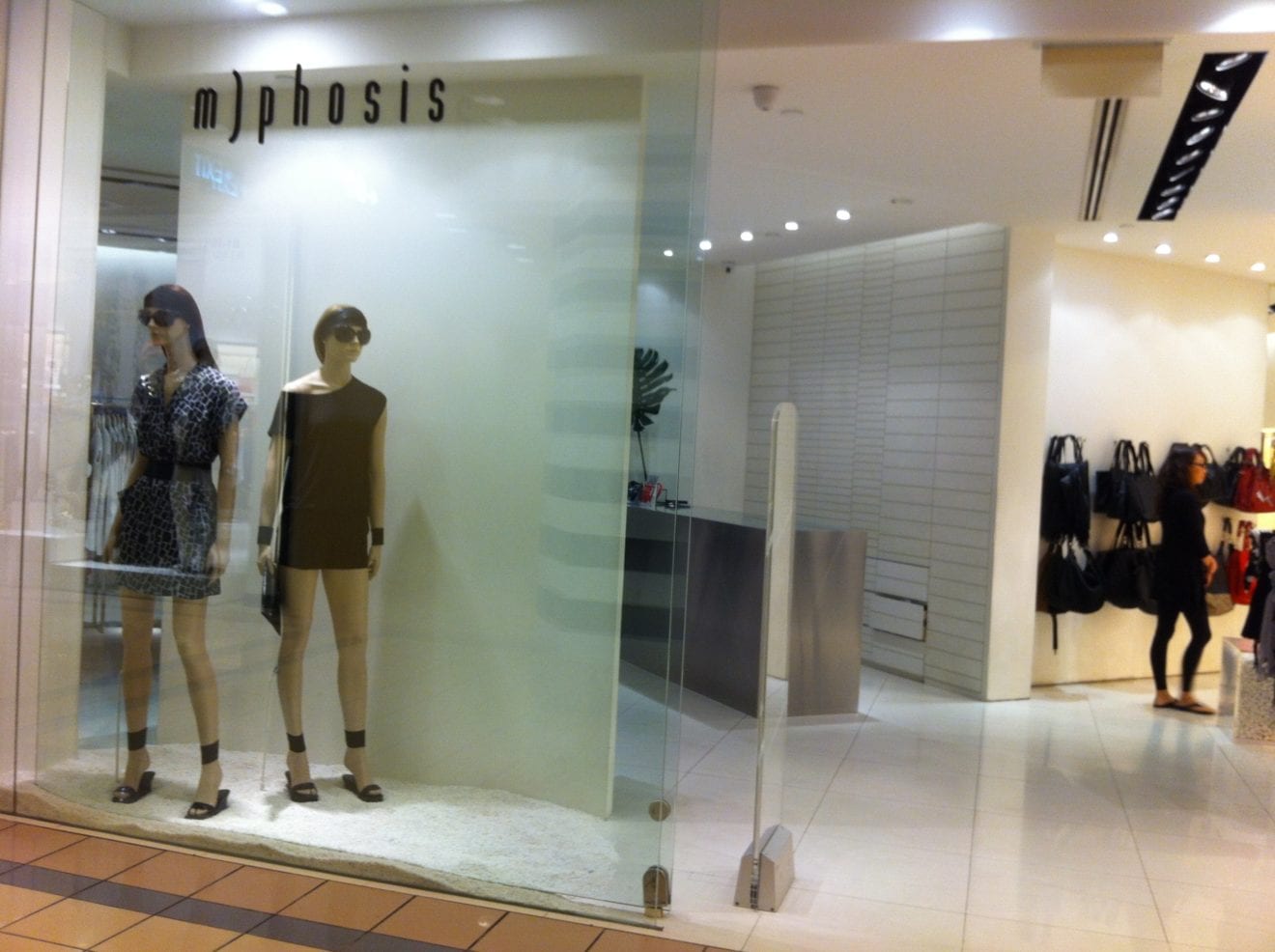
    Fashion brand M)phosis, once cited as among the more successful home-grown labels, has shut all its stores in Singapore.

    The Straits Times understands that all its outlets in Vietnam, Malaysia, the Philippines and Indonesia – more than 10 of them – are in the process of folding. Only its stores in China are still open.

    “In China, we are still in the marketplace,” the brand’s director, Mr Hensley Teh, told The Straits Times yesterday.

    “We were having a severe cash flow situation. We were not able to continue, despite wanting to. We did everything we could,” he said, adding that all staff at the affected outlets have been retrenched. “We thank our customers, who have supported us all these years.”

    The last M)phosis (pronounced “emphasis”) outlet to shut here was the one in VivoCity on Aug 25, but many former customers are now angry about being unable to redeem the vouchers they bought.

    STUCK WITH VOUCHERS

    They may have already known that they were going to shut down and they still sold the vouchers.

    MS CECILIA YEO, an upset customer who has $60 worth of unused vouchers

    Ms Cecilia Yeo, 37, said she was sold vouchers in April and was a “lifetime member” of the chain.

    “I am supposed to get 10 per cent discount for a lifetime,” she said, adding that she has $60 worth of unused vouchers.

    “When I bought them, staff told me not to worry about the expiry date. They may have already known that they were going to shut down and they still sold the vouchers. That is not right,” said Ms Yeo, a sales executive.

    Mr Teh said he is “deeply sorry” that not all vouchers had been redeemed.

    The chain had tried to reach out to as many customers as they could, to ask them to make redemptions before the last outlet shut, he said, adding: “We don’t take the matter lightly. But we are not in a position now to make any promises.”

    M)phosis first opened in 1994 at Change Alley.

    Catering to women aged 18 to 35, and selling clean-cut designs in solid colours, it soon expanded to more than 10 outlets.

    By 1998, it had four stores in Jakarta and two in Kuala Lumpur. In 2009, it opened its first boutique in China. It then expanded into Dubai, Japan, Thailand, Vietnam, Australia, Hong Kong and the Philippines. The Dubai, Japan, Australia and Hong Kong stores shut several years back.

    At its peak, the brand had more than 30 outlets in total.

    Ms Sarah Lim, a senior retail lecturer at Singapore Polytechnic, said that stiff competition in the retail market was likely to blame for M)phosis’ downfall.

    “The brand sells many clothes in classic cuts and colours. But there are so many brands out there that sell the same thing.

    “Large international names, like Zara, have similar items at lower prices with better designs,” she said, adding that the firm may have spread itself too thin during the expansion phase.

    Mr Seah Seng Choon, executive director of the Consumers Association of Singapore, said that it would be difficult for customers to get refunds for unused vouchers.

    “If the shop has already shut down here, and there are no other places to redeem the vouchers, there is not much customers can do,” he said, adding that they can choose to hire a lawyer to sue the firm. “But doing this is costly and does not make sense. Also, even if they do that and win, the company may not have assets available for claiming and cannot honour the vouchers anyway.”

  • Philippines ranked among most vulnerable to retail systems hacking

    Philippines ranked among most vulnerable to retail systems hacking

    The Philippines ranked among the countries in the region most vulnerable to hackers who target electronic retail systems, cybersecurity company Trend Micro’s Philippine unit said on Wednesday in a media briefing.

    Point-of-sale (POS) system malware incidents, affecting purchases made through a credit card or a debit card, are among the most prevalent cyber crimes in the Philippines.

    In the Asia-Pacific, the Philippines had the fifth highest rate of POS attacks at 6% while the United States topped the list at 31%. Countries in second to fourth place were Australia (10%), Taiwan (9%), and Brazil (8%).

    The study covers the first half of 2015.

    POS systems are becoming increasingly available to even small to medium enterprises due to the influx of card-swiping devices employing cheap hardware, it sad.

    “It’s not just the cards, but the system server where the data is stored or the gadget being used to swipe the card is also vulnerable,” said Myla V. Pilao, Trend Micro Philippines’ Director of Marketing Communications said.

    Meanwhile, online banking was also an area of concern, as the Philippines had the fourth highest number of attacks in the region. There were over one million malware detections in the Philippines for the third quarter alone, Trend Micro said.

    As Filipinos become more accustomed to make their purchases through e-commerce, Trend Micro noted that local banks still do not use the most modern security practices for their credit and debit cards.

    Financial institutions in the Philippines still do not employ EMV cards that come with embedded chips as an added security feature to the personal identification number.

    “Anything that is connected to the Internet, we have to assume that it is a target,” said Ms. Pilao.

    “It would take us years to put up regulation (against cybersecurity threats), that is the biggest hurdle. We also need capacity building. Our law enforcement, they are used to investigating crimes on the street but to get them to investigate online won’t be easy because it’s not their habit,” she said.

    The country’s e-commerce law, which Ms. Pilao pointed out, is outdated based on what is happening in real world attacks. — Nicolo Paolo A. Pascual